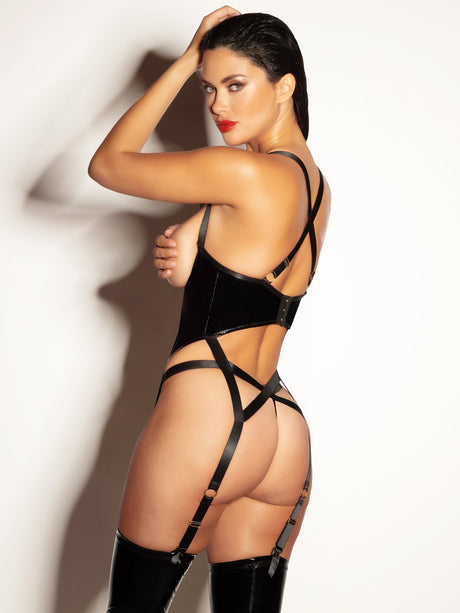
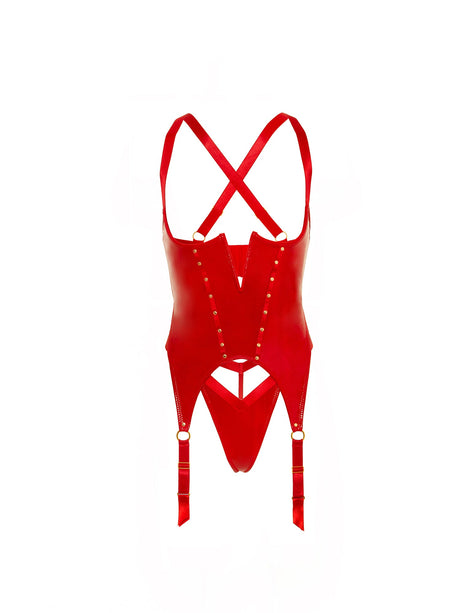
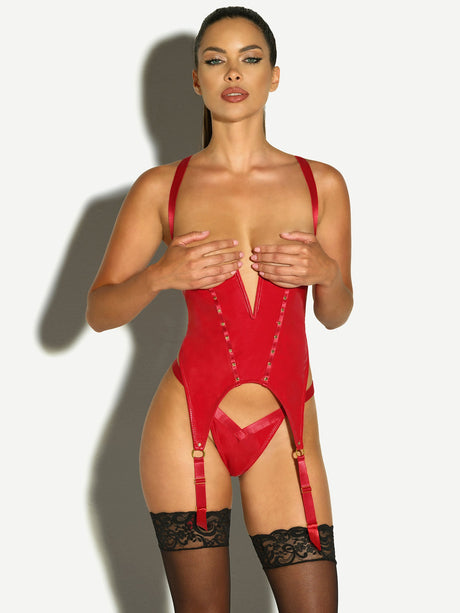
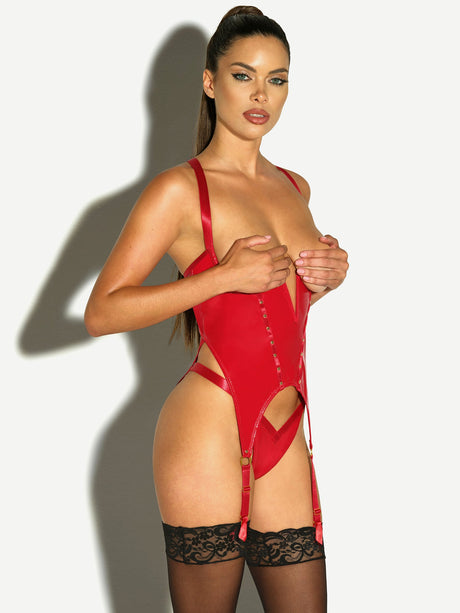
What is the difference between shapewear, a girdle and a faja?
Not how they work. All three are compression garments and all three do the same thing, which is redistribute soft tissue rather than reduce it. What separates them is the closure, and what you intend to use them for. Shapewear is the broadest term and usually means a pull-on garment: the tension is fixed by the fabric, you cannot change it, and the design priority is disappearing under clothing. A girdle has an adjustable closure, typically vertical columns of hook-and-eye fasteners, so you set the tension and can change it through the day, with compression concentrated at the abdomen and waist. A faja is simply the Spanish word for a compression garment, and in English-language retail it implies high compression with hooks or a zip. The distinction that matters most sits inside that last word: faja covers both cosmetic garments and genuine post-surgical compression specified by a surgeon, and those two are not interchangeable. For how compression actually behaves on the body, see what compression really does.
Three words, used interchangeably by shoppers and inconsistently by brands, describing garments that are genuinely different in one specific way.
The difference is not intensity, and it is not quality. It is who decides how tight the garment is.
- Same mechanism. All three redistribute tissue; none of them remove it.
- Shapewear: pull-on, fixed tension, built to disappear under clothing.
- Girdle: hook-and-eye columns, so you set the tension. Concentrated at the waist.
- Faja: Spanish for compression garment. High compression, and the term spans cosmetic and clinical.
- Post-surgical compression is specified by your surgeon, not chosen from a shop.
- Adjustability versus invisibility is the real trade. Hooks print through thin fabric.
- Waist training does not permanently reduce anything.
The Closure Is the Distinction
Every garment in this category compresses soft tissue and relocates it. That is not what separates them. What separates them is whether the tension was decided by the manufacturer or is decided by you, every time you put it on.

A pull-on garment has one tension setting, built into the fabric at the factory. You get whatever the manufacturer chose. That is a genuine advantage: nothing to fasten, nothing to print through, and no way to make it too tight by mistake.
A hooked garment hands that decision to you. Several columns of eyes mean several tension settings, adjustable through the day and as the garment relaxes over months. That is useful, and it is also how girdles get a reputation for discomfort, because the temptation is always to fasten one column tighter than is sensible.

The Three Terms

The Faja Problem
One word covers two garments with different purposes, and the overlap is where people get into difficulty. A cosmetic faja is a clothing choice. A post-surgical faja is part of a treatment plan, and which one you need is not a decision to make from a product page.
After procedures such as liposuction or abdominoplasty, surgeons commonly specify a compression garment. The compression level, the coverage, how long it is worn and when it changes are clinical decisions tied to the specific procedure and to how healing is going. Many surgical teams provide the garment or name exactly what to buy.
A high-compression faja bought from a shop may look similar and is not the same thing. It has not been specified for your procedure, and buying one on the assumption that firm is firm is not a safe substitute for the instruction you were given.
What to wear after a procedure, how tight, how long, and when to change garments are decided by the person who operated on you. Ranges circulate online and none of them override your surgeon’s instruction. If your instructions were unclear or you have lost them, contact your surgical team and ask rather than working from a general guide, including this one. The same principle applies to bras after surgery, covered in the surgical bra guide.
Which to Choose
| If you want | Choose | Why |
|---|---|---|
| To forget you are wearing it | Pull-on shapewear, moderate compression | No closure, bonded edges, nothing to adjust or print through. |
| Invisibility under thin jersey | Pull-on with bonded edges | Hook columns have thickness and will show. |
| To adjust through a long day | Girdle | Loosen after a meal, tighten later. You control it. |
| Waist and tummy specifically | Girdle | Compression is concentrated there rather than distributed. |
| Firm shaping for one evening | High-compression faja or firm girdle | Tolerable for a few hours, uncomfortable for a day. |
| Post-surgical compression | Whatever your surgeon specifies | Clinical decision, not a shopping one. |
| Your first purchase | High-waist pull-on short, moderate compression | Covers the most situations and is comfortable enough to keep on. |
Buy a girdle that closes comfortably on the loosest column when new. The tighter columns are the adjustment you will need in six months as the elastane relaxes, exactly as with a bra band. Buying one that already needs the tightest column means it has nowhere to go, and it is a useful early-warning system too: if you find yourself moving to tighter columns to get the same result, the fabric has fatigued and the garment is near the end of its life.
Claims Worth Distrusting
There is no good evidence that wearing a compression garment produces lasting change in body measurements. Any difference while wearing one is displaced tissue, and displacement reverses when the garment comes off. Waist training claims in particular rest on before-and-after photographs taken with the garment on and off.
More pressure over the same area does not reduce volume, it pushes more tissue to the edges of the garment. Firmer compression bought a size down produces a more visible ridge, not a smoother line, and it becomes uncomfortable within an hour.
Compression garments do not reduce fat. Claims about sweating, detoxification or fat mobilisation from wearing a garment are not supported. If a product page leads with those claims rather than with construction, treat the rest of what it says with the same scepticism.
What is fair to say is narrower and still useful: a well-made compression garment changes how clothes sit while you wear it, and some people find firm compression around the trunk feels supportive. Neither of those requires overclaiming.
People ask which is strongest. The better question is who is setting the tension, because that is the only difference that changes what you should buy.
HauteFlair Fit Team
What This Means for You
Shapewear, girdle and faja are not three levels of the same thing. They are three closures. Pull-on means fixed tension and invisibility. Hooks mean you set the tension and accept that closures can show. Faja is the Spanish term, implies high compression in English retail, and carries a second meaning that belongs to surgeons rather than shoppers.
So choose by whether you want adjustability or invisibility, buy a girdle that closes on its loosest column, match compression to how long you will wear it rather than to ambition, and treat any claim about permanent reshaping as marketing.
And if the garment is for after an operation, that is a conversation with your surgical team rather than a purchase decision.
Shapewear at HauteFlair
Pull-on shaping shorts, bodysuits, slips and girdles with adjustable closures, light to firm compression. Sizes S through 6X. Free returns on unworn pieces.
Shop ShapewearHow Compression WorksFrequently Asked Questions
What is the difference between shapewear and a girdle?
What is a faja?
What is the difference between a girdle and a body shaper?
Are girdles better than shapewear?
Do fajas actually work?
Does waist training permanently change your waist?
Can I buy a post-surgery faja myself?
What compression level should I choose?
Are girdles uncomfortable?
Do girdles show under clothing?
Can compression garments cause health problems?
What size girdle should I buy?
How do you wash a girdle or faja?
How long do compression garments last?
Which should I buy first?
This article is for informational purposes only and is not medical advice. Terminology in this category is used inconsistently across brands and regions. Post-surgical compression garments, including their type, compression level and duration of wear, are clinical matters determined by your surgeon. Persistent numbness, pain, breathing difficulty, digestive discomfort or skin reaction while wearing compression garments should be assessed by a qualified clinician.