
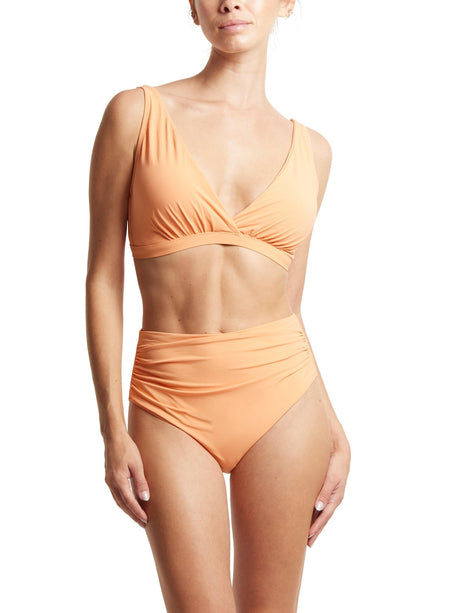
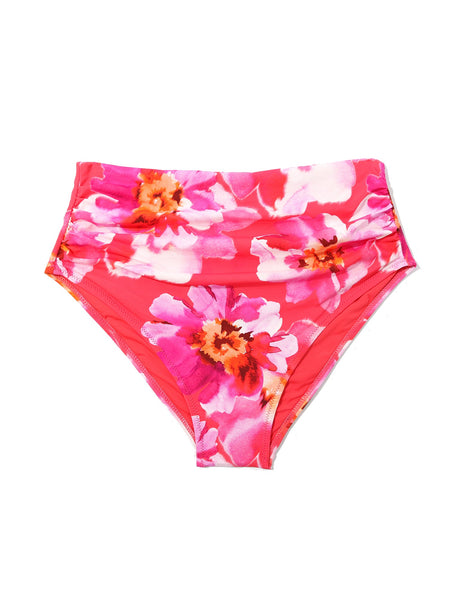
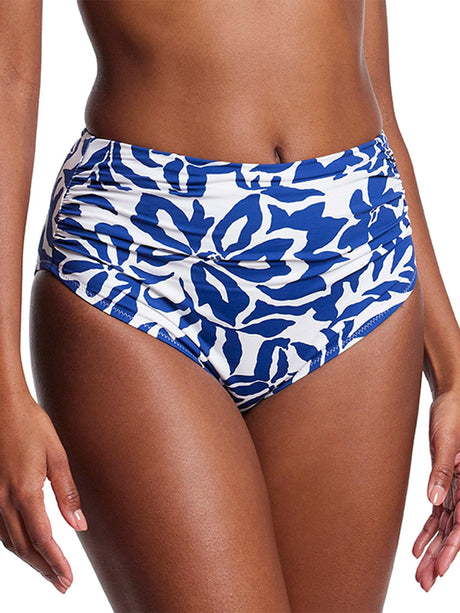
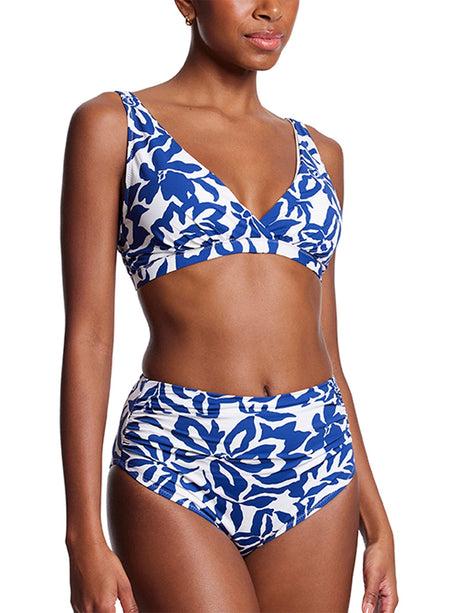


 Sold out
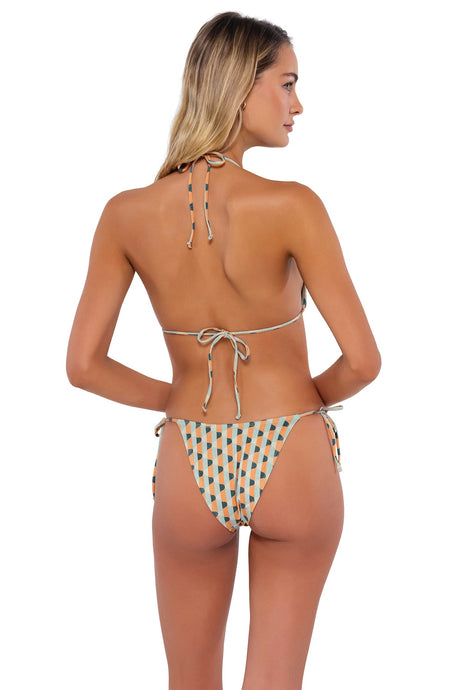
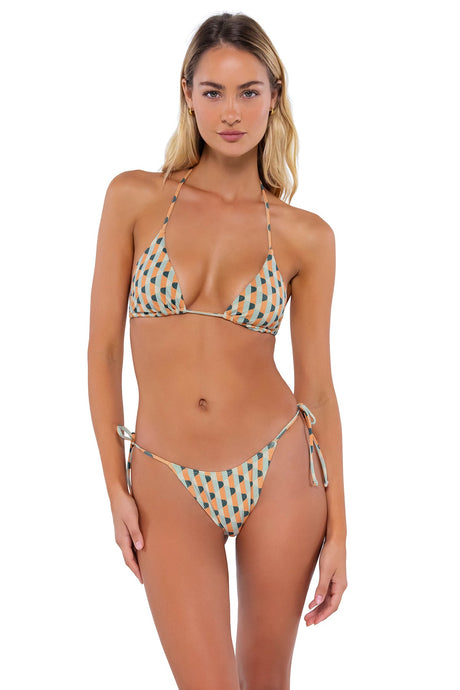
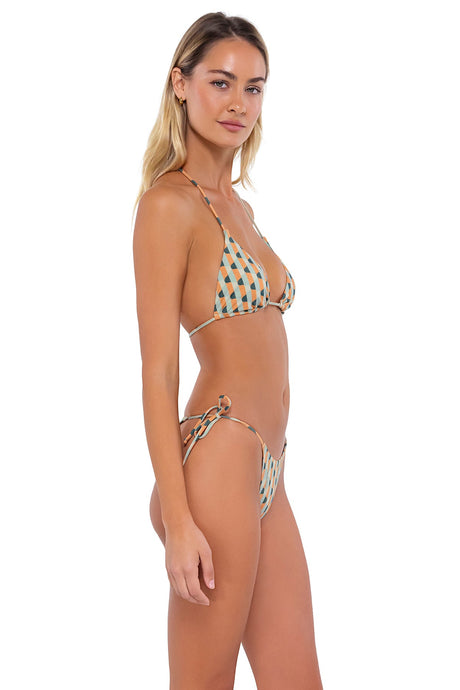
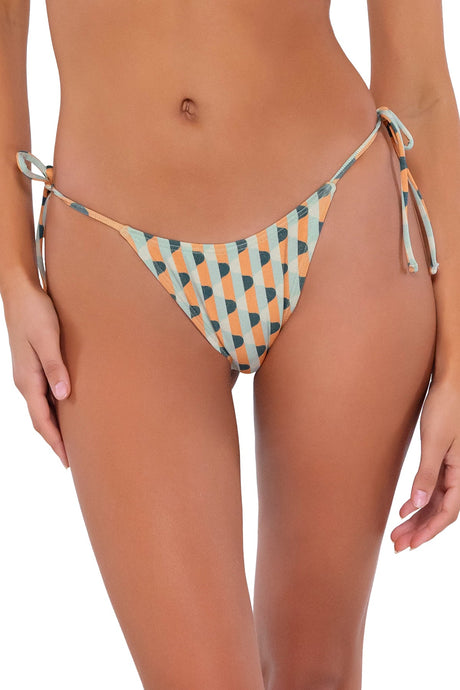
B Swim
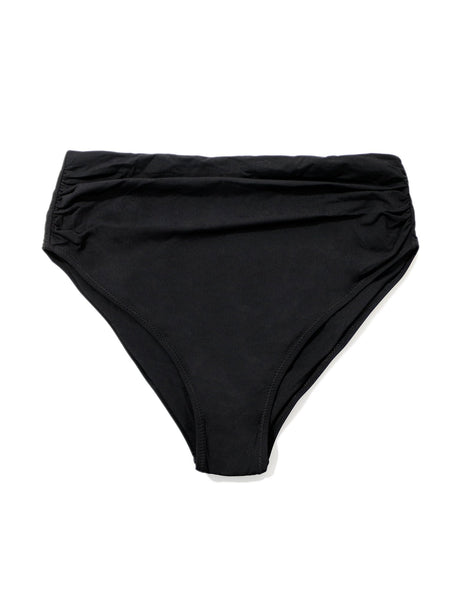
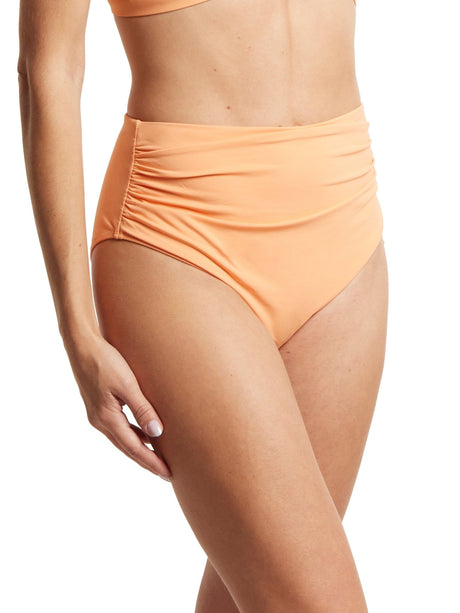
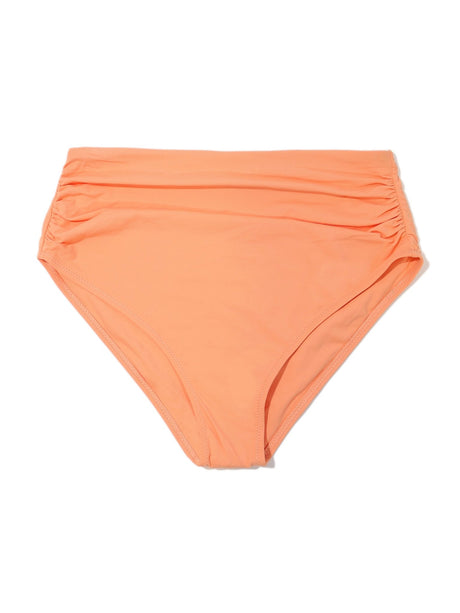
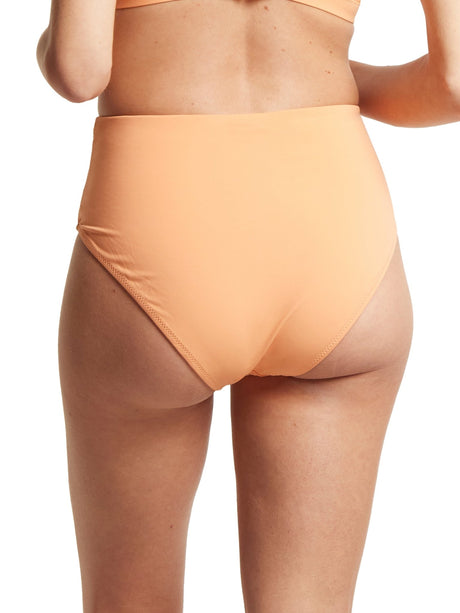
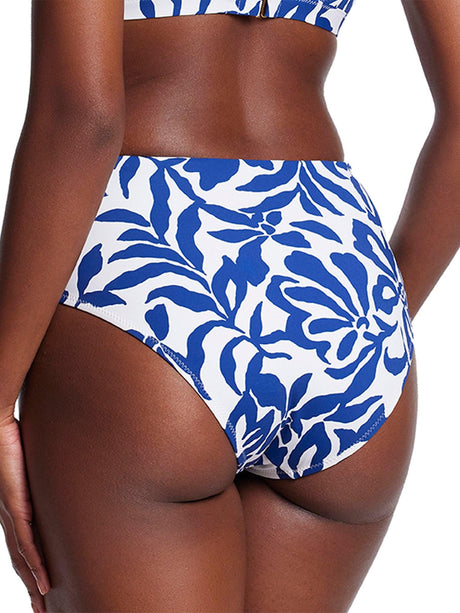
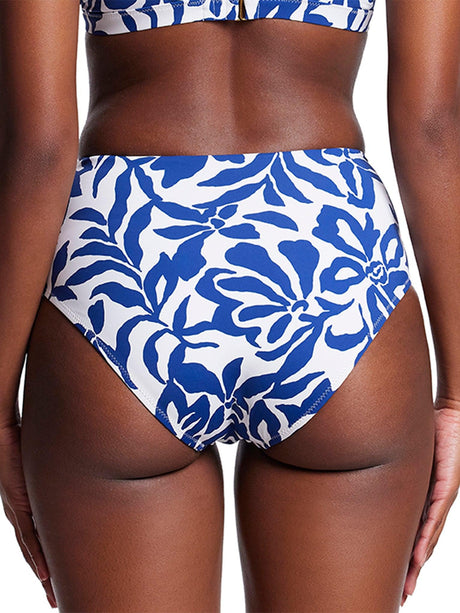
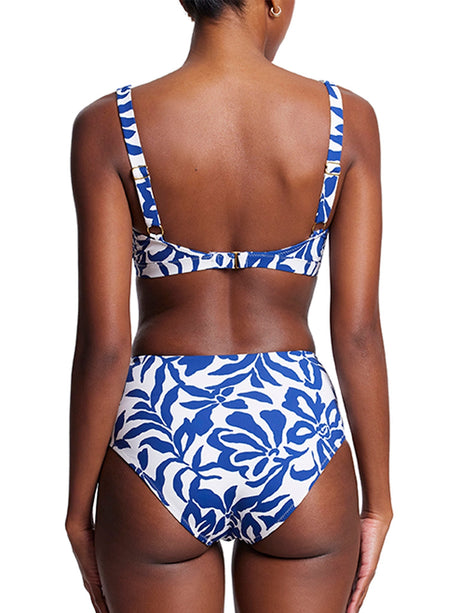
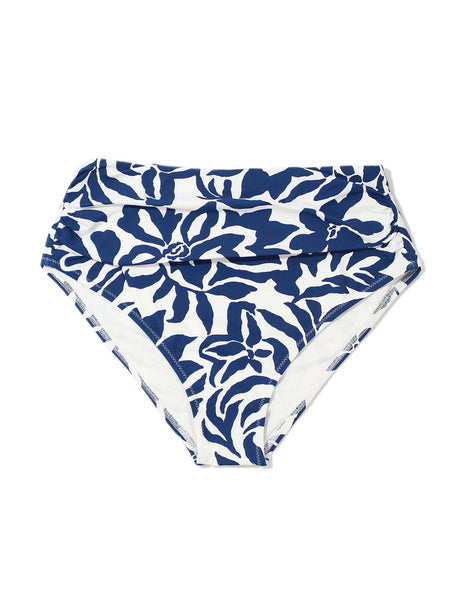
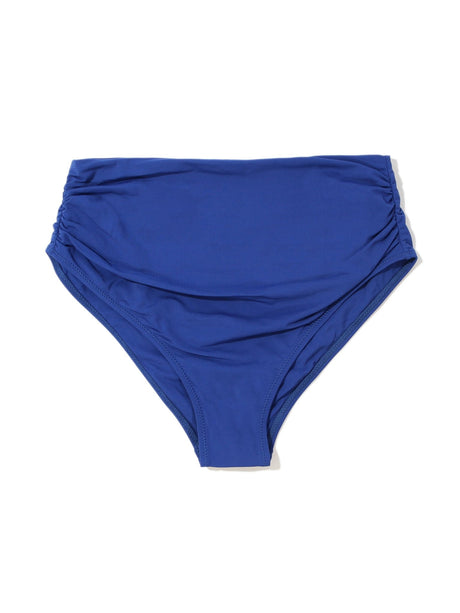
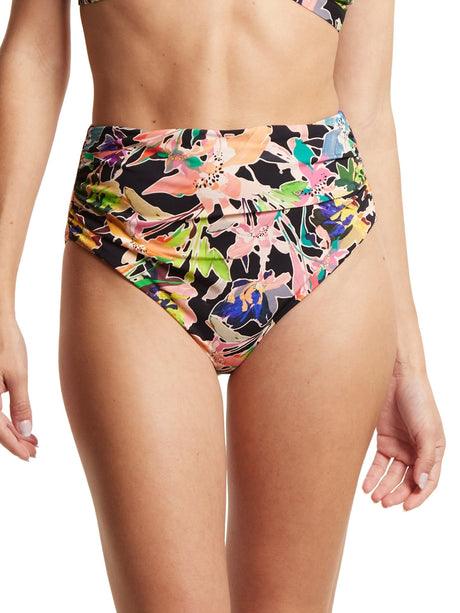
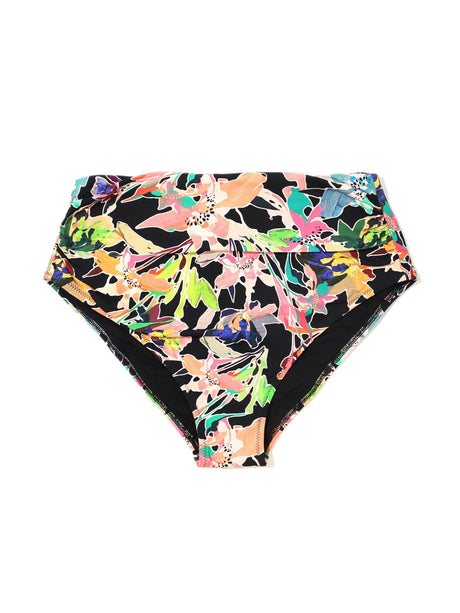
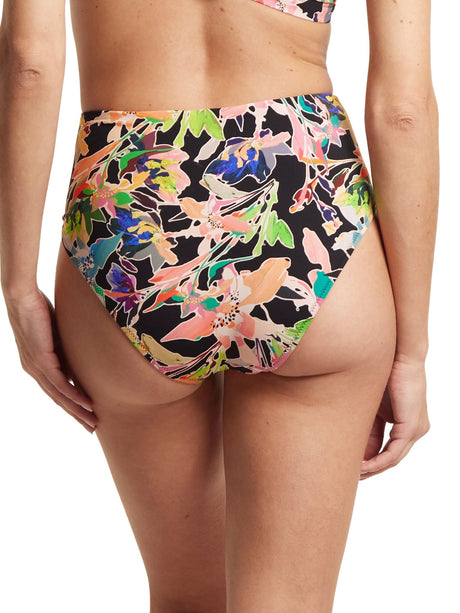
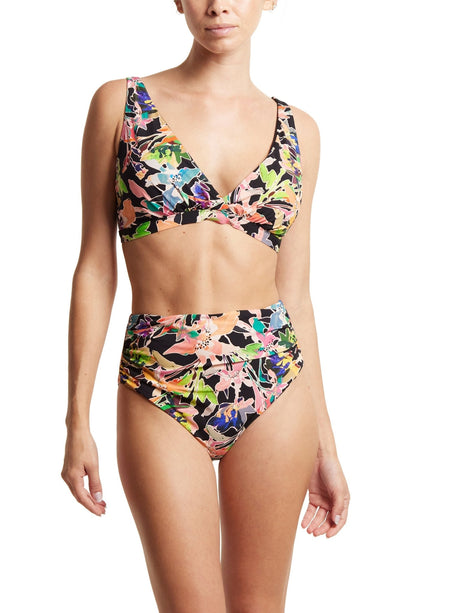
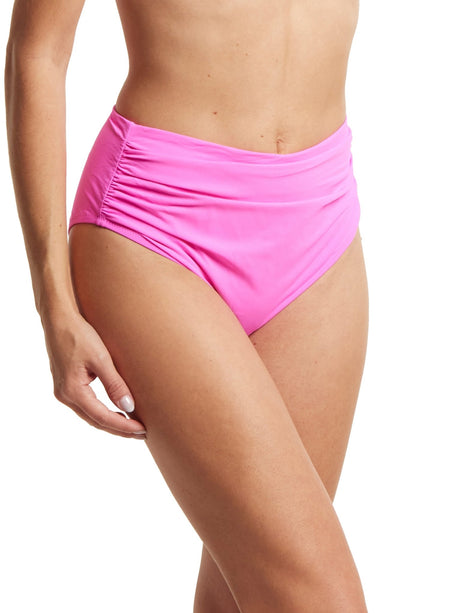
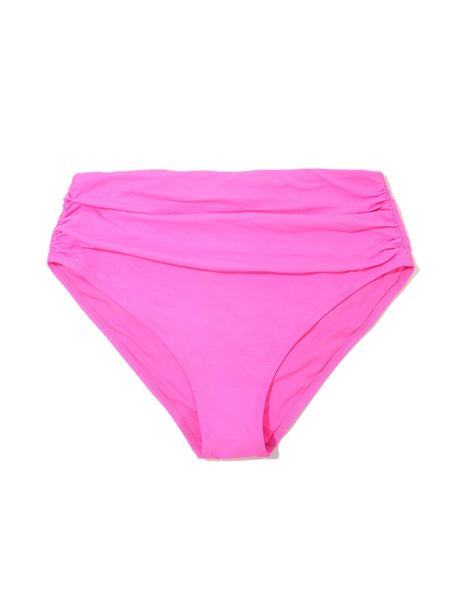
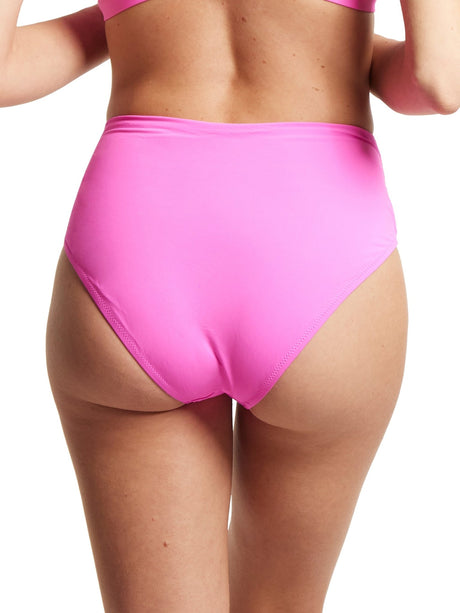
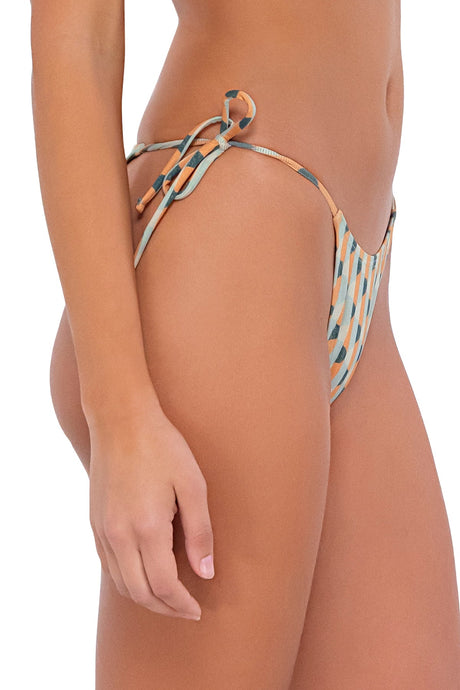
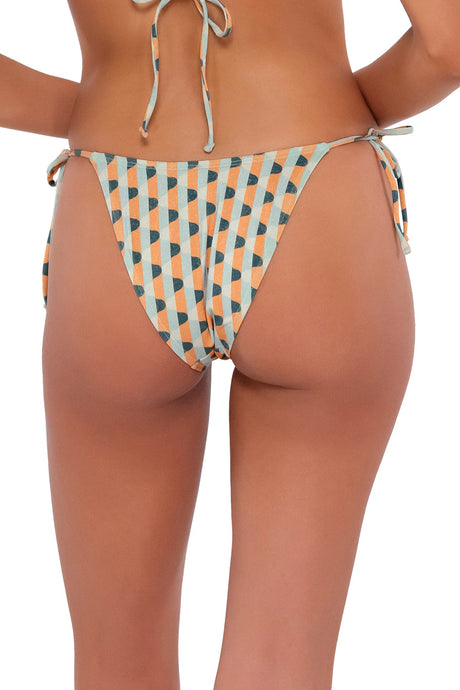
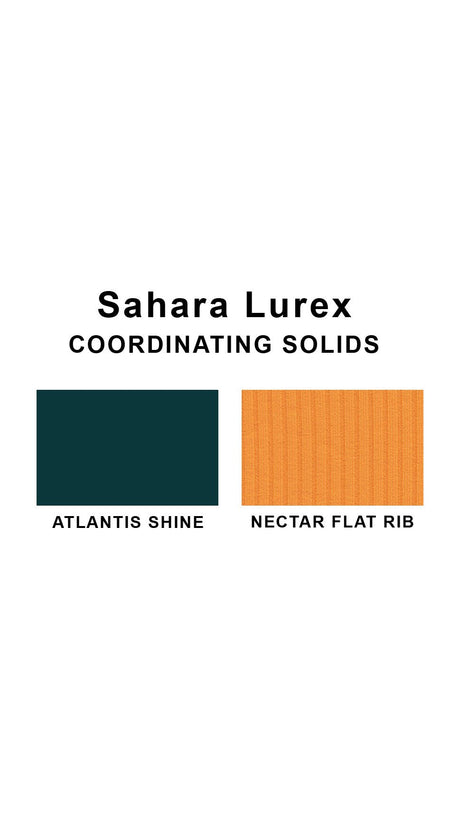
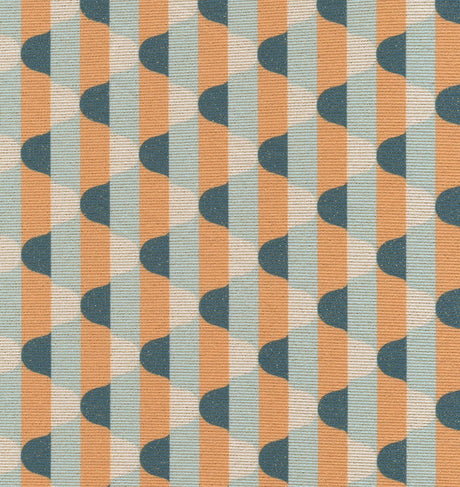
B Swim Sahara Lurex Jaelyn Bikini Bottom
Original price $66.00Unit priceAlmost gone (1 unit)

 Sold out


Brazilian Bikini Bottoms: Cheeky, Not Bare
A Brazilian cut is three things at once, not one: a narrowed back panel that is still a panel, a higher leg line, and usually a higher rise at the front. Most shops define it by the back alone, which is why nobody can tell it from a thong.
It is the step between a classic bottom and a thong, and that middle position is the whole point. These are bottoms, sold separately from tops, so you can set the coverage below and the shape above independently. Below: the full coverage ladder, what rise does to the leg line, and why double lining matters more here than on a full-coverage bottom.
What is a Brazilian bikini?
A Brazilian bikini is a style of swimwear defined by the cut of the bottom, not by a waxing style of the same name. Three features together make it Brazilian: the back panel is narrowed so it sits partly across the backside rather than covering it, the leg line is cut high on the hip, and the front usually rises higher than a classic mid-rise bottom to balance that leg line. The result reads cheeky rather than bare, which is what separates it from a thong: a thong narrows to a strip and leaves the seat exposed, while a Brazilian keeps a panel. On the coverage ladder it sits between a classic full bottom and a thong, and that is why it is the usual first step for anyone moving to less coverage. Brazilian bottoms are typically sold on their own rather than as a fixed set, so you choose the coverage below and the top shape above separately.
The coverage ladder, top to bottom
Five levels, with what each does to the back, the leg and the tan line. This is the comparison shoppers want and almost nobody puts in one place.
| Cut | Back | Leg line | Tan line |
|---|---|---|---|
| Full / classic | Covers the backside completely | Sits across the top of the thigh | A defined edge all the way round |
| Cheeky | Covers most of it, sits slightly higher | A little higher at the hip | Softer edge, still visible |
| Brazilian | A narrowed panel across the center | Cut high on the hip | Narrow edge, mostly at the hip |
| Thong | Narrows to a defined strip | Usually high | Almost no seat line |
| G-string | Narrows to a cord | High | The least possible |
Cheeky and Brazilian overlap heavily and plenty of retailers use the words interchangeably. If you want the strip rather than the panel, that is thong. For smaller panels across the whole set rather than just the bottom, see micro.
Brazilian bottoms by feature
Same coverage level, four different constructions, each solving a different problem.
| Feature | What it does | Choose it when | Watch for |
|---|---|---|---|
| High rise | Waistband sits at or above the natural waist, balancing the high leg | You want the leg line without the low-rise front | Rolling at the top if the rise is short for your torso |
| Front ruching | Gathered fabric across the front, so the panel moves with you instead of pulling flat | You want a forgiving front without more fabric | Ruching reads as texture under a sheer cover-up |
| Ruched or scrunch back | Gathered seam down the center back, shaping the panel | You want the narrowed look with a lifted finish | The gather can shift; check it after swimming |
| Tie side | You set the width at the hip yourself | You are between sizes, or want to adjust the leg line | Double-knot before surf; a single bow works loose |
Find your Brazilian bottom
Pick the card that matches what you want the cut to do.
Coming down from a full bottom
Start high rise. You get the cheeky back and the high leg while the waistband still sits where you are used to, so only one thing changes at a time.
Shop high rise →A forgiving front
Front ruching gathers the panel so it moves rather than pulling flat. The Hanky Panky high rise runs XS to XL in seven colorways and is double lined.
Shop ruched →Setting the leg line yourself
Tie sides let you pull the cut higher or lower on the hip. The B Swim Jaelyn pairs a scoop front with ties sitting high for a long-leg line.
Shop tie side →Building your own set
These are bottoms. Pick coverage below and shape above independently, which also lets you size the two separately.
Shop tops →Less than this
If the panel is more than you want, the next step down narrows it to a strip. That is a thong, and it is a different cut rather than a smaller size.
Shop thong →More than this
If you want the backside covered properly, you want a classic or full-coverage bottom rather than a larger Brazilian.
Shop fuller coverage →Brazilian is a cut, not a size. If a Brazilian bottom shows more than you want, going up a size will not fix it, because the proportions scale with you. You need the next cut up the ladder, which is a cheeky or a classic bottom.
The HauteFlair StandardThe complete Brazilian bikini guide
The three-part definition, the ladder, what rise does, construction detail, and care.
01The three things that make a cut Brazilian+
Retailers usually give one of these and leave you guessing. It takes all three:
- A narrowed back panel. Narrower than a classic bottom, but still a panel with width to it. The moment it becomes a strip, you are looking at a thong.
- A high leg line. The side is cut high on the hip rather than across the top of the thigh. This is what lengthens the look of the leg, and it is the feature people notice without being able to name.
- A higher rise at the front. Not always, but usually, because a high leg with a low front leaves very little fabric at the hip and tends to shift. The rise is there to balance the leg.
Get two of the three and you have something else: narrowed back with a low leg is just a cheeky bottom, and a high leg with a full back is a high-leg classic.
02Where it sits on the ladder, and the cheeky overlap+
Full, cheeky, Brazilian, thong, G-string. Brazilian sits in the middle, which is why it is the most common first move for anyone reducing coverage: one step, not a leap.
Be aware that cheeky and Brazilian overlap so heavily that many retailers use them interchangeably, and that is not dishonesty so much as a genuine grey area. The practical difference is the leg line: a cheeky bottom narrows the back but often keeps a normal leg, while a Brazilian pairs the narrowed back with a high leg. If a listing says cheeky and the photo shows a high hip, it is effectively Brazilian. Judge from the back and hip in the photo rather than the word in the title.
03Rise: high, mid and what it does to the leg+
Rise and leg line are a pair, and changing one changes how the other reads.
- High rise puts the waistband at or above the natural waist. It balances a high leg, covers the lower stomach, and gives the longest apparent leg of any combination. It is also the easiest version to wear if you are coming down from a full bottom, because only the back and leg change.
- Mid rise sits across the hip. It reads more classic and is less forgiving of a very high leg, because there is less fabric at the side to hold the cut in place.
- Low rise with a high leg leaves the least fabric at the hip of any Brazilian variation and is the most likely to shift when you move.
- Torso length is the hidden variable. A high rise cut short for your body will roll at the top rather than sit flat, and no size change fixes that.
For rise as the main event rather than a supporting feature, see high waisted bikinis.
04Construction: why double lining matters here+
This is the detail that separates swimwear worth buying from swimwear that embarrasses you, and almost no collection page mentions it. A single-lined light-colored bottom can go translucent when wet. At reduced coverage there is less fabric to hide behind, so the lining is doing proportionally more work. Double lined is what you want, particularly in white, nude and pale prints.
Worth looking for alongside it: recycled nylon content, which performs the same as virgin nylon here; UPF or sun-protection ratings such as UPF 50, which matter on a cut that exposes skin that has been covered all year; and fade-resistant finishes, because chlorine and strong sun take the color out of swimwear long before the elastic gives up. The Hanky Panky bottom in this collection carries all three, and is made in Colombia, which alongside Brazil is one of the two serious South American swim traditions.
05Care, and what actually kills swimwear+
Not swimming. Sunscreen, chlorine and heat, roughly in that order of how overlooked they are. Sunscreen oils break down spandex and stain pale fabric permanently, and most people never connect the two.
Rinse in cool fresh water as soon as you are out, every single time, before salt or chlorine dries into the fibers. Hand-wash with a gentle cleanser rather than detergent, never wring or twist, and lay flat to dry out of direct sun, since UV and heat finish off elastic faster than wearing it does. Rotating between two bottoms rather than wearing one repeatedly lets the elastic recover between wears and makes both last considerably longer.
Brazilian bikini FAQ
The questions shoppers ask most, answered straight.
What is a Brazilian bikini?
A Brazilian bikini is a swimwear style defined by the cut of the bottom. Three features together make it Brazilian: the back panel is narrowed so it sits partly across the backside rather than covering it, the leg line is cut high on the hip, and the front usually rises higher than a classic bottom to balance that leg line. The result reads cheeky rather than bare.
What is the difference between a Brazilian bikini and a thong bikini?
A Brazilian keeps a narrowed panel at the back. A thong narrows to a defined strip and leaves the seat exposed. Brazilian also tends to sit higher at the front. On the coverage ladder Brazilian is one step above thong, which is why it is the usual first move for anyone reducing coverage rather than going straight to a strip.
What is the difference between Brazilian and cheeky?
They overlap so heavily that many retailers use the words interchangeably. The practical difference is the leg line: a cheeky bottom narrows the back but often keeps a normal leg, while a Brazilian pairs the narrowed back with a high leg cut on the hip. If a listing says cheeky and the photo shows a high hip, it is effectively Brazilian. Judge from the photo rather than the word.
Are Brazilian bikini bottoms high waisted?
Often, though not always. A higher rise is common because a high leg line paired with a low front leaves very little fabric at the hip and tends to shift when you move, so the rise is there to balance the leg. High rise is also the easiest version to wear if you are coming down from a full-coverage bottom, since only the back and the leg change.
What is a ruched bikini bottom?
Ruching is gathered fabric stitched so it bunches rather than lying flat. On the front it makes the panel move with you and reads as more forgiving without adding coverage. Down the center back, sometimes sold as a scrunch back, it shapes the narrowed panel for a lifted finish. Front and back ruching are different features, so check which one a listing means.
What does high leg mean on a bikini bottom?
High leg means the side of the bottom is cut high on the hip rather than across the top of the thigh. It is what makes the leg look longer, and it is the single feature people notice on a Brazilian cut without being able to name it. The trade-off is less fabric at the side, so a high leg works best paired with a higher rise or with tie sides you can adjust.
Do Brazilian bikini bottoms reduce tan lines?
They soften them rather than remove them. With a narrowed back panel there is far less hard edge across the backside than a classic bottom leaves, but there is still a line, mostly at the hip where the high leg sits. A thong or G-string leaves less. One practical note: the skin a Brazilian cut exposes has usually been covered all year, so it burns faster than you expect.
Can you buy Brazilian bikini bottoms without the top?
Yes, and it is the better way to buy. Bottoms here are sold separately, which lets you set the coverage below and the shape above independently, and lets you size the two differently if you need to. It also means one bottom can work with several tops rather than being locked to one set.
What size Brazilian bikini bottom should I get?
Go by hip measurement rather than dress size, because the hip is where the cut actually sits. Then check rise against your torso length, since a high rise cut short for your body will roll at the top no matter which size you buy. If you are between sizes, a tie-side style removes the decision, because you set the width at the hip yourself.
Are Brazilian bikinis good for swimming?
Better than a thong, yes. A narrowed panel with a fixed waistband stays put well enough for real swimming, which is not always true further down the ladder. If you are swimming rather than lounging, choose a fixed waistband over tie sides, or double-knot the ties, and look for a double-lined bottom so nothing turns translucent when wet.
What is a tie side bikini bottom?
A bottom that fastens with ties at the hips rather than a fixed waistband, so you set the width yourself. It is the most useful feature if you are between sizes or want to pull the leg line higher or lower. The one thing to remember is to double-knot before going into surf, because a single bow works loose and there is no backup.
Does lining matter in a bikini bottom?
More than almost anything else, and hardly anyone mentions it. A single-lined light-colored bottom can go translucent when wet, and at reduced coverage there is less fabric to hide behind, so the lining does proportionally more work. Look for double lined, especially in white, nude and pale prints. Alongside it, a UPF rating and a fade-resistant finish are worth having.
How do you care for a Brazilian bikini?
Rinse in cool fresh water immediately after every wear, before salt or chlorine dries into the fibers. Hand-wash with a gentle cleanser rather than detergent, never wring or twist, and lay flat to dry out of direct sun. Sunscreen is the overlooked one: the oils break down spandex and stain pale fabric permanently. Rotating between two bottoms lets the elastic recover and makes both last longer.
Find your Brazilian bottom
Narrowed back, high leg, high rise. Ruched fronts, tie sides and double lining, sold separately from tops so you can set the coverage below and the shape above independently.