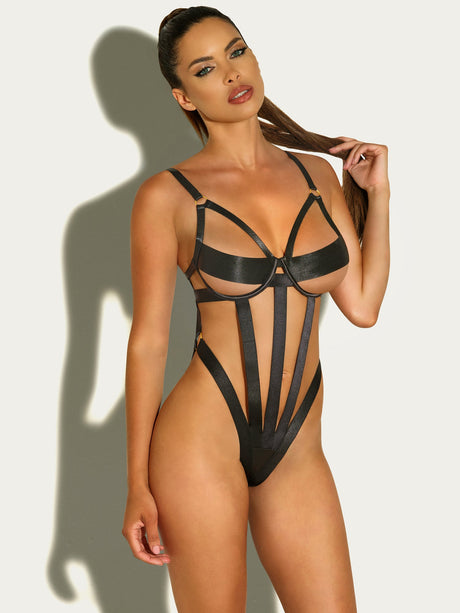
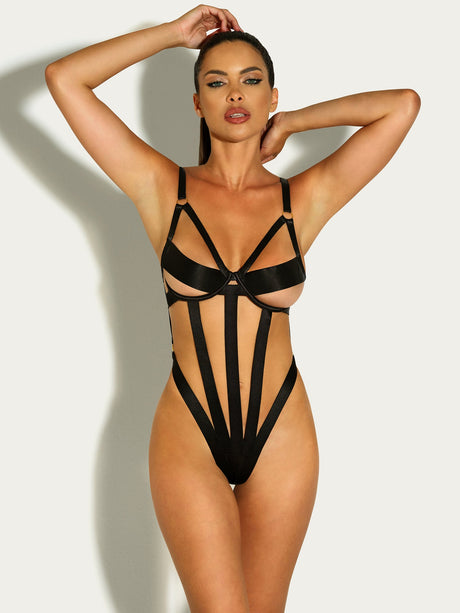
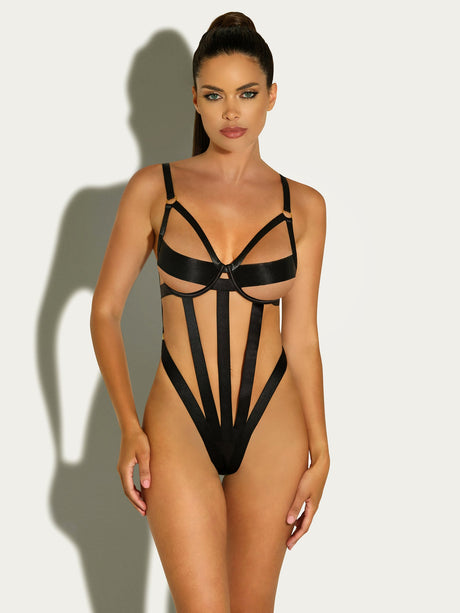
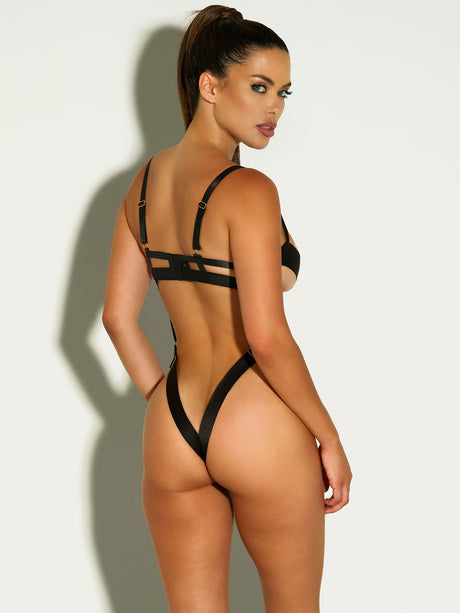
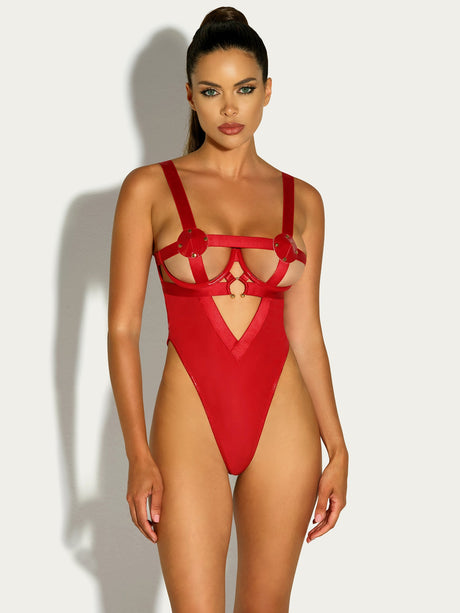
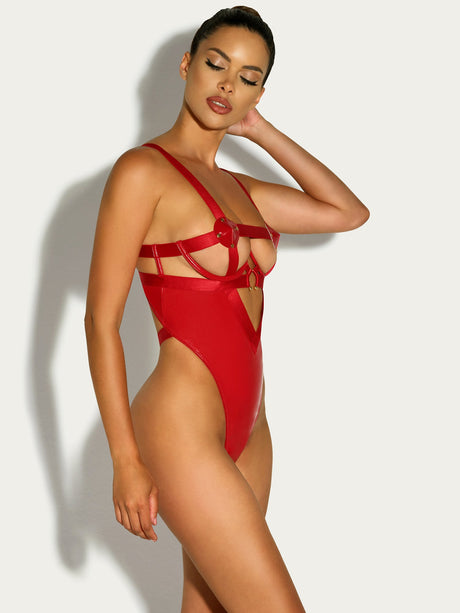
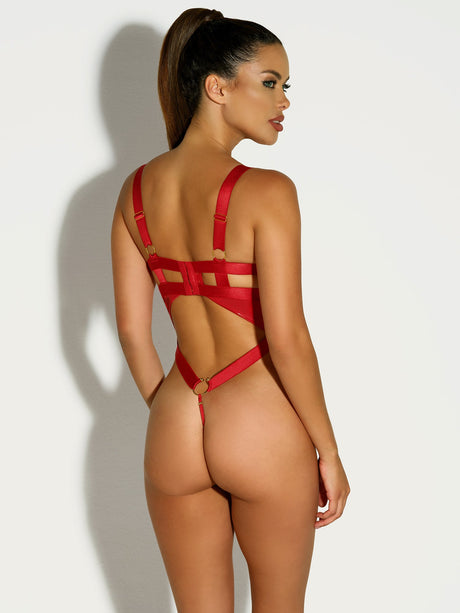
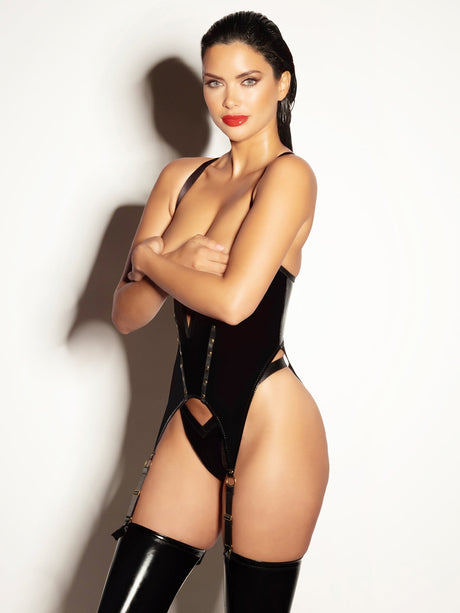
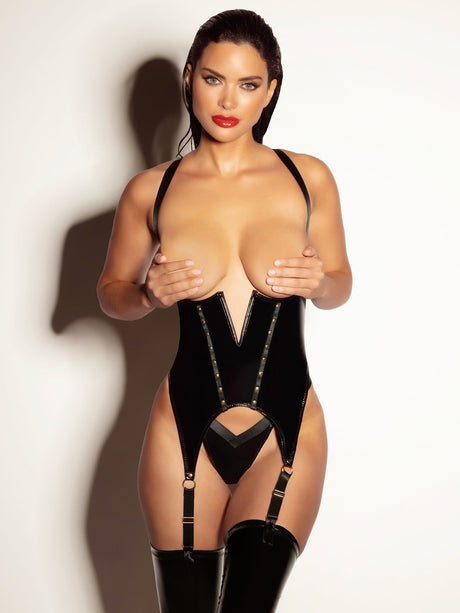
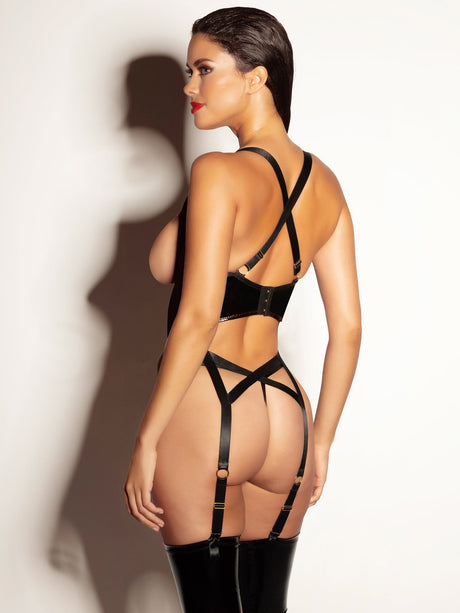
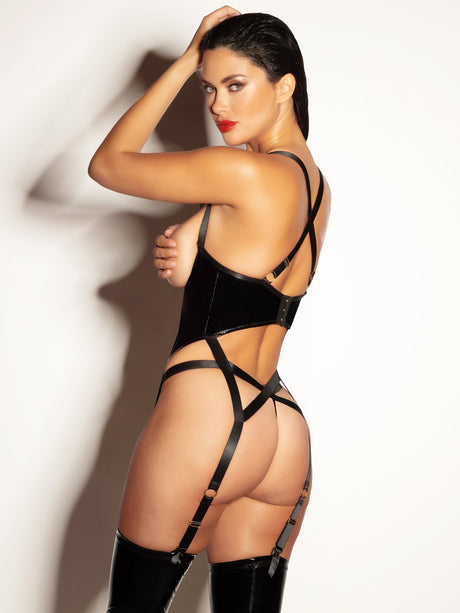
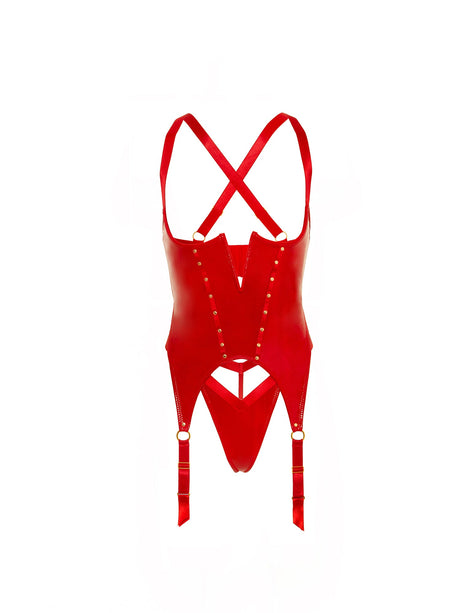
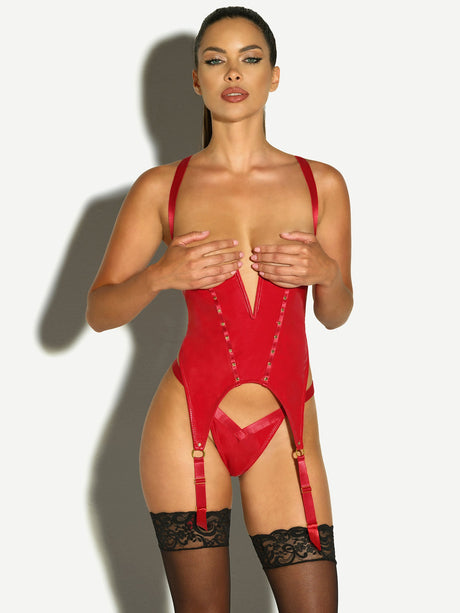
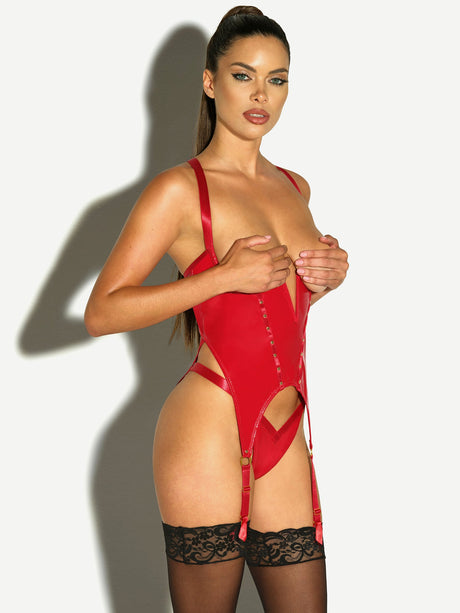
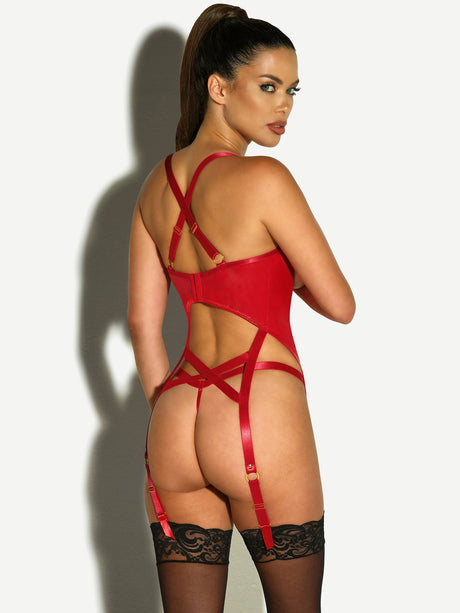
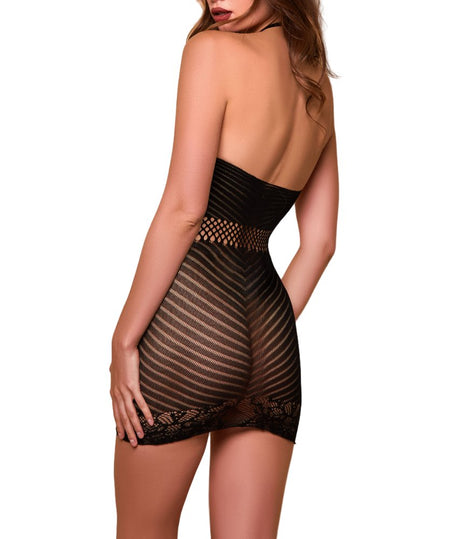
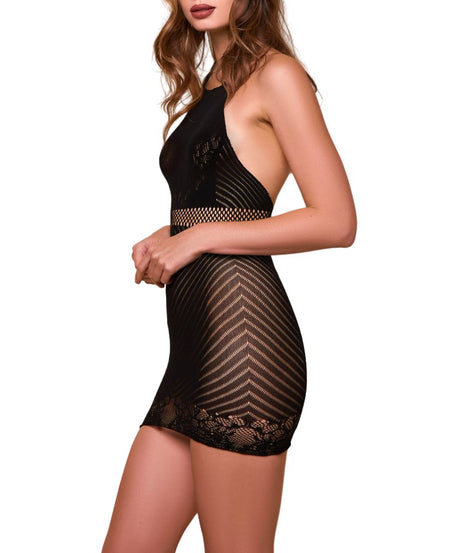
What is a corset?
A corset is a structured garment worn around the torso that shapes the waist and supports the body through rigid boning and adjustable back lacing. Corsets range from steel-boned styles built for genuine waist reduction and waist training, to lightly-boned fashion corsets and corset tops worn purely for style. The category is defined by its structure — boning, a front busk closure, and a lace-up back — rather than by any single fabric or silhouette.
This guide untangles that. We'll cover what a corset actually is (and how it differs from a bustier, a waist trainer, and shapewear), the two coverage families and the construction families, the materials that change how a corset performs, how to choose one for your goal, how corset sizing actually works, the most common mistakes, and how to break in and care for a corset so it lasts years rather than months.
Shop Corsets
Already know what you want? Browse the full corset collection — underbust, overbust, steel-boned, corset tops, and corset dresses, with fit notes on each product page.
Shop Corsets → Corset Tops →- The boning decides everything. Steel boning = real shaping and waist training; plastic "fashion" boning = style only. Match it to your goal before anything else.
- Two coverage families: underbust (sits below the bust, most versatile, best for beginners and waist training) and overbust (covers and supports the bust, more dramatic).
- Corset ≠ bustier ≠ waist trainer. A corset reshapes with rigid boning and lacing; a bustier softly supports; a waist trainer is usually a flexible latex shaper.
- Sizing runs by waist inches, not dress size. Fashion corsets sit near your natural waist; waist-training corsets run about four inches smaller.
- A correct fit closes with a small, even lacing gap (one to two inches, parallel top to bottom) and never causes pain.
- Season a new steel-boned corset — wear it loosely for short sessions first — before lacing tight, or it warps.
- Never machine wash a steel-boned corset. Spot-clean, air out, store flat or rolled busk-out.
What a Corset Actually Is
A corset is defined by its structure, not its look. Three features make a garment a true corset: boning (rigid strips sewn into channels that hold the shape), a busk (the rigid front closure that lets you fasten and unfasten it), and back lacing (the laces that let you adjust tension and reduction). Take those away and you have a corset-style top, not a corset.

This is where most confusion starts, because several different garments share the look but not the structure:
| Garment | Structure | What It Does | Reshapes Waist? |
|---|---|---|---|
| Corset | Rigid boning, busk, back lacing | Shapes and reduces the waist; supports the torso | Yes (with steel) |
| Bustier | Light boning, hook closure, no lacing | Supports and smooths; shapes gently | Minimal |
| Waist trainer | Flexible latex or fabric, hook-and-eye | Compresses and slims the midsection | Compresses, not structured |
| Corset top | Plastic boning, styled as outerwear | Creates the corset silhouette as a fashion piece | No |
The practical takeaway: if your goal is genuine waist shaping, you need a steel-boned corset — full stop. If your goal is the look, a corset top, fashion corset, or bustier gets you there with far more comfort and no break-in period. Confusing the two is the single most common reason a corset purchase disappoints.
A corset earns its name from what's inside it. Before you fall for a fabric or a color, look at the product description for two words: steel boned. Their presence (or absence) tells you instantly whether you're buying a shaping garment or a beautiful fashion piece — and that single distinction matters more than every other spec combined.
The Main Types of Corsets
Corsets organize along three axes: coverage (where the corset sits), construction (what it's built to do), and styling (how it's worn). Each of the major types below has — or will have — a dedicated guide that goes deeper than this hub. Click through to any family for the complete breakdown, or jump straight to shop.
Underbust Corsets
Sit below the bustline and pair with any bra. The most versatile type, easiest to fit, easiest to conceal, and the standard choice for waist training and beginners.
Read Guide → Shop Underbust →Overbust Corsets
Extend up over the bust to cover and support the chest, creating a dramatic full-torso line. Favored for bridal, formal, and statement looks — harder to fit because bust and waist must both be right.
Read Guide → Shop Overbust →Steel-Boned Corsets
Built with flat and spiral steel bones to hold shape under real tension. The only type capable of genuine waist reduction — and the foundation of any serious waist-training wardrobe.
Read Guide → Shop Steel-Boned →Waist Training
The practice of wearing a steel-boned corset regularly to gradually shape the waist. Covers realistic expectations, schedules, seasoning, and how to do it safely and comfortably.
Read Guide → Shop Training →Corset Tops
The corset silhouette worn as outerwear — over a shirt, with jeans, or on its own. Lighter boning for movement and comfort; no lacing commitment or seasoning required.
Read Guide → Shop Tops →Corset Dresses
A corset bodice with an attached skirt — from bridal and formal gowns to bold going-out pieces. The structured top creates the waistline; the skirt sets the occasion.
Read Guide → Shop Dresses →Two related garments sit at the edges of the category and have their own guides: the bustier (softer, lightly-structured support — see corset vs bustier for the full comparison), and the corset belt, a wide boned belt worn as an accessory over clothing. Historical styles — Victorian, Edwardian, and steampunk overbust corsets — are mostly overbust steel-boned corsets distinguished by their fabric and detailing rather than their construction.
Find Your Corset
Three quick questions — we'll point you to the right type, construction, and starting collection for your goal, coverage preference, and experience level.
Materials and Boning
Two specs determine how a corset performs: what it's boned with, and what it's made of. The boning sets the ceiling on shaping; the fabric sets the comfort and lifespan.
Boning — the spec that matters most
- Spiral steel flexes in multiple directions and sits around the curved sides of the body. It's what makes a steel-boned corset move with you instead of fighting you.
- Flat steel is rigid and runs along the front (beside the busk) and the back (beside the grommets), where the corset needs to stay straight and resist the lacing tension.
- Plastic / synthetic "whalebone" is found in fashion corsets and corset tops. It's lightweight and comfortable but bends and warps under real tension — fine for a silhouette, useless for shaping.
Fabric — comfort and longevity
| Material | Reads As | Best For | Notes |
|---|---|---|---|
| Cotton / Coutil | Functional, breathable, sturdy | Waist training, frequent wear | Most durable |
| Satin | Luxurious, smooth, lustrous | Special occasion, bridal | Shows wear faster |
| Brocade | Ornate, textured, classical | Statement & historical styles | Holds structure well |
| Leather / Faux Leather | Bold, edgy, high-impact | Statement & fashion pieces | Specialty care |
| Mesh | Light, cool, semi-sheer | Warm weather, layering | Less concealing |
For genuine waist training, coutil or strong cotton with steel boning is the gold standard — it breathes, it lasts, and it withstands daily tension. Satin and brocade are beautiful for occasions but wear faster under hard use. Save leather, faux leather, and mesh for fashion and statement pieces where the look matters more than the shaping.

How to Choose by Use Case
The right corset depends as much on how you'll wear it as on what you like. Four common goals each point to a different answer.
Steel-Boned Underbust, Cotton or Coutil
For genuine, gradual waist shaping, choose a steel-boned underbust corset in cotton or coutil, sized about four inches under your natural waist. Underbust is easier to fit, conceal, and wear for long sessions than overbust. Plan to season it before tight wear, build up wear time gradually, and prioritize fit and comfort over maximum reduction. This is the one use case where construction is non-negotiable. Read the full waist training guide and browse training corsets at HauteFlair.
Overbust or Corset Dress, Quality Construction
For weddings and formal events, an overbust corset or a corset dress creates the dramatic, defined waistline that photographs beautifully. Satin and brocade read luxurious; ivory, champagne, and white suit bridal palettes. Order early — overbust styles often need fitting adjustments, and a corset bodice under a gown should be tried with the dress. Browse overbust corsets and corset dresses at HauteFlair.
Corset Tops, Light Boning, No Commitment
For the corset look in daily rotation, a corset top is the practical choice. Lighter boning means comfort and movement; styling over a shirt, with high-waisted jeans, or atop a slip dress turns it into outerwear. Neutral colors layer most easily; brocade and statement colors work as the focal point. No lacing routine, no seasoning — just the silhouette. Browse corset tops at HauteFlair.
Overbust, Leather, or Historical Styles
For boudoir, photography, and bold statement looks, dramatic overbust corsets, leather and faux-leather pieces, and ornate brocade or Victorian-style corsets photograph with depth and structure that softer pieces can't match. Prioritize a strong silhouette and clean lines over busy patterns. Two or three intentional pieces beat a closet of variations. Browse the full collection and leather corsets at HauteFlair.
Fit and Sizing — How Corset Sizing Actually Works
Corset sizing trips up nearly every first-time buyer, because it works nothing like clothing sizing. Corsets are sized by waist measurement in inches, not by dress size or S/M/L. Get this right and most fit problems disappear.

Find the narrowest part of your torso — usually about an inch above the navel — and measure around it snugly, level to the floor. This number, in inches, is the basis for every sizing decision. Don't use your trouser size or your bra band; corsets ignore both.
For a fashion corset or corset top worn for style, choose a corset close to your natural waist. For waist training or real shaping, choose one roughly four inches smaller — the lacing gap accommodates the reduction. Going more than four inches down as a beginner invites discomfort, not faster results.
A correctly sized corset closes with a small, parallel gap at the back — about one to two inches, the same top to bottom. That gap is intentional: it leaves room to tighten over time and lets you lace evenly. A gap that bows into a V (too small at the waist) or splays wider at top or bottom signals the wrong size or shape.
A corset that's right at the waist but too long will dig into your hips and ribs when you sit; too short and it won't shape properly. Measure from the underbust to the lap while seated, and check the brand's listed corset length against it — especially important for petite and tall figures.
Underbust corsets only have to fit the waist and hips, so they fit a wider range of bodies off the rack. Overbust corsets must also fit the bust correctly, which makes them harder to size — a reason most fitters steer beginners to underbust first.
A well-fitted corset feels like a firm, supportive hug. You should breathe, sit, and move comfortably. Pain, numbness, pinching, or trouble breathing mean it's too tight or the wrong shape — loosen or resize. Comfort is the sign of correct fit, not weakness of effect.
"The most common reason a first corset disappoints isn't the style or the price — it's sizing by dress size instead of by waist inches, then lacing a brand-new corset as tight as it will go. Measure your natural waist, size for your goal, season it, and the same corset transforms."
— HauteFlair Fit Editorial Team
For the full measuring walkthrough, see our how to measure for a corset guide. If you're shopping at a fuller figure, our plus-size corset guide covers torso length and construction in more detail.
The Most Common Corset Mistakes
Five patterns explain most disappointing corset purchases. Each is avoidable once you recognize it.
TRAINING
DRESS SIZE
SEASONING
FASTER
WASHING
A corset should never cause pain, numbness, shortness of breath, or digestive discomfort. Those aren't signs it's "working" — they're signs to loosen or remove it. Build up wear time gradually, listen to your body, and if you have any condition affecting your spine, ribs, or abdomen, check with a doctor before waist training. The look isn't worth your wellbeing.
Seasoning and Care
A quality steel-boned corset is an investment that lasts years — but only with the right break-in and care. Two practices protect it.
Seasoning a new corset
Seasoning is breaking the corset in so it molds to your body before you lace it tightly. For the first week or two, wear it loosely — about two fingers of room — for short periods, letting the fabric and bones conform to your shape. Increase tension and wear time only gradually. Lacing a brand-new corset all the way down stresses the seams and warps the bones, permanently shortening its life. Fashion corsets and corset tops don't need seasoning — only true steel-boned corsets do.
Caring for a corset
- Never machine wash or dry a steel-boned corset. Agitation warps the bones; heat destroys the structure. Spot-clean stains with a damp cloth and mild soap.
- Air it out between wears. Hang it to breathe (by the body, never the laces) rather than washing it after every use. A liner or thin top worn underneath keeps the corset cleaner longer.
- Store it flat or rolled busk-out. Roll with the front busk on the outside of the roll so the steel isn't forced to bend backward. Never fold a corset across the busk.
- Don't bend the busk. The front steel closure is the most vulnerable part — avoid sitting in ways that fold it, and fasten/unfasten gently from the bottom pin upward.
- Loosen before removing. Always slacken the laces before unfastening the busk, so the closure isn't fighting full tension. It protects both the busk and the seams.
Fashion corsets and corset tops are far more forgiving — most can be hand-washed in cool water and laid flat to dry, though you should always check the label. With proper seasoning and care, a quality steel-boned corset holds its shape and performance for years; rough handling can ruin one in a single season.
Frequently Asked Questions About Corsets
What is a corset?
What is the difference between a corset and a bustier?
What is the difference between an underbust and an overbust corset?
What are the main types of corsets?
What is a steel boned corset?
What materials are corsets made from?
How should a corset fit?
What size corset should I buy?
What is waist training?
Are corsets bad for you?
What is corset seasoning?
How do I put on a corset by myself?
Can plus-size women wear corsets?
How do I wear a corset as a top?
How do I care for a corset?
How much should I spend on a corset?
This guide is editorial and informational, not medical advice. Corset sizing, fit, and comfort vary across bodies, brands, and personal goals — what matters most is correct fit, gradual break-in, and comfort. A corset should never cause pain or difficulty breathing; discontinue use and consult a healthcare professional if it does, particularly if you have any condition affecting the spine, ribs, or abdomen. Refer to each brand's size chart for the best fit guidance. Last reviewed: May 25, 2026.