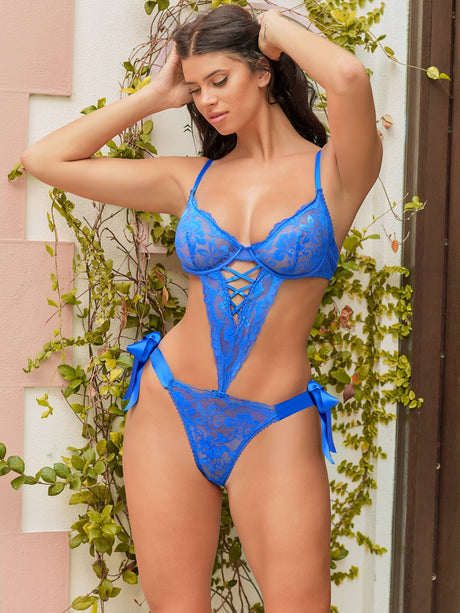
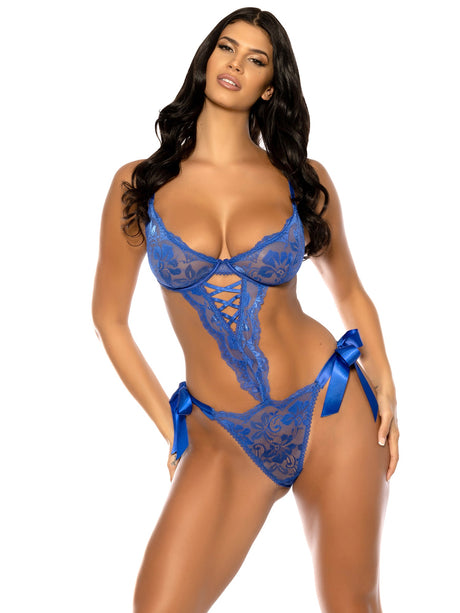
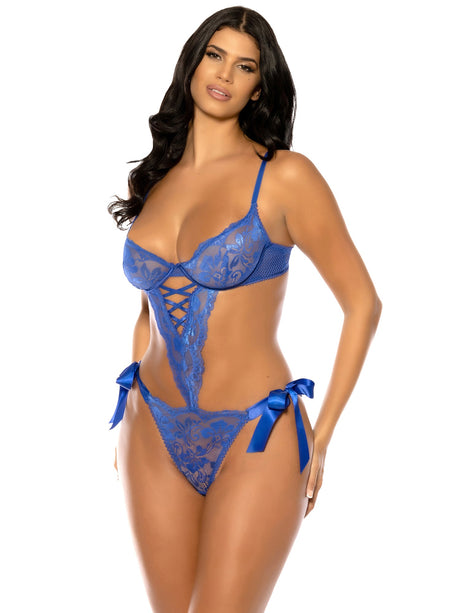
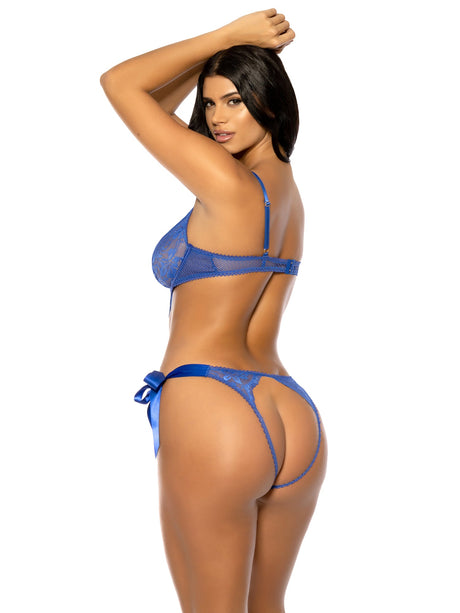
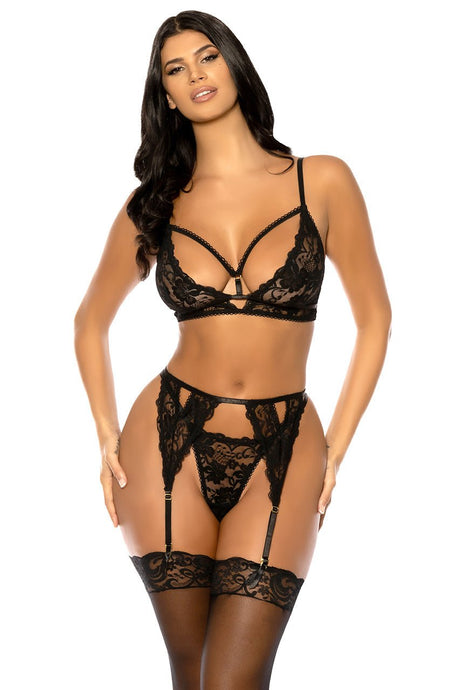
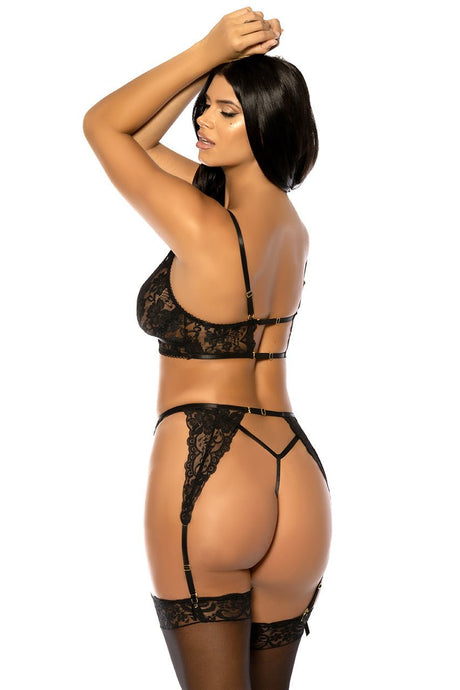
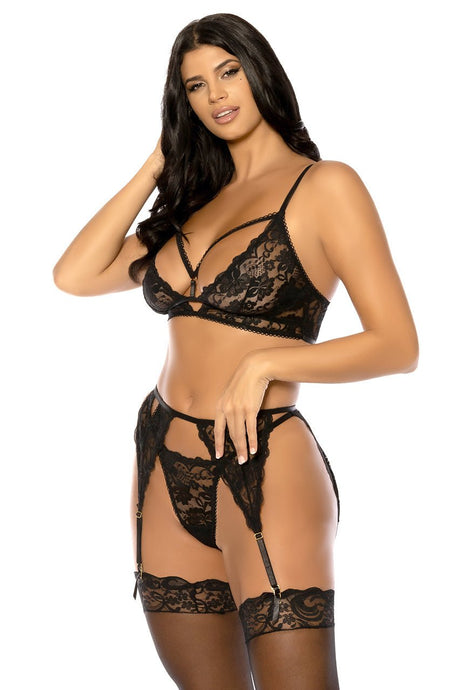
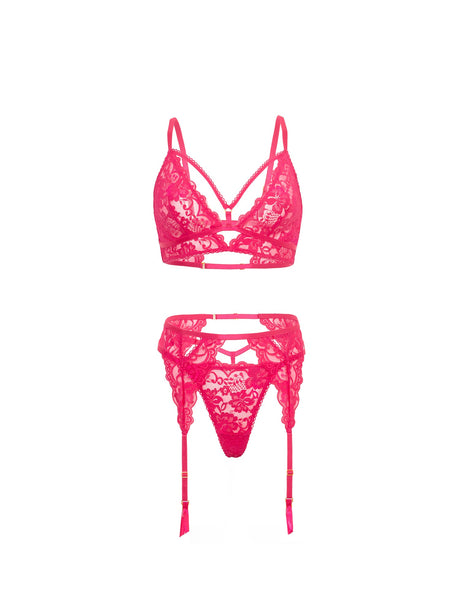
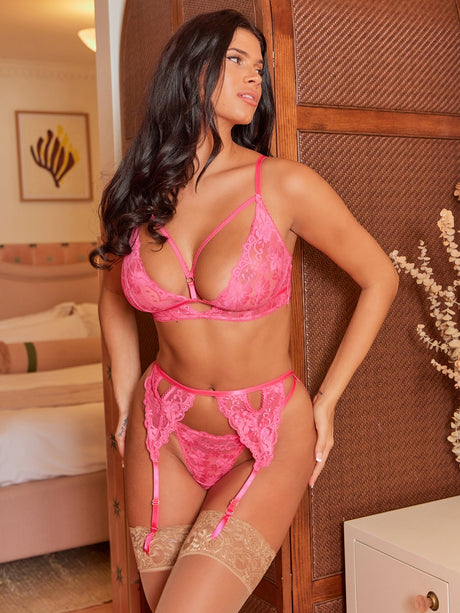
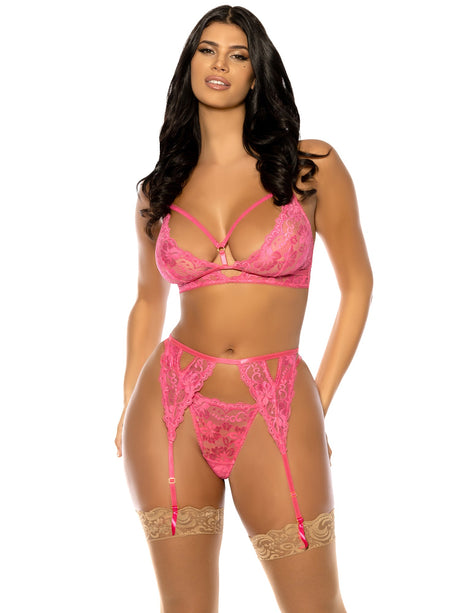
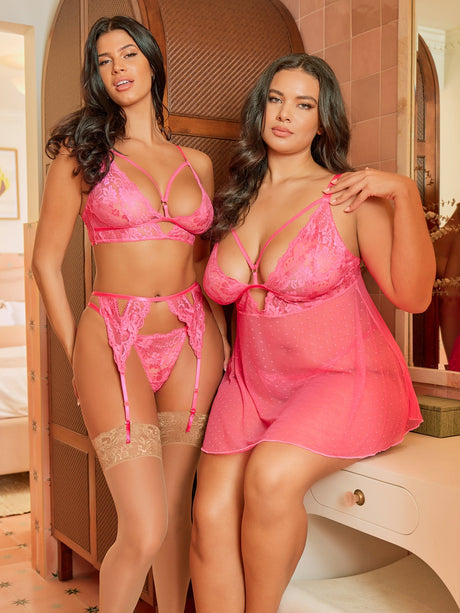
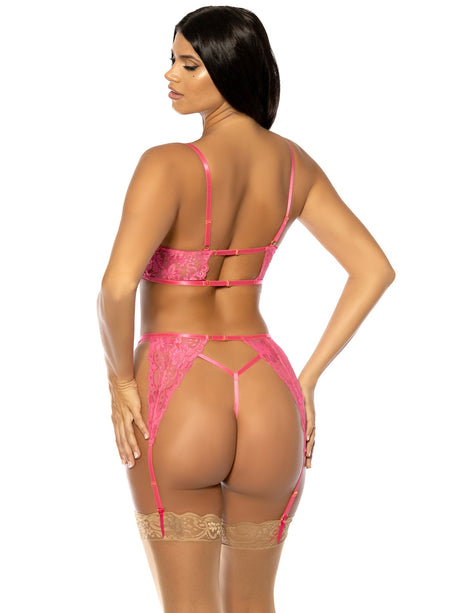
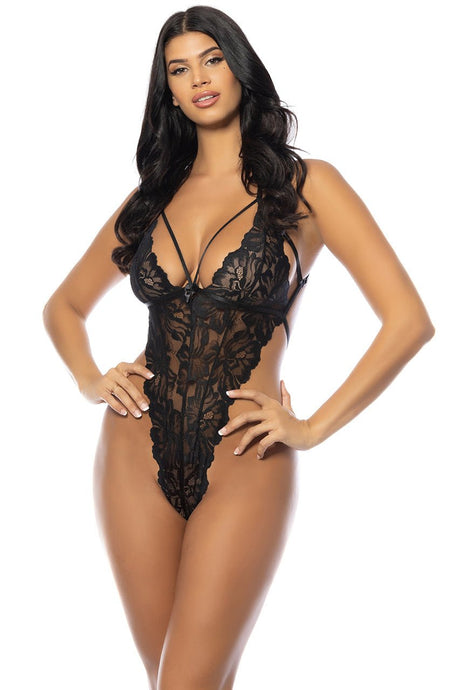
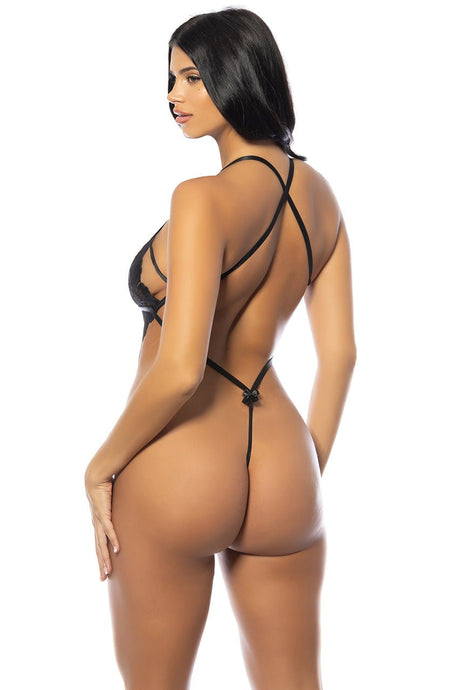
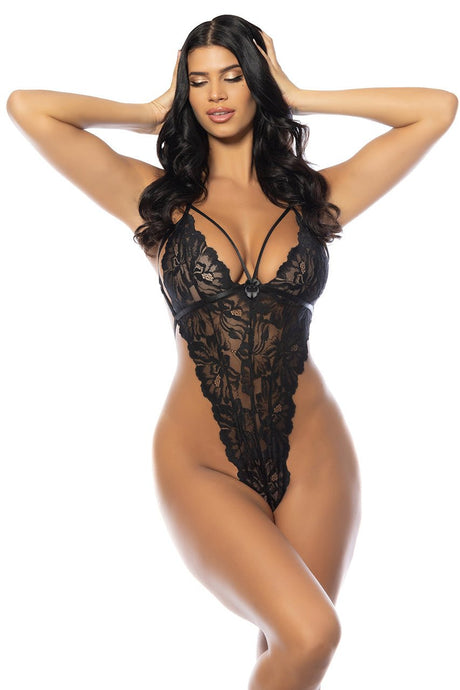
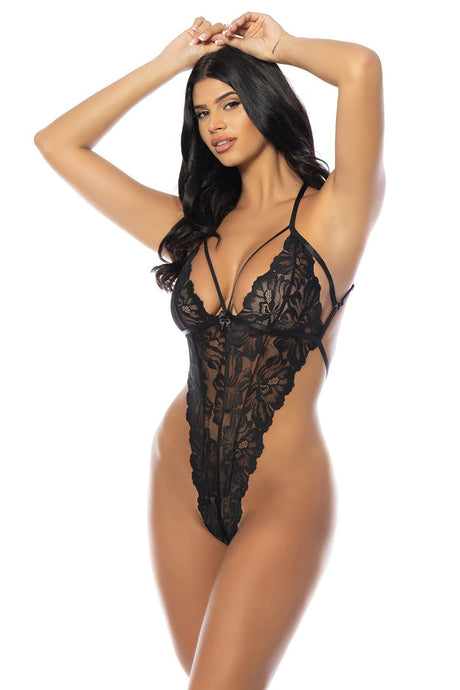
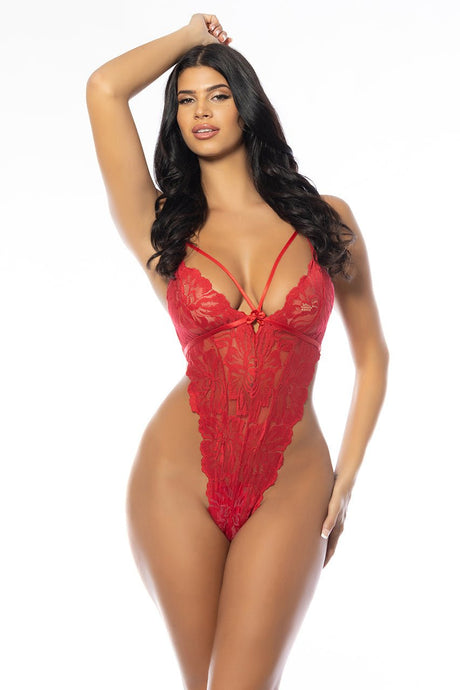
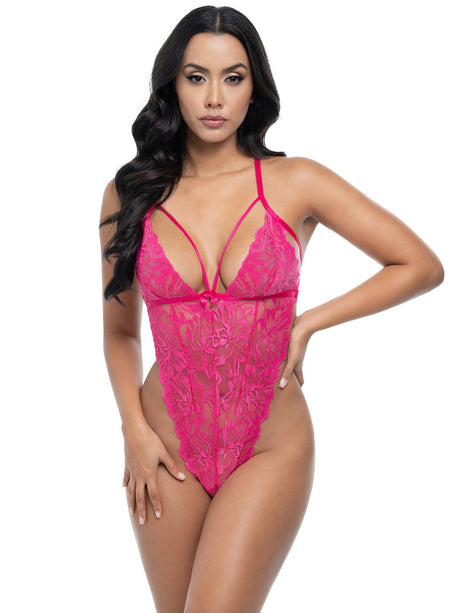
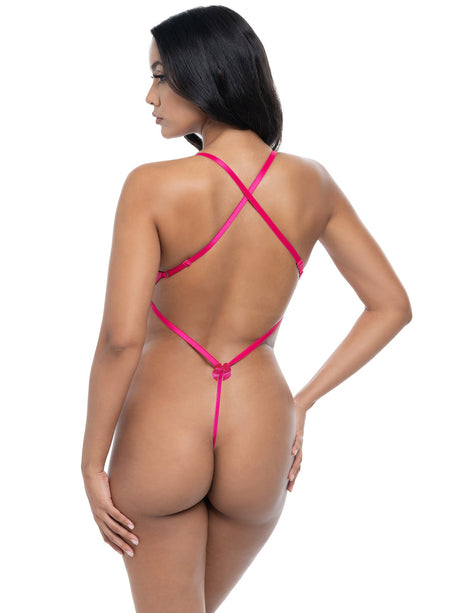
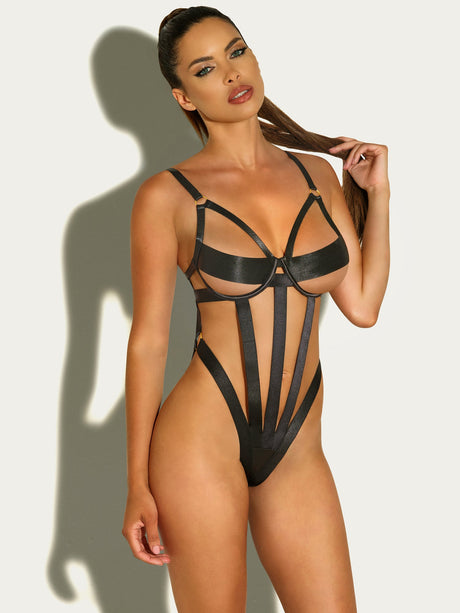
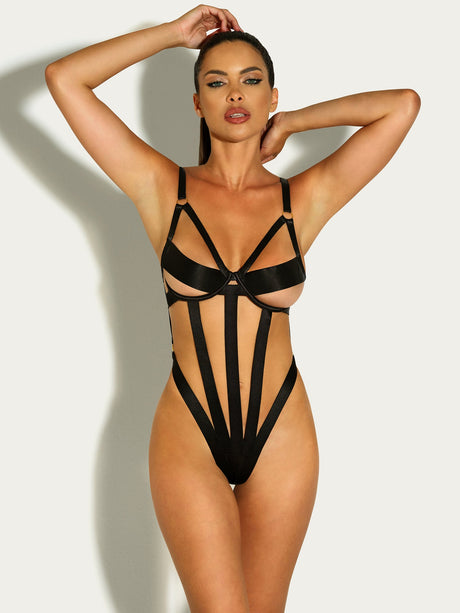
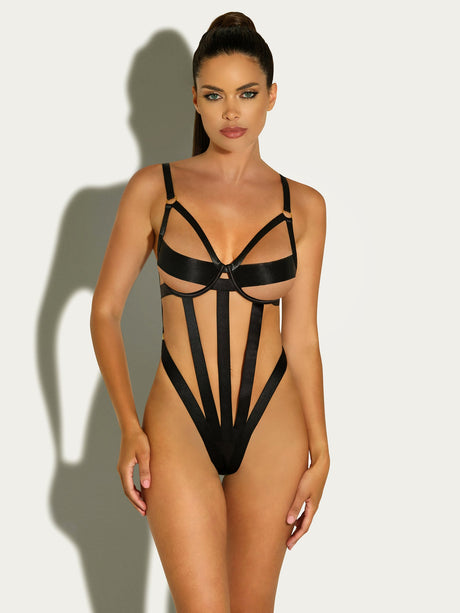
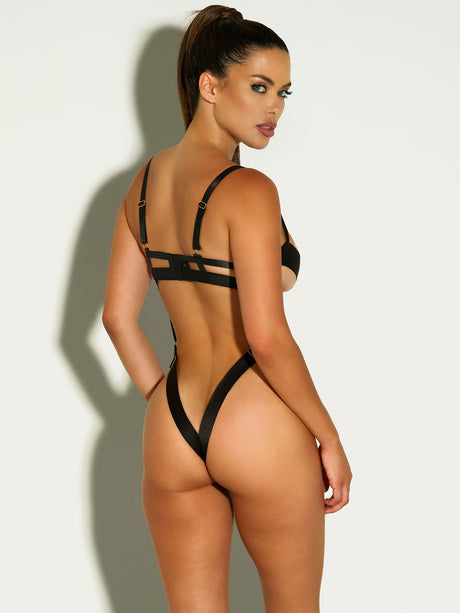
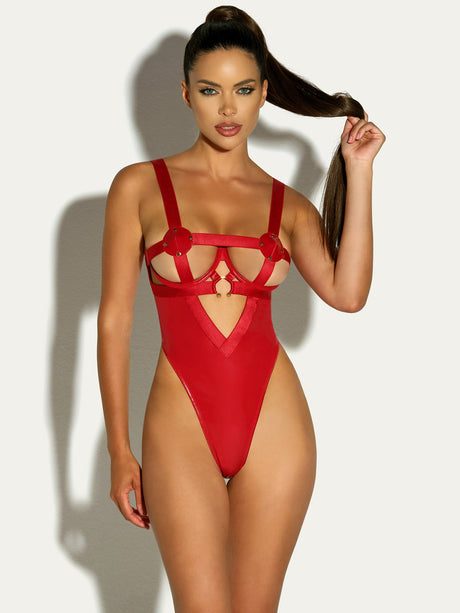
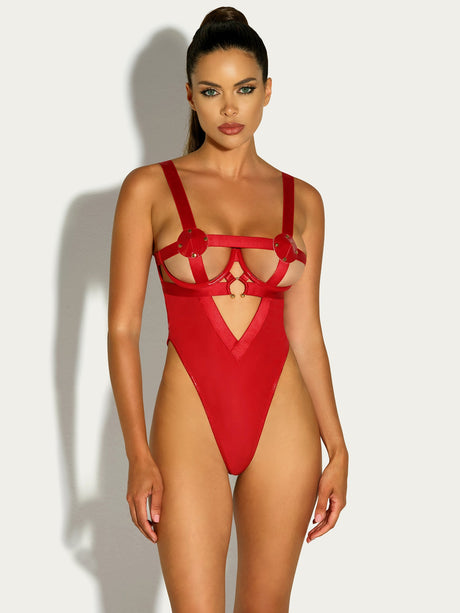
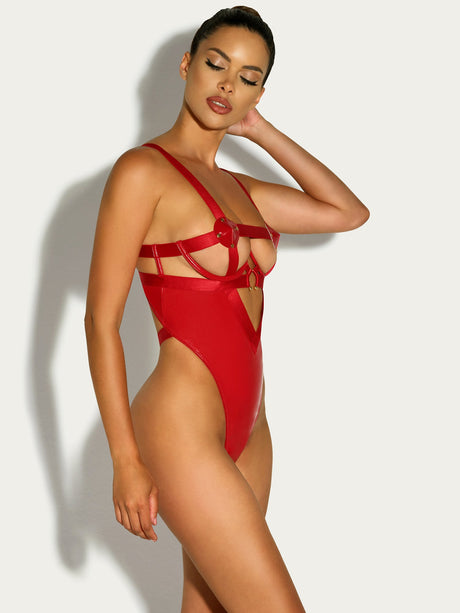
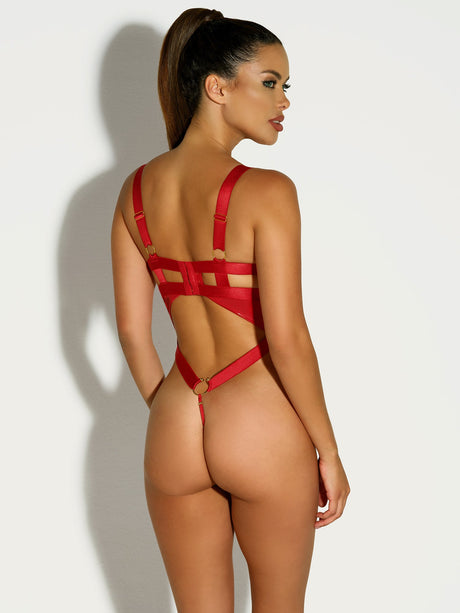
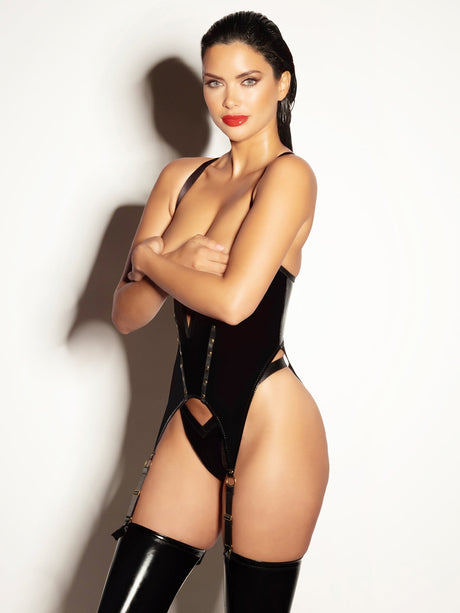
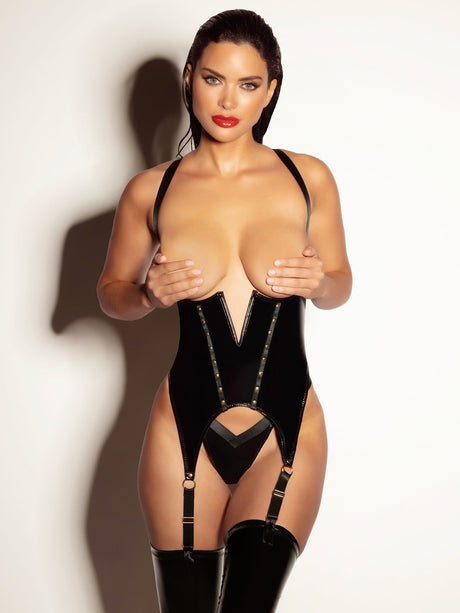
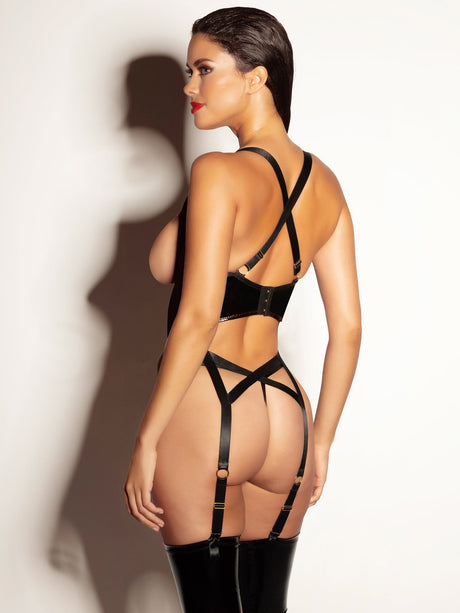
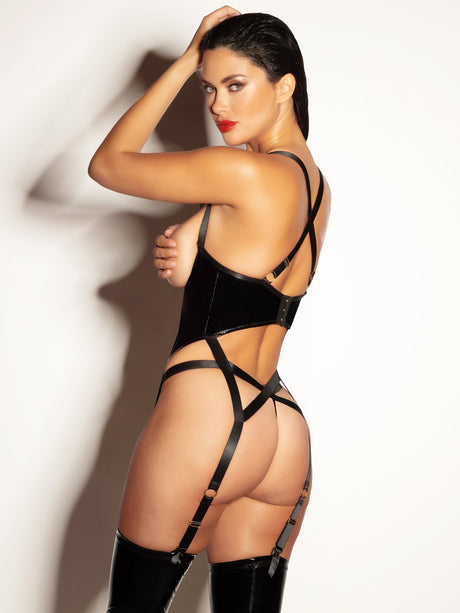
What is a shelf bra (and how does it differ from open cup and cupless bras)?
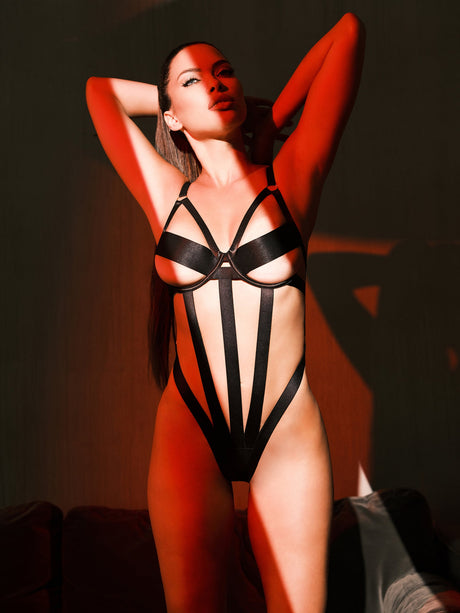
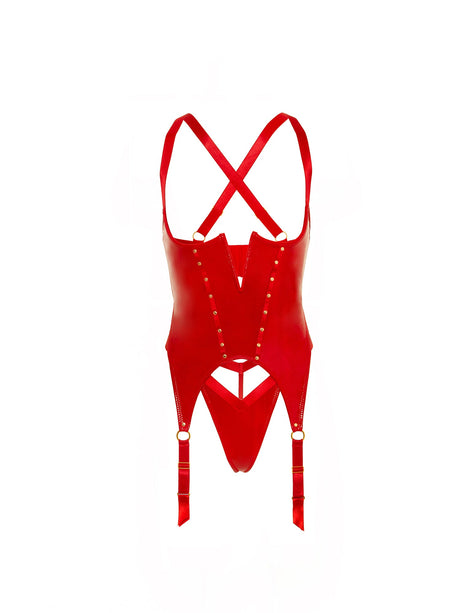
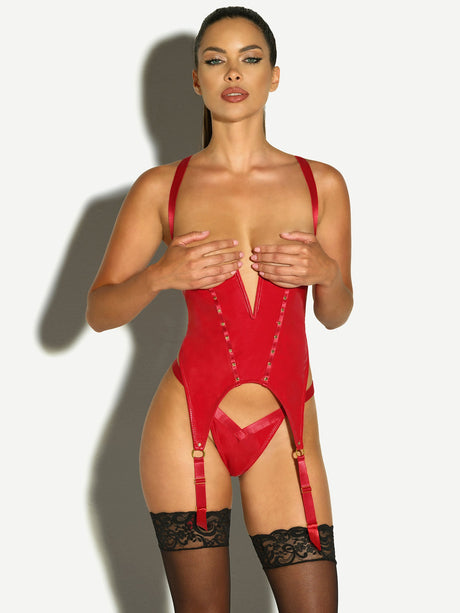
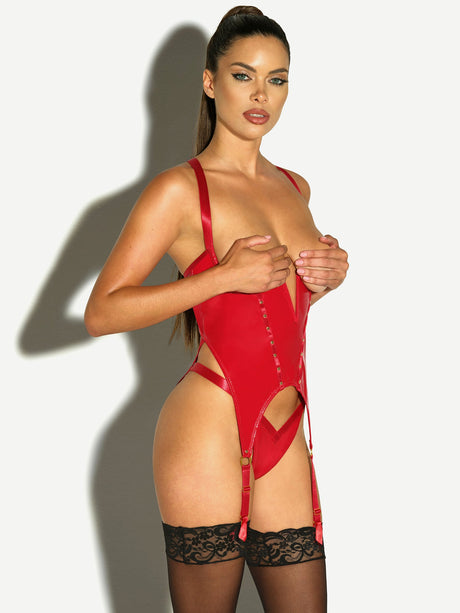
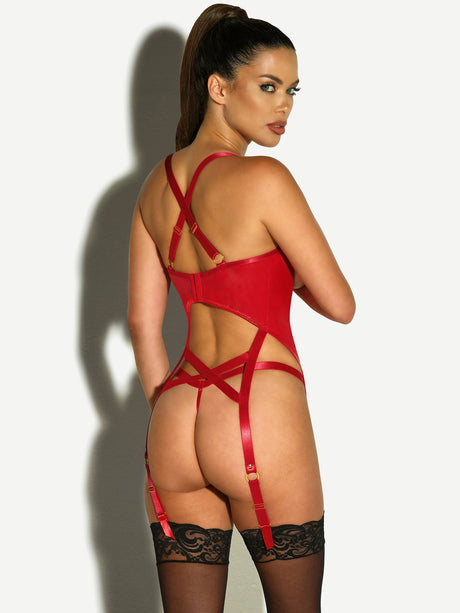
A shelf bra lifts and supports the breast from below — using a structured band and underwire — without fully covering it with cups. The breast sits on top of the bra structure like an open shelf. Open cup bras are a subcategory with cups cut completely open above the wire; cupless bras is the broadest umbrella term covering any bra with no full cup construction. All three sit in the same family — lingerie pieces for bedroom, bridal, and styling under specific outfits — and the distinctions between them are often blurred even by major brands.
This guide does the disambiguation: what each term actually means, how the coverage spectrum works from full cup down to no cup, when each style makes sense for your goal and your outfit, how the support engineering changes when there are no cups carrying load, what to look for at fuller cup sizes, and the styling decisions that make this category feel intentional rather than experimental.
Shop Shelf, Open Cup & Cupless Bras
Already know what you need? Browse the full curated collection — every style, every size, with fit notes on each product page.
Shop Open Cup & Shelf Bras → Cupless Bras →- Shelf bra = lifts from below without full cup coverage. Breast sits on top of the bra.
- Open cup bra = a shelf bra with cups cut completely open above the wire.
- Cupless bra = umbrella term for any bra with no full cup material (includes shelf, open cup, harness styles).
- Support comes from the band, underwire, and side panels — there are no cups to share the load.
- Coverage spectrum from most to least: balconette → demi → half cup → quarter cup → shelf → open cup → fully cupless.
- Plus-size shelf and cupless bras exist and can provide real lift — look for full-bust specialty construction.
- Most styles are lingerie or styling pieces, not everyday under-clothing bras.
What These Styles Actually Are
Lingerie terminology in this category is messy because brands name products by feel and marketing rather than by structure. Three things make the language consistent again: what the breast does on the bra, where the support comes from, and how much skin is on display. Once you have those three reference points, every variant in the category — shelf, open cup, cupless, half cup, quarter cup, balconette, cut out, cage, peek-a-boo — slots cleanly into place.
The defining feature shared across all the styles in this article is that the breast sits on top of the bra structure rather than inside a cup. Standard bras encase the breast; these bras lift it from below. Some include a small amount of cup material at the bottom to anchor the lift; some are entirely cup-free above the underwire. The visual result is a lifted bust with most of the breast exposed — sometimes elegantly framed, sometimes dramatically revealed, depending on the cut.
The second shared feature: support comes from the band, side panels, and underwire. Without cups carrying any of the load, every structural element below the breast has to work harder. This is why well-made shelf and open cup bras feel surprisingly substantial in the hand — there's real engineering in the wire arc, the side panel reinforcement, and the band tension. Flimsy versions with stretchy elastic bands and no wire belong in a different category entirely; they're decorative rather than supportive.
The lingerie industry has never agreed on tight definitions for shelf, open cup, cupless, half cup, and quarter cup. One brand's "shelf bra" is another brand's "open cup," and a "quarter cup" from one designer might match a "half cup" from another. The honest read: focus on the product photo and the construction description rather than the category name. The label tells you what marketing chose to call it; the visual tells you what you're actually buying.
The Coverage Spectrum — From Full Cup to None
The cleanest way to navigate this category is to think in terms of coverage percentage. Standard everyday bras provide roughly 100% coverage — the cup fully encases the breast. From there, coverage drops in identifiable steps until you reach styles with zero cup material at all. Each position on the spectrum serves a different purpose.
The honest framing of this spectrum: every step down the scale trades coverage for visual exposure and most of the support burden shifts further onto the band and wire. By the time you reach the open cup end, the band and wire are doing 100% of the lifting work — which is why construction quality matters more here than at the full-coverage end of the spectrum.
The Three Styles in Detail: Shelf, Open Cup, Cupless
These three terms are at the heart of the category — and the three most commonly confused. Here's how each one actually works, what to expect from the construction, and which occasions each one was built for.
Shelf Bra — The Structured Lift Without Full Cups
Shelf bras are the broadest category of the three. Any bra that lifts the breast from below — using a band, side panels, and (usually) underwire — without enclosing it in cups qualifies. The breast literally rests on the bra structure like a shelf, supported from beneath, exposed above.
Within shelf bras you'll find several construction variants:
- Underwire shelf bras with a small band of fabric at the very bottom of the breast — the most supportive variant, often available in plus sizes.
- Open shelf bras where there is no cup material at all above the underwire arc — visually nearly identical to open cup bras.
- Push up shelf bras that combine angled foam padding at the bottom with exposed upper breast — creates dramatic cleavage while maintaining the lifted reveal.
- Soft shelf bras built into camisoles or worn alone with a thick elastic band instead of underwire — decorative rather than structurally supportive.
Best for: bedroom lingerie, bridal and honeymoon wear, photography, partner-focused occasions. Some lower-profile shelf styles can be worn under low-cut or sheer outfits, but most are not intended for everyday under-clothing use.
Shop: shelf bras at HauteFlair, including styles from Shirley of Hollywood and other designer brands.
Open Cup Bra — The Most Revealing of the Shelf Family
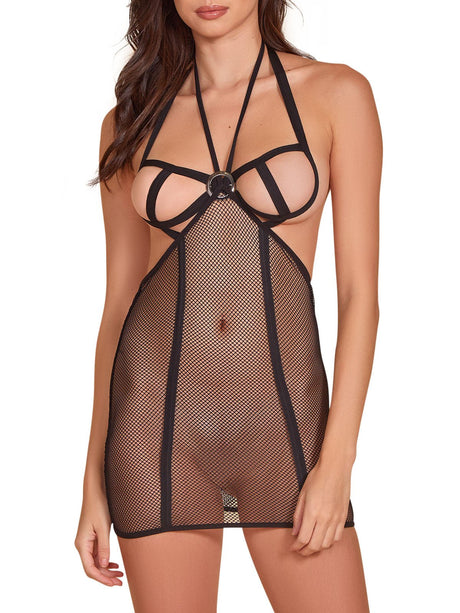
Open cup bras are technically a subcategory of shelf bras: those where the cups have been cut completely open above the underwire. There is no fabric anywhere above the wire arc. The breast is fully exposed above the band; the wire and the strap framework provide the entire structural function.
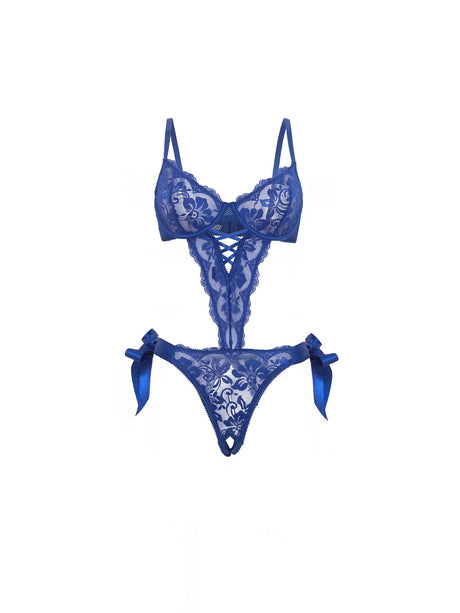
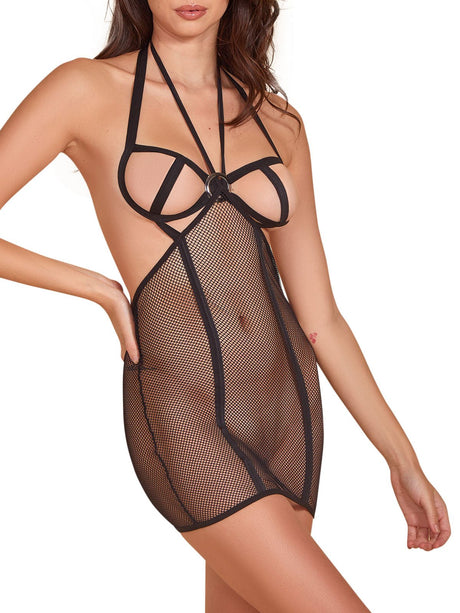
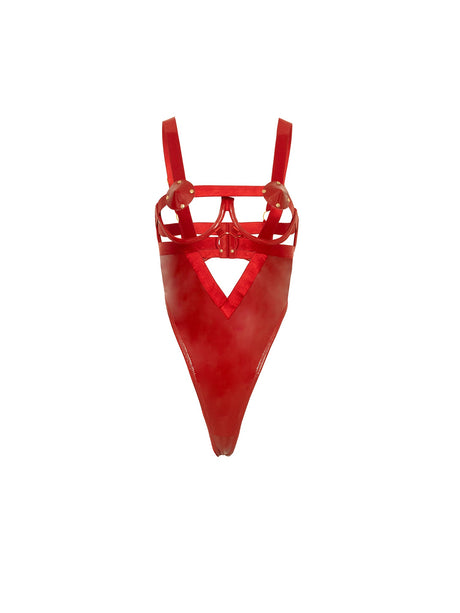
The visual signature of an open cup bra is the clean wire arc visible under the breast, often paired with strappy detailing across the décolletage or shoulders, and sometimes with cage-style strapping that frames the breast without covering it. The aesthetic ranges from minimalist (a single wire and band) to elaborate (multi-strap cage construction around the breast).
Best for: lingerie sets, bedroom wear, bridal lingerie, photography. Open cup bras are almost never worn under everyday clothing — the construction is too revealing for under-garment use in most contexts.
Construction to look for: structured underwire that fits the breast root width, snug side panels that anchor the wire, a band that sits firmly across the back, and adjustable straps that keep the wire flush against the chest wall. Without cup tissue to anchor the wire, fit is more demanding than in standard bras.
Cupless Bra — The Umbrella Term for Everything Without Cups
Cupless bra is the broadest term — it covers any bra that has no full cup construction. That includes everything above (shelf, open cup, quarter cup, half cup styles that don't fully cover), plus more experimental constructions like:
- Harness bras built from straps and elastic with no underwire and no cups — purely decorative framing of the breast.
- Cage bras with strappy criss-cross patterns across or around the breast, sometimes paired with a minimal underwire base.
- Strappy bras that use thin elastic bands to frame the breast without enclosing it.
The defining feature: no cup material covering the breast. Some cupless bras have structural lift (the shelf-style category); others are purely visual and provide no lift at all. When shopping cupless bras, the construction photo tells you which type you're actually buying.
Best for: bedroom and bridal lingerie, statement pieces, lingerie sets paired with matching panties or harnesses. Browse cupless bras and the broader harness lingerie category.
If you're shopping and see "shelf bra," "open cup bra," and "cupless bra" applied to what looks like the same product across different sites — you're not imagining it. The three terms are genuinely interchangeable in most retail contexts. Focus on the visual: is there any cup material above the wire? If yes, it's a shelf or quarter cup. If no, it's an open cup or fully cupless. The marketing label is downstream of that visual reality.
Related Cuts in the Same Family
Several adjacent cuts share construction principles with shelf and open cup bras but sit at different points on the coverage spectrum. Each one solves a slightly different styling problem — and confusing them is the source of most lingerie shopping frustration in this category.
The Middle Ground — Coverage With Visible Lift
Half cup bras cover about 50% of the breast — the cup top typically sits just at or slightly below the nipple line. Most styles include underwire and structured cups; some are padded for additional shaping. The result is a lifted, contained bust with visible cleavage but full nipple coverage.
Half cup styles are everyday-wearable under low necklines, V-necks, and sweetheart cuts. They give the visual benefit of a shelf-style lifted look while maintaining standard everyday coverage. Many wearers use them as a daily alternative to full-coverage bras when their outfit demands a lower bra line.
Half cup vs balconette: the two categories overlap heavily. Balconette typically refers to half cup styles with a more horizontal cup top, designed specifically for low and square necklines. The distinction in practice is minor.
The Lifted Reveal — Bottom Coverage, Top Exposed
Quarter cup bras cover the bottom 25% of the breast and leave the upper three-quarters — including the nipple — exposed. Construction includes structured cup material at the bottom with underwire, so the bra delivers real lift while keeping the bust on display above.
Quarter cup is the bridge between half cup (covers the nipple) and shelf bra (covers nothing above the wire). The cup material at the bottom anchors the lift and provides more structural shaping than a fully open shelf style, which is why quarter cup bras tend to work well at fuller bust sizes where the additional cup support matters.
Quarter cup styles are predominantly bedroom and bridal lingerie. They can occasionally work under very specific outfits — vintage-style sheer tops, for instance, or peek-a-boo evening wear — but the exposure level makes them lingerie-first pieces. Shop quarter and half cup bras.
Solid Cup With Strategic Windows
Cut out bras have substantial cup material with intentional holes or windows cut into it. The variants are wide:
- Nipple cutouts — small circular openings positioned over the nipple, leaving the rest of the breast covered.
- Cleavage cutouts — keyhole or geometric openings between the cups, revealing the central décolletage while the breasts remain covered.
- Side or bottom cutouts — windows along the cup edges that reveal the side or underside of the breast.
- Strappy cutouts — elastic or fabric straps crossing over what would otherwise be a solid cup, creating a partial-coverage cage effect.
Cut out bras provide more coverage than shelf or open cup styles but more visual drama than standard bras. They're popular for date-night lingerie, lingerie sets paired with matching panties, and bridal lingerie where some structural cup support is wanted alongside reveal detailing.
Strappy Framework Without Cup Construction
Cage bras and harness lingerie remove the cup entirely and replace it with strappy framework. The visual emphasis is on geometric strap patterns — vertical, horizontal, criss-cross, or radial — that frame the breast without covering it. Some cage bras include a minimal underwire base for shaping; others are purely strap construction with no structural lift.
The category overlaps with open cup bras visually but the design intent differs: open cup bras emphasize the lifted breast as the focal point; cage and harness pieces emphasize the strap framework around the breast. Worn together with matching panties or as part of a lingerie set, the cage construction often extends to a full body harness.
Best for: statement lingerie, fashion-forward bedroom pieces, photoshoots, and styling layered under sheer outerwear for editorial looks. Shop cage bras and harness lingerie.
Find Your Coverage Level
Three quick questions and we'll point you to the right style — shelf, open cup, quarter cup, half cup, balconette, cage, or cut out — for your goal, occasion, and size.
How to Choose by Goal and Outfit
The right style depends on three things: what the bra is for, how much exposure you want, and what outfit (if any) the bra needs to disappear under. This table maps the most common combinations to the right cup style.
| Goal / Occasion | Best Style | Why |
|---|---|---|
| Everyday under low V-necks | Half cup / balconette | Lifted look · full coverage |
| Date night lingerie | Quarter cup or cut out | Bold but structured |
| Bedroom / partner wear | Shelf or open cup | Maximum reveal · lifted |
| Bridal lingerie / honeymoon | Open cup or quarter cup | Romantic statement piece |
| Fashion-forward statement set | Cage or harness | Visual emphasis on framework |
| Under sheer or mesh tops | Cut out or shelf | Intentional reveal · fashion |
| Photography or boudoir | Any · matched to mood | Visual variety pays off |
| Plus-size lifted look | Quarter cup with underwire | Bottom-cup anchors the lift |
| Pairing with a matching panty | Any shelf, open cup, or cut out | Full bra and panty set |
Fit, Support, and What to Expect
The honest framing: shelf, open cup, and cupless bras work harder structurally than standard bras because there are no cups to share the lifting load. Six things matter more in this category than in everyday bras — and getting them right is what separates a shelf bra that lifts beautifully from one that sits sadly.
The band carries the entire weight in any cup-less style. Look for a snug, firm band that sits horizontally across the back. If your standard bra band rides up, sister-down (smaller band, larger cup) before ordering a shelf style — the loose band that's tolerable in a full cup is a deal-breaker here.
The wire arc has to match your breast root width. Too narrow and the wire sits on tissue; too wide and the breast sags through. In a shelf or open cup bra there's no cup tissue to mask the misfit, so the wire-to-body match shows immediately.
In full cup bras the side panels just hold the bra in place; in shelf bras they actively contain breast tissue at the sides. Reinforced wings or side support panels matter at C cup and above. Stretchy side panels equal no side support.
Adjustable straps keep the wire flush against the chest wall. Decorative straps that don't adjust are fine on minimal lift styles but inadequate at fuller cup sizes. Wider straps distribute load better and stay in place during wear.
If your usual size feels off in a shelf style, try sister sizes. A 34C wearer who finds the band too loose in a shelf bra should try 32D — same cup volume, snugger band, more lift. The cup volume is preserved; the band fit changes.
Push-up shelf bras include angled foam at the bottom cup to push tissue upward and inward. Natural shelf bras have no padding — just the wire and band. Choose push-up for dramatic cleavage under low necklines; natural shelf for a softer, more authentic silhouette.
Soft shelf bras with thick elastic bands and no underwire are common at the budget end of the category. They're comfortable and decorative, but they cannot provide structural lift — particularly at C cup and above. If you want a shelf bra that actually delivers a lifted silhouette and you're a full-bust wearer, prioritize underwire construction over elastic-band styles. The price-to-performance gap between the two is significant.
Plus Size Shelf Bras and Cupless Lingerie
Curvier women with full busts often hesitate at cupless lingerie, expecting the lack of cup support to translate into no lift, spillage, or fit problems. The honest reality: well-engineered plus-size shelf and open cup bras do exist, and they can provide real lift at D-cup and above — but the construction has to be right, and the brand selection matters more here than at A–B cup.
What to look for in plus-size shelf and cupless lingerie:
- A small band of bottom-cup material — full open cup at DD+ is structurally hard; a thin shelf of fabric at the very bottom of the breast anchors the wire and stabilizes the lift dramatically.
- Reinforced side panels (wings) — at fuller bust sizes, side support is what keeps breast tissue from migrating outward. Look for wide, structured wings rather than stretchy fabric.
- Wider underwire — narrow wires that work at B cup will pinch and sit on tissue at DD+. Plus-size cupless bras need wider wire arcs that follow the breast root.
- Sturdy adjustable straps — wider, structured straps with reliable adjusters. Skip decorative thin straps for everyday wear; reserve them for occasion-only pieces.
- A snug, structured band — the band does even more work at fuller sizes. Avoid stretchy-only bands; look for reinforced hook-and-eye closures and firm elastic.
Specialty plus-size lingerie brands engineer shelf and cupless styles specifically for D-cup and above — Shirley of Hollywood, Hauty, iCollection, and Mapale all carry plus-size cupless options with proper construction. Browse plus size lingerie and the broader plus size bras collection at HauteFlair.
"The biggest mistake we see in this category is buying a flimsy elastic-band shelf bra and concluding shelf bras don't work for full busts. The right shelf bra at D cup and above looks and feels structurally similar to a full-coverage underwire bra — minus the cups. The engineering matters more here than the marketing photo."
— HauteFlair Fit Editorial Team
Styling — When to Wear and How to Pair
Most shelf, open cup, and cupless styles are lingerie-first pieces. That doesn't make them less versatile — it just means the styling decisions sit in a different mode than choosing an everyday bra. Match the cut to the mood, the occasion, and the rest of the lingerie wardrobe.
| Mood / Occasion | Recommended Style | Pair With |
|---|---|---|
| Romantic evening in | Shelf bra with lace detail | Matching lace panties |
| Bedroom statement | Open cup or cage bra | Crotchless panties |
| Wedding night / honeymoon | Quarter cup bridal set | Bridal lingerie set |
| Photoshoot / boudoir | Cut out or open cup | Harness or garter belt |
| Layered under sheer | Cut out with strap detail | Sheer robe or kimono |
| Coordinated lingerie set | Any shelf / open cup | Bra and panty set |
| Strappy fashion statement | Cage bra or harness | Strappy lingerie pieces |
| Sexy under specific outfits | Low-profile shelf or quarter cup | Sheer or mesh top |
One styling point worth noting: many shelf and open cup pieces have coordinating panties sold as sets. Buying a coordinated set rather than mixing pieces from different collections almost always produces a more polished overall look — the proportions, color, lace detail, and strap geometry are designed to match.
Common Problems and How to Fix Them
Shelf and open cup bras have a specific set of fit problems that don't show up in standard cup bras. Most fall into the same handful of patterns, and most are fixable with sister sizing, brand changes, or construction selection.
The single most common shelf bra fit issue. Without cups to anchor the bra against the chest, a too-loose band has nothing to hold it down. Sister-down (smaller band, larger cup letter) is the fix — same cup volume, snugger anchor.
The wire is too narrow for your breast root. Common at C cup and above when buying a shelf bra graded for smaller bust shapes. Try a full-bust specialty brand with wider wire construction, or sister-up one cup at the same band.
Usually means you've bought an elastic-band shelf style without underwire — fine for decorative wear but not structurally supportive. Switch to an underwired shelf style with reinforced side panels for actual lift at any cup size.
The side panels are too stretchy or too narrow to contain tissue. Look for shelf and open cup styles with structured wings and reinforced side support — particularly important at DD+ where unsupported side tissue is the main fit failure mode.
Decorative straps without adjusters are common in this category. If you want a shelf bra you'll wear repeatedly, prioritize adjustable straps even on lingerie pieces. Body geometry varies and shoulders need adjustability.
Brand patterns are graded for specific body types. If a style doesn't sit right at your size, the brand cut may simply not match your shape — try a different brand at the same size before assuming the style category is wrong for you.
Standard bras can mask a half-cup-off fit because the cup tissue absorbs the discrepancy. Shelf and open cup styles can't — the wire-to-body relationship is fully visible, and any mismatch shows immediately. If you're new to the category, take measurements (don't rely on what you've been wearing) and order with confidence in your actual size rather than your habitual one.
Frequently Asked Questions About Shelf, Open Cup & Cupless Bras
What is a shelf bra?
What is the difference between a shelf bra and an open cup bra?
Is a cupless bra the same as a shelf bra?
Do shelf bras provide support?
Can plus size women wear open cup bras?
What is a quarter cup bra?
What is the difference between a balconette and a half cup bra?
What is a cut out bra?
Can you wear a shelf bra under regular clothes?
What is a peek-a-boo bra?
What is a push up shelf bra?
What is a cage bra versus a cut out bra?
Do shelf bras come with underwire?
Are open cup bras good for sensitive nipples?
What size shelf bra should I order?
Can shelf bras work for larger busts?
What is the difference between a shelf bra and a balconette bra?
This guide is editorial. Lingerie sizing and fit vary by brand and style — what matters most is comfort, fit, and confidence. Brand pattern, cup grade, and individual body geometry all affect how a shelf or open cup bra fits, and home measurements are a starting point rather than a guarantee. For best results, refer to each brand's size chart and consider professional fit guidance. Last reviewed: May 12, 2026.