-
-
-
-
-
-
-
-
Hanky Panky
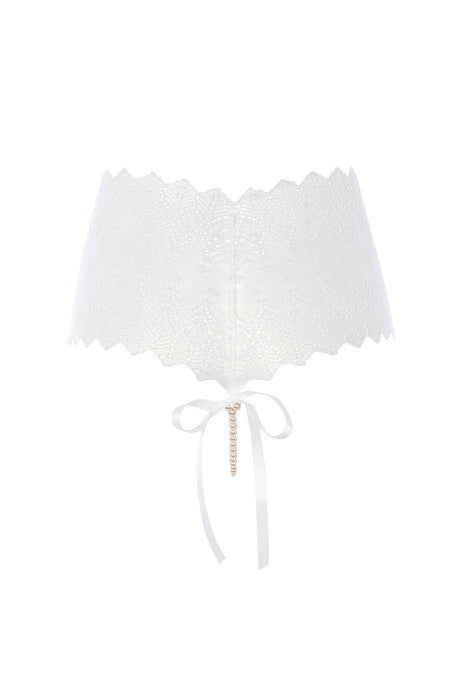
Hanky Panky Organic Cotton High-Waisted Lace Thong
+2$24.00$54.00Unit price /Unavailable-
-
Hanky Panky
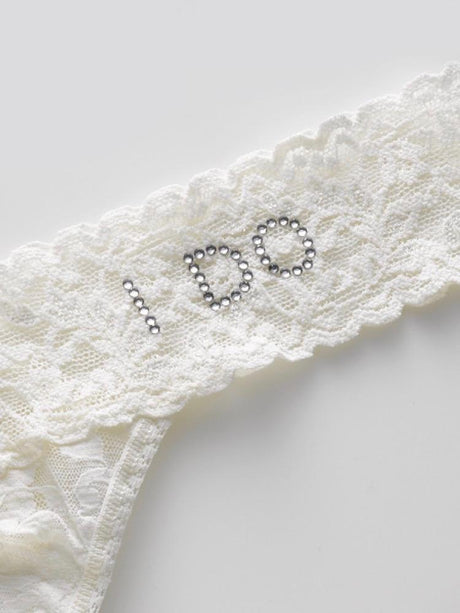
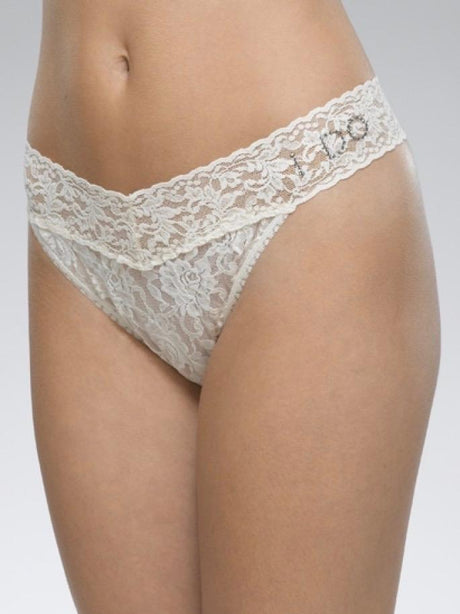
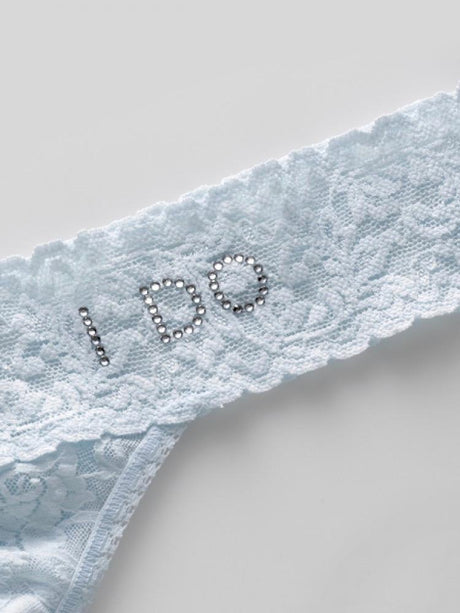
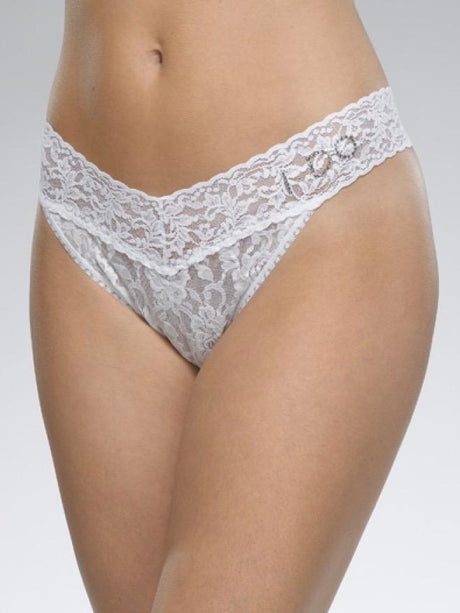
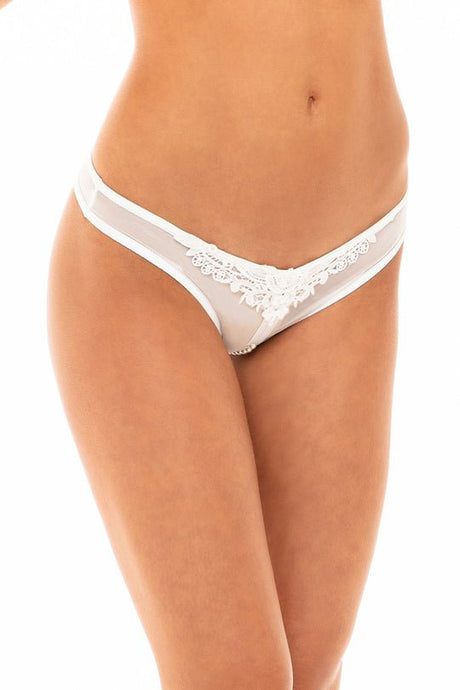
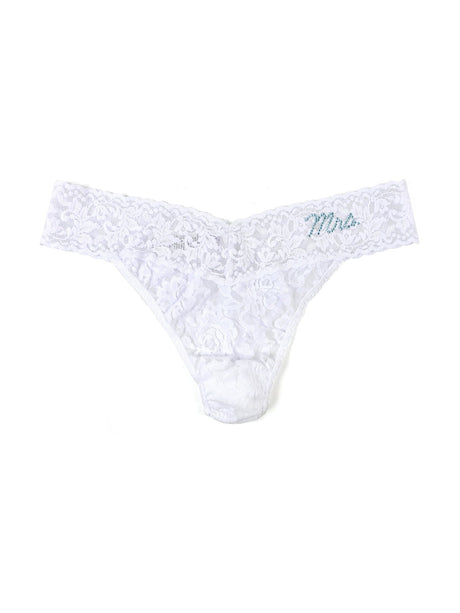
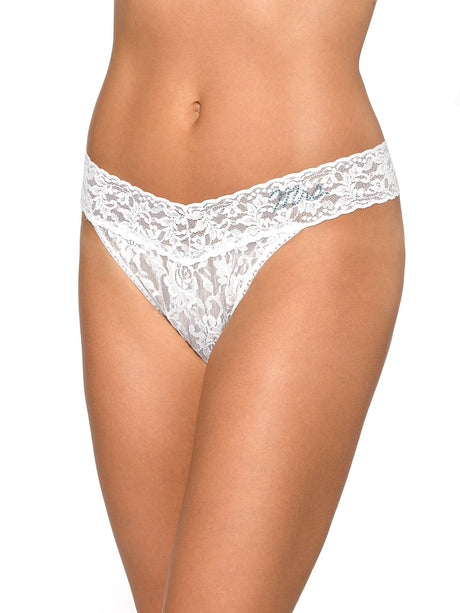
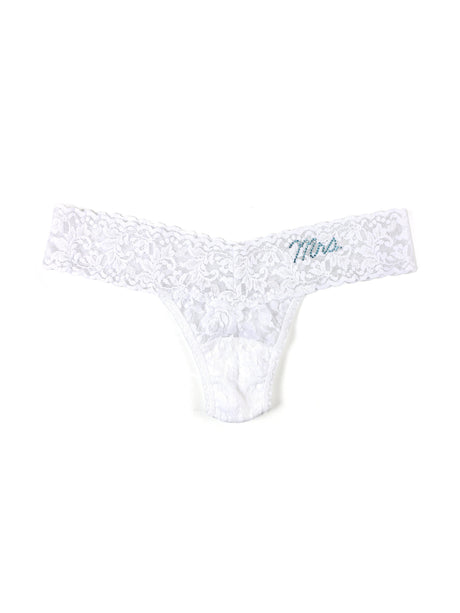
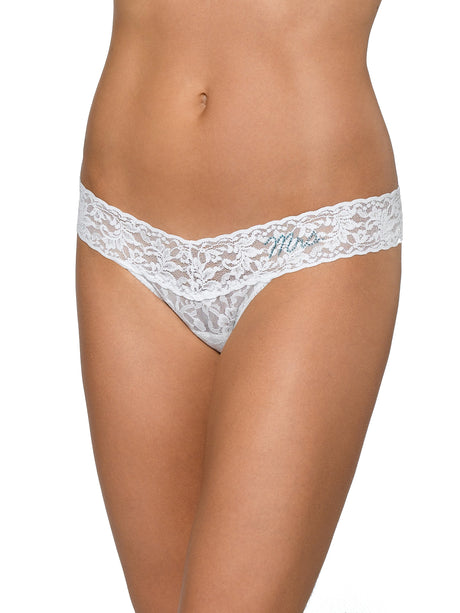
Hanky Panky I Do Bridal Lace Original Rise Thong with Swarovski Crystals
$31.00$61.00Unit price /Unavailable-
Hanky Panky
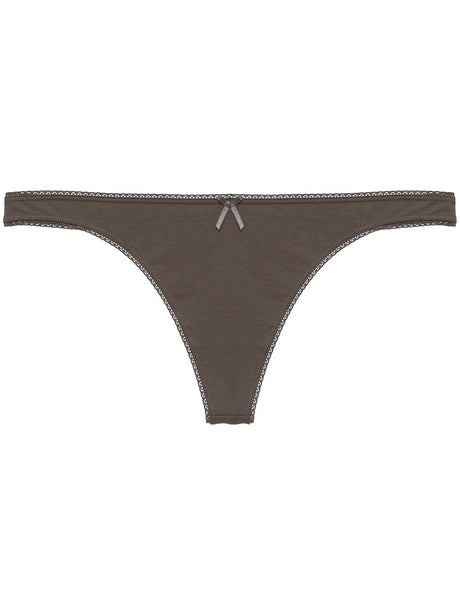
Hanky Panky Rolled Signature Lace Original Rise Thong
+4$22.00Unit price /Unavailable-
-
-

-
-
-
-
-
-
-
-
Hanky Panky
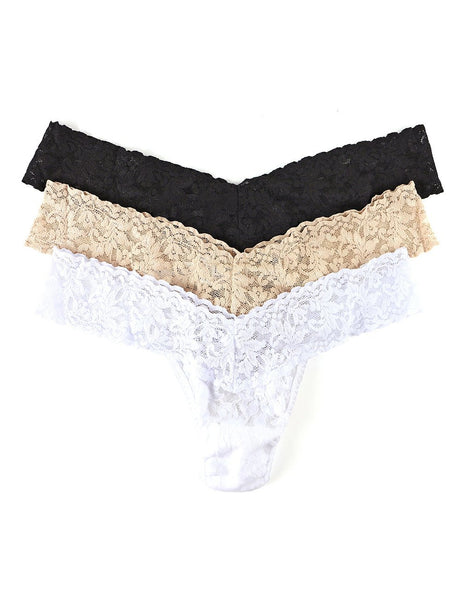
Hanky Panky Signature Lace Low Rise Thong 3-Pack
$72.00$102.00Unit price /Unavailable-
Hanky Panky
Hanky Panky Rolled Signature Lace Original Rise Thong
+9$24.00Unit price /Unavailable-
Hanky Panky
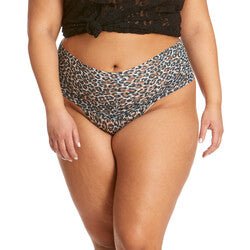
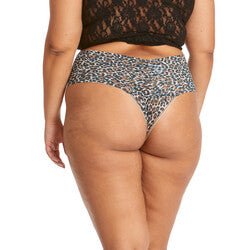
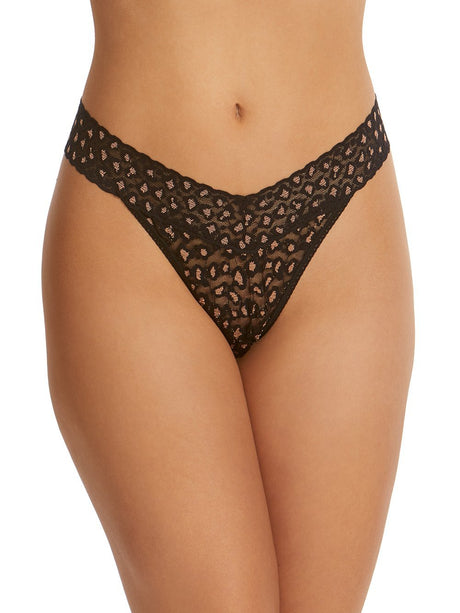
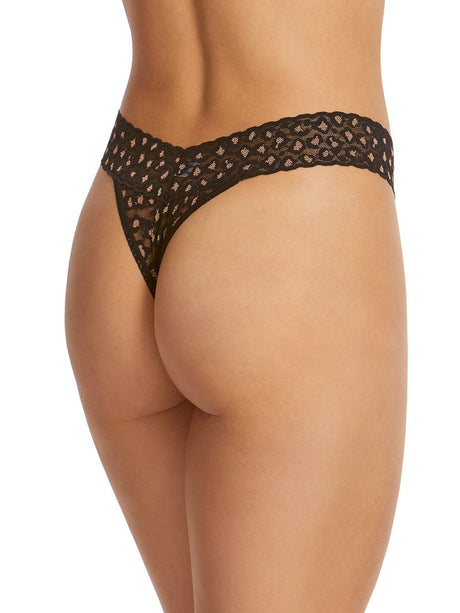
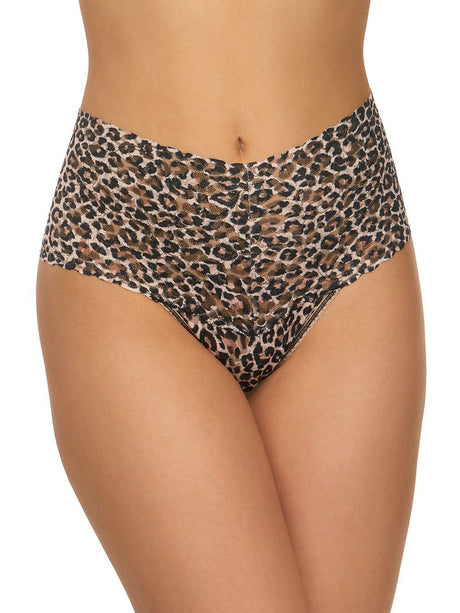
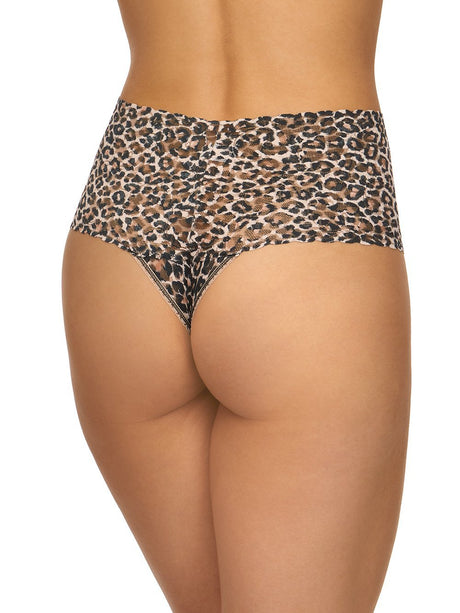
Hanky Panky Retro High-Waisted Leopard Thong, Plus Size
$32.00$62.00Unit price /Unavailable-
Hanky Panky
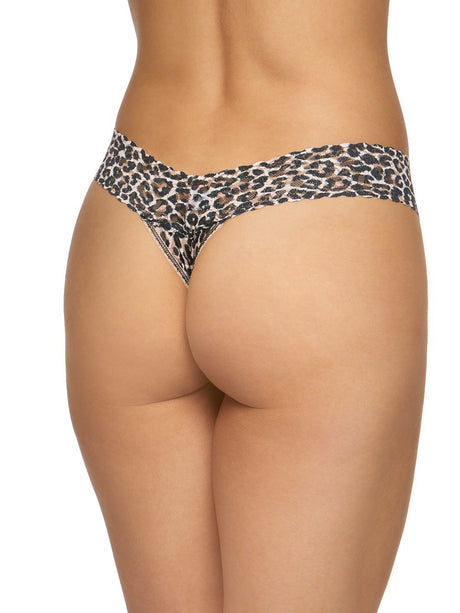
Hanky Panky Rolled Classic Leopard Lace Low Rise Thong
$25.00$55.00Unit price /Unavailable-
-
-
Hanky Panky
Hanky Panky Rolled Cross-Dyed Leopard Lace Original Rise Thong
$45.00$75.00Unit price /Unavailable-
-
-
-
Hanky Panky
Hanky Panky Rolled Classic Leopard Lace Low Rise Thong
$29.00$62.00Unit price /Unavailable-
-
-
-
-
-
-
-
-
-
-
-
-
-

-
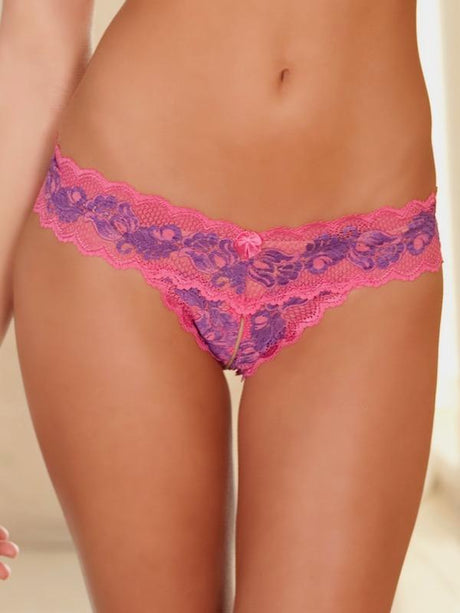
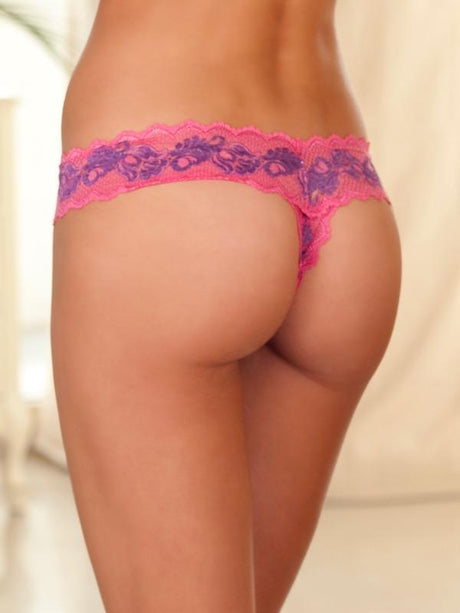
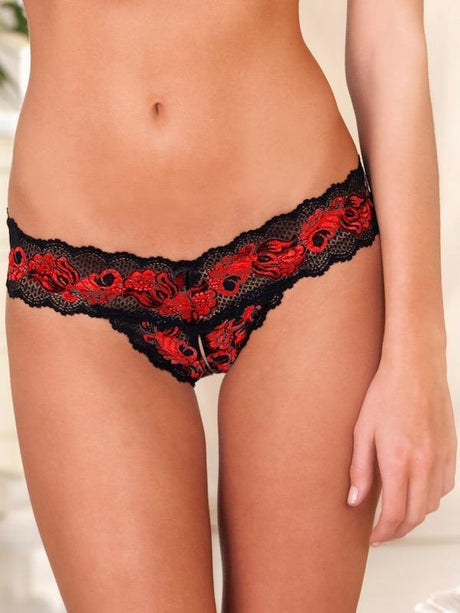
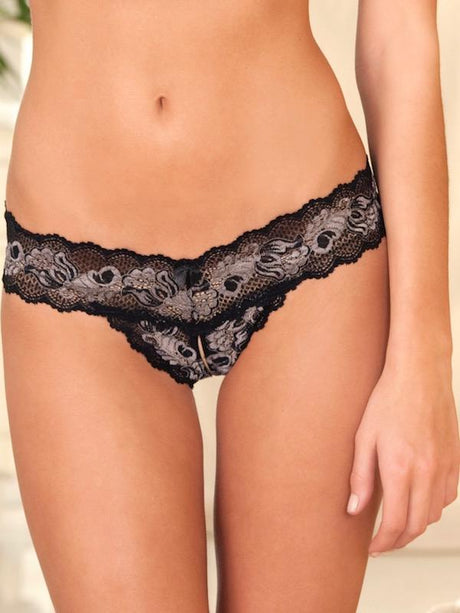
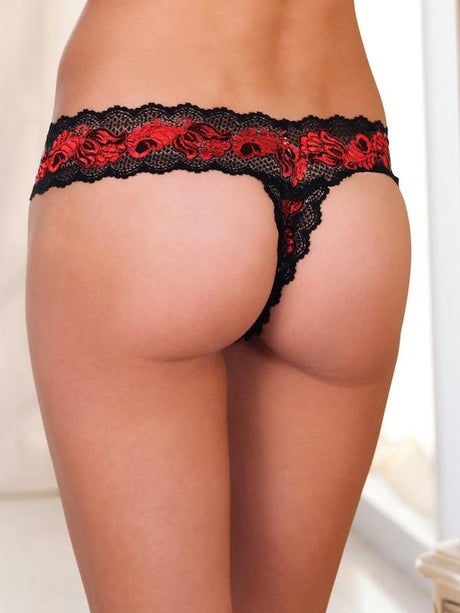
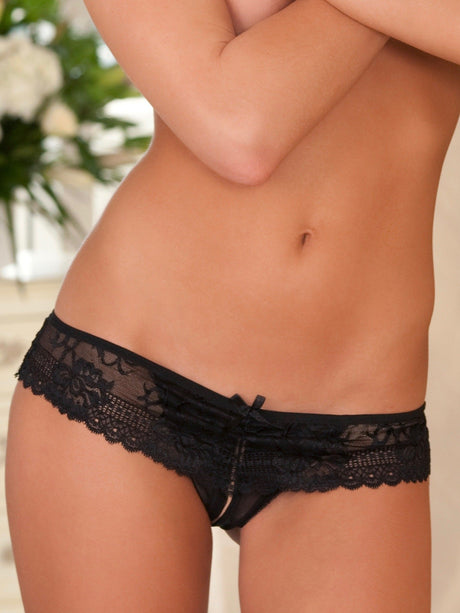
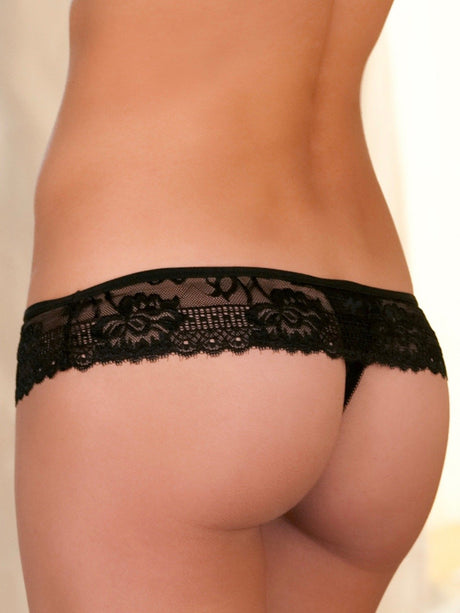
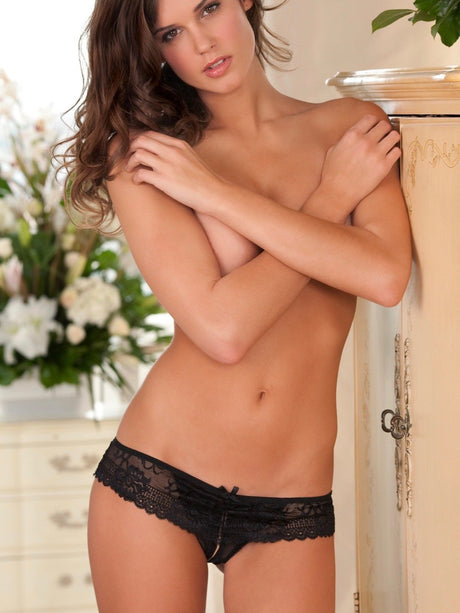

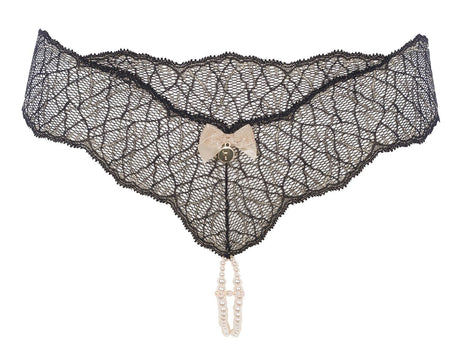
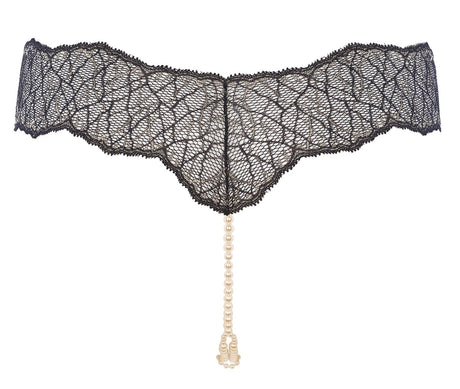
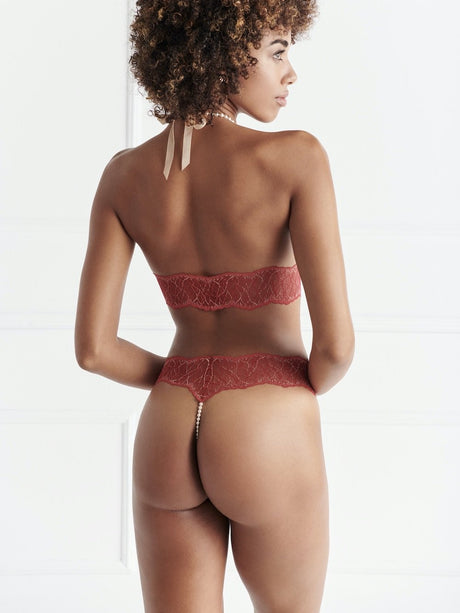
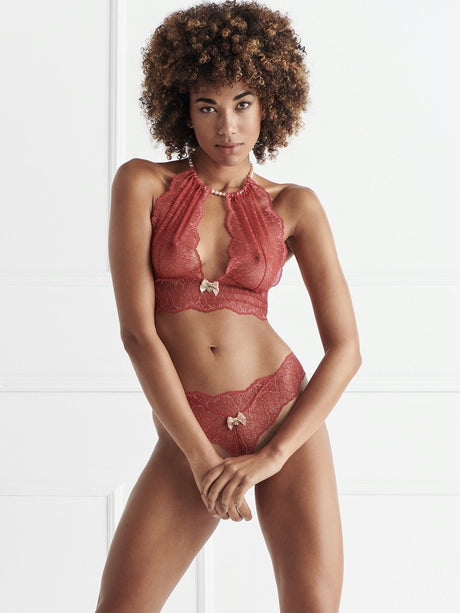
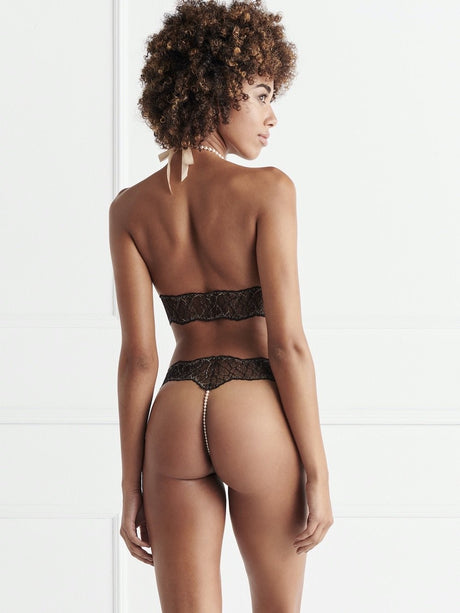
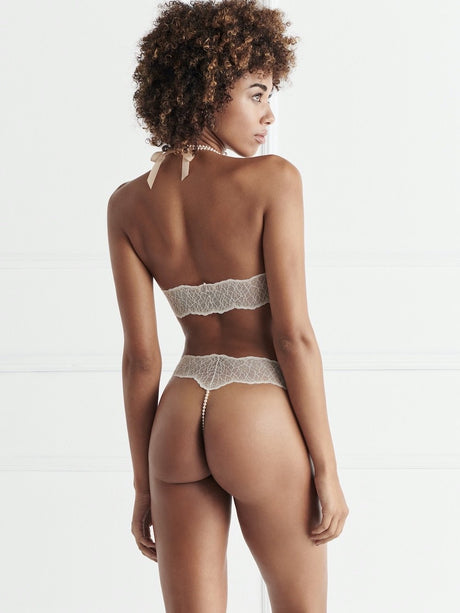
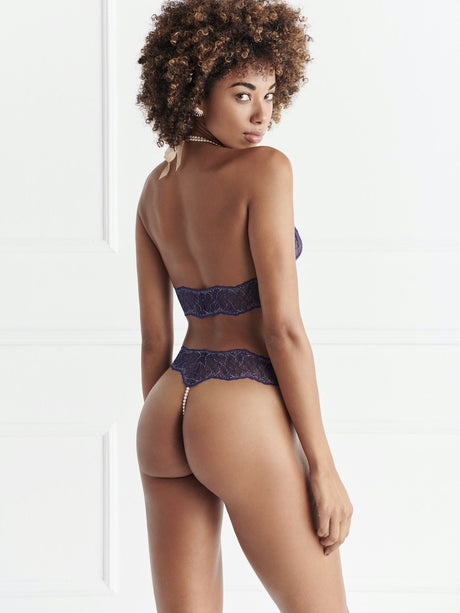

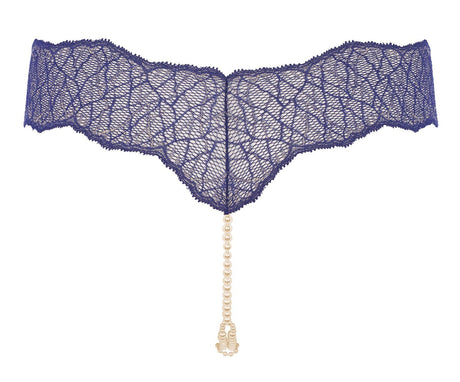
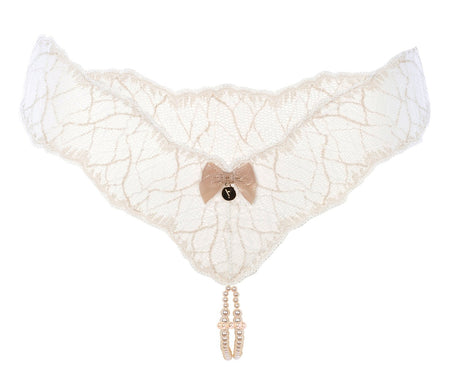
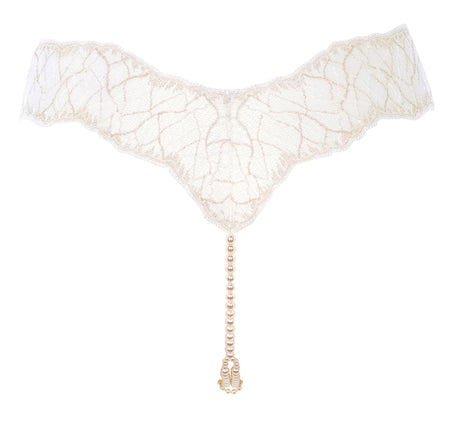

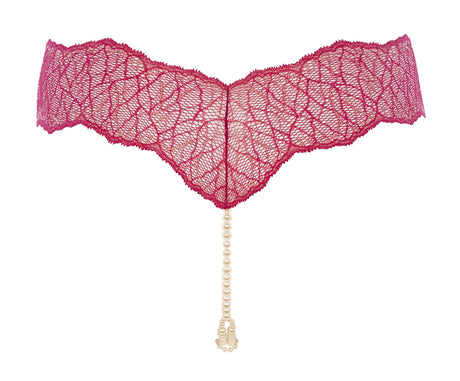
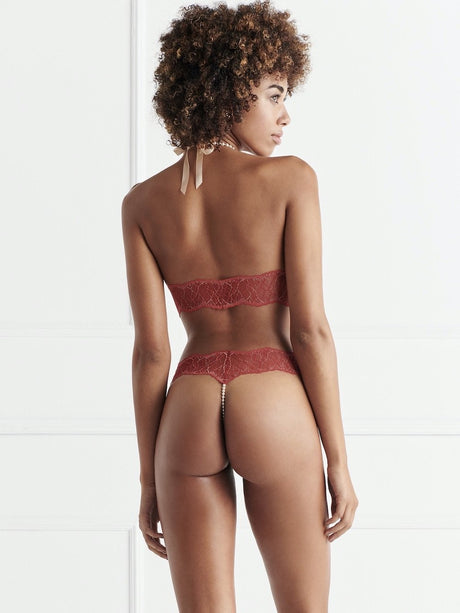
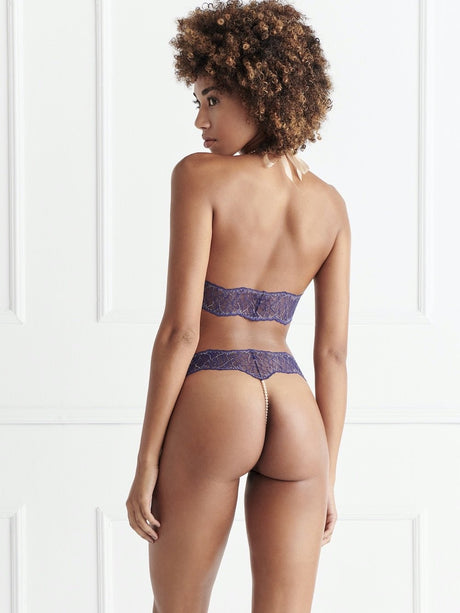
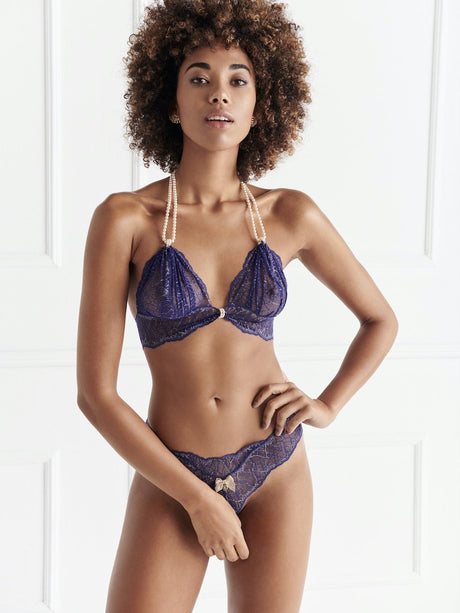
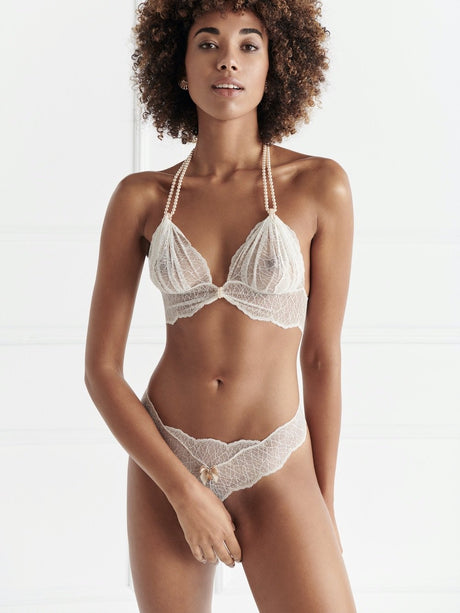
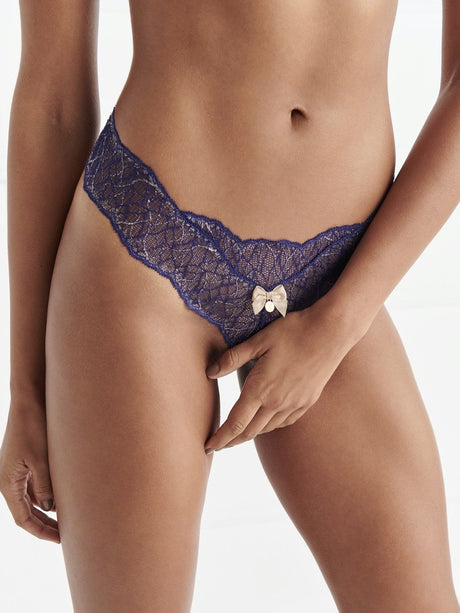
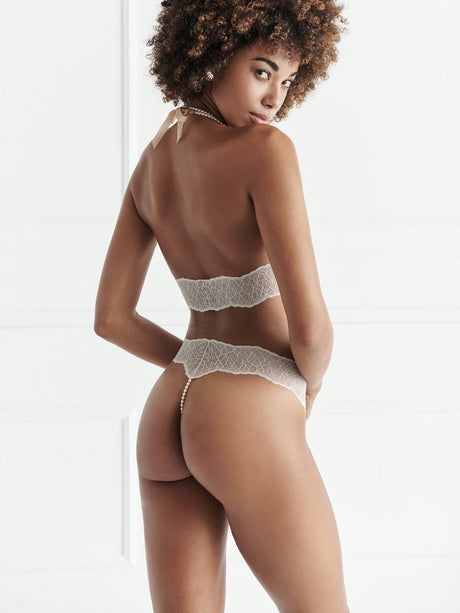
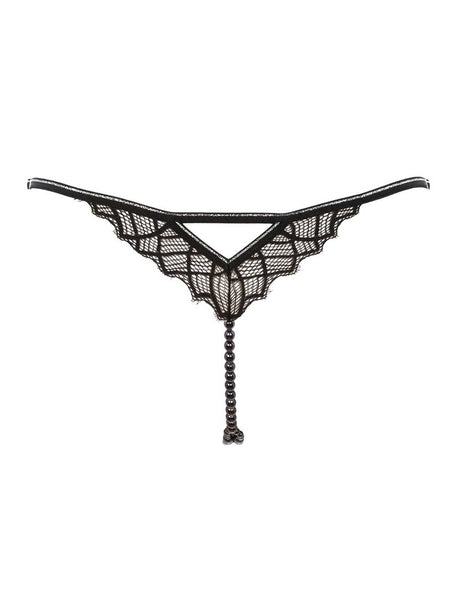
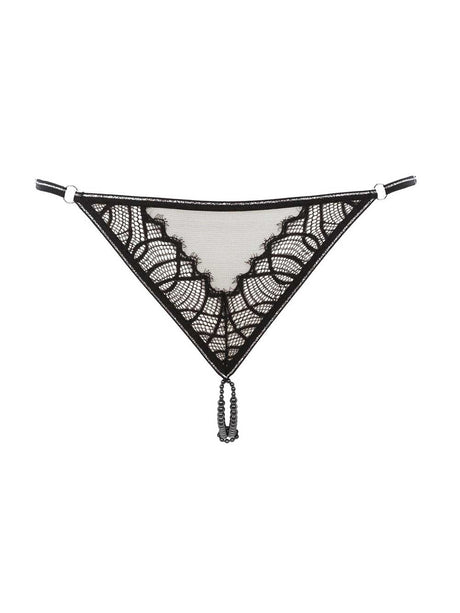
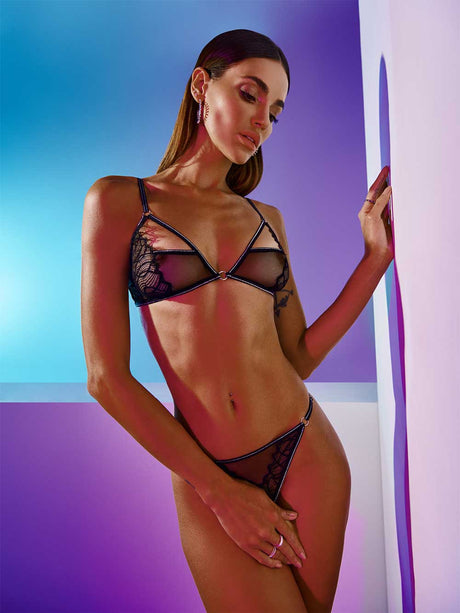
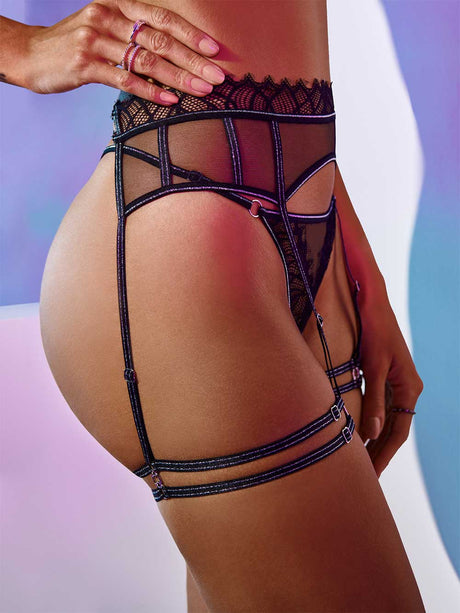
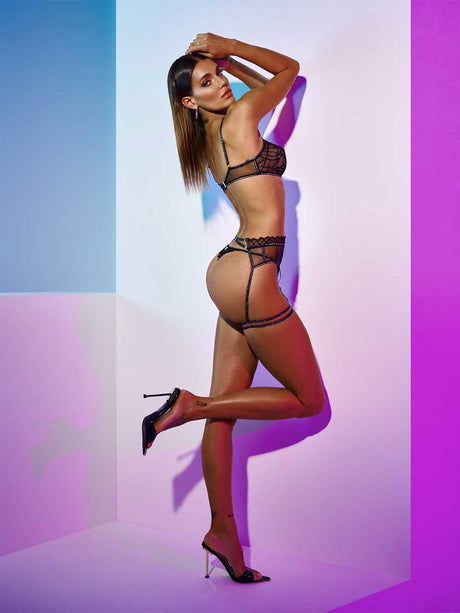
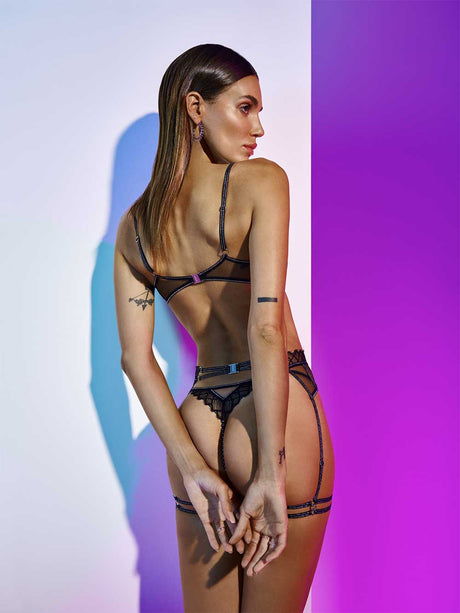
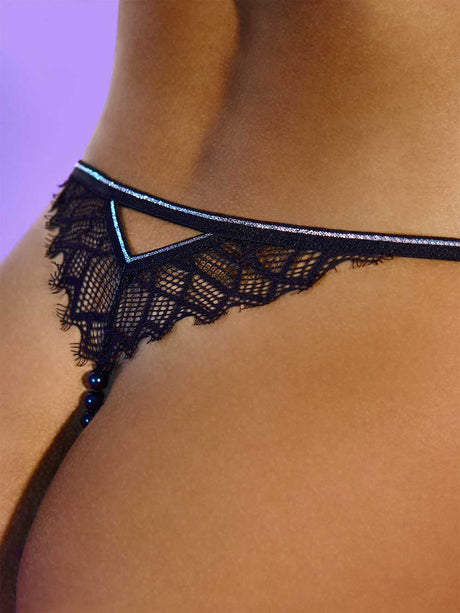


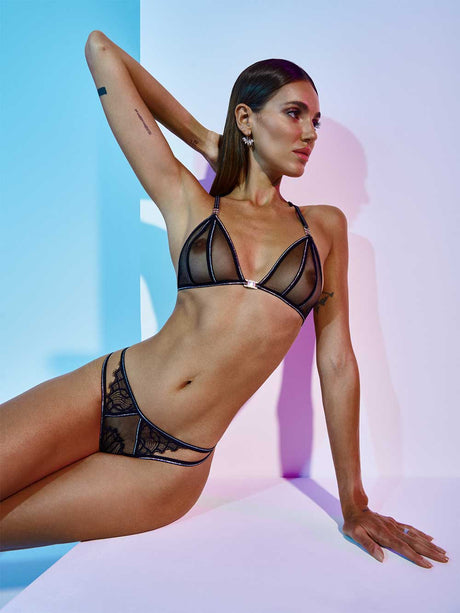
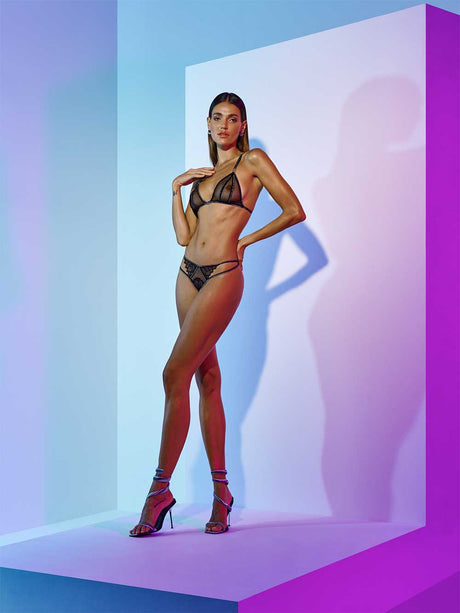
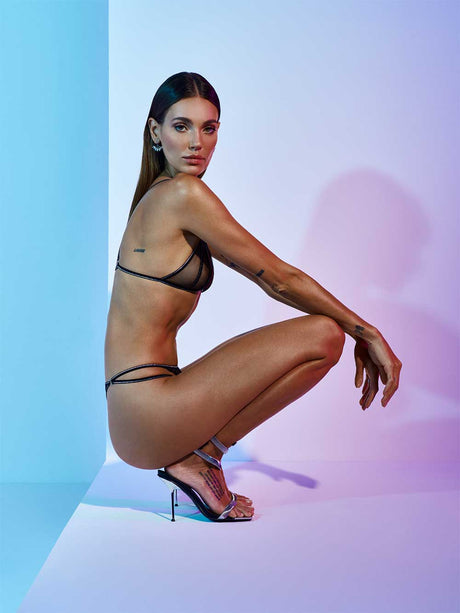
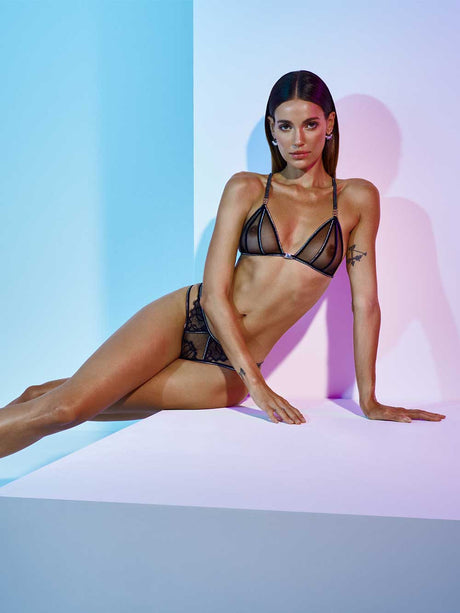

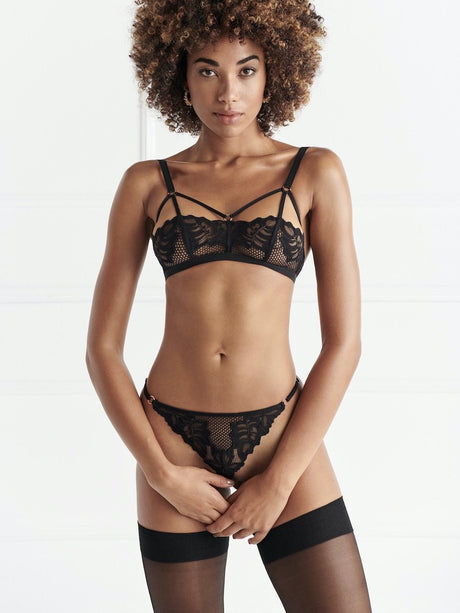
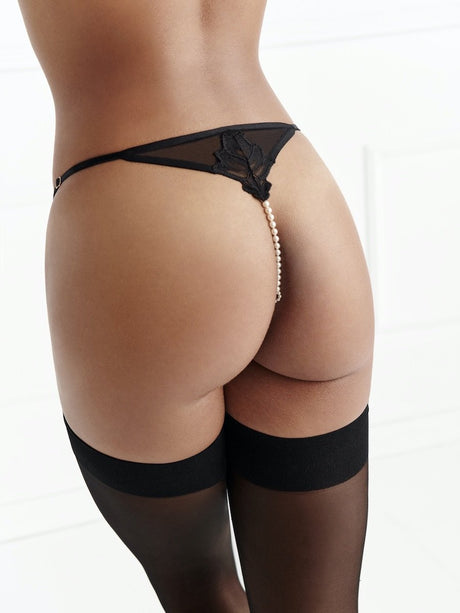
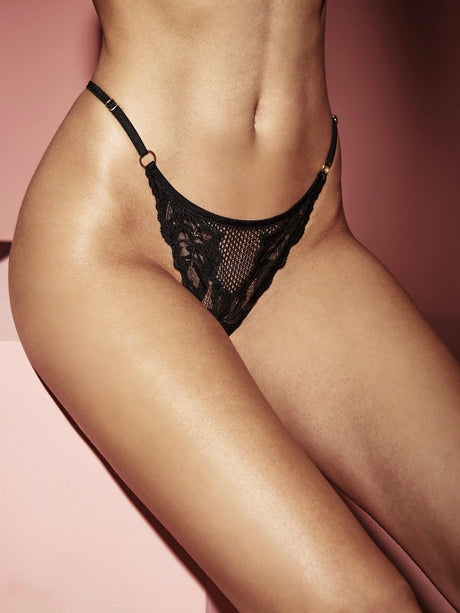
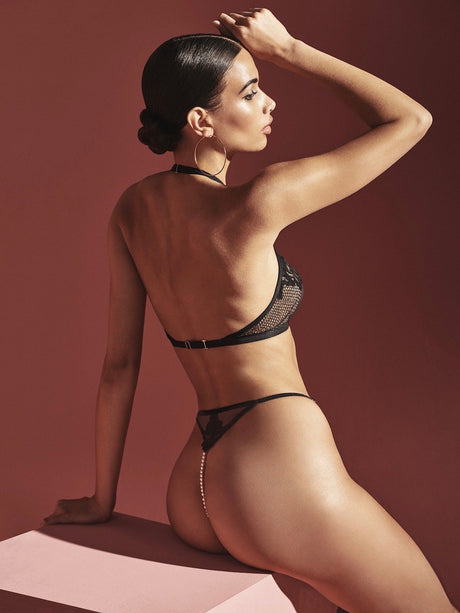
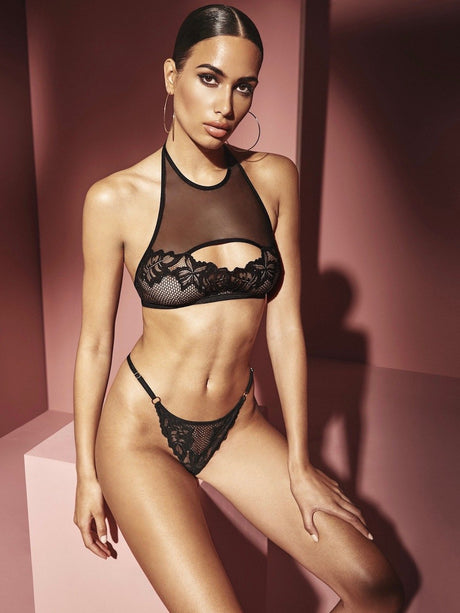
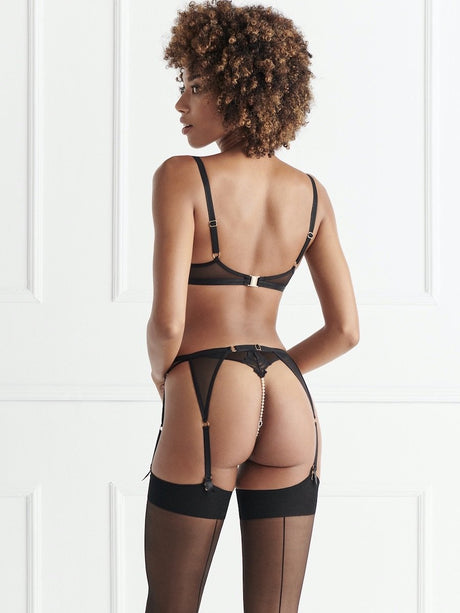
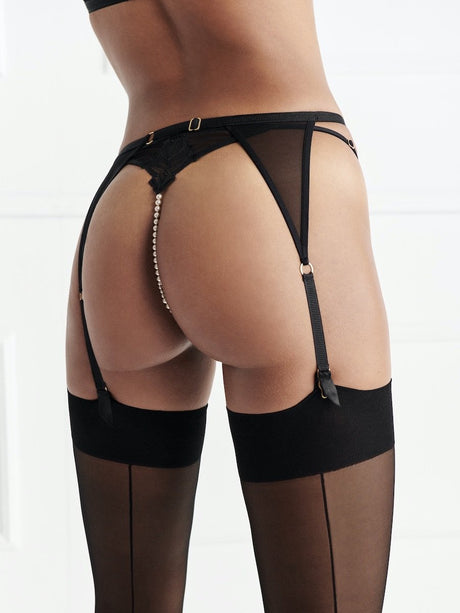


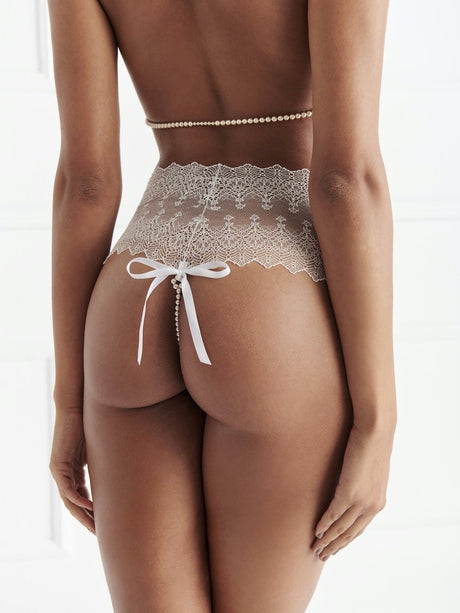
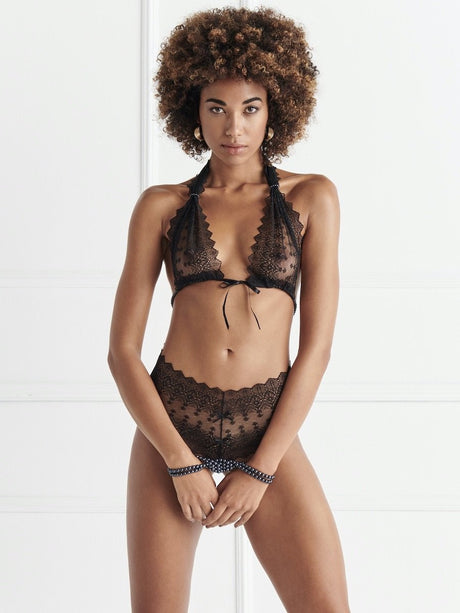
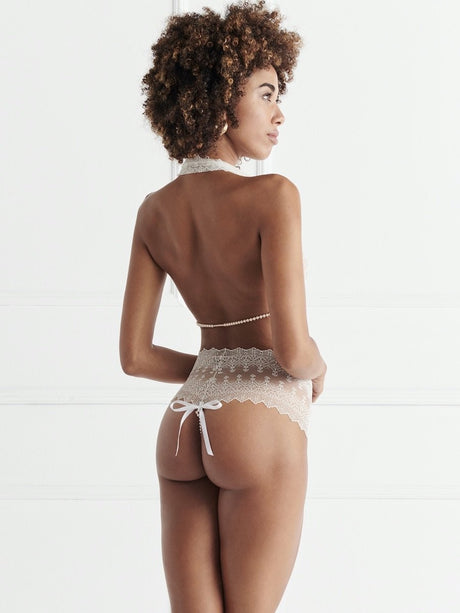
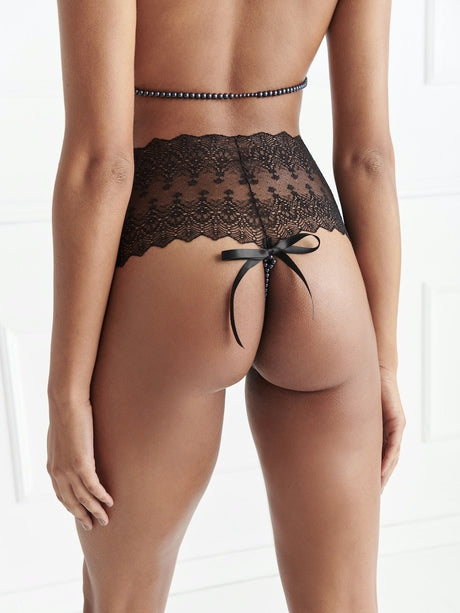
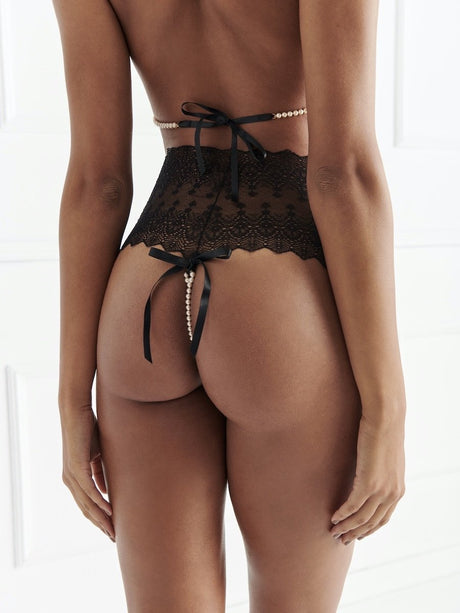
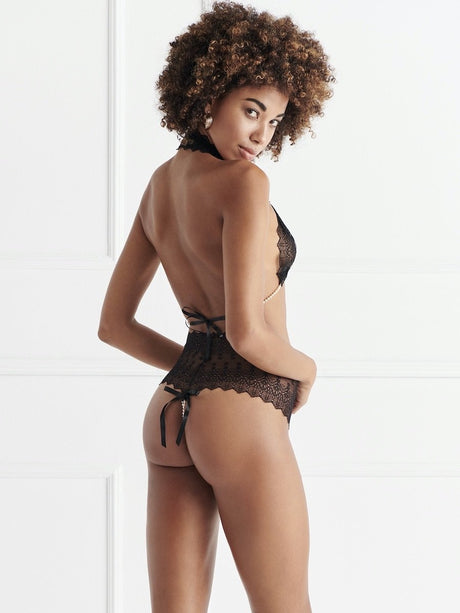
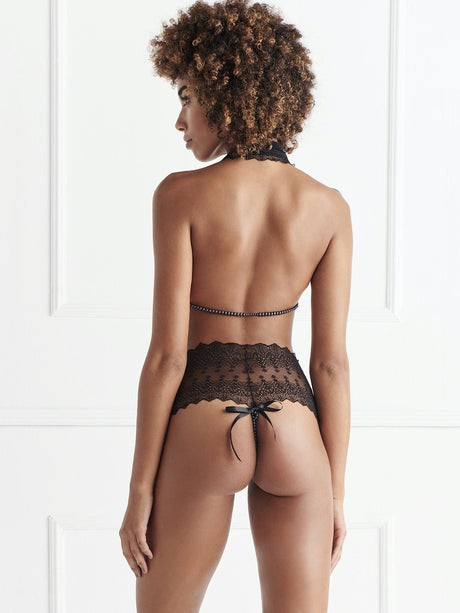
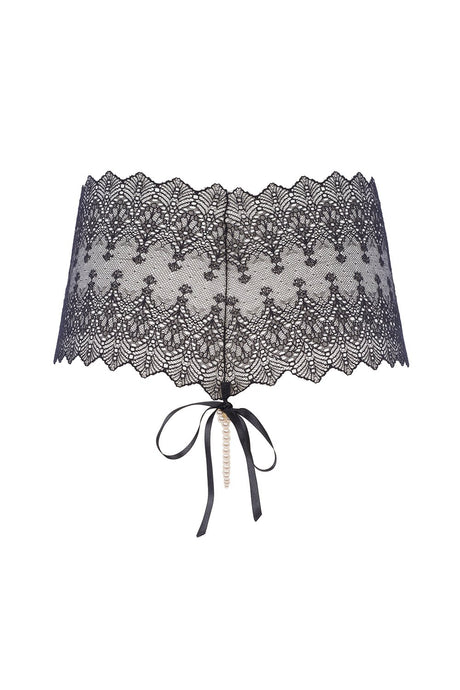

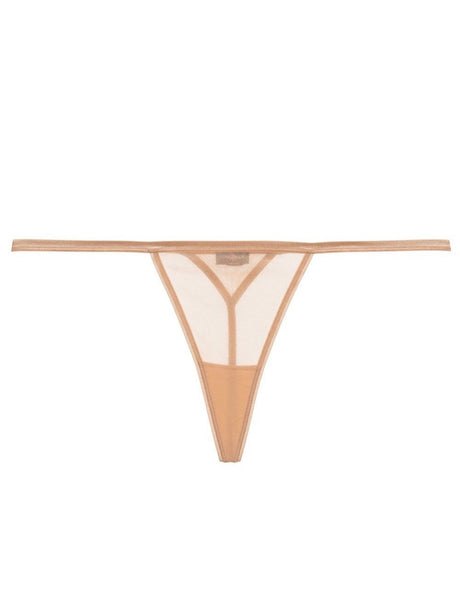
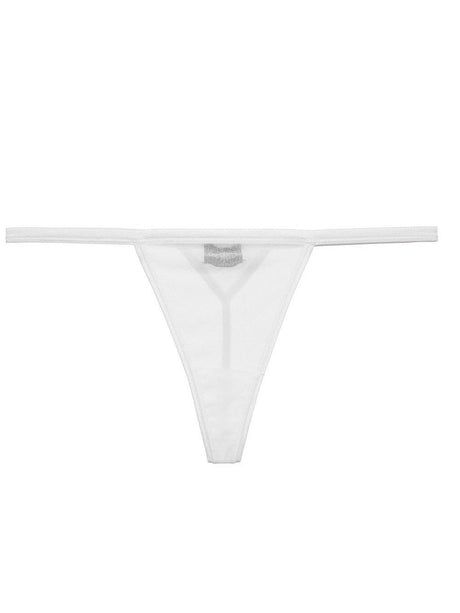
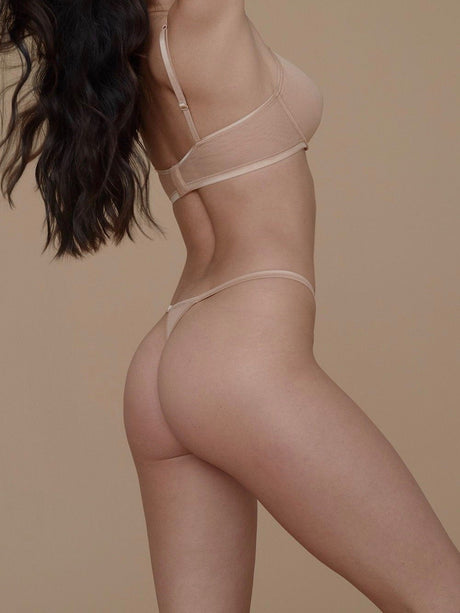
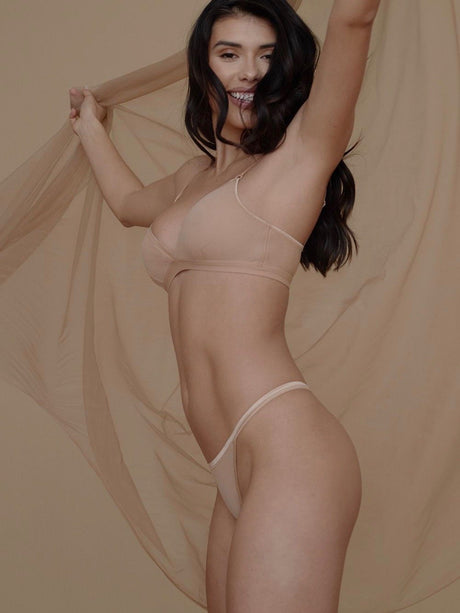
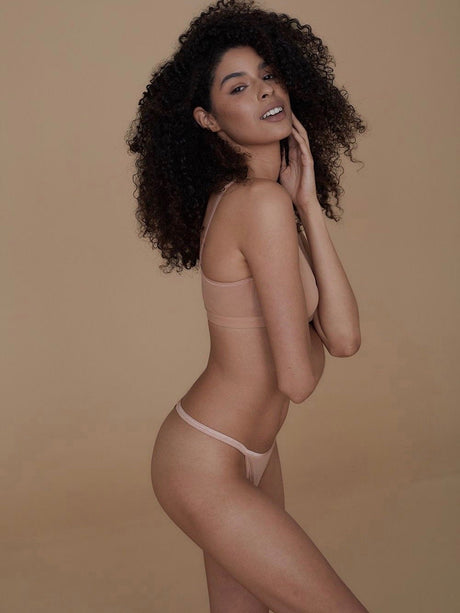
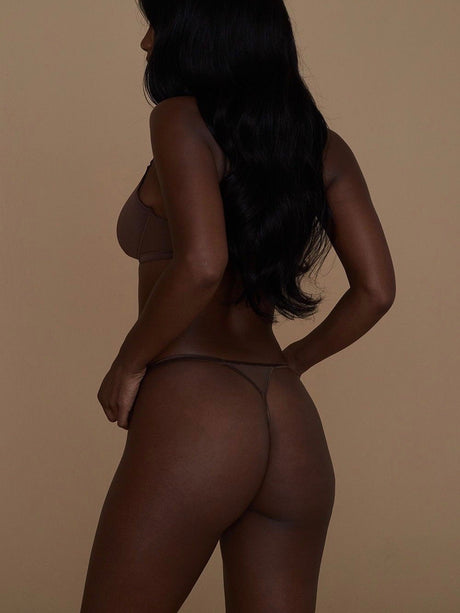
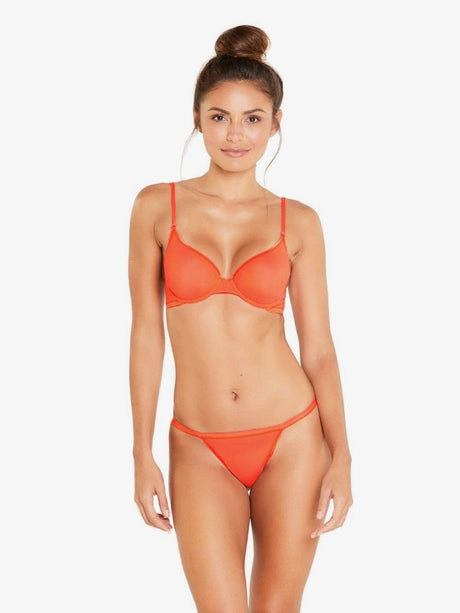
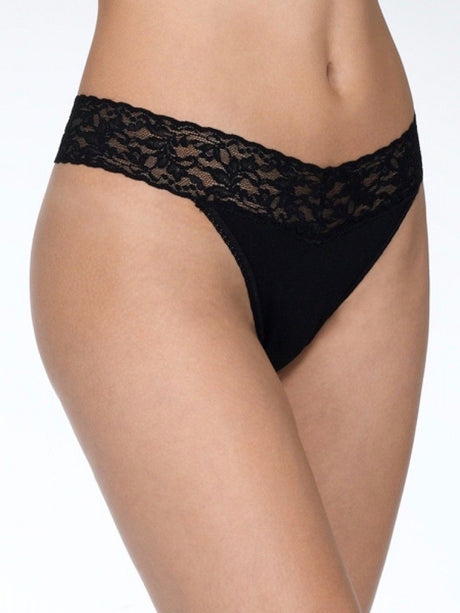
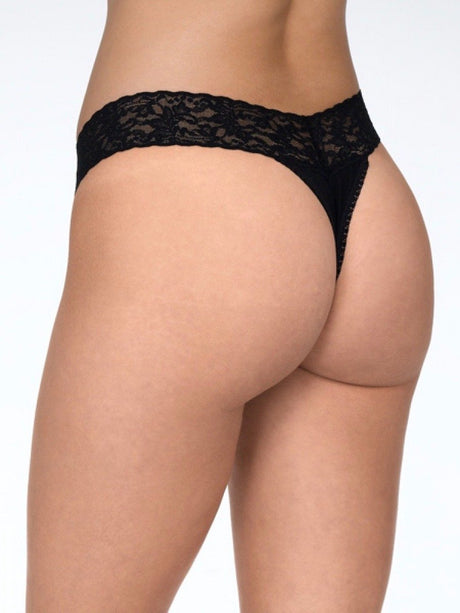
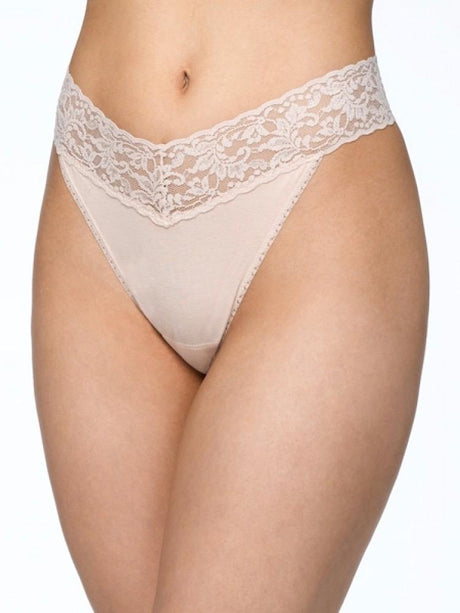
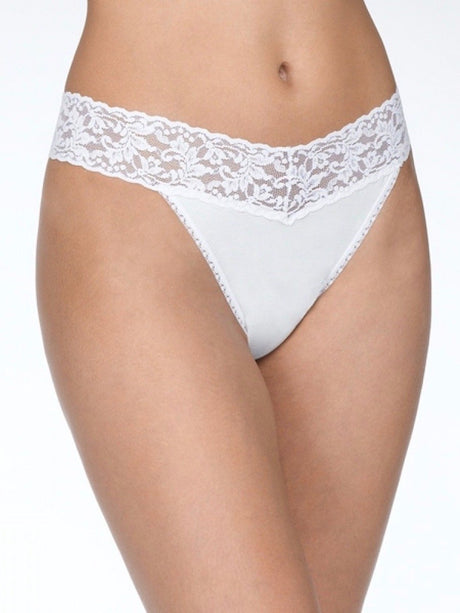
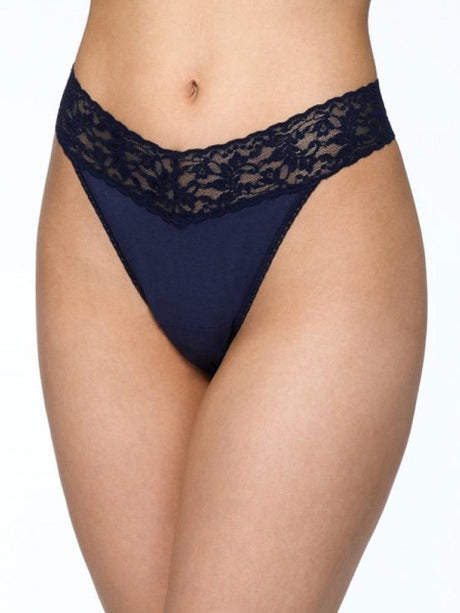
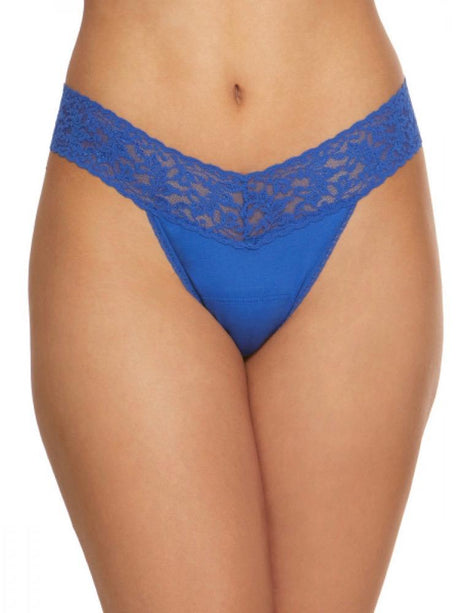
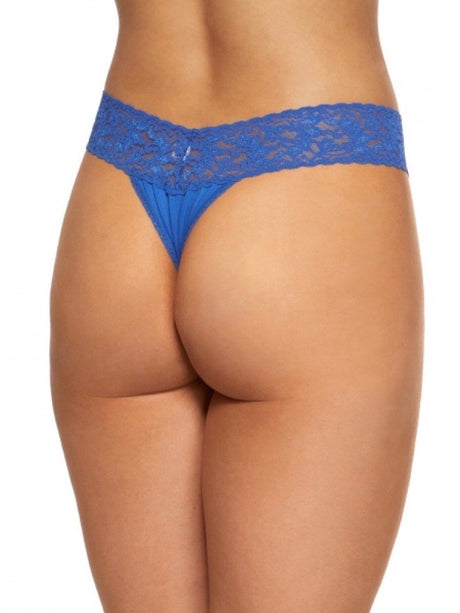
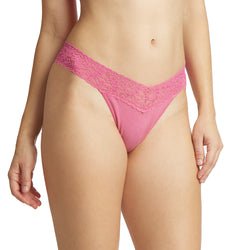
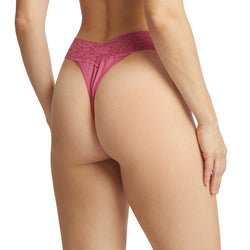
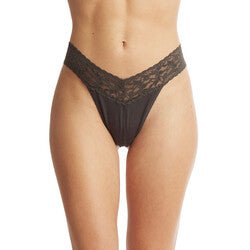
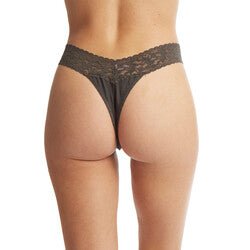
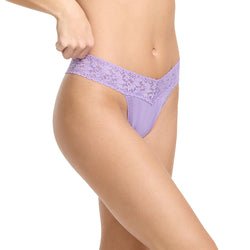
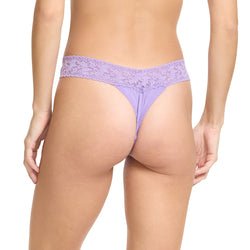
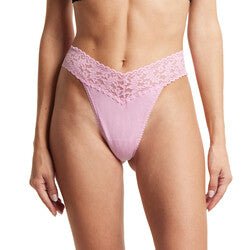
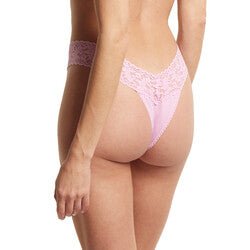
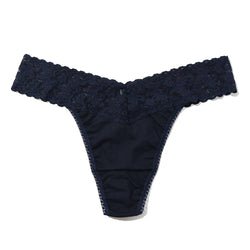
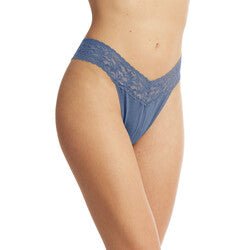
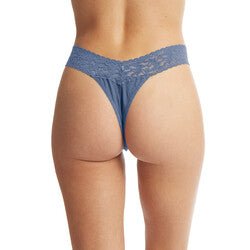


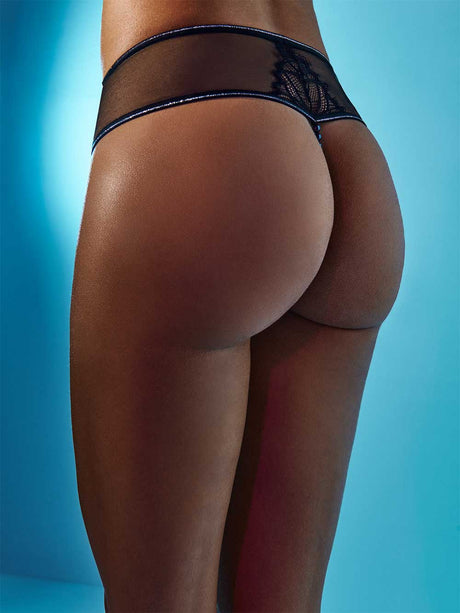


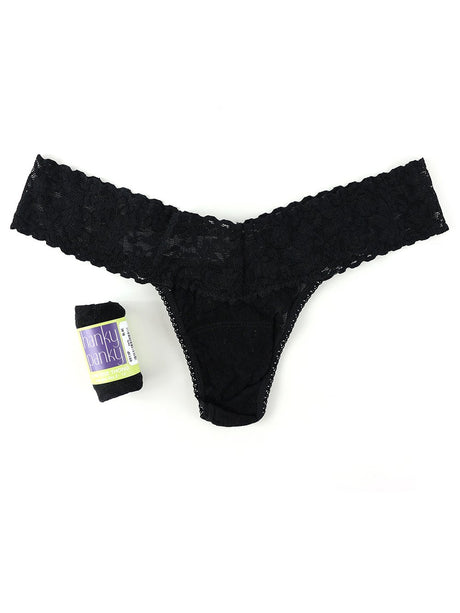
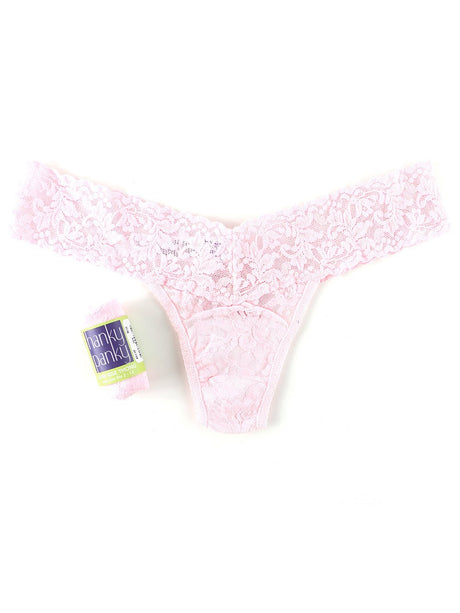
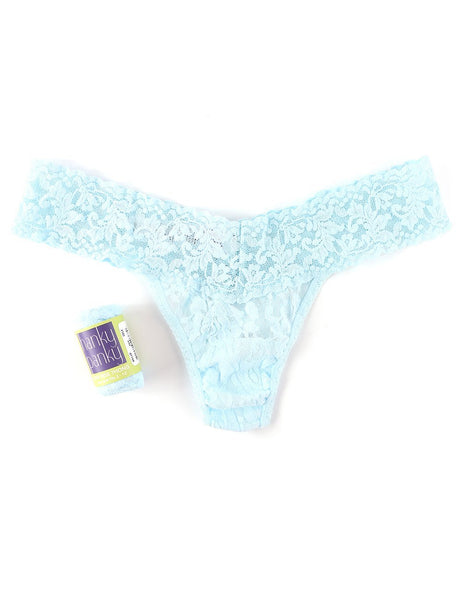
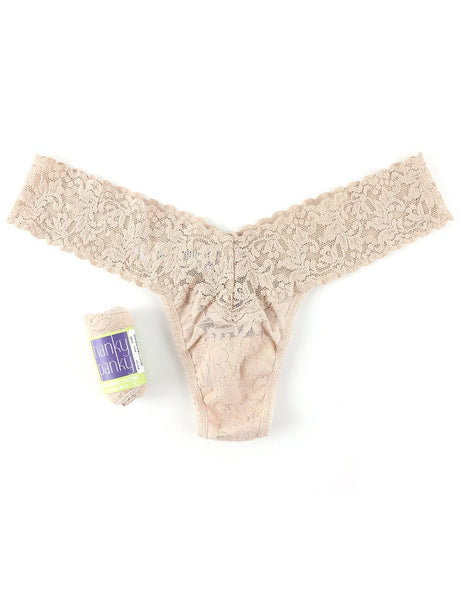
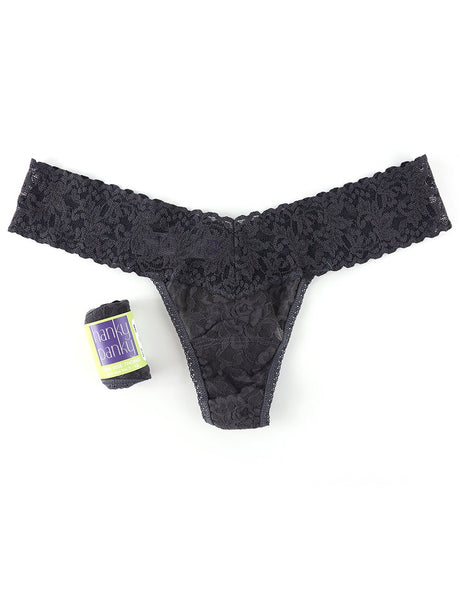
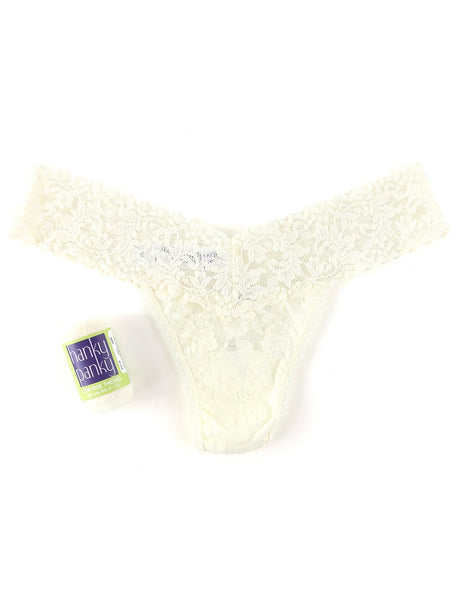
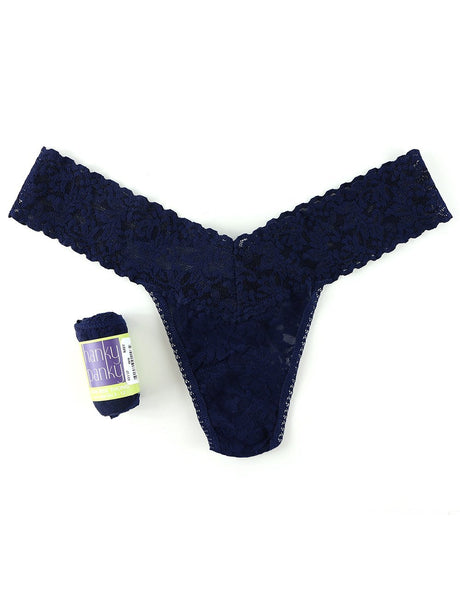
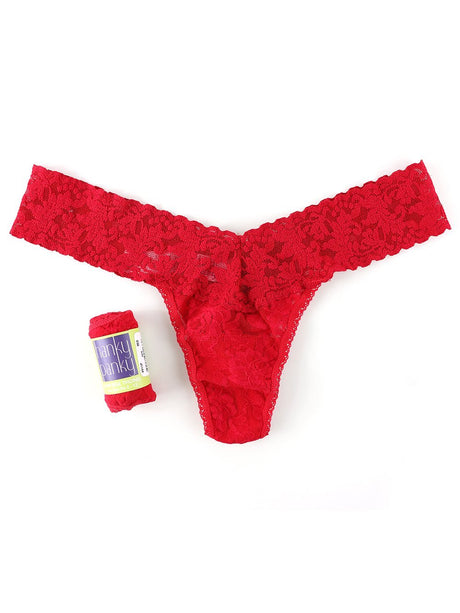
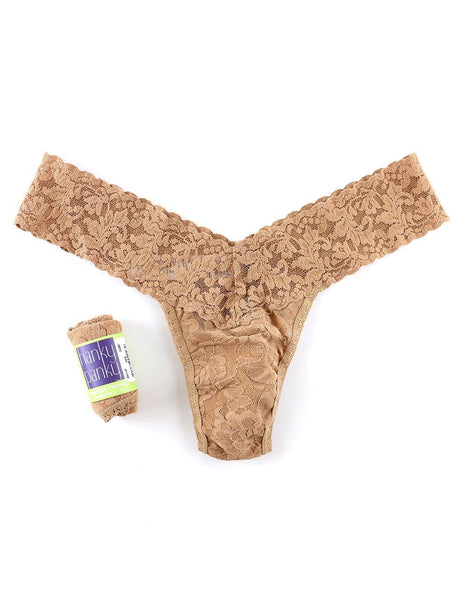
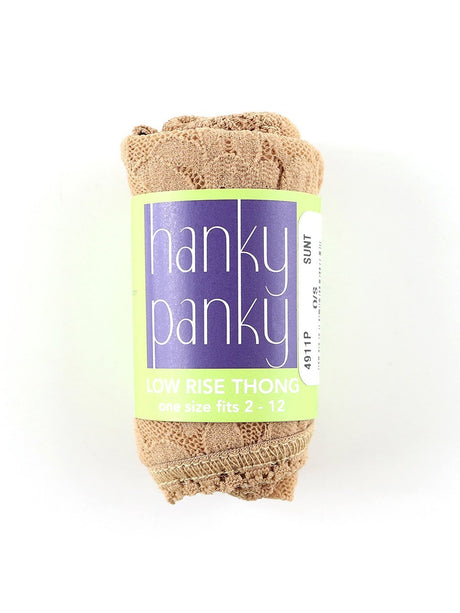
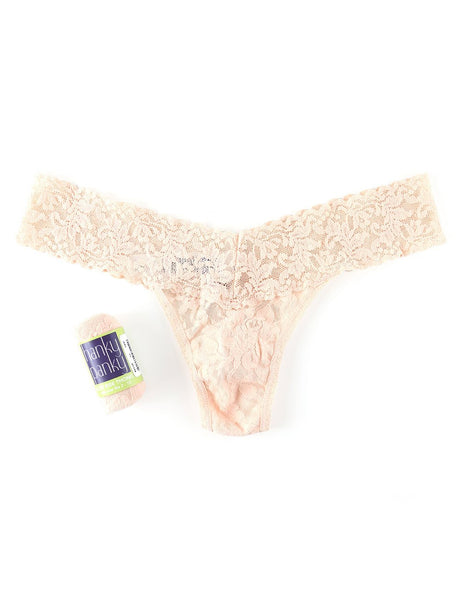
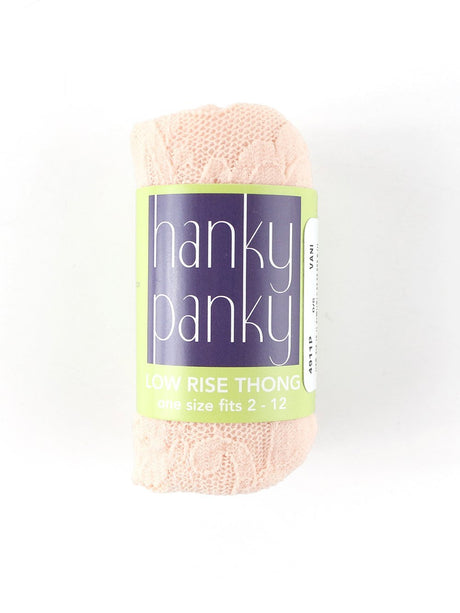
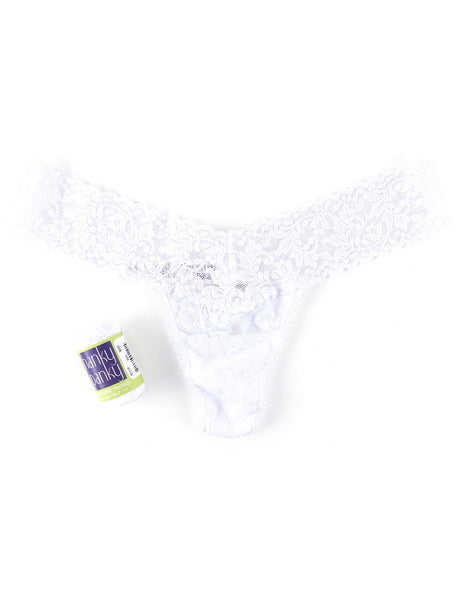


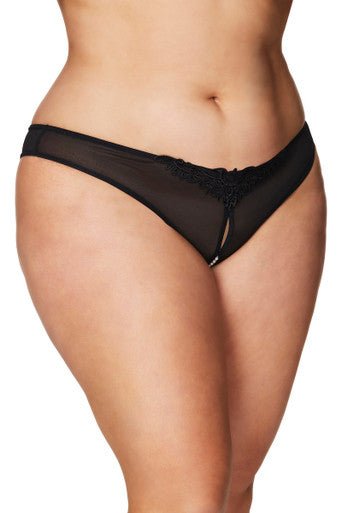
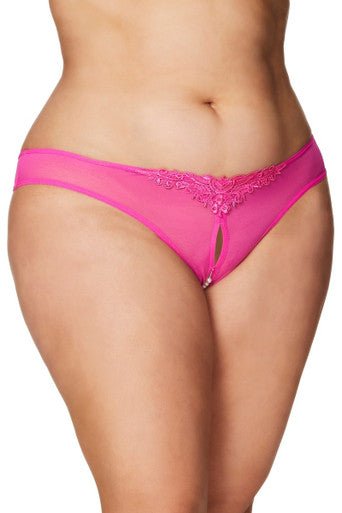
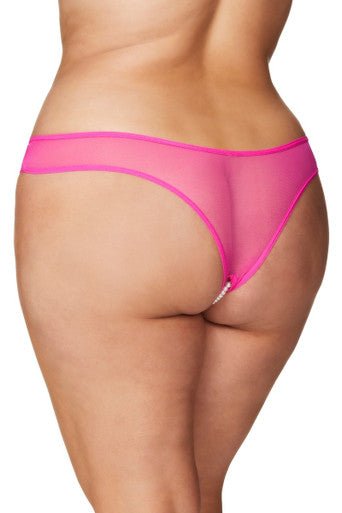
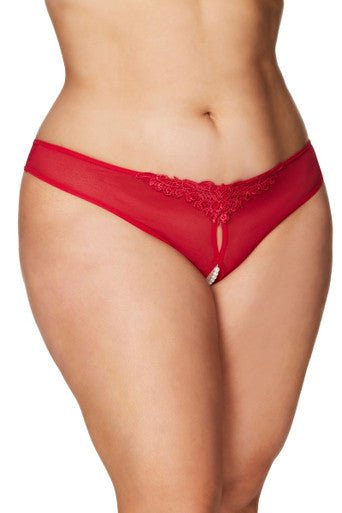
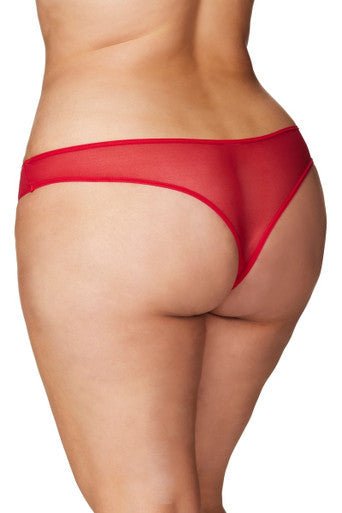

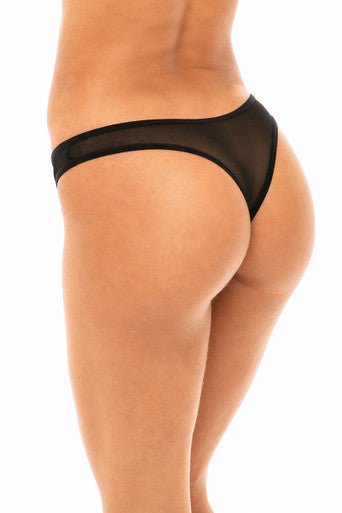

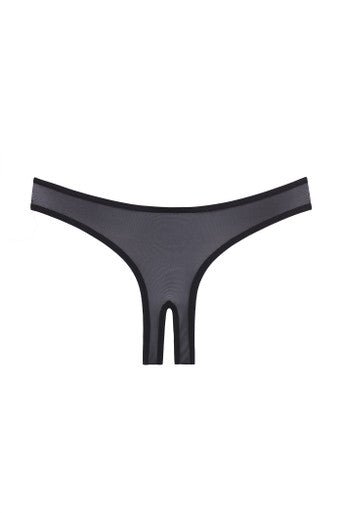

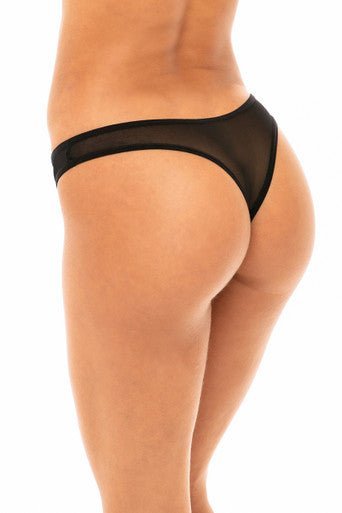


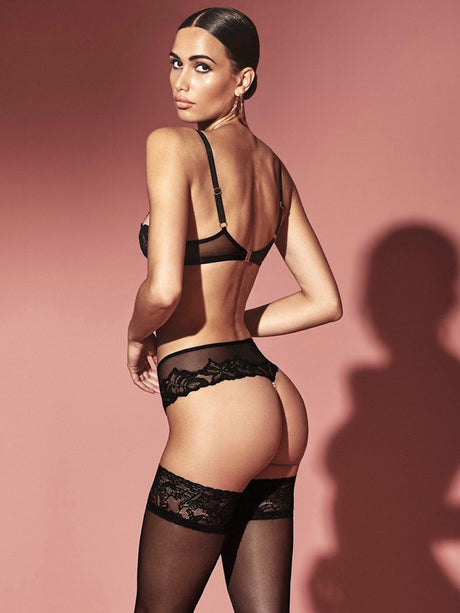
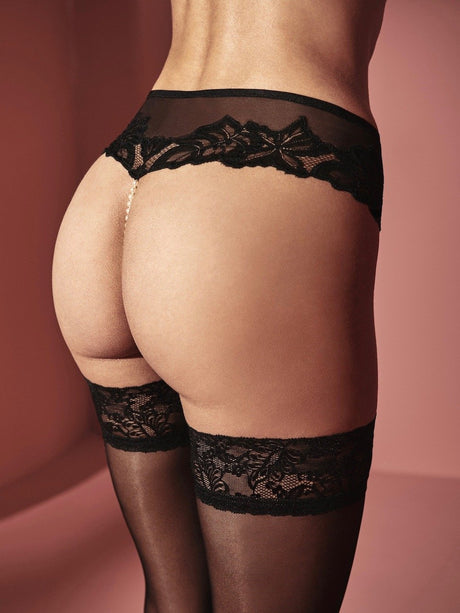
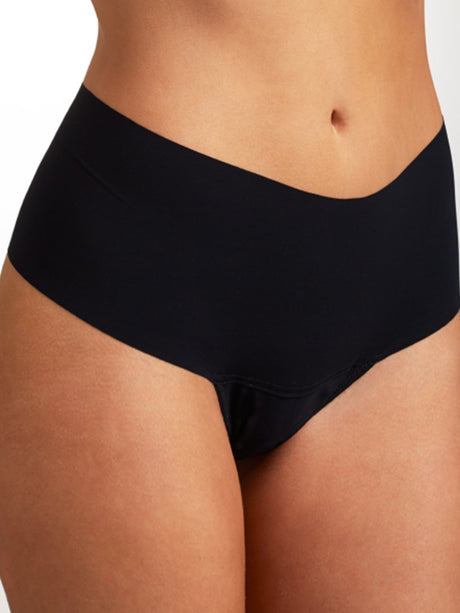
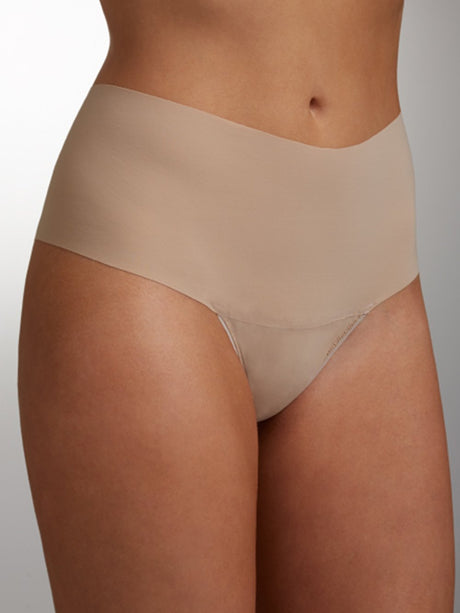
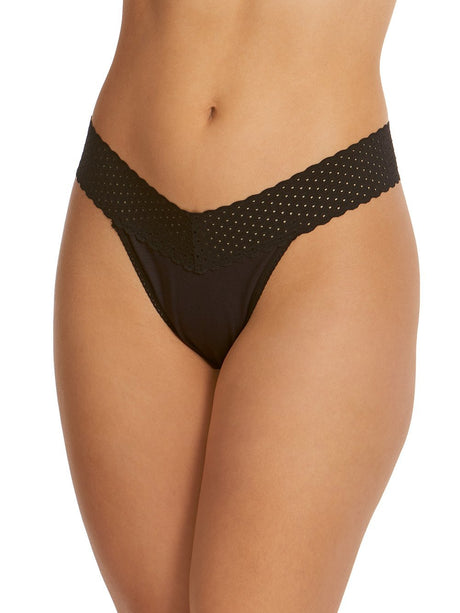
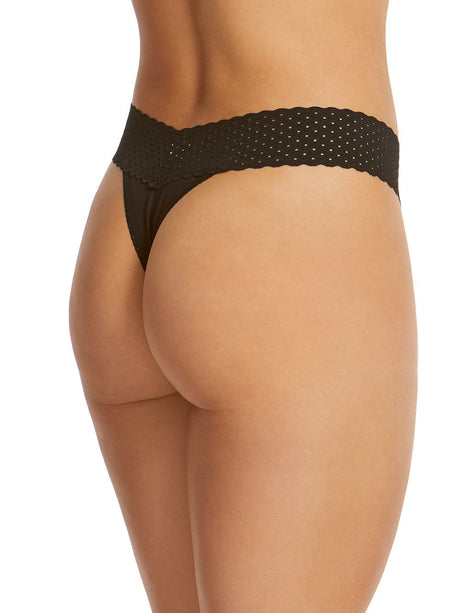
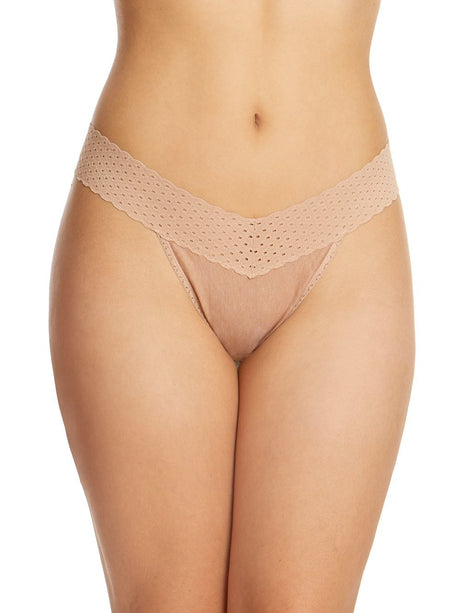
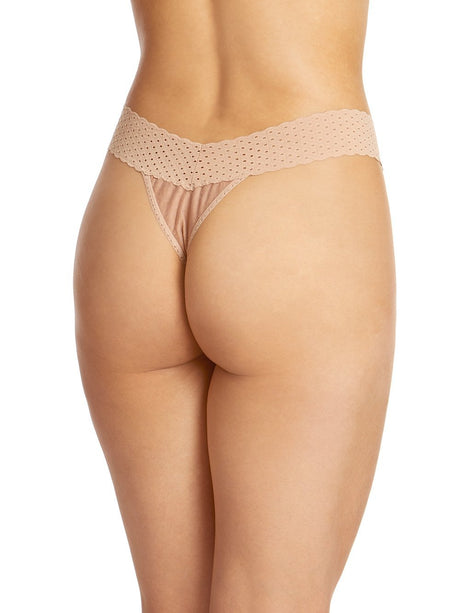


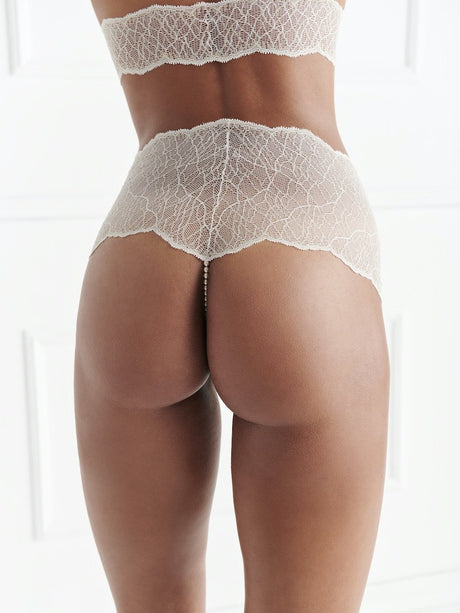
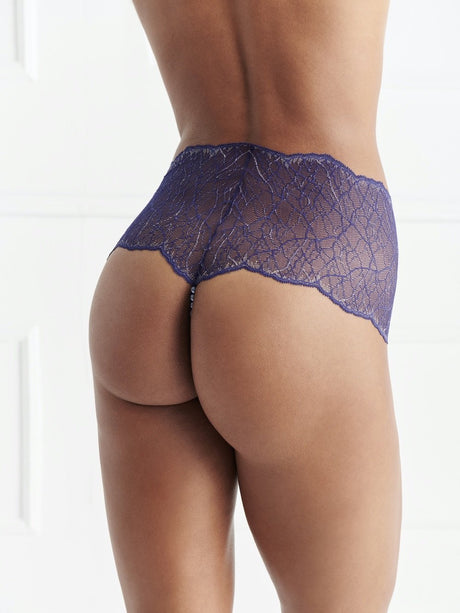
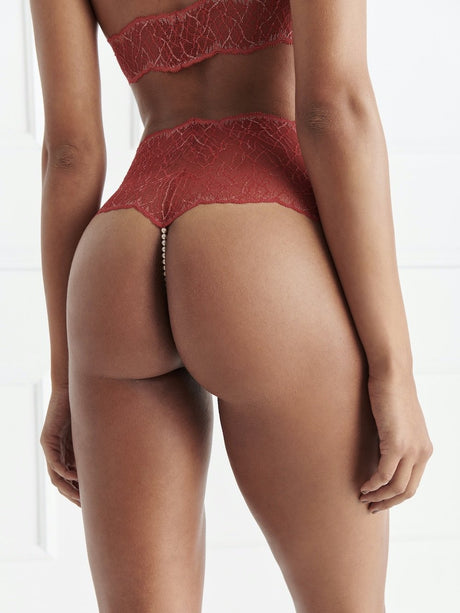
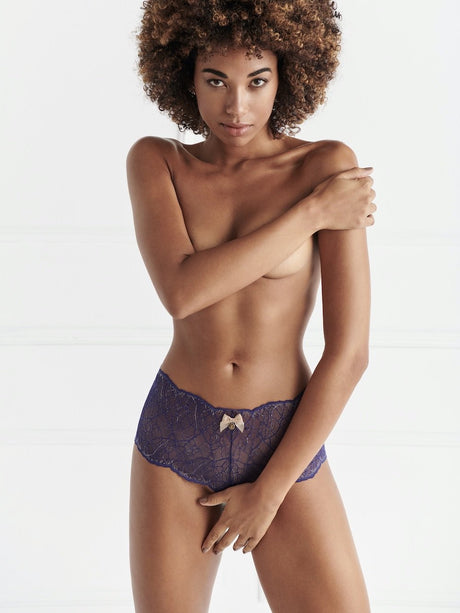
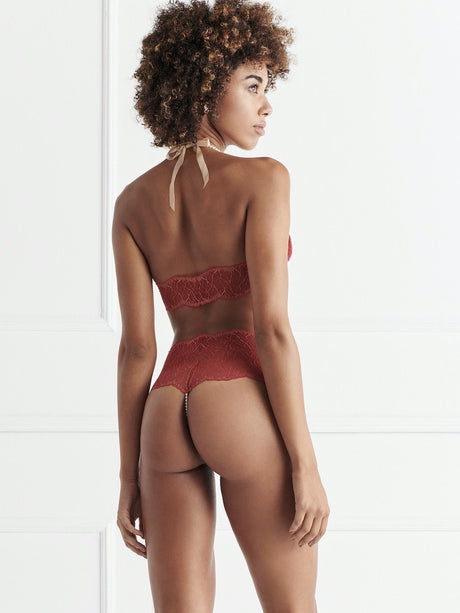
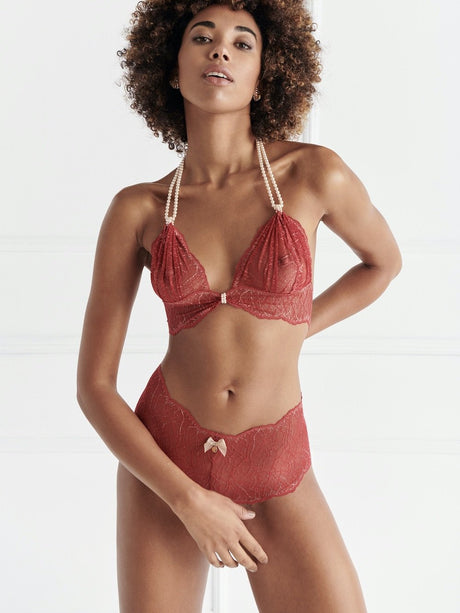
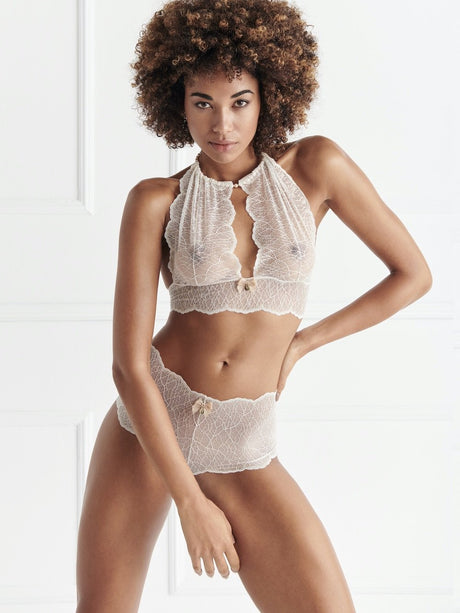
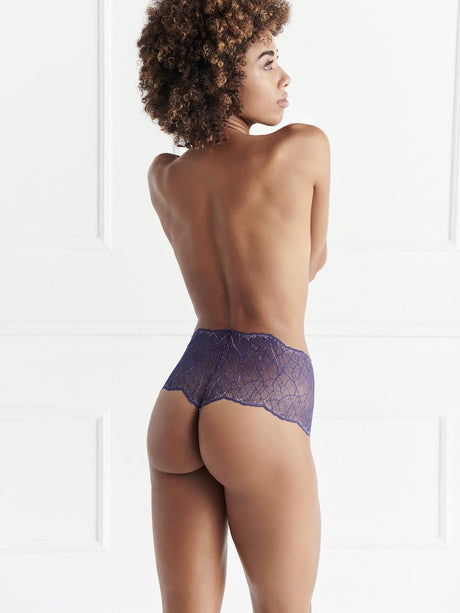
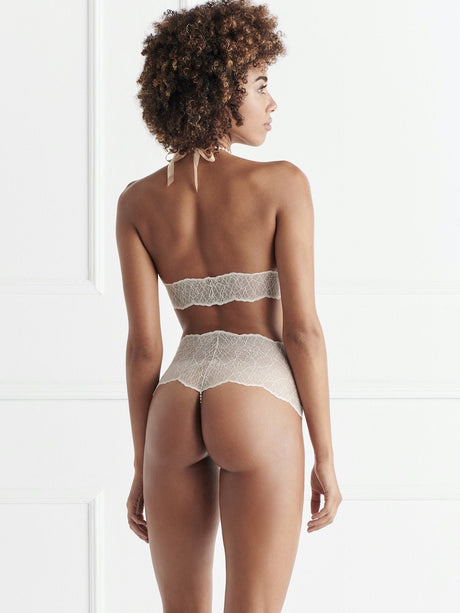
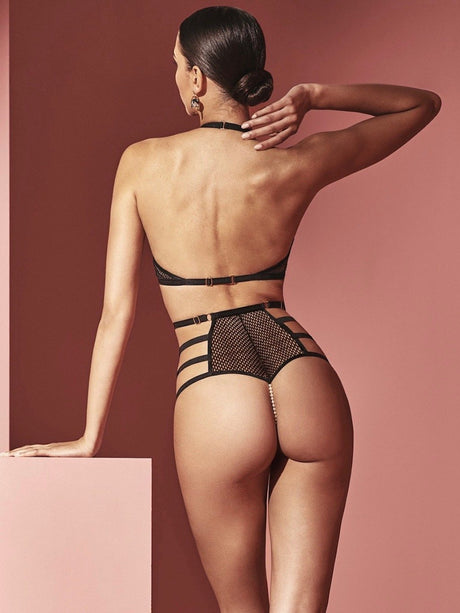
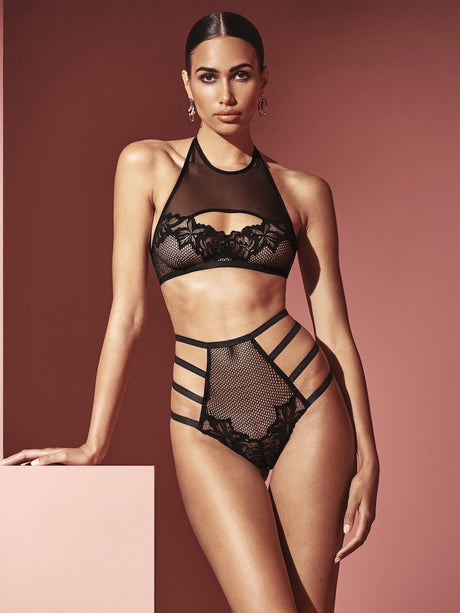
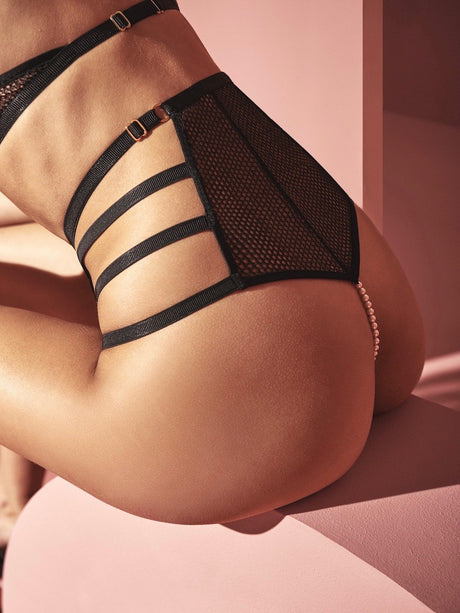


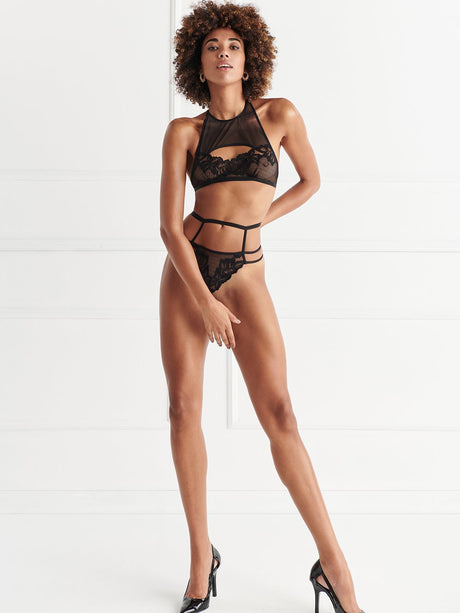


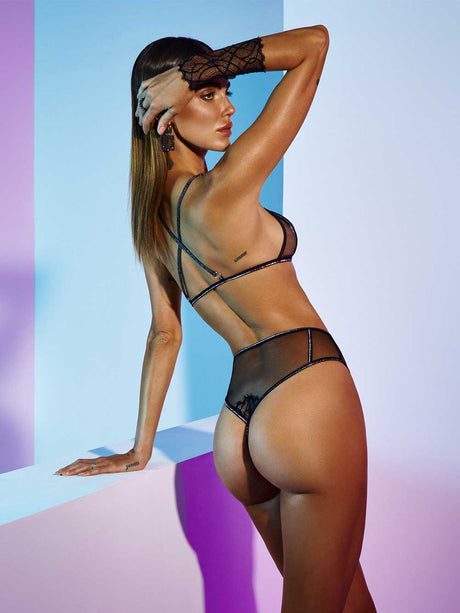
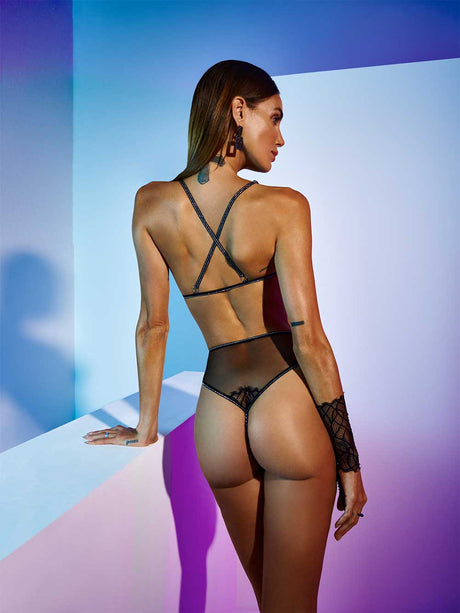
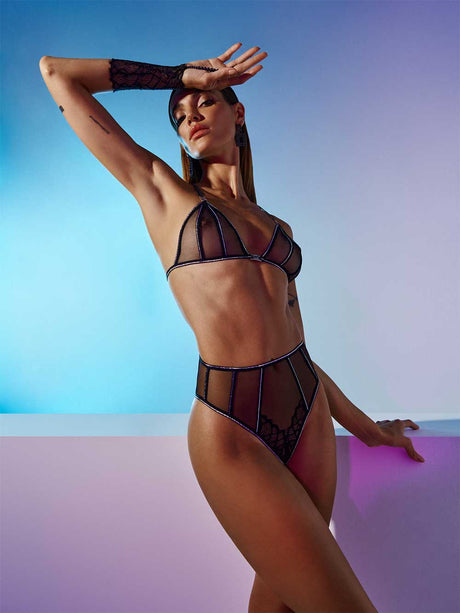
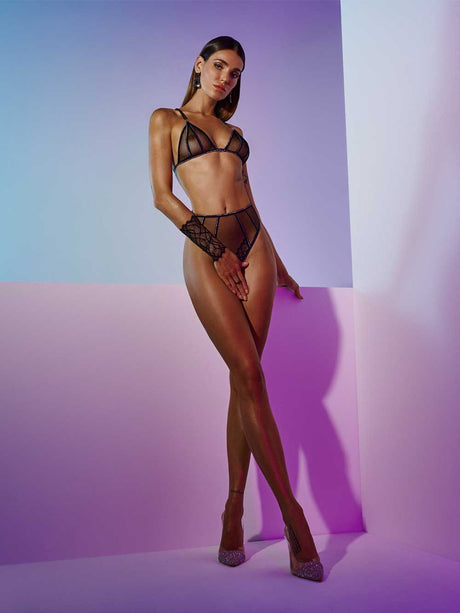
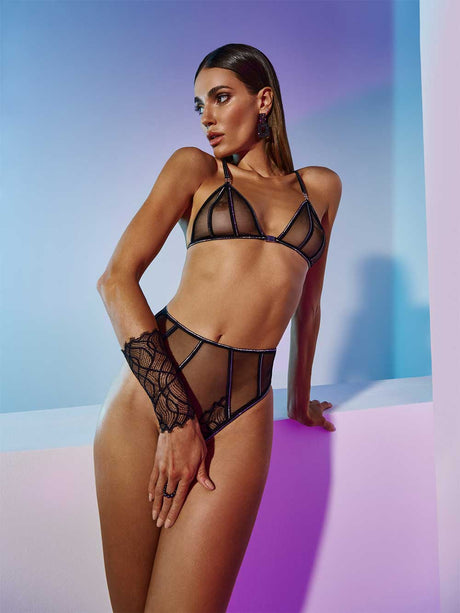
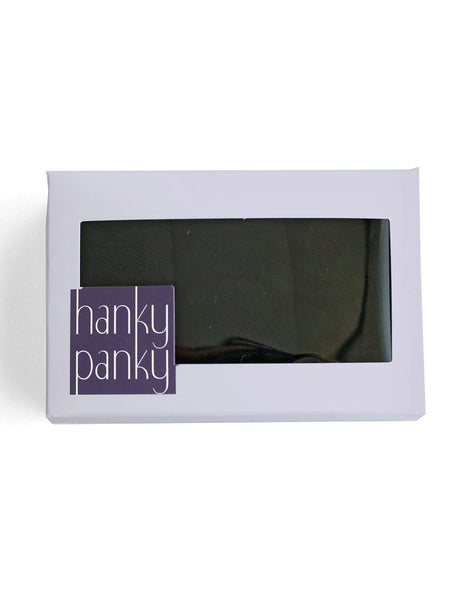
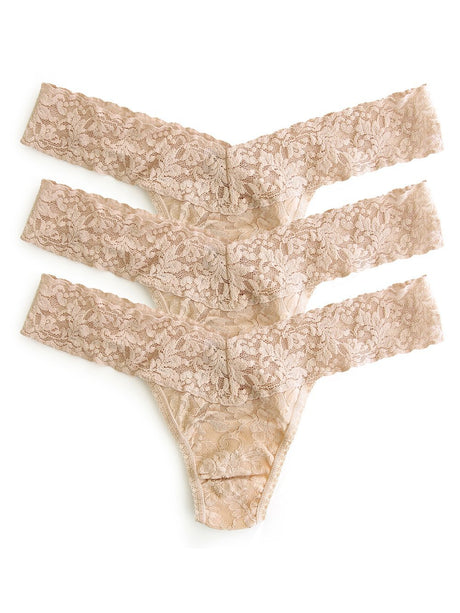
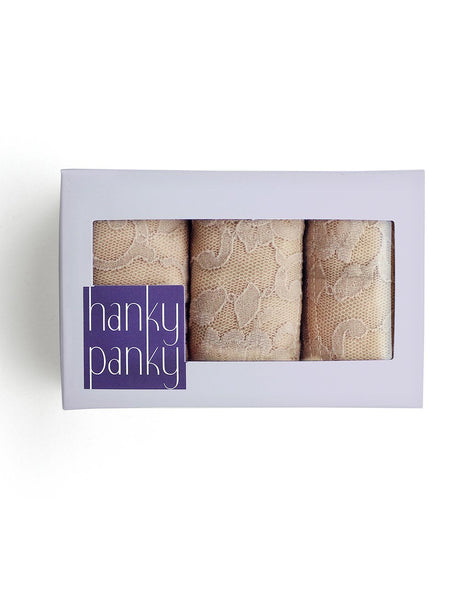
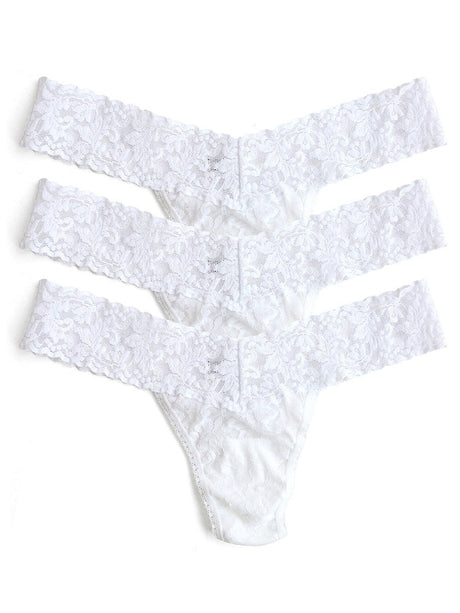
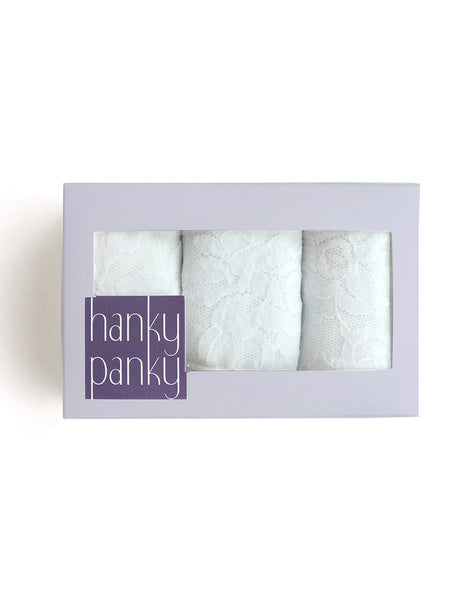
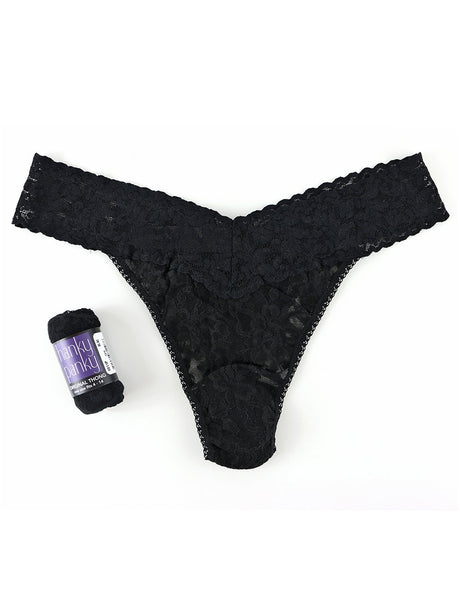
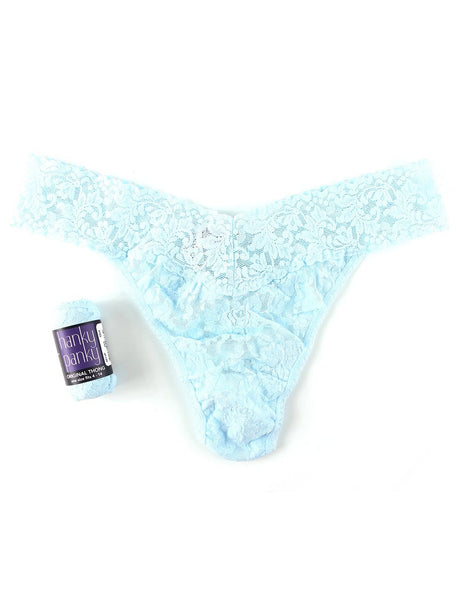
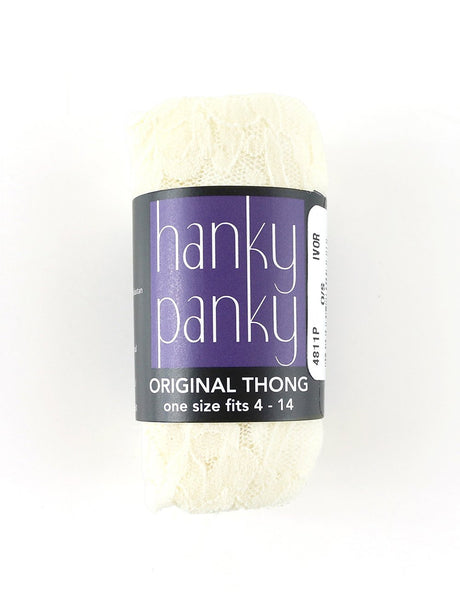
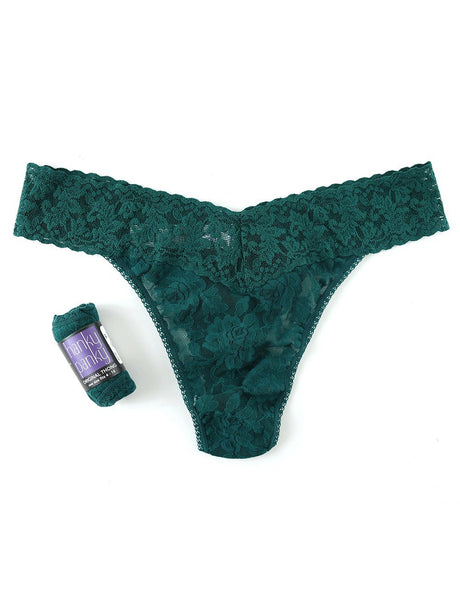
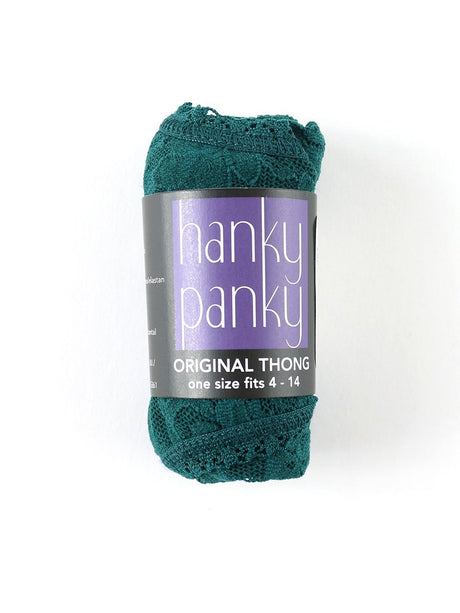
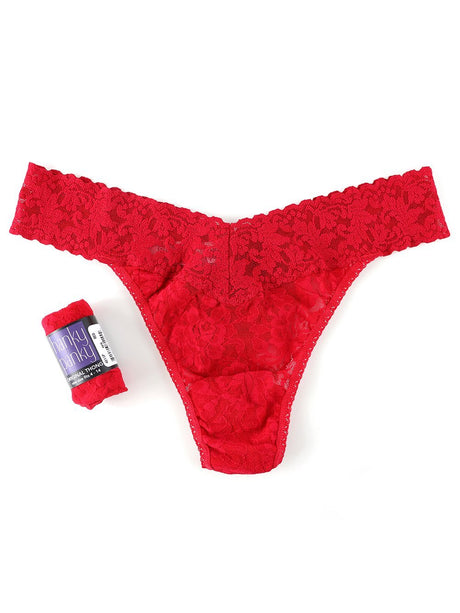
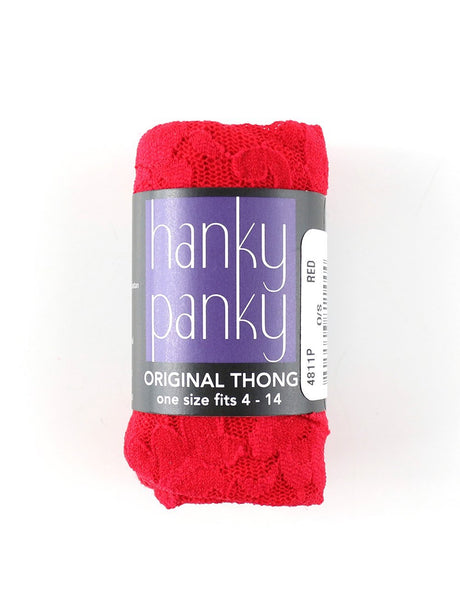
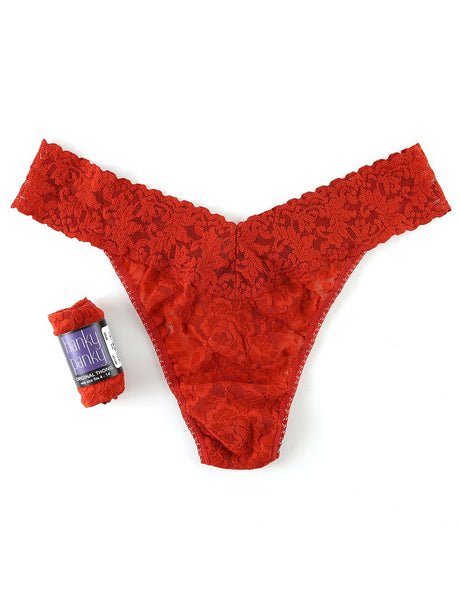
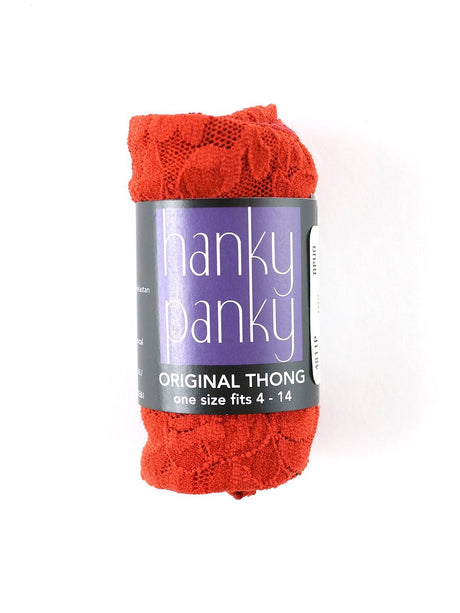
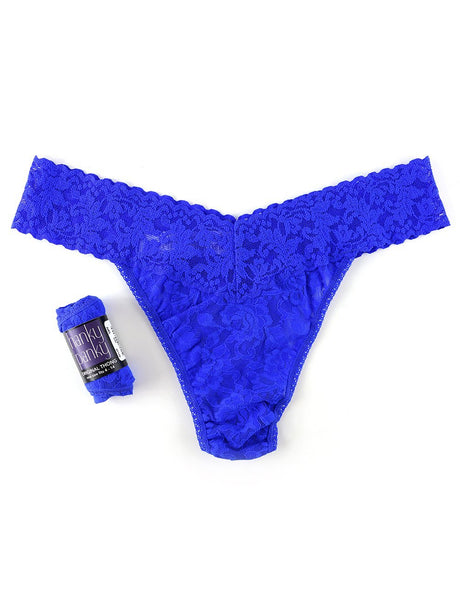
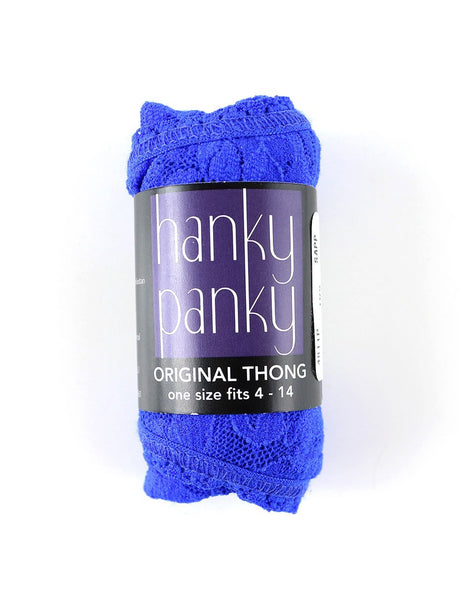
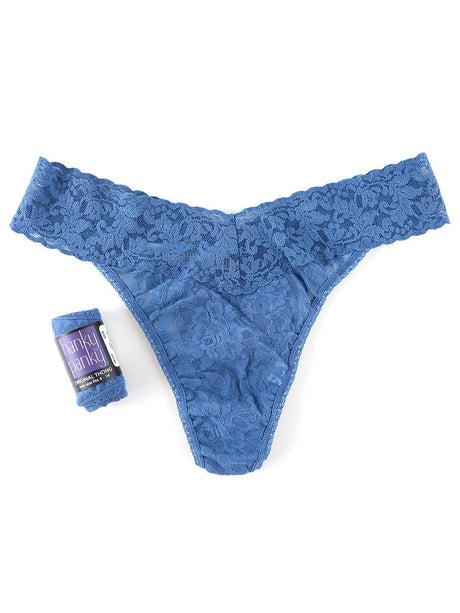
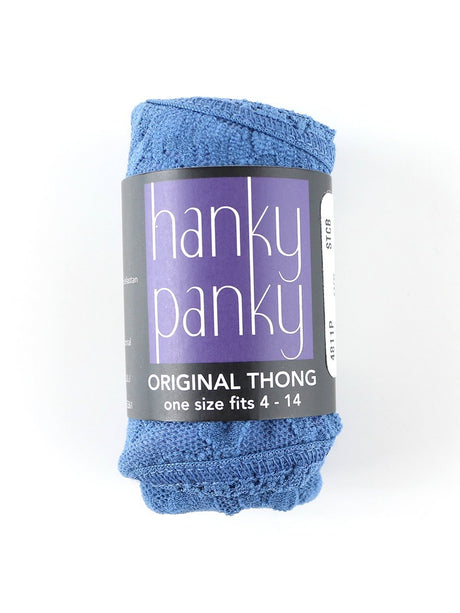
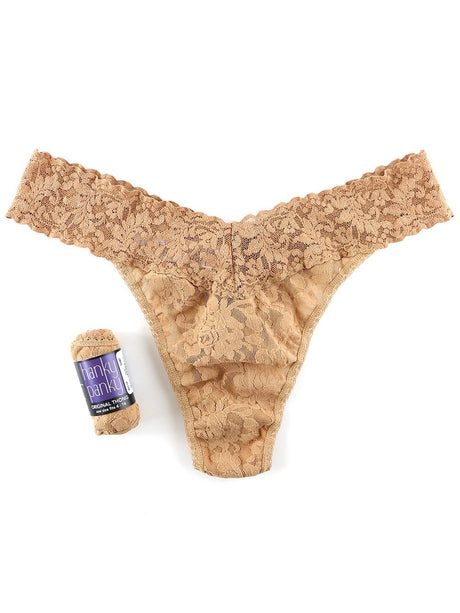
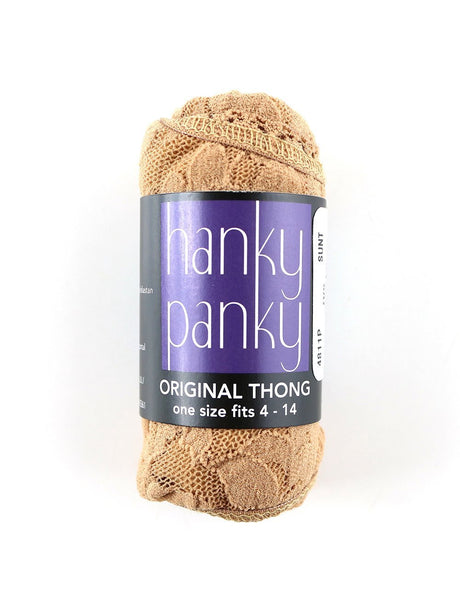
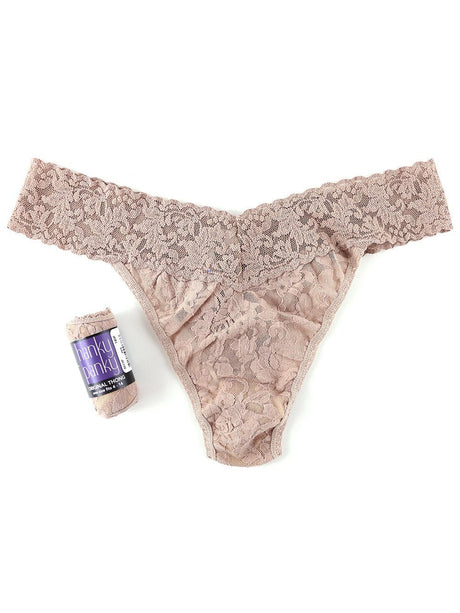
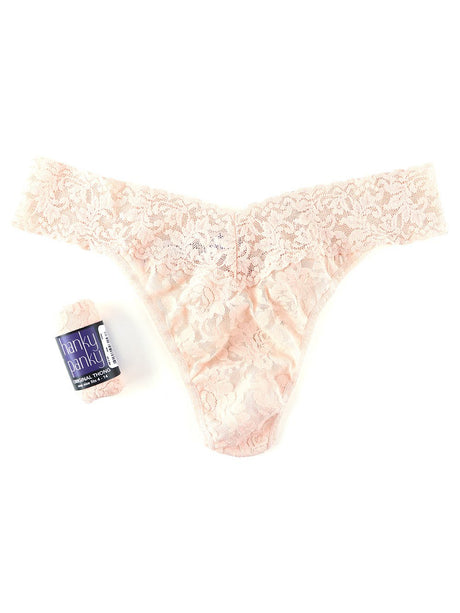


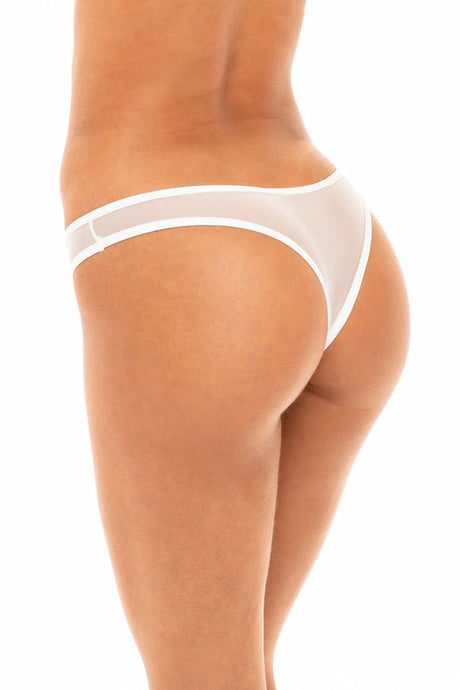

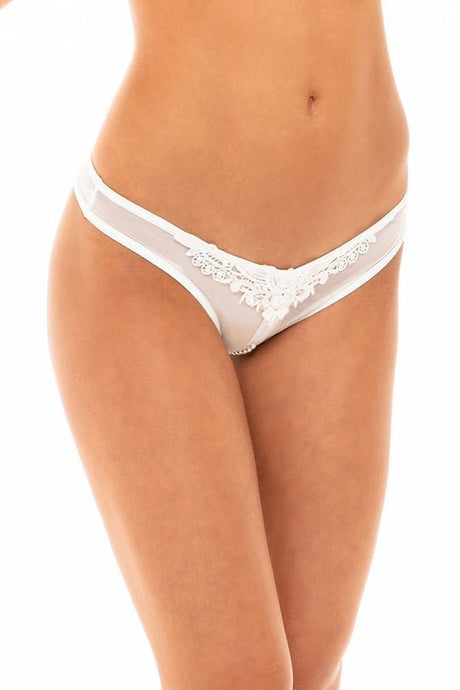
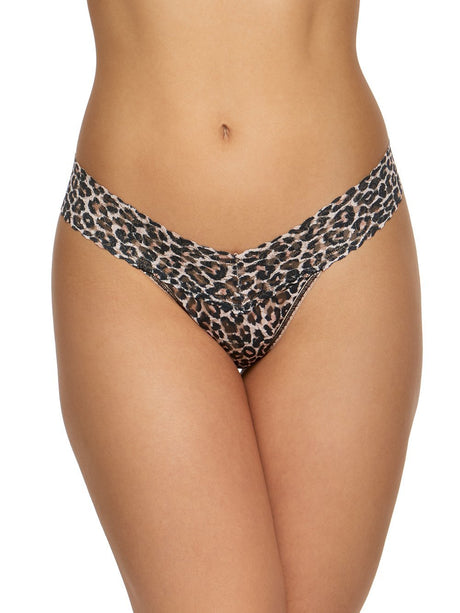
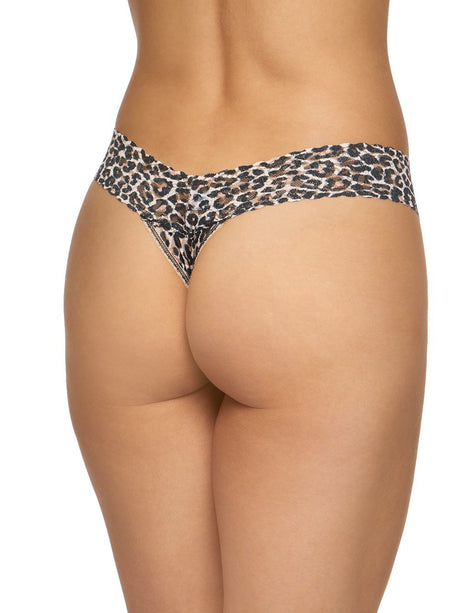
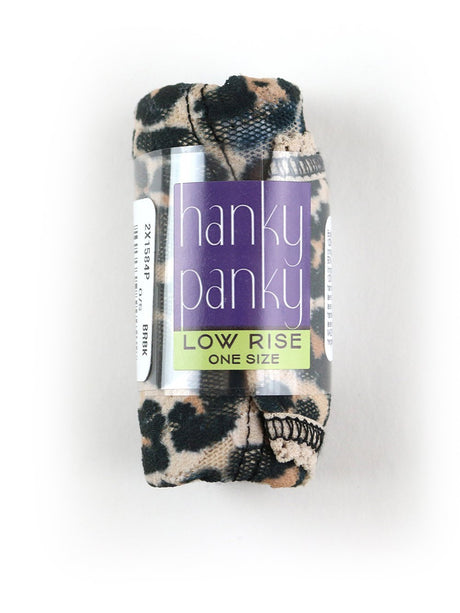
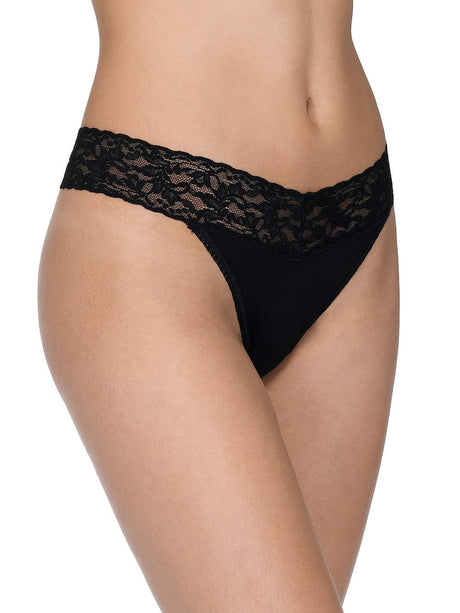
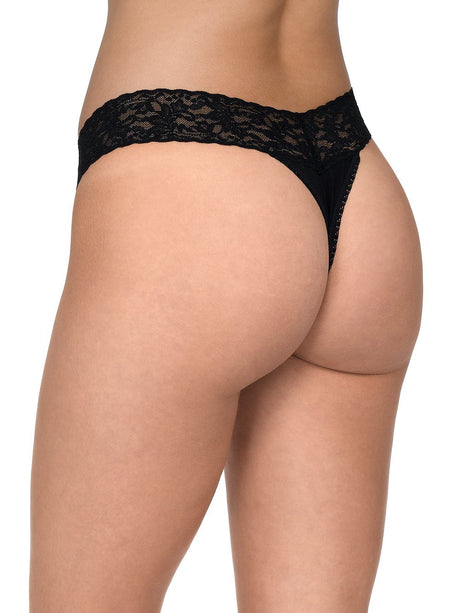
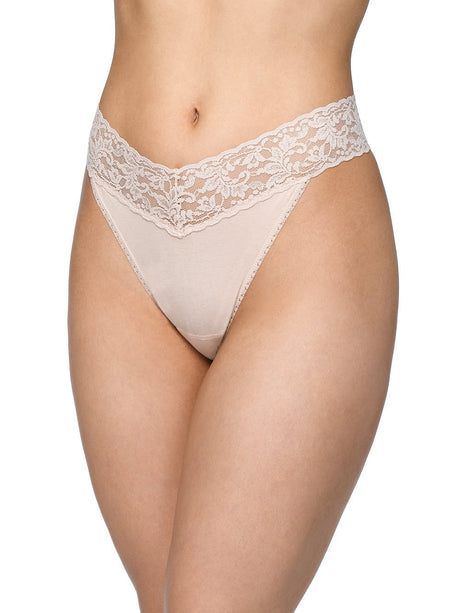
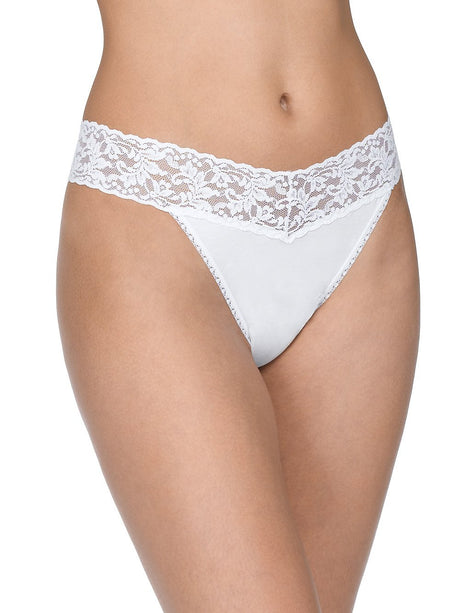


Women's Thongs: The Clean-Line Underwear, Decoded By Style And Fit
A thong exists to disappear. Minimal back coverage means no visible panty line under leggings, a slip dress or tailored trousers — that's the entire job. The best thong does it twice over: invisible under your clothes, and invisible in your awareness, because a good waistband and smooth edges mean you forget you're wearing it.
Below: the styles of thong explained (classic, T-back, G-string, V-string, cheeky, tanga), the fabrics worth knowing, how to match rise to your outfit, how a thong should fit, and how to keep one comfortable wash after wash.
What is a thong and why wear one?
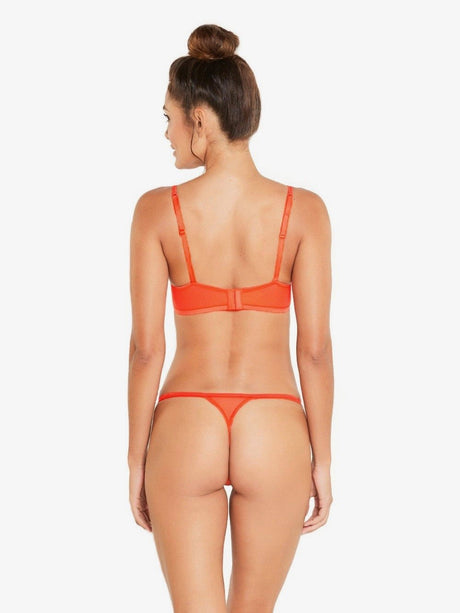
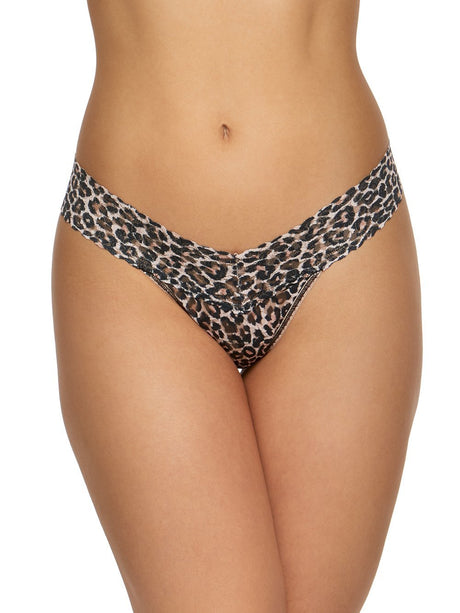
A thong is underwear with minimal back coverage — a narrow strip that sits between the cheeks — designed mainly to eliminate visible panty lines (VPL) for a smooth, seamless look under fitted clothing like leggings, bodycon dresses and thin trousers. Beyond hiding lines, thongs feel lightweight and "barely there," which many people find more comfortable and less restrictive than full-coverage cuts. They come in several styles — classic, T-back, G-string, V-string, cheeky and tanga — and in fabrics from cotton to lace, mesh and seamless microfiber. Choose your normal underwear size and look for a waistband that lies flat without rolling or digging. Shop women's thongs by style, fabric and rise at HauteFlair.
Types of thongs, explained
The word "thong" covers a whole family of cuts. Here's what each style actually is, back to front.
| Style | Back coverage | Best for |
|---|---|---|
| Classic thong | A triangle at the top tapering to a narrow strip | Everyday wear — the versatile default |
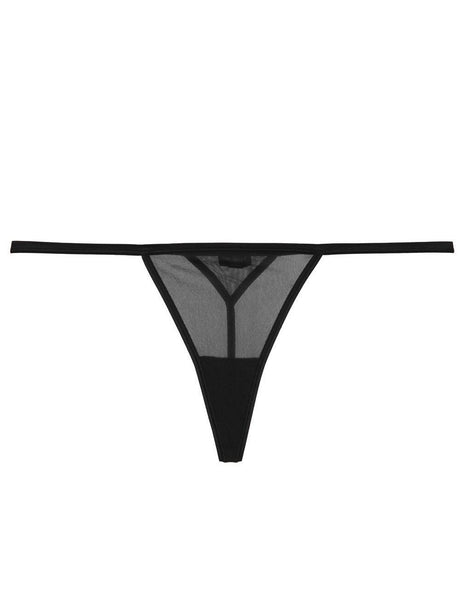
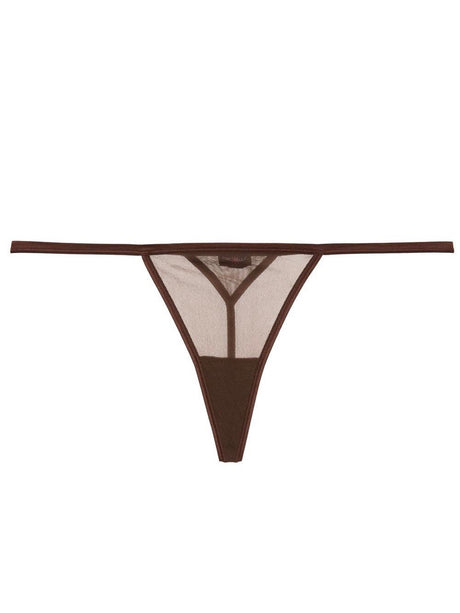
| T-back | A thin band forming a "T" shape from behind | Minimal coverage with a little more security than a string |
| G-string | The slimmest back — a single thin string | The absolute minimum line under clingy fabric — see g-strings |
| V-string | A V-shaped panel at the back rather than a straight string | A touch more shape than a G-string, still minimal |
| Cheeky | More fabric — covers part of the cheeks | A middle ground between thong and full coverage |
| Tanga | Side straps with moderate rear coverage | More coverage than a thong, still low-line |
How to read the family: the differences are almost entirely about how much fabric sits at the back, from the barely-there G-string up through the V-string, T-back and classic thong to the fuller cheeky and tanga cuts. If you want the least visible line, go G-string or classic thong; if a true thong feels like too little, a cheeky or tanga bridges the gap. For a fuller cut with more shape, compare the Brazilian silhouette.
Thong fabrics, by feel and use
The style sets the coverage; the fabric sets the feel. Match it to how you'll wear it.
| Fabric | Feel | Best for |
|---|---|---|
| Cotton | Soft, breathable, easy-care | Everyday and all-day comfort — see cotton styles |
| Seamless microfiber | Smooth, flat edges, invisible | The cleanest line under leggings and bodycon — see seamless styles |
| Lace | Textured, pretty, minimal coverage | Elevated everyday and going-out looks — see lace styles |
| Mesh / sheer | Light, airy, barely-there | A lighter feel and a polished silhouette — see sheer styles |
| Modal / blends | Silky-soft, breathable stretch | Soft comfort with good recovery |
The quick logic: want it invisible under clingy clothes → seamless microfiber. Want all-day breathable comfort → cotton or modal. Want it to feel like part of the outfit → lace or mesh. Edges matter more than the material name: the flatter the edge, the cleaner the line.
Find your thong
Pick the card that matches your outfit or your goal — then tap through to shop.
Invisible under leggings
Seamless microfiber with flat edges and a stable waistband — the cleanest line under clingy fabric.
Shop seamless →Lace & going-out
Detail-led lace that keeps the minimal cut but adds texture and a little confidence.
Shop lace →High-rise outfits
High-waisted thongs sit at the waist for a defined line and a more secure, held feel.
Shop high-waisted →All-day comfort
Breathable cotton for long days — the everyday-rotation thong you forget you're wearing.
Shop cotton →The least line possible
When even a thong shows, a G-string takes the back coverage down to a single string.
Shop G-strings →Plus size, fit-first
The full style range in a curve-focused fit — stable waistband, smooth straps, flat edges.
Shop plus size →The best thong is the one you forget you're wearing — centered, flat at the waistband, and completely invisible under your most fitted outfit. If you're aware of it, the fit or the fabric is wrong, not the cut.
The HauteFlair StandardThe complete thong guide
Benefits, how to wear one, sizing, rise-by-outfit, and care.
01The benefits of wearing a thong+
There's really one headline benefit and a few that follow from it:
- No visible panty lines. The minimal rear fabric means nothing shows through leggings, fitted trousers, skirts or clingy dresses — the reason most people reach for a thong.
- A lightweight, "barely-there" feel. Many find thongs less restrictive and more comfortable than full-coverage cuts once the fit is right.
- Less bulk under fitted clothing, which keeps the whole silhouette looking smoother and more intentional.
- Breathability in warm weather, since there's simply less fabric.
Thongs are a styling tool first. Under fitted looks they earn their place; on relaxed days, other cuts are just as valid — most people rotate.
02How to wear a thong comfortably+
Comfort is mostly fit and fabric, not tolerance. If a thong has never felt right, it's usually a match problem:
- Get the size right first. Too small is the number-one cause of digging and rolling. Choose your normal underwear size.
- Match the rise to the outfit so the waistband sits where your clothes do, not above them.
- Look for smooth, flat edges and a stable waistband — thin, tight elastic is what causes the pinch people blame on the cut.
- Rotate fabrics by day: seamless for fitted outfits, cotton for long comfortable days.
If it rides up, shifts or digs, change the size, rise or strap width before deciding thongs "aren't for you" — the concept is rarely the problem.
03How to choose the right size thong+
Sizing a thong is about a snug-but-not-digging fit that stays put:
- Stick to your normal underwear size. A thong should feel comfortable, sit smoothly, and neither roll down nor ride up.
- Measure if you're between sizes: your natural waist and the fullest part of your hips, matched to the brand's own chart.
- Adjust for fabric: very stretchy elastic styles can be sized down for a secure, stay-in-place fit; structured or cotton styles may need sizing up to avoid digging.
- A wider waistband generally sits more comfortably and is less likely to roll than a thin one.
Good fit is the difference between a thong you tolerate and one you forget you have on.
04Rise and outfit pairing+
When a thong feels annoying, the rise is often fighting the outfit. Align them:
- High-rise jeans and trousers: a high-waisted thong feels more stable and held.
- Low-rise pants and skirts: keep the waistband from sitting above the outfit's waistline so it doesn't peek out — compare low-rise cuts.
- Satin and slip dresses: prioritise flat edges over everything — satin shows a ridge more than any other fabric.
- Leggings and bodycon: seamless microfiber with a stable waistband is the cleanest choice.
05How to care for and wash thongs+
Thongs rely on clean edges and reliable stretch, so gentle care keeps them comfortable longer:
- Wash cold on a gentle cycle to preserve elasticity and edge finishing.
- Air dry, or use low heat only — high heat is what breaks down the stretch over time.
- Use a wash bag for lace and mesh to prevent snags and abrasion.
- Skip harsh detergents; delicate fabrics stay softer with gentler washing.
Hand washing delicate lace or mesh styles extends their life the most, but a gentle cold cycle in a bag is fine for everyday cotton and microfiber.
Thongs FAQ
The questions shoppers ask most, answered straight.
What are the different types of thongs?
The main styles are the classic thong (a triangle tapering to a narrow strip), the T-back (a thin "T"-shaped band), the G-string (the slimmest single-string back), the V-string (a small V-shaped back panel), cheeky (partial cheek coverage) and tanga (side straps with moderate rear coverage). They differ mostly in how much fabric sits at the back, from barely-there to fuller coverage.
What are the benefits of wearing a thong?
The main benefit is eliminating visible panty lines for a smooth silhouette under fitted clothing like leggings and bodycon dresses. Thongs also feel lightweight and "barely there," add less bulk under clothes, and can feel more breathable in warm weather thanks to the minimal fabric.
What's the difference between a thong and a G-string?
A thong has a triangle of fabric at the back that tapers to a strip; a G-string is the more minimal version, with just a single thin string at the back and almost no coverage. A G-string gives the least visible line, while a classic thong offers a bit more security and coverage. See our g-strings.
What's the difference between a thong and a V-string?
A V-string has a small V-shaped panel at the back instead of the straight tapering strip of a classic thong. It sits between a G-string and a thong in coverage — slightly more shape than a G-string, still very minimal. The choice comes down to how much back fabric you want.
How do I choose the right size thong?
Stick to your normal underwear size and aim for a snug, non-digging fit that sits smoothly and doesn't roll down or ride up. If you're between sizes, measure your natural waist and the fullest part of your hips against the brand's chart. Very stretchy fabrics can be sized down for a secure fit; structured or cotton styles may need sizing up.
How should a thong fit?
It should sit flat at the waistband and sides, stay centered at the back, and feel secure without digging or needing constant adjusting. A wider waistband tends to be more comfortable and less likely to roll. If it digs, rolls or shifts, the size, rise or strap width is off — not the cut.
Are thongs comfortable for everyday wear?
Yes, when the fit is right — a flat waistband, smooth straps and fabric with good stretch recovery. Many people find a well-fitted thong more comfortable than full-coverage underwear. If thongs have felt uncomfortable before, it's usually a size, rise or fabric mismatch rather than the style itself.
What thong is best under leggings?
A seamless microfiber thong with flat edges and a stable waistband gives the cleanest, most invisible line under leggings and bodycon. If you still see a line, it's almost always the edge finish rather than the cut — look for flatter, bonded edges. Browse seamless thongs.
Do thongs prevent visible panty lines?
They're the most reliable option for it. With minimal fabric at the back, there are fewer edges to show through fitted clothing. For the smoothest result, pair the thong with seamless or flat edges — a thong with thick elastic edges can still leave a faint line under very thin fabric.
What are high-waisted thongs?
High-waisted thongs sit higher on the waist for a more defined waistline, while keeping the minimal thong back. They pair well with high-rise jeans and trousers and often feel more secure and "held" through the day. See high-waisted thongs.
Are cotton thongs better for everyday?
For long, comfort-first days, breathable cotton is a great everyday choice — soft, easy-care and airy. Many people rotate: cotton for daily wear, seamless microfiber for fitted outfits, and lace or mesh for going out. See cotton thongs.
Are lace thongs comfortable?
Yes, when the lace is soft and flexible with smooth edges rather than stiff or scratchy. Lace thongs combine minimal coverage with texture, which makes them a popular elevated-everyday and going-out choice. Look for a comfortable waistband and edges that lie flat. Browse lace thongs.
How do I stop a thong from riding up or shifting?
Shifting usually means the size, rise or strap placement isn't matching your body, or the waistband lacks stability. Try your true size first, then a different rise or a wider, more stable waistband. A thong that fits well stays centered and moves with you rather than against you.
How do you wash thongs?
Wash cold on a gentle cycle and air dry, or use low heat only, to preserve stretch and keep edges smooth. Use a wash bag for lace and mesh to prevent snags, and skip harsh detergents so delicate fabrics stay soft. Hand washing extends the life of the most delicate styles.
Do you carry plus size thongs?
Yes. Our plus size thongs span the full style range — cotton, lace, seamless and high-waisted — cut for a curve-focused fit with a stable waistband and smooth strap placement so nothing digs or rolls. See the full plus size thong edit.
Can you wear a thong every day?
Many people do, and it comes down to personal preference and comfort. Breathable fabrics like cotton are a good choice for daily wear. Plenty of people rotate — thongs for fitted outfits and other cuts or breathable basics on relaxed days — which keeps the drawer versatile.
Fit and care guidance here is general and varies by style, fabric and brand; always check the size chart for the specific thong you're buying and follow its care label. Size availability reflects current stock. Last reviewed July 2026.
Shop women's thongs
Classic, G-string, high-waisted and cheeky cuts in cotton, lace, seamless and mesh — the clean-line essential, in standard and plus sizes.