Panache Sports
Panache Plus Size High Impact Underwire Sports Bra 5021
Original price $84.00Unit price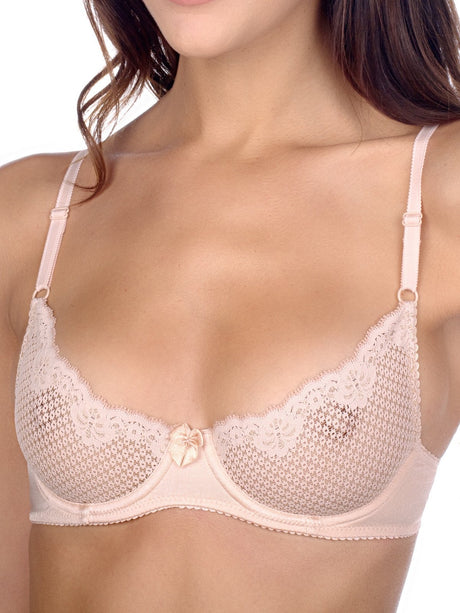
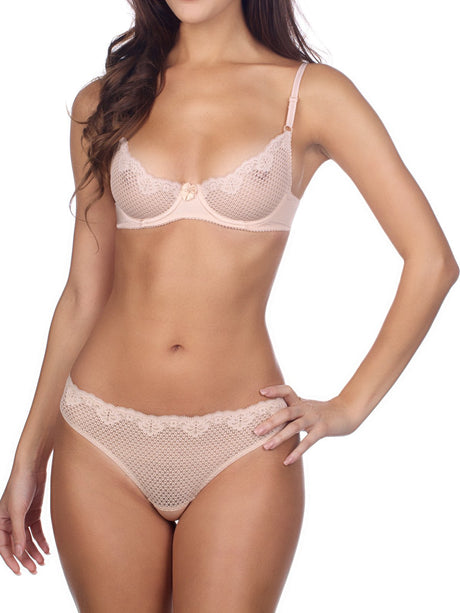
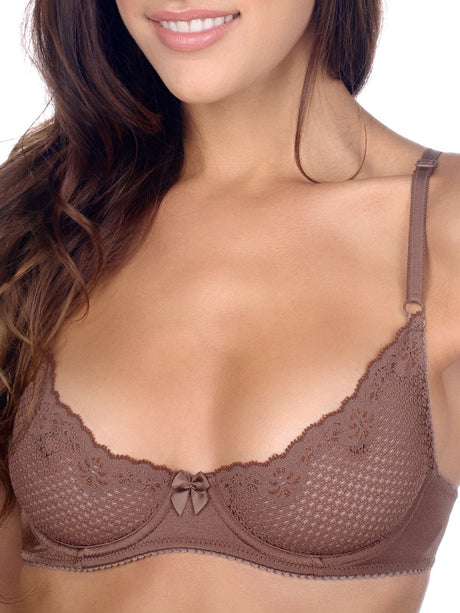
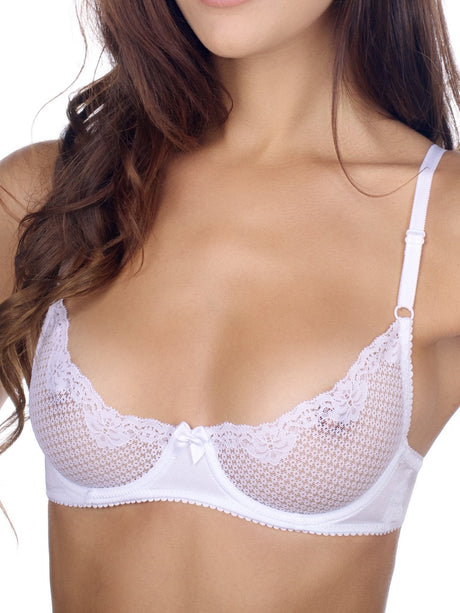
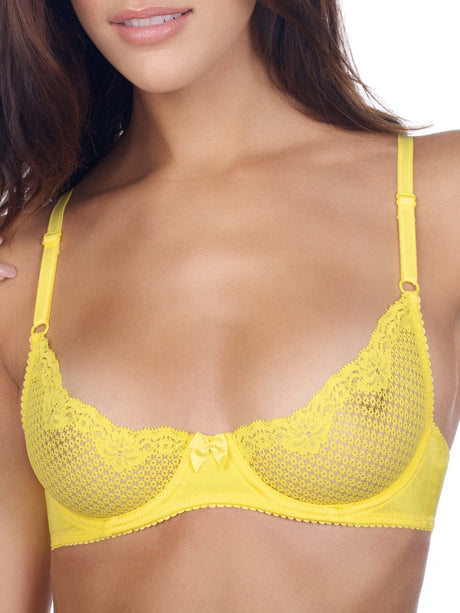
Timpa
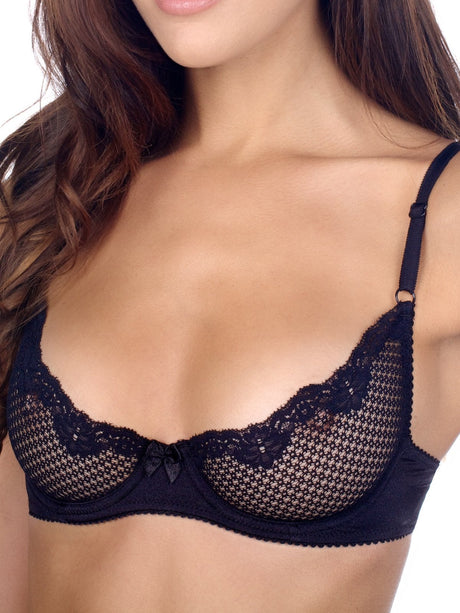
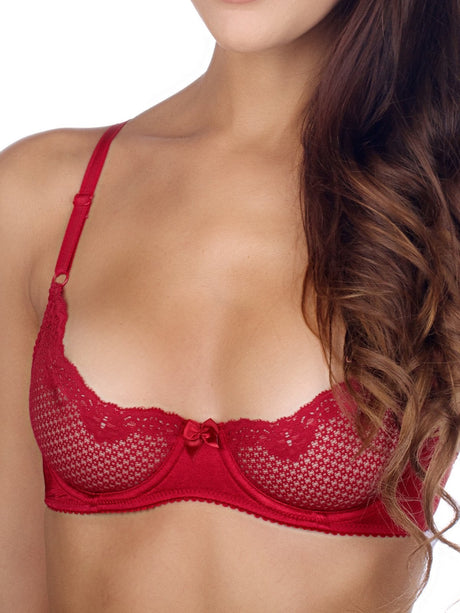
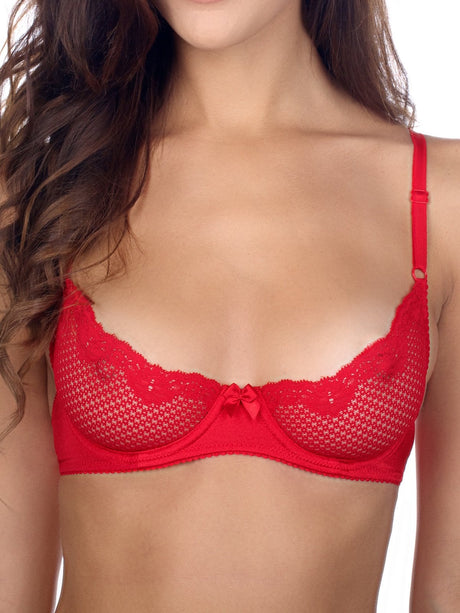
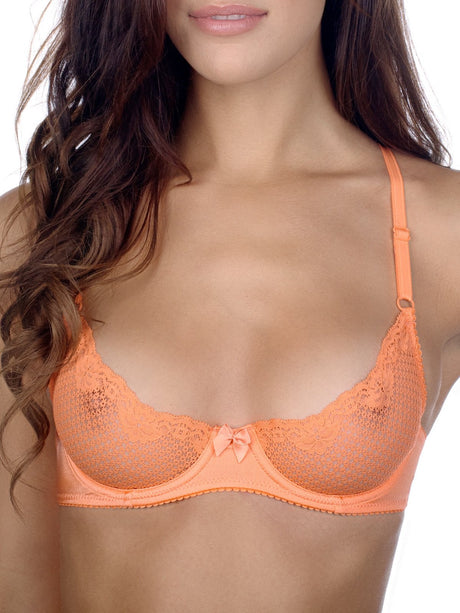
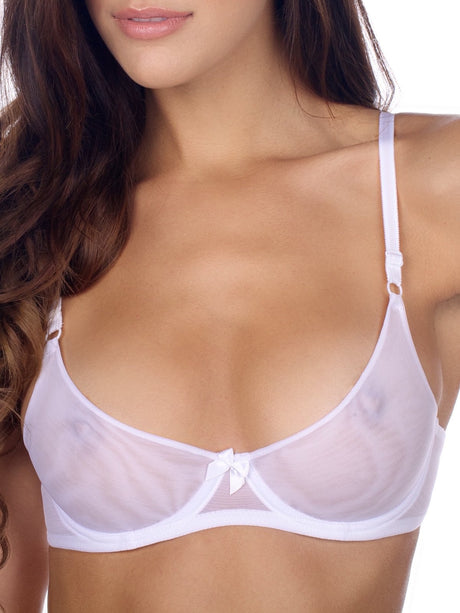
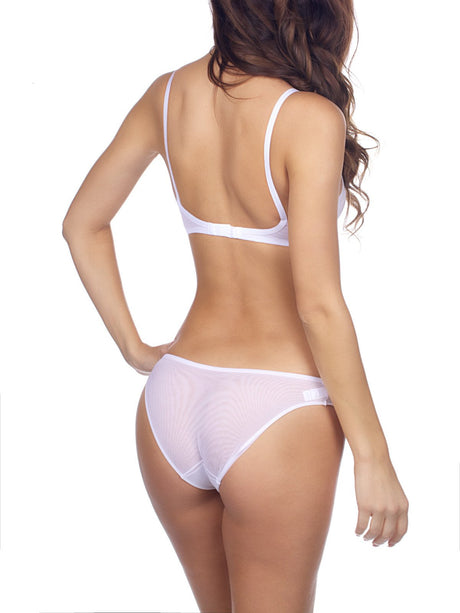
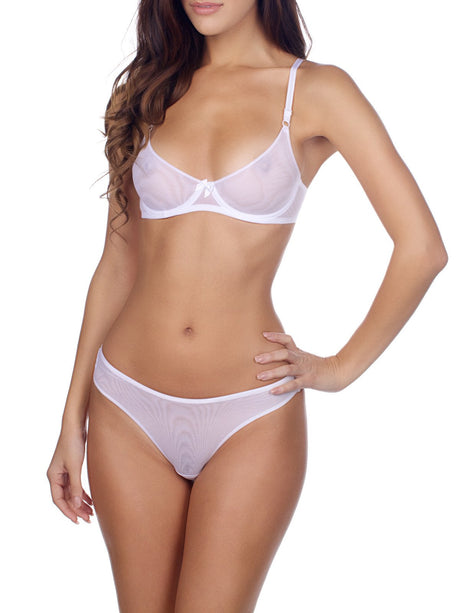
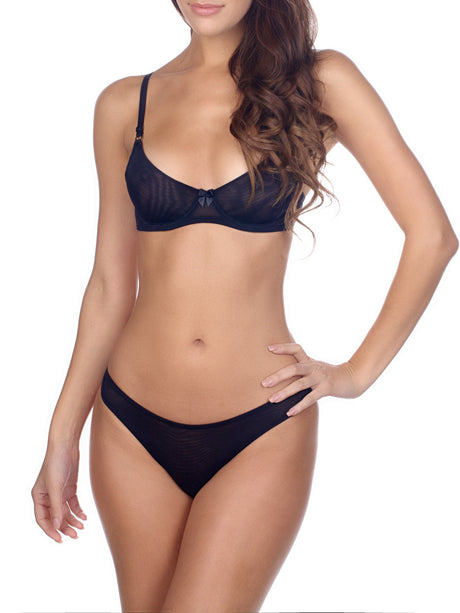
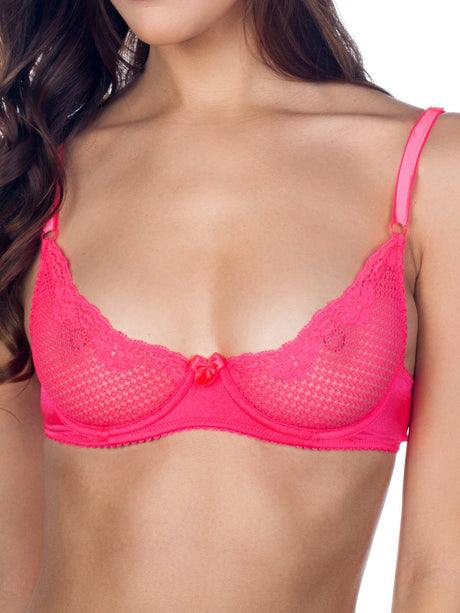
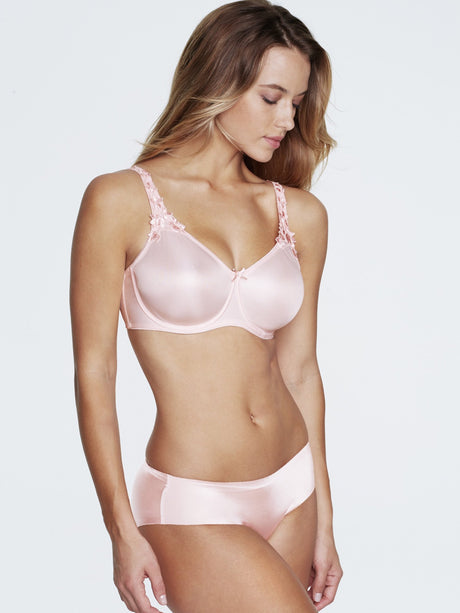
Women's Sheer Lace Underwire Demi Bra – Alice Duet 16449
Original price Starting at $36.00Unit price+1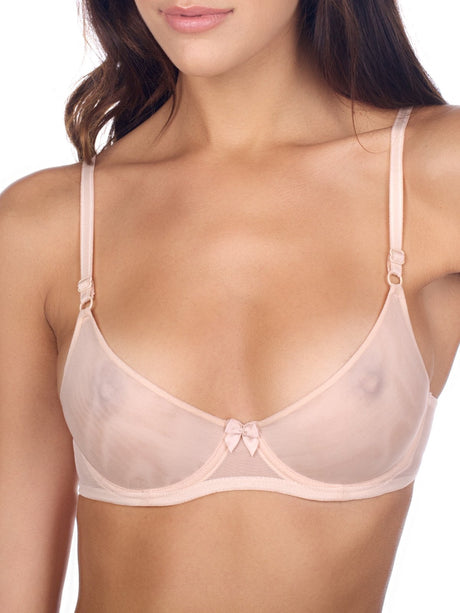
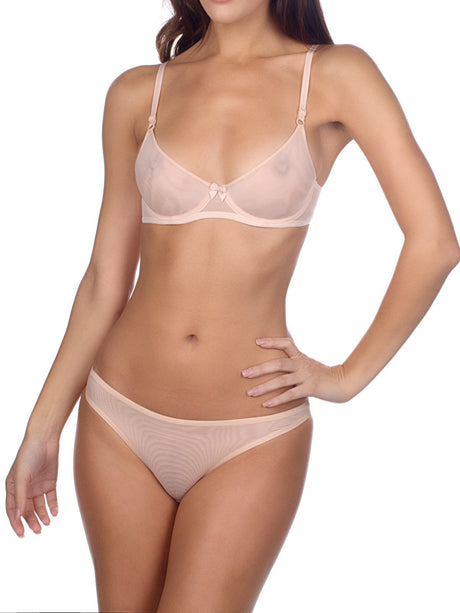
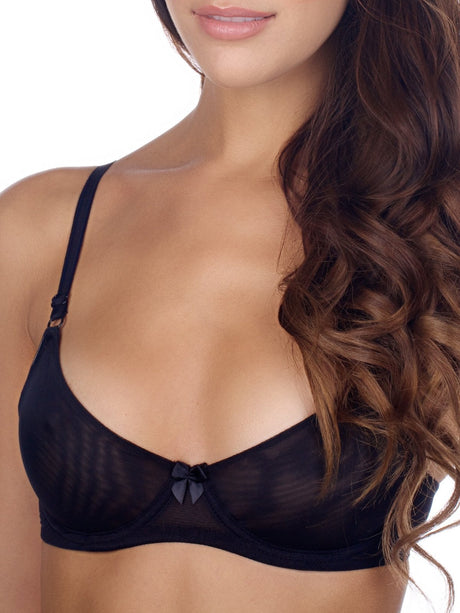
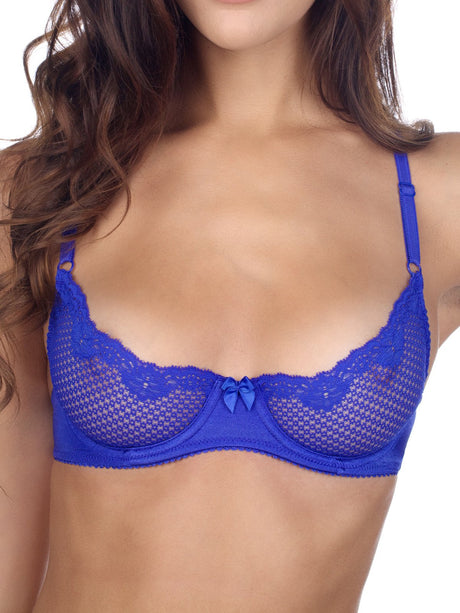
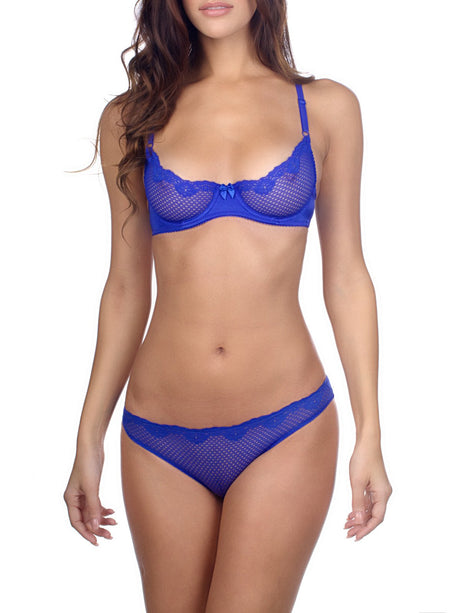
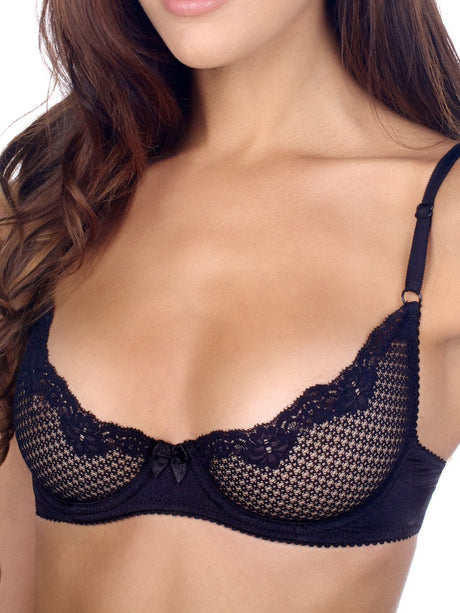
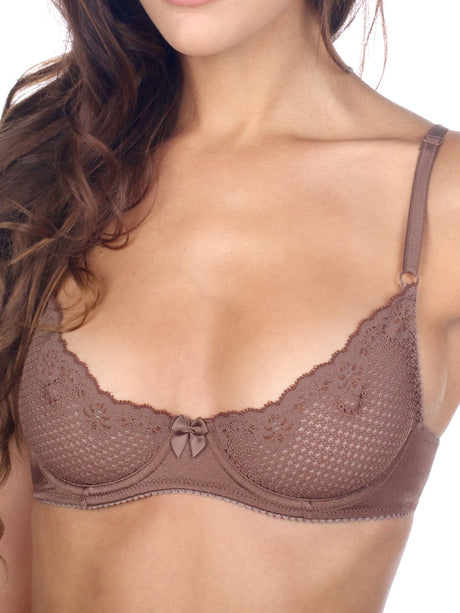
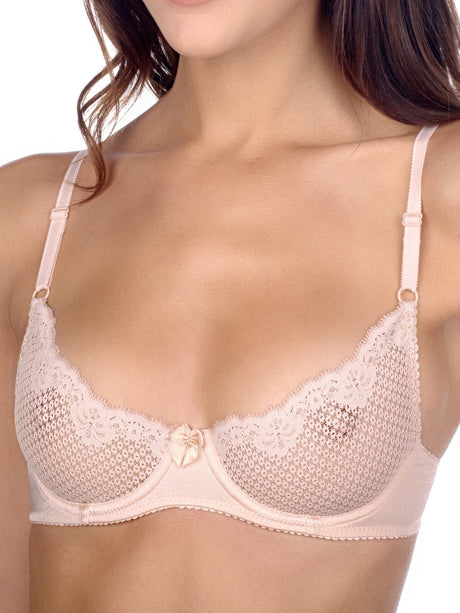
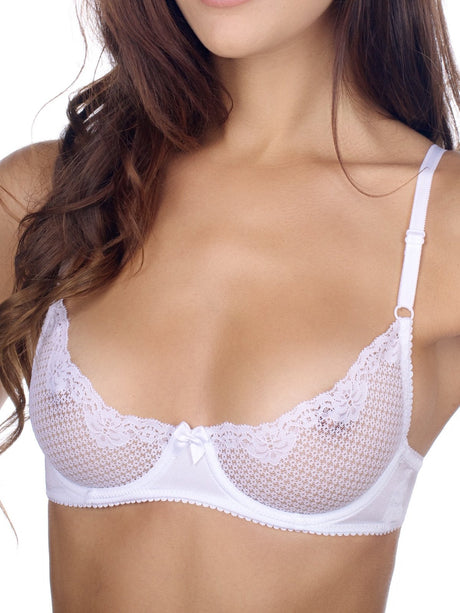
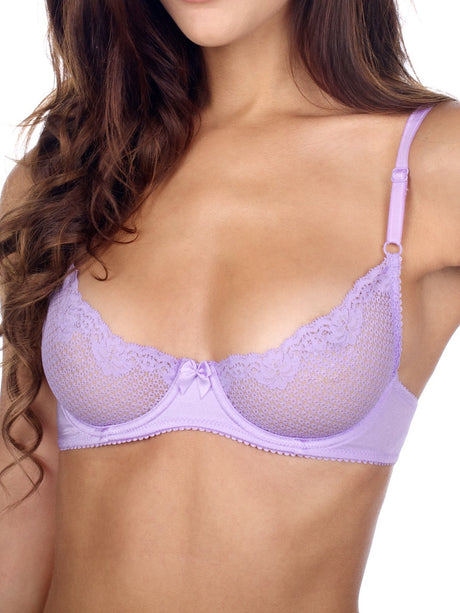
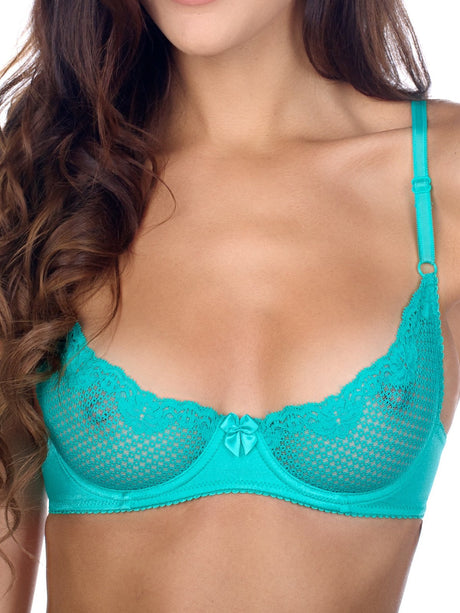


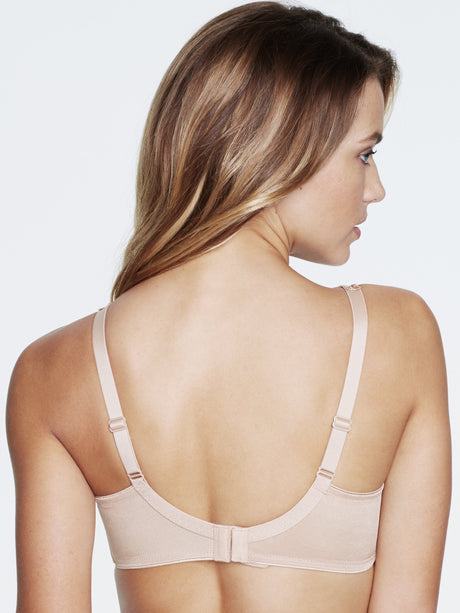
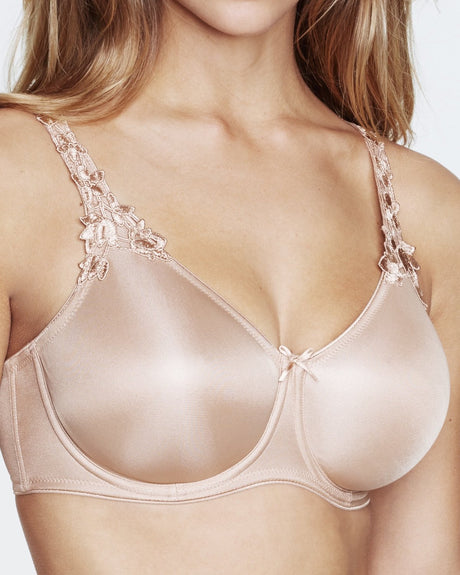
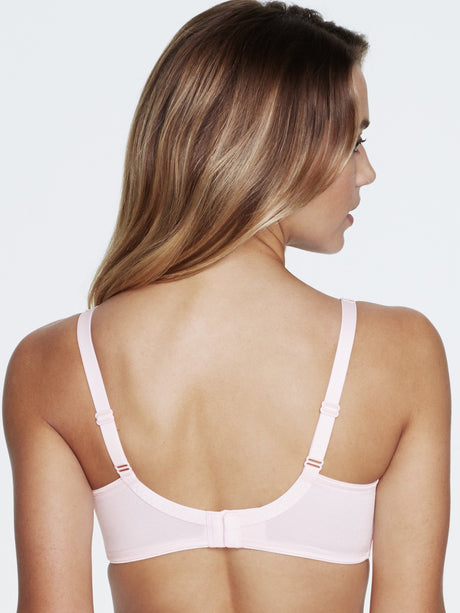
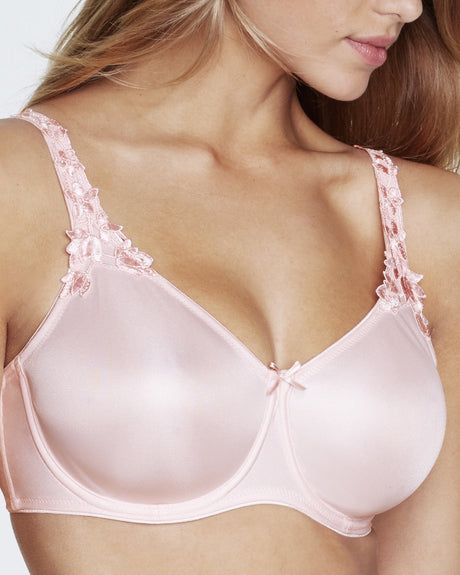
Dominique
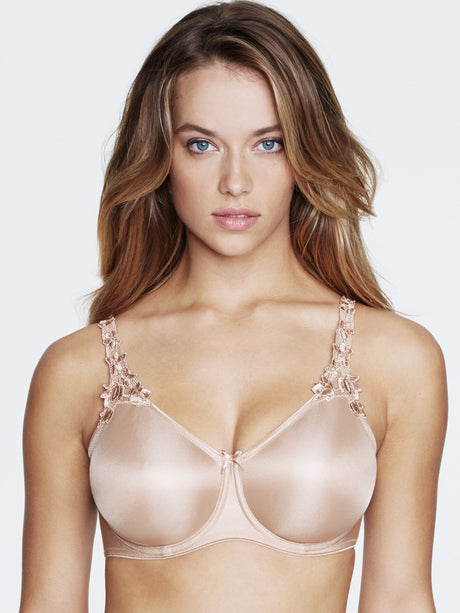
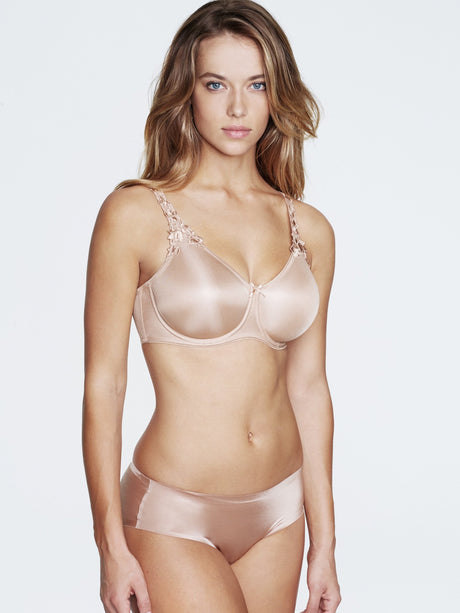
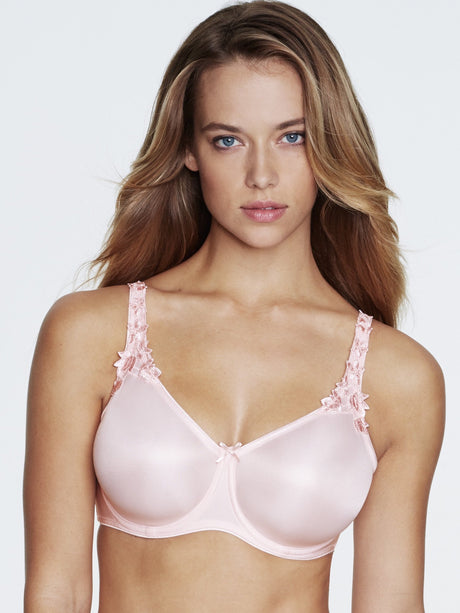
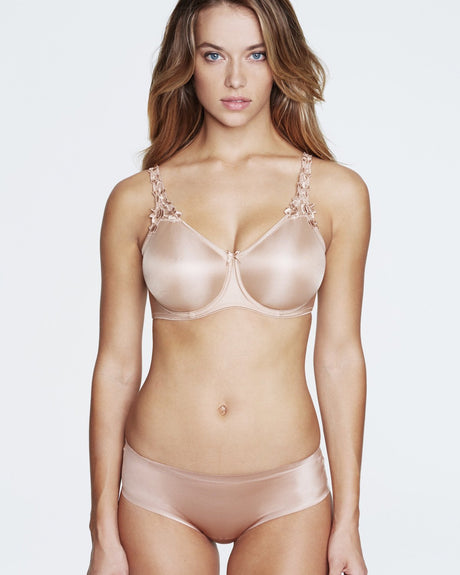
Mystique Plus Size Seamless Underwire Minimizer Bra, Dominique 7000
Original price $52.00Unit price-
Bra fit
Not sure of your bra size?
Two measurements, two minutes. We match you to a band and cup, then show the styles made in it.
- Band sizes
- 28–48
- Cup sizes
- A–K
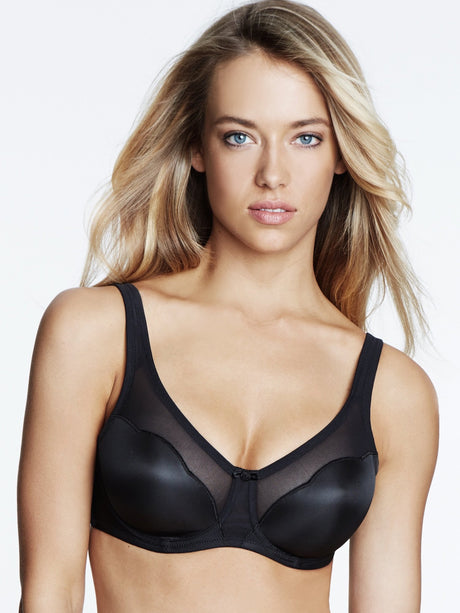
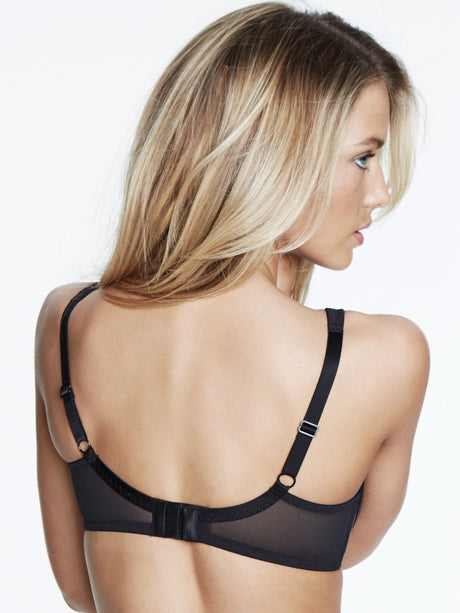
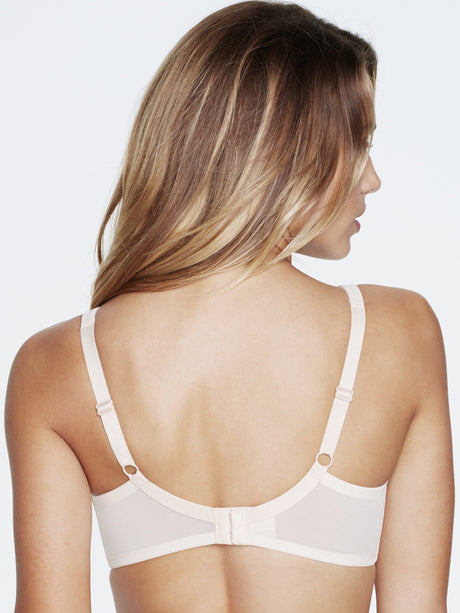
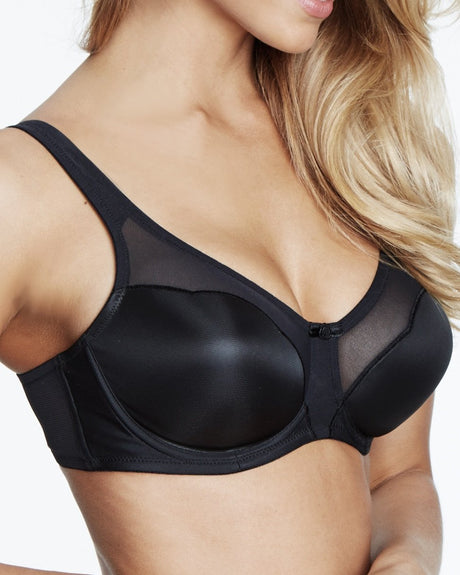
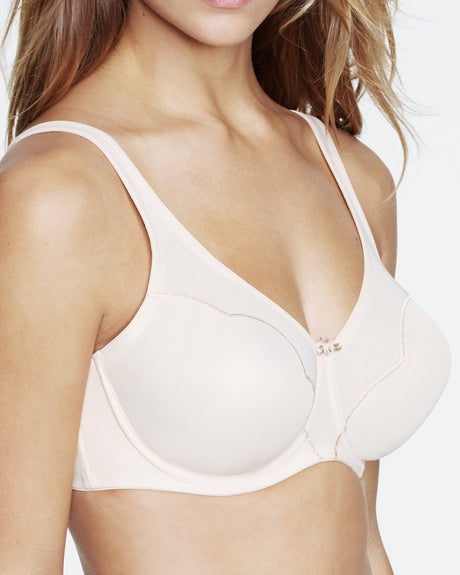
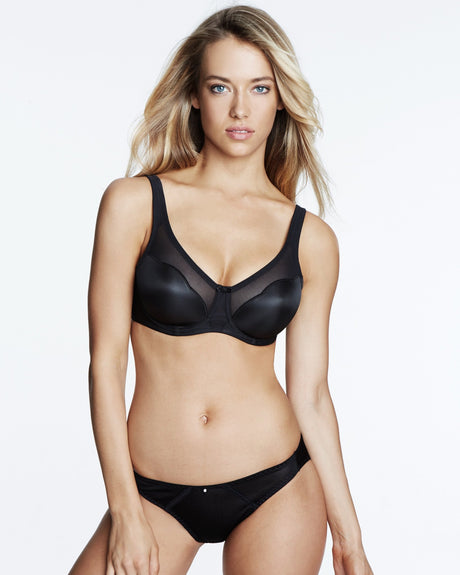
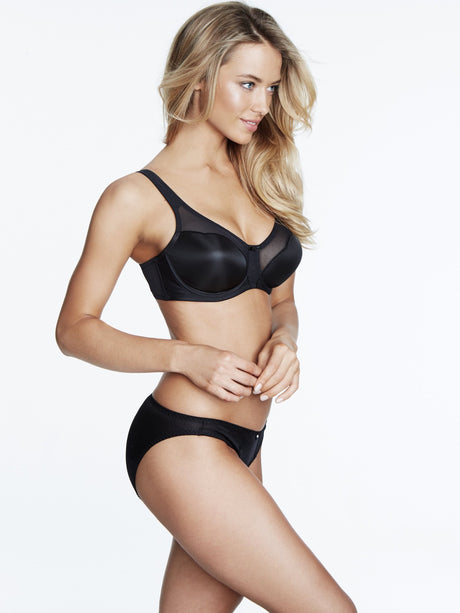
Dominique
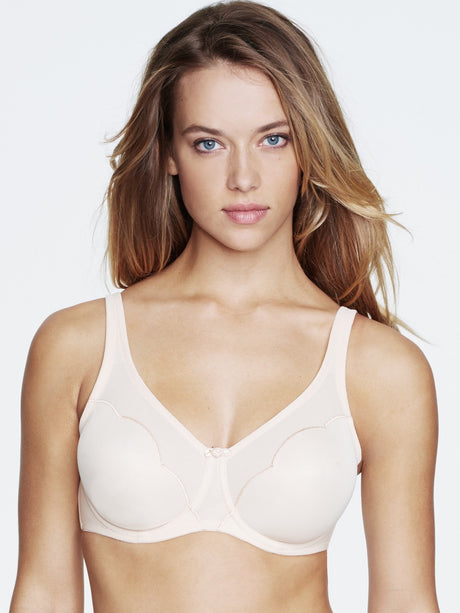
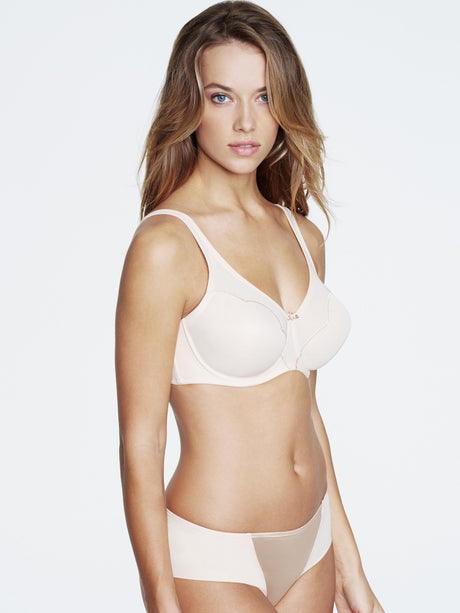
Wave Plus Size Seamless Underwire Minimizer Bra, Dominique 7100
Original price $52.00Unit price


Panache
Panache Cari Moulded Spacer Racerback Underwire T-Shirt Bra 7961
Original price $79.00Unit price


Panache Sports
Panache Plus Size High Impact Underwire Racerback Sports Bra 5021
Original price $84.00Unit price


Panache Sports
Panache Plus Size Underwire Racerback Sports Bra 5021
Original price $84.00Unit price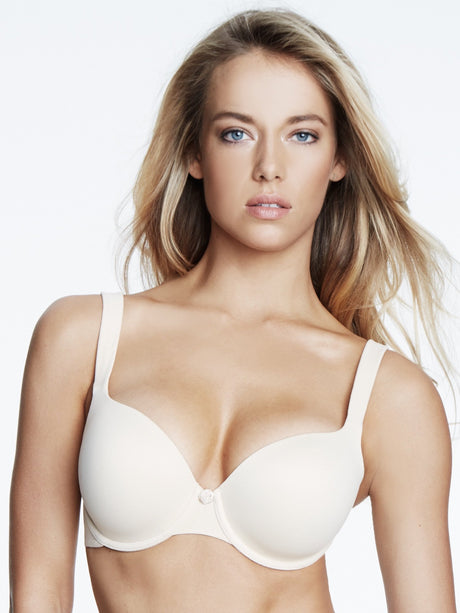
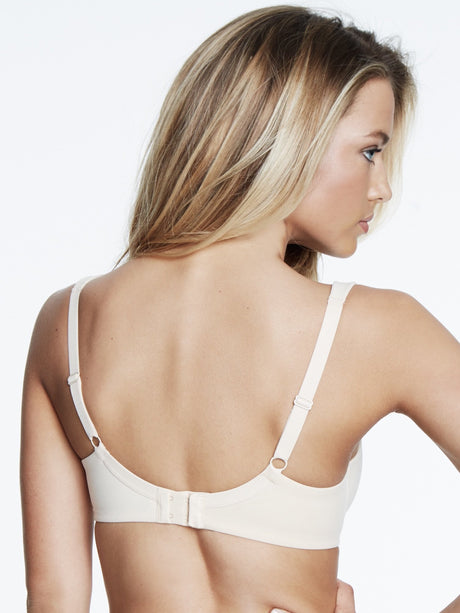
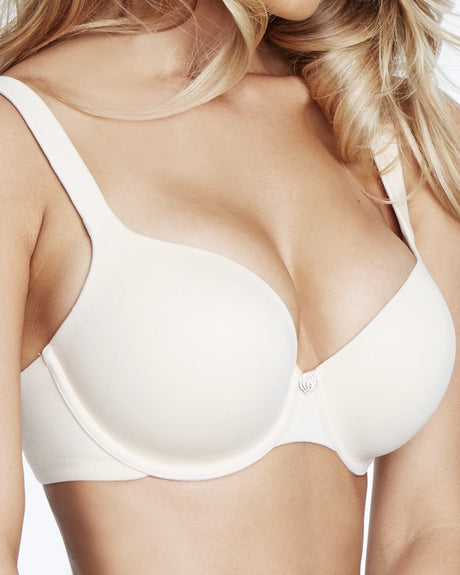
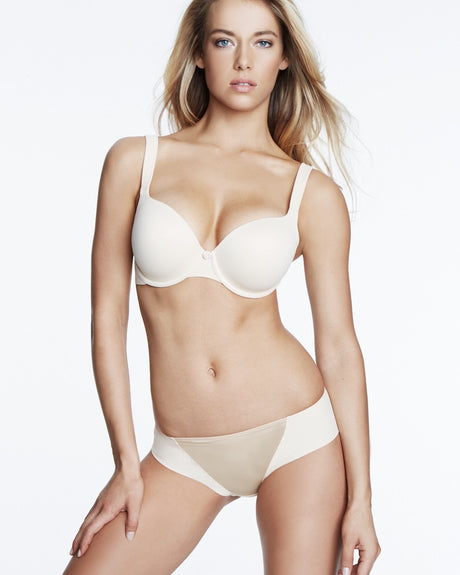
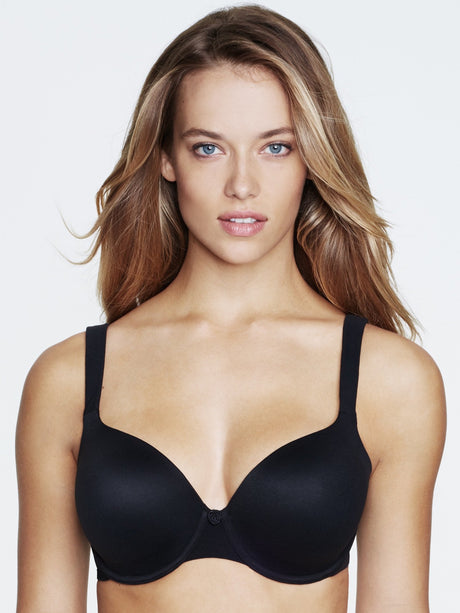
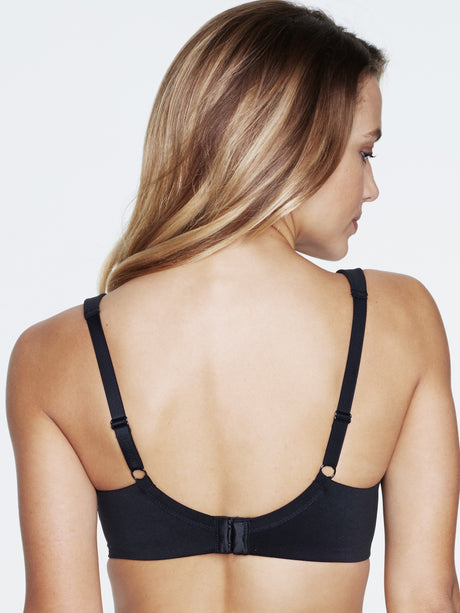
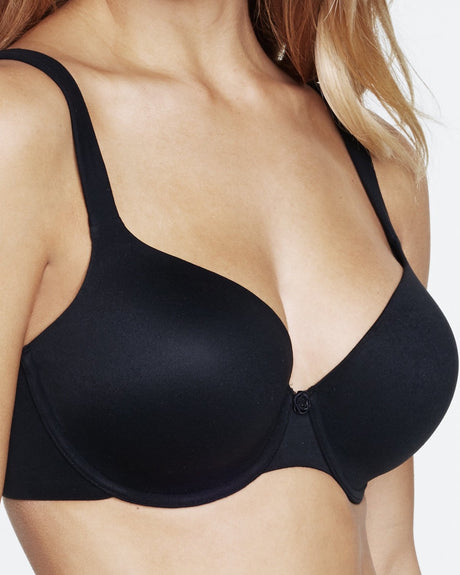
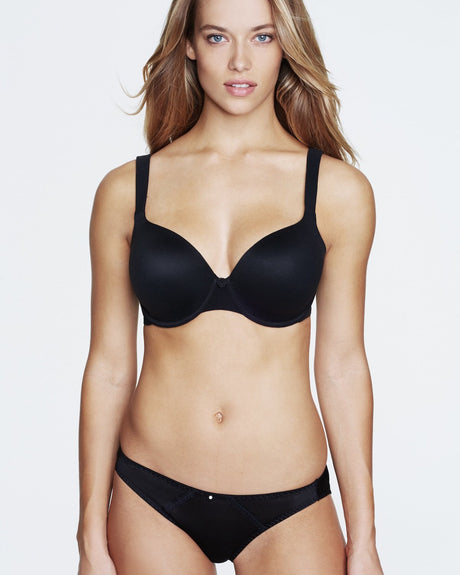
Dominique
Maxine Plus Size Seamless Underwire T-Shirt Bra, Dominique 4500
Original price $58.00Unit price


Panache Sports
Panache Plus Size Wireless Racerback Sports Bra 7341
Original price $79.00Unit price


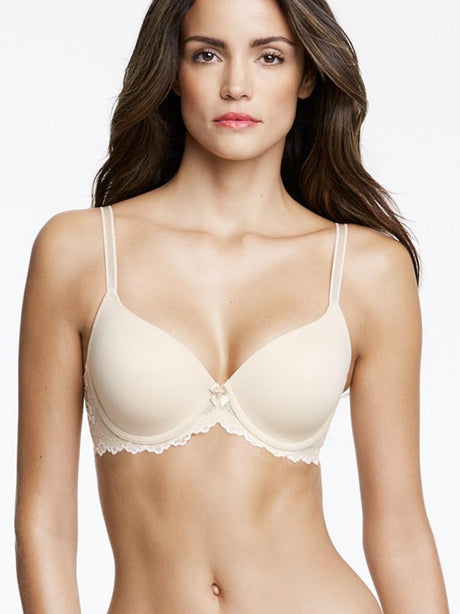
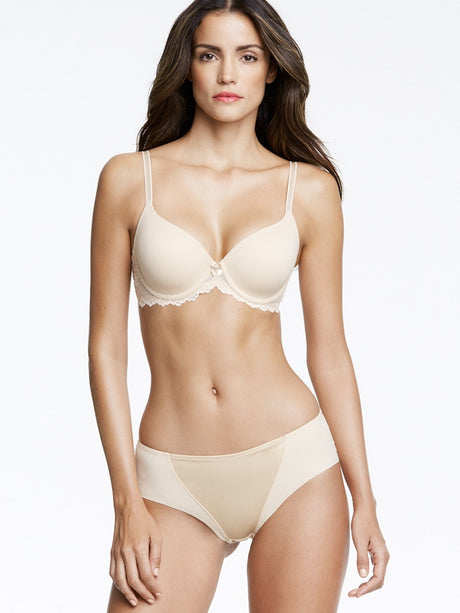
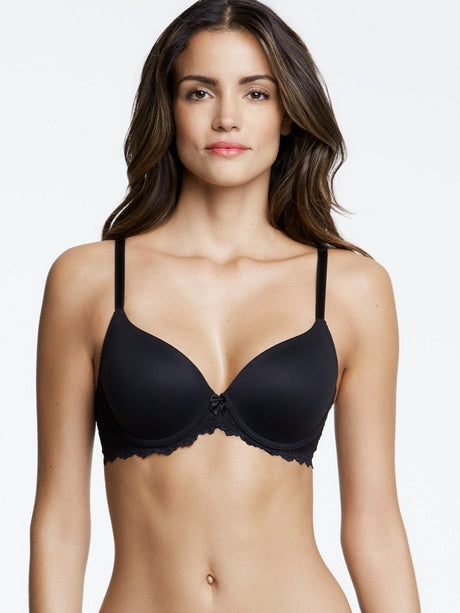
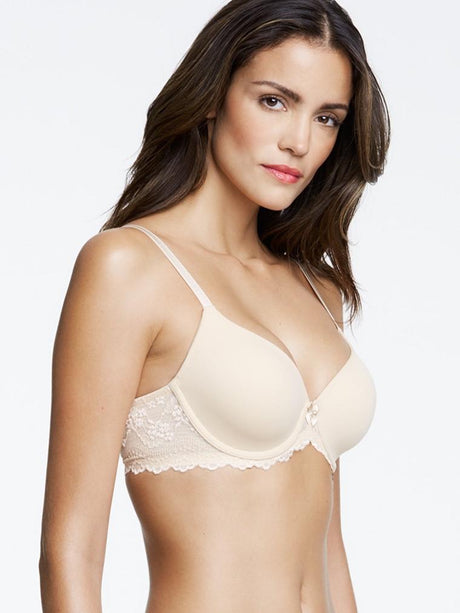
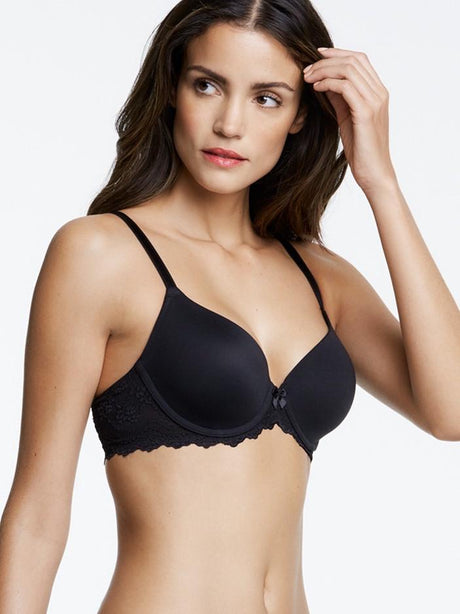
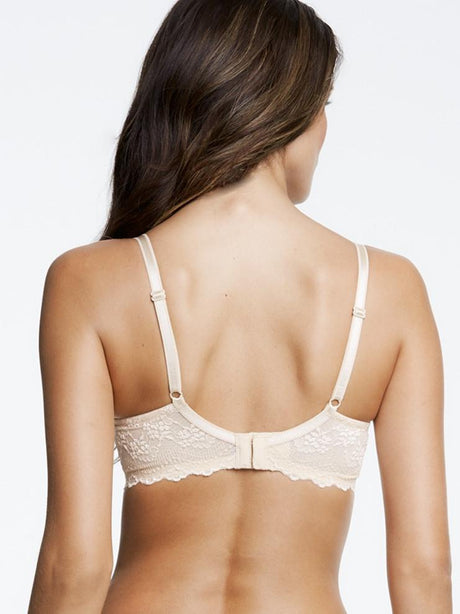
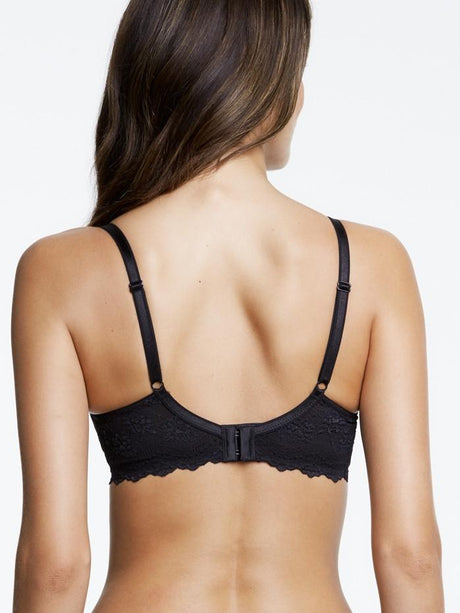
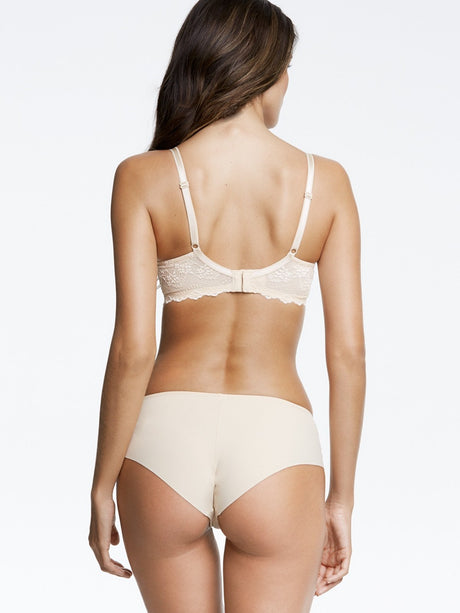
Dominique
Lacee Plus Size Padded Contour Underwire T-Shirt Bra, Dominique 3501
Original price $58.00Unit price


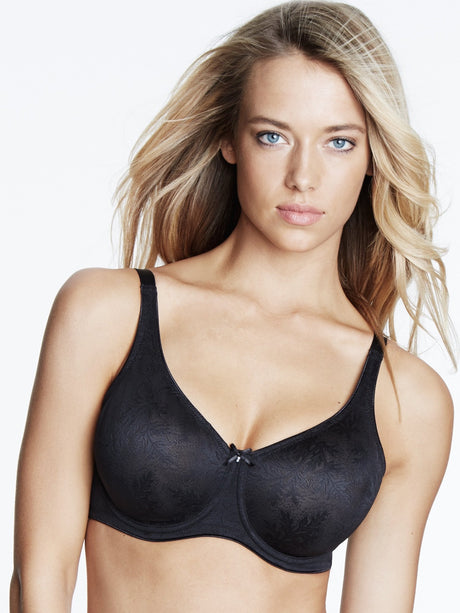
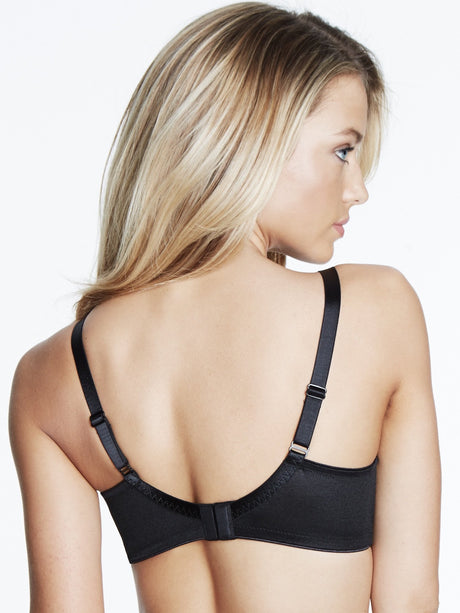

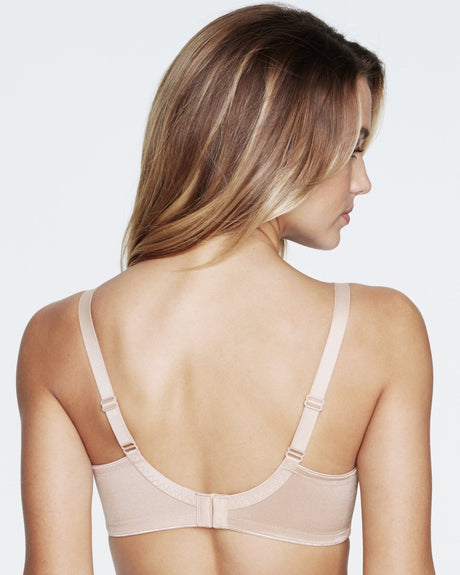
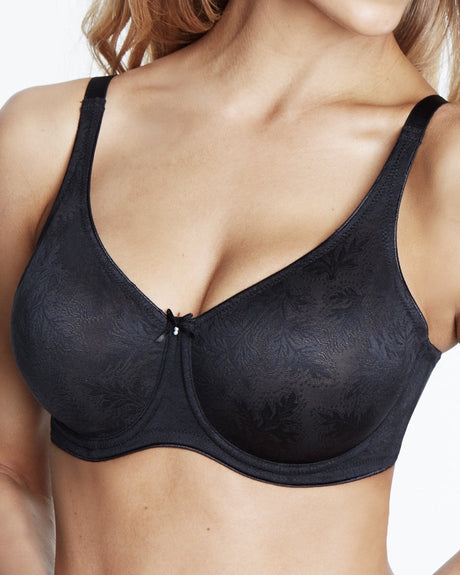
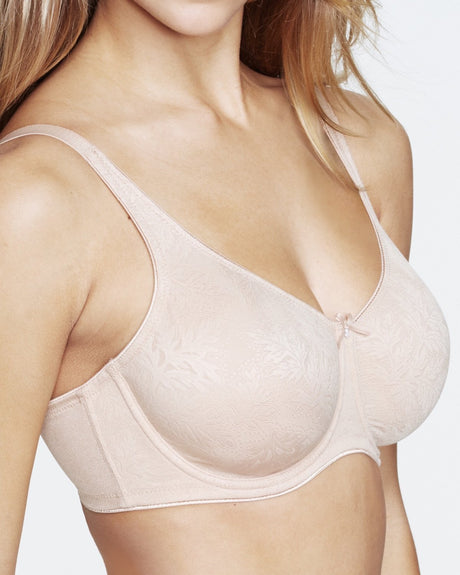
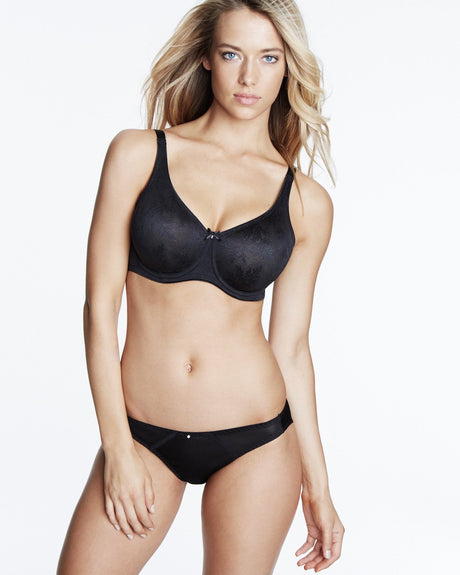
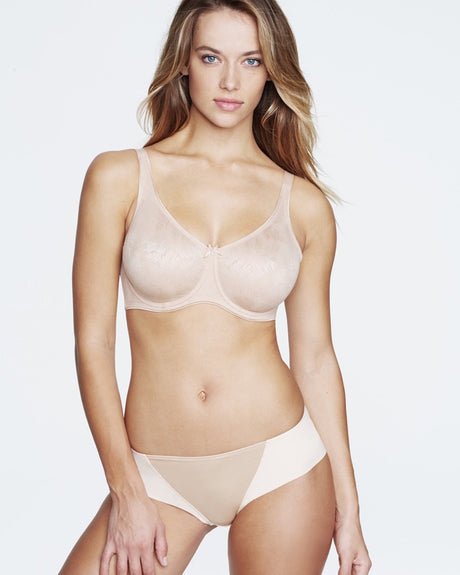
Dominique
Plus Size Seamless Underwire Minimizer Bra, Dominique 7001
Original price $49.00Unit price

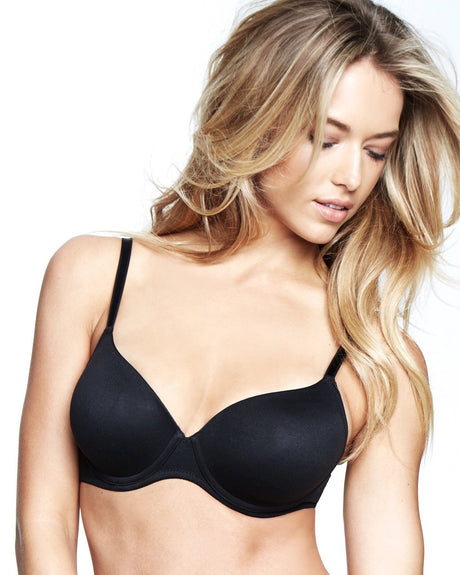


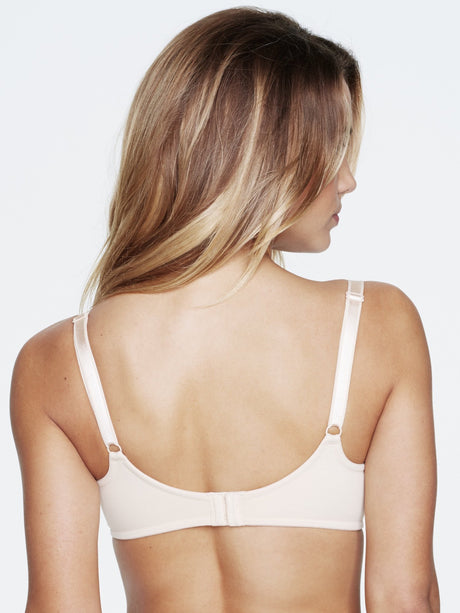

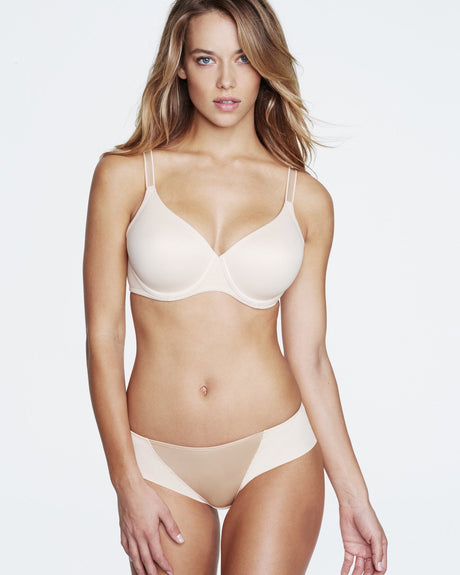


Dominique
Seamless Push-Up Padded Underwire T-Shirt Bra, Dominique 3500
Original price $54.00Unit price


Natori
Natori Plus Size Elusive Full Figure Lace Contour Underwire Bra
Original price $76.00Unit price


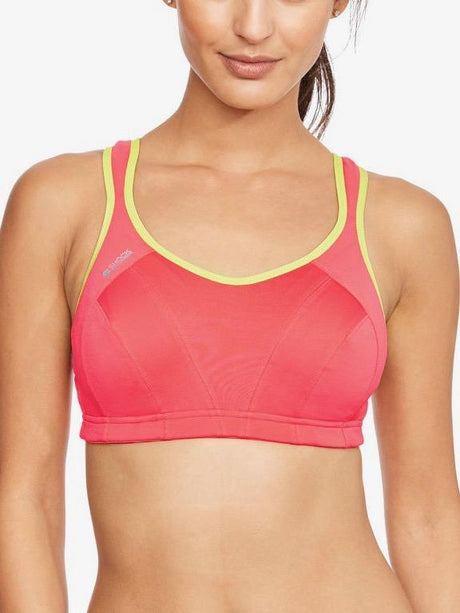


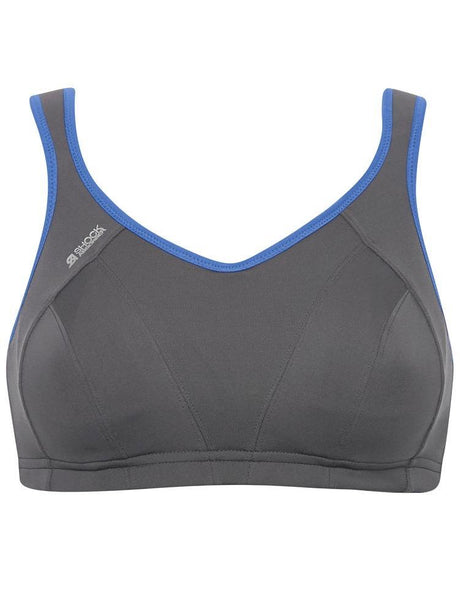
Shock Absorber
Women's Plus Size Underwire Racerback Sports Bra
Sale price $47.98 Original price $59.98Unit priceAlmost gone (1 unit)


Natori
Natori Zen Seamless Contour Convertible Underwire Sports Bra
Original price $72.00Unit price


Natori
Natori Plus Size Statement Full Figure Sheer Lace Underwire Bra
Original price $76.00Unit price


Natori
Natori Smooth Comfort Full Fit Smoothing Front-Close Underwire Bra
Original price $60.00Unit price


Natori
Natori Pure Luxe Convertible Front-Close Contour Underwire Bra
Original price $70.00Unit price


Natori
Natori Plus Size Harmony Smooth Back Sheer Lace Underwire Bra
Original price $64.00Unit price


Natori
Natori Plus Size Chic Comfort Full Figure Contour Underwire T-Shirt Bra
Original price $70.00Unit price


Natori
Natori Hidden Glamour Full Fit Contour Underwire Bra
Original price $70.00Unit priceLow stock — selling fast (4 units)


Natori
Natori Plus Size Power Comfort Full Fit Active Underwire Sports Bra
Original price $68.00Unit price


Natori
Natori Pure Luxe Custom Coverage Seamless Contour Underwire T-Shirt Bra
Original price $76.00Unit price+7


Natori
Natori Plus Size Comfort Evolution Full Fit Memory Foam Convertible Underwire Bra
Original price $76.00Unit price


Natori
Natori Plus Size Pretty Smooth Full Fit Smoothing Contour Underwire Bra
Original price $76.00Unit price+7


Natori
Natori Plus Size Conform Full Fit Memory Contour Convertible Underwire Bra
Original price $74.00Unit price


Natori
Natori Feathers Maternity Lace Contour Plunge Underwire Nursing Bra
Original price $68.00Unit price


Underwire Bras: Structured Lift That Feels Like Support, Not Pressure
An underwire bra frames the base of each cup with a supportive wire, lifting from below, defining the bust and creating a smooth, sculpted line under clothing. The right one shouldn't feel stiff or high-maintenance — it should feel secure and balanced enough to forget you're wearing it.
Underwire is a support structure, not a cup shape — so you'll find it in lace, smooth t-shirt, full-coverage, balconette and plunge styles. Below: what an underwire bra is, where the wire should sit, how it compares to wireless, and how to get a fit that's genuinely comfortable all day.
What is an underwire bra?
An underwire bra has a flexible wire — metal or a durable alternative — sewn into a channel along the base and sides of the cups. The wire isn't there to poke; it's there to frame and support. When properly fitted, the underwire sits around the breast tissue on the ribcage (not on it), so weight is distributed through the band and the cups hold their shape. That structure delivers four things: lift from the base, shape and a clean line under clothing, stability so the bra stays put, and gentle separation. It's a support structure rather than a cup style, so underwire comes in lace, smooth t-shirt, full-coverage, balconette and plunge versions. And a comfort truth worth knowing: most "underwire discomfort" is a fit issue — wire width, cup depth or band tension — not an inherent flaw of underwire. Get the fit right and it feels like structure, not pressure.
Underwire bras by style
Underwire is the structure — pick the shape and finish that suits the outfit.
| Style | What it offers | Best for |
|---|---|---|
| Lace Underwire | Structured lift with a pretty finish | Lingerie looks & date nights |
| Smooth / T-Shirt | Seamless cups, invisible under tops | Fitted tees & workwear |
| Full-Coverage | Higher cups, maximum containment | Everyday support & fuller busts |
| Balconette | Wide, uplifted half-cup on a wire | Square & wide necklines |
| Plunge | Deep-V wire for low necklines | Low-cut & V-neck tops |
| Cupless | Wire frame, open or shelf cup | Statement & layered looks |
Underwire vs. wireless — which to choose
Both can be supportive; they just get there differently.
| Underwire | Wireless / soft-cup | |
|---|---|---|
| Support style | Structured lift from a framed cup | Softer support from band & fabric |
| Shape | More defined, sculpted, separated | More natural, relaxed |
| Best for | Polished silhouette, fitted clothing, DD+ | Comfort-led days, lounging, sleep |
| Feel | Secure structure when well-fitted | Flexible and pressure-free |
Prefer soft, wire-free comfort? Explore relaxed, wireless styles like our soft comfort & sleep bras — many people rotate both.
Find your underwire bra
Pick the card that matches what you need — then tap through to shop.
Everyday support
A smooth full-coverage underwire is the reliable daily default under most tops.
Shop everyday →Invisible under tees
A smooth t-shirt underwire keeps structure with a seamless, no-lines finish.
Shop smooth →Pretty & structured
Lace underwire gives lift and shape with a finish worth showing off.
Shop lace →Lift for low necklines
A balconette or plunge underwire shapes the bust for wide or deep-cut tops.
Shop shaped →DD+ & full-bust
Underwire gives fuller busts defined lift and stability with less adjusting.
Shop full-bust →Streamline the front
A minimizer underwire reduces projection for a sleeker line under shirts.
Shop minimizer →When the wire frames tissue correctly and the band anchors support, underwire stops feeling like something you tolerate — and starts feeling like lift and shape you forget you're wearing.
The HauteFlair StandardThe complete underwire bra guide
What it does, where the wire sits, fixing discomfort, full-bust fit, and care.
01What underwire does best+
- Lift — creates upward support from the base of the bust.
- Shape — defines the silhouette so clothing drapes cleanly.
- Stability — reduces shifting for stay-put wear all day.
- Separation — keeps the cups stable and comfortable for many body types.
Because it's a structure and not a shape, underwire shows up across lace, smooth, full-coverage, balconette and plunge styles.
02Where the underwire should sit+
The wire should sit flat against your ribcage, around the breast root — not on breast tissue. At the center, it should rest against your sternum without digging; at the sides, it should follow your body just behind the breast, without rubbing. A quick test: raise your arms, twist gently, sit and stand. If the wire shifts dramatically or you feel poking, the bra isn't anchored correctly — usually a band or cup-containment issue. When it fits, underwire feels like structure, not pressure.
03Why underwire sometimes hurts — and how to fix it+
Discomfort almost always points to a fit mismatch, not the wire itself:
- Wire sits on tissue → cup likely too small or the wrong shape; try a larger or deeper cup.
- Rubbing at the sides → wire too wide, or the band is shifting; try a different wire shape or a firmer band.
- Digging at the center → cup or center-gore mismatch, or band too tight for that style; try a different cut.
- Painful straps → usually a band too loose, forcing straps to carry the weight; a firmer band fixes it.
Re-measure with the bra size chart before giving up on underwire.
04Underwire for DD+, fuller busts & everyday+
Underwire is often especially helpful for DD+ and fuller busts because the wire provides defined lift and stabilizes cup shape, reducing the constant adjusting. The keys are wire width, cup depth and band stability — too narrow and it presses in; too wide and it rubs; the right wire frames the breast root and lets the band carry the weight. Pair full-coverage underwire with a firm band for the most secure daily support. See the plus-size and full-bust edit, or streamline projection with a minimizer.
05Care — so cups keep shape and wires don't warp+
Most warping comes from heat, rough washing or bad storage. To protect the band's elastic, the cup shape and the wire channel:
- Wash gently — hand-wash or use a lingerie bag on a delicate cycle.
- Avoid heat — skip the dryer; it degrades elastic and distorts cups.
- Air-dry — reshape cups and dry flat, naturally.
- Store molded cups flat or stacked cup-in-cup so they don't crush.
- Rotate wear — two or three bras in rotation lets elastic recover and keeps the fit consistent.
Underwire bra FAQ
The questions shoppers ask most, answered straight.
What is an underwire bra?
An underwire bra has a flexible wire sewn into a channel along the base and sides of the cups. When properly fitted, the wire sits around the breast tissue on the ribcage, distributing weight through the band and helping the cups hold shape. The result is defined lift, a smooth line under clothing, and stable, stay-put support.
Do underwire bras provide more support than wireless bras?
Underwire often gives more defined shape and stability because the wire frames the cup base, which can create a lifted, sculpted look under fitted clothing. A well-made wireless bra can still be very supportive — it just prioritizes softness and flexibility. Underwire for shape and structure; wireless for comfort-led wear. Many people rotate both.
Where should the underwire of a bra sit?
Flat against your ribcage, around the breast root — not on breast tissue. At the center it should rest against your sternum without digging; at the sides it should follow your body just behind the breast without rubbing. If the wire sits on tissue or pokes, the cup is usually too small or the wrong shape.
Why does underwire sometimes hurt, and how do I fix it?
Underwire discomfort is nearly always a fit issue, not the wire itself. A cup that's too small pushes the wire onto tissue; a wire that's too wide rubs at the sides; a loose band forces the straps to carry weight. Fixing the cup size, wire shape or band tension usually solves it — so re-check your fit before abandoning underwire.
Are underwire bras bad for you or your health?
No — there's no good evidence that underwire bras are harmful to your health. The old claims linking them to serious illness have been debunked. What underwire can cause is discomfort when it doesn't fit, but that's a sizing and shape issue, not a health risk. A well-fitted underwire should feel supportive, not painful.
How should an underwire bra fit for a smooth, lifted look?
The band should be level and snug enough to anchor support; the cups should fully contain the bust with no overflow, wrinkles or gaping; the wire should sit around the breast root, not on tissue; and the straps should refine the fit, not carry it. When those line up, the silhouette looks smooth and lifted under clothing.
Are underwire bras better for DD+ and fuller busts?
Often, yes. The wire provides defined lift and stabilizes cup shape, which many fuller-bust wearers prefer because it reduces constant adjusting. The important factors are wire width, cup depth and band stability — get those right and underwire distributes weight comfortably through the band. See the plus-size and full-bust edit.
Which underwire bras are best under t-shirts?
Look for smooth, molded cups with flat edges that lie flush and won't show texture or lines under thin fabric. A smooth t-shirt underwire gives you structure and a clean outline at once. Many people pair one favorite structured underwire with a tee-friendly smooth style.
Can an underwire bra be comfortable for long, all-day wear?
Yes, when it fits. The goal is "supported without pressure," which comes from a stable band, the correct wire width, and cups that match your shape. Avoid the two comfort killers — a loose band and cups that don't fit — and underwire can be comfortable for 8+ hours through workdays, travel and events.
What's the difference between underwire and minimizer bras?
Underwire describes the support structure (a wire framing the cup); minimizer describes a visual effect (redistributing tissue to reduce projection). They're not opposites — many minimizers use underwire. Choose underwire for lift and sculpted shape; choose a minimizer when you want a sleeker, lower-projection line.
Are there lace, cupless and shaped underwire bras?
Yes — underwire is a structure, so it comes in many shapes: lace for a pretty finish, balconette and plunge for necklines, and even cupless styles where the wire frames an open or shelf cup for a statement look.
How do I care for underwire bras so they don't warp or poke?
Wash gently by hand or in a lingerie bag on delicate, skip the dryer (heat distorts cups and elastic), air-dry flat after reshaping the cups, and store molded cups flat or cup-in-cup so they don't crush. Rotating between two or three bras lets the elastic recover and keeps the fit — and the wire channel — intact for longer.
What can I do if an underwire starts to poke through?
A poking wire usually means the channel has worn, often from heat or heavy washing. In the short term you can secure it with a little moleskin or a wire patch; longer term it's a sign the bra is near the end of its life. Gentle washing, air-drying and rotating your bras is the best prevention.
Find your underwire bra
Structured lift and a clean, sculpted line — in lace, smooth t-shirt, full-coverage, balconette, plunge and plus-size styles. Support that feels like structure, not pressure.