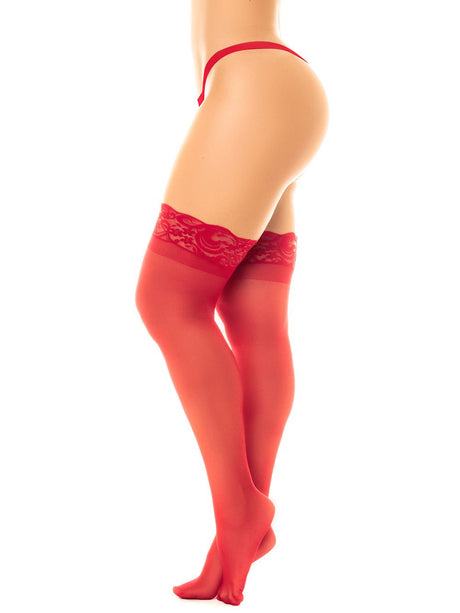
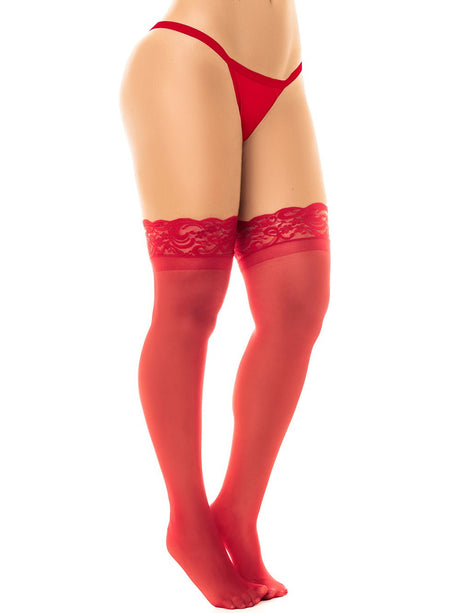
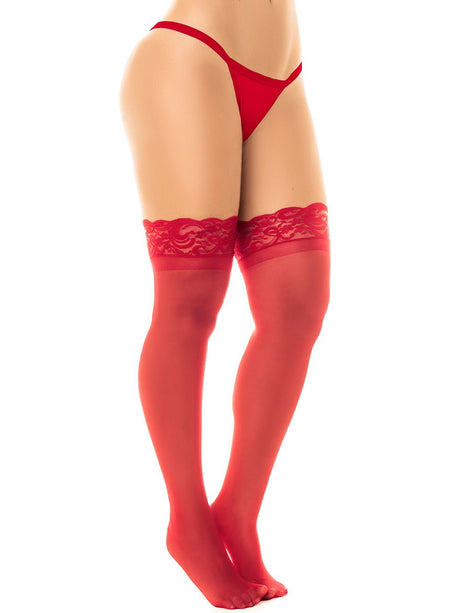
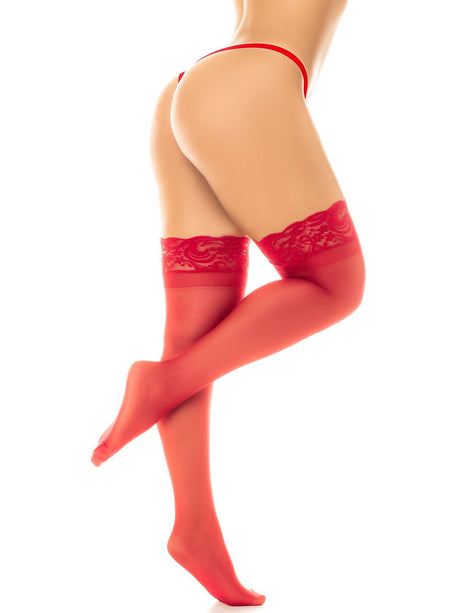
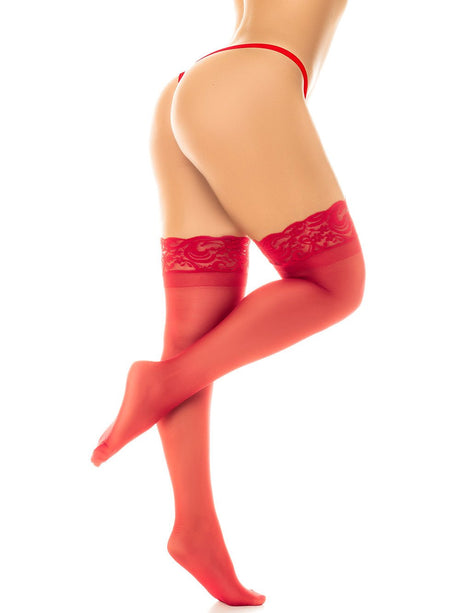
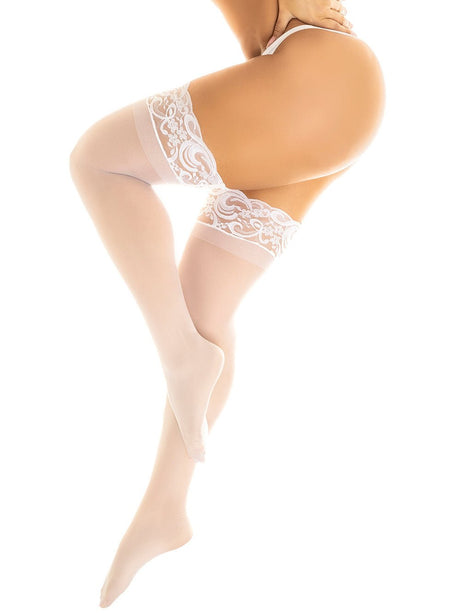
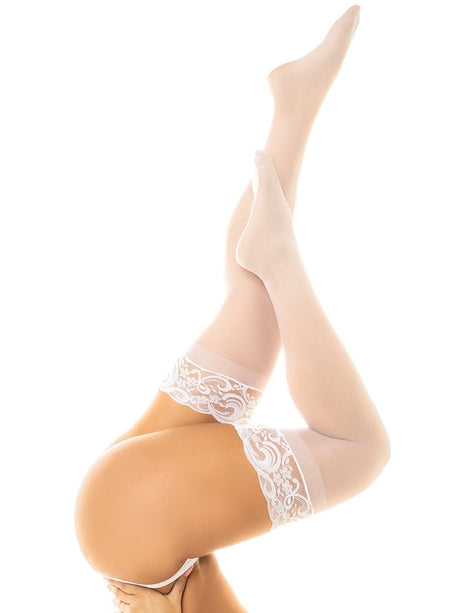
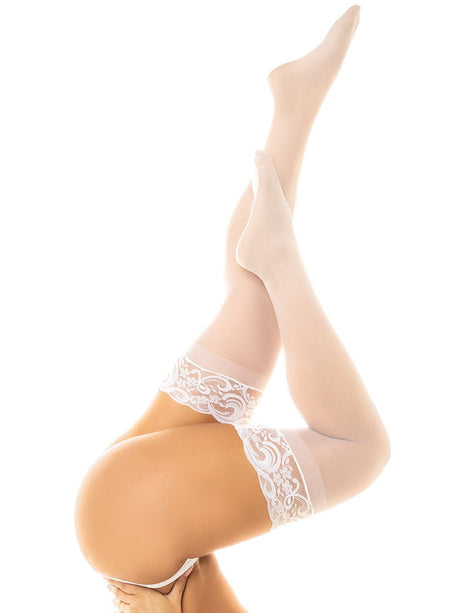
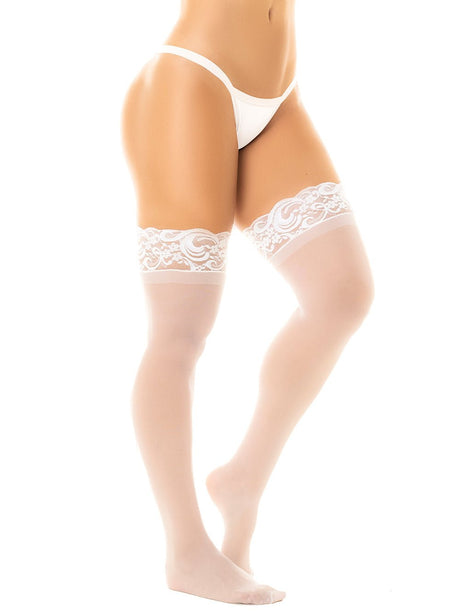
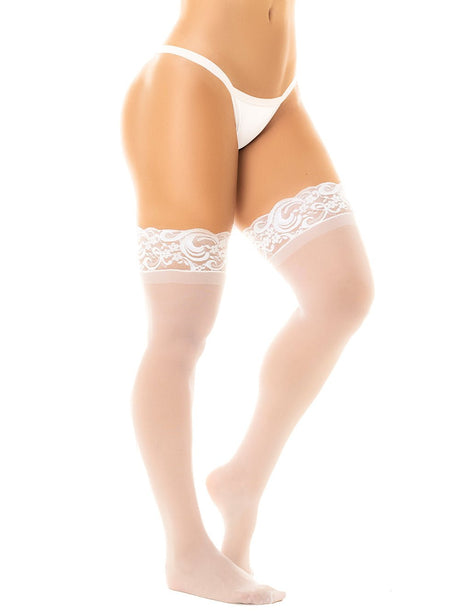
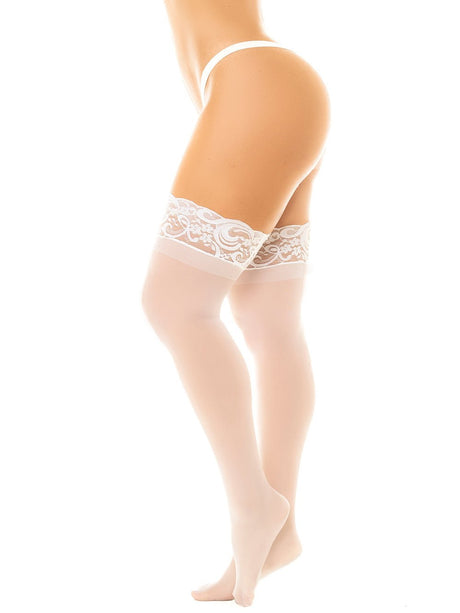
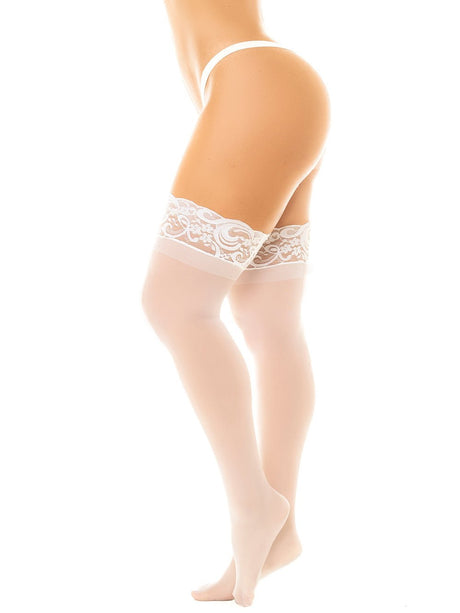
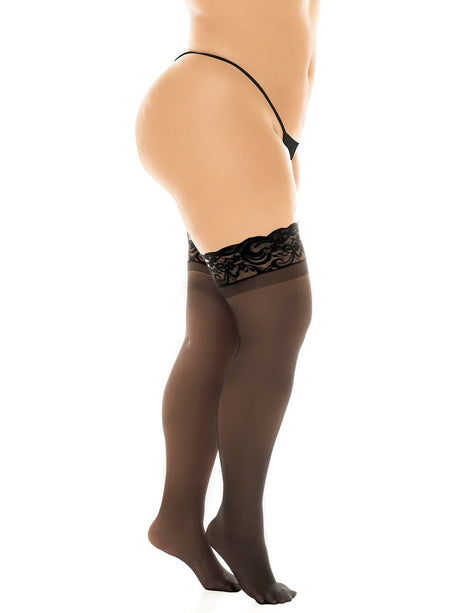
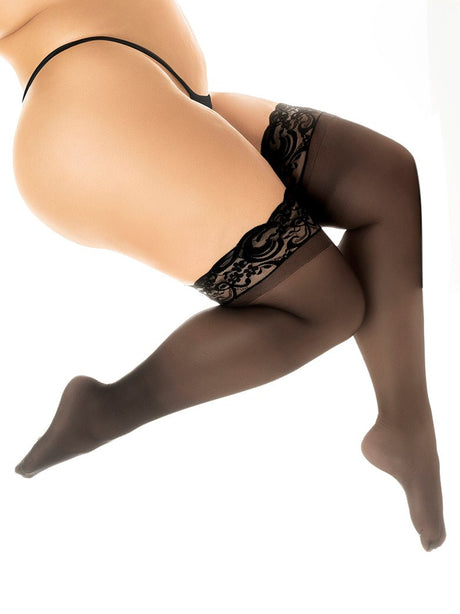
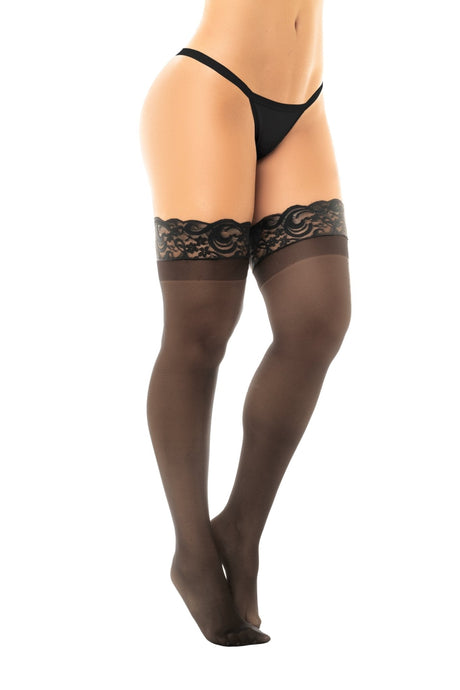
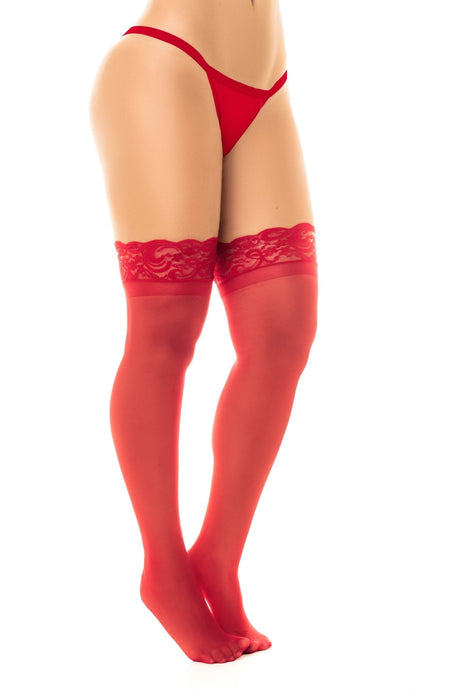
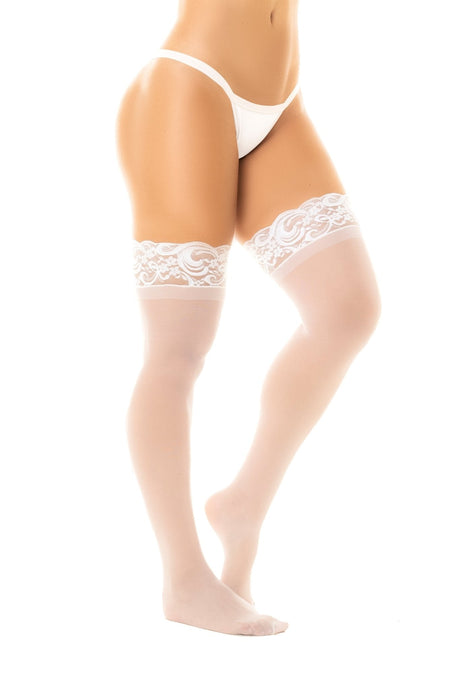
Why do thigh highs keep falling down?
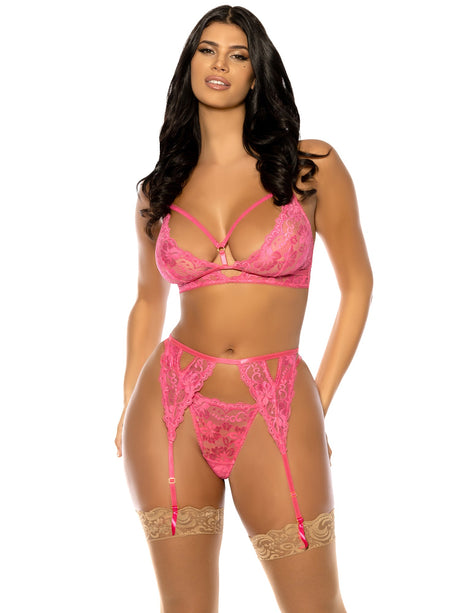
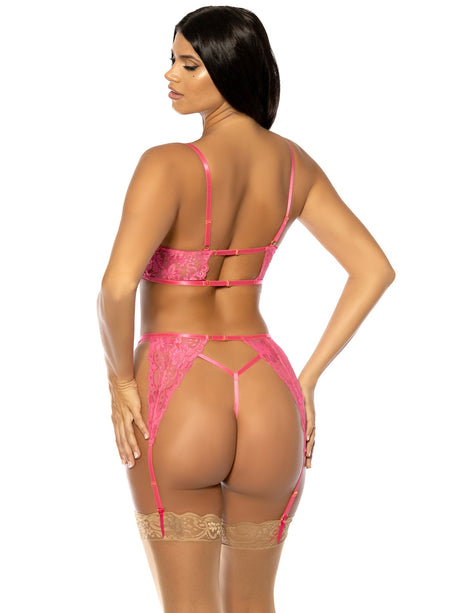
Because a stay-up has nothing holding it from above. All the retention comes from silicone gripping against skin, and friction is a fragile thing to depend on. A garter belt suspends a stocking from the waist, so the stocking’s weight is carried by the belt. A stay-up has no belt, so the silicone strip inside the welt has to generate enough friction against your thigh to hold the entire stocking in place all day, against gravity and against every step. Five things reduce that friction, and all five are fixable. Body lotion or oil on the skin is the most common and the most complete: silicone on moisturised skin barely grips at all. A welt too large for your thigh cannot generate pressure, and no adjustment fixes it. Heat and perspiration reduce grip through the day. Silicone that has collected body oils over several wears loses effectiveness until washed. And wearing the band on the widest part of the thigh puts it on a downward slope. Fix those and stay-ups hold. If they still do not, a garter belt removes the problem entirely.
Stay-up stockings have a reputation for not staying up, and it is mostly deserved and almost entirely fixable.
The whole category rests on one mechanical fact, and once you know it every symptom has an obvious cause.
- Clean dry skin. Lotion and oil defeat silicone almost completely.
- Size by thigh circumference, not shoe or dress size. An oversized welt cannot grip.
- Sit the band below the widest part of the thigh, not on it.
- Roll them on, never pull. Pulling stresses the silicone bond and causes ladders.
- Wash every two or three wears. Silicone loses grip as it collects body oils.
- Wider welts and multiple silicone strips hold better, especially at larger thigh sizes.
- If they still slide, use a garter belt. It removes the reliance on friction entirely.
Friction Is Doing All the Work
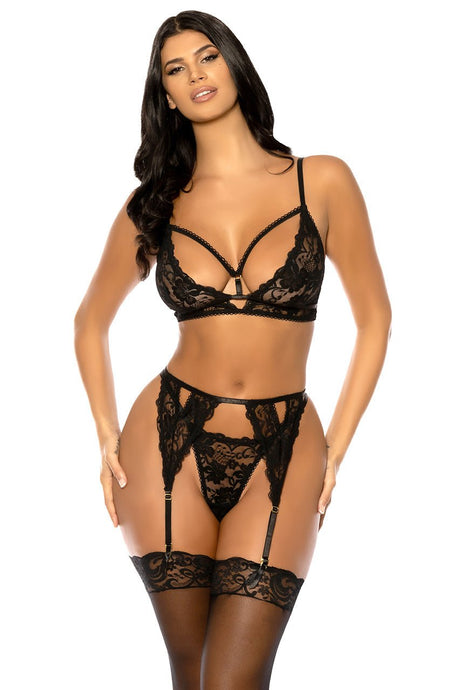
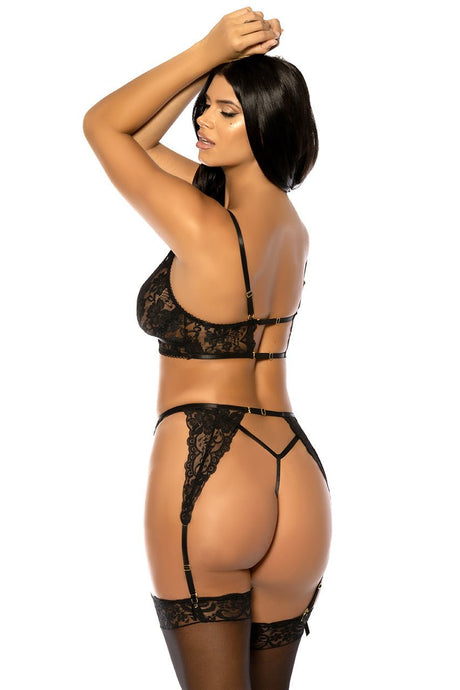
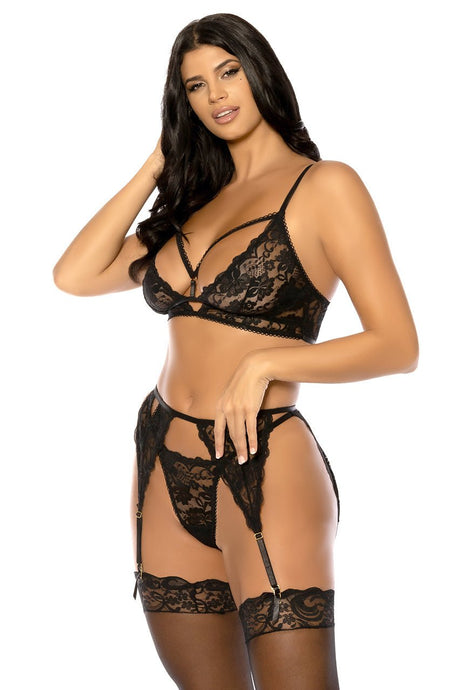
A stocking clipped to a garter belt is suspended: the belt carries the weight and the stocking hangs from it. A stay-up is not suspended by anything. One or more silicone strips bonded inside the top welt press against your thigh, and the friction between silicone and skin is the only thing resisting gravity.

That framing explains every symptom people report. Friction depends on the surfaces in contact and on the pressure between them, so anything that changes either one changes whether the stocking stays put.
It also explains why the same pair behaves differently on different days. Nothing about the stocking changed; the skin did, or the weather did.
Five Things That Reduce Grip
Thigh Highs That Hold
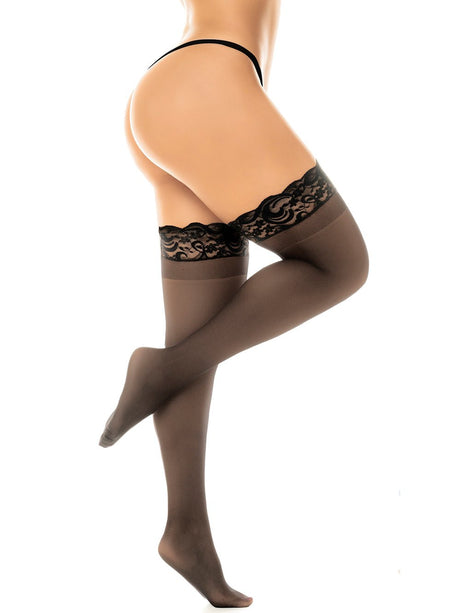
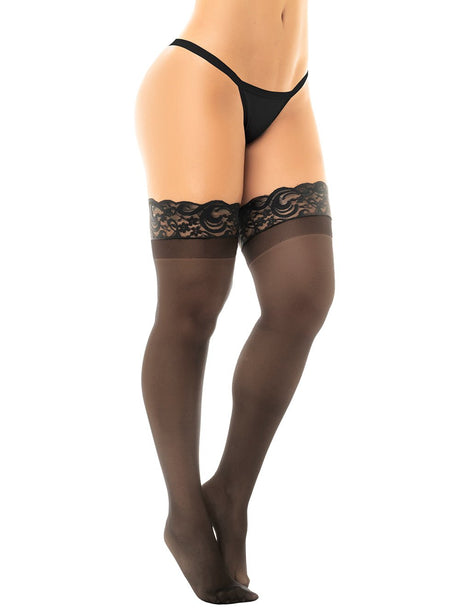
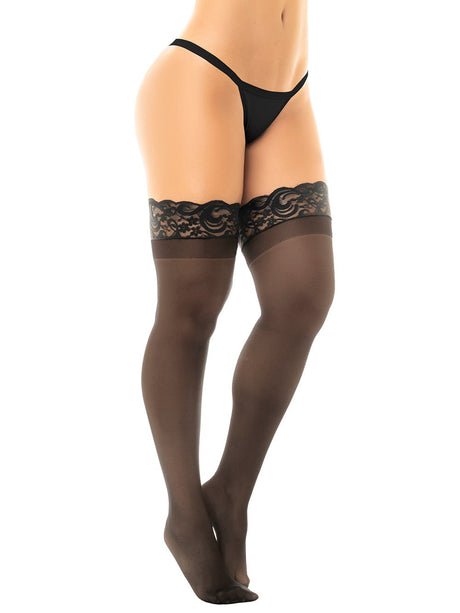
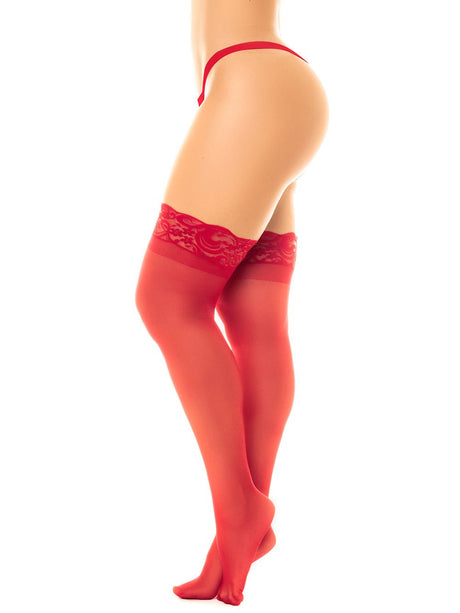
Wide welts with multiple silicone strips, plain and lace tops, sheer through opaque. Full size range including curvy fits.
Shop HosieryGarter Belt GuideFour Kinds of Top
What is at the top of the stocking determines what holds it up, and the terms get used loosely.
| Welt type | Held up by | Best for |
|---|---|---|
| Silicone stay-up, narrow band | One silicone strip against skin | Cool conditions, smaller thigh measurements, shorter wear. |
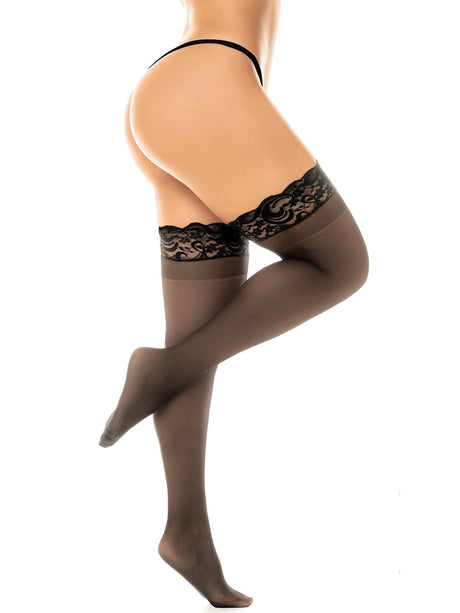
| Silicone stay-up, wide lace band | Two or three strips, more contact area | The most reliable stay-up construction. All-day wear. |
| Plain welt | A garter belt. Nothing on its own. | Clipping to a belt. Flattest under fitted clothing. |
| Lace top, no silicone | A garter belt | Clipping to a belt, with a decorative top edge. |
Worth knowing that hold-ups and stay-ups are the same thing, hold-up being the British term. And that a stay-up can still be clipped to a garter belt if you want belt-and-braces security, which is the most reliable arrangement of all.
Denier, and What It Actually Tells You

| Denier | Opacity | Best for |
|---|---|---|
| Under 15 | Very sheer, barely there | Evening and occasion. Delicate; treat as consumable. |
| 20 to 30 | Everyday sheer | The general-purpose range. Some durability. |
| 40 to 60 | Semi-opaque | Cooler weather, more coverage, noticeably more robust. |
| 80 and above | Fully opaque | Winter, under trousers, longest-lasting. |
Denier describes yarn thickness, not quality. A well-constructed 15 denier from a good maker will often outlast a cheap 40, because yarn quality and knit density vary independently of weight. Use denier to choose opacity and warmth, and judge quality separately.
Sizing
Measure Your Thigh Where the Band Will Sit
Not your dress size, not your shoe size. Measure the circumference of your thigh at the point where you intend the welt to rest, which should be an inch or two below the widest part. That measurement against the brand’s chart is what determines whether the silicone can generate any grip at all.
Check Height as Well
Most hosiery charts use height alongside circumference, because height determines leg length. Stockings too long for your leg bunch at the ankle and, more importantly, leave slack that drags the welt downward. Stockings too short pull the welt down directly. Both read as falling down and neither is the silicone’s fault.
At Larger Sizes, Look for Width and Multiple Strips
Curvy and plus hosiery ranges are widely available and the features that matter are a wider welt band and two or three silicone strips rather than one. More contact area means more total friction, which is precisely what a larger thigh needs. A narrow single-strip band is the construction most likely to disappoint.
Care, and Not Laddering Them
Most ladders happen while putting stockings on, not during wear. Rings, rough nails, chipped nail polish and bracelets are the usual culprits, and the fix costs nothing.
- Take rings off and check your nails before you start. Some people keep cotton or latex gloves specifically for this.
- Gather and roll rather than pull. Bunch the stocking down to the toe, ease it over the foot, and roll it up the leg so the welt arrives in position.
- Hand wash every two or three wears in cool water with a small amount of mild detergent, and rinse thoroughly so nothing is left on the silicone.
- Air dry away from heat. Never tumble dry, which destroys both elastane and the silicone bond.
- Store rolled, not folded, and away from anything with a rough edge or a velcro fastening.
Expect sheer stockings to be genuinely consumable. Very low denier can ladder within a few wears however careful you are, which is a property of the fabric rather than a fault. Opaque styles last considerably longer, and on stay-ups the silicone usually stops gripping before the fabric fails, which is why washing matters more here than with plain-welt stockings.
Most people wear silicone bands without any issue, but some find them uncomfortable over a long day, particularly in heat. If you get redness or itching that does not settle shortly after removal, stop wearing them and switch to plain-welt stockings with a garter belt, which puts nothing adhesive against your skin. A persistent skin reaction is worth raising with a doctor rather than working around.
Nine times out of ten it is body lotion. People buy three brands looking for one that stays up, when the problem was the moisturiser they put on twenty minutes earlier.
HauteFlair Fit Team
What This Means for You
A stay-up is held up by friction and nothing else, so everything that matters is about protecting that friction. Clean dry skin with no lotion. A welt genuinely snug at the height you wear it. The band sitting below the widest part of the thigh rather than on it. Regular washing so the silicone is not slick with body oils. And a wider welt with multiple strips if you want reliability, particularly at larger thigh measurements.
Roll them on rather than pulling, take your rings off first, and treat very sheer deniers as consumable rather than durable.
And if you have done all of that and they still slide, that is useful information rather than a failure. Some skin and some conditions simply do not suit silicone, and a garter belt with plain-welt stockings removes the problem completely by suspending the stocking instead of gripping it.
Hosiery at HauteFlair
Thigh highs and stay-ups with wide welts and multiple silicone strips, plain and lace tops, sheer through opaque, plus garter belts and stockings. Full size range including curvy fits.
Shop HosieryGarter Belt GuideFrequently Asked Questions
Why do my thigh highs keep falling down?
What is the difference between thigh highs and stockings?
How do you keep stay-up stockings from sliding?
Can you wear thigh highs with a garter belt?
What does denier mean in stockings?
How do you size thigh high stockings?
Are there thigh highs for plus sizes?
Do thigh highs work in hot weather?
Can you wear thigh highs under trousers?
How do you stop thigh highs laddering?
What is the welt on a stocking?
Can you wash stay-up stockings?
What is the difference between hold-ups and stay-ups?
Do silicone grips irritate skin?
How long do thigh high stockings last?
This article is for informational purposes only. Sizing, denier ranges and durability guidance are general and vary between manufacturers. Discontinue use of any garment that causes skin irritation, and consult a doctor about persistent skin reactions.