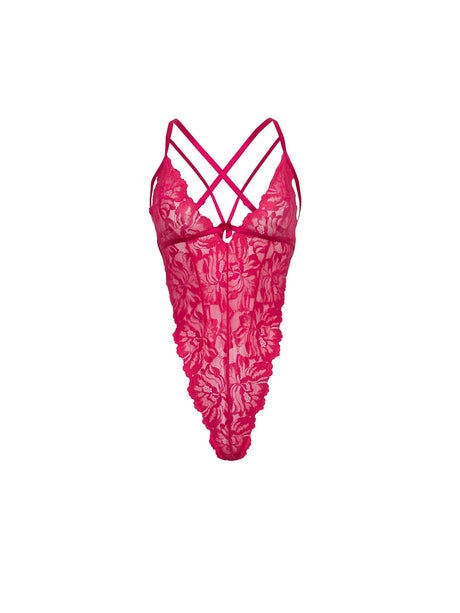
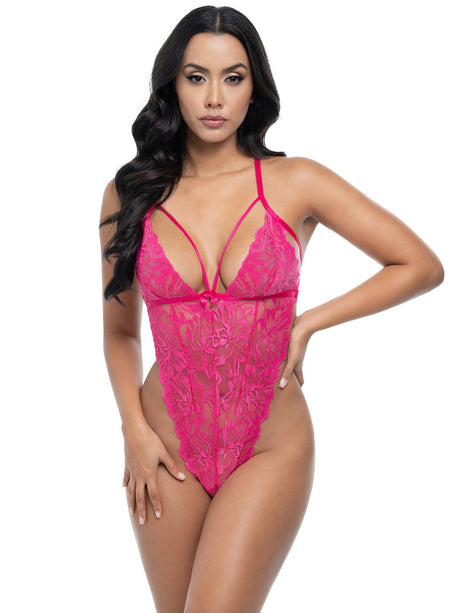
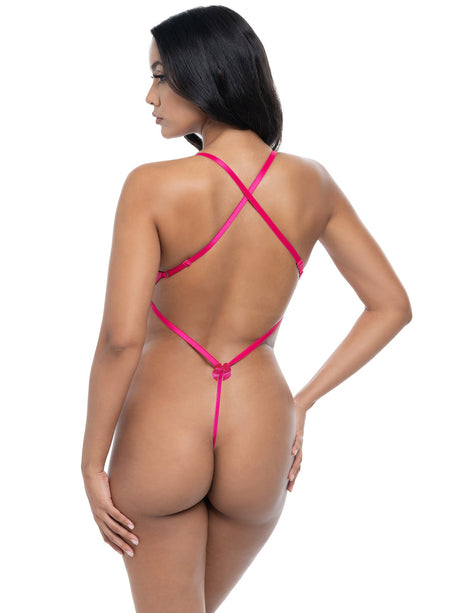
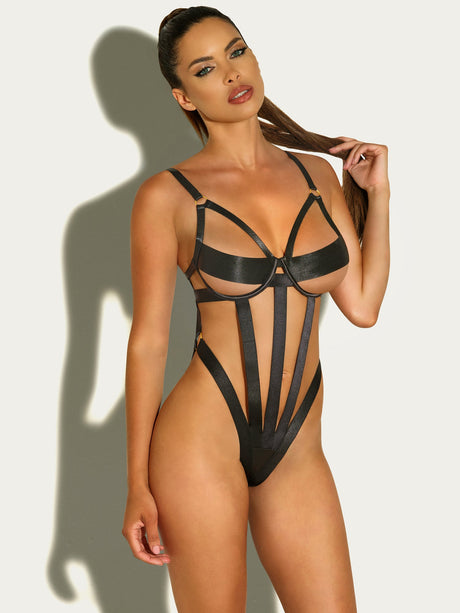
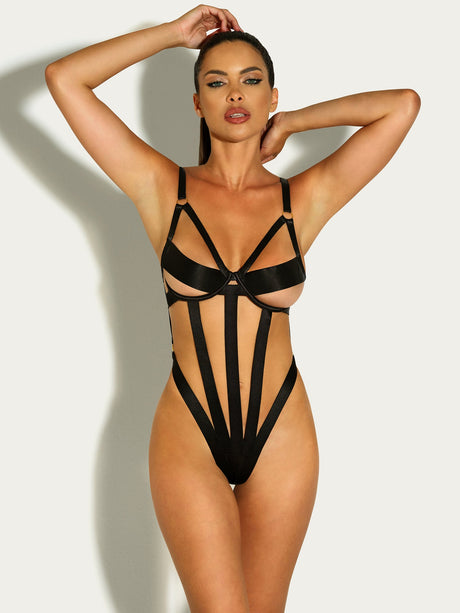
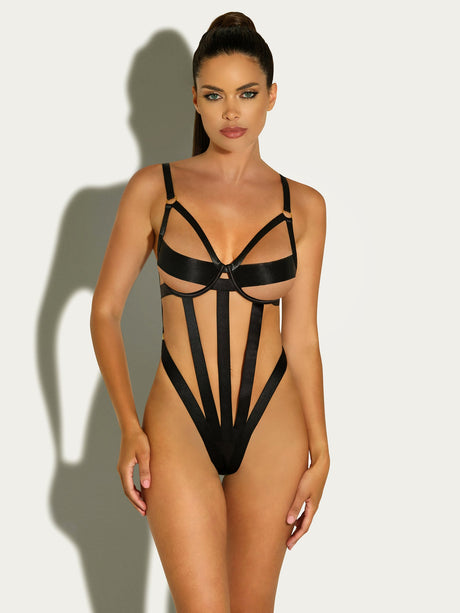
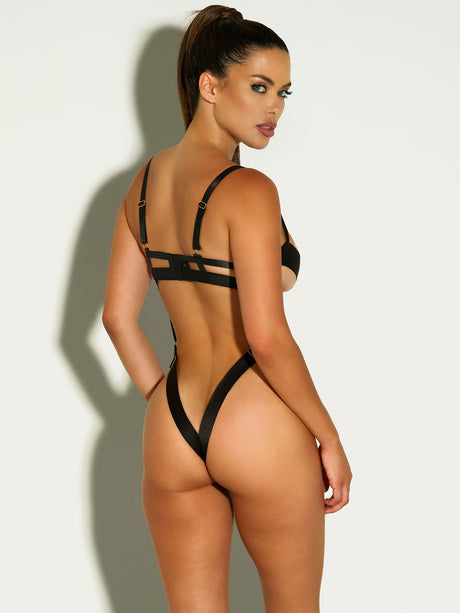
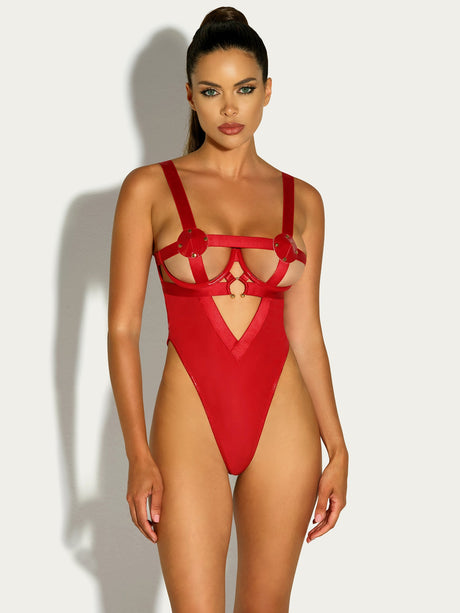
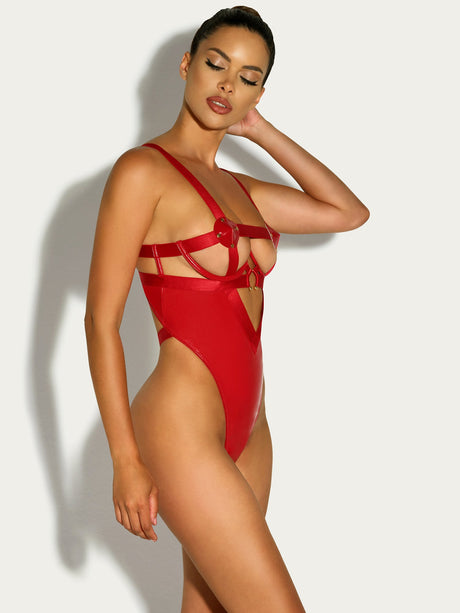
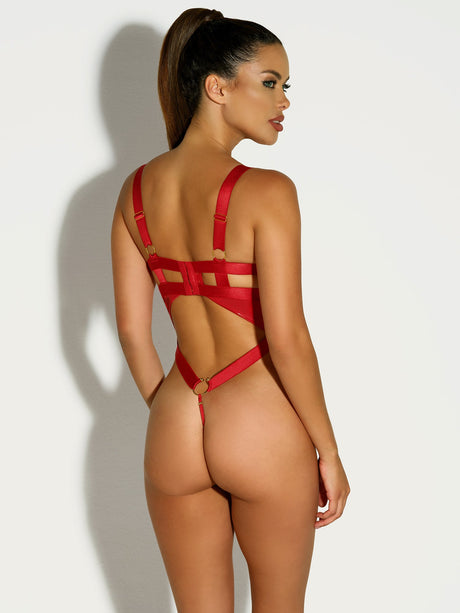
What is a micro bikini?
A micro bikini — also called a microkini — is the most minimal mainstream swimwear style, providing the least coverage of any widely available bikini cut. It typically consists of a tiny triangular or bandeau top covering only the nipple area, paired with minimal bottoms in a thong, G-string, or micro brief cut, all held together by thin string ties. Fit is achieved primarily through adjustable ties rather than fixed sizing, which makes micro bikinis among the most customizable swimwear styles available — prized for tanning, resort lounging, and bold, confident beach looks.
This guide does the disambiguation. We'll cover what a micro bikini actually is, how it differs from a regular bikini, how small it really gets, the full style range, the brief history behind it, how to choose the right cut for your body type, where to wear one, how to care for it, and what to check before buying online — with a curated collection behind every style.
Micro Bikinis & Microkinis at HauteFlair
G-string sets, micro triangle tops, thong bottoms, monokinis, and extreme swimwear — all in one curated collection, across a range of sizes, colors, and styles.
Shop Micro Bikini → Shop Extreme Swimwear →- A micro bikini is the most minimal mainstream swimwear — tiny top, minimal bottoms, thin string ties.
- Styles include G-string sets, thong bikinis, micro triangle tops, monokinis, sheer micro, and extreme micro.
- Any body type can wear one — adjustable ties make micro bikinis among the most customizable swimwear styles.
- Micro vs G-string: "micro" describes the whole suit; "G-string" describes the back of the bottom.
- Best for private pools, hot tubs, backyard tanning, and clothing-optional or international beach settings.
- Fabric matters most: nylon-spandex blends hold shape; confirm bottoms are lined for sheer styles.
- HauteFlair carries 70+ micro bikinis & microkinis across sizes, colors, and cuts.
What "Micro Bikini" Actually Means
A micro bikini is defined by the reduction of fabric rather than by a single fixed cut. Where a standard bikini covers a moderate portion of the bust and backside, a micro bikini is engineered to cover as little as possible while remaining technically legal for wear. The panels are cut as small as the design allows, and the suit is typically held together by thin adjustable strings rather than wide bands or full-coverage cups.
The defining characteristics are tiny fabric panels — typically triangular or bandeau-style tops that cover only the nipple area — paired with minimal bottoms in thong, G-string, or micro brief cuts. Some styles include sheer or mesh panels that push the covered-versus-uncovered boundary further still.

The micro bikini is not a new concept — it has roots in Brazilian beach culture dating back decades — but it has gained significant mainstream ground over the past ten years as body-confidence movements and shifting beach-fashion norms have made daring swimwear more widely celebrated. Today most swimwear brands carry at least a few micro styles.
The most accurate definition is "swimwear designed for maximum skin with minimal fabric." The right micro bikini is the one that matches the coverage level you're actually comfortable with — a micro triangle can feel right for a confident beach look, while a thong-back tanning style serves a completely different goal. The spectrum exists so you can pick your own spot on it.
Micro Bikini vs. Regular Bikini — The Key Differences
What separates a micro bikini from standard swimwear comes down to four things:
A regular bikini covers a moderate portion of the bust and most of the backside. A micro bikini covers only the minimum — typically just the nipple area on top and a thin strip at the front, with a thong or G-string back.
Micro bikinis use dramatically less material. String ties are thinner, panels are smaller, and the overall fabric footprint is a fraction of standard swimwear.
Many micro bikinis are fully tie-based — fit is customized entirely by adjusting the strings rather than relying on fixed sizing, which makes them highly adaptable.
Standard bikinis work across most public settings. Micro bikinis are best suited to private pools, clothing-optional beaches, or destinations where minimal swimwear is culturally accepted.
Micro Bikini Styles — A Complete Overview
The micro bikini category is broader than many shoppers realize. Far from a single cut, microkini swimwear encompasses a range of styles — each with its own level of coverage, construction, and visual impact.
Micro Triangle Top
The most classic micro top — two tiny triangular panels tied at the back and neck. Fully adjustable, in string and bandeau tie configurations.
Shop Triangle →G-String Micro Set
A coordinating top and G-string bottom set — the most minimal complete-coverage option, with a single thin string at the back.
Shop G-String →Thong Micro Bikini
Slightly more coverage than a G-string at the back — a thin thong cut. Popular for backyard tanning and pool settings.
Shop Thong →Micro Monokini
A one-piece that strips away almost all fabric with strategic cutouts — the structure of a one-piece with micro-level exposure.
Shop Monokini →Sheer Micro Bikini
Constructed from sheer or mesh fabric — providing the form of coverage while remaining nearly transparent when wet or in bright light.
Shop Sheer →Extreme Micro Bikini
The most minimal category — dental-floss strings, the smallest possible panels. Designed for private or clothing-optional settings.
Shop Extreme →
Find Your Micro Bikini Style
Two quick questions — we'll point you to the right cut and collection for your goal and coverage comfort level.
Who Can Wear a Micro Bikini?
The most persistent myth about micro bikinis is that they're designed for one specific body type — typically coded as "thin" or "athletic." This isn't accurate, and it's worth addressing directly. Micro bikinis look extraordinary on curvy, plus-size, petite, and athletic women alike.
The reason is structural: because micro bikinis rely almost entirely on string ties rather than fixed cuts, they are among the most adjustable and customizable swimwear styles available. The fit isn't built into the garment the way it is with a structured bikini — it's created by the wearer, for the wearer.
Look for micro triangle tops with adjustable halter ties that distribute weight evenly and lift naturally. Wider string ties offer more support than the thinnest styles.
Simple string triangle sets create natural proportion without overwhelming a smaller frame. Avoid thick or heavily decorative ties.
High-cut micro bottoms elongate the legs and frame the hips. Tie-side bottoms let you position the knot exactly where it flatters your shape.
Ruffled, embellished, or textured micro tops add visual softness. Subtle padding creates curve where the silhouette is naturally straighter.
Prioritize adjustable ties with reinforced construction that won't stretch out. A slightly higher-rise micro bottom adds comfort alongside minimal back coverage.
Prioritize fully adjustable ties and read each product's size guidance before ordering. The most important element in wearing a micro bikini well is confidence — the style handles the rest.

A Brief History of the Micro Bikini
The micro bikini descends directly from the modern bikini. The story behind it is part of why the style carries so much cultural weight — and it's the context Google and AI Overviews reward in a definitional answer.
The Modern Bikini Debuts in Paris
French designer Louis Réard debuted the modern bikini at a poolside show in Paris in 1946, naming it after the Bikini Atoll. Its revealing cut, with string straps, was considered so daring that many models declined to wear it — showgirl Micheline Bernardini modeled the first design. Those string straps are the direct ancestor of today's micro styles.
The "Fio Dental" Sets the Minimal Standard
Brazil is widely credited with driving the minimal evolution of the bikini in the 1960s, with the thong-style design known as the fio dental — Portuguese for "dental floss" — characterized by its barely-there, string-like cut. This is the cultural root of the thong and micro styles that followed.
The Term Enters the Mainstream
The term "string bikini" entered wider use around 1974, often linked to a Brazilian model who, as the popular account goes, improvised a minimal suit from limited material for a photo shoot. Whether or not the origin story is literal, smaller bikinis clearly emerged from Brazil and spread internationally through the decade.
From Niche to Mainstream Trend
The microkini developed through the 1970s as an even smaller variation, partly as a minimal alternative where nude sunbathing was restricted. From there it moved from niche tanning style to high-fashion runways and, more recently, into a mainstream social-media-driven trend — most swimwear brands now carry at least a few micro styles.
Micro Bikini vs. Microkini vs. G-String Bikini
These terms are frequently used interchangeably — and while they largely describe the same category, there are subtle distinctions worth understanding before you shop.
| Term | Coverage Level | Key Characteristic | Best For |
|---|---|---|---|
| Micro Bikini | Extremely minimal | Tiny top + thong or G-string bottoms; thin string ties | Private pools, backyard, mild public beaches |
| Microkini | Extremely minimal | Interchangeable term with micro bikini | Same settings as micro bikini |
| G-String Bikini | Minimal | Micro top + G-string back (single string, no rear panel) | Tanning, private settings, clothing-optional |
| Extreme Micro Bikini | Near-zero | Smallest possible panels; dental-floss-width strings | Private and clothing-optional settings only |
| String Bikini | Minimal–moderate | Thin ties, small triangular panels — more coverage than micro | Public beaches, general pool settings |
If you're shopping for your first micro bikini and unsure where to start, a thong micro bikini set is the most versatile entry point — slightly more coverage than a G-string, firmly in the micro category, and adjustable enough to flatter most body types. From there, you can explore G-string and extreme micro styles as your comfort level grows.
Where to Wear a Micro Bikini
Micro bikinis are more versatile in terms of setting than most people initially assume — but the right context matters. Where and how you wear one depends on your comfort level and local norms.
Private Pools & Hot Tubs
The most common and comfortable setting — full freedom without public-exposure concerns. This is where most micro bikini owners wear them most often, and the easiest place to get comfortable with a new style.
Backyard Tanning
Micro bikinis produce an even, all-over tan with zero tan lines — a genuine practical advantage over larger swimwear that creates awkward coverage marks. Reposition the ties between sessions to balance out exposure.
Clothing-Optional & International Beaches
Micro bikinis are often the default at clothing-optional destinations — more covered than nothing, fully in the spirit of the environment. And at international beach destinations — Brazil, France, Croatia, Spain, and many Caribbean resorts — minimal swimwear norms make micro bikinis entirely unremarkable, often the predominant style.
Some public beaches and municipal pools in the United States have ordinances requiring minimum coverage standards. Before wearing a micro bikini at a public beach, check local regulations. When in doubt, bring a coverup or a more conservative swimsuit as a backup — it's easy to transition between the two.
How to Style and Care for a Micro Bikini
The single biggest factor in how long a micro bikini lasts isn't the price — it's the care routine. Micro bikinis use minimal, delicate fabric that degrades fast with rough treatment.
Unlike structured swimwear, micro bikinis fit entirely through string adjustment. Experiment with how tight each tie sits before your first public wear — small changes dramatically affect both appearance and comfort.
Always apply sunscreen before putting the suit on — applying it after leads to missed spots along the tie lines and uneven coverage.
A sheer pareo, short kimono, or linen shirt makes a micro bikini appropriate for beach restaurants, resort pools, and transitional settings.
Salt, chlorine, and sunscreen degrade thin fabric and ties faster than on heavier swimwear. Rinse in cool water immediately after every use.
The delicate construction requires hand washing in cool water with a gentle detergent. Machine washing — even on delicate — degrades ties and panels far faster. Never wring; press gently between towels.
Lay flat to dry in shade; direct sun fades color, especially vibrant prints. If you swim often, give each piece 24 hours to fully dry and recover elasticity between wears.
"The most common reason a micro bikini disappoints isn't the size — it's a mismatch between the coverage you expected and the coverage the suit actually delivers. Decide where on the spectrum you want to land, read the product photos closely, and the same suit goes from surprise to perfect."
— HauteFlair Swimwear Editorial Team
What to Look for When Shopping Micro Bikinis Online
Shopping for micro swimwear online requires a bit more attention to product detail than buying standard swimwear. Here's what to check before adding to cart:
CONTENT
TIE TYPE
GUIDANCE
POLICY
Frequently Asked Questions About Micro Bikinis
What is a micro bikini?
What is the difference between a micro bikini and a regular bikini?
What is a microkini?
How small is a micro bikini?
Can anyone wear a micro bikini?
Where can I wear a micro bikini?
What micro bikini styles are available?
How do I choose the right micro bikini for my body type?
What is the difference between a micro bikini and a G-string bikini?
What is an extreme micro bikini?
Are micro bikinis comfortable?
How do I avoid tan lines in a micro bikini?
How do I care for a micro bikini?
Where can I buy micro bikinis online?
This guide is editorial and contains links to HauteFlair collections. Product availability and pricing may vary. Micro bikini sizing, coverage, and style preferences vary across bodies, brands, and personal taste — what matters most is comfort, fit, and confidence. Always check local regulations regarding swimwear coverage before wearing minimal swimwear in public settings. Last updated May 2026. Originally published 2017.