Is GLP-1 Part of Your Wellness Reset?
ElixMD connects plus-size women with licensed providers who specialize in GLP-1 weight-loss programs — accessible, personalized, and designed around your actual goals and health history.
Explore GLP-1 at ElixMD →Wellness in 2026 is no longer a side hustle — it's the main event. The rise of GLP-1 medications has opened conversations about medical weight management, but it's also sparked a broader question: what does holistic self-care actually look like when your body is changing, growing, or being intentionally supported?
This guide doesn't start with a diet plan. It starts with the six pillars that form a genuinely complete self-care practice — one that respects your body exactly where it is while giving you real tools to support it going forward.
Pillar 1 — Skin: Your Body's Largest Organ Needs a Reset Too
Skincare for plus-size women has its own specific considerations that most mainstream beauty content ignores. Whether you're on a GLP-1 medication, postpartum, perimenopausal, or simply committing to better daily habits, your skin has unique needs that deserve real attention.
Four Key Skin Shifts During Weight Loss
- Dryness and itchiness — Commonly caused by dehydration from reduced food and fluid intake. Sebaceous (oil) glands can also be affected by rapid fat loss.
- Skin laxity — When fat volume depletes faster than skin can retract, sagging can appear around the abdomen, arms, and thighs. More pronounced with rapid loss and in women over 40.
- "Ozempic face" — Facial fat loss can cause hollowing around the cheeks and eyes. Collagen-supporting skincare helps; dermal fillers are an option if needed.
- Potential improvement — GLP-1 medications also reduce systemic inflammation, which can improve inflammatory skin conditions like psoriasis and hidradenitis suppurativa in some patients.
Your Daily Skin Care Reset Protocol
- Hydrate from the inside first — Aim for at least 8 cups of water daily. Even mild dehydration dulls skin significantly.
- Gentle cleanser, morning and night — A pH-balanced gel or cream cleanser preserves the lipid barrier.
- Retinol (evening) — Promotes collagen synthesis and accelerates cell turnover. Essential for skin laxity support. Start slowly (2x per week) and build up.
- Vitamin C serum (morning) — Encourages collagen production and protects against UV-triggered collagen breakdown.
- Rich body moisturizer post-shower — Apply while skin is still slightly damp. Look for ceramides, shea butter, or hyaluronic acid.
- SPF 30+ daily — Sun exposure accelerates collagen breakdown; protecting skin maintains the elasticity you're working to support.
Pillar 2 — Hair: The GLP-1 Side Effect Nobody Warned You About
One of the most common and emotionally impactful side effects reported by women on GLP-1 medications is hair shedding — and it catches most women completely off guard. Understanding what's happening makes it significantly less alarming, and acting early makes it significantly shorter-lived.
The condition is called telogen effluvium — a stress-triggered interruption to the hair growth cycle. Critically, it's not the GLP-1 medication itself that causes it. It's the physical stress of rapid body change and the nutritional deficits that accompany reduced appetite. Shedding typically begins 2–3 months after the triggering event and usually resolves within 3–6 months.
"GLP-1 hair loss isn't directly from the medication — it's from the rapid weight loss and most often self-corrects within 3–6 months. I've seen effluvium in many GLP patients, but zero patients discontinued the medication."
— Dr. Ellen Marmur, Dermatologist
Before & During GLP-1 Treatment
- Prioritize protein intake — Aim for 80–100g of protein daily even in a reduced-appetite state. Supplement with protein shakes if needed.
- Take a daily multivitamin — Dermatologists specifically recommend this for all GLP-1 users to prevent nutritional deficits that trigger shedding.
- Add biotin and zinc — Both support hair growth cycles; zinc deficiency is a common driver of telogen effluvium.
- Gentle scalp care — Avoid heat styling, tight hairstyles, and harsh chemical treatments during active shedding phases.
- See a dermatologist proactively — A baseline consultation before starting GLP-1 allows your provider to adjust any existing hair loss treatments in advance.
Pillar 3 — Hormone Health: The Invisible Force Behind Everything
Hormonal imbalances are among the most under-diagnosed contributors to weight challenges, skin changes, hair thinning, sleep disruption, and mood instability in plus-size women. A complete self-care reset must include honest attention to hormonal health.
What Every Plus-Size Woman Should Screen For Annually
- A1C / blood glucose — Pre-diabetes and insulin resistance are common with PCOS and obesity; early detection is critical
- Thyroid panel (TSH, T3, T4) — Hypothyroidism slows metabolism and is significantly underdiagnosed in women
- Estrogen and progesterone levels — Hormonal shifts through perimenopause (which can start in the late 30s) affect weight, mood, and skin
- Testosterone and DHEA — Elevated androgens (common in PCOS) contribute to hair thinning, acne, and weight resistance
- Vitamin D levels — Deficiency is widespread in plus-size women and affects energy, immunity, mood, and bone health
- Inflammatory markers (CRP) — Chronic low-grade inflammation drives weight gain, skin issues, and metabolic dysfunction
If any of these screenings reveal concerns, a medical provider can build an intervention plan — which may include lifestyle changes, supplementation, hormone replacement therapy, or for weight-related insulin resistance, GLP-1 therapy. ElixMD's licensed providers can evaluate these factors as part of a comprehensive wellness consultation.
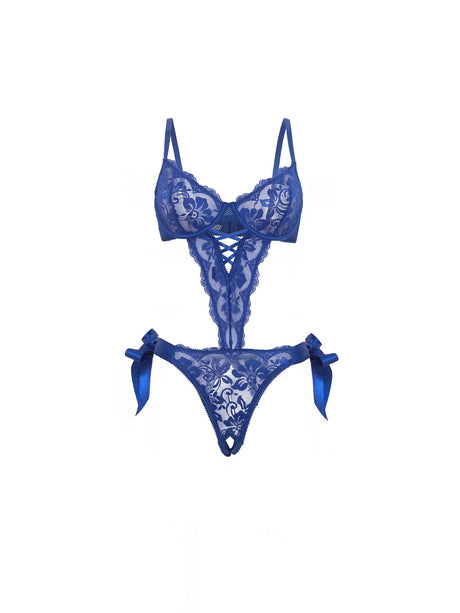
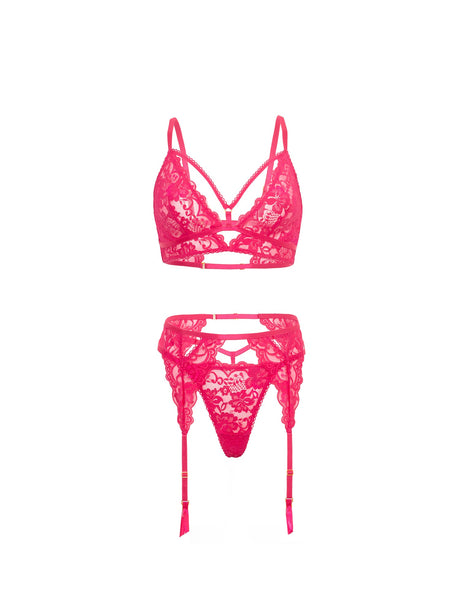
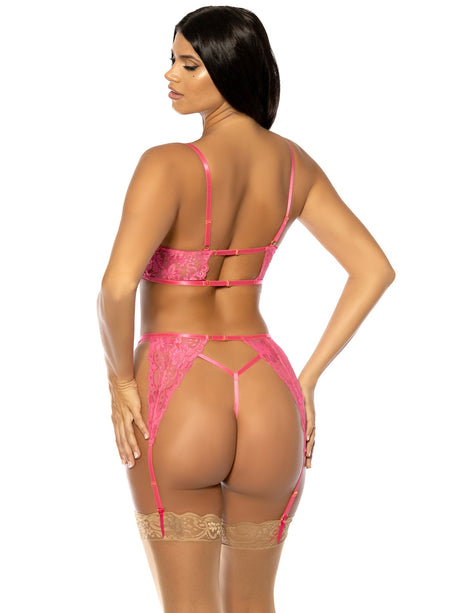
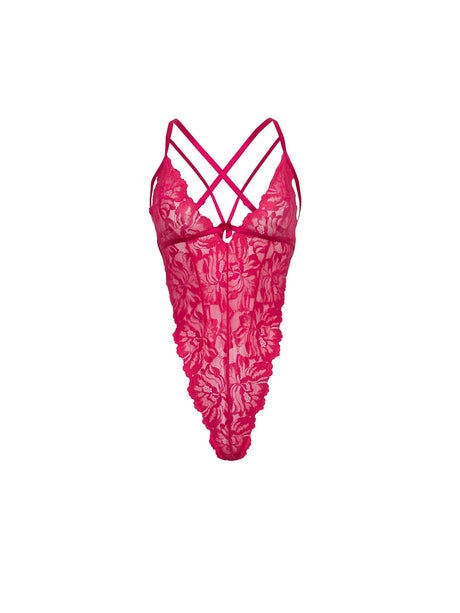
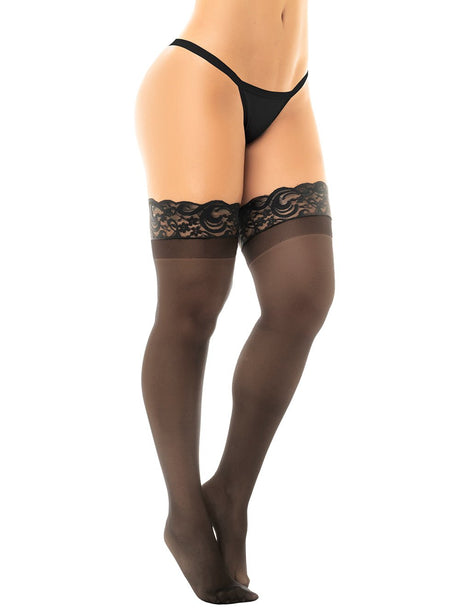
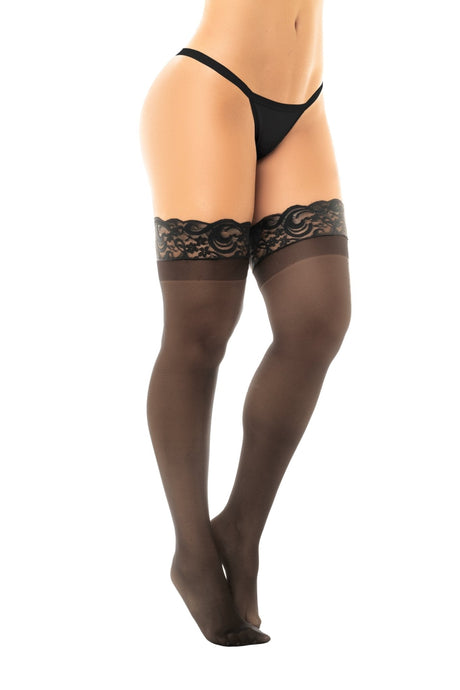
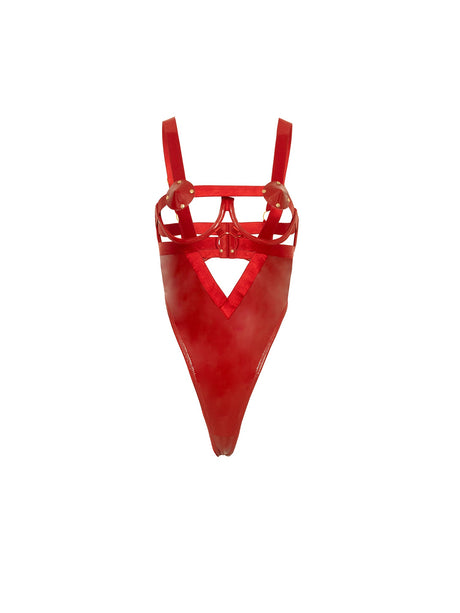
Pillar 4 — Intimates & Shapewear: Your Confidence Foundation
This is the self-care pillar most women actively neglect — and its impact on daily life is underestimated by almost everyone. Research in fashion psychology consistently shows that clothing fit directly affects mood, self-perception, and confidence. For plus-size women, this effect is amplified: ill-fitting intimates create physical discomfort and psychological drag throughout every single day.
Replace These Immediately
- Bras with stretched-out bands, digging underwires, or straps that slip — these are actively harming posture and comfort
- Underwear with elastic that has lost its structure or waistbands that roll or cut
- Shapewear that leaves marks, causes numbness, or requires constant adjustment
- Any piece you wear because it "still fits" rather than because it fits well
The Self-Care Case for Shapewear
Shapewear for plus-size women in 2026 is about option, not obligation. Mid-compression shapewear gives you a smooth foundation under fitted clothing, supports posture during long days, and makes you feel like you've made an effort even on low-energy days. The key is mid-compression vs. high-compression — high-compression garments can cause digestive discomfort (particularly important to avoid on GLP-1 medications), restrict breathing, and create rebound puffiness. Mid-compression smooths and supports without any of these side effects.
Explore Plus Size Shapewear at HauteFlair →Swimwear as Self-Care
There's something profoundly self-care-oriented about owning a swimsuit you actually feel good in. Consider adding a well-fitting swimsuit to your self-care reset as a deliberate act of reclaiming your right to enjoy summer and your body in motion.
Shop Plus Size Swimwear at HauteFlair →Pillar 5 — Sleep: The Most Underrated Self-Care Tool
Sleep is where the body repairs collagen, regulates hunger hormones, processes emotional stress, and consolidates the benefits of every other wellness habit. Poor sleep directly increases cortisol, which promotes fat storage and drives cravings for high-sugar foods. If your self-care reset doesn't include sleep optimization, you're working against yourself on every other front.
| Time | Habit | Why It Works |
|---|---|---|
| 2 hrs before bed | Dim lights; stop screens or use night mode | Preserves melatonin production for natural sleep onset |
| 90 min before bed | Avoid alcohol and heavy meals | Alcohol disrupts REM sleep; late meals raise core temperature |
| 60 min before bed | Gentle stretch or 5-min breathing practice | Activates parasympathetic nervous system; lowers cortisol |
| 30 min before bed | Comfortable, breathable sleepwear | Body temperature regulation is critical for deep sleep onset |
| Daily | Consistent wake time (even weekends) Foundational | The single most powerful intervention for sleep quality |
What you wear to bed matters. Non-restrictive, breathable sleepwear allows your body to self-regulate temperature through the night — a primary condition for deep sleep. HauteFlair's plus-size collection includes sleepwear options designed with exactly this in mind.
Pillar 6 — Medical Wellness: The Self-Care Most Women Skip
Face masks and bubble baths won't address insulin resistance, thyroid dysfunction, or hormonal imbalance. Medical wellness — proactive, preventative engagement with your own health — is the sixth and most powerful pillar of a complete self-care reset.
For many plus-size women, years of healthcare experiences that focused on weight as the problem rather than the symptom have created justified wariness of medical settings. But telehealth-first providers and GLP-1 programs accessible from home have changed the equation completely.
Annual Non-Negotiables
- Annual physical with a primary care provider who takes your concerns seriously
- Complete metabolic panel including A1C, cholesterol, and kidney function
- Thyroid screening (TSH) — especially if you experience fatigue, hair thinning, or weight resistance
- Hormonal panel if experiencing perimenopause symptoms, irregular cycles, or unexplained weight gain
- Dermatologist visit, particularly if on or considering GLP-1 therapy
- GLP-1 specialist consultation if weight management has become a health priority
Is GLP-1 Right for Your Self-Care Reset?
GLP-1 receptor agonists — including semaglutide (Wegovy, Ozempic) and tirzepatide (Zepbound) — are now used by 15% of women and counting. The conversation is no longer whether they work (clinical evidence is substantial) but whether they're appropriate for you specifically. GLP-1 is generally considered appropriate when BMI is 30+ (or 27+ with a weight-related health condition), and when diet and lifestyle interventions alone haven't produced sustained results.
The right starting point is a consultation with a licensed provider. ElixMD makes this process straightforward, accessible, and genuinely personalized.
Your Complete 2026 Self-Care Reset — At a Glance
| Pillar | Weekly Priority | Monthly Priority |
|---|---|---|
| Skin | Daily moisturize + SPF; retinol 3×/week | Exfoliate; assess dryness or laxity changes |
| Hair | Protein-rich diet; multivitamin; gentle scalp care | Track density; deep conditioning treatment |
| Hormones | Track energy, mood, cycle regularity | Annual labs; flag changes to provider |
| Intimates | Wear what fits; re-measure if weight is changing | Drawer audit; replace one worn-out piece |
| Sleep | Consistent sleep/wake time; screens off 60 min before | Assess quality; adjust environment if needed |
| Medical | Stay consistent with any prescriptions | Provider check-in; annual labs as scheduled |
Frequently Asked Questions
What should a plus-size self-care routine include in 2026?
Does GLP-1 medication cause hair loss in women?
How does GLP-1 weight loss affect the skin?
What is the best self-care routine for plus-size women on a wellness journey?
Should I update my lingerie and shapewear as part of my self-care reset?
How does hormone health affect plus-size women?
What wellness services does ElixMD offer for plus-size women?
This article is for informational purposes only and does not constitute medical advice. Always consult a licensed medical professional before starting any new health or wellness program.