Montelle Cup-Sized Lace Bralette
$49.00Unit price /Unavailable-
Montelle Pure Plus Full Coverage T-Shirt Bra
$64.00Unit price /Unavailable-
Strapless Bra with Underwire – Splendid Strapless
$50.00Unit price /Unavailable-
T-Shirt Bra Underwire Seamless Full Coverage Bra Plus Size 3500
$54.00Unit price /Unavailable-
Dominigue Max Support Underwire Sports Bra 6100 Plus Size 6100
$62.00Unit price /Unavailable-
Front Closure Deep Plunge Racerback Push up T-shirt Bra Plus Size 3900
$56.00Unit price /Unavailable-
Eternally Yours Flirt Bra, Montelle
$39.00$62.00Unit price /Unavailable-
Montelle Wire-Free T-Shirt Bra
$54.00Unit price /Unavailable-
- $54.00Unit price /Unavailable
-
Montelle Allure Light Push-Up Bra
$54.00Unit price /Unavailable-
Montelle Prodigy Ultimate Push-Up Bra
$54.00Unit price /Unavailable-
Full Coverage Comfy Bra with Removable Contour Padding - Ultra-Light Bra
$40.00Unit price /Unavailable-
Complete Coverage Comfort Fit Bralette
$45.00Unit price /Unavailable-
Mesh Front Contouring Bra - Smart Fusion
$48.00Unit price /Unavailable-
Posture Corrector Bra - Contour Cups - Multi/Benefit
$45.00Unit price /Unavailable-
Full Figure Seamless Minimizing Wireless T-Shirt Bra Plus Size 6800
$50.00Unit price /Unavailable-
Full Coverage Contour T-Shirt Bra Plus Size Underwire ComFort Bra 3501
$58.00Unit price /Unavailable-
Dominigue Sports Bra Underwire Supportive Sports Bra 6100 Plus Size 6100
$62.00Unit price /Unavailable-
Women's Minimizer Bra Mystique full coverage Plus Size bra 7000
$52.00Unit price /Unavailable-
- Sold out
Heidi Klum Intimates Zoe Contour Bra #H23-1060
$34.95$60.00Unit price /Unavailable -
- Sold out
Smoothing Underwire Bra - Luxe High Profile
$50.00Unit price /Unavailable -


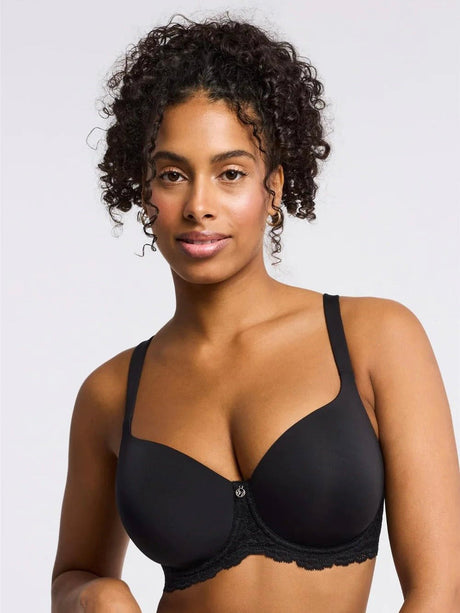
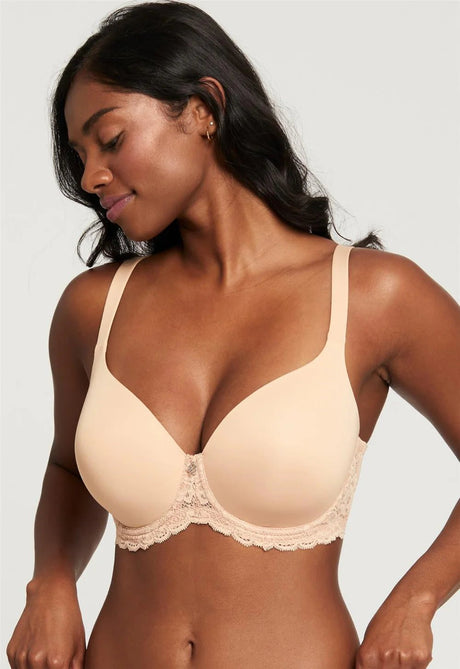
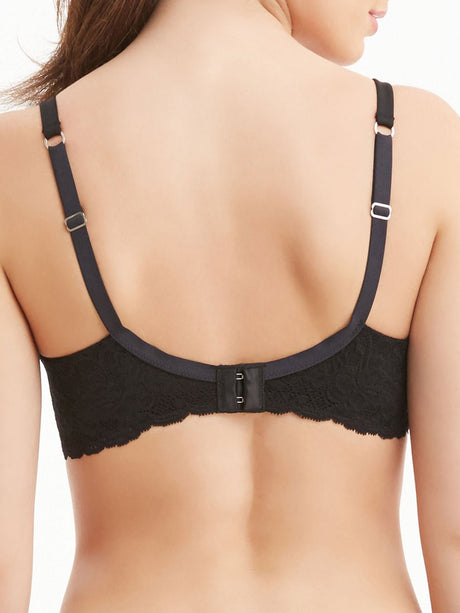
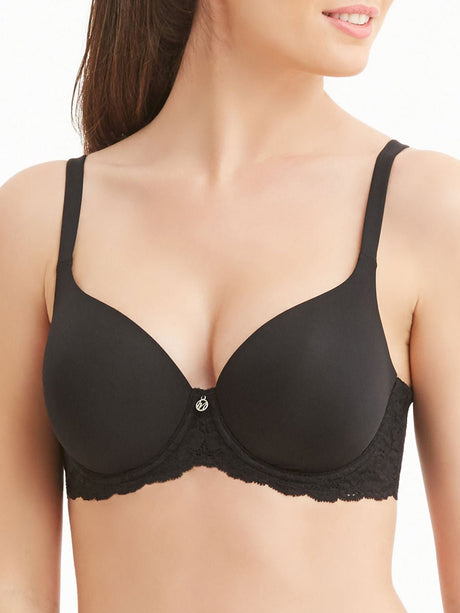
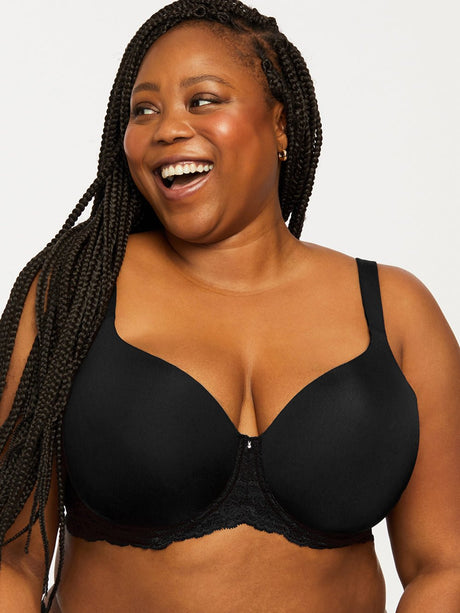
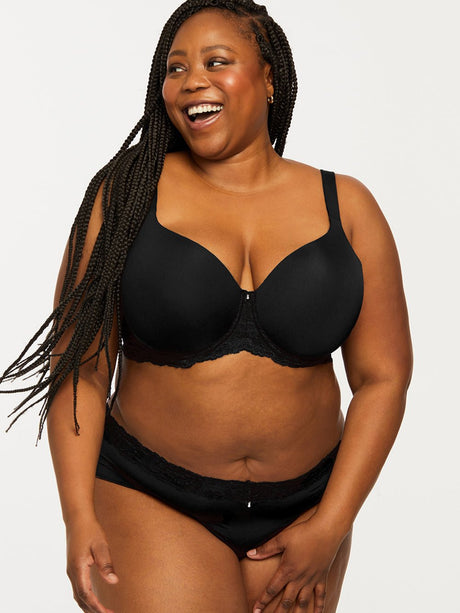
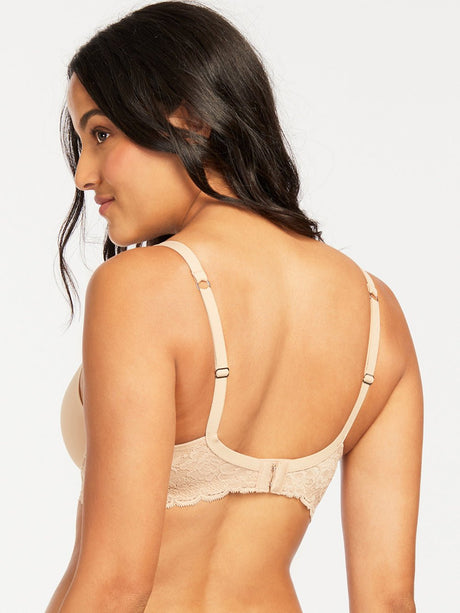
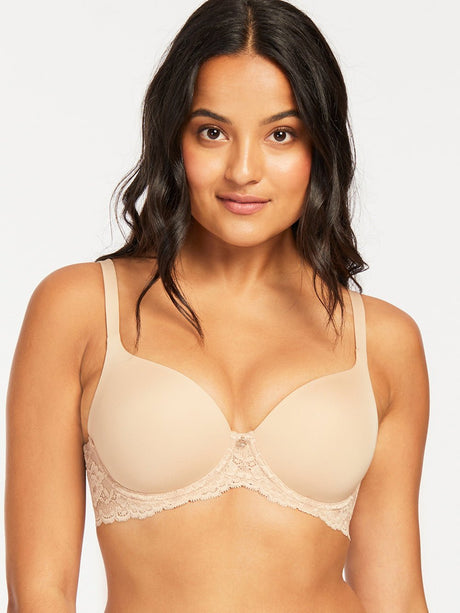
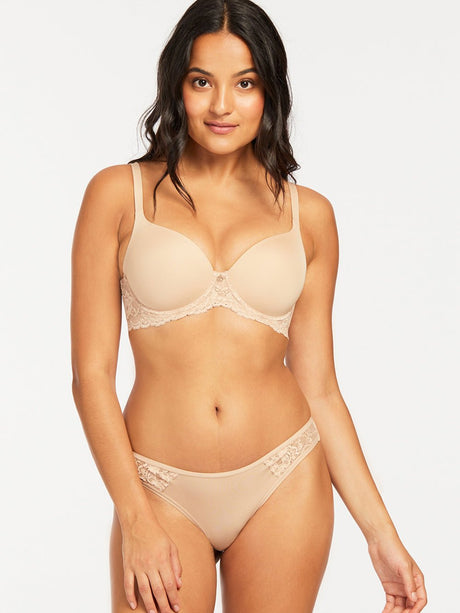
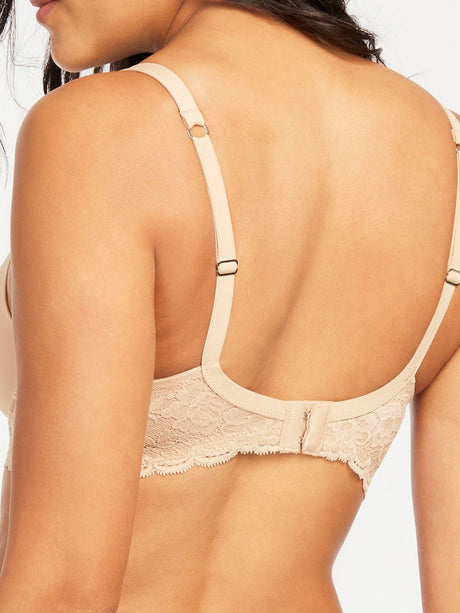
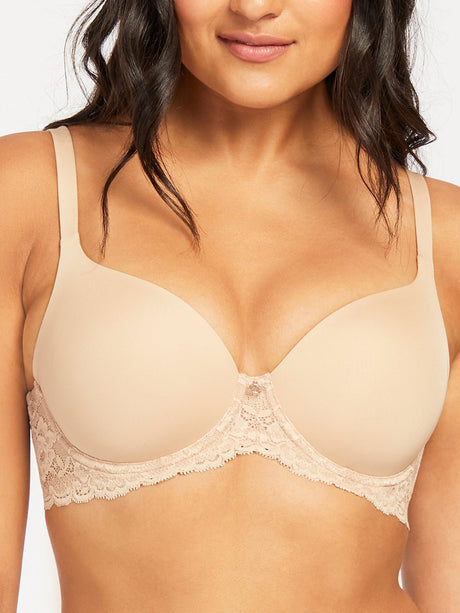


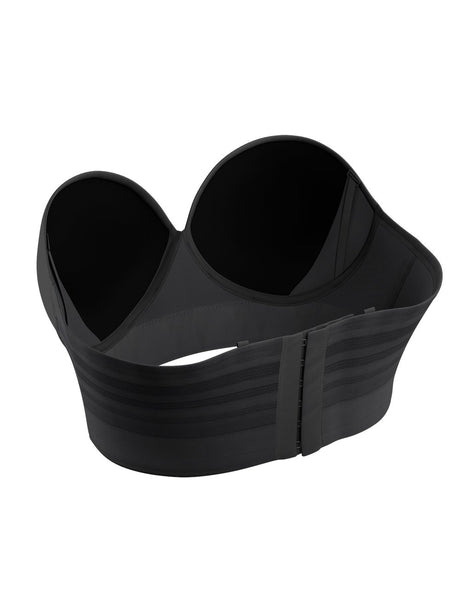


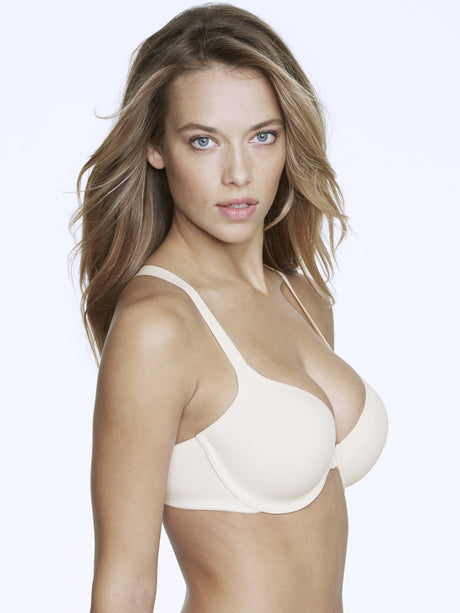
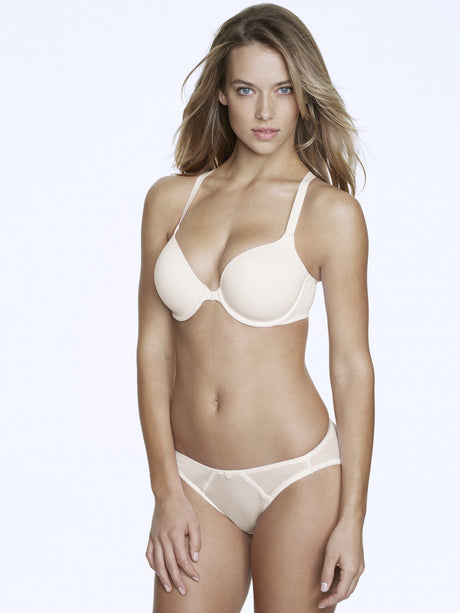
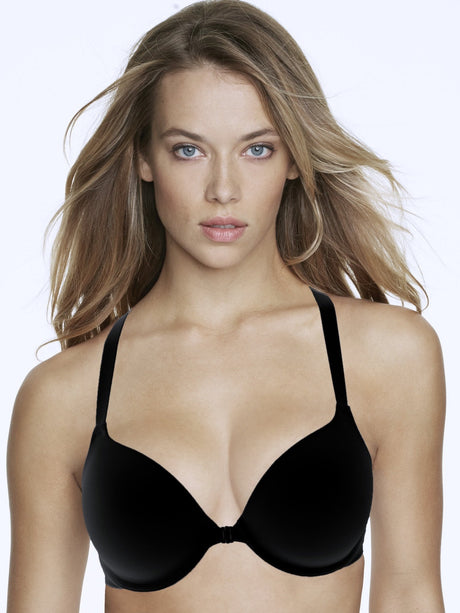
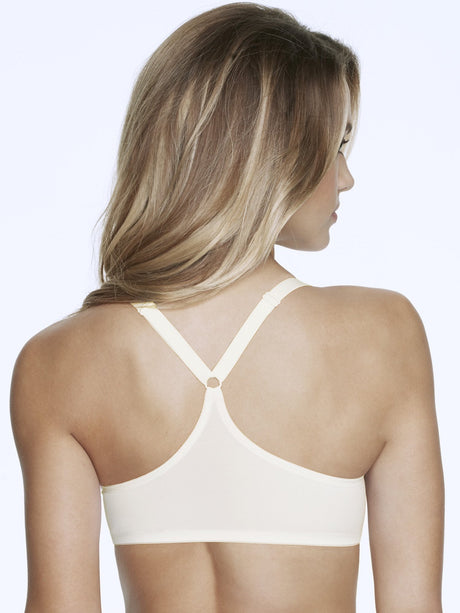
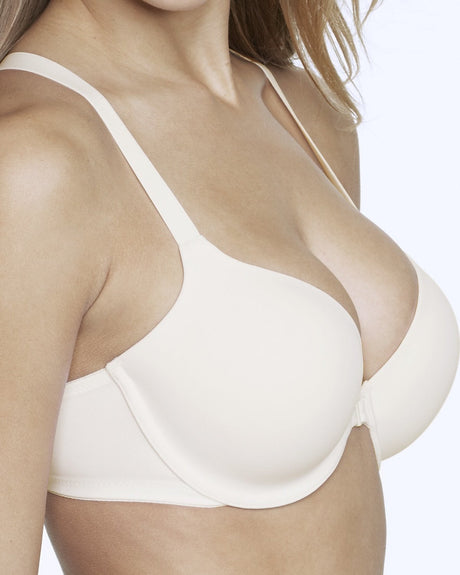


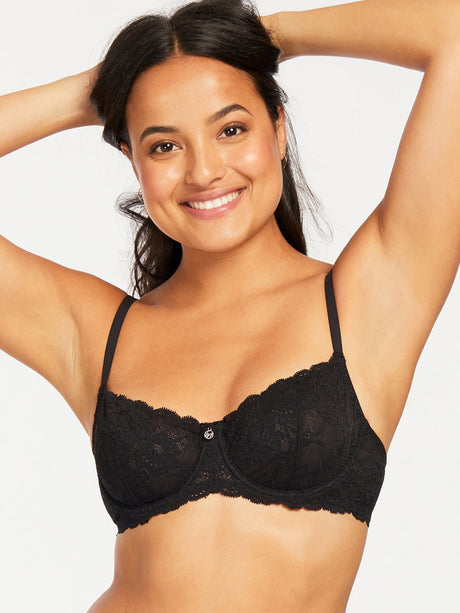

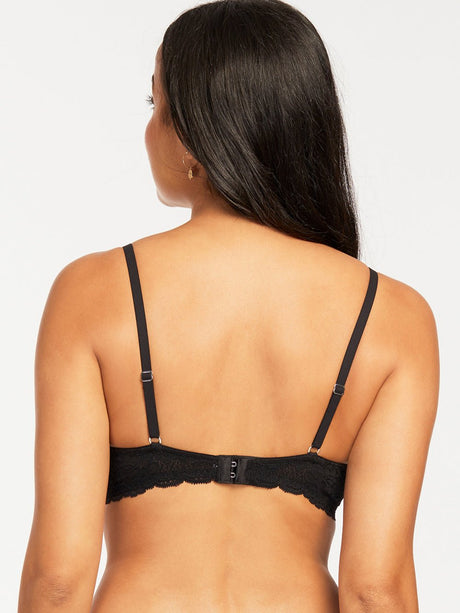
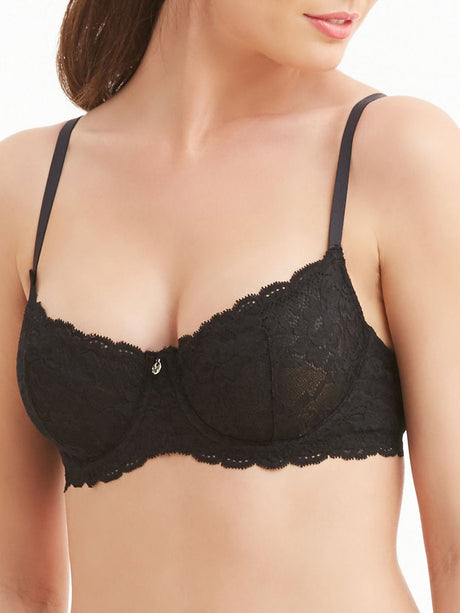

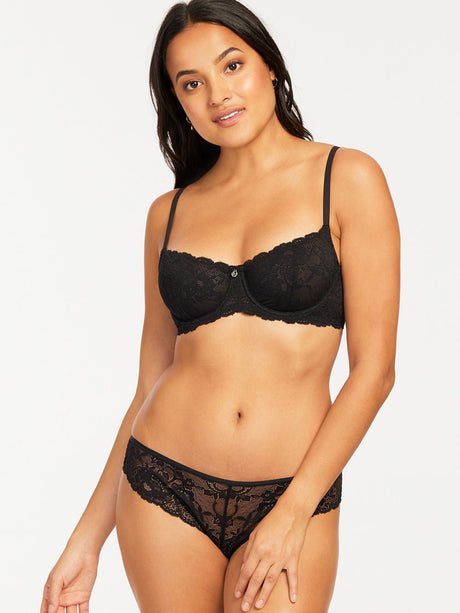
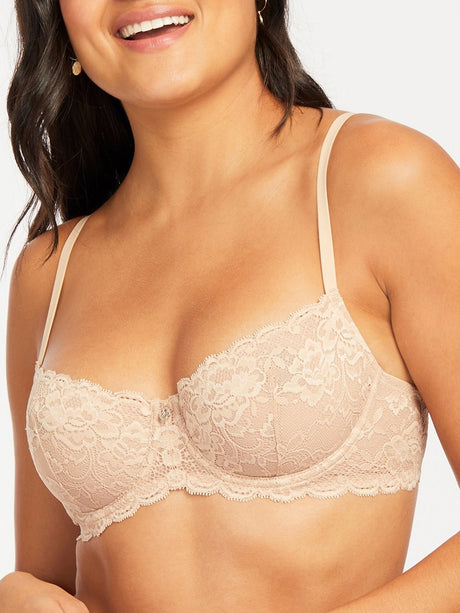

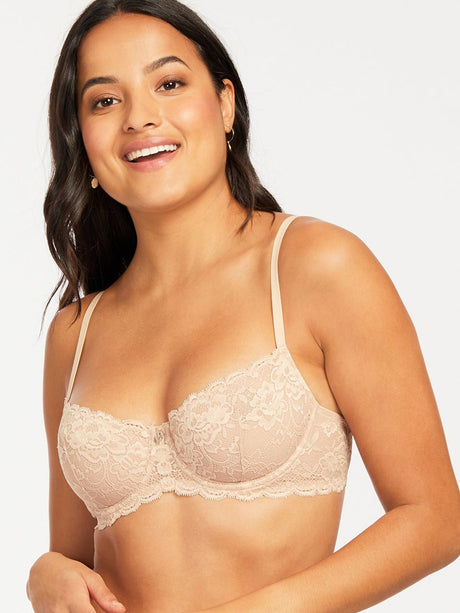
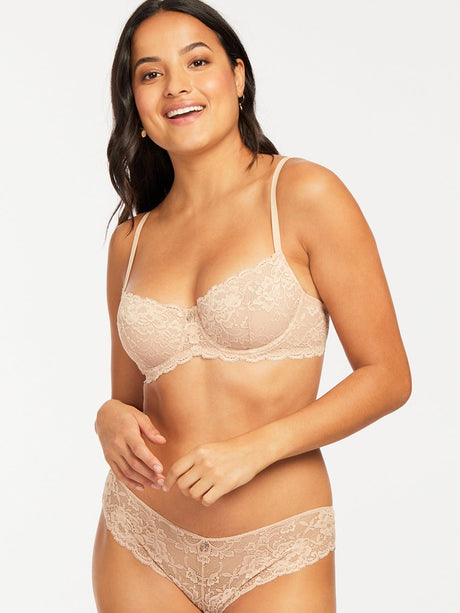
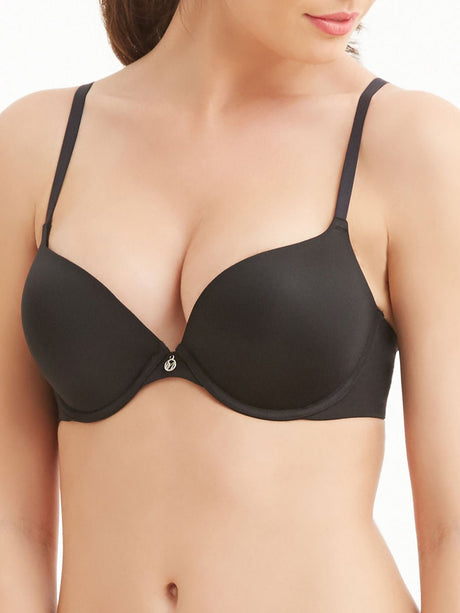
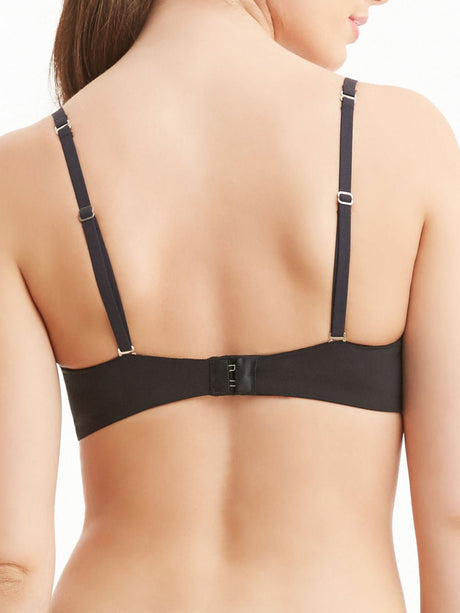
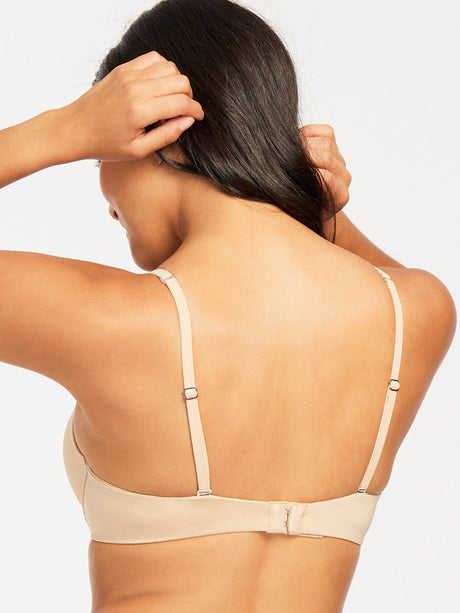
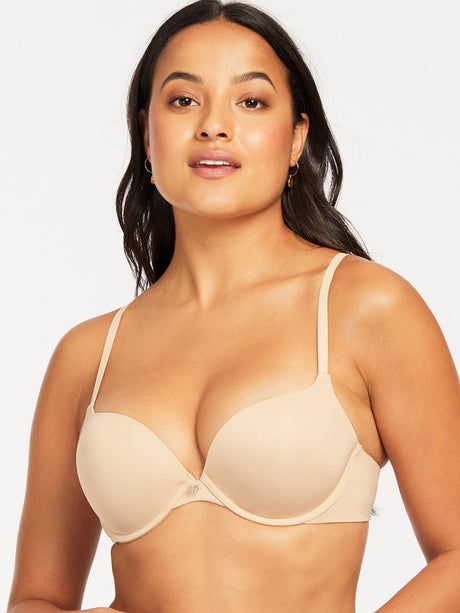
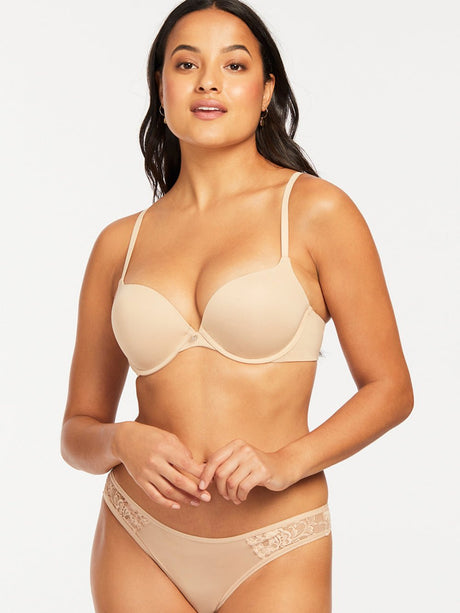
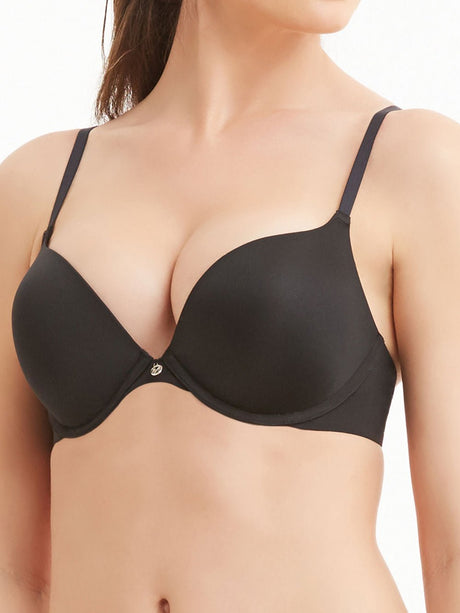
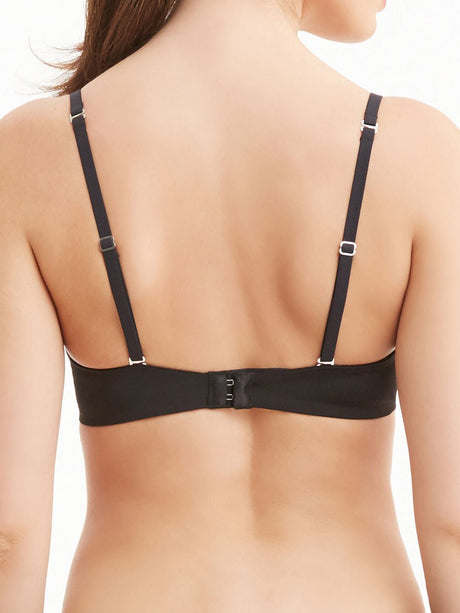
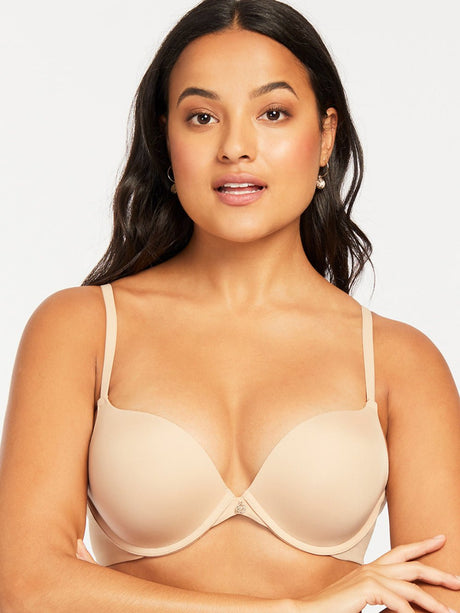
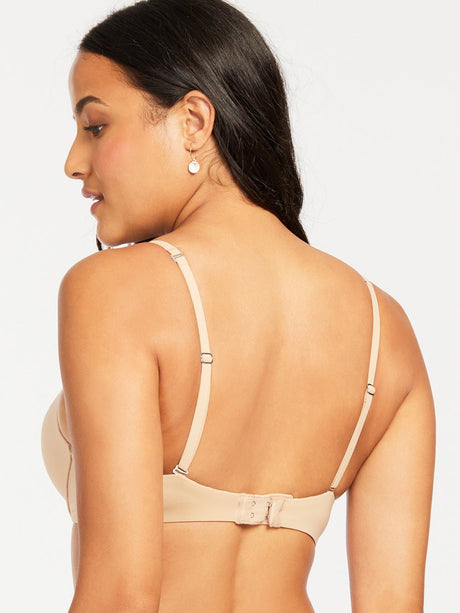
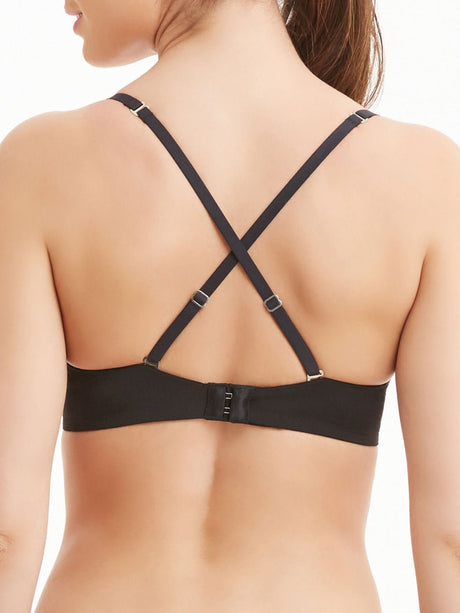
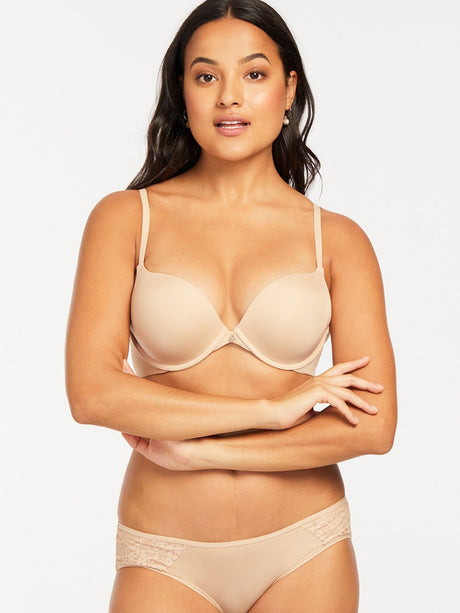
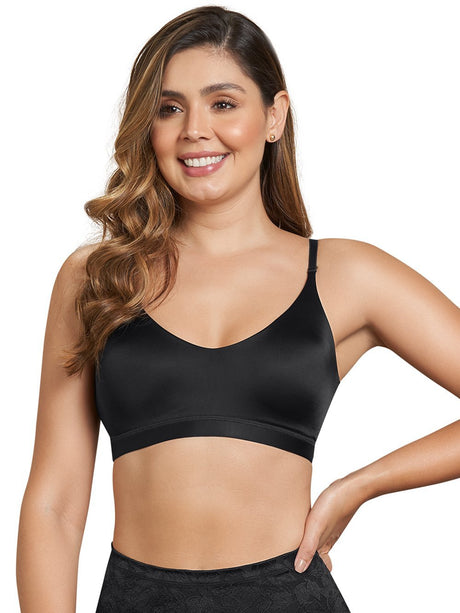
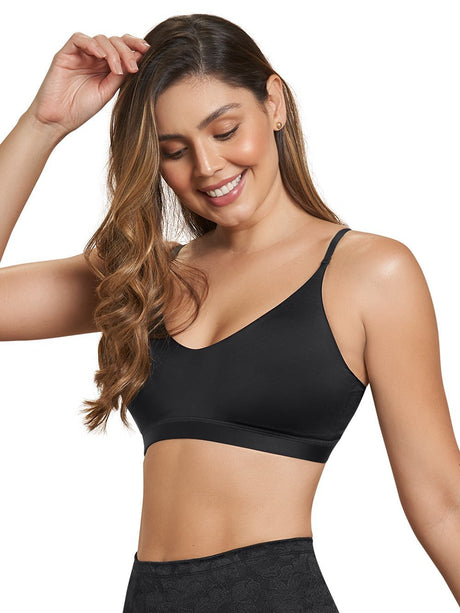
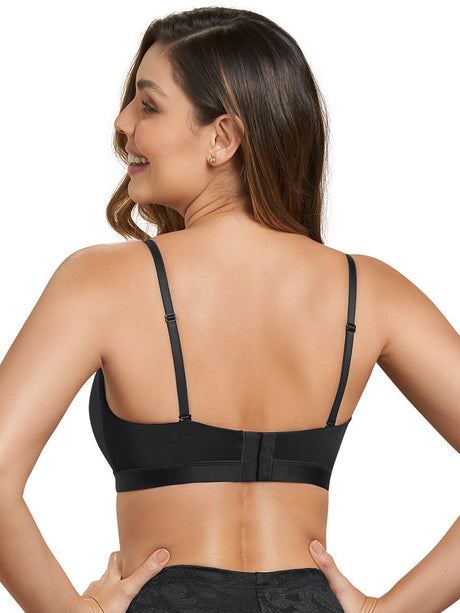
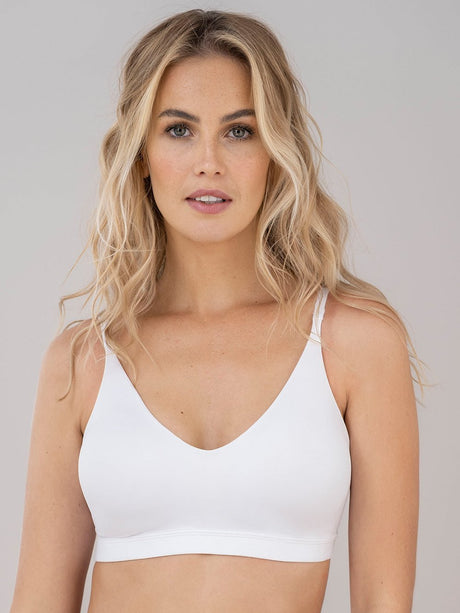
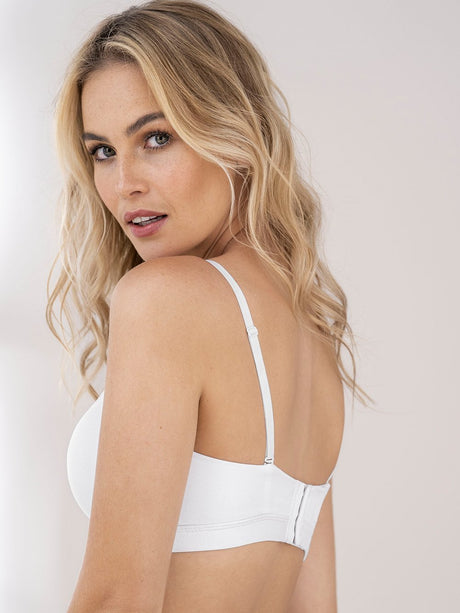
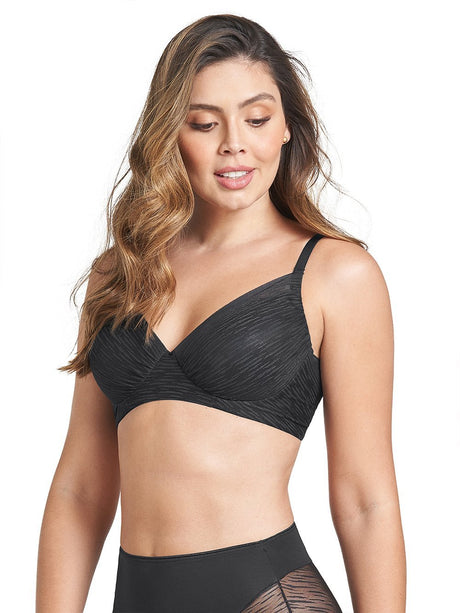
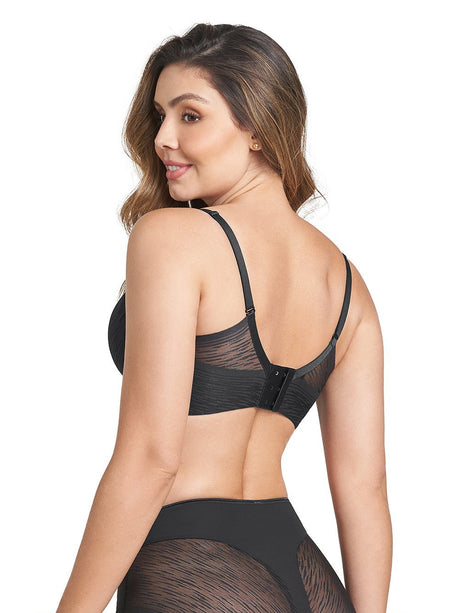
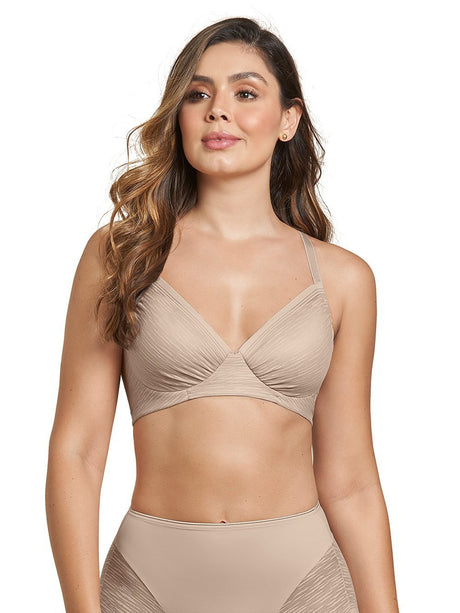
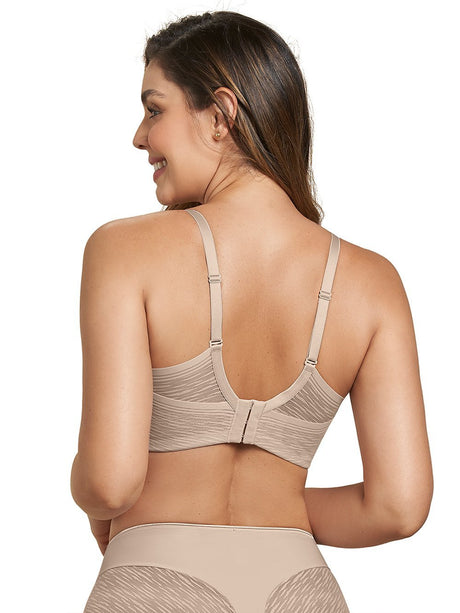
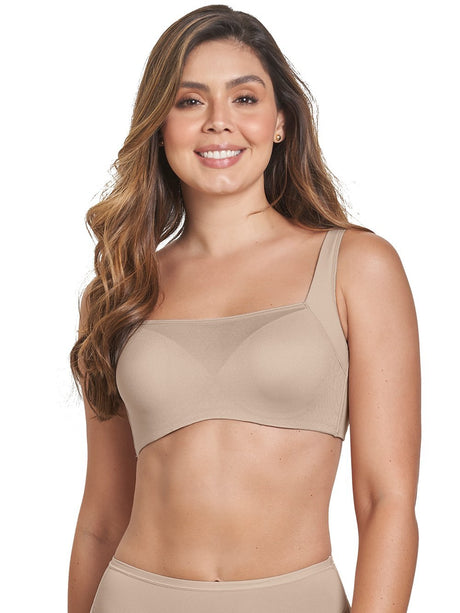
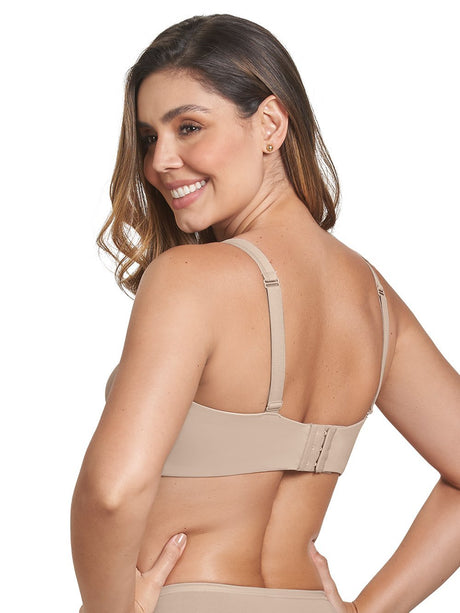
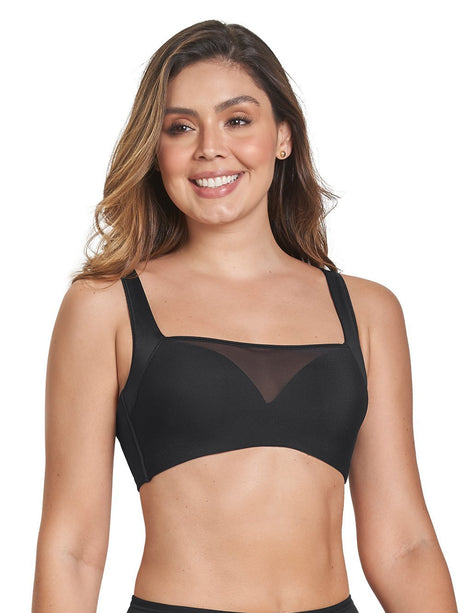
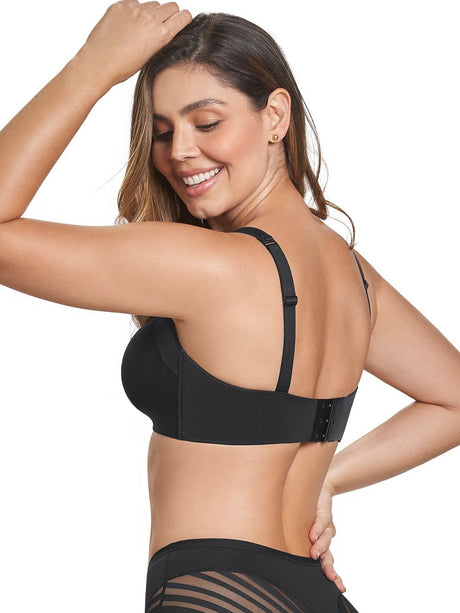
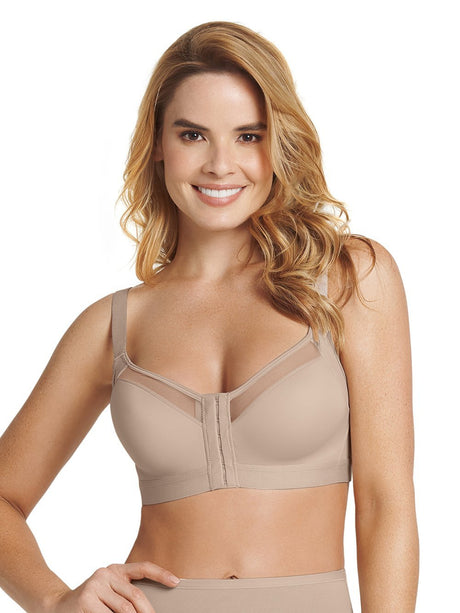
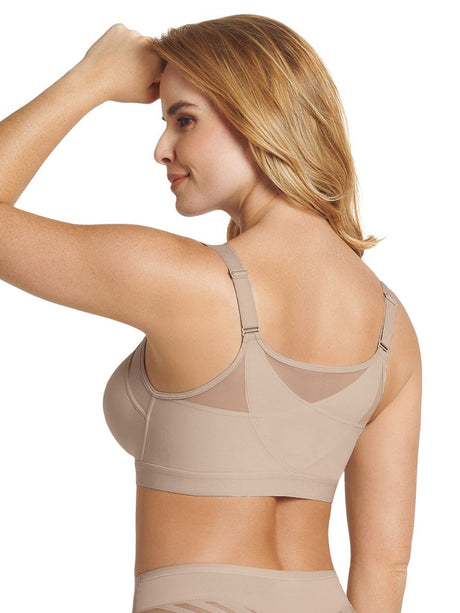
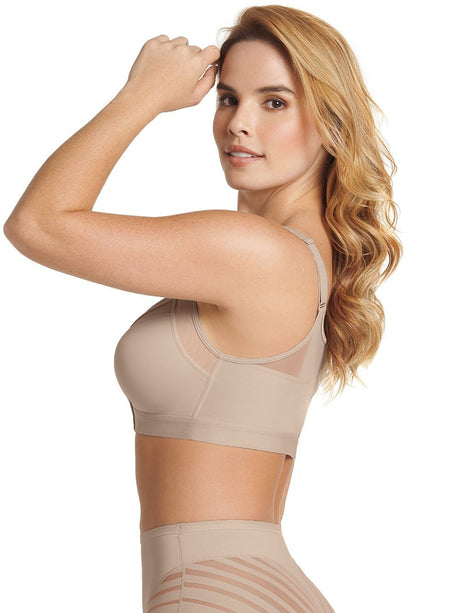
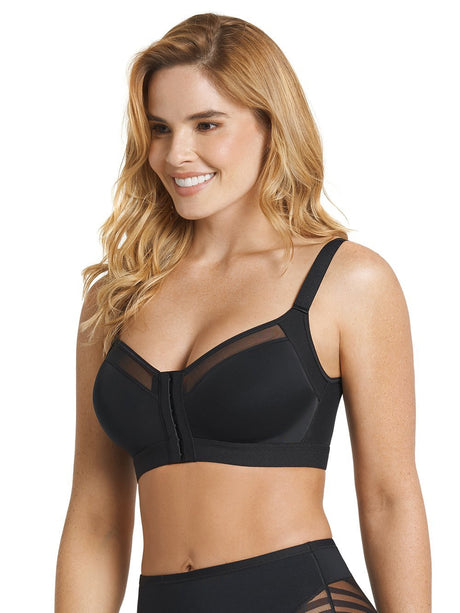
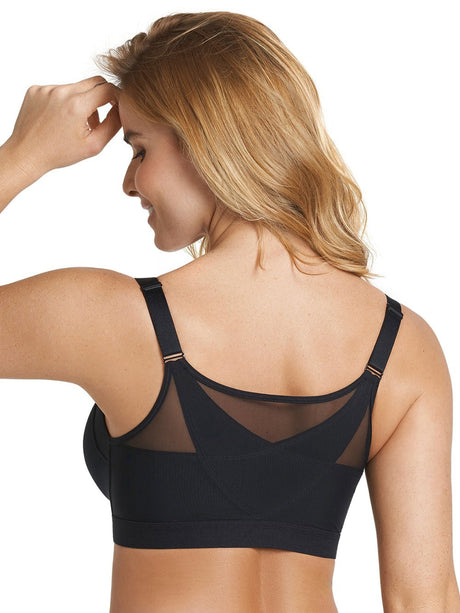
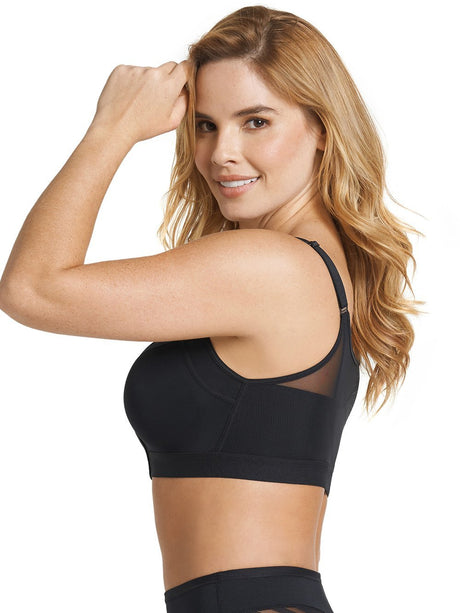
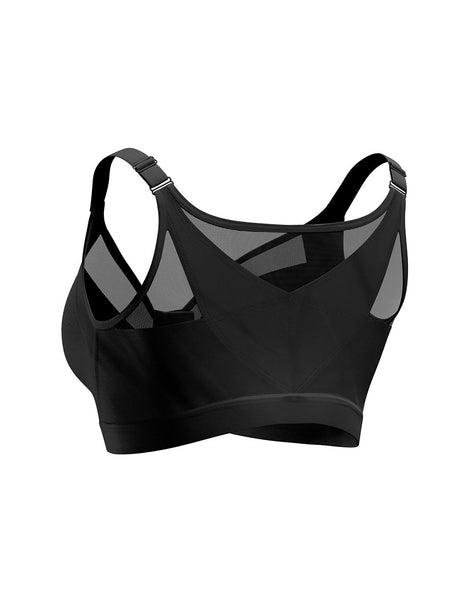
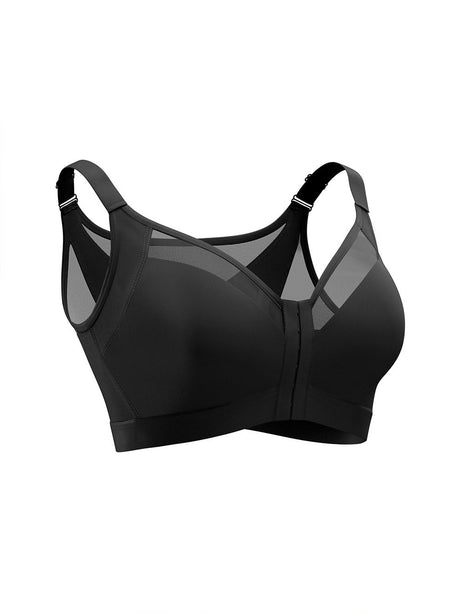
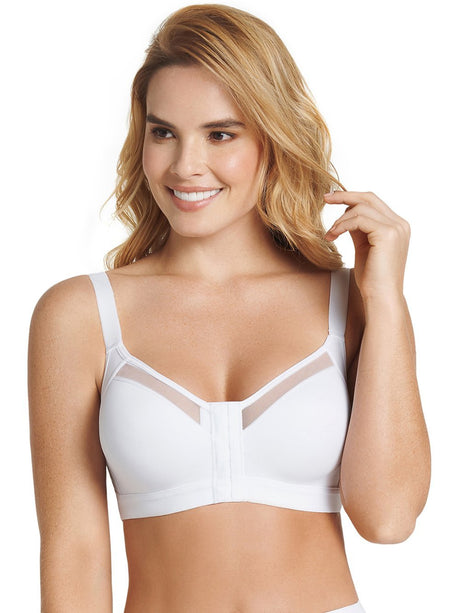
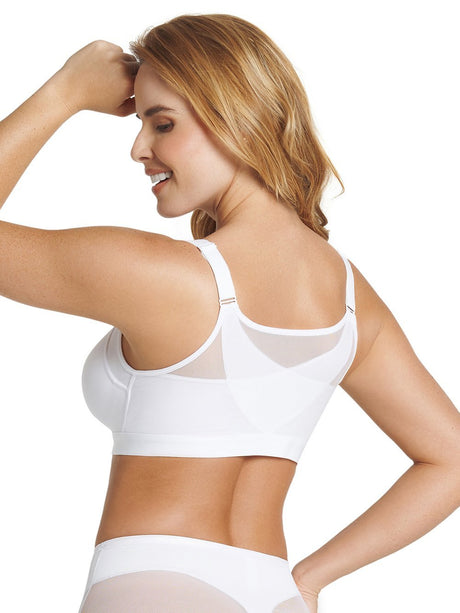
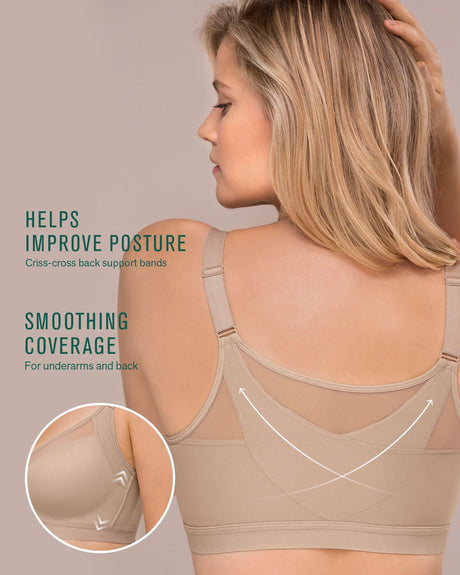
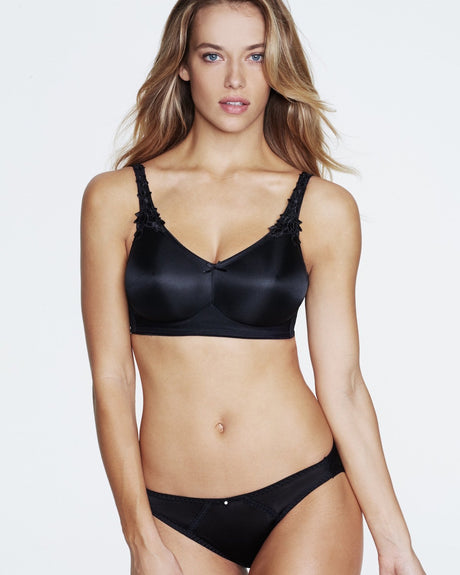
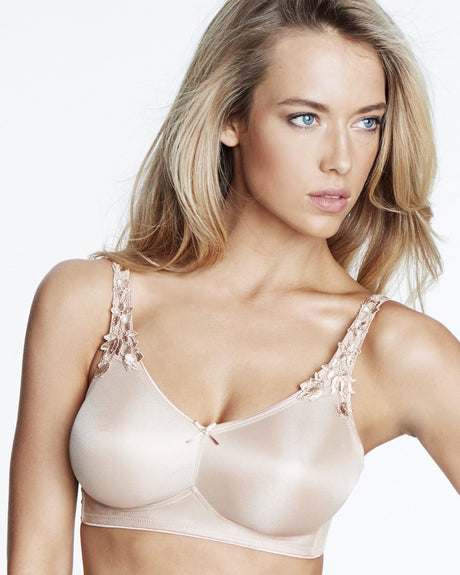
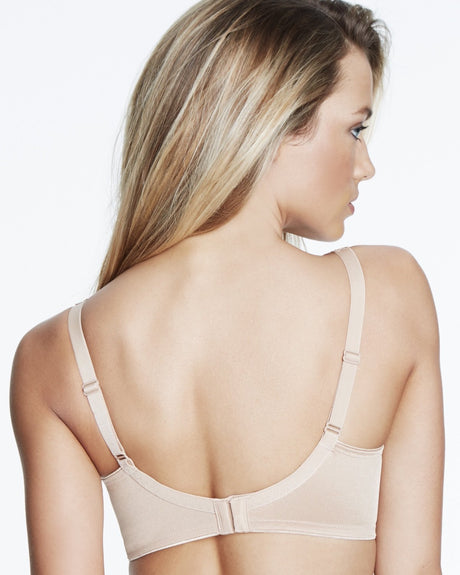
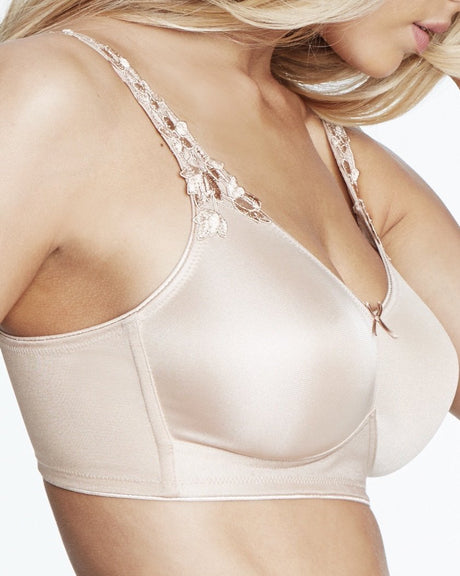
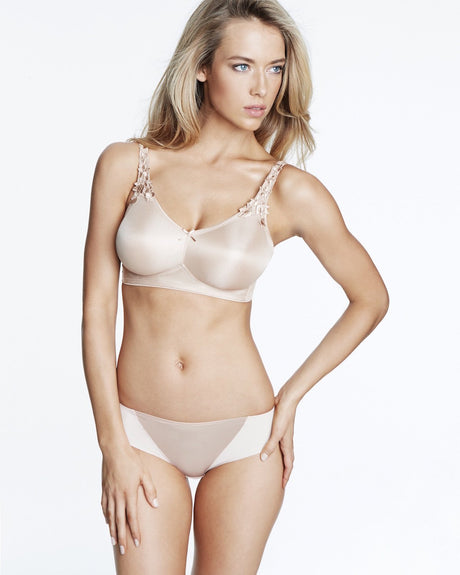

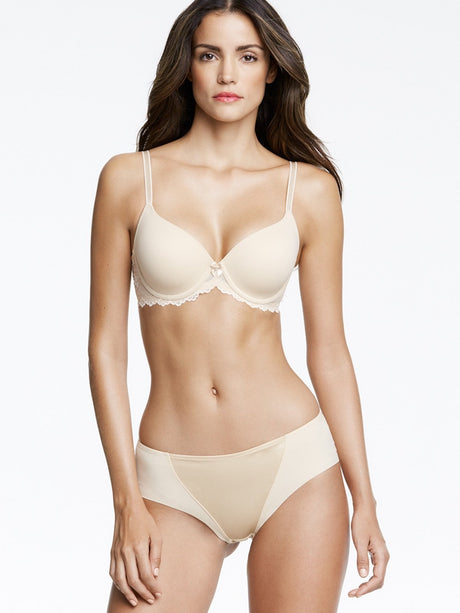


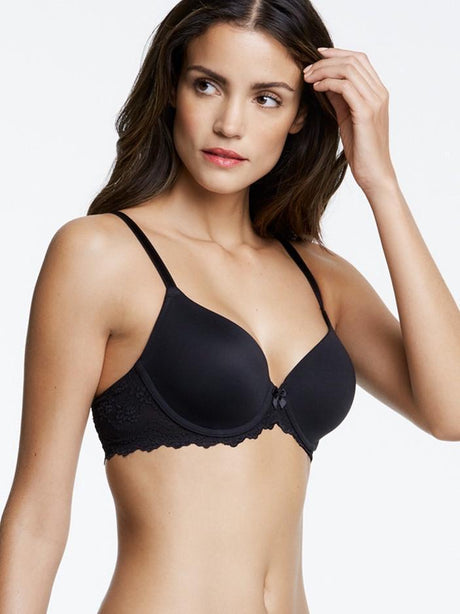

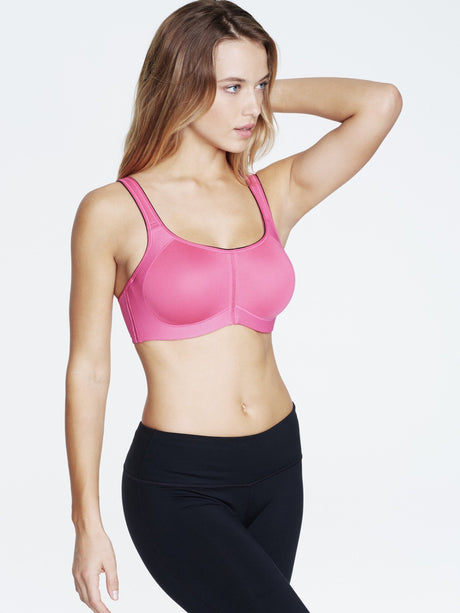

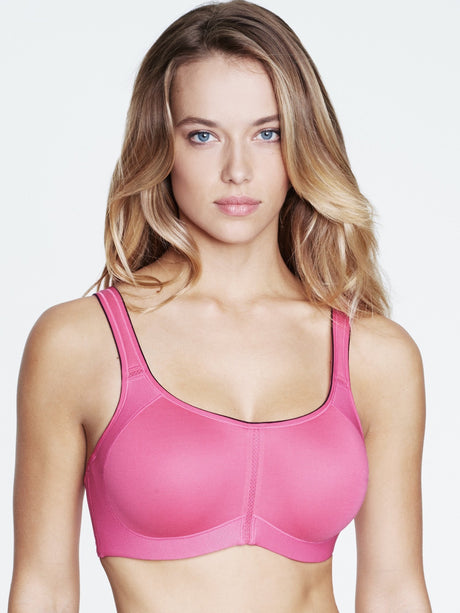

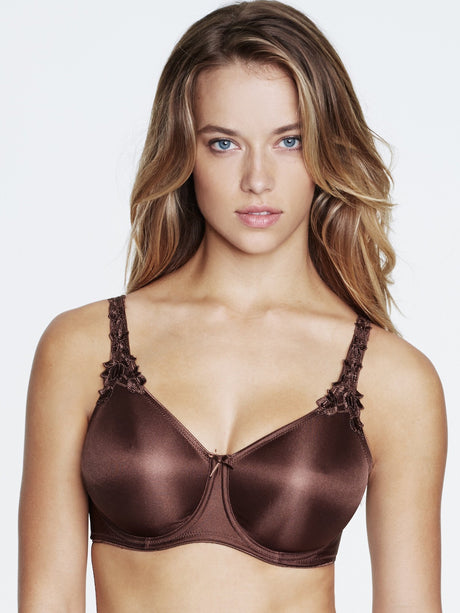
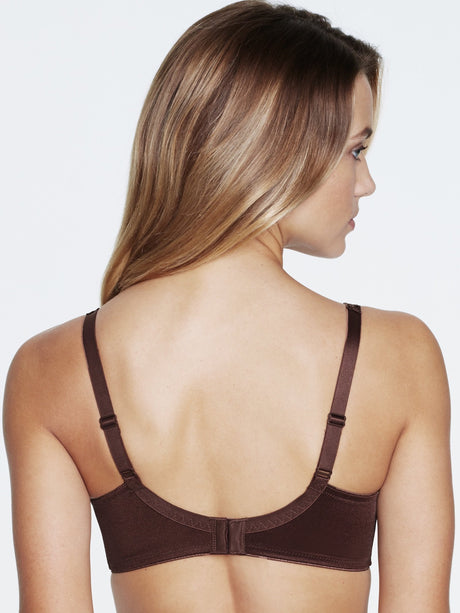
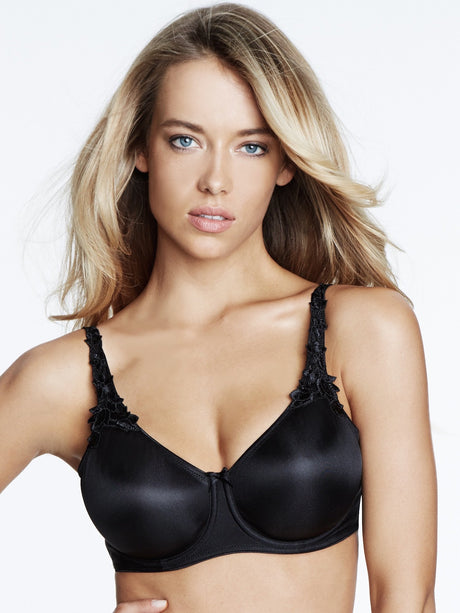
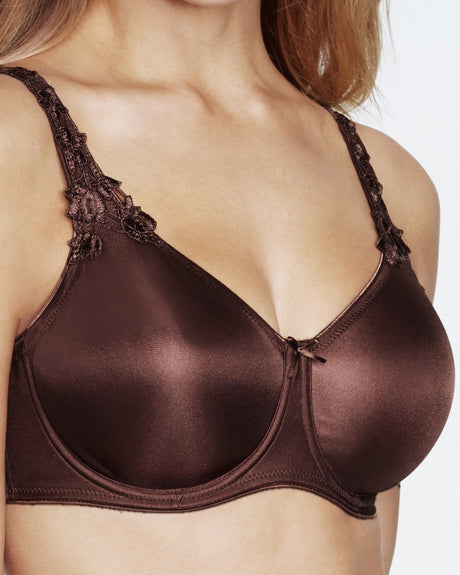
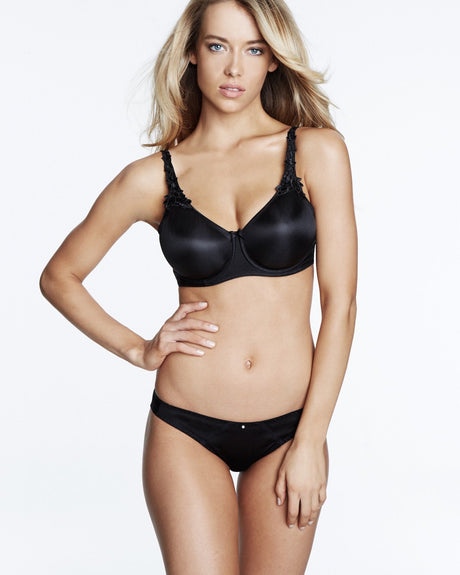
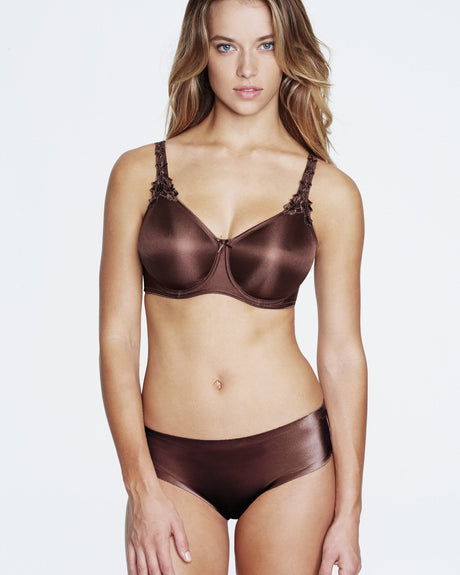


Bras, decoded — find the right size, support and style in one place.
A bra only does its job when three things line up: the band fits, the cup holds the full bust, and the style suits what you're wearing it under. Get those right and the bra disappears — no digging, no riding up, no all-day adjusting.
This is the complete HauteFlair bra collection, organized by style and by size, with a built-in size calculator and a measuring guide so you can shop with confidence instead of guesswork. Start with your fit, then choose the style for the occasion.
How do I choose the right bra?
Choosing the right bra comes down to three decisions in order: get your size right (band size from your underbust measurement, cup size from the difference between your bust and underbust), pick the support level your bust needs (fuller busts generally want underwire or structured full-coverage cups; smaller busts have more freedom with wireless and unlined styles), and match the style to the outfit (a t-shirt bra under fitted tops, a plunge under low necklines, a strapless for off-the-shoulder). Roughly four in five women wear the wrong size, so a quick re-measure is the highest-value step you can take.
Bra size calculator
Enter two measurements and we'll estimate your band and cup size instantly, plus the sister sizes worth trying if the fit is close but not perfect. It's an estimate — brands vary, so always confirm by trying the band on first.
Enter your measurements
Use a soft tape measure, level all the way around, and measure in inches over a non-padded bra or bare skin.
This calculator uses the modern (no add-on) band method. For a full walkthrough of measuring, sister sizing and international conversions, see our complete bra size guide.
Bras by what you need them to do
People search for bras a hundred ways — comfortable, supportive, invisible, lifting, smoothing. They're usually asking one question: which bra solves my specific problem? Here's how the most common needs map to the right style.
| If you need… | The job to be done | Start here |
|---|---|---|
| An everyday, invisible bra | Smooth cups that disappear under fitted tops and tees | T-Shirt Bras |
| More lift & cleavage | Angled padding that lifts the bust and draws it center | Push-Up Bras |
| Serious support for a fuller bust | Wider bands, full cups and structured construction | Full-Figure Bras |
| A smoother, smaller look | Redistributes volume to reduce projection under clothes | Minimizer Bras |
| Comfort with no wire | Soft, flexible cups with support from band and straps | Wireless Bras |
| Coverage for tricky necklines | Strapless, plunge or backless to match the outfit | Strapless Bras |
| Support during workouts | Compression or encapsulation to control movement | Sports Bras |
Bra styles compared
Eight core styles cover the vast majority of what people mean by "a bra." Each has a clear best-use case. Use this table to skip the guesswork — then tap any style to shop it.
| Style | Best For | Support | Coverage | Wire |
|---|---|---|---|---|
| T-Shirt | Everyday wear under fitted tops | Moderate | Full, seamless | Usually wired |
| Push-Up | Adding lift and cleavage | Moderate | Demi / partial | Wired |
| Balconette | Lift with a low, square neckline | Moderate | Lower, open top | Wired |
| Plunge | Low-cut and V-neck tops | Moderate | Deep V center | Wired |
| Strapless | Off-shoulder and strapless looks | Light–moderate | Band-led, no straps | Usually wired |
| Sports | Exercise and high movement | High | Full, compressive | Usually wireless |
| Wireless | All-day comfort, lounging | Light–moderate | Soft, full | None |
| Minimizer | Reducing visual projection | High | Full, redistributing | Wired |
Find your bra in 10 seconds
Choose the card that matches what you actually want. This is the fastest way to skip browsing fatigue and land on a bra you'll reach for again.
A smooth t-shirt bra in a neutral is the workhorse of any drawer. Seamless cups disappear under fitted tops, the support is everyday-comfortable, and it pairs with the widest range of outfits. Start here, then build out.
Shop T-Shirt Bras →Fuller busts feel best in a wider band and a full cup that holds the whole breast. Full-figure construction spreads weight across the band and shoulders so straps don't dig and the bust stays lifted all day.
Shop Full-Figure →Wireless and unlined bras get their support from the band and straps instead of underwire. The result is soft, flexible, all-day comfort — ideal for lounging, smaller busts, or anyone done with wire pressure.
Shop Wireless →Push-up and plunge styles angle padding inward and upward to create a fuller, more centered shape. Choose push-up for everyday lift, plunge when the neckline drops low and you need the center to stay hidden.
Shop Push-Up →Some looks dictate the bra. Strapless for off-shoulder, backless for open backs, longline for structured dresses. Match the style to the neckline and the bra stays invisible while the outfit does the talking.
Shop Strapless →For workouts, support level should match impact. Encapsulation cups suit lower-impact movement; firm compression handles running and high-intensity training. The right sports bra reduces bounce and protects comfort.
Shop Sports →How to measure your bra size
Two measurements, a soft tape, and a mirror are all you need. Band size comes from your underbust; cup size comes from the difference between your bust and underbust.

- Measure your band (underbust). Wrap the tape snugly around your ribcage directly under the bust, level all the way around. Round to the nearest whole inch — this becomes your band size.
- Measure your bust. Keep the tape loose and level across the fullest part of the bust (usually at the nipple line). Don't compress — let it sit naturally.
- Find your cup. Subtract the band number from the bust number. Each inch of difference is one cup: 1″ = A, 2″ = B, 3″ = C, 4″ = D, 5″ = DD, and so on.
- Confirm the fit. Try the band on the loosest hook first — it should be firm and level, not riding up. The cup should fully contain the bust with no spillover or gaping.
Band and cup move together. If your calculated size feels close but not perfect, try a sister size — go down a band and up a cup (or up a band and down a cup) to keep the cup volume the same. A 34D, 32DD and 36C all hold a similar cup. Our full bra size chart and sister-size guide covers every combination.
The complete bra guide
Five short, in-depth guides for when you want to choose with confidence. Tap any section to expand.
01Every bra style, explainedT-shirt · Push-up · Balconette · Plunge · Strapless · Sports · More
There are far more bra styles than most drawers ever hold — and each exists to solve a specific problem. Knowing what each one does makes choosing far less overwhelming.
T-shirt bras
The most reliable everyday bra. Smooth, seamless cups are built to lie flat and stay invisible under fitted or thin tops. Moderate support, broad size range, minimal shaping — the default choice when you just want a bra that works. Shop t-shirt bras.
Push-up & plunge
Push-up cups add angled padding at the base to lift the bust and create more visible cleavage. Plunge cups drop low in the center with a deep V, so the bra stays hidden under low-cut and V-neck tops while still pushing the bust inward. Browse plunge bras.
Balconette
Balconette (or balcony) cups sit lower and more open at the top, lifting the bust with a square, horizontal neckline. Ideal under wide or scooped necklines where you want lift without high coverage.
Strapless & backless
Strapless bras rely on the band for support, so a firm, non-slip band matters most. Backless options use adhesive or low-back convertible designs for open-back looks. Both are occasion pieces — reach for them when the outfit demands it, not for daily support. Shop backless bras.
Sports bras
Built to control movement during activity. Compression styles press the bust toward the body; encapsulation styles support each side in its own cup. Match the support level to your activity's impact. See sports bras.
Wireless, unlined & bralettes
Wireless and unlined bras trade underwire for soft, band-and-strap support — comfortable for all-day and lounging. Bralettes are the most relaxed of all, prioritizing style and comfort over structure.
Minimizer, longline & specialty
Minimizers redistribute volume to reduce projection under clothes. Longline bras extend down the torso for added structure and smoothing. Front-closure, shelf, open-cup and sheer styles round out the collection for specific needs and looks.
02Cup styles & coverageFull · Demi · Balconette · Molded · Unlined · Contour
Cup style controls coverage, shape and how the bra reads under clothes — independent of the overall style. The same t-shirt bra can come in different cup constructions.
Full coverage
Encloses most of the breast for maximum support and a smooth, rounded shape. The most supportive option, especially for fuller busts — though the higher cut shows under low necklines.
Demi (half) cups
Cover roughly half to three-quarters of the breast, sitting lower for more cleavage while still offering solid support. Great under lower necklines; just make sure the cup is roomy enough to avoid a center dent.
Molded & contour
Molded cups are pre-shaped for a clean, rounded silhouette. Contour cups add a thin foam layer that smooths the shape and prevents show-through. Both give a polished, consistent line under clothing.
Unlined & soft cups
Unlined cups skip padding to show the natural shape, often in lace or mesh, while still supporting through the band and straps. Soft cups are always wireless and use seaming or slings for support instead of wire.
03Sizing & sister sizesBand · Cup · The difference method · Sister sizing
Bra size is two numbers working together: a band (the number) and a cup (the letter). Getting either wrong throws off the whole fit.
How band and cup are calculated
Your band size is your underbust measurement rounded to the nearest whole inch. Your cup is the difference between your bust and underbust — about one cup letter per inch (1″ = A, 2″ = B, 3″ = C, 4″ = D, 5″ = DD/E, 6″ = DDD/F, then G, H and up). Use the calculator above to do the math for you.
Why sister sizing matters
Cup volume is relative to band size, so the same cup letter holds different volume on different bands. If a band feels too tight but the cup fits, go up a band and down a cup. If the band is loose but the cup is right, go down a band and up a cup. These are your sister sizes — 34D, 32DD and 36C all share a similar cup volume.
Signs your size is off
- Band rides up the back: band is too big — try one size smaller.
- Spillover or quad-boob: cup is too small — go up a cup.
- Gaping cups: cup is too big — go down a cup.
- Straps dig or slip: usually a band issue first, straps second.
For the full chart, international conversions and worked examples, see the complete bra size guide.
04Fit signals that separate good from greatThe band · The cups · The straps · The center gore
A well-fitting bra is something you stop noticing. Four checkpoints tell you whether a bra fits — run through them every time you try one on.
The band does most of the work
Around 80% of a bra's support comes from the band, not the straps. It should sit firm and level around your body, parallel to the floor, on the loosest hook when new (so you can tighten as it stretches). If it rides up, it's too loose.
The cups should contain, not compress
The bust should sit fully inside the cup with no spillover at the top or sides and no empty gaping. The underwire (if present) should encircle the breast and lie flat against the ribcage, not on breast tissue.
Straps support, not strain
You should fit two fingers under each strap. If straps are doing the heavy lifting or leaving marks, tighten the band first — straps are a fine-tune, not the main support.
The center should lie flat
On a wired bra, the center gore (the bit between the cups) should tack flat against your sternum. If it floats away from the body, the cup is usually too small.
05Care & longevityWash · Dry · Rotate · Replace
Bras lose their shape from heat, friction and over-wearing a single piece. A gentle routine keeps support and fit intact for far longer.
Best practices
- Hand wash when you can. Cool water and a mild detergent are kindest to elastic and wire. For machine washing, fasten the hooks and use a lingerie bag on the delicate cycle.
- Never put bras in the dryer. Heat destroys elastic faster than anything else. Air dry flat or hang — don't wring molded cups, which can crease.
- Skip fabric softener. It coats and breaks down elastic fibers over time.
- Rotate, don't repeat. Give each bra a day's rest between wears so the elastic can recover. Wearing the same bra daily wears it out in months.
- Store cups nested. Don't fold one cup into the other on molded styles — it warps the shape. Stack them flat or stand them in a drawer.
Bras: frequently asked questions
Twelve of the most useful questions, answered with the depth you'd want from a fitter. Tap any question to expand.
01How do I know my correct bra size?
Take two measurements in inches: your underbust (snug, directly under the bust) for the band, and your bust (loose, across the fullest point) for the cup. Round the underbust to the nearest whole inch for your band size, then subtract it from your bust measurement — each inch of difference is roughly one cup size (1″ = A, 2″ = B, 3″ = C, and so on).
Our size calculator does this instantly. Treat the result as a starting point and confirm by trying the band on the loosest hook — it should sit firm and level, with the cups fully containing the bust.
02What's the difference between band size and cup size?
The band is the number (32, 34, 36…) and measures the circumference around your ribcage; it provides most of the bra's support. The cup is the letter (A, B, C…) and reflects the difference between your bust and underbust — essentially the volume of the breast.
They're linked: the same cup letter holds different volume on different bands. That's why sister sizing exists, and why both numbers have to be right for a bra to fit.
03What are sister sizes?
Sister sizes are bra sizes that share roughly the same cup volume but use a different band. To find them, move the band up one size and the cup down one letter, or the band down one and the cup up one. For example, 34D, 32DD and 36C are sisters.
They're useful when the cup fits but the band doesn't, or when your usual size is out of stock. If your band feels too tight, size up the band and down the cup; if it's too loose, size down the band and up the cup.
04Which bra style is best for everyday wear?
For most people, a t-shirt bra is the best everyday choice. Its smooth, seamless cups stay invisible under fitted tops, the support is comfortable for all-day wear, and it works with the widest range of outfits. A wireless or unlined style is a great everyday option too if you prefer no underwire.
The best everyday bra ultimately depends on your bust size and daily activity — fuller busts often want a structured full-coverage or full-figure style for all-day support, while smaller busts have more freedom to choose by comfort and look.
05How do I know if my bra fits properly?
Four checks: the band should sit firm and level around your body without riding up; the cups should fully contain the bust with no spillover or gaping; the straps should support without digging (you can fit two fingers underneath); and on a wired bra, the center should lie flat against your sternum.
If the band rides up, it's too loose. If you spill over the top, the cup is too small. If cups gape, the cup is too big. Most fit problems trace back to the band, so start there.
06Underwire or wireless — which should I choose?
Underwire offers more structured lift and is often preferred by fuller busts for the support it adds. Wireless bras get their support from the band and straps, trading some lift for soft, flexible, all-day comfort.
Neither is universally better. If underwire digs or pokes, that's a fit issue, not a reason to avoid wire altogether — but if you simply prefer the comfort, modern wireless bras provide real support for many busts, especially smaller-to-mid sizes.
07What bra should I wear under different necklines?
Match the bra to the neckline: a plunge bra for deep V-necks and low-cut tops, a balconette for wide or square necklines, a t-shirt bra for crew and fitted tops, a strapless for off-the-shoulder and strapless looks, and a backless or convertible style for open backs.
For racerback and halter tops, a convertible bra with multi-way straps keeps the bra hidden while still supporting. The goal is always the same — the bra disappears and the outfit reads clean.
08What's the best bra for a fuller bust?
Fuller busts are best served by full-figure and full-coverage styles: a wider band, full cups that hold the entire breast, and structured construction that spreads weight across the band and shoulders. These reduce strap dig and keep the bust lifted through the day.
Getting the band right is especially important at larger sizes, since the band carries most of the support. Browse full-figure bras and our DD+ collection, or read the DD cup guide for fit specifics.
09How often should I replace my bras?
A well-cared-for bra worn in rotation typically lasts six months to a year of regular wear. The clearest sign it's time to replace is the band: when it stretches out and no longer sits firm even on the tightest hook, the bra has lost its main source of support.
Other signs include misshapen cups, poking or bent underwire, and straps that won't stay tight. Rotating between several bras and air drying extends their lifespan considerably.
10How should I wash my bras?
Hand washing in cool water with a mild detergent is gentlest and best preserves elastic and wire. If you machine wash, fasten the hooks, place each bra in a lingerie bag, and use the delicate cycle with cold water.
Always air dry — never use the dryer, since heat breaks down elastic faster than anything else. Skip fabric softener, and reshape molded cups by hand before drying so they keep their form.
11Do bra sizes differ between brands and countries?
Yes. A "34D" can fit differently across brands because cup and band construction varies, and sizing systems differ internationally — UK, EU, French, Australian and Japanese sizing all use different labels for similar measurements.
This is why trying the band on first matters, and why sister sizes are handy when switching brands. Our bra size guide includes full international conversion charts.
12Where should I start if I'm buying bras online?
Start by confirming your size with the calculator and our measuring steps, then buy one reliable everyday style — usually a t-shirt bra in your size and a neutral color — to establish a fit baseline. Note how the band, cups and straps feel so you can fine-tune from there.
From that baseline, add styles by purpose: a push-up or plunge for special looks, a sports bra for workouts, and a strapless or specialty style for specific outfits. Building the drawer one purpose at a time keeps every bra earning its place.
The right bra starts with the right size
Use the calculator to confirm your size, then shop styles built around real fit — supportive, comfortable, and made to disappear under whatever you're wearing.
As seen in...