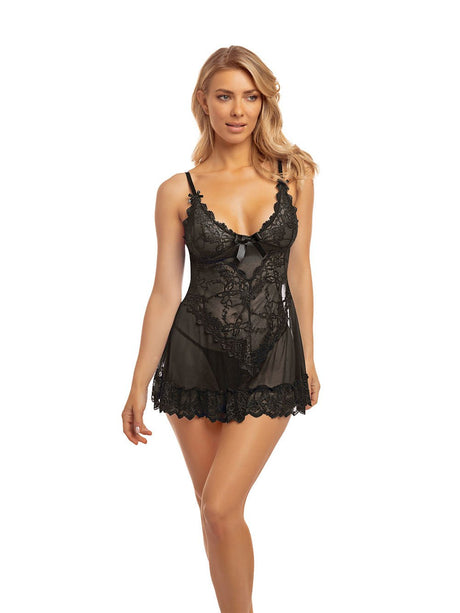
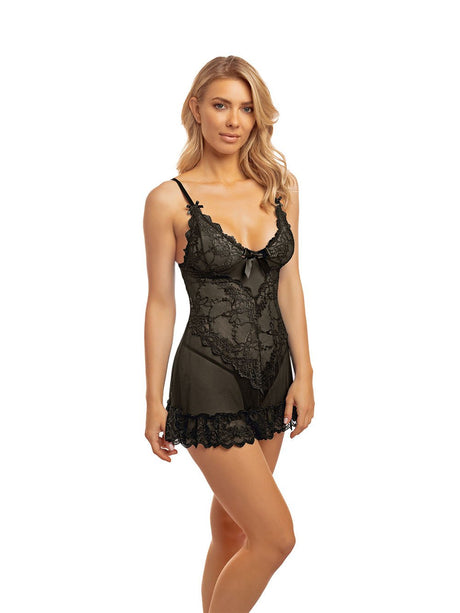
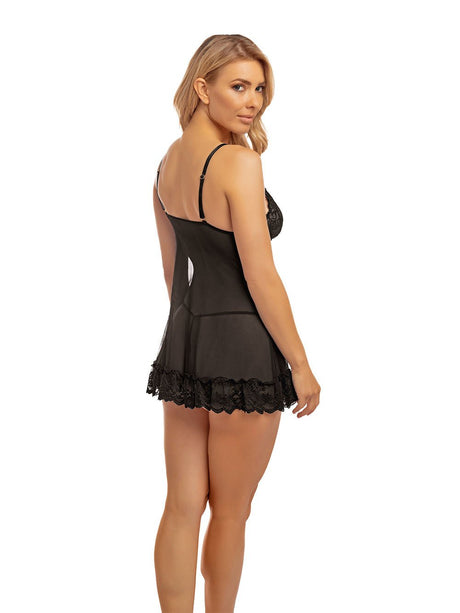
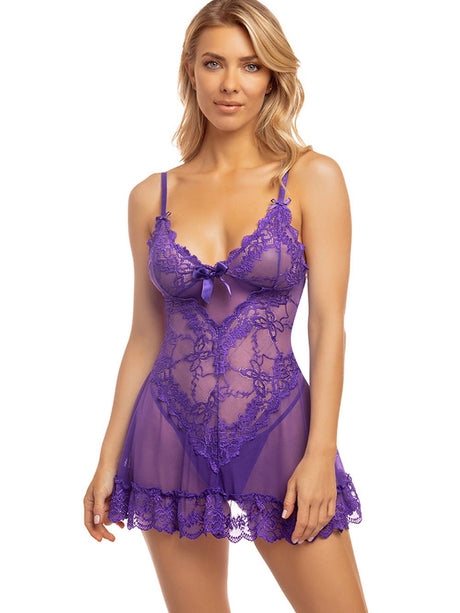
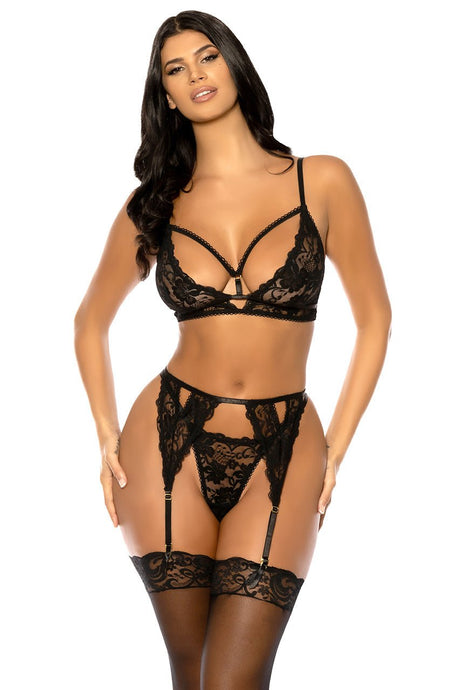
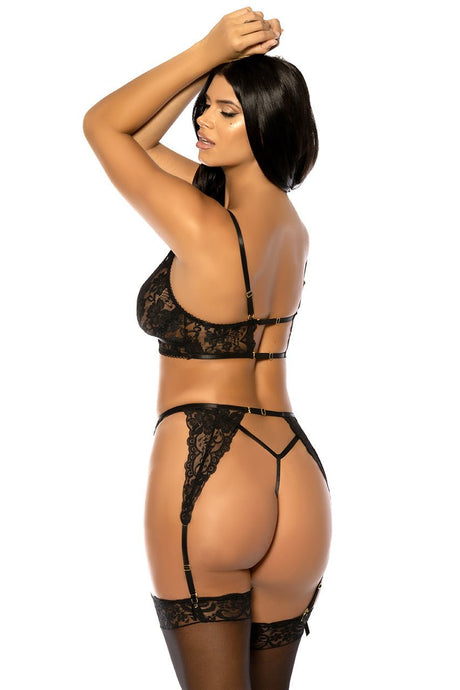
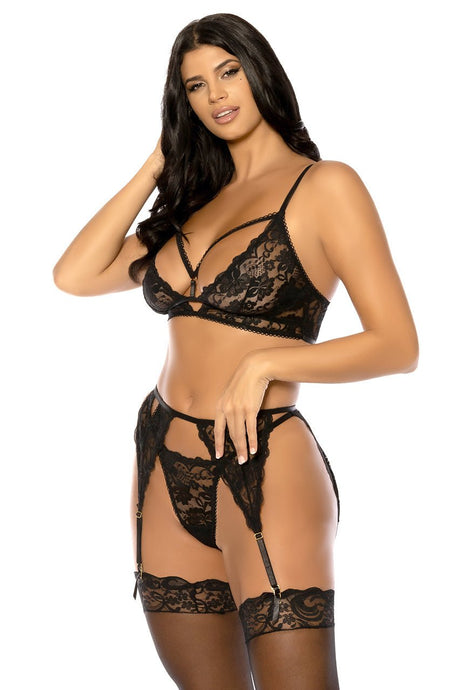
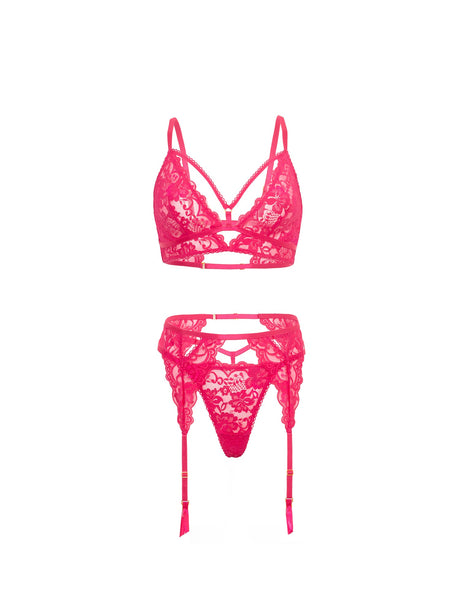
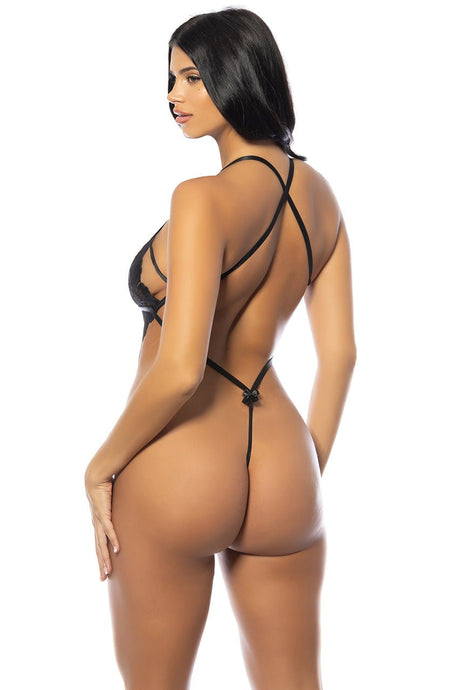
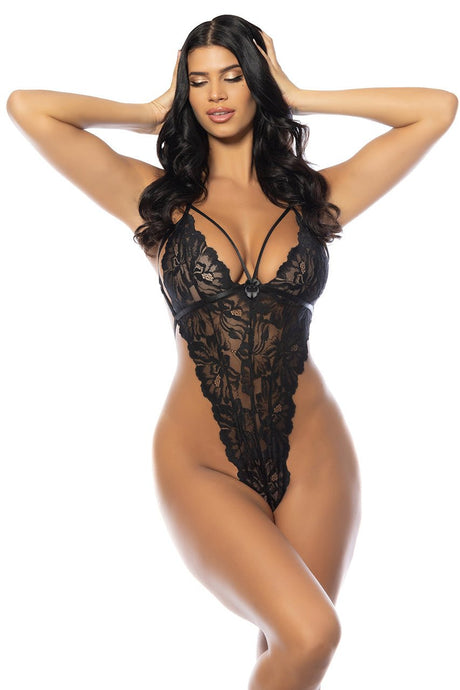
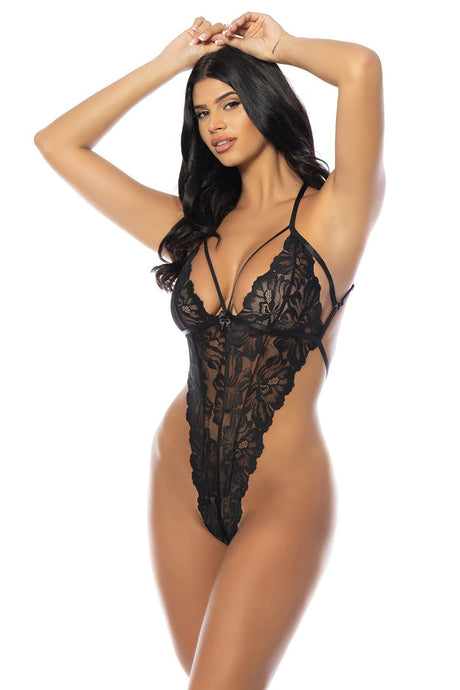
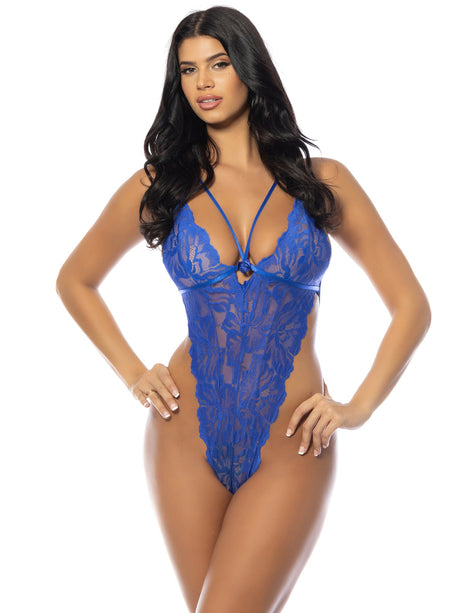
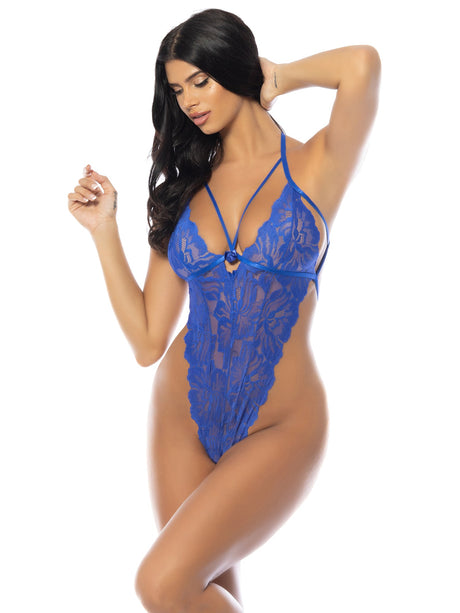
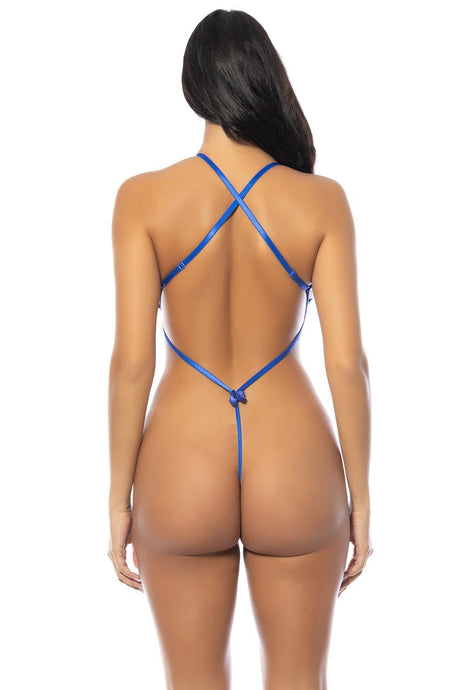
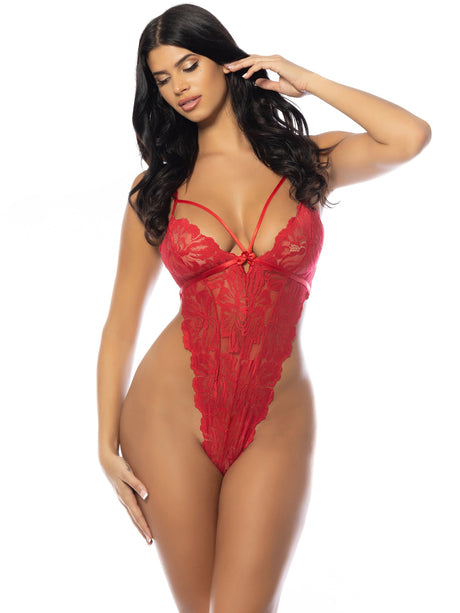
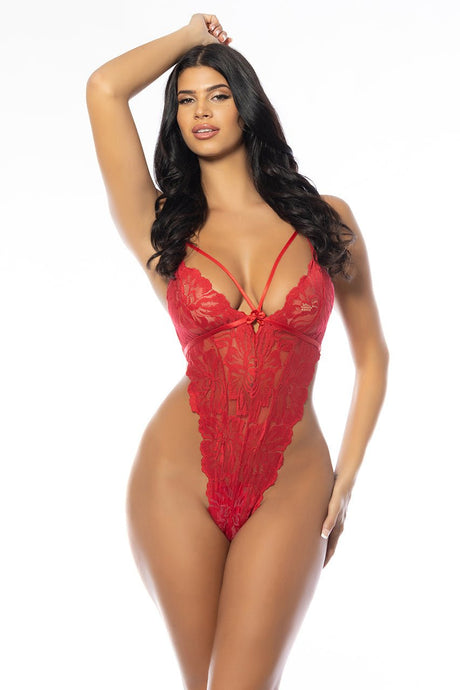
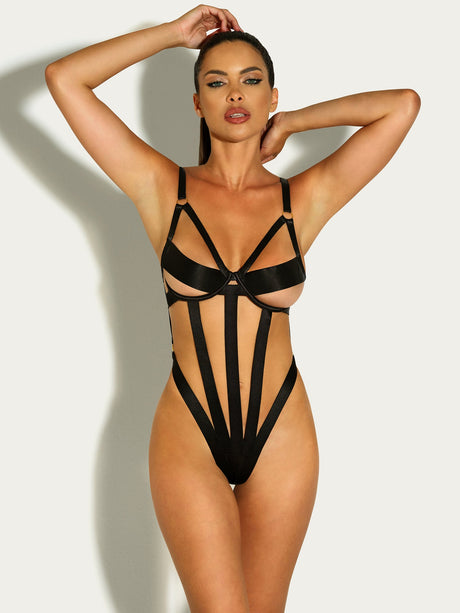
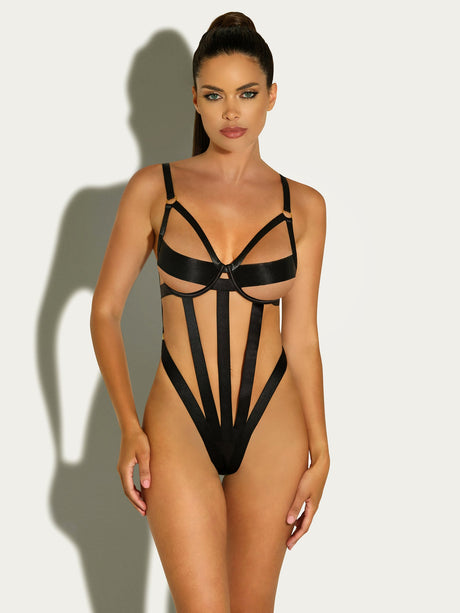
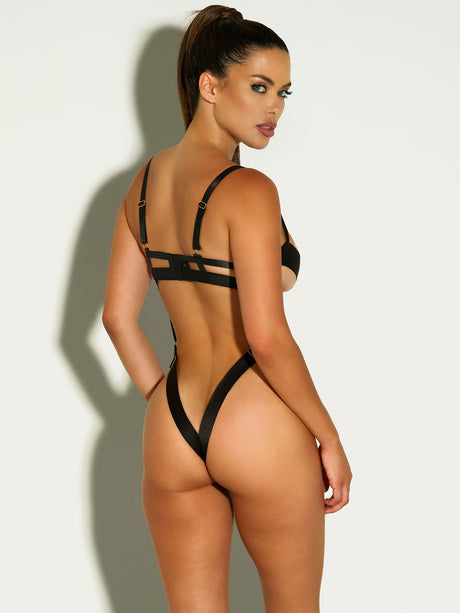
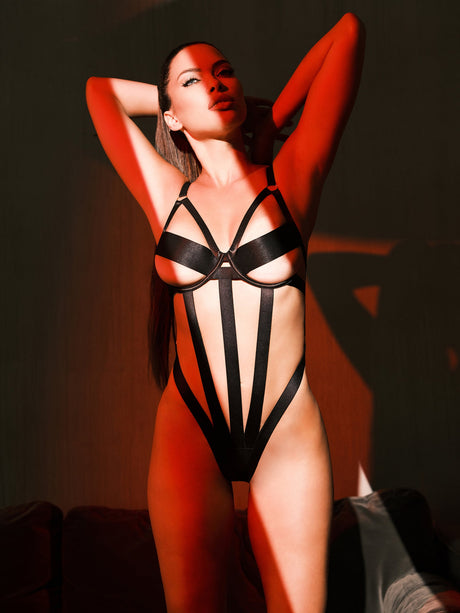
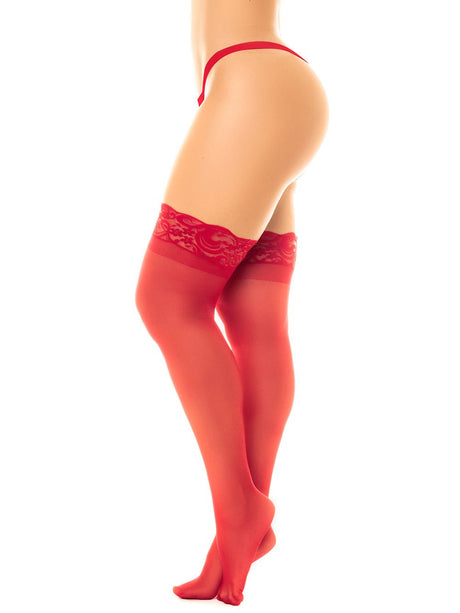
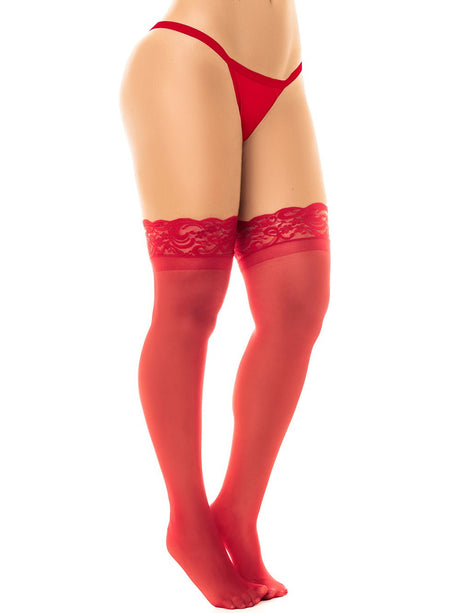
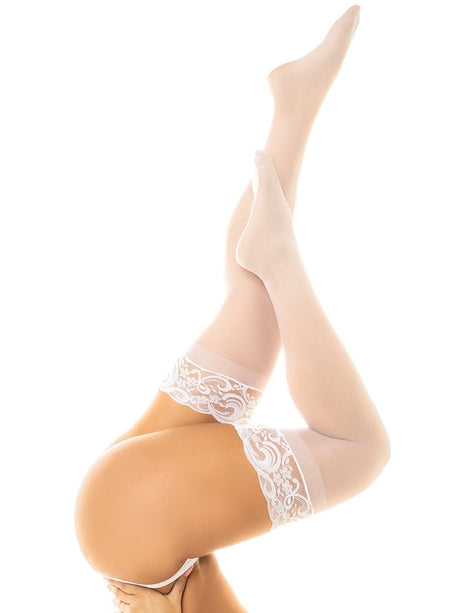
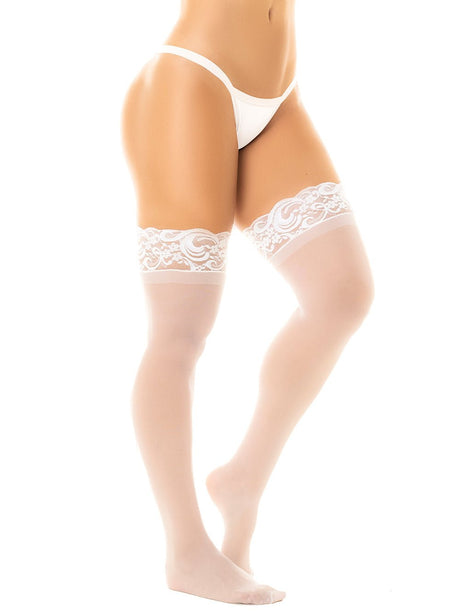
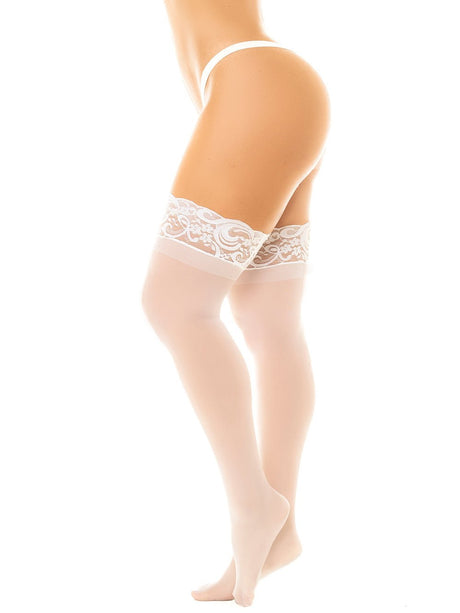
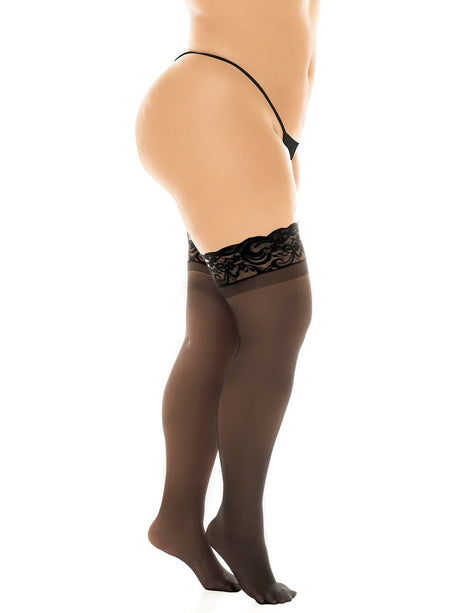
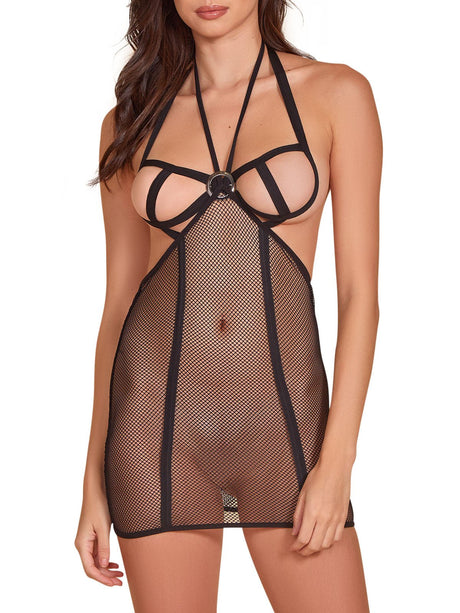
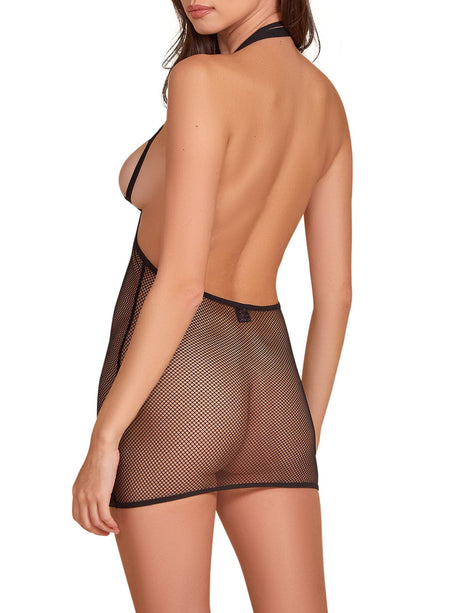
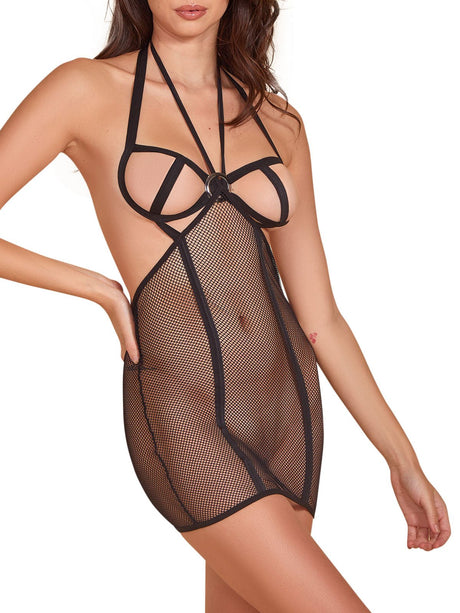
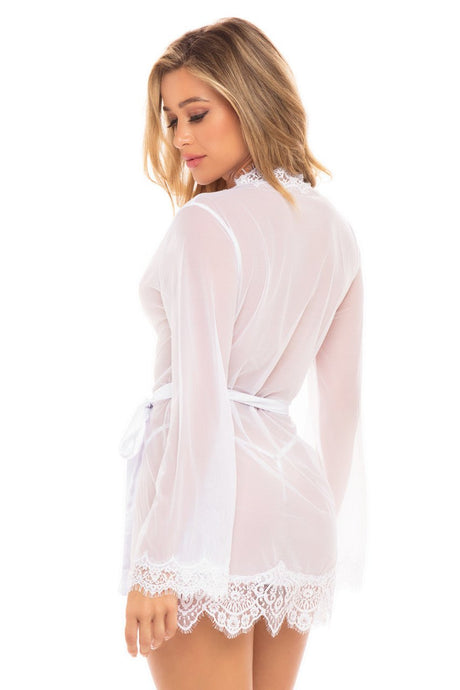
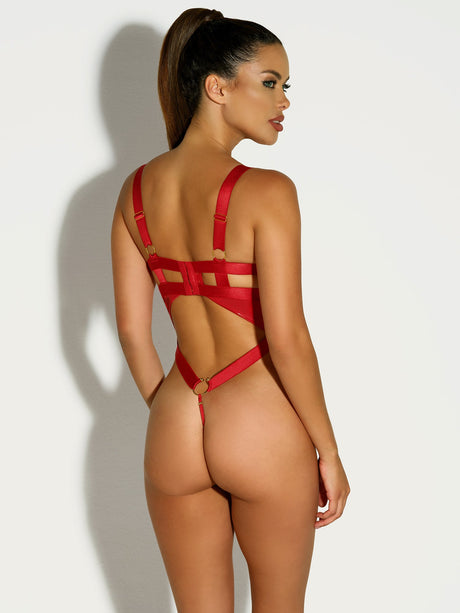
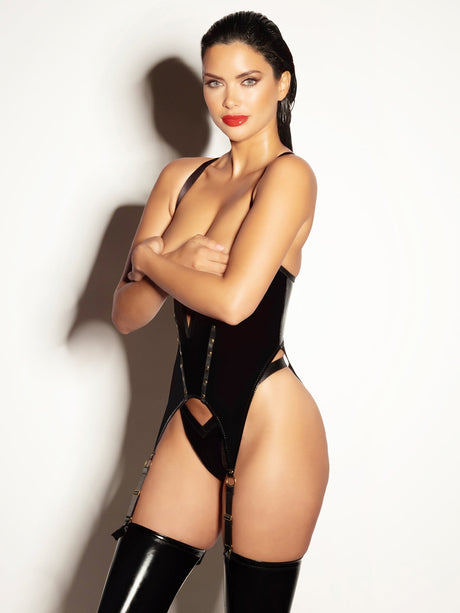
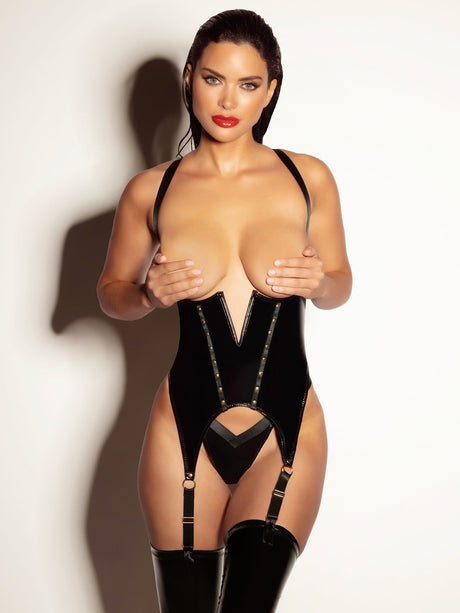
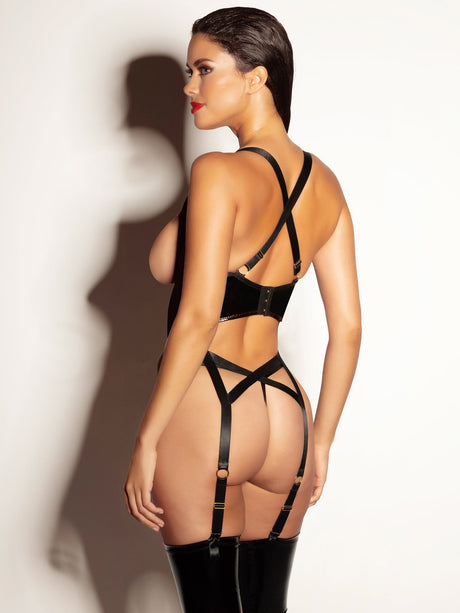
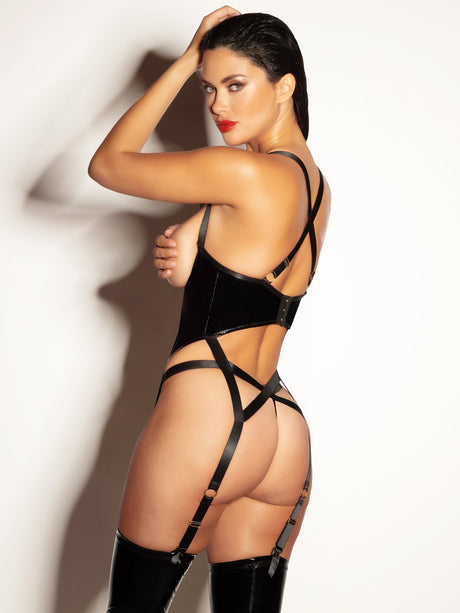
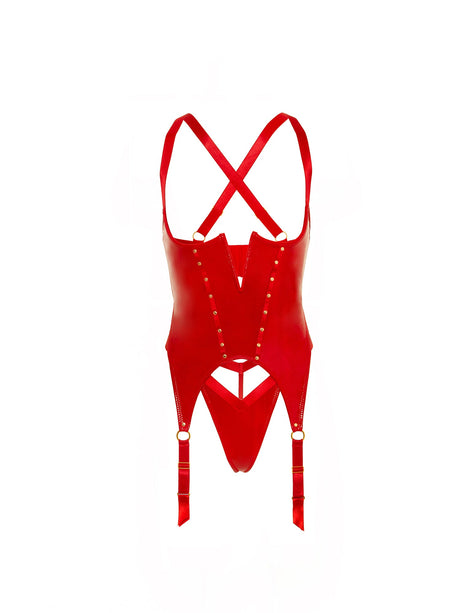
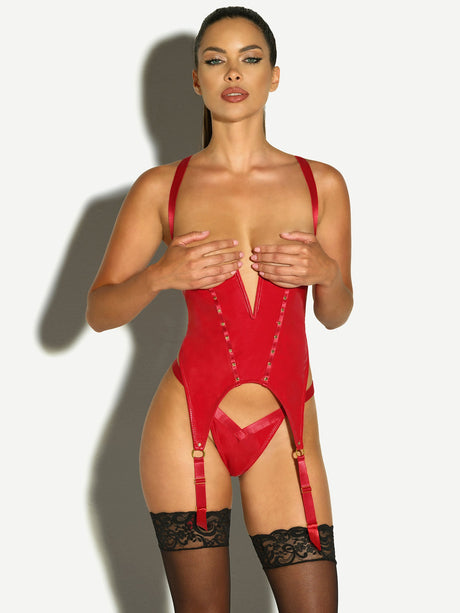
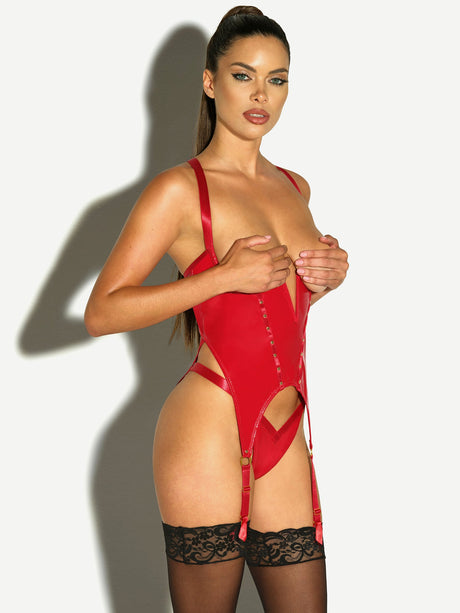
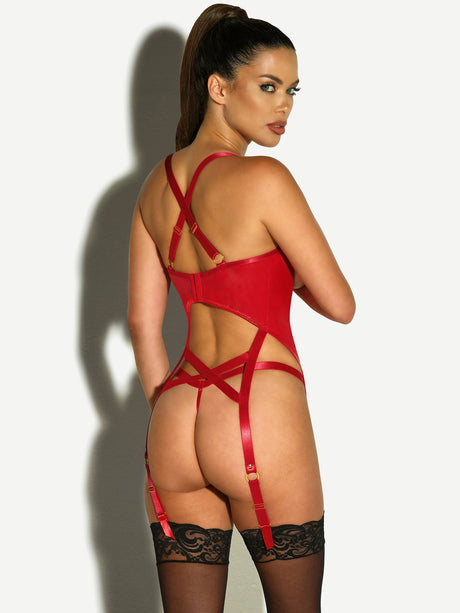
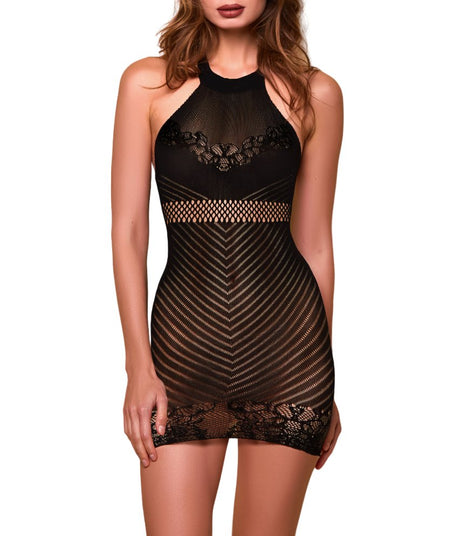
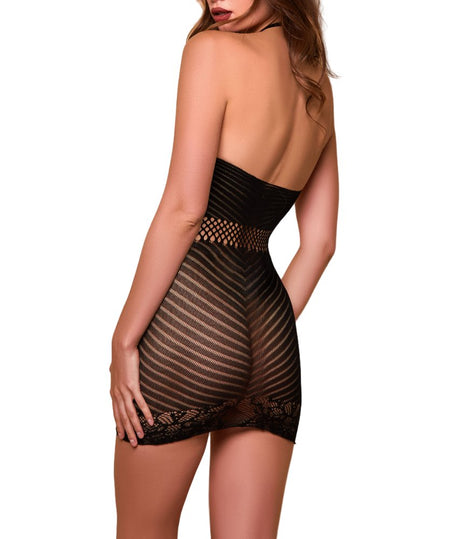
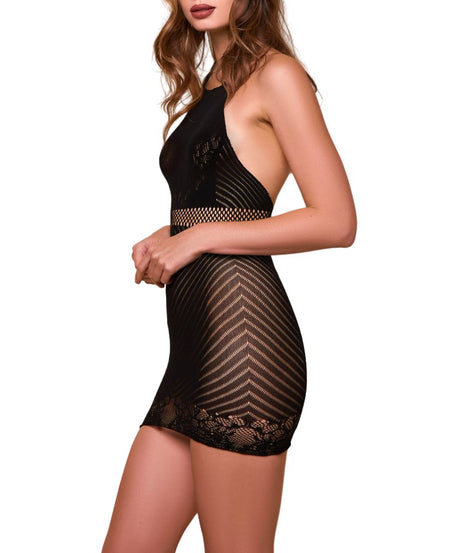
What is sheer lingerie?
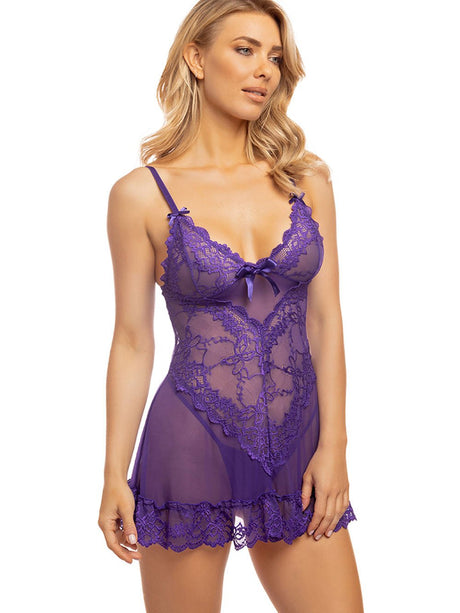
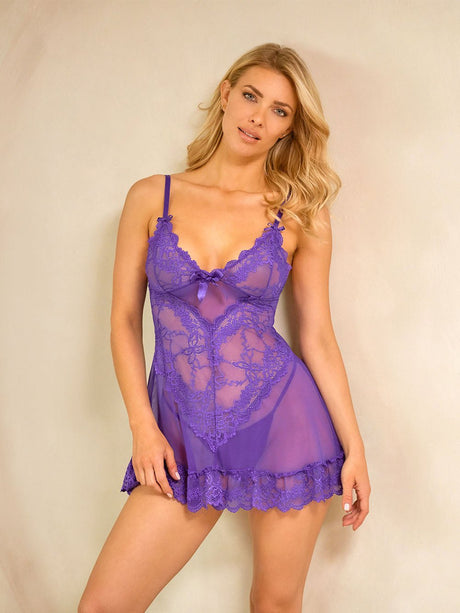
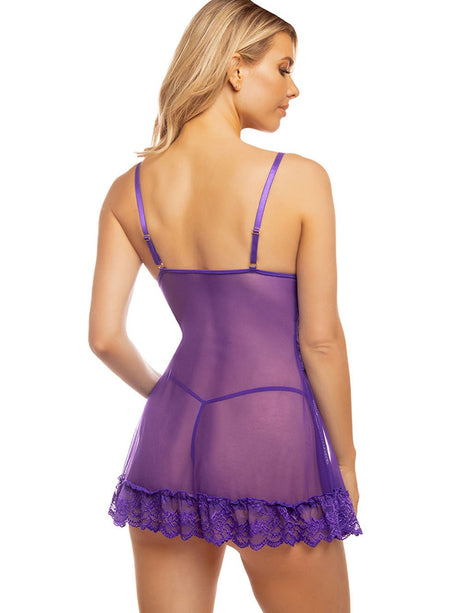
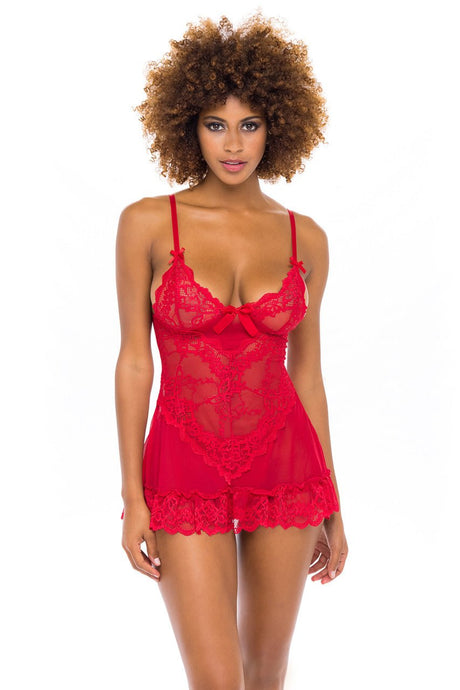
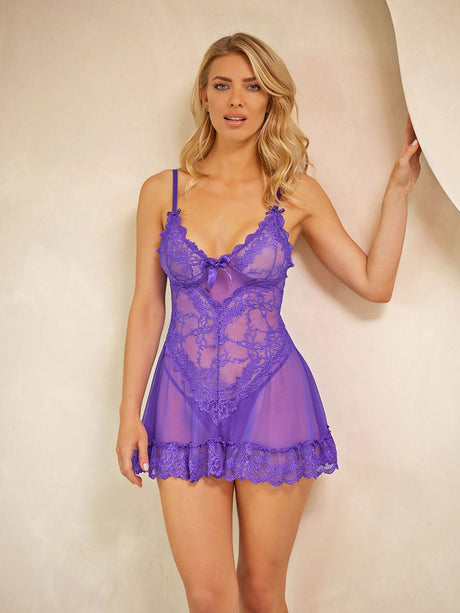
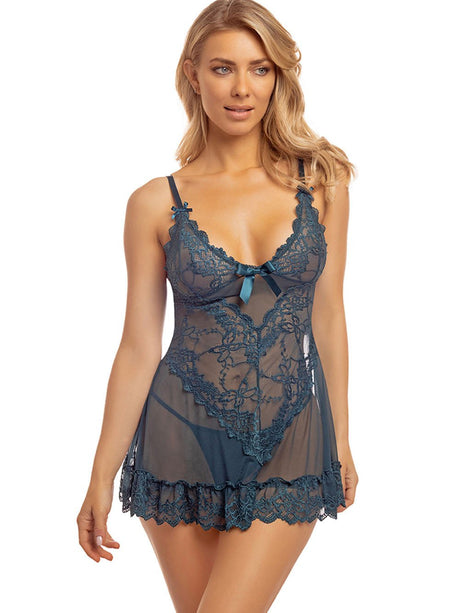
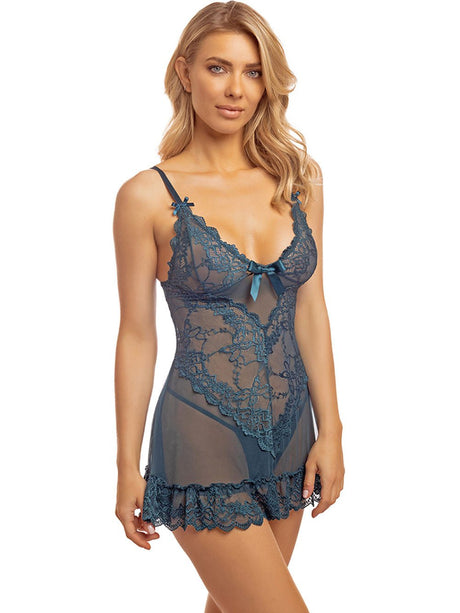
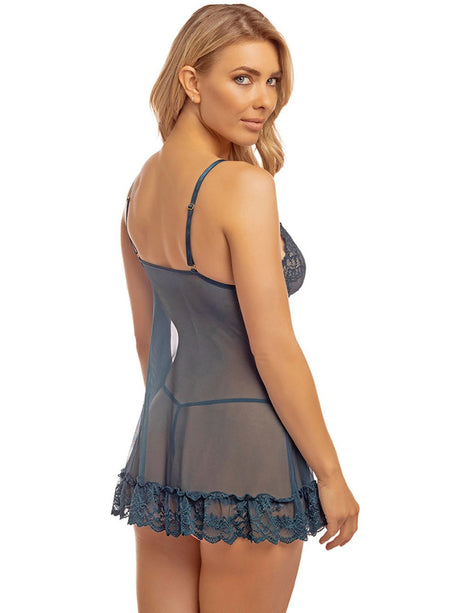
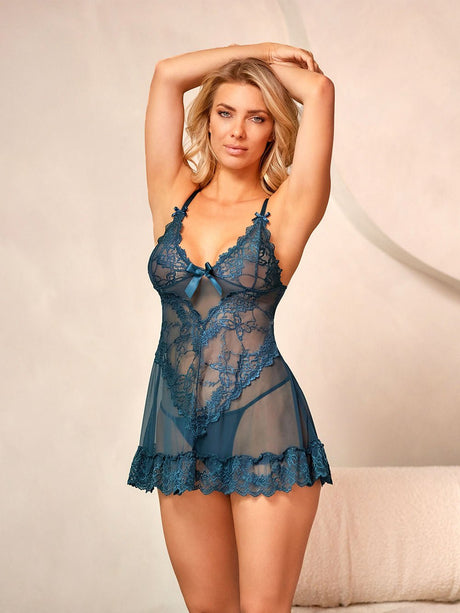
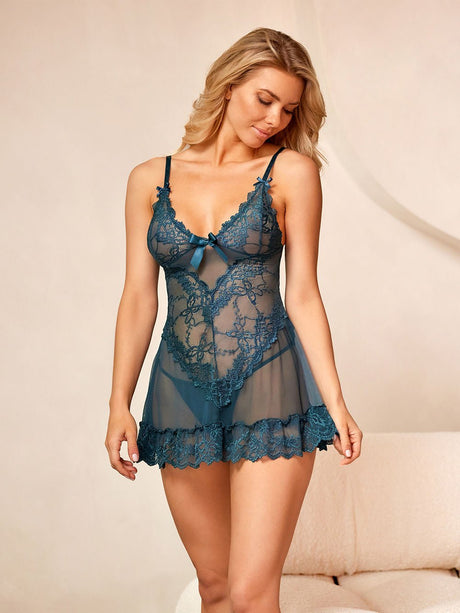
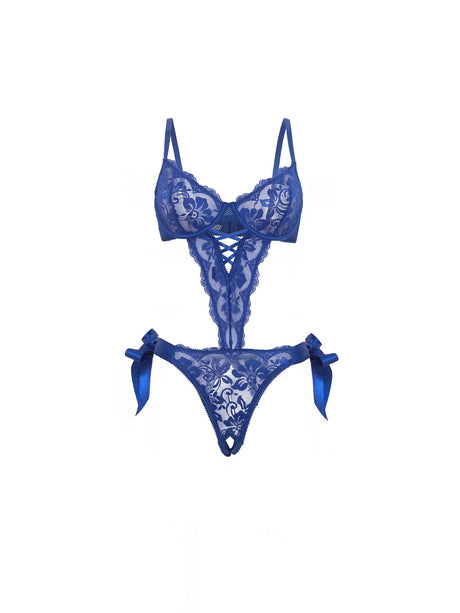
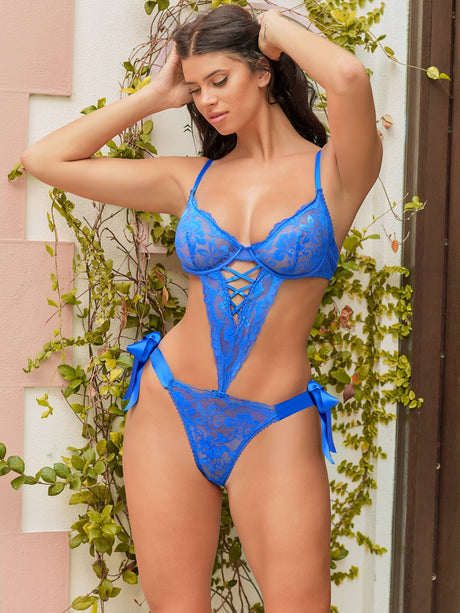
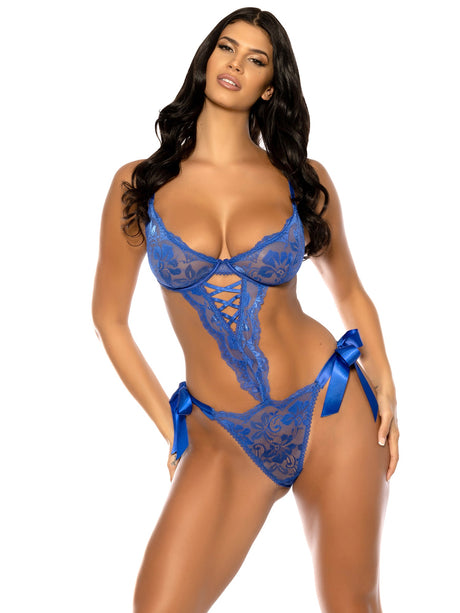
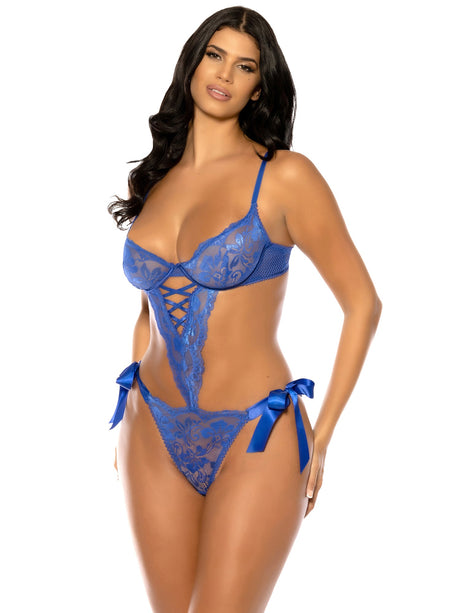
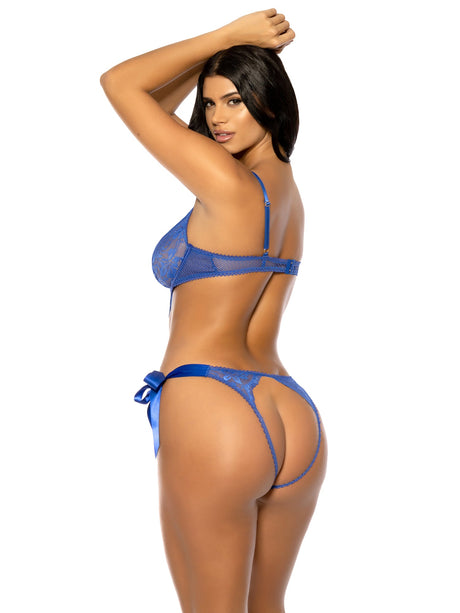
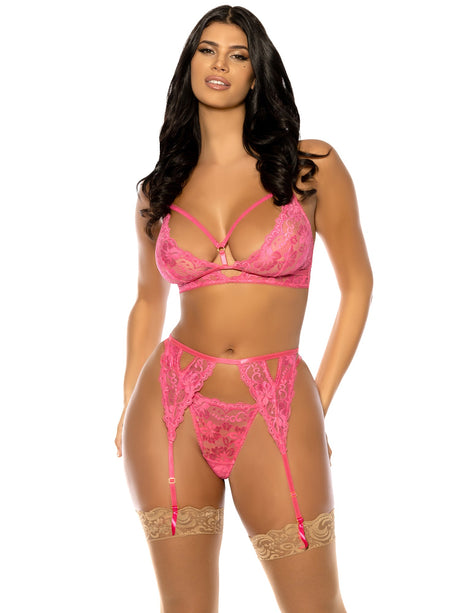
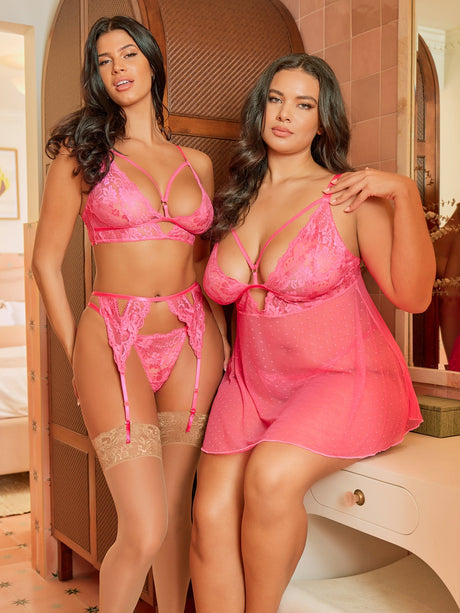
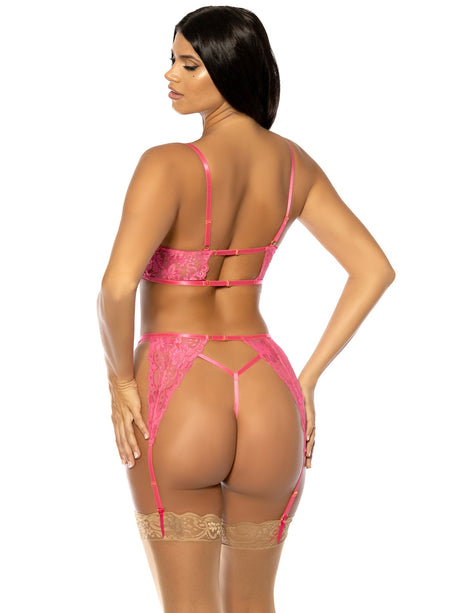
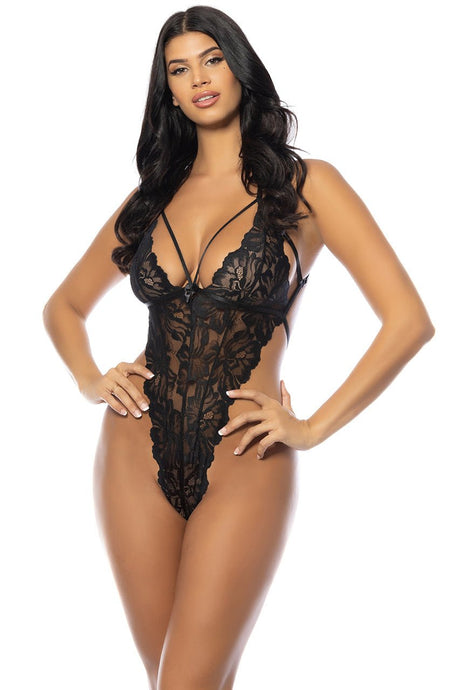
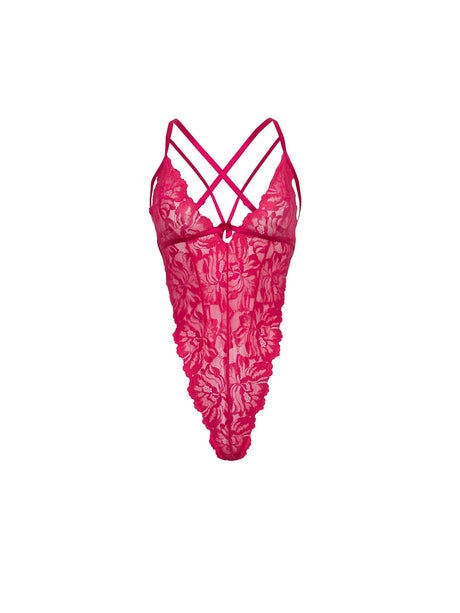
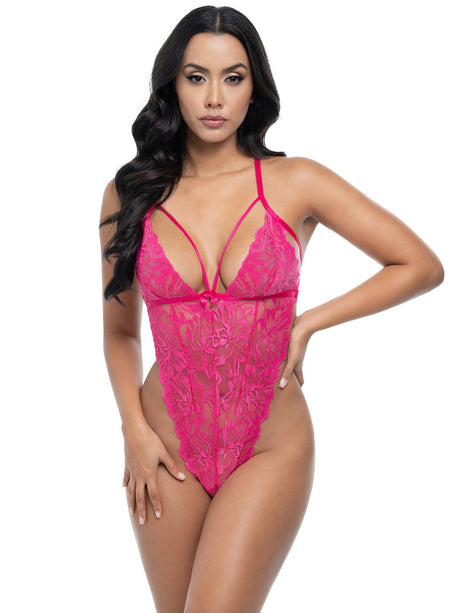
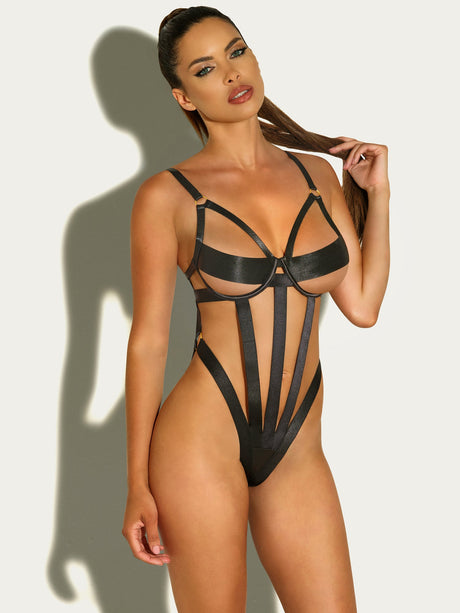
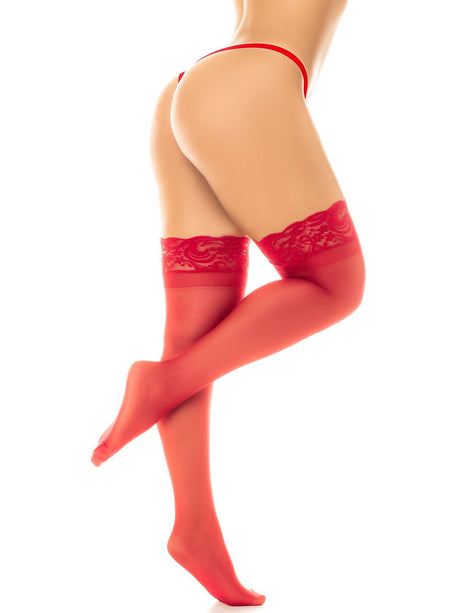
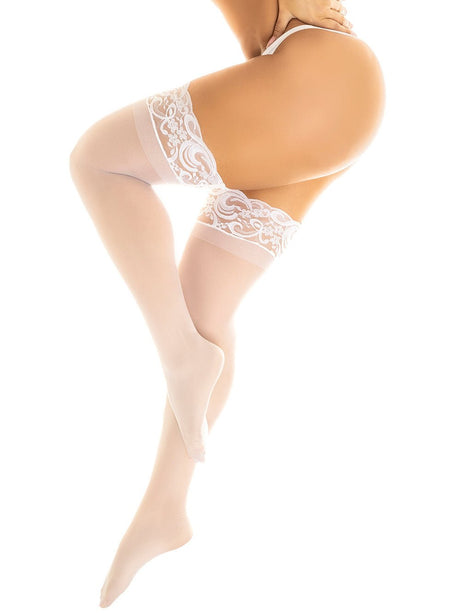
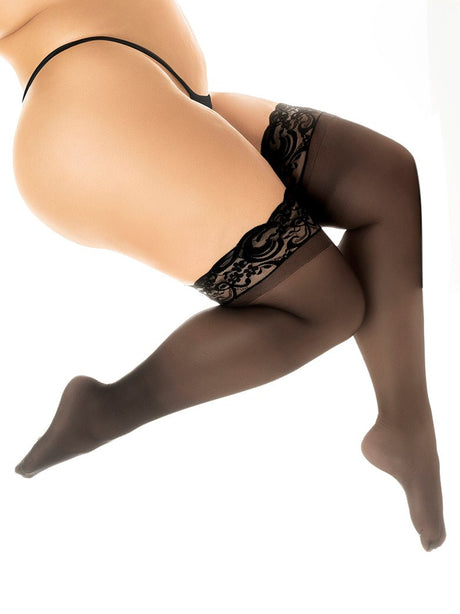
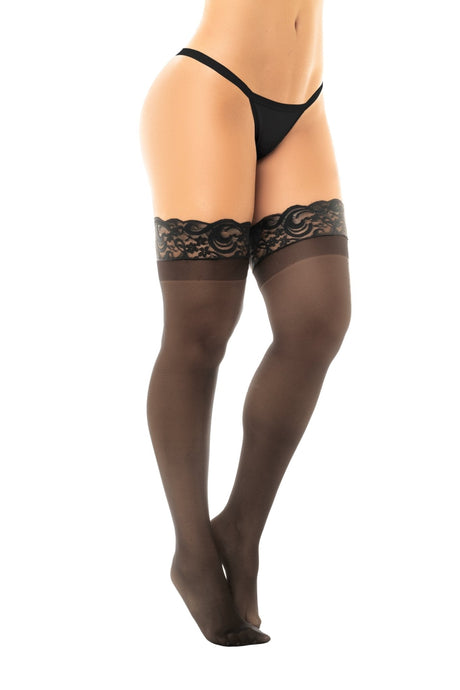
Sheer lingerie is intimate apparel made from see-through fabrics — most often mesh, tulle, fine lace, sheer chiffon, or organza — that reveal the body underneath with varying degrees of transparency. The category covers bras, panties, bodysuits, teddies, robes, and chemises, and ranges from barely-sheer (light haze) to fully sheer (near-direct visibility). Construction varies between three approaches: full sheer uses one transparent fabric throughout, paneled sheer mixes transparent and opaque sections, and layered sheer doubles transparent fabric to soften the visual effect.
This guide does the disambiguation: what "sheer" actually means as a category, how transparency tiers work (and how to tell where a piece falls before buying), the five fabrics that dominate the category and what each one is best for, the three construction approaches that change the look entirely, how to wear it across occasions, and the fit and care decisions that separate a sheer piece you'll love for years from one that snags by month three.
Shop Sheer Lingerie
Already know what you need? Browse the full sheer lingerie collection — every style, every transparency level, with fit notes on each product page.
Shop Sheer Lingerie → Sexy Lingerie →- Five fabric families dominate the category: mesh, tulle, fine lace, sheer chiffon, and organza.
- Three transparency tiers: barely-sheer (light haze), semi-sheer (clearly see-through), fully sheer (near-direct visibility).
- Three construction types: full sheer (one transparent fabric throughout), paneled sheer (mixed with opaque sections), layered sheer (doubled transparent fabric).
- Color changes the mood entirely: pastel reads romantic, black reads bold, nude reads ethereal.
- Sizing precision matters more in sheer construction — every seam and band edge shows through.
- Works at every cup size with the right construction; full-bust specialty brands engineer sheer specifically for DD and above.
- Hand-wash only — the dryer destroys sheer fabrics; air-drying flat is non-negotiable.
What "Sheer" Actually Means
"Sheer" is a fabric property, not a style. It describes any textile you can see through to some degree — which is a spectrum, not a fixed point. In lingerie, the term has come to function as both a category descriptor (a "sheer bra," a "sheer set") and a styling intent (sheer pieces, sheer construction), but the underlying meaning is the same throughout: the fabric is transparent or semi-transparent by design.
Three things define a sheer piece:
- Fabric. What's the textile? The five common families — mesh, tulle, lace, chiffon, organza — each look and behave differently even at similar transparency levels.
- Construction. Is the entire piece sheer, or are sheer sections combined with opaque sections? Paneled construction is more wearable across occasions; full-sheer is more revealing.
- Color. Sheer in pastel reads completely differently than sheer in black. The fabric is the same; the mood is not.
This is also where the language gets messy. "See-through," "transparent," "mesh," and "sheer" are used interchangeably across retailers, even though only one of them (mesh) describes a specific construction. For shopping purposes, treat the four terms as equivalent and let the product photography do the work of telling you where on the spectrum a piece actually sits.
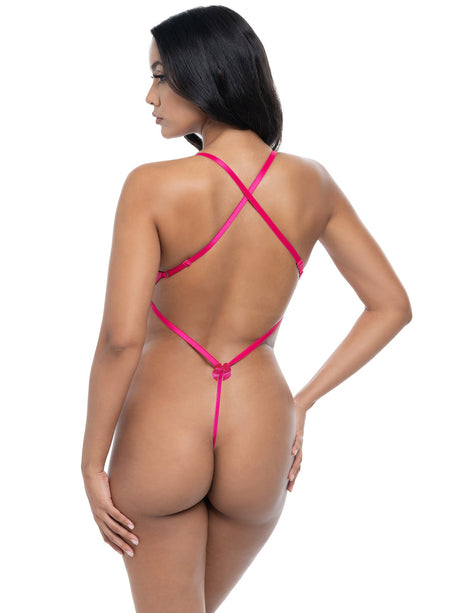
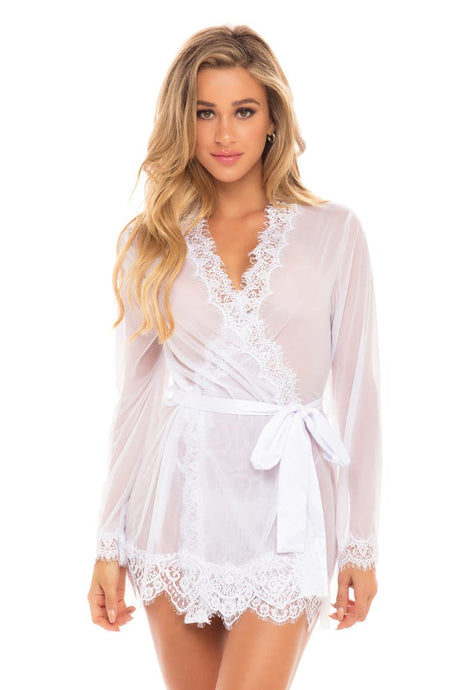
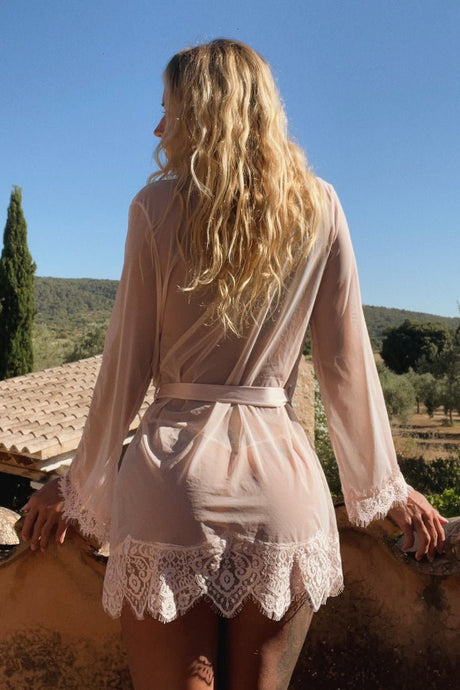
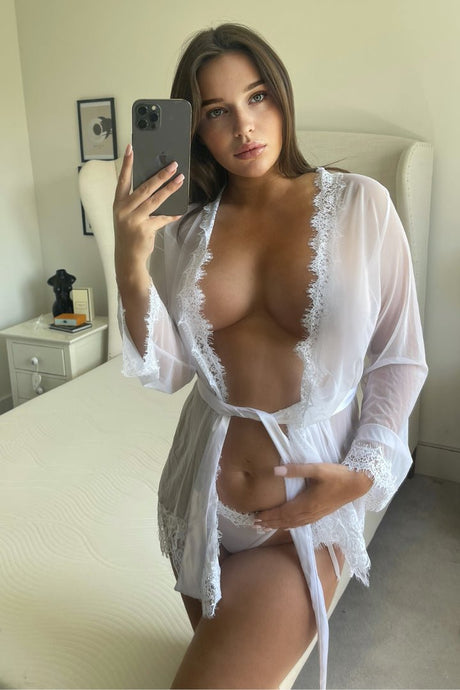
There's no industry standard for transparency level, which is why product descriptions are so unreliable in this category. The most accurate way to evaluate sheerness before buying is to look at the model photo in natural lighting — preferably from multiple angles. Stock studio shots with strong front-lighting tend to make sheer pieces look more opaque than they appear in normal wear. If a brand offers detail shots or 360-degree views, those are usually closest to what you'll actually see in the mirror.
The Transparency Spectrum
Sheer pieces fall into three rough tiers. Knowing which tier you're shopping for solves most "this is more revealing than I expected" disappointments before they happen.
SHEER
SHEER
SHEER
The honest framing: most retailers don't tell you which tier a piece is in. Product photos in soft studio lighting tend to bias toward looking less sheer than they actually are. When in doubt, assume one tier more transparent than the photo suggests — that's the safer expectation.
The Five Sheer Fabrics
Each sheer fabric reads differently on the body and behaves differently in construction. The same transparency level in mesh versus lace versus chiffon creates three completely different garments. Knowing the fabric is more useful than knowing the cup size when shopping this category.
| Fabric | Feel & Behavior | Best For | Watch For |
|---|---|---|---|
| Mesh | Stretchy, durable, structural | Bodysuits, teddies, daily wear | Most versatile |
| Fine Lace | Dressier, ornamental, varies by type | Romantic sets, bridal, balconette bras | Most flattering visually |
| Tulle | Fine, stiffer than mesh, holds shape | Babydolls, ruffled detail, layering | Less stretch |
| Sheer Chiffon | Drapes rather than clings, fluid | Robes, chemises, slip-style pieces | No structure for support |
| Organza | Crisp, structured, less common in lingerie | Statement pieces with body | Stiff against skin |
Beyond the headline summary, each fabric has its own learning curve:
The Workhorse of Modern Sheer Lingerie
Mesh is typically a fine knit of nylon or polyester, often with elastane added for stretch. It's the workhorse of the category — stretchy enough to conform to the body, durable enough to handle structured construction, and breathable enough for everyday wear. Most modern sheer bodysuits, teddies, and bralettes use mesh as the base fabric.
Within mesh, there are sub-variants worth knowing. Power mesh (a stable, less-stretchy mesh) is used in shapewear and support panels. Stretch hex mesh is the standard for everyday sheer pieces. Embroidered mesh combines the structure of mesh with decorative motifs for a more ornamental look. Read product descriptions for the specific mesh type when the level of support or stretch matters.
The Dressier Option — Romantic Texture
Lace is one of the most iconic lingerie fabrics and the dressier choice within the sheer family. Modern lingerie lace is almost always machine-made, usually nylon with added elastane. Where mesh emphasizes the body, lace adds visual texture and pattern — pieces in lace read as more decorative, more romantic, and (depending on the cut) more bridal.
Three lace types are worth knowing. Chantilly is fine, delicate, and classical — the lace you see on traditional bridal lingerie. Eyelash lace has a soft, fringed edge that adds romance and texture. Guipure is heavier, more ornamental, and structurally bolder — closer to embroidery than to traditional lace. Each one reads differently on the body, and the type matters more than the brand name on the label.
Finer and Stiffer — Used for Structure and Layering
Tulle is a fine netting fabric (silk, nylon, or polyester) that's stiffer than mesh and holds its shape rather than draping. It's used most often in babydoll lingerie where the ruffled hem benefits from the structure, and as a layering fabric in pieces that need volume or visual texture. Tulle is rarely the primary fabric of a bra-and-panty set because its stiffness reads better in flowing silhouettes than in fitted ones.
The Most Ethereal — Drapes Rather Than Clings
Chiffon is the most fluid of the sheer fabrics. Lightweight, draping, and slightly textured, it's the go-to for robes, slip-style chemises, and pieces where the fabric should move with the body rather than conform to it. Sheer chiffon reads ethereal and romantic — softer than mesh, less structured than tulle, more fluid than lace. The downside: chiffon offers essentially no structural support, which is why you'll find it in robes and chemises more than in bras or bodysuits.
Crisp and Structured — The Specialty Fabric
Organza is the least common of the sheer fabrics in lingerie. It's crisp rather than fluid, structured rather than draping, and traditionally associated with formalwear (bridal gowns, evening pieces) more than with intimate apparel. When it appears in lingerie, it's usually as a decorative accent or in pieces that need crispness — sheer collars, structured bridal sets, or ornamental detailing. Not a primary fabric for everyday wear, but worth knowing when you see it.
The Three Construction Approaches
Construction varies more than fabric in determining how a sheer piece actually wears. Two pieces using identical mesh can look and feel completely different depending on whether the construction is full sheer, paneled, or layered. Picking the right construction matters more than picking the right fabric — and it's the part of the decision most retailers don't help with.
Full Sheer — One Transparent Fabric Throughout
The boldest option. The entire garment is built from a single transparent fabric — no opaque panels, no doubling, no contrast sections. These pieces show the body most directly, photograph dramatically, and read as statement lingerie rather than everyday wear.
Best for: boudoir, anniversary, photoshoots, partner-focused wear. Rarely worn under everyday clothing because there's nothing to break up the transparency. The most demanding fit category — every seam, dart, and band edge is visible, and any sizing mismatch shows immediately.
Paneled Sheer — Mixed Transparent and Opaque Sections
The most wearable construction across occasions. Paneled pieces combine transparent fabric with strategic opaque sections — a sheer cup with an opaque underband, a bodysuit with sheer side panels and an opaque center, a teddy with sheer upper construction and opaque bottoms. The opaque sections provide coverage where it matters; the sheer sections add the visual texture and intentional reveal.
Best for: daily wear, date night, anywhere you want sensual without fully revealing. The paneled approach also makes plus-size fit easier — the opaque sections can provide structural support that pure sheer can't deliver at fuller cup sizes. The dominant construction in modern sheer lingerie for good reason.
Layered Sheer — Doubled or Tripled Transparent Fabric
Two or three layers of the same transparent fabric stacked together. The transparency is softened — the body shows through with more haze and less direct visibility — while the visual texture of the sheer fabric remains. This is how barely-sheer pieces are typically constructed: not from a heavier opaque fabric, but from multiple light layers of sheer.
Best for: romantic and bridal pieces where the look should be sheer-coded without crossing into fully revealing territory. The most flattering construction for wearers new to sheer lingerie — it provides the visual interest of the category with significantly less exposure than full or paneled sheer.
Full sheer = boudoir, photography, statement pieces. Paneled sheer = daily wear, date night, the most versatile category. Layered sheer = bridal, romantic, beginner-friendly. When you see a piece you like, look at the product photos to determine the construction type — it tells you more about when and how to wear it than the fabric or color does.
How to Wear and Style Sheer Lingerie
Sheer pieces work across nearly the full sexy-lingerie spectrum, which is part of their appeal. The same silhouette in different colors and constructions reads completely differently — a black mesh bodysuit reads bold and statement-driven; the same silhouette in nude lace reads soft and romantic. Match the styling decisions to the occasion, then layer (or don't) for the look you want.
Color Drives the Mood More Than Anything Else
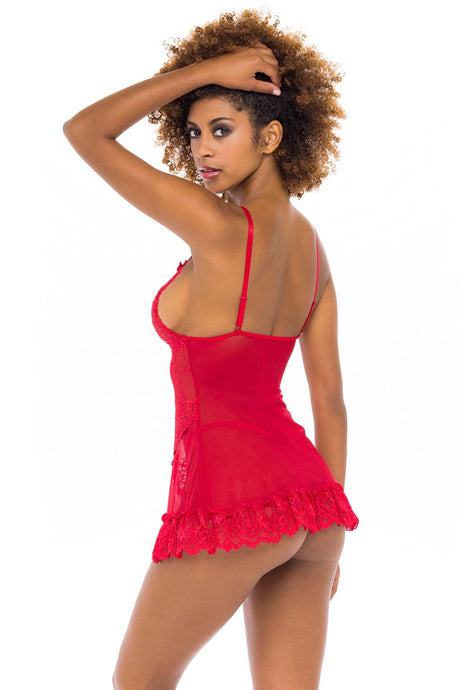
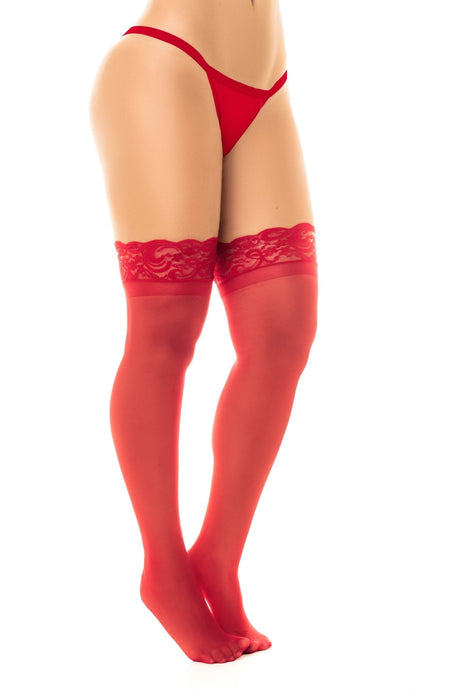
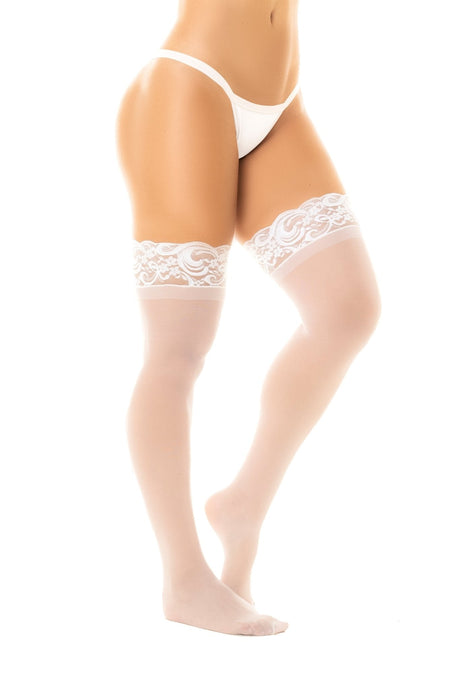
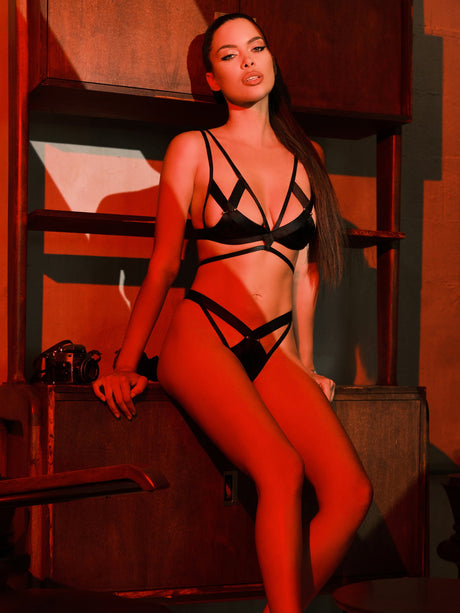
The color you choose changes everything about how a sheer piece reads. Pastel sheer — pink, ivory, dusty blue, lavender — feels bridal, romantic, and honeymoon-coded. The softness reads tender. Black sheer reads bold, statement-driven, and high-impact; the seductive default for date night and boudoir. Red and jewel-tone sheer reads dramatic and confident — Valentine's Day, anniversary, and intentional statement pieces. Nude or skin-tone sheer reads ethereal and creates the illusion-fabric effect; it's also the most invisible option under clothing.
Sheer Under or Over Other Layers
Layering is where sheer pieces shine for everyday wear. A sheer paneled bralette under a blazer or open shirt creates a deliberate hint of texture without exposure. Sheer kimonos and robes layer over matched sets for boudoir or anniversary contexts. Sheer bodysuits worn under sheer or open clothing have moved from special-occasion to daily rotation for plenty of wearers — the construction stays visible but the styling keeps it intentional rather than incidental.
Single Hero Item Anchors the Look
Pieces with strong embroidered or appliqué accents can stand alone as the focal item — the transparency carries the sensuality, while the detailing supplies the visual interest. A single bold sheer teddy, a fully transparent mesh bodysuit, or a heavily embroidered sheer bralette all work as the main piece without needing accessory layers. This is the boudoir styling default: one statement sheer piece, minimal additional styling, the body and the fabric do the work.
Find Your Sheer Style
Three quick questions — we'll point you to the right transparency level, fabric, and silhouette for your goal, occasion, and size.
Fit and Sizing for Sheer Pieces
Sheer fabrics are less forgiving than opaque ones in one specific way: every seam, dart, and band edge is visible. A wire that sits slightly off, a band that rides too high, or a teddy with a torso half a size too short — all of it shows through the fabric where opaque pieces would hide it. Sizing precision matters more than usual.
The fit rules change by garment type:
- Bra-cup sheer pieces. Fit to your usual band and cup size and prioritize brands with a track record in sheer construction. The wire framing has to be right because nothing is hiding it. If you're between sizes, sister-down (smaller band, larger cup letter) — the snugger band performs better in sheer construction where the band is doing more visible work.
- Teddies and bodysuits. Torso length is the make-or-break dimension. A perfect bust fit means little if the torso is too short — the gusset will pull, the cups will sit wrong, and the silhouette will read off. Measure your torso (shoulder to crotch through the center front) and check the brand's size chart before ordering.
- Robes and chemises. Sheer fabrics drape and flow, so sizing is more forgiving here. Pick the right shoulder fit and the rest follows. If you're between sizes, size up for chemises and slip-style pieces — the slightly loose fit reads better than a snug one in fluid fabrics.
- Full-bust sheer (DDD+). Specialty brands engineer sheer construction specifically for fuller cup sizes — Curvy Kate, Cleo, and Freya all carry sheer options graded for D-cup and above. Look for structured side panels, wider underwires, sturdy adjustable straps, and a snug band. Avoid flimsy sheer pieces with thin elastic bands at fuller cup sizes; the band is doing more work in sheer construction than in standard bras, and weak elastic shows in the silhouette.
"The most common mistake we see in sheer lingerie is wearers ordering their usual size in a brand that doesn't grade for sheer construction. Sheer pieces from generalist brands often run differently than their everyday lingerie — the band is looser, the cup is shallower, the wire is thinner. When in doubt, prioritize sheer-specialty brands over your usual go-to."
— HauteFlair Fit Editorial Team
Common Problems and How to Fix Them
Sheer pieces have a specific set of fit and styling problems that don't come up in opaque lingerie. Most are fixable — and knowing which problem you're solving makes the difference between a piece you return and one you keep.
Standard bra seams that disappear under opaque fabric show through sheer construction. The fix is buying pieces with bonded or laser-cut seams (cleaner edges), or switching to seamless sheer styles. If the seams are decorative rather than structural, embrace them as part of the design.
Sheer fabrics are more delicate than opaque ones — fine mesh and lace can snag on jewelry, rough fabrics, and even fingernails. Remove rings before handling, store separately from rougher fabrics, and trim any visible snags rather than pulling them. Once a sheer piece has multiple visible snags, it's done.
Sheer pieces in light colors over darker skin tones — or vice versa — can read more transparent than expected. The skin underneath influences the apparent color. Stick with skin-tone sheer for the most invisible effect under clothing; choose contrasting sheer (black on light skin, ivory on darker skin) when you want the piece to be the focal point.
Without cup tissue to mask shape mismatches, gaping shows immediately. The fix is rarely sizing down — try a different cup style (plunge, demi, or unpadded soft-cup) at the same size first. Cup-shape mismatch is the issue 90% of the time; cup-size mismatch is the issue rarely.
Full-sheer pieces are nearly impossible to wear invisibly under fitted or light-colored clothing. The fix is choosing paneled sheer (with opaque sections in critical zones) or color-matched sheer (nude under nude, black under black). For fitted white or pastel outfits, full-sheer pieces will telegraph regardless of color.
Generalist lingerie brands often cut sheer pieces differently than their everyday lingerie — the band runs looser, the cup runs shallower. If a brand's sheer line doesn't fit even though their standard line does, switch to a sheer-specialty brand rather than chasing sister sizes within the wrong pattern.
High-quality sheer pieces have bonded seam edges (no fraying), substantial elastic at the band that holds tension, finished lace edges, and consistent fabric weight across all panels. Cheap sheer pieces show their flaws immediately when you handle them: stiff elastic, thin loose seams, and lace that snags within the first few wears. If you can examine the piece in person, the construction details are more reliable than the price tag.
Care and Maintenance
Sheer pieces are the most delicate category in lingerie care, and the wrong washing routine destroys them faster than any other style. The rules are short and non-negotiable:
- Hand-wash only. Cool water, lingerie-specific detergent (not regular laundry detergent — too harsh on fine fabrics), no more than a tablespoon. Soak for up to 30 minutes, then rinse with cool water until the soap is gone. Never twist or wring the fabric.
- Air-dry flat. Lay the piece on a clean towel and roll the towel to absorb excess water, then unroll and lay flat on a fresh dry surface to finish drying. Never hang sheer pieces to dry from the straps (it stretches them) or expose them to direct sunlight (it fades the color).
- Skip the dryer entirely. Heat destroys elastic, warps any structured cup foam, and accelerates fabric breakdown. Even a low-heat delicates cycle in the dryer is too aggressive for sheer fabrics. The dryer is the single most common cause of sheer lingerie failure.
- Avoid fabric softeners. Softeners coat the fabric and reduce its breathability, and over time they break down the elastic that holds sheer pieces in shape. Skip them entirely on lingerie — they're optimized for towels and clothing, not for delicate intimates.
- Store flat or hanging from the band. Tulle and chiffon hold creases when folded; mesh and lace lose shape if stored tightly. Store pieces flat in a drawer or hanging from the band (not the straps) to maintain their structure between wears.
Quality sheer pieces with proper care last 18 months to two years of regular wear. Quality pieces with rough handling last 3–6 months. The math favors proper care.
Frequently Asked Questions About Sheer Lingerie
What is sheer lingerie?
What's the difference between sheer and mesh lingerie?
How sheer is "sheer" — is there a transparency scale?
What fabrics are used in sheer lingerie?
Can sheer lingerie be worn under clothing?
Is sheer lingerie comfortable?
What's the best sheer lingerie color?
Can sheer lingerie work for larger busts?
How should I care for sheer lingerie?
What's the difference between sheer and see-through lingerie?
Are sheer pieces only for special occasions?
How can I tell if sheer lingerie is high quality?
What's the best sheer style for a beginner?
Can sheer lingerie be worn for photography or boudoir shoots?
Why does my sheer lingerie show seams or bra lines through it?
This guide is editorial. Sheer lingerie sizing, transparency, and fit vary by brand, fabric, and individual body — what matters most is comfort, fit, and confidence in your own body. Brand pattern, construction quality, and color-on-skin interaction all affect how a sheer piece looks and wears. Refer to each brand's size chart and product photography for the best fit guidance. Last reviewed: May 12, 2026.