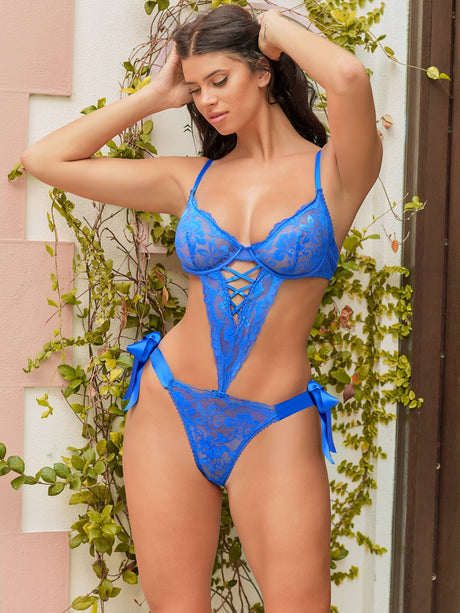
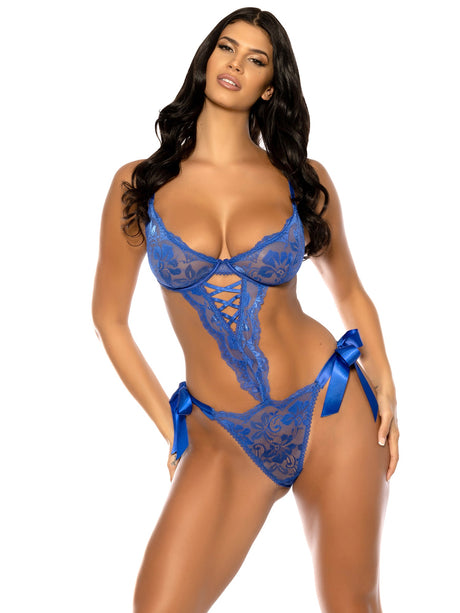
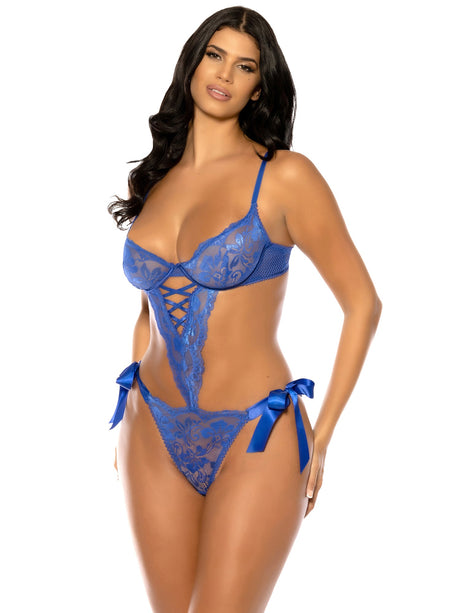
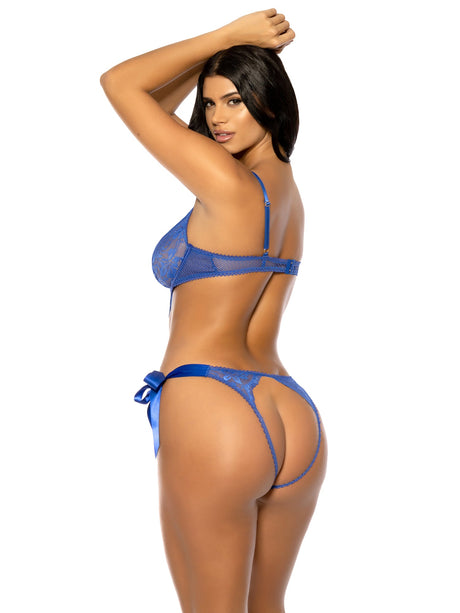
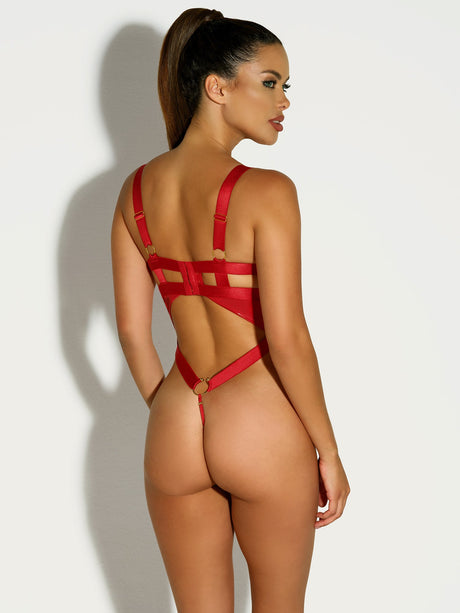
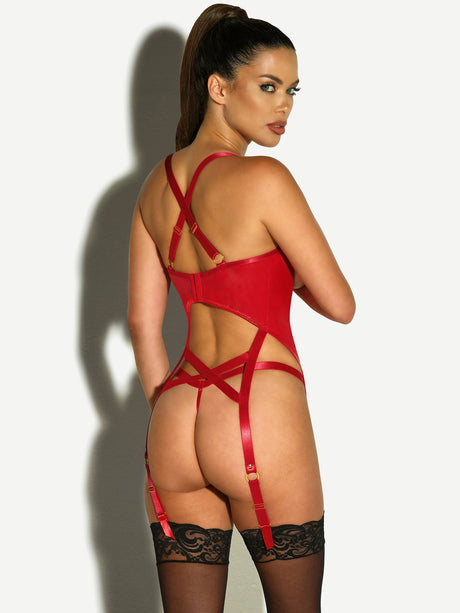
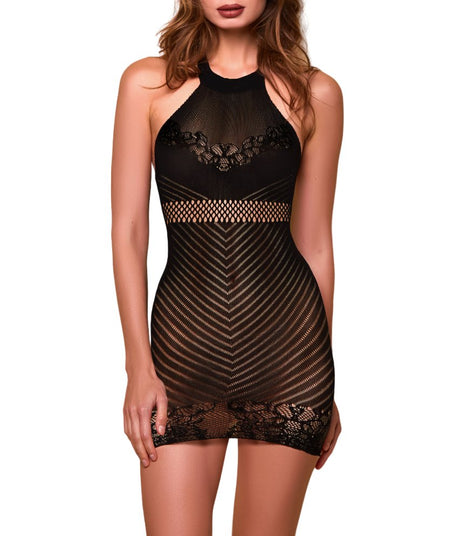
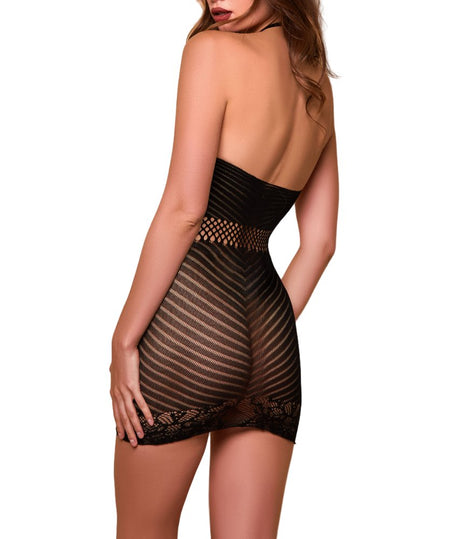
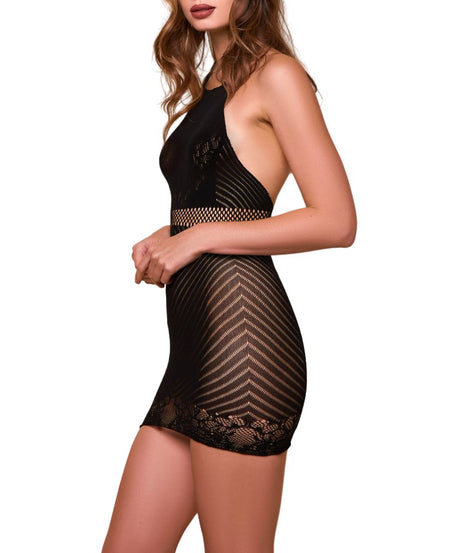
What is lace lingerie?
Lace lingerie is intimate apparel constructed primarily from lace — an openwork textile with patterned holes formed by twisting, looping, or knotting threads. The lace itself is the structural and aesthetic anchor. Five grades define the market: Leavers lace (premium handmade-feel), Chantilly lace (fine French floral), eyelash lace (fringed scalloped edges), stretch lace (accessible synthetic-blend), and embroidered or galloon lace (decorative mixed-material). Quality varies dramatically — pattern complexity, fabric weight, scale of motif, and finishing all matter.
This guide is the one that doesn't hide it. We'll define lace lingerie as a material-led category, map the five lace grades from premium Leavers and Chantilly through accessible stretch lace, the five silhouettes where lace lingerie lives, the three technical factors that determine quality (pattern, weight, scale), the lace-vs-mesh distinction, and the care routine that determines whether a lace piece survives the first season. Whether you're spending $25 on a stretch lace bralette or $250 on a premium fine-lace teddy, you'll know what you're actually buying.
Shop Lace Lingerie
Already know what you want? Browse the full lace collection — bras, teddies, bodysuits, sets, and chemises across every grade from accessible stretch to premium Leavers.
Shop Lace Lingerie → Browse Sexy Lingerie →- Lace lingerie is a material-led category — the lace itself anchors the silhouette regardless of construction technique.
- Five lace grades: Leavers lace, Chantilly lace, eyelash lace, stretch lace, and embroidered/galloon lace.
- Five primary silhouettes: lace bras and bralettes, teddies, bodysuits, bra-and-panty sets, and accessories (chemises, robes, garters).
- Quality is determined by three factors — pattern complexity, fabric weight, and scale of motif. These are evaluable from product images.
- Premium fine lace lasts decades with care; quality stretch lace lasts 3–5 years; cheap lace lasts 1–2 years before degradation.
- Hand-wash everything — machine washing without protection cuts lace lifespan by 60–75%.
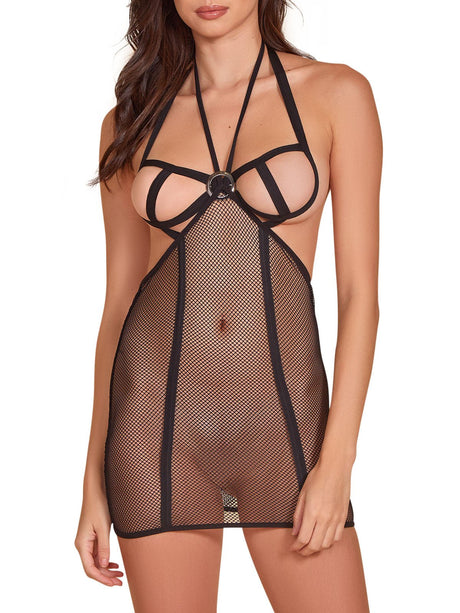
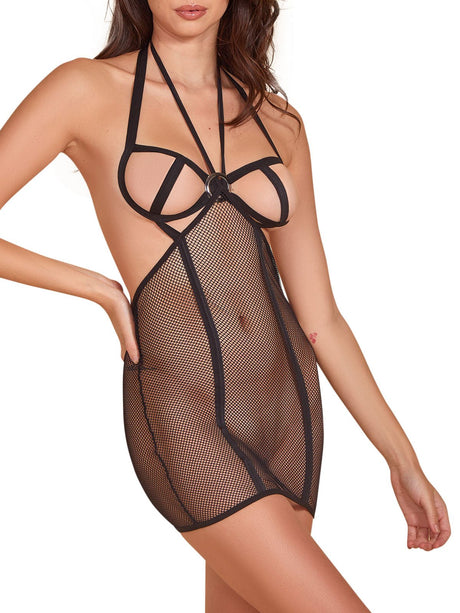
- Lace and mesh aren't the same — lace is patterned openwork; mesh is uniform net fabric.
- Start with stretch lace in black or nude — the most comfortable, accessible, forgiving entry point to the category.
What "Lace Lingerie" Actually Means
The most useful definition of lace lingerie is this: it's a material-led category where the lace itself does most of the work. A lace bralette and a lace teddy share more category identity than a lace bralette and a satin bralette, even though the bralettes are the same silhouette. This is the same material-first framing that defines leather lingerie — and it matters here for the same reason: lace lingerie has shopping considerations (grade evaluation, care commitment, pattern-and-weight analysis) that don't apply to fabric lingerie at all.
Where lace differs from leather is universality. Leather is a niche material that fits a specific aesthetic; lace is foundational across the entire lingerie market. Almost every bridal piece includes lace. Almost every bralette includes lace. Almost every romantic-coded piece includes lace. This universality is exactly why lace quality varies so dramatically — and exactly why understanding the grade hierarchy matters. The same "lace bra" descriptor covers pieces from $18 to $280 depending on grade, and the difference is real.
Lace lingerie sits adjacent to but distinct from mesh lingerie (uniform net fabric without pattern motifs, more modern-coded) and from sheer lingerie (the broader transparency category that often uses lace as one of several sheer materials). All three categories overlap — most sheer lingerie includes lace; most lace lingerie is at least somewhat sheer; lace and mesh frequently appear together in mixed-material construction. The HauteFlair lace lingerie collection centers lace-anchored pieces; for the broader transparency category see our sheer lingerie guide.
The Five Lace Grades
Five grades define how lace appears across the lingerie market. The differences are significant — premium fine lace and accessible stretch lace are essentially different products for different purposes.
The Premium Handmade-Feel Tier
Lace made on traditional Leavers looms — mechanical lace looms developed in the early 1800s and still in limited production today (primarily in Calais and Caudry, France). Visually has complex, multi-layered patterns with dimensional depth that machine-knit lace can't replicate. The fabric has substantial hand-feel and weight; the pattern density is significantly higher than mass-market lace. Lifespan exceeds two decades with proper care. Price tier is the highest in the category — premium Leavers lace pieces often run $200+ and can exceed $500 for elaborate construction. Best for: investment pieces, bridal couture, dedicated wardrobe additions, anyone wanting lace that lasts decades and reads as obviously premium.
The Fine French Floral Tier
Specific style of fine French lace originating from the Chantilly region, characterized by delicate floral motifs on a fine net background. Lighter and more delicate than Leavers but premium-tier in quality. The pattern motifs are distinctly floral — recognizable vine, leaf, and flower elements rather than abstract geometric pattern. Threads are fine, often with subtle scalloped edges. Lifespan exceeds a decade with proper care. Price tier is premium, typically $80–$250 depending on construction and piece complexity. Best for: romantic-occasion pieces, bridal lingerie, brides wanting traditional French luxury without the highest-tier Leavers pricing, statement pieces in floral-coded aesthetics.
The Romantic Fringed-Edge Tier
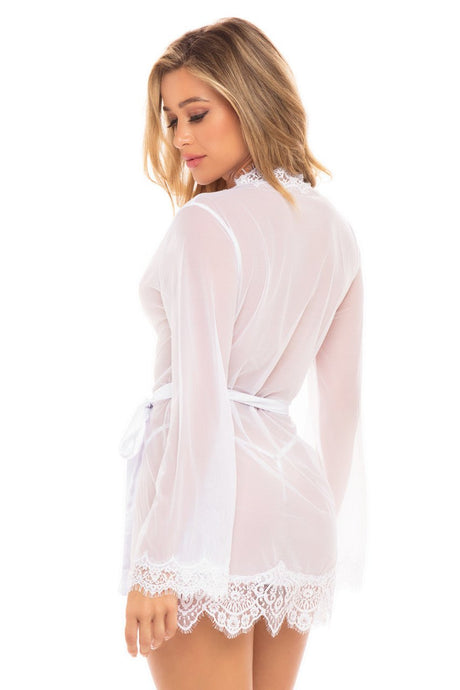
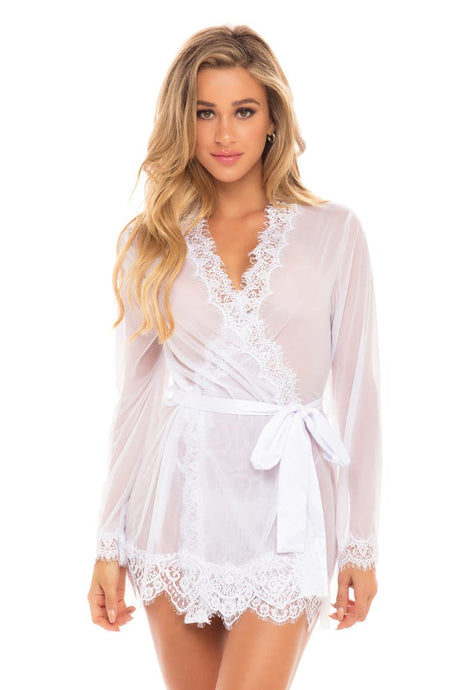
Lace with a fringed scalloped edge that creates an "eyelash" visual effect — the threads at the edge are intentionally left loose rather than finished cleanly. The fringed edge softens the visual line and reads romantic-coded; particularly popular for bralettes, teddies, and bridal pieces. Available across quality tiers (premium eyelash lace exists alongside mass-market versions) but most commonly seen in mid-tier lingerie for the impact-to-price ratio. Comfort caveat: the fringed edge can feel scratchy against sensitive skin — try at low-stakes contexts before committing to extended wear. Best for: shoppers wanting romantic visual impact at accessible-to-mid price, bralette and teddy purchases, bridal trousseau pieces where the fringed detail photographs beautifully.
The Accessible Workhorse Tier
Synthetic-blend lace woven with elastane (typically 5–20% elastane content) for body-conforming fit. Designed for comfort, daily wear, and accessible pricing rather than visual depth or longevity. Quality varies significantly within this grade — premium stretch lace from established brands is significantly more comfortable and longer-lasting than mass-market stretch lace. Lifespan is 1–3 years for cheap stretch lace, 3–5 years for quality stretch lace. Price tier is the most accessible — typical pieces $20–$60. Best for: daily-wear bralettes and bra-and-panty sets, comfortable lounge lingerie, plus-size pieces (the elastane content provides fit forgiveness), shoppers prioritizing comfort over longevity.
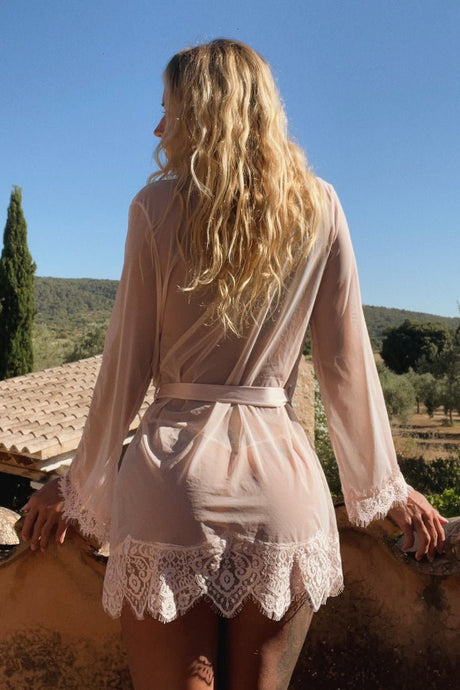
The fifth grade is embroidered or galloon lace — decorative lace borders typically combined with fabric panels rather than constructed as full-lace pieces. Galloon lace specifically refers to scalloped-edge decorative lace bands often used as trim or accent. This grade appears across mixed-material pieces where the lace provides ornamental detail (along bra cup edges, panty waistbands, chemise hems, robe trim) while fabric handles the structural construction. Quality varies; the lace itself can be any of the other four grades. Best for: shoppers wanting lace accent without committing to a full-lace piece, comfort-prioritizing wear with romantic visual touches, mixed-material aesthetics.
The Five Silhouettes
The same five grades appear across five primary silhouettes. Each silhouette has its own fit considerations and use contexts.
Lace Bras & Bralettes
The most common lace silhouette and the most outerwear-versatile. Available across all five grades — start with a stretch lace bralette in black or nude for your first lace piece. Lace bralettes work as daily-wear comfortable pieces; structured lace bras handle bust support at C cup and above; premium fine-lace bras serve as occasion-statement pieces.
Shop Lace Bras →Lace Teddies
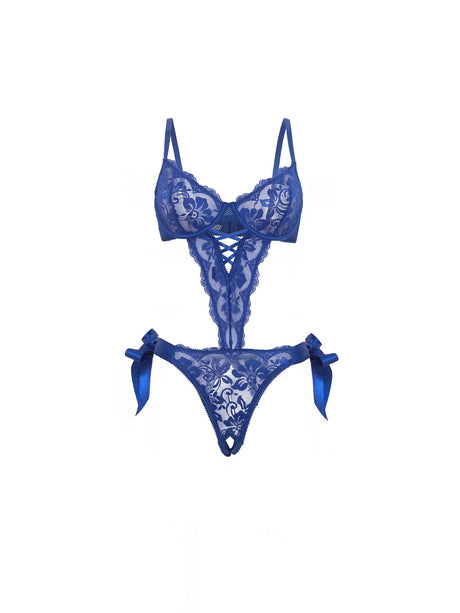
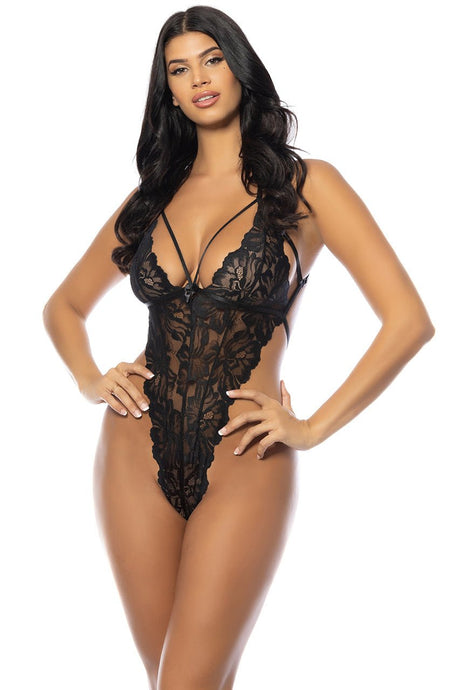
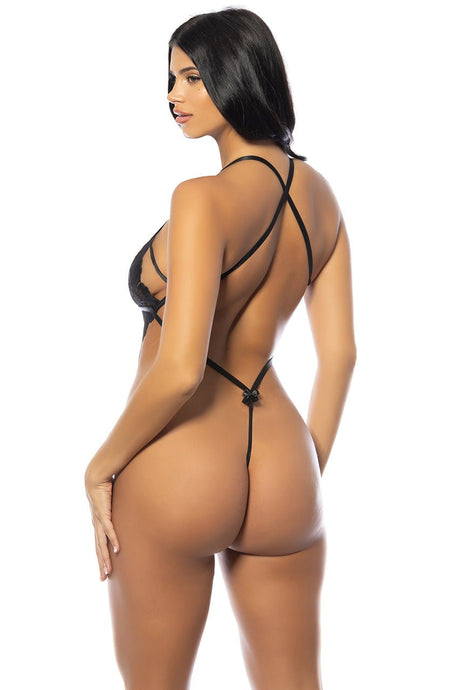
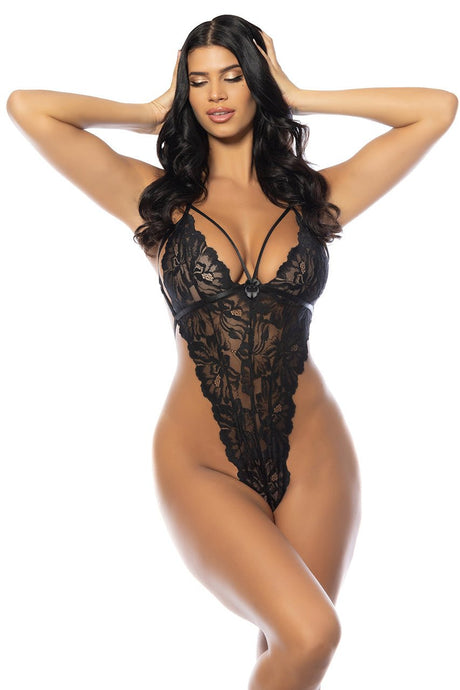
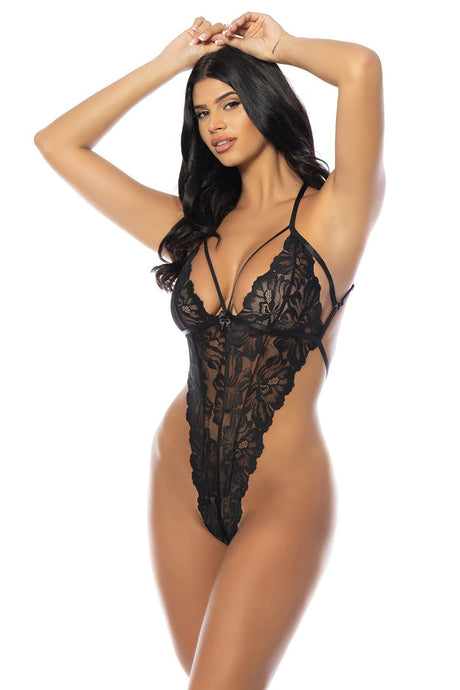
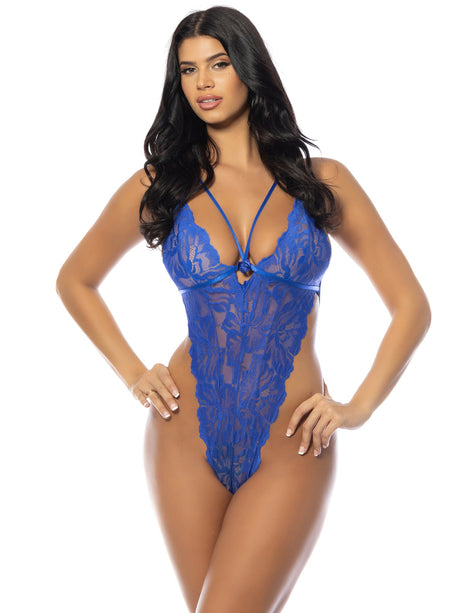
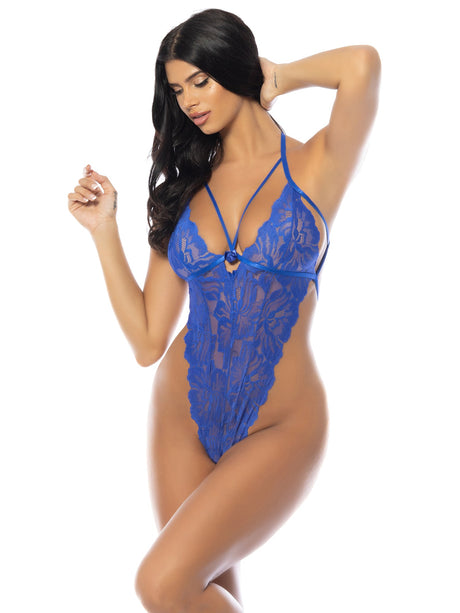
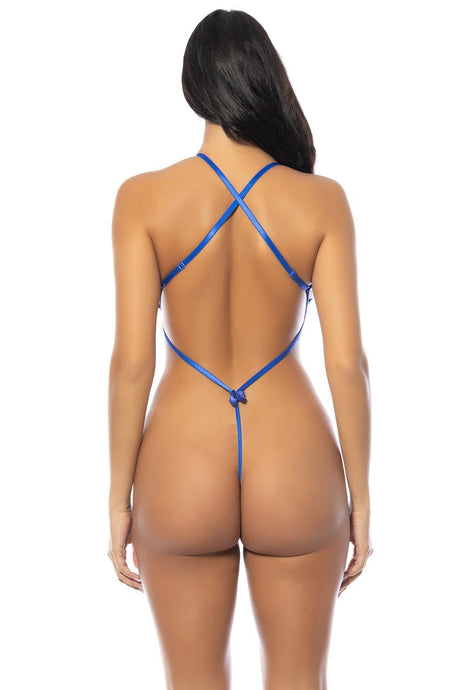
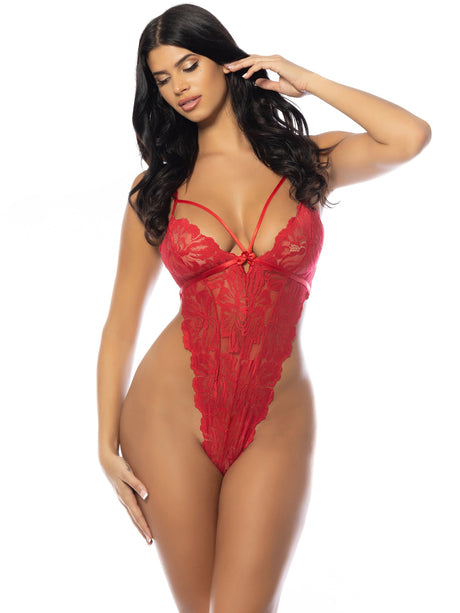
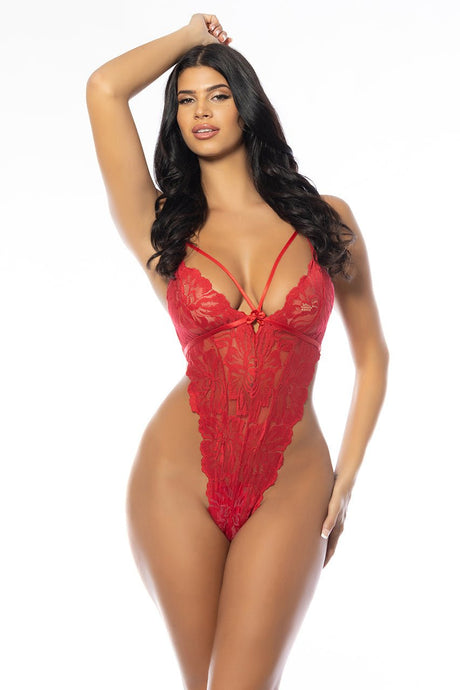
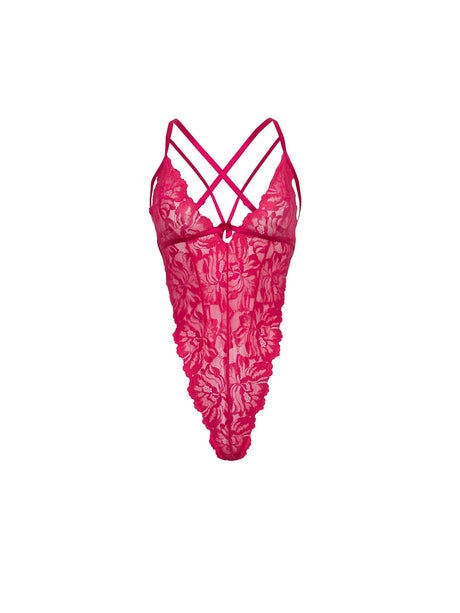
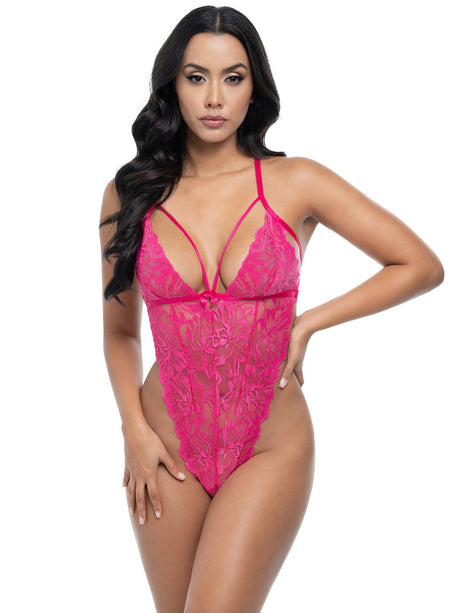
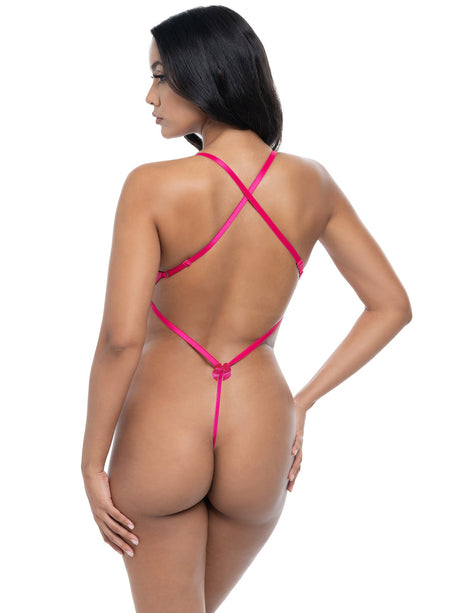
One-piece torso-to-crotch lace lingerie. The most photogenic lace silhouette — the construction creates dramatic full-body composition for boudoir and statement contexts. Lace teddies particularly benefit from premium fine-lace construction because the pattern is visible across the entire silhouette rather than just at trim points.
Shop Lace Teddies →Lace Bodysuits
Similar to teddies but with heavier construction and stronger torso sculpting. Often crosses into outerwear styling — lace bodysuits worn with high-waisted bottoms as visible top pieces are a major non-bedroom use case. Stretch lace bodysuits are the most wearable for extended sessions; fine lace bodysuits work for statement contexts.
Shop Lace Bodysuits →Lace Bra-and-Panty Sets
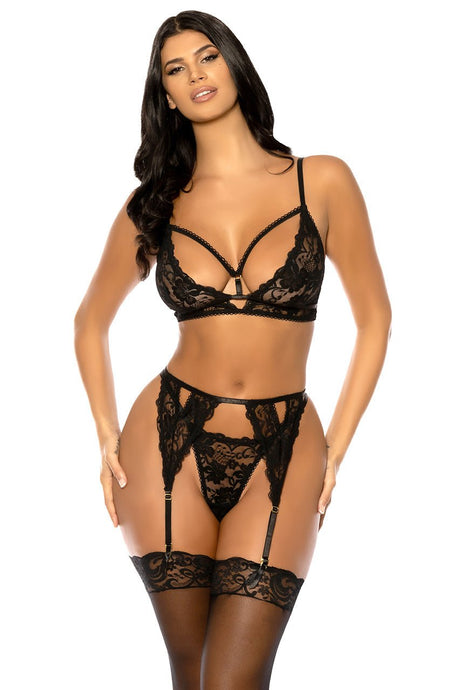
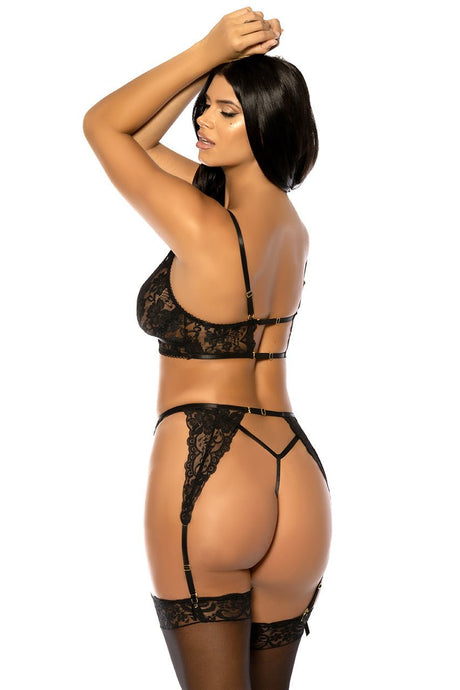
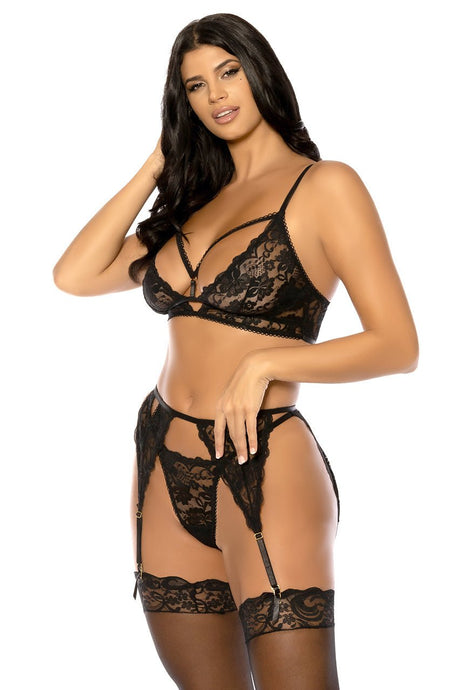
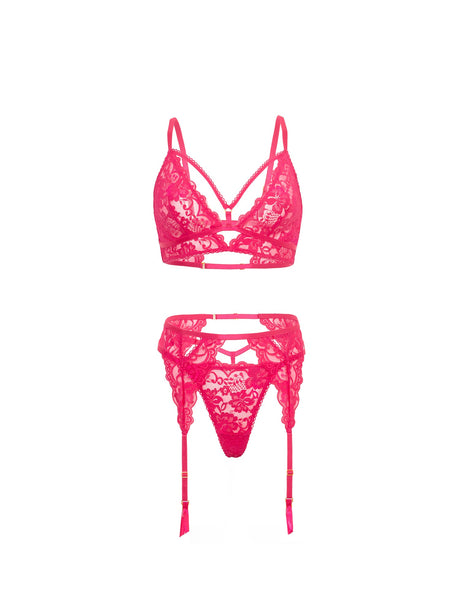
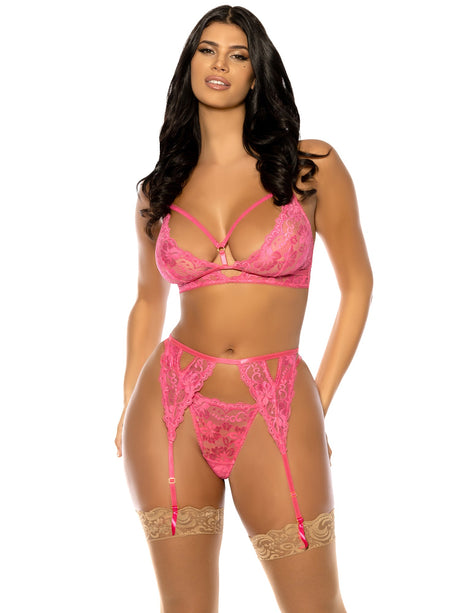
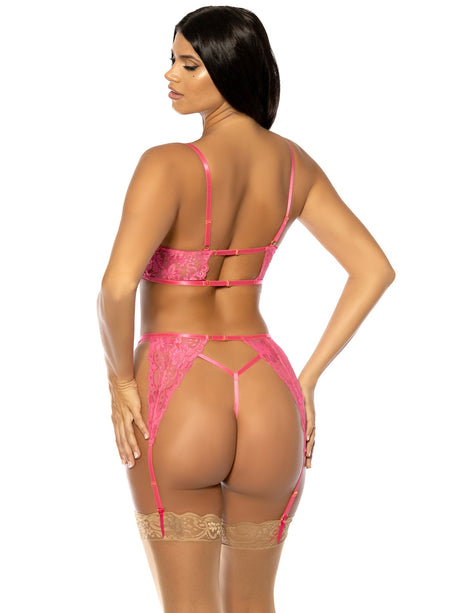
Matched two-piece sets where both pieces feature coordinated lace construction. The most modular lace silhouette — pieces work together and mix with other lingerie. Look for sets where both pieces use the same lace grade for consistent visual identity. Available across every grade from accessible stretch to premium Leavers.
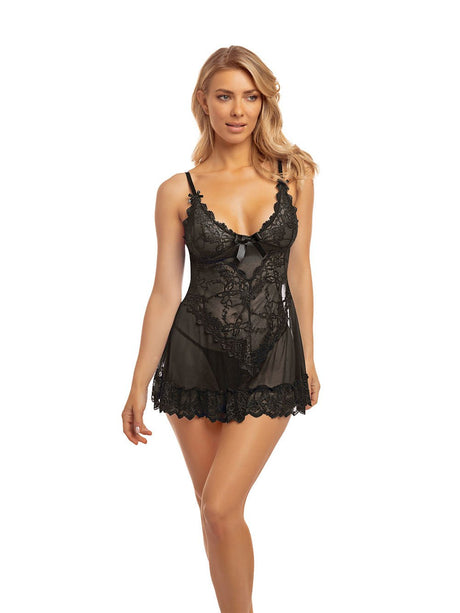
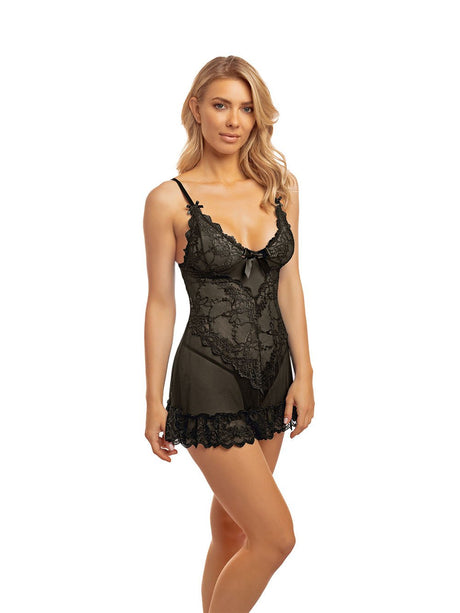
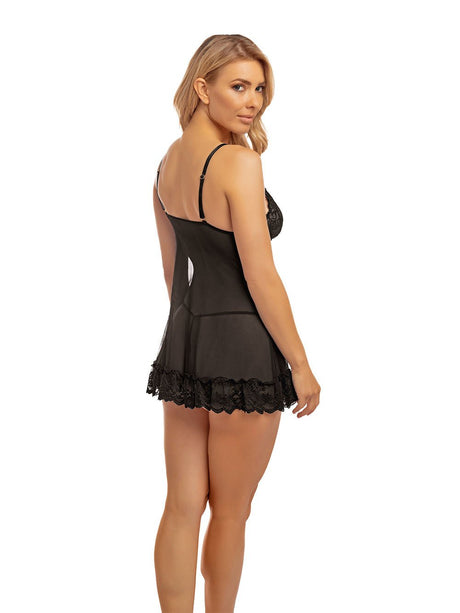
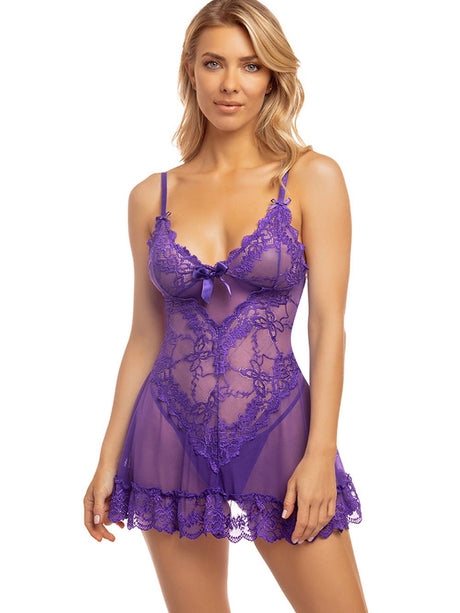
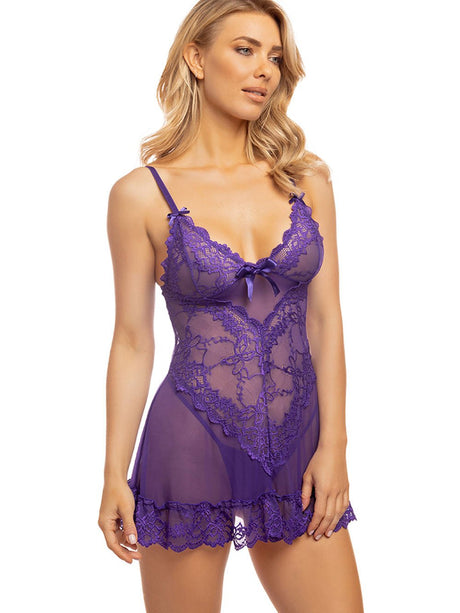
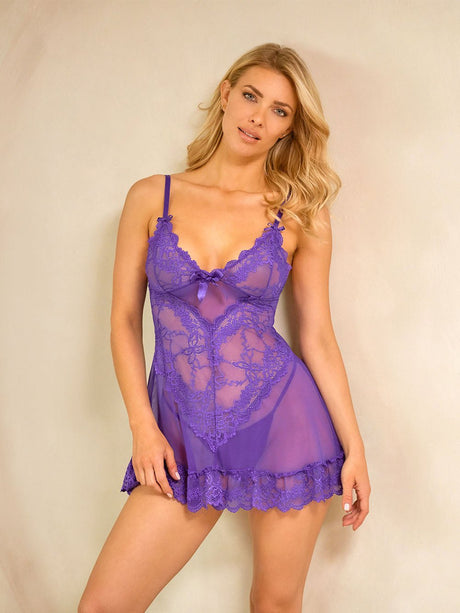
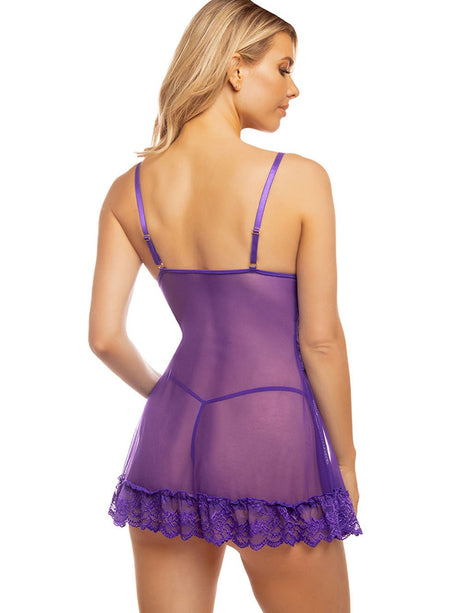
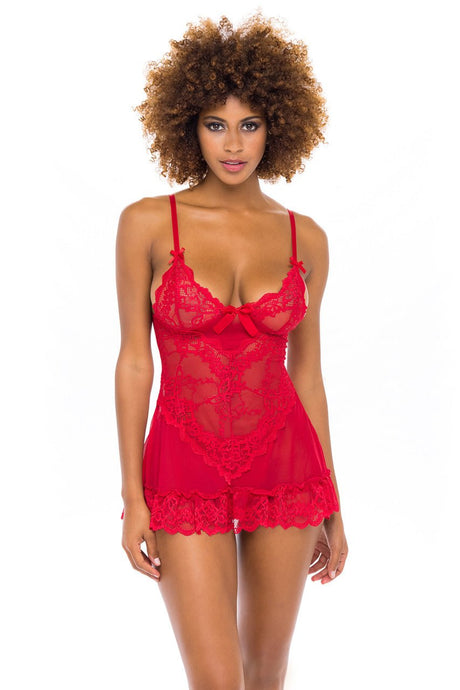
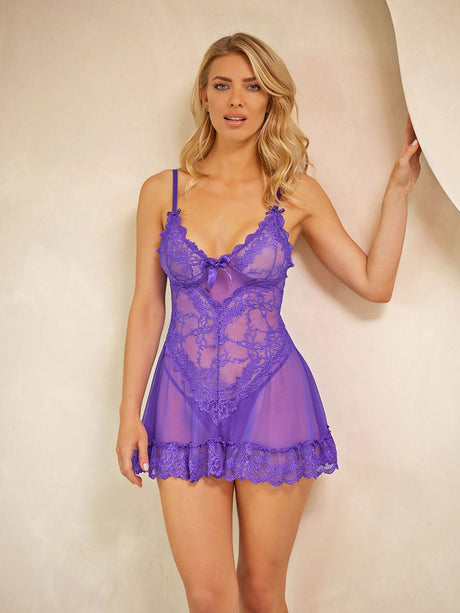
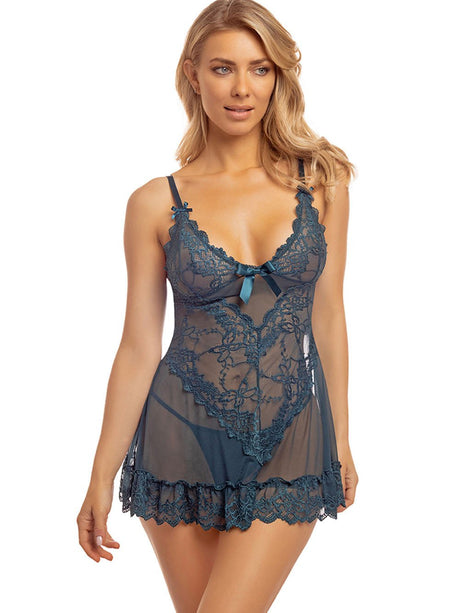
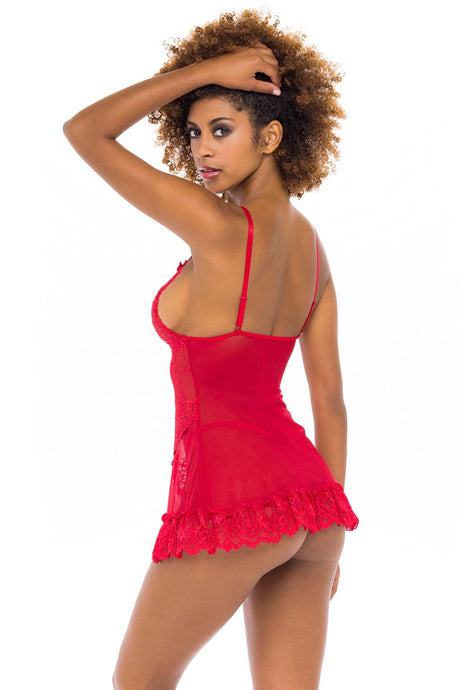
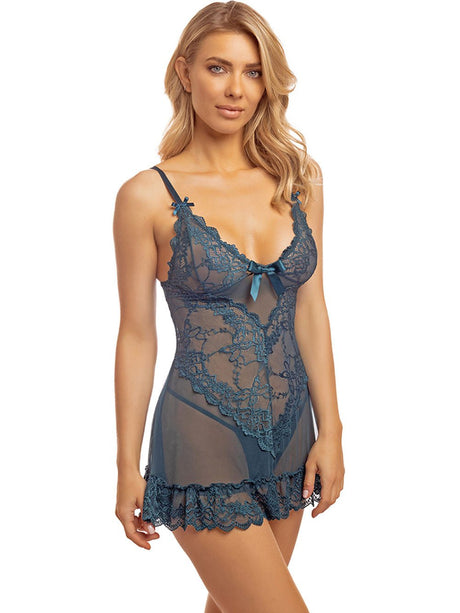
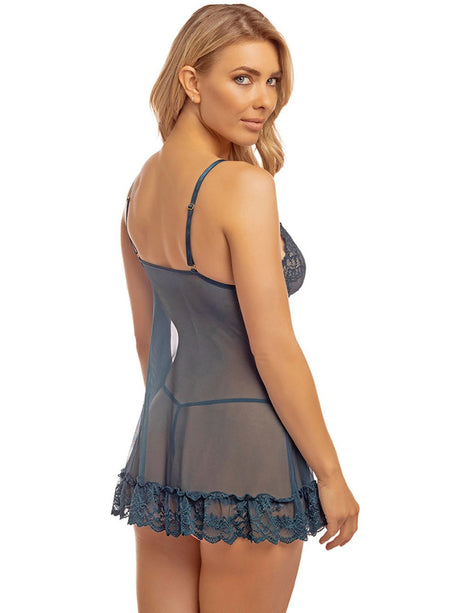
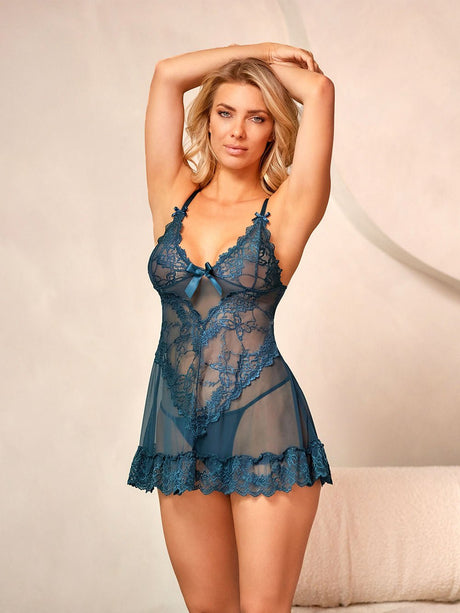
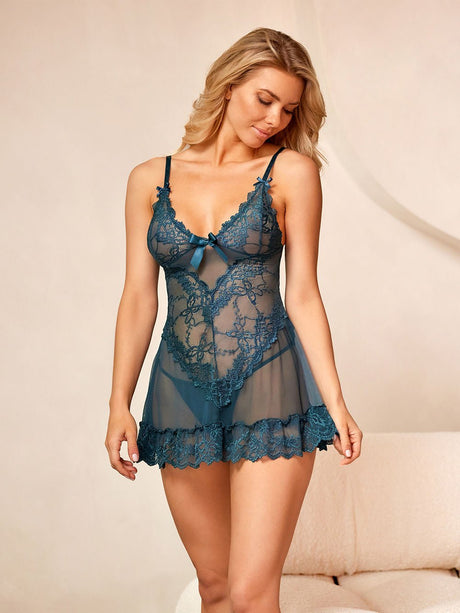
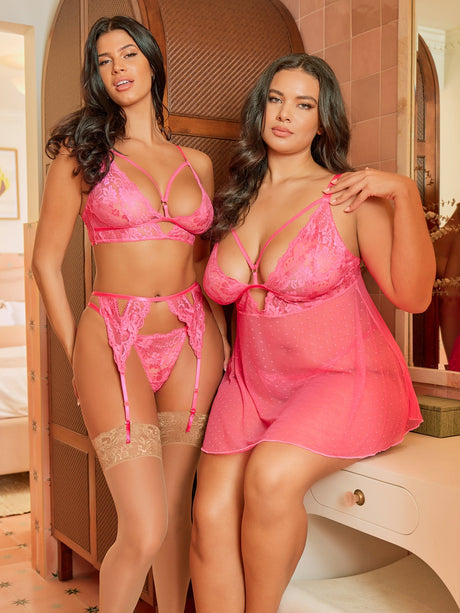
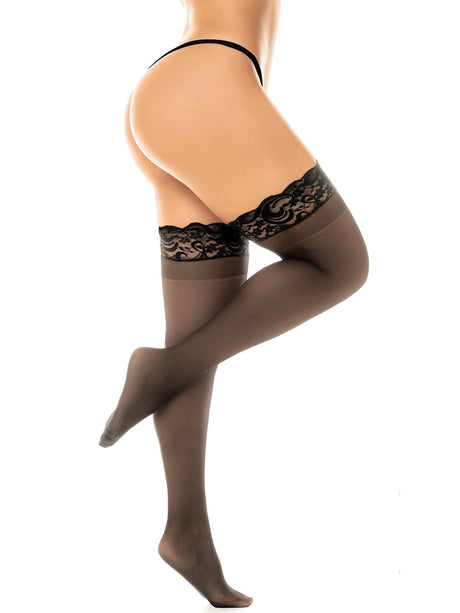
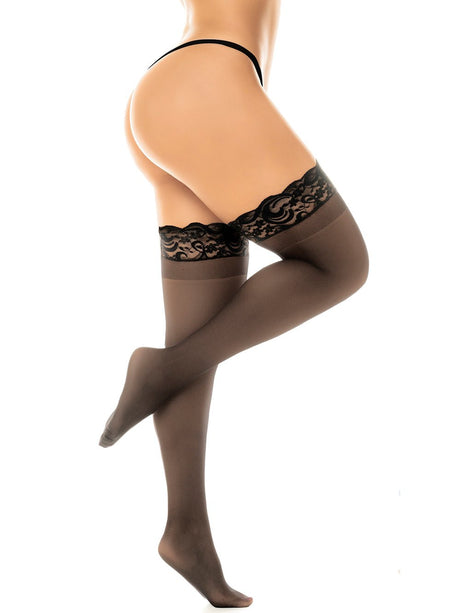
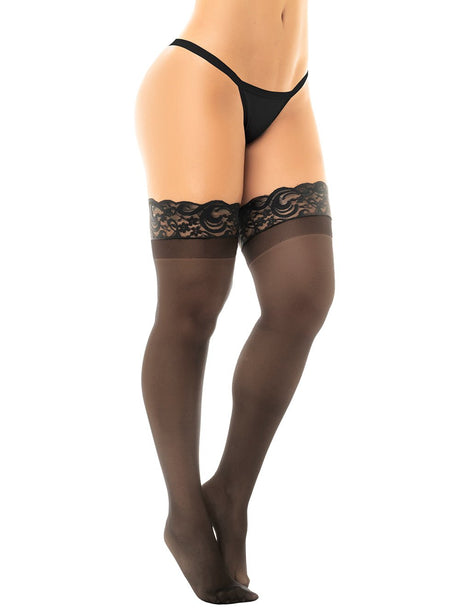
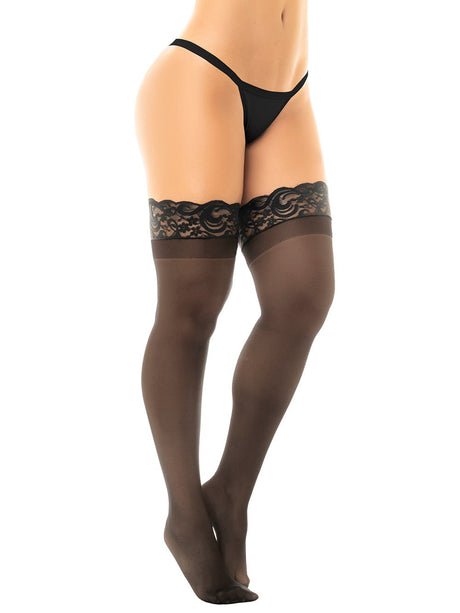
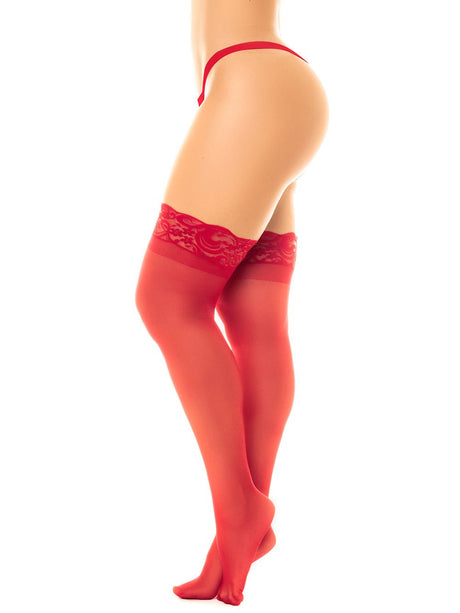
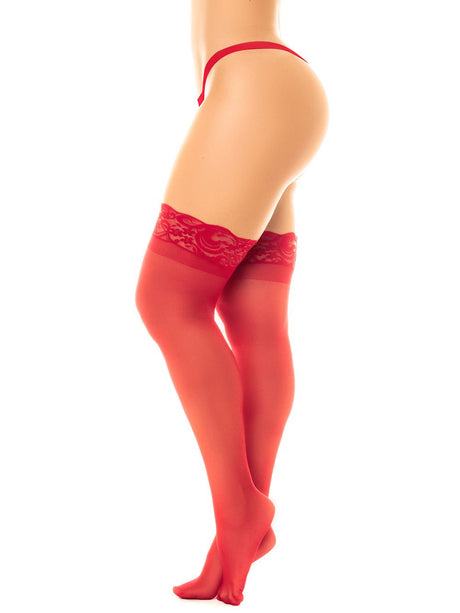
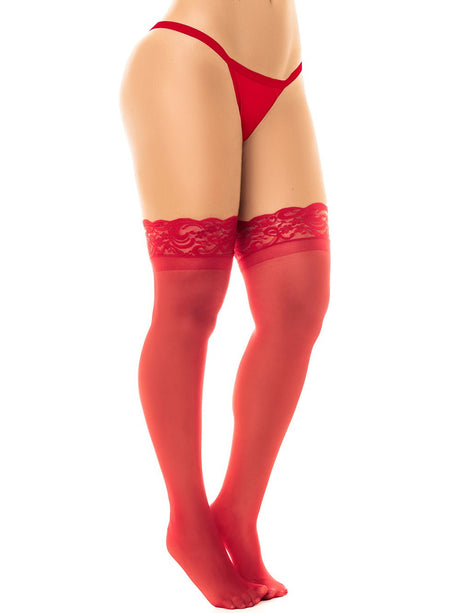
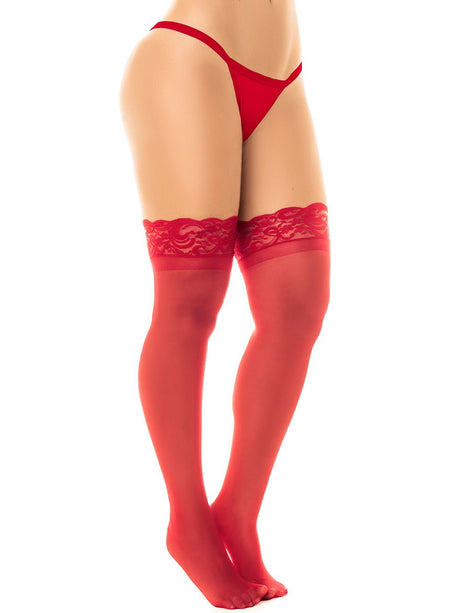
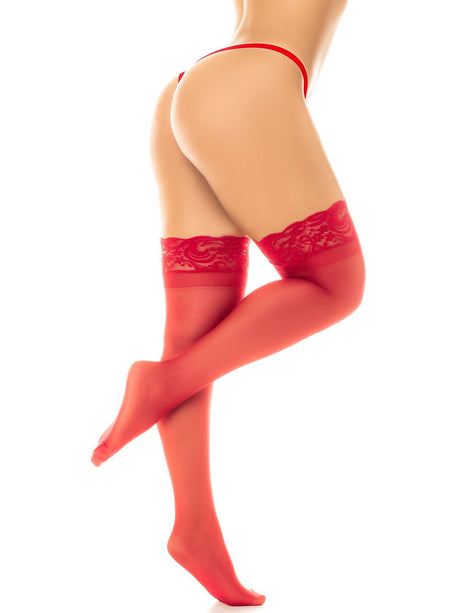
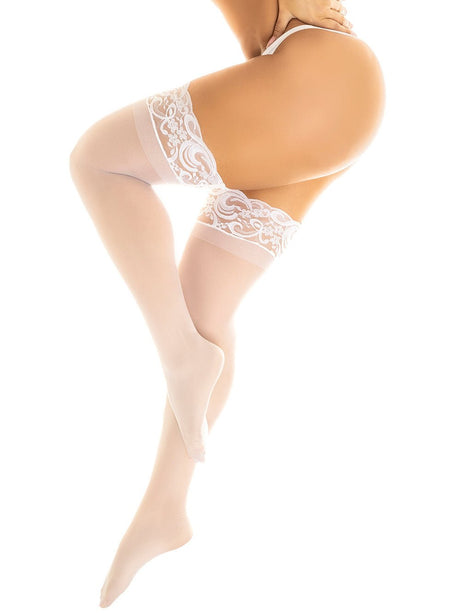
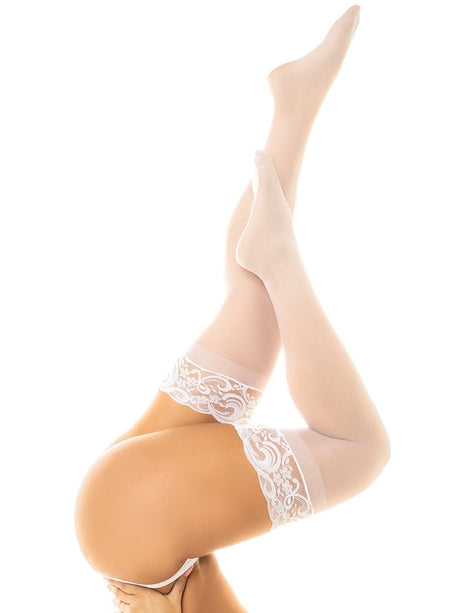
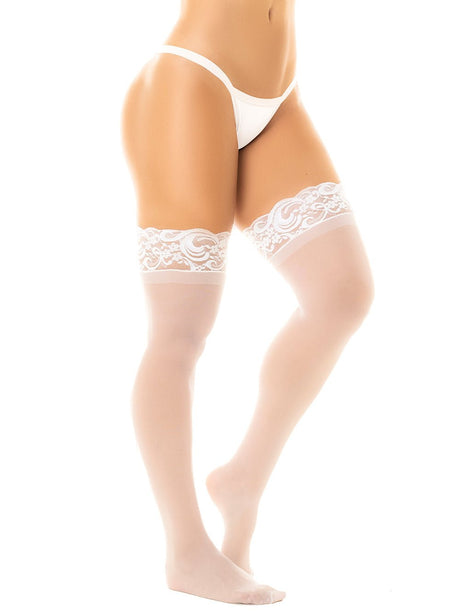
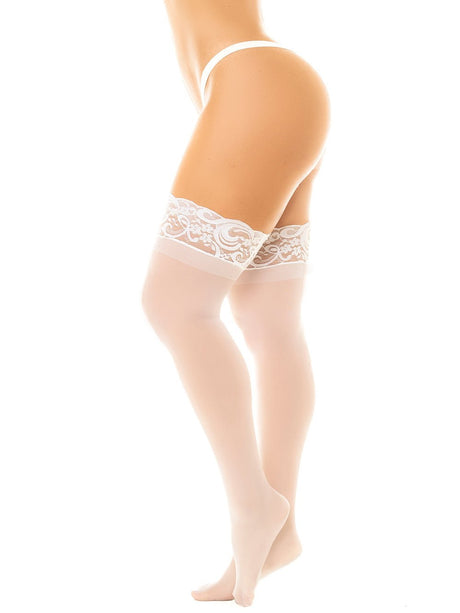
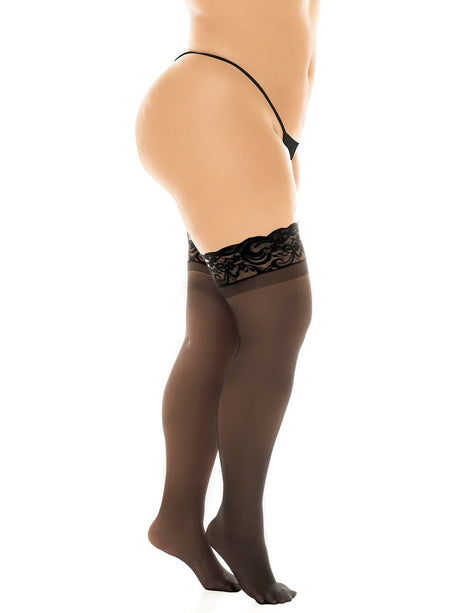
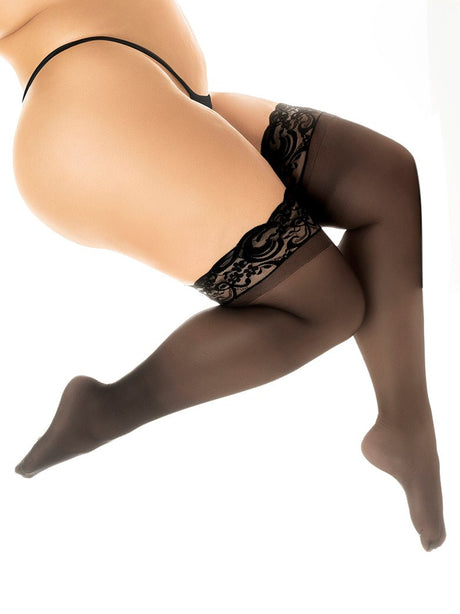
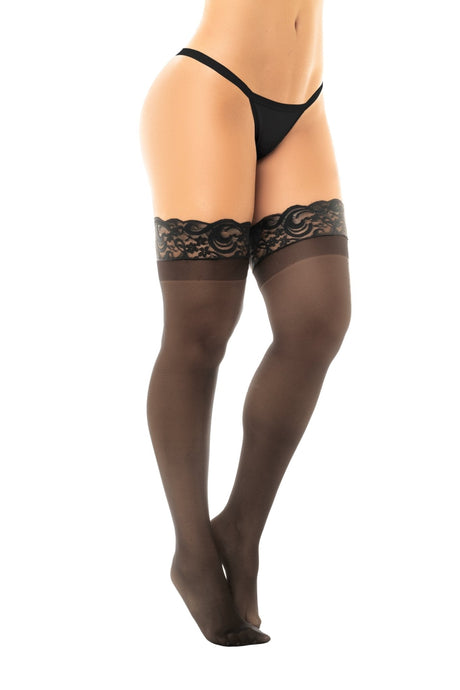
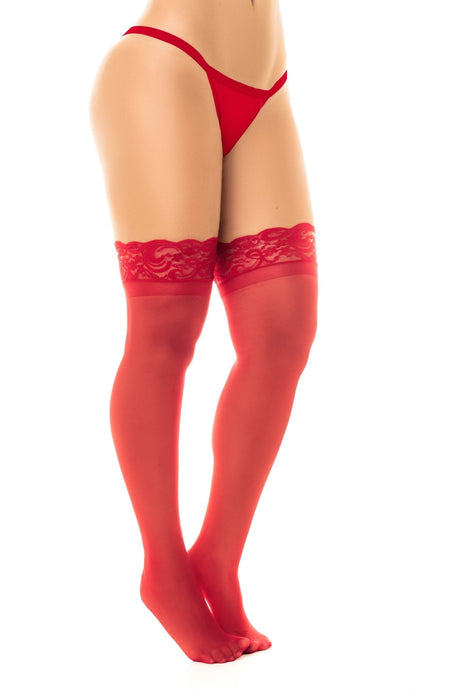
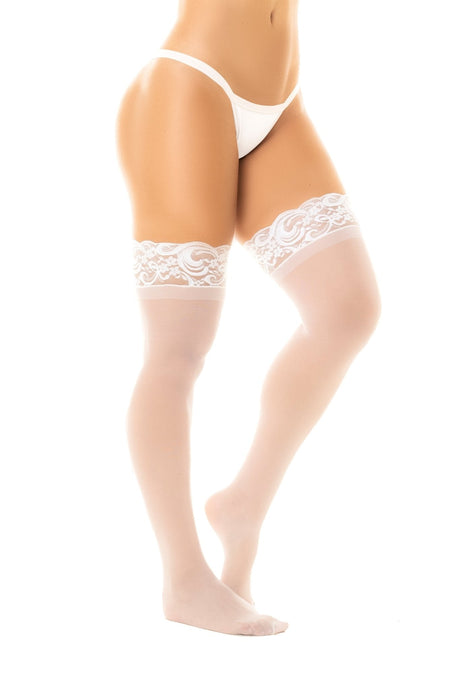
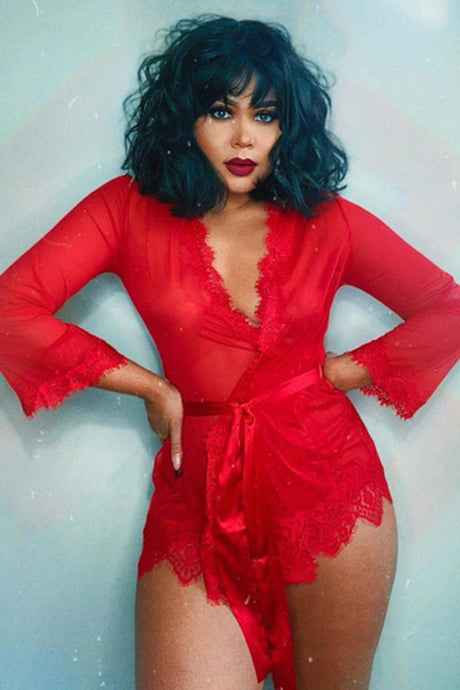
Shop Matched Lace Sets →The fifth silhouette is lace chemises, babydolls, robes, and accessories — flowing pieces with significant lace content (full-lace chemises, lace-overlay babydolls, lace-trim silk robes) and accent pieces (garter belts, stockings with lace tops). These work as standalone statements and as layered additions to other lingerie. Lace chemises and babydolls in particular are highly photogenic and fit-forgiving — strong choices for boudoir and honeymoon trousseau. Browse chemises and babydolls for flowing lace options.
Why People Choose Lace Lingerie
Lace is the most universally chosen lingerie material in the market. Four reasons explain why it stays foundational while other materials cycle through trend periods.
Lace's openwork pattern adds visual complexity to a piece without requiring elaborate construction. A plain stretch lace bralette in black has more visual interest than a plain microfiber bralette in black — the pattern handles aesthetic work that other materials would require seams, hardware, or panels to deliver. For wearers who want intentional-looking lingerie without statement-level commitment, lace delivers it through the material alone.
The openwork pattern catches light differently than solid fabrics — particularly under boudoir lighting, the pattern creates highlight and shadow play that flat materials can't replicate. Premium fine lace catches light with more depth than stretch lace because the pattern density is higher. For photography contexts, lace is one of the most flattering materials; for everyday under-clothing wear, the same property means lace can show through fabric in unexpected ways.
Lace reads romantic-coded across the broadest range of contexts of any lingerie material. White lace reads bridal; red lace reads passionate; black lace reads classic-sexy; nude lace reads soft-modern. The same material category supports completely different aesthetic positioning through color and grade choices — versatility no other material matches. This is why lace works for daily wear, dating, anniversaries, weddings, and boudoir contexts all simultaneously.
Stretch lace in particular conforms to a remarkable range of bodies — the elastane content means a single piece accommodates more size variation than rigid materials would. Premium fine lace requires more precise sizing but works at every body type when properly graded. Across the grade hierarchy, lace lingerie is the most plus-size-friendly material because specialty brands grade it well and the inherent flexibility forgives minor fit variation. Browse plus-size lingerie for graded lace options.
How to Evaluate Lace Quality
Three technical factors determine lace quality independent of brand marketing. These are evaluable from product images and customer photos before buying — they save shoppers from premium-pricing-without-premium-quality purchases.
| Factor | Premium Lace Looks Like | Cheap Lace Looks Like |
|---|---|---|
| Pattern complexity | Intricate multi-layered patterns with depth; flowers and motifs have detail variation | Simple repetitive patterns; identical motifs tiled uniformly |
| Fabric weight | Substantial hand-feel; visible density; threads hold shape | Thin, flimsy hand-feel; pattern looks spread thin; threads loose |
| Scale of motif | Refined small-to-medium scale appropriate to garment size | Oversized motifs that read as costume; or tiny stamped repeats |
| Edge finishing | Clean scalloped or fringed edges; intentional finish; no loose thread ends | Raw cut edges; visible loose threads; rolled or curling edges |
| Thread quality | Fine consistent threads; smooth pattern lines; no thread breaks visible | Thick or uneven threads; pattern lines have gaps or breaks; visible thread snags |
| Color consistency | Uniform color throughout pattern; no light/dark variation in motifs | Color variation across pattern; some motifs darker or lighter than others |
Premium lace photographs with depth — you can see pattern detail at multiple distances in product images. Cheap lace photographs flat because the pattern lacks the dimensional complexity to read at distance. If product images are heavily filtered or stylized to hide the lace pattern, that's typically a sign of lower-quality lace the brand doesn't want examined closely. Premium brands show lace pieces in clear, well-lit photography because the lace withstands scrutiny.
Lace vs Mesh — The Common Conflation
Lace and mesh are often used interchangeably in retail descriptions, but they're structurally different materials with different aesthetics, prices, and uses.
| Factor | Lace | Mesh |
|---|---|---|
| Construction | Patterned openwork with specific design motifs | Uniform woven net fabric without pattern motifs |
| Visual aesthetic | Ornamental, romantic-coded, traditional | Functional, modern-coded, athletic |
| Typical price | Higher — pattern complexity drives cost | Lower — simpler production |
| Stretch | Varies by grade; pure lace minimal, stretch lace high | Generally has good stretch; conforms to body |
| Breathability | Pattern dense = lower; open pattern = higher | Uniformly high — designed for ventilation |
| Best for | Romantic, bridal, statement, traditional aesthetics | Modern, athletic-coded, sport, contemporary aesthetics |
The two often appear together in mixed-material construction — a bra with lace cups and mesh side panels, for example. This pairing pulls the romantic visual interest of lace with the breathability and stretch of mesh; the result is more wearable than pure lace and more decorative than pure mesh. When you see a "lace and mesh" piece described, look at which material handles which body zones — typically lace at visible/aesthetic areas and mesh at support/comfort areas.
Caring for Lace Lingerie
Proper care extends lace lingerie lifespan dramatically. The care routine is more involved than fabric lingerie but significantly simpler than leather lingerie.
Hand-Wash Only, Professional Cleaning Optional
Premium fine lace requires the most careful care. Hand-wash in cool water (never hot — heat damages fine threads) with gentle detergent specifically formulated for delicates. Soak briefly, agitate gently, rinse thoroughly. Never wring or twist — press water out gently with a towel. Lay flat to dry on a clean white towel away from direct sunlight. For Leavers or Chantilly investment pieces, professional dry-cleaning by a specialist familiar with fine lace extends lifespan to decades. Storage flat in a fabric (not plastic) bag.
Hand-Wash Recommended, Machine With Mesh Bag Acceptable
Stretch lace tolerates more care variation but still benefits from hand-washing. The routine: hand-wash in cool water with gentle delicate detergent is best; for time-pressed weeks, machine washing in a mesh lingerie bag on a delicate cold cycle is acceptable. Never put stretch lace in the dryer — heat destroys the elastane content and the piece loses its stretch permanently. Lay flat or hang to dry. Quality stretch lace pieces last 3–5 years with hand-washing; the same pieces machine-washed without protection last 1–2 years.
Extra Care to Preserve the Fringe
Eyelash lace's fringed edge is the most vulnerable part of the piece — the loose threads catch easily on other items and can tear during washing. The routine: always use a mesh lingerie bag (even for hand-washing pieces submerged in water with other items); avoid washing with anything that has Velcro, hooks, or rough textures; lay flat to dry with the fringed edges carefully smoothed; never iron the fringed edge directly. With careful handling, eyelash lace lasts as long as the underlying lace grade; with rough handling, the fringe degrades much faster than the body of the piece.
Five mistakes shorten lace lingerie lifespan dramatically: (1) Machine washing without a mesh bag — lace catches on other items and tears. (2) Using regular detergent or fabric softener — degrades fine threads and elastane. (3) Putting lace in the dryer — heat destroys elastane in stretch lace and degrades pattern depth in fine lace. (4) Wringing or twisting wet lace — distorts pattern permanently. (5) Storing in plastic bags — creates condensation that yellows white and ivory lace over time. Proper care turns a $40 stretch lace bralette into a 4-year piece instead of a 14-month piece.
Find Your Lace Style
Three quick questions — we'll point you to the right silhouette, grade, and starting piece for your goals, comfort needs, and body.
Fit and Sizing for Lace
Lace fit varies more by grade than by silhouette. Six principles cover the category.
Stretch lace has significant elastane content that conforms to the body. Order your true size; the elastane handles fit accommodation within a reasonable range. Don't size up expecting better comfort — looser stretch lace doesn't smooth or support properly. Don't size down expecting better fit — over-stretched lace pattern reads thin and the elastane fails faster.
Leavers and Chantilly lace are non-stretch (or minimally stretch) and size close to actual fit measurements. Premium fine lace pieces have less fit forgiveness than stretch lace — the brand size chart matters more, and customer photos at similar body types are essential for verification. For investment pieces, consider professional fitting before purchase.
Quality lace bras integrate underwire and structural cup engineering — the lace itself doesn't provide bust support. At C cup and up, look for lace bras with proper underwire and cup architecture rather than fashion-only construction. See our bra sizing guide for fundamentals and bra sizes reference for the cup-and-band system.
Lace is one of the most plus-size-friendly lingerie materials. Stretch lace at plus sizes provides natural fit forgiveness; specialty plus-size brands grade premium fine lace explicitly for fuller bust and curvier proportions. Watch motif scale on plus-size pieces — oversized lace patterns can read as costume on fuller frames; refined small-to-medium motifs typically look more flattering. Browse plus-size bralettes and plus-size sets.
Always hand-wash lace pieces before first wear. Manufacturing residue and sizing agents can make lace feel scratchier than it actually is — washing typically softens the piece by 20–30%. If a piece still feels uncomfortable after washing, the discomfort is structural rather than residue-based and won't improve with continued wear.
Lace pattern scale photographs unreliably in stock product imagery — pieces can look more refined or more dramatic than they appear in person. Customer photos at similar body types are the best verification tool. Scroll past stock photos and read recent reviews specifically for fit-on-body and pattern-scale comments before ordering premium pieces.
How to Wear and When
Lace's universal applicability means it works across more contexts than any other lingerie material. Four primary use cases cover most lace wardrobes.
Stretch Lace as Foundational Lingerie
Stretch lace bralettes and bra-and-panty sets work as daily-wear foundation lingerie — comfortable enough for all-day wear, visually intentional enough to feel pulled-together, accessible enough to own multiple. Black and nude stretch lace are the most flexible daily-wear colors. Quality stretch lace from established brands significantly outperforms mass-market versions for comfort and lifespan.
The Romantic Statement Material
Lace is the most romantic-coded lingerie material across cultural contexts. For bedroom and partnered intimacy contexts, lace teddies, bra-and-panty sets, and chemises in red, black, white, or jewel tones all read clearly. Premium fine lace adds dimensional depth that photographs and translates to in-person impact. The choice of color shifts the emotional register — red reads passionate, white reads romantic, black reads classic-sexy.
Foundational Bridal Material
Lace is foundational to bridal lingerie — most bridal pieces include lace somewhere. White and ivory lace in Leavers or Chantilly grades works for wedding-night statement pieces; eyelash lace adds romantic-coded edge detail; stretch lace handles the practical daily pieces across the honeymoon trousseau. Browse bridal lingerie and see our bridal lingerie guide for the full bridal framework.
Where Lace Photographs Beautifully
Lace's openwork pattern catches light differently than solid materials — particularly under boudoir lighting, the pattern creates highlight and shadow play that flat materials can't replicate. Premium fine lace photographs with the most depth and dimensional detail. For boudoir sessions, two or three intentional lace pieces typically outperform a wider range of less-committed pieces. Browse luxury lingerie for premium boudoir options.
Common Problems and How to Fix Them
ITCHES
UNDER
CLOTHES
AND
RUNS
LOST
YELLOWED
Frequently Asked Questions About Lace Lingerie
What is lace lingerie?
What's the difference between Leavers and Chantilly lace?
Is stretch lace lower quality than fine lace?
What's eyelash lace?
How do you care for lace lingerie?
Is lace lingerie comfortable?
Is lace itchy?
What's the difference between lace and mesh lingerie?
Are there plus-size lace options?
Can lace lingerie be worn under clothes?
Why is some lace so expensive?
Can you machine wash lace lingerie?
What occasions is lace lingerie best for?
What's a good first lace lingerie piece for someone new?
This guide is editorial. Lace lingerie sizing, fit, material quality, and care needs vary across bodies, brands, and personal preferences — what matters most is comfort, fit, and confidence. Refer to each brand's size chart and care instructions for the best results. Last reviewed: May 14, 2026.