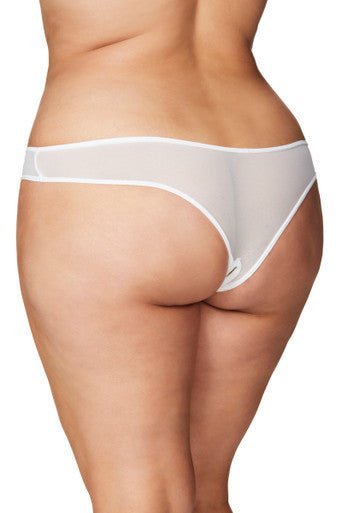
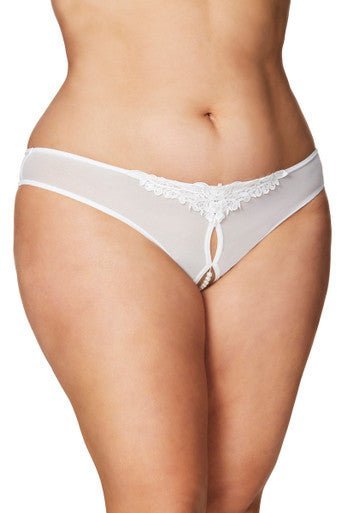
Plus Size Crotchless BDSM Lace Sheer Panty – Oh La La Cheri
$15.00Unit price /Unavailable-
Plus Size Crotchless Lace Sheer Bra
$12.50Unit price /Unavailable-
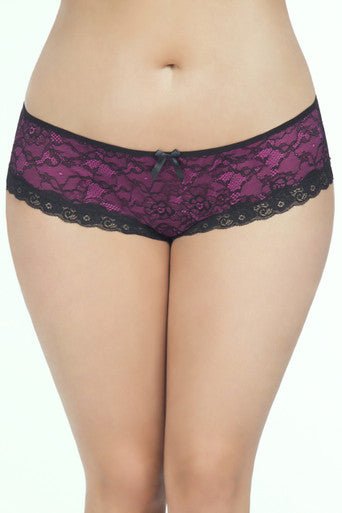
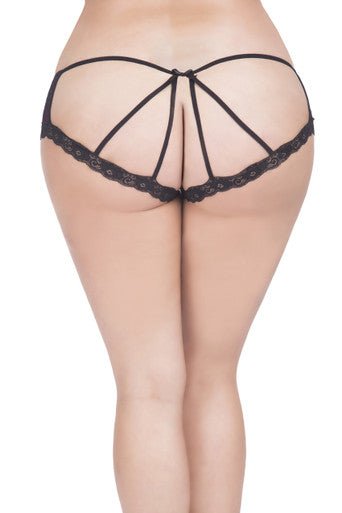
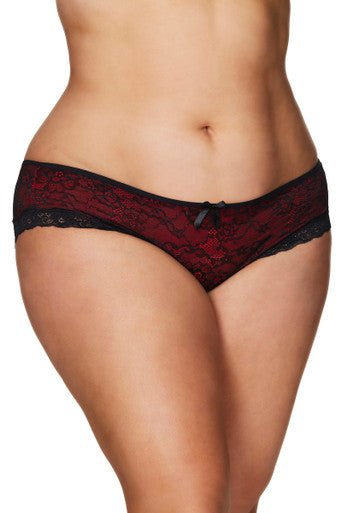
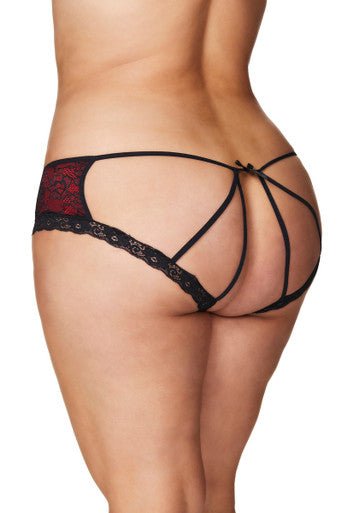
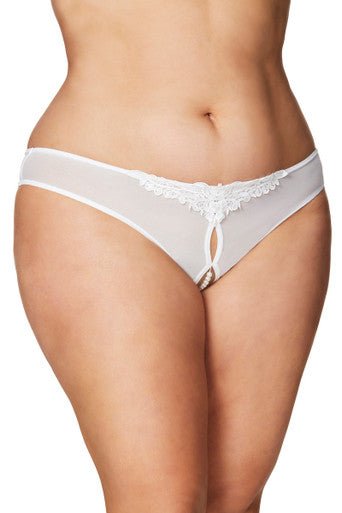
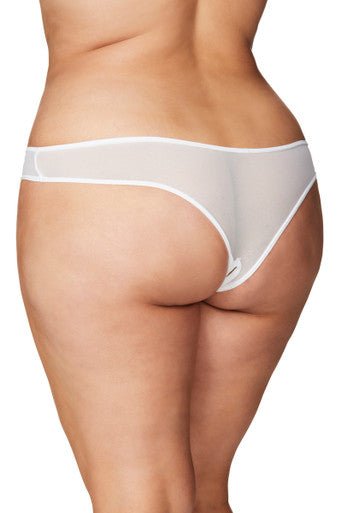
Crotchless Bikini Swimwear: Open-Cut & High-Leg Bikinis Designed to Stand Out
HauteFlair’s Crotchless Bikini Swimwear collection is curated for bold, confidence-forward swim days—defined by sleek lines, modern proportions, and statement-making cuts that push beyond the ordinary while staying wearable. You’ll find primarily two-piece bikini silhouettes, with select one-piece styles mixed in when the design language matches the edit: clean, intentional, and made to be seen.
In this swimwear context, “crotchless” refers to open-cut, high-leg, and open-crotch inspired construction that creates a daring look while still supporting movement. Think of it as a boundary-pushing bikini aesthetic—balanced by smart strap placement, secure finishes, and swim fabrics that hug the body without feeling flimsy.
Use this page like a shopping guide: start with the definition, then choose your best fit approach (coverage level, rise, strap structure), and finish with fabric + care so your suit looks polished from first wear to last-day-of-vacation photos. Most of the deep details are in the FAQ to keep your collection page clean, while still giving Google (and shoppers) the full context.
What Makes an Open-Cut Bikini Feel High-End: The HauteFlair Standard
In bold swimwear, “expensive-looking” is rarely about how tiny the suit is—it’s about how intentional the design feels on the body. A refined open-cut bikini should look clean at the edges, secure at the straps, and balanced in proportion. The goal is a confident silhouette that photographs well, moves well, and stays composed when you’re walking, swimming, lounging, or posing.
High-leg lines and open-cut details should feel sculpted—not random. The best designs frame the hips and create length without losing balance.
Bold cuts require smart tension: adjustable straps, stable side bands, and anchored seams that hold shape when wet.
Premium swimwear sits smooth. Look for neat edge binding, strong stitching, and finishes that don’t twist or ripple.
High-stretch swim fabric should recover (snap back) and stay opaque enough where it needs to—especially when wet.
HauteFlair swim philosophy: bold, but engineered—a statement silhouette that still feels intentional, secure, and elevated.
How to Choose Your Crotchless Bikini Swimwear: A Simple Shopping Method
“Crotchless bikini” can cover a range of looks—from subtly open-cut, to dramatically high-leg, to ultra-minimal coverage. The easiest way to choose the right piece is to decide (1) how bold you want the bottom to be, (2) how much support you want up top, and (3) what kind of day you’re dressing for: pool lounge, resort styling, beach swim, or photoshoot.
1) Pick your boldness level
- Subtle-open: looks daring up close but stays wearable for real movement and swim time.
- High-leg statement: creates leg-lengthening lines and a sharper, editorial silhouette.
- Ultra-minimal: prioritizes the boldest cut—best for resort styling, sunning, and standout photos.
2) Decide your support strategy
If you want structure, look for underwire-like shaping, wider bands, or more anchored strap design. If you want minimal tan lines, triangle and string silhouettes can be ideal—just prioritize adjustability so you can fine-tune tension.
3) Choose the “finish” that matches your vibe
A clean, minimal suit reads modern. Mesh, cutouts, and strap detailing read more editorial. The most elevated looks usually feature one hero detail (cut, mesh, straps, or hardware) and keep everything else clean so the design feels intentional.
Swim Fabrics & Construction: What Matters Most in Open-Cut Designs
With daring swimwear, fabric performance matters more than usual because the suit needs to hold shape on a smaller surface area. The best open-cut bikinis use swim knits with strong stretch recovery, resilient elastics, and stitching that stays smooth when wet. If a suit looks good dry but shifts when wet, it’s usually a fabric + finishing issue—not your body.
Stretch recovery (the “snap back” test)
High-stretch fabrics should return to shape quickly. Strong recovery helps prevent sagging at the bottom, strap slip, and edge rippling—especially after swimming.
Lining & opacity
Many bold suits rely on strategic lining for comfort and confidence. In open-cut looks, lining placement can also help the suit feel more stable and less “floaty” against the body.
Edge finishing
Premium swimwear edges are clean and controlled: neat binding, stable elastic, and stitching that doesn’t twist. This is a major visual tell of quality, especially in high-leg and minimal silhouettes where every seam is visible.
Quick quality cue: if edges lie smooth and stay smooth when wet, the suit will usually look more elevated in real life and in photos.
Fit & Support: How a Crotchless Bikini Should Feel on the Body
The best fit feels secure without feeling restrictive. With open-cut bottoms, “secure” mainly comes from (1) waistband tension, (2) side strap placement, and (3) how the leg opening frames the hip. The goal is a suit that stays aligned when you stand, sit, walk, and swim.
Three fit cues to prioritize
- Stable waistband: it should sit comfortably and stay in place when you move—no constant adjusting.
- Clean hip framing: high-leg lines should look intentional (not twisted) and feel balanced left-to-right.
- Adjustability: adjustable straps are the easiest way to get a custom fit—especially in minimal coverage styles.
Fit note: with high-leg and minimal bottoms, small strap adjustments make a huge difference. A half-inch change can transform the whole silhouette.
Wear, Care & Longevity: Keep Your Swimwear Looking New
Bold swimwear lasts longer when you treat it like performance fabric. Chlorine, salt, sunscreen oils, and heat can all reduce elasticity over time. A quick rinse and gentle wash routine protects stretch recovery and helps open-cut edges stay smooth and polished.
Care best practices
- Rinse after wear: especially after chlorine or saltwater to reduce fiber stress.
- Gentle wash: mild detergent helps preserve elasticity and color.
- Avoid heat: heat is the fastest way to weaken stretch and cause edge rippling.
- Dry flat: helps maintain shape—especially for minimal silhouettes.
- Rotate suits: giving fabric rest time helps recovery stay stronger longer.
Pro tip: if you wear a bold suit for tanning, rinse it before re-wearing—sunscreen residue can accelerate fabric breakdown and dull the finish.
Crotchless Bikini Swimwear FAQ (Deep, Detailed Answers)
Ten questions, deeper answers—so shoppers understand the look, the construction, the fit, and the best use-cases for open-cut swimwear. (Most of the detail on this page lives here by design.)
In swimwear, a “crotchless bikini” typically refers to a bikini bottom with an open-cut or open-crotch inspired construction, often combined with a high-leg shape and minimal, sculpting strap placement. The visual effect is bolder than a standard bikini bottom because the cut line is more daring and the design is built to feel more editorial.
A standard bikini bottom is usually designed around a closed gusset area with more conventional coverage and a simpler leg opening. In contrast, an open-cut design is about strategic negative space—it changes how the suit frames the hips and how the silhouette reads in motion. That’s why proportion matters: the best designs look intentional (clean lines, balanced angles) rather than accidental.
For shoppers, the practical difference shows up in three places: (1) boldness (the cut is more statement-forward), (2) fit dependence (small size/strap changes matter more), and (3) use-case (often favored for resort styling, tanning, poolside looks, and photos—while still wearable for swimming when the construction is secure).
The term is most commonly associated with two-piece bikinis—especially open-cut bottoms paired with coordinating tops. That said, some collections include select one-piece styles when the design language matches the same bold, open-cut aesthetic (for example: extreme high-leg lines, cutout architecture, or daring open elements that mirror the two-piece vibe).
The key is not the number of pieces—it’s the construction intent. If the suit uses cut lines that create a similar open, statement silhouette and it’s built in swim fabric for water wear, it fits the “crotchless bikini” style family.
If you see a one-piece in this collection, shop it like a “one-piece with the attitude of a bikini”: pay attention to support (especially if it’s cutout-heavy), check adjustability, and confirm the suit stays aligned when you move. One-pieces can feel more “secure” for some shoppers while still delivering the same bold look.
Most open-cut bikini styles are designed to look incredible poolside and on-camera—so they’re often chosen for resort styling, tanning, lounging, and photoshoots. However, many are still wearable for swimming when the suit has the right engineering: stable elastics, secure side straps, and fabric with strong stretch recovery.
A helpful way to think about it: the more minimal or open the bottom is, the more you should prioritize strap stability and fit precision. If the suit relies on thin ties with limited anchoring, it can shift more in waves or active movement. If it has a more structured waistband or better anchored sides, it’s usually more “swim-ready.”
If your main goal is an all-day swim suit (surf, volleyball, long swims), choose designs that look bold but have stronger construction cues: adjustable straps, reinforced seams, and a secure waistband. If your goal is statement styling and sun time, you can go more minimal—just be sure you like how it feels in motion.
Open-cut bottoms are more sensitive to sizing because there’s less fabric “buffer” to hide small fit differences. The goal is a bottom that stays aligned and feels secure—without cutting in harshly or gapping where it shouldn’t.
If you’re between sizes, use this decision rule: choose the size that gives you the cleanest, smoothest edge at the hips. A smoother edge looks more elevated and usually feels more secure over time. Too-tight edges can create distortion (twisting, rolling, digging) and can make a bold bottom feel less polished.
Also look for adjustability. If the bottom has side ties or adjustable straps, you can fine-tune tension and often wear your “true size” with more confidence. If the bottom is fixed (no adjustability), sizing precision matters more—prioritize comfort at the waist and stability at the hip.
Crotchless/open-cut swimwear overlaps most with the “minimal and high-leg” family. The closest neighbors are typically: micro bikinis (minimal surface area), extreme bikinis (editorial cuts and bold lines), and minimal-back silhouettes like thong or g-string bottoms.
Here’s the nuance: a micro bikini is defined by size; an extreme bikini is defined by cut and attitude; a thong/g-string is defined primarily by back coverage. “Crotchless/open-cut” is defined by how the bottom uses negative space and opening-inspired design at the front/leg line.
If you’re trying to choose the vibe: micro = tiny and sleek; extreme = bold lines and editorial energy; thong/g-string = minimal back; open-cut = daring construction that changes how the suit frames the body. Many styles combine two or more of these traits.
The “expensive” look is created by clean geometry and controlled finishing. Bold suits can look luxury when the cut lines are symmetrical, straps sit flat, and seams are neat and stable. They look cheaper when edges ripple, straps twist, or the fabric looks thin and shiny in a low-quality way.
Focus on four cues: (1) edge quality (smooth binding, no puckering), (2) strap placement (intentional framing rather than random stringing), (3) fabric recovery (snaps back, doesn’t sag), (4) balance (one hero detail; the rest clean).
Styling also matters: when the suit is already daring, keep accessories refined. A clean cover-up, minimal jewelry, and a cohesive color story will amplify the luxury feel far more than adding extra “busy” details.
When they fit correctly, open-cut bottoms can absolutely be comfortable—because comfort is more about tension distribution than coverage amount. A well-fitting minimal bottom feels secure at the waist/hip, lies smooth, and doesn’t require constant adjusting.
The ideal feel: secure (stays in place), smooth (no harsh digging), and aligned (doesn’t twist left/right). If you feel pinching at the hip, it’s usually too tight or the strap placement isn’t right for your body. If you feel sliding, it’s often too loose or the fabric recovery isn’t strong enough.
Comfort tip: adjustability is your friend. Side ties and adjustable straps let you customize tension so the suit can be minimal without being fussy. If you’re new to the look, start with a design that has a bit more strap structure rather than the thinnest possible ties.
The most flattering pairing strategy is balance: if the bottom is ultra-bold, choose a top that provides either structure (support and lift) or clean minimalism (to keep the look modern and intentional).
Pairing rules that work: bold bottom + structured top (gives a confident, sculpted look), bold bottom + clean triangle top (minimal, modern, tan-line friendly), editorial bottom + matching strap language (if the bottom has straps, echo that detail up top—but keep it controlled).
If your collection includes one-piece styles, treat them like a complete outfit: let the cut be the statement and keep everything else clean. For photos, symmetry matters—adjust straps so the suit looks intentional and balanced in the frame.
It can be beginner-friendly if you start with the right construction. “Beginner-friendly” doesn’t mean less sexy—it means the suit stays aligned, feels secure, and doesn’t require constant checking.
The best first choice usually has: adjustable sides or straps (so you can fine-tune fit), slightly more structure at the waistband (for stability), and a clean high-leg line rather than the most extreme open cut possible.
After that, you can go bolder in either direction: (1) more minimal surface area (micro), (2) more dramatic lines (extreme), (3) less back coverage (thong/g-string), or (4) more daring open-cut architecture. Start with secure and polished—then turn the volume up.
The biggest threats to swimwear are chlorine, salt, sunscreen oils, and heat. Over time, these can weaken elastics and reduce stretch recovery—especially in minimal/open-cut suits where tension is concentrated.
A strong routine: rinse in cool water after each wear; gently wash with mild detergent; avoid harsh chemicals; never wring aggressively; dry flat in shade; avoid hot tubs if you want maximum longevity; and don’t leave the suit rolled up wet in a bag for hours.
If you want your suit to look “new” longer, the best upgrade is simple: skip heat. Avoid dryers, avoid drying on hot surfaces, and avoid leaving the suit in direct sun for extended periods once you’re done wearing it. Heat is what accelerates loss of elasticity and causes edge rippling in performance swim knits.
Shop Crotchless Bikini Swimwear at HauteFlair
This collection is built for confident swim styling—open-cut and high-leg silhouettes that look intentional, modern, and elevated. Choose your boldness level, prioritize adjustability for a custom fit, and keep the styling clean so the cut remains the hero. Whether you’re packing for a resort escape, planning a pool day, or curating your boldest photo-ready look, these suits are designed to stand out.
HauteFlair swim standard: bold, but engineered—clean lines, secure fit, and a silhouette that stays composed in motion.
As seen in...