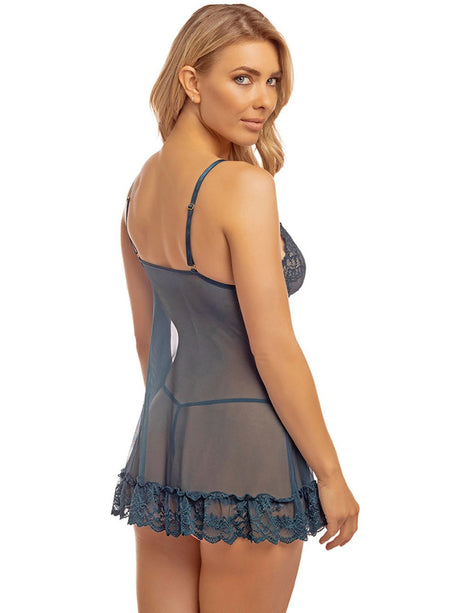
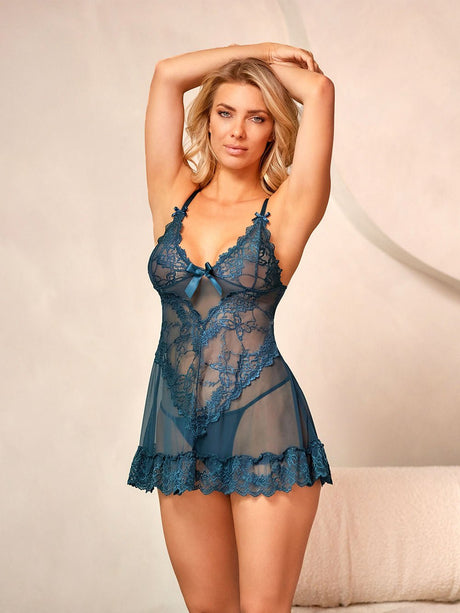
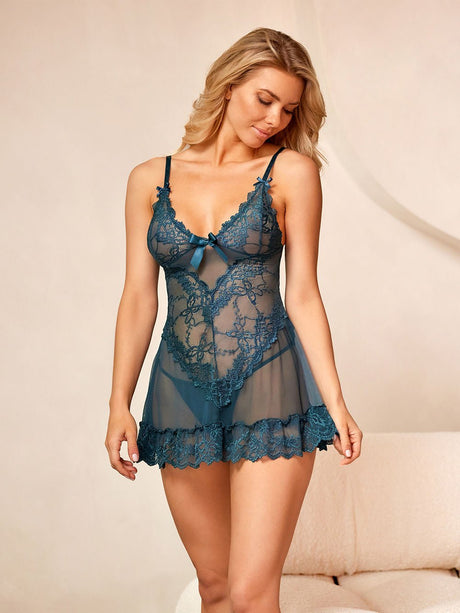
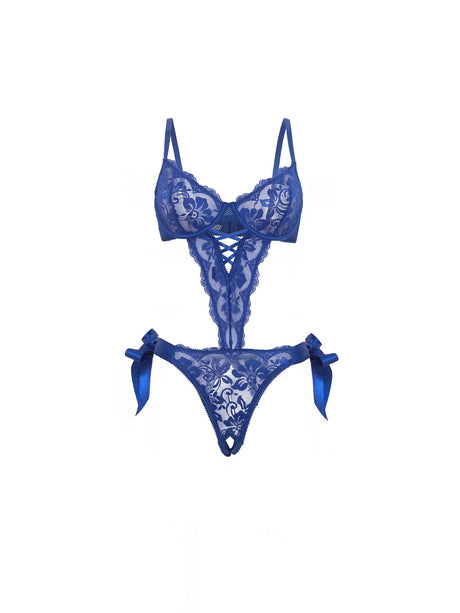
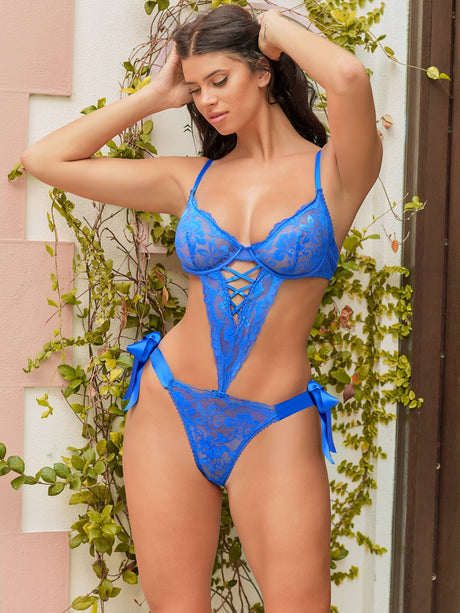
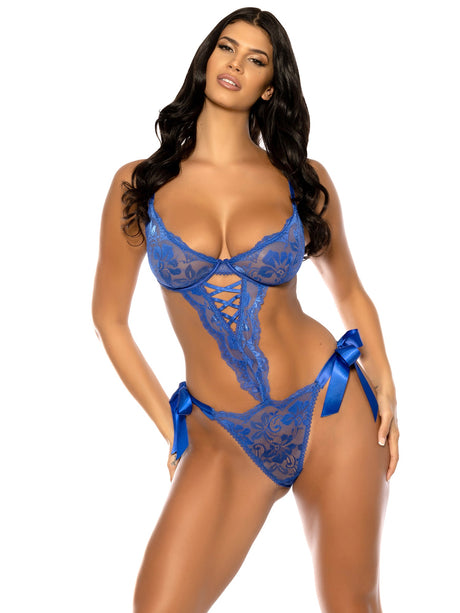
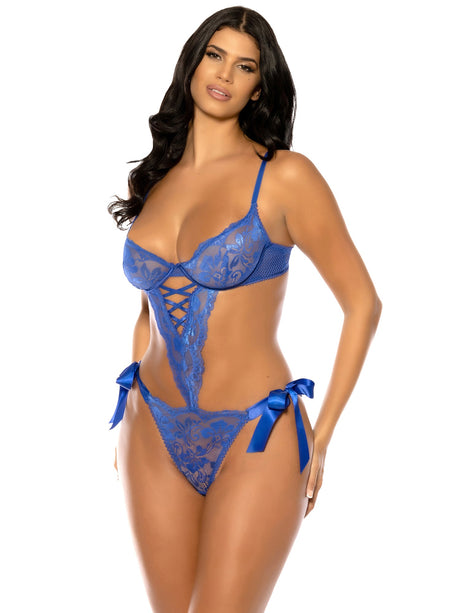
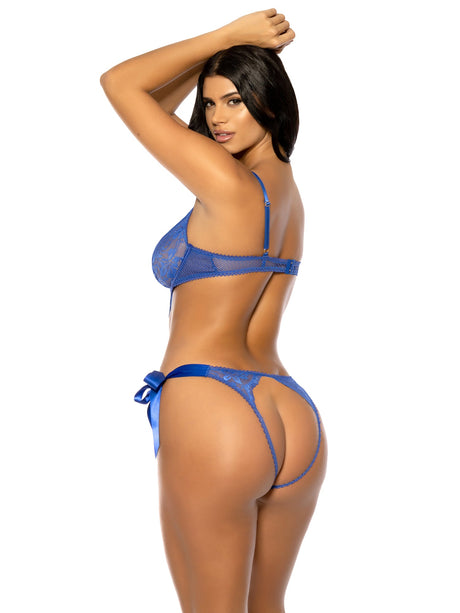
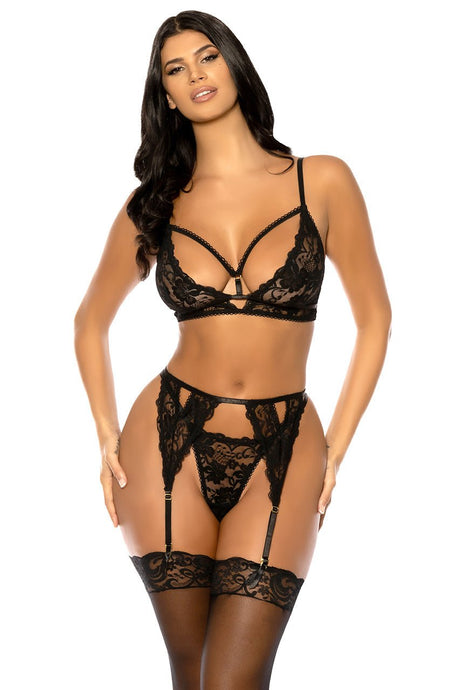
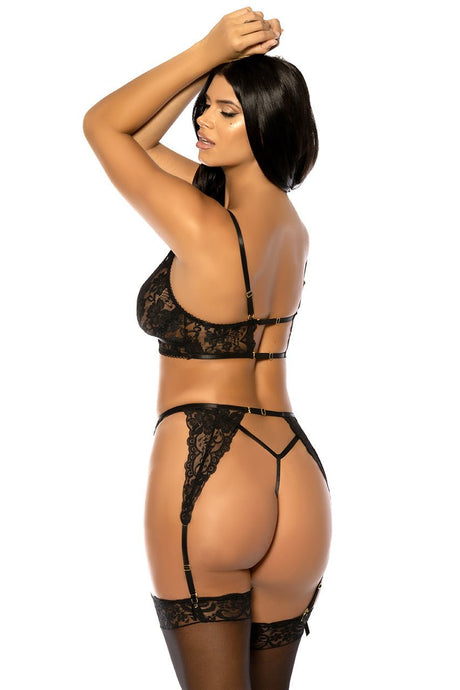
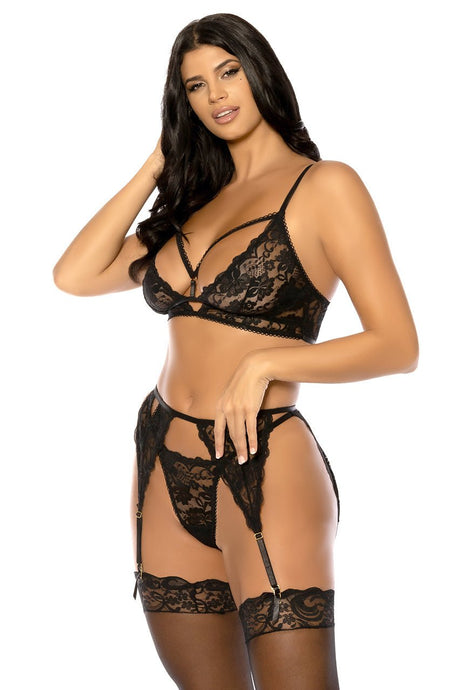
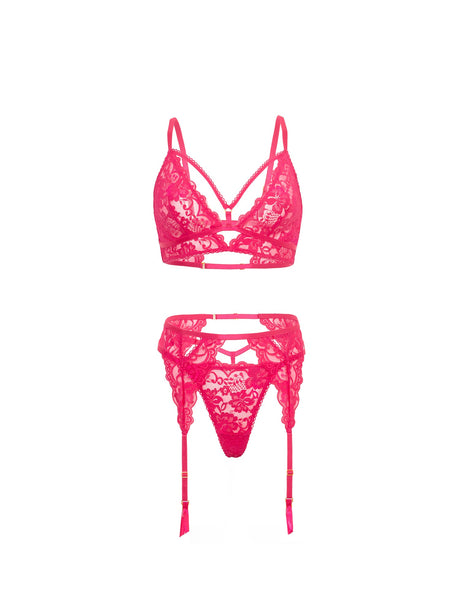
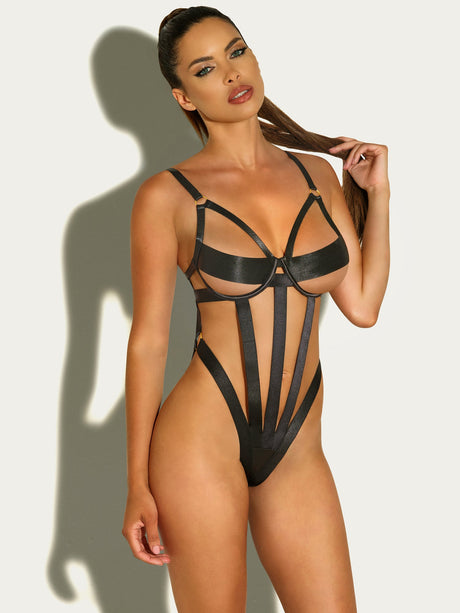
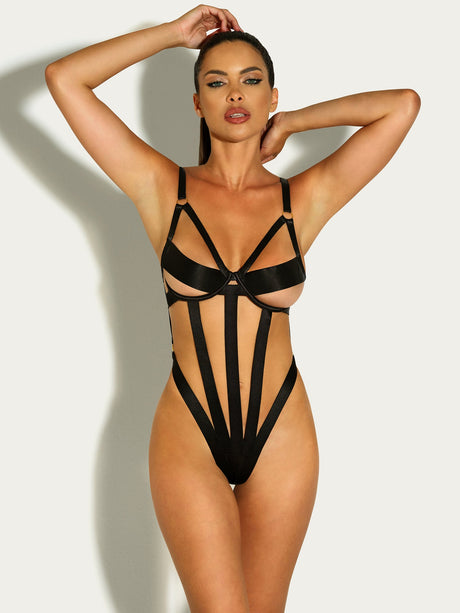
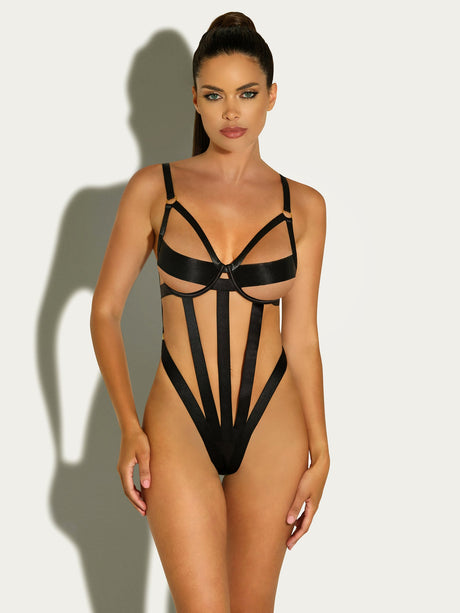
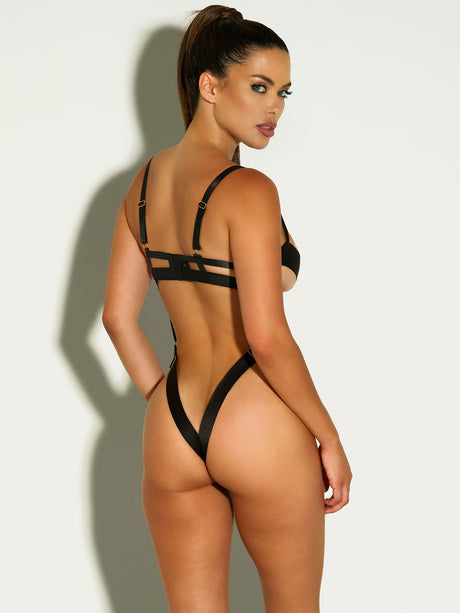
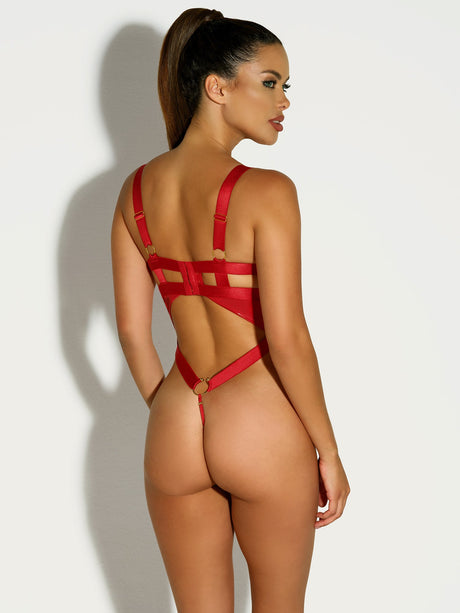
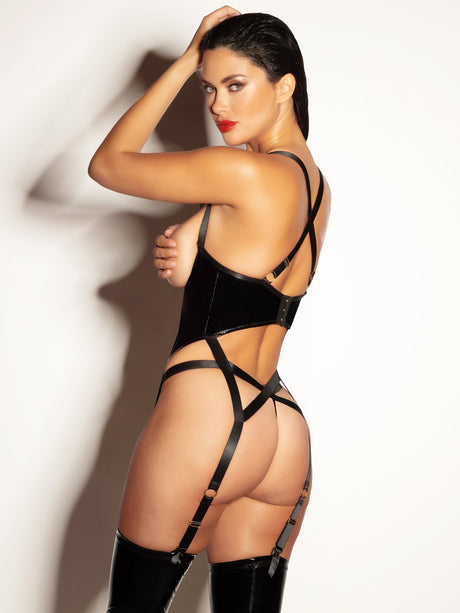
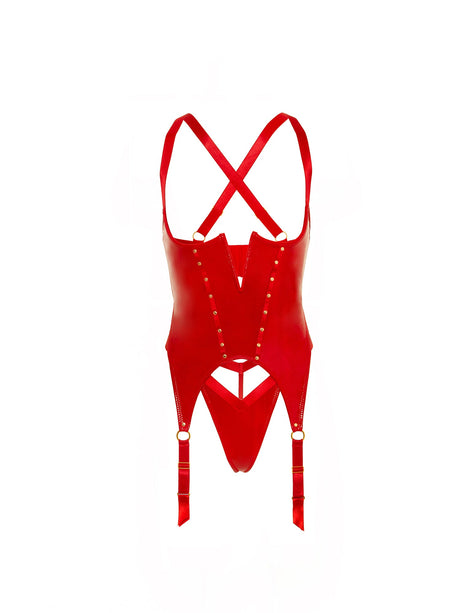
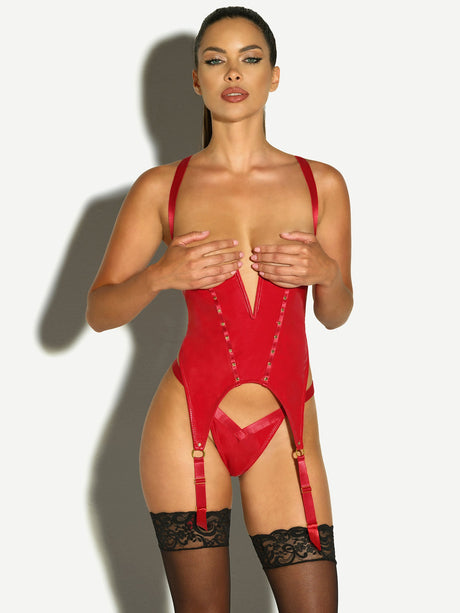
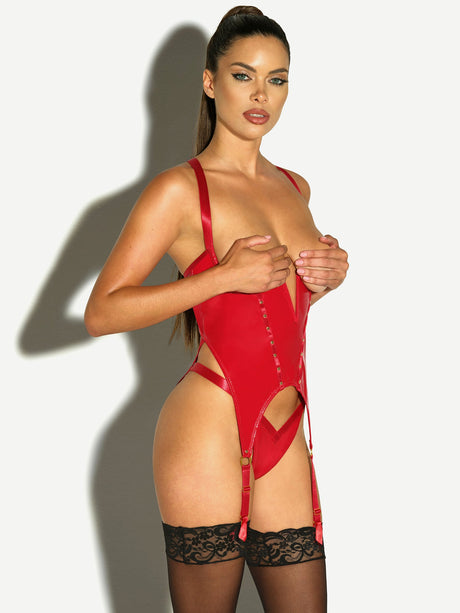
What should I wear under my wedding dress?
What you wear under your wedding dress is determined by three decisions made together: matching lingerie to your dress structure, choosing the right foundational pieces, and planning for the full wedding day. Decision 1 — Match your dress structure: strapless, backless, plunging, lace, fitted, and ball gown dresses each have different lingerie requirements. Decision 2 — Choose foundational pieces: the wedding day bra (or corset alternative), shapewear, panties, and optional traditional pieces (garter, stockings). Decision 3 — Plan for the day: getting ready, ceremony & reception, wedding night, and honeymoon each have their own lingerie needs. This guide is the foundation for the entire bridal lingerie shopping decision.
This guide is the framework. We'll map all three decisions together — the comprehensive dress-structure table that tells you what works under your specific dress shape, the foundational pieces (essential and traditional) every bride considers, the four wedding day stages and what each demands, sizing and timing logistics that affect dress alterations, and a 36-outcome interactive finder. Each of these decisions has dedicated deeper-dive guides; this one connects them.
Shop Bridal Lingerie at HauteFlair
Bridal bras, shapewear, corsets, panties, robes, and complete bridal lingerie sets — across every dress structure and every wedding day stage.
Shop Bridal Lingerie → Bridal Bras →- Three decisions structure all bridal lingerie shopping: dress structure match, foundational pieces, and wedding day stage planning. Make them together, not separately.
- Match dress structure first: strapless needs strapless or convertible bras; backless needs adhesive cups or low-back specialty; plunging needs plunge bras; fitted needs seamless shapewear; ball gowns are most forgiving.
- Three essential foundation pieces: wedding day bra (or corset), shapewear (for fitted dresses), and panties (seamless, comfortable). Plus three optional traditional pieces: garter, stockings, bridal sash.
- Four wedding day stages, four sets of needs: getting ready (bridal robe), ceremony & reception (matched foundation), wedding night (intimate styling), honeymoon (multi-day travel).
- Order lingerie BEFORE final dress fitting — your dress is altered to fit over your specific undergarments. Lingerie change after final fitting means re-altering the dress.
- Timeline: start shopping 6–8 months out, finalize under-dress pieces 8–12 weeks before, complete all bridal lingerie 2–4 weeks before. Add 2–3 weeks for plus-size sizing exchanges.
- The "something blue" tradition is most often incorporated through lingerie — blue bridal panties or a blue garter are the discreet, personal ways to honor the tradition.
- Budget across all four stages: $150–$500 for under-dress essentials, $100–$400 for wedding night/honeymoon, $50–$150 for traditional pieces. Match spend to wearing context.
The Three Decisions Bridal Lingerie Framework
Every bride's lingerie shopping reduces to the same three decisions made together. The reason brides find bridal lingerie shopping unexpectedly complicated is that they typically tackle these decisions in isolation — buy a bra, then realize the back of the dress shows it; buy shapewear, then realize the bra band conflicts with it; plan a wedding night set, then realize they didn't budget for under-dress essentials. The framework prevents this by establishing all three decisions as one connected problem.
Decision 1 is structural and non-negotiable — your dress dictates what's physically possible underneath. Decision 2 is functional and personal — which pieces solve your specific support, smoothing, and comfort needs. Decision 3 is logistical and temporal — what each stage of the wedding day requires. Together they form the complete bridal lingerie purchase plan.
Decision 1 — Match Your Dress Structure
Your wedding dress shape is the first and strongest constraint on what works underneath. Nine common dress structures have distinct lingerie requirements. The table below maps each to its recommended foundation pieces, what to avoid, and the deeper guide for that dress type.
| Dress Structure | Best Bra Type | Shapewear & Other | What to Avoid |
|---|---|---|---|
| Strapless | Strapless bra or bustier | Optional smoothing under fitted styles | Any strapped bra |
| Backless (full) | Adhesive/sticky cups | Seamless thong only | Any back-banded bra |
| Low-back | Specialty low-back bra | Match underwear color to dress | Standard back-band bras |
| Plunging / Deep V | Plunge bra or sticky cups | Optional smoothing | Standard center-gore bras |
| Mermaid / Fitted | Seamless or bridal corset | Full shapewear essential | Visible-line undergarments |
| Sheath / Column | Seamless or bridal corset | Smoothing strongly recommended | Visible-line undergarments |
| Ball Gown | Most bra types work | Optional — skirt provides natural smoothing | Most options open |
| Lace (sheer panels) | Seamless skin-tone | Skin-tone undergarments throughout | White or contrast colors |
| Off-Shoulder | Strapless or convertible | Optional smoothing | Standard shoulder-strap bras |
Each of these nine dress structures has substantial nuance that this table can't fully capture — which strapless bras work best for which strapless dress sub-types, whether your low-back dress actually qualifies as backless or "low-back-but-not-fully-backless," when to choose adhesive cups vs specialty bras for backless construction. Dedicated guides for each dress type are being published as part of this bridal cluster — see the related guides at the end for the current set, with more arriving as the cluster expands.
Decision 2 — Choose Your Foundational Pieces
Three essential pieces and three traditional pieces form the bridal lingerie foundation. Essential pieces solve the structural problems of wedding day wear; traditional pieces honor wedding customs and personal preferences. You'll definitely need the essentials; the traditional pieces are personal choices.
Essential Pieces
The Single Most Important Bridal Lingerie Decision
Your wedding day bra (or corset alternative) is the most consequential bridal lingerie decision because it must match your dress structure, support you across 8–14 hours of wear, and remain comfortable through ceremony sitting, reception standing, and reception dancing. Bra type depends entirely on dress structure (see Decision 1 table). Some brides choose a bridal corset instead — providing combined bust support and waist shaping in one piece, particularly strong under fitted, mermaid, or structured ball gown dresses, or when you want integrated bust-and-waist shaping. The choice between bra and corset is personal but the decision must be made first because every other foundation piece works around it. Browse bridal bras and bridal corsets.
Smoothing for Fitted and Column Dresses
Shapewear smooths body contours under fitted, mermaid, sheath, and column dresses where the dress reveals every undergarment line and body texture. Less critical under ball gowns, A-line dresses, and full-skirted styles where the skirt naturally provides smoothing. Bridal shapewear types: bodysuit-style shapewear (full-torso smoothing, often combines with bra support), high-waist briefs (smooths from waist down), thigh-shaping shorts (smooths under fitted dress skirts), and full-coverage shapewear that combines all three. Match shapewear to dress fit and personal smoothing preference. Test your shapewear under your dress at the final fitting to confirm the silhouette matches expectations. Browse bridal shapewear.
Seamless, Comfortable, Invisible Under the Dress
Wedding day panties prioritize invisibility under the dress and comfort across many hours. Seamless construction in skin-tone or white palette is the most reliable choice — no visible panty lines, no contrasting color showing through fitted dresses. Style options: seamless thongs (no visible lines, can shift during dancing), seamless full-coverage briefs (most comfortable, slight risk of waistband line under fitted dresses), seamless boyshorts (compromise between coverage and invisibility), or shapewear-integrated panty pieces (combines smoothing with coverage). Many brides wear different panties across the day — comfortable seamless basics for ceremony and reception, then potentially something more romantic-coded for the wedding night. Browse bridal panties.
Traditional Pieces (Optional)
For Tradition and the "Something Blue"
The bridal garter is traditionally associated with the garter toss reception tradition but serves several modern functions. Toss garter: worn for the toss tradition specifically, often more decorative than practical. Keepsake garter: worn alongside or instead of the toss garter, more personally meaningful, kept after the wedding. "Something blue" garter: features blue elements as the traditional "something blue" incorporation. Many modern brides skip the toss tradition entirely while still wearing a keepsake garter for photography and tradition; some skip garters entirely; some wear two. Pricing $20–$100 for quality construction. Whether to include a garter is personal preference — neither essential nor critical, but a meaningful tradition for many brides.
For Photography, Tradition, and Cool-Weather Weddings
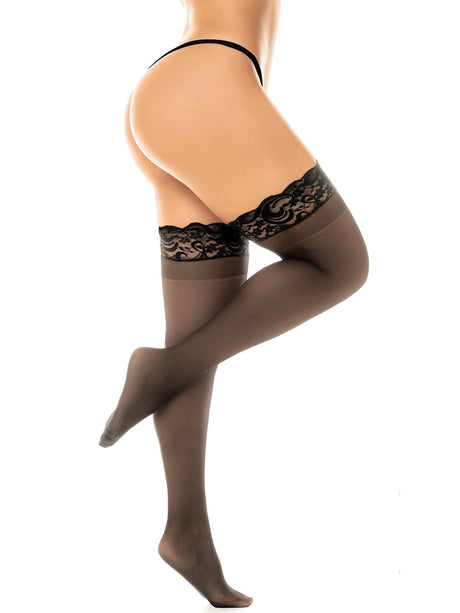
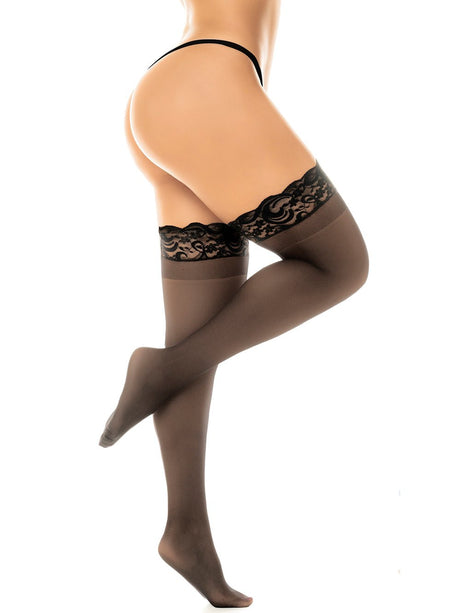
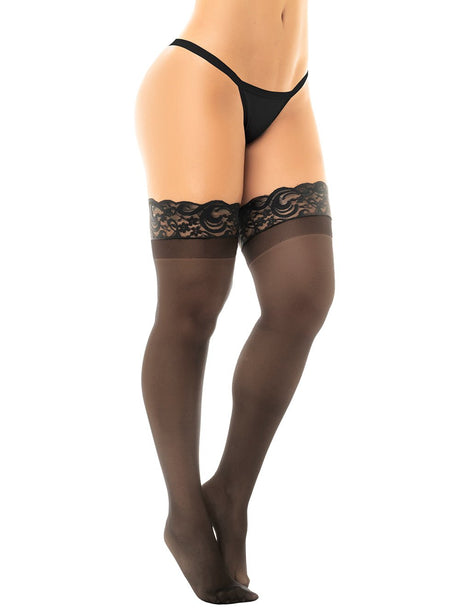
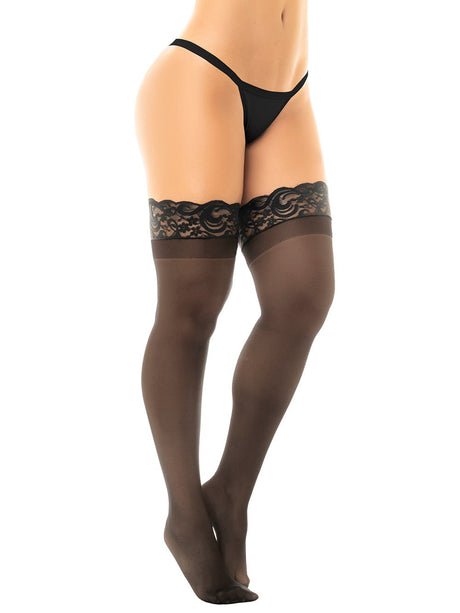
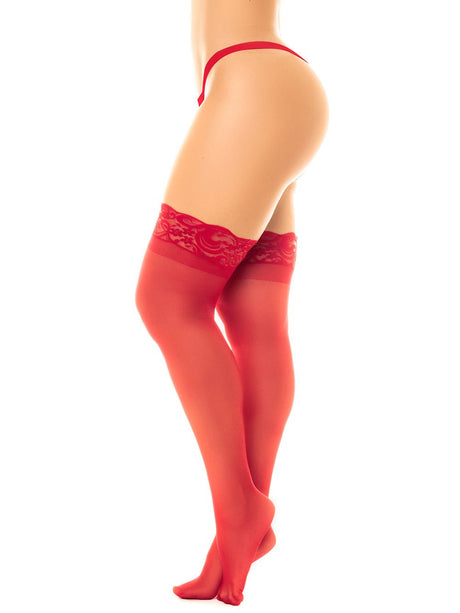
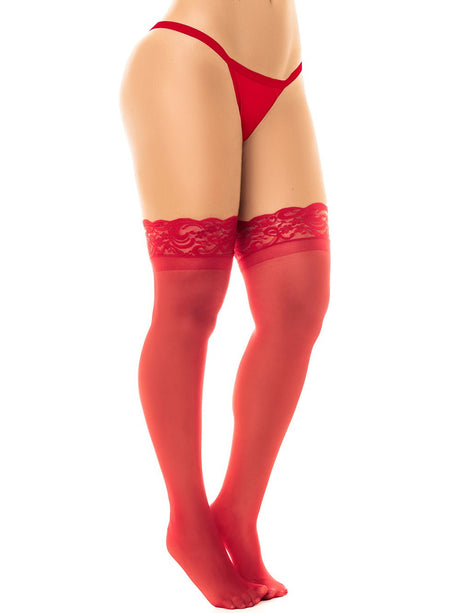
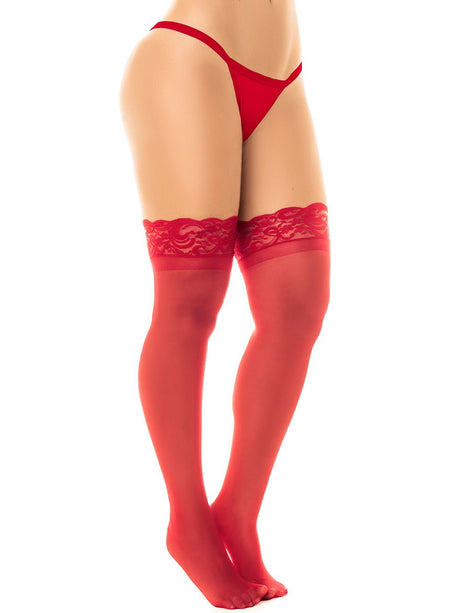
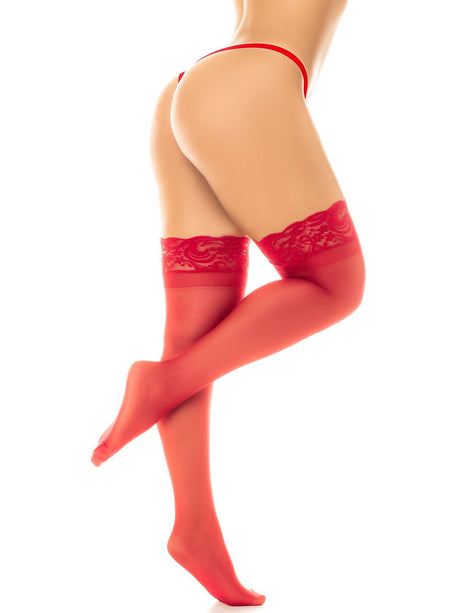
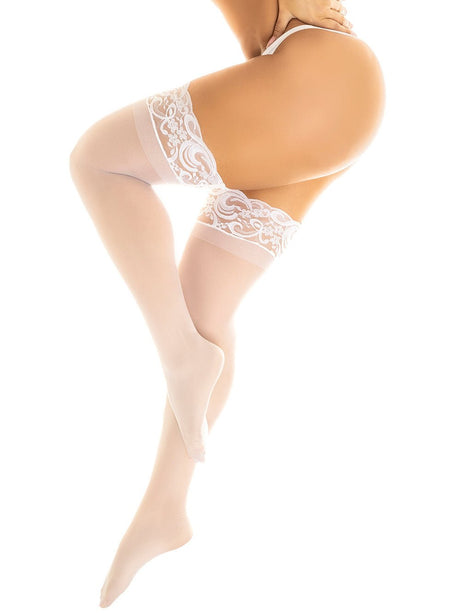
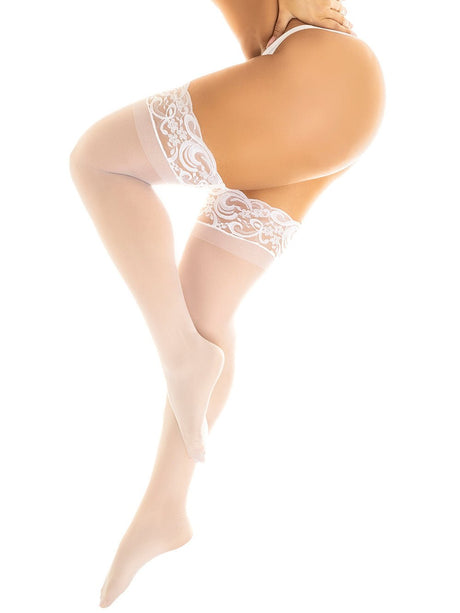
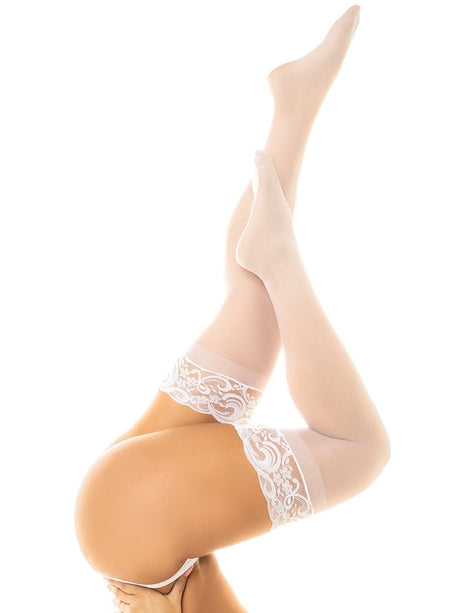
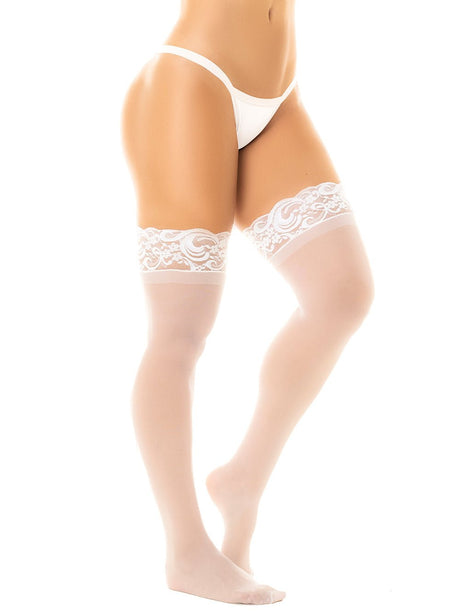
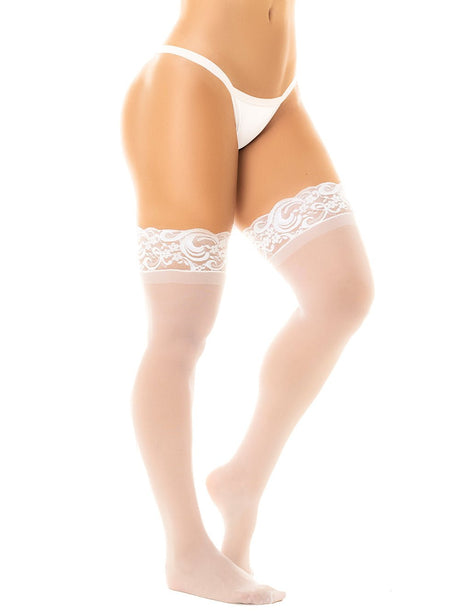
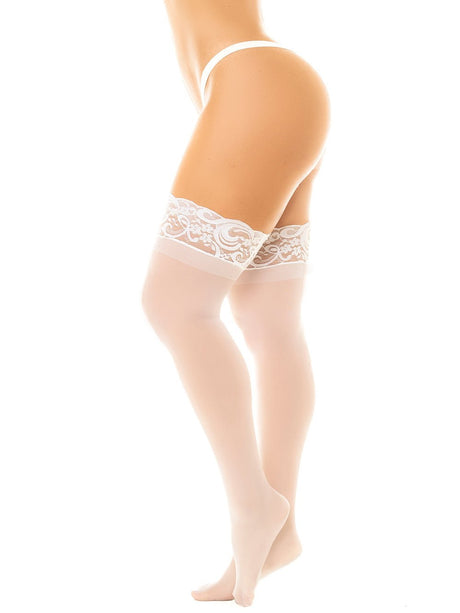
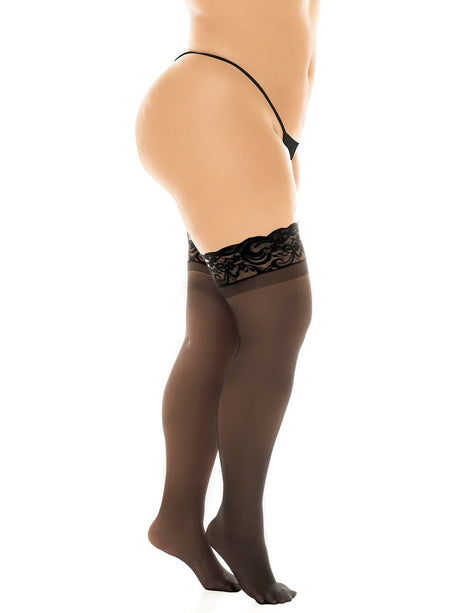
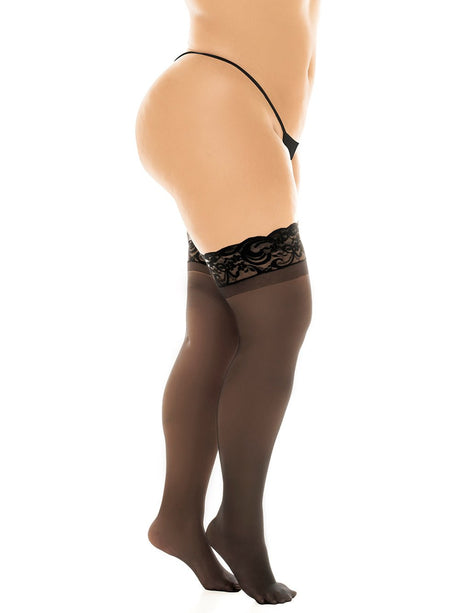
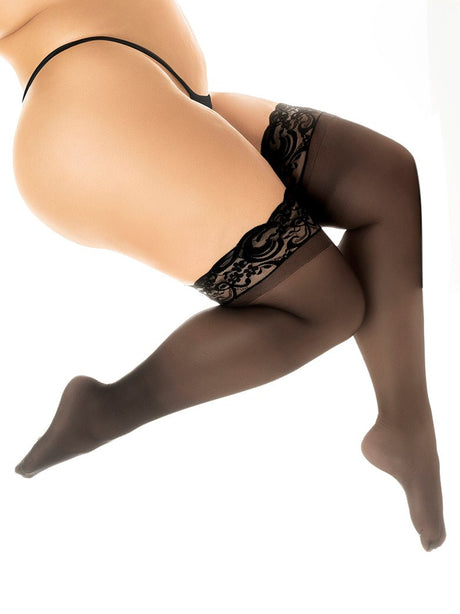
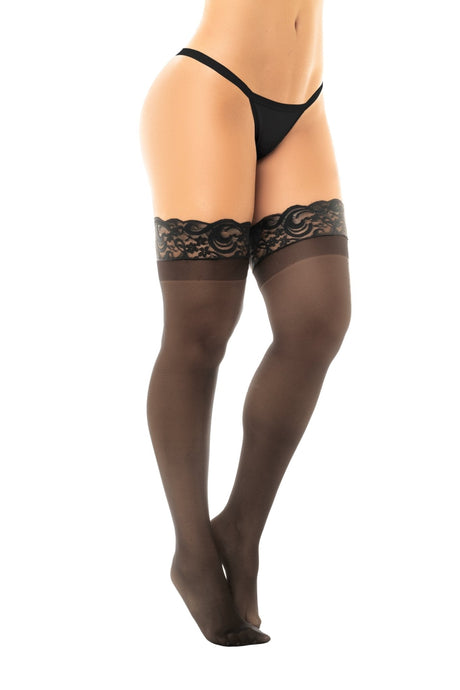
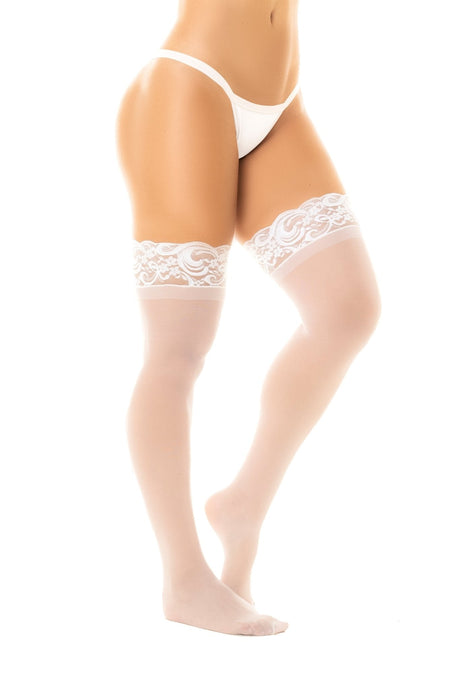
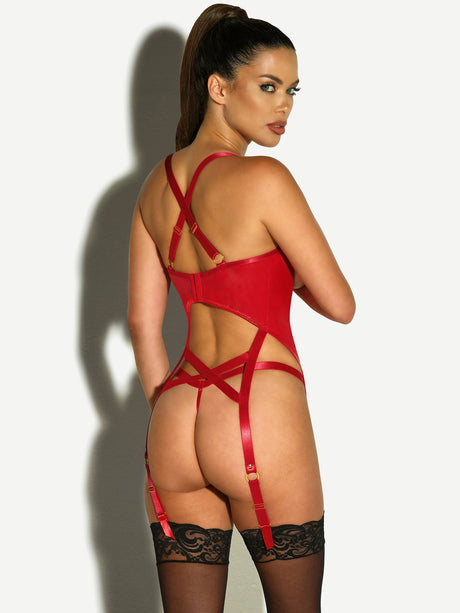
Bridal stockings serve three modern functions: traditional bridal aesthetic (photographs particularly well under shorter or slit dresses), warmth in cool-weather weddings, and skin smoothing under fitted dresses (alternative to thigh-shaping shapewear). Common styles: thigh-high stockings (most traditional, no waistband visible), garter-belt-and-stockings ensembles (most traditional editorial styling, photographs distinctively), and seamless control-top hosiery (combines smoothing with leg coverage). For most modern weddings, stockings are aesthetic rather than functional. Coordinate stocking color with dress (white or ivory for white dresses, skin-tone for invisible coverage).
Detailing and Getting-Ready Pieces
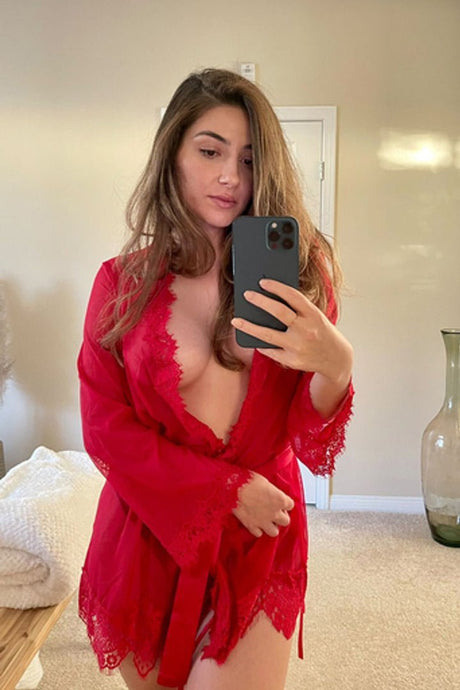
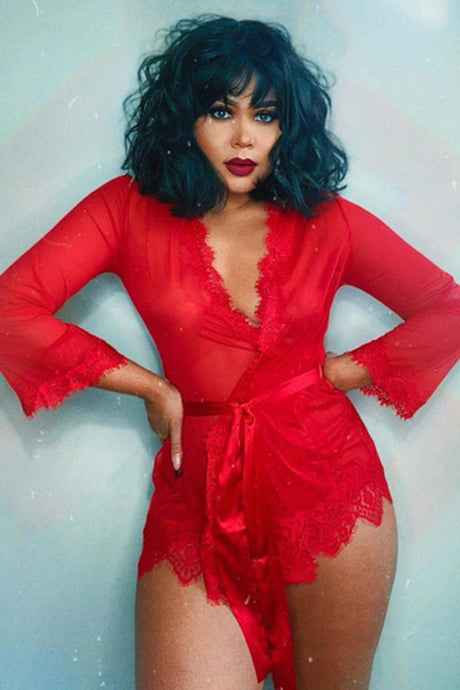
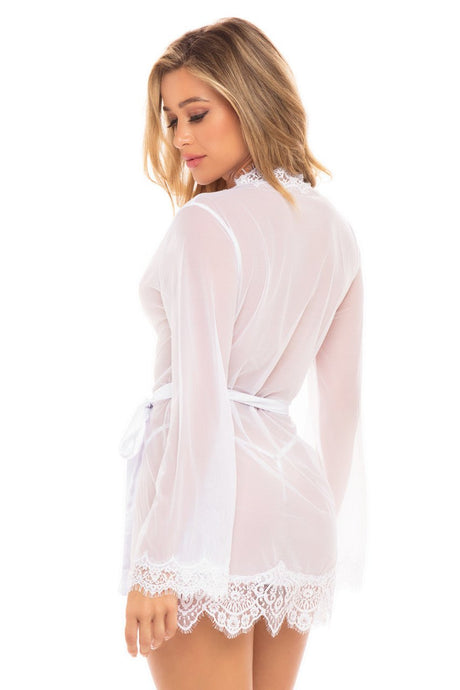
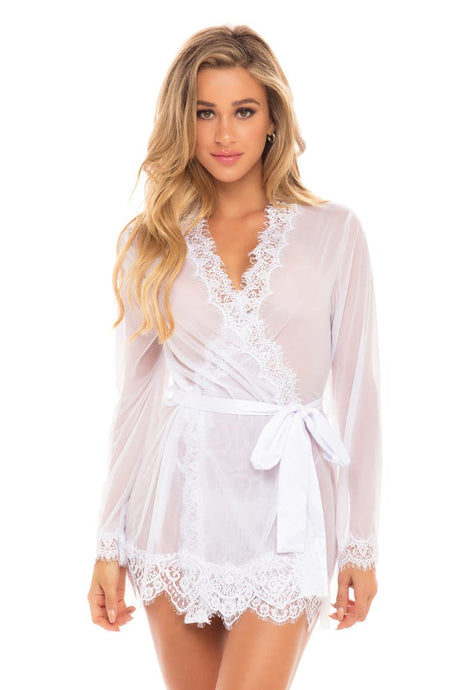
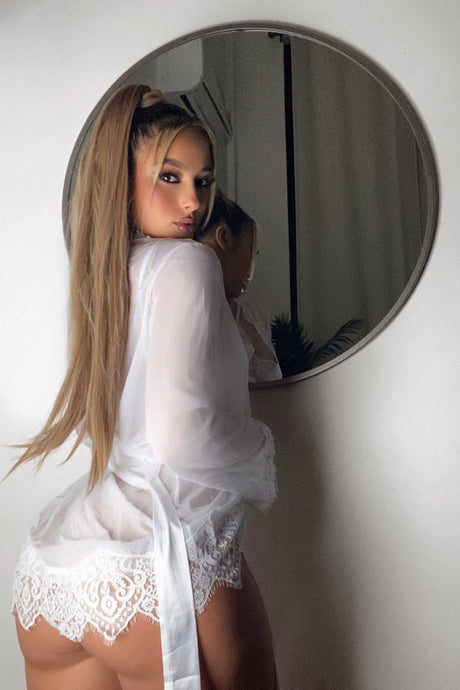
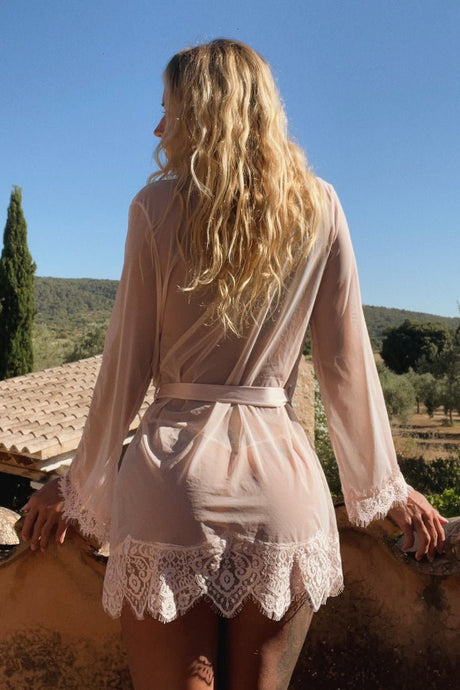
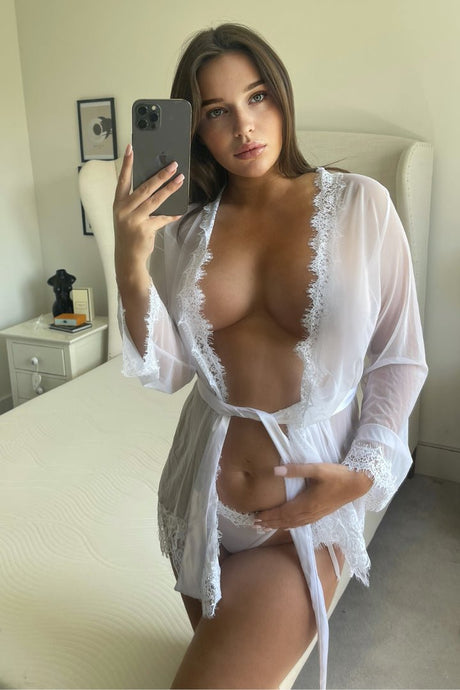
Two additional traditional pieces complete the bridal lingerie set. Bridal sash or belt: detail piece worn either under the dress (waist accent) or over for ceremony emphasis; often customized with bride's name or wedding date. Bridal robe: the iconic getting-ready piece — silk, satin, or lace in white, cream, blush, or palette-coordinated colors, often featuring "Bride" or "Mrs." embroidery for getting-ready photography with the bridal party. The bridal robe is essential for getting-ready photography even though it isn't worn under the dress itself — see Decision 3 for full getting-ready guidance. Browse bridal robes.
Decision 3 — Plan for the Wedding Day
Most brides plan only for the ceremony moment — what they'll wear under the dress for the wedding itself. The actual wedding day has four distinct stages, each with its own lingerie requirements. Planning for all four (not just the ceremony) prevents the most common bridal lingerie budget surprise: realizing you also need a robe for getting-ready photos, a separate set for the wedding night, and multiple sets for the honeymoon.
Bridal Robe and Comfort Basics
The morning of the wedding through getting into the dress. Lingerie needs: bridal robe for hair, makeup, and getting-ready photography (often coordinated with bridesmaid robes for group photos); comfortable basics underneath the robe during prep (these may or may not be your final under-dress pieces depending on whether your photographer wants to capture you putting the wedding lingerie on); and hair-and-makeup-appropriate covering (button-down or front-opening robes preferred so you don't have to pull anything over completed hair and makeup). The bridal robe is the iconic getting-ready piece — photographs distinctively with bridal party, often features "Bride" or "Mrs." embroidery. Solid colors photograph better than busy patterns for bridal party group photos. Browse bridal robes. Our bridal robes guide covers choosing robes for the bride and the whole wedding party.
Your Matched Under-Dress Foundation
The longest single stage — 6–12+ hours from ceremony start through reception end. Lingerie needs are dictated by Decision 1 (dress structure) and Decision 2 (foundation pieces). Priorities for this stage: comfort across long wear (the lingerie that fits perfectly for 20 minutes may not stay comfortable for 12 hours — test in 4+ hour wear sessions before the wedding), movement accommodation (reception dancing requires flexibility that pure smoothing shapewear can lack), invisibility under the dress (seamless construction, color matched to dress fabric), and support for the bust through long wear (band sizing slightly looser than everyday bras often improves comfort across the long event). This is the stage every bridal lingerie shopping decision focuses on — and the framework above (Decisions 1 and 2) determines the right pieces.
Romantic or Boudoir-Coded Intimate Styling
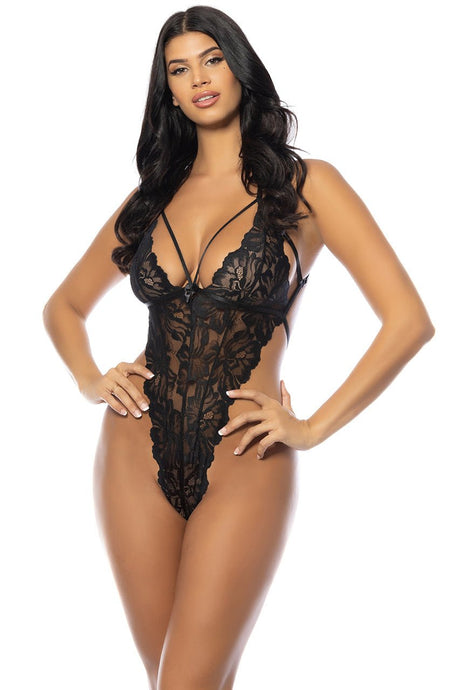
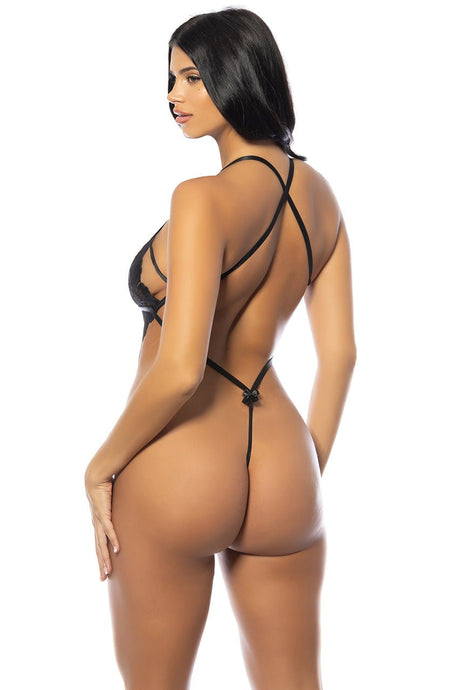
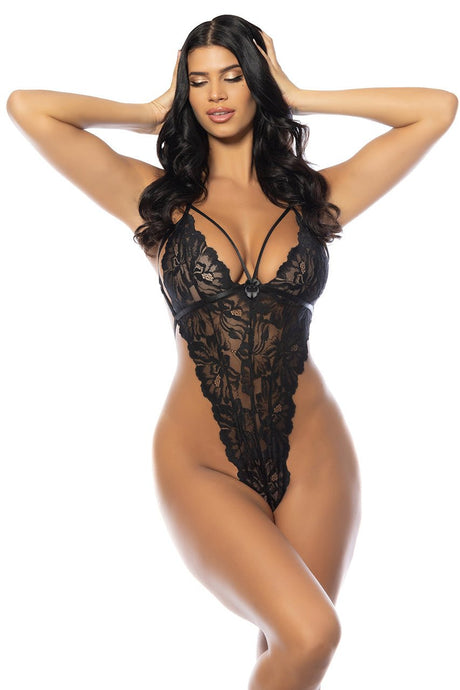
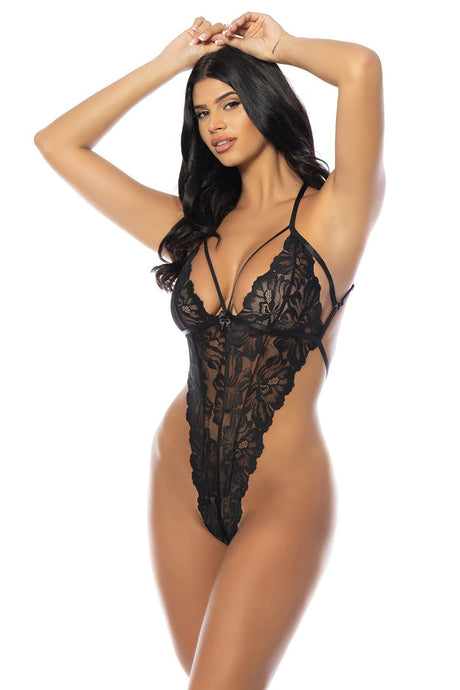
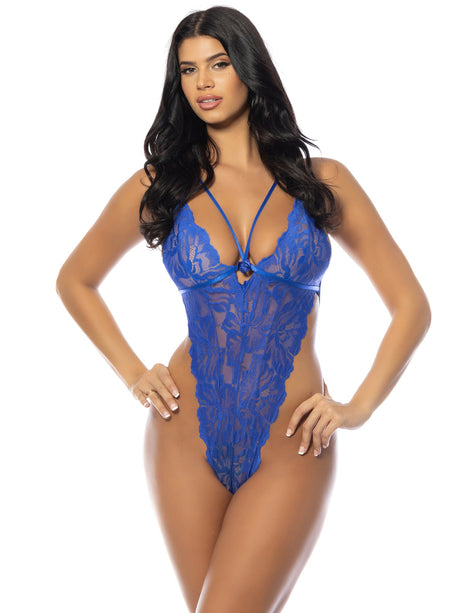
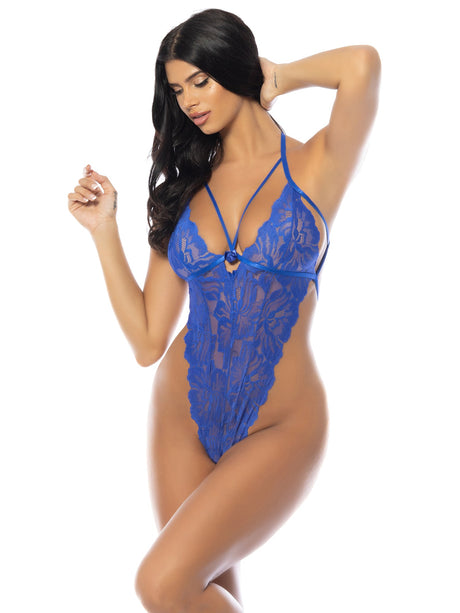
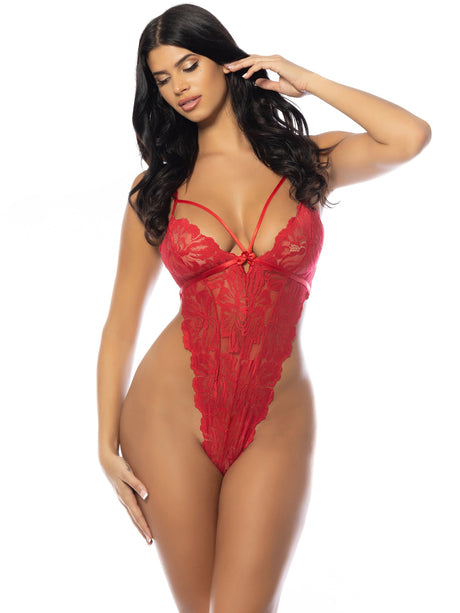
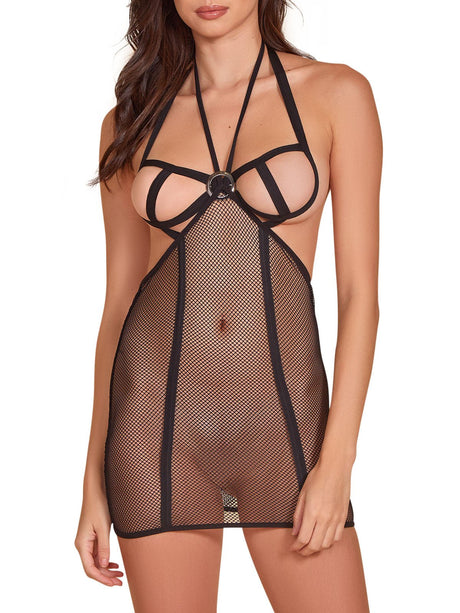
A separate purchase from under-dress essentials — typically a romantic or boudoir-coded set worn after the reception ends. The strongest wedding night lingerie aligns with your personal aesthetic preferences and the relationship dynamic. Common approaches: classic bridal-coded lingerie (white or ivory lace with traditional bridal styling, often featuring veil-coded or bridal-detailed elements), elevated romantic lingerie (silk or lace in white, blush, or champagne palettes), boudoir-photography-coded lingerie (refined editorial styling — see erotic lingerie guide for the editorial register), or playful-romantic lingerie (lighter playful styling — see naughty lingerie guide for the playful register). Wedding night lingerie typically runs $80–$300+ depending on materials and brand. Many brides purchase pieces that double as the first night of the honeymoon — efficient use of investment.
Travel-Friendly Multi-Piece Sets
The largest single bridal lingerie purchase volume — covering multiple nights of the honeymoon. Honeymoon lingerie priorities: travel-friendly construction (pieces that pack well, resist wrinkling, work with hotel laundry), multi-piece coordination (3–7+ sets typical for week-plus honeymoons), climate-appropriate selection (lighter pieces for beach honeymoons, warmer styling for ski or winter destinations), and variety across nights (different aesthetic registers across the trip — romantic, playful, elevated). Honeymoon lingerie is often where brides invest in their broader lingerie wardrobe — pieces purchased for the honeymoon frequently become long-term wardrobe staples beyond the trip itself. Budget $150–$500+ depending on trip length and styling commitment.
The "Something Blue" Tradition
The "something old, something new, something borrowed, something blue" tradition asks brides to wear four specific items on the wedding day. The "something blue" item is most often incorporated through lingerie — discreet, personal, and meaningful in a way that more visible blue items often aren't. Three common approaches:
- Blue bridal panties — the most common approach. Pale blue lace or silk panties worn under the dress, completely invisible externally but personally meaningful. Strong gift category — bridal shower attendees often gift blue bridal panties as part of the "something blue" tradition.
- Blue garter — features blue elements within otherwise white or cream construction. Combines the bridal garter tradition with the "something blue" tradition in one piece.
- Blue ribbon detail — blue ribbon sewn into the bridal robe, blue silk sash incorporated into the wedding day lingerie set, or blue elements woven into other bridal pieces.
Many brides find the lingerie incorporation feels intimate and meaningful in a way that more externally visible "something blue" items don't carry. Some brides skip the tradition entirely; others incorporate multiple traditions (old, new, borrowed, blue) across their bridal lingerie set.
Materials for Wedding Day Lingerie
Four materials dominate bridal lingerie. Material choice depends on dress structure, wearing stage, and personal aesthetic preference.
The most universal bridal lingerie material. Works across all dress structures (with seamless construction for fitted dresses, decorative for visible-styling pieces), all wedding day stages, and all aesthetic preferences. White, ivory, cream, and skin-tone palettes dominate. See our lace lingerie guide.
Strongest for bridal robes, wedding night lingerie, and honeymoon sets where premium materials read as occasion-appropriate. Less common in under-dress essentials where seamless construction prioritizes function over fabric prestige. Premium silk signals elevated occasion directly.
The dominant under-dress essential material. Smooth, invisible under fitted dresses, comfortable for long wear, color-matchable to dress fabric. Forms the foundation of most bridal bras, shapewear, and panties. Less aesthetic but more functional than lace or silk.
Common in romantic bridal lingerie sets, wedding night pieces, and bridal corset construction (combining sheer panels with structured elements). See our sheer lingerie guide for sheer-specific construction across the broader lingerie category.
Find Your Wedding Day Lingerie
Find Your Wedding Day Lingerie
Three quick questions — we'll point you to the right foundation pieces and starting point for your specific dress and day stage.
Sizing & Shopping Timeline
Finalize Lingerie Before Final Dress Fitting
The single most important bridal lingerie logistic: your wedding dress is altered to fit over your specific undergarments. If you change your lingerie after the final dress fitting, the dress fit changes too — and re-altering a wedding dress is expensive and time-consuming. Bring all your wedding day lingerie to your final dress fitting so the seamstress can adjust the dress to your actual foundation. Test the full combination — dress over lingerie — at the fitting to confirm the silhouette and fit are right.
From 8 Months Out to the Wedding Day
- 6–8 months before: identify your dress structure, start shopping foundational pieces. Plus-size brides should start at 8 months given longer sizing exchange windows.
- 4–6 months before: finalize under-dress essentials (bra, shapewear, panties). Test combinations in 4+ hour wear sessions.
- 8–12 weeks before: complete final wedding day lingerie purchases. Bring all pieces to your final dress fitting.
- 2–4 weeks before: complete wedding night, honeymoon, and traditional piece purchases (garter, stockings).
- Final week: test all pieces in long wear sessions to confirm comfort. Have backup options for items where you're uncertain.
Specialty Construction and Extended Timeline
Plus-size bridal lingerie has expanded significantly. Specialty plus-size bridal brands now offer extensive options across all foundational pieces and dress structures. Construction quality varies — prioritize specialty plus-size bridal brands over mainstream bridal retailers scaling up straight-size designs (which often have proportion and support issues). Allow extra time for sizing exchanges (start 8 months out rather than 6), verify retailer plus-size return and exchange policies before committing, and consider in-person shopping at specialty plus-size bridal lingerie retailers when accessible. Browse plus-size bridal lingerie.
Common Wedding Day Lingerie Mistakes
OUT OF ORDER
PLANNING
CHANGES
TIME
UNDERGARMENTS
COLORS
Frequently Asked Questions About Wedding Day Lingerie
What should I wear under my wedding dress?
Do I need to wear a bra under my wedding dress?
What lingerie works for a backless wedding dress?
What's the difference between a bridal bra and a bridal corset?
Do I need shapewear under my wedding dress?
What underwear should I wear on my wedding day?
What's the 'something blue' tradition and how do I incorporate it?
When should I buy my wedding day lingerie?
What's a bridal garter and do I need one?
Can plus-size brides find quality wedding day lingerie?
What should I wear during getting-ready and bridal photography?
What wedding night lingerie should I buy?
What's the difference between strapless and bustier construction for wedding dresses?
How does bridal lingerie sizing differ from regular lingerie sizing?
What should I avoid wearing under my wedding dress?
This guide is editorial. Wedding day lingerie decisions vary by individual bride, specific dress construction, and personal preference — what matters most is identifying your dress structure first, planning across all four wedding day stages, and finalizing under-dress pieces before your final dress fitting. Refer to each brand's size chart, return policy, and material specifications. For complex dress structures or sizing requirements, consult your bridal salon, your dress seamstress, and your wedding day lingerie retailer together — these three together will identify any structural conflicts before the wedding day. Last reviewed: May 24, 2026.