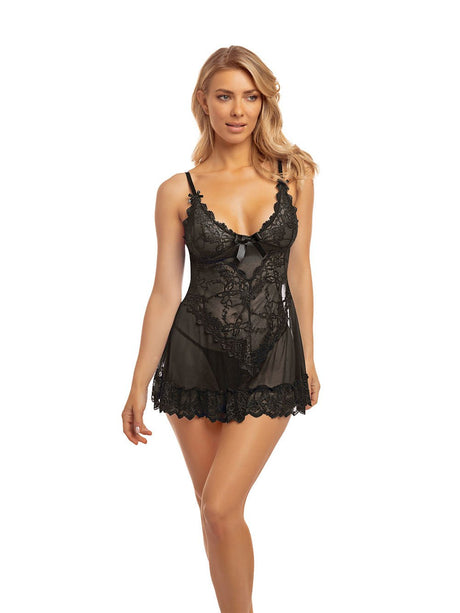
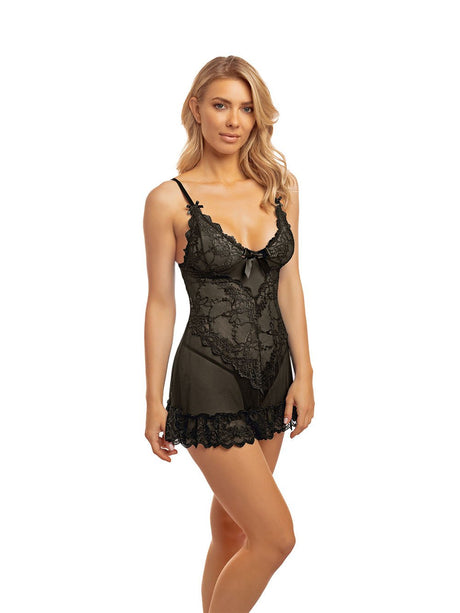
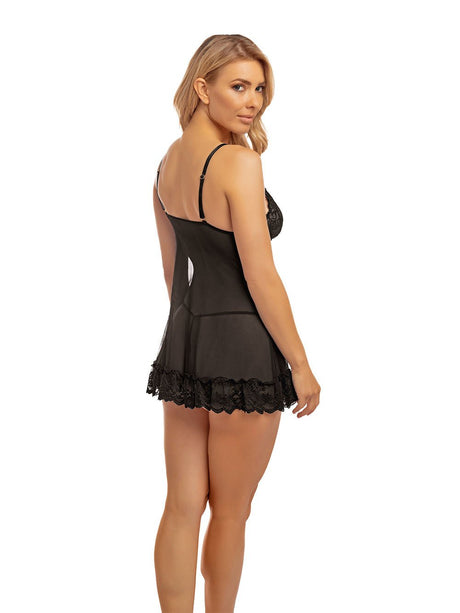
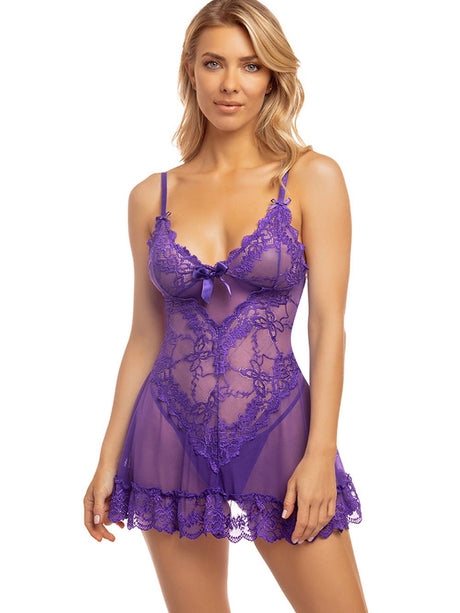
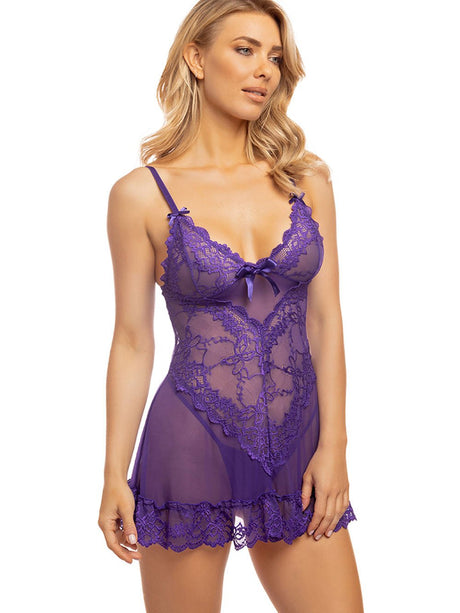
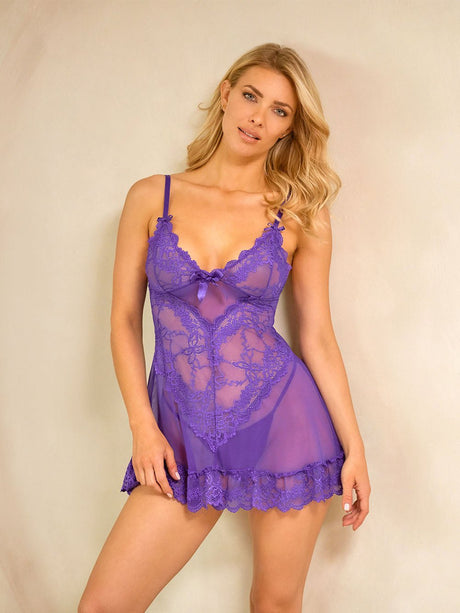
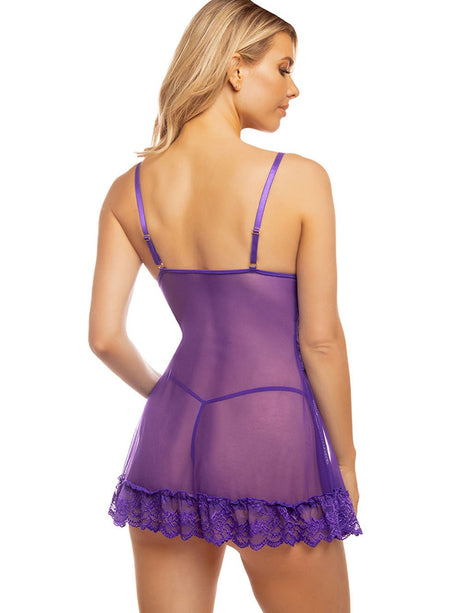
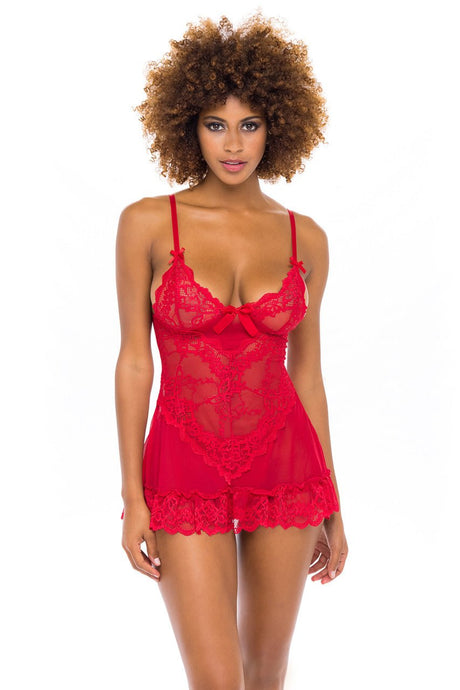
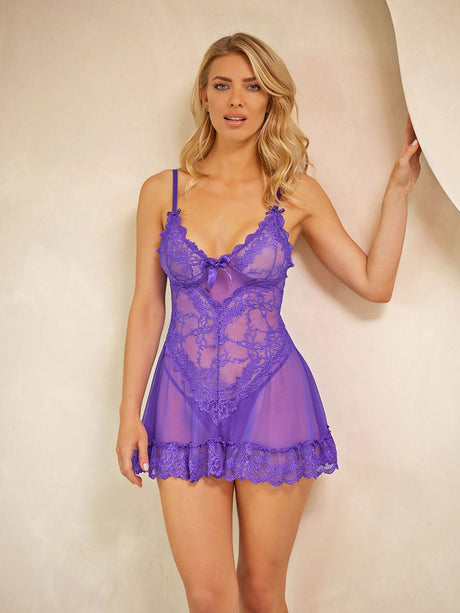
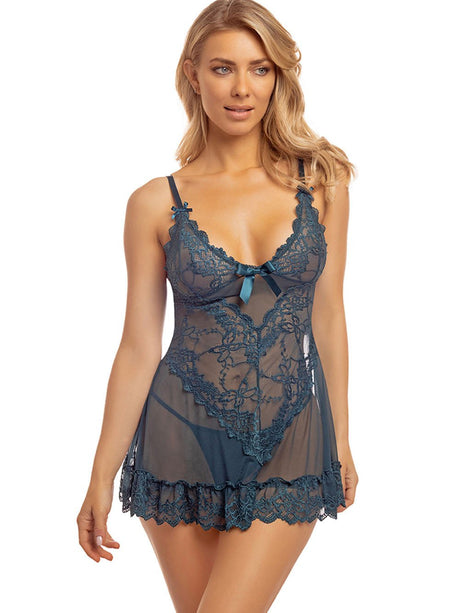
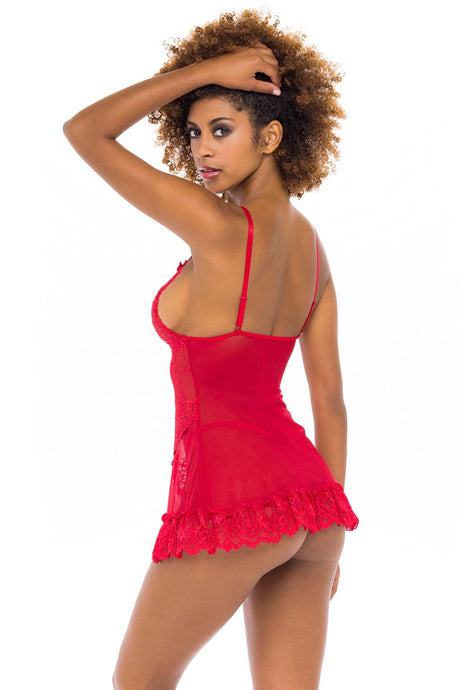
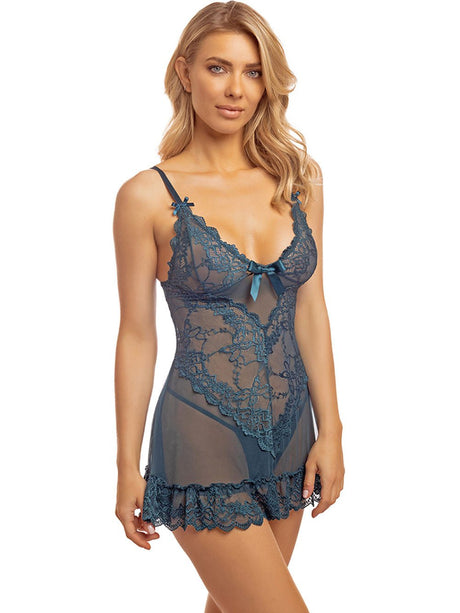
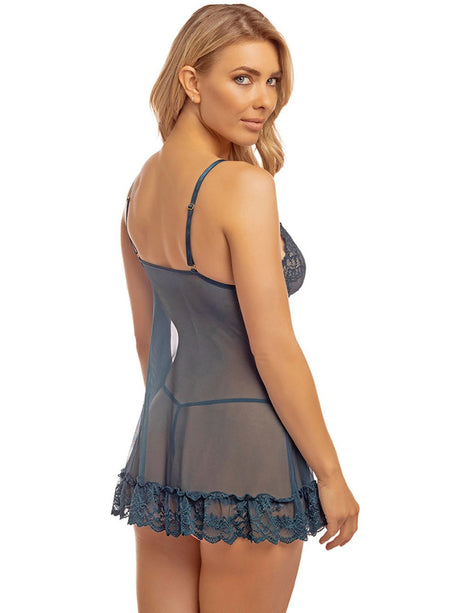
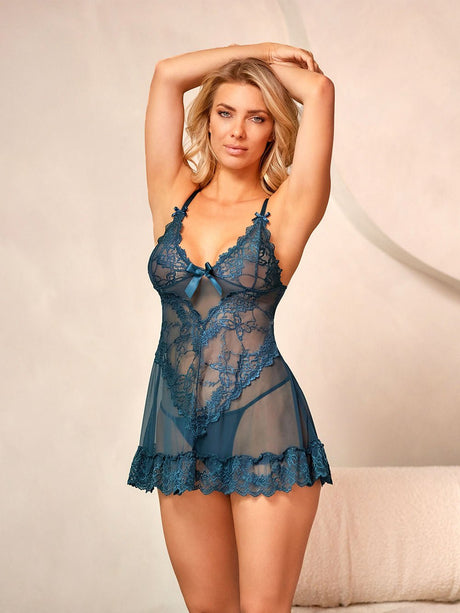
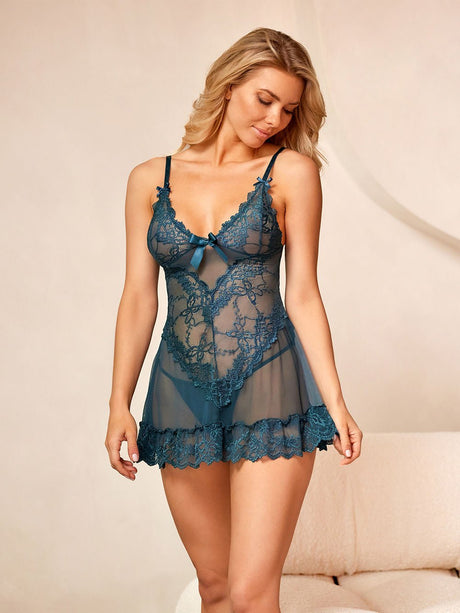
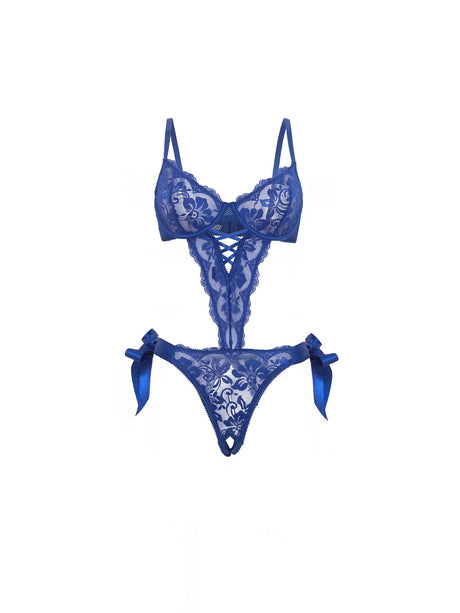
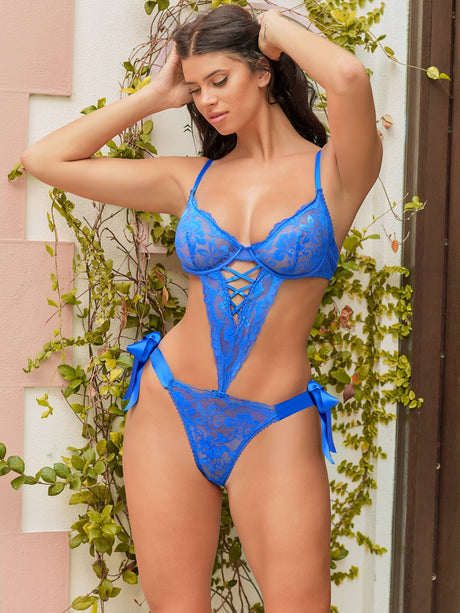
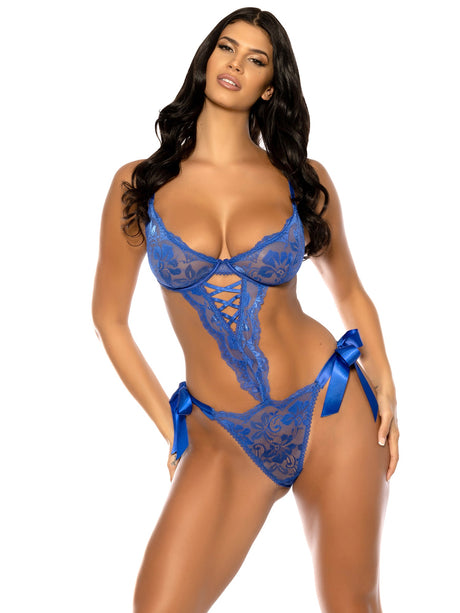
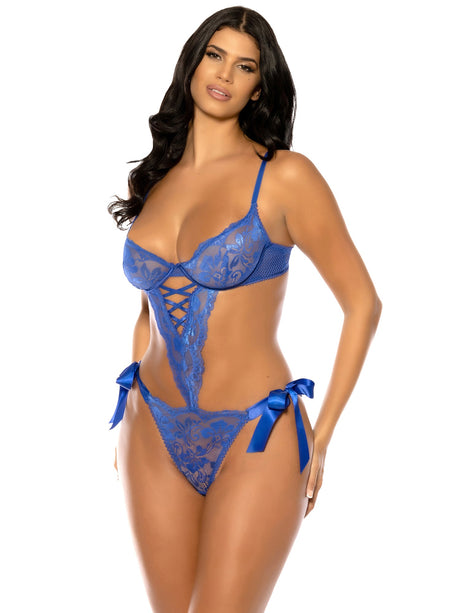
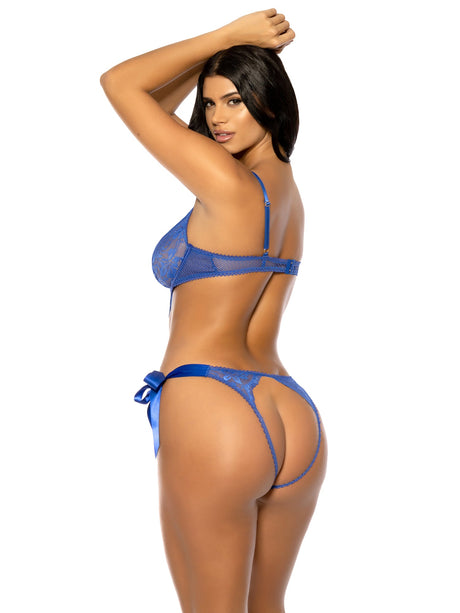
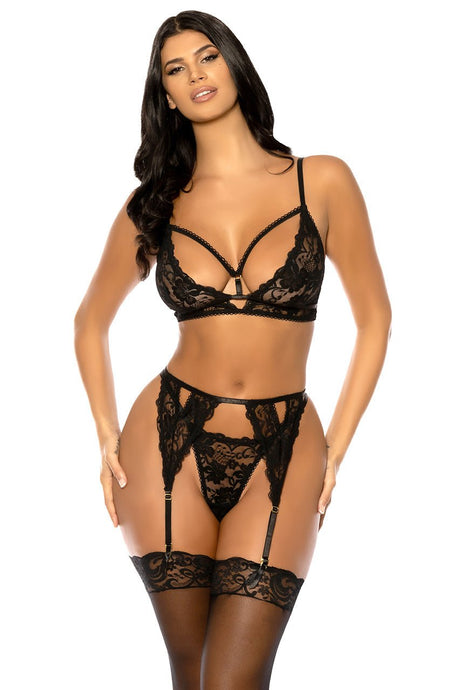
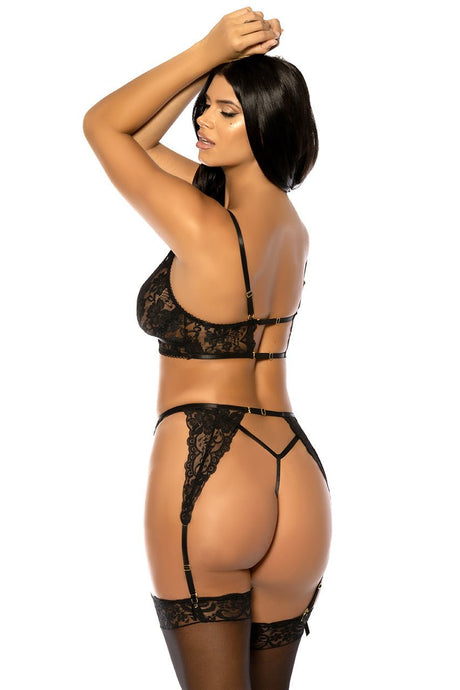
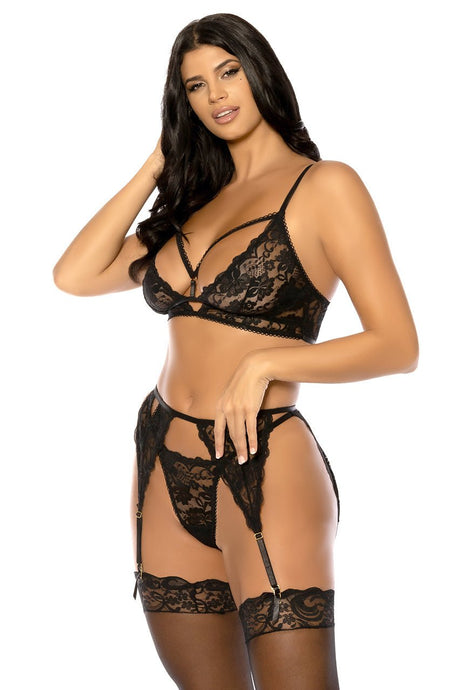
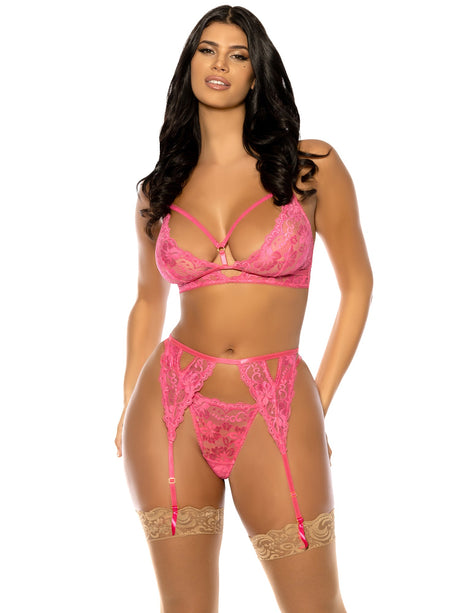
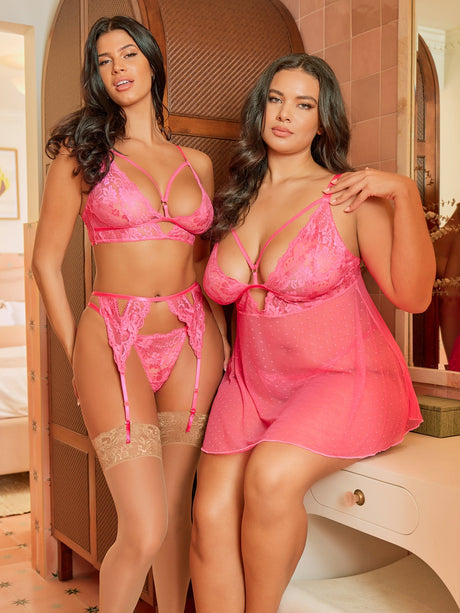
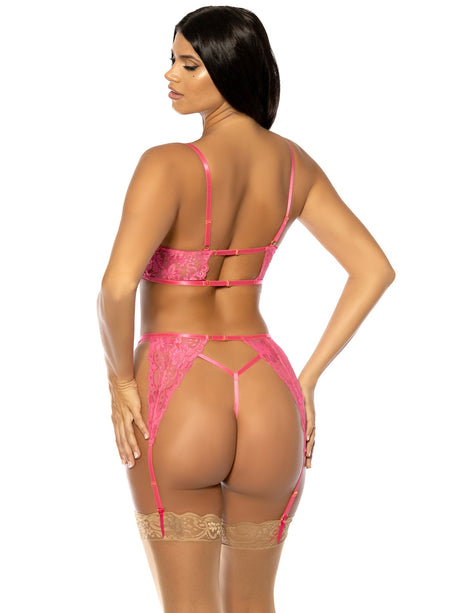
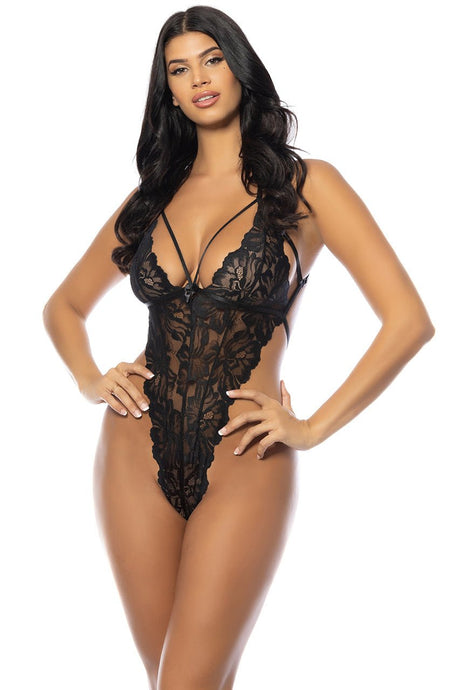
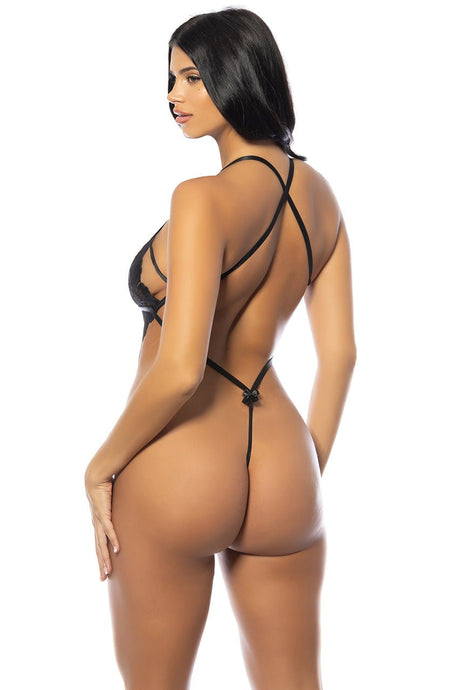
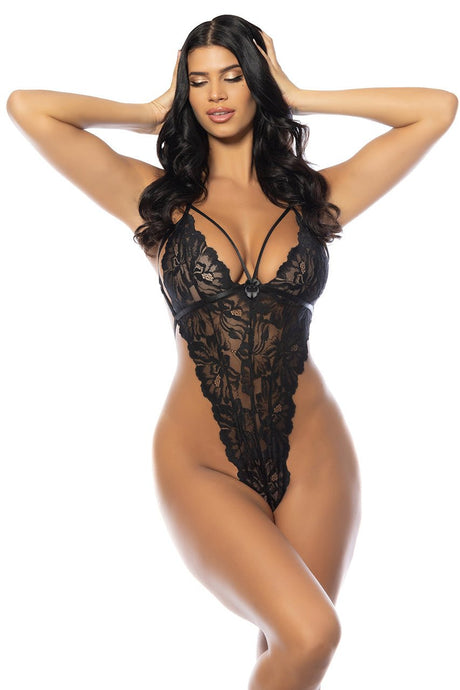
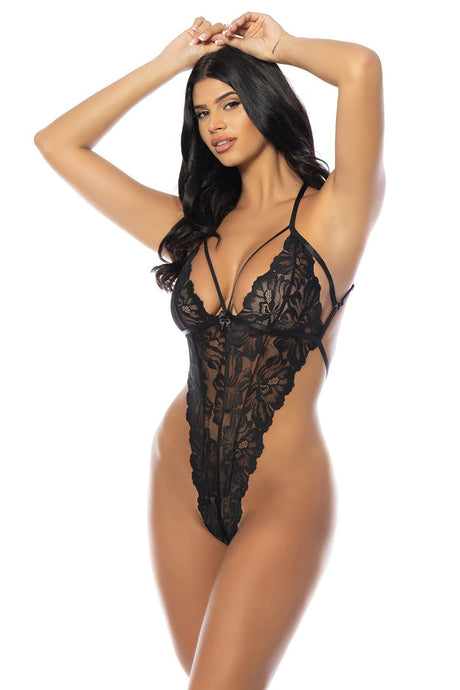
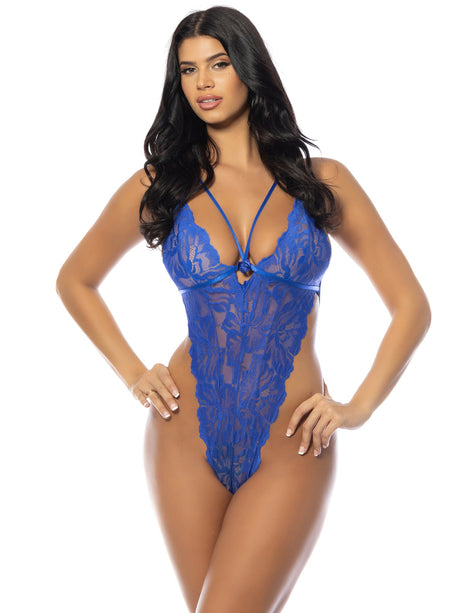
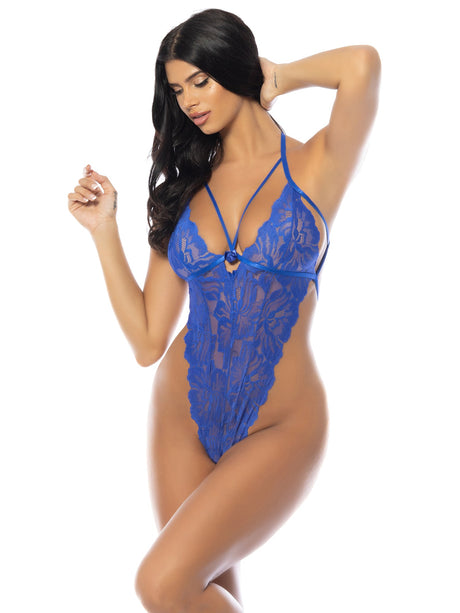
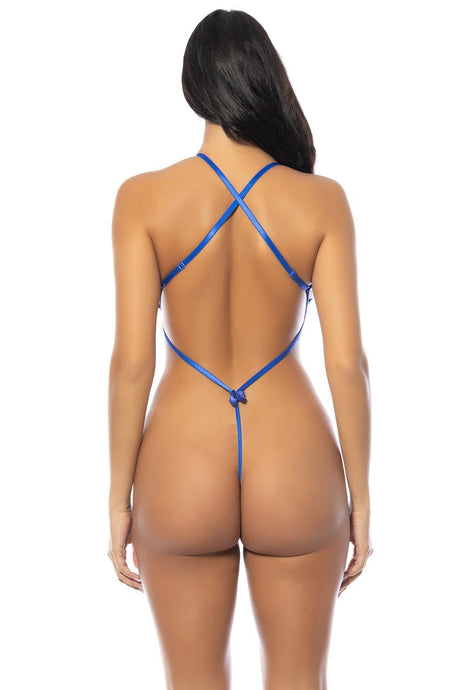
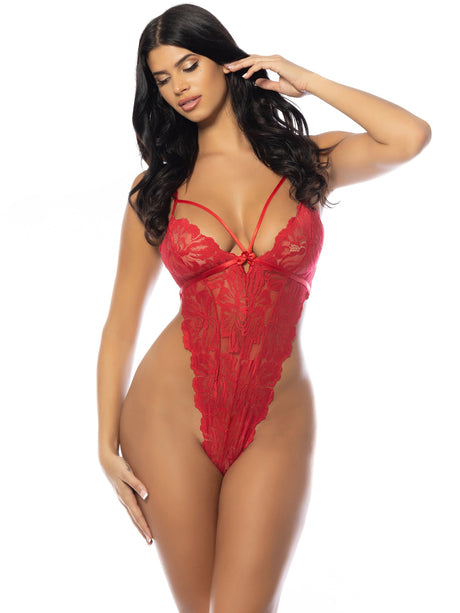
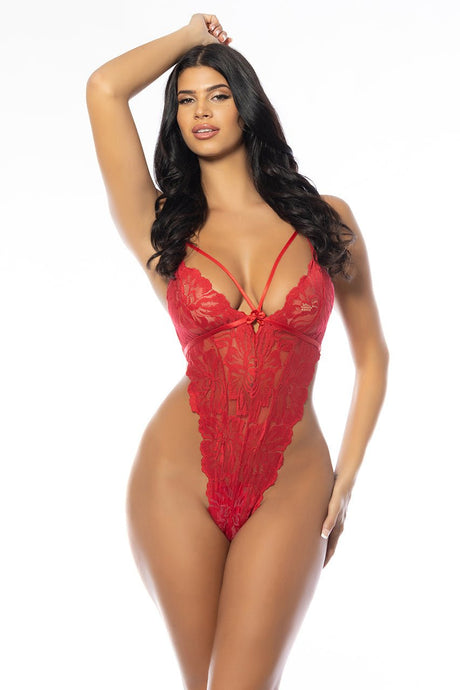
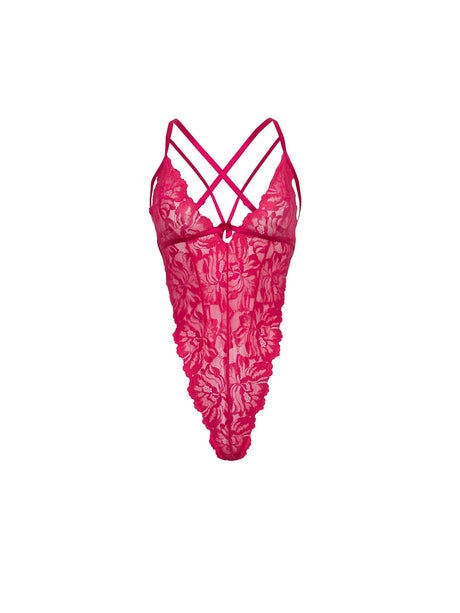
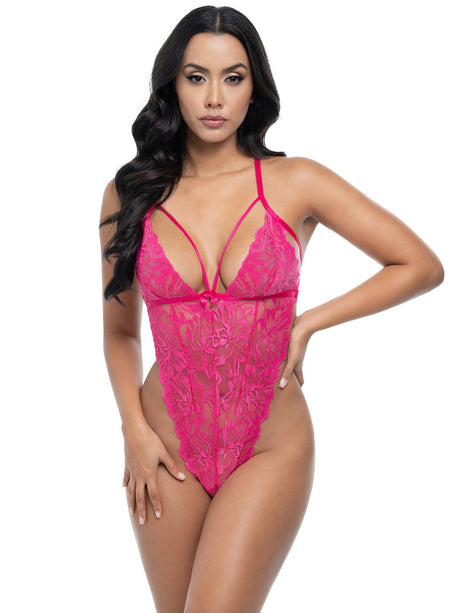
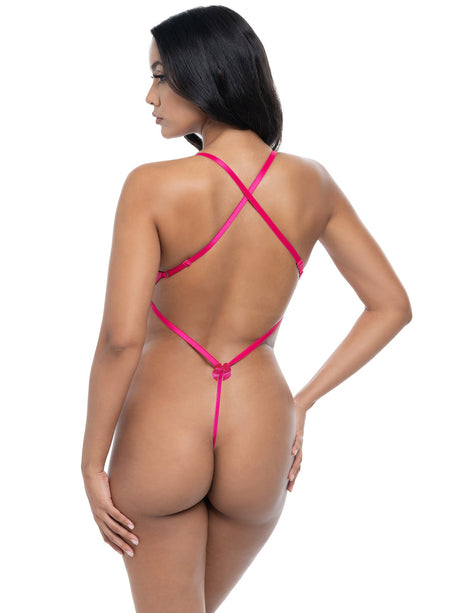
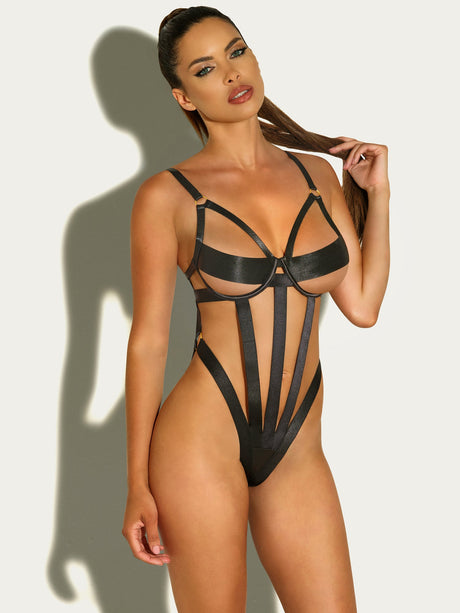
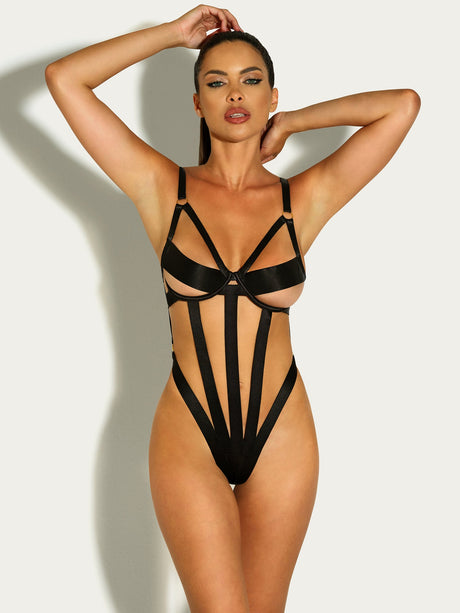
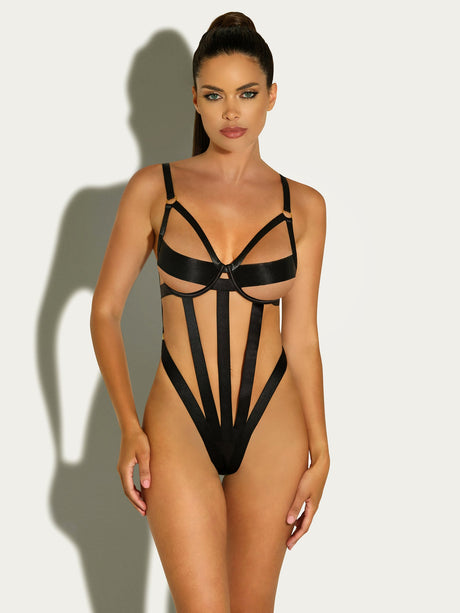
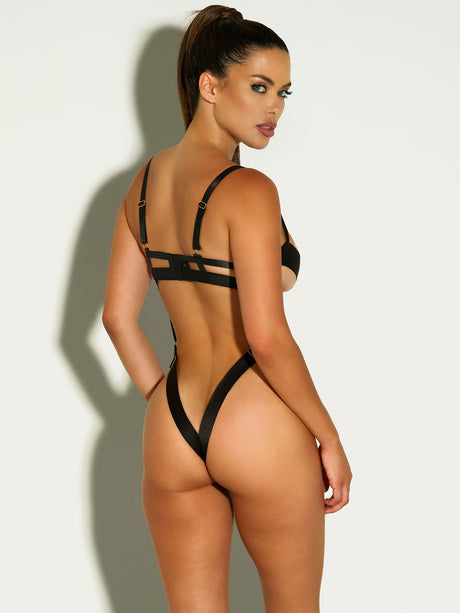
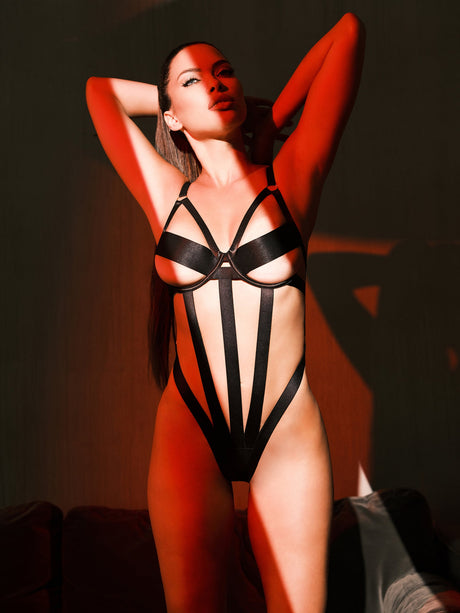
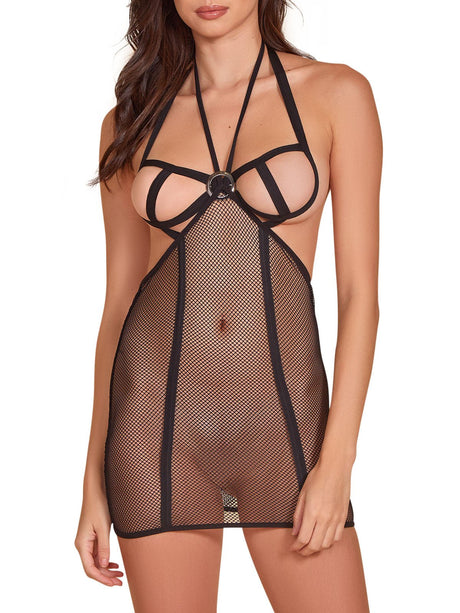
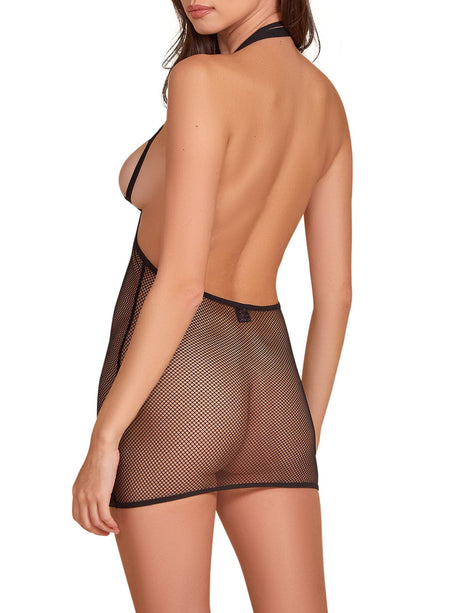
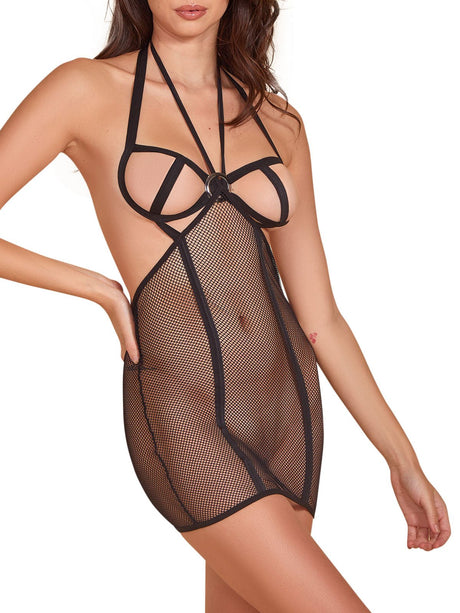
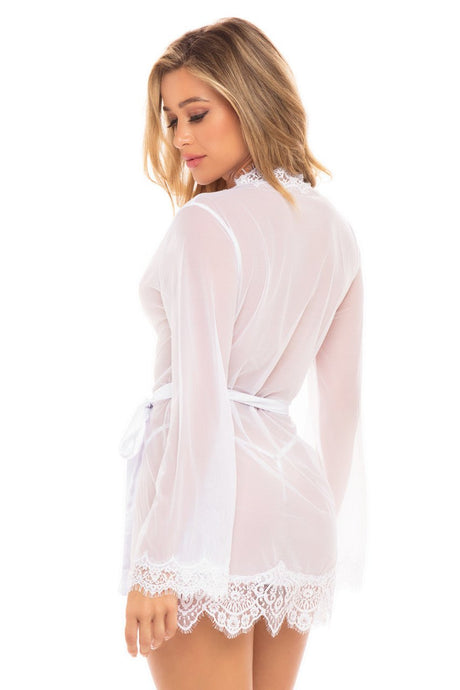
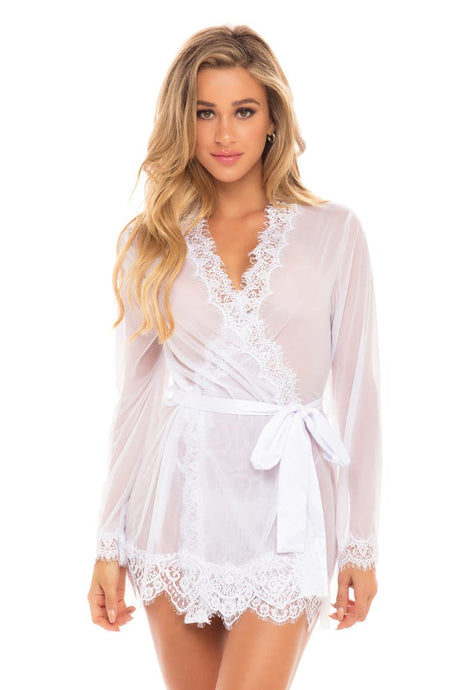
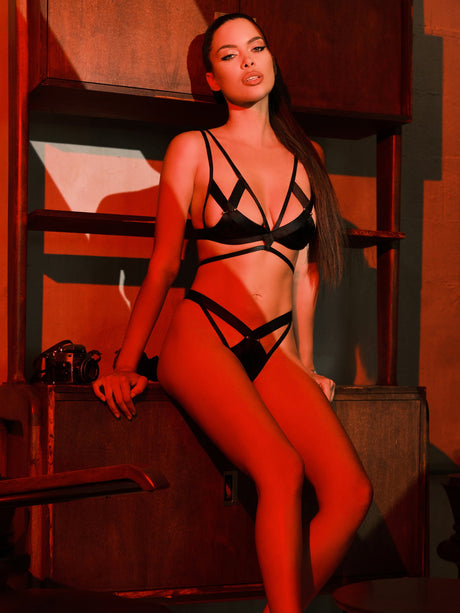
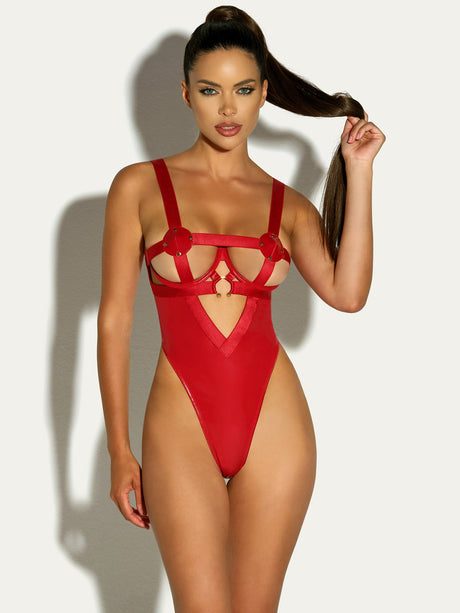
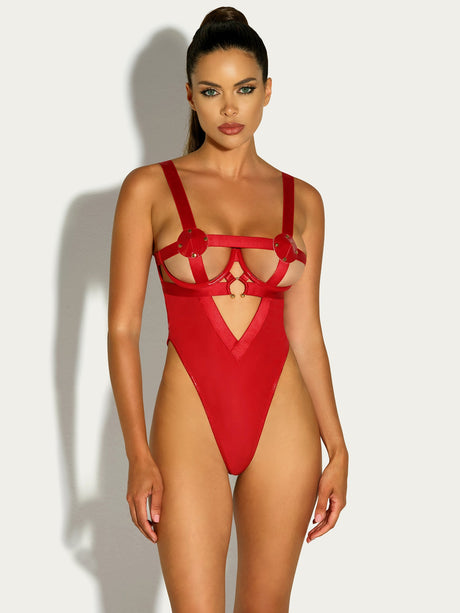
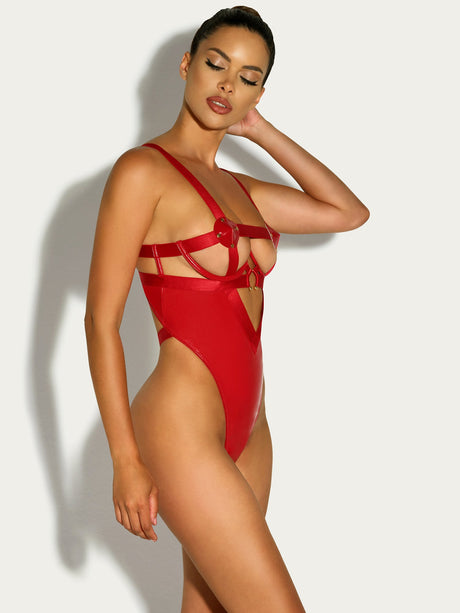
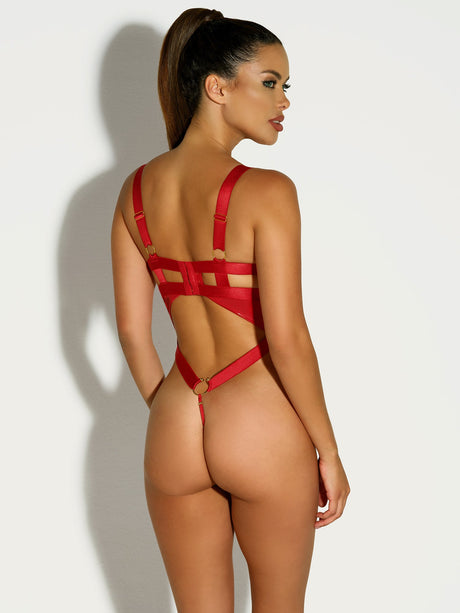
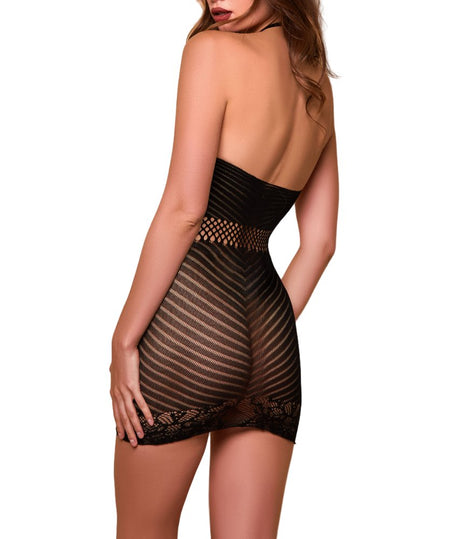
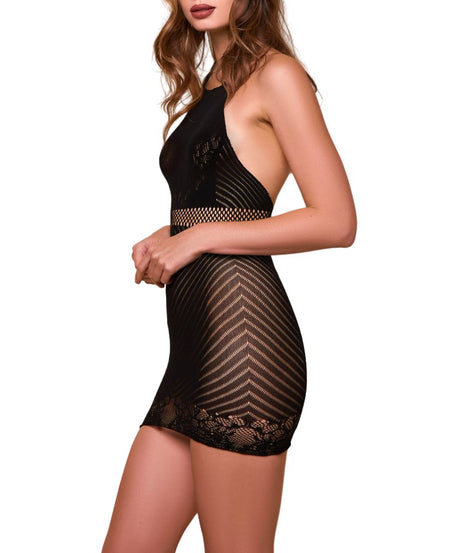
What is mesh lingerie?
Mesh lingerie is intimate apparel constructed from mesh fabric — a uniformly woven net textile with regular openwork. Unlike lace, mesh has no decorative pattern motifs; the openwork is functional rather than ornamental. Three weights define the market: power mesh (heavy structural mesh for shaping and support), fine mesh or tulle (lightweight sheer mesh, the visible lingerie-anchor), and fishnet or open mesh (wide-weave with outerwear crossover). Mesh originated from sportswear, bringing athletic DNA, exceptional durability, and breathability that lace fundamentally cannot match.
This guide treats mesh on its own terms. We'll define mesh lingerie as a material-led category with athletic DNA, map the three mesh weights (power, fine, fishnet) and the functions each serves, surface the visible-vs-hidden mesh distinction most retail content skips (most "mesh" in lingerie is actually hidden support structure, not the decorative surface), explain why mesh costs less than lace and lasts longer, and show how mesh pairs with lace and leather in mixed-material construction. If you want the modern counterpart to lace lingerie, this is where it lives.
Shop Mesh Lingerie
Already know what you want? Browse the full mesh collection — bodysuits, teddies, sets, bras, and accessories across power mesh, fine mesh, and fishnet weights.
Shop Mesh Lingerie → Browse Sheer Lingerie →- Mesh lingerie is a material-led category with athletic-DNA origins — fundamentally different from lace's couture origins.
- Three mesh weights: power mesh (structural, shaping), fine mesh or tulle (visible, sheer), and fishnet or open mesh (fashion, outerwear-crossover).
- Most mesh in lingerie is hidden — power mesh inside support panels and shapewear is more common than visible decorative mesh.
- Mesh is the most durable lingerie material — 5–7 year lifespan vs lace's 1–5 years.
- Bodysuits and teddies are mesh's strongest silhouettes, not bras — because mesh alone doesn't provide bust support.
- Mesh costs less than lace because there's no pattern complexity — it's priced by denier and durability, not by visual intricacy.
- Mesh has the strongest outerwear crossover of any lingerie material — athletic-coded styling integrates naturally with streetwear.
- Start with a fine mesh bodysuit in black — most flattering color, most versatile silhouette, mesh's strongest expression.
What "Mesh Lingerie" Actually Means
Mesh lingerie is the material-led counterpart to lace lingerie — but the differences matter more than the surface similarity. Both are openwork textiles; both appear across the same silhouettes; both contribute to sheer lingerie. Beyond that, they're not the same thing.
The cleanest way to understand mesh is by its origin: mesh comes from sportswear and athletic apparel. The same fabric engineering that produces breathable athletic jerseys, dance and yoga apparel, and athletic compression garments produces lingerie mesh. This athletic-DNA origin gives mesh three properties lace fundamentally lacks: contemporary aesthetic coding (mesh reads modern, lace reads traditional), exceptional durability (mesh is engineered for repeated wear and washing, lace is engineered for visual quality), and high stretch (mesh routinely includes 15–25% elastane content, lace varies from 0–15%).
This is also why mesh shopping logic is different. Lace pricing reflects pattern complexity and material origin; mesh pricing reflects denier, durability rating, and elastane content. Lace quality varies dramatically across grades; mesh quality varies more by brand and construction than by category. Lace is fragile (proper care extends lifespan from 1 to 10+ years); mesh is durable (proper care extends lifespan from 3 to 7 years, but cheap mesh still lasts 2–3 years). The HauteFlair mesh lingerie collection centers visible mesh pieces; for the broader transparency category see sheer lingerie.
The Three Mesh Weights
Three weights organize how mesh appears across lingerie. Unlike lace's quality grades, these are functional categories — power mesh isn't a higher tier than fine mesh; they serve different jobs.
The Structural Workhorse
Heavy-denier (40+ denier) mesh engineered for compression, body-shaping, and structural support. The high elastane content (typically 20–30%) gives power mesh significant stretch with strong recovery. Power mesh is typically the hidden mesh in lingerie — used as smoothing panels inside shapewear bodysuits, support lining in structured bras, compression elements in athletic-coded pieces, and shaping waistbands inside corsets and bustiers. When power mesh is the visible material, it reads as shapewear-coded rather than aesthetic-coded; pieces are typically marketed for their shaping function rather than their visual identity. Best for: shapewear bodysuits, support-focused construction, athletic-coded lingerie, and any piece where body-shaping function matters more than mesh aesthetic.
The Lingerie-Anchor Mesh
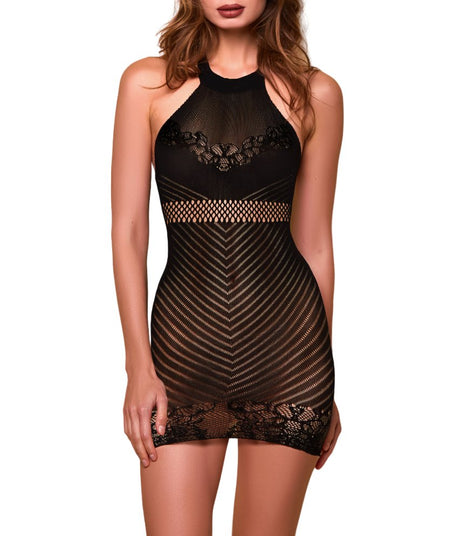
Lightweight (15–30 denier) mesh with soft hand-feel and decorative function. This is what most people mean when they say "mesh lingerie" — the visible, sheer mesh that anchors mesh bodysuits, teddies, bralettes, and sheer overlay pieces. Fine mesh provides the modern, contemporary aesthetic without the structural compression of power mesh. Comfortable for extended wear because the lightweight construction breathes well and conforms to the body without restrictiveness. Available in dense fine mesh (denser threads, more opacity) and tulle (lighter, more transparent, often used in bridal and romantic-coded pieces). Best for: mesh bodysuits, teddies, sheer panels, bra cup material, decorative overlay layers, anyone wanting visible mesh as a primary lingerie aesthetic.
The Fashion-Crossover Mesh
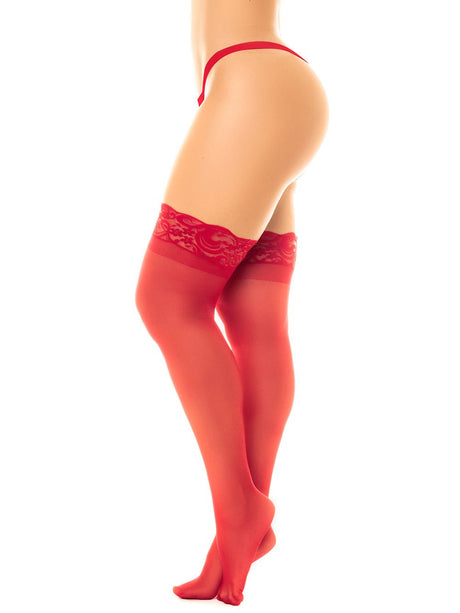
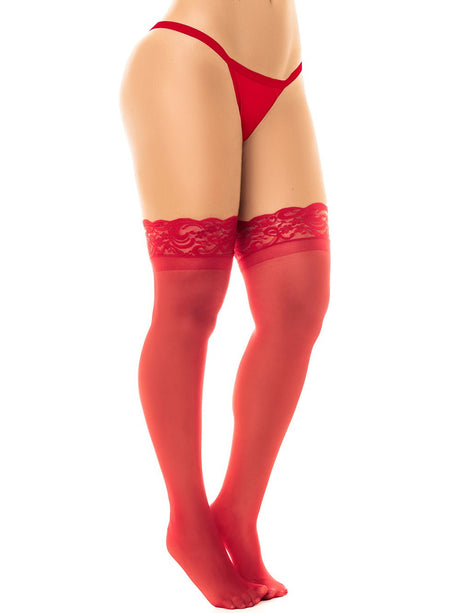
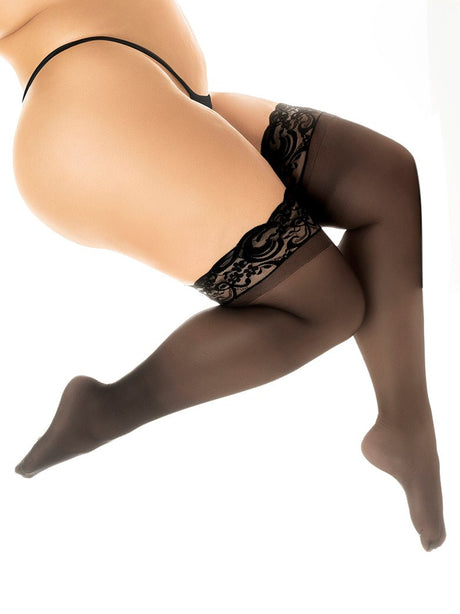
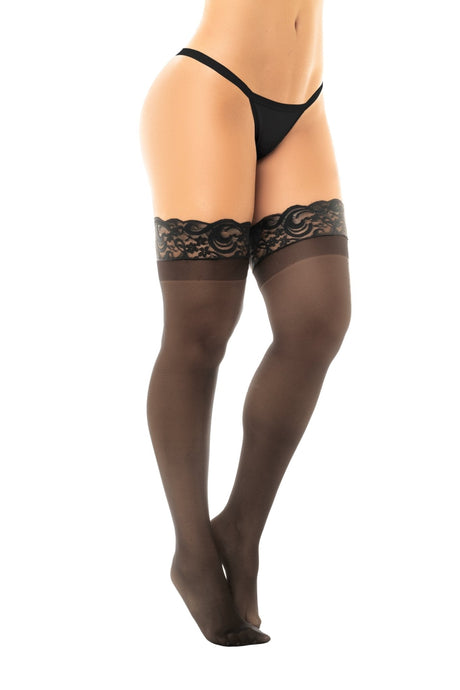
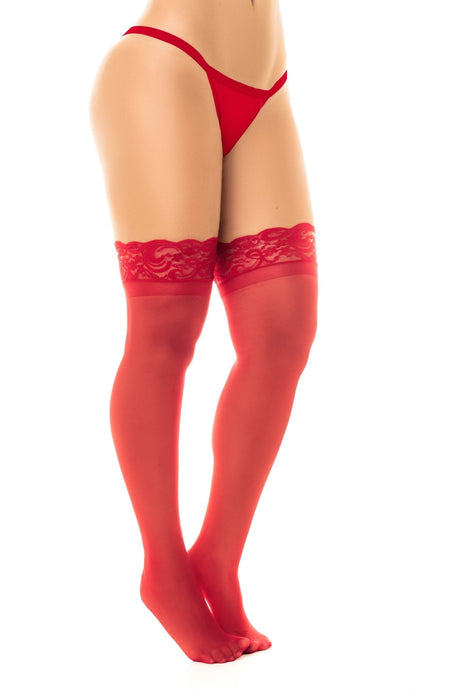
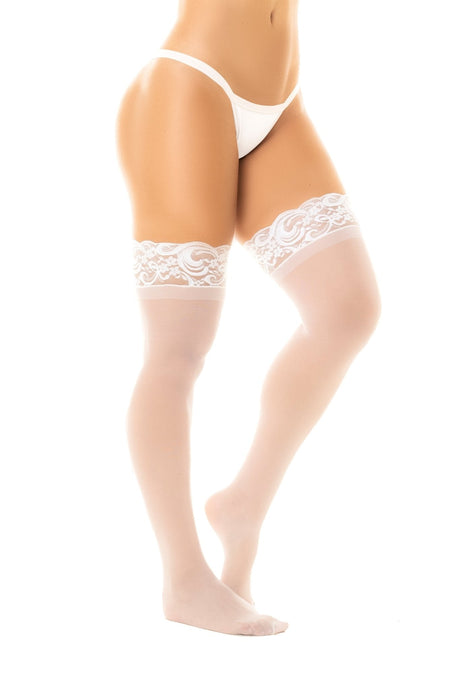
Wide-open weave mesh with significant gap size between threads. Fishnet has the strongest fashion-DNA of any mesh weight — it crosses readily from lingerie into outerwear styling. Three sub-varieties: classic fishnet (small-to-medium diamond pattern, the traditional fishnet stocking style), large-hole fishnet (wider gaps, more dramatic statement effect, common in fashion-forward styling), and modern open-weave (geometric variations beyond the traditional diamond). Fishnet works as stockings and hosiery (the most traditional application), as outerwear layering pieces, and as styled lingerie-as-outerwear (mesh tops, bodysuits worn with high-waisted bottoms). Best for: stockings and hosiery, outerwear-crossover styling, fashion-forward statement pieces, anyone wanting mesh as visible visual styling rather than just lingerie.
Many mesh lingerie pieces combine two or three weights in single construction. A typical fine-mesh bodysuit might use power mesh in the gusset and back band (for stretch recovery and support), fine mesh across the visible torso and cup surfaces (for the aesthetic), and a fishnet-detail trim at the edges (for visual interest). Reading mixed-weight construction correctly helps you understand what a piece actually does — power mesh in the right zones makes a piece more comfortable and supportive, not less aesthetic.
The Five Silhouettes
Mesh appears across five primary silhouettes, but mesh's center of gravity is different from lace's. Where lace concentrates in bras and bralettes (where decorative pattern shows best), mesh concentrates in bodysuits and teddies (where uniform openwork creates clean visual lines across the full body).
Mesh Bodysuits
Mesh's signature silhouette. The full-body openwork creates continuous visual identity that highlights mesh's modern aesthetic at its strongest. Mesh bodysuits also have the strongest outerwear crossover — worn with high-waisted bottoms as visible top pieces, layered under sheer outerwear, styled as athletic-meets-evening pieces. Power mesh bodysuits add shapewear function; fine mesh bodysuits prioritize aesthetic. The most-photographed mesh silhouette.
Shop Mesh Bodysuits →Mesh Teddies
Lighter construction than bodysuits with stronger romantic-coded styling. Mesh teddies particularly suit boudoir and dedicated statement contexts where the openwork visual effect across the full body matters. Fine mesh dominates this silhouette; fishnet teddies appear less commonly and read more fashion-forward. Mesh teddies pair beautifully with fishnet stockings for coordinated full-body styling.
Shop Mesh Teddies →Mesh Bra-and-Panty Sets
Coordinated two-piece mesh construction. Most modular mesh silhouette — pieces work together or mix with other lingerie. Look for sets where both pieces use the same mesh weight for visual consistency. Fine mesh sets dominate; power mesh sets exist for shaping-prioritized buyers. The bra component typically needs structural cup support beyond what mesh alone provides at C cup and up.
Shop Matched Mesh Sets →Mesh Bras & Bralettes
Mesh's structural limitation: mesh alone doesn't support. At A and B cups, mesh-only bralettes work fine because minimal support is needed. At C cup and above, mesh bras require integrated structural elements (underwire, structured cups, reinforced bands) — the mesh becomes the aesthetic surface, not the support element. For full-bust shoppers, look for mesh bras explicitly engineered with structural cup support rather than mesh-aesthetic-only pieces.
Shop Mesh Bras →The fifth silhouette is mesh accessories and hosiery — fishnet stockings (the most traditional and most-recognized mesh application), mesh tights, mesh-detail chemises and babydolls, mesh-overlay robes, and mesh garter belts. Fishnet hosiery in particular is mesh's most outerwear-crossover application and the easiest entry point for someone testing mesh styling without committing to a full mesh garment. Browse chemises and babydolls for mesh-detail flowing pieces.
Visible Mesh vs Hidden Mesh — The Shopping Distinction
Most retail content treats "mesh lingerie" as a single shopping category. It isn't. Mesh plays three structurally different roles in lingerie, and confusing them produces bad shopping decisions.
MESH
MESH
MESH
Before clicking "add to cart" on any mesh piece, ask: which role am I shopping for? If you want visible mesh as the aesthetic, fine mesh in bodysuits and teddies is your answer. If you want body-shaping function, power mesh in shapewear is your answer (and the visible material may not even be mesh). If you want outerwear styling, fishnet or open mesh in stockings and layering pieces is your answer. The three roles share a "mesh lingerie" label but serve completely different purposes — clarifying which role you want narrows shopping dramatically.
Mesh vs Lace — The Decisive Comparison
Lace and mesh share enough surface similarity to get confused in retail copy. They aren't the same. Here's the comparison shoppers need.
| Factor | Mesh | Lace |
|---|---|---|
| Origin | Sportswear / athletic apparel | Couture / traditional textile craft (French Leavers, Chantilly) |
| Construction | Uniform grid openwork, no decorative motifs | Patterned openwork with specific motifs (flowers, vines, geometric) |
| Aesthetic coding | Modern, contemporary, athletic-adjacent | Romantic, traditional, ornamental |
| Typical price | Lower — priced by denier and durability | Higher — priced by pattern complexity and material origin |
| Durability | 5–7 years for quality pieces; very forgiving | 1–5 years depending on grade; requires careful handling |
| Stretch | Universally high — engineered for body conformity | Varies by grade; fine lace has minimal stretch |
| Breathability | Designed for ventilation — athletic origin | Pattern density determines breathability |
| Strongest silhouette | Bodysuits and teddies (full-body uniform pattern) | Bras and bralettes (pattern detail at smaller scale) |
| Outerwear crossover | Strong — fishnet stockings, layered tops, athletic styling | Limited — reads obviously lingerie under most clothing |
| Best for | Modern aesthetic, daily comfort, athletic styling, durability | Romantic occasions, traditional aesthetic, pattern detail, statement pieces |
The verdict: they're complementary, not competitive. A balanced lingerie wardrobe includes both — mesh for daily-wear and modern-coded contexts; lace for romantic occasions and traditional aesthetic. For a fuller lace primer, see our lace lingerie guide.
Mixed-Material — Where Mesh Meets Lace and Leather
Mesh's most underrated property is how well it pairs with other materials in mixed-material construction. Three pairings dominate the mixed-material market.
The Most Common Mixed-Material Construction
Lace and mesh combine in the majority of patterned-yet-comfortable lingerie. Typical construction: lace handles the visible aesthetic (cup surfaces, waistband decoration, scalloped trim), mesh handles the support and stretch zones (side panels, back band, gusset). The result combines lace's romantic visual interest with mesh's comfort and stretch — typically more wearable than pure lace and more decorative than pure mesh. Browse lace lingerie and look for "mesh panel" or "mesh side" callouts in product descriptions for these mixed pieces.
The Contemporary Hardware-Coded Pairing
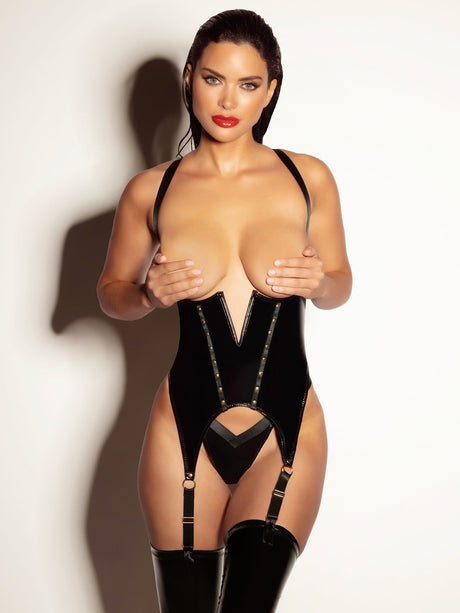
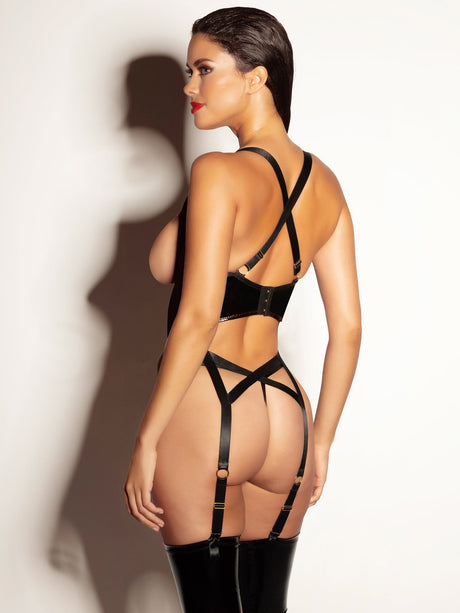
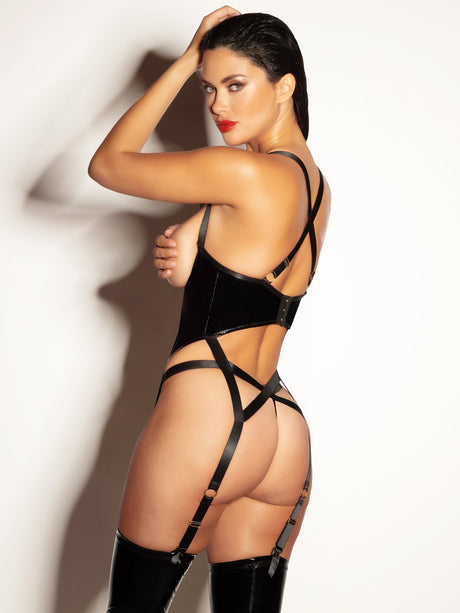
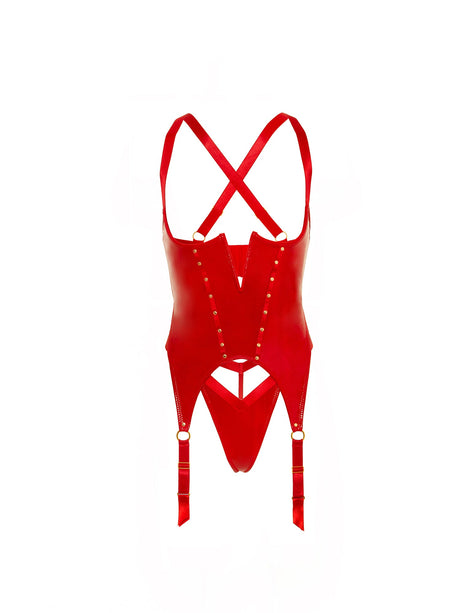
Mesh and leather (real or faux) combine in modern, contemporary, hardware-coded pieces — particularly in bondage-adjacent fashion lingerie and statement BDSM-soft pieces. Typical construction: leather handles the structural visual elements (cup outer surfaces, harness-style strapping, waistband structure), mesh handles the body-contact and stretch zones (cup interior, body panels, gusset). The result reads modern and edgy without the all-leather restriction. See our leather lingerie guide for the broader leather framework.
The Internal Mesh Composition
The under-recognized mixed-material pairing is mesh combined with itself across different weights in single construction. A premium fine mesh bodysuit might use power mesh in the gusset and back band for support, fine mesh across the visible torso for aesthetic, and a fishnet trim at the leg openings for visual interest. Reading mixed-mesh construction correctly tells you the piece is engineered thoughtfully — power mesh in support zones makes the piece more wearable; fine mesh in aesthetic zones makes it more visually appealing; fishnet trim adds fashion interest. Quality mesh brands construct deliberately across weights.
Why Mesh Lasts Longer Than Any Other Lingerie Material
Mesh's durability advantage over lace, silk, and fine fabrics is significant — and it's the single most underrated property of mesh lingerie. Here's why mesh wins on lifespan.
Mesh is constructed from synthetic threads (typically nylon, polyester, or blends) engineered for repeated wear. Synthetic threads don't degrade from light exposure, oxidation, or skin oils the way natural fibers do. Cheap synthetic threads still last longer than premium natural materials in terms of wear cycles before structural failure.
Lace's biggest durability vulnerability is decorative threads — the pattern elements catch on jewelry, rough fabrics, and washing machine drums, and once snagged, the pattern itself is damaged. Mesh's uniform construction has nothing to snag; the openwork is consistent throughout. Small holes from snags appear in lace; mesh either holds or fails uniformly.
Mesh's most practical advantage: it tolerates machine washing in a lingerie bag that destroys finer materials. Quality mesh washed cold in a lingerie bag through 200+ wash cycles holds up structurally — comparable to athletic apparel durability. Hand-washing extends lifespan but isn't required for mesh; this dramatically lowers the care effort relative to lace and silk.
Mesh's single durability vulnerability is heat. The elastane content (15–25% in typical mesh construction) breaks down permanently with heat exposure — dryer, hot water, sunlight in storage. Once elastane is gone, the piece doesn't recover stretch. Cold-water washing and air-drying are essential. With heat avoidance, mesh routinely outlasts every other lingerie material in the same wardrobe.
Find Your Mesh Style
Find Your Mesh Style
Three quick questions — we'll point you to the right mesh weight, silhouette, and starting piece for your goals and body.
Caring for Mesh Lingerie
Mesh is the most care-tolerant lingerie material — but heat avoidance still matters.
Machine Wash Cold, Hang Dry
Quality mesh tolerates machine washing in a mesh lingerie bag on a delicate cold cycle with gentle detergent. This is the practical routine for daily-wear mesh pieces and the routine that maximizes the lifespan-to-effort ratio. Hand-washing extends lifespan further but isn't required. Always hang dry or lay flat — heat is mesh's only real enemy. Cold water specifically helps preserve elastane content; hot water causes the same degradation as dryer heat.
Extra Care for Fashion-Wear Pieces
Fishnet and large-hole mesh need slightly more care because the wider openings catch on other items more easily. Always use a mesh lingerie bag. For visible-outerwear fishnet stockings, hand-washing extends lifespan significantly because the visible threads tolerate less wear before showing damage. Store fishnet flat or hanging in fabric bags — folding wide-hole mesh in storage can cause permanent creases at the fold points.
Three mistakes shorten mesh lifespan: (1) Dryer heat — permanently destroys elastane; the piece loses stretch and doesn't recover. (2) Hot water washing — same elastane damage, just slower. (3) Storage in direct sunlight — UV exposure degrades synthetic threads over months. Avoid these and quality mesh lasts 5–7 years; ignore them and the same mesh lasts 18 months. The dryer specifically is the single biggest enemy of mesh longevity.
Fit and Sizing for Mesh
Mesh's universally high stretch content provides significant fit forgiveness within a reasonable range. Order your true size; the elastane handles accommodation. Don't size up expecting comfort — looser mesh doesn't shape or hold properly. Don't size down expecting compression — over-stretched mesh fails faster and the openwork reads thin.
Mesh alone doesn't support — for C cup and above, mesh bras need integrated underwire and structured cup engineering. Look for explicit cup architecture descriptions in product listings rather than mesh-aesthetic-only construction. See our bra sizing guide for proper fitting and bra sizes reference for the cup-and-band system.
Mesh is among the most plus-size-friendly lingerie materials. The high stretch content provides natural fit accommodation; specialty plus-size brands grade mesh well because there's no decorative pattern scaling to manage. Power mesh shapewear in plus sizes provides genuine shaping function. Browse plus-size lingerie for specialty mesh options.
Fine mesh in light colors (white, nude, pastel) is effectively transparent; the same mesh in black or dark colors reads decorative semi-sheer. For under-clothing wear or modesty purposes, choose darker colors or power mesh. For visible aesthetic, lighter colors maximize the openwork effect. Test on body before committing for visible-outerwear styling.
Common Mesh Lingerie Problems and Fixes
STRETCH
SHEER
THAN
EXPECTED
DOESN'T
SUPPORT
OR
RUNS
RUNS
How to Wear and When
Mesh's contemporary positioning gives it broader styling application than lace — particularly into outerwear and athletic-coded contexts.
Modern Foundational Lingerie
Mesh bralettes and bra-and-panty sets in fine mesh work as foundational daily lingerie — comfortable, durable, breathable, and contemporary-coded. Black and nude are the most flexible daily-wear colors; nude mesh disappears under most clothing while black mesh reads as decorative-sheer rather than transparent.
Modern Romantic Coding
Mesh bodysuits and teddies anchor the modern-coded bedroom and partnered-intimacy contexts. The clean uniform openwork creates contemporary visual identity that distinguishes from lace's romantic-traditional coding. Black mesh and red mesh are the strongest bedroom-context colors. Mesh's smooth body conformity (vs lace's sometimes-structured fit) makes it more comfortable for extended wear in intimate contexts.
Athletic DNA Meets Streetwear
Mesh has the strongest outerwear crossover of any lingerie material. Common applications: mesh bodysuits worn with high-waisted bottoms as visible top pieces; fishnet stockings worn under shorts, skirts, or dresses; mesh tops layered under blazers or open jackets; mesh bralettes peeking under sheer or open outerwear. The athletic-DNA origin gives mesh contemporary fashion legitimacy that lace can't replicate — mesh worn outerwear reads modern and styled; lace worn outerwear typically reads as undergarment showing.
Clean Lines for Modern Aesthetics
Mesh photographs particularly well because the uniform openwork creates clean continuous visual lines without the busy pattern detail of lace. For modern-aesthetic boudoir photography, mesh bodysuits and teddies provide elegant minimalism that lets the body composition take center stage. Black mesh and white mesh both photograph dramatically. The athletic-DNA association also supports fitness-and-glamour crossover boudoir styling that pure lace can't anchor as well.
Frequently Asked Questions About Mesh Lingerie
What is mesh lingerie?
What's the difference between mesh and lace lingerie?
What are the three mesh weights?
What's the difference between power mesh and fine mesh?
Is mesh lingerie see-through?
Is mesh lingerie comfortable?
Does mesh lingerie provide bust support?
How durable is mesh compared to lace?
Can mesh lingerie be worn as outerwear?
What about plus-size mesh lingerie?
Why is mesh lingerie cheaper than lace?
How do you care for mesh lingerie?
What occasions is mesh lingerie best for?
What's a good first mesh lingerie piece for someone new?
This guide is editorial. Mesh lingerie weight, denier, sheerness, and care needs vary across bodies, brands, and personal preferences — what matters most is comfort, fit, and confidence. Refer to each brand's size chart and care instructions for the best results. Last reviewed: May 16, 2026.