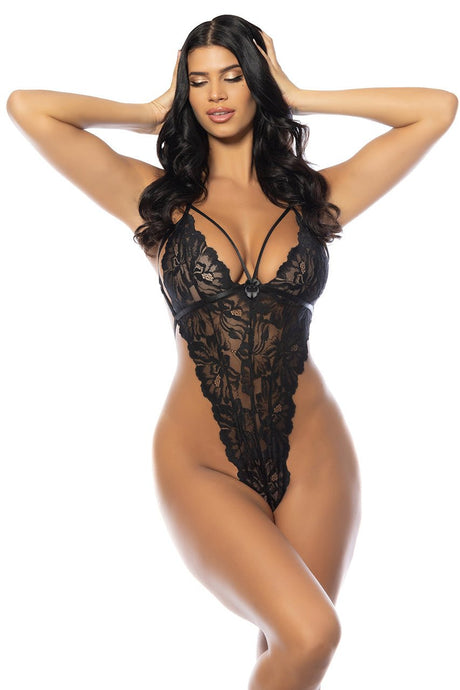
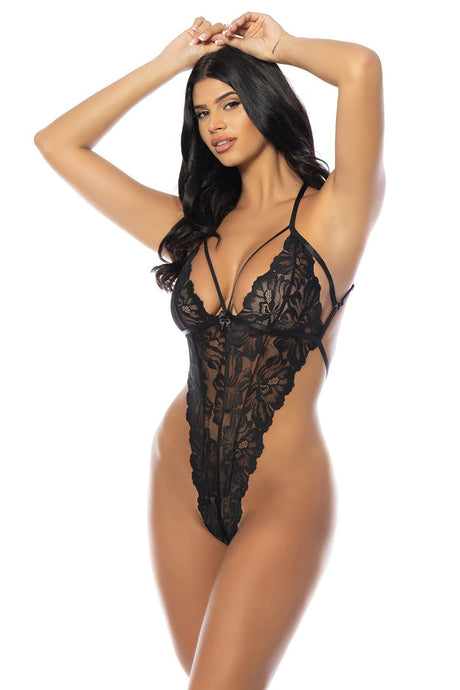
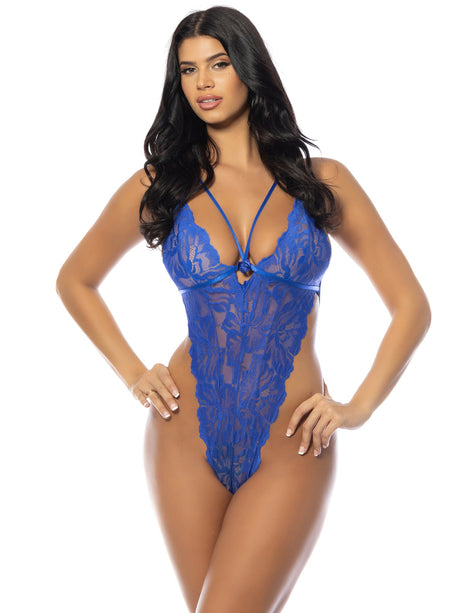
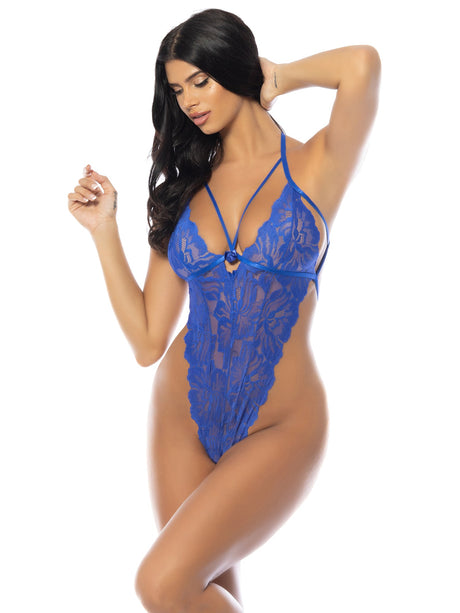
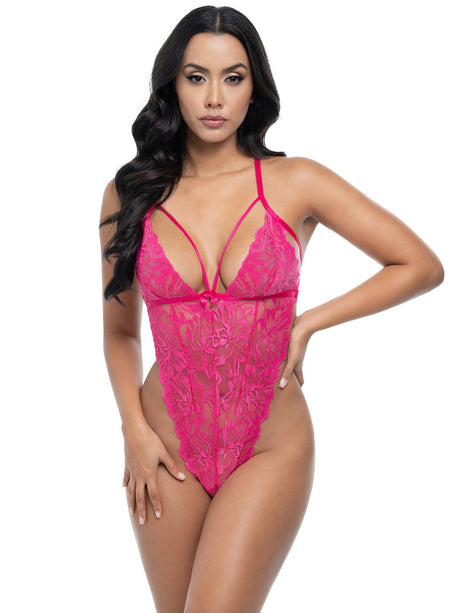
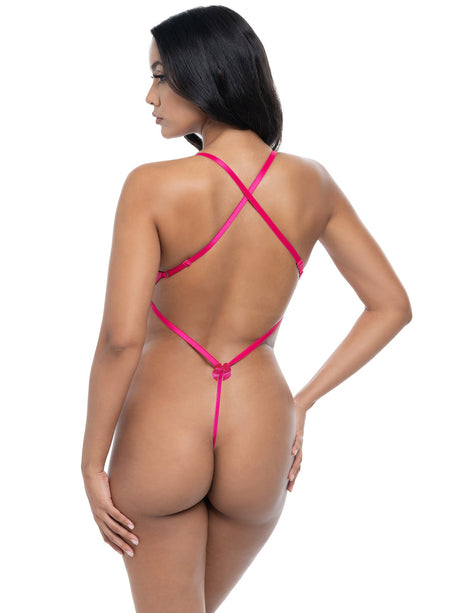
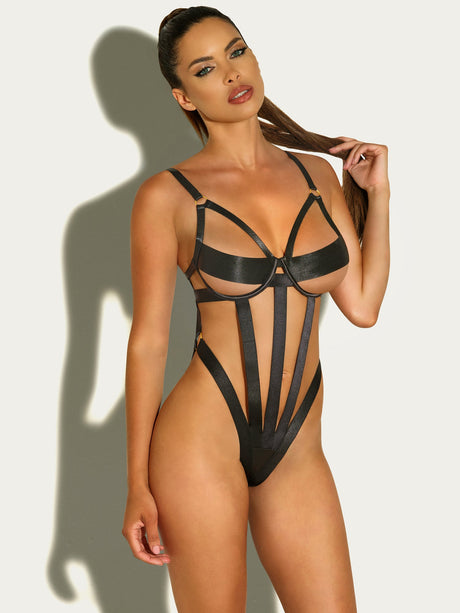
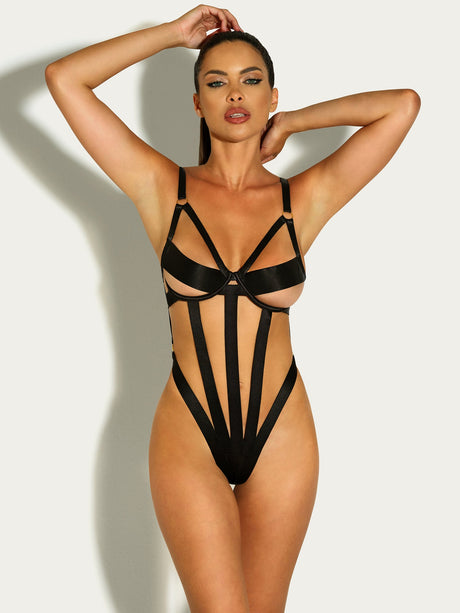
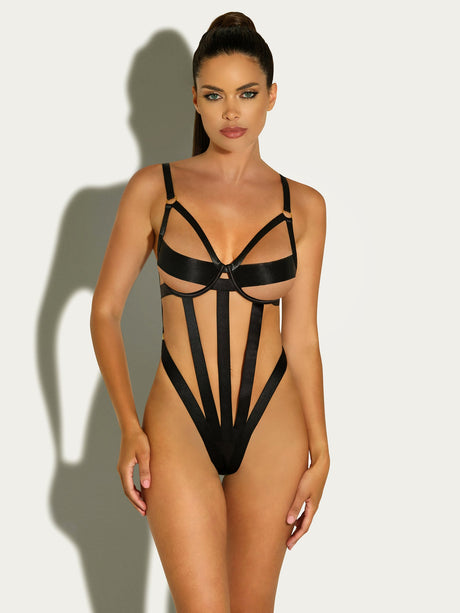
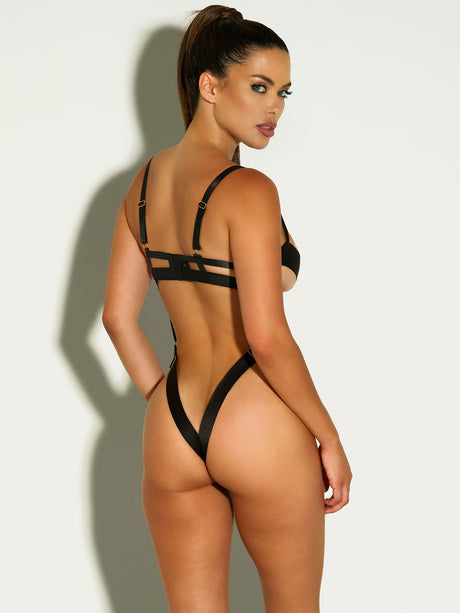
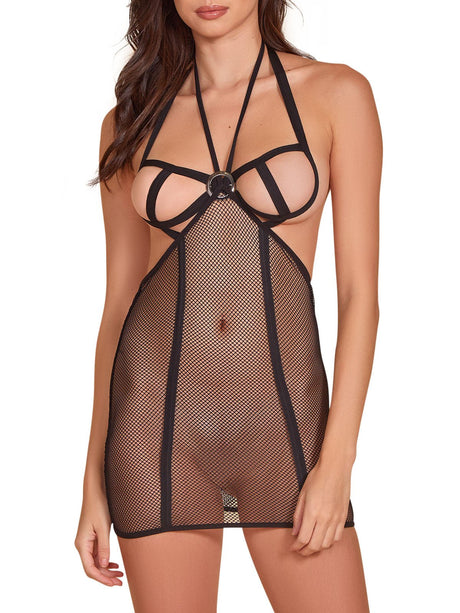
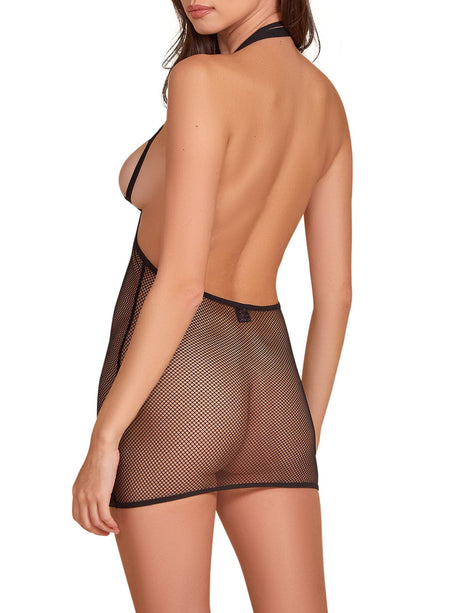
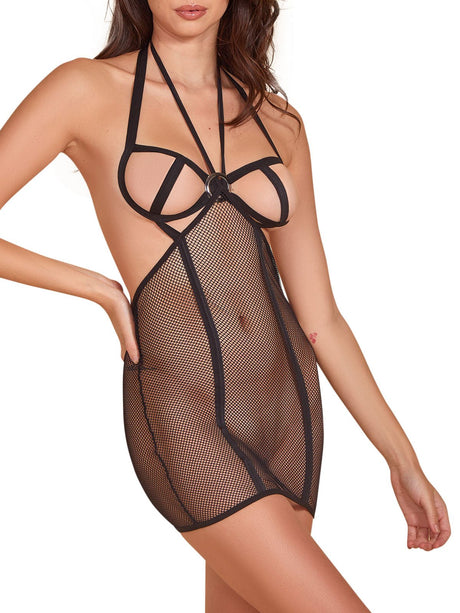
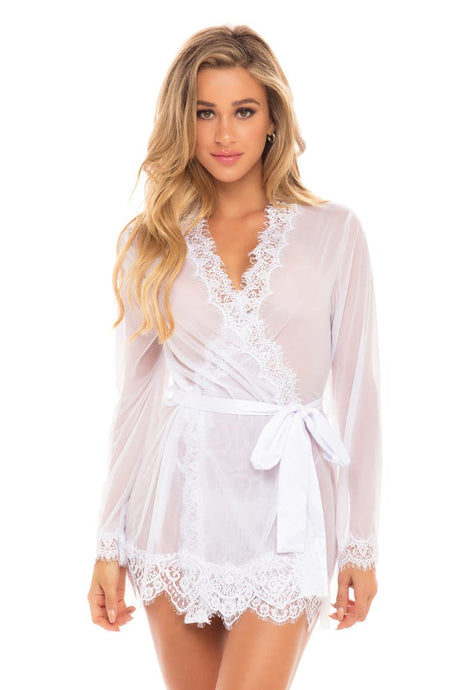
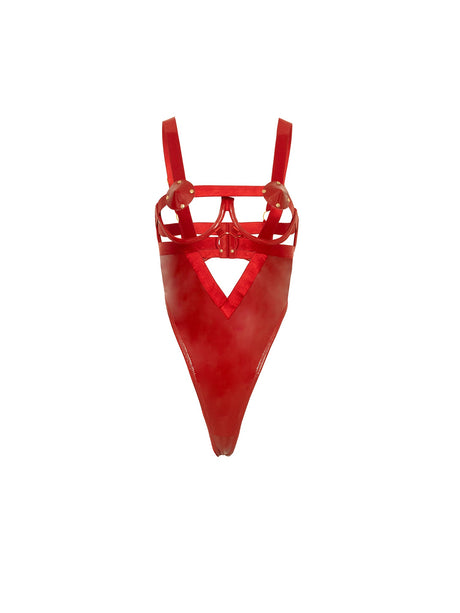
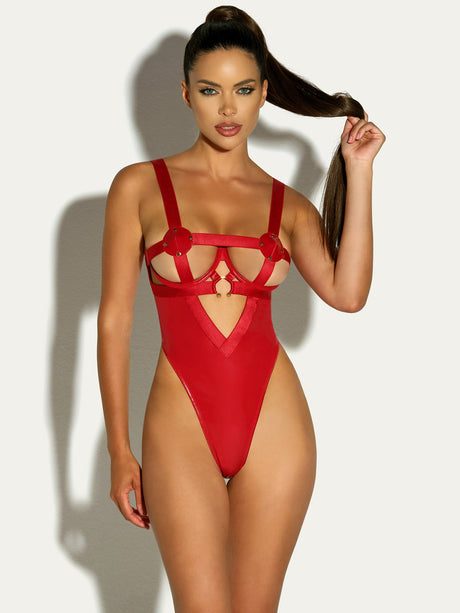
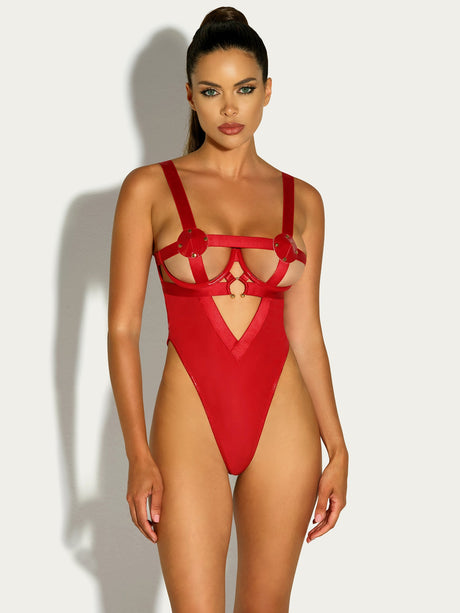
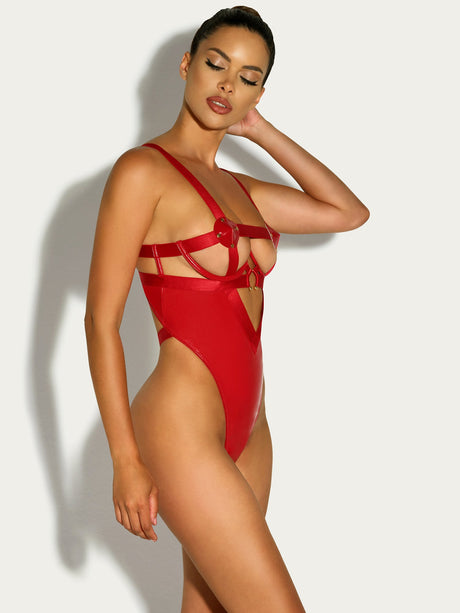
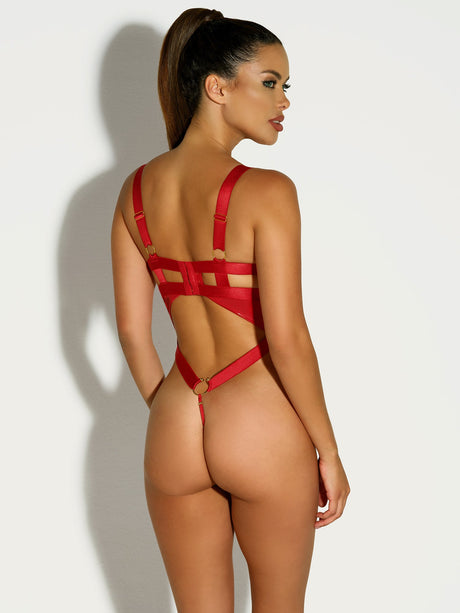
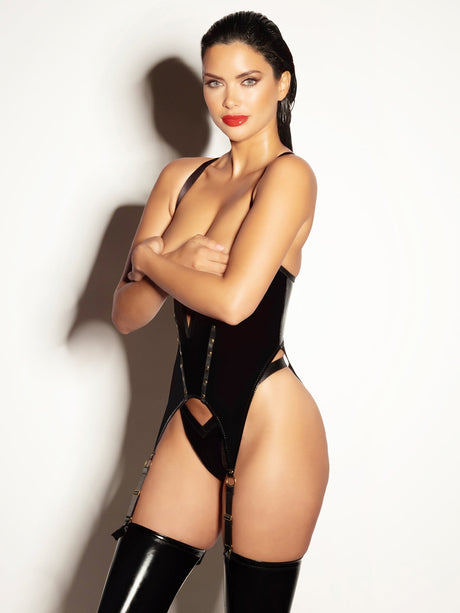
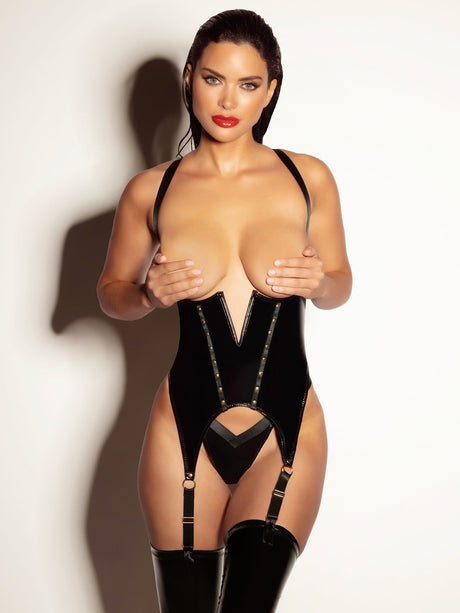
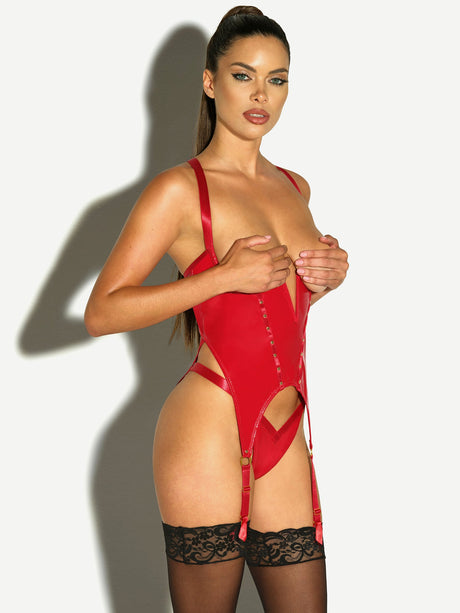
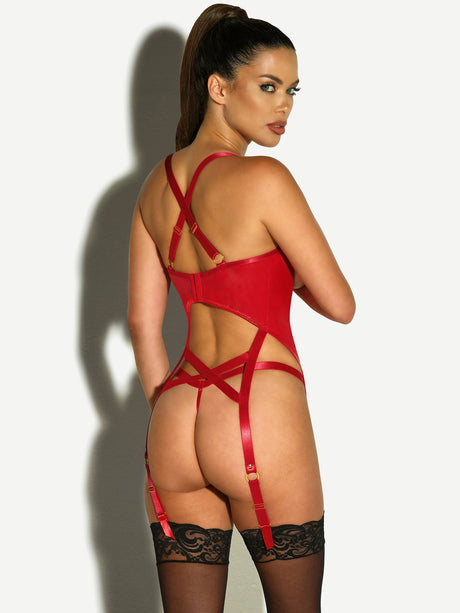
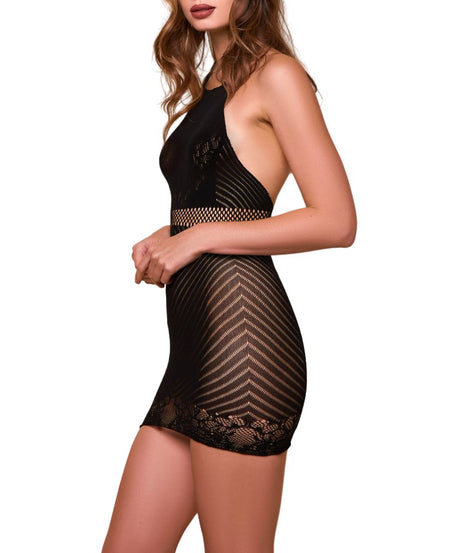
Can a bodysuit replace your bra?
A bodysuit replaces a bra only when its cups are sized like a bra's. Most bodysuits are not. Of the 201 bodysuits HauteFlair stocks, three are sized by band and cup; the other 198 use apparel sizing such as S, M, L or one size, which grades torso width rather than cup volume. Apparel sizing cannot deliver cup-specific support. That makes a bodysuit a dependable bra substitute up to roughly a C or D cup, and an unreliable one above it.
That third measurement is the one nobody explains, and it causes more returns than any other bodysuit problem. This guide covers what each construction actually holds up, how to read a bodysuit size chart honestly, when a bodysuit is genuinely better than a bra, and the practical limits nobody mentions until you are already wearing one.
- Three constructions exist, and only one truly replaces a bra. Unlined, shelf or built-in cups, and bra-sized cups with underwire. Only the third is engineered around your cup.
- Apparel sizing is a torso measurement, not a cup measurement. A bodysuit labelled M is telling you about rib and hip circumference. It says nothing about volume.
- Torso length is the hidden variable. A long torso drags the neckline down and pulls at the crotch. A short torso bunches at the waist. Both happen at the correct bust size.
- You can wear your own bra under most unlined bodysuits. Low backs, halters and deep plunges are the exceptions, and seams show through smooth jersey.
- The gusset is the real-world complaint nobody writes about. Snap closures beat pull-on styles for practicality, and the difference matters on a long day out.
- If you are between sizes, size up. Size up for torso length rather than down for smoothness. A bodysuit that is fractionally roomy is wearable; one that is fractionally short is not.

Three bodysuit constructions, and what each one actually supports
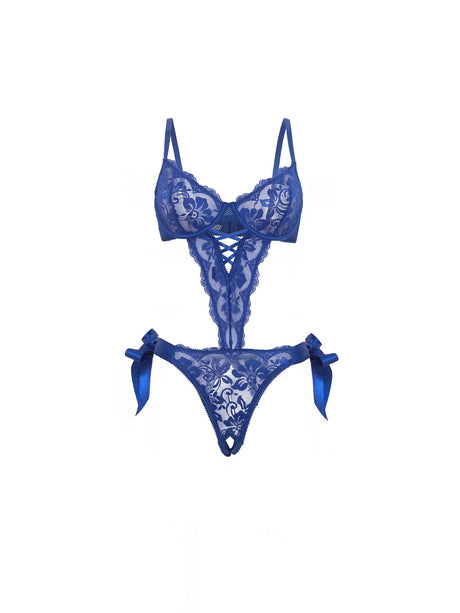
A bodysuit supports the bust in one of three ways, and the difference is structural rather than decorative. Identifying which one you are looking at takes ten seconds on a product page, and it predicts how the piece will feel after four hours.
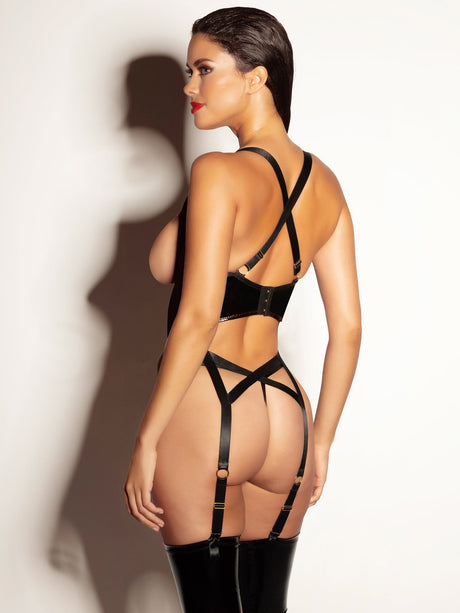
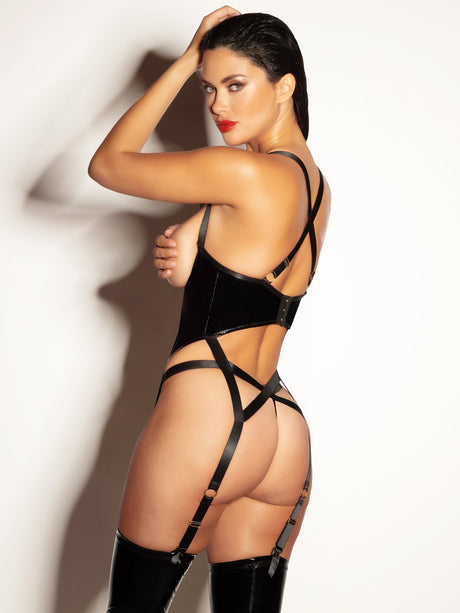
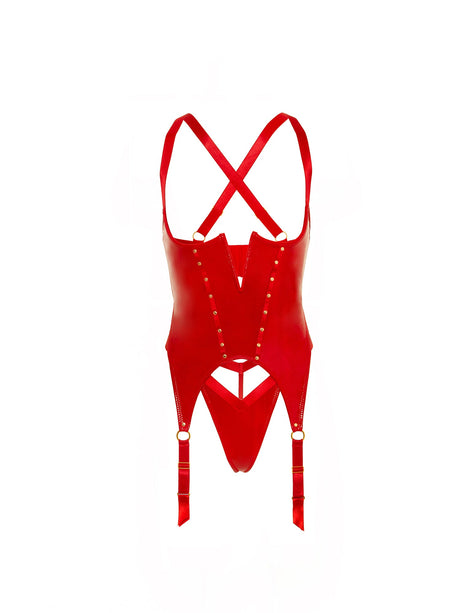
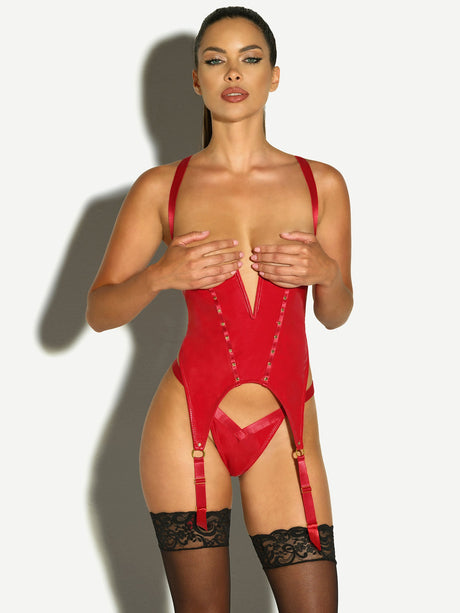
The trap is the middle row. A shelf-cup bodysuit looks like the third category in a flat-lay photograph: a defined cup shape, sometimes a seam, occasionally a light wire. What it does not have is a cup size, and a cup shape without a cup size is a shape borrowed from a fit model. Our guide to types of bras maps the same distinctions in bra form.
Why most bodysuits are sized S, M and L, and what that costs you
Most bodysuits are sized as apparel because they are cut and graded as apparel. We audited every product in the bodysuit collection on August 13, 2026, and read the size options on all 201. The result is worth stating plainly rather than softening.
The three bra-sized pieces come from Lise Charmel, Fine Lines and Va Bien. Between them they cover bands 32 to 38 and cups A through DD/E, and two of the three are backless or convertible styles built for a specific dress problem rather than for everyday wear. Everything else in the collection uses S, M, L and XL, paired sizes such as S/M and L/XL, plus-size runs of 1X to 3X, or a single one-size option. The dominant vendors are Mapale with 100 products and BeWicked with 65, and both size exclusively as apparel.
Here is what that means mechanically. A bra grades two things independently: the band, which sets the anchor tension around your ribcage, and the cup, which sets the volume above it. An apparel size grades one thing, circumference, and assumes a bust-to-underbust difference for each step. The assumption is typically around 2 to 3 in. of difference, which corresponds to a B or C cup. If your difference is larger, the garment fits your ribcage and runs out of room across the front.
| Sizing system | What it actually grades | Reliable to | In our range | Verdict as a bra replacement |
|---|---|---|---|---|
| One size / OS | Stretch tolerance only | No cup claim at all | Common, mostly mesh and fishnet styles | No |
| S, M, L, XL | Rib and hip circumference, plus torso length | Around a C cup | The large majority of 201 products | Sometimes |
| S/M, L/XL paired | Two apparel sizes merged into one grade | Around a B cup | Frequent in the Mapale range | No |
| Band + cup (32C, 34D) | Rib anchor and breast volume, separately | Up to DD/E here | 3 products | Yes |
HauteFlair does not stock a bodysuit above a DD/E cup. If you wear an F, G, H or HH cup, no bodysuit in our range will support you the way your bra does. The honest route is an unlined or lace bodysuit worn over your own bra, or a well-fitted t-shirt bra under separate clothing. We would rather say this than sell you a size L and take the return.
A bodysuit labelled M is making a claim about the width of your ribcage. It is not making any claim at all about your cup. Almost every bad bodysuit purchase starts with reading the first as though it were the second.
HauteFlair Editorial
Torso length is the reason a correctly sized bodysuit still fits badly
Torso length is the single most common cause of a bodysuit that fits your bust and hips and still feels wrong. Every bodysuit is graded for a vertical measurement as well as horizontal ones: the distance from the shoulder, over the bust, down the front of the body and through the crotch to the back waist. Manufacturers rarely publish it. It varies by several inches between people of the same dress size.
A long-torsoed wearer runs out of garment. The bodysuit reaches full stretch before it reaches the body's full length, so it borrows the difference from both ends: the neckline is dragged down toward the bust and the gusset is pulled up into the crotch. The result reads as a bodysuit that is both too low-cut and too tight, and adjusting the straps never fixes it, because the shortage is in the vertical panel.
A short-torsoed wearer has the opposite problem. The garment is longer than the space available, so the excess has to go somewhere, and it collects as a horizontal roll at the natural waist. Under a fitted skirt that roll is visible. Under a knit dress it is worse, because the bunching pushes outward exactly where the fabric is closest to the body.
Run a soft tape from the top of one shoulder, down over the fullest part of the bust, through the crotch, and back up to the same shoulder. That loop is your torso length. Compare it to the brand's chart if one is published, and if it is not, treat any bodysuit within one apparel size of your bust measurement as the safer choice when your loop measurement is at the long end.
Can you wear your own bra under a bodysuit?
Yes, and for unlined styles it is usually the better answer. An unlined lace or mesh bodysuit is a layer, not a support system, so pairing it with a bra you already know fits gives you the shape of your bra and the smooth line of the bodysuit at the same time. This is the practical route for anyone above a D cup, and it is how most of our unlined range is genuinely wearable.
Three situations make it impossible or visible:
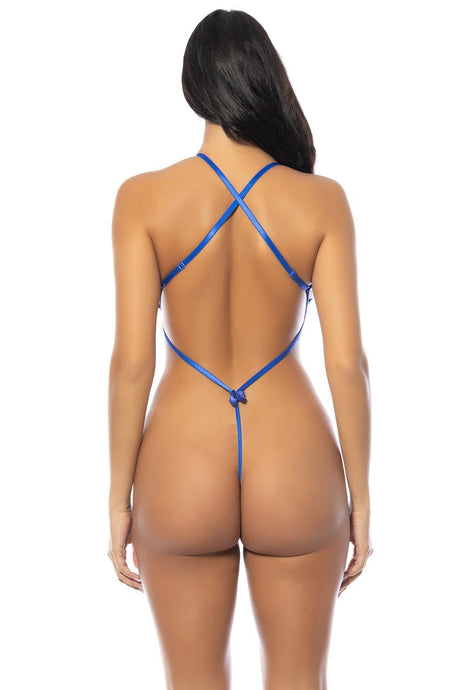
- Low backs, halters and racerbacks. If the bodysuit's back sits below your bra band or its straps sit inside your bra straps, a conventional bra will show. A strapless bra solves the strap problem but not always the band problem, since a strapless band still crosses the back at bra height.
- Smooth jersey and microfibre. Any bra seam, lace edge or hook-and-eye ridge telegraphs through a single layer of smooth stretch fabric. Under a smooth bodysuit, wear a moulded, seam-free cup or nothing.
- Deep plunges and sheer front panels. A centre gore that sits higher than the bodysuit's neckline will be on show. This is a design mismatch, not a fitting error.
Under lace, the rules relax considerably. Lace has visual texture, so it hides seams and edges that smooth fabric reveals. A full-coverage bra under a lace bodysuit is far less obvious than the same bra under a jersey one. If you are weighing a soft, unstructured layer against a structured one more generally, our comparison of bralettes versus bras works through the same trade-off.
When a bodysuit genuinely beats a bra
A bodysuit outperforms a bra in four specific situations, all of them about the line of your clothing rather than about support. These are real advantages and they are the reason the category exists.
A bodysuit is anchored at the crotch, so it cannot travel upward. Camisoles untuck, bra bands creep and shirts pull loose across the day. A bodysuit stays where you put it at eight in the morning.
Under a fine-gauge knit or high-waist trousers, a bodysuit removes the two hem lines a bra and a top create. There is no waistband ridge and no shirt bulk gathered under the waistband.
Boat necks, cowl necks and off-shoulder cuts expose bra straps constantly. A bodysuit with matched straps, or a strapless bodysuit, removes the problem instead of managing it.
A bodysuit reads as a top when a blazer is open and as underwear when it is closed. That is one garment doing the work of two, with no untucking and no bunched shirt tail at the back.
None of these four is a support claim. They are line and stability claims, and they hold at any cup size, including sizes the bodysuit cannot support. That is why wearing your own bra underneath works so well: you keep all four advantages and borrow the support from a garment engineered for it.
When a bodysuit cannot replace a bra
A bodysuit is the wrong choice in three situations, and one of them is more practical than technical.
High-impact activity
No bodysuit in our range is engineered for running, jumping or class-based training. Vertical bounce during high-impact movement needs a compression or encapsulation cup and a band with far more tension than a bodysuit's torso panel provides. A bodysuit's elastic runs the length of the body, which means it stretches along the axis you need it to resist. Use a proper sports bra instead, and treat any bodysuit sold as athleisure as a layering piece.
All-day wear at larger cups
Above a D cup, an apparel-sized bodysuit shifts the load onto your shoulders. Without a firm band, the weight of the bust hangs from the straps, and over eight to ten hours that produces the familiar ache at the top of the trapezius and grooves under the strap. If your shoulders hurt at the end of a day in a bodysuit, the band is not doing its job. Our guide to bra fitting explains why a band should carry most of the load, and the principle is identical here.
The gusset, honestly
The gusset is the most common real-world complaint about bodysuits and almost nobody writes it down. Every trip to the bathroom means unfastening the crotch, and how much that costs you depends entirely on the closure.
| Gusset type | What using the bathroom involves | Practical for a full day out |
|---|---|---|
| Snap closure, 2 to 3 poppers | Reach under, unsnap, refasten by feel | Yes |
| Hook-and-eye gusset | Slower to refasten, easier to misalign blind | Workable |
| Open or crotchless | Nothing to unfasten | Yes, but not an everyday piece |
| Pull-on, no closure | Full undress from the shoulders down | No |
Two practical notes. Snaps are quick but they can pop open under a snug fit or a long torso, and a bodysuit that is fractionally too short is the usual reason. And a snapped gusset sits directly against the skin all day, so if you are prone to irritation, choose a cotton-lined gusset over a bare synthetic one. Persistent soreness, itching or a rash that does not settle after a day out of the garment is worth raising with a doctor or pharmacist rather than sizing around.
Why a lace bodysuit behaves differently from a smooth one
Fabric changes how a bodysuit fits, not only how it looks. The two families in our range behave in opposite ways.
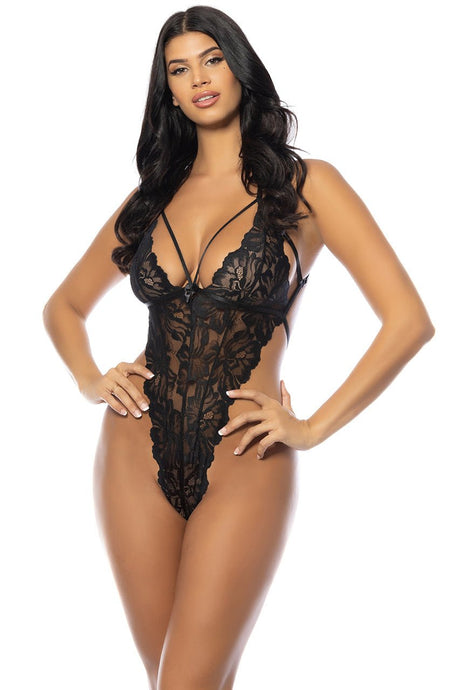
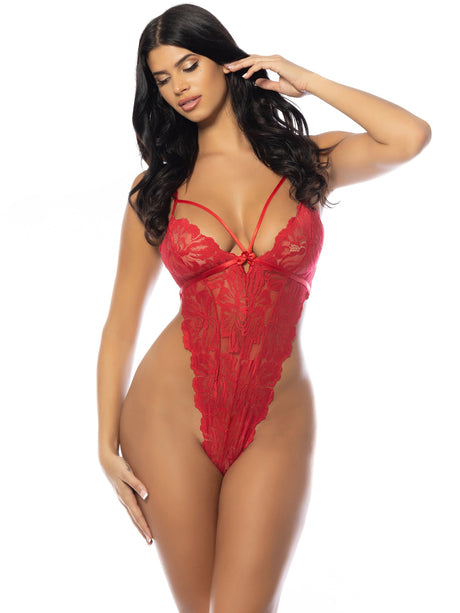
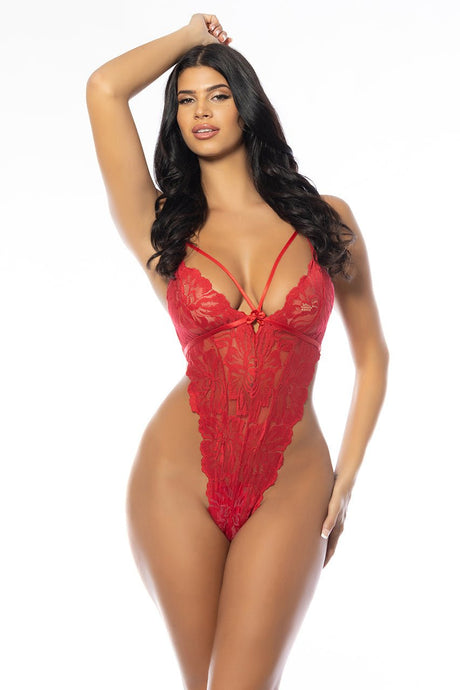
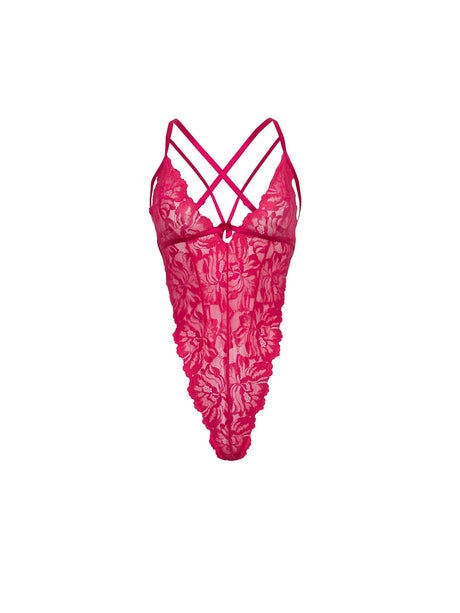
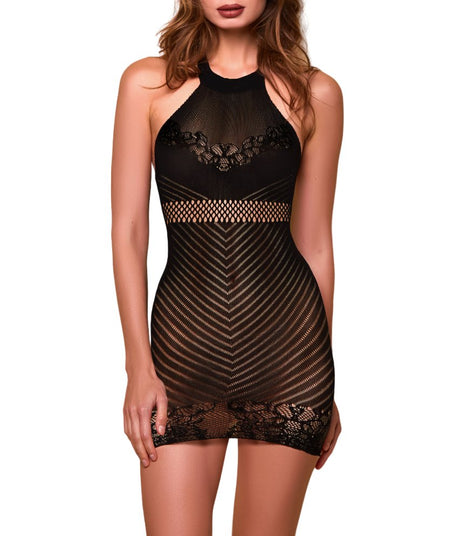
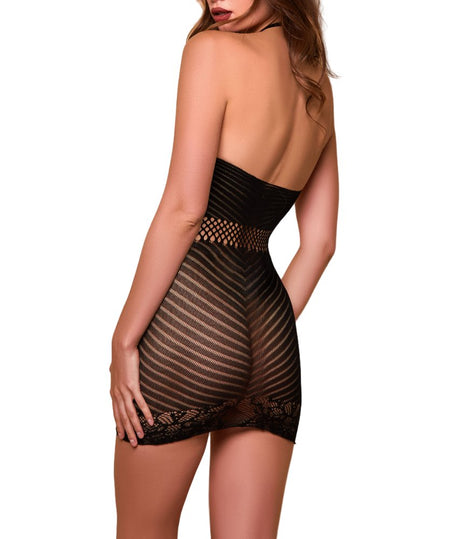
Lace and mesh are open structures. Air passes through them, so they run cool, and they stretch generously in every direction, which makes them forgiving of an unusual torso length. That same openness means they support very little and they show whatever is underneath. Lace also has visual texture that camouflages a bra beneath it. It is the summer choice and the layering choice.
Smooth microfibre and jersey are closed structures. They trap warmth against the skin over the full length of the torso, which is comfortable in October and noticeable in July, especially since a bodysuit covers considerably more skin than a bra and briefs. They give the cleanest line under fitted clothing, and they reveal every seam and ridge beneath them. It is the winter choice and the smooth-line choice.
Heat is the honest seasonal caveat. A full-torso synthetic layer worn under clothing in warm weather holds moisture where a bra would not, and that is worth planning around rather than discovering. If you want smoothness in summer, a lighter route is separate seamless underwear, which gives you the same invisible line with far less coverage.
Hand wash any bodysuit with a moulded or shelf cup and reshape the cup while it is damp. A built-in cup lives inside the garment, so it cannot be replaced when it creases, and a machine cycle folds it in ways that do not recover. Our guide to washing a bra covers the same technique in detail, and it applies to bodysuit cups without change.
How to size a bodysuit in four steps
Size a bodysuit from your torso loop first, not from your usual dress size. The order below takes about five minutes.
Take your torso loop first, not your bust
Measure from the top of one shoulder, over the fullest part of the bust, through the crotch and back to the same shoulder. Keep the tape snug but not compressing. This number, not your bust, is the measurement most likely to disqualify a size, so it should lead the decision.
Check the sizing system on the product page
Look at the size options before anything else. If they read S, M, L or OS, you are buying apparel sizing and should not expect cup-specific support. If they read as a band number and a cup letter, the piece is engineered as a bra and you should order your normal bra size.
Size up when you fall between sizes
Choose the larger size when your measurements straddle two, and choose it for torso length rather than for bust. A bodysuit that is fractionally roomy across the body still hangs correctly and still gives a clean line. A bodysuit that is fractionally short pulls at the crotch and drags the neckline down for as long as you wear it, and nothing about that improves with wear.
Test it seated, not standing
Sit down in the bodysuit before you remove the tags. Sitting shortens the front of the torso and is where crotch pull, gusset strain and neckline drag show up first. If the neckline moves noticeably as you sit, the piece is too short in the body regardless of how it looked in the mirror standing up.
If a bodysuit is doing shaping work as well as covering, sizing up matters even more, because compression fabric that is also too short concentrates the pull at the crotch. Our shapewear range is graded for that job specifically and is a better tool for it than a fashion bodysuit in a smaller size.
Frequently asked questions
Can a bodysuit really replace a bra?
How many HauteFlair bodysuits are sized by cup?
What size bodysuit should I buy if I am between sizes?
Why does my bodysuit pull at the crotch when the bust fits?
Why does my bodysuit bunch at the waist?
Can I wear a bra under a bodysuit?
Are bodysuits comfortable to wear all day?
How do you go to the bathroom in a bodysuit?
Do bodysuit snaps come undone on their own?
Are bodysuits too hot in summer?
What is the difference between a bodysuit and a teddy?
Does a shelf bodysuit give the same support as a bra?
Can you wear a bodysuit for exercise?
Do bodysuits work above a DD cup?
This guidance is general and educational. Sizing varies considerably between brands, and torso length is rarely published, so always check the individual product size chart before ordering. Nothing here is medical advice; if skin irritation, shoulder pain or persistent discomfort continues, speak to a doctor or pharmacist.