What is the difference between a kaftan and a sarong?
A kaftan is a cut garment. A sarong is a rectangle of cloth. That sounds like a small distinction and it is the whole difference between them. A kaftan is sewn: loose, long, wide-sleeved, cut straight from the shoulder with no waist seam, so it pulls on over the head and needs no fastening. A sarong, also called a pareo, is not tailored at all. It is a single rectangle, usually around 150 by 100 centimeters, that becomes a skirt, a dress, a halter or a one-shoulder depending entirely on how you knot it. Which means the kaftan is the easiest thing to put on and the sarong is the most versatile thing to pack. Both get sold as beach cover-ups, along with kimonos, shirt dresses and crochet cardigans, and that category label describes what the garment is for rather than what it is. The thing that decides whether any of them actually covers you is weave density, which almost no listing mentions.
Cover-up is a job description, not a garment. Underneath it sit half a dozen genuinely different things, most of them much older than beachwear.
Knowing which is which makes packing considerably easier, and one of them does the work of four.
- Kaftan: pull-on robe, no fastening. The easiest to get on over damp swimwear.
- Sarong or pareo: a rectangle of cloth. Ties four ways. The most versatile thing you can pack.
- Kimono: open-fronted, never goes over your head. Best for repeated on and off.
- Shirt dress: the one that reads as clothing rather than beachwear.
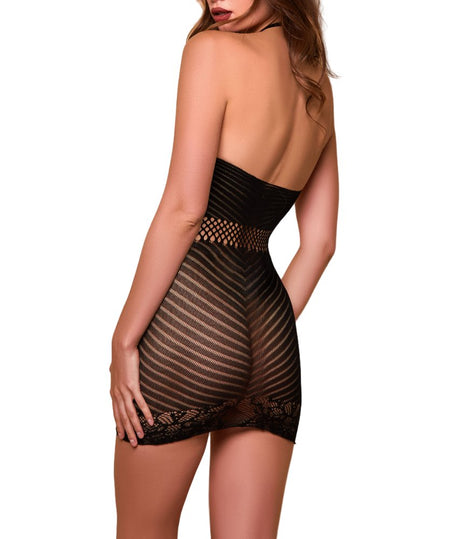
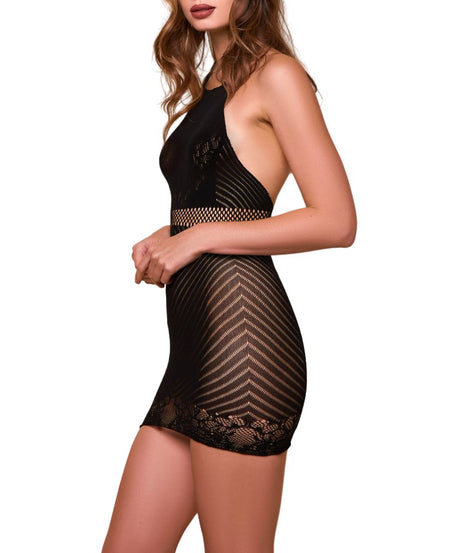
- Crochet: decorative, deliberately open, covers very little.
- Weave density decides coverage, not the garment type. Open gauze is semi-sheer by design.
- Natural fibers go on over damp skin. Polyester grips and drags.
Six Garments Under One Label
Beach cover-up is a category defined by function: anything worn over swimwear. The garments inside it are unrelated to each other and mostly predate beachwear entirely, which is why the names are worth knowing rather than treating as interchangeable.
Kaftans, Sarongs and Beach Robes
Cover-ups in cotton gauze, lawn, linen blends and viscose, from sheer to fully opaque. Full size range, free returns on unworn pieces.
Shop BeachwearSwim Dress GuideFour Ways to Tie a Sarong
A sarong is only useful if you know what to do with it, and the four ties below cover almost everything. Each takes under a minute.
Wrap Skirt
Hold the sarong lengthways behind you, bring both ends around to the front, and knot them at the hip rather than the center front. That single detail is what makes the difference: a hip knot keeps the overlap closed as you walk, while a center knot lets the front fall open with every step. Rolling the top edge over once before knotting makes it more secure and gives a neater waistline.
Halter Dress
Hold the sarong across your back, under the arms, and bring both top corners forward over the bust. Take them up and knot behind the neck. The lower edge falls as a skirt. This gives the most coverage of the four ties and is the most likely to need adjusting through the day, since all the weight hangs from the neck knot.
Strapless Dress
Wrap the sarong around the body above the bust, overlapping generously at the front, and knot the two top corners together at the center. Tuck the knot inward for a cleaner line. This one relies entirely on wrap tension, so it wants a longer rectangle and a fabric with a little grip rather than slippery satin.
One-Shoulder
Wrap around the body under one arm, bring both corners up over the opposite shoulder, and knot them there. This is the most secure of the four, because the shoulder is carrying the weight rather than the wrap tension holding everything up. It is the tie to use if you are actually walking anywhere.
A sarong has no size, only a rectangle. Around 150 by 100 centimeters is standard and ties into all four styles above. A shorter rectangle works fine as a skirt and will not reach as a dress. If you intend to wear it as a dress, check the longer measurement in the listing rather than assuming, since some sarongs sold as scarves are considerably smaller.
Weave Density Is What Decides Coverage

People choose cover-ups by garment type and then find the coverage is not what they expected. The variable is not the garment and not the fiber. It is how tightly the fabric is woven, and it is almost never stated.
An open weave has visible gaps between threads. It is light, cool and moves beautifully, and it is semi-transparent by design rather than by accident. Cotton gauze, crochet and loose linen all sit here. They are perfect for a beach and frequently not what you want walking through a hotel lobby.
A dense weave has threads packed tightly with no visible gaps. Cotton lawn, poplin and closely woven linen sit here. They cover properly, hold more heat, and are what you want if the cover-up needs to work away from the water.
Two complications worth knowing. Damp fabric is more transparent than dry fabric, and a cover-up is by definition going over a wet swimsuit, so judge opacity assuming it will be damp. And white is the worst case in any weave, since there is no pigment to block light. If you want white, buy it in the densest weave you can find or accept it will be sheer.
Fabrics
| Fabric | Behaves | Best for |
|---|---|---|
| Cotton gauze | Very light, open weave, crumples softly, dries fast | Hot weather. Semi-sheer, so beach rather than town. |
| Cotton lawn or poplin | Densely woven, crisp, fully opaque | Real coverage. Shirt dresses and kaftans that travel. |
| Linen and linen blends | Cool, textured, creases readily | Heat. A blend creases less than pure linen. |
| Viscose and rayon | Very fluid, drapes well, weak when wet | Sarongs and kaftans with movement. Hand wash only. |
| Silk and silk blends | Beautiful drape, marks with salt and water | Poolside rather than seaside. Not for swimming near. |
| Polyester chiffon | Cheap, holds shape, does not breathe | Appearance only. Grips damp skin and traps heat. |
| Crochet knit | Open, heavy when wet, slow to dry | Texture and shape. Minimal coverage. |
The one to be careful with is polyester. It photographs well and it does two things badly that matter here: it does not breathe, so it holds heat in exactly the conditions you bought it for, and it grips damp skin rather than sliding over it, which makes getting dressed at a beach genuinely irritating. Natural and semi-synthetic fibers slide on far more easily.
Making One Work Away From the Beach
The common ask is a cover-up that walks from a beach to lunch without a change of clothes. Three things decide whether it does.
- Weave density. A sheer garment reads as beachwear no matter how it is styled. This is the biggest single factor and the one people try to style their way around.
- Solid color over swim print. A tropical or nautical print announces the context. A solid, particularly in a neutral or a deep tone, does not.
- A waist and real shoes. Adding a belt to a kaftan or shirt dress and swapping flip-flops for a structured sandal shifts almost anything toward looking intentional.
Of the six types, the shirt dress makes this transition most easily, followed by a dense-weave kaftan. A sarong can do it tied as a skirt with a proper top. Crochet and gauze cannot, and it is worth accepting that rather than fighting it.
A long kaftan or shirt dress is also the simplest way to extend the coverage of any swimsuit out of the water. If coverage in the water matters as much as on the walk to lunch, our modest swimwear guide covers tankinis, swim dresses, long sleeves and full-coverage sets, and the modest swimwear collection has the pieces.
Loose open weaves let a substantial amount of UV through, and wet fabric transmits more than dry fabric does. A garment with a stated UPF rating offers measurable protection; an ordinary cotton gauze kaftan does not, however opaque it looks. Treat a cover-up as shade rather than as sunscreen, and use it alongside sun protection rather than in place of it.
Care
Salt and sand are the two things that shorten a cover-up's life, and both are dealt with the same way: promptly.
- Shake sand out thoroughly before it goes anywhere near a washing machine. Sand abrades fibers from the inside and works into seams.
- Rinse salt out the same day. Salt residue stiffens fabric and keeps working at the fibers as long as it sits there.
- Cool gentle machine wash suits most cotton and linen.
- Hand wash viscose and rayon, which lose considerable strength when wet and can tear under machine agitation.
- Line dry. Linen and cotton gauze both soften as they dry naturally, and tumbling shrinks and hardens them.
- Iron linen damp if you want it crisp, or accept the creases, which are a property of the fiber rather than a fault.
Everyone packs three cover-ups and wears one. It is almost always the one they can get on over a wet swimsuit without a struggle.
HauteFlair Editorial Team
What This Means for You
Beach cover-up is a job, not a garment. Underneath it sit a kaftan, which is a sewn robe you pull on; a sarong, which is a rectangle you tie four ways; a kimono, which never goes over your head; a shirt dress, which reads as clothing; and crochet, which is decorative and covers almost nothing.
If you are buying one thing, buy a sarong, because it packs to nothing and becomes four garments. If you want one thing that works at lunch as well as on sand, buy a shirt dress or a dense-weave kaftan in a solid color.
And whichever you choose, judge the weave rather than the garment name. Coverage is decided by how tightly the fabric is woven, it gets worse when the fabric is damp, and it is worst of all in white.
Beachwear at HauteFlair
Kaftans, sarongs, kimonos and shirt dresses in cotton, linen and viscose, from open gauze to fully opaque weaves. Full size range. Free returns on unworn pieces.
Shop BeachwearTankini GuideFrequently Asked Questions
What is a kaftan?
What is a sarong?
What is the difference between a sarong and a pareo?
How do you tie a sarong as a skirt?
What do you wear over a swimsuit?
What fabric is best for a beach cover-up?
Are beach cover-ups see-through?
Can you wear a kaftan as a dress?
What is a beach kimono?
What size cover-up should I buy?
How big is a sarong?
What do you wear over a swimsuit to a restaurant?
Do cover-ups protect against sun?
How do you wash a beach cover-up?
What is the difference between a cover-up and a beach dress?
This article is for informational purposes only. Fabric behavior, garment dimensions and care guidance quoted are general working ranges rather than industry standards, and vary between manufacturers. Cover-ups without a stated UPF rating should not be relied on for sun protection. Always follow the care label on the specific garment.