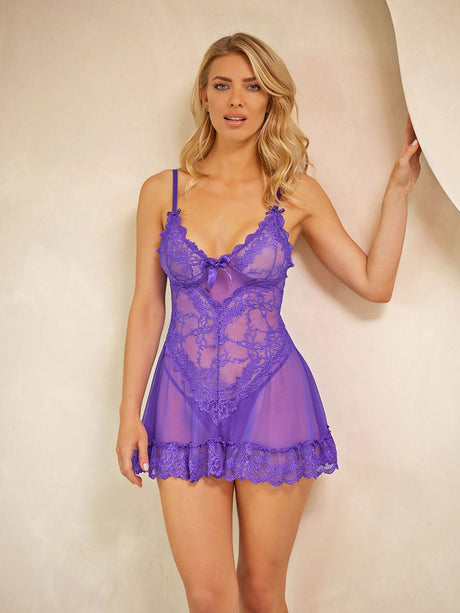
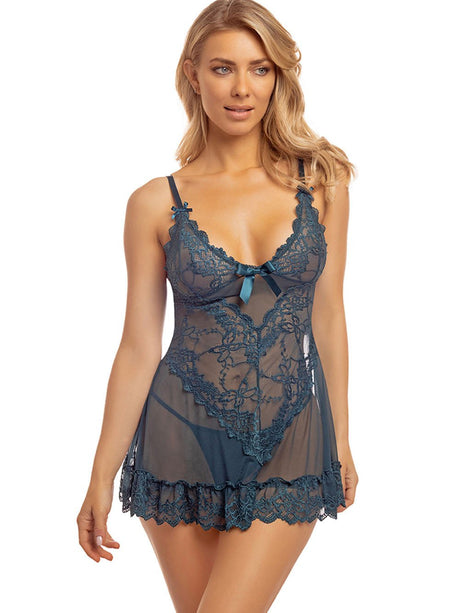
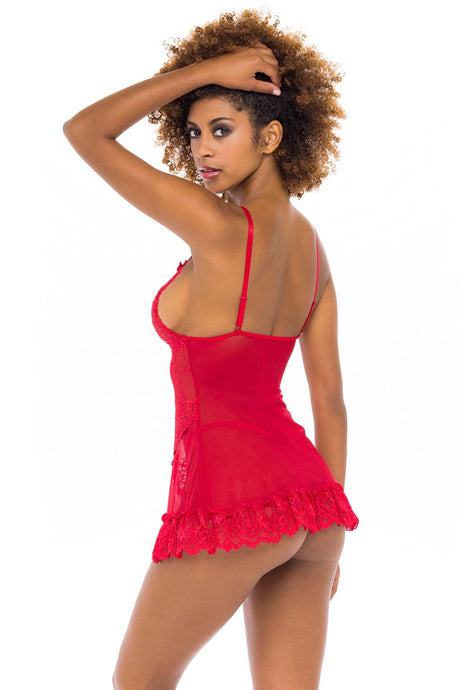
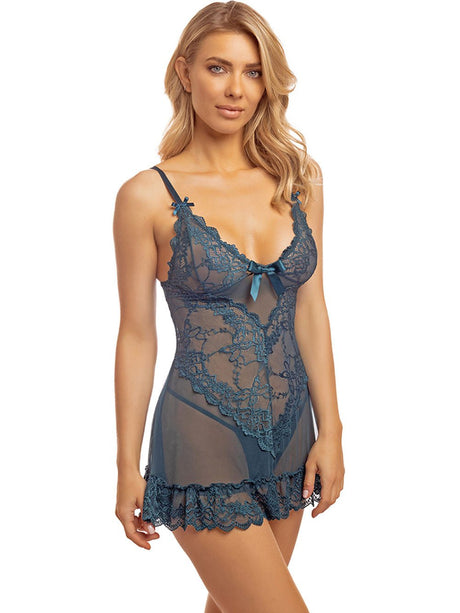
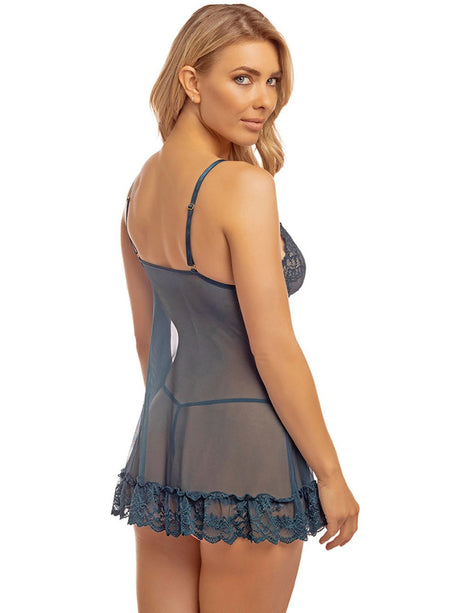
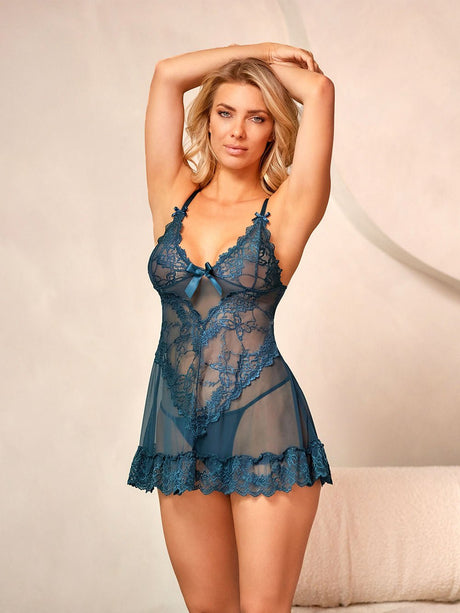
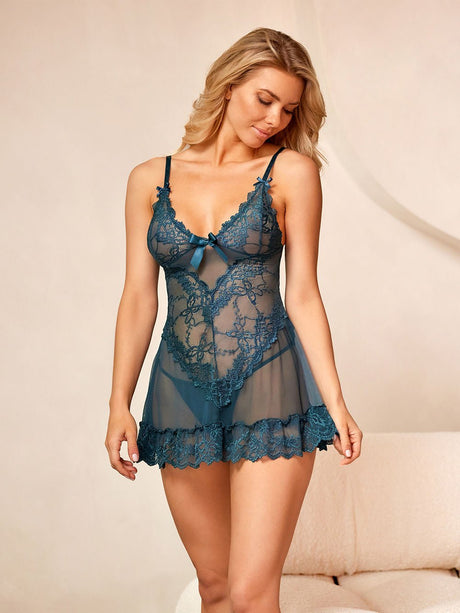
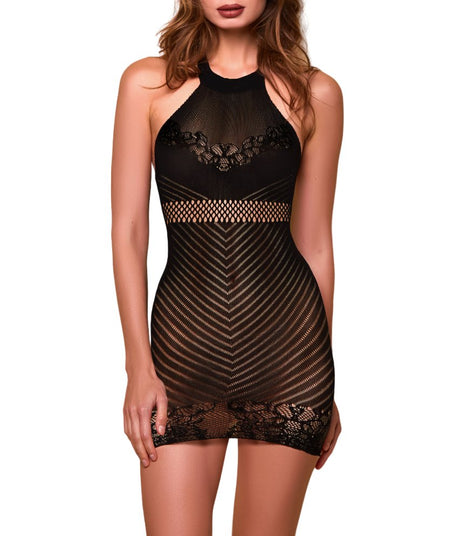
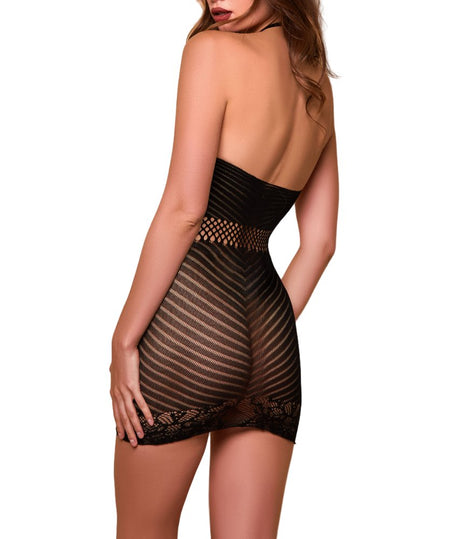
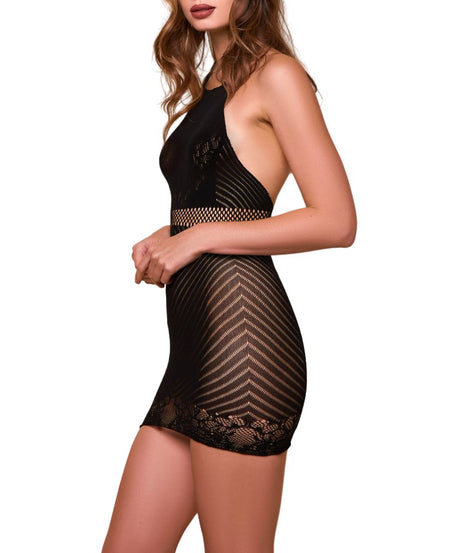
How do you choose a nightgown?
Three decisions, made independently, and every gown is a combination of them. Length runs from thigh through knee and mid-calf to full floor length, and it trades warmth against how much the garment twists when you turn over. Shoulder construction runs from fine spaghetti straps through wider adjustable straps to set-in sleeves, and it decides whether the gown stays where you put it overnight. Cut is either straight grain or bias, meaning the fabric is cut diagonally across the weave so it has natural give and falls with fluid drape rather than hanging flat. Bias is the one most people notice without being able to name: it is why an expensive silk gown skims the body and a cheap one clings in the wrong places. Those three choices matter more than the label on the collection, because nightgown, nightie and night dress all describe the same garment, and the boundary with a chemise is genuinely blurry in the middle.
Most nightgown guides list styles, which is not much help when a collection runs to hundreds of them.
Three variables narrow it fast, and one of them is invisible until you know its name.
- Three variables: length, shoulder construction, and cut.
- Longer means warmer but twists more when you turn over.
- Bias cut skims; straight grain hangs. That is the drape difference.
- Adjustable mid-width straps suit most people and stay put.
- A built-in shelf is shape, not support. Same ceiling as a bralette.
- Satin rides up on sheets; cotton and modal grip.
- No waistband is the main reason people prefer gowns to pyjamas.
Length: Warmth Against Tangling
The most visible choice and the one with a genuine trade-off, which is why there is no single right answer.

| Length | Falls at | Best for |
|---|---|---|
| Short | Upper to mid thigh | Hot sleepers, warm rooms. Rides up most. |
| Knee | At or just above the knee | The versatile default. Least tangling. |
| Mid-calf | Between knee and ankle | Warmth without full-length twist. |
| Full length | Ankle to floor | Cold rooms, still sleepers, formal look. |
The trade is straightforward once stated. More length means more warmth and more weight holding the gown in place, but also more fabric to wrap around your legs. Restless sleepers usually do better at knee length; still sleepers can wear full length comfortably.
Worth knowing: a short gown rides up more than a long one, because there is less weight anchoring it. If riding up bothers you, going longer helps more than going tighter.
Straps: What Keeps It in Position

Bias Cut: the Difference You Can See but Cannot Name
This is the thing that separates a gown that hangs beautifully from one that hangs. It is a construction choice, it costs money, and almost nobody explains it.

Woven fabric has threads running in two directions, along the length and across it. Cut along those lines, fabric has almost no stretch and hangs in straight vertical folds. Cut on the diagonal, at forty-five degrees to both, and it gains natural give in every direction.
That produces three effects:
- It skims rather than clings. Bias fabric follows the body's shape without gripping it, which is why bias gowns are more forgiving over the hip than straight-cut ones.
- It moves with you. The give means the fabric stretches slightly rather than pulling when you shift position.
- It falls in curves. Bias creates the soft spiralling drape associated with 1930s slip dresses and good silk sleepwear.
Why it costs more: cutting on the bias uses considerably more fabric per garment, because diagonal pattern pieces cannot be packed together efficiently. That is the whole reason for the price difference, and it is real rather than a markup.
Look at the side seam and the hem. A bias-cut gown often has a side seam that curves gently rather than running dead straight, and the hem tends to fall in soft waves instead of a flat line. Listings that mention bias usually say so, since it justifies the price. If a silk gown clings at the hip in the product photograph, it is almost certainly straight cut.
Nightgowns and Nighties
328 styles from short to full length in silk, cotton, modal and lace, including bias-cut gowns.
Shop NightgownsChemisesFabric, and the Sheet-Friction Problem
| Fabric | Best at | Trade-off |
|---|---|---|
| Cotton | Breathability, grips sheets | Creases. Less elegant drape. |
| Modal | Softness with breathability | Less durable than cotton. |
| Silk | Temperature regulation, drape | Slides on sheets. Hand wash. |
| Polyester satin | Look and price | Traps heat. Slides most. |
| Brushed cotton | Warmth in cold rooms | Too warm for most heated homes. |
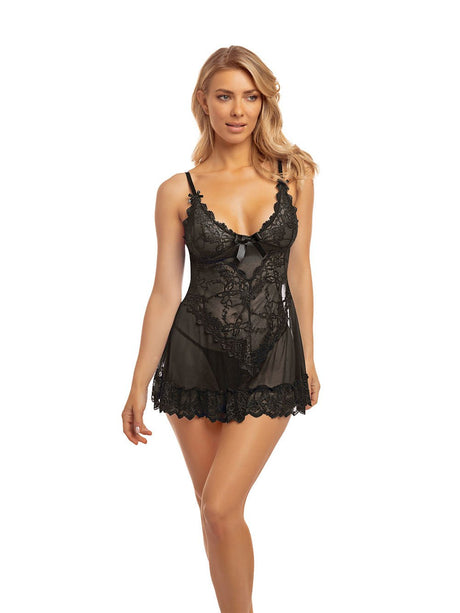
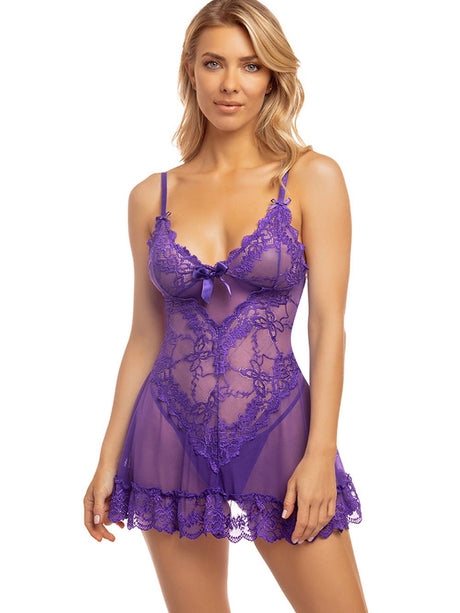
| Lace and mesh | Occasion | Not built for a full night. |
One practical point rarely mentioned: slippery fabrics ride up more. Silk and satin have low friction against cotton sheets, so the gown travels as you move. Cotton and modal grip. That is a genuine trade against breathability, and it is why some people who love silk gowns still reach for a cotton one on a restless night.
For the fabric weight question in silk specifically, our guide to momme weight covers what separates a silk gown worth keeping from one that will not last.
Built-In Support: What a Shelf Actually Does
Many gowns advertise a built-in shelf or soft cup. It is worth being precise about what that provides, because the language implies more than the construction delivers.
A shelf is an internal band of fabric or elastic running under the bust. It gives the front of the gown some shape and stops the fabric hanging completely flat. What it does not do is support, because it cannot be tensioned to your ribcage independently of the garment.
That is the same limitation that applies to bralettes, shelf-cup camisoles and bandeau swim tops: a pull-on band with fixed tension positions fabric, it does not carry weight. In practice a built-in shelf works to around a D and provides shape rather than support above that. Our guide to whether a bralette will support you sets out the full reasoning.
If you want support overnight, a soft wireless sleep bra under a plain gown is more comfortable and more effective than any built-in shelf. Whether to wear one at all is a comfort decision rather than a health one, which we cover in sleeping in a bra.
Nightgown or Pyjamas?
Not a quality question. They solve different problems, and which one suits you depends on how you sleep rather than on what looks better.
| Nightgown | Pyjamas | |
|---|---|---|
| Waistband | None | Yes, unless a set with a soft tie |
| Legs | Free, nothing between them | Covered and separated |
| Hot sleepers | Better. Air moves freely | Warmer |
| Restless sleepers | Can twist | Stays put |
| Cold rooms | Needs length or a robe | Better coverage |
| Getting up at night | Nothing to adjust | Fine either way |
The short version: if a waistband bothers you, a gown solves it. If twisting bothers you, pyjamas solve it. Most people have a clear preference once the choice is framed that way, and plenty of people own both for different weather.
Fit and Care
- It should skim, not cling. No pulling across bust or hip. If it clings at the hip, the fabric is too light for your shape or the cut is straight rather than bias.
- Straps should sit flat without digging, and adjustable ones should be set so the bust of the garment sits where your bust does.
- Check length seated, not just standing. A short gown rides considerably higher when you sit.
- Wash cool and inside out. Silk by hand with a pH-neutral detergent; cotton and modal machine cool.
- Never tumble dry. Heat destroys elastane in the straps before it damages the body fabric.
- Hang bias-cut gowns rather than folding, since bias fabric distorts under its own weight when creased. A padded hanger prevents strap marks.
People describe a good nightgown as feeling like nothing. That is almost always bias cut doing the work, and almost never mentioned on the label.
HauteFlair
What This Means for You
Three decisions, taken separately. Length trades warmth against twisting, and knee length is the versatile middle. Shoulder construction decides whether it stays put, and adjustable mid-width straps suit most people. Cut decides how it hangs, and bias is what makes fabric skim rather than cling.
Then fabric, which decides comfort over a full night. Cotton and modal breathe and grip sheets. Silk regulates temperature and slides. Polyester satin looks like silk and traps heat.
And treat a built-in shelf as shape rather than support. Above a D, a soft sleep bra under a plain gown does the job properly.
Nightgowns at HauteFlair
328 styles across every length, in silk, cotton, modal and lace, with plus sizes throughout.
Shop NightgownsAll SleepwearFrequently Asked Questions
What is a nightgown?
What length nightgown should I choose?
What is a bias cut nightgown?
What is the difference between a nightgown and a chemise?
Do nightgowns come with built-in support?
What straps are best on a nightgown?
What fabric is best for a nightgown?
Are nightgowns better than pajamas?
How should a nightgown fit?
Do nightgowns ride up in bed?
Are nightgowns good for hot sleepers?
What nightgown suits a larger bust?
This article is for informational purposes only. Length designations and terminology vary between manufacturers; always check the measurements on the individual product. Fit guidance is general and depends on individual proportions.