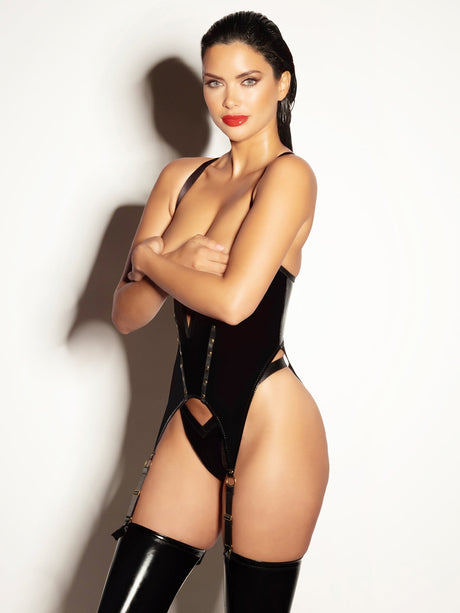
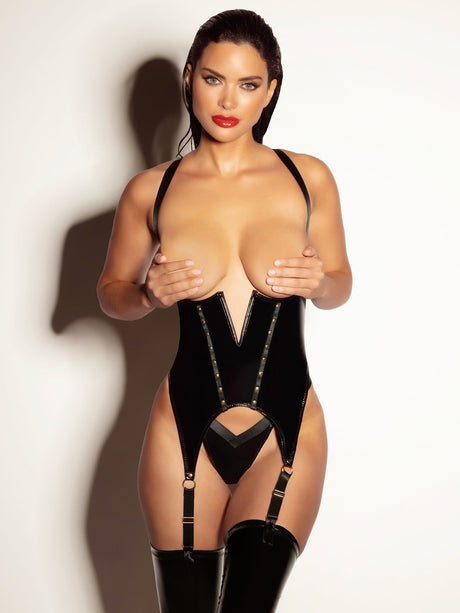
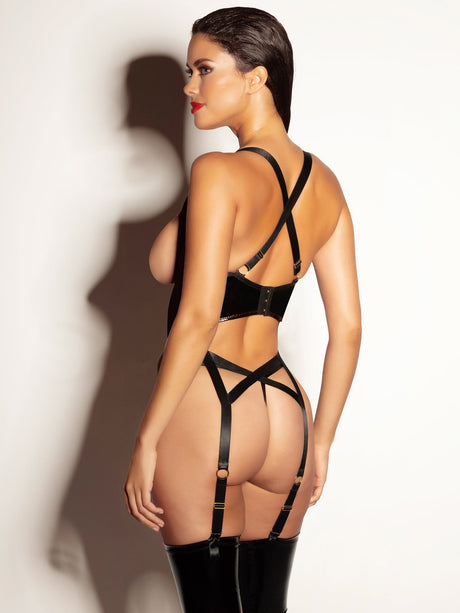
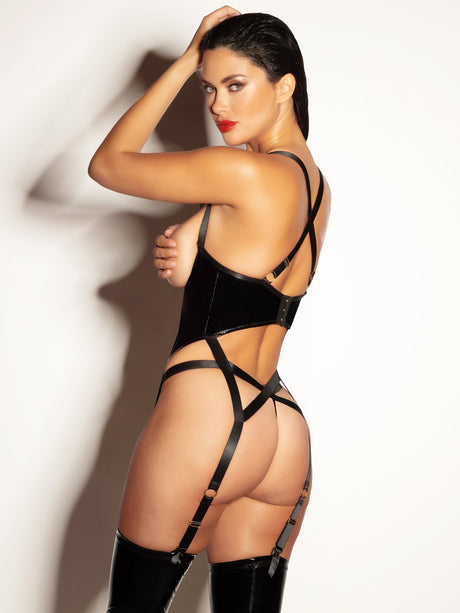
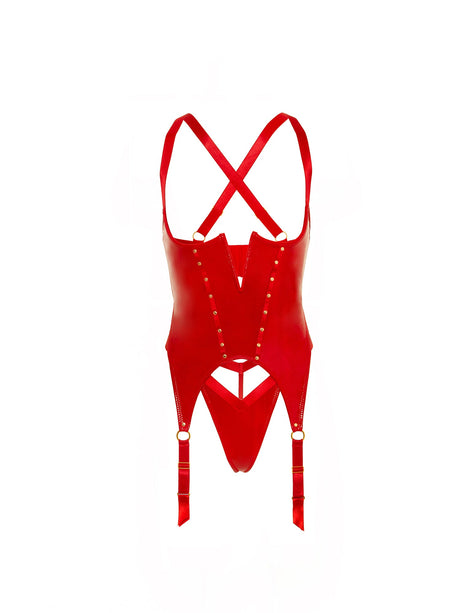
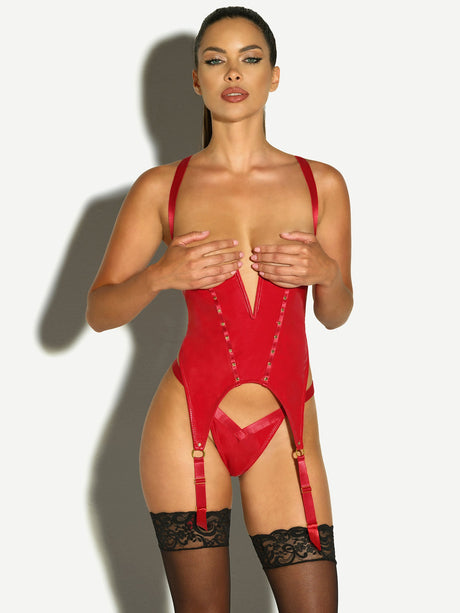
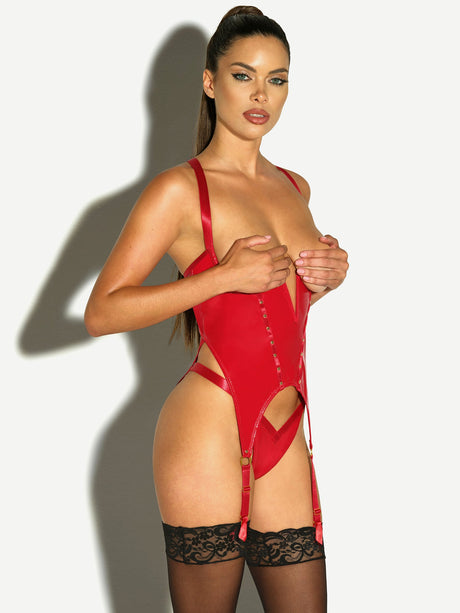
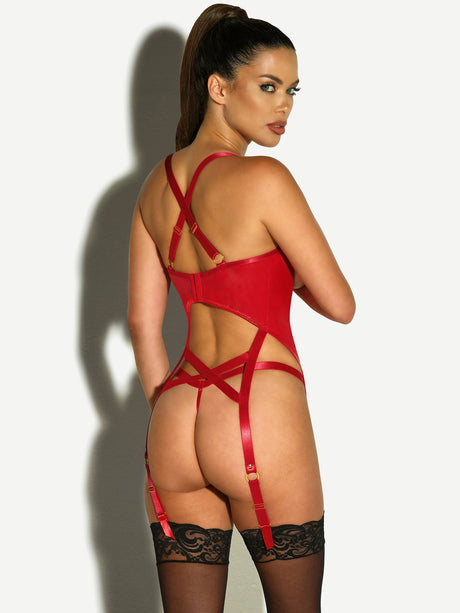
What is a waist trainer?
A waist trainer is a fitted compression garment worn around the midsection to visibly reduce the waistline while it is being worn. Modern waist trainers are typically made from latex, Powernet, neoprene, or vinyl, and close with rows of hook-and-eye fasteners. The related steel-boned training corset delivers the same silhouette effect with more structure and durability. A waist trainer produces a reliable slimming appearance while worn — typically two to four inches of visible reduction; permanent inch loss from wear alone is not well supported by evidence.
This guide is the honest version. What a waist trainer will reliably do (and what it won't), the four main types and which fits which use case, how to size correctly, an honest breakdown of the "best waist trainer" question by intent, realistic before-and-after expectations, and the safety facts you actually need — sourced from Healthline, WebMD, and the American Board of Cosmetic Surgery rather than product-page copy. When the picture is clear, the purchase is simple.
Shop Waist Trainers
Latex, Powernet, and steel-boned options — plus waist cinchers and shapers, all in one collection with cup range and fit notes on every product.
Shop Waist Trainers → Waist Training Guide →- Real effect while worn: a well-fitted waist trainer reliably reduces your visible waistline by two to four inches. That effect ends when the trainer comes off.
- Not a weight-loss product. Waist trainers do not cause fat loss and do not permanently flatten the stomach — per Healthline, WebMD, and the American Board of Cosmetic Surgery.
- Four main types: latex, Powernet, neoprene, and steel-boned. Powernet is the workhorse for daily wear; steel-boned is the traditional structured option.
- Size by your natural waist, not by dress size. Start on the loosest hook row and progress gradually.
- Wear time: start at 1–2 hours a day, build to a comfortable maximum of 6–8 hours over weeks. Never sleep in one; never exercise in one.
- Best waist trainer for daily under-clothing wear: mid-range Powernet with a smooth back panel.
- Loose skin claims are not evidence-based. Skin elasticity comes from collagen and elastin, not external compression.
Does a Waist Trainer Actually Work?
The most honest answer to the most-asked question in this category: yes, for what a waist trainer actually does — and no, for what it is often marketed to do. Splitting the two apart makes the buying decision far simpler.
What it reliably does
A well-fitted waist trainer reduces the visible waistline immediately and predictably — typically two to four inches while worn. The effect works by compressing soft tissue and redistributing it within the garment's shape. It creates a temporary hourglass silhouette that photographs well and reads clearly under fitted clothing. Nobody serious disputes this; it's why the category exists.
Wearers also commonly report a posture cue — the garment makes slouching physically harder — and some report reduced appetite during wear because the compressed abdomen has less room. These effects are real, but they last only as long as the trainer is on.

What it does not reliably do
The bigger claims — permanent inch loss, fat loss, lasting body reshape, "7-day results" — are not well supported by evidence. Healthline, WebMD, Medical News Today, and the American Board of Cosmetic Surgery all describe waist trainer results as visible while worn and largely temporary. Any lasting change most wearers experience is modest and highly individual, and it reverses when regular wear stops.
The practical translation: buy a waist trainer for the reliable temporary effect. Set expectations there and the purchase satisfies. Buy it expecting a body transformation and it will disappoint no matter which one you choose.
A waist trainer is more like heels than like exercise: it delivers a specific silhouette effect on demand, while worn. It doesn't permanently change your feet, and heels don't market themselves as doing so. If the waist trainer category positioned itself the same way, most of the disappointment and controversy would disappear — and the genuine use case would still be there.
Can a Waist Trainer Flatten Your Stomach?
Yes, temporarily — while you're wearing it. A well-fitted waist trainer compresses the abdomen and creates a visibly flatter stomach under clothing. That's the reliable, immediate, cosmetic effect.
No, not permanently — and not through fat loss. Waist trainers do not burn fat, do not reduce the size of the stomach organ, and do not create lasting changes to abdominal shape when the garment is off. Any weight difference you notice after wearing one is typically water lost to sweating, which returns when you rehydrate. For lasting abdominal definition, the actual levers are body composition (reducing body fat through nutrition and cardio), core strength (planks, dead bugs, targeted work), and posture — none of which a waist trainer changes.
The most common variant of this question — "Does a waist trainer flatten your stomach every day?" — has the same answer. Daily wear produces a consistent daily effect while worn, and no compounding permanent change. Wearers who see lasting abdominal change typically got it from concurrent lifestyle changes, not from the trainer itself.
Products marketed as "waist trainer for flat tummy" or "waist trainer for weight loss" are using language that isn't supported by the evidence. The garments themselves may work fine for silhouette shaping — the problem is the promise, not always the product. Buy the garment for what it will do (reshape while worn); ignore the language about permanent flattening or weight loss.
The Four Main Types of Waist Trainer
"Waist trainer" is an umbrella term for four meaningfully different garments. Each performs differently, fits differently, and suits different use cases. Understanding which one you're actually shopping for solves half the buying decision.
| Type | Material | Best For | Watch For |
|---|---|---|---|
| Latex Waist Trainer | Latex with cotton lining, hook-and-eye | Under clothing, occasional wear | Runs hot; check latex allergy |
| Powernet Waist Trainer | Breathable synthetic mesh, hook-and-eye | All-day daily wear, warm weather | Most comfortable everyday option |
| Neoprene Waist Trainer | Neoprene, often with Velcro or zip | Post-workout or brief occasion wear | Marketed for exercise — not advisable |
| Steel-Boned Training Corset | Cotton or coutil with steel bones, back lacing | Structured shaping, longevity, formal wear | Highest investment, longest life |

Related garments that sit at the edges of the category: a waist cincher is a shorter, wider-belt version of a waist trainer, usually latex or Powernet, and is easier to conceal under shorter tops. A waist trimmer is a thinner neoprene belt marketed for workouts — same "don't exercise in it" caveat applies. A body shaper covers more of the torso than a waist trainer alone.
The classic waist trainer material — thin, tight, and effective for compression. Runs hot in warm weather and against skin, so most wearers layer over a thin tee or camisole. Best for shorter sessions and occasion wear rather than all-day. Confirm no latex allergy before buying.
The modern all-day option. A breathable synthetic mesh that compresses effectively while allowing far more airflow than latex or neoprene. Softer against the skin, cooler in warm weather, and better suited to eight-hour wear. The right entry point for most first-time buyers.
Heavier, hotter, and often thicker. Marketed hard for wearing during exercise — a use case at odds with the medical picture on breathing and core engagement. Fine for brief post-workout wear or as a compression layer under an outfit, but not the right pick for daily wear.
The traditional structured option — the most durable, the most customizable in fit, and the highest in initial cost. Longer break-in and lacing routine, but a well-made steel-boned corset lasts years while a latex trainer lasts months. The right choice for serious shaping and formal wear.
Find Your Waist Trainer
Three quick questions — we'll point you to the right type of waist trainer for your use case, wear time, and experience level.
How to Size a Waist Trainer
Sizing is where most first purchases go wrong — either too small, in the belief that tighter equals faster results, or too big, because the buyer defaulted to a dress size. Waist trainers don't work like clothing. They size by your natural waist measurement in inches, and the sizing rule is different for hook-and-eye trainers than for steel-boned corsets.
Find the narrowest part of your torso — usually about an inch above the navel — and measure around it snugly, level to the floor. Do not suck in. This number, in inches, is the basis for every sizing decision that follows.
Match your natural waist inches to the brand's size chart at that measurement — not four inches under. Hook-and-eye trainers are designed to close on the loosest row first and progress inward over time. Sizing too small means you cannot close the loosest row and the trainer is useless.
Size roughly four inches smaller than your natural waist. The one-to-two-inch lacing gap at the back accommodates the reduction and leaves room to tighten. This is the opposite convention from hook-and-eye trainers — do not confuse them.
A trainer that is right at the waist but too long will dig into your hips and ribs when seated. Too short and it will not shape properly. Measure from under the bust to the top of the hip, and compare with the brand's product length. This detail solves more comfort problems than any material choice.
On any new hook-and-eye trainer, start on the loosest row. Move to the next row only when the current row feels easy through a full wear session. Progressing hooks too quickly produces skin irritation and abandonment.
A correctly sized trainer feels firm and supportive, not painful. You should breathe fully, sit comfortably, and eat without pressure. Pinching, pain, numbness, shortness of breath, or bulging above or below the trainer all signal the wrong size.

Best Waist Trainer for Each Use Case
"Best waist trainer" is one of the most-searched queries in this category, and it usually has a hidden intent behind it. The honest answer isn't a single product — it's a match between what you're doing and what type suits it. Four common use cases point to four different right answers.

Mid-Range Powernet Waist Trainer
For all-day daily wear under clothing, a Powernet waist trainer is the workhorse. It breathes far better than latex or neoprene, stays smoother against the skin over long sessions, and disappears under fitted tops and dresses. Prioritize a smooth back panel (no visible ridge lines), moderate compression at the loosest hook row, and a torso length that matches yours. This is the right entry point for most first-time buyers.
Latex Waist Trainer or Waist Cincher
For a dinner, an outfit, an event, or a photoshoot, a latex waist trainer delivers stronger visible reduction than Powernet at similar sizing. A shorter waist cincher works especially well under shorter tops. Because these sessions are shorter, the heat and stiffness of latex matter less than they would in daily wear. Layer over a thin tee if latex against skin bothers you.
Steel-Boned Underbust Corset
For the strongest shaping effect, the most durable garment, and the longest lifespan, a steel-boned underbust corset in cotton or coutil is the traditional right answer. Expect a longer break-in period and a lacing routine, at the trade-off of years of wear rather than months. This is also the right choice if you want the corset silhouette visible over clothing. Read the full corset guide for construction details.
Neoprene Waist Trimmer
If you specifically want a compression layer for post-workout photos or brief post-gym wear, a neoprene waist trimmer does that job. Important caveat: do not wear it during exercise. The marketing for exercise use conflicts with the medical picture on breathing and core engagement, and any "results" from working out in a trimmer are typically water loss that returns on rehydration. Put it on after the workout, not during.
Waist trainers for men are a growing category, engineered with wider straps, longer torsos, and different compression zones than women's cuts. The same honest expectations apply — a men's waist trainer reshapes the silhouette while worn, does not cause fat loss, and should not be worn during exercise. A dedicated men's guide is coming to HauteFlair; in the meantime, most of the sizing and safety guidance in this article applies with the appropriate men's-fit garment.
Realistic Before & After Expectations
"Before and after" is the most searched, most misleading part of the waist trainer conversation. Marketing photos often show the wearer in the trainer in the "after" — where reduction is real but temporary — implying a permanent change that hasn't happened. "7-day results" content is almost always this same trick.
Here's how to read waist trainer results honestly:
RESULTS"
4 INCHES"
LOSS"
RESULT
"The waist trainer market has taught buyers to expect what the product cannot deliver, and buyers end up disappointed by a garment that would satisfy them if they'd been sold what it actually does. The silhouette effect is real, it's immediate, and it's worth the price — as long as you're buying that and not a body transformation."
— HauteFlair Editorial Team
Safety and Real Risks
Occasional, correctly-fitted, comfortable use is generally safe for healthy adults. Risks scale sharply with intensity and duration, and a few groups shouldn't wear a waist trainer without medical clearance.
Documented risks that scale with intensity
- Reduced lung capacity while worn. Peer-reviewed research and cosmetic surgery publications describe measurable reductions in lung capacity during wear. Sources cite reductions ranging from modest laboratory measurements to 30–60% at tighter lacing, per WebMD and the American Board of Cosmetic Surgery. Never wear through breathing difficulty.
- Digestive symptoms. Abdominal compression can trigger or worsen acid reflux, heartburn, and constipation. Loosen before meals and remove if symptoms persist.
- Core muscle weakening. Extended reliance on external support can reduce natural core engagement. Balance trainer use with actual core exercise.
- Skin and nerve effects. Prolonged tight compression can cause skin irritation, chafing, bruising, and — rarely — pressure-related nerve symptoms like meralgia paresthetica (numbness in the outer thigh).
Who shouldn't waist train (without medical clearance)
- Anyone pregnant.
- Anyone recently postpartum, particularly with diastasis recti (abdominal separation).
- Anyone with heart, lung, or breathing conditions.
- Anyone with active reflux disease, hiatal hernia, or recent abdominal surgery.
- Anyone with spinal, rib, or musculoskeletal conditions affecting the torso.
- Anyone with a history of eating disorders — waist trainers can reinforce disordered thinking about body shape and appetite.
- Minors.
Stop wearing a waist trainer and consult a healthcare professional if you experience persistent pain, chronic reflux, difficulty breathing, numbness, chest discomfort, or dizziness that does not resolve after removing the garment. These are not signs the trainer is "working" — they are signs to remove it.
For the full safety picture and wear-time schedule, read the complete waist training guide — this article is the product-buying half of that pair.
Frequently Asked Questions About Waist Trainers
Does wearing a waist trainer actually work?
Can wearing a waist trainer flatten your stomach?
What happens if I wear a waist trainer every day?
How long does it take for a waist trainer to slim your waist?
What are the real benefits of a waist trainer?
What are the different types of waist trainers?
How do I choose the right size waist trainer?
How do I properly wear a waist trainer?
How long should I wear a waist trainer each day?
Can I wear a waist trainer under clothes?
Is it safe to sleep in a waist trainer?
Can I work out in a waist trainer?
How much should I spend on a waist trainer?
How do I care for a waist trainer?
Do waist trainers really tighten loose skin?
This guide is editorial and informational, not medical advice. Waist trainers carry documented risks that scale with intensity and duration, and they are not appropriate for everyone. Consult a qualified healthcare professional before use if you have any medical condition, are pregnant or postpartum, or are unsure whether it is safe for you. Discontinue use and seek medical care if you experience pain, breathing difficulty, chronic reflux, numbness, dizziness, or other symptoms that do not resolve after removing the garment. Individual results vary and any lasting change from waist trainer use is generally modest. Marketing claims of permanent weight loss, permanent inch reduction, or loose skin tightening are not well supported by evidence. Last reviewed: July 18, 2026.