Find Out If You're Eligible — in Minutes
ElixMD connects you with board-certified physicians who specialize in GLP-1 weight-loss programs. Personalized plans, online consultations, no long waits.
Check My Eligibility at ElixMD →GLP-1 receptor agonists like Ozempic, Wegovy, and Zepbound don't just reduce appetite — they change where your body loses fat first, and how fast it loses it. For plus-size women, this creates a wardrobe situation unlike anything that comes with traditional diet-based weight loss: rapid, uneven, proportional shifts that standard sizing simply wasn't built for.
Understanding what's happening to your body — and why — is the first step to dressing through it with confidence instead of frustration.
What GLP-1 Actually Does to Your Body Shape
Most people expect weight loss to work evenly across the body. It doesn't — and GLP-1-driven fat loss follows a specific pattern that catches most women off guard.
Your body has preferential fat storage sites — typically the abdomen, torso, and breast tissue — and these areas tend to shrink first on GLP-1. Meanwhile, hips, thighs, and lower body fat can be more stubborn. This creates a top-heavy shift early in treatment that throws off your proportions and makes standard sizing nearly useless.
What compounds the issue is speed. Unlike slower lifestyle-based weight loss, GLP-1 can produce meaningful changes in 4–8 weeks. That's faster than most wardrobes — or brains — can catch up with.
"GLP-1 usage is a catalyst for redefining personal style. As consumers rebuild their wardrobes, they're reassessing what fits, what flatters, and what feels aligned with their new lifestyle."
— Kristen Classi-Zummo, Apparel Industry Advisor, Circana
The Specific Fit Problems GLP-1 Creates — and Why
Here are the most common clothing fit issues women experience during GLP-1 treatment, and exactly why they happen.
Your Bra Band Loosens Before Your Cup Changes
The ribcage and torso hold a high concentration of visceral fat — one of the first areas GLP-1 targets. Your band size (the number) drops early, meaning the bra floats around your torso while your cup may still feel full. This is the most universally reported fit complaint in weeks 1–8.
- Get re-measured before buying new bras — don't assume your cup stays the same as your band shrinks
- Wireless bralettes with stretch side panels are your best friend during this phase
- Multi-hook closures give you extra room to adjust as you transition
Pants Gap at the Back But Still Fit the Thighs
As the waist and abdomen shrink faster than the hips and thighs, you'll hit a phase where pants are loose at the back waistband but snug at the thigh. Standard sizing has no solution for this — it's your body's asymmetric fat loss schedule, not a sizing error.
- High-waist styles with stretch waistbands tolerate this transition best
- Wide-leg trousers don't rely on a precise hip measurement — ideal mid-journey
- Avoid rigid denim during active weight loss phases
Dresses Fit the Bust but Gap at the Waist
If you've historically sized up for bust room, you'll find that as your upper body shrinks, fitted dresses suddenly have excess fabric at the waist while the chest still fills out. Wrap dresses and adjustable styles become essential during this phase — and shapewear underneath helps bridge the silhouette gap.
- Wrap dresses are self-adjusting at the waist — they work across multiple sizes naturally
- Mid-compression shapewear smooths the transition and gives outerwear a cleaner line
- Avoid high-compression styles, which can cause digestive discomfort on GLP-1 medications
What GLP-1 Does to Your Bra Size — The Full Picture
Bra fit is the single most impactful wardrobe change most women will experience on GLP-1 — and the most confusing. Because breast tissue is largely composed of fat, it's typically one of the first areas to change. Most women drop 1–3 band sizes and 1–2 cup sizes within the first year of treatment.
What makes this complicated: band and cup changes don't happen at the same rate. A woman who was a 42DD may move through 38D and then 36C — with completely different proportional needs at each stage. Re-measuring every 8–10 weeks during active treatment is essential, not optional.
| Measurement | Where to Measure | Why It Matters on GLP-1 |
|---|---|---|
| Bust | Around the fullest part of your chest | Cup size — changes at its own rate, separate from band |
| Underbust / Band | Directly under your bust, snug | Bra band number — typically the first to drop on GLP-1 |
| Waist | Narrowest point, ~1 inch above navel | Dress waist fit — shrinks faster than hips on GLP-1 |
| Hip | Widest part of hips and seat | Pants and skirt fit — often the slowest area to change |
| High Hip | 3–4 inches below the waist | Explains back-gap problem in pants |
| Upper Arm | Around the widest part of the arm | Sleeve fit in structured tops and blazers |
Take measurements monthly, not weekly. Clothing size tends to lag actual weight loss by 2–3 weeks, and daily fluctuations create misleading readings. Monthly tracking gives you an accurate trend — and makes the progress feel real.
What to Buy During Active Weight Loss — and What to Hold Off On
The biggest wardrobe mistake during GLP-1: doing a full overhaul too early, only to have those pieces stop fitting 6 weeks later. The second biggest mistake: wearing clothes that are obviously too large because you're waiting to "reach your size." Both approaches make you feel worse, not better.
What to Invest In During Weight Loss
- Wireless bralettes and stretch bras — work across multiple band sizes without discomfort
- Wrap dresses and tops — self-adjusting, flattering at every size
- Wide-leg trousers with elastic waistbands — disguise the waist-to-hip transition
- A-line and flare skirts — sizing is forgiving and the silhouette is universally flattering
- Mid-compression shapewear shorts or bodysuits — smooth and supportive without over-compressing
- Stretch jersey tops and knitwear — follow your changing body and look intentional doing it
What to Wait on Until Your Size Stabilizes
- Structured blazers and tailored jackets — fit window is narrow; they'll look off quickly
- Fitted denim — expensive to keep replacing and sizing is unforgiving mid-transition
- Underwire bras in a fixed size — band and cup are moving simultaneously; wait for professional fitting
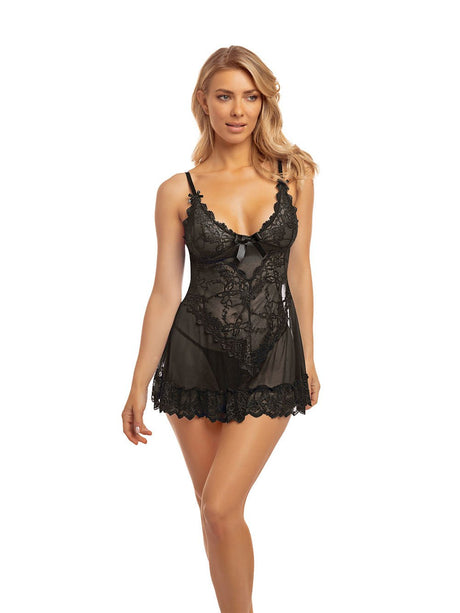
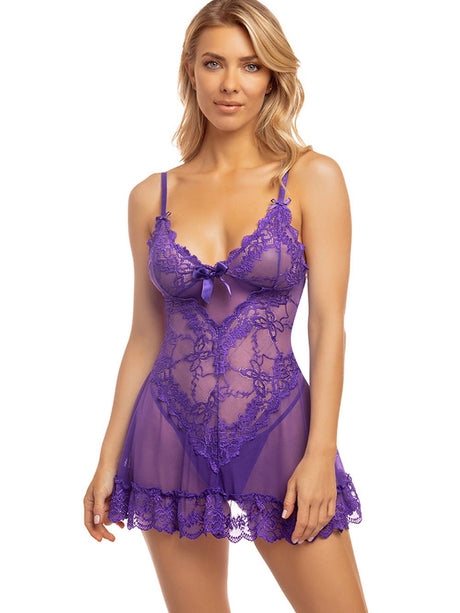
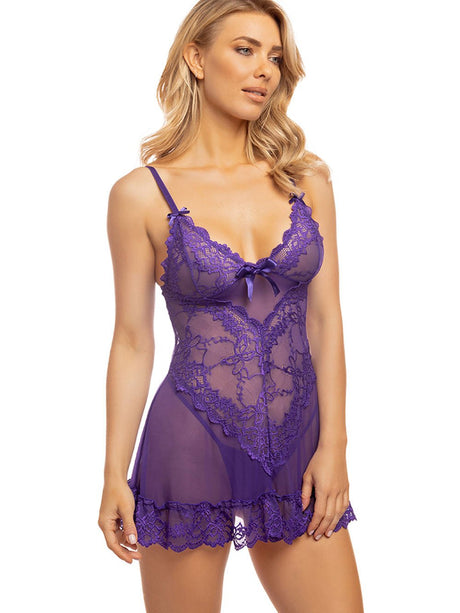
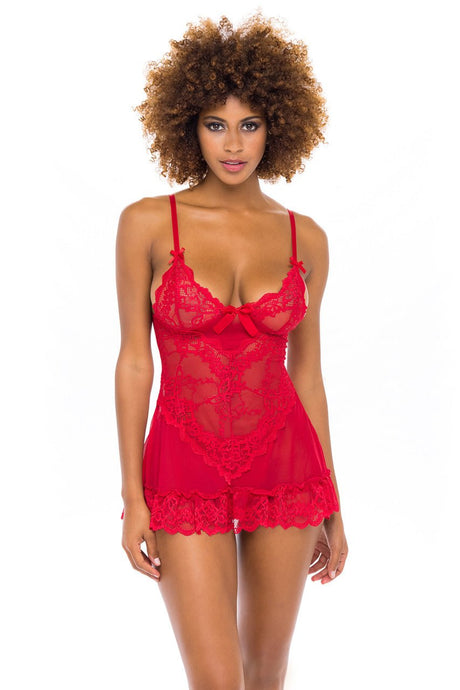
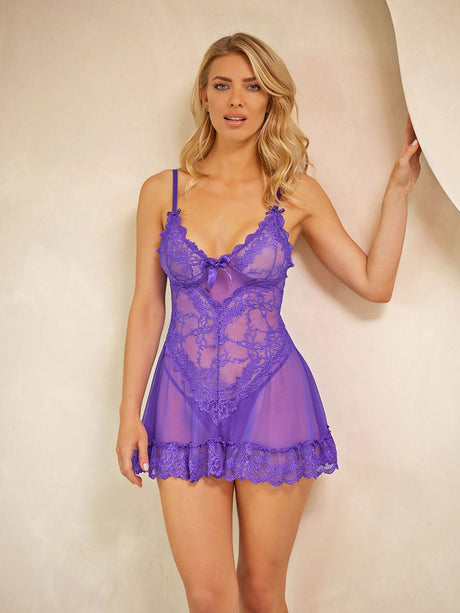
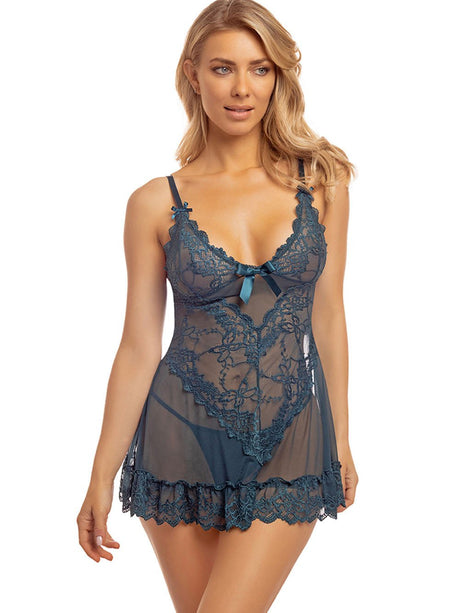
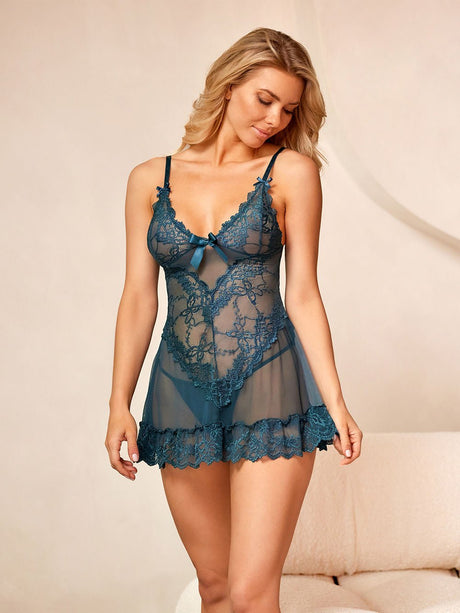
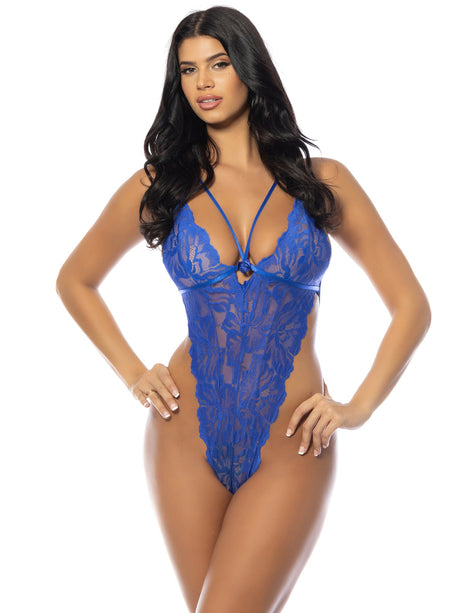
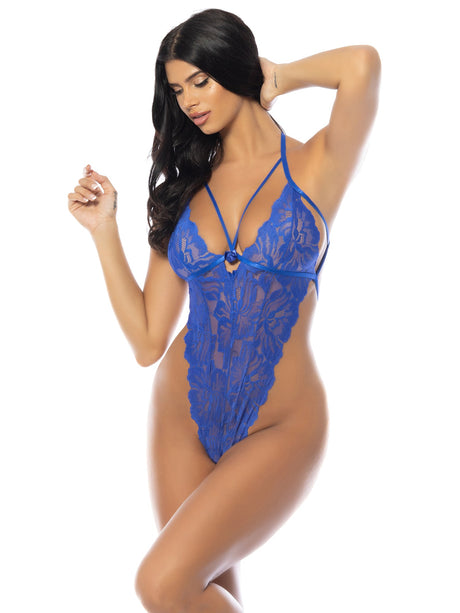
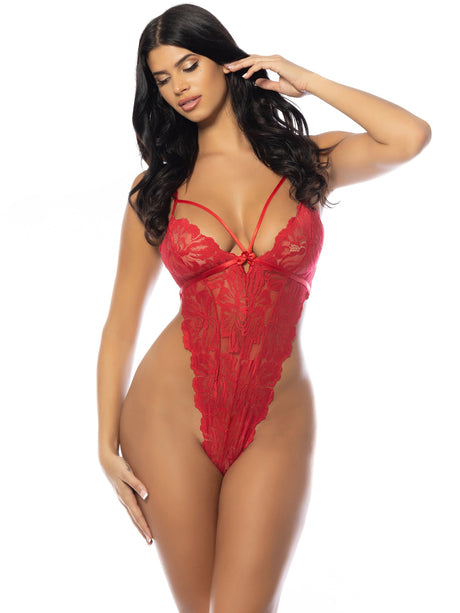
- Coordinated lingerie sets — save this reward for Phase 3 when your size has settled
"As women lose weight significantly, they shift into buying more lingerie, more form-fitting clothing. The more confidence you have, the more you look at aesthetics versus function."
— Meghann Martindale, Director of Market Intelligence, Avison Young
The Emotional Side of a Changing Wardrobe
No clothing guide is complete without acknowledging the psychological reality. For many plus-size women, a wardrobe has been a carefully built system of strategies: what to hide, what to emphasize, what to never try. GLP-1 disrupts that system — often before you have a new one in place.
You may feel excited about your changing body and also grieve the clothes that no longer fit. You may celebrate dropping a size and feel disoriented in the fitting room all over again. All of that is real, and all of it is normal.
Dress the body you have today — not the one you had last month, and not the one you're heading toward. Wearing clothing that fits now sends a powerful signal to yourself: you are worthy of looking and feeling good at every stage, not just at the destination.
Frequently Asked Questions
Why don't my clothes fit after starting GLP-1?
What should I wear while actively losing weight on GLP-1?
How does GLP-1 affect bra size specifically?
Is shapewear helpful during GLP-1 weight loss?
When should I invest in a full wardrobe refresh?
How do I know if GLP-1 is right for me?
This article is for informational purposes only and does not constitute medical advice. GLP-1 medications require a prescription and physician supervision. Always consult a licensed healthcare professional before starting any weight-loss treatment. ElixMD is an independent telehealth service; HauteFlair is not responsible for medical outcomes.