What is bra bulge, really?
The ridge above or below your bra band is almost never fat. It is soft tissue that was already there, displaced sideways by the band. A band that is too narrow concentrates the holding force along a single line, and tissue escapes at both edges of that line. A band that is too tight raises the pressure everywhere. A band riding too high travels upward and pushes tissue downward ahead of it. The clearest evidence is timing: the ridge appears the moment the bra goes on and resolves the moment it comes off. Wider bands, correct band sizing, four-row closures, leotard-back construction and bonded edges spread the same force across more surface area, and the ridge disappears without compressing any harder.
This distinction changes the entire shopping problem. If the ridge were fat, no bra would fix it. Because it is displacement, band architecture fixes it, often immediately and often dramatically.
What follows is the mechanism, the five construction features that eliminate the ridge, and the thirty-second diagnostic that tells you whether your band is too tight or too loose.
- Wide-band full coverage: 2 to 3 inches of band height at the back, four-row closure. The everyday answer for most people.
- Longline: extends 4 inches or more down the ribcage. The most effective single fix for cups H and above.
- Leotard or U-back: drops the band lower between the shoulder blades and widens the panel across the mid-back.
- Seamless molded with bonded edges: the edge tapers instead of stopping, which is what makes a ridge invisible under fitted knits.
- Shaping bodysuit: removes the bra-to-waist transition entirely. One garment, one edge, nothing to gather against.
- Correct band size first: no width helps if the band is riding up. Two fingers under the back band, with resistance.
- What does not work: tightening a narrow band, adding an extender, or layering shapewear over the problem.
What the Ridge Above Your Band Actually Is
Soft tissue moves under pressure. A bra band applies holding force around the ribcage, and when that force is concentrated along a narrow line, tissue is pushed out of the way at both edges. The ridge is where it goes. It is a pressure artefact, not a fat deposit.
Search results on this topic almost universally treat the ridge as a fat problem and recommend either exercise or compression. Both miss what is happening mechanically. The clearest evidence is the timing. If the ridge were a fat deposit, it would be present before the bra went on. It is not. It appears when the band is fastened and it resolves when the band is removed, which means the band is creating it.
Here is the mechanism. Breast tissue on a large bust generates real downward force, and the band exists to resist that force around the circumference of the ribcage. Force divided by area gives pressure. When the band is one inch tall, all of that force concentrates across one inch of skin. When the band is three inches tall, the identical force spreads across three times the area, so the pressure at any given point drops to roughly a third. Soft tissue only migrates when local pressure exceeds what holds it in place. Below that threshold, nothing moves and no ridge forms.
Band height explains most cases. Two other variables explain the rest. Band tension is the second: a band pulled tighter than it needs to be raises pressure everywhere along its width, and past a point even a wide band will start displacing tissue at its edges. Band position is the third and most overlooked. A band that has migrated upward toward the shoulder blades does not simply sit in the wrong place. It travels there, and as it travels it pushes tissue ahead of it, gathering a ridge below itself in exactly the spot most people photograph and worry about.
Those three variables interact, which is why generic advice fails. Someone whose band is too loose and riding up needs a smaller band, not a wider one. Someone whose band fits correctly but measures an inch tall needs a wider band, not a tighter one. Someone wearing an extender on an already-loose band has compounded both problems at once. The diagnostic further down sorts out which case applies before any shopping happens.
Bras Built to Spread the Load
Wide-band full coverage, longline and seamless styles with 2 to 3 inch bands, four-row closures and bonded edges. The construction that disperses pressure instead of concentrating it into a line.
Shop Plus Size BrasShop BodysuitsThe Five Band Features That Eliminate the Ridge
Every bra that smooths the back well shares the same five construction traits. The style name on the label matters much less than whether these are present, which is why a well-built full-coverage bra can outperform a poorly-built garment marketed specifically as smoothing.

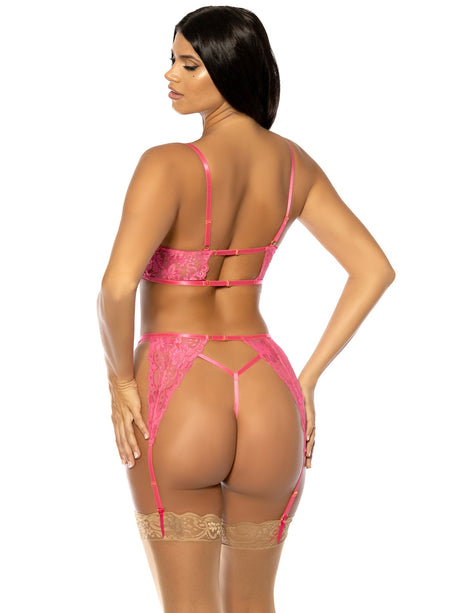
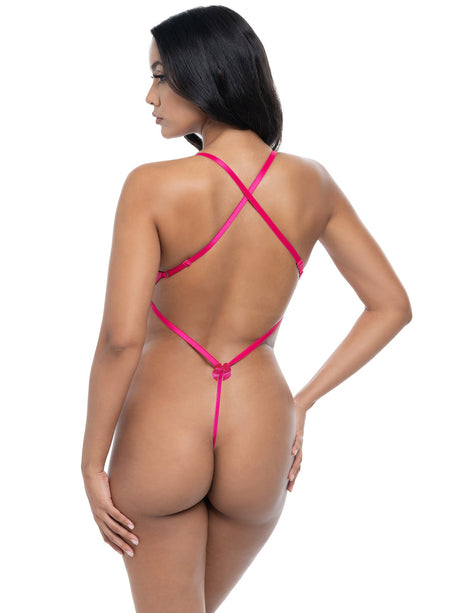
Terms like smoothing, seamless and back-smoothing are marketing language with no agreed definition, and plenty of bras carrying them have one-inch bands and two-row closures. The construction is visible in the back-view product photograph, which most retailers now include. Look at the height of the band relative to the model's ribcage, whether the closure shows three or four rows of hooks, and whether the back panel curves downward or runs straight across. Thirty seconds of looking beats any product description.
Bra Styles Ranked for Back Smoothing at Plus Sizes
With the five features established, here is how the common categories actually perform, ranked by how reliably they deliver them.
| Style | How Well It Smooths | Best For |
|---|---|---|
| Longline bra | Strongest. Extends 4 inches or more down the ribcage, spreading tension across the largest area of any bra category and removing the bra-to-waist transition. | Cups H and above, fitted knits, jersey dresses, anyone who has tried wide bands without success. |
| Wide-band full coverage | Very strong when the band measures 2 to 3 inches and the closure has four rows. The practical everyday answer for most people. | Daily wear across most wardrobes. Buy in nude and black. |
| Shaping bodysuit with built-in bra | Strong, by different means. Eliminates the transition entirely rather than softening it, so there is only one edge on the whole torso. | Fitted dresses, close-fit knits, occasions where the whole line matters. See bodysuits. |
| Seamless molded t-shirt bra | Good to strong, depending entirely on edge finish. Bonded edges perform well. Elastic trim undermines an otherwise good band. | Fitted t-shirts and thin knits, where edge finish matters more than width. |
| Leotard-back sports bra | Good. Wide bands and compression construction are standard, though some models create a new edge at the hem. | Active wear and casual days. Check the hem finish on the product photo. |
| Balconette or plunge | Variable. Bands are frequently narrower on lift-focused cuts, so check band height specifically rather than assuming. | Lower necklines, where the front matters more than the back. |
| Standard bra with extender fitted | Weakest. Adds looseness to a band that already needs anchoring, and introduces a narrow rigid panel at the closure. | Temporary use only, during pregnancy or short-term fluctuation. |
The 30-Second Diagnostic: Is Your Band Too Tight or Too Loose?
Most people shopping for a smoothing bra do not know which direction their current band is wrong in, and the corrections point in opposite directions. Run this before buying anything.
The Side Profile Check
Stand sideways to a mirror wearing the bra that shows the problem. The back of the band should sit level with the underwire at the front, or slightly lower. If it arcs upward toward the shoulder blades, the band is travelling and pushing tissue downward ahead of it. That is a band size problem and no amount of width will fix it while the band still migrates.
The Two-Finger Test
Reach behind and slide two fingers flat under the back band. They should fit with real resistance, snug enough that you notice. Four fingers sliding under easily means the band is too loose. No fingers fitting, combined with deep marks after wear, means it is too tight. Run this on the loosest hook, since that is where a new bra should fit, leaving the tighter hooks for later as the elastic relaxes.
The Band Height Measurement
Take the bra off, lay it flat, and measure the back band from top edge to bottom edge, excluding the hook panel. Under 1.5 inches is the primary problem regardless of what else is true. Between 2 and 3 inches means width is adequate and the issue lies with size, position or edge finish instead.
What Each Combination Means
Band rides up and four fingers fit: go down one band size and up one cup, for example 44G to 42GG. The ridge often resolves entirely from this alone.
Band sits level, two fingers fit, band measures under 1.5 inches: size is correct, width is the problem. Shop for a 2 to 3 inch band in the same size.
Band sits level, correct width, ridge still shows under fitted knits: the edge finish is the remaining variable. Move to bonded edges, or to a longline that removes the transition.
No fingers fit and there are deep marks: go up one band and down one cup, then reassess. Compression is creating the displacement.
What to Wear Over It
The bra solves most of the problem. The garment over it decides how much of what remains is visible, and fabric choice makes a larger difference than most people expect.
Structured wovens conceal transitions well. Ponte, crepe, heavier jersey and anything with a stable weave sit away from the body enough to bridge small changes in contour. Lightweight single-knit jersey, rib knits and clingy viscose blends do the opposite, draping into every edge underneath and revealing details that a slightly heavier fabric would hide entirely.
Vertical seaming through a garment also helps, drawing the eye along the length of the torso rather than across it. A princess-seamed dress or a top with a centre-back seam reads smoother than a flat panel of jersey even when what is underneath is identical.
Layering deserves a specific warning, because it is the most common instinct and one of the least effective moves. Pulling a shaping camisole over a poorly-fitting bra adds a second edge without removing the first, so two ridges appear where there was one. If layering is needed, the layer should replace the bra rather than cover it, which is what a shaping bodysuit or a longline does.
Five Mistakes That Make the Ridge Worse
The instinct when a ridge appears is to fasten to a tighter hook. On a narrow band this raises the pressure along the same line and pushes more tissue outward at both edges. The ridge gets more defined, not less. Width disperses pressure. Tension concentrates it. Only one of those helps.
Extenders lengthen a band that in most cases is already too long for the job. The band then rides higher, displacing more tissue as it travels, and the extender itself introduces a narrow rigid panel at exactly the point where the band should stay widest. They have a legitimate role during pregnancy or short-term fluctuation, and almost none as a permanent fix.
A looser band feels better in the changing room and performs worse everywhere else. It rides up, transfers bust weight to the shoulders, and pushes tissue downward as it migrates. The comfort a bigger band promises is real for about twenty minutes. Going down a band and up a cup usually feels firmer at first and better by the end of the day.
The term has no agreed definition and appears on plenty of bras with one-inch bands and two-row closures. The back-view product photograph tells you more in ten seconds than the product description does in ten paragraphs. Look at band height against the model's ribcage, count the hook rows, and check whether the back panel curves or runs straight.
The most common and least useful response is to conclude the ridge means something needs to change about the body. Women at every size get bra bulge from a narrow band, and the same body in a three-inch band shows nothing at all. If the ridge appears when the bra goes on and vanishes when it comes off, the variable that changed is the bra.
Nine times out of ten, what someone brings to us as a body concern is a band concern. Same body, wider band, correct size. The problem was never where they thought it was.
HauteFlair Fit Team
What This Means for You
The ridge above a bra band is a solvable engineering problem with a short list of variables. Band height first, because it resolves the largest share of cases and costs nothing in support. Band size second, verified by two fingers and a side-profile check, because a travelling band undoes any amount of width. Then edge finish, closure rows and back panel shape, which handle the remainder.
If you buy one thing after reading this, make it a wide-band full-coverage bra in a size verified this year, in nude. If the ridge persists under fitted knits after that, move to a longline rather than compressing harder. Compression is the intuitive answer and the wrong one, every time.
The band was doing this. Change the band.
Wide-Band Plus Size Bras at HauteFlair
Full coverage, longline and seamless styles with 2 to 3 inch bands, four-row closures and bonded edges. Graded for individual band and cup sizes, 36 through 56. Free returns on unworn bras.
Shop Plus Size BrasVerify Your SizeFrequently Asked Questions
What are the best plus size bras that hide back fat?
Is bra bulge actually fat?
Does a tighter bra reduce back bulge?
How wide should a bra band be to smooth the back?
What is a leotard back bra?
Why does my bra band ride up in the back and create a roll?
Do longline bras hide back fat?
What bra should I wear under a fitted t-shirt to avoid back bulge?
Will shapewear over my bra smooth the back?
Can exercise get rid of bra bulge?
How do I know if my band is too tight or too loose?
Do bra extenders cause back fat?
What fabric hides bra bulge best under clothing?
Does going up a band size reduce back bulge?
What band and cup range benefits most from wide-band bras?
This article is for informational purposes only. Fit recommendations are general and may vary based on individual body composition, brand-specific sizing and personal preference. For the most accurate current bra size, use the HauteFlair bra size calculator or contact our fit team directly. HauteFlair offers free returns on unworn bras.