What is the difference between a babydoll, a chemise and a nightgown?
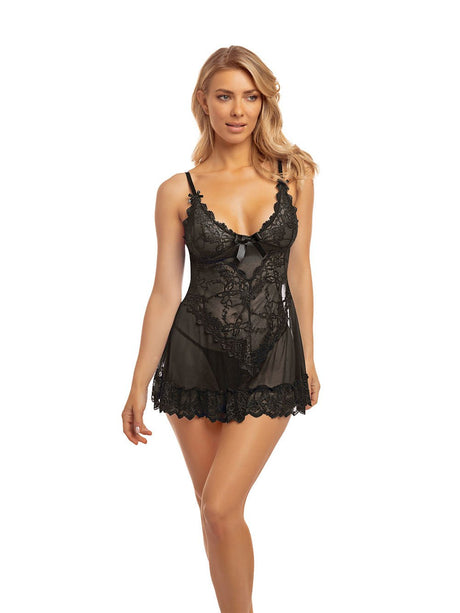
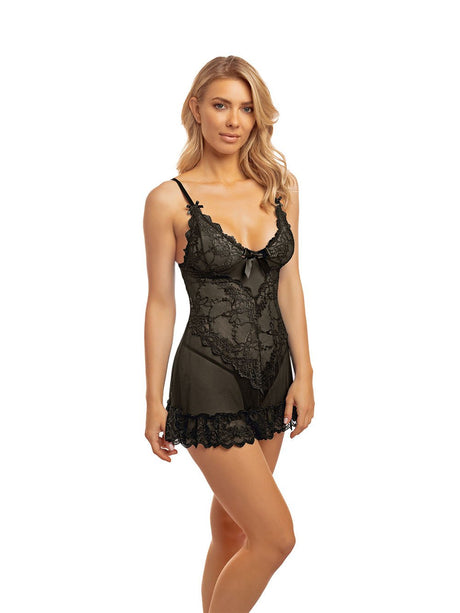
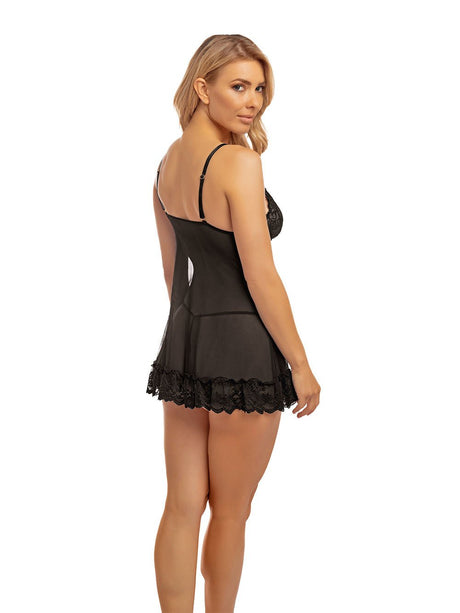
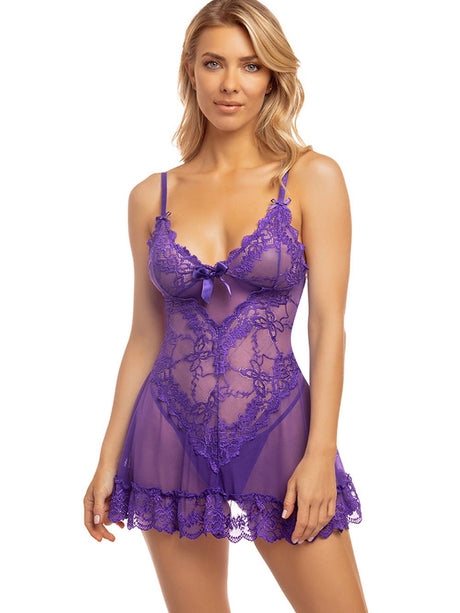
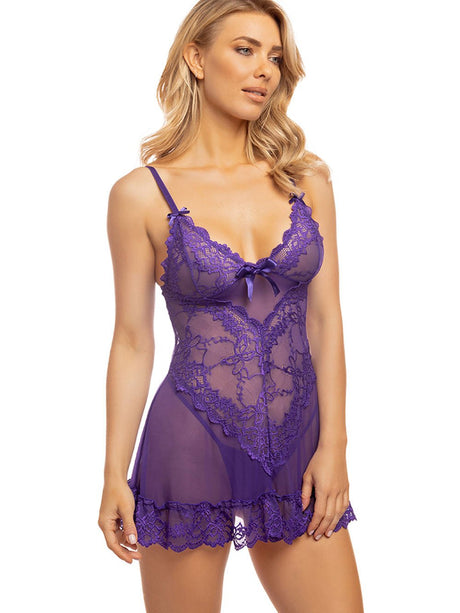
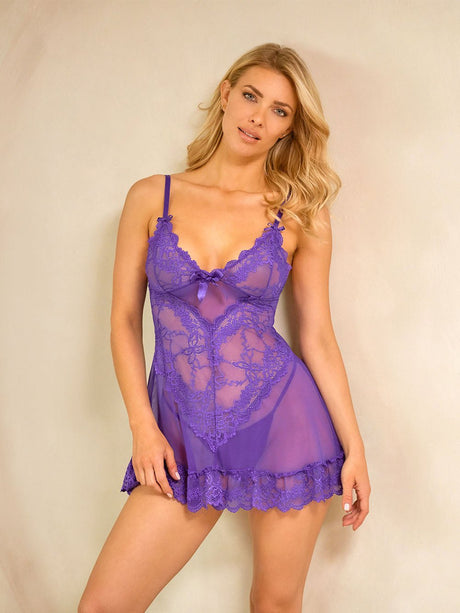
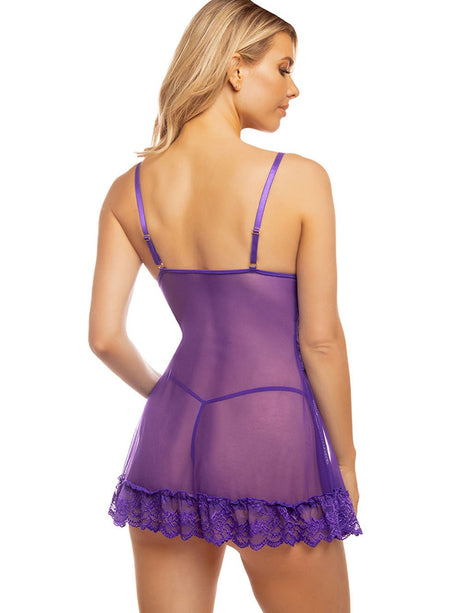
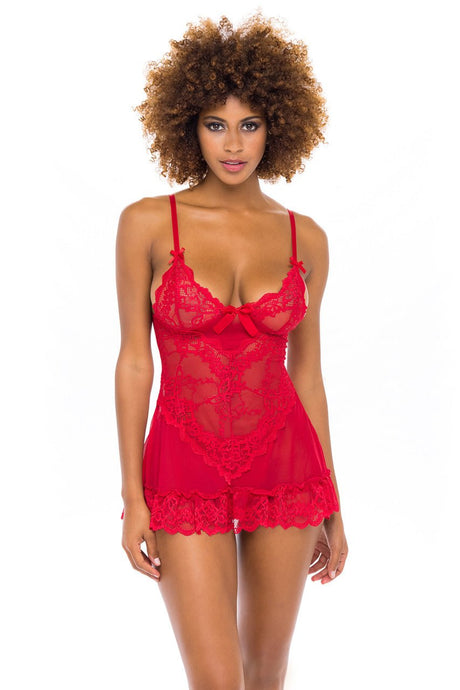
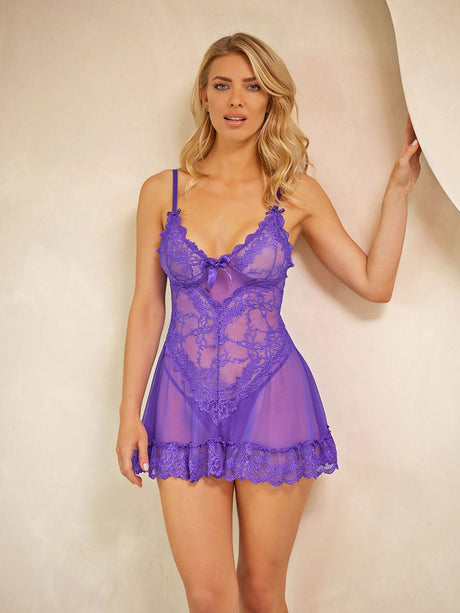
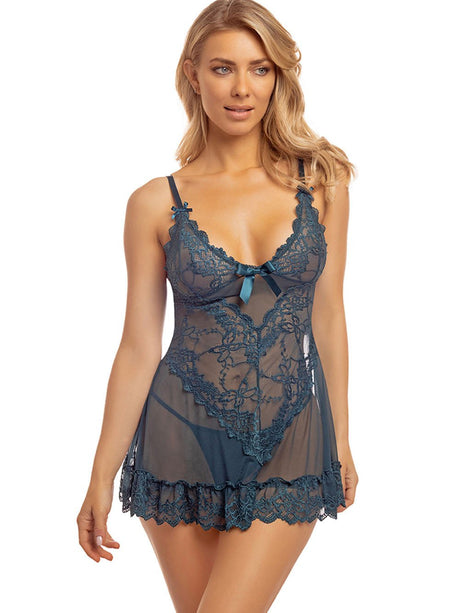
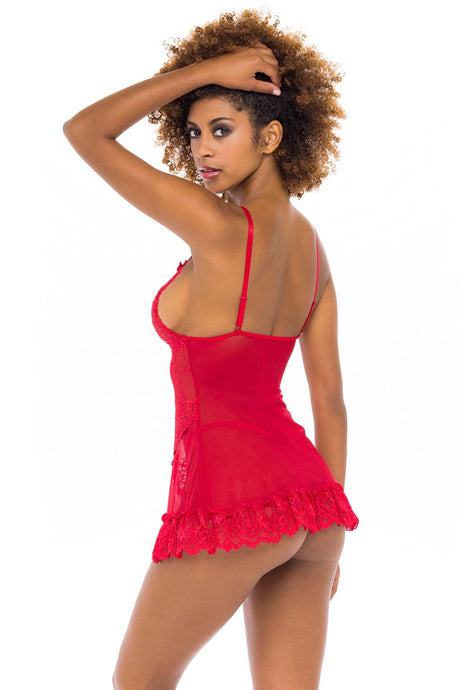
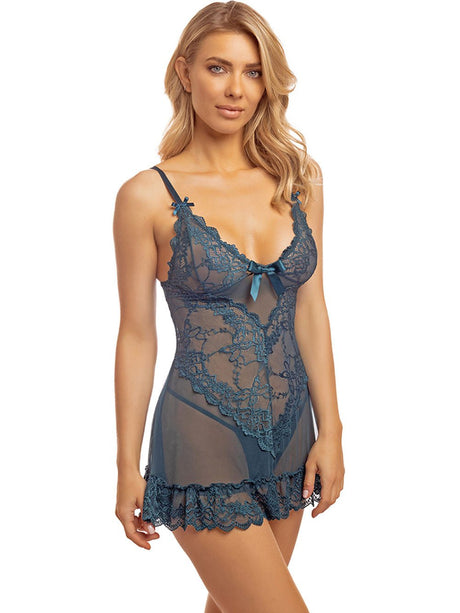
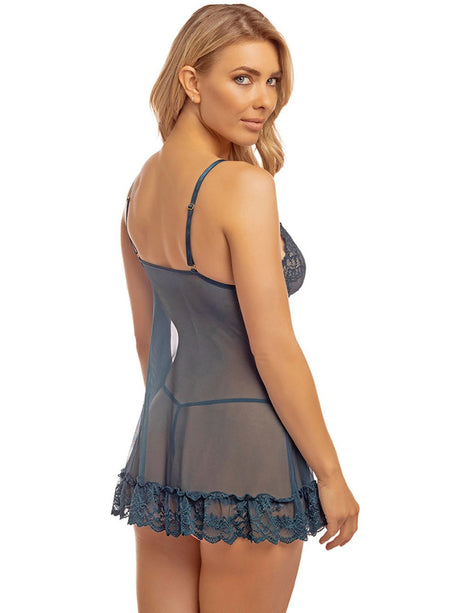
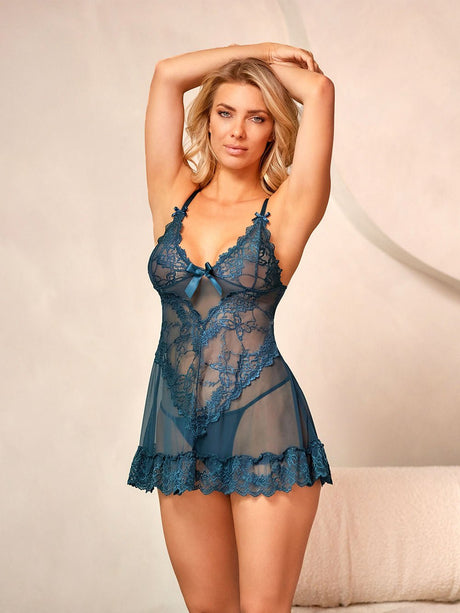
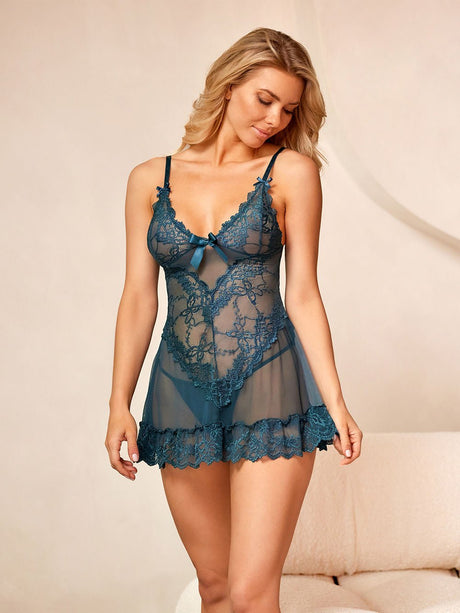
Where the garment is fitted, and where it releases. That is the whole distinction, and unlike the usual descriptions of playful, elegant and cosy, it is something you can check in a product photograph. A babydoll is fitted to the bust and then releases immediately, from a seam sitting directly beneath it, into a loose A-line that finishes short. That empire seam is the defining feature; without it you do not have a babydoll. A chemise has no release point at all. It falls from the shoulders as a straight column, skimming the body to a hem somewhere between hip and knee. A nightgown has no fitted point either: it is loose throughout and cut for sleeping rather than for silhouette, running anywhere from knee to ankle. Two more sit alongside them. A slip is cut like a chemise but made to go under clothing, which changes the hem finish and fabric weight rather than the shape. And a negligee is historically an outer layer, a sheer robe worn over something else, though the word is used very loosely now.
Almost every guide to this describes the garments by mood, which is why people read three of them and still cannot tell which is which.
There is a structural answer instead, and it takes one glance at a seam.
- Babydoll: fitted bust, empire seam, A-line release below it, short.
- Chemise: no release point. A straight column, shoulder to hem, hip to knee.
- Nightgown: no fitted point. Loose throughout, knee to ankle, cut for sleep.
- Slip: chemise silhouette, made to go under clothing. Flatter finish, closer cut.
- Negligee: historically an outer layer. Now used loosely, so read the construction.
- Size a babydoll to your bust. It is the only fitted point.
- Size a chemise to whichever is larger, bust or hip, since it must clear both.
Fitted Where, Released Where
Every garment in this category is a length of fabric hanging from the shoulders. What separates them is whether it is held in anywhere, and if so, where the holding stops.

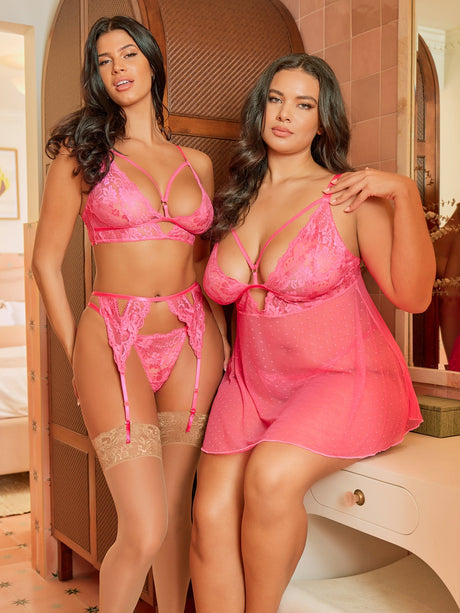
A babydoll is fitted at exactly one point, the bust, and releases immediately below it. The empire seam is where that happens, and you can usually see the gathering just underneath it. Because the release is so high, the fabric skims away from the body over the midsection and hips without touching them.
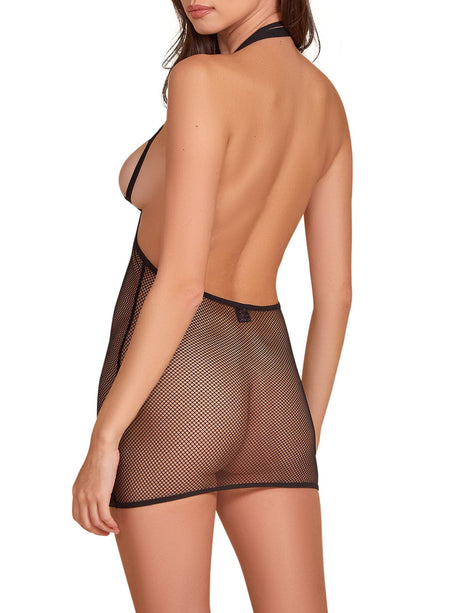
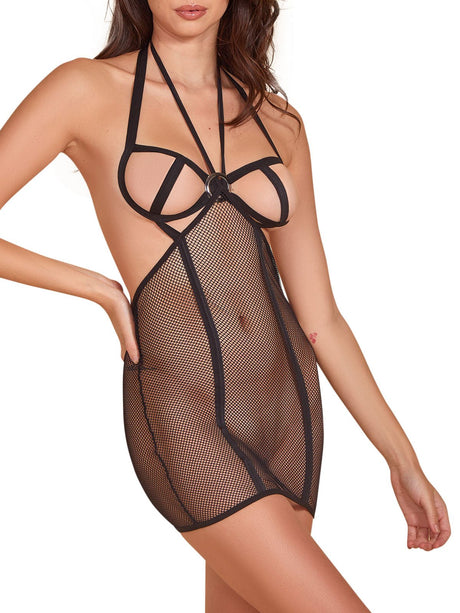
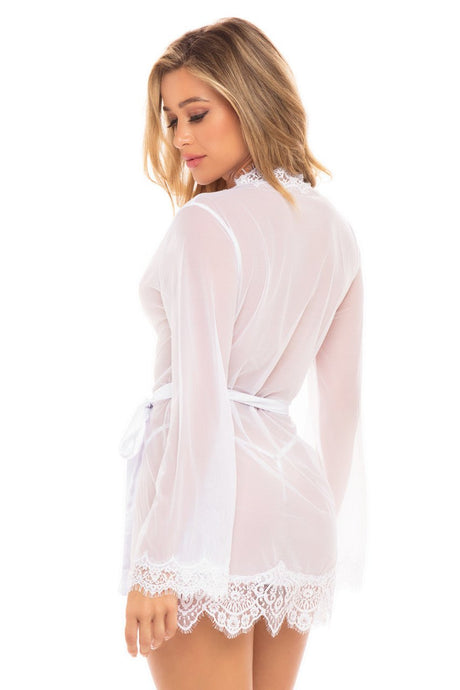
A chemise is fitted nowhere and released nowhere. It hangs as a straight column from the shoulders, following the body loosely because a fluid fabric will do that under its own weight rather than because the cut forces it to.
A nightgown is looser than a chemise in the same way a chemise is looser than a fitted dress: more fabric, no attempt to follow the body, cut so that you can move and sleep in it without noticing it.

The Five Garments
Sleepwear at HauteFlair
Babydolls, chemises, nightgowns and slips in silk, satin, chiffon and modal. Full size range, free returns on unworn pieces.
Shop SleepwearLingerie GlossaryWhich One to Choose
| If you want | Choose | Because |
|---|---|---|
| To sleep comfortably | Nightgown, or a chemise in modal | Loose everywhere, nothing fitted to press when you lie on your side. |
| Fabric that skims the midsection | Babydoll | The A-line releases at the bust, so nothing touches below it. |
| A defined shape | Chemise | Follows the body's line without flaring away from it. |
| To wear it under a dress | Slip | Cut and finished so it does not show through or catch. |
| To wear it out as a dress | Longer chemise in opaque fabric | Slip-dress length and coverage. A babydoll is too short and too sheer. |
| Coverage for the hips and thighs | Nightgown or long chemise | Babydolls are short by definition, which is why they come with briefs. |
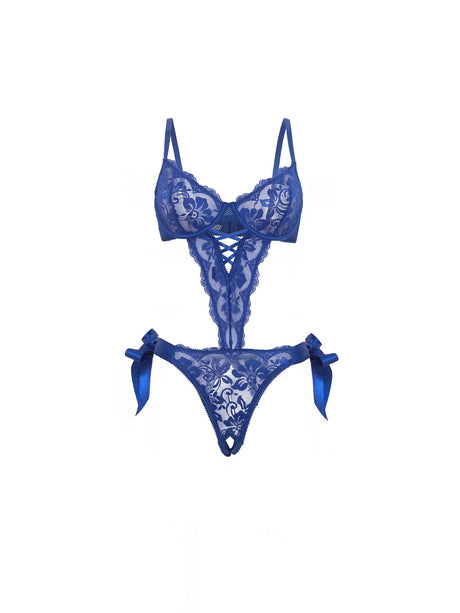
| Support for a larger bust | Babydoll with cups and an underband | A structured bust with adjustable straps, rather than a shelf elastic. |
These terms are used loosely by retailers, and the same garment appears as a chemise on one site and a nightgown on another. It costs nothing to check for yourself: look for a horizontal seam directly beneath the bust with gathering below it. If it is there, you are looking at a babydoll. If the fabric runs uninterrupted from shoulder to hem, it is a chemise or a nightgown, and the length and looseness tell you which.
Sizing, and Where People Go Wrong
Size to Your Bust
The bust is the only fitted point, and everything below it is loose, so it is the only measurement that has to be right. Where a babydoll has moulded cups or underwire, check whether it is sold in bra sizes or in S to XL. Sold in S to XL, a structured cup is a compromise above roughly a D, for the same reason a shelf bra is: a pull-on band cannot be tensioned to your ribcage.
Size to Whichever Is Larger, Bust or Hip
A chemise is a straight column, so it has to clear your widest point without pulling. If your bust and hip measurements sit in different parts of the chart, size to the larger. Going up gives you the skimming fit the cut is designed for; sizing to the smaller measurement produces clinging at the other end, which is the most common complaint about the style.
Size Generously
Loose is the point. If you are between sizes, take the larger, particularly in cotton or modal which can shrink slightly with washing. The one thing to check is shoulder-to-hem length against your height, since a gown designed to reach the ankle on a fit model will sit differently on you.
Size to Skim, Not to Compress
A slip is meant to give an outer garment a smooth surface to fall over, which it cannot do if it is tight enough to create its own tension lines. If you want smoothing as well, that is a shaping slip and a different garment. See the camisoles and slips guide.
Fabric Follows Silhouette
The fabrics associated with each garment are not decorative conventions. They are what makes each silhouette physically possible, which is why they cluster the way they do.
| Fabric | Behaves | Usually found in |
|---|---|---|
| Chiffon and mesh | Very light, holds a flare, catches air | Babydolls. Heavy fabric would collapse the A-line. |
| Silk and satin | Fluid, heavy enough to fall in a column | Chemises and slips. The weight is what creates the drape. |
| Lace | Decorative, minimal structure | Trim and panels across all of them. |
| Modal and cotton | Soft, breathable, no sheen | Nightgowns and everyday chemises. Comfort over drape. |
| Jersey | Stretchy, follows the body | Nightgowns cut for sleep rather than shape. |
Which is why a heavy silk babydoll is unusual and a chiffon nightgown is rare. The garment and the cloth are chosen together, and a listing pairing an unlikely fabric with a silhouette is worth a second look.
Care
- Hand wash silk and satin in cool water with a detergent made for delicates. Silk is weakened when wet, so support the garment rather than lifting it by one strap.
- Never wring. Roll in a towel to remove water, then dry flat.
- Keep silk out of direct sun, which fades and weakens it faster than washing does.
- Polyester satin tolerates a cool machine cycle in a laundry bag, which is one practical advantage it has over silk.
- Modal and cotton machine wash cool and are the easiest of the group to live with.
- Store hanging where possible, since fold lines set into satin and chiffon and are difficult to remove.
Everyone asks which is which and gets told one is playful and one is elegant. Look for the seam under the bust. If it is there it is a babydoll, and if it is not it is not.
HauteFlair Editorial Team
What This Means for You
The difference between these garments is structural, not atmospheric. A babydoll is fitted at the bust and releases from a seam directly beneath it into a short A-line. A chemise has no release point and falls as a straight column. A nightgown has no fitted point at all and is cut for sleeping. A slip is a chemise built to go underneath something. A negligee was originally an outer layer and now means very little on its own.
So ignore the label and look for the seam. Then size a babydoll to your bust, size a chemise to whichever of bust or hip is larger, and size a nightgown generously.
And if you want one of these to work above a D cup, look for defined cups with an underband and adjustable straps rather than a shelf elastic, which is coverage rather than support wherever it appears.
Sleepwear at HauteFlair
Babydolls, chemises, nightgowns and slips in silk, satin, chiffon and modal, including bra-sized and structured-bust options. Full size range. Free returns on unworn pieces.
Shop SleepwearCamisoles & SlipsFrequently Asked Questions
What is the difference between a babydoll and a chemise?
What is a babydoll?
What is a chemise?
What is the difference between a chemise and a nightgown?
What is the difference between a chemise and a slip?
What is a negligee?
Which is more comfortable to sleep in?
What length should each one be?
Do babydolls come with matching knickers?
What size should I buy in a babydoll?
What size should I buy in a chemise?
Can you wear a chemise as a dress?
What fabrics are these made from?
Which suits a larger bust?
How do you wash silk and satin sleepwear?
This article is for informational purposes only. Terminology in this category is used inconsistently across retailers and regions; the definitions here reflect construction rather than any single brand's labelling. Care guidance is general and the label on the specific garment takes precedence.