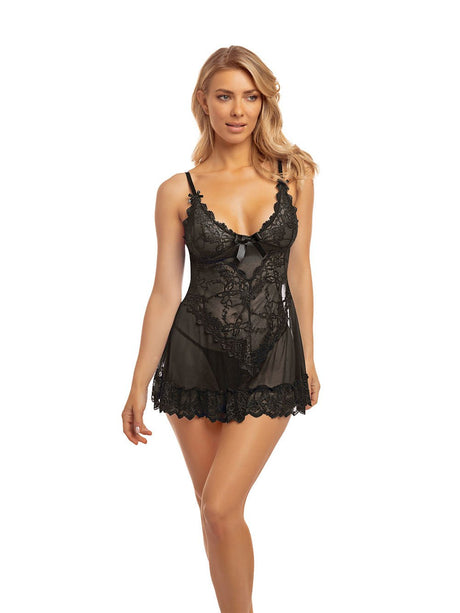
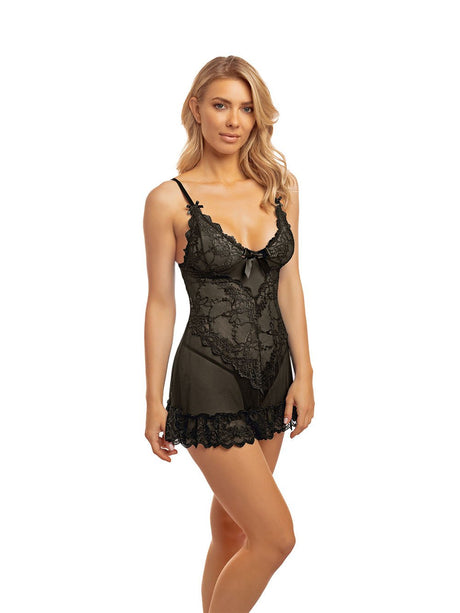
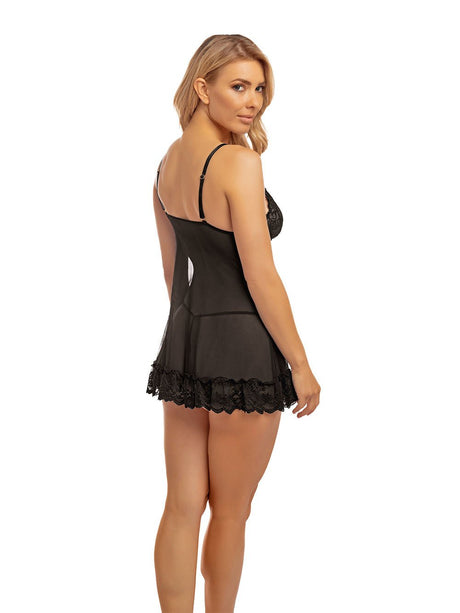
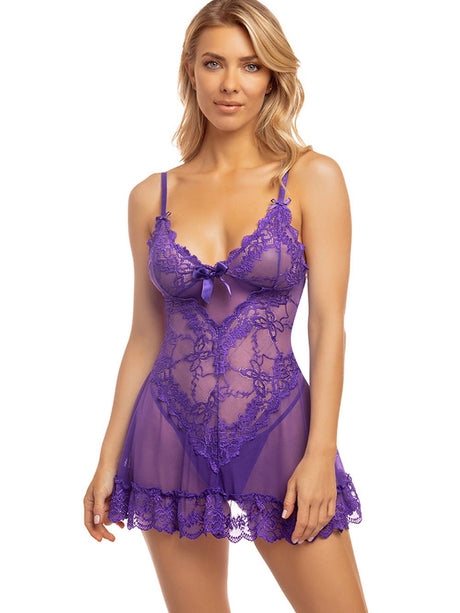
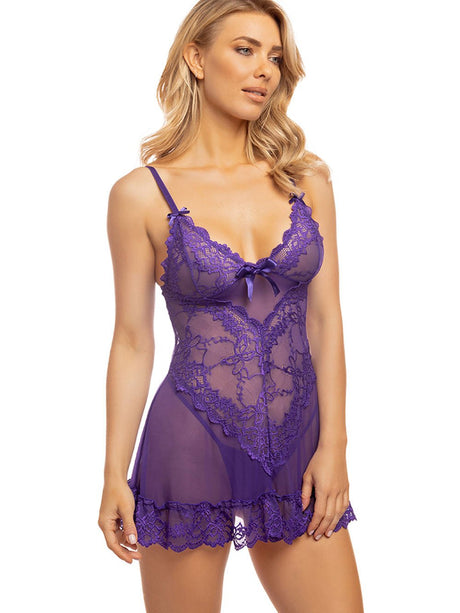
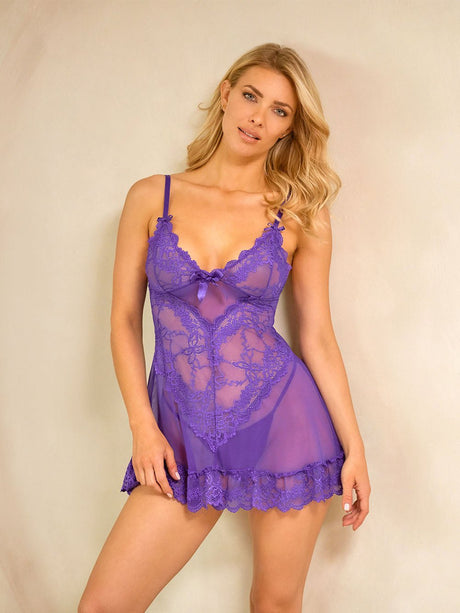
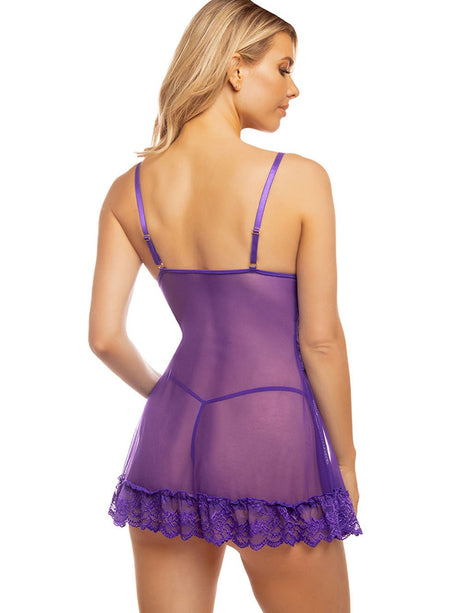
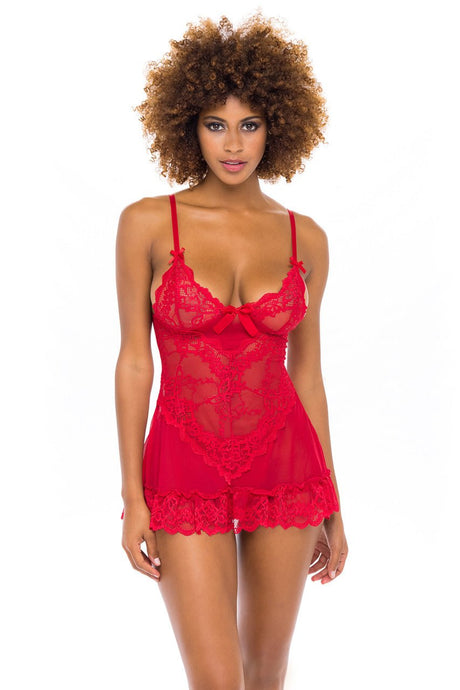
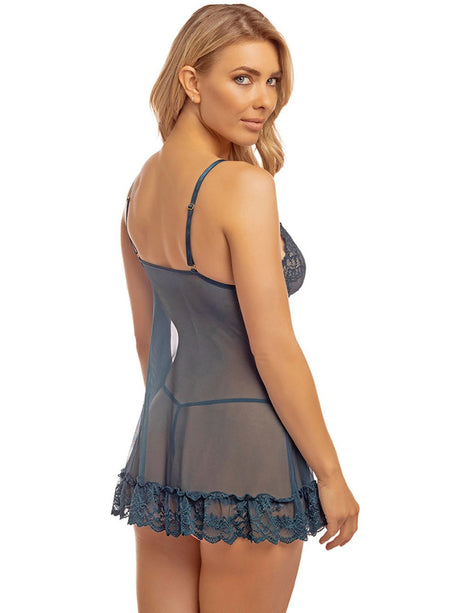
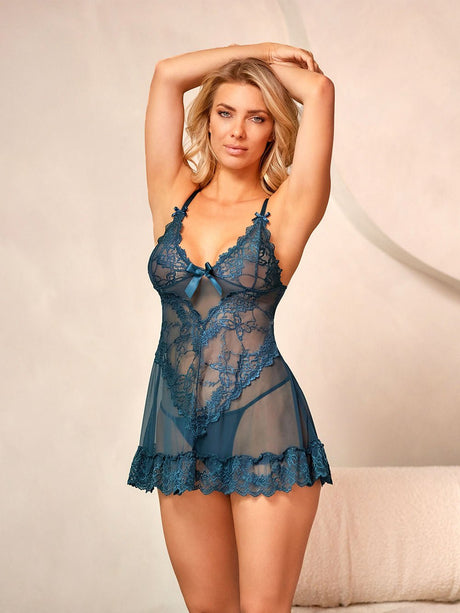
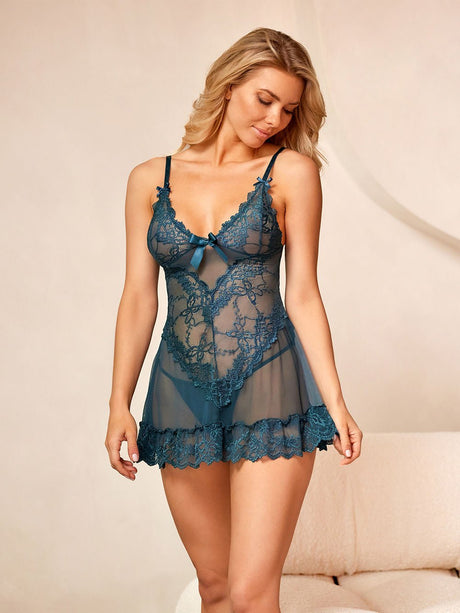
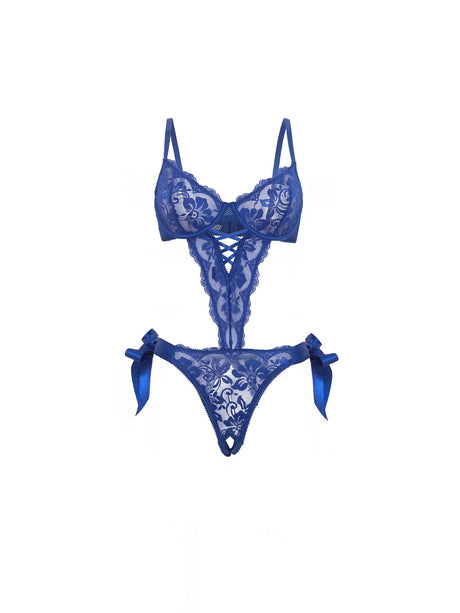
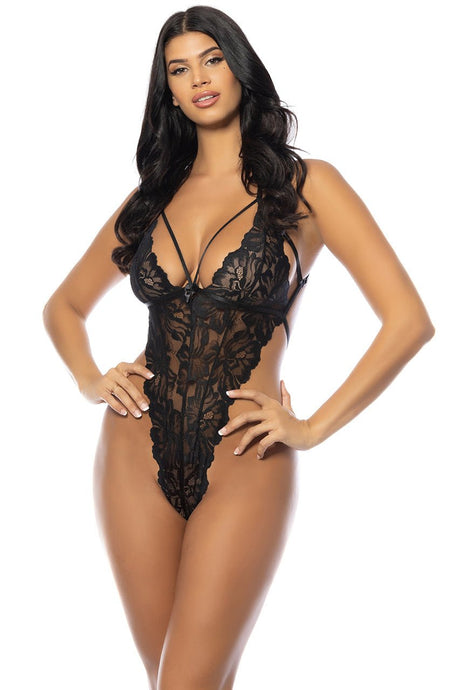
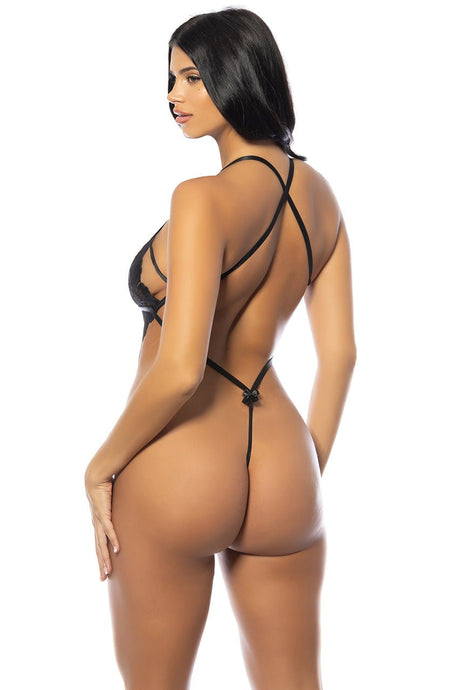
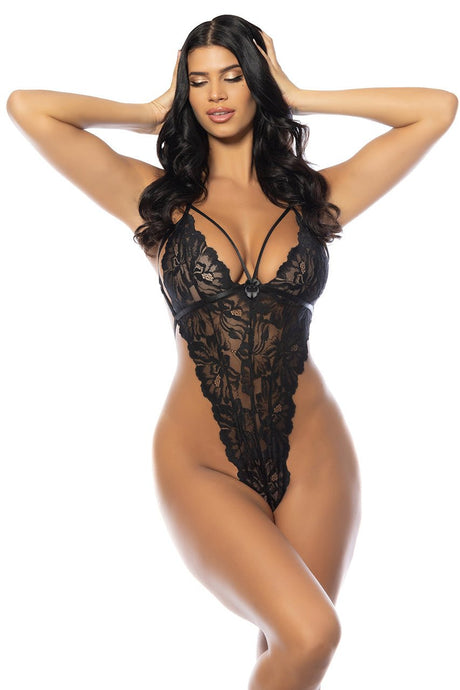
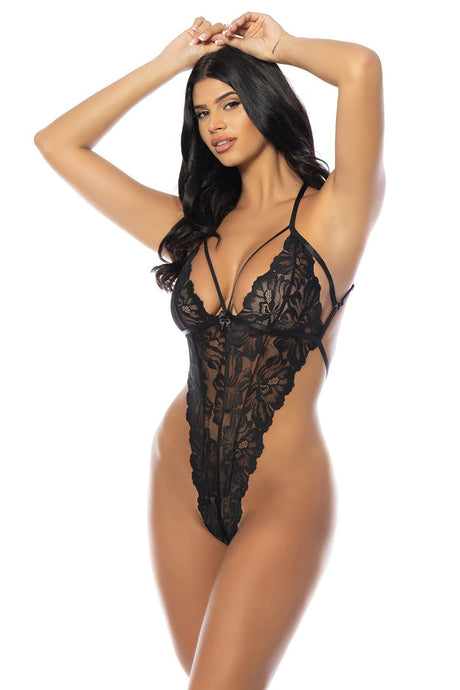
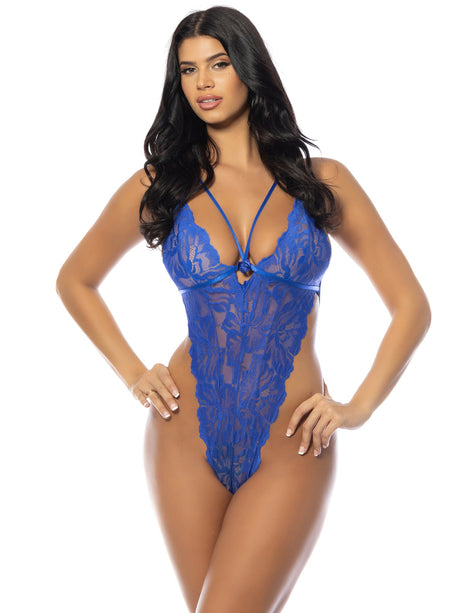
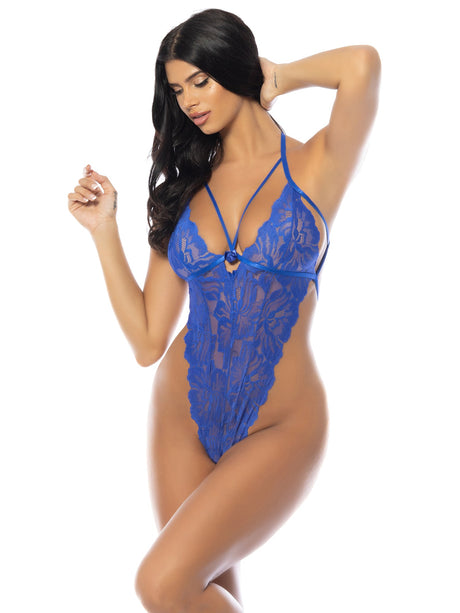
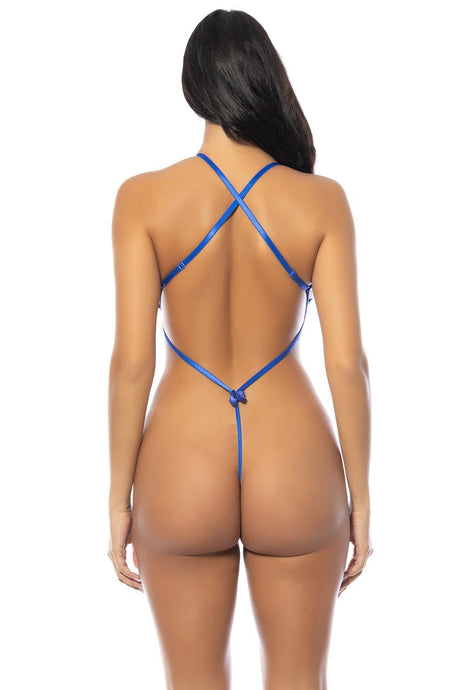
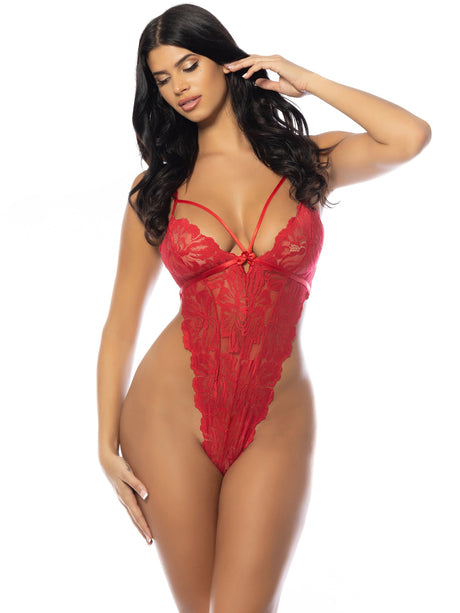
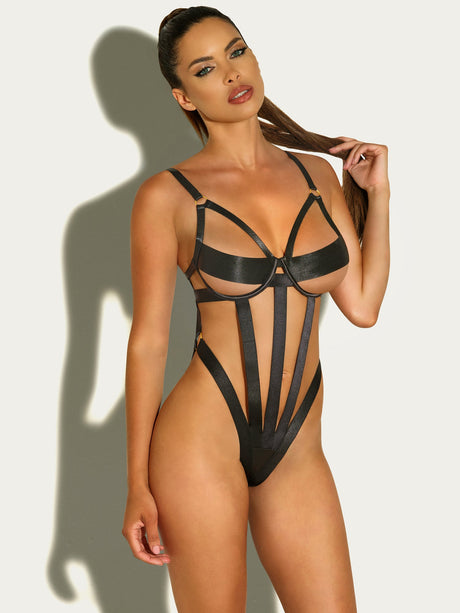
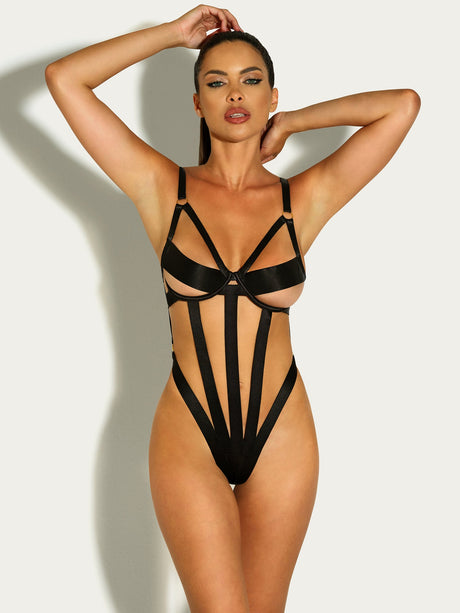
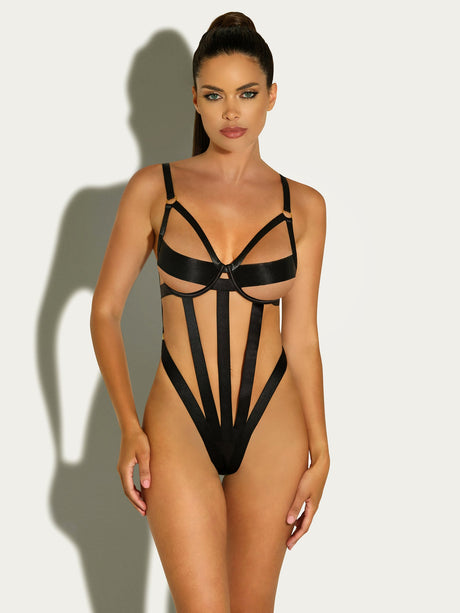
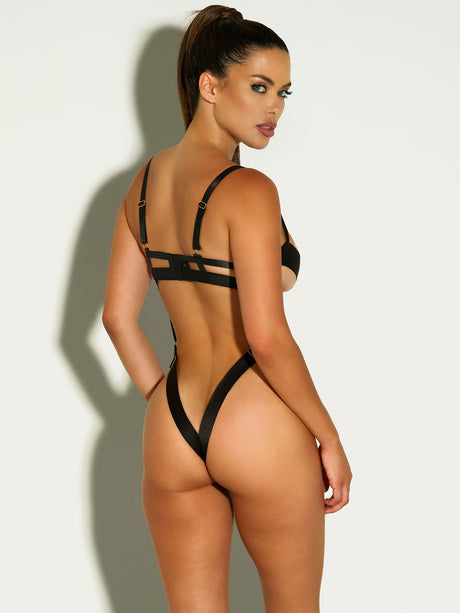
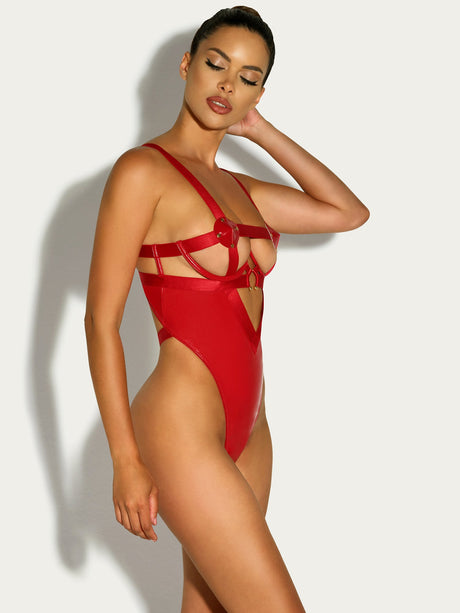
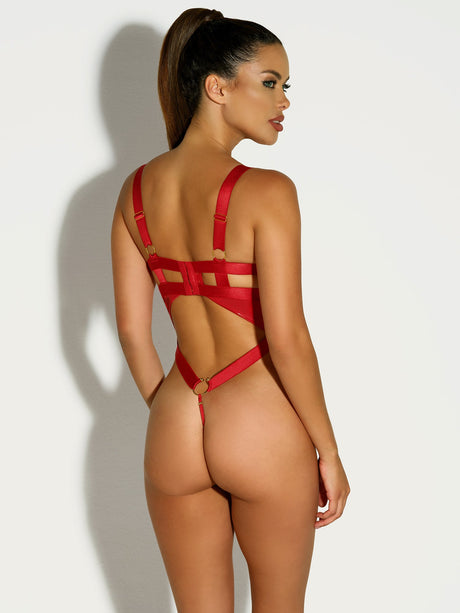
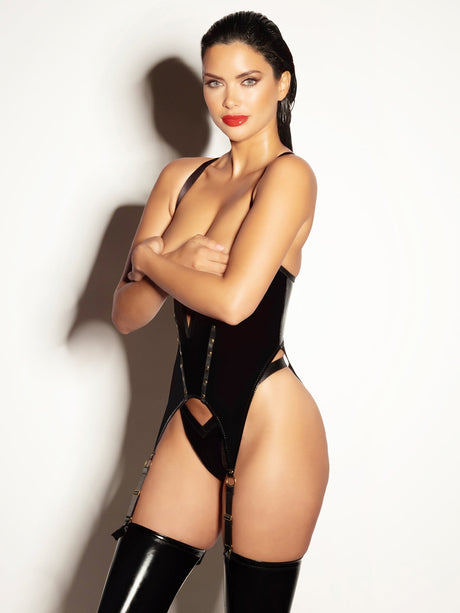
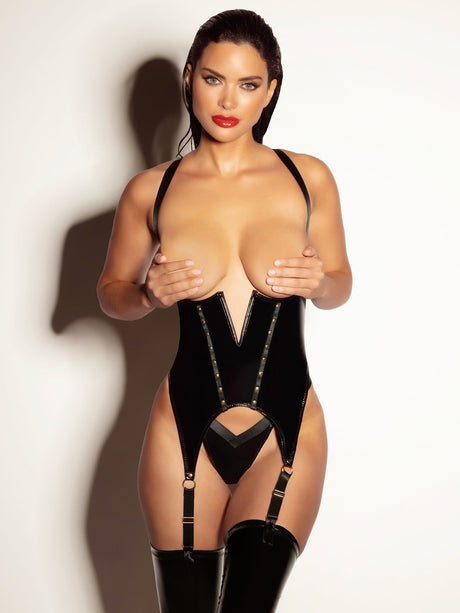
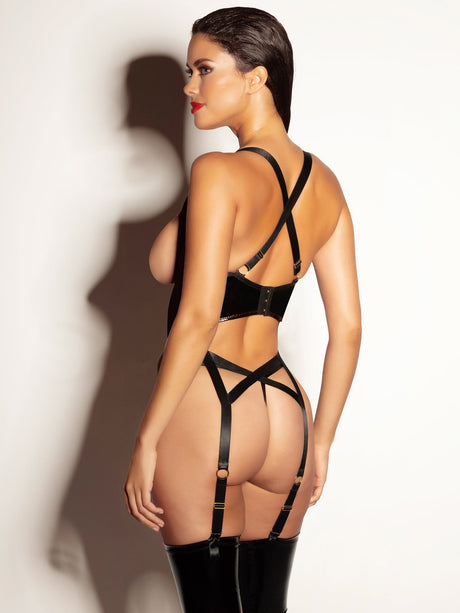
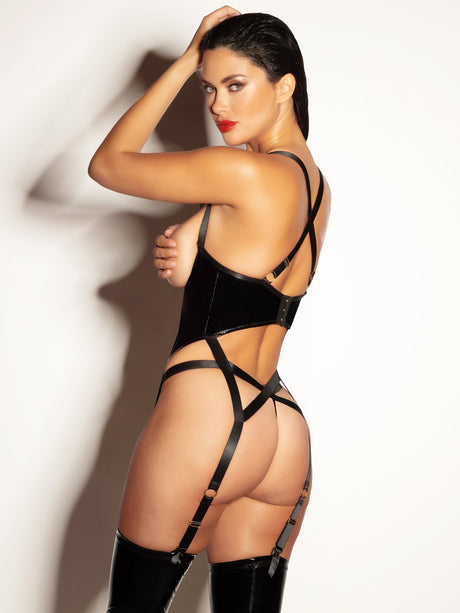
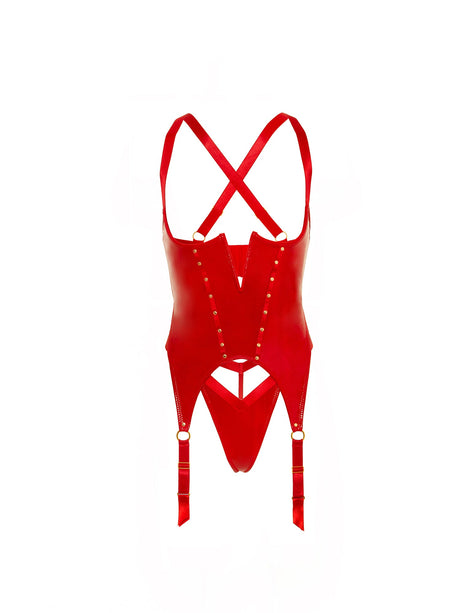
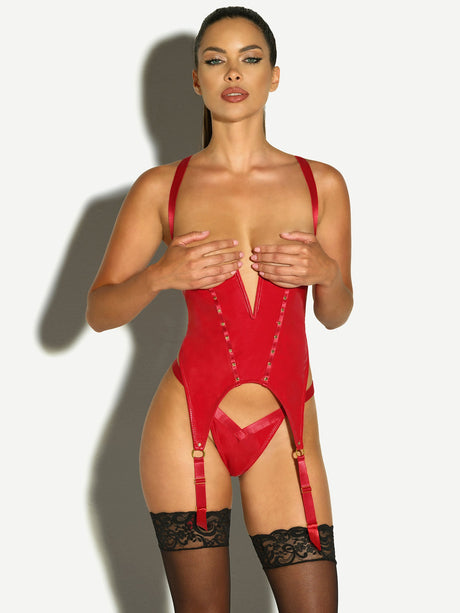
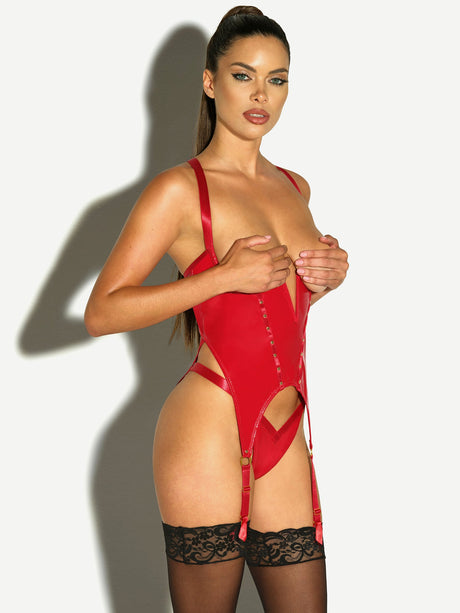
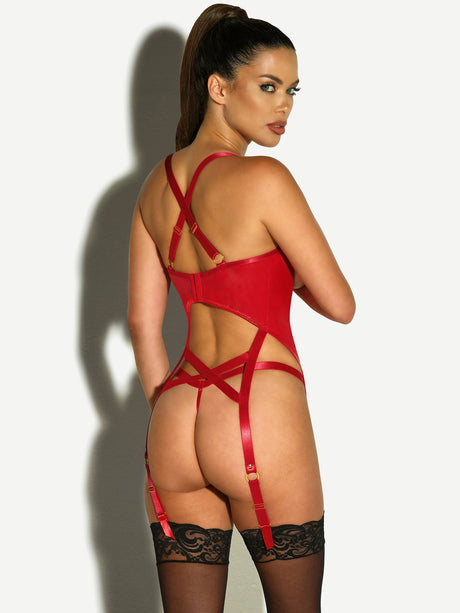
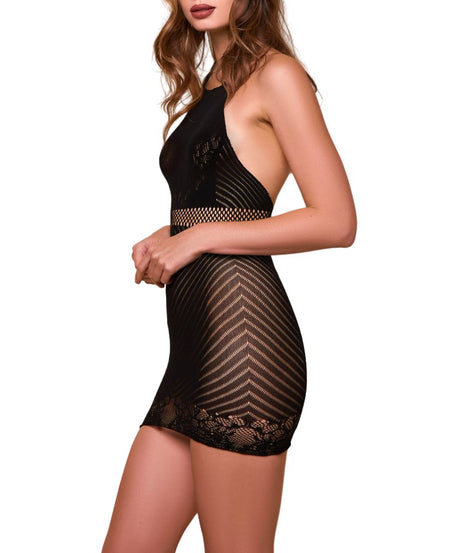
What is a bridal corset?
A bridal corset is a foundation garment worn underneath a wedding dress to shape the torso, support the bust, and create a smooth line under the gown. It is a separate undergarment — different from a corset-style wedding dress, which is a gown with a boned bodice or lace-up back. Bridal corsets come in longline, strapless, low-back, and lace styles, chosen to match your gown's neckline and silhouette.
This guide walks through how to choose a bridal corset for your wedding dress: by neckline, by gown shape, and by your own size and comfort. We'll also cover the corset-versus-bustier question, how to find your corset size, how to lace it, and the one timing rule that saves brides a last-minute scramble. For the full picture across the day, night, and honeymoon, start with our complete bridal lingerie checklist.
- Match the corset to your gown's neckline first: strapless gowns want a longline strapless corset; backless gowns need a low-back corset; plunge necklines need a low center-front cut.
- A "bridal corset" goes under the dress; a "corset wedding dress" is the gown itself. This guide is about the foundation you wear underneath.
- Most bridal corsets are bustier-corset hybrids: light boning for shape, comfortable enough for a full day.
- Support scales with cup size: A–B can go light or skip a bra; DD+ needs underwire, wider panels, and boning.
- Follow the brand's corset size chart, not your dress size — corsets run differently from ready-to-wear.
- Buy before your final fitting, so your seamstress fits the gown over the real foundation.
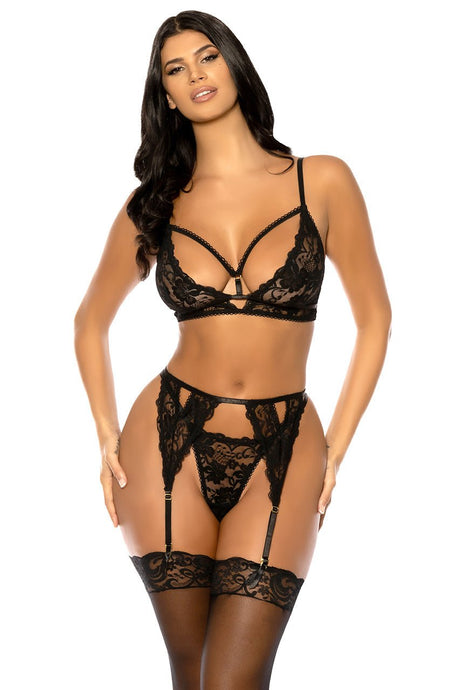
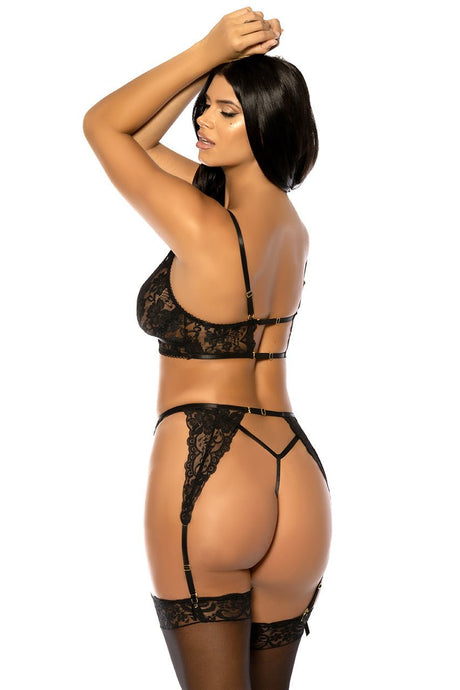
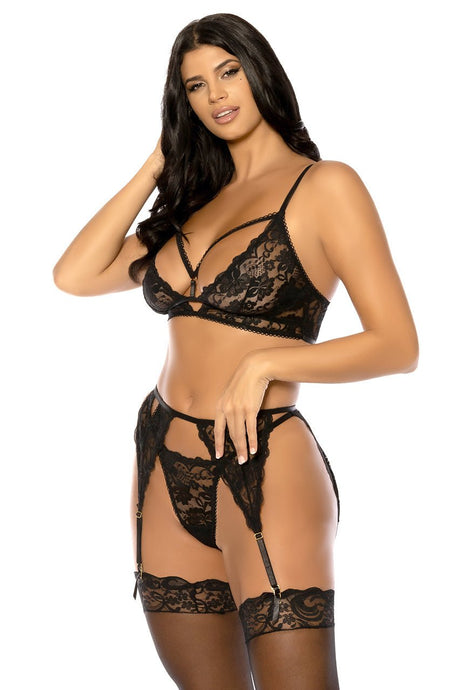
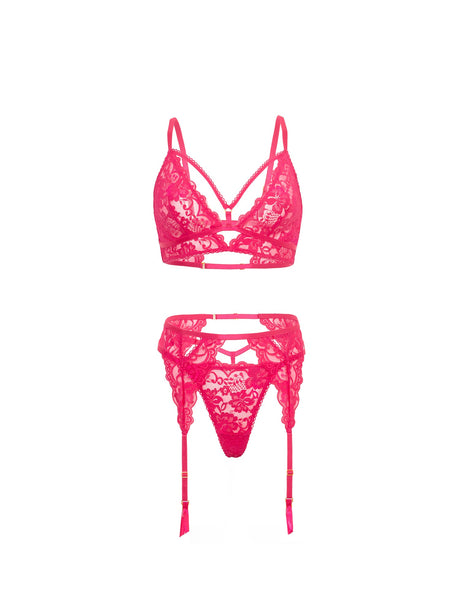
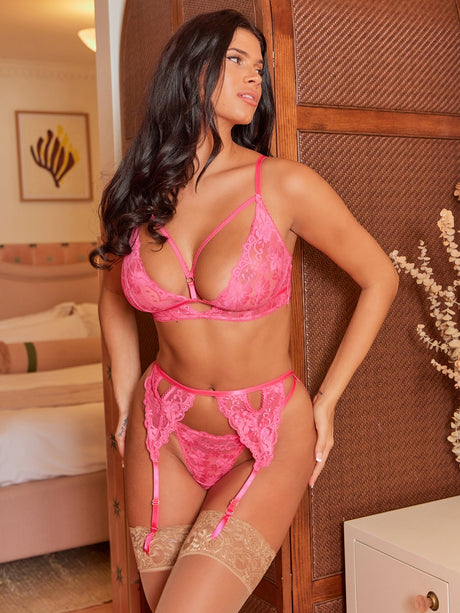
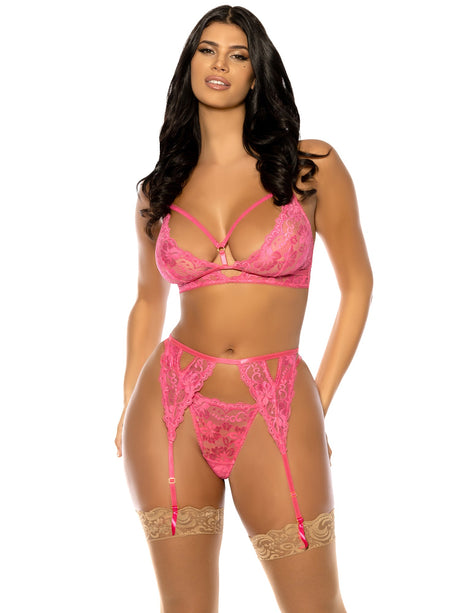
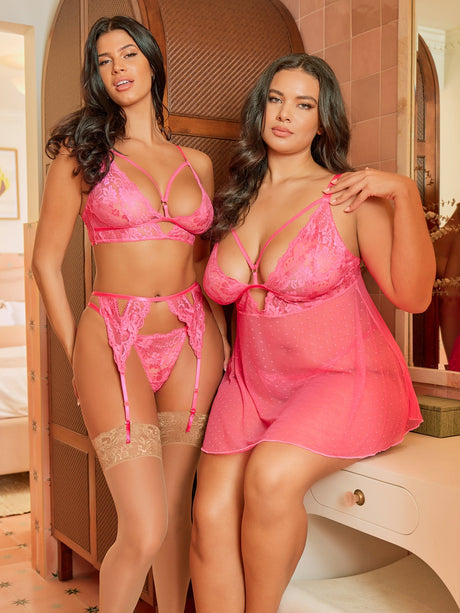
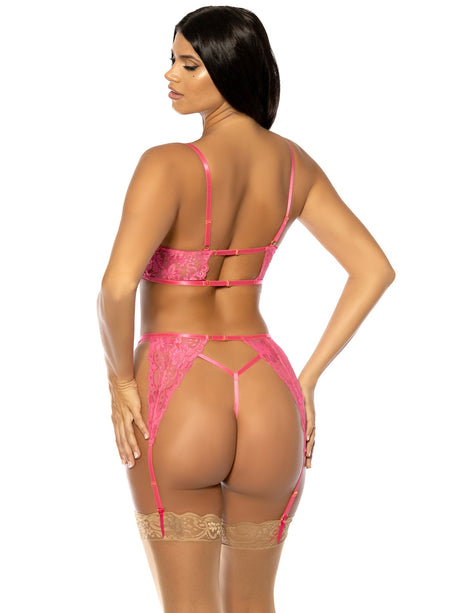
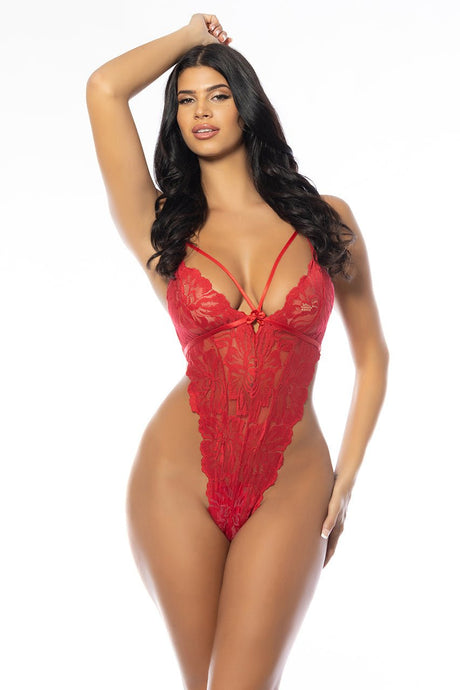
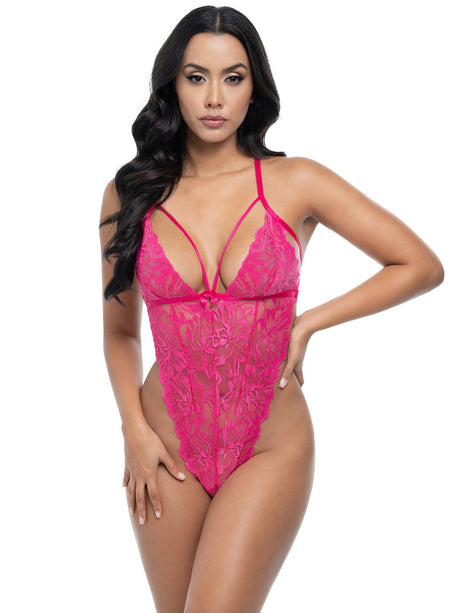
- A lace bridal corset doubles as wedding-night lingerie — one purchase, two moments.

Bridal Corset vs. a Corset Wedding Dress
First, a quick clarification, because the words overlap and the distinction matters before you shop. A corset wedding dress is a gown with a boned, structured bodice or a lace-up back — the dress itself. A bridal corset (sometimes called a bridal bustier) is a separate foundation garment you wear underneath any gown for shaping and support. This guide is about the second kind: the piece that goes under your dress, whatever style it is.
If you're searching for what to wear beneath your gown for a smooth, supported line, you want a bridal corset. If you're shopping for the gown's silhouette and lace-up back, you want a corset-style dress from a bridal salon. The rest of this guide covers the foundation garment.
What's the Difference Between a Corset and a Bustier?
You'll see both words used for bridal foundations, often interchangeably. In practice the distinction is about purpose. A traditional corset is built to cinch and reshape the waist with rigid boning. A bustier is a soft-to-structured bra that extends down the torso to support the bust and smooth the midriff without aggressive waist reduction.
Most modern bridal corsets are really bustier-corset hybrids — light, flexible boning for shape and a clean line, comfortable enough to wear for twelve hours. For a wedding, that hybrid is almost always what you want: enough structure to shape the gown, enough comfort to dance in.
Don't be put off by the word "corset" if you picture a rigid, breath-restricting garment. A bridal corset built for a wedding day prioritizes all-day comfort. The boning is there to hold a smooth shape under the gown, not to dramatically cinch your waist — unless you specifically want that effect.
Choosing Your Corset by Neckline
Your gown's neckline and back are the biggest deciding factors. Match the corset to the dress, not the other way around.

Choosing Your Corset by Cup Size and Support
Support needs change with cup size, and the right corset looks different at an A cup than at a DD+.
You have the most freedom. A lightly lined balconet or soft longline gives shape without bulk; many smaller-busted brides skip a separate bra entirely and let the corset do the work.
A structured longline corset offers the best balance of lift and a smooth line under a fitted bodice — enough support without heavy construction.
Prioritize real underwire support and wider side panels. Boning matters here — it keeps the silhouette clean and takes the weight off your shoulders over a long day. Consider a dedicated bridal bra option too.
Whatever your cup size, the right band and cup matter more than the style name. A corset that fits beats a prettier one that doesn't — re-measure before you order.
Shop Bridal Corsets by Style
Longline, strapless, low-back, and lace bridal corsets in sizes A to F — each with editor fit notes, inclusive sizing, free U.S. shipping over $50, and discreet packaging.
Shop Bridal Corsets → All Bridal Lingerie →Find Your Bridal Corset
Two quick questions — we'll point you to the right corset style for your gown and cup size.
How to Find Your Corset Size
Sizing is where most corset disappointment starts — and it's entirely avoidable. Bridal corsets are sized one of two ways: by band and cup like a bra (for bustier-style corsets), or by waist measurement (for waist-defining styles). Take three measurements before you shop:
- Underbust (band): measure snugly around your ribcage, directly under the bust.
- Bust: measure around the fullest part, keeping the tape level.
- Natural waist: measure the narrowest part of your torso, usually just above the belly button.
Then match those numbers to the brand's corset size chart — not your dress size. Corsets frequently run differently from ready-to-wear, and every brand grades a little differently, so the chart on the product page is the only reliable guide.
| Corset Type | Sized By | How to Choose |
|---|---|---|
| Bustier-style / corset bra | Band + cup (like a bra) | Start with your measured bra size; check the chart for that style. |
| Longline corset | Band + cup, sometimes with waist | Match band and cup; confirm the waist falls in range. |
| Waist-defining corset | Closed waist measurement | Most brands suggest 2–4 inches smaller than your natural waist for gentle shaping. |
The single most common sizing mistake is ordering a corset in your dress size or your "usual" size from another brand. Corset sizing isn't standardized across brands. Always measure fresh and read the specific corset size chart for the piece you're buying. When you're between two sizes, choose the larger one — comfort wins over a twelve-hour day.
How to Lace a Bridal Corset
If your corset laces at the back, the goal is firm but breathable — not the tightest you can manage in the fitting room.

- Loosen all the laces fully before putting the corset on.
- Fasten the front busk or closure first.
- Tighten the laces gradually, working from the center outward, easing the tension evenly.
- Settle it so you can take a full breath and sit comfortably — you'll be wearing it for hours.
- Tie off securely and tuck the laces flat so they don't show under the gown.
Do a full trial run well before the wedding — sit, reach, and dance in it. "Snug and supportive" beats "dramatically cinched" every time, especially through dinner and the dance floor.
The Timing Rule That Saves Brides
Here's the mistake to avoid: buying your corset after your final dress fitting. Your seamstress fits the gown to your body as it will actually be on the day — corset included. Buy your foundation first, wear it to the fitting, and the dress will hang perfectly. Show up in your everyday bra and you'll be re-altering later.
One Corset, Two Moments
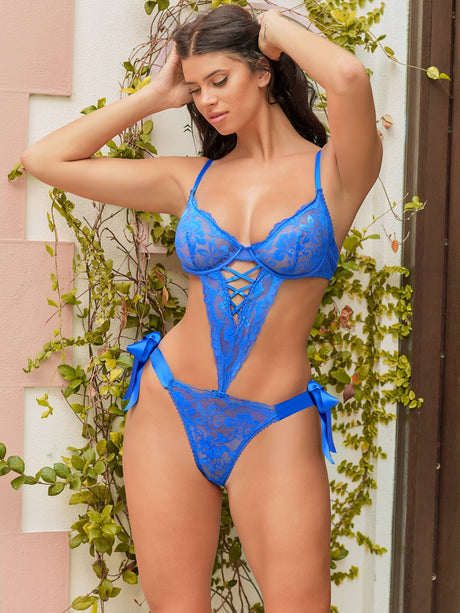
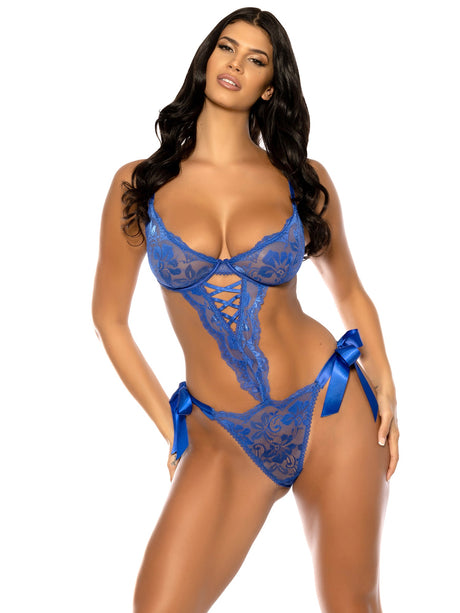
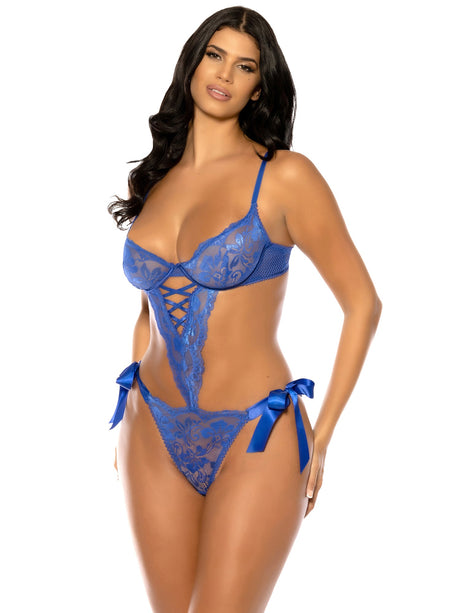
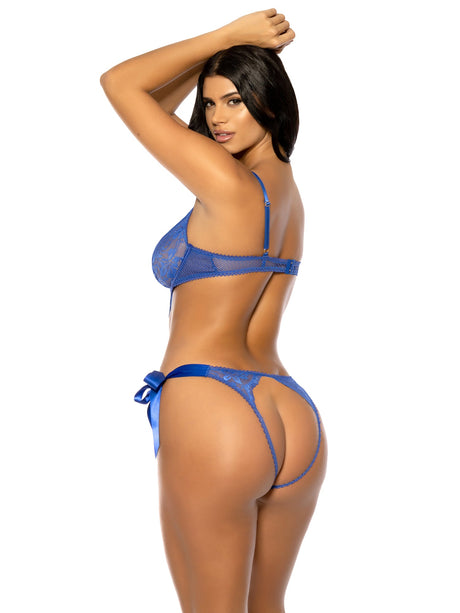
A lovely detail many brides discover: a lace or embroidered bridal corset bought for the wedding day can become your wedding night lingerie too. One thoughtful purchase, two moments — the foundation under your gown by day, and a beautiful piece on its own that evening.
"The corset is the one piece of the wedding outfit with a real deadline — your dress fitting. Choose it early, by your neckline, and in your true measured size, and it does its job invisibly. Get it wrong at the last minute and you feel it in every photo."
— HauteFlair Bridal Editorial Team
Frequently Asked Questions About Bridal Corsets
What is a bridal corset?
What's the difference between a bridal corset and a corset wedding dress?
What's the difference between a corset and a bustier?
What corset should I wear under a strapless wedding dress?
What do I wear under a backless or low-back wedding dress?
How do I choose a bridal corset by cup size?
How do I find my corset size?
What size corset should I get for a wedding dress?
How do you lace a bridal corset?
When should I buy my bridal corset?
Can I wear a bridal corset with shapewear?
Are bridal corsets comfortable to wear all day?
Can a bridal corset be worn as wedding night lingerie?
What is a corset size chart and how do I read one?
Does a bridal corset work for plus sizes?
This guide is editorial. Bridal corset sizing, fit, and style preferences vary across bodies and brands — what matters most is comfort, fit, and confidence on the day. Always refer to each brand's corset size chart for the best fit guidance, and do a full trial run before your wedding. Last reviewed: May 25, 2026.