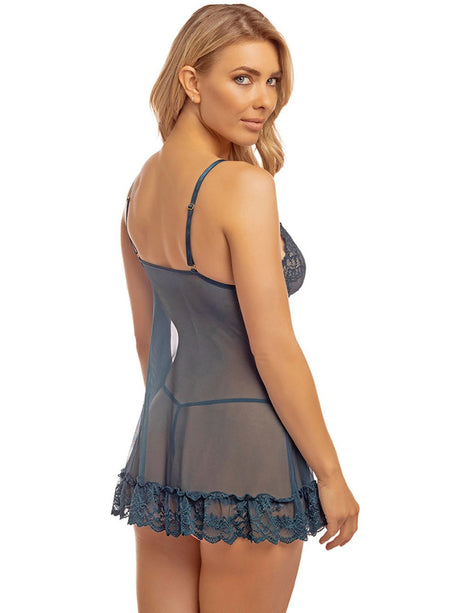
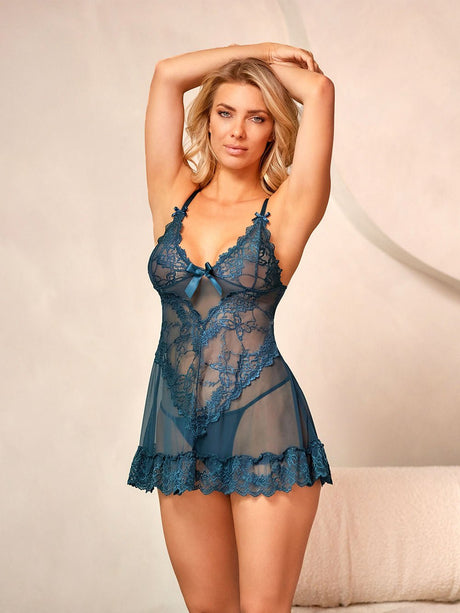
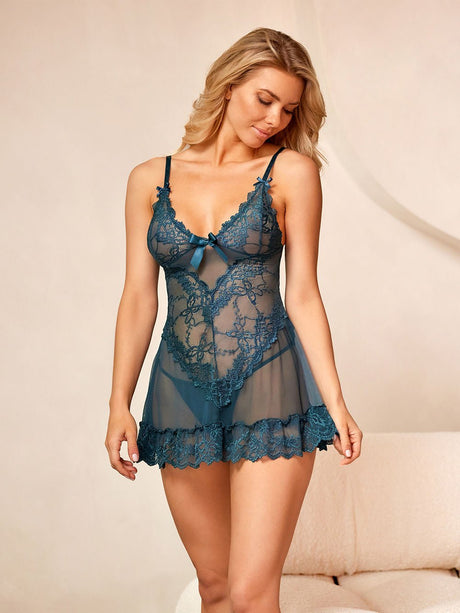
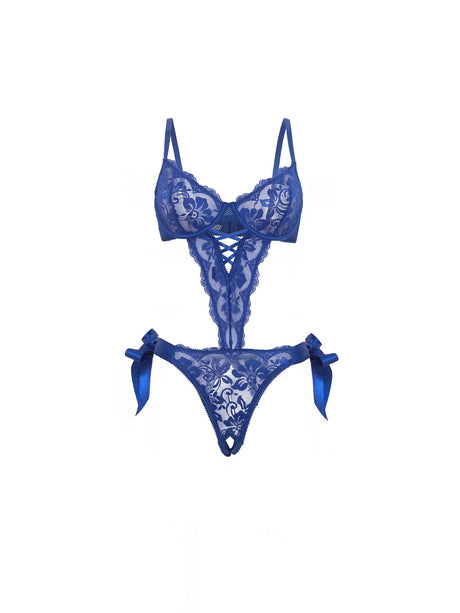
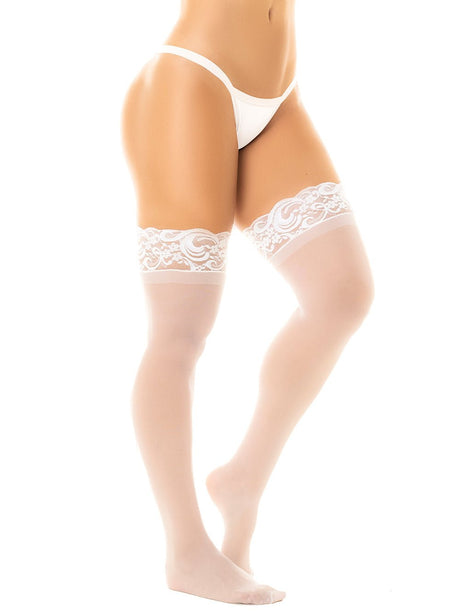
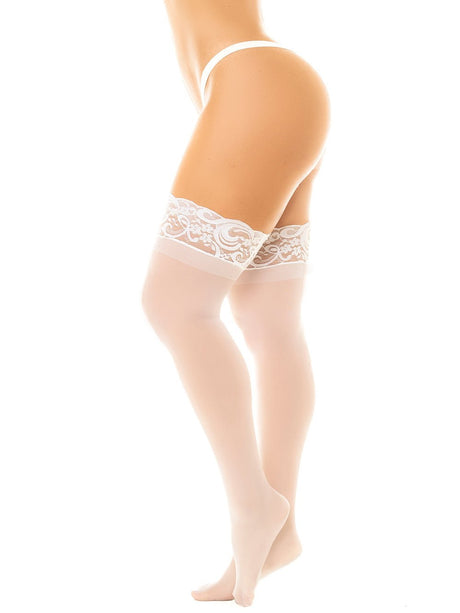
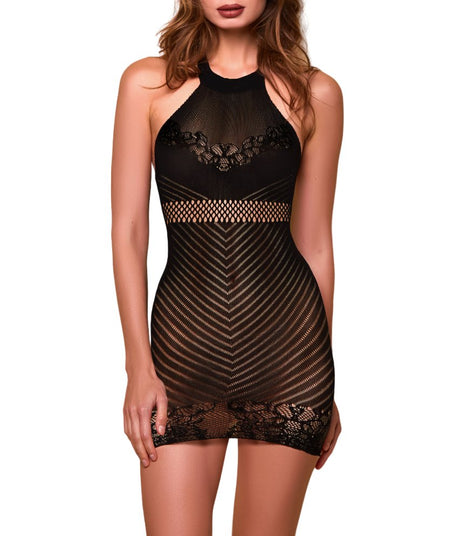
How do you choose the right panties?
Choose panties by treating rise and coverage as two separate measurements, which almost every underwear guide runs together. Rise is how high the waistband sits on your torso: low, mid or high. Back coverage is how much of the seat the back panel covers, running from full brief through boyshort, hipster, bikini, cheeky, tanga and thong down to a G-string.
They are independent measurements, which is why a high-waisted thong and a low-rise brief both exist and both make sense. Any rise pairs with any coverage.
Getting that distinction right solves the two most common complaints, because each has a different cause. Rolling down at the waist is a rise problem, since the band is sitting on the widest part of your hip with nothing to hold against. Riding up between the cheeks is a coverage or leg-opening problem. Neither is solved by buying a smaller size, which is what most people try first and which makes both worse.
Most guides to women's underwear list styles in a row and leave you no better able to choose.
Two measurements decide almost everything, and they are not the same measurement.
- Rise and coverage are independent. Any rise pairs with any coverage.
- Rolling down = rise problem. Go higher, not smaller.
- Riding up = leg opening or coverage. Go wider, not smaller.
- Bonded edges beat seamless claims. Fused, not stitched.
- A cotton gusset matters whatever the outer fabric.
- Match skin tone, not clothing, under pale fabric.
- Replace when elastic stops recovering, not on a schedule.
The Two Axes
Get these separated in your head and the whole category becomes navigable. Run them together and you will keep buying the wrong thing.

Rise: where the waistband sits
| Rise | Sits | Best for |
|---|---|---|
| Low rise | Below the hip bone | Low-rise trousers. Rolls most. |
| Mid rise | Just below the natural waist | The everyday default. |
| High waisted | At or above the natural waist | Staying put. Smooth line under high-rise. |
Coverage: how much of the seat is covered
| Panty style | Back coverage | Note | Shop |
|---|---|---|---|
| Full brief | Complete | Most coverage, most secure. | Panties |
| Boyshort | Complete, with a leg | Covers the upper thigh too. | Panties |
| Hipster | Nearly complete | Sits lower on the hip. | Panties |
| Bikini | Most, higher leg opening | The most common panty cut. | Panties |
| Cheeky | Partial | Deliberately leaves the lower curve. | Panties |
| Tanga | Narrow triangle | Between cheeky and thong. | Thongs |
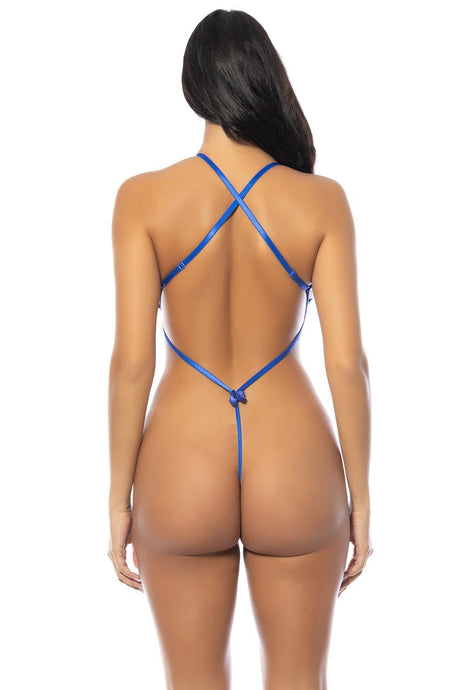
| Thong | A strip | No panty line under clothing. | Thongs |
| G-string | Essentially none | String rather than panel. | G-Strings |
Because the axes are independent, a high-waisted thong is not a contradiction and neither is a low-rise full brief. If you want the waistband security of a high rise and no visible panty line, that combination exists specifically for you.
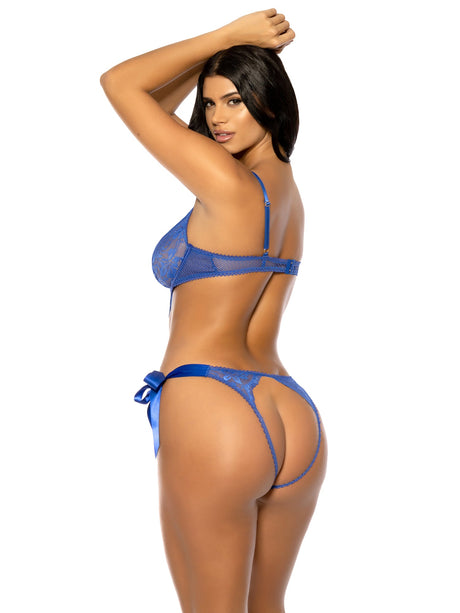
Where one brand's cheeky ends and its tanga begins is a decision that brand made, not an industry standard. The same applies to the thong and G-string boundary. Judge the back panel in the product photograph rather than trusting the category name, particularly when switching brands.
Every Panty Style, and What Each Solves
Panties and Women's Underwear
Every cut and rise, in cotton, modal, microfiber and lace, with plus sizes throughout.
Shop All PantiesSeamlessPlus SizeRolling and Riding: Different Problems
The two complaints that account for most underwear being abandoned, and both are routinely misdiagnosed as sizing.

Rolling down is a rise problem
Your waist is the narrowest point of your torso, with your ribcage above and your hips below. A waistband sitting in that hollow is held by the shape of your body. A waistband sitting on the widest part of your hip is on a curve that slopes downward either side, with nothing holding it.
So when panties roll, the instinct is to size down, which increases tension against a surface that is already sloping away. Going higher in rise fixes it; going smaller makes them dig and still roll.
Riding up is a leg-opening problem
If the leg opening has to stretch to clear your thigh, the elastic is under tension all day, and tensioned elastic against a moving surface travels. Underwear rides up because it is being pulled, not because there is too little fabric.
A wider leg opening fixes it. So does more back coverage if the panel is genuinely too small for your shape. Sizing down does neither.
You should be able to slide two fingers comfortably under the waistband and under each leg opening. And the clearest single indicator: marks on your skin after you take them off mean they are too tight, whatever size is on the label. A garment that fits leaves no impression. This is worth checking with anything new before you wash it and lose the option to return.
Getting No Visible Panty Line

Seamless is a loose term. What actually removes visible panty lines is a bonded or laser-cut edge, where the fabric edge is fused rather than turned and stitched. There is no ridge, so nothing prints through.
Four things decide whether panty lines show:
- Edge construction. Bonded beats stitched every time. Look for the word bonded or laser-cut rather than seamless.
- Coverage. A thong has no back line to show. A brief has two leg openings that can.
- Color. Under pale or thin fabric, match your skin tone rather than the clothing. White under white trousers is more visible than nude, which surprises people.
- No trim. Lace and decorative elastic print through more than plain fabric, regardless of how fine they look.
Seamless With Bonded Edges
Fused rather than stitched edges, so there is no ridge to print through. The fix for visible panty lines.
Shop SeamlessShop ThongsFabrics
| Fabric | Best at | Trade-off | Shop |
|---|---|---|---|
| Cotton | Breathability, everyday | Visible lines. Slower to dry. | Cotton |
| Modal | Softness with breathability | Less durable over many washes. | Panties |
| Microfiber | Smoothest line, bonded edges | Less breathable than cotton. | Seamless |
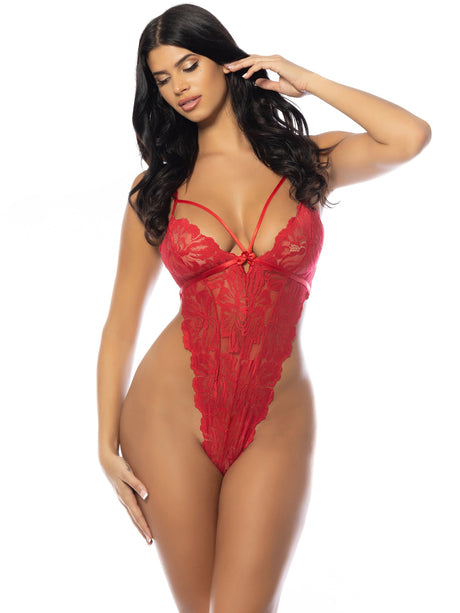
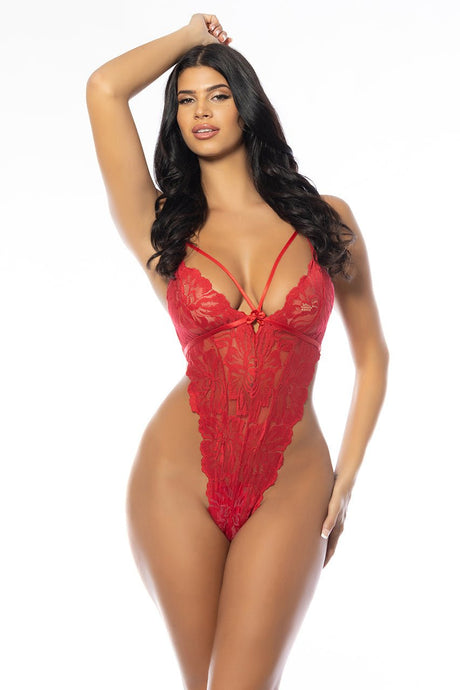
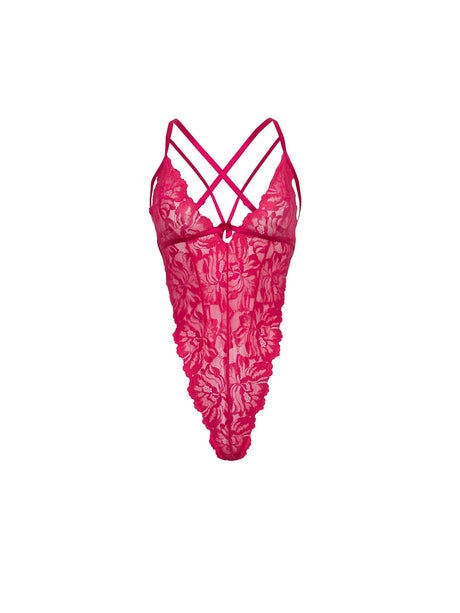
| Lace | Look, and surprising comfort in stretch lace | Prints through. Snags. | Lace |
| Mesh | Breathability with a fine look | Fragile. Little give. | Lace |
| Silk | Feel, temperature regulation | Hand wash. Expensive per wear. | Panties |
The Gusset Is Not Optional
The one construction detail worth insisting on regardless of style, fabric or price.
A gusset is the panel at the crotch. In well-made panties it is lined with cotton whatever the outer fabric is, because cotton is breathable and absorbent where synthetics are neither.
This is why a lace or microfiber style can still have a cotton gusset, and why its presence is a fair indicator of how carefully the rest of the garment was made. A fully bonded gusset with no separate lining in a synthetic style is the one to be cautious about for everyday wear. Our guide to cotton underwear covers why the gusset does most of the work cotton gets credit for.
The evidence does not support the claim that wearing a thong causes infections in most people. What does matter is breathability, fit and changing out of damp underwear after exercise. A thong that fits, with a cotton gusset, is not a health risk for most. If you experience recurrent infections, that is worth discussing with a clinician rather than solving by changing style alone.
Panties, Underwear or Knickers?
Three words for the same garment, and one of them names styles the others do not.
Panties is the predominant American term. Knickers is the British one. Underwear and undies work in both. None of these describes a different garment, and the eight cuts above apply whichever word you use.
Where it stops being purely a vocabulary question: British usage names several styles American usage does not. French knickers, directoire knickers and camiknickers are cuts with no direct American equivalent, and you will meet them shopping from UK brands. Our guide to every knicker style covers those specifically.
What to Actually Own
Most people own too many of one type and none of another, then find themselves without the right thing on the day it matters.
- Everyday, in quantity. Mid-rise hipsters or bikinis in cotton or modal. This should be most of the drawer. Shop cotton
- Two or three seamless with bonded edges. For fitted clothing, leggings and anything pale. Shop seamless
- At least one thong. Even if you rarely wear one, there are outfits nothing else solves. Shop thongs
- One high-waisted pair. For high-rise trousers and skirts, where a mid rise will sit awkwardly under the waistband. Shop panties
- A boyshort or two if you wear dresses in warm weather. The anti-chafing case is genuinely the strongest argument for the cut.
- Period underwear if it suits you, covered in our honest guide to how period panties work.
When to replace
Not on a schedule. When the elastic stops recovering. Signs: a waistband that no longer springs back when pulled, leg openings gone slack, thinning at the gusset. For most people that is somewhere between one and two years of regular wear, and rotating a larger number of pairs extends every one of them, since elastane needs time to recover between wears.
- Wash cool. Hot water degrades elastane faster than wear does.
- Skip fabric softener. It coats fibers and reduces both absorbency and elastic recovery.
- Air dry. Tumble drying is the single fastest way to kill a waistband.
- Use a mesh bag for lace and bonded styles, which snag on zips and hooks.
Almost every complaint we hear about panties is solved by changing the rise or the leg opening. Almost nobody tries that first, because the label says the size is right.
HauteFlair Fit Team
What This Means for You
Rise and coverage are separate measurements. Rise is where the waistband sits; coverage is how much of the seat the back panel covers. Any rise pairs with any coverage, which is why the style you want almost certainly exists.
If they roll down, go higher in rise. If they ride up, go wider in the leg opening. Neither problem is solved by a smaller size, and both are made worse by one.
For no visible panty line, look for bonded or laser-cut edges rather than the word seamless, and match your skin tone rather than your clothing. Insist on a cotton gusset whatever the outer fabric. And replace when the elastic stops recovering rather than on a schedule.
Panties and Women's Underwear
Every cut and rise, from Hanky Panky, Cosabella, On Gossamer, Commando and more.
Shop All PantiesSeamlessSize ChartFrequently Asked Questions
What are the different types of panties?
What is the difference between rise and coverage in women's underwear?
Why do my panties roll down?
Why does my underwear ride up?
What panties are best for no visible panty line?
What is the most comfortable type of underwear?
What is the difference between a thong, a tanga and a G-string?
Are cotton panties better?
What size underwear should I buy?
How often should you replace women's underwear?
What panties should I wear under leggings?
What is the best underwear for everyday wear?
Do thongs cause infections?
What is the difference between panties and knickers?
How should panties fit?
This article is for informational purposes only and is not medical advice. Style terminology is not standardized between manufacturers, so product measurements and photographs are more reliable than category labels. If you experience recurrent infections or persistent irritation, consult a clinician.