Can a bralette actually support a large bust?
Some can, most cannot, and the deciding factor is construction rather than the word on the label. Bralette used to describe a specific thing: an unstructured pull-on garment with a narrow band, fixed straps and a single-layer cup. That garment provides coverage rather than support, and it suits roughly an A to a C for a full day. But the word has drifted. It now also covers garments with a wide encased underband, a hook-and-eye closure, adjustable straps, seamed cups and side panels, which are soft-cup bras wearing the bralette silhouette. Those genuinely support a D through an H without a wire, because support in any bra comes from band tension and cup seaming rather than from the presence of an underwire. Two garments, one word, completely different outcomes.
Ask whether bralettes work on a fuller bust and you will get two confident and opposite answers, often from people who are both right about different garments.
The honest answer is that the category stopped describing a construction some years ago and started describing a look. Once you can tell the two apart in a product photograph, the question answers itself.
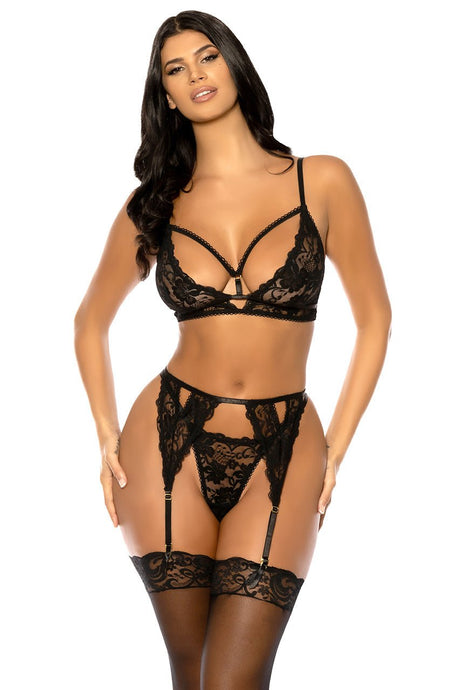
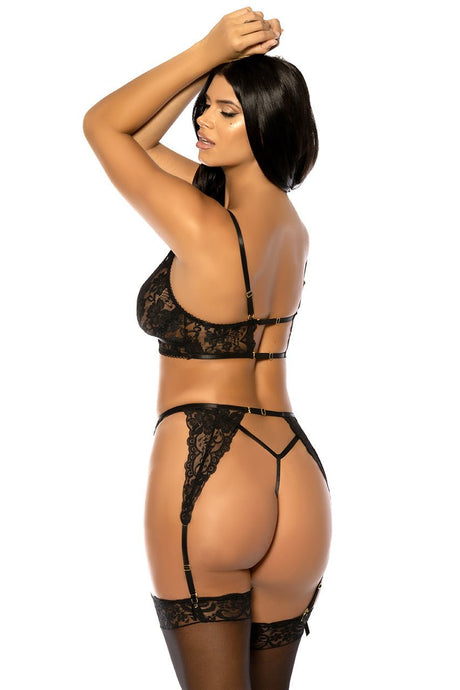
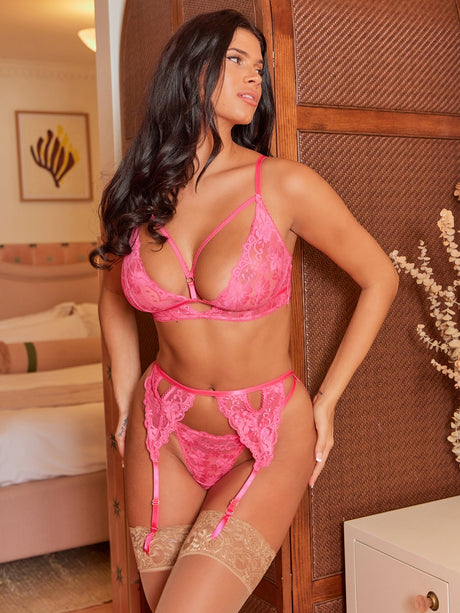
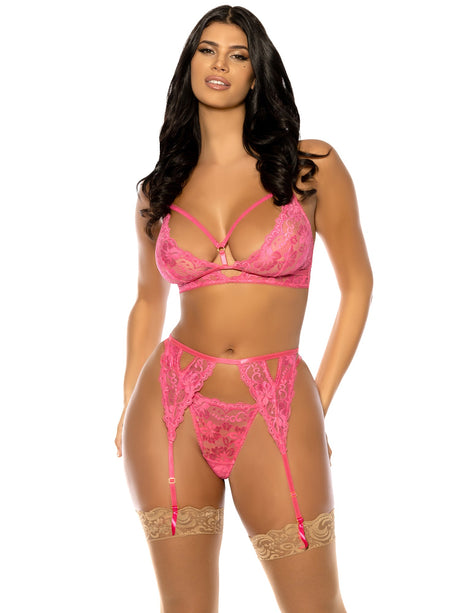
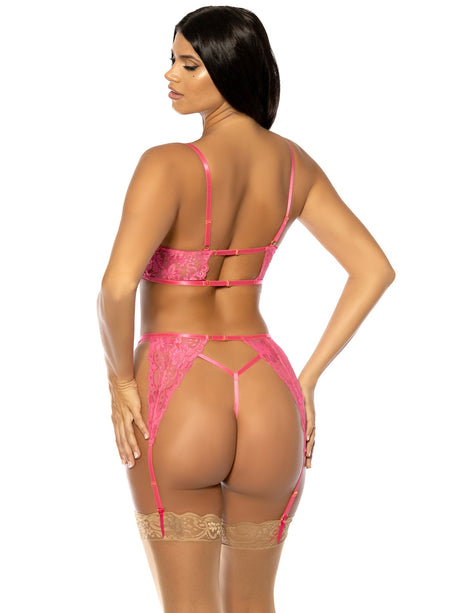
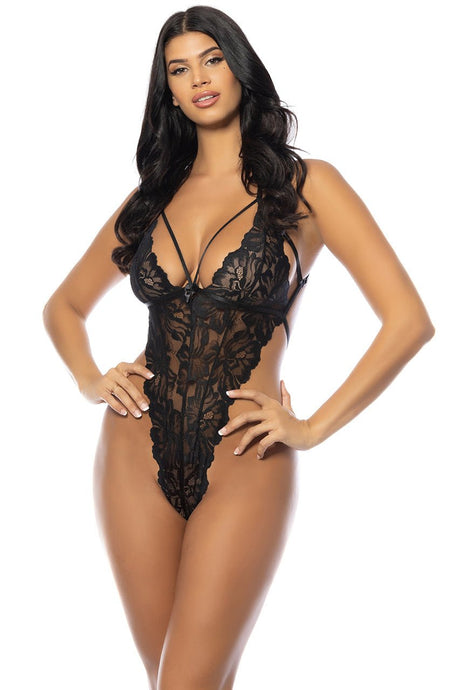
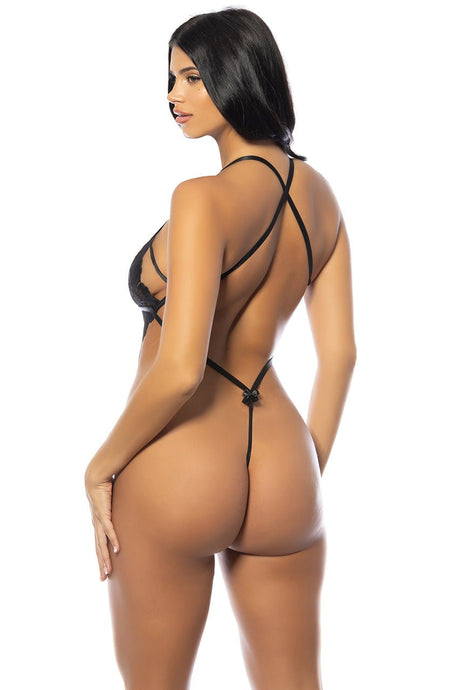
- A hook-and-eye closure. A pull-on band must stretch over your shoulders, which caps how firm it can be. This is the single biggest tell.
- An underband of 1.5 inches or more, encased rather than a single exposed elastic strip.
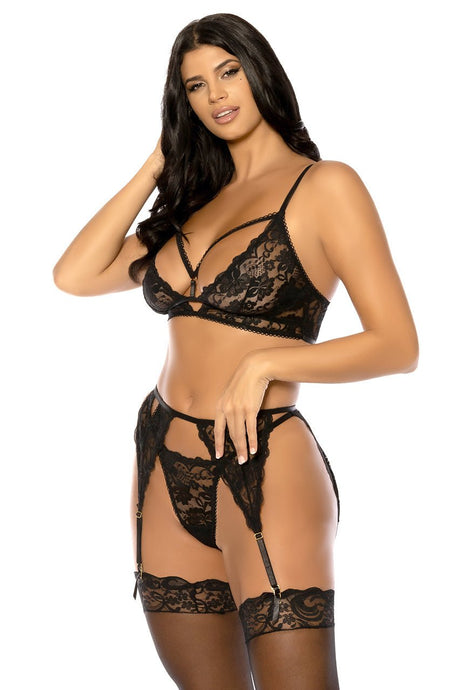
- Seamed or panelled cups, not a single-layer triangle. Seaming is what replaces the wire.
- Adjustable straps with visible sliders, and wider than a spaghetti strap.
- A lining under any stretch lace, since unlined lace elongates under load and loses shape within an hour.
- A side panel at the outer cup edge to stop tissue migrating toward the arm.
- Longline is the most supportive cut, because the extended band spreads load across more ribcage.
One Word, Two Completely Different Garments
Support in a bra comes from two places: tension in the band around the ribcage, and structure in the cup that holds tissue forward. An underwire helps with the second but is not the only way to achieve it. This is why the wire-free question is a red herring, and why the useful question is whether a given bralette has a band that can be tensioned and a cup that has been engineered.
When the word entered common use, it described one thing. A bralette was a soft triangle or a scoop of stretch lace, pulled on over the head, with a narrow elastic finishing the bottom edge and straps sewn at a fixed length. There was nothing in that construction capable of resisting much load, and nobody claimed otherwise. It was a comfort garment and a pretty one.
What happened next was commercial. The word tested well. It reads as soft, modern and unfussy in a way that soft-cup bra does not, so brands began applying it to garments that were, structurally, wire-free bras: four-part seamed cups, encased underbands, three-row closures, side support panels, fully adjustable straps. Those are real bras with real engineering, sold under a word that used to mean the opposite.
The result is a category where the label tells you almost nothing about performance. Two garments on the same page, both called bralettes, both in your size, can differ more from each other than a t-shirt bra differs from a balconette.
This also resolves an argument you will find on this site. Our guide to bra types describes bralettes as suited to A through C cups for everyday wear, which is entirely correct about the original construction. This article is about the other one. Both statements hold, and the thing that decides which applies to a given garment is the six-point check below.
Wire-Free That Actually Holds
Soft-cup and longline bralettes with encased underbands, hook-and-eye closures, seamed cups and side support. Graded across the full range, bands 28 to 46 and cups A to K.
Shop BralettesShop Wireless BrasSix Markers, All Visible in a Product Photo
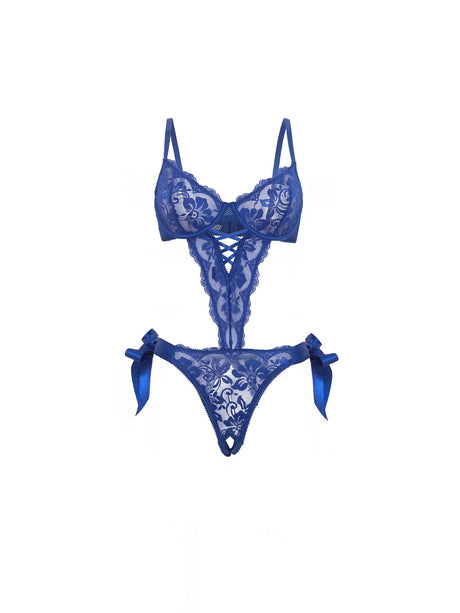
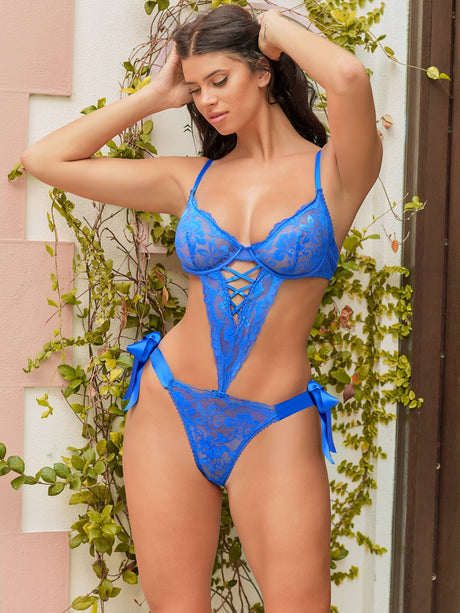
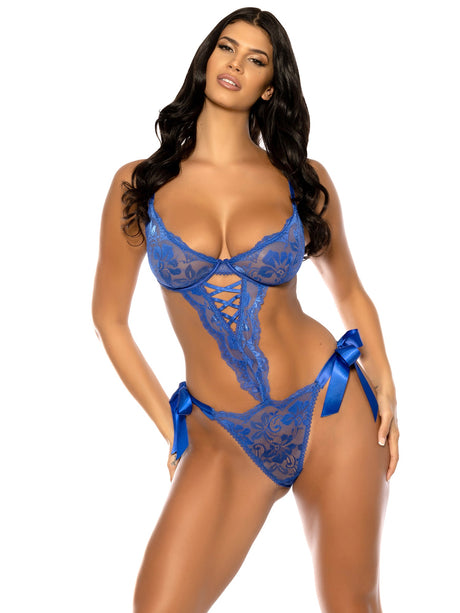
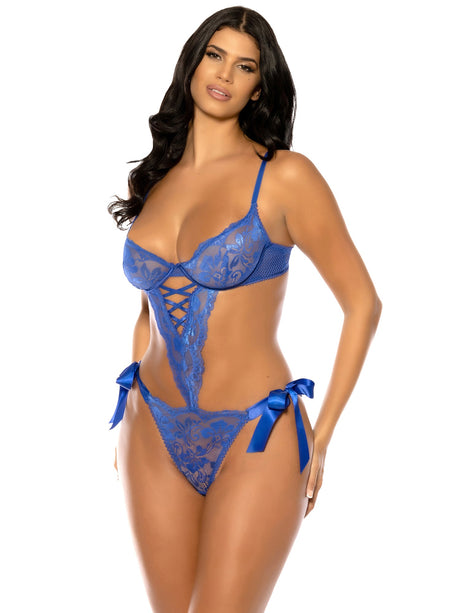
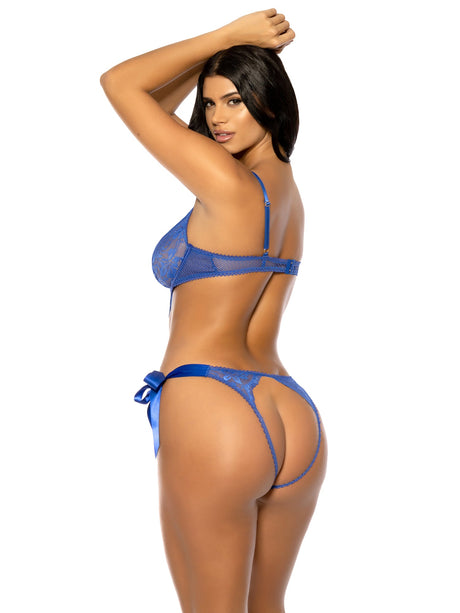
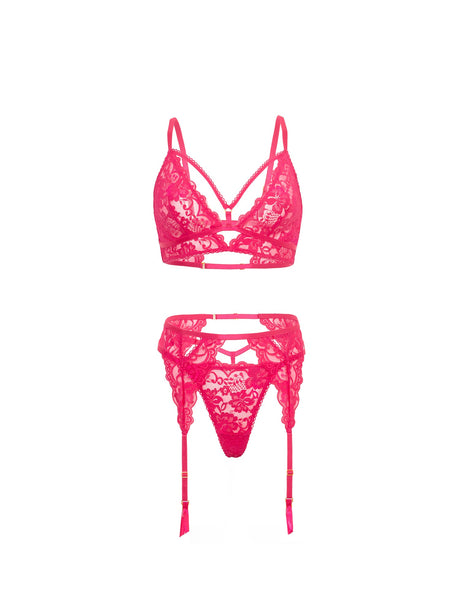
None of these require handling the garment. Every one can be checked from a listing image, which is the whole point, since most bralettes are bought online.

You will rarely find a bralette with all six. A useful working threshold is four, and closure plus seamed cups should be two of them. A garment with a closure, a proper underband, seamed cups and adjustable straps will hold a D or DD comfortably even without side panels or a lining. A garment with a beautiful lined lace cup and no closure will not, because the band is the foundation and the rest is refinement built on top of it.

Which Cuts Work at Which Cup Range
Cut interacts with construction. A longline with a poor band is still poor, but among well-made bralettes the cut meaningfully changes how far up the cup range a style remains comfortable.
| Cut | Realistic range | Why |
|---|---|---|
| Longline | Up to G or H | The band extends two to five inches down the ribcage, spreading load over far more surface than a standard band. The most reliably supportive bralette construction, and the most comfortable for long days. |
| Full-cup soft bra styled as a bralette | Up to G | Seamed cups, closure, side panels. Structurally a wire-free bra. The distinction from a longline is band height rather than anything else. |
| Seamless moulded | Up to DD or E | The moulded cup provides shape without seams, which works to a point. Above E the mould tends to be overwhelmed and the cup edge cuts. |
| Cotton or modal with a closure | Up to DD | Comfortable and breathable. Needs 5 to 10 percent elastane to recover; pure cotton relaxes across the day and stops holding. |
| Lined lace, pull-on | Up to C | The lining fixes the lace problem but the pull-on band still caps band tension. Fine for lounging at larger sizes, not for a full active day. |
| Unlined triangle, pull-on | Up to B or C | The original construction. Coverage and comfort rather than support, which is a legitimate thing to want and worth buying deliberately. |
How to Size a Bralette
Start From a Current Band and Cup Measurement
Measure the ribcage directly under the bust, snug and horizontal, rounding to the nearest even number and adding nothing. Then measure across the fullest part of the bust and subtract; each inch of difference is a cup letter. Size shifts with weight, hormonal life stages and age, so anything older than a year is likely wrong. The bra size calculator runs it in about two minutes.
Translate Honestly Into S Through XL
Many bralettes are sold in alpha sizing. When they are, size by your band measurement rather than your bust, because the band determines whether the garment holds position. A brand chart mapping S to a 32 to 34 band is telling you about the ribcage, and if your ribcage is a 38 then a large will not become correct because your cup happens to be small.
Go Down a Band and Up a Cup When Between Sizes
Wire-free construction leans harder on band tension than wired construction does, so erring toward the firmer band is usually right. Where both band and cup sizing exist, a sister-size move keeps cup volume the same while tightening the band.
Check Band Firm, Cup Soft
The correct outcome is a band that is firm and cups that are not. Two fingers should slide under the underband with resistance. The cups should hold without compressing the bust flat or letting it escape at the top edge. Uniform tightness everywhere means the size is wrong; firm at the band and soft at the cup means it is right.
Move Before You Decide
Reach overhead, lean forward, and roll your shoulders. Watch whether the band travels upward and whether the cup edge gaps or cuts. A wire-free bra shows its limits in movement rather than standing still, so thirty seconds of this tells you more than any amount of looking in a mirror.
What a Bralette Cannot Do, Even a Good One
Being clear about the ceiling is more useful than overselling the category, and it is where a lot of disappointed purchases come from.
A well-built wire-free bralette holds tissue in place. It does not project it upward and forward the way a wire and a moulded cup do. If you are used to a certain silhouette under fitted clothing from a t-shirt bra, a bralette will read softer and lower. That is inherent to the construction rather than a fault, and it is the trade you are making for the comfort.
Impact activity generates loads well beyond what a bralette band is built for, in directions a static garment does not address. Even a structured longline is a daily-wear garment. For running or anything with vertical movement at a larger cup size, an encapsulation sports bra is a different tool for a different job.
Every problem people report with bralettes at larger sizes traces back to the band: riding up, straps digging, cups drifting downward. If the band is wrong, no feature further up the garment compensates. Fix the band first and reassess everything else afterwards.
Band elastic under a heavier bust fatigues faster, and stretch lace faster still. Expect six to nine months in regular rotation rather than the nine to twelve you might get from a wired everyday bra. Rotating two and washing them gently roughly doubles the life of both.
Someone will tell you bralettes do not work for a large bust, and someone else will show you the one they wear every day. They are describing different garments that happen to share a name.
HauteFlair Fit Team
What This Means for You
The category is not the problem and neither is your size. The word bralette now spans two constructions with very different capabilities, and almost all the confusion comes from treating them as one thing.
So ignore the label and read the garment. Closure or pull-on. Band or trim. Seamed cup or flat triangle. Sliders or fixed straps. Lined or unlined. Side panel or none. Four out of six, with the closure and the seaming among them, and you have something that will hold a D or DD through an ordinary day. Longline with all six and you are comfortably into G and H territory.
And if what you actually want is the soft unstructured original, buy that deliberately, for lounging and sleeping and days at home. It is a lovely garment. It is just not a supportive one, and it was never trying to be.
Bralettes Built to Hold
Longline, soft-cup and seamless bralettes with encased underbands, closures, seamed cups and side support. Bands 28 to 46, cups A to K. Free returns on unworn bras.
Shop BralettesFind Your SizeFrequently Asked Questions
Can bralettes support a large bust?
What is the difference between a bra and a bralette?
What size bralette should I get?
Are bralettes good for DD and larger?
Do bralettes provide support?
Why does my bralette ride up?
What is a longline bralette?
Are cotton bralettes supportive?
Can I wear a bralette instead of a bra every day?
Do lace bralettes work for bigger busts?
Why do bralette straps dig into my shoulders?
Are bralettes suitable for sleeping in?
What is the most supportive type of bralette?
Should a bralette be tight?
How long do bralettes last?
This article is for informational purposes only. Fit recommendations are general and may vary based on individual body composition, brand-specific sizing and personal preference. Cup ranges quoted are working guidelines based on construction rather than industry standards. For the most accurate current bra size, use the HauteFlair bra size calculator or contact our fit team directly.