How do you choose a swimsuit color that suits you?
Start with your skin's undertone. Cool undertones tend to glow in jewel tones and crisp shades such as cobalt, emerald, true red and bright white. Warm undertones come alive in coral, tomato red, olive, mustard and turquoise. Neutral undertones can wear almost anything. Then think about contrast, the water and sun, and how the color behaves when wet.
Black is the safest choice for almost everyone, and navy is a softer alternative. White and very pale shades look striking but need a good lining so they stay opaque when wet.
Color guidance is a starting point, not a rule. If a color makes you happy, that is usually the color that looks best on you.
The same swimsuit can look completely different on two people. One shade makes your skin look bright and even; another makes it look tired or washed out. Most of the difference comes down to undertone and contrast.
Here is how to find your undertone, which colors tend to suit each, how contrast and prints change the picture, and the practical side of swimsuit color: sheerness, fading and how colors look in water and sun.
- Cool undertones: jewel tones, true red, black and bright white.
- Warm undertones: coral, tomato red, olive, mustard and turquoise.
- Neutral undertones: most colors, including teal, navy and blush.
- Check white and pale suits for lining before you swim in them.
- Bright colors fade fastest, so rinse and dry them in the shade.
How to Find Your Undertone
Your undertone is the hue beneath your skin tone, and it stays the same whether you are pale or tanned.
Skin tone describes how light or deep your skin is. Undertone describes the color underneath it: cool (pink, red or bluish), warm (yellow, peachy or golden) or neutral (a mix of both). People of every skin tone can have any undertone, which is why it is a better guide to color than skin depth alone.
Do these tests near a window in daylight, without makeup. Artificial light can shift colors and make the result harder to read.
Swimsuit Colors for Each Undertone
A starting palette for each, with plenty of overlap.
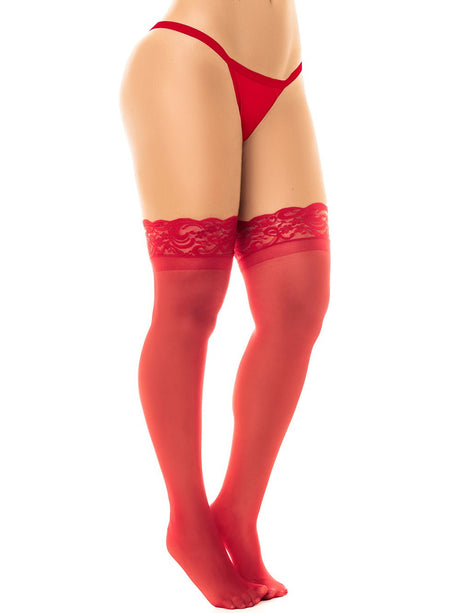
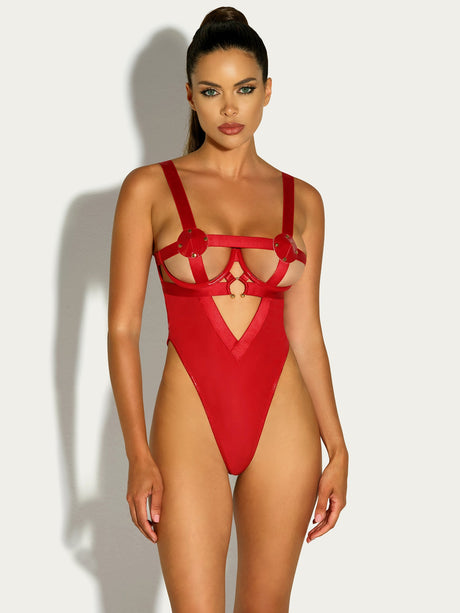
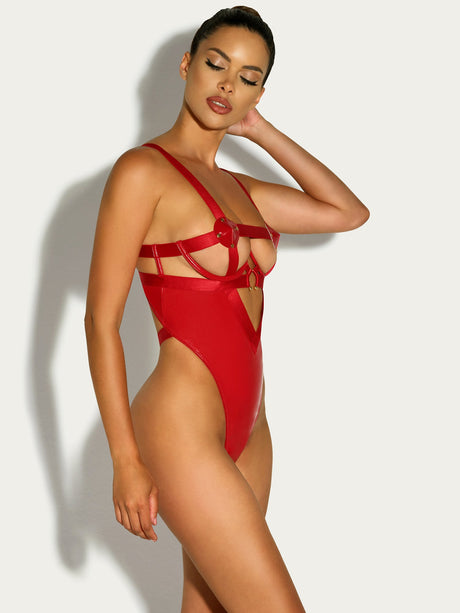
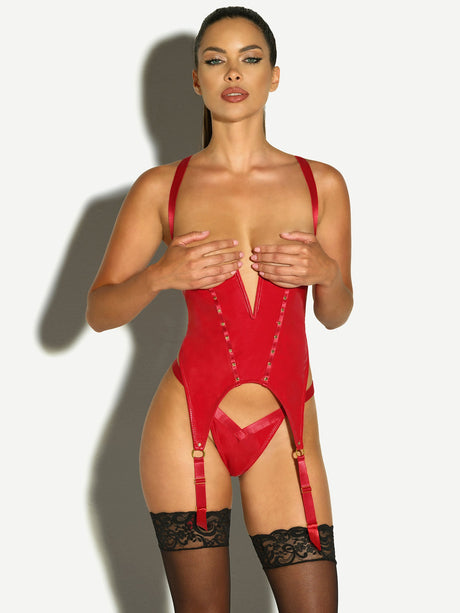
Red is a good example of how undertone works. Almost everyone can wear red, but a blue-based true red tends to flatter cool undertones, while an orange-based tomato red flatters warm ones. Browse red bikinis and blue bikinis with that in mind.
Contrast: Your Hair, Eyes and Skin
How much contrast you have changes how bold your swimsuit can be.
Contrast is the difference between your hair, eyes and skin. High contrast, such as dark hair with fair skin, tends to suit bold, saturated colors and strong color combinations like black and white. Low contrast, such as light hair with light skin, or dark hair with deep skin of a similar depth, tends to look best in softer shades or tonal combinations that do not overpower.
| Contrast | Suits | Try |
|---|---|---|
| High | Bold, saturated colors | Black and white, cobalt, true red |
| Medium | Clear, mid-strength colors | Teal, coral, navy, emerald |
| Low | Softer or tonal shades | Blush, sage, sand, dusty blue |
The Classic Colors
Black, navy, white, nude and red each have their strengths.

Prints and Patterns
Prints follow the same color rules, plus a few of their own.
Pairing a print with a solid is also the easiest way to mix and match separates. Our guide to mixing and matching bikini sizes explains how to make two pieces look like a set.

The Practical Side of Swimsuit Color
How a color looks dry is only half the story.
Color by Occasion
Where you are going can guide the shade as much as your coloring.
| Occasion | Easy colors | Why |
|---|---|---|
| Pool laps | Black, navy, deep teal | Practical and easy to match |
| Beach vacation | Brights, white, turquoise | Pop against sand and sea |
| Resort and pool party | Jewel tones, metallics, red | Look polished and deliberate |
| Family beach day | Navy, stripes, mid brights | Easy to wear and easy to spot |
If you are building a small swim wardrobe, start with one dark neutral, such as black or navy, and add one or two colors from your undertone palette. Neutrals pair with almost any print, so a single printed piece can be mixed with the solids you already own. A cover-up in a neutral shade, such as white, sand or black, goes with everything; browse our swimsuit cover-ups for options.
Tan, Season and Setting
The same color can read differently in different places.
Colors look different against a tan. White, coral, turquoise and bright jewel tones tend to stand out more on tanned skin, while very pale shades can look washed out early in the season when skin has seen little sun. If you are buying before a vacation, think about how you will look at the end of the trip as well as the start.
Setting matters too. Strong sunlight makes bright, saturated colors look vivid and pastels look paler. A pool, a city beach and a tropical resort each set a different backdrop, and the same suit can look completely different against each one.
Our Color Picks
Easy-to-wear colors in pieces you can mix and match.
Browse by color in our black, white, red, blue and nude bikini collections, or see all swimwear.
What This Means for You
Find your undertone with the vein, jewelry and white tests, then start with its palette: jewel tones and crisp shades for cool, coral, olive and warm reds for warm, and almost anything for neutral. Adjust for contrast, choosing bolder colors if your coloring is high contrast and softer ones if it is low.
Check that white and pale suits are well lined, care for bright colors so they do not fade, and remember that the color you feel best in is usually the one that looks best on you.
Style, Fit and Care
Choose, fit and look after your swimwear.
Mix and MatchBikini Top FitSwim CareFrequently Asked Questions
What color swimsuit is most flattering?
How do I know my skin undertone?
Do white swimsuits go see-through?
What color swimsuit looks best with a tan?
Which swimsuit colors fade the fastest?
Are prints or solids more flattering?
Colors can look different on screen than in person. Check product photos and descriptions, and compare pieces in daylight when they arrive.