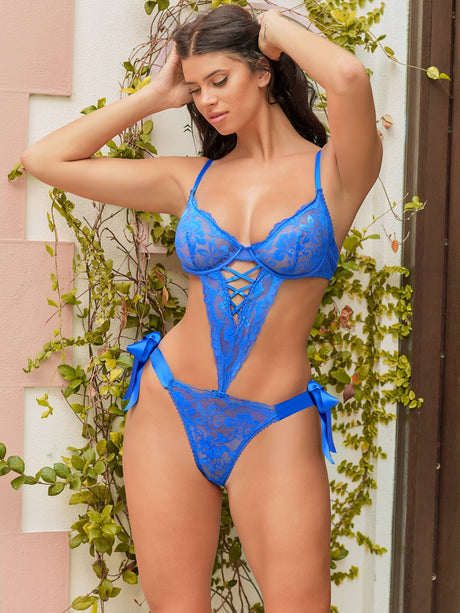
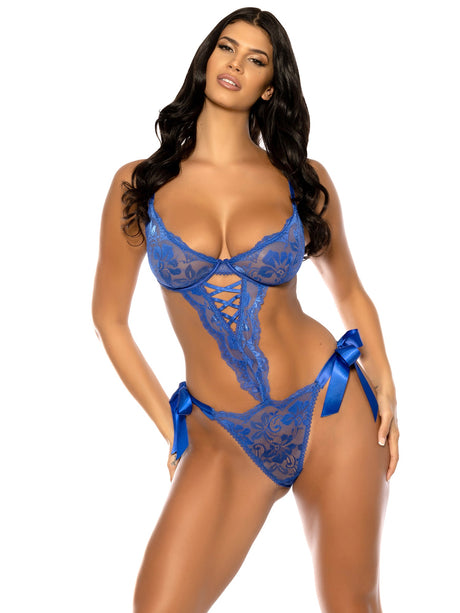
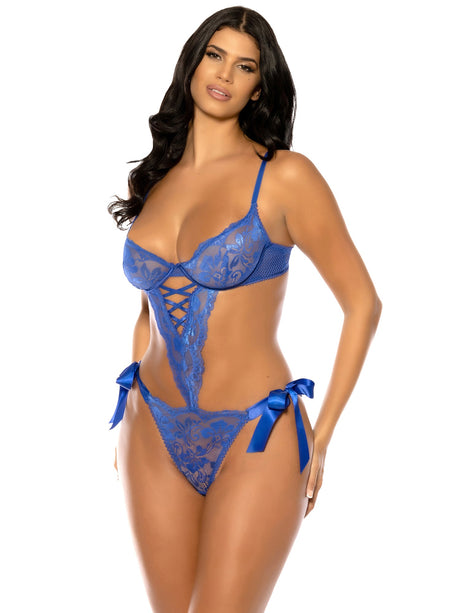
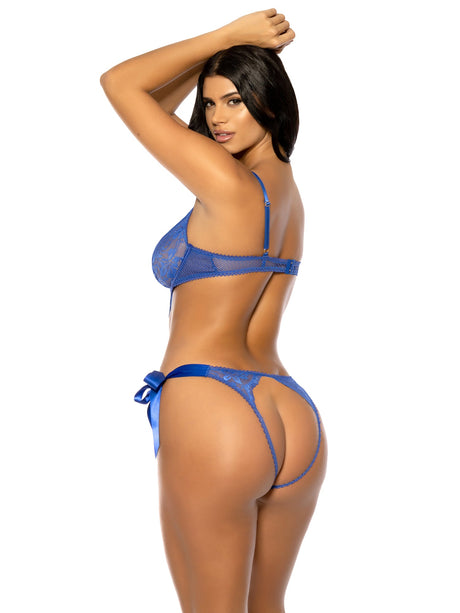
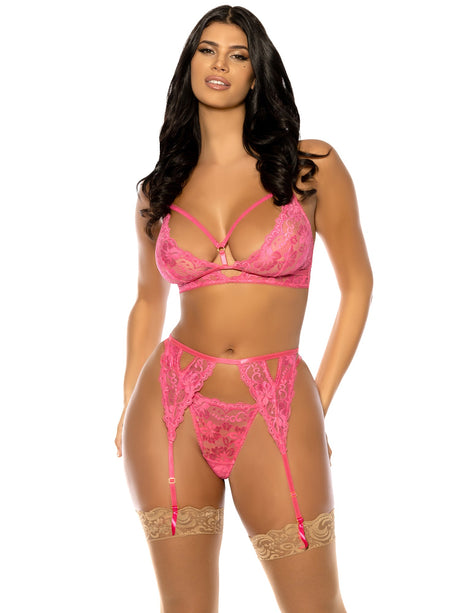
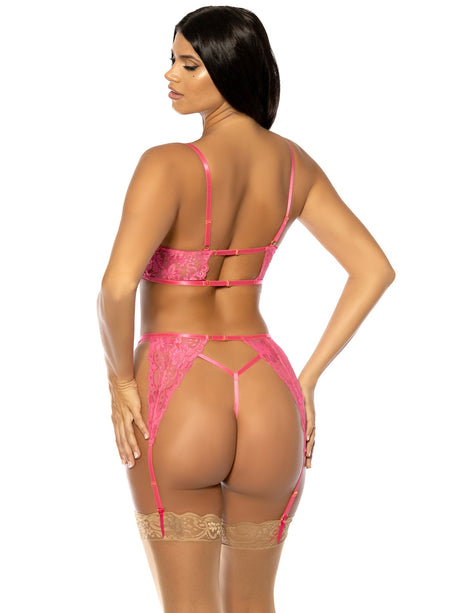
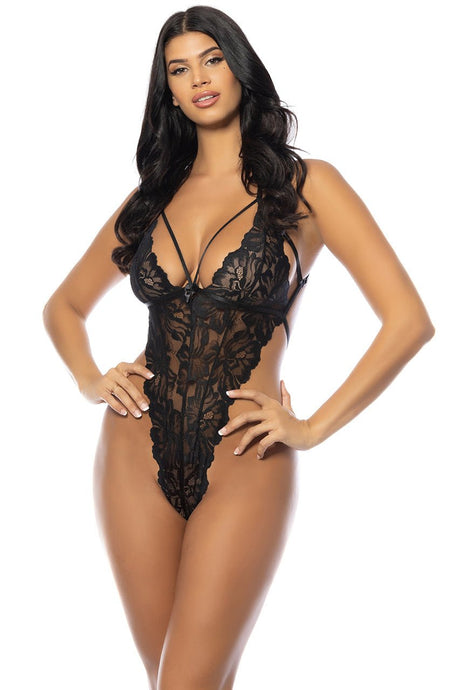
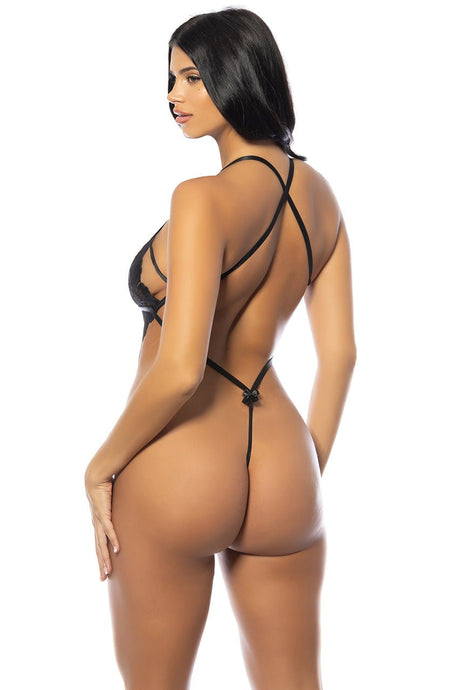
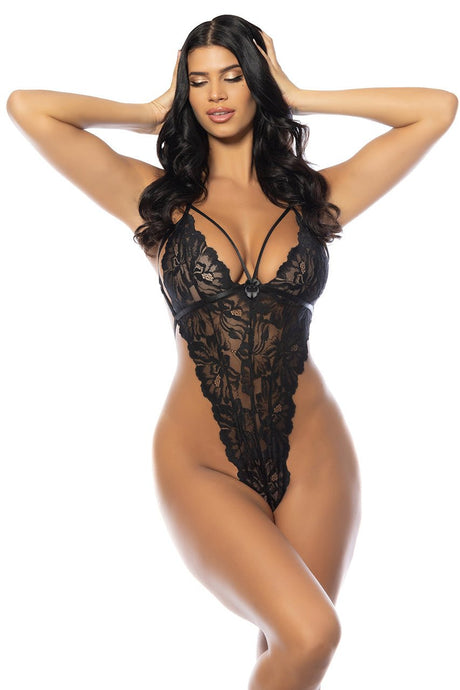
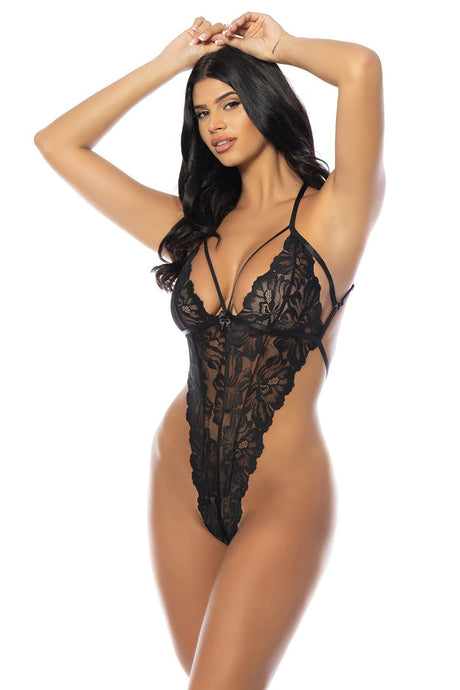
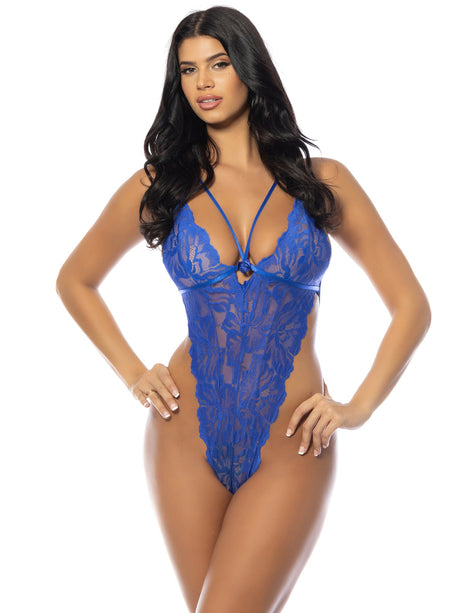
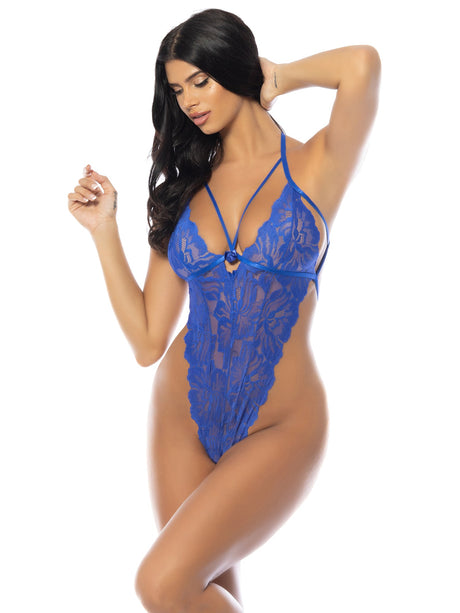
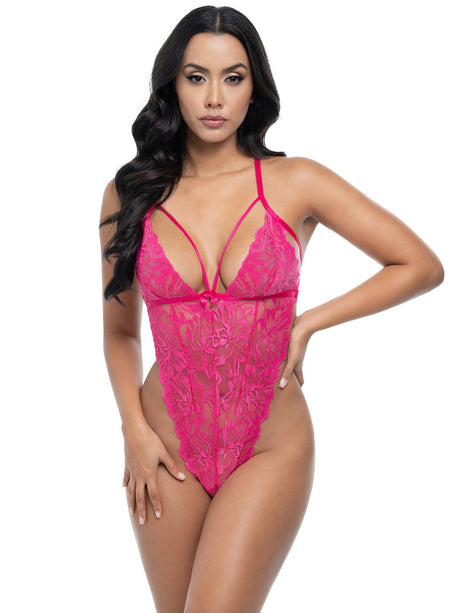
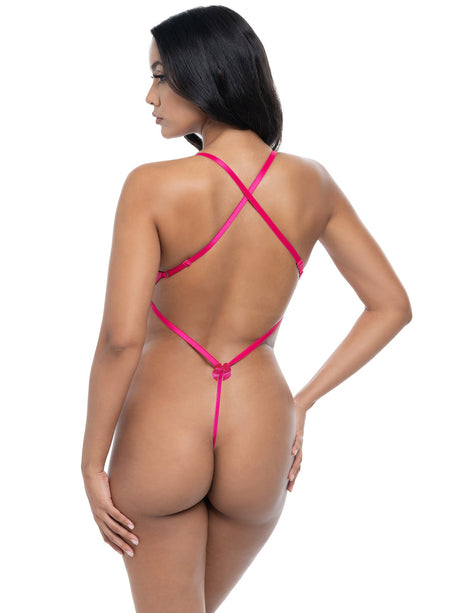
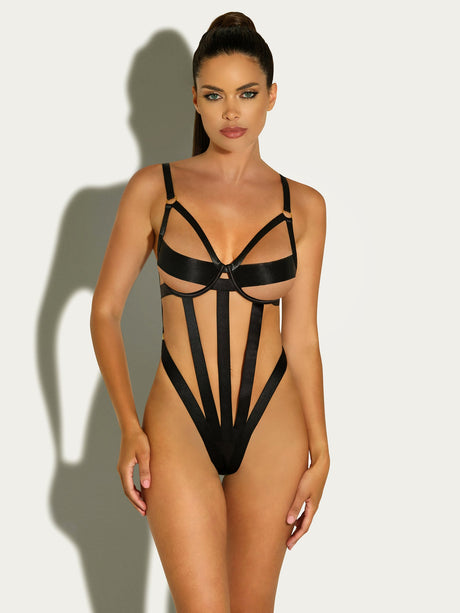
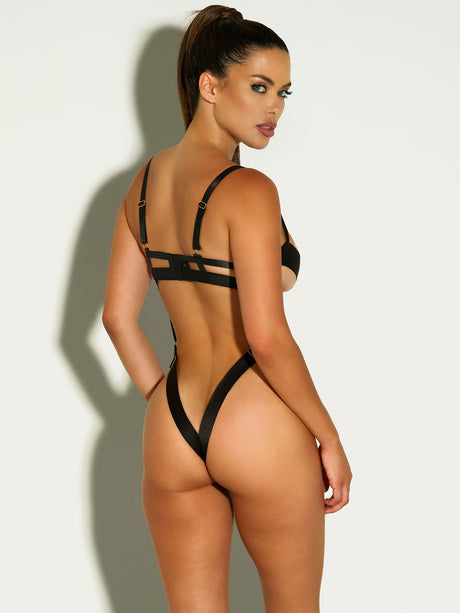
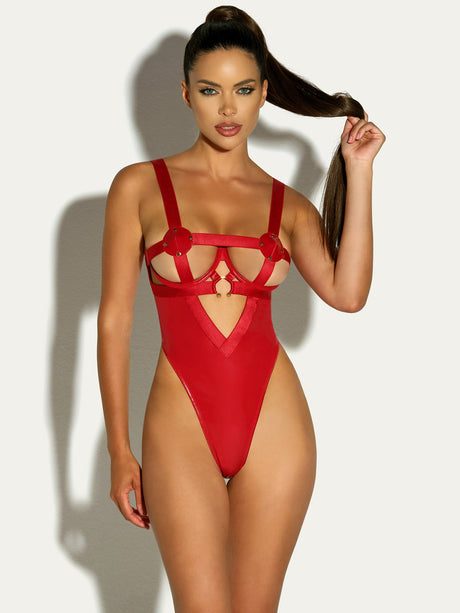
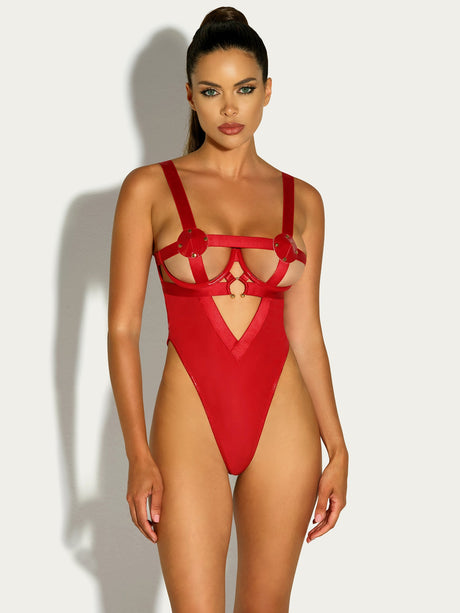
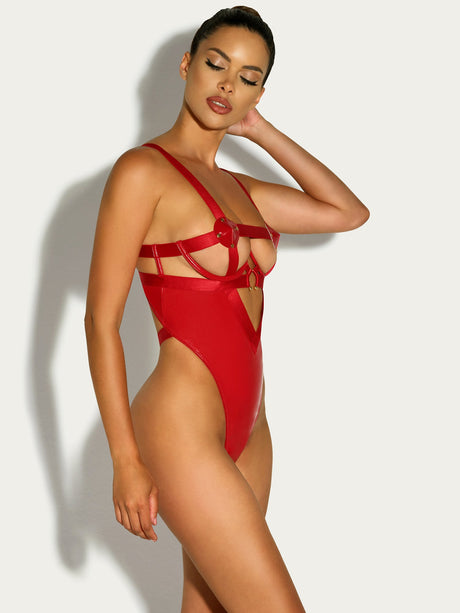
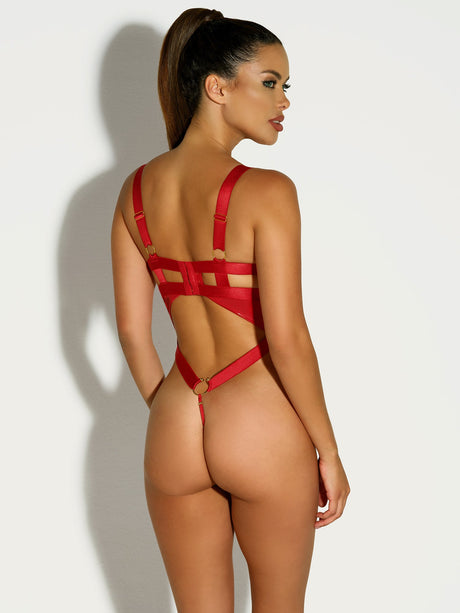
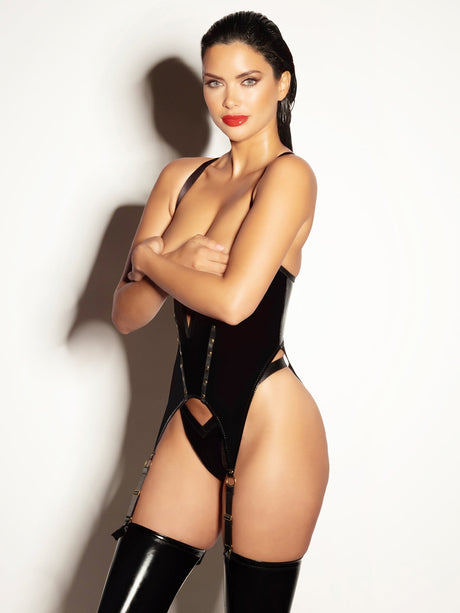
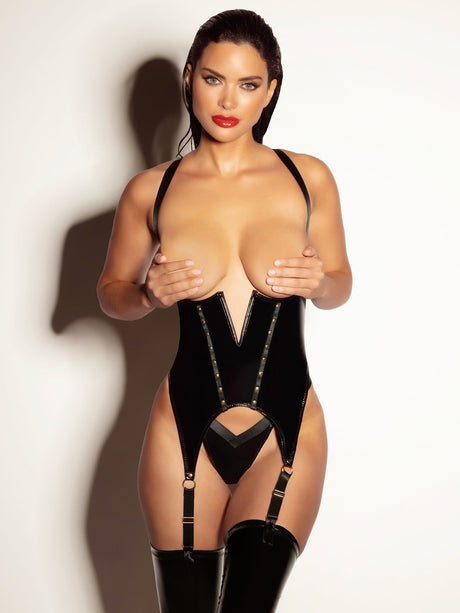
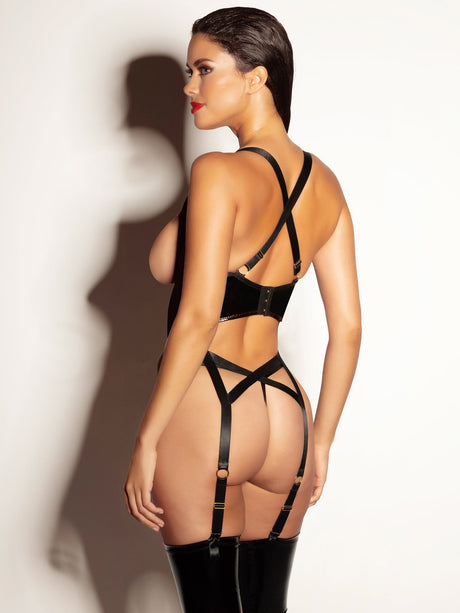
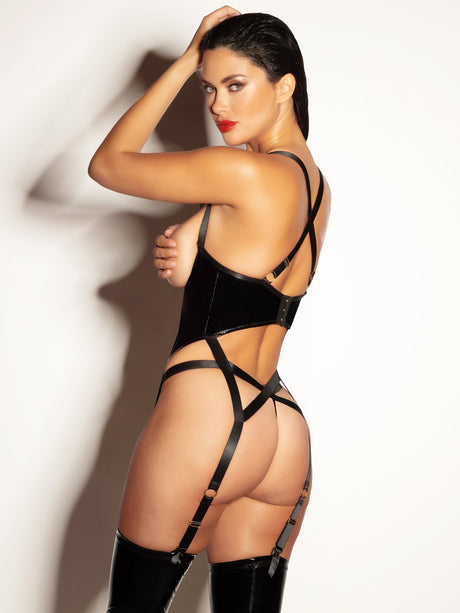
What is a thong bikini, and how is it different from a Brazilian?
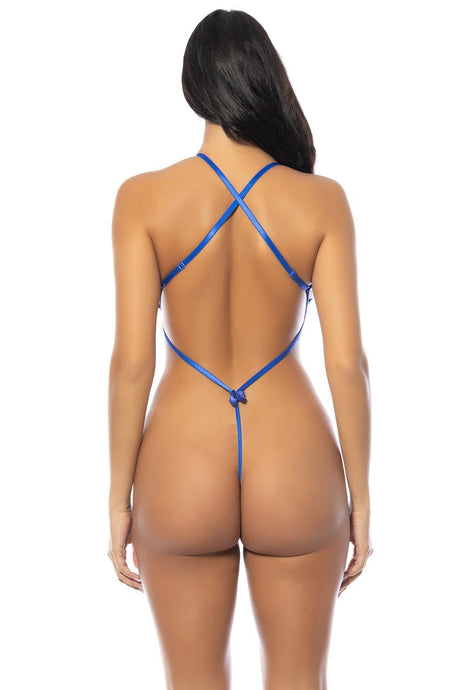
Back coverage is a gradient, and every name on it is just a point along that line. Full coverage, then cheeky at roughly half the seat, then Brazilian with a narrow panel remaining, then thong where the back reduces to a strip, then G-string where it reduces to a cord. The difference between a Brazilian and a thong is simply how wide that remaining panel is, and because manufacturers use the words inconsistently, one brand's Brazilian is another's thong. The second variable is rise, and it runs completely independently. A thong can be low-rise on the hip or high-waisted at the navel, because how much fabric covers the seat has nothing to do with how high the front sits. Choosing those two separately, rather than treating a style name as one decision, is what gets you the bottom you actually wanted.
Two people can buy the same labelled cut from two brands and get noticeably different garments.
Coverage and rise are separate decisions. Once you separate them, the whole category stops being a guessing game.
- Back coverage is a gradient: full, cheeky, Brazilian, thong, G-string.
- Rise is a separate axis. High-waisted thongs exist for that reason.
- Brazilian vs thong is panel width, and brands disagree on where the line is.
- Comfort is decided by seam finish, not by how much fabric there is.
- Shifting is usually a rise problem. Go higher before smaller.
- Size to your hip, the widest point the garment must clear.
- Tie sides solve most fit problems because you set the width.
The Back Coverage Gradient
Every named cut is a different answer to one question: how much fabric spans the seat. Lining them up in order makes the names redundant, which is the point.

| Cut | Back coverage | Best for |
|---|---|---|
| Full | Complete | Swimming, active water time, no thought required. |
| Cheeky | Roughly half the seat | The entry point. Minimal in spirit, modest in exposure. |
| Brazilian | A narrow panel | The most wearable minimal cut. Balances coverage and line. |
| Thong | A strip | Even tan, no visible back line. |
| G-string | A cord | The smallest end. Static wear. |
There is no standard separating them, and the boundary moves between brands. A cut sold as Brazilian by one label is sold as a thong by another. If the exact width matters to you, look for the garment measurement rather than the category name, or buy from a brand whose fit you already know. This is the same problem the wider minimal-swim category has, covered in our guide to the coverage spectrum.
Rise Is a Separate Decision
This is the part most guides collapse into the coverage question, and separating them is what makes the category navigable.

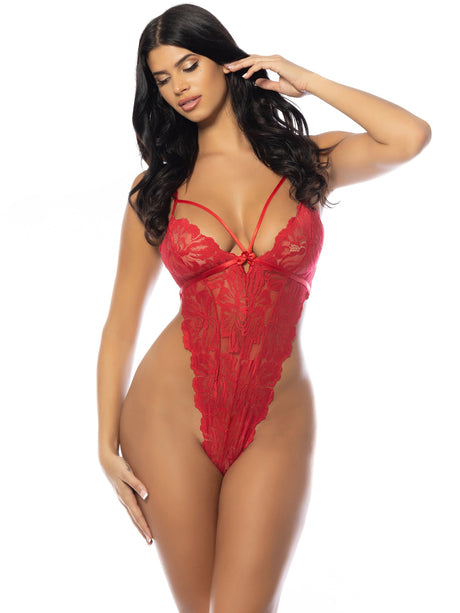
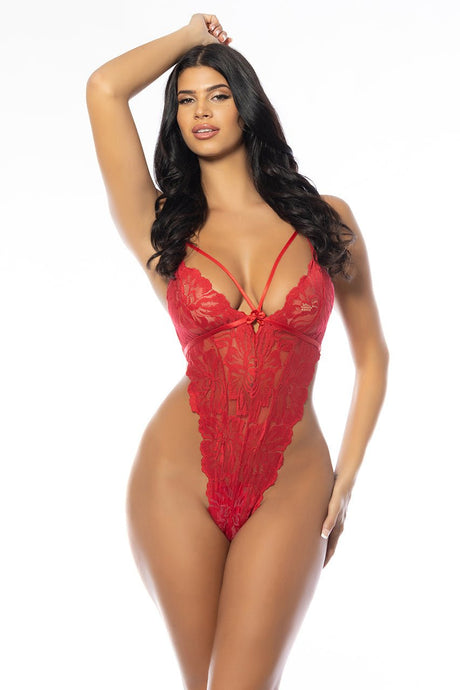
Rise is how high the front panel sits: low on the hip, mid, or high-waisted at or above the navel. It runs independently of back coverage, which is why a high-waisted thong is a real and popular garment rather than a contradiction.
Two practical consequences follow.
A higher rise sits more securely. The waist is the narrowest part of the torso and a waistband there sits in a hollow with something to hold against. The hip is one of the widest points, and a band sitting on top of a curve has a slope to slide down on both sides. If your bottoms shift, the rise is usually the culprit rather than the size, which is the same principle that governs why underwear rolls down.
A higher leg opening lengthens the leg line. Rise and leg height move together in most cuts, so a high-rise bottom reads longer through the leg. That is a styling effect rather than a fit one, but it is the reason many people prefer it.
Thong and Brazilian Bikinis
Across rises, in tie side and fixed waistbands, with flat seams and soft binding where it counts.
Shop Thong BikinisBrazilian BikinisWhat Decides All-Day Comfort
Not the amount of fabric, which is what most people assume. It is the finish on the edges of what remains, and the reason is straightforward.

The practical upshot: a well-finished thong is more comfortable for a long day than a badly finished full-coverage bottom. Coverage and comfort are not the same axis, and assuming they are is why people write off the whole category after one bad purchase.
Fit and Sizing
- Size to your hip, since the hip is the widest point the garment must clear. If waist and hip fall in different bands, take the larger.
- Check the brand's chart rather than assuming your usual size. Swim sizing is not standardised and minimal cuts have little seam allowance.
- It should skim, not compress. Marks on the skin after removal mean too tight, whatever the label says.
- Tie sides solve most problems. You set the width and rise yourself, which handles a waist and hip in different bands and adjusts day to day.
- If it shifts, raise the rise before you drop a size. A higher band sits in the waist hollow instead of on the hip curve.
- For larger sizes, look for a wider side panel. More surface spreads the same tension and sits more securely than a narrow low-rise cut.
Tan Lines and Sun
Reducing the back tan line is one of the main reasons people buy in this part of the range, and it works: less fabric across the seat means a more even result. It does not eliminate lines, since the front panel and ties still cover skin.
Skin that is rarely exposed to sun burns faster than skin that is used to it, so the areas a thong uncovers are precisely the ones most likely to burn. Use a broad-spectrum SPF 30 or higher, apply it before dressing rather than after, and reapply after every swim and towel dry. A UPF rating on the garment describes the fabric and says nothing about the skin beside it.
People blame the cut when a bottom is uncomfortable. Nine times in ten it is a raised seam or a bare elastic edge, and the same cut finished properly would have been fine.
HauteFlair
Care
- Rinse in cool fresh water immediately after chlorine or salt. The single most useful habit for swimwear life.
- Hand wash with a mild detergent. No bleach, no fabric softener, which coats fibres and kills recovery.
- Press water out in a towel, never wring. Wringing distorts narrow panels permanently.
- Dry flat in shade. Direct sun and heat destroy elastane faster than wearing it does.
- Never tumble dry.
- Rotate between suits if you swim often, since elastane needs time to recover and a narrow panel has less to give.
What This Means for You
Back coverage is a gradient running full, cheeky, Brazilian, thong, G-string, and the boundaries between the names are not standardised. Rise is a completely separate axis, which is why a high-waisted thong makes sense.
So decide those two things independently, then judge the finish. Flat seams rather than raised, bound edges rather than exposed elastic, a lined gusset. Those decide whether a minimal cut is comfortable for a full day or for an hour.
Size to your hip, take a tie side if you are between sizes, and if it shifts, go higher in the rise before you go smaller in the size.
Thong, Brazilian and Cheeky Cuts
Across every rise, in tie side and fixed waistbands, with the seam finishes that make a minimal cut wearable.
Shop Thong BikinisAll Bikini BottomsFrequently Asked Questions
What is a thong bikini?
What is the difference between a thong and a Brazilian bikini?
Is a thong bikini comfortable to wear all day?
What rise should I choose in a thong bikini?
How do I stop a thong bikini riding or shifting?
What size thong bikini should I order?
Do thong bikinis eliminate tan lines?
Can you swim in a thong bikini?
What is a high-waisted thong bikini?
How should a thong bikini fit?
Are thong bikinis suitable for larger sizes?
How do I care for a thong bikini?
This article is for informational purposes only and is intended for adults. Coverage terminology is not standardised between manufacturers, so garment measurements are more reliable than category labels. Swimwear norms vary by country and locality. Minimal-coverage swimwear provides minimal protection from ultraviolet radiation; use adequate broad-spectrum sunscreen on all exposed skin.