-
Dominique
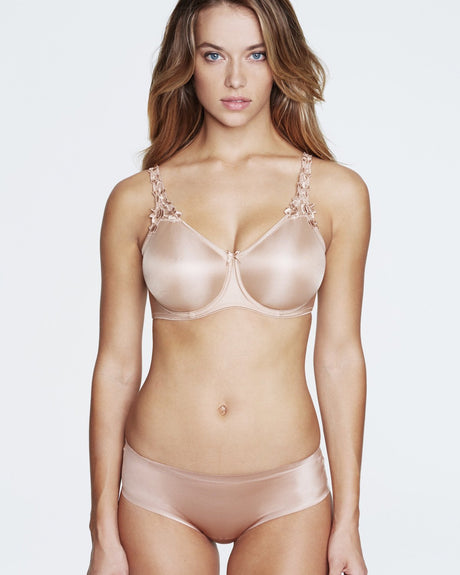
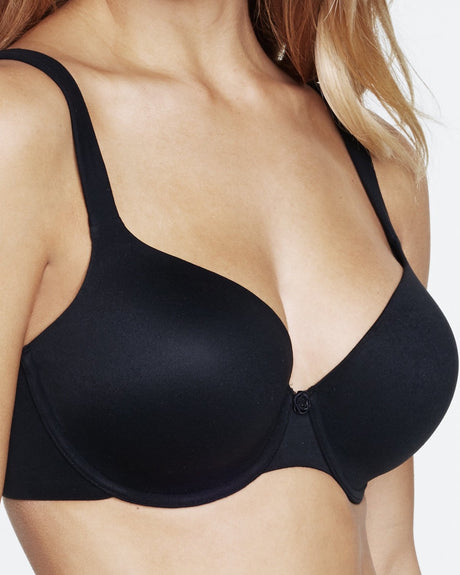
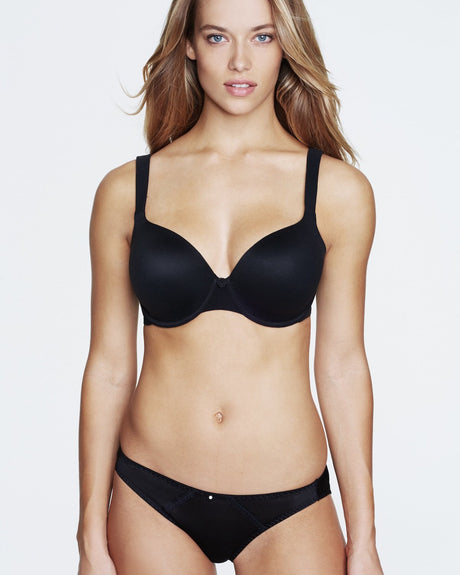
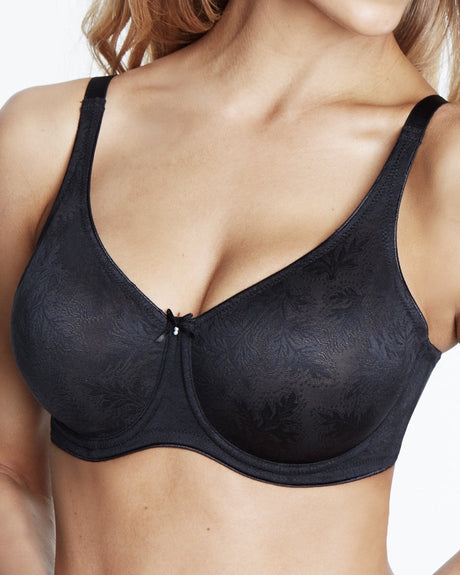
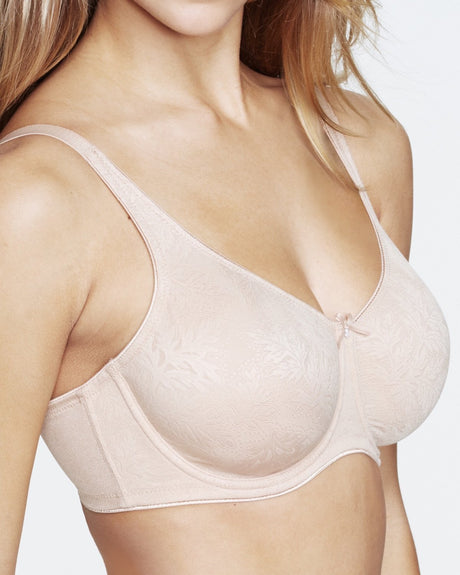
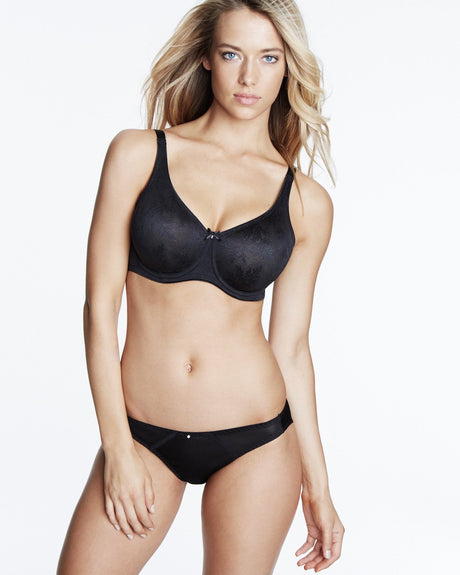
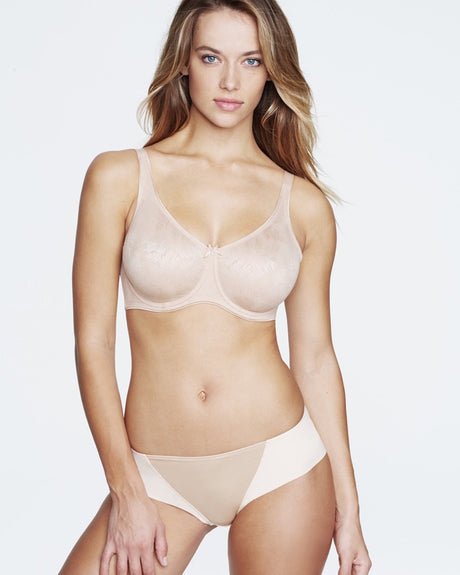
Mystique Plus Size Seamless Underwire Minimizer Bra, Dominique 7000
$52.00Unit price /Unavailable-
Dominique
Wave Plus Size Seamless Underwire Minimizer Bra, Dominique 7100
$52.00Unit price /Unavailable-
-
Dominique
Marcelle Plus Size Wireless Full Coverage T-Shirt Bra, Dominique 5360
$34.00Unit price /Unavailable-
-
Dominique
Maxine Plus Size Seamless Underwire T-Shirt Bra, Dominique 4500
$58.00Unit price /Unavailable-
Dominique
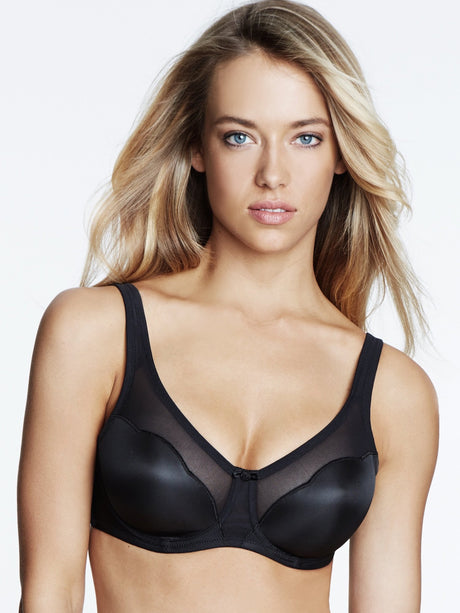
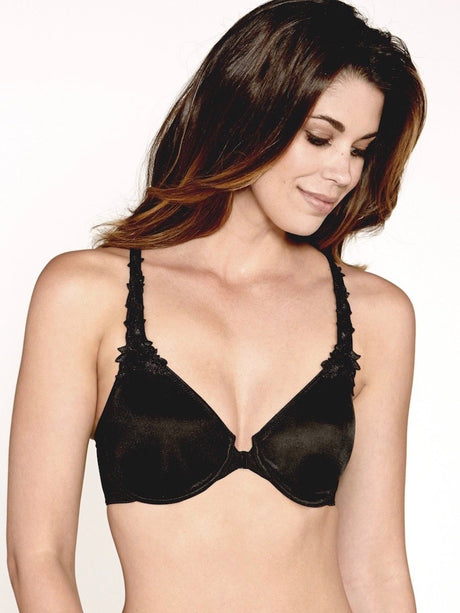
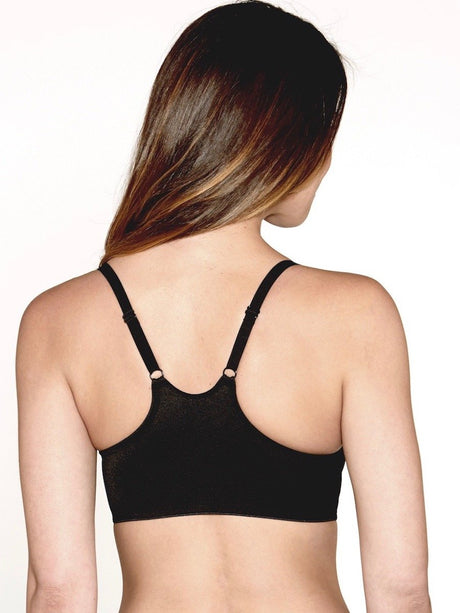
Plus Size Racerback Front Closure Minimizer Bra, Dominique 7050
$52.00Unit price /Unavailable-
Panache Sculptresse
Panache Sculptresse Plus Size Estel Full Cup Bra
$89.00Unit price /Unavailable-
-
Dominique
Marcelle Plus Size Wireless Full Coverage T-Shirt Bra, Dominique 5360
$34.00Unit price /Unavailable-
Dominique
Lacee Plus Size Padded Contour Underwire T-Shirt Bra, Dominique 3501
$58.00Unit price /Unavailable-
-
Dominique
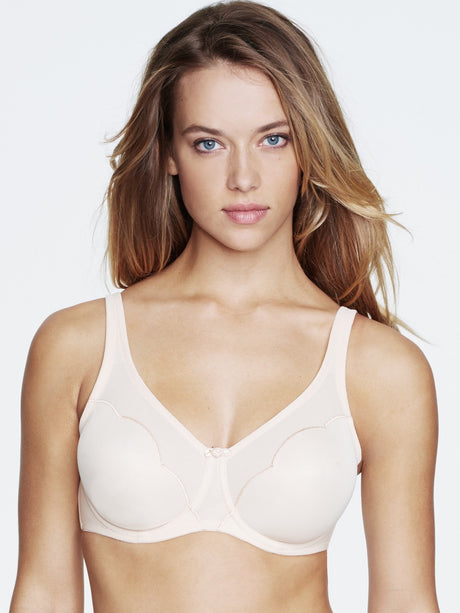
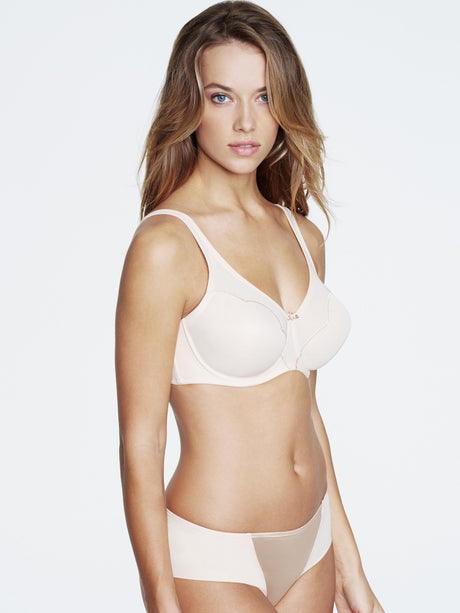
Plus Size Seamless Underwire Minimizer Bra, Dominique 7001
$49.00Unit price /Unavailable-
-
-
Panache Sculptresse
Panache Sculptresse Plus Size Estel Full Cup Bra in Honey
$89.00Unit price /Unavailable-
Dominique
Plus Size Seamless Wireless Full Coverage Minimizer Bra, Dominique 6800
$50.00Unit price /Unavailable-
Dominique
Plus Size Soft Support Wireless Full Coverage Sports Bra, White, Dominique 6000
$49.00Unit price /Unavailable-
-
Dominique
Anais Plus Size Seamless Full Coverage T-Shirt Bra, Dominique 7200
$53.00Unit price /Unavailable-
Natori
Natori Plus Size Elusive Full Figure Lace Contour Underwire Bra
$76.00Unit price /Unavailable-
-
-
-
Natori
Natori Plus Size Statement Full Figure Sheer Lace Underwire Bra
$76.00Unit price /Unavailable-
-
-
-
Natori
Natori Smooth Comfort Full Fit Smoothing Front-Close Underwire Bra
$60.00Unit price /Unavailable-
Natori
Natori Plus Size Chic Comfort Full Figure Contour Underwire T-Shirt Bra
$70.00Unit price /Unavailable-
Natori
Natori Hidden Glamour Full Fit Contour Underwire Bra
Low stock — selling fast (4 units)$70.00Unit price /Unavailable-
-
Natori
Natori Plus Size Power Comfort Full Fit Active Underwire Sports Bra
$68.00Unit price /Unavailable-
-
Natori
Natori Pure Luxe Custom Coverage Seamless Contour Underwire T-Shirt Bra
+3$76.00Unit price /Unavailable-
-
-
Natori
Natori Plus Size Comfort Evolution Full Fit Memory Foam Convertible Underwire Bra
$76.00Unit price /Unavailable-
-
Natori
Natori Plus Size Pretty Smooth Full Fit Smoothing Contour Underwire Bra
+2$76.00Unit price /Unavailable-
Natori
Natori Plus Size Conform Full Fit Memory Contour Convertible Underwire Bra
$74.00Unit price /Unavailable-
-
-
Skarlett Blue
Rouse Full Coverage Lightly Lined Strapless Bra, Skarlett Blue 339221
$62.00Unit price /Unavailable-
Skarlett Blue
Bonbon Full Coverage Lace Underwire Bra, Skarlett Blue 336255
$65.00Unit price /Unavailable-
Skarlett Blue
Paradise Full Bust Full Coverage Underwire Bra, Skarlett Blue 336226
$68.00Unit price /Unavailable-
Skarlett Blue
Spellbound Full Coverage Underwire Bra, Skarlett Blue 336222
$64.00Unit price /Unavailable-
Skarlett Blue
Rouse Plus Size Full Coverage Balconette Bra, Skarlett Blue 336221
$62.00Unit price /Unavailable-
Skarlett Blue
Spellbound Full Bust Full Coverage Underwire Bra, Skarlett Blue 336212
+1$62.00Unit price /Unavailable-


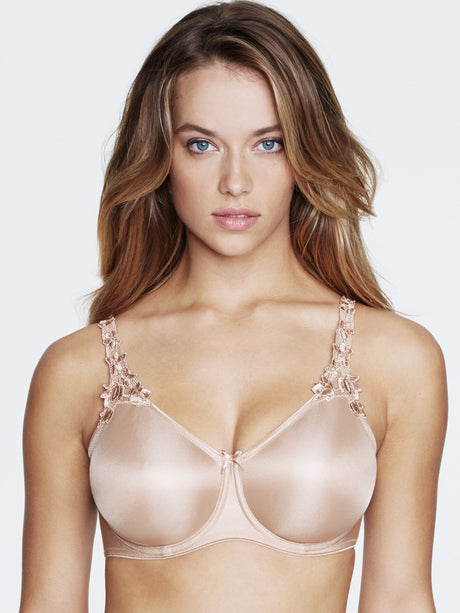
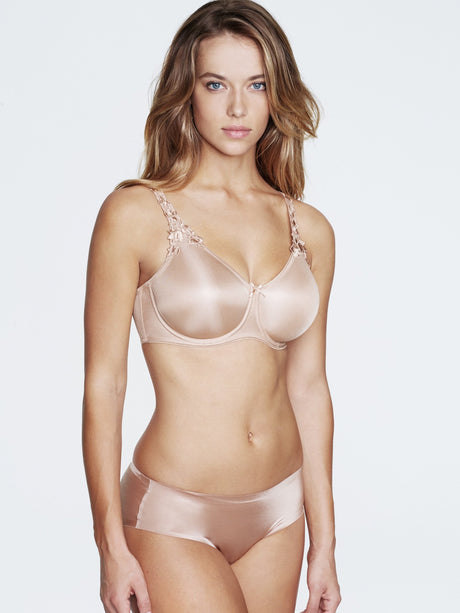
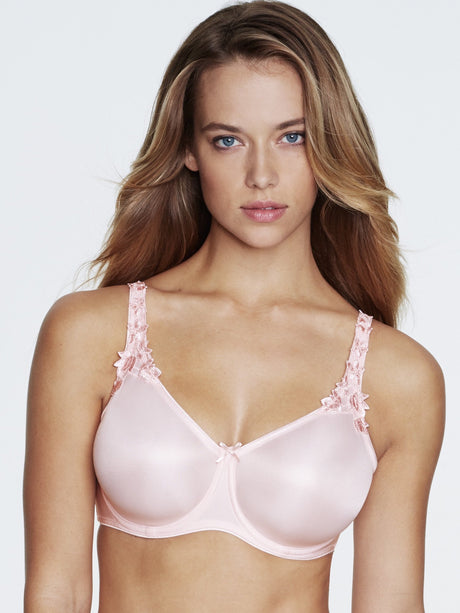
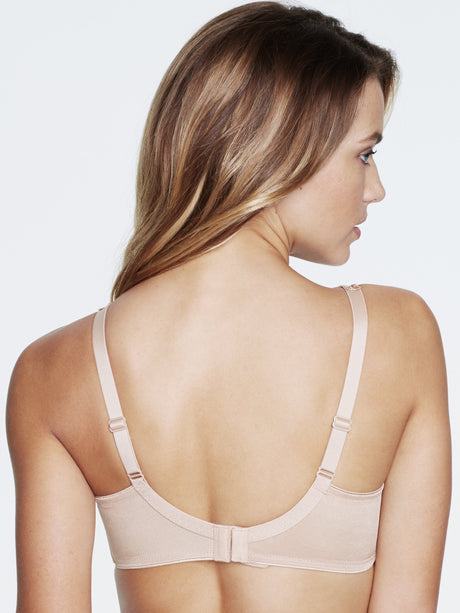
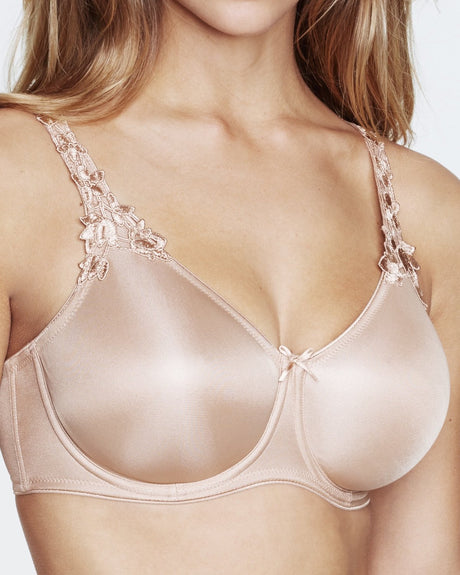
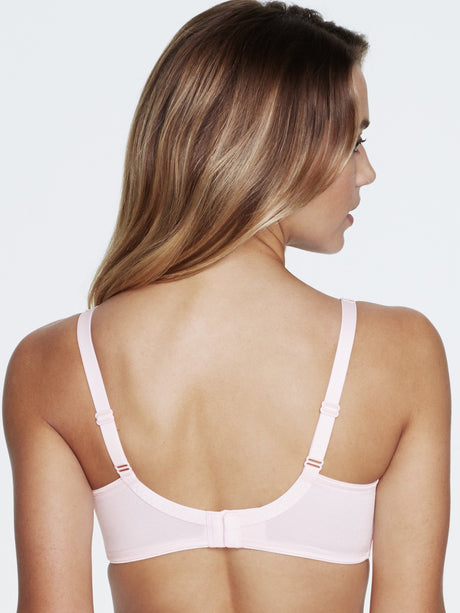
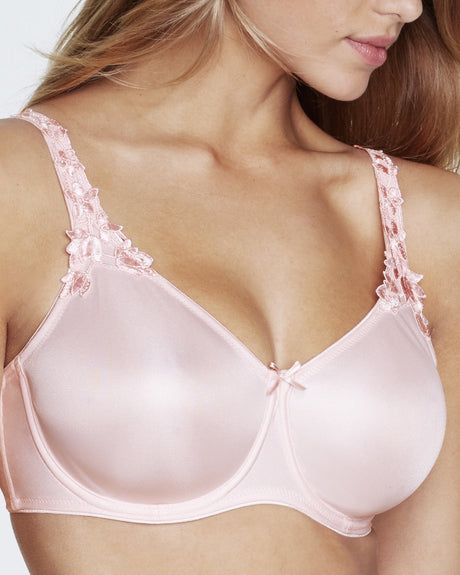
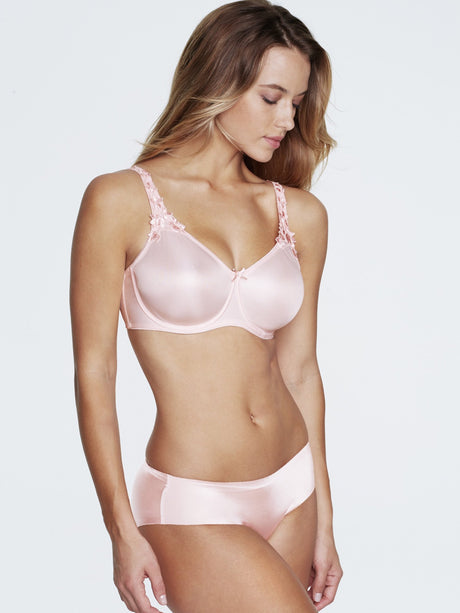
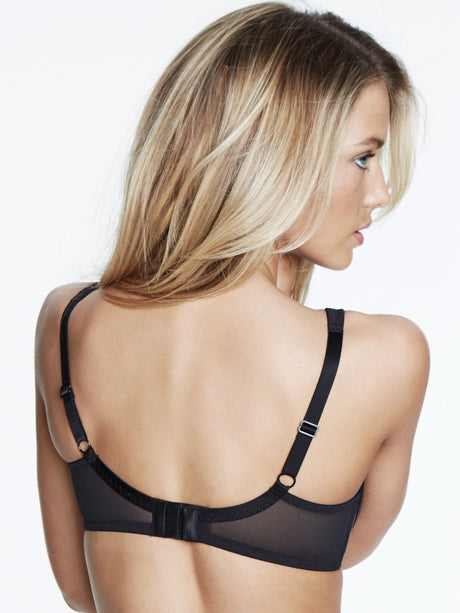
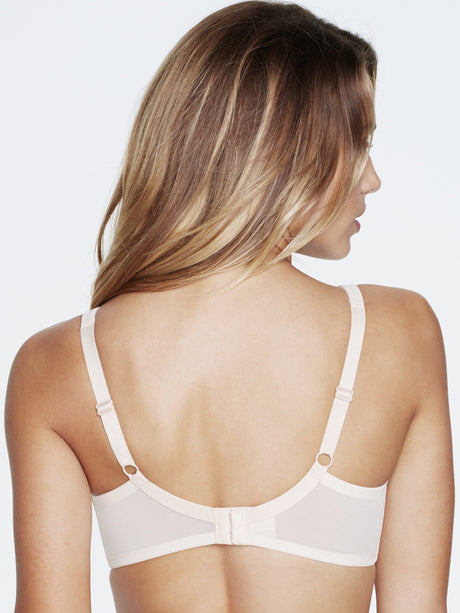
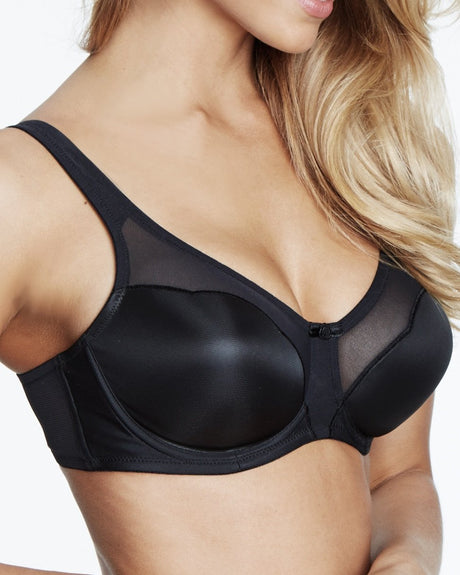
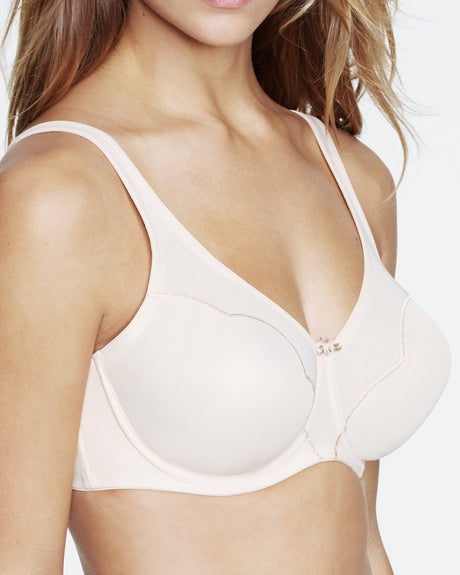
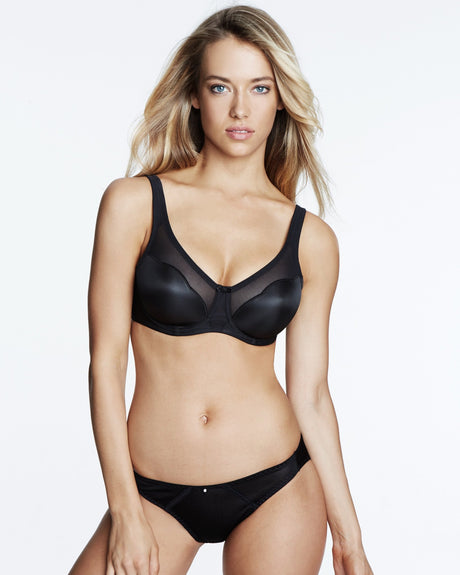
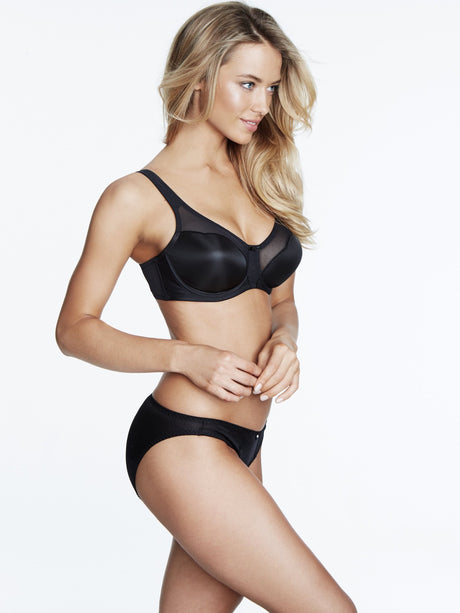


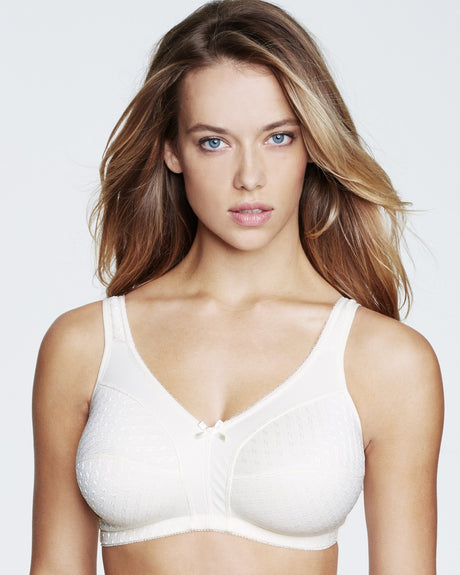
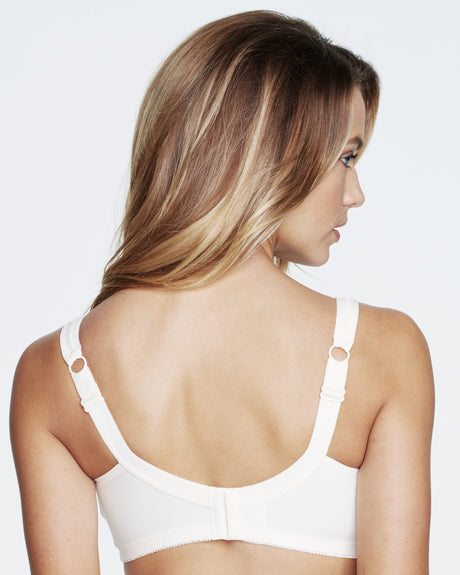
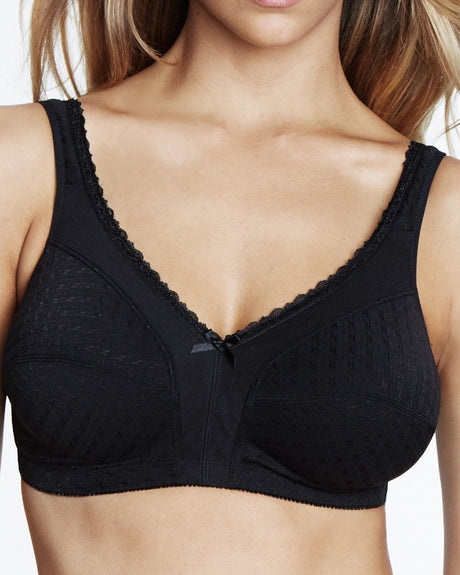
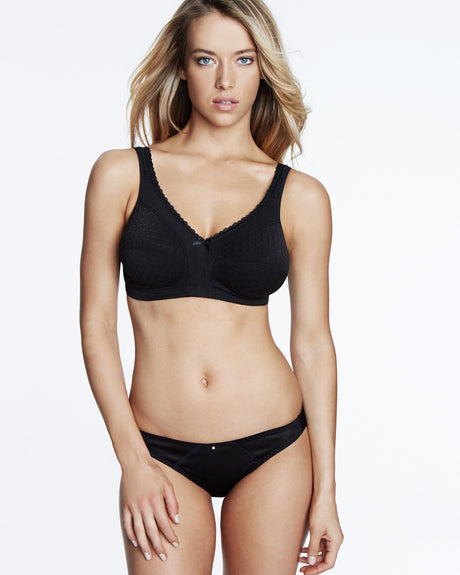
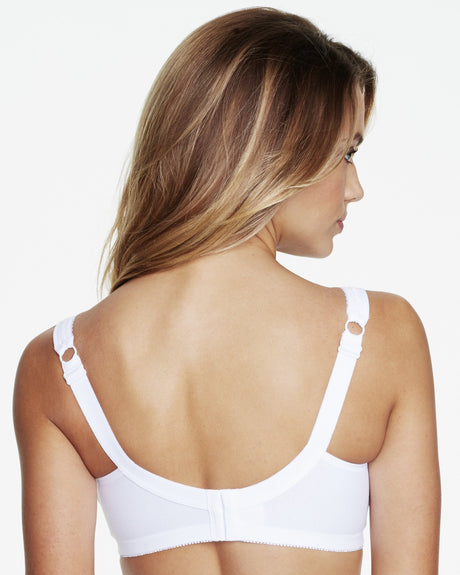
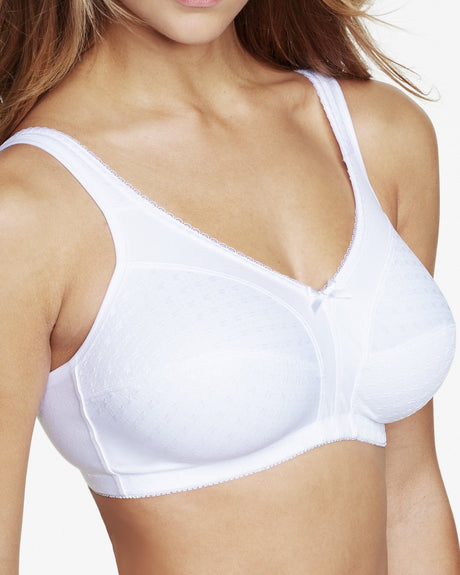
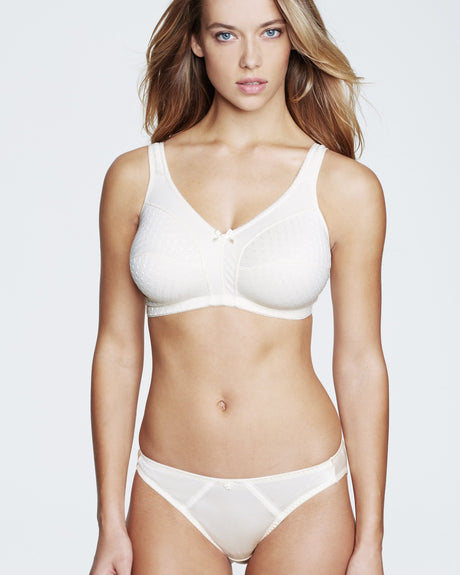
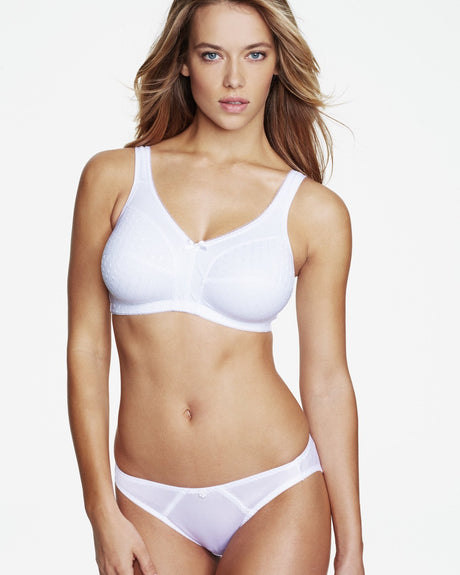


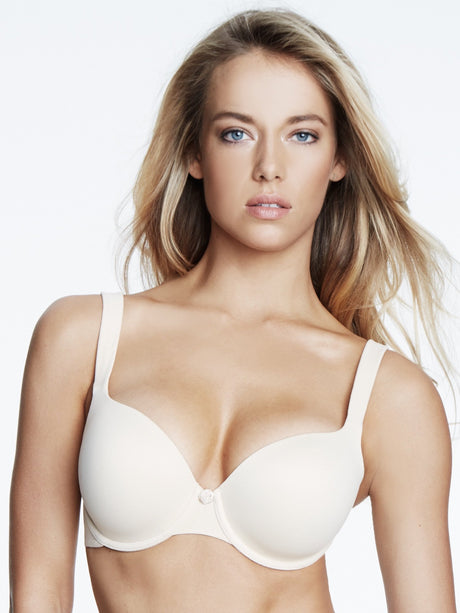
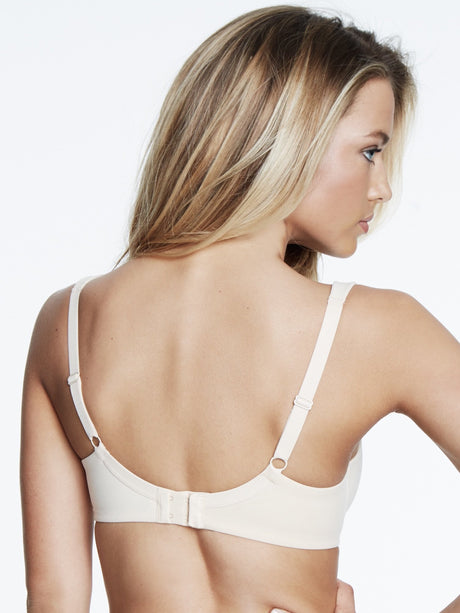
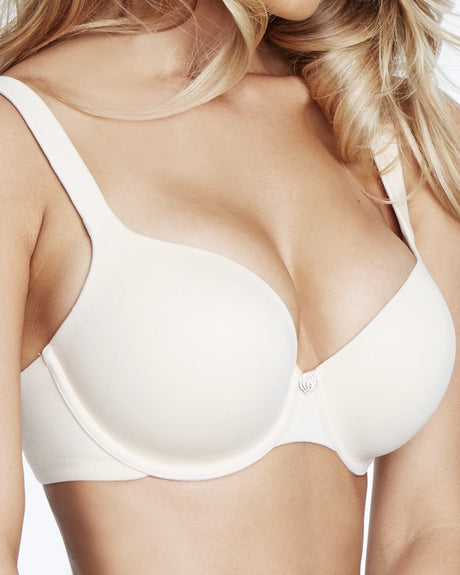
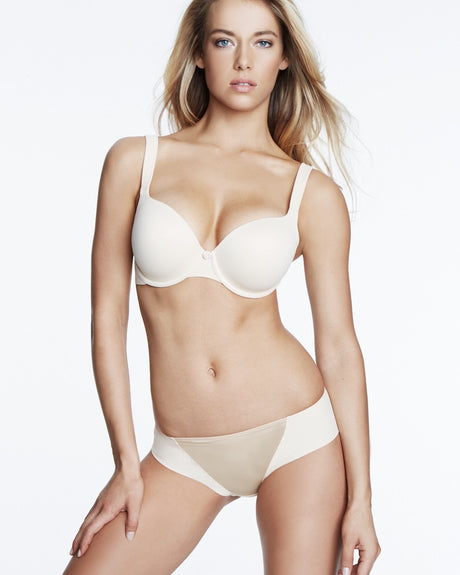
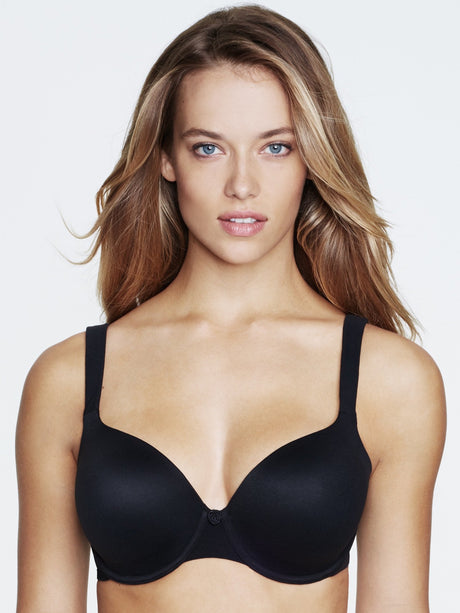
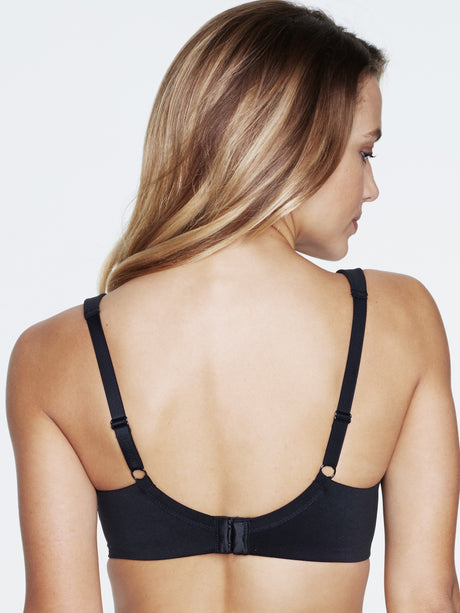


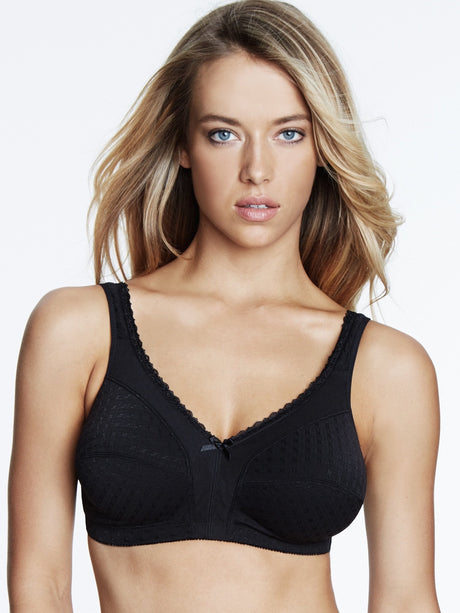
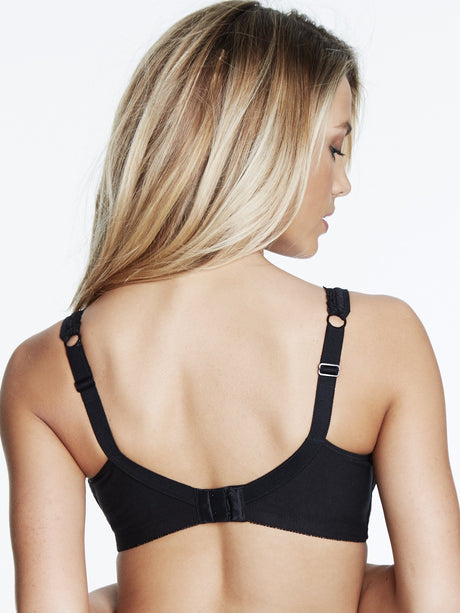
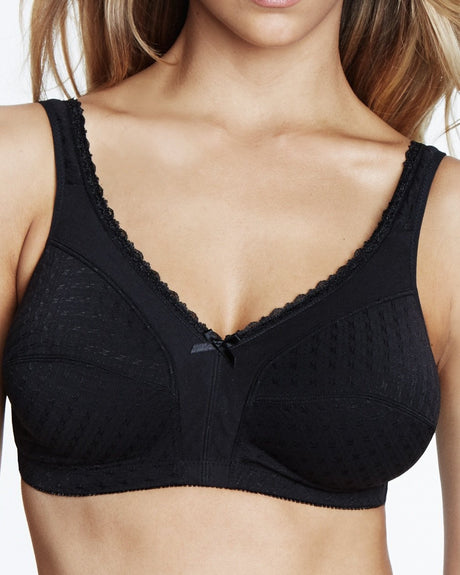
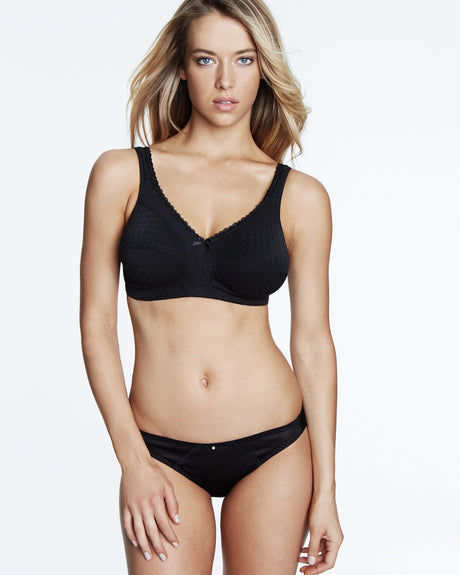
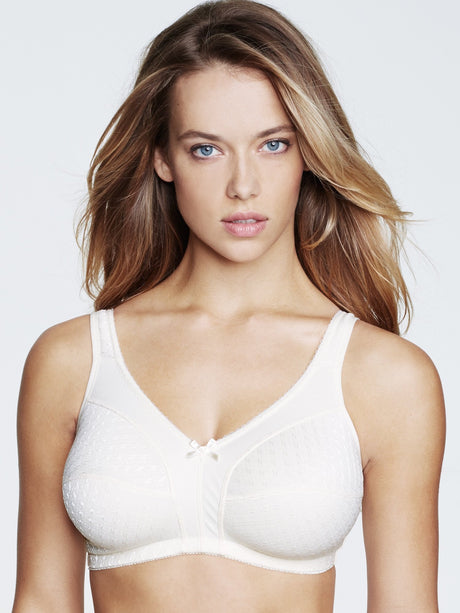
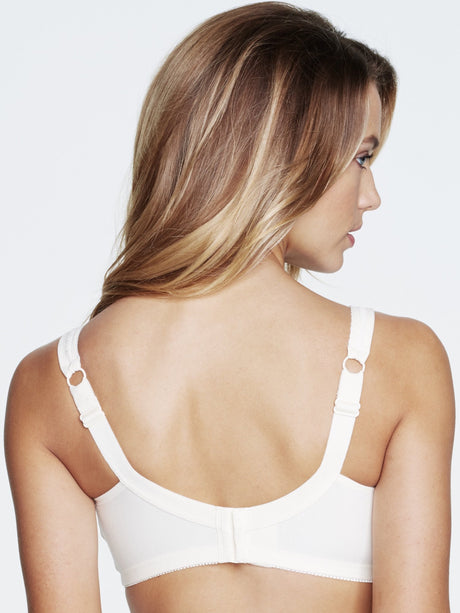
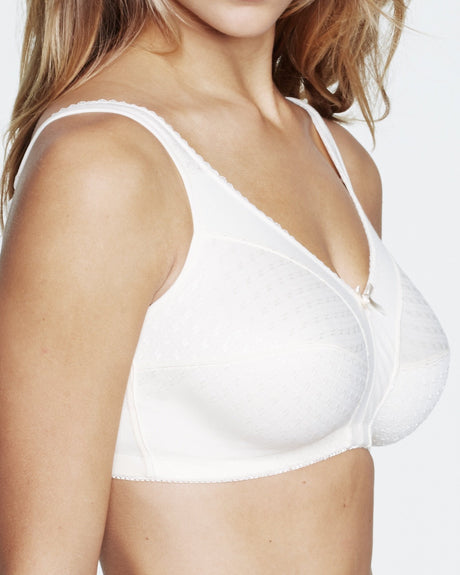
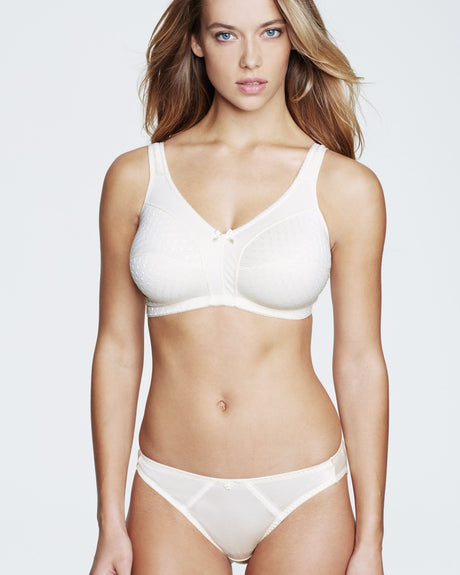

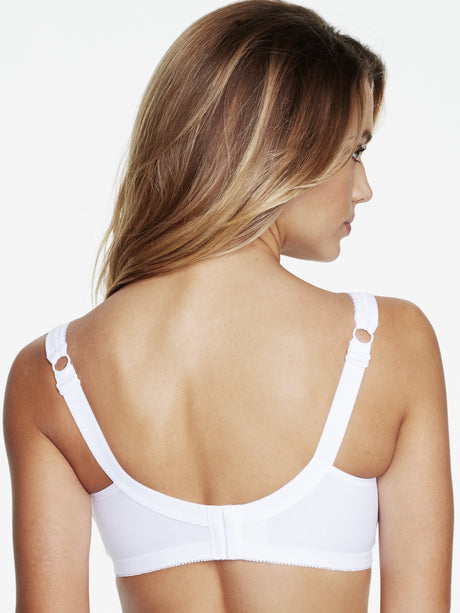
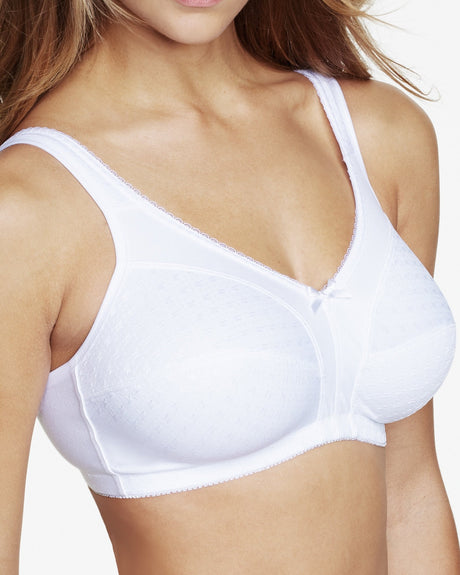
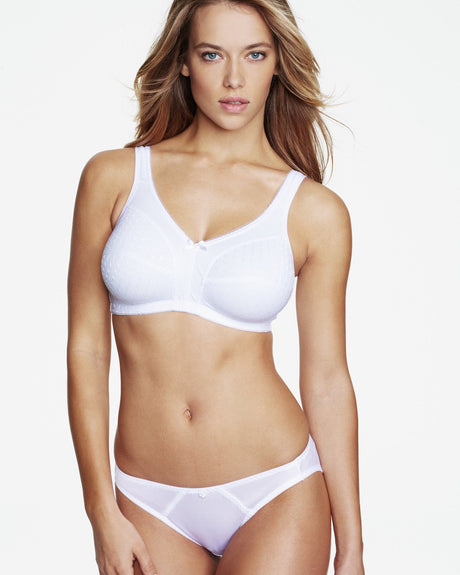
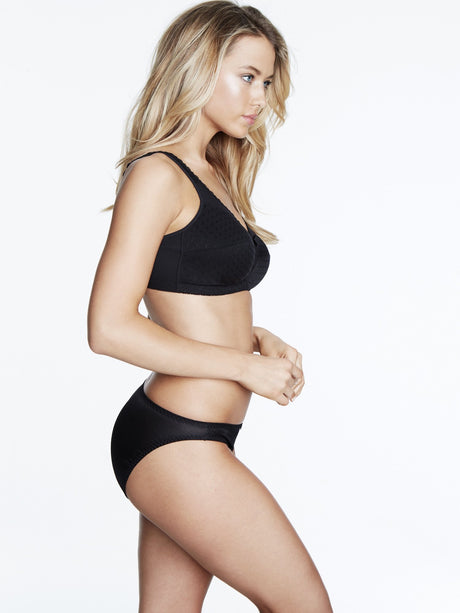
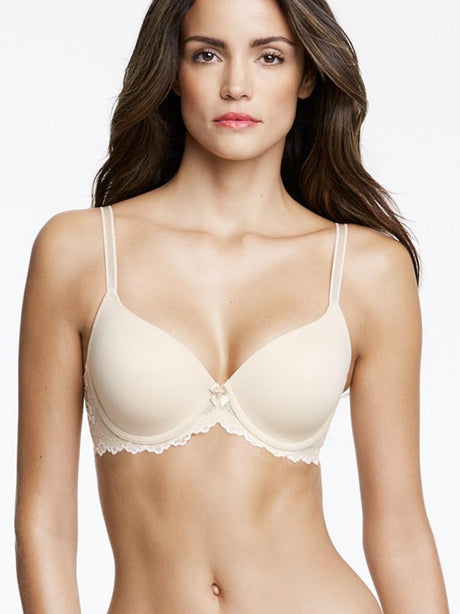
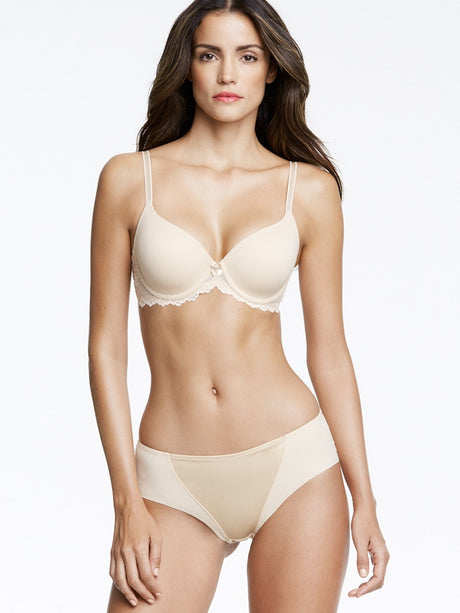
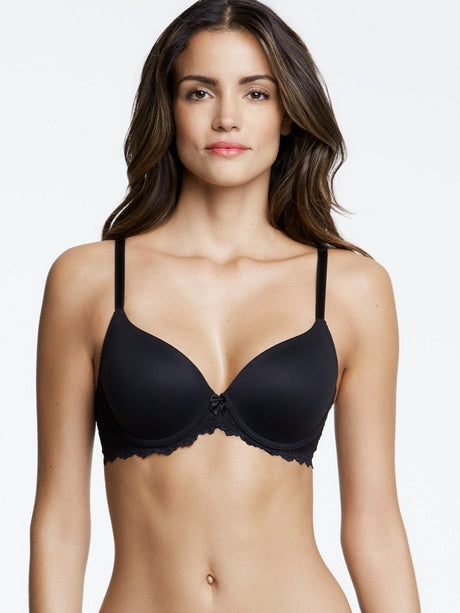
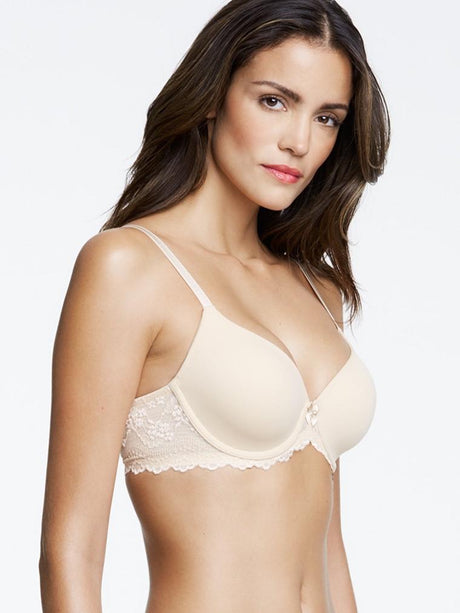
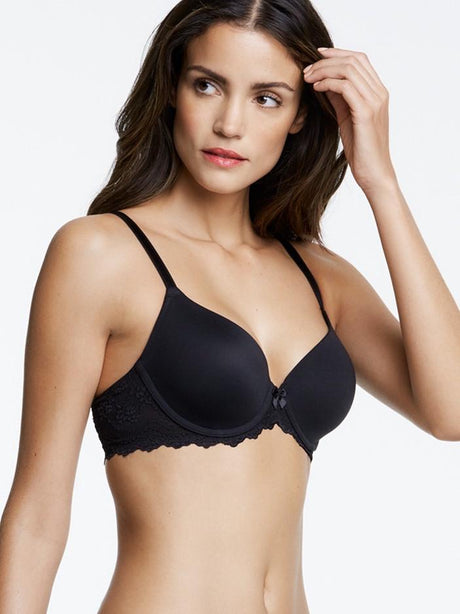
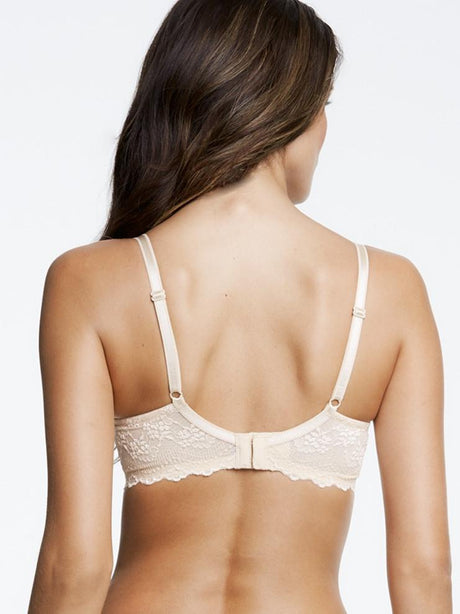
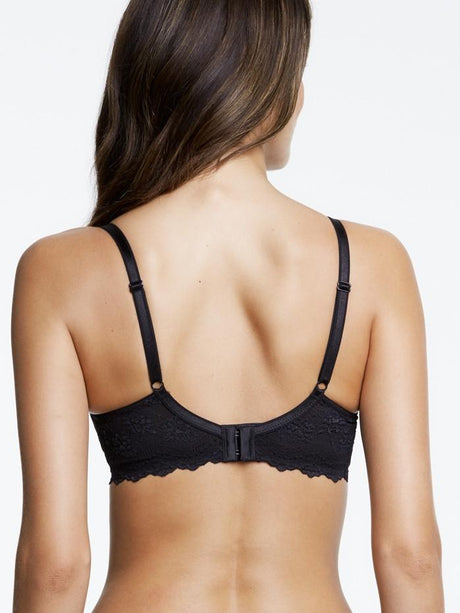
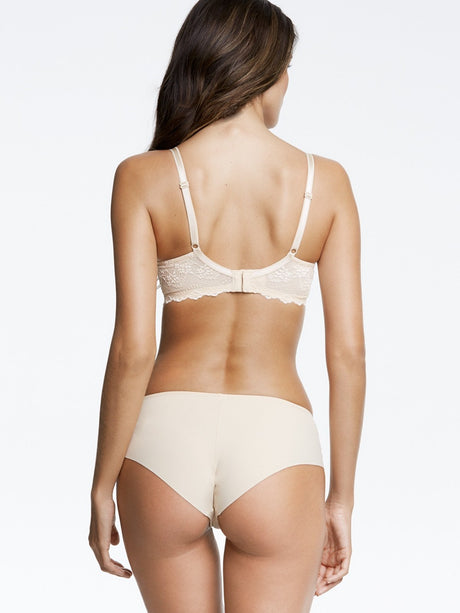


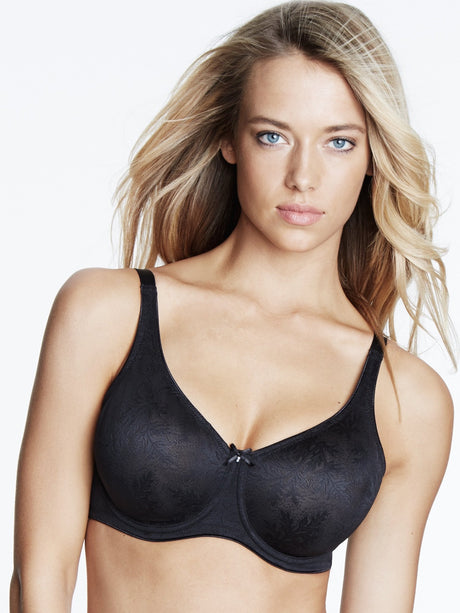
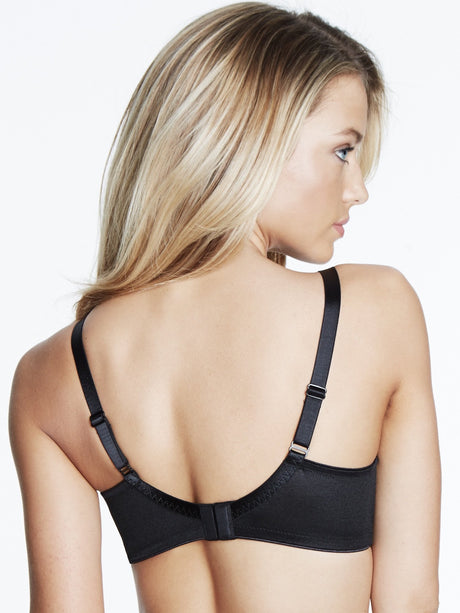
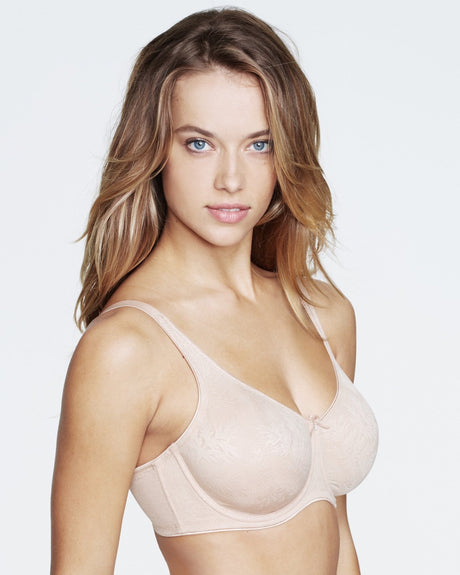
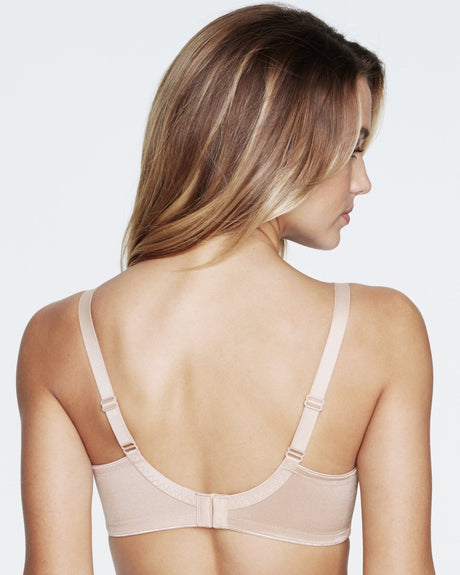


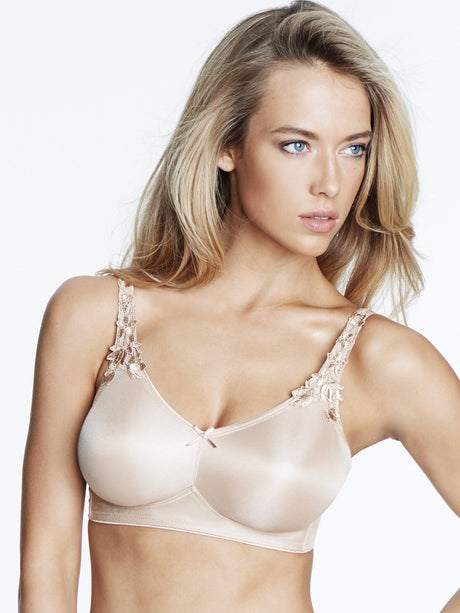
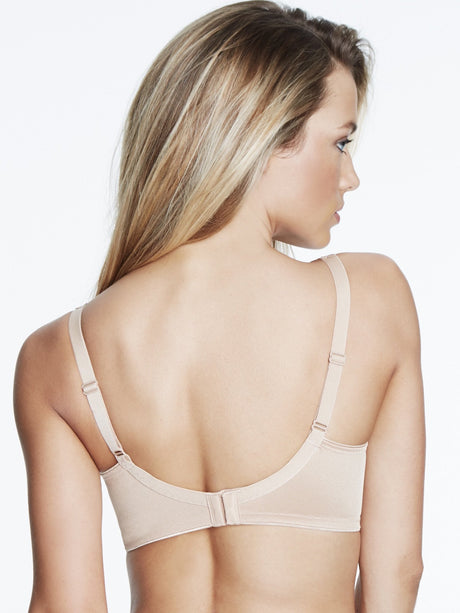
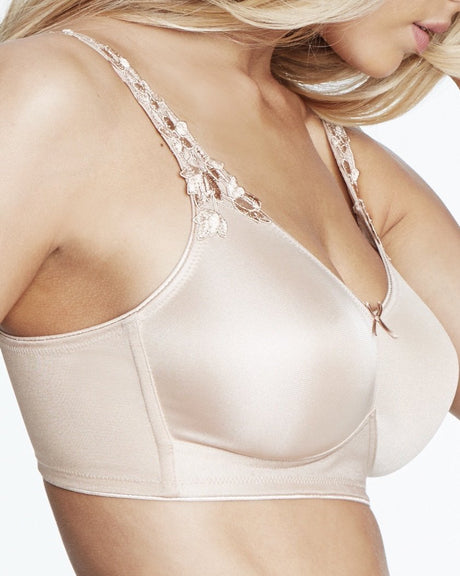
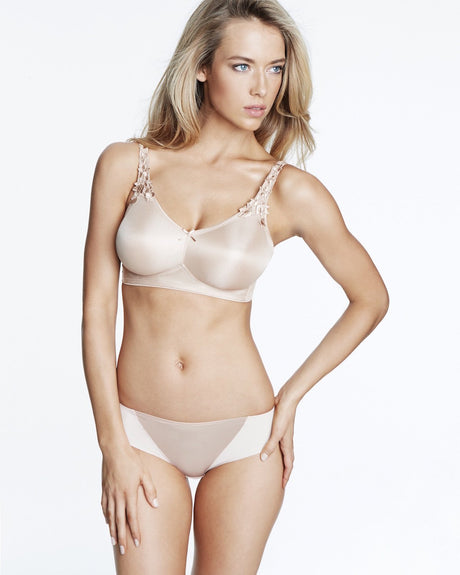
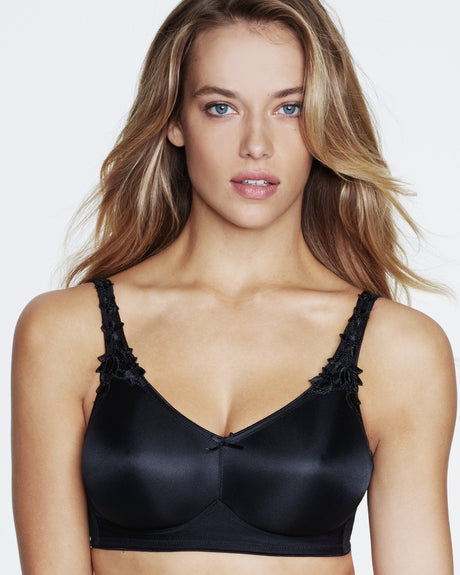
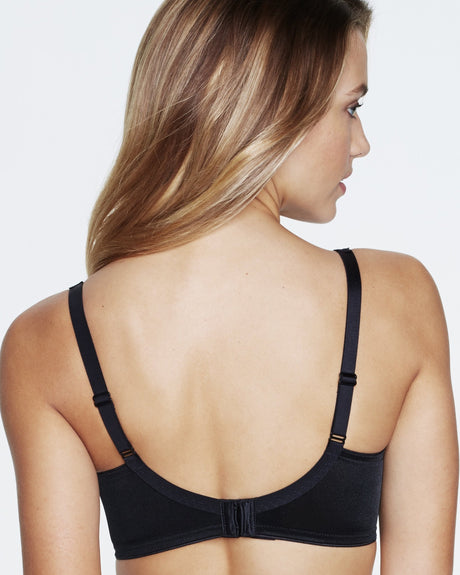
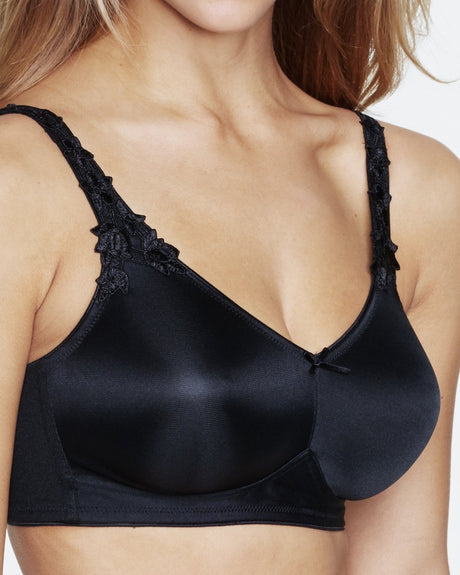
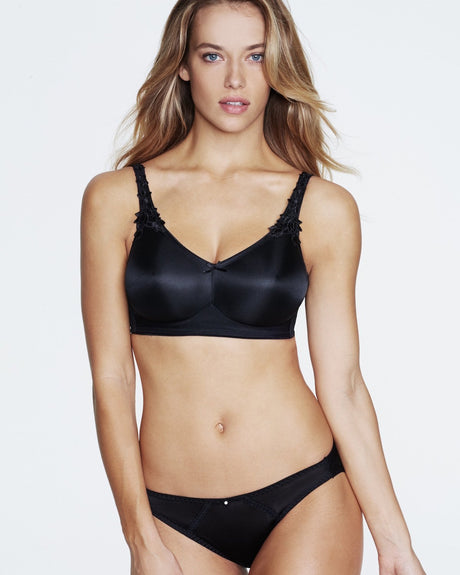


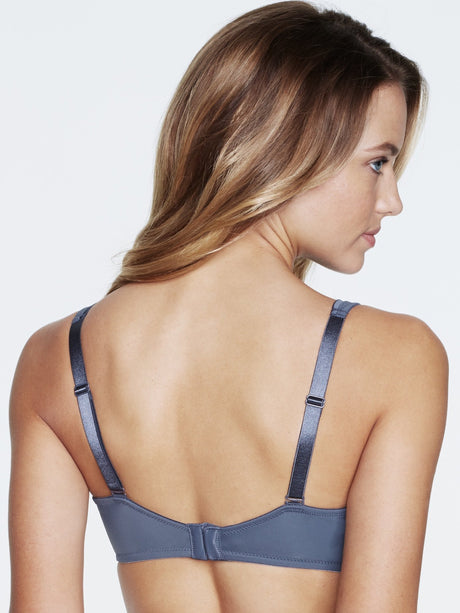
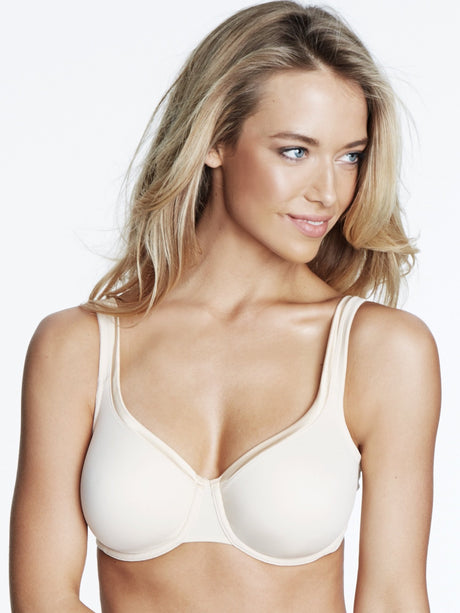
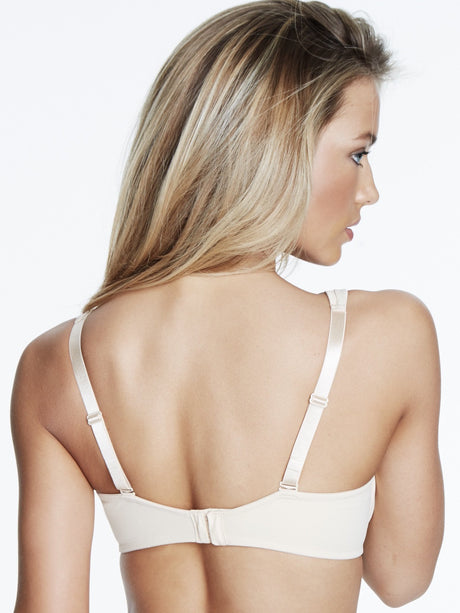
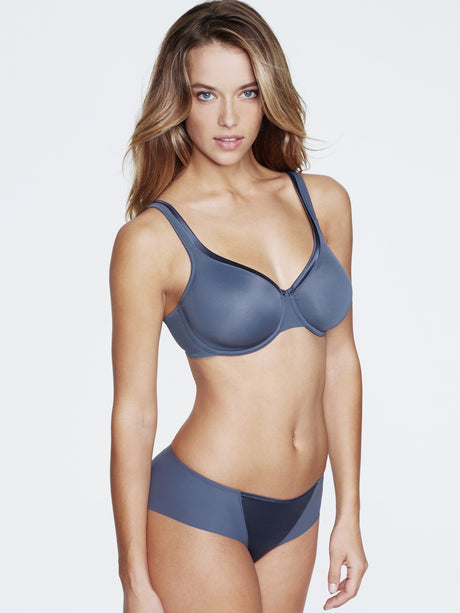
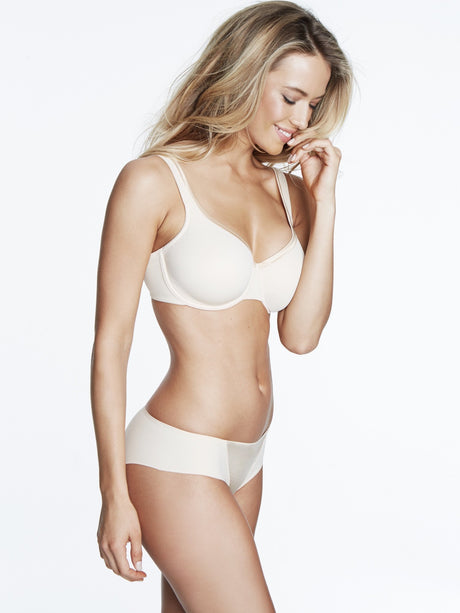


Full Coverage Bras: The Cup That Holds Everything, and the Band That Does the Work
A full coverage bra has a cup that reaches over the top of the breast and out to the side, so nothing spills at the neckline or escapes under the arm. That shape is what makes it the bra people reach for on long days, under knits and fitted tops, and after weight change, pregnancy or age has moved the breast lower on the chest.
This edit pulls every full coverage style we carry from six brands: Natori's Full Fit and Full Figure lines, Panache full cups to a K, Le Mystere's Dream Tisha and Safari, Parfait's Enora and Emily, Dominique's seamless full coverage and minimizer families, and Skarlett Blue's lace full coverage underwires. Below: what full coverage actually means, how it differs from full cup and full figure, which construction to choose, and how to size it.
What is a full coverage bra?
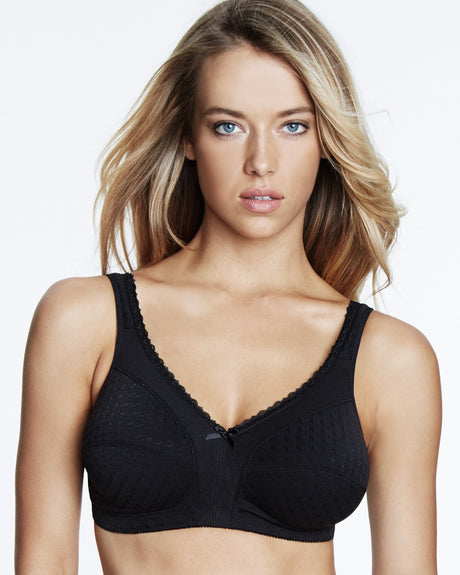
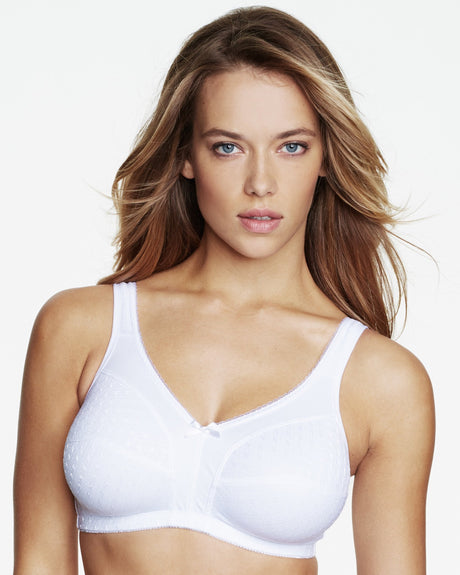
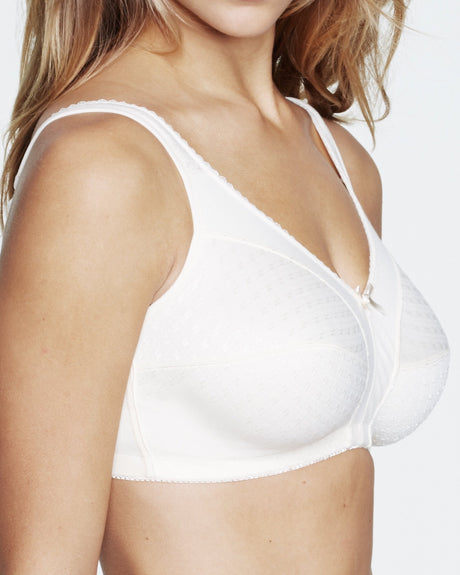
A full coverage bra is a bra whose cups enclose the entire breast: the top edge sits high on the breast rather than cutting across it, and the sides extend toward the underarm. It is a cup shape, not a cup size, so it exists in an A cup and in a K cup. Compared with a demi or balconette, which stops halfway up, a full coverage cup gives more lift, less spillage and a smoother line under clothes, at the cost of a higher neckline. Choose full cup underwire (Panache Clara, Natori Feathers Full Figure) for the most lift, a full coverage T-shirt bra (Le Mystere Dream Tisha, Natori Pretty Smooth) to disappear under tops, a minimizer (Dominique Mystique, Parfait Enora) for a smaller profile, and a wireless full coverage (Dominique Jilian, Marcelle) if you want no wire. At HauteFlair full coverage bras run bands 28 to 48, cups A to K and $34 to $85. If you are not sure of your size, the bra size calculator takes two measurements.
Full coverage bra styles
Full coverage is the cup. The construction around it decides how the bra feels and what it does.
| Style | What it is | Best for |
|---|---|---|
| Full cup underwire | Seamed or molded cups that reach to the top of the breast, wire under and around; Panache Clara, Natori Statement, Parfait Emily | Most lift and containment, D cups and up |
| Full coverage T-shirt bra | Smooth lined contour cup with a full coverage neckline; Le Mystere Dream Tisha, Natori Pretty Smooth and Liquid Full Fit, Dominique Anais | Invisible under tees and knits |
| Minimizer | Full coverage cup that spreads tissue to cut projection by up to an inch and a half; Dominique Mystique, Parfait Enora and Pearl, Le Mystere Second Skin | A smaller profile under button-downs |
| Wireless full coverage | Soft cup or molded cup with a wide band and no wire; Dominique Jilian and Marcelle | Comfort, sleep, sensitive skin |
| Lace full coverage | Full coverage cups in lace or embroidered mesh; Skarlett Blue Entice and Spellbound, Le Mystere Lace Tisha and SoftLuxe, Natori Feathers Full Figure | Support that still looks like lingerie |
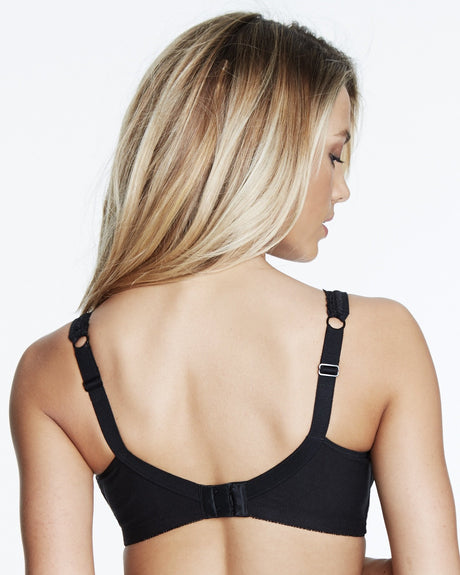
| Front close and racerback | Full coverage cups with a front clasp or convertible straps; Natori Smooth Comfort Front Close, Dominique 7050 | Easy on and off, racerback tops |
| Smoothing | Full coverage cup with wide wings and a back panel; Natori Pretty Smooth and Smooth Comfort | No back bulge under fitted tops |
| Active full coverage | Full coverage underwire built for movement; Natori Power Comfort Full Fit Active | Walking, travel, low-impact days |
Full coverage bras by brand
What each brand does best in full coverage, with the sizes and prices we carry.
| Brand | Full coverage lines | Sizes and price |
|---|---|---|
| Natori | Full Fit (Pretty Smooth, Conform, Liquid, Hidden Glamour, Smooth Comfort, Power Comfort) and Full Figure (Feathers, Chic Comfort, Elusive, Statement); Pure Luxe Custom Coverage | 30 to 42, B to H, U.S. sizing; $60 to $85 |
| Panache | Clara Full Cup, Envy full cup balconnet, Porcelain Elan molded T-shirt | 28 to 44, D to K, UK sizing; $63 to $80 |
| Le Mystere | Dream Tisha and Lace Tisha, Safari Full Coverage Contour Spacer, SoftLuxe Lace Full Fit, Second Skin Minimizer | 30 to 44, B to J, U.S. sizing; $64 to $76 |
| Parfait | Enora Minimizer, Pearl Minimizer, Emily Full Busted Unlined, Erika Full Bust Molded | 30 to 44, C to H, UK sizing; $36 to $56 |
| Dominique | Anais 7200 and 3500 seamless, Maxine 4500, Mystique 7000, Lila 7001 and Wave 7100 minimizers, Jilian 6800 wireless, Marcelle soft cup, 7050 front close | 30 to 48, A to I, U.S. sizing; $34 to $58 |
| Skarlett Blue | Entice and Spellbound Full Coverage Underwire | 30 to 40, C to H, U.S. sizing; $62 to $66 |
Find your full coverage bra
Pick the card that matches your need, then tap through to shop.
One everyday full coverage bra
Le Mystere Dream Tisha: seamless full coverage foam cups, hidden underwire and wide power-mesh wings, bands 32 to 44, cups B to H.
Shop Dream Tisha →Smooth under a tee, back too
Natori Pretty Smooth Full Fit has a smoothing contour cup and a wide back panel, 30 to 40 and C to H.
Shop Pretty Smooth →A smaller profile
Dominique Mystique Minimizer 7000 is a seamless full coverage underwire that trims projection, 32 to 44 and A to G.
Shop the minimizer →No underwire
Dominique Jilian 6800 gives full coverage seamless cups and a wide band with no wire, 32 to 44 and B to G.
Shop wireless →DD to J cup
Panache Clara Full Cup 7255 is a seamed full cup underwire built for fuller busts, bands 30 to 38, cups D to J in UK sizing.
Shop Clara →Lace, still full coverage
Skarlett Blue Entice pairs a full coverage underwire cup with sheer lace, bands 32 to 40, cups C to H.
Shop Entice →A full coverage bra is judged by what it stops: no spill at the top, no escape at the side, no band riding up by noon. Everything else about it is styling.
The HauteFlair StandardThe complete full coverage bra guide
What the term means, how to size it, which construction to pick, what each brand does best, and how to fix the usual fit problems.
01Full coverage, full cup, full figure: what each term means+
These three get used as if they were the same thing. They are not.
- Full coverage describes the cup shape: the top edge of the cup sits high on the breast and the side sits close to the underarm, so the whole breast is inside the cup. A demi cup stops about halfway up; a balconette sits a little higher with a straight neckline; a plunge dips at the center. Full coverage is available in every size, from a 32A Dominique 3500 to a 44K Panache Envy.
- Full cup is the UK term for the same shape, used by Panache and Parfait. When a Panache style says full cup, read it as full coverage.
- Full figure describes a size range, usually a D cup and up or a band of 38 and up, not a cup shape. Natori uses Full Figure for its D to H lines and Full Fit for its full coverage cut, which is why the two overlap on this page. If you are shopping by size rather than shape, the full figure bras collection is the better starting point.
One more that matters: full support on a label usually means a firm band, wide straps and a structured cup, which most full coverage bras have, but a full support bra can still be a balconette.
02How to size a full coverage bra, and why UK and U.S. cups differ+
Full coverage bras are the least forgiving of a wrong size, because the cup is meant to hold all of the tissue: too small and it cuts a line across the top, too big and the top edge gaps. Start with your measured size, not the one you have been wearing.
- Band: snug on the loosest hook, level front to back. If it rides up, go down a band size and up a cup (36C becomes 34D). The band carries most of the weight.
- Cup: the wire should sit flat against the ribs, not on breast tissue, and the top edge should lie flush. A ridge across the top means go up a cup; a gap at the top means go down a cup or try a molded style that sits closer.
- UK vs U.S. letters: Panache and Parfait run DD, E, F, FF, G, GG, H. Natori, Le Mystere, Dominique and Skarlett Blue run DD, DDD, G, H. A U.S. DDD is a UK E, a U.S. G is a UK F, and a U.S. H is a UK FF. The bra size conversion chart lines them up.
- Sister sizes: if a style stops at your band, move one band down and one cup up, or one band up and one cup down, and the cup volume stays the same. The bra size chart lists them.
Measure in about thirty seconds with the bra size calculator. Remeasure after any weight change, pregnancy or a year of wear.
03Underwire, wireless, minimizer or T-shirt: choosing the construction+
Once you know you want full coverage, the next choice is what is built around the cup.
- Full cup underwire (Panache Clara, Natori Statement, Parfait Emily) gives the most lift and the most defined shape, because the wire anchors the cup to the chest wall. Seamed cups shape from the inside; molded cups are smooth outside.
- Full coverage T-shirt bra (Le Mystere Dream Tisha, Natori Pretty Smooth, Liquid Full Fit, Dominique Anais) is a molded contour cup with a full coverage neckline. Nothing shows through a knit, and the lining stops nipple show without adding size.
- Minimizer (Dominique Mystique, Lila and Wave, Parfait Enora and Pearl, Le Mystere Second Skin) is full coverage by definition: the cup spreads tissue wider and flatter to reduce forward projection by roughly an inch. Good under button-downs and blazers; less rounded than a contour cup.
- Wireless full coverage (Dominique Jilian 6800, Marcelle 5360) trades the wire for a wide, firm band and a molded or soft cup. Comfortable for long days, travel and sleep; lift is a little softer than an underwire in a G cup and up.
- Front close and racerback (Natori Smooth Comfort Front Close, Dominique 7050) keep the full coverage cup and move the clasp to the front, which helps with limited shoulder mobility and racerback tops.
Cannot decide? One full coverage T-shirt bra for weekdays and one full cup underwire for lift is the pairing that covers most wardrobes.
04Full coverage by brand: what each does best+
- Natori: the Full Fit lines (Pretty Smooth, Conform, Liquid, Hidden Glamour, Smooth Comfort, Power Comfort) are full coverage contour cuts with smoothing wings; the Full Figure lines (Feathers, Chic Comfort, Elusive, Statement) add deeper cups and wider bands to 42H. Pure Luxe Custom Coverage is the smooth seamless option. See Natori bras.
- Panache: UK full cup engineering for D to K cups. Clara is the seamed full cup, Envy the full cup balconnet, Porcelain Elan the molded T-shirt. See Panache bras.
- Le Mystere: Dream Tisha is the seamless full coverage T-shirt bra the brand is known for, Lace Tisha the lace version, Safari a spacer-foam full coverage that breathes and runs to a J cup, SoftLuxe a lace full fit cut and sew, and Second Skin the minimizer. See Le Mystere bras.
- Parfait: full bust specialists in UK sizing. Enora and Pearl are the minimizers, Emily the seamless unlined full cup, Erika the molded full cup. See Parfait bras.
- Dominique: made in the U.S., seamless, and the widest band range here, to 48. Anais 7200 and the 3500 family are the everyday full coverage underwires, Maxine 4500 runs F to I, Mystique 7000, Lila 7001 and Wave 7100 are the minimizers, Jilian 6800 and Marcelle 5360 the wireless options, 7050 the front close racerback. See Dominique bras.
- Skarlett Blue: Entice and Spellbound put a full coverage underwire cup inside sheer lace, C to H. See Skarlett Blue.
05Fit problems and how to fix them+
- Gap at the top of the cup: the cup is too big for the top of the breast, common with breasts that are fuller at the bottom. Go down a cup, or switch from a molded cup to a seamed or stretch-lace top cup (Parfait Emily, Panache Clara, Skarlett Blue Entice).
- Spill at the top or side: the cup is too small. Go up a cup and keep the band. Full coverage should not leave a ridge.
- Band rides up in the back: the band is too loose and the straps are doing the lifting. Go down a band and up a cup.
- Center gore floats off the chest: the cups are too small or too shallow for the breast. Go up a cup; if it still floats, try a style with a taller, narrower gore.
- Straps dig: usually a band problem, not a strap problem. Tighten the band first; if the band is right and straps still dig, pick a wider padded strap (Le Mystere Dream Tisha, Dominique Anais).
- Wire pokes at the side: the wire is too narrow for the breast root. Go up a cup, or choose a brand with wider wires (Panache, Parfait).
- Lift drops by afternoon: the band has stretched or is on the tightest hook already. Replace the bra, rotate two or three, and hand wash so the elastic lasts.
Full coverage bras FAQ
The questions shoppers ask most about full coverage bras, answered straight.
What is a full coverage bra?
A bra whose cups enclose the whole breast: the top edge sits high on the breast and the sides reach toward the underarm, so nothing spills at the neckline or under the arm. It is a cup shape, not a size, and it exists from an A cup to a K cup. The trade-off for the extra lift and smoothness is a higher neckline than a demi or plunge.
What is the difference between full coverage and full cup?
Nothing in practice. Full cup is the British term for the same cup shape and is what Panache and Parfait print on their labels. Full figure is different again: it describes a size range, usually D cups and up, not a shape. Natori uses Full Figure for its D to H lines and Full Fit for its full coverage cut.
Who should wear a full coverage bra?
Anyone who wants the breast held in one place: fuller busts that spill out of demi cups, anyone who wears fitted knits and wants a smooth line, breasts that sit lower after weight change or pregnancy, and people who spend long days on their feet. Small busts wear it too; the cut just gives a rounder, higher shape than a bralette. See bras for small busts for A cup options.
Are full coverage bras good for sagging breasts?
Yes, and they are the place to start. Breasts that sit lower after weight loss, breastfeeding or age need a firm band that carries the weight and a cup that holds all of the tissue up, and a full coverage cup does both. Push-up padding does not help, because it lifts from the bottom while a loose band lets everything drop. Choose a full cup underwire or a structured wireless, wear the band snug on the loosest hook, and go down a band and up a cup if it rides up.
Are full coverage bras best for large breasts?
For most DD cups and up, yes. The full cup stops spillage and quad-boob, the wide underwire supports the breast root, and the band and straps are cut to carry weight. Panache Clara and Envy run to a K cup, Le Mystere Safari and Dominique Maxine to a J and an I, and Natori's Full Figure lines to 42H. Shop by cup on the DD, G and H cup pages.
Can I wear a full coverage bra with a small bust?
Yes. Dominique's 3501 starts at a 30A, and the 3500 and Mystique 7000 at a 32A, all in a full coverage contour cup. On a small bust the cut reads as a smooth, rounded T-shirt bra rather than a heavy one. If the top edge gaps, go down a cup or choose a molded cup that sits closer to the chest.
Do full coverage bras show under T-shirts?
Not if you pick a molded full coverage T-shirt bra: Le Mystere Dream Tisha, Natori Pretty Smooth and Liquid Full Fit, Dominique Anais and Panache Porcelain Elan all have seamless lined cups with edges that lie flat. Seamed full cups and lace styles are for under thicker fabrics. Choose a shade near your skin tone for light tops; white shows more than beige.
Are wireless full coverage bras supportive?
Up to about a G cup, a well-built wireless full coverage bra supports well, because a wide firm band and a structured cup do most of what a wire does. Dominique Jilian 6800 and Marcelle 5360 are the wireless options here. Above a G, an underwire gives noticeably more lift and shape. See wireless bras for the full range.
What is the difference between a full coverage bra and a minimizer?
Every minimizer is full coverage, but not every full coverage bra minimizes. A minimizer cup spreads the breast wider and flatter to reduce forward projection by roughly an inch, so shirts button without gaping. A standard full coverage cup keeps your natural projection and rounder shape. Dominique Mystique, Parfait Enora and Le Mystere Second Skin are the minimizers here; see minimizer bras.
How should a full coverage bra fit?
Band snug and level on the loosest hook, wire flat against the ribs and not on breast tissue, center gore touching the sternum, top edge of the cup flush with no gap and no ridge, straps supportive but not carrying the weight. If the band rides up, go down a band and up a cup. If the gore floats, go up a cup.
What size full coverage bra should I buy?
Your measured size, then adjust for the brand's sizing system. Panache and Parfait use UK cups (DD, E, F, FF, G, GG, H); Natori, Le Mystere, Dominique and Skarlett Blue use U.S. cups (DD, DDD, G, H), so a U.S. DDD is a UK E. Use the bra size calculator to measure and the conversion chart to switch systems.
Which brands make the best full coverage bras?
It depends on the job. Le Mystere Dream Tisha is the seamless everyday full coverage T-shirt bra. Panache Clara is the full cup for D to K. Natori Pretty Smooth and Feathers Full Figure give smoothing and lace in D to H. Dominique makes seamless full coverage and minimizers in the U.S. with bands to 48 at the lowest prices here. Parfait Enora and Pearl are the minimizers for full busts. Skarlett Blue Entice is the lace option.
How do I wash full coverage bras so they keep their shape?
Hand wash in cool water with a mild detergent, or use a mesh bag on a delicate cycle with the hooks fastened, then line dry. Skip the dryer: heat breaks down the band elastic that provides most of the support. Rotate two or three bras so each rests a day between wears, and store molded cups nested, not folded.
Find your full coverage bra
Full cup underwire, T-shirt, minimizer, wireless, lace and front-close styles from Natori, Panache, Le Mystere, Parfait, Dominique and Skarlett Blue in bands 28 to 48 and cups A to K. Free U.S. shipping on orders over $50.