-
-
-
-
-
-
Hanky Panky
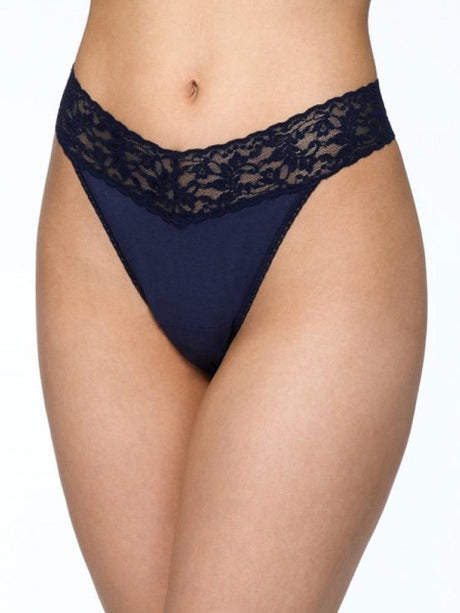
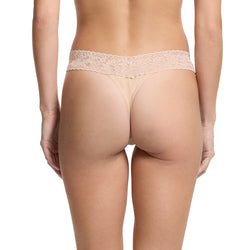
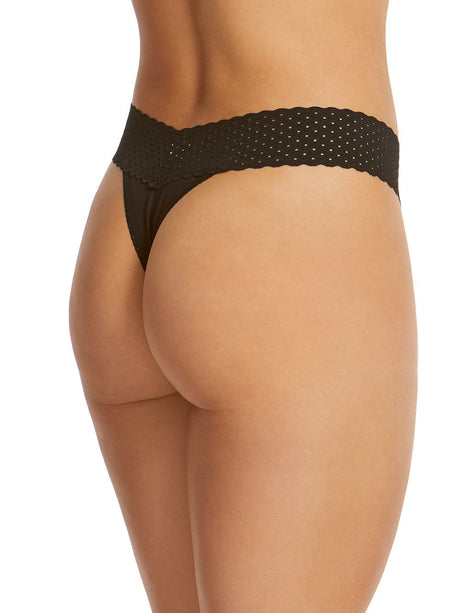
Hanky Panky Organic Cotton High-Waisted Lace Thong
+2$24.00$54.00Unit price /Unavailable-
Montelle Intimates
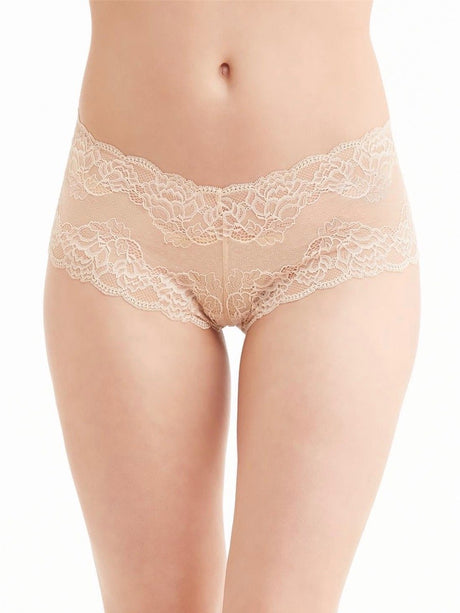
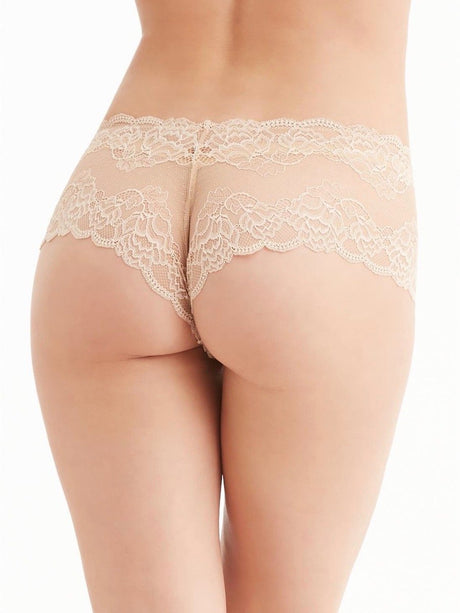
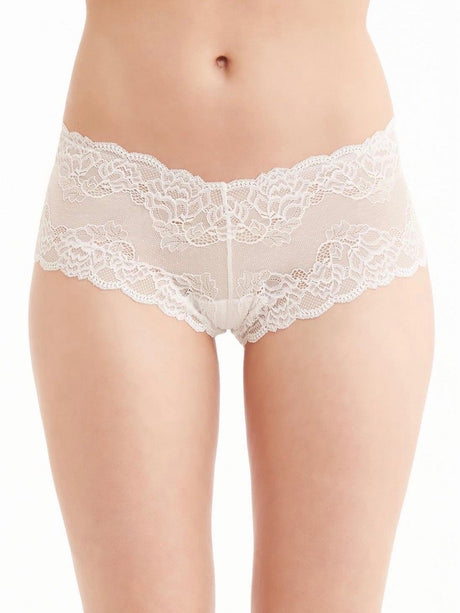
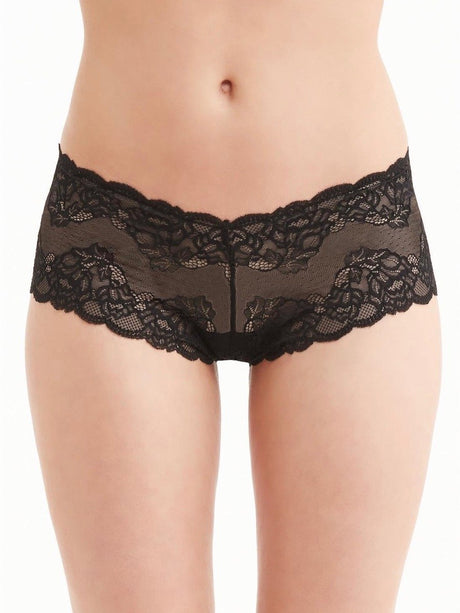
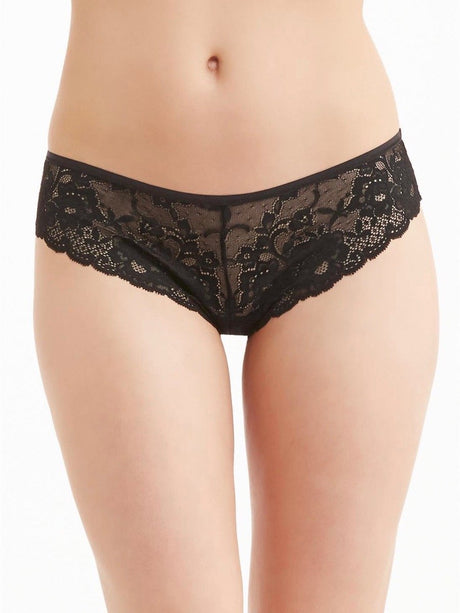
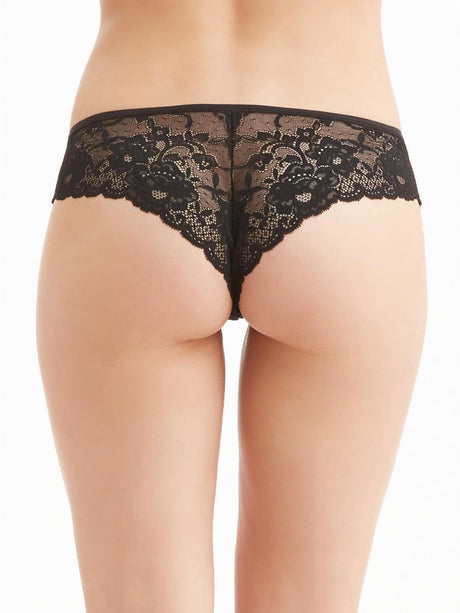
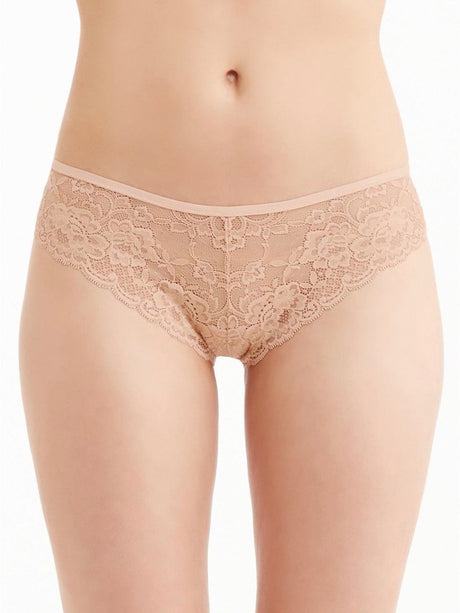
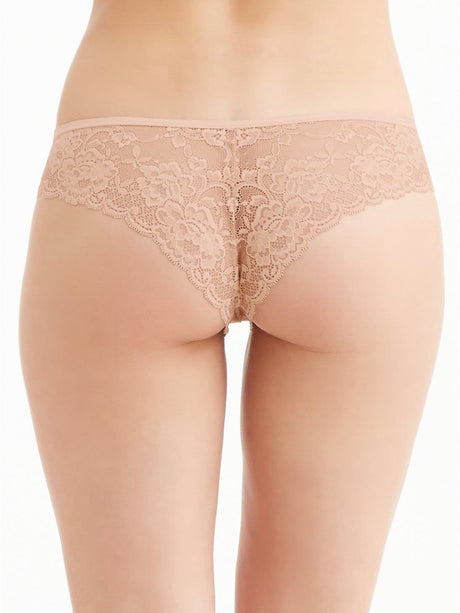
Women's Sexy Lace Brazilian Cheeky Tanga Panty – 9001
$22.00Unit price /Unavailable-
Hanky Panky
Hanky Panky Plus Size Keyhole Back Crotchless Bikini Panty
$36.00Unit price /Unavailable-
Hanky Panky
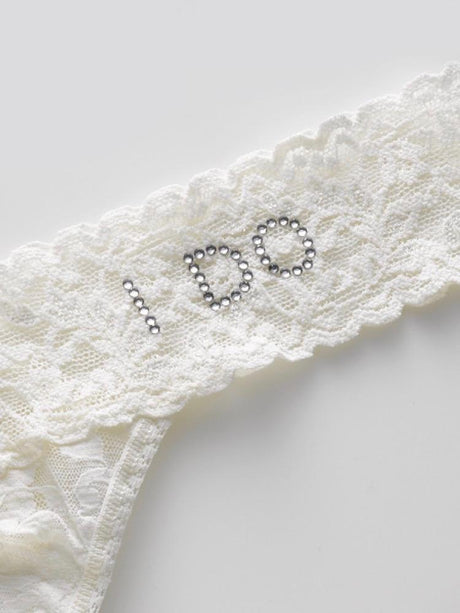
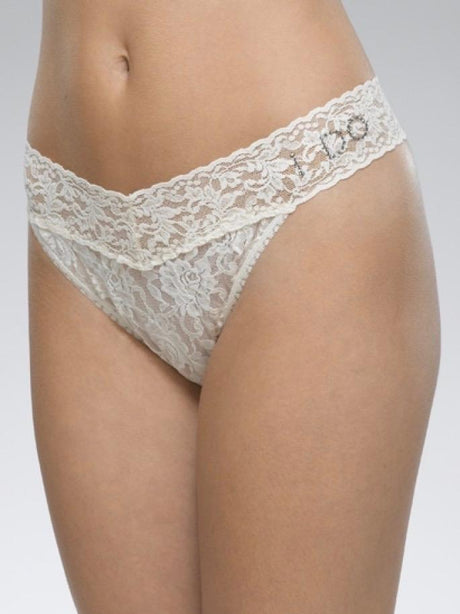
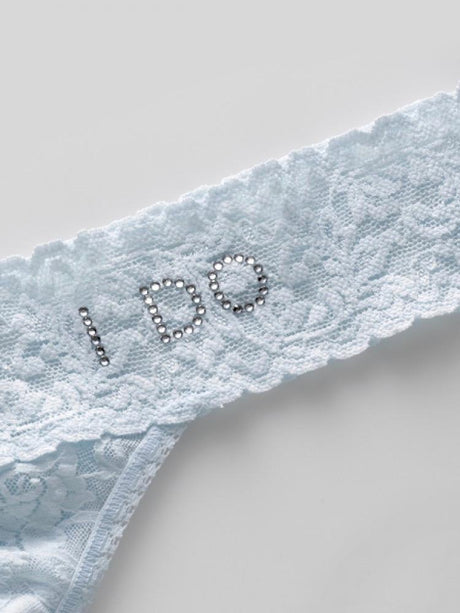
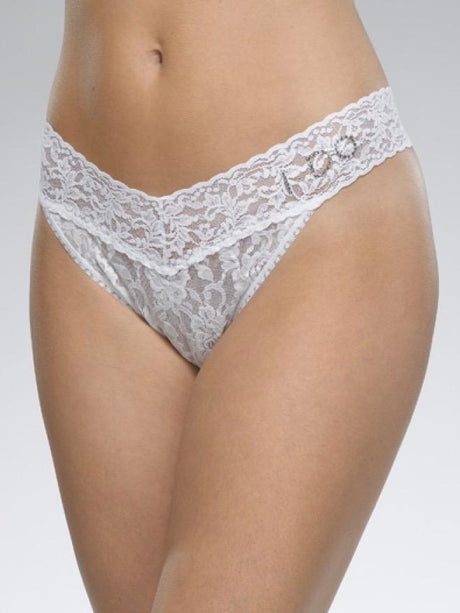
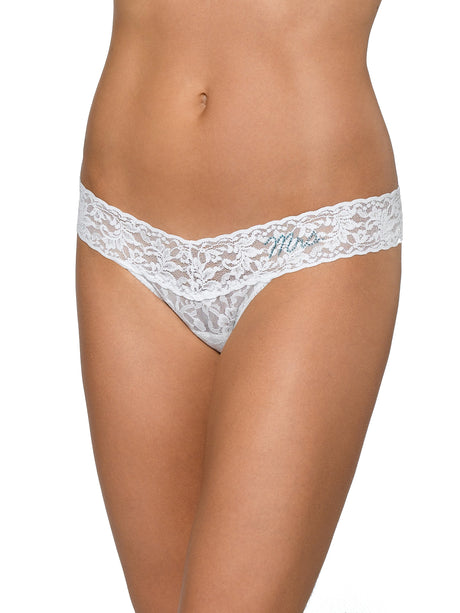
Hanky Panky I Do Bridal Lace Original Rise Thong with Swarovski Crystals
$31.00$61.00Unit price /Unavailable-
Hanky Panky
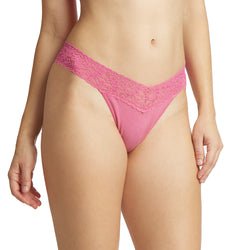
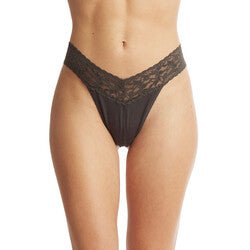
Hanky Panky Rolled Signature Lace Original Rise Thong
+4$22.00Unit price /Unavailable-
Hanky Panky
Hanky Panky Supima Cotton High Cut V-Kini Bikini Panty with Lace
$34.00$64.00Unit price /Unavailable-
-
-
Hanky Panky
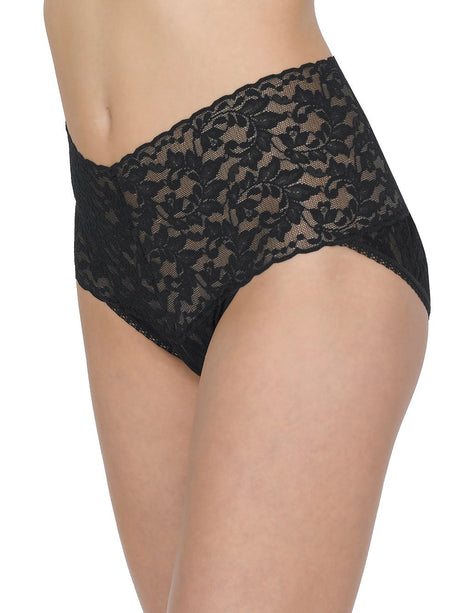
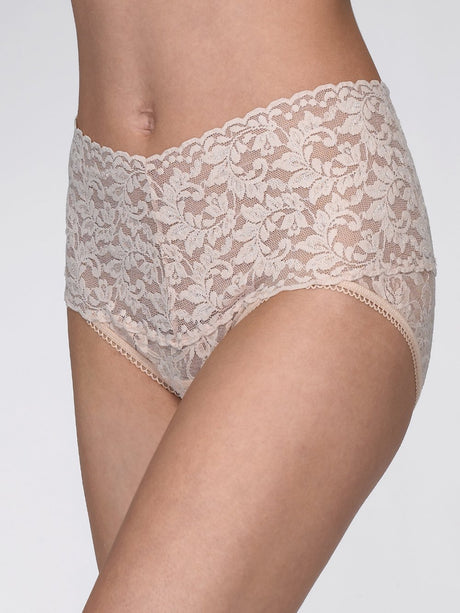
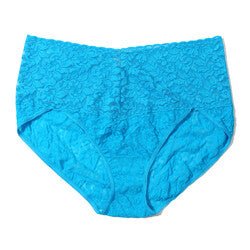
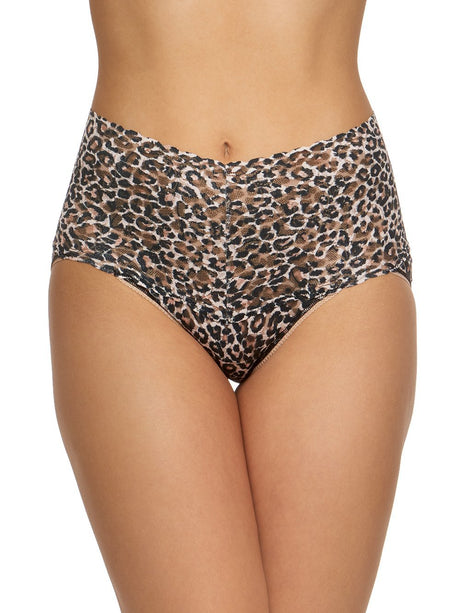
Hanky Panky Plus Size Retro High-Waisted Lace V-Kini Bikini Panty
$39.00$69.00Unit price /Unavailable-
-
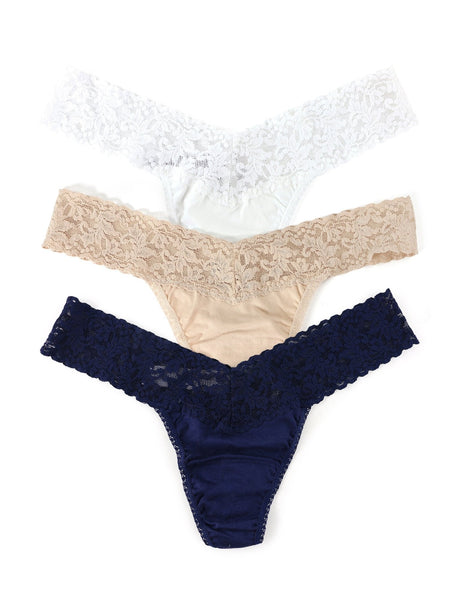
Hanky Panky
Hanky Panky Supima Cotton Low Rise Thong with Lace 3-Pack
$72.00Unit price /UnavailableHanky Panky
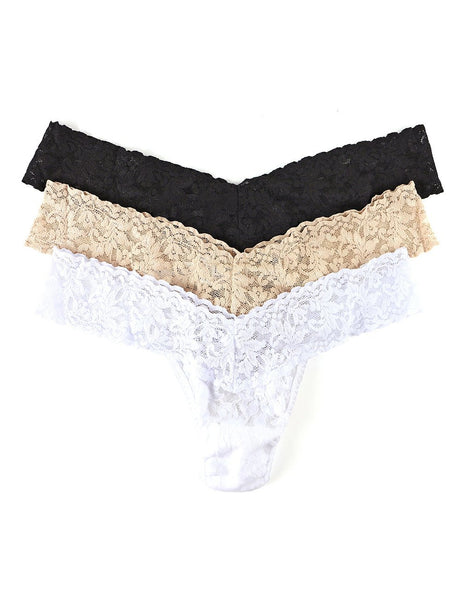
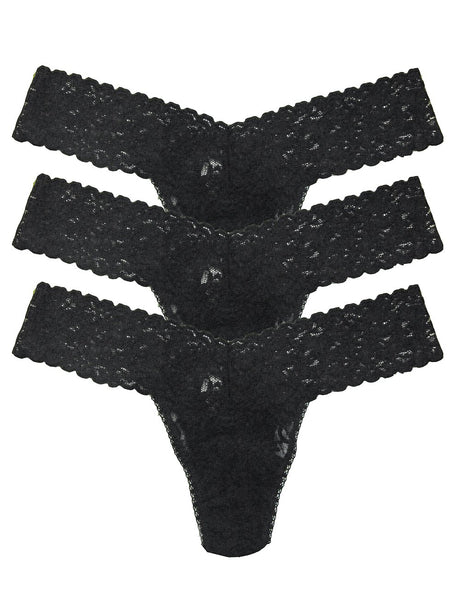
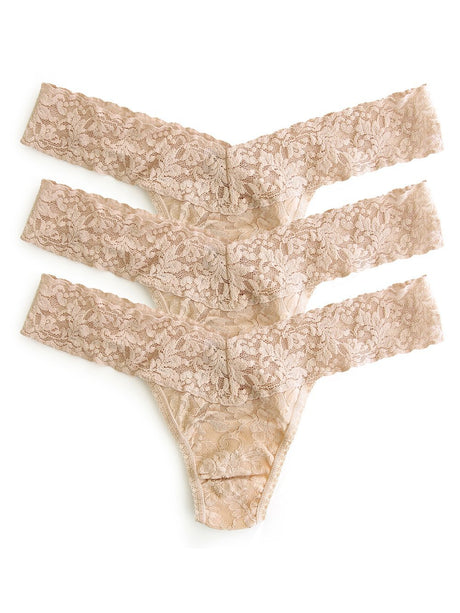
Hanky Panky Signature Lace Low Rise Thong 3-Pack
$72.00$102.00Unit price /Unavailable-
Hanky Panky
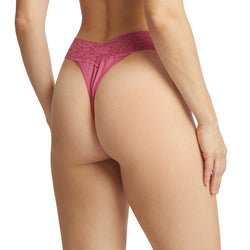
Hanky Panky Rolled Signature Lace Original Rise Thong
+9$24.00Unit price /Unavailable-
Hanky Panky
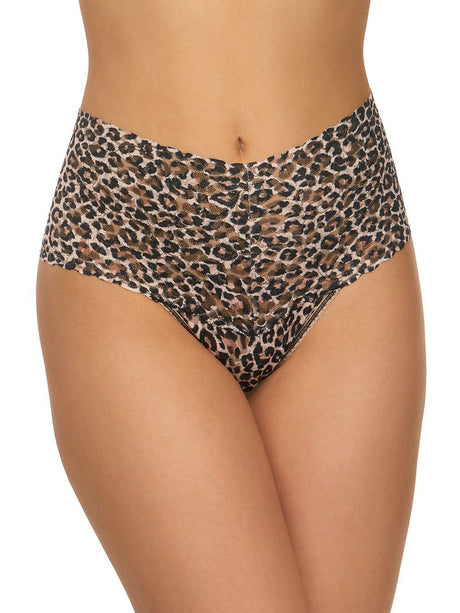
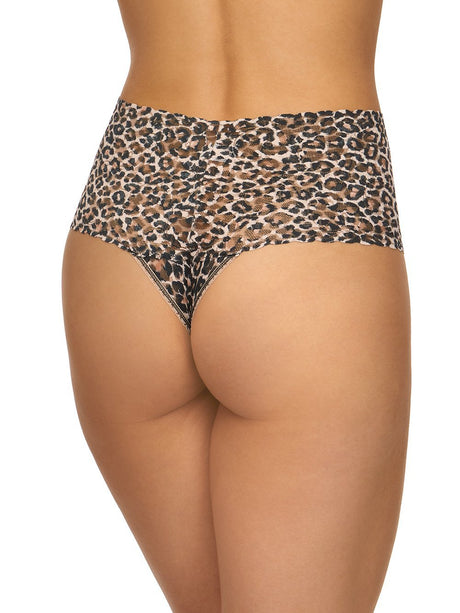
Hanky Panky Retro High-Waisted Leopard Thong, Plus Size
$32.00$62.00Unit price /Unavailable-
Hanky Panky
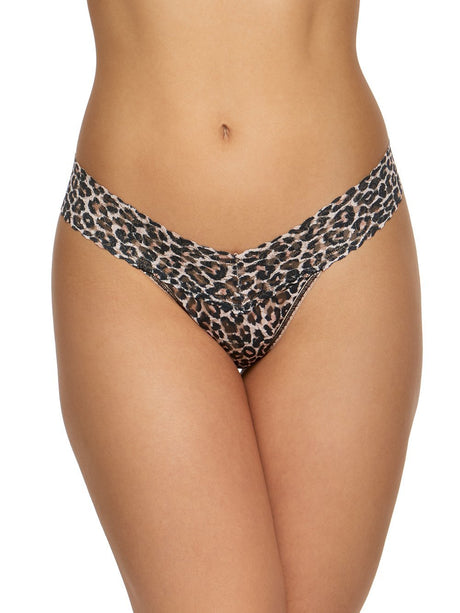
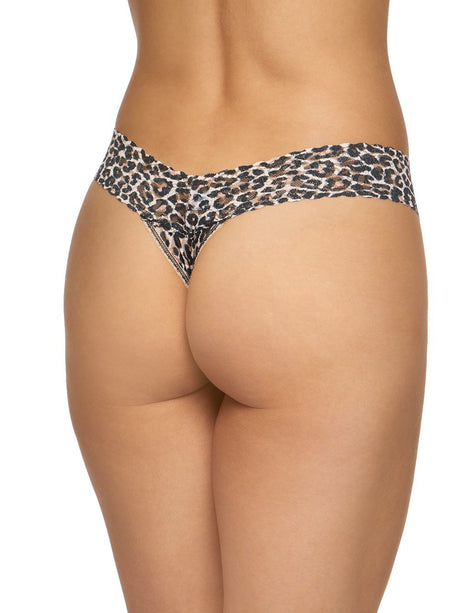
Hanky Panky Rolled Classic Leopard Lace Low Rise Thong
$25.00$55.00Unit price /Unavailable-
-
-
-
-
Hanky Panky
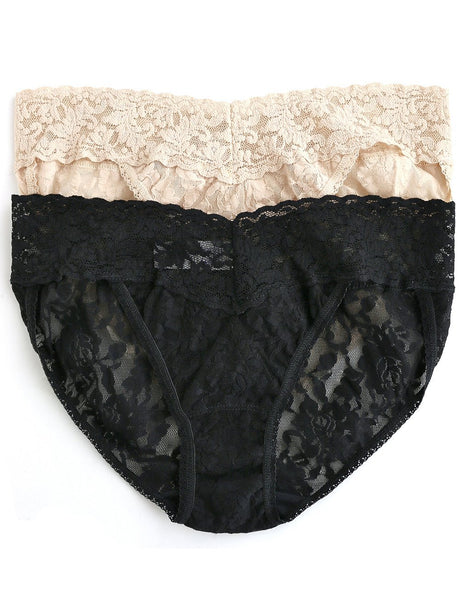
Hanky Panky Signature Lace High Cut V-Kini Bikini Panty 2-Pack
$68.00$98.00Unit price /Unavailable-
Hanky Panky
Hanky Panky Rolled Cross-Dyed Leopard Lace Original Rise Thong
$45.00$75.00Unit price /Unavailable-
-
-
-
Hanky Panky
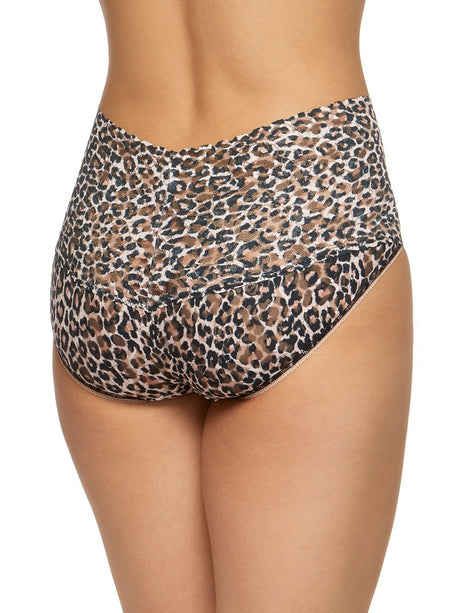
Hanky Panky Classic Leopard Retro Lace High Cut V-Kini Bikini Panty
$45.00$75.00Unit price /Unavailable-
Hanky Panky
Hanky Panky Rolled Classic Leopard Lace Low Rise Thong
$29.00$62.00Unit price /Unavailable-
-
-
-
-
-
-
-
-
-
-
-

Hanky Panky
Hanky Panky Signature Lace Retro High Cut V-Kini Bikini Panty 3-Pack
$117.00Unit price /Unavailable-
-
Hanky Panky
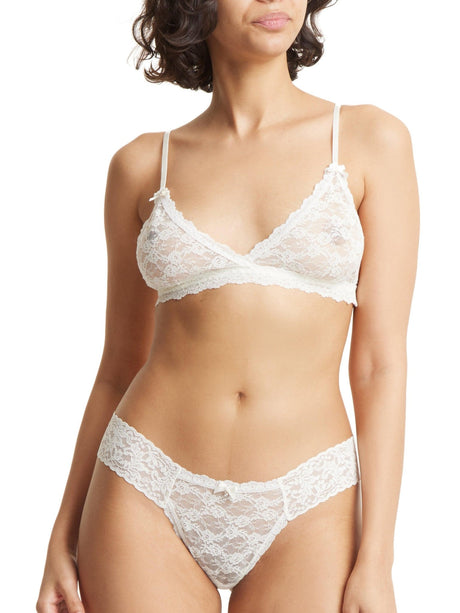
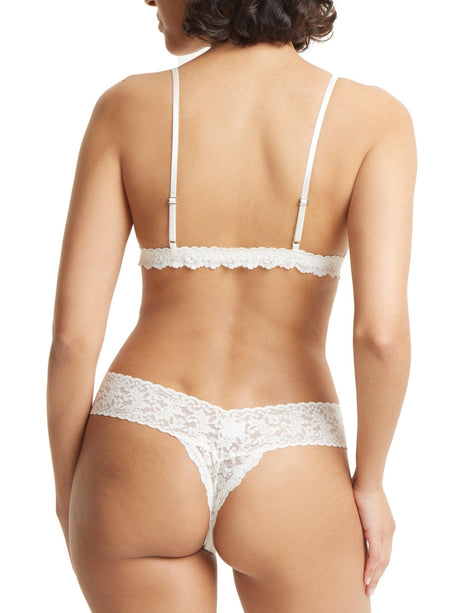
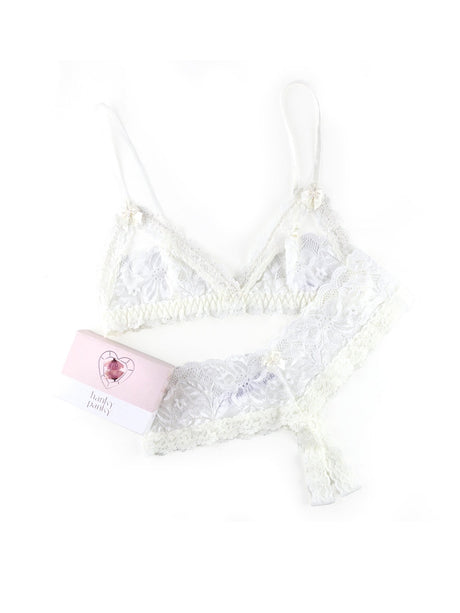
Hanky Panky Wedding Night Original Rise Thong Bridal Lingerie Set
$94.00Unit price /Unavailable-
Hanky Panky
Hanky Panky Wedding Night Low Rise Thong Bridal Lingerie Set
$94.00Unit price /Unavailable-
-
-
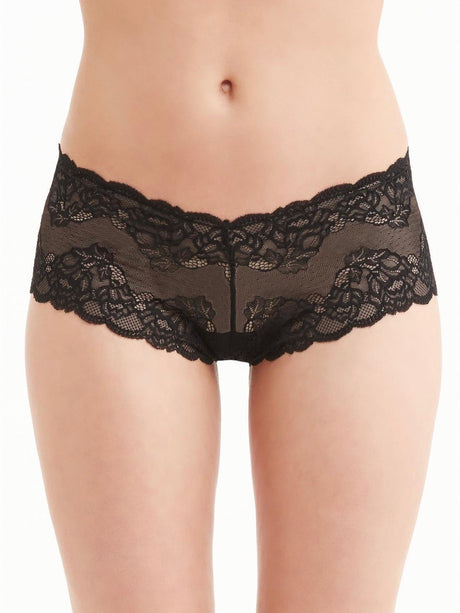
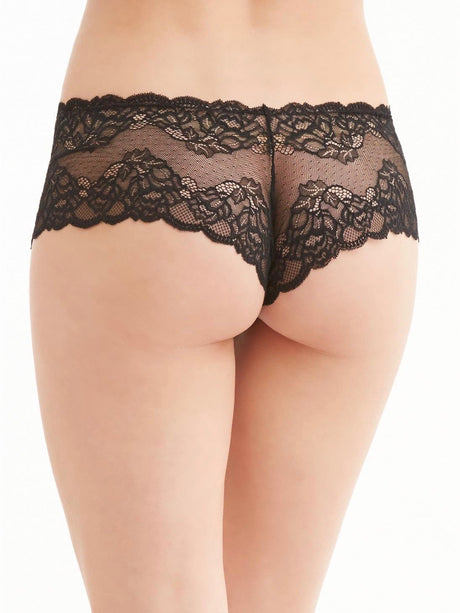
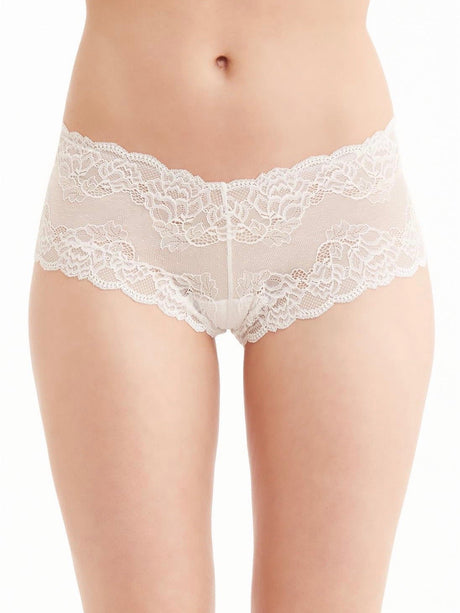
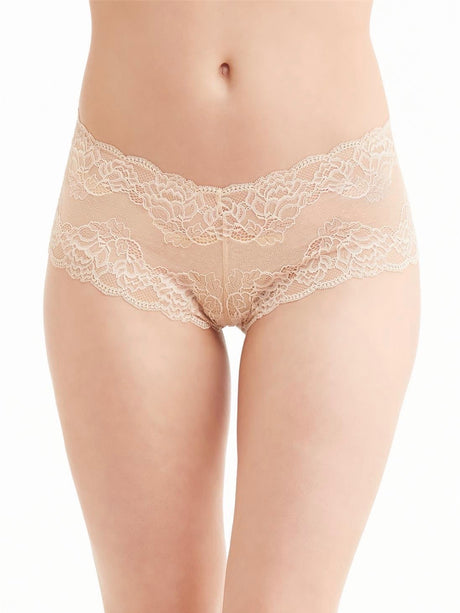
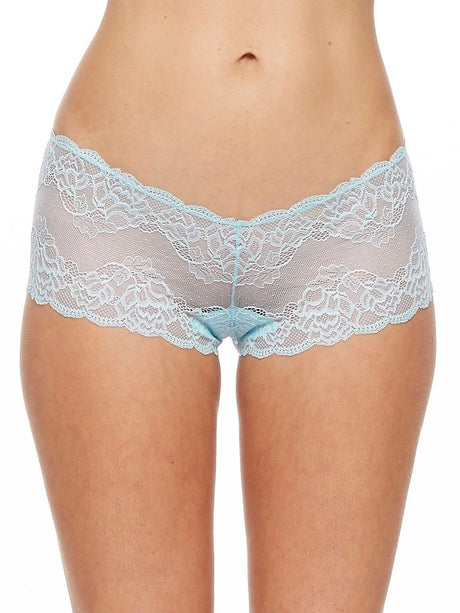
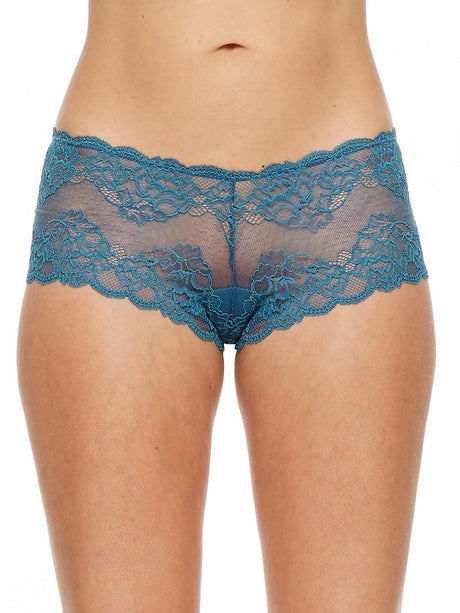
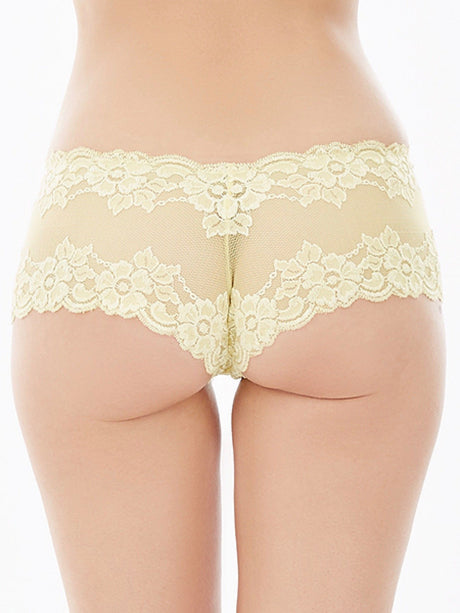
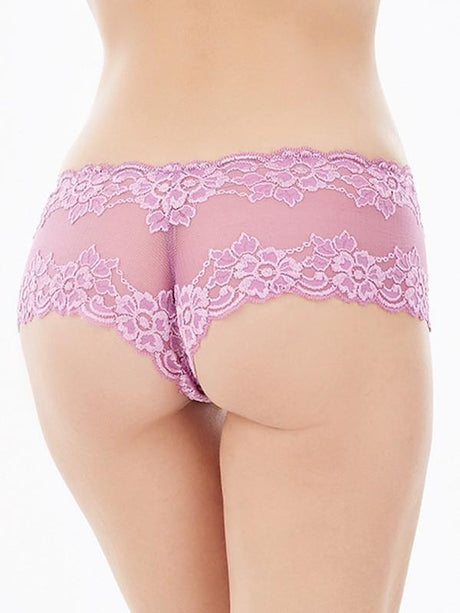
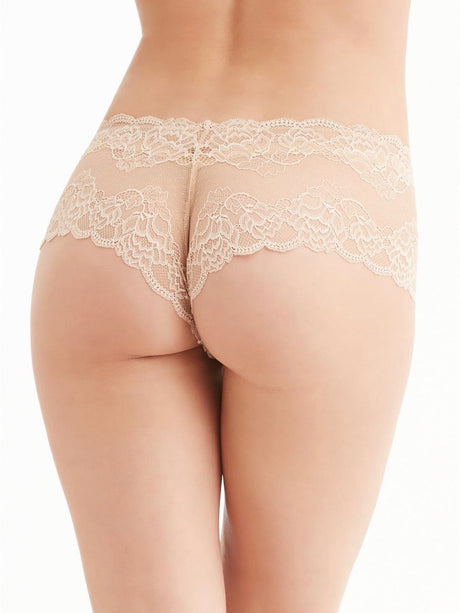
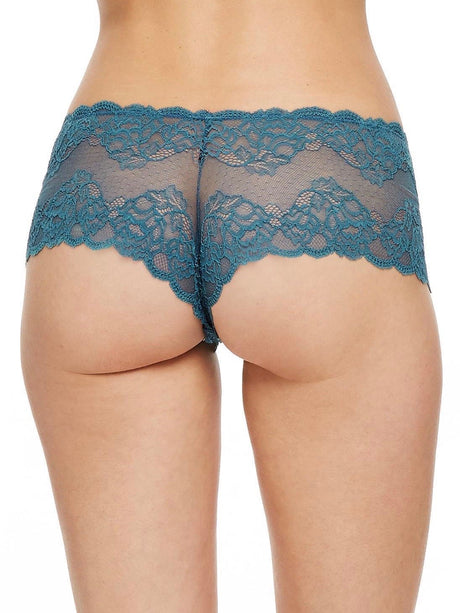
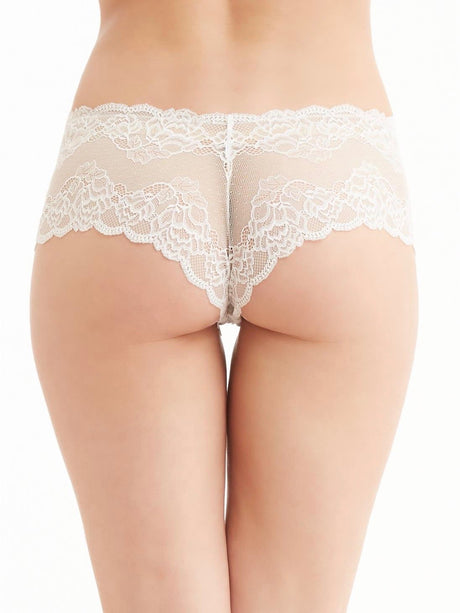

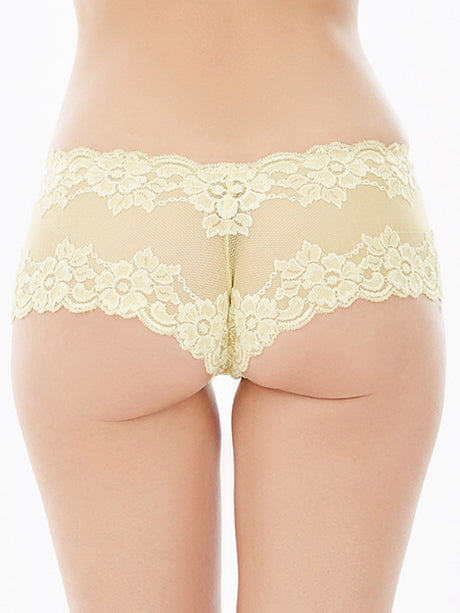
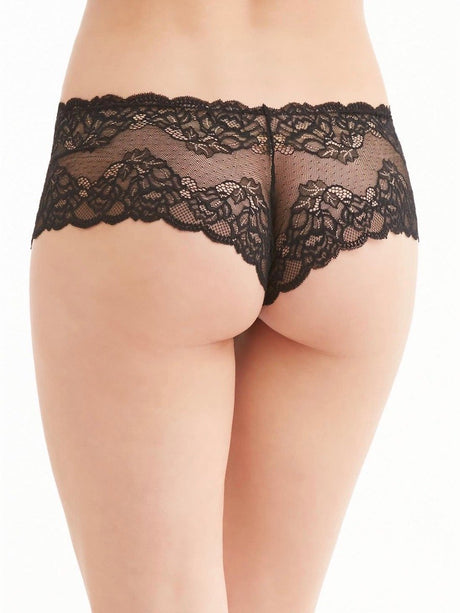
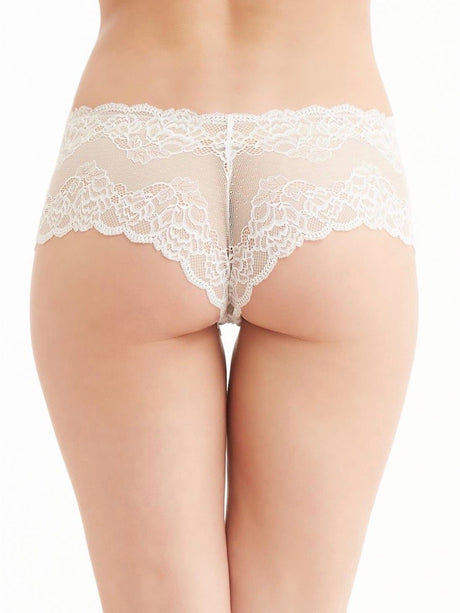
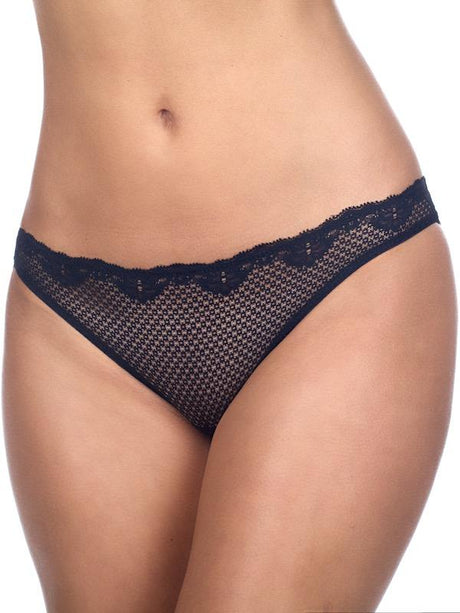
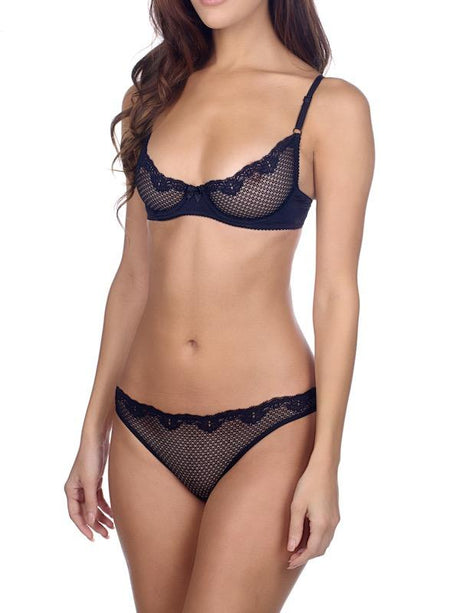
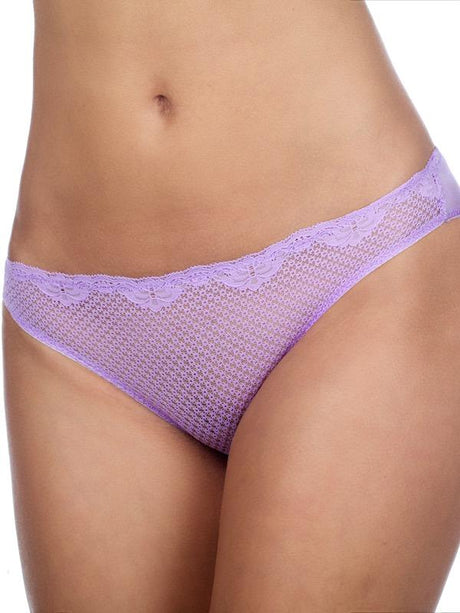
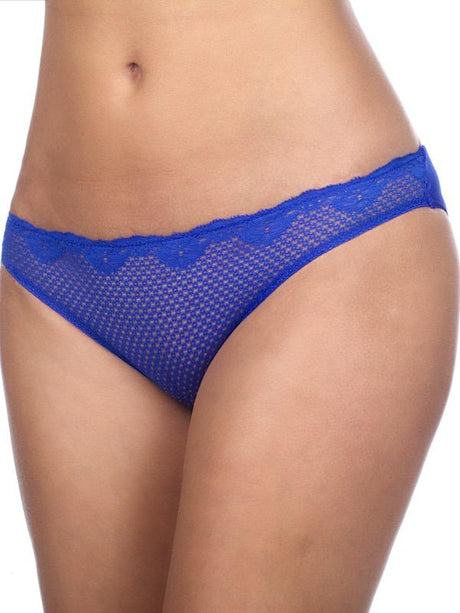
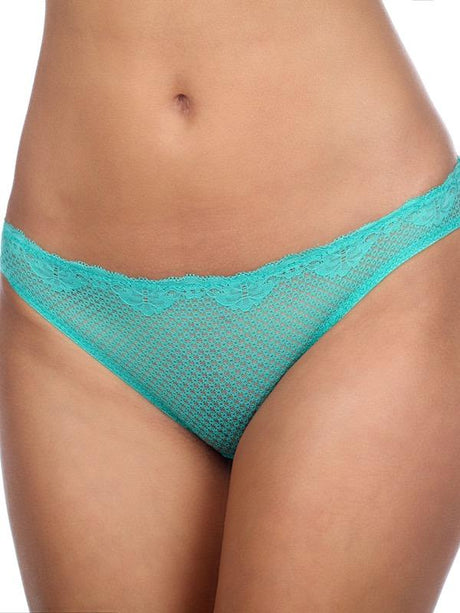

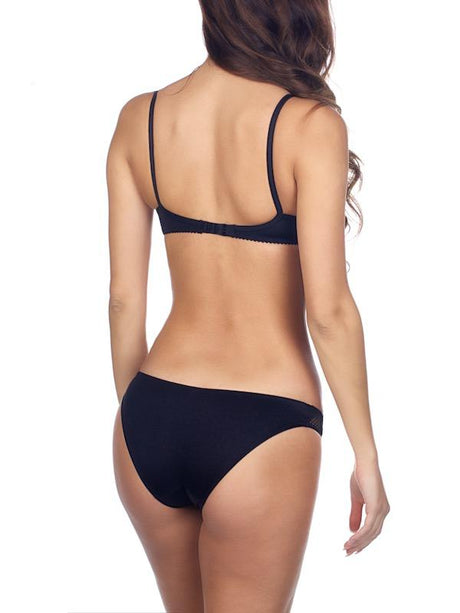

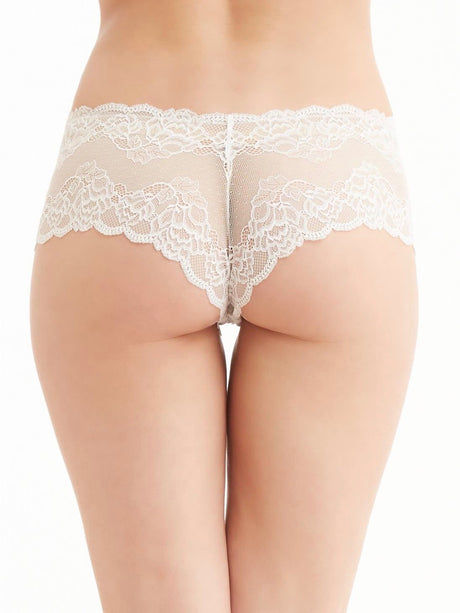
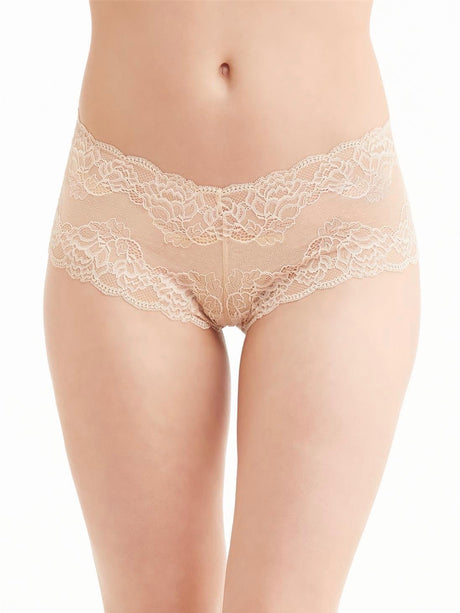
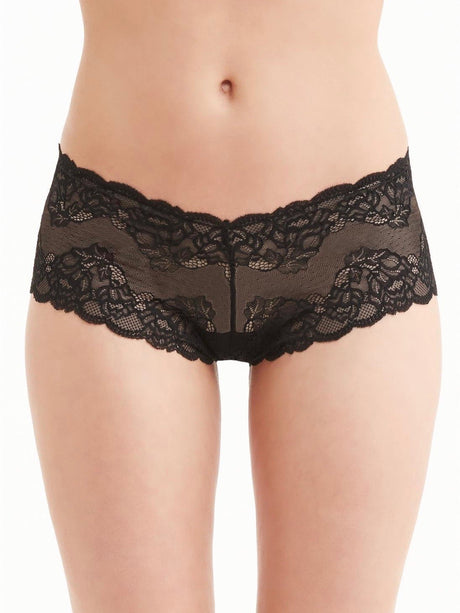
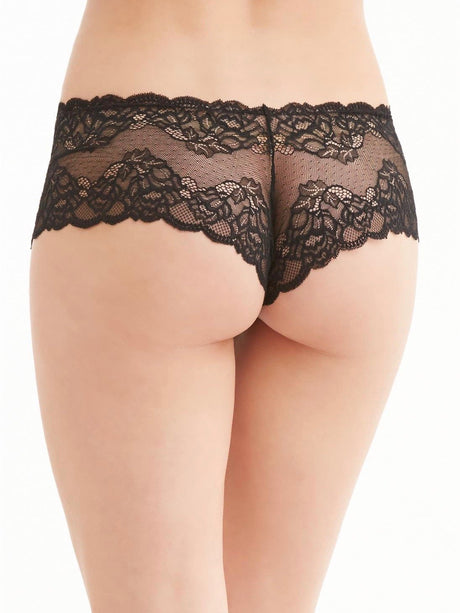
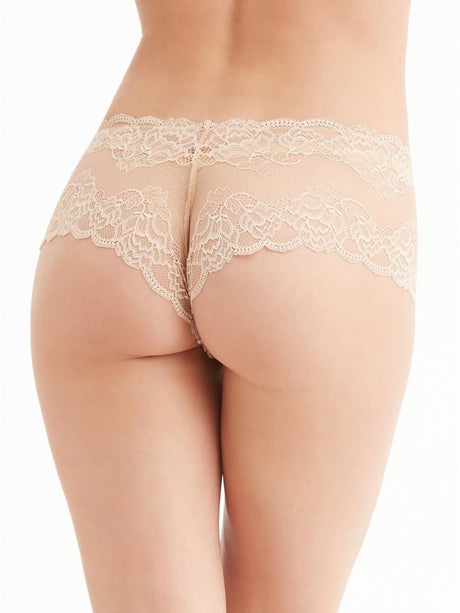

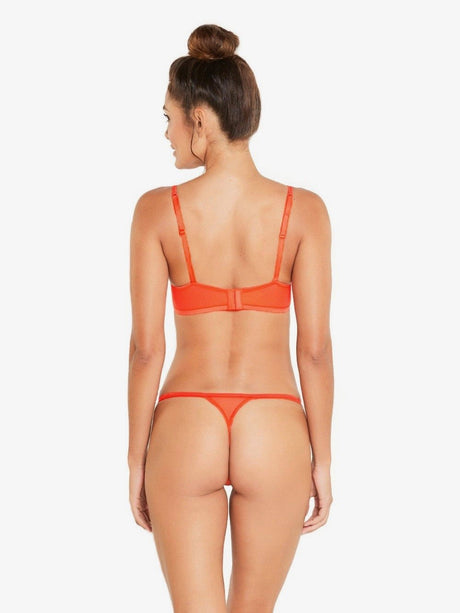
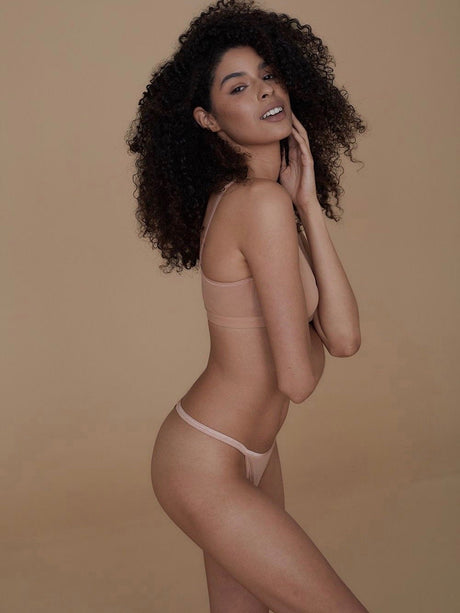
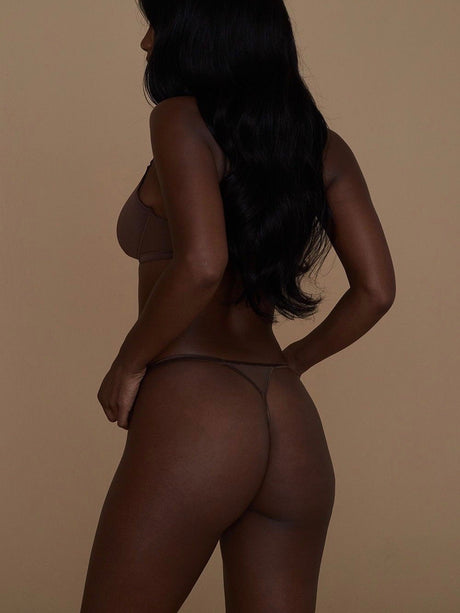
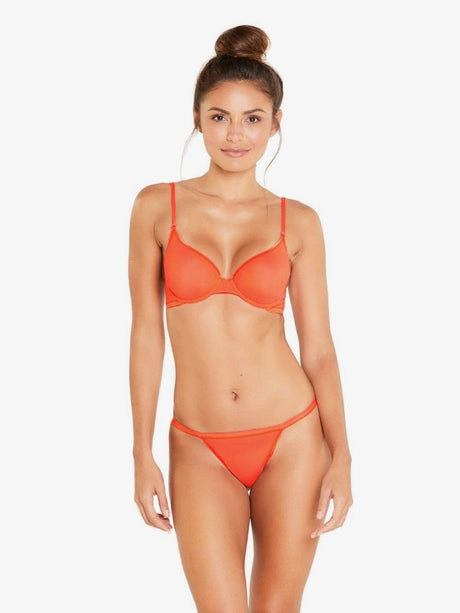
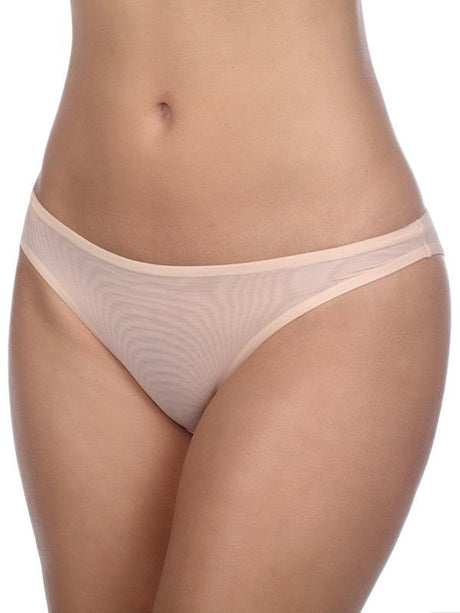
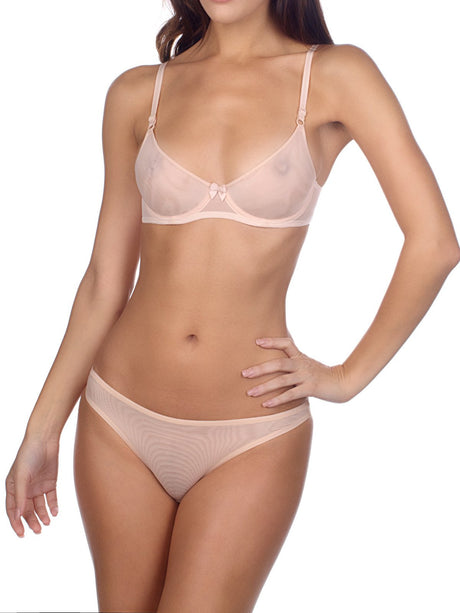
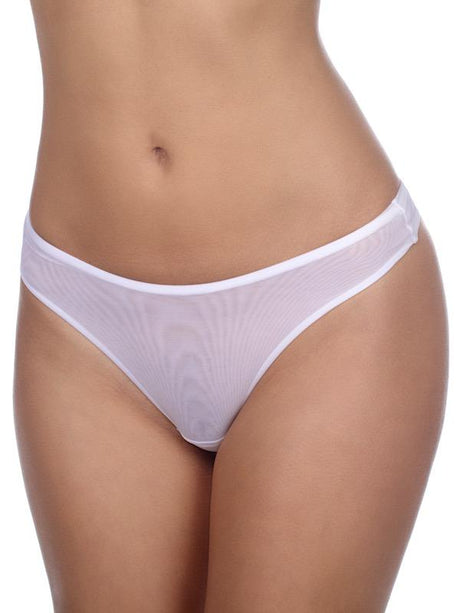
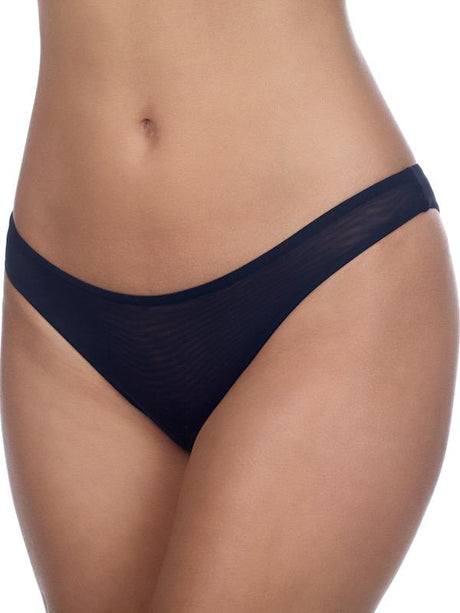
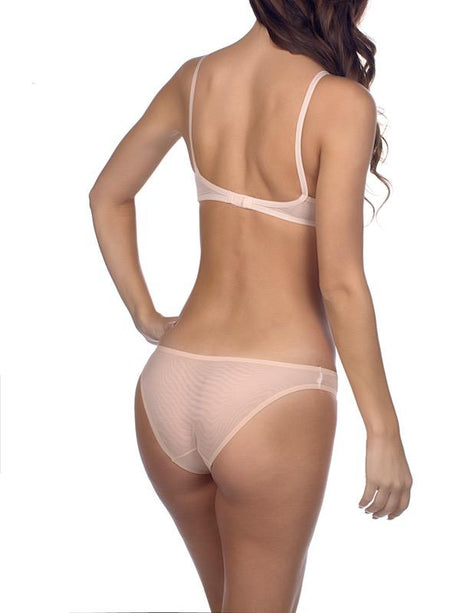
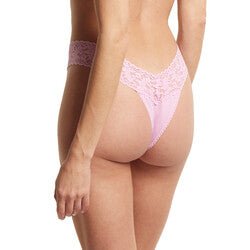
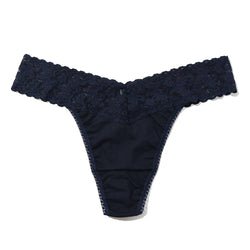
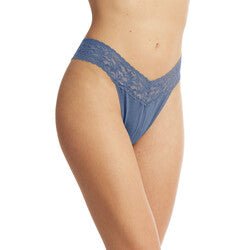
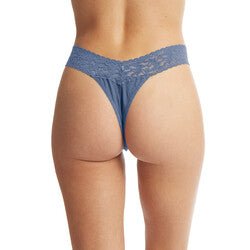
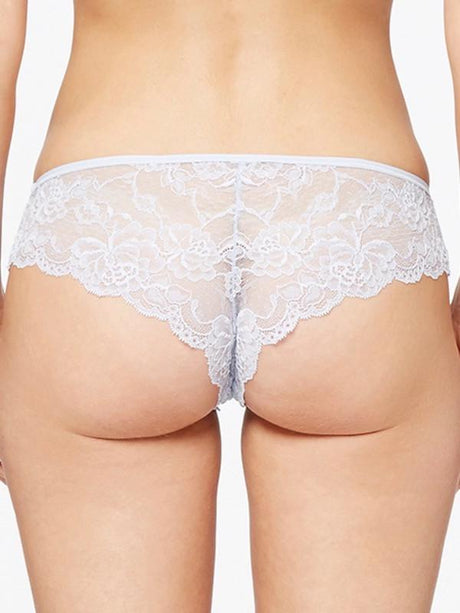
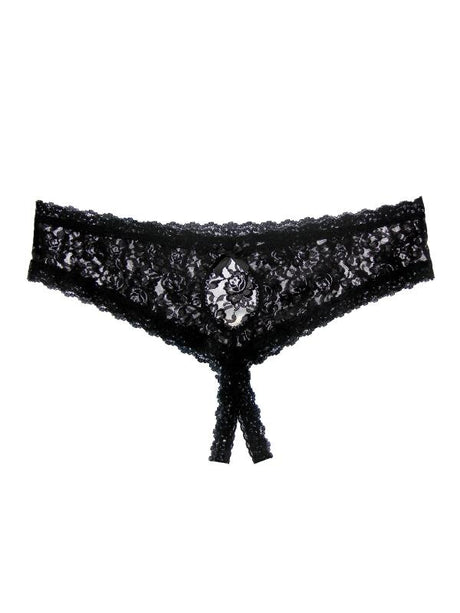
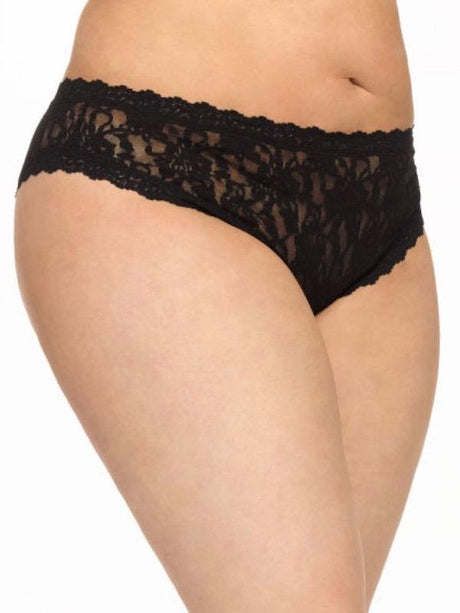
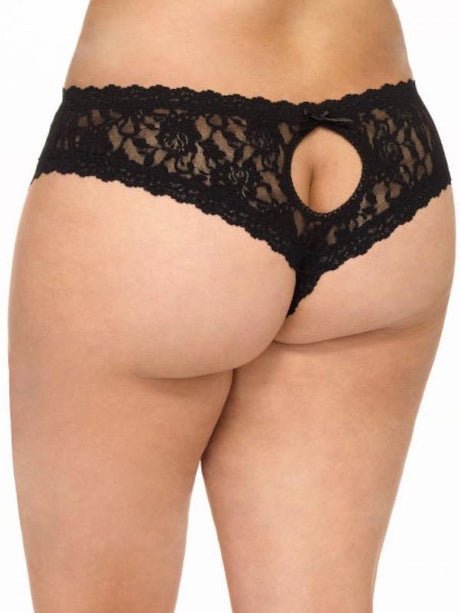
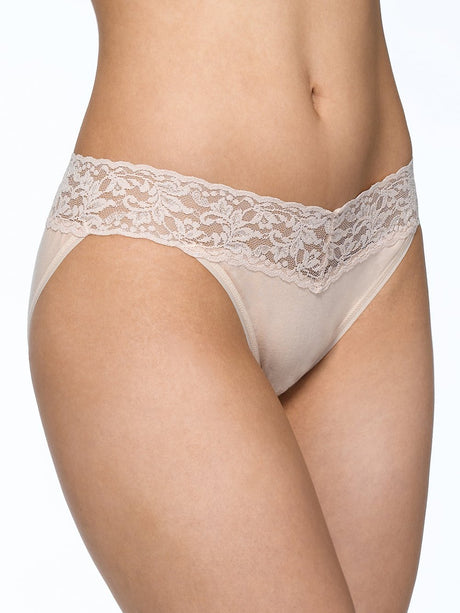
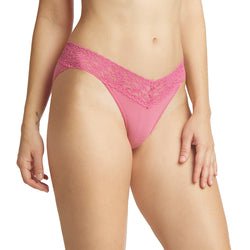
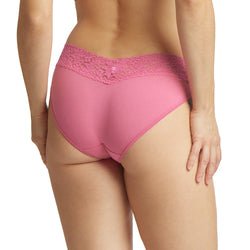
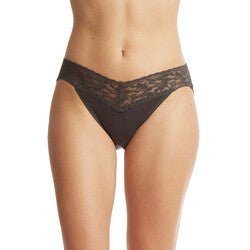
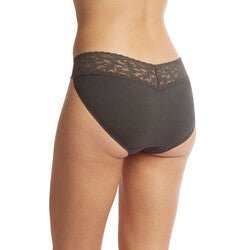
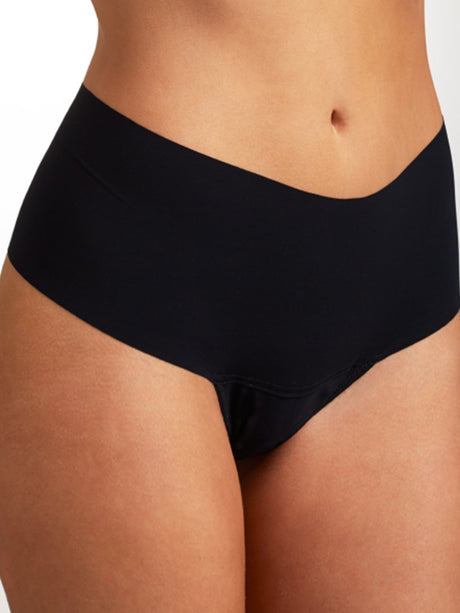
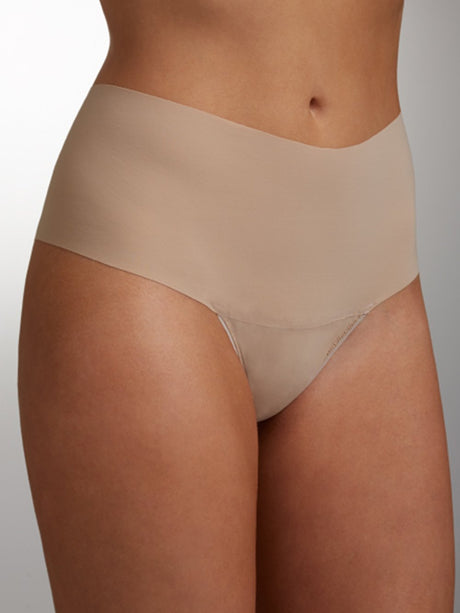
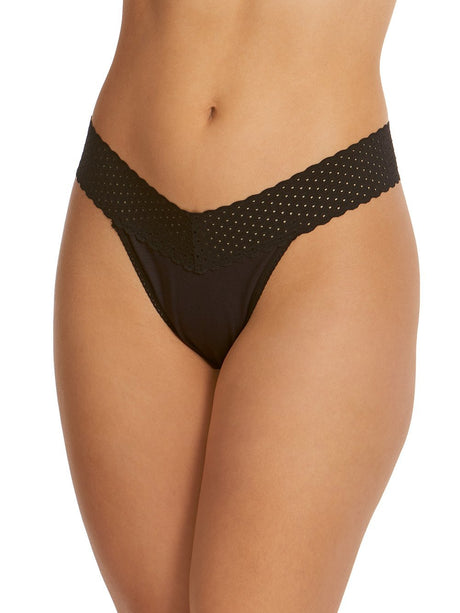


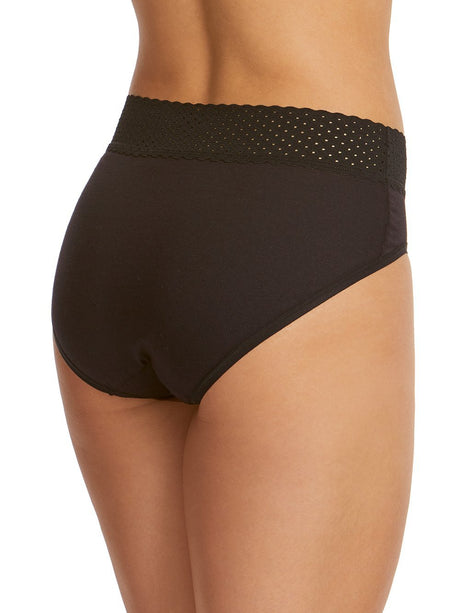

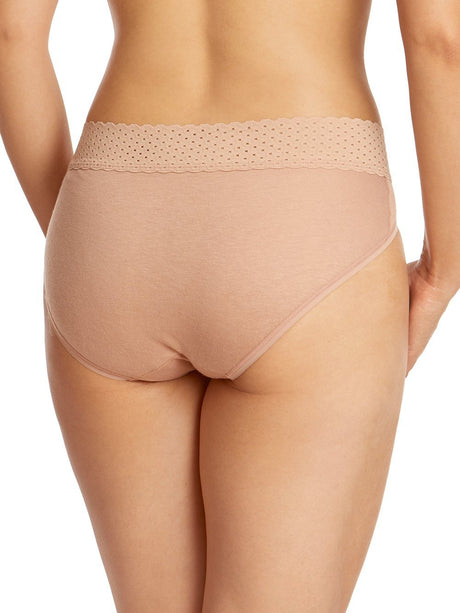
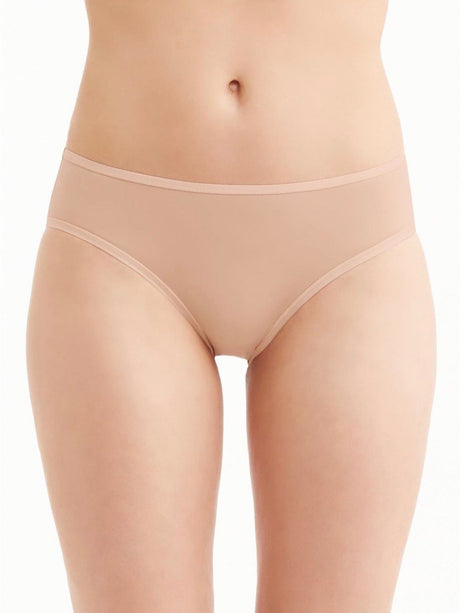
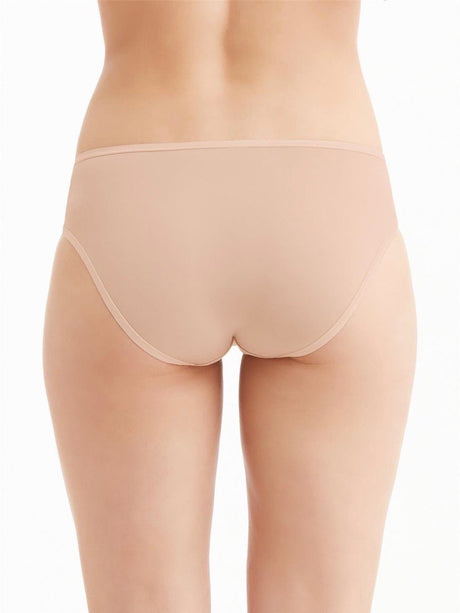
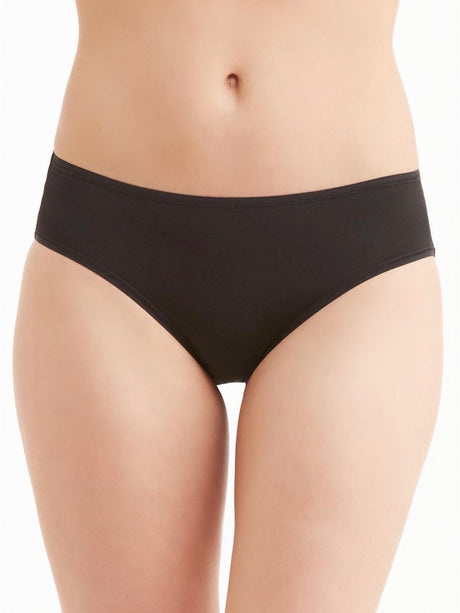
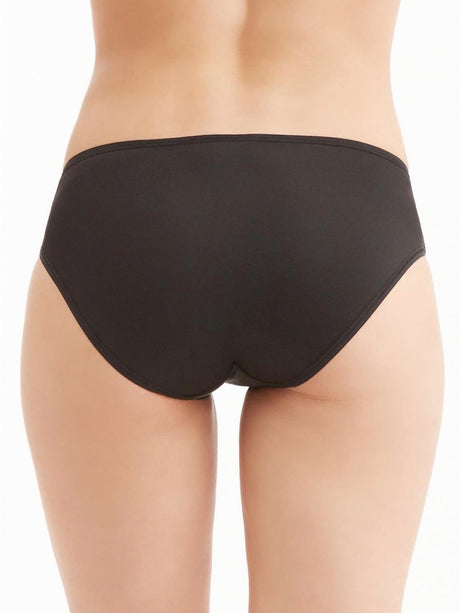
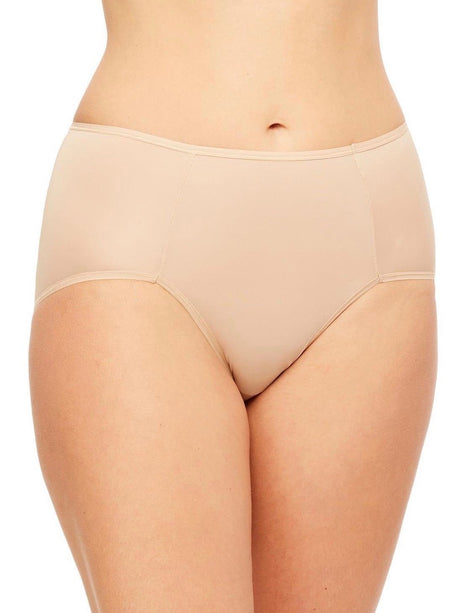
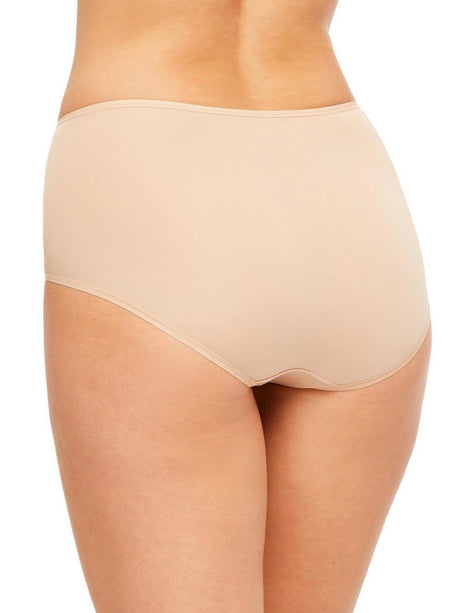
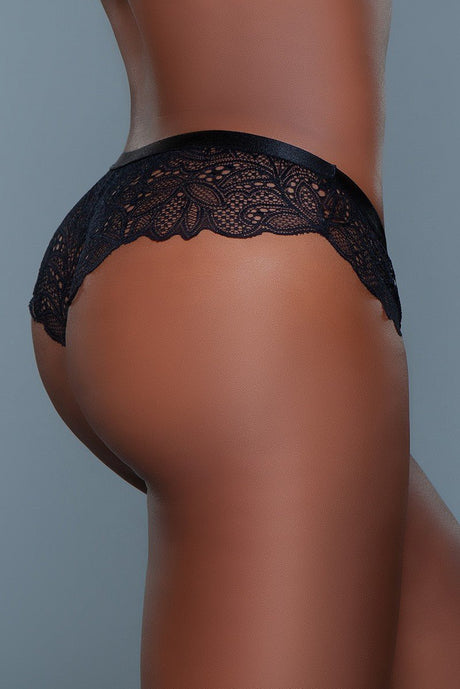
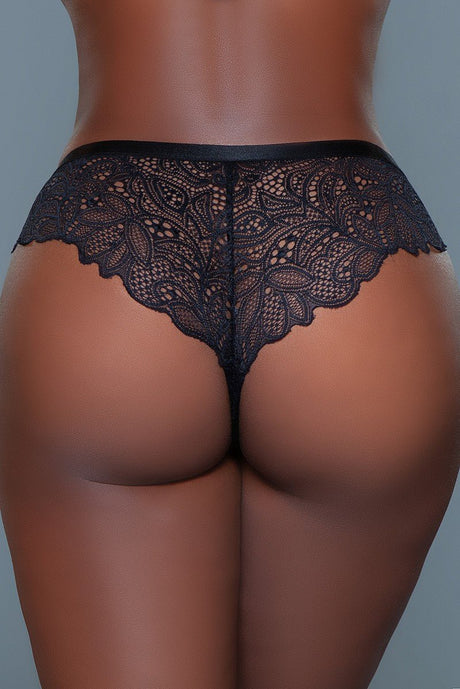
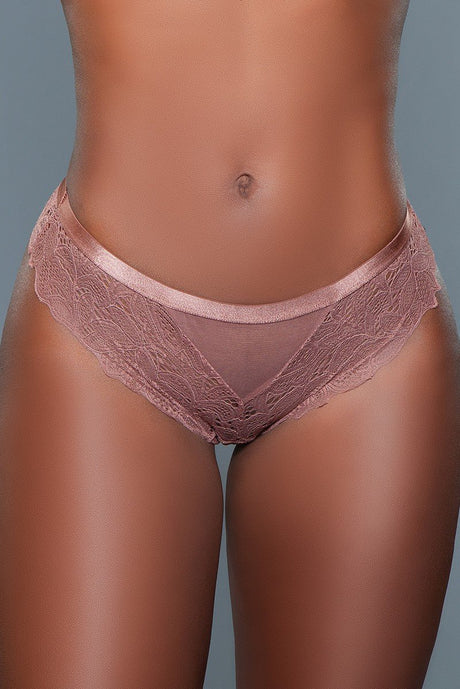
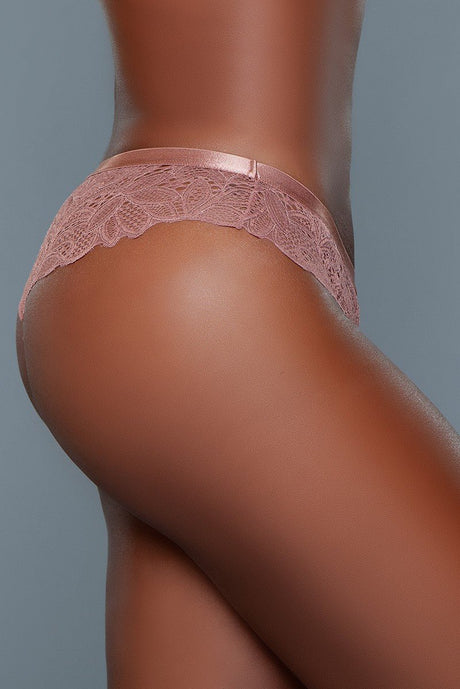
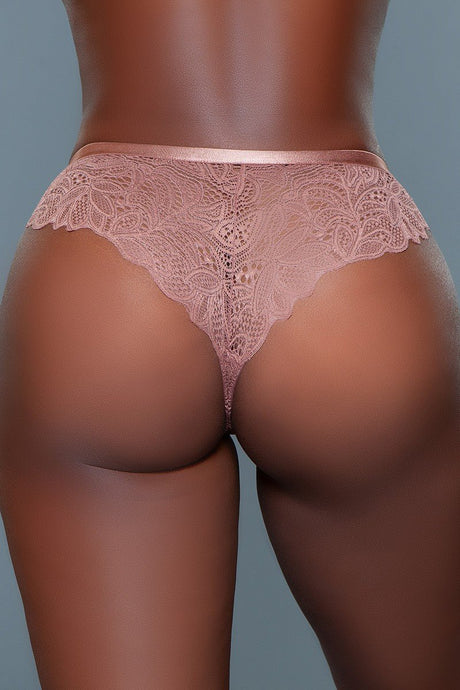
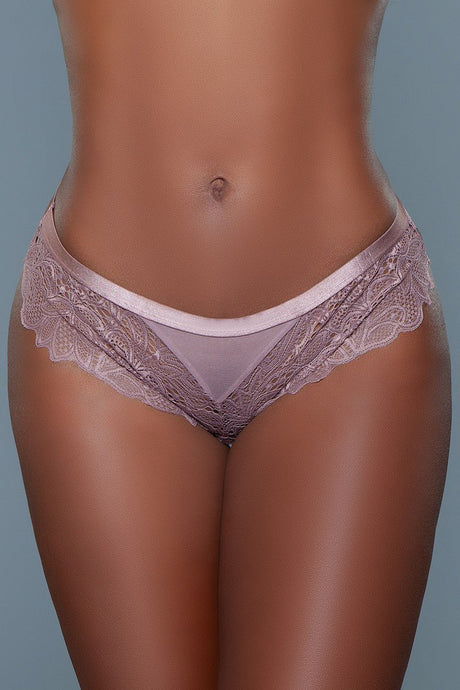
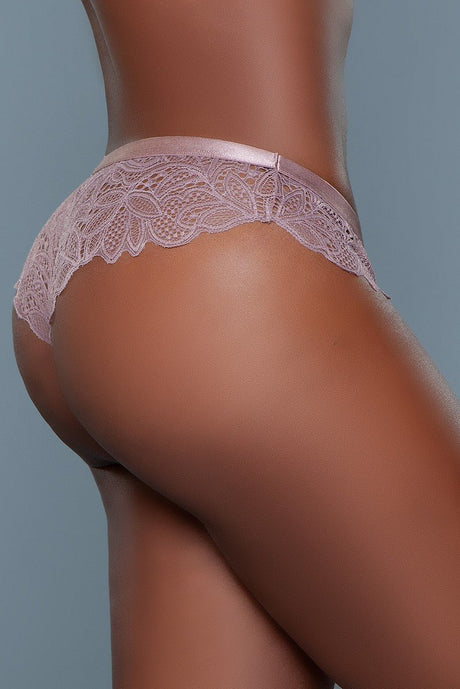
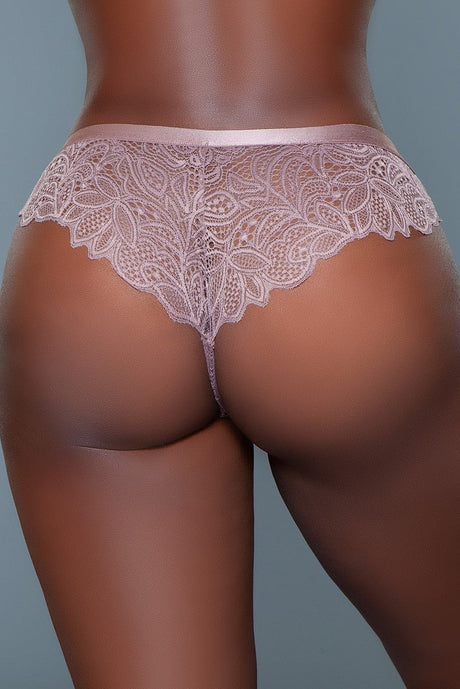

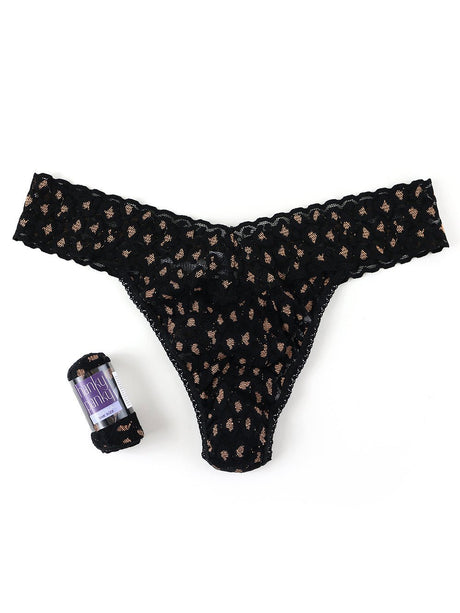
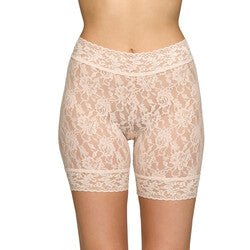
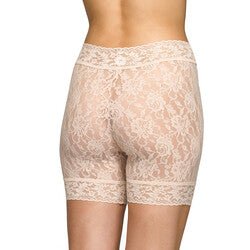
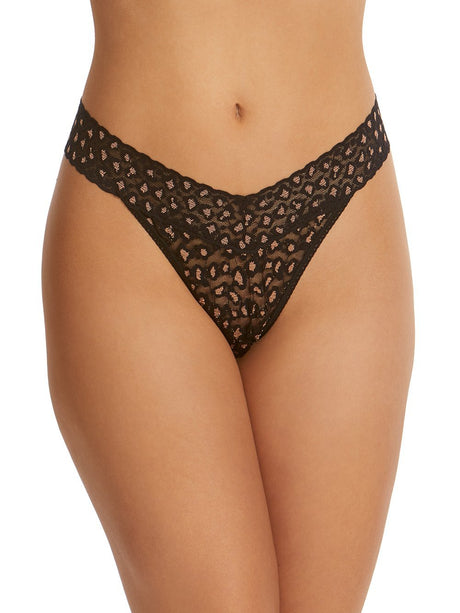
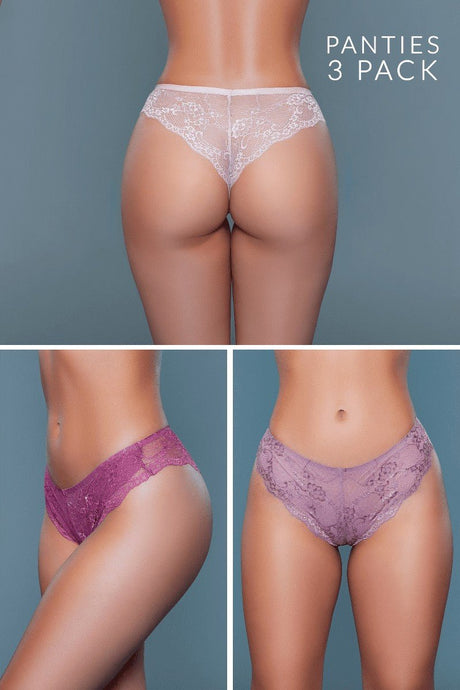
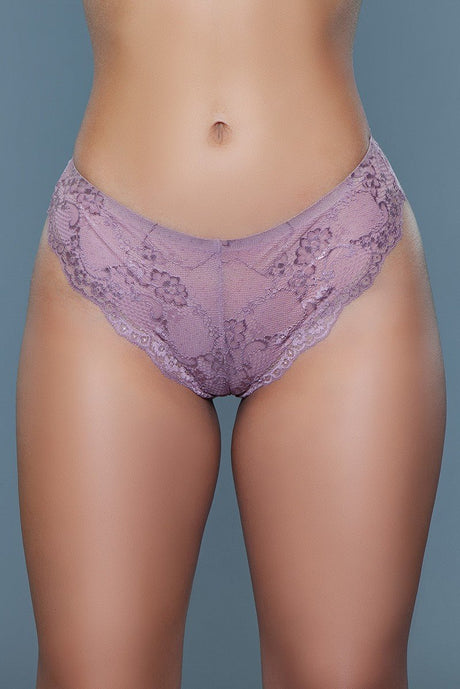
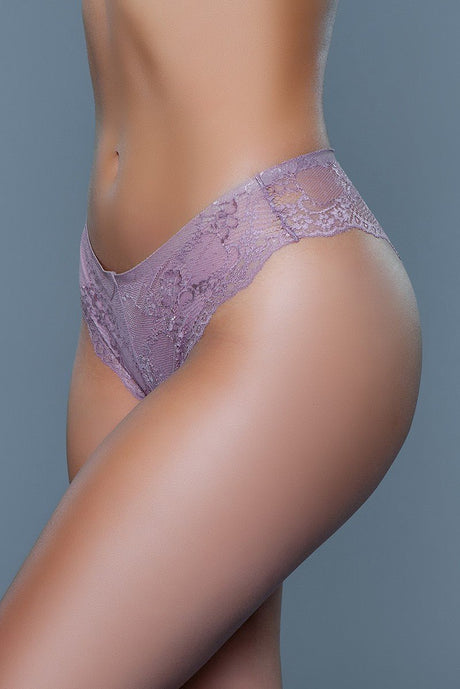
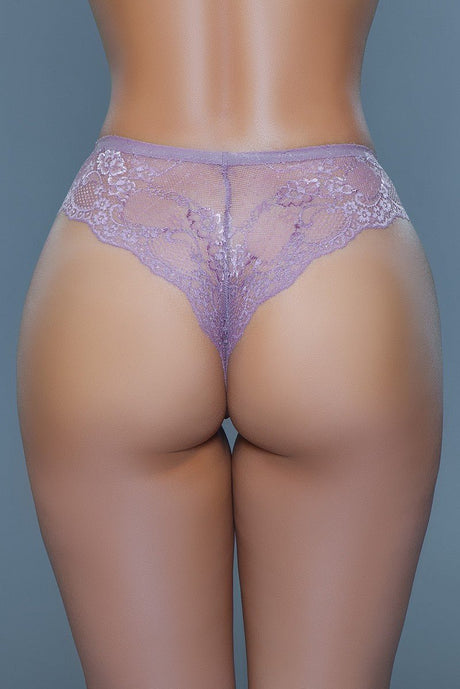
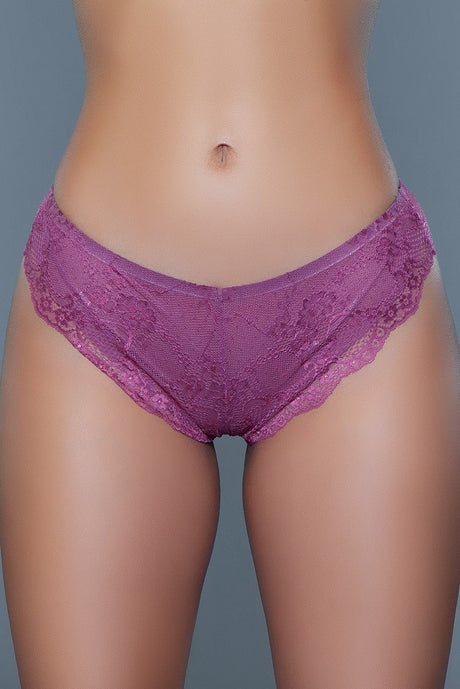
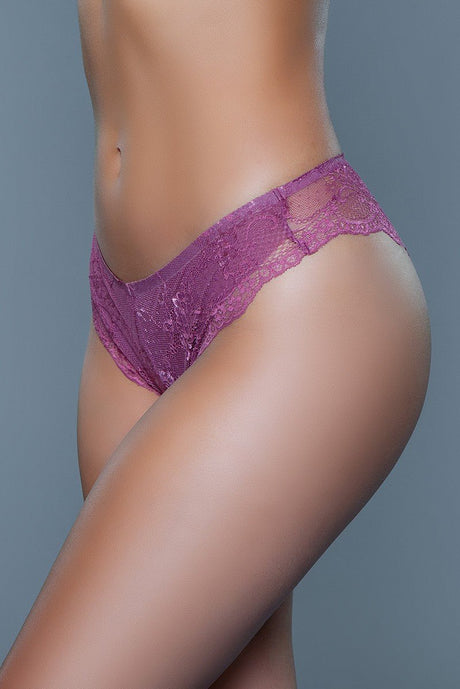
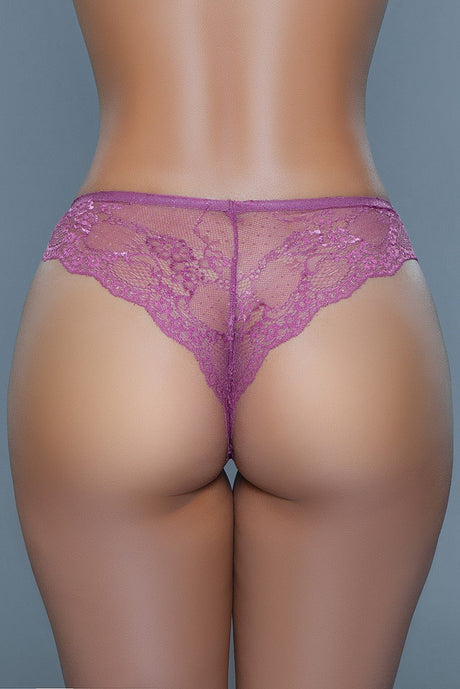
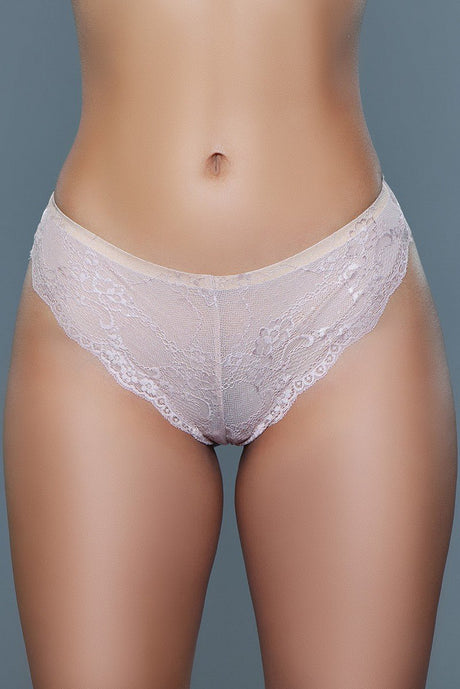
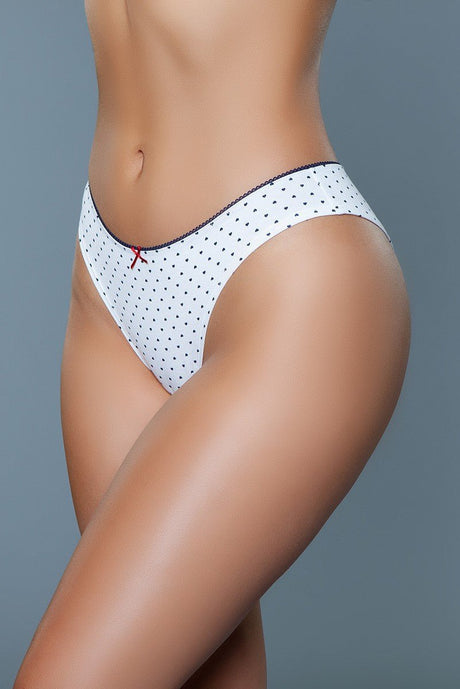
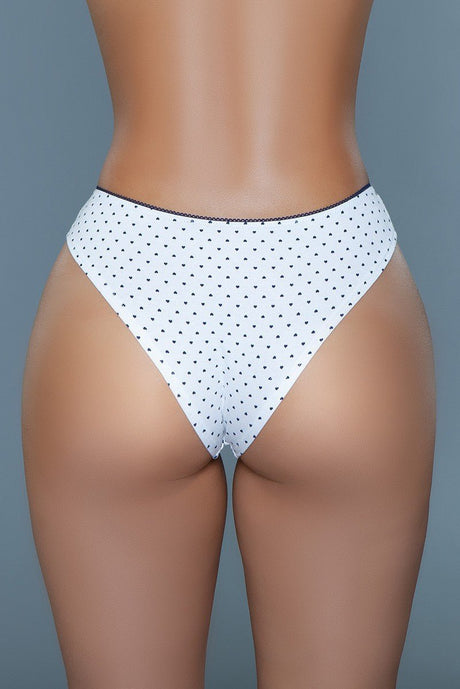
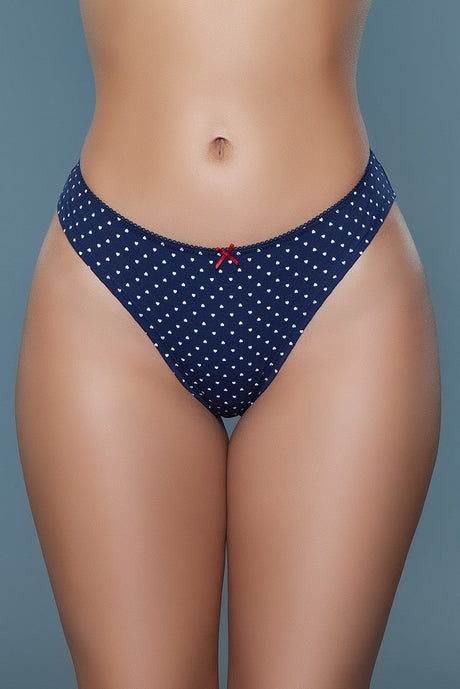
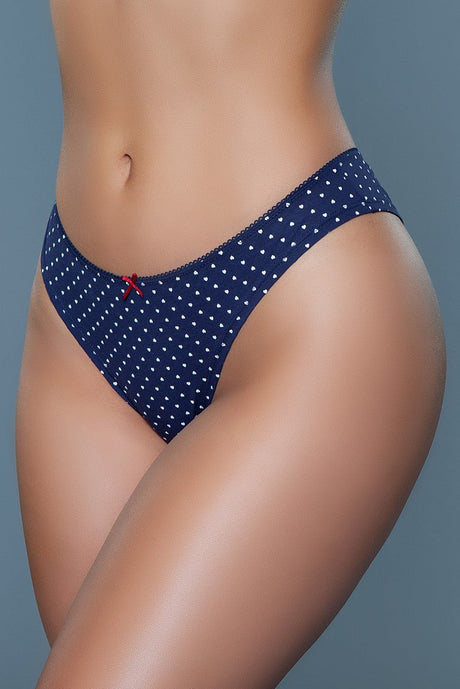
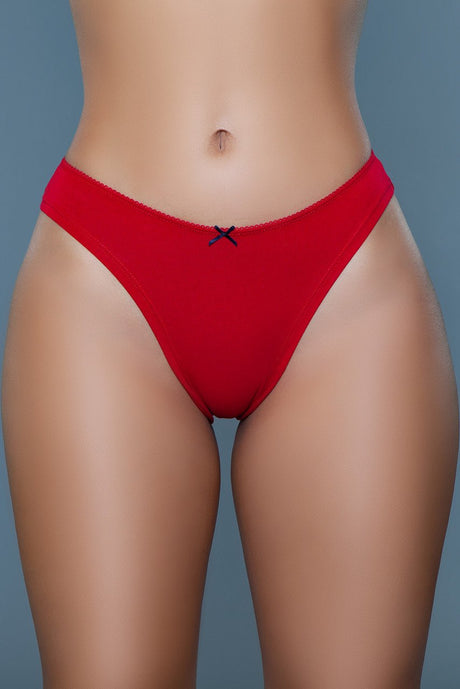
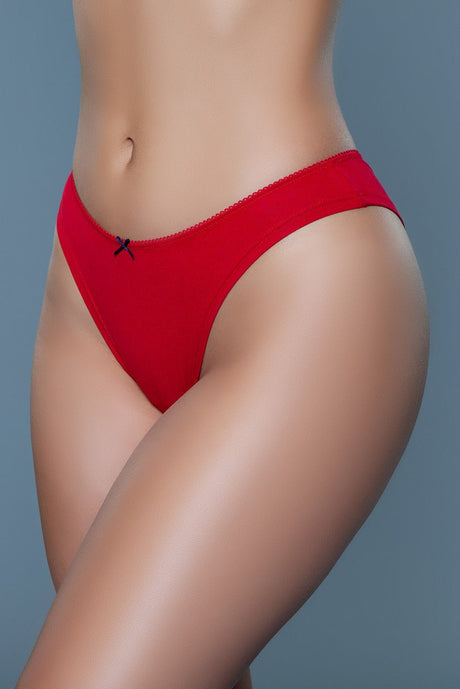
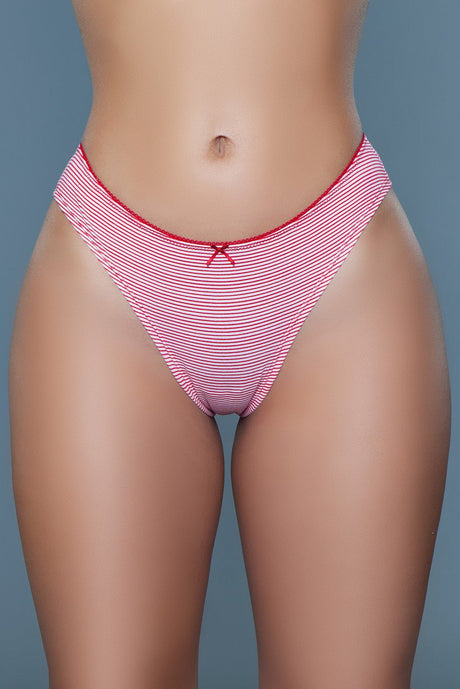
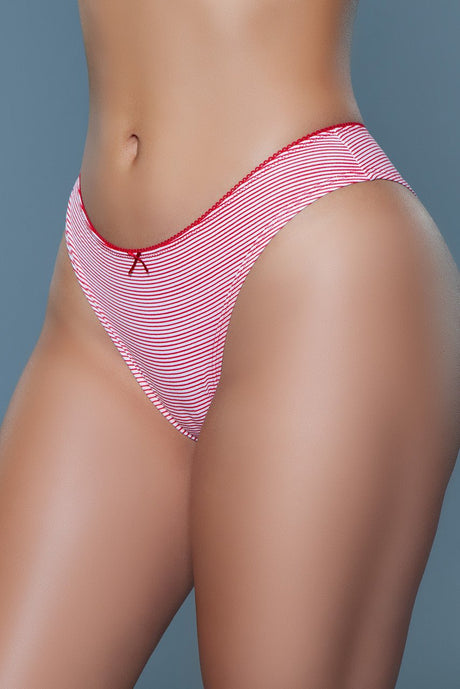
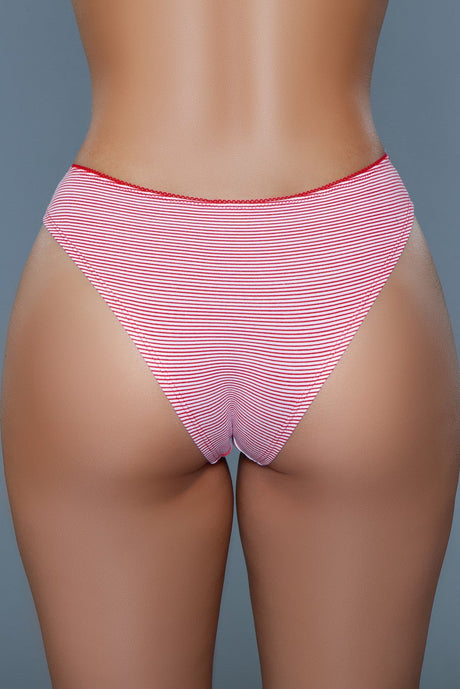
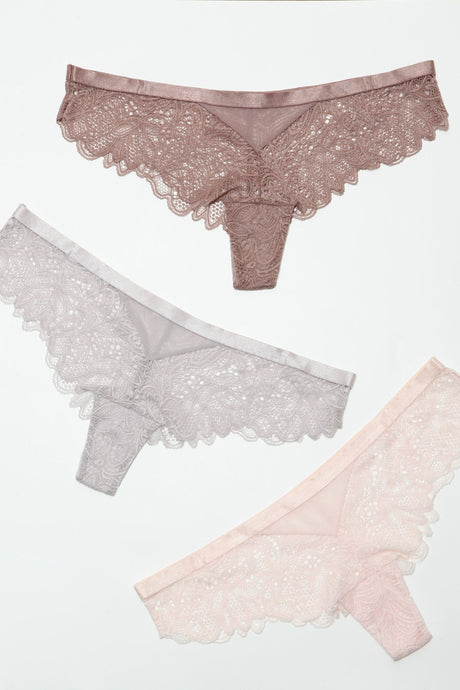
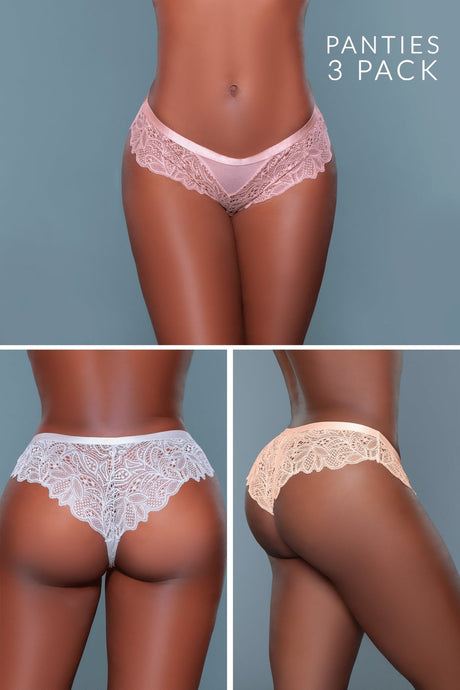
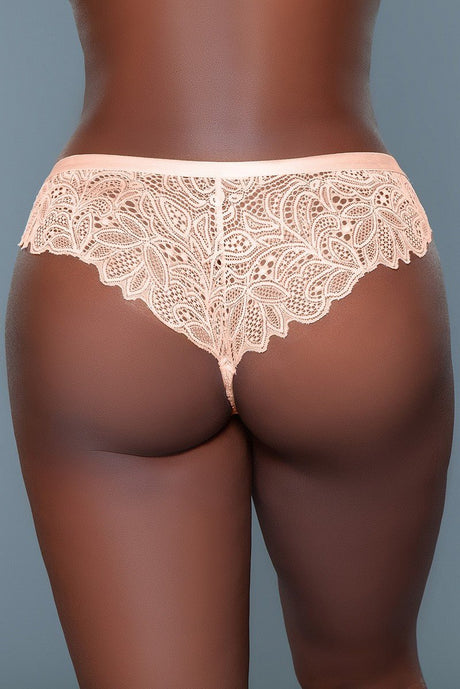
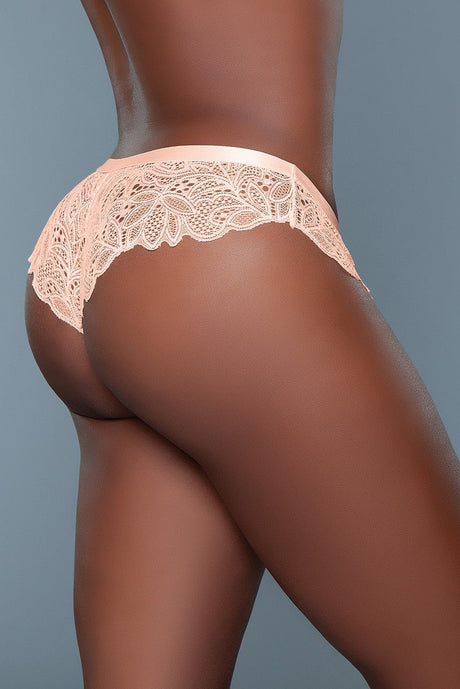
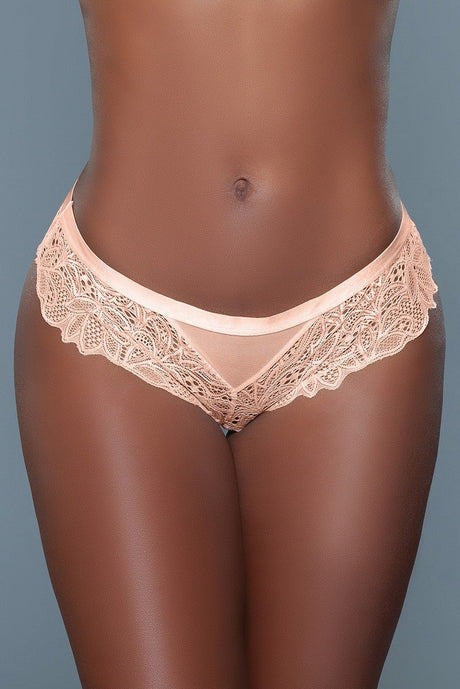
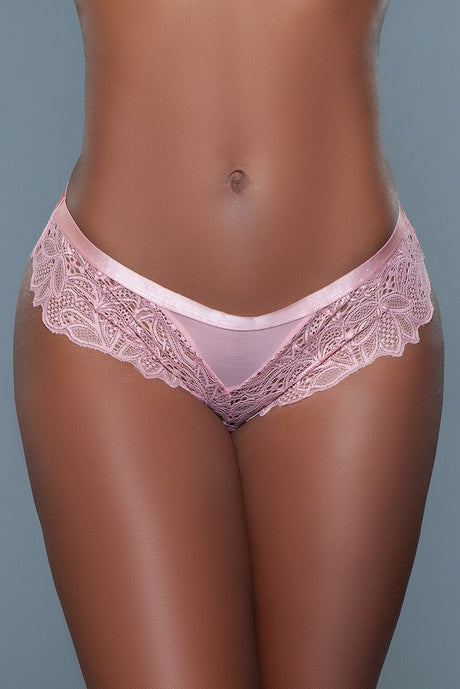
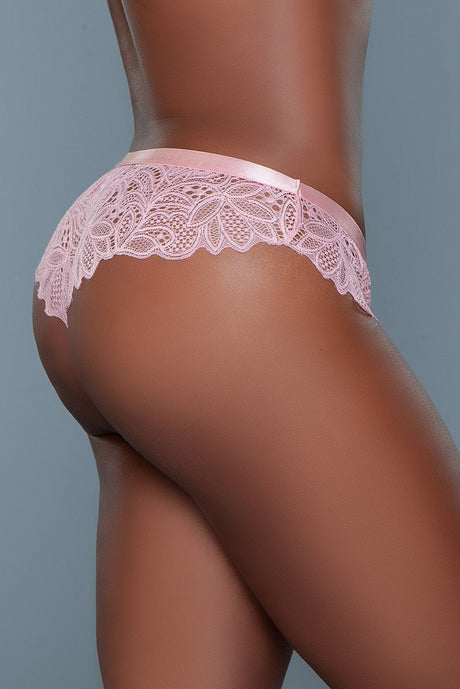
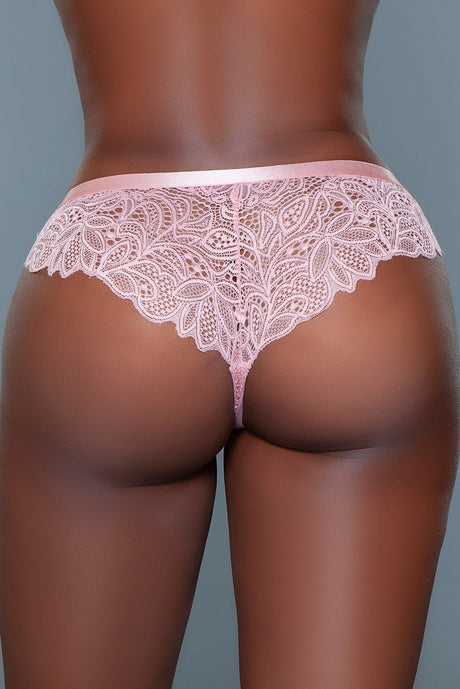
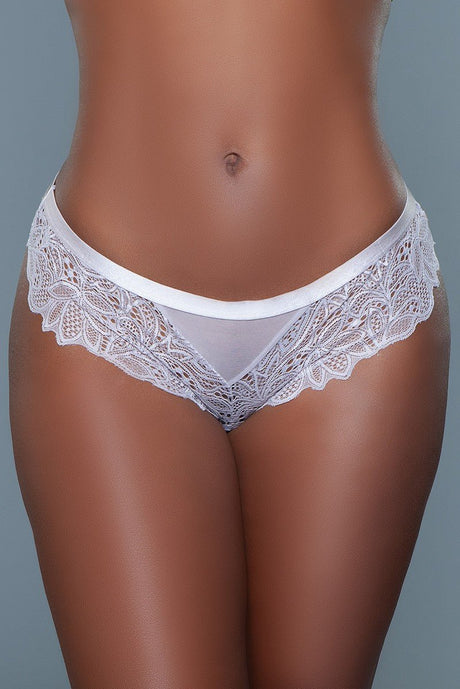
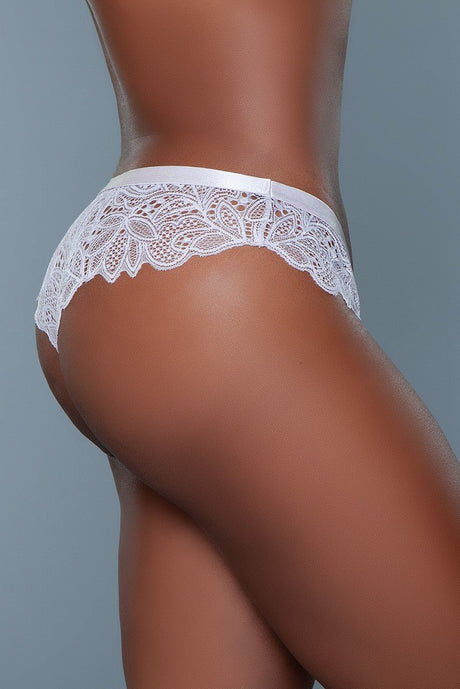
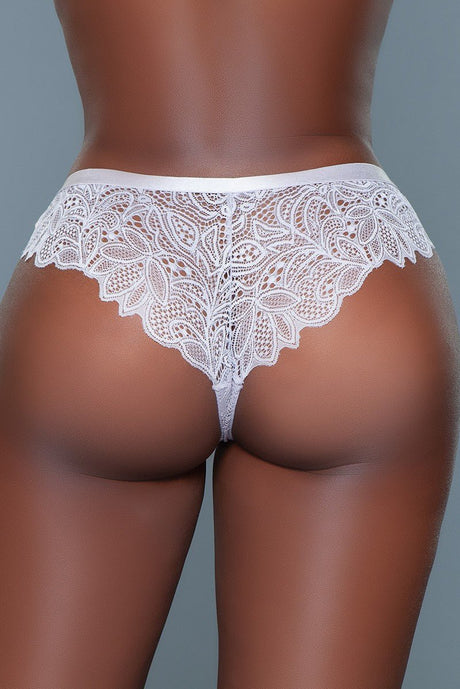


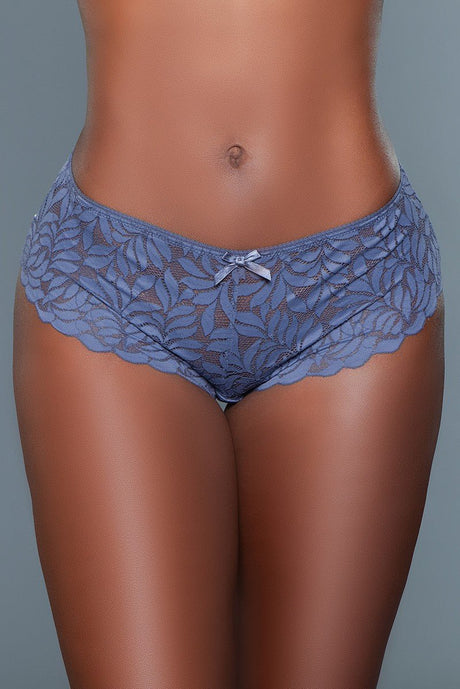
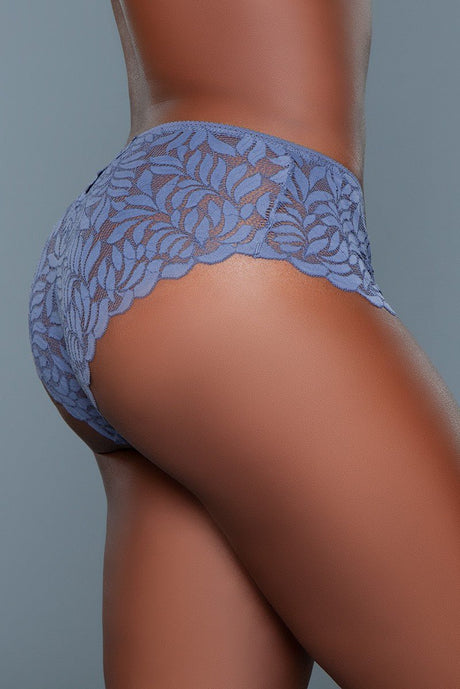
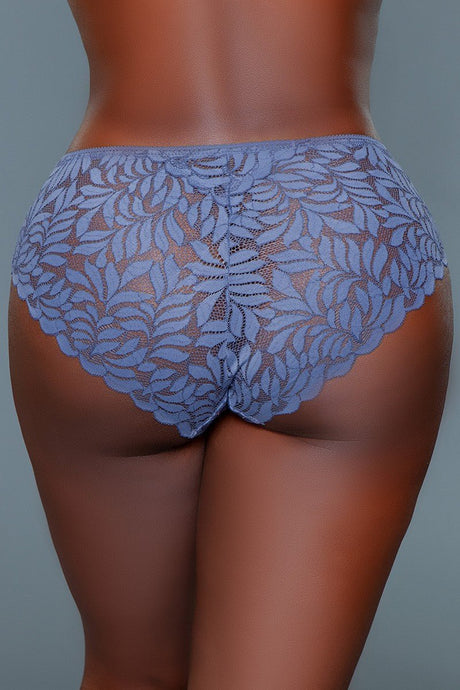
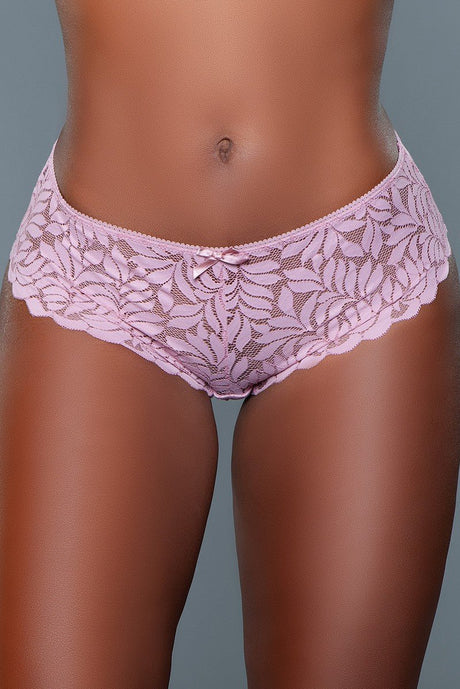
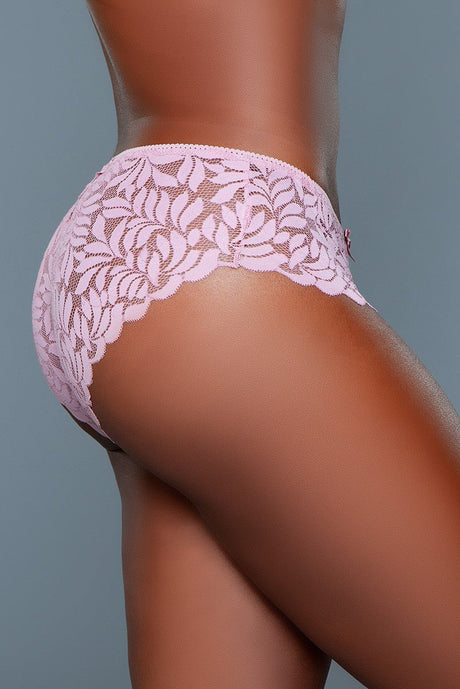
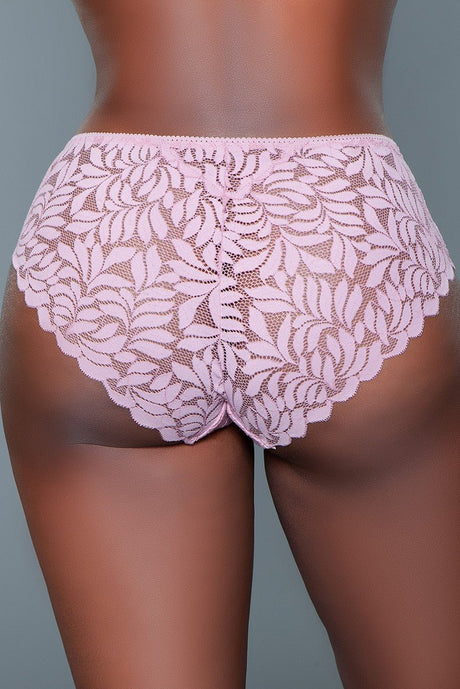
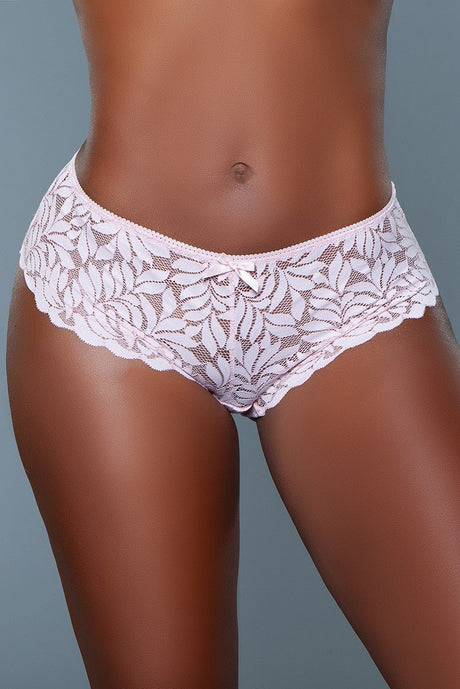
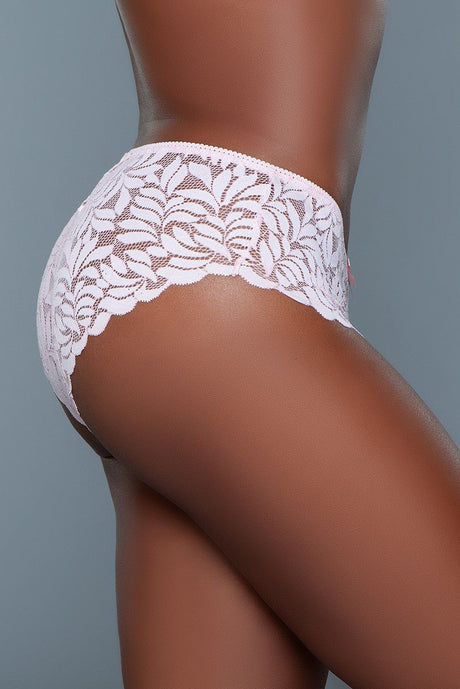
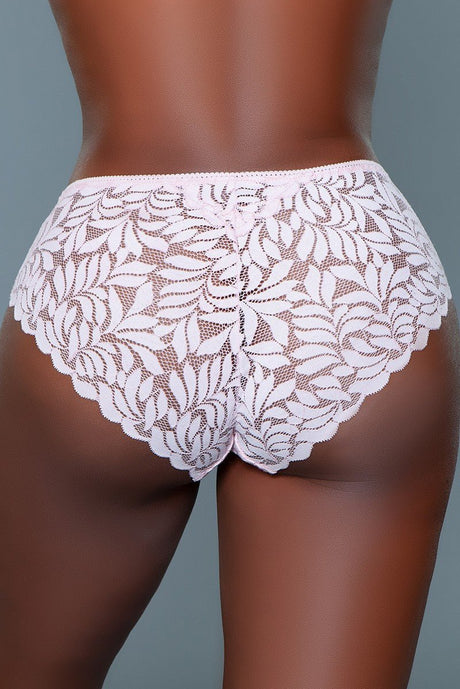
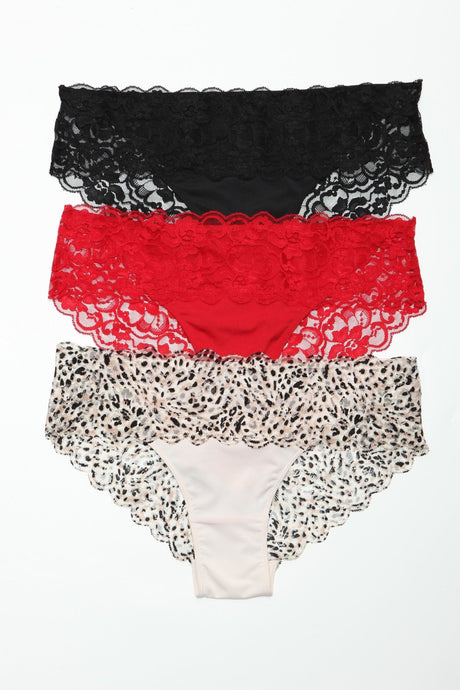
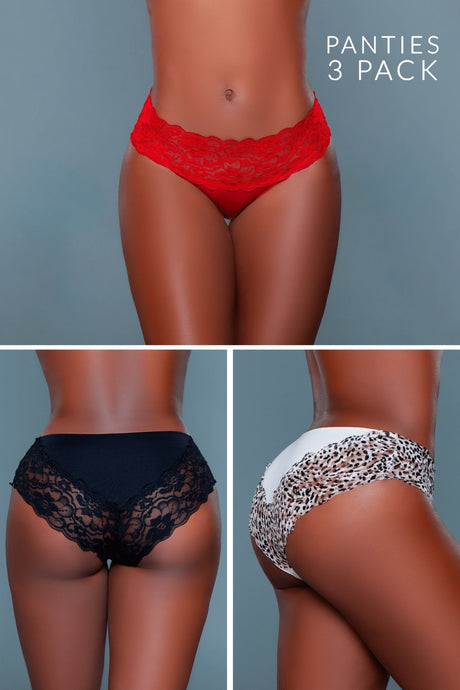
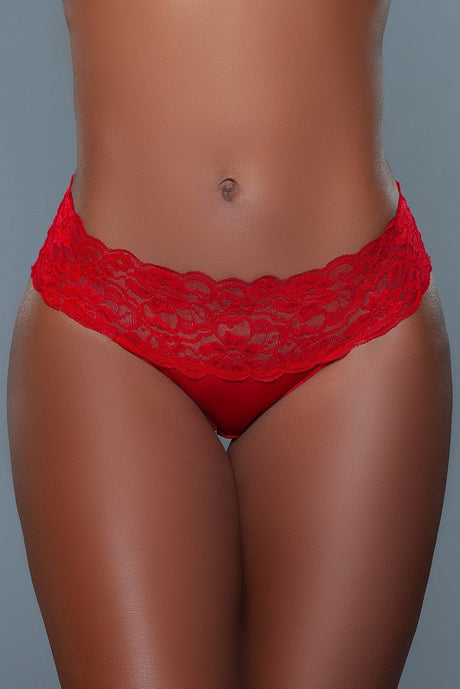
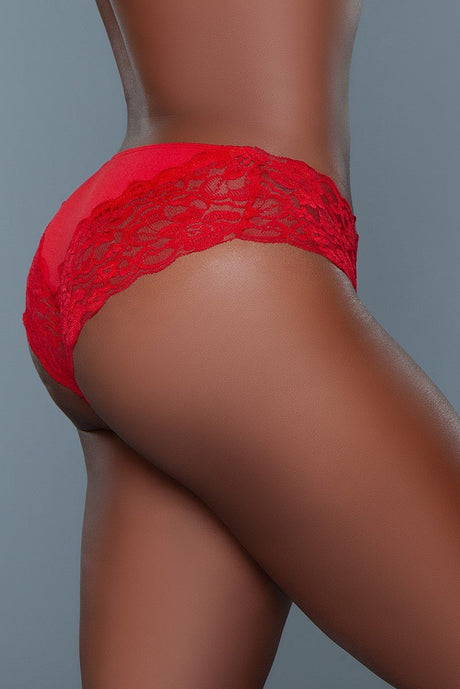
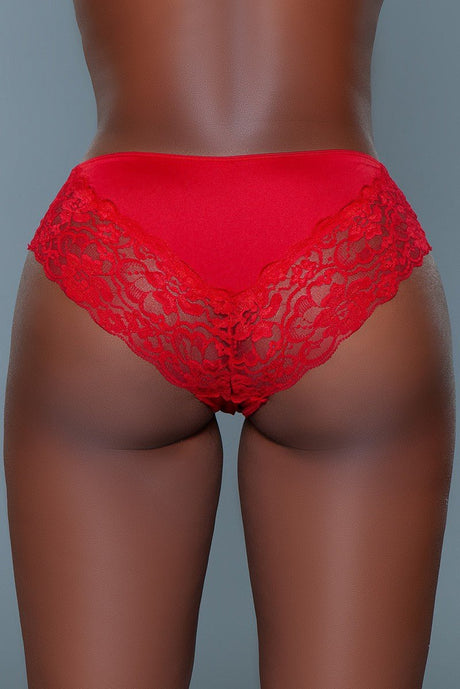
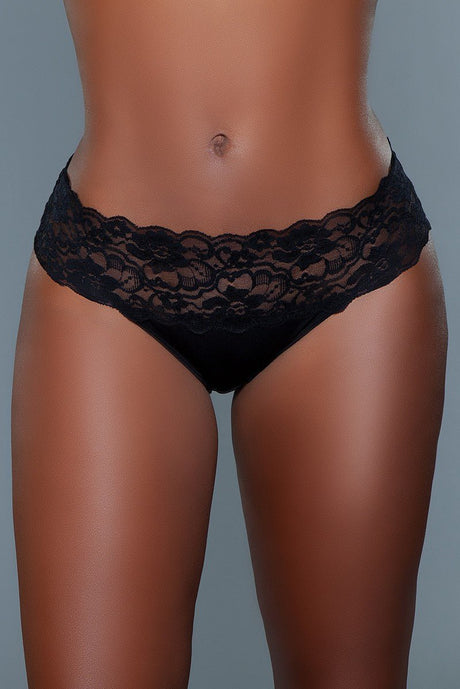
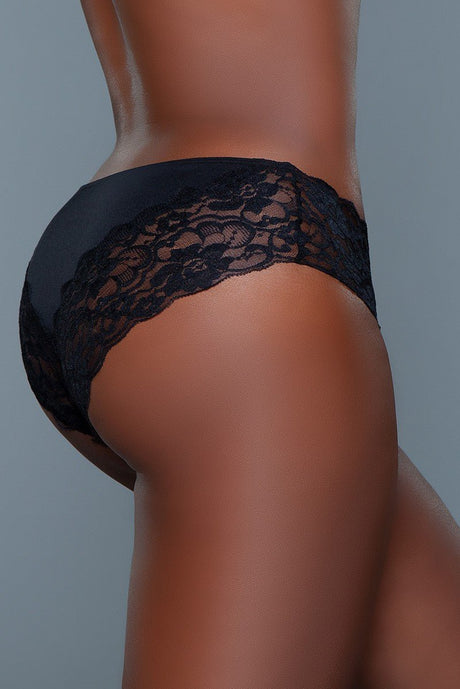
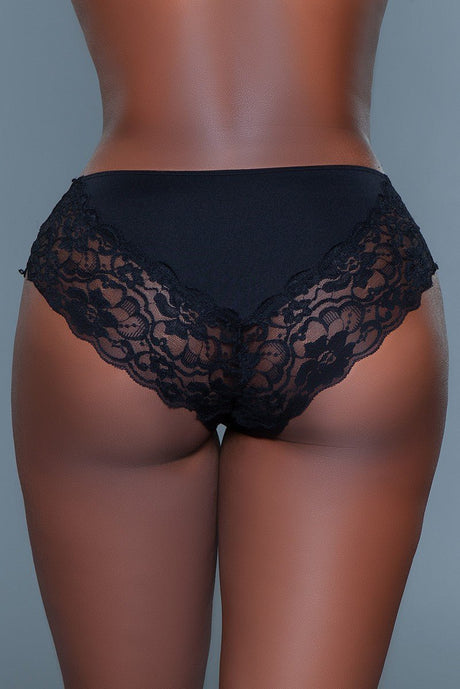
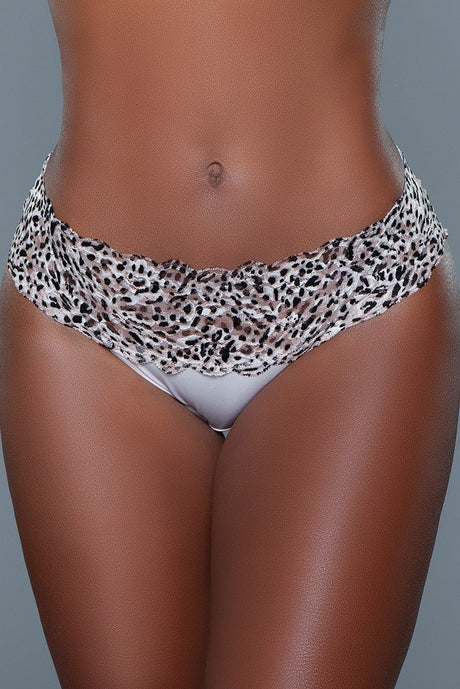
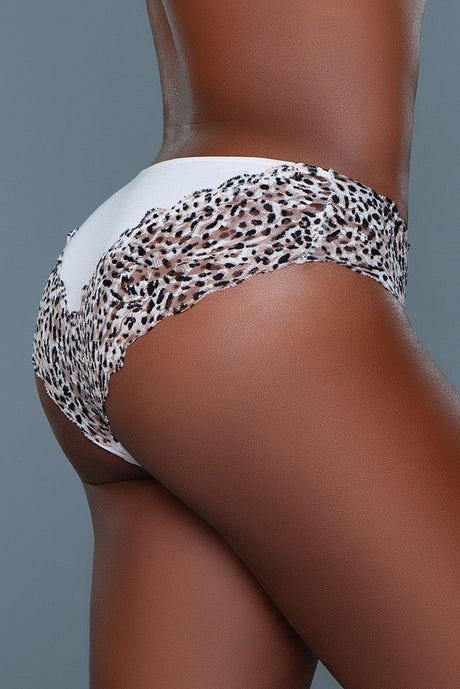
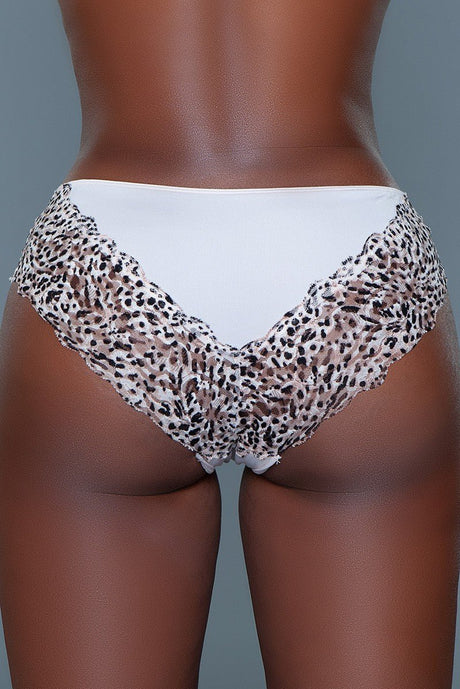
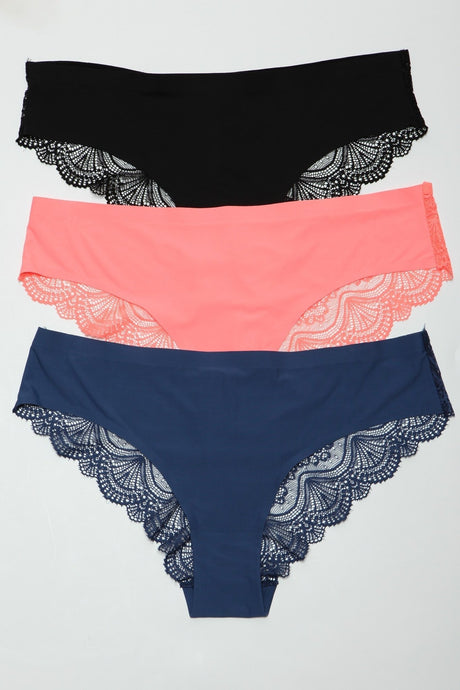
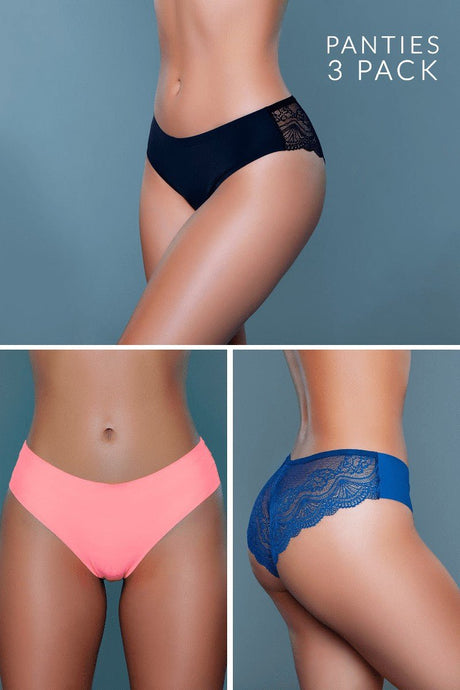
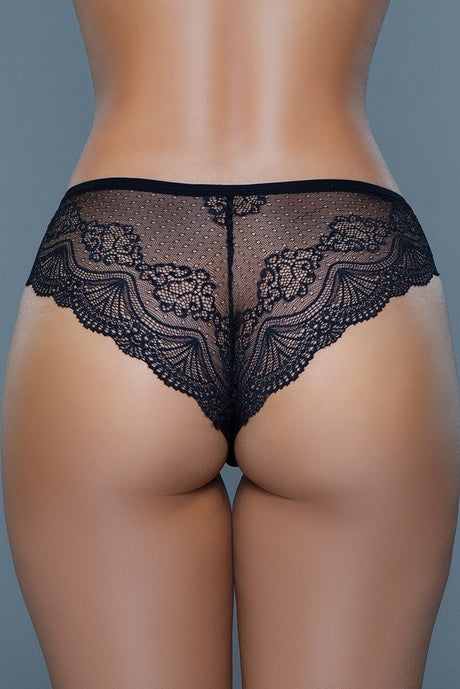
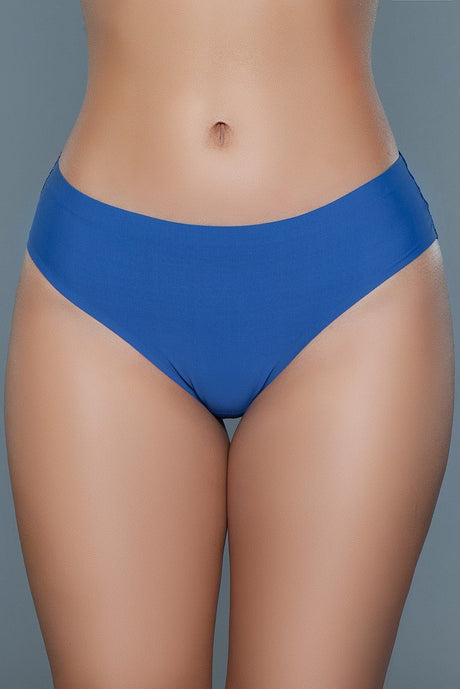
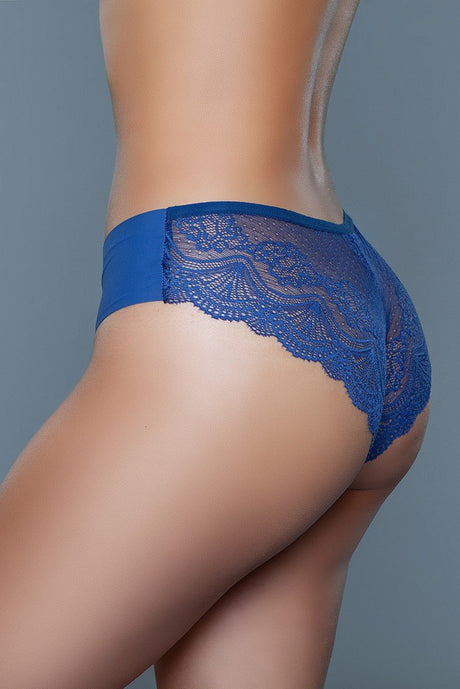
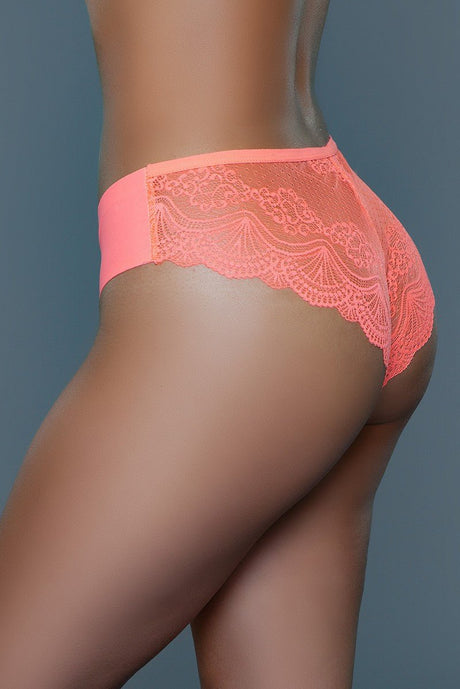
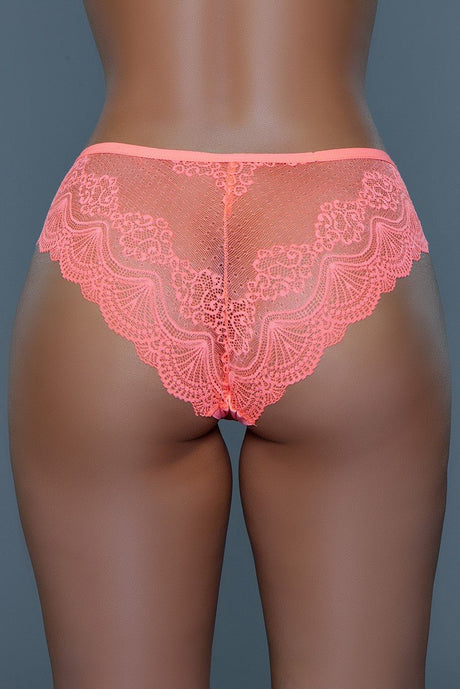
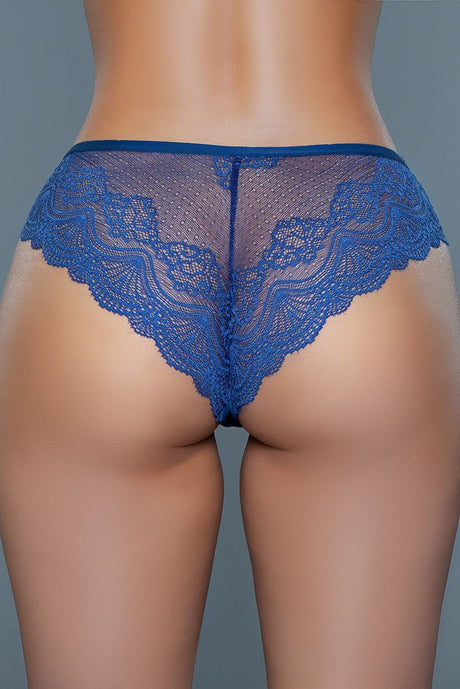
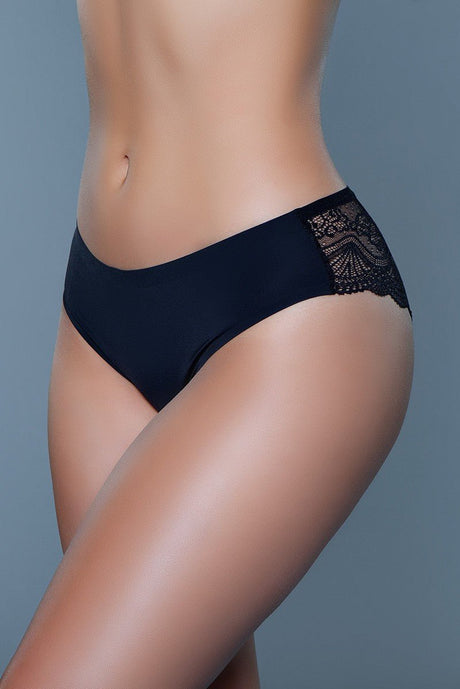
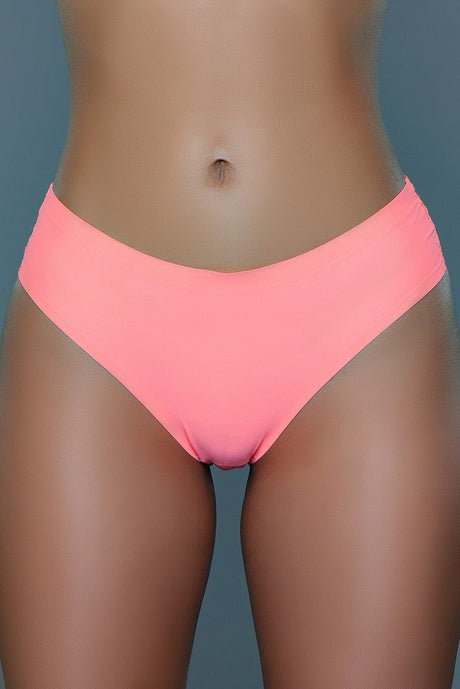
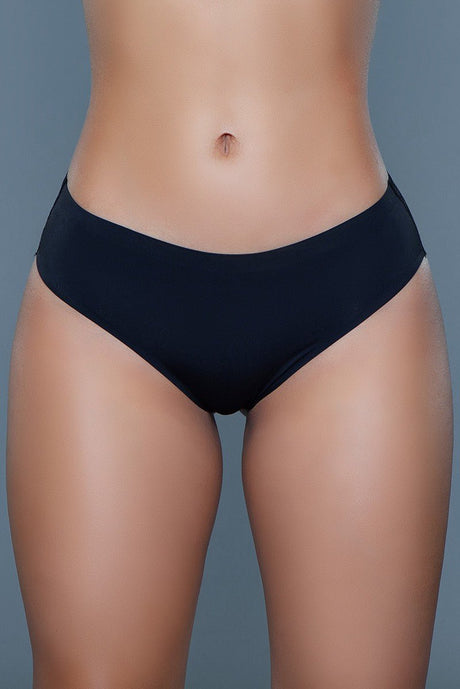
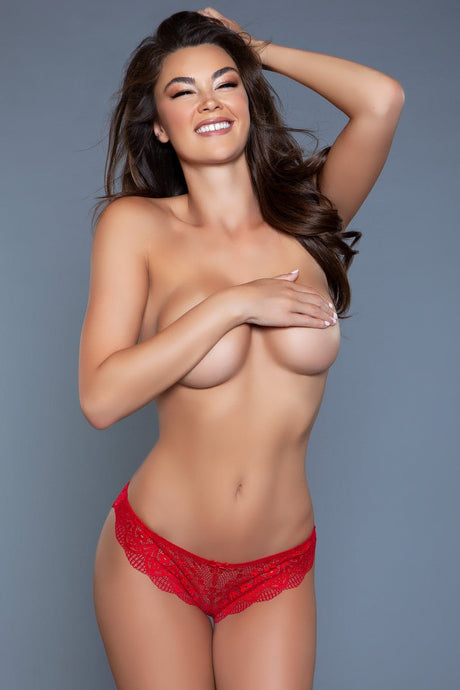
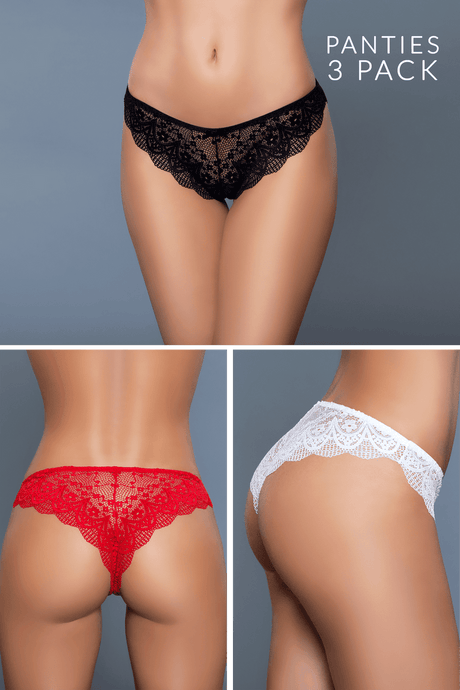
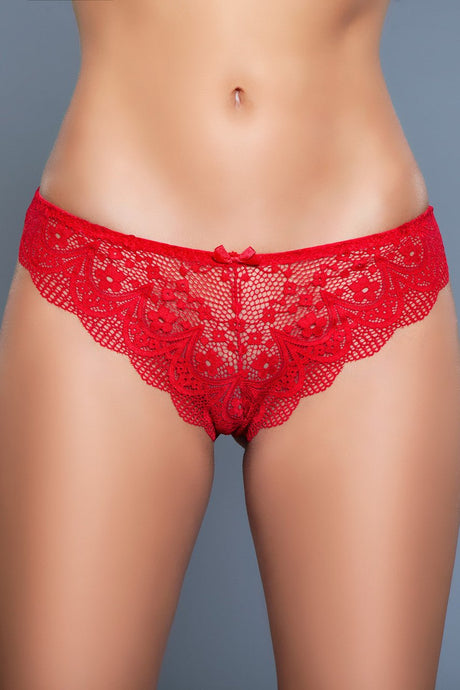
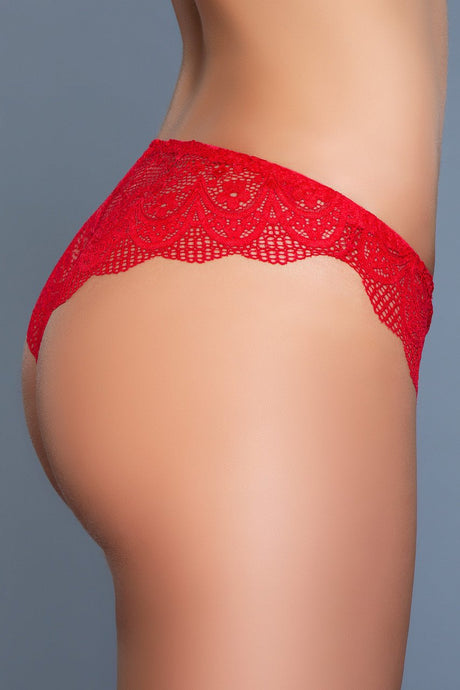
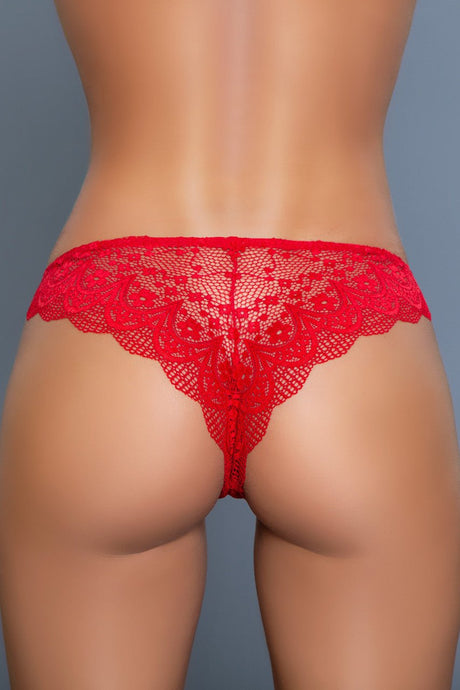
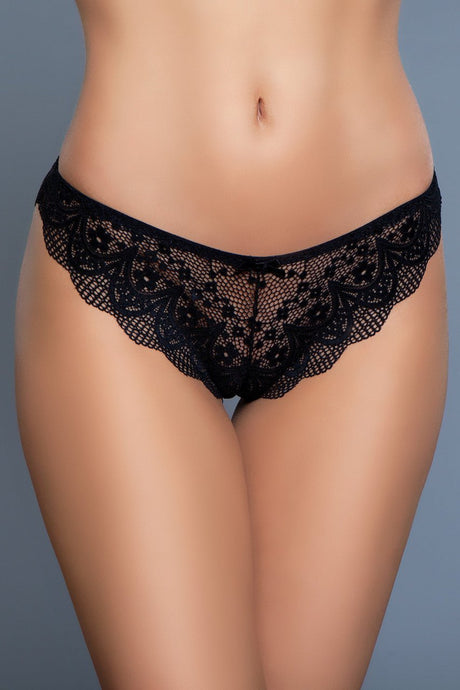
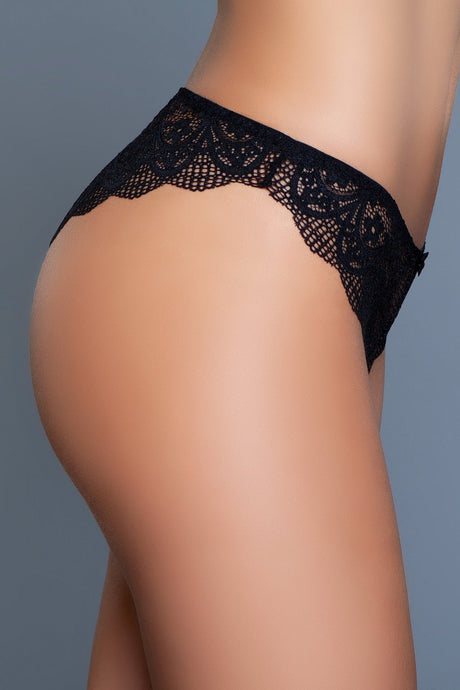
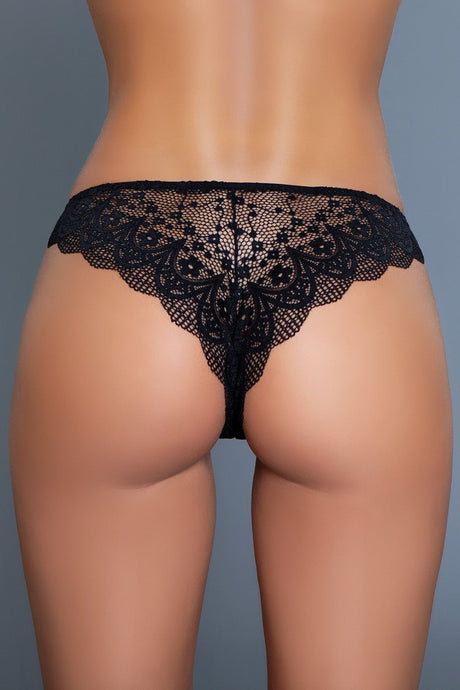


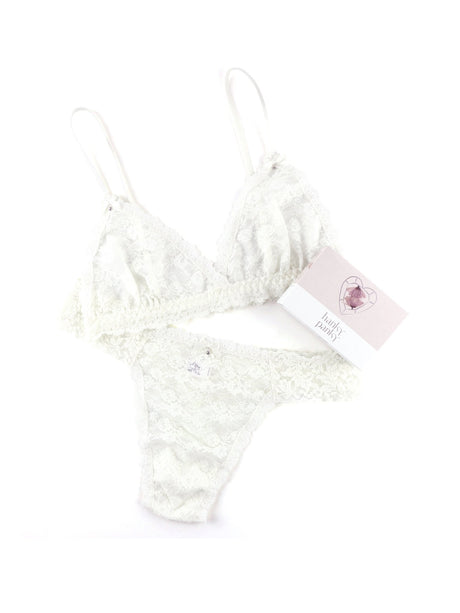


Knickers: The Fuller Cut, and Why It Has Its Own Word
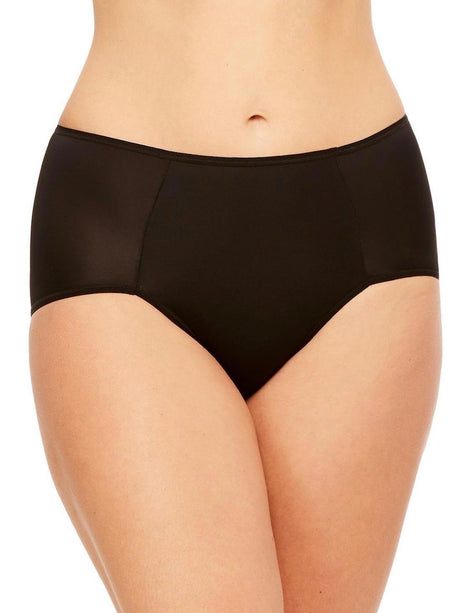
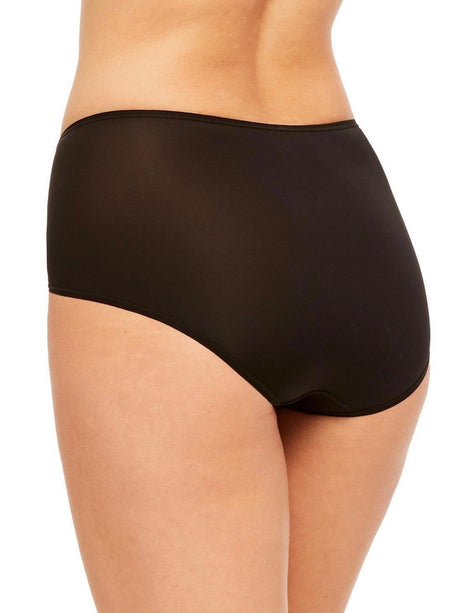
Yes, "knickers" is what the British say instead of "panties". But it isn't only a translation — it carries a silhouette. Ask for knickers and nobody hands you a thong. You get something fuller, higher, and cut to fall rather than to cling.
This edit is that cut: French knickers, cotton knickers, full briefs and directoire styles. If you want the thong, bikini and cheeky end of the drawer, that lives in Brazilian and lace panties. This page is the other tradition.
What are knickers?
Knickers is the British word for women's underwear — the everyday term in the UK, where "panties" sounds faintly American. But it isn't purely a swap: in practice the word carries a fuller, higher, less minimal silhouette. The defining style is the French knicker — loose, wide-legged, flat-fronted and cut on the bias so the fabric falls away from the body instead of gripping it, usually in silk or satin, with a high leg and a high rise. Next to it sit the full brief (high waist, full seat, often cotton), the directoire (a vintage cut with a gently elasticated leg), and plain cotton knickers, the British everyday staple. What you won't find under the word is the minimal end of the range: nobody says "thong knickers" or "cheeky knickers", because the word doesn't stretch that way. One warning for American readers — in the US, "knickers" more often means knickerbockers, the baggy knee-length breeches golfers still wear. Same word, different garment, and it's why the two markets return completely different results.
French knicker or boyshort?
These two get confused constantly, because folded in a drawer they look alike. Laid flat they're opposites — and worn, they behave nothing like each other.
| French knicker | Boyshort | |
|---|---|---|
| The leg | Wide and flared — falls away from the thigh | Fitted — follows the thigh |
| The cut | On the bias, so it drapes and moves | Straight-grain jersey, so it holds |
| The front | Flat, uninterrupted — no seam through the middle | Contoured to the body |
| The rise | High — sits at or near the waist | Low to mid — sits on the hips |
| Fabric | Usually silk, satin or fine woven | Usually cotton or microfibre jersey |
| Under clothes | Best under something loose or floaty | Best under something fitted |
| Shop | French knickers | Boyshorts |
The one-line version: a boyshort grips, a French knicker falls. That's why a French knicker is lovely under a slip dress and wrong under leggings — the drape that makes it beautiful is the drape that shows.
The British knicker styles
Four cuts, all of them fuller than the American range. Rise, leg and fabric are what separate them.
| Style | The shape | Rise | Typical fabric | Wear it |
|---|---|---|---|---|
| French knicker | Wide flared leg, flat front, bias-cut | High | Silk, satin, fine woven | Under slips, loose dresses, or to sleep in |
| Full brief | Full seat, high leg, close fit | High | Cotton, modal, bamboo | Every day — the most comfortable thing here |
| Directoire | Vintage cut, gently elasticated leg | Very high | Cotton, wool, jersey | Warmth and full coverage; a classic revived |
| Midi / mini | Between a brief and a bikini | Mid | Cotton, lace trim | The everyday middle ground |
Notice what isn't on this list: thong, cheeky, g-string. Not an omission — the word simply doesn't reach there. For those, see Brazilian, g-strings and high waisted thongs.
Find your pair in 10 seconds
Pick the card that matches what you're after — then tap through to shop.
The French knicker
Silk, wide-legged, bias-cut. The one that drapes. Beautiful under a slip and lovely to sleep in.
Shop French knickers →Everyday cotton
The British staple: cotton, high rise, full seat, breathable. Nothing clever, and that's the appeal.
Shop cotton knickers →Full coverage, no compromise
A proper full brief — high waist, full seat, comfortable all day. "Big knickers", and unapologetic.
Shop full briefs →You meant a boyshort
If you want it fitted rather than floaty, that's a different garment — and we have it.
Shop boyshorts →Something less full
Knickers don't go minimal. If you want cheeky or a thong, that's the other tradition.
Shop Brazilian →Lace, in a fuller cut
All-over lace and lace trim, across the range — including the fuller briefs.
Shop lace →A French knicker is the rare piece of underwear designed not to be seen and not to be hidden either. It just falls, the way a slip falls. There is no American word for that, which is rather the point.
The HauteFlair StandardThe complete knickers guide
The word, the French knicker, the everyday cuts, fabric, and care.
01Knickers, panties, and one confusing detour+
Worth getting straight, because the word does more than one job:
- In Britain, knickers is simply the word for women's underwear. It's what's on the label, what's on the shop sign, and what everyone says. "Panties" reads American, or slightly coy.
- In America, panties is the word — and "knickers" mostly means something else entirely: knickerbockers, the baggy knee-length breeches that golfers still wear. Same spelling, different garment.
- But it isn't only a translation. Even in the UK the word leans fuller: French knickers, briefs, directoire. Nobody asks for "thong knickers".
- Other words you'll meet: smalls, briefs, pants (in Britain, "pants" means underwear, not trousers — a reliable source of confusion in both directions).
02What makes a French knicker French+
It's a specific piece of construction, not a vague prettiness:
- Cut on the bias — the fabric is cut at 45° to the weave, which is what lets it drape and move rather than hold a shape. It's the same trick as a 1930s bias-cut gown, and it's why French knickers feel like they're barely there.
- A wide, flared leg that falls away from the thigh instead of gripping it. This is the single visual giveaway: laid flat, a French knicker is much wider at the hem than a boyshort.
- A flat front — no contour seam through the middle, which is part of why it sits so smoothly under a slip.
- A high rise and a high leg, so it covers more while touching less.
- Usually silk or satin, because bias-cutting needs a fabric that drapes. Cotton French knickers exist but behave differently.
03The everyday cuts: briefs, directoire, midi+
Not everything here is silk. Most knickers are for a Tuesday:
- Full brief — high waist, full seat, close but not tight. The most comfortable thing on this page, and the one people are quietly loyal to. "Big knickers" as a compliment.
- Directoire — a genuinely old cut, named for the French Directory period, with a gently elasticated leg that sits lower on the thigh. Warm, forgiving, and back in a way nobody quite predicted.
- Midi / mini — the middle ground between a full brief and a bikini. Mid rise, moderate coverage, the everyday default for a lot of people.
- Multipacks — a British retail convention more than a style. Cotton briefs bought several at a time, because that's how you actually buy underwear.
04Fabric: silk, cotton, bamboo+
The fabric decides which cut is even possible:
- Silk and satin — the only fabrics that bias-cut properly. Cool, drapey, and what a French knicker wants to be made of.
- Cotton — the everyday backbone. Breathable, washable, honest. The British staple, and the reason "cotton knickers" is its own idea rather than a footnote.
- Bamboo — softer than cotton, naturally breathable, and increasingly the thinking person's everyday choice. Worth seeking out if cotton feels rough to you.
- Modal and micromodal — silky-soft, drapes better than cotton, holds colour well.
- The gusset should be cotton regardless of what the rest is made of. That holds true across every style here.
05Caring for silk and cotton knickers+
Silk French knickers: hand-wash in cool water with a detergent made for silk — never biological, which digests protein fibres and silk is a protein fibre. Don't wring. Roll in a towel to blot, then dry flat away from sun and radiators. Iron cool on the reverse if you must.
Cotton and bamboo: a warm wash is fine, but skip the fabric softener — it coats the elastane in the waistband and shortens the life of the pair. Air dry rather than tumble where you can; heat is what kills the elastic, and on a high-rise cut the waistband is doing the work.
Bias-cut anything: store flat rather than crumpled. Bias-cut fabric remembers a crease longer than straight-grain does, and a folded French knicker can hold a line across the front.
Knickers FAQ
The questions shoppers ask most, answered straight.
What are knickers?
Knickers is the British word for women's underwear — the everyday term in the UK, where "panties" sounds American. It also carries a silhouette: knickers tend to mean the fuller, higher cuts — French knickers, briefs, directoire — rather than thongs or cheeky styles.
What's the difference between knickers and panties?
Mostly geography: knickers is British, panties is American, and both mean women's underwear. But the words don't cover identical ground — "knickers" leans fuller and higher, while the American range stretches down to thongs and cheeky cuts that nobody would call knickers.
What are French knickers?
A loose, wide-legged, flat-fronted knicker cut on the bias — at 45° to the weave — so the fabric drapes and falls away from the body rather than gripping it. Usually silk or satin, with a high rise and a high leg. The bias cut is what makes them French rather than just short.
What's the difference between French knickers and boyshorts?
A boyshort grips; a French knicker falls. Boyshorts are fitted jersey that follows the thigh at a low rise. French knickers are bias-cut woven fabric with a wide flared leg and a high rise, so they hang away from the body. Folded they look similar; worn they're nothing alike. See boyshorts.
Do Americans say knickers?
Rarely, and when they do it usually means something else. In the US "knickers" more often refers to knickerbockers — baggy knee-length breeches, the kind golfers wear. Most Americans recognise the British meaning from television, but they'd say panties.
What are directoire knickers?
A vintage cut with a very high rise and a gently elasticated leg that sits lower on the thigh than a brief. Named for the French Directory period, they were standard for generations, fell out of fashion, and have quietly returned for the reason they existed in the first place: warmth and complete coverage.
What are cotton knickers?
The British everyday staple — cotton, usually a brief or midi cut, high rise, breathable and washable. Not a compromise; for most people most days they're simply the right answer. Look for a cotton gusset even on pairs that aren't cotton throughout.
Are French knickers comfortable?
Unusually so, because they barely touch you. The wide leg and bias cut mean the fabric hangs rather than grips, and there's no elastic cutting across the thigh. The trade-off is that they need room — they're wonderful under a loose dress and wrong under leggings.
What do you wear French knickers under?
Anything with drape: slip dresses, loose trousers, floaty skirts, or nothing at all — plenty of people wear them to sleep in. What they don't suit is anything tight, since the extra fabric that makes them beautiful will show as a line under close-fitting clothes.
What are big knickers?
Full briefs — high waist, full seat, complete coverage. The phrase is affectionate rather than rude in Britain, and they're the most comfortable thing in most people's drawers. No apology required.
Are bamboo knickers better than cotton?
Softer, and naturally breathable — bamboo viscose has a smoother hand than cotton and drapes better, which suits a closer cut. Cotton is more robust and cheaper to replace. If cotton feels rough to you, bamboo is worth trying; otherwise it's preference rather than an upgrade.
Do knickers come in thongs?
How do you wash silk French knickers?
By hand, in cool water, with a detergent made for silk — never biological, since those digest protein and silk is a protein fibre. Don't wring; roll in a towel to blot, then dry flat away from sun and heat. Store them flat too: bias-cut fabric holds a crease.
What size knickers should I buy?
Your usual size for briefs and cotton. French knickers run generous by design — they're meant to hang loose, so sizing up rarely helps and sizing down defeats the cut. UK and US sizing differ, so check the chart rather than assuming a straight swap.
Why are they called knickers?
It's a shortening of "knickerbockers" — the baggy knee-length breeches, themselves named after a Dutch-American surname popularised by Washington Irving. Women's knee-length undergarments borrowed the name in the 1880s, and in Britain it stuck and shrank. In America the trousers kept it. One word, two countries, two garments.
Shop knickers
French knickers, cotton, full briefs and directoire styles — the fuller British cut, loose, high-rise and made to fall rather than cling.