Leonisa
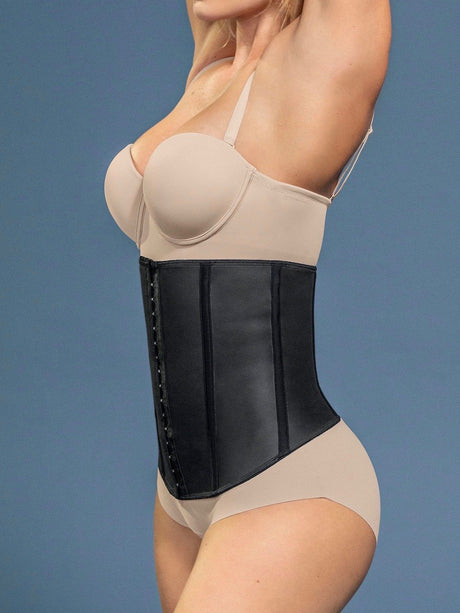
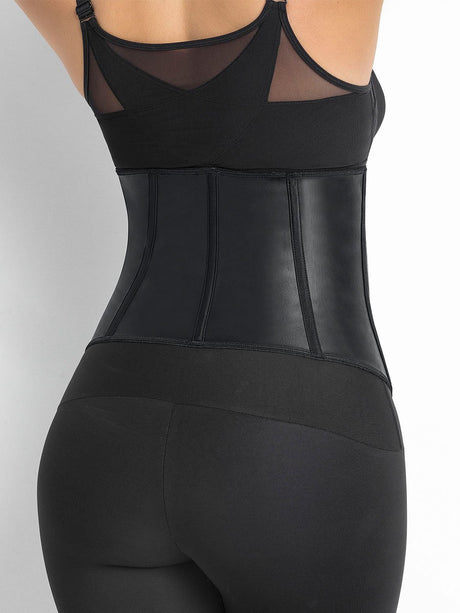
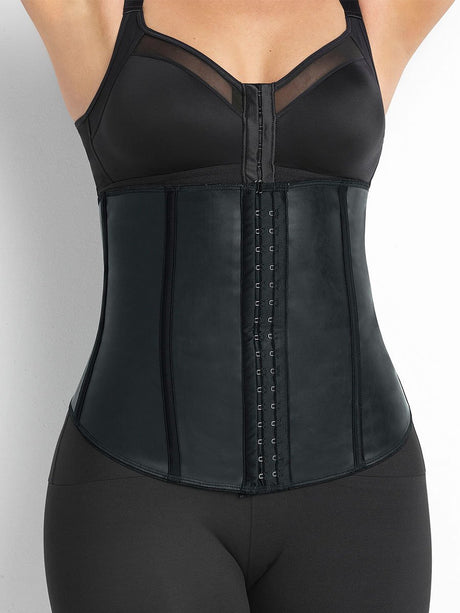
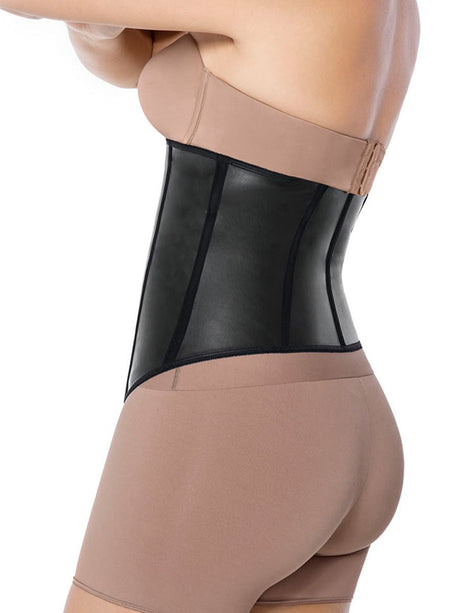
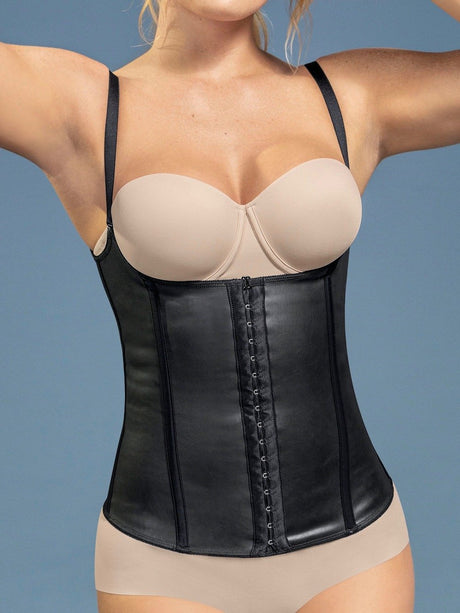
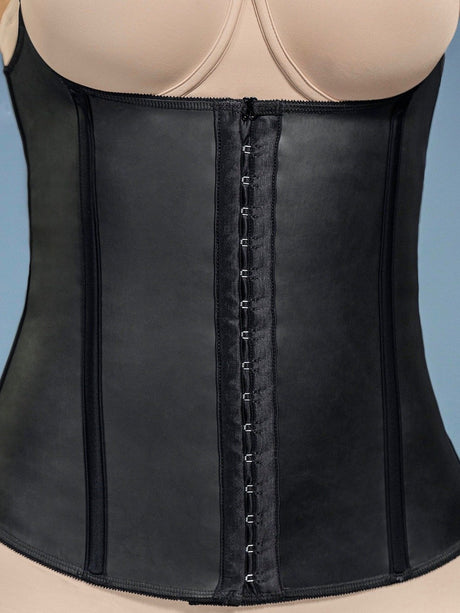
Women's Plus Size Power Slim Latex Compression Waist Trainer
$60.00Unit price /Unavailable-
Leonisa
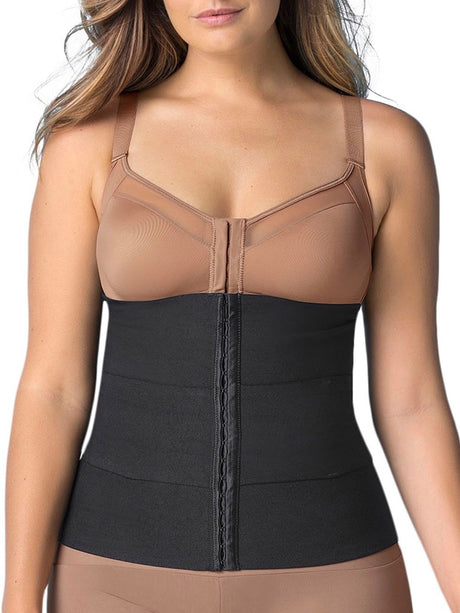
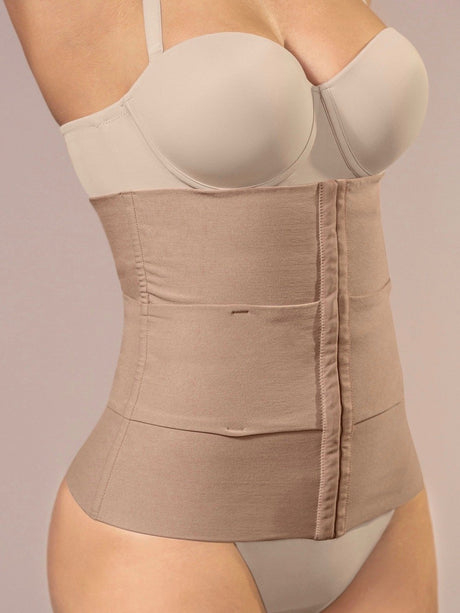
Women's Plus Size Lumbar Support 3-Belt Waist Trainer Cincher
$45.00Unit price /Unavailable-
-
-
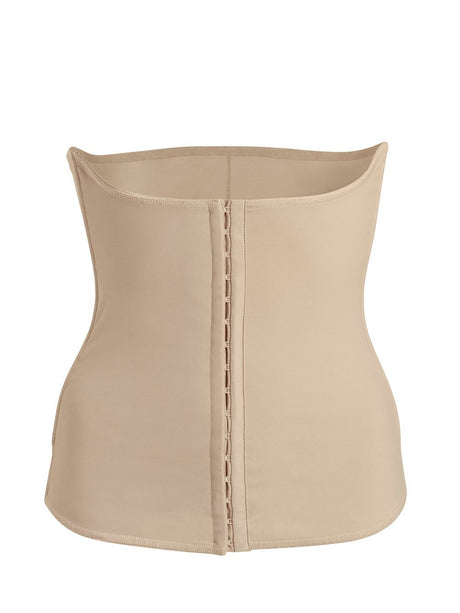
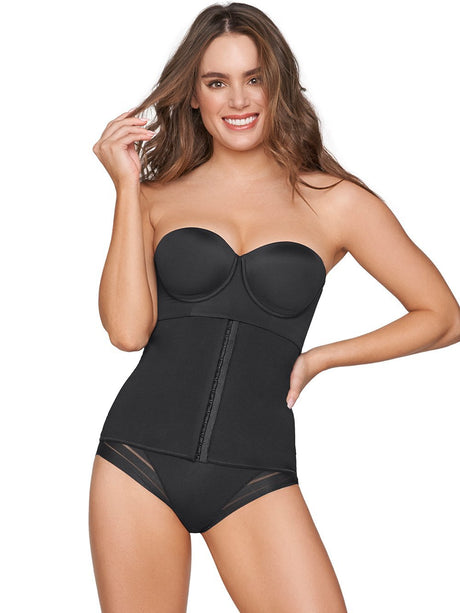
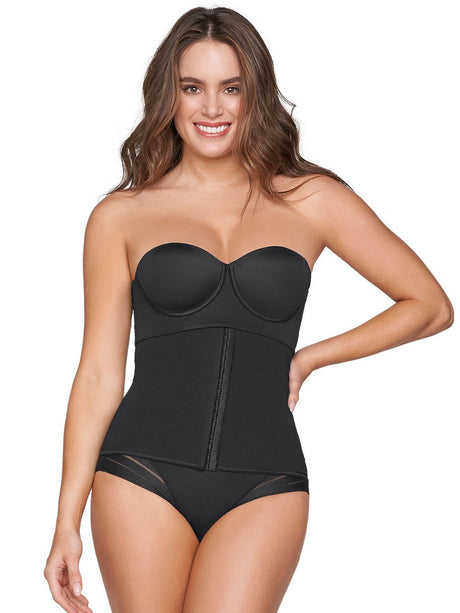
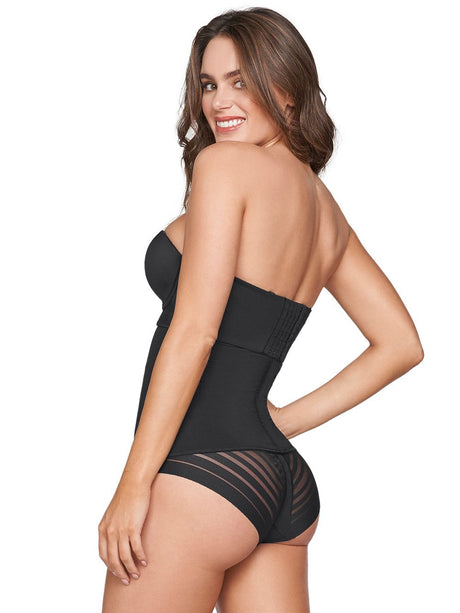
Waist Cinchers: What Compression Does, and What It Does Not
A waist cincher works the moment you hook it and stops working the moment you take it off. Anyone telling you otherwise is selling you something.
That is not a reason to skip one. It is a reason to buy the right one for the right job. A cincher gives you a smooth, compressed line under fitted clothes right now, and the lumbar styles genuinely brace your lower back while you wear them. What it will not do is reduce fat or permanently change the shape of your waist. Below: cincher against vest against lumbar belt, latex against latex-free, and why sizing down is the most common mistake in this category.
What does a waist cincher actually do?
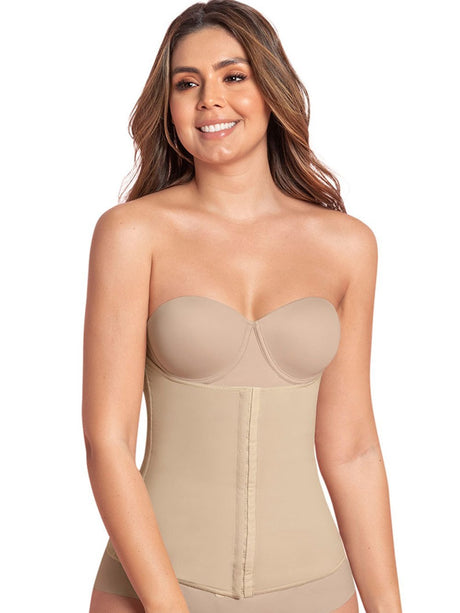
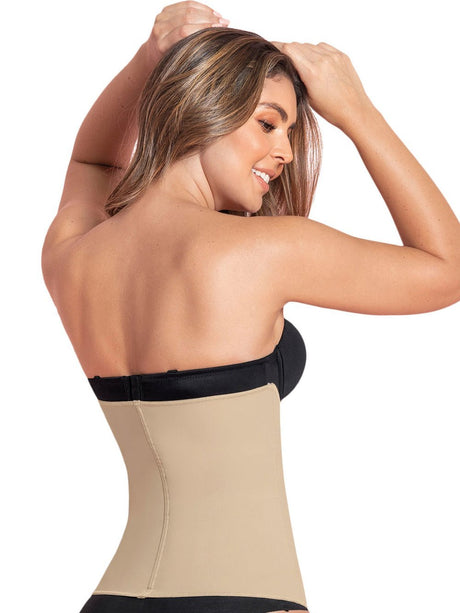
A waist cincher compresses and redistributes soft tissue around your midsection while you are wearing it. The effect is immediate and entirely temporary: you get a visibly smaller, smoother waist under clothes, and your measurements return to normal within a short time of taking it off. A cincher does not reduce body fat, and wearing one does not permanently reshape your waist. What it genuinely delivers is three things: a clean line under a fitted dress or a tailored waistband, posture feedback from a rigid panel across the lower back, and on the 3-belt lumbar style, real bracing of the lumbar spine during wear, which is the same principle as a lifting belt. The main choices are cincher or vest (a vest adds shoulder straps so it covers the bra line and cannot roll down) and latex or latex-free (latex compresses harder and runs hotter). Size by your natural waist measurement, and do not size down for more compression. Styles here run XS to XXL, from $45 to $80. Shop waist cinchers at HauteFlair.
Cincher, vest or lumbar belt
Three constructions that look similar in a photograph and behave completely differently on.
| Style | What it is | Choose it when |
|---|---|---|
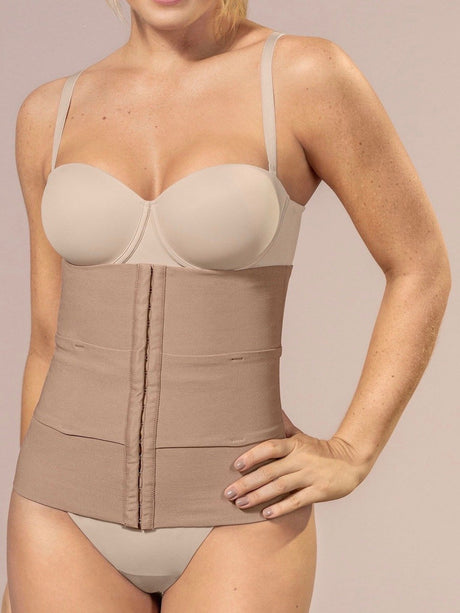
| Compression cincher | A band that wraps the waist from under the bust to the top of the hip, closed with hook-and-eye rows or a zip | You want the smallest garment that does the job, under a dress or a waistband |
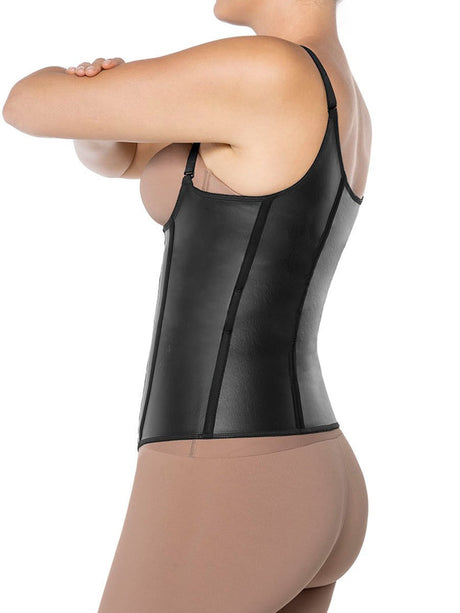
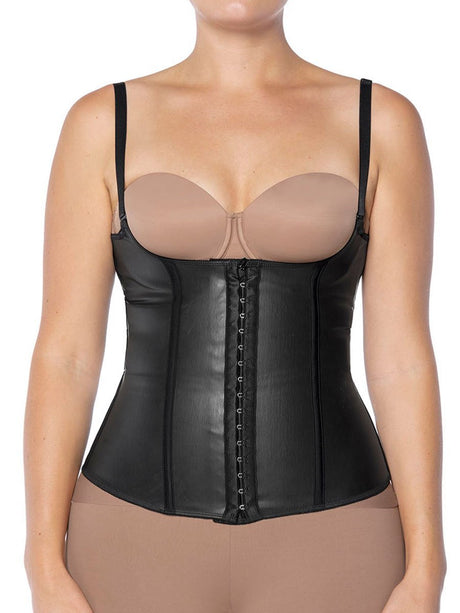
| Trainer vest | The same compression panel with shoulder straps and a higher back, covering the bra line | Cinchers roll down on you, or you want the back smoothed as well as the waist |
| 3-belt lumbar cincher | A rigid lower-back panel with three adjustable belts, built as a brace rather than a smoother | You sit for long stretches and want lower-back support, not just a line |
| Latex-free sculpting cincher | A powernet compression cincher with no latex. Lighter, cooler, less aggressive | Latex irritates your skin, or you want something wearable for a full day |
If you only buy one: the latex-free sculpting cincher. It is the one most people can wear for a whole day without wanting it off, and it is the deepest-stocked style here.
Latex or latex-free
The material decides how hard it squeezes, how hot it runs, and how long you will actually keep it on.
| Latex | Latex-free powernet | |
|---|---|---|
| Compression | Firmest available. Noticeably more than any fabric shaper | Firm but not extreme. Closer to strong shapewear |
| Heat | Runs hot and does not breathe. This is sweat, not fat loss | Breathes considerably better. Wearable in warm weather |
| Wear time | Short stretches. Most people want it off after a few hours | Comfortable for longer, which is why it gets worn more |
| Skin | Not an option with a latex sensitivity, even over a liner | The choice if latex irritates you |
| Under clothes | Thicker. Can show an edge under thin fabric | Flatter edges, less visible under fitted knits |
On sweating: latex makes you perspire because it traps heat against the skin. That is water, and it comes straight back. Treat it as a comfort trade-off, not a benefit.
Find your cincher
Six cards, matched to the job rather than the marketing.
Smooth line under a dress
A latex-free sculpting cincher in nude or black, S to XL. Firm, flat-edged, and comfortable enough to keep on through dinner.
Shop cinchers →Firmest compression
A latex compression cincher, XS to XXL. The hardest squeeze in the range, for short stretches rather than all day.
Shop waist trainers →It keeps rolling down
A trainer vest with shoulder straps, S to XXL. The straps hold it in place and the higher back smooths the bra line too.
Shop full body →My lower back aches at a desk
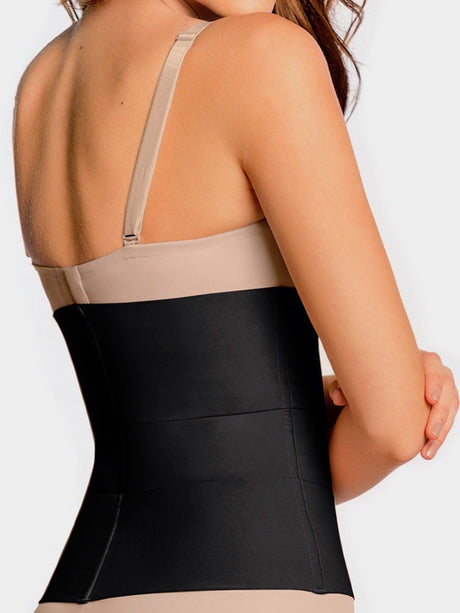
The 3-belt lumbar cincher, in black or natural. Built as a brace, with three belts so you can set the tension where you need it.
Shop lumbar support →I want shaping, not a brace
Tummy control shapewear covers the same goal in a softer garment: bodysuits, slips, shorts and high-waisted briefs.
Shop tummy control →Shaping from waist to thigh
A body shaper or shaper shorts, when the waist is only part of what you want smoothed and a cincher stops too high.
Shop body shapers →Compression is a garment doing something to your silhouette, not to your body. Judge a cincher on how it looks under clothes and how long you can wear it, because those are the only two things it controls.
The HauteFlair StandardThe complete waist cincher guide
Sizing, wear time, what the claims mean, care, and the honest limits.
01 Sizing: measure your waist, and do not size down
This is where most of this category goes wrong, and it is the fastest thing to fix.
Measure, do not guess from a dress size. A cincher is sized to your natural waist, the narrowest point of your torso, usually an inch or so above the navel. Stand relaxed, breathe out normally and keep the tape level all the way round. Dress sizing is cut for hips and bust and tells you very little about this measurement.
Do not size down for more compression. This is the single most common mistake. A cincher is already cut several inches smaller than your measurement, which is where the compression comes from. Going a size below that does not compress more; it rolls. The top edge folds over, the bottom edge rides up, and you get a visible ridge under clothes plus pressure on the lower ribs. The garment ends up doing less, not more, and it looks worse.
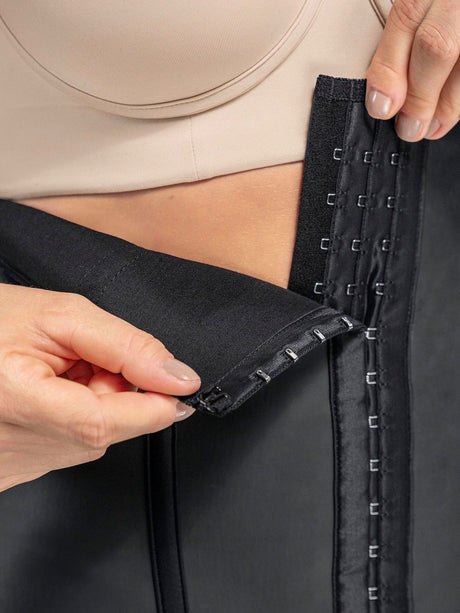
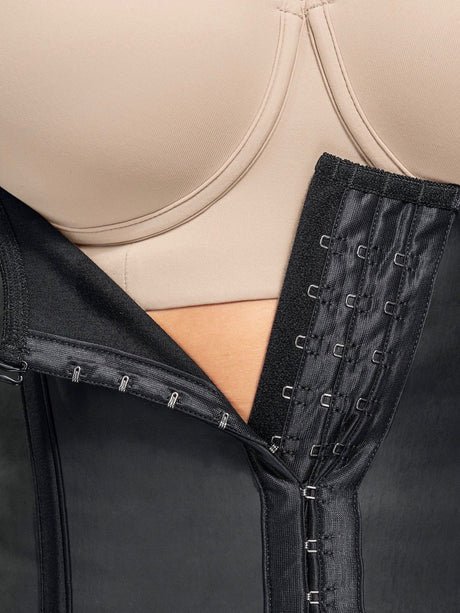
Start on the loosest row. A hook-and-eye cincher has several columns for a reason. Fasten on the outermost row for the first few wears and move inward as the garment relaxes, exactly as you would with a bra band. If you can only fasten it on the tightest row on day one, you have the wrong size.
Between sizes? Go up. A cincher at the top of its range still compresses firmly, and it is the one you will actually wear.
02 What "waist training" claims actually mean
Worth being direct, because the category name itself implies something the garment does not do.
What happens while you wear it. The garment applies inward pressure. Soft tissue is displaced, mostly upward and downward, so your waist measures smaller and your silhouette reads smoother. This is real, immediate and sometimes dramatic. It is also mechanical: it is the garment holding a shape.
What happens when you take it off. Tissue returns. You may see a slight temporary impression for a while, the same way a sock leaves a mark. Your measurement goes back to where it was.
What a cincher does not do. It does not reduce body fat. It does not permanently narrow your waist. It does not "train" anything in the sense of lasting change, and the sweating that latex produces is water loss, not fat loss. If a page tells you otherwise, that is marketing rather than a property of the garment.
What is genuinely useful, then. Three things, and they are enough to justify the purchase: a smooth compressed line under fitted clothes for an event or a day at work; a rigid panel across the lower back that gives you constant feedback about slouching; and on the lumbar styles, actual bracing of the lower back during wear, which is the same reason people wear a belt for heavy lifting.
03 How long to wear one, and when to take it off
There is no magic number of hours, but there are clear signals, and they are worth knowing before you order.
Build up rather than starting long. An hour or two for the first few wears lets you find out how the edges sit and whether the size is right before you commit to a full day in it.
Firmer means shorter. A latex cincher is comfortable for a few hours for most people. A latex-free powernet cincher is the one you can realistically wear from morning to evening. Choose the material by how long you need it, not by which sounds stronger.
Take it off if any of these happen: you cannot take a full, comfortable breath; you feel pressure or discomfort around the lower ribs; you feel reflux or anything uncomfortable in your digestion after eating; you get numbness or tingling; or the skin underneath is irritated or sore. None of these are things to push through, and loosening a row or going up a size usually solves all of them.
Not for sleeping or for training. Sleeping in one restricts the way your ribcage moves while you breathe deeply, and wearing one for hard exercise both restricts breathing and traps heat exactly when you need to shed it. Use a proper sports bra and breathable kit for workouts.
If you have any medical condition affecting breathing, digestion, circulation, your back, or if you are pregnant or recently postpartum or post-surgical, ask a clinician before using compression garments. That is not a disclaimer for the sake of it; compression interacts with all of those.
04 Wearing one so it does not show
Compression is easy. Invisible compression takes three small decisions.
Mind the edges, not the middle. What gives a cincher away is always the top or bottom hem printing through fabric. A correctly sized cincher has flatter edges because the fabric is not being forced to fold. A latex-free powernet style has thinner edges than a latex one, so it disappears better under a knit dress.
Wear a thin layer underneath. A seamless camisole or a fitted tank between skin and garment stops the hooks printing, keeps perspiration off the garment, and makes it far more comfortable over several hours. It also means you wash the liner rather than the cincher.
Let the hem land where your clothes do not. A cincher that stops at the exact line of a fitted waistband creates two ridges in the same place. Shifting the garment half an inch, or choosing a vest that goes higher, usually removes the problem entirely.
Dark under dark, nude under everything else. Black shows through white and pale fabrics more obviously than nude shows through dark ones, so nude is the more versatile of the two if you are buying one.
05 Care, and what this collection carries
Care is simple and heat is the enemy. Hand wash in cool water with a mild detergent, rinse thoroughly, press the water out rather than wringing, and dry flat away from direct heat and sunlight. Never tumble dry a compression garment: the elastane and the latex both degrade with heat, and a cincher that has been through a dryer has lost the compression you bought it for. Latex also degrades with oils, so keep body lotion and oil off it, which is another reason for the liner.
Rotate if you wear one daily. Elastic needs time to recover its length. Two garments alternated last considerably longer than one worn every day.
What is here. Four styles, all Leonisa, covering the four constructions above: a latex-free sculpting cincher in nude and black, S to XL, which is the deepest-stocked and the one to start with; a latex compression cincher, XS to XXL, for the firmest squeeze; a latex trainer vest, S to XXL, when a cincher rolls down on you; and the 3-belt lumbar support cincher in black and natural, which is the one built as a back brace rather than a smoother. Prices run $45 to $80.
If none of those is what you want, the softer route is tummy control shapewear, which gets you a smoother line in a garment you forget you are wearing, and body shapers if you want the shaping to continue past the hip rather than stopping at the waist.
Waist cincher FAQ
The questions shoppers ask most.
What does a waist cincher do?
It compresses and redistributes soft tissue around your midsection while you wear it, so your waist measures smaller and your silhouette reads smoother under clothes. The effect is immediate and it lasts only as long as the garment is on. A cincher does not reduce body fat and does not permanently change the shape of your waist.
What is the difference between a waist cincher and a waist trainer?
In practice the terms are used interchangeably, and the useful distinction is construction rather than name. A cincher is the compression band itself, wrapping from under the bust to the top of the hip. A trainer vest is the same panel with shoulder straps and a higher back, so it covers the bra line and cannot roll down. Choose the vest if cinchers roll on you.
Does waist training actually make your waist smaller permanently?
No. The narrowing you see is the garment displacing soft tissue while you wear it, and your measurement returns once it is off. A cincher does not reduce fat, and the sweating that latex produces is water loss rather than fat loss. The honest value is a smooth line under clothes right now, posture feedback, and real lower-back bracing on the lumbar styles.
What size waist cincher should I buy?
Size to your natural waist measurement, the narrowest point of your torso, taken standing relaxed with the tape level. Do not use your dress size, which is cut for hips and bust. If you are between sizes, go up: the garment is already cut smaller than your measurement, and the larger size will still compress firmly while staying wearable.
Should I size down for more compression?
No, and this is the most common mistake in the category. A cincher is already several inches smaller than your waist measurement, so a size down does not compress more. It rolls: the top edge folds over, the bottom rides up, you get a visible ridge under clothes and pressure on the lower ribs. The garment ends up doing less work and looking worse.
How long can you wear a waist cincher?
Build up rather than starting long: an hour or two for the first few wears tells you whether the size is right. Latex styles are comfortable for a few hours for most people; latex-free powernet is the one you can realistically wear all day. Take it off if you cannot breathe fully, feel rib pressure or reflux, get numbness, or the skin underneath is sore.
Can you sleep in a waist cincher?
It is not something we recommend. Sleeping in compression restricts how freely your ribcage moves during deep breathing, and you cannot notice or adjust for discomfort while asleep. There is also nothing to gain, because the shaping effect lasts only while the garment is on and the overnight hours are not doing any lasting work.
Can I work out in a waist cincher?
Not a good idea. A cincher restricts the breathing you need during exercise and traps heat exactly when your body is trying to shed it, and the extra sweating is water rather than fat. A lumbar belt worn briefly for heavy lifting is a different thing from a compression cincher worn through a workout. Use breathable kit and a proper sports bra instead.
Is latex or latex-free better?
Latex compresses harder, runs noticeably hotter and is thicker under clothes, so most people want it off after a few hours. Latex-free powernet compresses firmly but breathes far better, has flatter edges and gets worn for longer stretches. If you have a latex sensitivity, latex-free is the only option. If you want the one you will actually wear, it is usually latex-free too.
Do waist cinchers help with back pain?
The 3-belt lumbar style is built as a brace and many people find it supportive while sitting for long periods, on the same principle as a lifting belt. That is support during wear, not treatment. A brace also does work your own muscles would otherwise do, so it is not something to rely on all day indefinitely. For persistent or severe back pain, see a clinician rather than buying a garment.
How do I stop a waist cincher showing under clothes?
It is always the edges that show, not the middle. Get the size right so the fabric is not forced to fold, choose a latex-free style for thinner edges, and wear a seamless camisole underneath so hooks do not print through. Also avoid landing the hem on the same line as a fitted waistband, which creates two ridges in one place.
How do you wash a waist cincher?
Hand wash in cool water with a mild detergent, rinse well, press the water out rather than wringing, and dry flat away from heat and direct sun. Never tumble dry: heat degrades both the elastane and the latex, and a cincher that has been through a dryer has lost the compression you paid for. Keep body oils and lotion off latex, which is another reason to wear a thin liner.
What sizes and styles are available?
Four Leonisa styles in XS to XXL, priced $45 to $80: a latex-free sculpting cincher in nude and black, a latex compression cincher, a latex trainer vest with shoulder straps, and a 3-belt lumbar support cincher in black and natural. Size and color availability reflect current stock, so check the individual product page.
Nothing here is medical advice and these garments are not medical devices. Compression shaping is temporary and lasts only while the garment is worn; no garment reduces body fat. Stop wearing a compression garment and seek advice if you experience breathing difficulty, rib pain, reflux, numbness or skin irritation. If you are pregnant, recently postpartum or post-surgical, or you have a condition affecting your breathing, digestion, circulation or back, speak to a clinician before using compression garments. Style, size and color availability reflect current stock. Last reviewed October 2026.
Shop waist cinchers
Latex and latex-free compression cinchers, a trainer vest and a 3-belt lumbar-support cincher, in XS to XXL.