What does a broad back change about bra fit?
A broad back raises the band number and often lowers the cup letter, because the cup is the gap between your bust and your ribcage and a wider ribcage narrows that gap. This is why sizes like 42B, 44C and 46D exist and are entirely ordinary: a broad frame carrying a moderate bust. The practical problem is not your body, it is stocking. Most retailers pair extended band ranges only with large cups, assuming a wide ribcage means a large bust, which leaves the small-cup end of the extended range badly under-served. What you need is band length rather than band height, straps set wide on the back panel to match shoulder blade span, a four-row closure for adjustment range, and a brand that grades cups honestly at larger bands.
Almost everyone with a broad back has been told at some point that they are simply a large size. That answer confuses two measurements that have very little to do with each other.
Ribcage width is largely skeletal. Bust volume is tissue. The bra industry ties them together at the point of stocking, not at the point of anatomy, and the result is a range of perfectly common sizes that are difficult to find and easy to mis-fit.
- Four-row hook closure: roughly three inches of adjustment range against one and a half on a two-row. The single most useful feature.
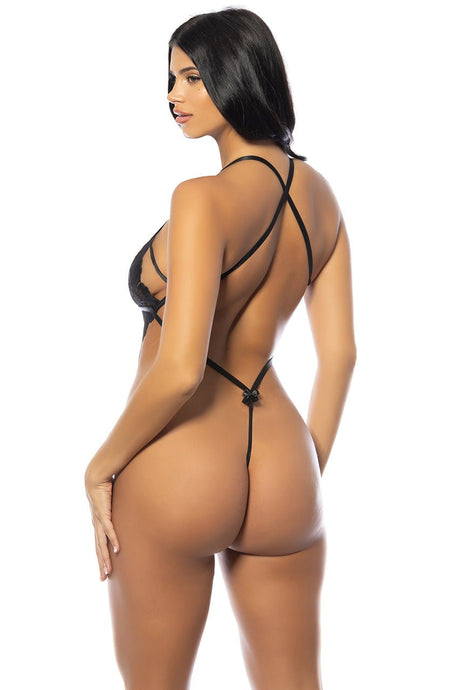
- Wide-set straps: attached far apart on the back panel so they sit over the shoulder rather than sliding outward all day.
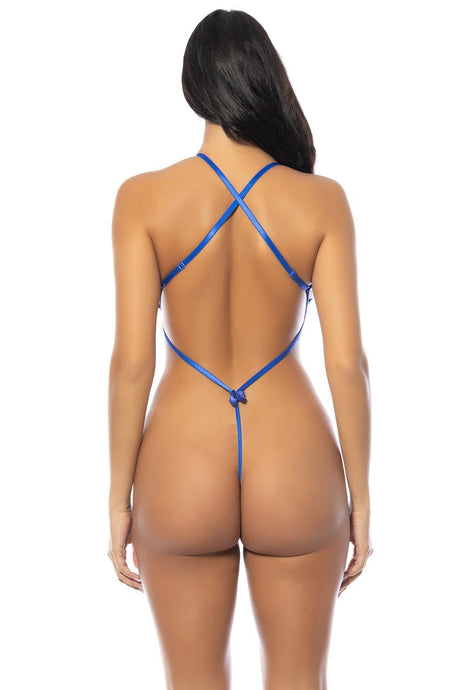
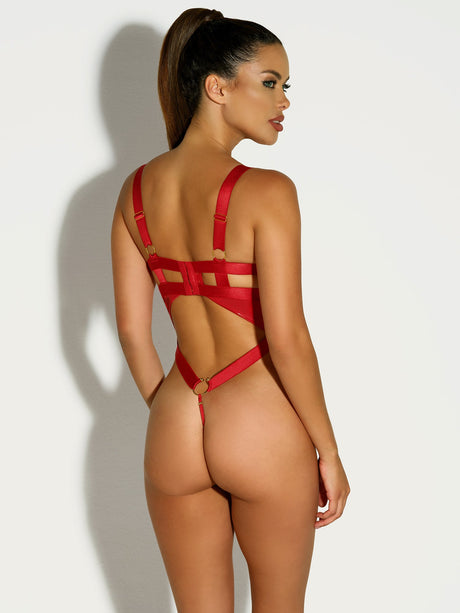
- Leotard or U-back: anchors the straps centrally by construction, which removes the sliding problem entirely.
- True cup grading at large bands: a 44B should be a genuine 44B, not a 38B pattern stretched wider.
- Wide or extra-wide underwires: a broad back usually comes with a wider root, so the wire needs to sit further out.
- Measure without adding four inches. The plus-four method inflates the band and deflates the cup at once.
- Band length is the problem, not band height. Those are two different measurements and only one of them is about circumference.
Band and Cup Are Measuring Two Different Things
The band number comes from your ribcage. The cup letter comes from the difference between your bust and your ribcage. A broad back raises the first number and, because it widens the thing being subtracted, frequently lowers the second. That is arithmetic, not a fit failure.
Take two people with an identical bust measurement of 44 inches. The first has a ribcage of 34 inches, giving a ten-inch difference and a size around 34J. The second has a ribcage of 42 inches, giving a two-inch difference and a size around 42B. Same bust measurement. Sizes at opposite ends of the chart. Nothing about either body is unusual, and no amount of trying on 34J bras will help the second person.
This is the part that gets lost when someone with a broad back is told they need a bigger size. Bigger in which direction? The band, almost certainly. The cup, very possibly not at all. Treating the two as a single dial is what sends people into sizes that fit nowhere.
There is a second reason this matters, and it is commercial rather than anatomical. Retail buyers assume the two measurements travel together. When a range is extended to a 44 band, the cups offered usually start around a D and climb from there, because the assumption is that anyone needing a 44 band must also need a large cup. The result is that a 44G is easy to find and a 44B is nearly impossible, despite both describing real and reasonably common bodies.
So the experience of never finding your size is real, and it is not a reflection of your measurements being strange. It is a stocking decision made several steps upstream of you.
The Full Band Range, Not Just the Large-Cup End
Every band from 36 to 56, graded across the whole cup range rather than starting at D. Four-row closures, wide-set straps and true grading at larger bands.
Shop Plus Size BrasFind Your SizeThe Four Features That Fit a Broad Back
Style names matter far less here than construction. A full-coverage bra with the wrong strap placement will slide all day; a sports bra with the right one will not. These four traits are what to look for, in order of how much difference they make.

A broad frame usually comes with a wider root, meaning the footprint where breast tissue meets the chest wall spans further around the side. If a correctly sized band still digs under the arm, the wire is likely too narrow rather than the band too tight. Some brands publish wire width or offer standard and wide options within the same size; where they do, it is worth using, because a narrow wire on a wide root sits on tissue rather than beside it and no band adjustment will relieve that.
Why Straps Slide, and What Actually Stops It
Sliding straps are usually treated as a tightening problem. They are a geometry problem, and tightening makes them worse.
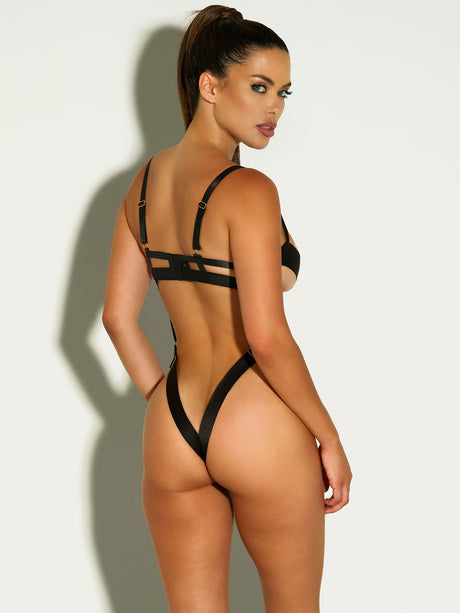
The strap on a bra runs from a point on the back panel, over the trapezius, to the cup at the front. Where it crosses the shoulder is determined almost entirely by where it is anchored at the back. On a narrow frame, a strap anchored two inches from the centre back lands squarely on the shoulder. On a broad frame, that same two-inch placement lands well inboard of the shoulder, and the strap slides outward until it finds the path of least resistance, which is usually the edge of the deltoid.
Tightening that strap does not move it inward. It shortens it, which pulls the back panel upward and adds tension without changing the crossing point. So the band rides up, the strap still slides, and the wearer concludes the bra is the wrong size when the band may be perfectly correct.

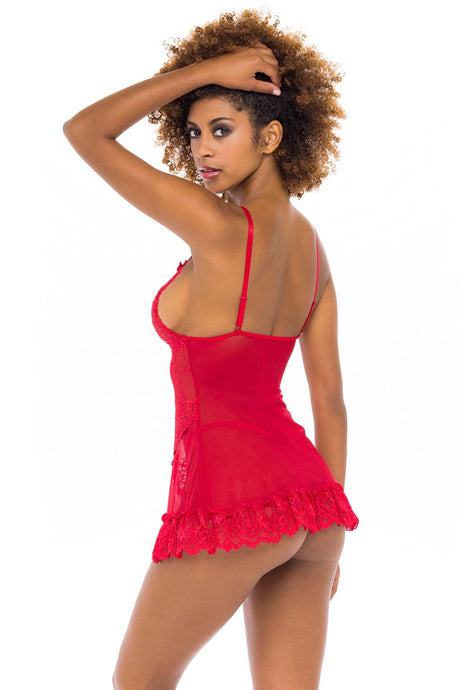
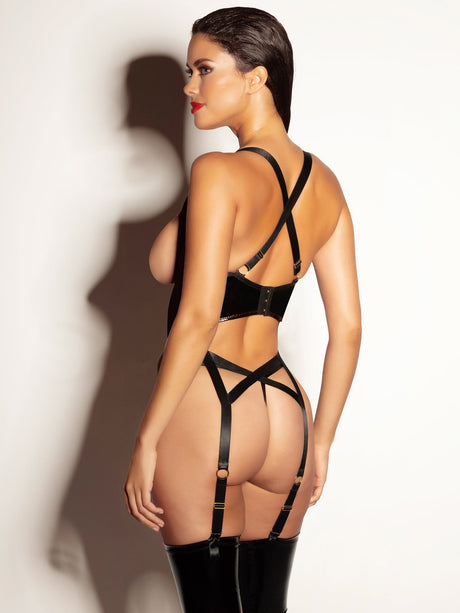
The practical test takes a few seconds in a fitting room. Put the bra on, adjust the straps to comfortable, and look at the back in a mirror. If the straps sit noticeably closer together than the outer edge of your shoulder blades, they will slide, and no adjustment will change that. Look for a bra with a wider anchor point or a converging back instead.
The Fit Protocol for a Wide Ribcage
Measure the Ribcage and Use the Number As It Comes
Wrap the tape directly under the bust, snug and horizontal, and round to the nearest even number. Do not add four inches. The plus-four method dates from an era when band fabrics had almost no stretch, and it survives mostly through repetition. Adding four inflates the band and deflates the cup simultaneously, which is bad advice on any body and particularly damaging on a broad back, where it can push the band number past the top of a brand's stocked range for no reason at all.
Let the Cup Fall Where the Arithmetic Puts It
Measure the bust across the fullest point, subtract the band number, and read one inch of difference as one cup letter. If that produces a B or a C on a 44 band, that is your size. It is not a mistake and it does not need correcting upward to reach something a shop happens to carry. Buying a larger cup to access a stocked size gives you a cup that gapes at the top edge and a wire that sits away from the chest wall.
Check Band Length Before You Check Anything Else
Fasten on the loosest hook. That is where a new bra should fit, because the tighter hooks are the margin you spend over the following months as the elastic relaxes. If it only closes on the tightest hook, the band is too short regardless of how it feels, and the bra has a working life of perhaps three months.
Look at the Strap Anchor Points
With the bra on and the straps adjusted, check the back in a mirror. Straps should sit over the shoulder without needing to be pulled inward. If they sit inboard, the anchor is too narrow for your frame and this bra will slide no matter what else is right about it.
Re-Scoop and Reassess the Cup
Once the band is genuinely correct, lean forward and scoop each breast fully into the cup from the side, then look again. A common discovery at this point is that the cup is now too large, because the previous too-tight band had been compressing the ribcage and pushing tissue forward into the cup. Correcting the band frequently reveals a smaller true cup size than expected.
What Changes Across the Band Range
The fit priorities shift as the band number climbs, and knowing which bracket you are in narrows the search considerably.
| Band & Cup Range | What Matters Most | Where It Goes Wrong |
|---|---|---|
| 38 to 42, cups A to C | Finding the size at all. Four-row closures and wide-set straps. Most mainstream ranges stop offering small cups here. | Being sold up into a D or DD because it is what the shop carries, then dealing with a gaping cup. |
| 38 to 42, cups D to G | Both band length and band height matter. Side-support panels start to earn their place. | Assuming a bra labelled for a large bust automatically handles a wide frame. The two are graded separately. |
| 44 to 48, cups A to D | Genuine grading at the band size, wide underwires, and strap anchor width. The most under-stocked bracket on the chart. | Buying a scaled-up small-frame pattern. Wire too narrow, straps too close, cup sitting in the wrong place. |
| 44 to 56, cups E and above | Everything above, plus band height and four-row closures as a baseline. Longline becomes genuinely comfortable. | Longline styles cut for a narrower frame, which dig at the lower edge even in the right band number. |
Five Mistakes That Cost a Broad Back a Good Fit
The plus-four method inflates the band and deflates the cup in a single move. On a broad back it does additional damage by pushing the band number toward the top of what most ranges stock, which makes an ordinary size feel unavailable. Measure the ribcage and use the number as it comes.
These are different measurements and they vary independently. A 44B and a 34J can share a bust measurement. Shopping the large-cup end of the range because the band number is high produces a cup that gapes and a wire that stands off the chest wall.
Sliding straps are set by anchor position, not tension. Tightening shortens the strap, pulls the back panel upward and adds shoulder pressure without moving where the strap crosses. Look for a wider anchor or a converging back instead.
An extender fixes circumference and nothing else. It leaves strap placement and cup grading untouched, and it introduces a narrow rigid panel exactly where the band should stay continuous, so the band rides up at the closure. Fine while a correct size is in transit, poor as a permanent arrangement.
This is the most understandable mistake on the list, because it is often the only way to buy something in a shop. It also guarantees a band that cannot close comfortably, digs at the underarm and leaves marks by evening. If the size is not stocked, the answer is a different retailer rather than a different body.
People come to us convinced their measurements are strange. They are almost never strange. They are just outside what the buyer for a large chain decided to stock, which is a different problem entirely.
HauteFlair Fit Team
What This Means for You
A broad back changes one number and frequently lowers the other. The band goes up because it is measuring your ribcage; the cup often comes down because it is measuring a gap that a wider ribcage narrows. Once that is clear, most of the frustration around finding a size resolves into a straightforward search problem rather than a fit mystery.
Three things carry most of the improvement. Measure without adding anything and let the arithmetic produce whatever size it produces. Buy for band length and strap anchor width before anything else, since those are what a broad frame actually needs. And treat a four-row closure as a requirement rather than a preference, because adjustment range is what keeps the bra wearable past its first few months.
The size is not unusual. The stocking is.
Bras Graded for the Whole Range
Bands 36 through 56 across the full cup range, with four-row closures, wide-set straps and true grading at larger bands. Free returns on unworn bras.
Shop Plus Size BrasVerify Your SizeFrequently Asked Questions
What are the best plus size bras for a broad back?
Does a broad back mean I need a bigger cup size?
Why can I never find my size in stores?
Should I add four inches to my underbust measurement?
Why do my bra straps keep sliding off my shoulders?
What is the difference between band length and band width?
How many hook rows should a bra have for a broad back?
Can I use a bra extender for a broad back?
What band size do I need if my ribcage measures 42 inches?
Are sports bras good for a broad back?
Why does my bra ride up at the back even in the right size?
Do longline bras work for a wide ribcage?
Is a broad back the same as being plus size?
How do I stop the band digging in under my arms?
How often should I re-measure if I have a broad back?
This article is for informational purposes only. Fit recommendations are general and may vary based on individual body composition, brand-specific sizing and personal preference. For the most accurate current bra size, use the HauteFlair bra size calculator or contact our fit team directly. HauteFlair offers free returns on unworn bras.