Why are my bra cups gaping, and how do I fix it?
Bra cups gape for one of two reasons: the cup is too big, or the cup is the wrong shape for your breast. Where the gap appears tells you which. A gap at the top edge with a wire that fits is usually a shape problem. A cup that wrinkles all over is usually too big.
Before changing anything, lean forward, fasten the band, scoop the tissue into each cup and stand up. If the gap closes, the bra fits and the technique was the problem. If it stays, find where the gap is and match it to the fix below.
The fixes, in order: check the band and straps, try a different cup shape in the same size (balconette, plunge or stretch lace), and only then try a smaller cup in the same band.
A gaping cup is the quieter cousin of spilling over. Nothing pinches and nothing escapes, but the top edge stands away from you, shows as a ridge under a T-shirt and lets you see straight down into the cup when you lean over.
The usual advice is to go down a cup size, and sometimes that is right. Often it is not, because the size was fine and the shape was wrong. Here is how to tell the difference by where the gap is, and what to do about each one.
- Scoop and settle first. Many gaps close once the tissue is in the cup.
- Top-edge gap, wire fits: the cup is too deep for your shape. Change the style.
- Inner-edge gap: the center is too high or the breasts are set wide. Try a plunge.
- Outer-edge gap: the wire is too wide or the cup is too big.
- Wrinkles everywhere: the cup is too big. Go down a cup in the same band.
- Never fix a gap with the straps. It moves the problem to your shoulders.
Check These Before You Blame the Cup
Three quick things cause a lot of gaps that are not really about the cup at all.
Where Is the Gap? Match It to the Cause
The position of the gap is the best clue you have. Put on the bra, scoop and settle, then look in a mirror.
| Where it gapes | Most likely cause | Try first |
|---|---|---|
| Top edge only, wire fits | Cup deeper than your breast | Balconette, demi or stretch lace top |
| Top edge and sides, wrinkles | Cup too big | Down one cup, same band |
| Inner edge, by the center | Center too high or breasts set wide | Plunge with a low center |
| Outer edge, toward the arm | Wire too wide, or cup too big | Down one cup, or a narrower brand |
| Only when you move | Band too loose | Firmer band, or a tighter hook |
| One cup only | Uneven breasts | Fit the larger side |
Gaping at the top edge
This is the most common gap, and the most misread. If the wire sits flat on your ribs all the way around, the band is level and the only problem is the top of the cup, the cup has more depth than your breast fills. It is typical of shallow and top-empty breasts, which spread across a wide base and have less fullness above the nipple. Going down a cup removes the gap but narrows the wire, which then sits on breast tissue at the side. A shallower cup in the same size is the better fix.
Gaping at the inner edge
If the gap is by the center, where the cups meet, the center panel (the gore) may be too tall or too wide for you. That is common when breasts are set wide apart or point outward. A plunge bra has a lower, narrower center and angled cups that reach in toward the breast. Our guides to east-west breasts and side-set breasts cover this shape.
Gaping at the outer edge
A gap toward the underarm usually means the wire is wider than your breast or the cup is simply too big. Check where the wire ends at the side: it should finish just behind the breast tissue, not out on your ribcage beyond it. If it sits well past your breast, try one cup smaller in the same band, or a brand that cuts narrower wires.
Is the Cup Too Big, or Just the Wrong Shape?
This is the question that decides the fix. Look at the wire and the fabric together.
If you do go down a cup, keep the same band. Going down a cup and up a band, which is the usual sister size move, keeps the cup volume almost the same, so it will not fix a cup that is too big. Our bra fitting guide covers the rest of the checks.
Tightening the straps hard pulls the top of the cup against you for a moment, but it also lifts the band at the back, digs into your shoulders and lets the gap return as soon as you move. If a cup only fits with the straps cranked tight, it is the wrong cup.
The Fixes, in Order
Work down the list. Most people find the answer in the first three.
Brands publish size charts, but they rarely publish cup depth. The easiest way to learn which brands suit you is to note the ones that do not gape, and stay with their shapes. Our guide to the best bra brands covers how the main brands are cut.
Bra Styles That Gape Less
If gaping is a regular problem for you, these constructions give you the best odds.
The style most likely to gape is a full-coverage molded T-shirt bra, because the cup is a fixed shell with a tall upper section. It suits round, evenly full breasts and is unforgiving on almost any other shape.

Our Picks for Cups That Gape
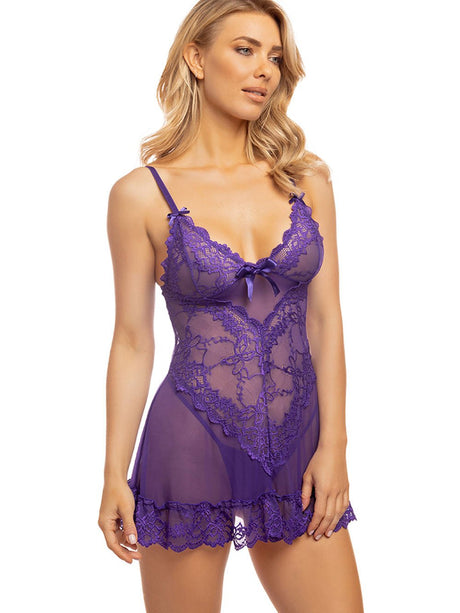
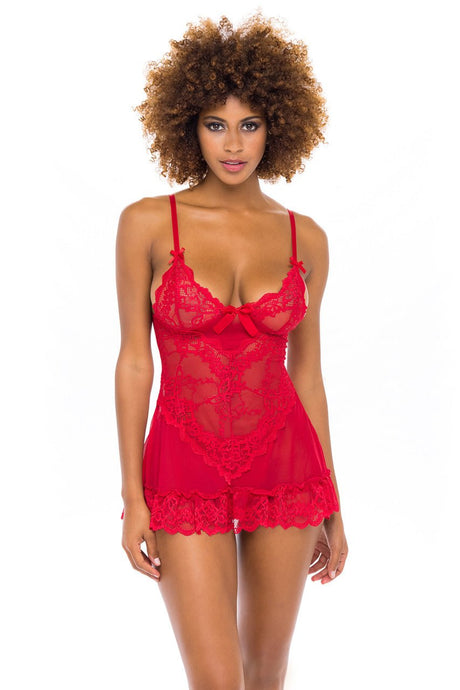
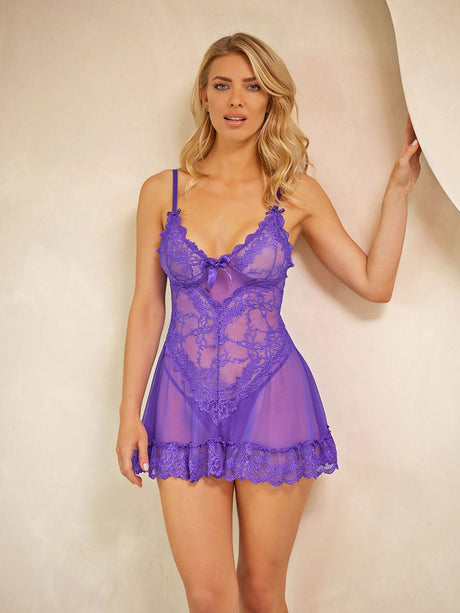
Each of these has a stretch upper cup, a lower-cut shape or both.
For more choice, browse Panache bras and Parfait bras, both of which use stretch lace upper cups across many styles.

When Only One Cup Gapes
Most people have one breast a little larger than the other. A gap on one side only is usually that, not a bad bra.
Fit the bra to the larger breast, so it is fully contained and the wire sits behind all of it. Then deal with the gap on the smaller side. A stretch lace upper cup handles small differences on its own. For a bigger difference, a removable push-up pad or a slim cup insert in the smaller cup fills the space, and many molded bras have a pocket for exactly this. Adjust that strap slightly shorter, but only slightly. Our uneven breasts guide covers this in detail.
Breasts often change size a little over the menstrual cycle. If a bra gapes for part of the month and fits the rest, a stretch lace top cup is the most practical answer, because it moves with you.
When an Older Bra Starts to Gape
If a bra that used to fit now gapes, the bra may have changed, or you may have.
Bands stretch with wear and washing, and a stretched band lets the cups tip forward. If you are on the tightest hook and the band still rides up, the bra has done its job; our guide to how many bras you need covers how long one should last, and how to wash a bra covers how to make it last longer.
Breasts also change shape and size with weight change, pregnancy, breastfeeding, hormonal changes and age, and often become softer and less full at the top. If several bras that used to fit all start to gape, it is worth checking your size again. Our guide to bra size after weight change explains what usually shifts.
The opposite problem, where tissue spills over the top or out of the sides, has its own causes and fixes; see our guide to overflowing bras.
What This Means for You
A gaping cup is either too big or the wrong shape, and where it gapes tells you which. Scoop and settle first, check the band and straps, then change the cup style before you change the size. Top-edge gaps usually want a balconette, demi or stretch lace top; inner-edge gaps want a plunge; cups that wrinkle all over want one cup smaller in the same band.
Do not use the straps to close the gap, fit the larger breast when the two differ, and if several old favorites start gaping at once, check your size again.
Shallow Breasts, Overflowing Cups and Riding Bands
The fit problems that most often come with a gaping cup.
Shallow BreastsOverflowing BrasBra Rides UpFrequently Asked Questions
Why is my bra gaping at the top?
Does a gaping bra mean the cup is too big?
What do I do if my cup is too big but the band fits?
Why does my bra gape in the middle?
How do I fix a gaping bra without buying a new one?
Which bras are least likely to gape?
This guide covers bra fit and is for general information. It is not medical advice. If you notice a change in one breast, such as a new lump, dimpling or a change to the nipple, see a doctor. Sizing varies between brands, so check the size chart for any individual bra.