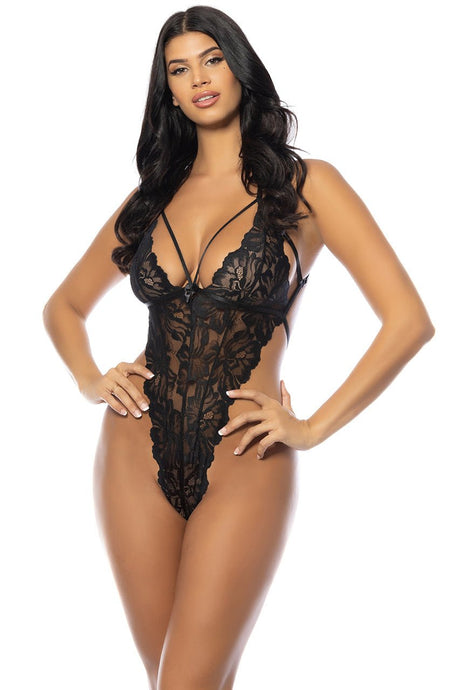
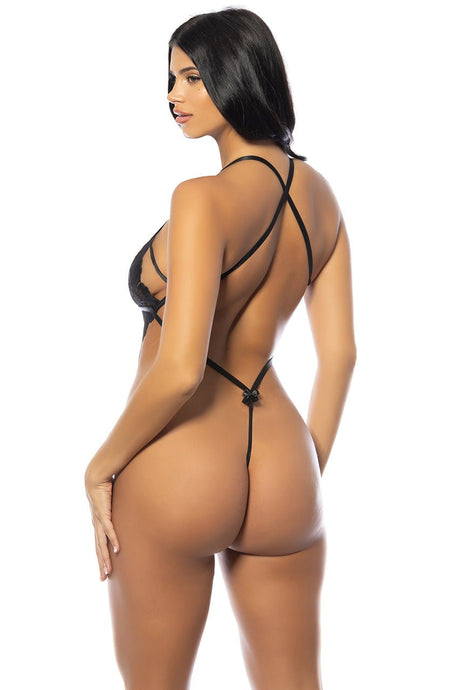
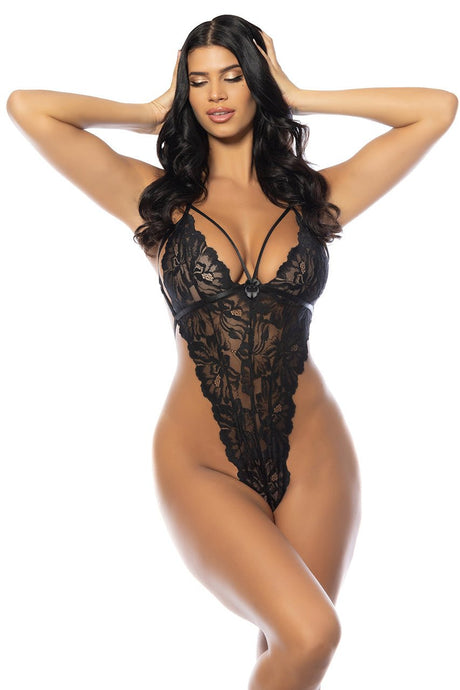
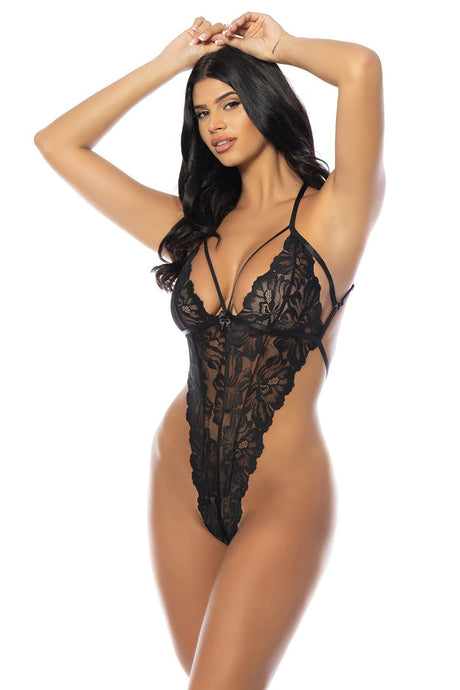
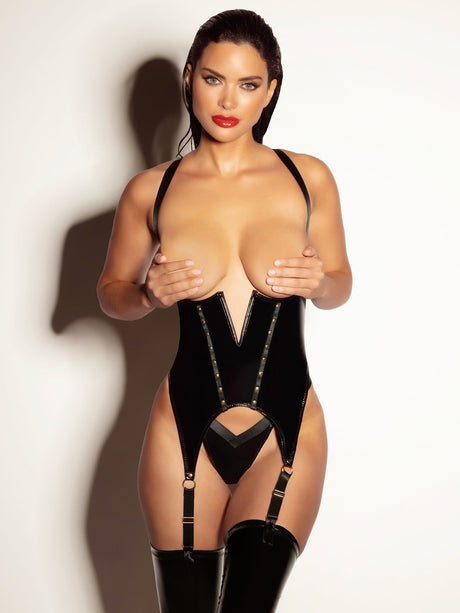
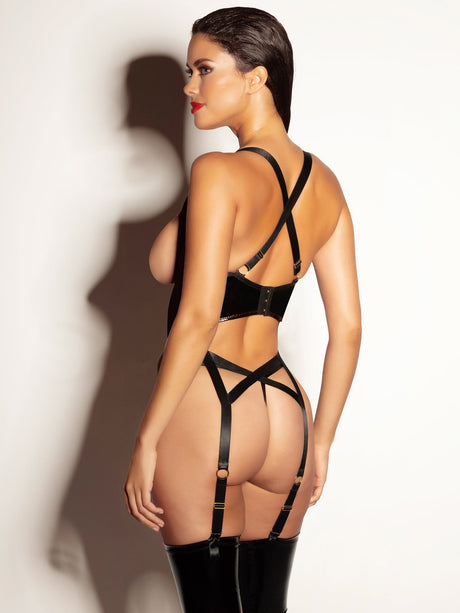
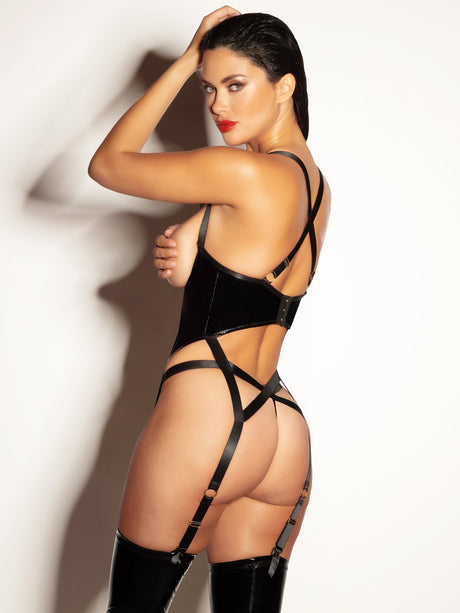
What actually makes lingerie feel good to wear?
Fit, far more than style. And there is a mechanical reason for that which is worth knowing. A band that digs, a strap that slides, a seam that presses and a cup edge that cuts all produce continuous low-level physical sensation. Continuous sensation keeps your attention on your body, and attention on your body while wearing something you are already unsure about is most of what people describe as feeling self-conscious in lingerie. Remove the signal and a substantial share of the discomfort goes with it. Which means the practical route to feeling good in lingerie runs through a current measurement, a band that fits and construction that holds, before it goes anywhere near colour, cut or coverage.
Most writing about confidence and lingerie starts from the assumption that the problem is how you feel about your body, and that the garment is there to change that.
It is worth trying the question the other way round. A great deal of what gets filed as feeling wrong in something is the body reporting a fit fault, accurately, all day.
- Start with a current measurement. Most people are wearing a size that was accurate two or three years ago.
- Fix the band first. It carries roughly 80 percent of bust weight and causes most of the physical signal.
- Buy for Tuesdays, not occasions. Occasion pieces get worn once; foundation pieces get worn constantly.
- Run the movement test. Sit, cross your legs, reach overhead, lean forward. Thirty seconds tells you the day.
- Six pieces cover almost everyone: two everyday bras, a bodysuit, a slip, a set and a robe.
- Buy anything that genuinely fits a second time. One is a fluke; two is a foundation.
- Spend on the bra. Structural pieces are where construction cost shows. Decorative pieces much less so.
Four Places a Garment Tells You It Does Not Fit
Discomfort in lingerie is usually specific and locatable rather than general. It is the band, the strap, a seam, or the top edge of the cup. Each produces a distinct sensation, each has a known cause, and each is fixable by changing the garment rather than anything else.
This matters because sensation and self-image get tangled together easily. Something that presses into you for six hours is genuinely uncomfortable, and the mind does not always file that as this bra is the wrong size. It often files it as I do not feel good in this. The two feel similar from the inside and have completely different solutions.
So it is worth learning to locate the sensation before interpreting it. If you can point to where a piece is bothering you, you almost certainly have a fit fault rather than anything else, and fit faults are solvable with a tape measure and a different garment.
The band deserves particular attention because it is responsible for two of the four and is the one people are least likely to suspect. Straps that dig into the shoulders are almost never a strap problem: a properly fitted band carries around 80 percent of bust weight on the ribcage, and when it rides up, that load transfers to the shoulders. Tightening the straps then makes it worse. The correction is a sister-size move, going down one band and up one cup, which keeps the cup volume the same while restoring the band's ability to carry.
Start With a Current Measurement
Two minutes of guided measurement returns your band, cup and the sister sizes either side. Most fit complaints resolve at this step rather than at the shopping one.
Bra Size CalculatorShop Plus Size BrasThe Six Pieces That Cover Almost Everything
Wardrobes in this category tend to grow sideways: a lot of pieces bought for particular moments, and two or three that actually get worn. A deliberate six covers more ground than a haphazard fifteen.
The highest-leverage habit in this category is buying any piece that genuinely fits a second time, in a different colour. It sounds unadventurous and it is the thing that most reliably turns a drawer of near-misses into a wardrobe. A single well-fitting bra is a fluke of grading between your body and one brand's pattern. Two makes it a foundation, removes the daily question of what to put on, and means the piece is never unavailable because it is in the wash.
Why Lingerie Ends Up Unworn
Almost everyone has pieces that have been worn once or never. It is worth being clear about why, because the reason is usually one of two things and neither is a failure of nerve.
The first is that it was bought for an occasion rather than a day. Occasion purchases are made against an imagined evening, and imagined evenings are rarer than ordinary Tuesdays. A piece that only suits one kind of night out will be worn on that kind of night out, which for most people is a handful of times a year.
The second is that it does not fit well enough to wear for several hours. This is the more common one and the more fixable. A piece that is beautiful and slightly too small produces exactly the continuous signal described earlier, and after one evening of being aware of it, most people quietly stop reaching for it. They rarely conclude the size was wrong. They conclude they did not feel right in it.
The practical consequence is that fit-first buying is also better value. A well-fitting bra worn three times a week for eight months has been worn something like a hundred times. An ill-fitting set worn once has not. The second usually cost less and was considerably more expensive per wear.
How to Choose
Get a Current Measurement First
Measure the ribcage directly under the bust, snug and horizontal, rounding to the nearest even number without adding inches. Then measure across the fullest part of the bust and subtract; each inch of difference is one cup letter. Size moves with weight, hormonal life stages, medication and age, so anything older than a year is likely to be wrong. The bra size calculator does this in about two minutes.
Correct the Band Before Anything Else
The band should sit horizontally across the back, level with the underwire at the front, and fit firmly on the loosest hook when new. Two fingers should slide under it with resistance. If four slide under easily, go down a band and up a cup. Getting this right removes two of the four discomfort signals in one move.
Check Support Is Built In, Not Implied
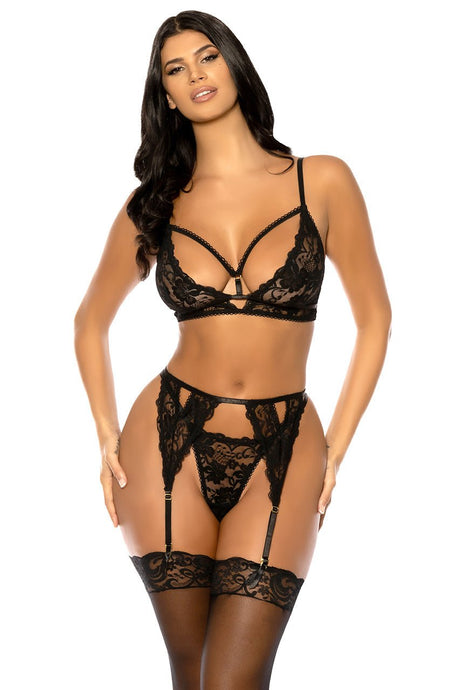
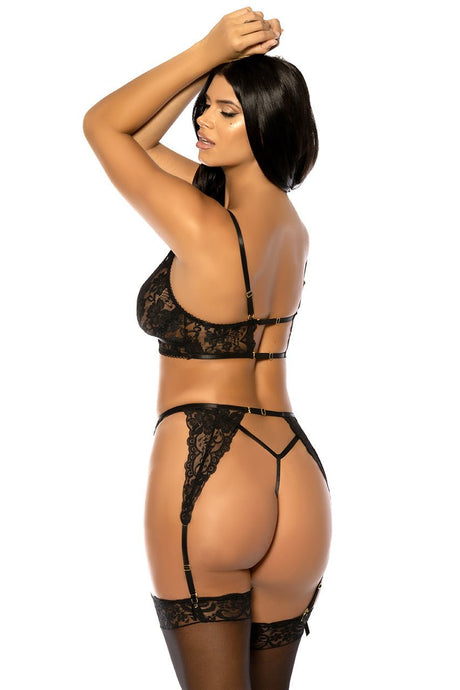
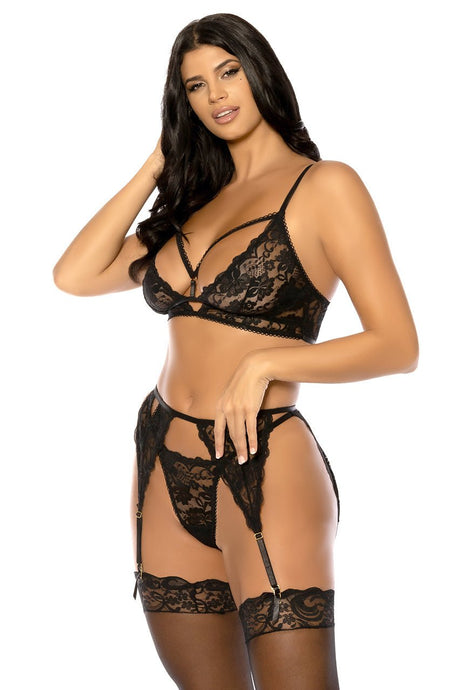
Underwired or firmly seamed cups, side-support panels, wider adjustable straps and a hook-and-eye closure. Above roughly a D cup, a piece with decorative cups and thin straps will be uncomfortable within an hour regardless of the number on the label. This is visible in the product photograph, and it takes ten seconds to check.
Run the Movement Test
Put it on, then sit down, cross your legs, reach both arms overhead and lean forward from the waist. Watch the band, the cup edge and the straps. Anything that digs, slides or gapes in thirty seconds of ordinary movement will do the same for the whole day, and that is the signal that ends up interpreted as not feeling good in something.
Judge It at Hour Four, Not Minute One
Comfort at the moment of putting something on tells you very little. Give any new foundation piece a full day before deciding, and pay attention to whether you have thought about it. The best possible outcome for a well-fitting bra is that you forget it is there.
Colour, Cost and Where to Spend
Two colours cover most of what a wardrobe needs. A shade close to your own skin tone disappears under pale and white clothing, where white would show as a distinct lighter layer through thin fabric. Black covers everything dark. Those two in a well-fitting bra handle the overwhelming majority of daily wear, and everything after that is preference rather than necessity.
On cost, the useful distinction is between structural and decorative. Structural pieces, meaning anything where construction is doing real mechanical work, are where money shows: graded cups, side-support panels, reinforced underwires and multi-row closures all cost more to make and perform measurably better. Decorative pieces correlate far less strongly with price, because what you are paying for is fabric and finish rather than engineering.
| Piece | Worth spending on? | Why |
|---|---|---|
| Everyday bra | Yes, the most | Most-worn item, carries real load, and construction quality is directly felt. This is where the budget belongs. |
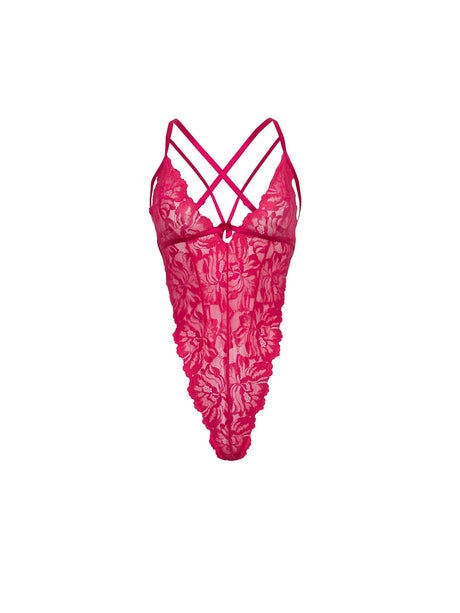
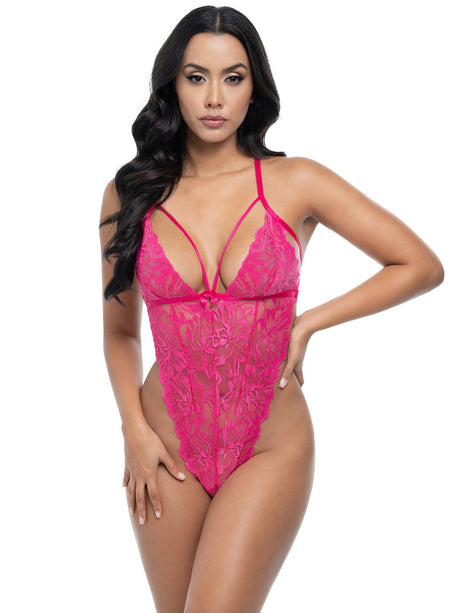
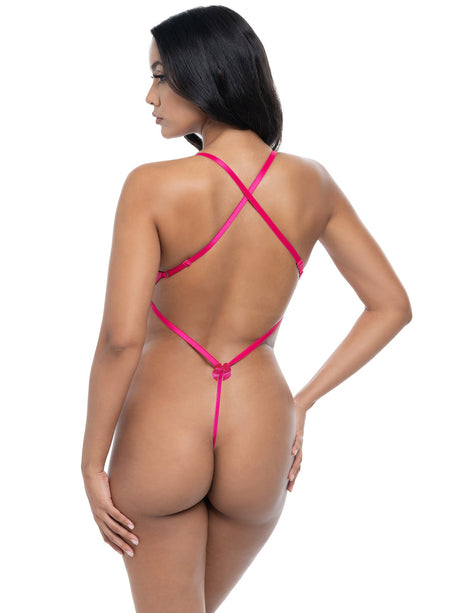
| Structured bodysuit | Yes | Seaming and stretch panel placement are pattern-cutting work, and cheap versions fit noticeably worse. |
| Slip | Moderately | Silk costs more and performs better on static and drape, but a good modal slip is close for much less. |
| Coordinated set | Depends on the bra | Worth it if the bra is genuinely supportive. Not worth it if the cups are decorative. |
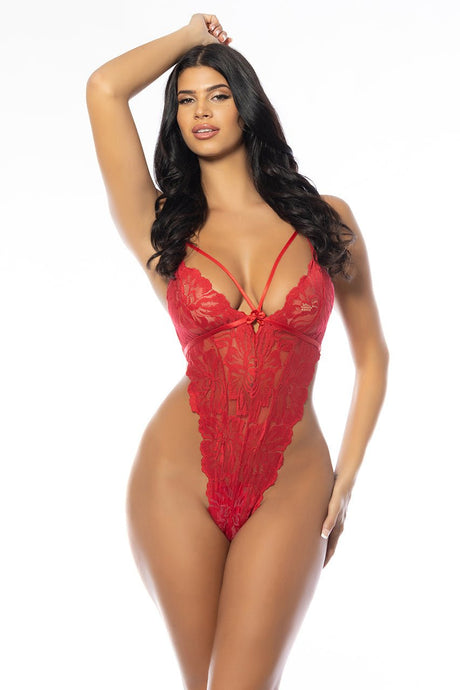
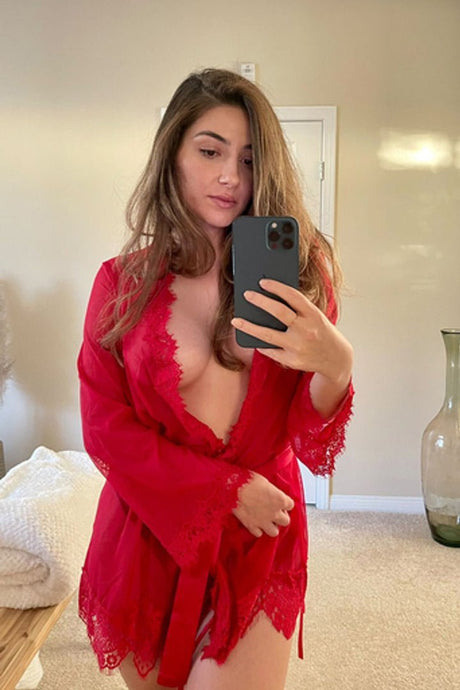
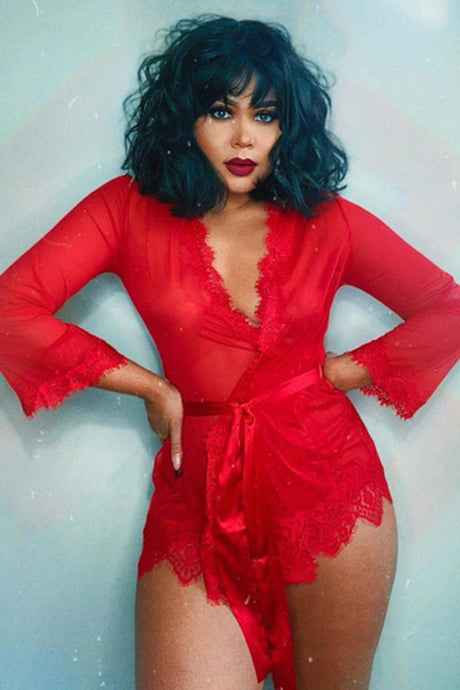
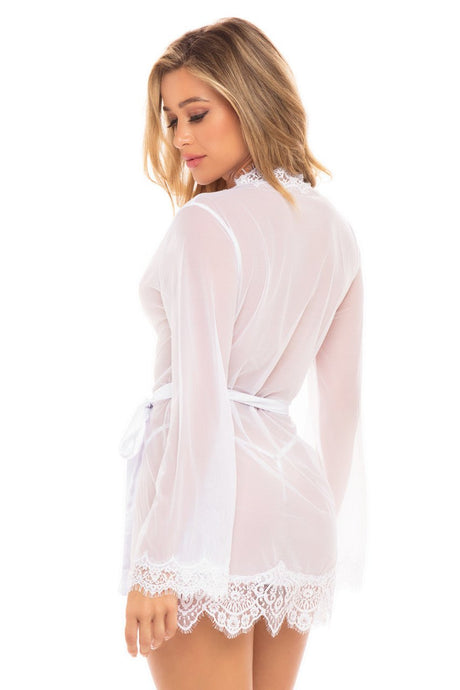
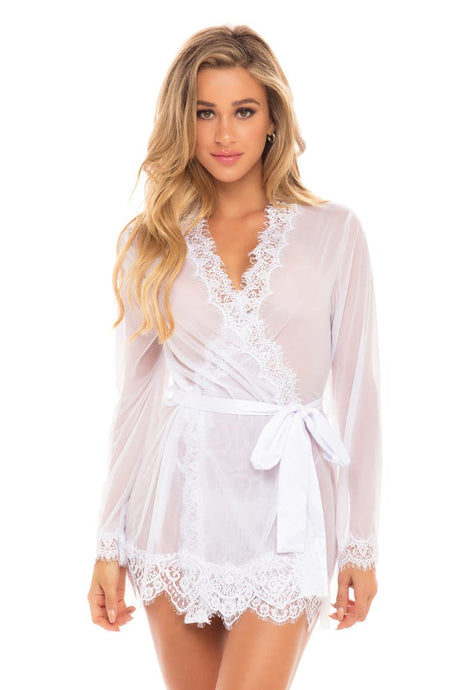
| Robe | Moderately | Fabric quality is the main variable and it shows at longer lengths. Fit is forgiving apart from the wrap. |
Four Mistakes Worth Avoiding
Occasion purchases are made against an imagined evening and worn against a real calendar, which is much less eventful. Two well-fitting everyday bras will be worn a hundred times in the period a single occasion set is worn once. Foundation first, occasion afterwards.
A band digging, a strap sliding or a cup edge cutting is information about a garment, not about you. It is worth pausing over anything you have stopped wearing and asking where exactly it bothered you, because a specific answer usually points at a specific and correctable fault.
A piece a size too small does not produce a smoother silhouette, it produces edges: stretch panels stop stretching, seams sit under tension and the fabric maps rather than skims. It is also the fastest route to being uncomfortable by the middle of the day. Buy the size that fits and let the construction do the shaping.
Pieces reserved for special occasions tend to stay reserved. If something fits well and you like it, an ordinary Wednesday is a sufficient reason. This is the cheapest possible improvement to a lingerie wardrobe, since it requires buying nothing.
People apologise to us for not feeling confident in their lingerie. Nine times out of ten we hand them the right band size and the conversation changes completely. It was never a confidence problem. It was a 42G in a 44F.
HauteFlair Fit Team
What This Means for You
The route to feeling good in lingerie is less mysterious than the category makes it sound. A current measurement, a band that fits, construction that holds, and pieces bought for ordinary days rather than imagined ones. That sequence resolves a surprising share of what gets described in much vaguer terms.
If you are starting from scratch, buy one full-coverage bra in your current measured size, in nude, with side-support panels and a three or four-row closure. Wear it for a week. If you forget it is there, buy it again in black. Then add a bodysuit, a slip, a set and a robe, in that order.
And wear the good pieces on a Wednesday. That part costs nothing.
Plus Size Lingerie at HauteFlair
Bras, bodysuits, slips, sets and robes graded for real plus size fit, with supported cups, stretch panels placed for curve and proper closures. Sizes 1X through 6X. Free returns on unworn pieces.
Shop Plus Size LingerieVerify Your SizeFrequently Asked Questions
What is the best plus size lingerie for confidence?
Why do I feel uncomfortable in lingerie even when it fits my size?
What plus size lingerie is most flattering?
How do I know my current bra size?
What should I buy first if I am starting from scratch?
Does shapewear help with confidence?
How many pieces of lingerie do I actually need?
Why does my lingerie stay in the drawer?
What size lingerie should I buy compared with my bra size?
Should I buy lingerie for myself or for someone else?
What lingerie works best for a fuller bust?
How often should I replace lingerie?
Is expensive lingerie worth it?
What colour lingerie is most versatile?
Where can I get properly fitted at plus sizes?
This article is for informational purposes only. Fit recommendations are general and may vary based on individual body composition, brand-specific sizing and personal preference. For the most accurate current bra size, use the HauteFlair bra size calculator or contact our fit team directly. HauteFlair offers free returns on unworn pieces.