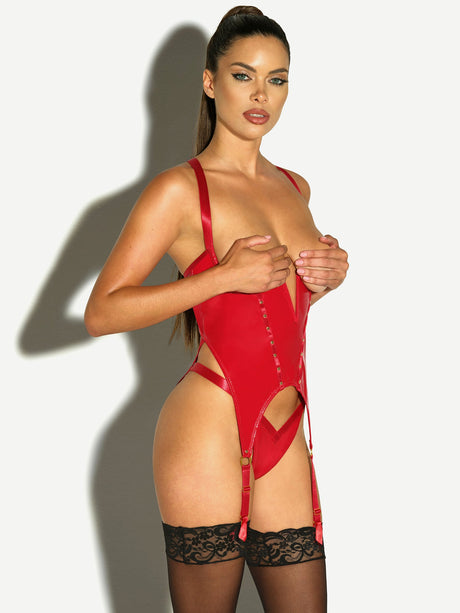
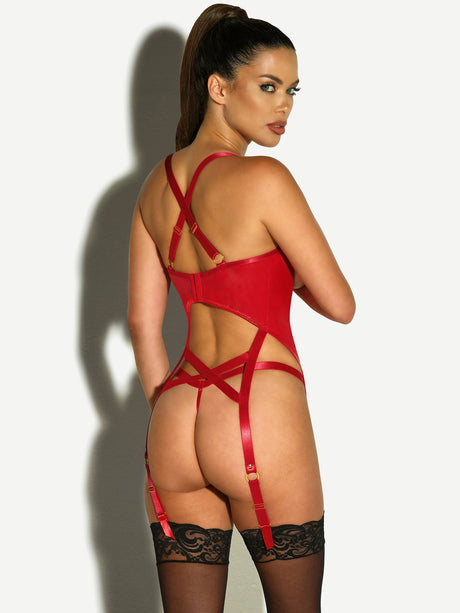
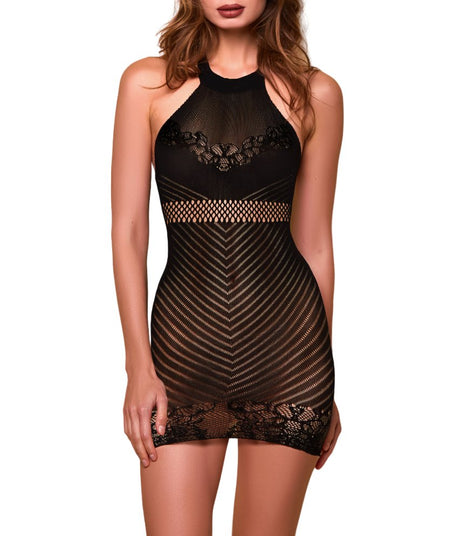
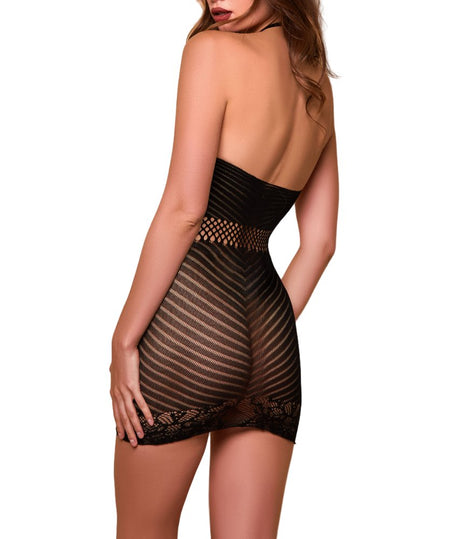
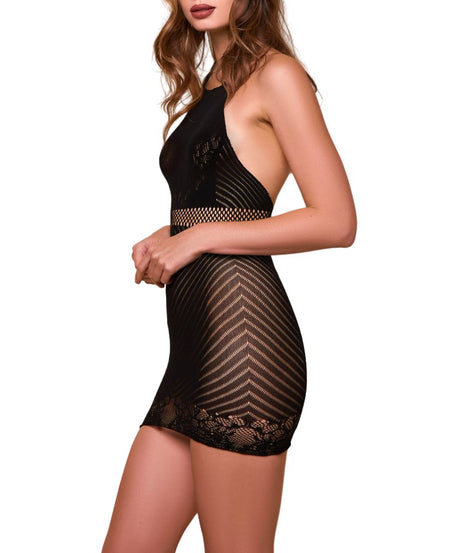
What is a corset dress?
A corset dress is a dress with a structured, boned bodice modeled on the traditional corset, attached to a skirt in any of several silhouettes. The boned bodice shapes the waist and supports the bust without requiring separate undergarments; the skirt — ball gown, mermaid, A-line, column, or short — sets the occasion. Corset dresses span prom and bridal formal wear through cocktail and casual mini styles. The defining feature is the boned bodice construction, not any single skirt shape.
This guide untangles the choice. What actually makes a dress a corset dress, the five main silhouettes and which occasions each fits, how the boning inside determines quality more than the fabric outside, the necklines and closures worth knowing about, sizing that respects your actual measurements, how to pick fabric by mood, and honest guidance on price ranges and care. When the buying picture is clear, the dress that looks right on the model is more likely to look right on you.
Shop Corset Dresses
Browse the full corset dress collection — every silhouette, every fabric, every color, with fit notes on each product page.
Shop Corset Dresses → Read the Corset Guide →- The bodice makes the corset dress, not the skirt. A boned bodice attached to any silhouette qualifies — from ball gown to mini.
- Steel boning vs plastic boning matters more than fabric. Steel holds shape and supports the bust; plastic bends and warps after a few wears.
- Five main silhouettes: ball gown, mermaid, A-line, column, and short/mini. The silhouette matches the occasion.
- Most quality corset dresses don't need a bra — the boned bodice provides bust support directly.
- Size by your bust and waist measurements, not dress size. Lace-up back styles adjust three to four inches; zippers are fixed.
- Basque waist is the 2026 trend — a dramatic V-shaped waistline that elongates the torso.
- Dry-clean only. Never machine wash a corset dress; the boning warps in the agitation.
What Makes a Corset Dress
The corset dress is defined by its bodice, not its skirt. Three construction features distinguish a real corset dress from a dress with a "corset-inspired" or "structured" top:
- Internal boning. Rigid strips (steel is standard for quality dresses, plastic for cheaper ones) sewn into channels throughout the bodice. The boning holds the shape, supports the bust, and prevents the fabric from wrinkling or rolling.
- Structured cups or built-in bust support. Most quality corset dresses have shaped cups sewn into the bodice, or enough side-panel structure to support the bust directly. That's why they're worn without a separate bra.
- A defined waist closure. Either a lace-up back (adjustable, visually distinctive, needs help to close) or a hidden zipper (sleek, independent, fixed fit). Some formal styles use both — a corset-lacing panel over an inner zipper for a clean finish.
What all of this adds up to: a dress that shapes the waist and supports the bust through its own construction rather than requiring shapewear, a bra, or a separate corset underneath. That's what makes it a corset dress rather than a fitted dress with a decorative laced-up back.
Look at the product page for two words: steel boned. Their presence signals a corset dress that will actually hold shape and support the bust. Their absence — replaced by softer language like "structured bodice" or "shaped waist" — usually means plastic boning that will bend within a few wears. This single detail matters more than the fabric, color, or price.
The Five Main Silhouettes
Corset dresses organize primarily by skirt silhouette. The bodice construction is essentially the same across all of them; the skirt sets the formality, the mood, and the occasion.
GOWN
/ MINI
A few less common silhouettes fill in the edges: the tea-length corset dress (bodice with a skirt ending mid-calf, popular for vintage-styled weddings and cocktail wear), the trumpet (a softer version of mermaid with less severe flare), and the fit-and-flare (essentially a shorter A-line with more skirt volume). All follow the same principle: bodice sets the structure, skirt sets the occasion.
Find Your Corset Dress
Three quick questions — we'll point you to the right silhouette, length, and starting fabric for your occasion.
Boning — The Spec That Decides Everything
Two dresses can look identical in the product photo and behave completely differently once you own them. The invisible difference is what's sewn into the bodice channels. Get this right and the dress lasts years; get it wrong and it warps within a few wears.
Flat steel at the front and back of the bodice; flexible spiral steel around the sides. Holds shape under tension, supports the bust without a separate bra, keeps the fabric smooth, and lasts for years of occasional wear. The standard for quality corset dresses. Look for language like "steel boned" or "steel-boned bodice" on the product page.
Also called "featherbone" or "polyester bone." Lightweight and cheap to produce, but bends under real tension, wrinkles the fabric, and warps permanently after a few wears. Fine for a single-use costume; a false economy for a dress you'll wear more than once. Common in low-price corset dresses.
More bones = more structure and better shape retention. Quality corset dress bodices typically have eight to twelve bones (four to six vertical channels on each side). Fewer than eight and the bodice relies on the fabric to hold shape, which it won't do for long. This is one of the most useful comparisons when shopping — many product pages list bone count.
Bones live inside fabric-wrapped channels sewn into the bodice. Well-constructed channels use dense fabric that prevents bones from wearing through; cheap construction leaves bones sitting against thin fabric that eventually splits. If you can, feel the bodice — well-boned corset dresses feel structured and firm even before you close them.
Neckline Options
The neckline sits above the boned bodice and does the work of setting the mood without changing the structure underneath. Four dominate the category:
| Neckline | Reads As | Best For |
|---|---|---|
| Strapless | Classic, timeless, universal | Every silhouette; the default |
| Sweetheart | Romantic, feminine, elongating | Bridal, prom, formal |
| Off-shoulder | Soft, romantic, coverage without straps | Bridal, cocktail, evening |
| Illusion | Modern, sheer paneling above the bodice | Prom, contemporary bridal |
Strapless works with essentially every corset dress silhouette because the boning provides enough structure to hold the bodice in place without straps needing to carry any load. Sweetheart adds a heart-shaped curve at the top of the bodice that softens the strapless line and elongates the bust visually. Off-shoulder drops fabric or a small sleeve just below the shoulder for coverage without conventional straps. Illusion necklines use sheer mesh above the boned section for the appearance of skin with the corset structure still doing its job underneath — a big 2026 trend on prom dresses in particular.
A basque waist is a dramatic V-shaped waistline that dips down at the center front rather than sitting straight across the natural waist. It's one of the biggest formalwear trends going into 2026 and shows up frequently on prom and bridal corset dresses. The basque waist elongates the torso, deepens the hourglass line, and creates a more dramatic transition into the skirt. Especially flattering with ball gown and A-line silhouettes.
How to Choose by Occasion
The occasion determines silhouette, fabric, and often color before anything else. Four common use cases point to four different right answers.
Ball Gown or Mermaid, Statement Fabric
Prom is where corset dresses live largest. Ball gowns in tulle or satin dominate, mermaids in sequin or beaded fabric come next, and A-line in a slinkier fabric is the "understated" pick. Bright and jewel tones (emerald, sapphire, burgundy, red) and metallic finishes photograph best; black corset dresses read moodier and more sophisticated. Look for steel boning (prom dresses take a beating on the dance floor), lace-up backs (adjust the fit through the day), and enough skirt volume to move comfortably. Basque waist and illusion neckline are on-trend for 2026. Browse the corset dress collection at HauteFlair.
Corset Wedding Gowns, Traditional Fabrics
Bridal corset dresses favor ivory, champagne, blush, and pearl-white palettes in satin, silk, lace, and tulle. Ball gown silhouettes are the traditional bridal choice; mermaid and A-line work for less formal weddings; column and short corset dresses suit courthouse and elopement weddings. Look for steel boning (a wedding day is many hours of wear), quality fabric (silk and hand-embellished lace hold up on camera), and multiple fittings (bridal corset dresses often need alterations even in the right size). Order early — 4-8 months out is standard for a formal wedding. Browse bridal-appropriate corset dresses at HauteFlair.
A-Line or Column, Sophisticated Palette
For cocktail, wedding-guest, and formal-dinner wear, A-line and column corset dresses in chiffon, satin, or fine crepe are the natural choice. Length usually falls at midi (below knee to mid-calf) or floor length depending on the event's formality. Avoid white if you're a wedding guest — jewel tones, dusty pastels, and sophisticated neutrals (champagne, navy, burgundy) all work well. Strapless or sweetheart necklines are the default; add a wrap or shrug if the venue is cold or the dress code calls for shoulder coverage. Browse cocktail and formal styles at HauteFlair.
Short or Mini Corset Dress, Bold Fabric
For nights out, birthdays, and party wear, short and mini corset dresses in bold fabrics (satin, leather-look, sequin, mesh with lace panels) read confident and modern. Black is the default; red, burgundy, jewel tones, and metallic silver or gold all work. Lighter boning is common at this length — enough to shape the bodice, not so much that it restricts movement on a dance floor. Style with statement heels or ankle boots and let the dress do the work. Browse the going-out corset dress selection at HauteFlair.
Fit and Sizing
Corset dress sizing rewards precision. Because the boning creates the shape, the dress size has to match your actual measurements rather than what you normally wear off the rack. Five things to get right:
Corset dresses size to bust and waist rather than dress size. Measure your bust at its fullest and your natural waist at its narrowest point, snug and level. Compare with the specific brand's size chart — corset dress sizing varies more than standard dress sizing.
If your bust and waist put you in different sizes on the chart, size up to the larger measurement. Taking in a corset dress at the smaller measurement is far easier than letting out a bodice at the larger one — the boning locks the smaller dimension.
Lace-up back styles typically offer three to four inches of adjustment. That's enough to accommodate weight fluctuation, avoid alteration costs, and forgive a between-sizes gap. If you're on the edge of two sizes, lace-up is more forgiving than zipper — go with the lace-up.
Hidden zipper styles are fixed in fit — what you order is what you get. Zip-back corset dresses need to match your measurements exactly. Order these with more caution and confirm the return policy before buying.
Corset dress bodices come in a range of lengths from natural waist to hip. If you're petite or tall, torso length matters as much as bust and waist — a bodice too long will dig at the hips; too short and the waist sits wrong. Look for torso length in the size chart, or measure a well-fitting bodice you already own.
Formal corset dresses often need alterations even in the right size. Order 6-8 weeks before the event to leave room for fitting adjustments. Bridal corset dresses need 4-6 months. This isn't optional for prom or weddings — waiting until two weeks before the event limits your options significantly.
"The most common reason a corset dress disappoints on arrival isn't the design — it's sizing to dress size instead of measurements, or ordering too late to alter. The dress that looks stunning in the product photo needs the right size and adequate fitting time to look the same on you. Both are avoidable with a tape measure and a calendar."
— HauteFlair Fit Editorial Team
Fabric Guide
The fabric sets the mood; the silhouette sets the occasion. Six fabrics cover most corset dresses:
| Fabric | Reads As | Best For |
|---|---|---|
| Satin | Glossy, lustrous, formal | Prom, bridal, formal ball gowns |
| Tulle | Voluminous, romantic, princess | Ball gowns, bridal, prom skirts |
| Sequin | Sparkling, high-shine, glamorous | Prom, red carpet, holiday |
| Chiffon | Soft, floaty, ethereal | Bridal, cocktail, guest wear |
| Velvet | Rich, warm, gothic-romantic | Fall/winter formal, moody looks |
| Lace | Delicate, vintage, romantic | Bridal, formal, romantic prom |
Two combinations worth knowing about: satin bodice + tulle skirt is the most photographed prom and bridal combination — the smooth structured bodice contrasts beautifully with the voluminous skirt. Sequin bodice + tulle skirt pushes the drama further for pageant, red carpet, and standout prom looks. All-lace corset dresses read most bridal-romantic and work especially well for boho and vintage weddings.
Frequently Asked Questions About Corset Dresses
What is a corset dress?
What are the different types of corset dresses?
Do corset dresses have real boning?
Can you wear a bra with a corset dress?
How should a corset dress fit?
What size corset dress should I buy?
What is a corset dress used for?
What is a basque waist corset dress?
Are corset dresses comfortable?
What is the difference between a corset dress and a bustier dress?
Can plus-size women wear corset dresses?
How much do corset dresses cost?
How do I care for a corset dress?
What shoes go with a corset dress?
Where can I buy a corset dress?
This guide is editorial. Corset dress sizing, fit, and style preferences vary across bodies, brands, and personal tastes — what matters most is fit precision, adequate fitting time, and confidence. Refer to each brand's size chart for the best fit guidance. Last reviewed: July 18, 2026.