Silk vs. satin negligees, in one answer
A silk negligee is made from natural silk — breathable, temperature-regulating, and softly lustrous — while a satin negligee is made from a satin weave, usually synthetic, that gives a brighter shine and silky glide at a lower price. The key distinction: silk is a fiber; satin is a weave. Silk wins on comfort, breathability, and longevity; satin wins on shine, budget, and easy care. Both are among the most popular fabrics for negligees, and the right one depends on how you'll wear it.
This guide breaks down both: what makes silk special, what satin offers in its place, how the two compare head to head, how to choose between them for your comfort and budget, and how to care for each so it keeps its drape and sheen. If you only take one thing away, make it this — silk is a natural fiber, satin is a weave, and knowing which you're buying is the whole game.
- Silk is a natural protein fiber — breathable, temperature-regulating, hypoallergenic, and softly lustrous.
- Satin is a weave, usually synthetic — brighter shine, slicker feel, more affordable, less breathable.
- Silk negligees suit comfort, sensitive skin, hot sleepers, and year-round wear.
- Satin negligees suit high-shine glamour, occasion wear, and a smaller budget.
- Care: silk needs gentle hand-washing; satin is more durable and machine-friendlier.
- Both come in slip, lace-trimmed, and gown styles, in sizes XS–4X.

Silk Negligees: The Natural-Fiber Standard
Silk is the heritage fabric of the negligee, and for good reason. It is a natural protein fiber spun by silkworms, and it behaves on the body in ways synthetics can only imitate. A silk negligee is cool to the touch, breathable, and moves with a fluid weight that makes it drape beautifully — especially when cut on the bias, the diagonal cut that gives the classic silk slip its liquid fall.
Three qualities make silk special for a negligee specifically:
- Temperature regulation. Silk keeps you cool in warm conditions and warm in cool ones, which is why it's the favorite for pieces meant to be slept in year-round.
- Softness and low friction. Silk's smooth fibers glide against skin, reducing irritation — the reason it's the go-to for sensitive skin.
- A soft, deep luster. Silk has a shifting, understated sheen rather than the bright mirror-shine of synthetic satin, and it drapes with a weight that flatters.
Most quality silk negligees are made from mulberry silk, the finest grade, and the best pieces list a momme weight (usually 16–22 for negligees) — the measure of silk's density, like thread count for cotton. If a "silk" negligee lists no momme weight or silk percentage, treat it as a red flag. For the full picture of the fabric across every silhouette, see our complete guide to silk lingerie, or browse the silk edit directly.
Real silk warms quickly to your touch and feels alive against skin; synthetic satin stays cool and slick. Real silk also has an uneven, soft luster that shifts as it moves, while polyester satin shines uniformly. If a "silk" negligee is suspiciously cheap, fully machine-washable with no special care notes, and lists no momme weight — it's almost certainly satin.
Satin Negligees: Shine at a Friendlier Price
Here's the point that trips up most shoppers: satin is not a fiber — it's a weave. A satin weave produces that glossy, light-catching surface, but the thread underneath is usually polyester or nylon, not silk. (Silk can be woven into a satin weave, called silk satin or charmeuse, but a piece labeled simply "satin" is almost always synthetic.)
That doesn't make satin a lesser choice — it makes it a different one. A satin negligee gives you much of silk's fluid glide and a brighter, more dramatic shine at a fraction of the price. It's more durable, more forgiving to care for, and photographs with a bold sheen that suits occasion pieces. The trade-off is breathability: because it's synthetic, satin traps more heat and moisture, so it runs warmer than silk against the skin.
For a high-shine occasion negligee on a budget, satin is the pragmatic, glamorous choice. Browse satin styles for the look, or step up to the luxury edit to compare premium satin and silk side by side.

Silk vs. Satin Negligees, Compared
Here's the head-to-head. Neither fabric is "better" universally — they serve different goals, and the mistake is paying silk prices for satin, or expecting satin to deliver silk's natural-fiber comfort.
| Property | Silk negligee | Satin negligee |
|---|---|---|
| What it is | A natural protein fiber | A weave, usually polyester or nylon |
| Feel on skin | Cool, soft, breathable, "alive" | Slick; can feel warm and clingy |
| Temperature | Regulates — cool or warm as needed | Traps heat and moisture |
| Sheen | Soft, deep, shifting luster | Bright, uniform, mirror-like |
| Skin-friendliness | Hypoallergenic, low-friction | Can irritate sensitive skin |
| Price | Higher (natural fiber) | Lower, more accessible |
| Care | Hand-wash, air-dry | More durable, machine-friendlier |
| Best for | Comfort, sensitive skin, year-round wear | High-shine glamour, occasion, budget |
In a sentence: choose a silk negligee when you value how it feels and want to wear it often; choose a satin negligee when you want maximum shine for a special occasion without the silk price tag. Both belong in the wider negligee family — and both funnel into the same negligee edit.
How to Choose Your Negligee Fabric
Four considerations settle almost every silk-or-satin decision.
Silk for Everyday Wear and Sensitive Skin
If you'll sleep in your negligee or wear it often, silk's breathability and low friction make it the comfort choice — especially for sensitive skin, eczema, or hot sleepers. Satin is perfectly comfortable for shorter, occasion wear, but its synthetic weave runs warmer. Lead with how the fabric feels against your skin an hour in, not how it looks on the hanger.
Satin for High Shine, Silk for Quiet Luxury
For a dramatic, photo-ready sheen — a wedding night, an anniversary, a statement piece — satin's bright shine delivers instant glamour. For understated, expensive-feeling luxury that reads refined rather than flashy, silk's soft luster wins. Match the fabric's mood to the moment.
Silk Costs More but Lasts for Years
Satin is the budget-friendly choice up front. But quality silk, cared for properly, lasts many years and often outlives synthetic pieces — so for a negligee you'll reach for again and again, silk can be the better long-term value. For a one-time occasion piece, satin is the sensible spend.
Match the Fabric to the Silhouette
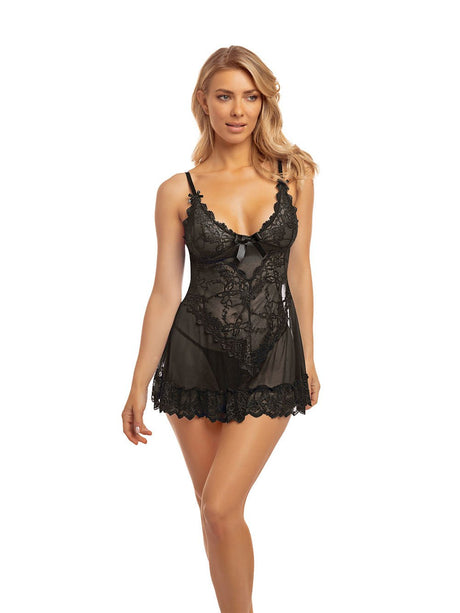
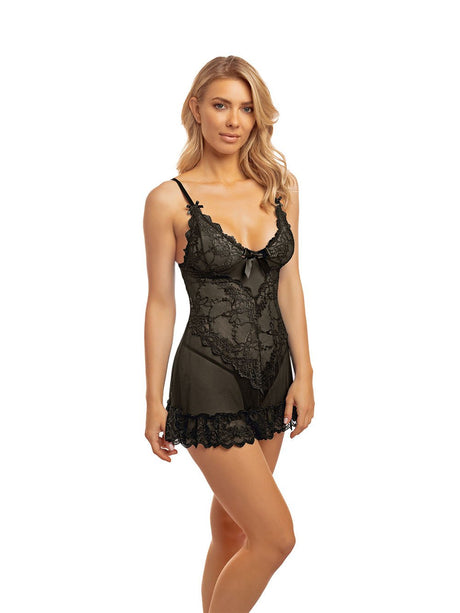
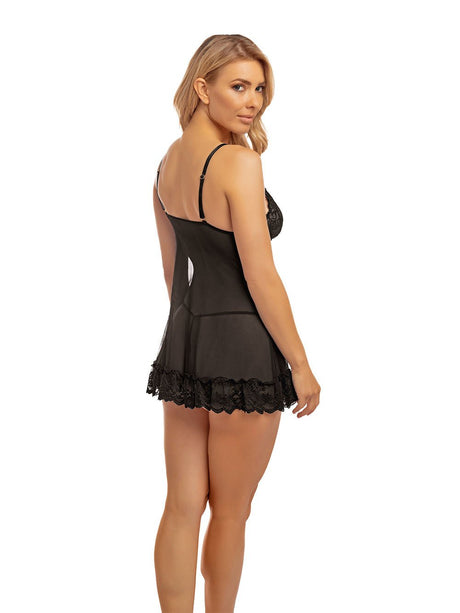
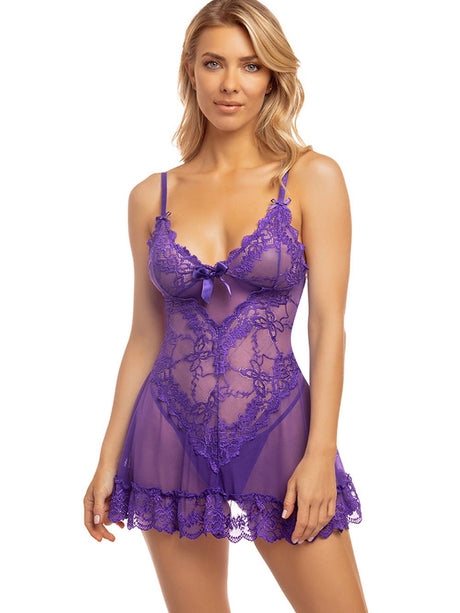
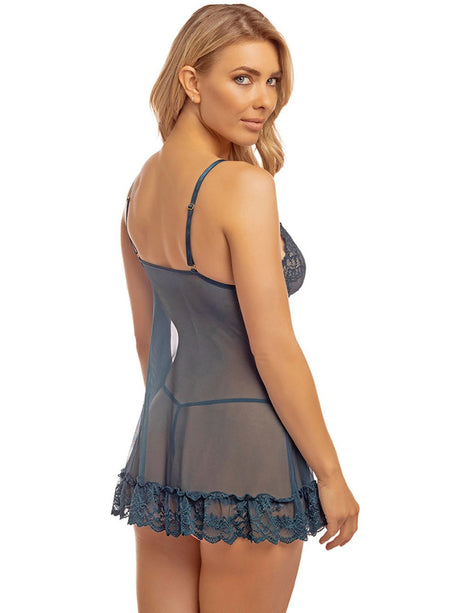
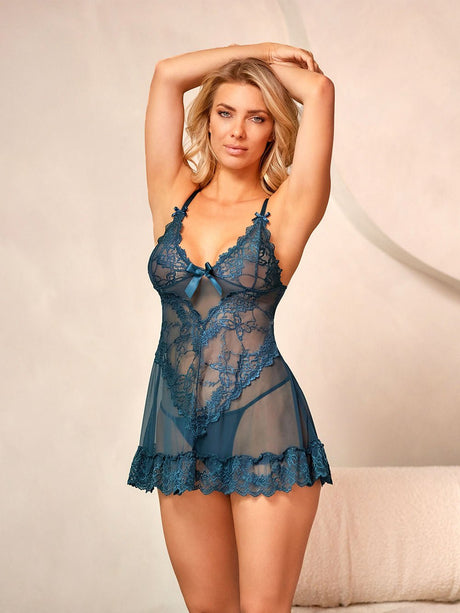
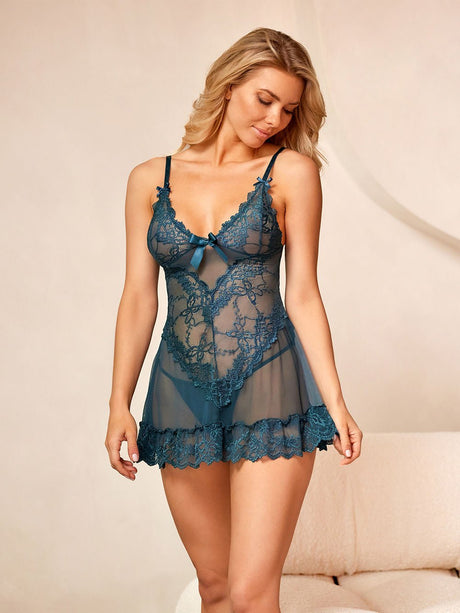
A bias-cut silk slip drapes and skims like nothing else — the modern classic. Satin holds a slightly crisper shape and suits structured, lace-trimmed, and gown styles where shine is the point. Silk-and-lace and satin-and-lace pieces both add romance; the fabric underneath decides the feel. Browse the full range of cuts in our negligee sets and peignoirs guide.

How to Care for Silk & Satin Negligees
Fabric decides care. Silk is more delicate but rewards gentle handling with years of wear; satin is more forgiving. A simple routine keeps both looking new.
Caring for a silk negligee
- Hand-wash in cool water with a pH-neutral silk or delicate detergent. Swish gently — never rub, scrub, or wring. Heat and agitation are silk's main enemies.
- Rinse cool until the detergent is gone; a teaspoon of white vinegar in the final rinse restores luster.
- Roll, don't wring. Press water out in a towel, then lay flat or hang on a padded hanger, away from heat and direct sunlight.
- Never machine-wash, tumble-dry, or bleach silk.
Caring for a satin negligee
- Hand-washing is safest, but most synthetic satin tolerates a mesh lingerie bag on a gentle cold machine cycle.
- Always air-dry — never tumble-dry, which can warp and dull the fabric.
- Skip bleach and fabric softener, both of which dull satin's shine over time.
If your negligee came with a matching robe, our guide to washing a silk robe covers the belt, the long seams and drying a full-length robe without stretching the shoulders. For robe styles beyond the matching set, see our robes guide.
For both fabrics, three things do the most damage: heat (hot water and the dryer permanently harm silk's fibers and warp satin), direct sunlight (fades color and weakens silk), and rough contact (snags from jewelry, Velcro, and coarse fabrics). Avoid all three and a good negligee — silk or satin — will keep its drape and sheen for years.
"People shop silk versus satin as if it's about price. It isn't — it's about feel. Silk disappears against the skin; satin announces itself in the light. Decide which you want the moment you put it on, and the choice makes itself."
— HauteFlair Editorial Team
Frequently Asked Questions
What is the difference between a silk and a satin negligee?
Is a silk or satin negligee better?
Why are silk negligees so expensive?
Is a satin negligee real silk?
Are silk negligees good for hot sleepers?
How do you wash a silk negligee?
How do you wash a satin negligee?
What is a silk slip negligee?
Does a silk negligee wrinkle easily?
What colors do silk and satin negligees come in?
Where can I buy silk and satin negligees?
This guide is editorial. Fabric content, momme weight, fit, and care needs vary across brands and individual pieces — always check the specific product label for fiber content and care instructions. Fabric and care guidance reflects general best practices for natural silk and synthetic satin. Last reviewed: July 20, 2026.