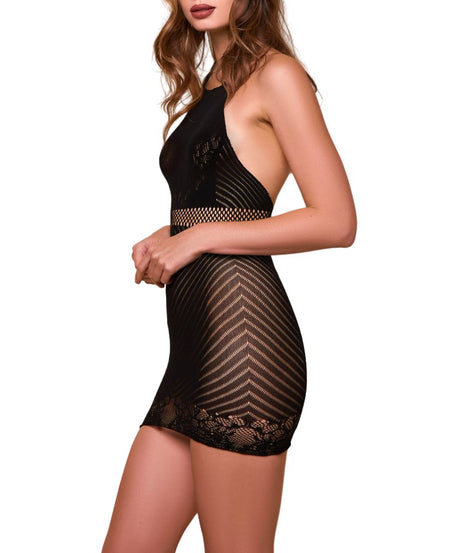
What are the types of pajamas?
Pajamas are matching sleepwear — usually a top with pants or shorts — and they come in three overlapping groups: by format (classic sets, short sets, sleep shirts, pants and separates, and rompers), by fabric (cotton, modal, flannel, silk, and satin), and by occasion (everyday, sexy, holiday, and plus-size). The word is spelled pajamas in American English and pyjamas in British English — same garment, same pronunciation. Most pajamas can be described with one label from each group, like a cotton short set or a silk classic set.
This guide maps the whole category: the main types of pajamas by format, by fabric, and by occasion, how pajamas differ from nightgowns, chemises, and robes, and where the word itself comes from. By the end you'll know exactly which type suits your climate, your sleep style, and the moment you're dressing for.
- By format: classic set, short set, sleep shirt, pajama pants & separates, romper/onesie.
- By fabric: cotton, modal/jersey, flannel, silk, satin — fabric is the biggest comfort decision.
- By occasion: everyday, sexy/romantic, holiday, plus-size, and gifting.
- Spelling: "pajamas" (US) and "pyjamas" (UK) are the same word; "PJs" and "jammies" are informal.
- Origin: from the Hindustani-Persian pay-jama, "leg garment" — loose trousers tied at the waist.
- Not the same as: a nightgown (one-piece), a chemise (short slip), or a robe (a layer).

The Pajama Family, Mapped
Every pair of pajamas can be described three ways at once — by its format (the shape and number of pieces), its fabric (what it's made from), and its occasion (when and why you'd wear it). A "silk short set for summer" is all three labels at work. The sections below take each axis in turn, so you can build up to exactly the pajama you're picturing.
Types of Pajamas by Format
Format is the silhouette — how many pieces a pajama has and how they're cut. These are the five you'll meet most often, from the classic matching set to easy one-pieces.
A matching top and long pants, often button-down — the timeless two-piece. Coordinated and put-together, ideal for cooler nights. The default "pajama set."
A cami or short-sleeve top with matching shorts — light, breezy, and made for warm nights, summer, and travel. The go-to for hot sleepers.
A single oversized button-down worn on its own, like a boyfriend shirt for bed. The most minimal, throw-on-and-go format — no bottoms required.
Standalone bottoms you mix and match with your own tops. The flexible route — build combinations across seasons instead of buying fixed sets.
One-piece pajamas — a romper combines a top and shorts, a onesie runs full-length. All-in-one comfort with nothing to coordinate.
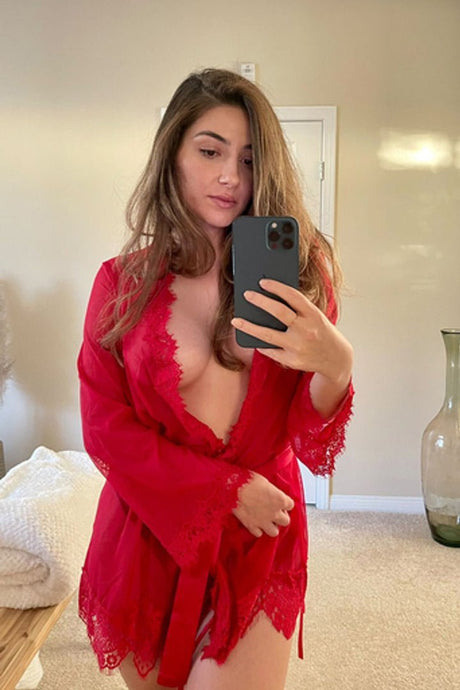
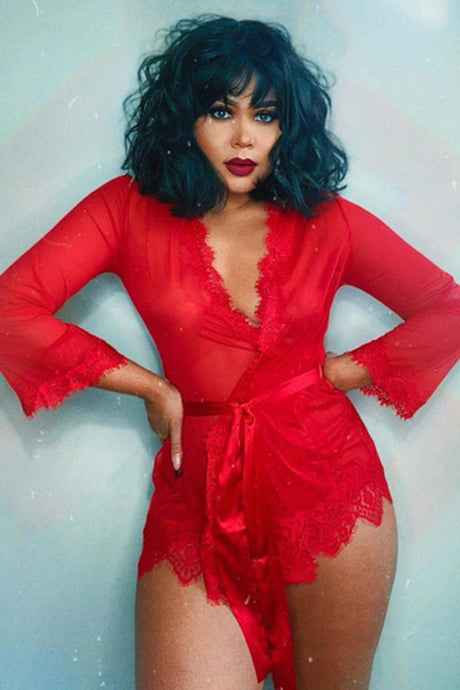
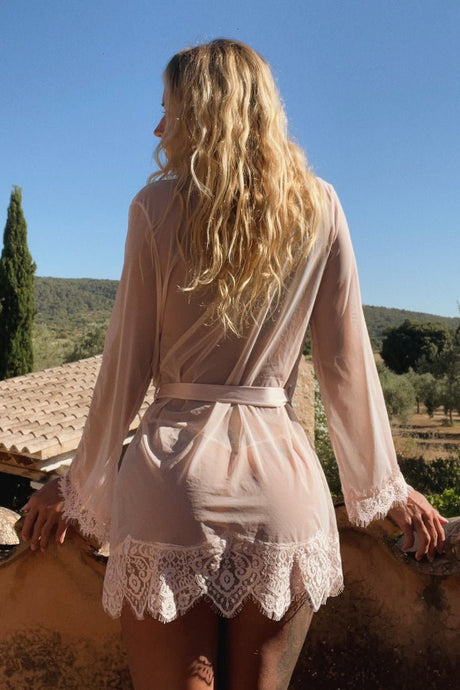
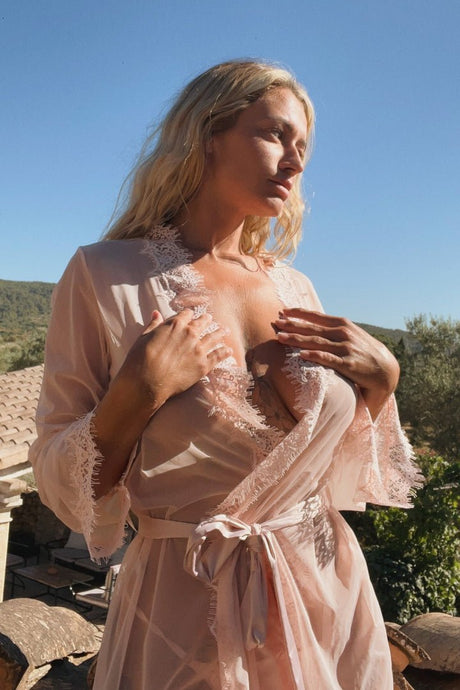
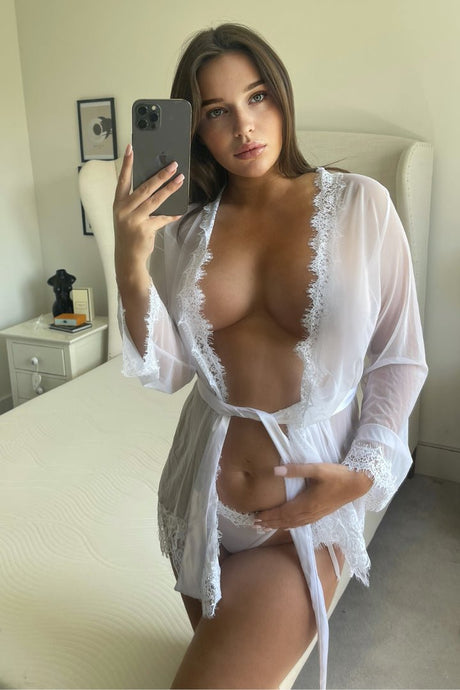
Any set or sleep shirt layered with a coordinating robe — the complete loungewear look, and a favorite for gifting.
Which format wins comes down to how you sleep and how coordinated you want to be. For a put-together look with zero effort, a matching set is the easiest call; for flexibility, build from pajama pants, a sleep shirt, or sleep shorts. Warm sleepers gravitate to short sets; anyone who values simplicity loves a sleep shirt.
Types of Pajamas by Fabric
If format is the shape, fabric is the feel — and it's the single biggest decision in pajamas. Fabric sets how warm, breathable, and luxurious a pair feels the second you put it on. Here are the five that matter.
Silk is a natural protein fiber; satin is a weave, usually made from polyester. Silk is breathable, temperature-regulating, and premium; satin mimics its shine and glide at a lower cost but is less breathable. Choose silk for year-round comfort and gifting, satin for the look on a budget.

Types of Pajamas by Occasion & Style
The third axis is the why — the reason you're reaching for a particular pair. Format and fabric combine differently depending on the moment.
Comfy Cotton & Modal for Nightly Wear
The pajamas you actually live in: soft cotton and modal sets that breathe, wash well, and get cozier over time. Prioritize a relaxed cut and a waistband that sits comfortably — these are the workhorses of the drawer, and the ones worth owning in multiples.
Satin, Silk & Lace-Trimmed Cuts
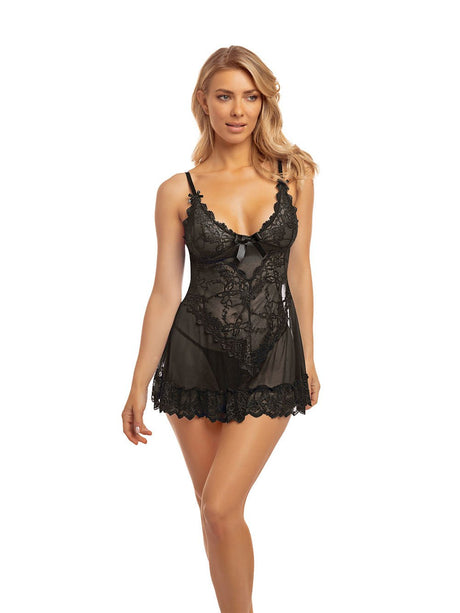
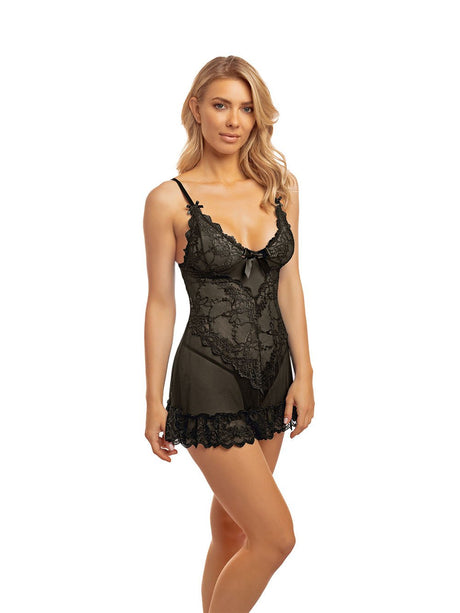
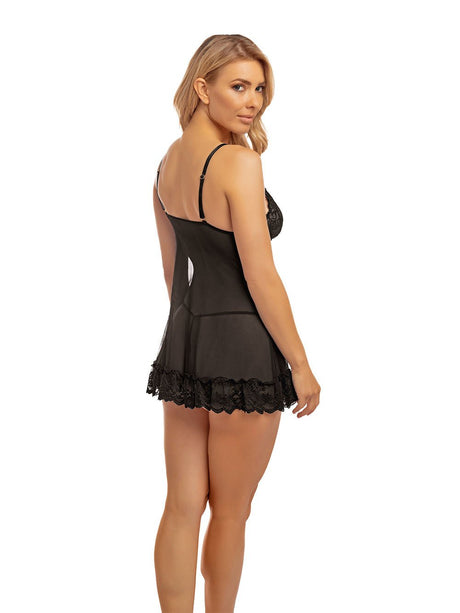
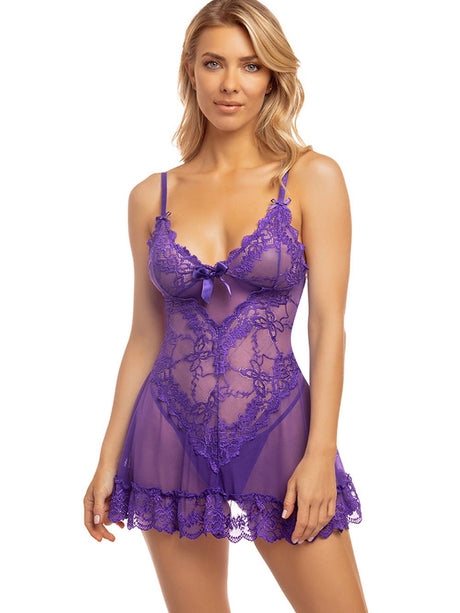
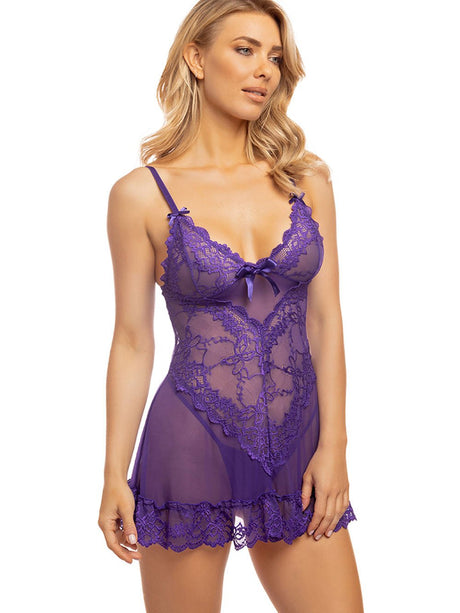
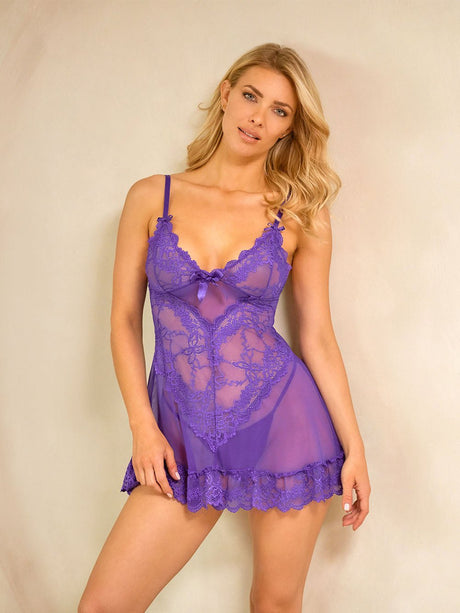
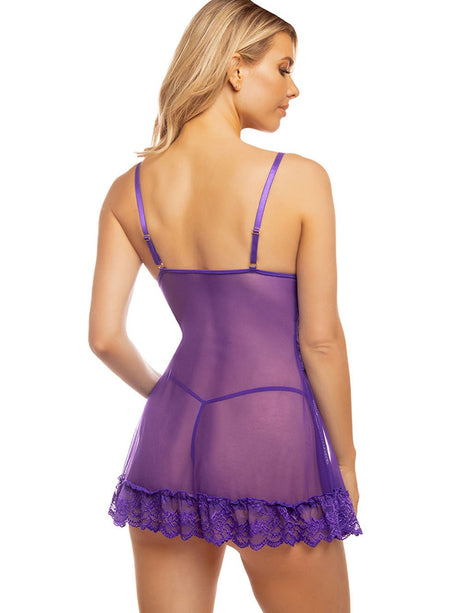
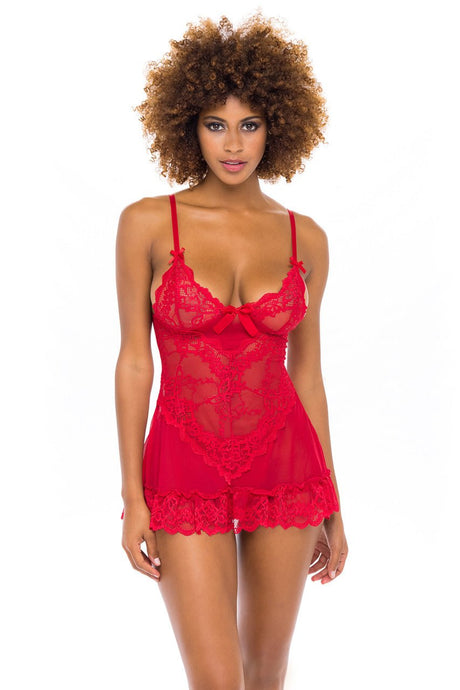
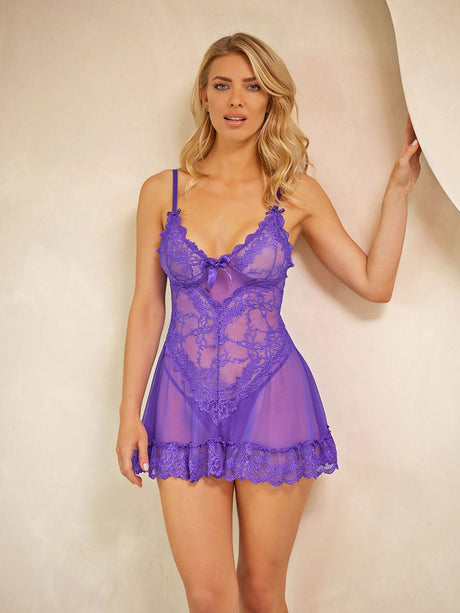
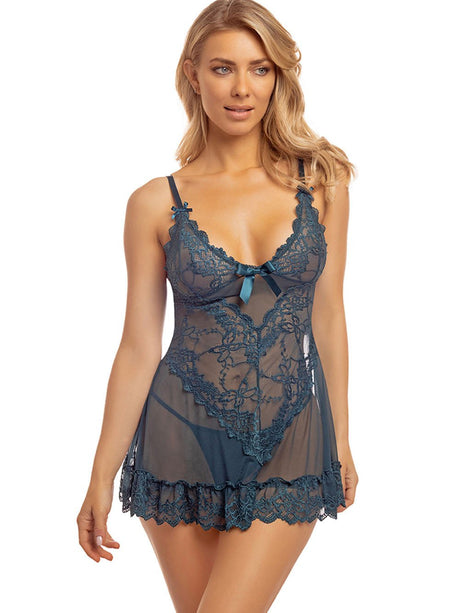
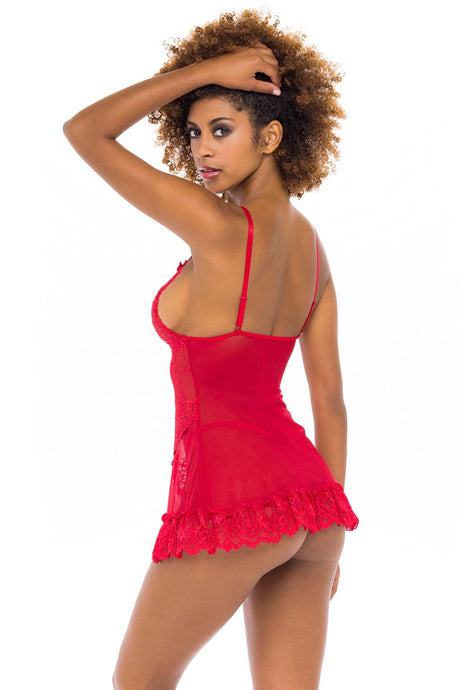
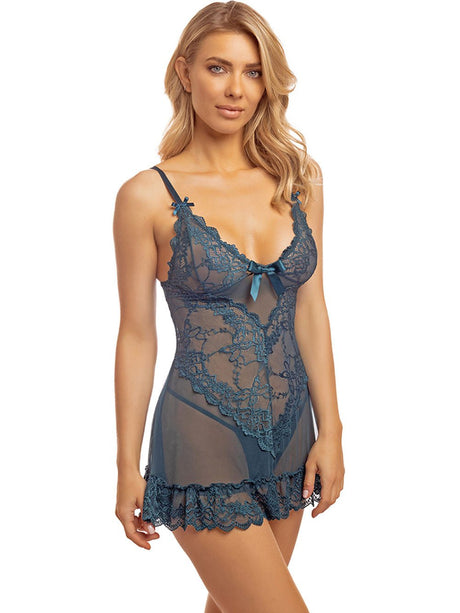
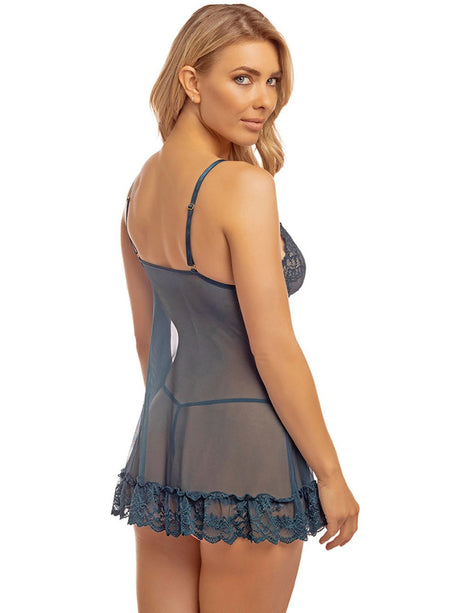
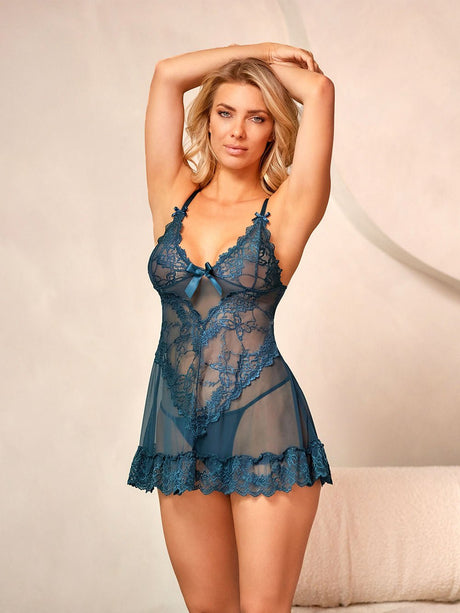
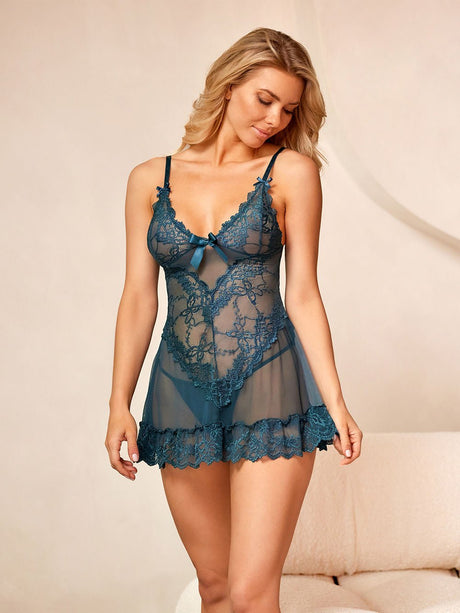
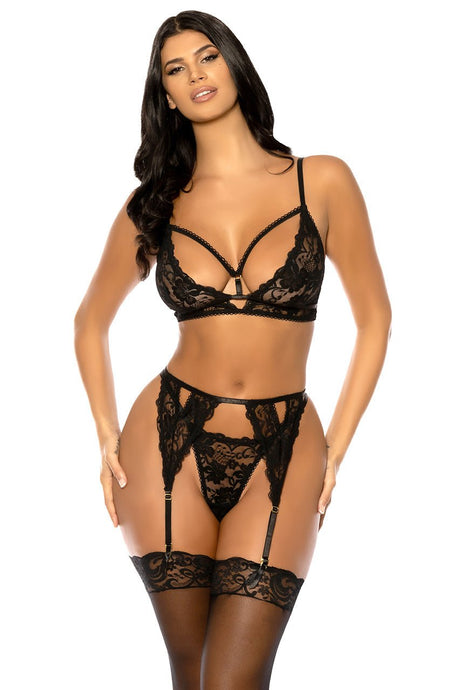
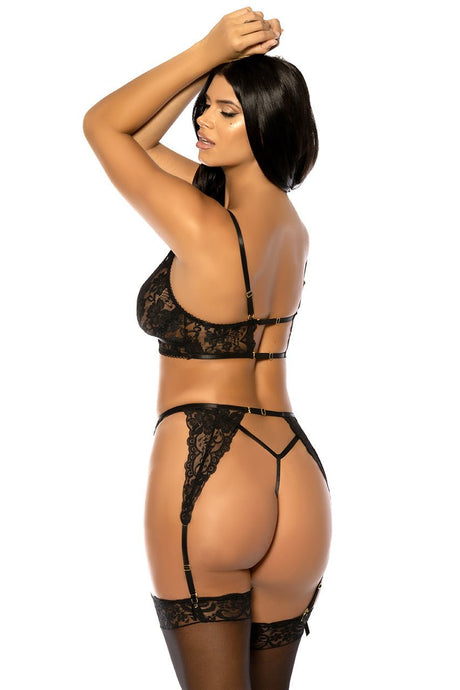
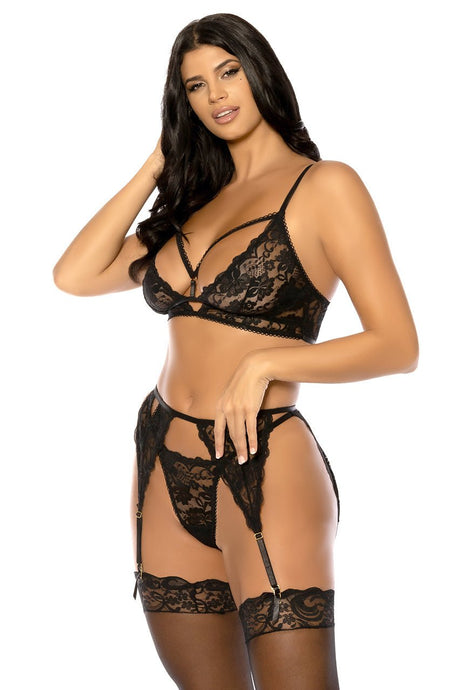
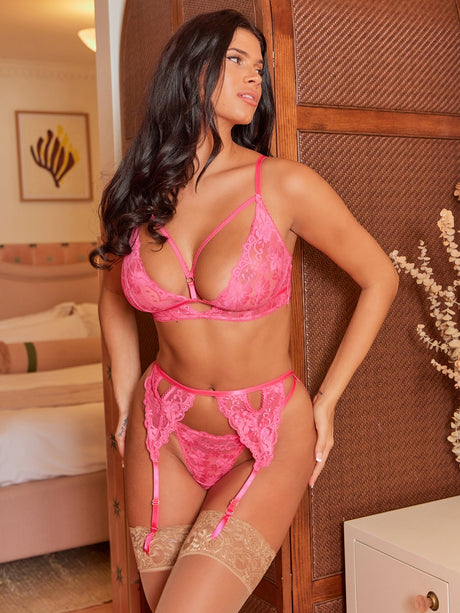
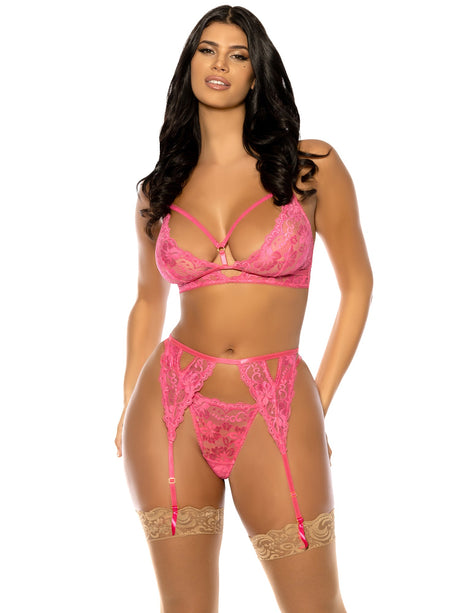
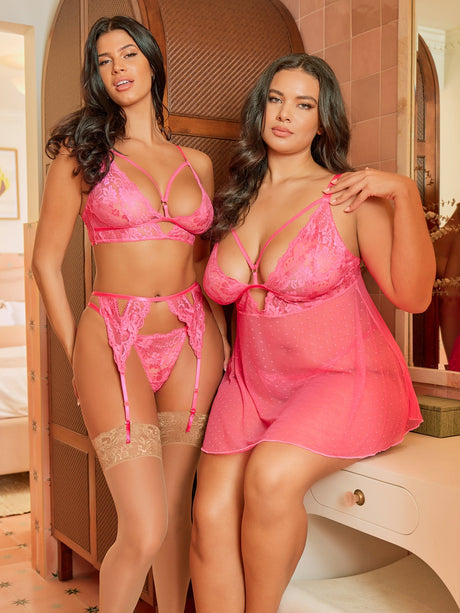
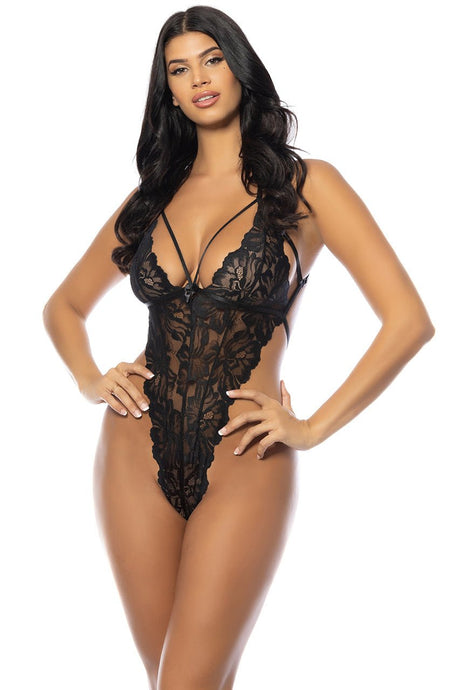
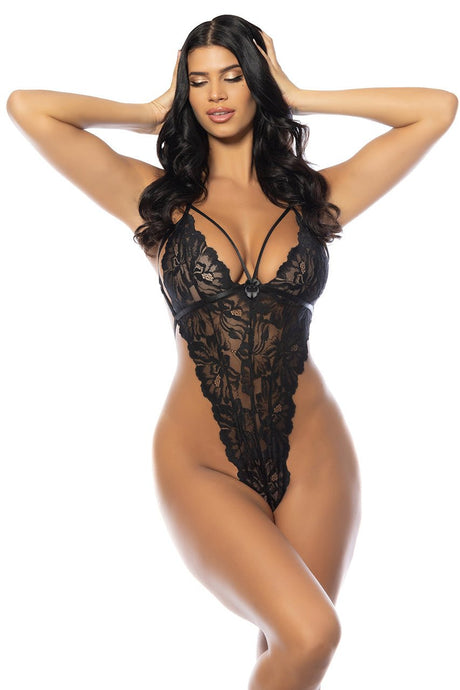
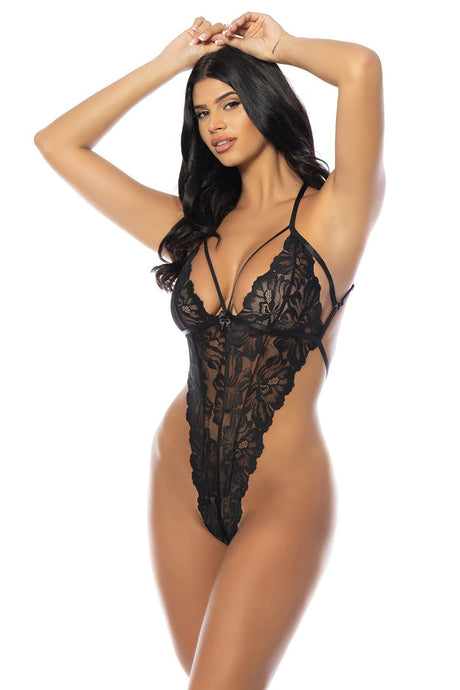
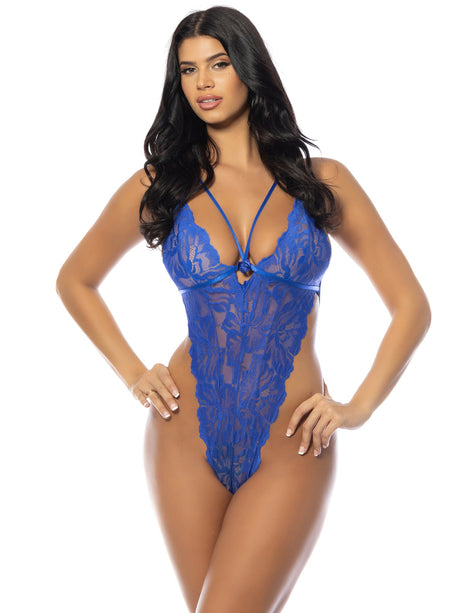
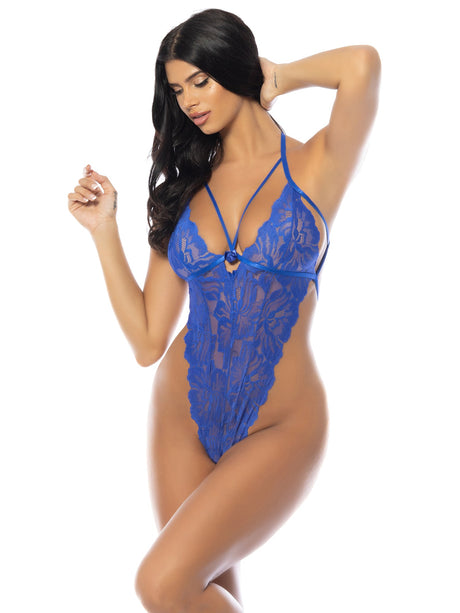
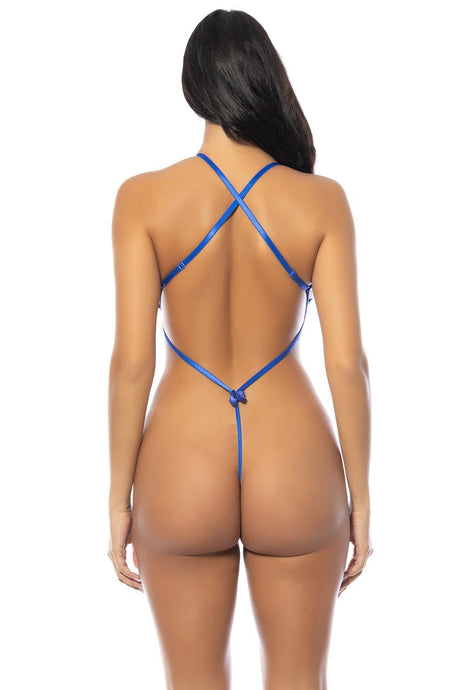
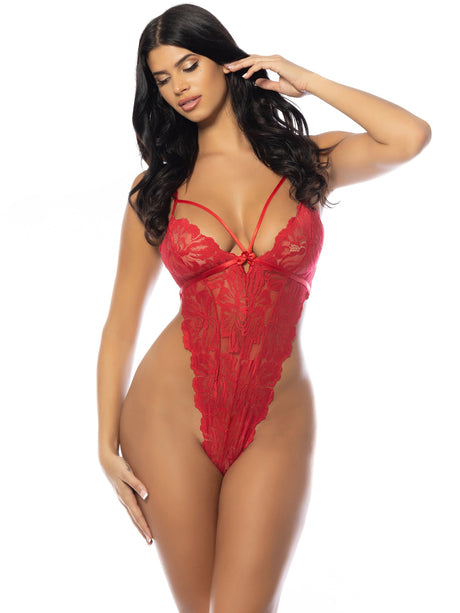
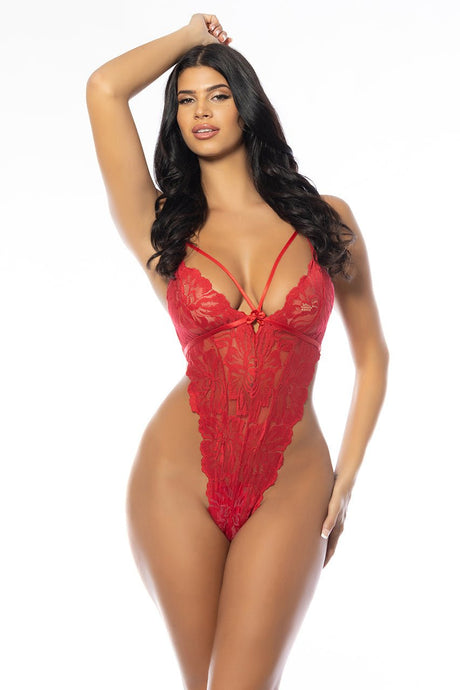
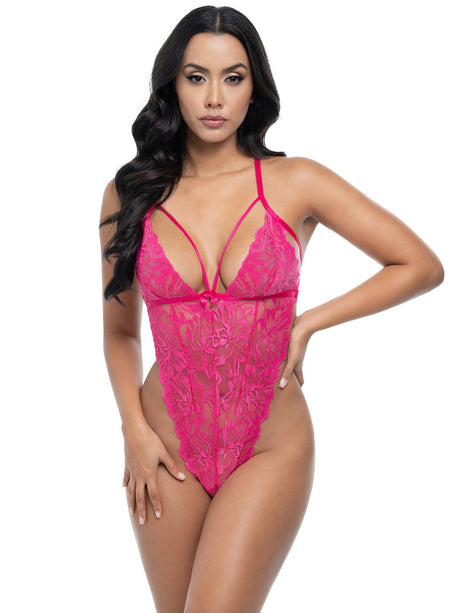
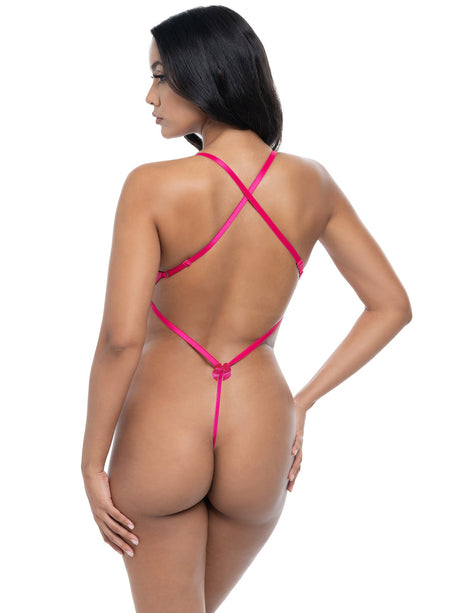
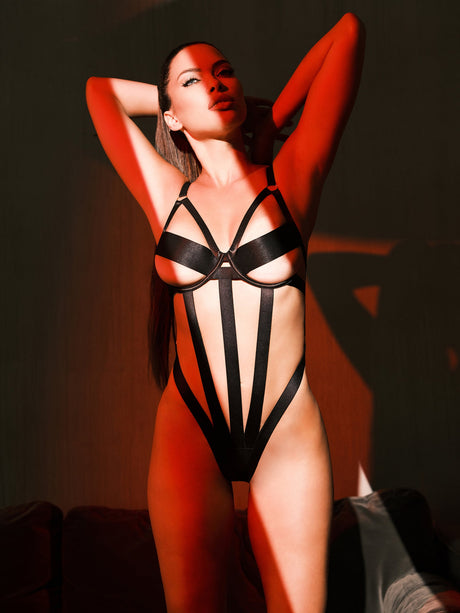
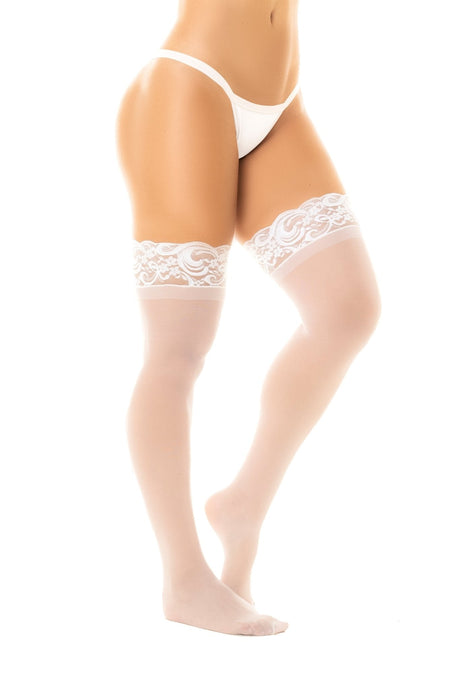
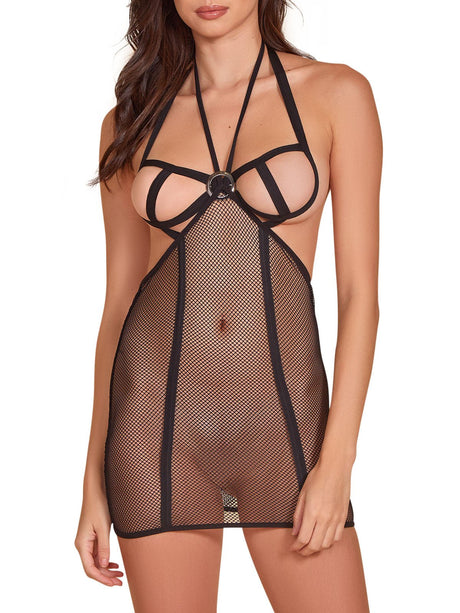
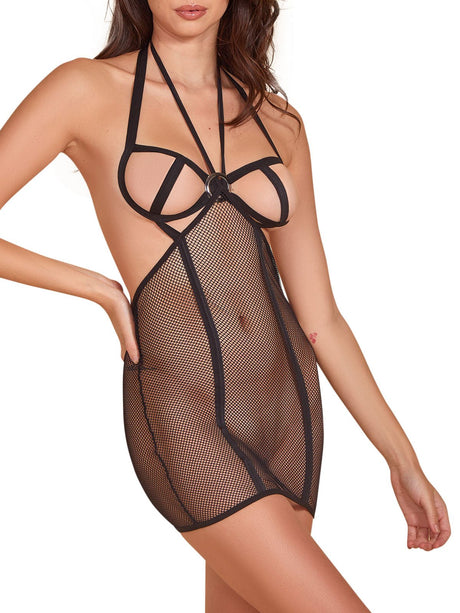
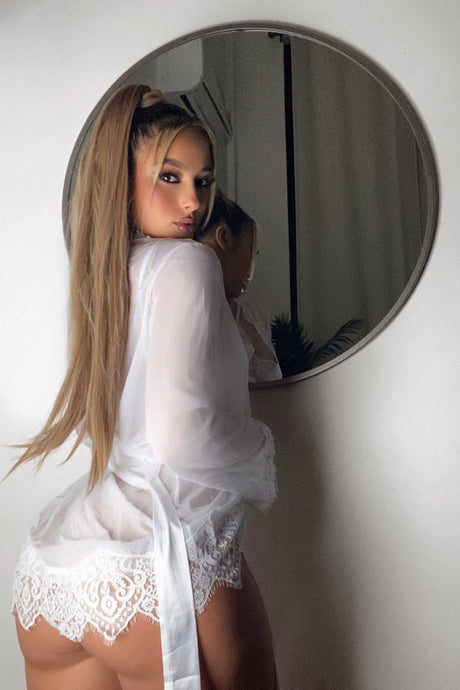
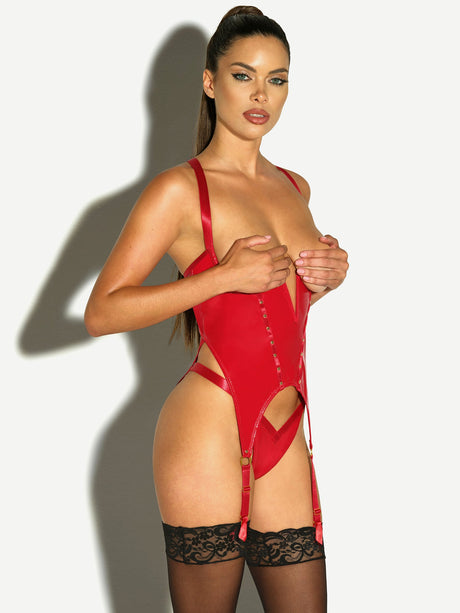
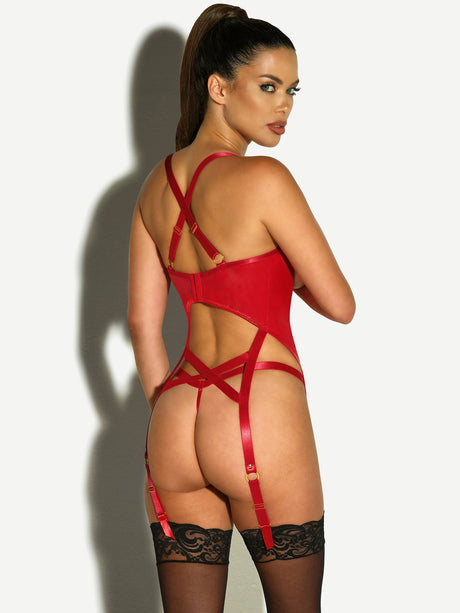
Pajamas don't have to choose between comfortable and alluring. Satin and silk read instantly more elevated; lace trim, piping, or a slightly fitted cami-and-shorts cut add a little allure without sacrificing comfort. Browse the sexy sleepwear edit for pieces built around exactly that balance.
Flannel & Festive Sets
Brushed flannel and festive prints turn cold mornings and holiday photos into a tradition. Long-sleeve, long-pant sets trap the most heat, and coordinating holiday pajamas are a favorite for gifting and matching family moments.
Inclusive Cuts and Gift-Ready Luxury
The same fabrics and silhouettes belong in every size. Our plus-size pajamas are cut for curves from the start — generous through the hip, with comfortable waistbands and flattering proportions, with more in the plus-size sleepwear edit. And because sizing is forgiving and everyone wears them, pajamas — especially a silk set or a pajama-and-robe pairing — make one of the easiest luxury gifts to get right.
Pajamas vs. Nightgown vs. Chemise vs. Robe
"Pajamas" is one branch of the wider sleepwear family, and the neighboring terms are easy to blur. Here's the quick disambiguation — and where to shop each.
| Garment | What it is | Best for | Shop |
|---|---|---|---|
| Pajamas | Two-piece set or coordinating separates | Cozy, coordinated comfort | Pajamas |
| Nightgown | One-piece nightdress, any length | One-piece simplicity | Nightgowns |
| Chemise | Short, slip-style one-piece | Shorter, more romantic | Chemises |
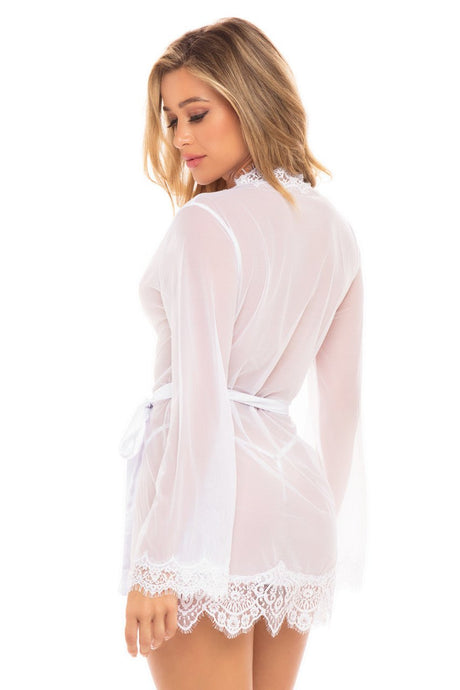
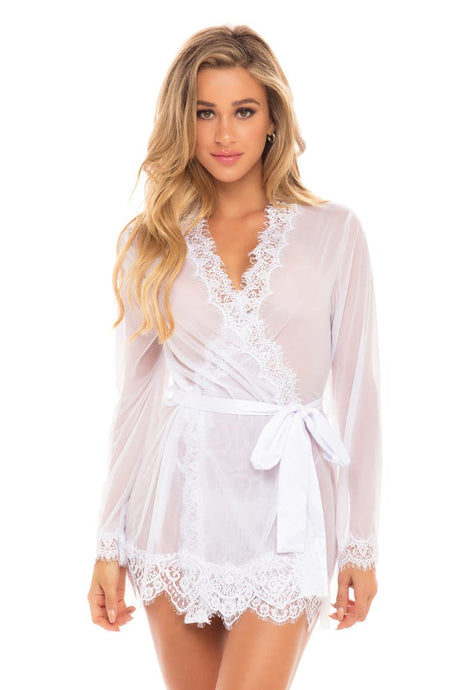
| Robe | A layer worn over anything | The finishing layer; gifting | Robes |
In short: reach for pajamas when you want coordinated two-piece comfort, a nightgown for one-piece ease, a chemise for something shorter and lingerie-leaning, and a robe to layer over any of them. All four live under the broader sleepwear umbrella. Robes come in more than one kind: a kimono robe is a light wrap layer cut in a straight T shape, while a bathrobe is a thicker, absorbent robe for after bathing. Our kimono robe vs bathrobe guide explains the difference, and our robes guide covers every style.

Where the Word "Pajamas" Comes From
For a garment that feels so quintessentially cozy and Western, "pajamas" has surprisingly far-flung roots. The word descends from the Hindustani and Persian pay-jama (also written paijama) — literally a "leg garment," from pay ("leg" or "foot") and jama ("clothing"). It originally described loose trousers, gathered and tied at the waist, worn across South Asia and the Middle East by people of many backgrounds.
Europeans encountered these trousers during the colonial era and adopted both the garment and its name. The word entered English as pajamas (American spelling) or pyjamas (British spelling), at first meaning the loose trousers themselves. Over time — as the garment became fashionable Western sleepwear and lounging attire in the nineteenth and early twentieth centuries — "pajamas" came to describe the full two-piece top-and-bottom set we picture today. The informal nicknames PJs and jammies followed as affectionate shorthand.
That history is why the category is defined by comfort and relaxed fit rather than by one fixed cut: from the very beginning, the whole point of a pajama was ease. If you want to see how that principle plays out in one fabric family, our silk and luxury edits are a good next stop.
"The best pajamas aren't a single style — they're whichever type disappears the moment you put them on. Match the fabric to your climate and the format to how you sleep, and the rest is just detail."
— HauteFlair Editorial Team
Frequently Asked Questions About Pajama Types
What are the main types of pajamas?
What does the word "pajamas" mean?
Where does the word "pajamas" come from?
Is it spelled "pajamas" or "pyjamas"?
What does "jammies" mean?
What are the different types of sleepwear?
What is the difference between pajamas and a nightgown?
What are the most common pajama fabrics?
Are pajamas and loungewear the same thing?
What are pajamas called in the UK?
What is a pajama romper or onesie?
This guide is editorial. Pajama styles, fabrics, fit, and terminology vary across brands and individual pieces — always check the specific product description for fabric content, sizing, and care. Etymology and history reflect general fashion and language history. Last reviewed: July 20, 2026.