What are the main types of robes for women?
The main types of robes are the kimono robe, the bathrobe (usually with a shawl collar or a hood), the duster, the short wrap or lace robe and the button-front robe. They differ in how they are cut, what they are made of and the job they are built for: drying off, keeping warm, lounging, getting ready or layering.
Choosing one comes down to four decisions: the job, the fabric, the length and the fit. Absorbent fabrics such as terry and waffle are for after a bath; satin, silk and viscose are for draping and lounging; plush and fleece are for warmth. Length is about your home as much as your taste.
Fit is simpler than in most clothing, but it fails in three predictable places: the wrap, the sleeve and the shoulder. A robe that stays closed when you sit down and does not catch at the elbow is a robe that fits.
A robe looks like the simplest thing you can buy. Two front panels, two sleeves and a belt.
But the robe you want after a shower, the one you want on a cold evening and the one you want for wedding morning photos are three different garments. Most disappointing robes are good robes bought for the wrong job.
- Choose the job first: drying off, warmth, lounging, getting ready or layering.
- Terry and waffle absorb; satin, silk and viscose drape; plush, fleece and sherpa keep you warm.
- A kimono cut has no shoulder seam, so it fits a wider range of shoulders than a set-in robe.
- Knee length is the best all-round length; mid-calf looks the most deliberate; full length is warmest.
- Do the sitting test: belt it, sit down and cross your legs. If it opens, the wrap is too shallow.
- Two robes cover almost everyone: one absorbent, one that drapes or keeps you warm.
Types of Robes
Six styles cover almost every robe you will see. Each is built for a slightly different job.
| Style | How it is built | Usual fabrics | Best for |
|---|---|---|---|
| Kimono robe | T-shaped, straight wide sleeves, band collar, sash | Satin, viscose, cotton, silk | Lounging, getting ready, warm weather |
| Shawl-collar bathrobe | Set-in sleeves, rolled collar, patch pockets, belt | Terry, waffle, plush | After a bath or shower |
| Hooded robe | Like a bathrobe, with a hood | Fleece, plush, sherpa, terry | Cold houses, after swimming |
| Duster | Long, open front, usually no belt | Chiffon, jersey, knit, satin | Layering over loungewear or clothes |
| Short wrap or lace robe | Hip to mid-thigh, often bell or flutter sleeves | Satin, lace, chiffon, mesh | Over lingerie, bridal mornings |
| Button-front robe | Collar and buttons or a zip instead of a belt | Cotton, flannel, plush knit | Robes that stay closed without a belt |
Kimono robe
A kimono robe takes its T-shaped cut from the Japanese kimono: the body and sleeves are cut as broad rectangles, the sleeves are straight and wide, and a flat band runs around the neck and down both front edges. It closes by wrapping one panel over the other and tying a self-fabric sash. With no buttons and no shoulder seam, it is the most forgiving robe to fit and the one most often made in satin, viscose and silk. Our kimono robe guide explains how it is cut and how it differs from a traditional kimono. Browse kimono robes.
Bathrobe
A bathrobe is built to dry you and keep you warm. The classic version has a shawl collar that rolls back like a lapel and can be turned up, set-in sleeves, patch pockets and a belt threaded through loops. It is made in absorbent terry or lighter waffle cotton, and in warmer, softer plush and fleece versions that are better for lounging than for drying off. Browse bathrobes.
Hooded robe
A hooded robe is a bathrobe or lounge robe with a hood, usually in fleece, plush or sherpa. It is the warmest style and the most practical for a cold house, a walk from a pool or wet hair on a winter morning, if the fabric is absorbent enough for the job.
Duster
A duster is a long, open-front robe that is worn as a layer rather than wrapped and belted. It falls to the calf or ankle and is often made in lightweight chiffon, jersey or knit. It works over pajamas and loungewear, over a slip dress, and as a light cover-up, which is why it sits halfway between sleepwear and clothing.
Short wrap or lace robe
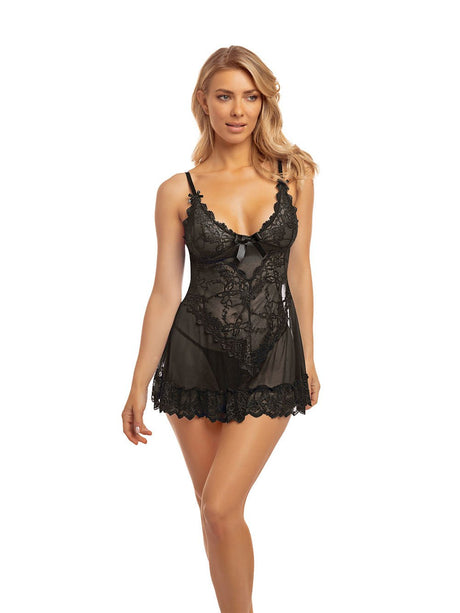
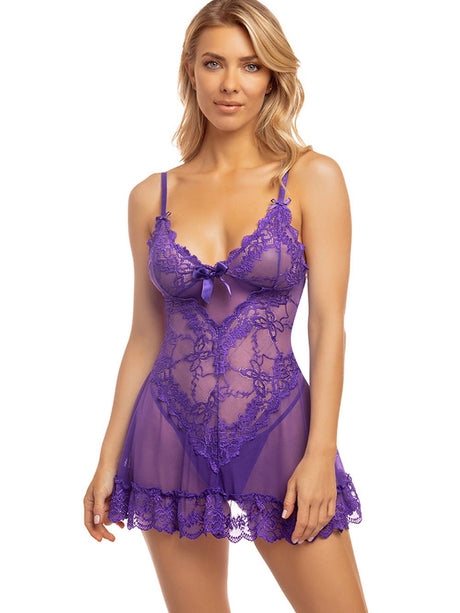
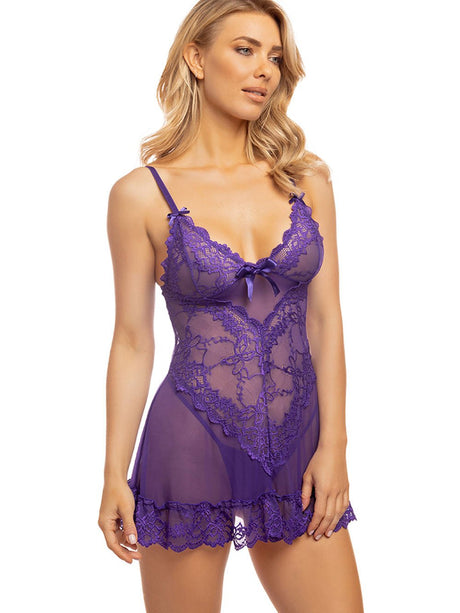
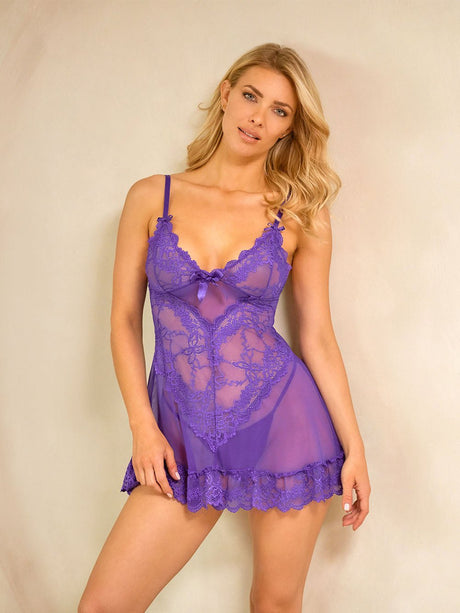
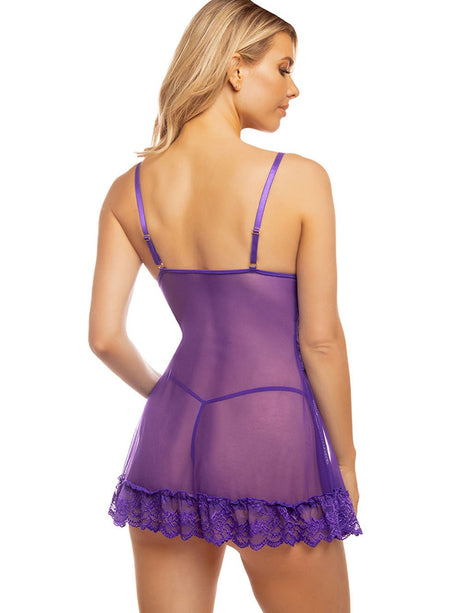
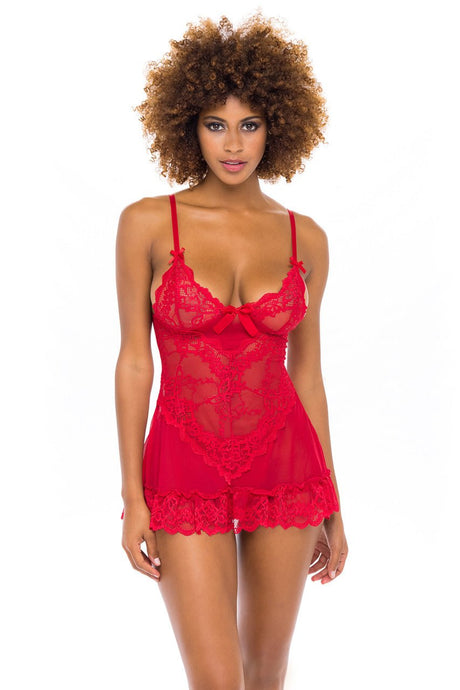
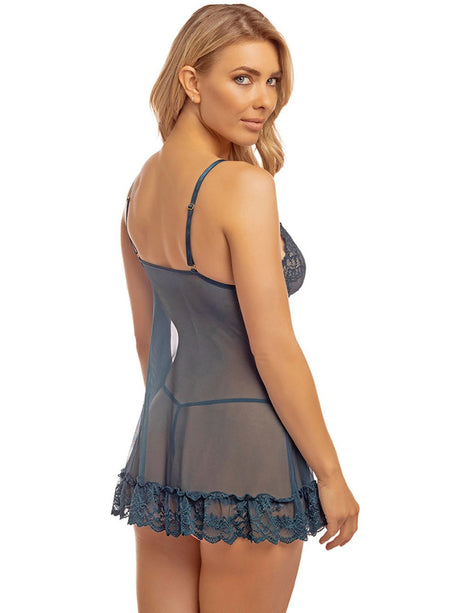
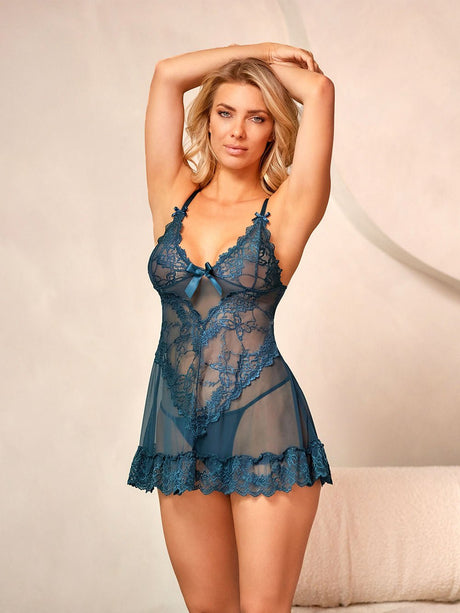
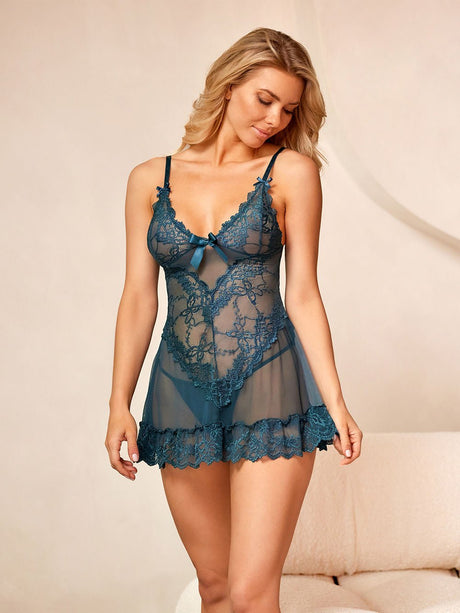
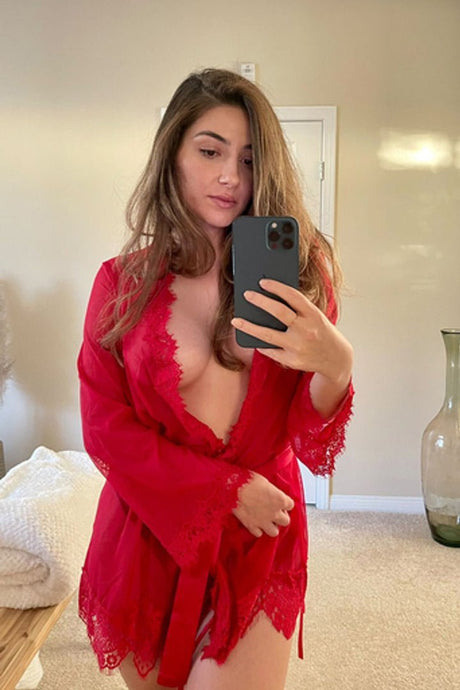
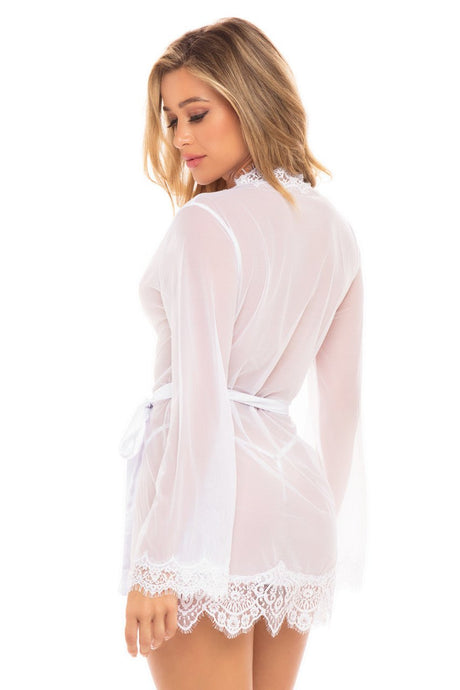
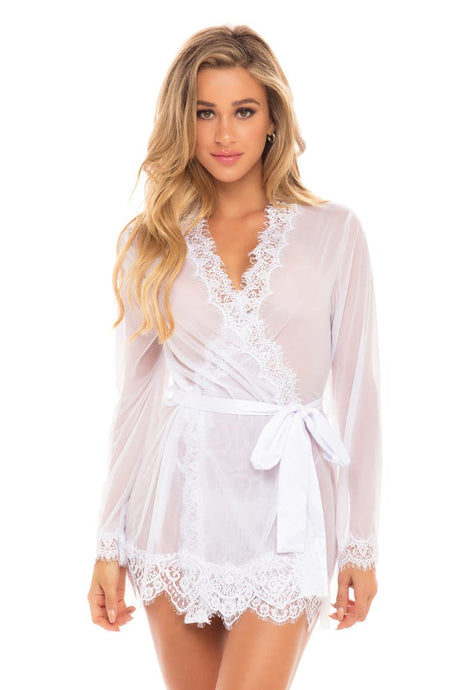
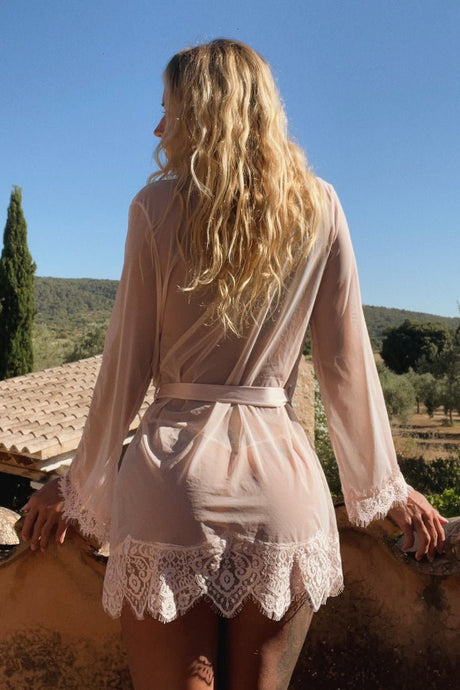
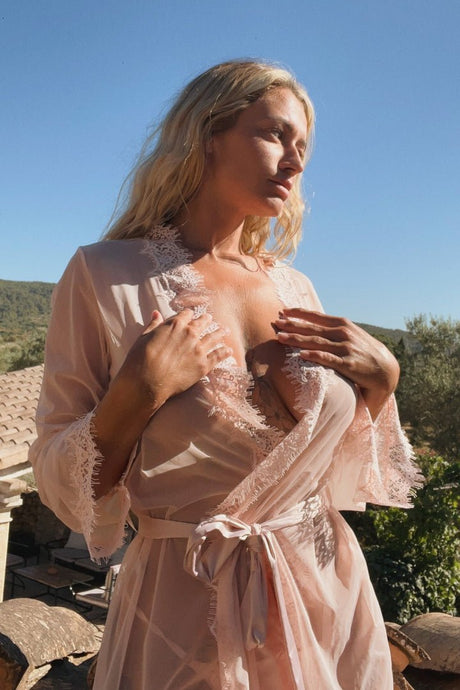
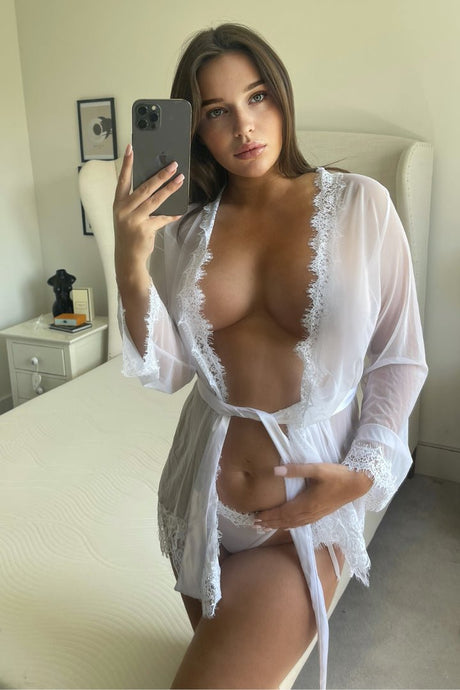
A short robe ends at the hip or mid-thigh. In satin, lace and chiffon it is the robe worn over lingerie or a chemise, and the classic choice for getting-ready photos on a wedding morning. A sheer robe sold with a matching nightgown is traditionally called a peignoir. Our bridal lingerie guide covers what to wear underneath, and bridal robes collects matching robes for a bride and bridal party.
Button-front robe
A button-front robe, sometimes called a housecoat, closes with buttons, snaps or a zip instead of a belt. It stays shut through sitting, bending and sleeping in a chair, which makes it a practical choice for anyone tired of re-tying a sash, and it usually has a small collar and pockets.

Kimono Cut vs Set-In Sleeve
The way the sleeve meets the body decides how widely a robe fits. It matters more than the size on the label.
Most robes are built one of two ways. A set-in sleeve robe is built like a coat: it has a shoulder seam, a shaped armhole and a sleeve sewn into that armhole. All three assume a shoulder of a certain width and slope. When they match yours, the robe hangs neatly; when they do not, it pulls across the back as you reach forward or slides backward off the shoulders as you stand.
A kimono cut has no shoulder seam at all. The fabric runs from the front, over the shoulder and down the back, and the sleeve is a straight extension joined with a deep underarm. Because nothing has to land at a particular point, it fits a much wider range of shoulder widths and slopes in the same size.
| Kimono cut | Set-in sleeve | |
|---|---|---|
| Shoulder seam | None | Must sit near your shoulder point |
| Sleeve | Straight, wide, deep underarm | Shaped, narrower, fitted armhole |
| Fit range | Very wide | Narrower; depends on shoulder width |
| Look | Fluid, relaxed | Tailored, structured |
| Warmth | Cooler; the wide sleeve lets air in | Warmer; closer at the arm |
| Typical fabrics | Satin, silk, viscose, cotton | Terry, waffle, plush, flannel |
That is why kimono robes are so often sold in fewer sizes than bathrobes, and why they suit broad or sloped shoulders so well. The trade-off is a looser line and a wide sleeve that can let in cold air and dip into a sink. Our plus size robe guide explains how this plays out in extended sizes.
Robe Lengths and What Each Is For
Length is mostly a practical decision. Think about how warm your home is and how many stairs you climb in it.
| Length | Where it ends | Best for | Watch for |
|---|---|---|---|
| Short | At or just below the hip | The minutes between a shower and getting dressed; over lingerie | Not warm; leaves the legs bare |
| Mid-thigh | Halfway down the thigh | A light everyday robe that never catches | Opens at the hip if the wrap is shallow |
| Knee | At the knee | The best all-round length; the robe to buy first | Very little |
| Mid-calf | Halfway down the calf | A long, elegant line without a trip hazard | Shows the quality of the fabric |
| Ankle | Just above the floor | Maximum warmth in a cold house | Catches on stairs; choose a hem that clears the floor |
Short and mid-thigh robes are quick and practical, and they are the usual lengths for satin and lace robes worn over lingerie. Knee length is long enough to be genuinely warm and short enough to move in without thinking, which is why it is the safest first choice. Mid-calf creates a long, unbroken line and is the length where silk and heavy satin are worth their price. Full-length robes are the warmest of all, but they catch on stairs; if you choose one, make sure the hem clears the floor.
Belt loops are stitched at a fixed height. On a long torso they end up above the waist and the belt rides up; on a short torso they sit low and the robe blouses. Hold the robe against you before you buy and check where the loops land.
Robe Fabrics, Chosen by Job
Every robe fabric does one thing very well and at least one thing badly. Choose for the job, not the photograph.
| Fabric | What it does well | Where it falls down | Best for |
|---|---|---|---|
| Terry | Absorbs the most water, holds heat | Heavy, slow to dry, bulky | After a bath |
| Waffle cotton | Absorbs, dries fast, packs small | Not especially warm | After a shower, travel, warm climates |
| Plush, fleece, sherpa | Very warm and soft | Not a towel; can feel too hot indoors | Cold houses, winter evenings |
| Cotton and jacquard | Breathable, easy to wash | Creases; less drape | Everyday lounging |
| Viscose and modal | Soft, fluid, breathable | Can shrink if washed hot | Warm-weather lounging |
| Satin (usually polyester) | Drape and sheen at a lower price | Slippery, does not absorb, can feel warm | Lounging, getting ready, gifts |
| Silk | Drapes beautifully, warm without bulk | Does not absorb; needs gentle care | Lounging, evenings, travel |
| Lace and chiffon | Light, sheer, decorative | No warmth, delicate | Over lingerie, bridal mornings |
The biggest mistake is buying a draping fabric for a drying job. Satin and silk do not absorb water; over wet hair they hold moisture against the skin and feel cold. Terry and waffle do the drying, and the smooth fabrics do the lounging. Plush and fleece are the warmest choices, but they are made from polyester and work better as a warm layer than as a towel.
Satin is a weave, not a fiber, so a satin robe can be polyester, silk or a blend. Our silk lingerie guide explains the difference between silk and satin, and our silk pajamas guide covers momme weight and silk grades, which apply to silk robes in the same way.

How a Robe Should Fit
A robe is forgiving through the body and unforgiving at three points: the wrap, the sleeve and the shoulder.
The quickest way to check all three is the sitting test. Put the robe on, tie the belt the way you normally would, then sit down and cross your legs. If the front opens at the thigh or the chest, the wrap is too shallow, and it will do that every day you own it. Reach forward as if for a cup: if the back pulls or the sleeve catches at the elbow, the shoulder or sleeve is wrong.
Pulling the belt tighter does not fix a shallow wrap. It drags both panels further around the body, which reduces the overlap at the center front. If a robe gapes when belted normally, it needs more fabric in the wrap, not a tighter knot.
Many robes are sold as one size or small/medium and large/extra large. They are drafted for a mid-range frame and rely on the wrap to absorb everything else. If a brand publishes a flat width or a length, use it; if it does not, check the returns policy before you buy.
Sizing up is the simple way to buy more wrap and a wider sleeve, but on a set-in robe it also drops the shoulder seam down the arm. If the sleeve is the problem, a kimono cut in your usual size is often the better answer. Our plus size robe guide goes further into wrap overlap and sleeve grading, and plus size kimono robes are cut for extended sizes.
Collars, Closures and Belts
The neckline and the way a robe closes decide how warm it is and how well it stays shut.
| Detail | What it does | Good to know |
|---|---|---|
| Shawl collar | Rolled, continuous collar | Turn it up to close the gap at the neck in a cold room |
| Kimono band | Flat band around the neck and down the fronts | Clean and light; less warm at the neck |
| Notched collar | A tailored lapel, like a jacket | Smart look; common on cotton and flannel robes |
| Hood | Covers the head and neck | The warmest neckline; useful with wet hair |
| Self-tie sash | A belt in the same fabric | Slippery sashes in satin loosen; tie a square knot |
| Inside tie | A hidden tie that holds the under panel | Keeps the wrap in place before you tie the belt |
| Buttons, snaps or zip | Closes without a belt | Stays shut when you sit, bend or sleep |
If a robe always gapes, look for an inside tie: a second tie inside the robe that fastens the under panel at the side before the outer belt goes on. It holds the wrap in place independently and is one of the most useful details a robe can have. A textured or corded belt holds a knot far better than a flat satin sash.
Choosing a Robe by What You Will Use It For
Match the robe to the moment you will wear it. Most people need one robe for two of these at most.
For bridal mornings, matching satin or lace robes for the bride and bridal party are a tradition of their own; our bridal robes guide covers choosing them for the whole party, our guide to what to wear under a wedding dress covers the rest of the morning, and bridal robes has matching sets. For the beach, a light kimono or duster works as a cover-up; our beach cover-ups guide compares it with a kaftan and a sarong. Buying a robe for someone else? Our robe gift guide covers choosing the style and size.

How Many Robes Do You Need?
Two robes cover almost everyone. A third earns its place only for a different season or for travel.
The fabrics that dry you and the fabrics that drape are different, so one robe rarely does both jobs well. The simplest robe wardrobe is one absorbent robe in waffle or terry for after a bath, and one robe for warmth or lounging: plush or fleece if your home is cold, satin, viscose or silk if it is warm.
If you only buy one, make it a knee-length waffle cotton robe: it absorbs, dries quickly, is light enough for most of the year and fits a wide range of bodies. A third robe makes sense for a heavy winter robe, a light one for travel or a special one for an occasion such as a wedding morning.
At HauteFlair, most of our robes are kimono and lounge robes. The iCollection Marina Satin Kimono Robe is a short satin kimono with wide sleeves and a self-tie sash; the Davina Viscose Kimono Robe is the same cut in soft viscose with lace trim; and the Esme Organic Cotton Kimono Robe adds dropped shoulders in an organic cotton blend. For warmth, the BeWicked Helena Plush Full-Length Robe ties at the waist, the Janette Plush Fleece Robe has a hood and sherpa lining, and the Starry Button-Up Robe closes with buttons and falls below the knee. For a long, open layer, the Hauty Metropolitan Long Duster has puff sleeves and a drop shoulder. Availability changes by season, so check each listing for sizes and colors.
Robe, Dressing Gown, Housecoat or Duster?
Several names describe overlapping garments. Here is what each usually means.
| Term | Usually means | Notes |
|---|---|---|
| Robe | Any loose garment worn over sleepwear or after bathing | The general American term |
| Bathrobe | An absorbent robe for after bathing | Terry or waffle; shawl collar or hood |
| Dressing gown | A robe worn over nightwear, often warmer and longer | The usual British term for a robe |
| Housecoat | A long robe that buttons or zips | An older American term |
| Kimono robe | A T-shaped wrap robe with straight sleeves | Cut from the shape of the Japanese kimono |
| Duster | A long, open-front layer | Worn over clothes as well as sleepwear |
| Peignoir | A sheer robe, often sold with a matching gown | A lingerie term; see negligees |
Our kimono robe vs bathrobe vs dressing gown vs duster guide compares the four most-confused styles side by side. A robe also sits next to the rest of your sleepwear. Our types of pajamas guide compares robes with pajamas, nightgowns and chemises, our silk and satin negligees guide covers the gowns a peignoir is designed to match, and our loungewear guide explains where robes fit between sleepwear and clothing.
How to Care for a Robe
Care depends almost entirely on the fabric. The label always wins, but these are the usual rules.
| Fabric | Washing | Drying | Avoid |
|---|---|---|---|
| Terry and waffle | Machine wash warm | Tumble dry low or line dry | Fabric softener, which coats the loops and reduces absorbency |
| Plush, fleece, sherpa | Machine wash cold | Tumble dry low | High heat, which flattens the pile |
| Cotton and jacquard | Machine wash cold | Line dry or tumble low | Hot water if you want to avoid shrinking |
| Viscose and modal | Cold, gentle cycle or hand wash | Dry flat or on a hanger | Wringing and hot dryers |
| Satin (polyester) | Cold, gentle cycle in a mesh bag | Hang to dry | High heat; iron on low if needed |
| Silk | Hand wash cool with a pH-neutral detergent | Roll in a towel, dry flat or hang | Wringing, sunlight, hot irons |
| Lace and chiffon | Hand wash cold | Dry flat | Velcro, zips and rough fabrics in the same load |
Hang robes on a wide, padded hanger rather than a hook, which stretches the neck and shoulders over time. Untie the belt before washing so it does not knot around the robe, and wash belts and robes together so they fade evenly. For silk and satin, our guide to washing a silk robe covers hand washing, drying and ironing step by step.
Common Robe Mistakes
Five mistakes behind most robes that end up in the back of a drawer.
Robe Buying Checklist
Six questions settle the robe before you think about color.
- What is it for? Drying off, warmth, lounging, getting ready or layering.
- Which fabric does that job? Absorbent, warm or draping.
- What length suits your home? Knee for most people; longer in cold houses without stairs.
- Kimono or set-in? Kimono for broad or sloped shoulders and a relaxed fit.
- Does it pass the sitting test? Belted, seated and legs crossed, the front should stay closed.
- Is the sleeve wide enough? At least four inches of room at the upper arm.
What This Means for You
The six main robe styles are the kimono robe, the shawl-collar bathrobe, the hooded robe, the duster, the short wrap or lace robe and the button-front robe. They are built for different jobs, and the job decides the fabric: terry and waffle to dry off, plush and fleece to keep warm, satin, silk and viscose to drape.
Choose the job first, then the fabric, then a length that suits your home. A kimono cut fits the widest range of shoulders, and the sitting test tells you more than any size chart. Most people are best served by two robes: one absorbent, one for warmth or lounging.
Plus Size Robes, Pajamas and Silk
Fit guidance for extended sizes, how robes compare with other sleepwear, and how to judge silk.
Plus Size RobesTypes of PajamasSilk GuideFrequently Asked Questions
What are the different types of robes?
What is the difference between a robe and a bathrobe?
What is the difference between a kimono robe and a regular robe?
What is the best fabric for a robe?
What robe length should I buy?
How should a robe fit?
Why does my robe keep opening?
Should I size up in a robe?
Is a satin robe good after a shower?
What is the warmest type of robe?
What is a duster robe?
What is a shawl collar robe?
What robe is best for getting ready on a wedding day?
What is the difference between a robe and a dressing gown?
How many robes do I need?
How do I wash a robe?
This guide covers robe styles, fabrics, lengths, fit and care and is for general information. Sizing, cut and fabric vary between brands, so check the size chart, care label and product details for any individual robe.