What is loungewear, and how is it different from sleepwear?
One is built to be awake in. The other is built to be asleep in. Everything else follows from that. Sleepwear is designed around thermoregulation and not bunching when you are lying down, so it uses light fabric, minimal seam bulk and loose cuts. Loungewear is designed for a body that is upright, sitting, moving around the house and occasionally answering the door, which asks for something structurally different: heavier fabric that holds its shape rather than clinging, defined waistbands, pockets, real shoulder seams, and a finish that tolerates being seen. The single most reliable way to tell them apart is fabric weight. Loungewear generally sits at 250 GSM or above and stands up on its own; sleepwear is lighter and drapes limply. Plenty of people wear pyjamas to lounge in and that is perfectly fine. But if your lounge set always looks slightly slept-in by four in the afternoon, the fabric weight is usually why.
Loungewear and sleepwear get sold from the same rail and are built for different jobs.
Knowing which you are buying is the difference between a set you live in and one you keep meaning to replace.
- Awake versus asleep is the real distinction, and it drives construction.
- 250 GSM and above holds structure. Below 180 drapes and clings.
- Modal for softness, cotton for breathability, French terry for warmth with body.
- Shoulder seams at your shoulder separate deliberate ease from too big.
- Pure synthetics trap heat and pill faster in anything worn for hours.
- Four pieces in one palette cover almost everything.
- Fold knitwear, never hang it. Hangers distort the shoulders.
Loungewear Versus Sleepwear
Shops merchandise these together, which is reasonable commercially and unhelpful when you are trying to buy the right thing.

| Sleepwear | Loungewear | |
|---|---|---|
| Designed for | Being asleep | Being awake at home |
| Fabric weight | Light, usually under 200 GSM | Midweight to heavy, 250 GSM+ |
| Priority | Thermoregulation, no bunching | Shape retention, comfort upright |
| Seams | Minimal bulk, flat | Structural, defined |
| Waistband | Soft, often just elastic | Ribbed or structured, stays put |
| Pockets | Rare | Common and expected |
| Seen by others? | Not designed for it | Yes, and finished accordingly |
None of this means pyjamas are worse. They are optimised for a different set of hours. If you want the sleepwear side specifically, our guide to pyjama styles and fabrics covers that in detail, and the two categories genuinely reward being bought separately.
Fabric Weight Is the Tell
If you take one thing from this article, take GSM. It is the single most reliable predictor of whether a garment will behave like loungewear.

GSM means grams per square metre. Higher numbers mean more fabric per unit area, which means more body.
- Under 180 GSM. Light and fluid. Drapes over the body and follows its shape. Right for sleepwear and warm-weather pieces, prone to clinging when worn upright.
- 180 to 250 GSM. Midweight. The versatile band, comfortable year round and structured enough to read as clothing.
- Above 250 GSM. Substantial. Holds its own shape, resists clinging, feels warm. This is where good lounge sets and knitwear live.
Not every listing states GSM, though more do than you would expect and it is worth looking. Where it is absent, the visual test works: does the garment hold a shape on the hanger, or does it hang limp? Limp fabric on a hanger will cling on a body.
The Fabrics, and What Each Is For
| Fabric | Best at | Trade-off |
|---|---|---|
| Modal | Softness with drape and durability | Warmer than cotton. Can be pricey. |
| Cotton knit | Breathability, everyday wear | Creases. Cheaper grades pill. |
| French terry | Warmth with structure | Bulkier. Slower to dry. |
| Brushed knit | Softness against skin | The brushed surface flattens with wear. |
| Cashmere / merino | Warmth without weight | Expensive. Needs careful washing. |
| Silk | Temperature regulation, luxury | Delicate. Marks easily. |
| Polyester fleece | Warmth, low price | Traps heat, pills, holds odour. |
The honest guidance on synthetics: they feel wonderful in the shop and less so after twenty wears. Pure polyester traps heat and pills quickly, and both problems show up faster in a garment worn for hours at a stretch. A cotton or modal blend with a small percentage of elastane is usually the better everyday buy, and the elastane is doing real work by helping the garment recover its shape.
Loungewear at HauteFlair
162 pieces across sets, knitwear, lounge dresses and robes, in modal, cotton, terry and silk.
Shop LoungewearRobesThe Categories
The Doorbell Test
A useful practical filter, and it is the thing separating loungewear that gets worn from loungewear that stays in a drawer.

Could you answer the door in it without thinking about it? If yes, it is loungewear. If you would want to grab a cardigan first, it is sleepwear, whatever the label said.
Three things decide the answer:
- Opacity. Thin jersey in pale colours is more transparent under daylight than it looks in a shop.
- Finish. Bound or covered seams, a proper hem, no exposed elastic. These are cheap to skip and immediately visible.
- Shape. Fabric with enough weight to hold a line rather than following every contour.
None of this is about modesty. It is about whether the garment was constructed to be seen, because that determines where and how much you will actually wear it.
Building a Lounge Wardrobe
Four pieces in a shared palette do more than a drawer of unrelated items, because they combine.
- One matching midweight set. The workhorse. Modal or cotton blend, around 250 GSM, in a neutral. This is the doorbell-test piece.
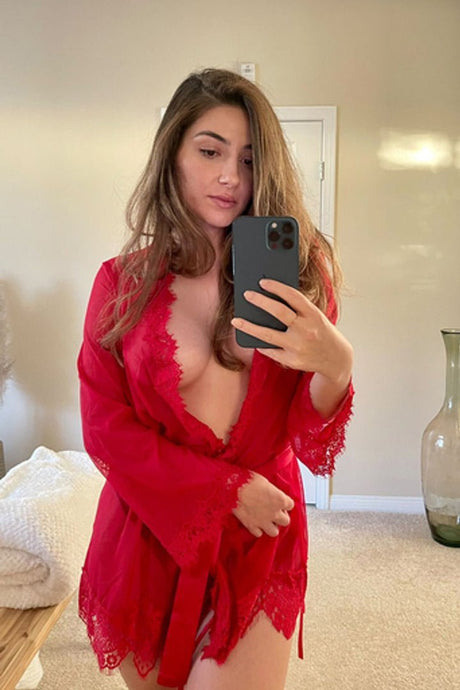
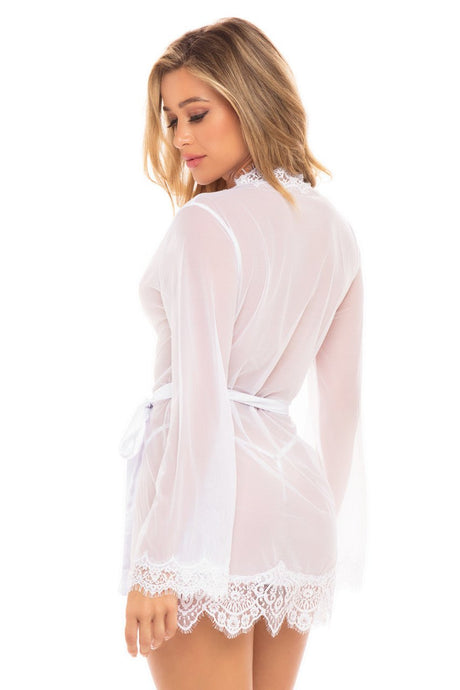
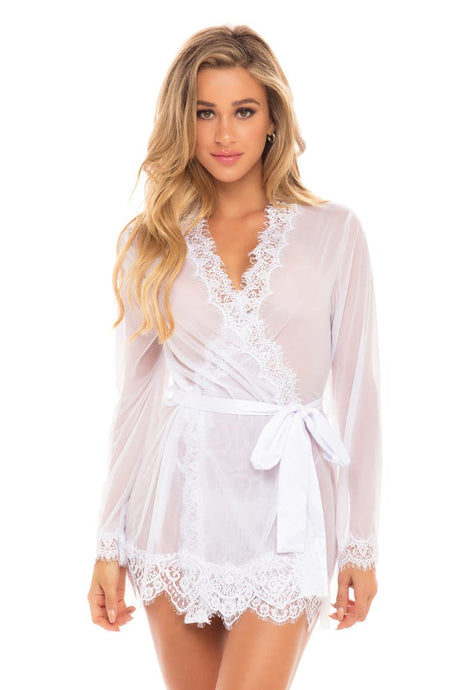
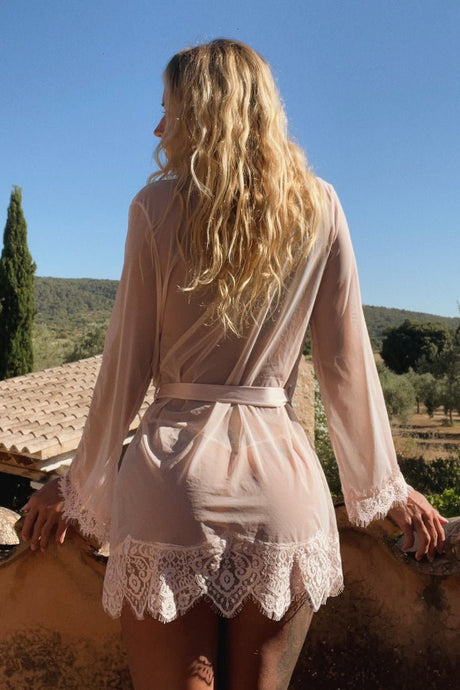
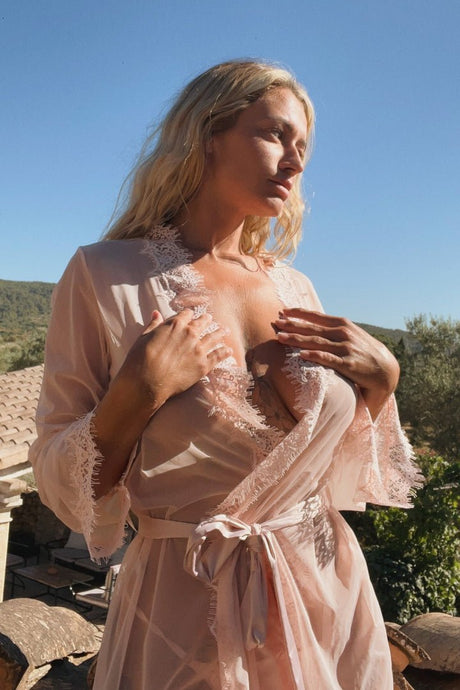
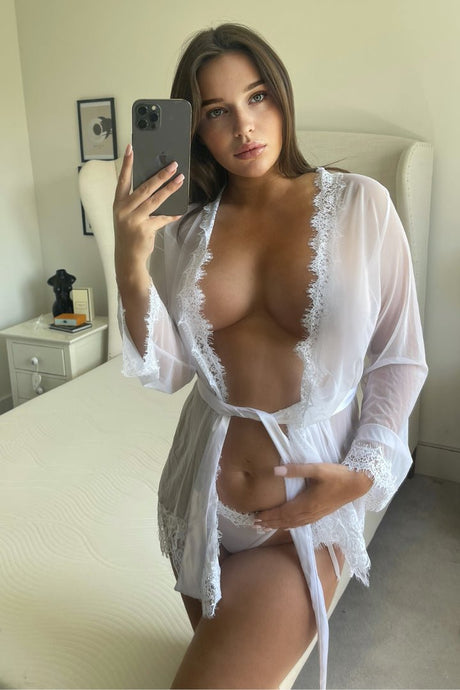
- A robe. Weight chosen for your climate. It layers over the set, over sleepwear, over nothing.
- A lounge dress or kaftan. For warm weather and for days when a waistband is unwelcome.
- A heavier knit. Wrap cardigan or knitted set for cold months. Cashmere or merino if the budget allows, since the warmth-to-weight ratio is genuinely better.
Keep them in one palette. Neutrals in the same family mean any top works with any bottom, which turns four pieces into considerably more than four outfits. A drawer of individually nice items in clashing colours does not.
Relaxed, not shapeless, and the giveaway is the shoulder seam. It should sit at or near your actual shoulder. A seam halfway down your upper arm reads as too big rather than as deliberately oversized, even on styles cut generously. Waistbands should stay where you put them without digging, and hems should fall where you intend rather than pooling on the floor. Sizing up for comfort usually produces a garment that looks borrowed; sizing correctly in a relaxed cut gives you the ease without the sag.
Making It Last
- Wash cool and inside out. Most surface wear happens on the outside of the fabric, so turning it reduces pilling considerably.
- Skip fabric softener. It coats fibres, which increases pilling and reduces absorbency. Counterproductive on exactly the garments people use it on most.
- Dry flat or on low heat. High heat degrades elastane and shrinks natural fibres, and both failures are permanent.
- Fold knitwear, never hang it. Hangers distort shoulders in anything knitted, and the distortion does not come out.
- De-pill rather than discard. A fabric comb or sweater stone restores a pilled knit in minutes and buys a garment another year.
- Wash cashmere and merino by hand, cool, with wool detergent, and dry flat away from heat.
People do not stop wearing loungewear because it wore out. They stop because it started looking like something they had slept in, which is usually a fabric-weight decision made at the point of purchase.
HauteFlair
What This Means for You
Loungewear is built for being awake at home; sleepwear is built for being asleep. That difference produces heavier fabric, defined waistbands, pockets, real shoulder seams and a finish that tolerates daylight.
Buy on fabric weight before anything else. Around 250 GSM and above holds structure; below 180 drapes and clings. Prefer modal, cotton and natural blends over pure synthetics for anything worn for hours, and check that the shoulder seam sits at your shoulder.
Then build in one palette: a matching midweight set, a robe, a lounge dress, a heavier knit. Four pieces that combine beat a drawer of items that do not.
Loungewear, Robes and Lounge Sets
162 pieces in modal, cotton, French terry, cashmere and silk, across sets, knitwear, lounge dresses and robes.
Shop LoungewearSleepwearFrequently Asked Questions
What is loungewear?
What is the difference between loungewear and pajamas?
How do I know if something is loungewear or sleepwear?
What fabrics are best for loungewear?
What is GSM and why does it matter?
What should I wear under loungewear?
Can you wear loungewear outside?
Why does my loungewear pill?
How do I build a loungewear wardrobe?
What is a lounge dress?
How should loungewear fit?
How do you care for loungewear?
This article is for informational purposes only. Fabric weights and construction vary between manufacturers; GSM figures given are general guidance rather than industry standards. Always check the individual product description for fabric composition and care instructions.