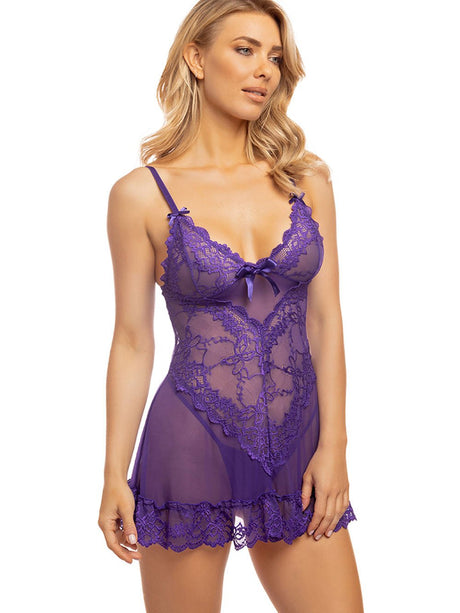
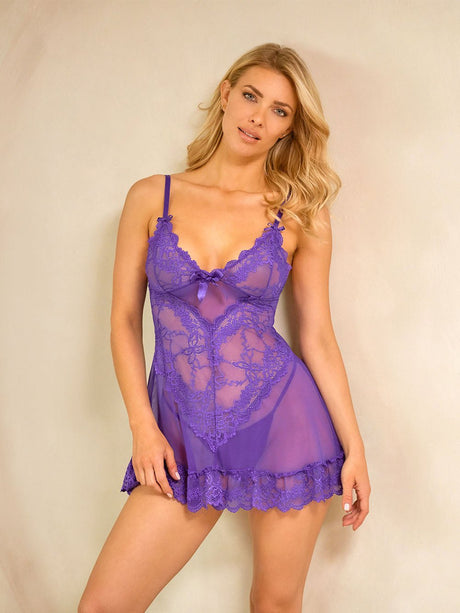
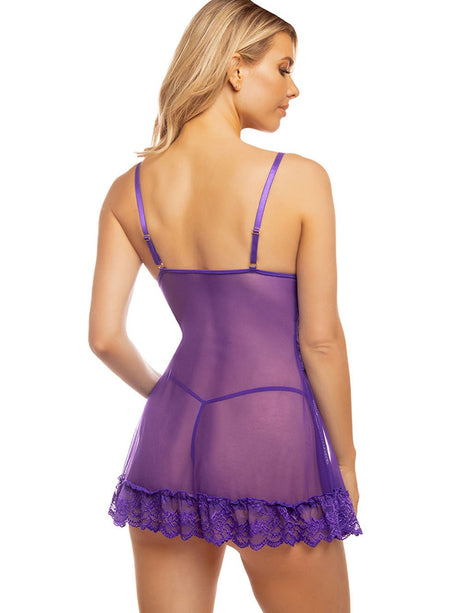
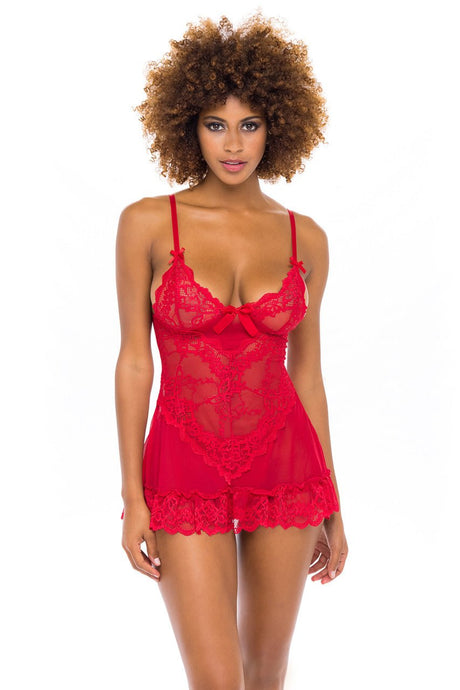
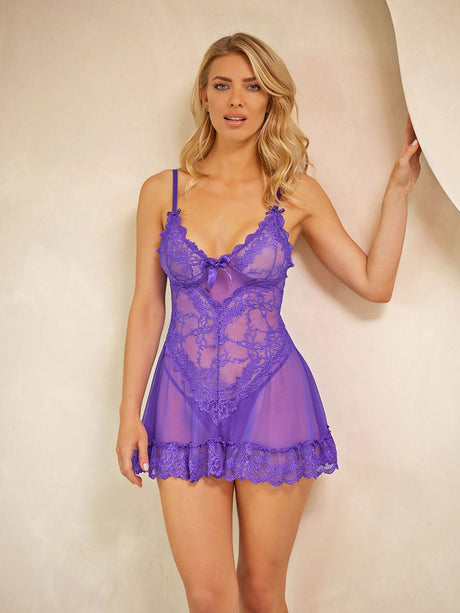
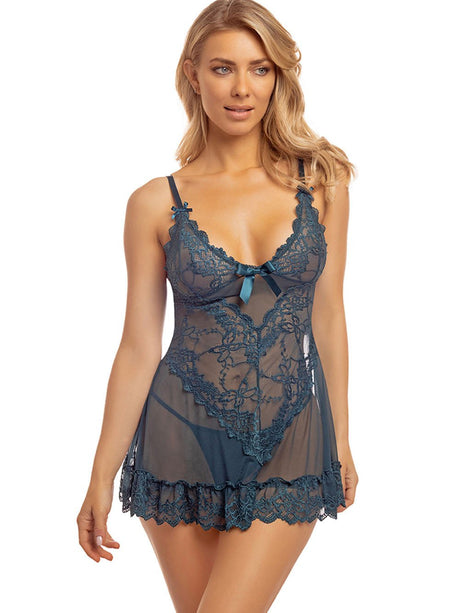
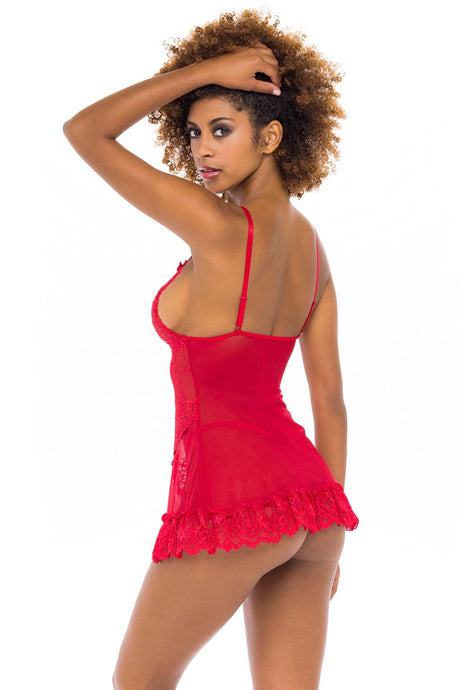
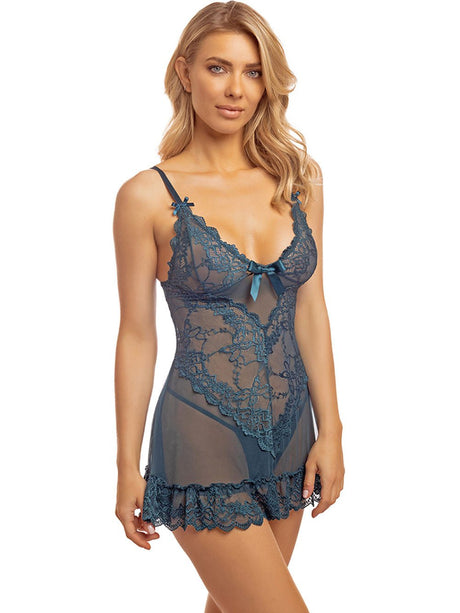
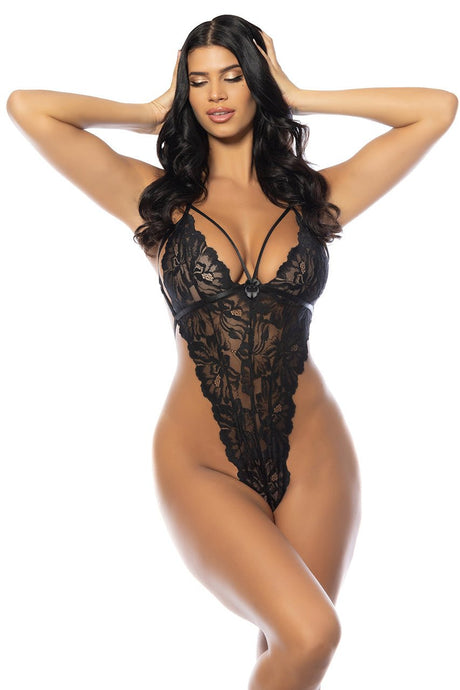
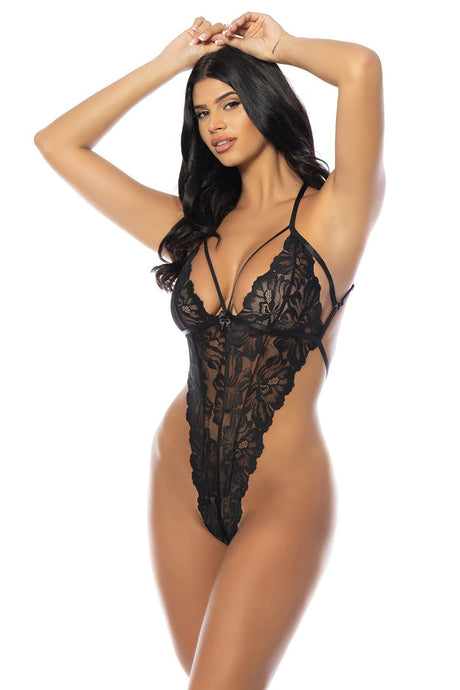
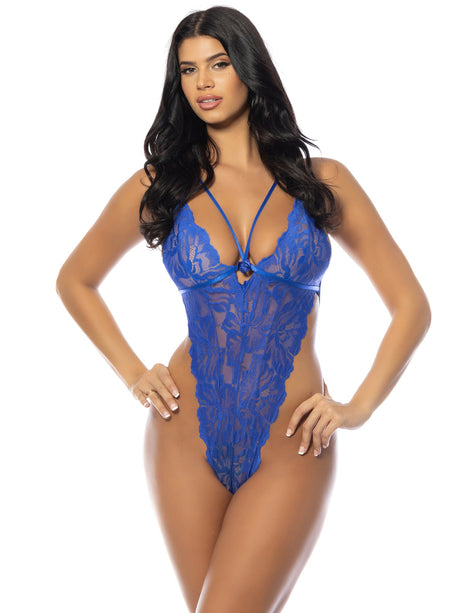
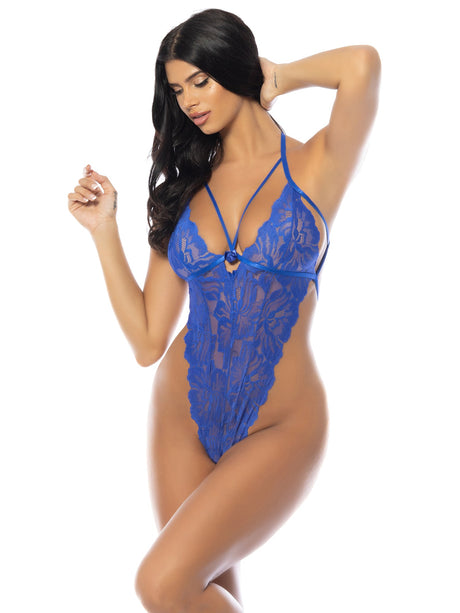
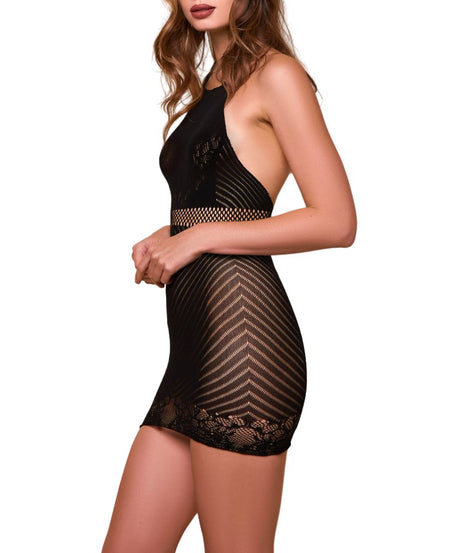
What are the best Christmas pajamas for women?
It depends on whether you are buying for one morning or for the year, and most people buy for one morning by accident. Novelty flannel prints do their job in a single photograph and are rarely worn again after January. Silk, satin and lace sets in seasonal colours photograph just as well and stay in rotation, which makes them better value even at a higher price. The colours that read as Christmas without a printed motif are deep red, burgundy, forest green, ivory, champagne and black with gold trim. Two practical things decide whether you are happy with the purchase. Silk is a fibre and satin is a weave, so most satin is polyester, which looks similar and behaves completely differently against skin. And seasonal sleepwear is produced in limited runs, so the sizes at either end of the range sell out first, which is why late October to mid November is the sensible window rather than December.
Most Christmas pajamas are bought in December, worn once and forgotten by February.
The ones people keep have one thing in common, and it is not the print.
- Buy for the year, not the morning. Colour reads festive; print reads December.
- Silk is a fibre, satin is a weave. Most satin is polyester.
- Deep red, forest green, ivory, black with gold photograph best indoors.
- Order late October to mid November. Seasonal runs sell out at the size ends.
- Satin shows every line. Seamless underwear if you will be seen.
- Gifting? Robes and nightgowns forgive sizing; fitted sets do not.
- Never tumble dry either fabric. Heat is what ends them.
Novelty or Keepsake: Decide First
This is the only decision that really matters, and making it deliberately rather than by default changes what you should spend.

Novelty sets earn their keep in one photograph. Printed reindeer, snowflakes, slogans. They are cheap, they are fun, and they are almost never worn in March. If that is what you want, buy accordingly and do not overspend.
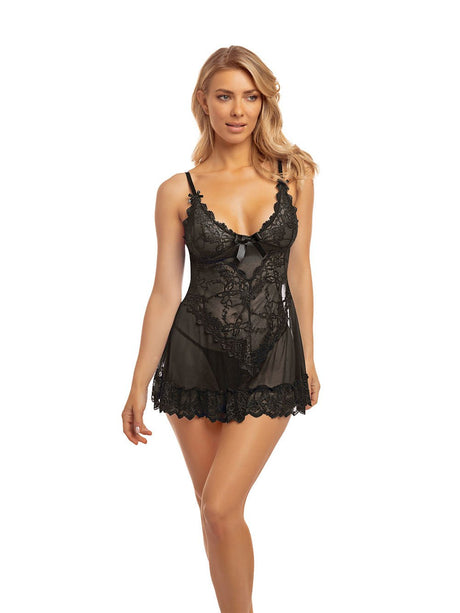
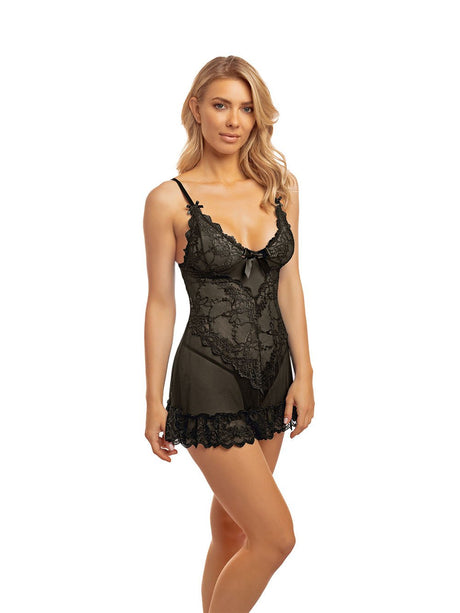
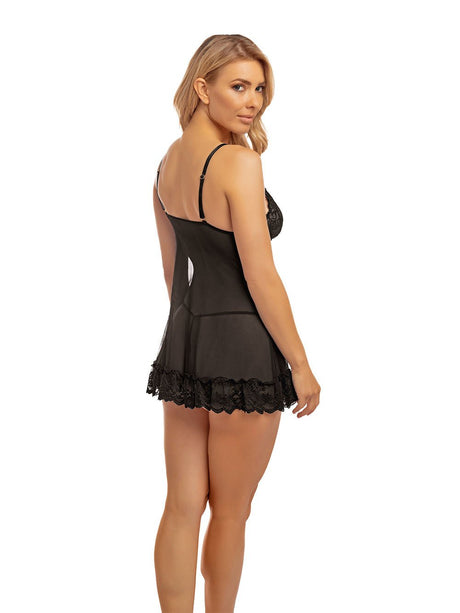
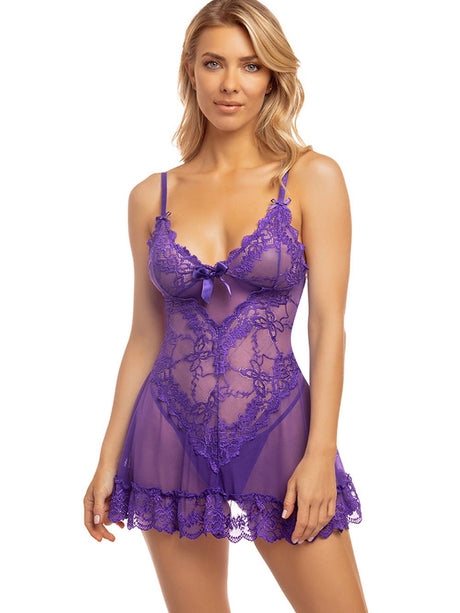
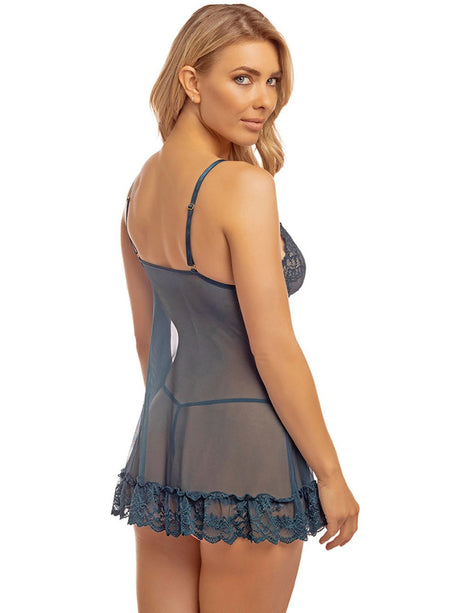
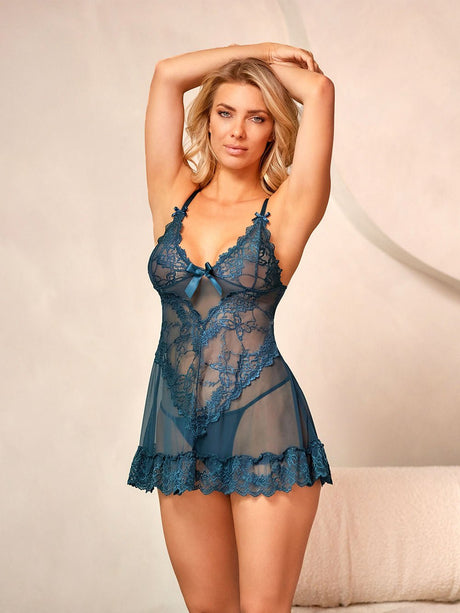
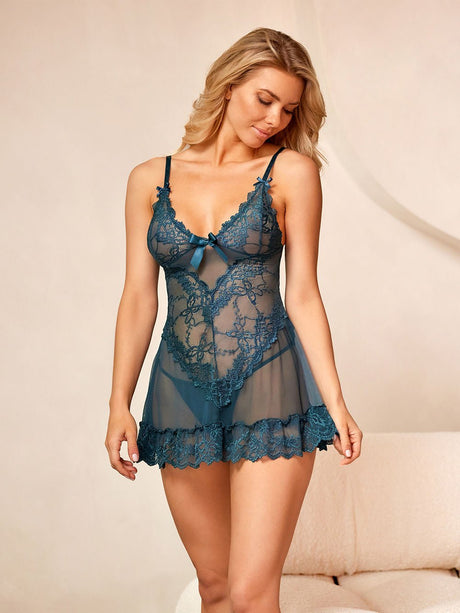
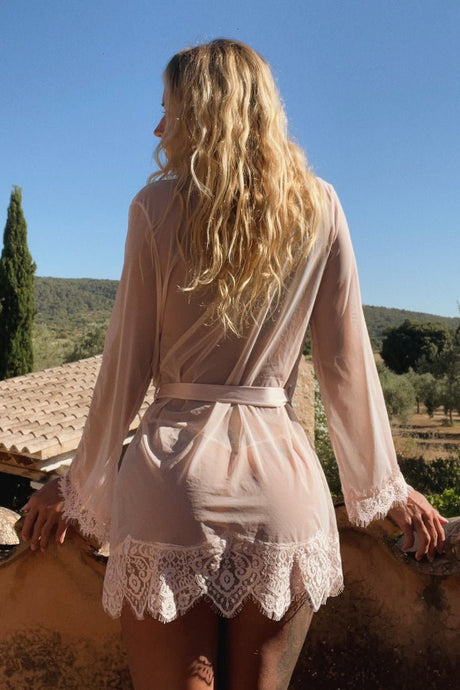
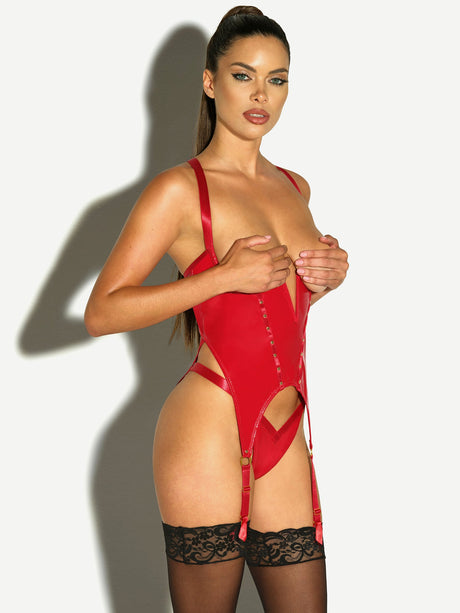
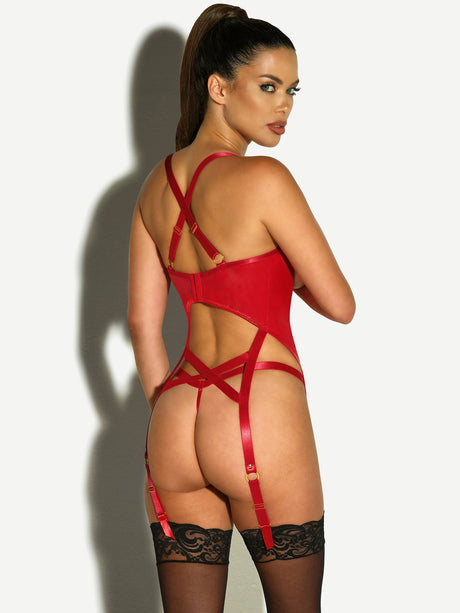
Keepsake sets use seasonal colour and fabric rather than print. A deep red silk set, a forest green satin chemise, black lace trim on ivory. They photograph beautifully against a tree, and they go back in the drawer as ordinary sleepwear afterward.
The cost comparison is less lopsided than it looks. A novelty set worn twice at $40 is $20 a wear. A silk set worn fifty times at $120 is $2.40. The expensive-looking option is usually the cheaper one, provided you actually like it enough to keep wearing it.
Silk Versus Satin: One Is a Fibre, One Is a Weave
This is the most common confusion in the category and the one that costs people money, in both directions.

Silk is a natural protein fibre produced by silkworms. Satin is a weave structure, where threads float over several others to create a smooth, light-reflecting face. Those are different categories of thing entirely.
Which means: satin can be made from silk, polyester, nylon or rayon, and most satin sold is polyester. A garment described only as satin is telling you about the surface, not the fibre. If a listing does not name the fibre, it is usually polyester.
| Silk | Polyester satin | |
|---|---|---|
| What it is | Natural protein fibre | Synthetic fibre in a satin weave |
| Breathability | Good, regulates temperature | Poor, traps heat |
| Feel | Cool then warms to you | Cool and stays slick |
| Sheen | Soft, irregular, scatters light | Harder, uniform, mirror-like |
| Drape | Fluid, follows the body | Stiffer, holds more shape |
| Care | Hand wash, no heat | Machine wash cool |
| Price | Considerably higher | Accessible |
Silk is genuinely better against skin and genuinely more work to look after. Polyester satin is durable, affordable and photographs almost identically. If you sleep hot, silk is worth the money because breathability is the one thing polyester cannot fake. If the set is mainly for a morning and a photograph, satin does that job at a fraction of the price. What you should not do is pay a silk price for something that never names the fibre. Our full silk and satin fabric guide goes further into how to tell them apart.
The Colours That Read as Christmas
Colour is what makes a set seasonal without committing it to one month of the year, and some colours hold up under indoor lighting far better than others.
Christmas Pajamas and Sleepwear
76 seasonal styles in satin, silk, lace and cotton, from short sets to full-length and robes.
Shop Christmas PajamasSilk PajamasThe Styles, and Who Each Suits

| Style | Best for | Note |
|---|---|---|
| Long set, button front | Cold rooms, classic look | The most photographed style. Check sleeve length. |
| Short set | Heated homes, warm sleepers | Cami and short, or short-sleeve and short. |
| Chemise or nightgown | No waistband, easy fit | The most forgiving on sizing. |
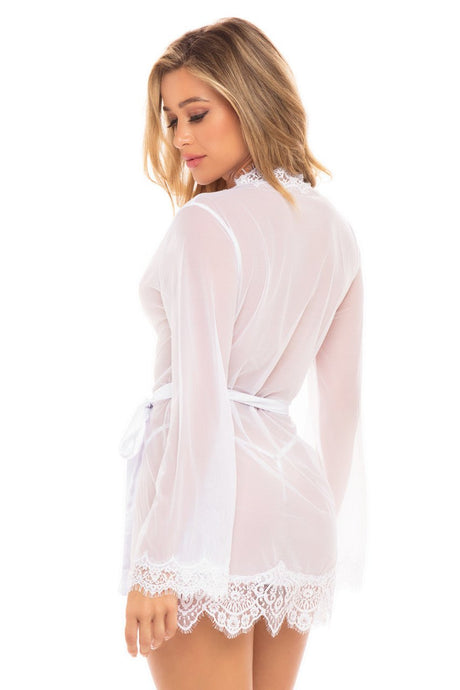
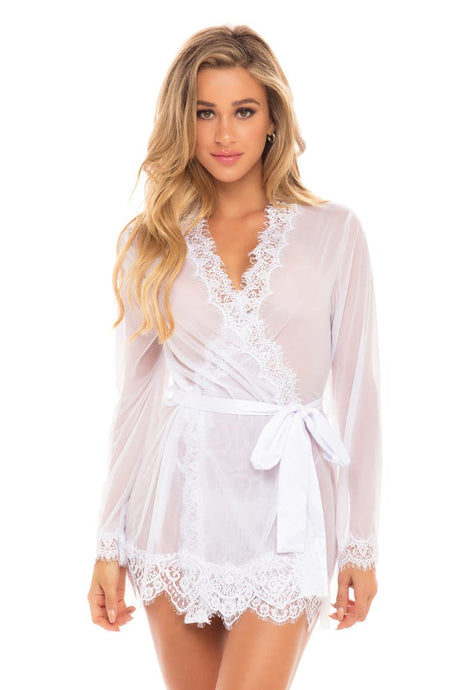
| Robe over a set | Layering, morning warmth | The robe does most of the visual work. |
| Cami and trouser | Versatility | Both pieces wear separately afterward. |
| Sleep shirt | Simplicity | One piece, no matching required. |
Worth knowing on construction: piping, real buttons and flat felled seams are the markers of a set built to last. Piping is an extra operation and cheap manufacturing skips it. Flat felled seams lie smooth against skin where overlocked seams stand proud, which matters in something worn to sleep in.
Buying as a Gift
Sleepwear is one of the safer clothing gifts, and two things decide whether it lands.
Fabric preference is personal and not guessable. Some people cannot sleep in satin because it slides; others cannot bear brushed cotton because it clings. If you do not know, a robe sidesteps the question entirely, since it is worn over rather than against skin.
Sizing forgiveness varies enormously by style. A fitted button-front set has to work at bust, waist and hip. A nightgown, kimono or robe has to work at roughly one point. If you are uncertain of the size, the forgiving styles are not a compromise, they are the correct choice. Our robe gift guide covers choosing a robe and getting the size right for someone else.
- Check a garment they already own rather than guessing from a dress size. Sleepwear sizing varies more than almost any other category.
- Include a gift receipt. Obvious, frequently skipped, and this is a category where exchange rates are high.
- Order early enough for one exchange before the holiday, which in practice means early December at the latest.
- Consider a set plus a robe rather than a larger set, since the robe covers any sizing error in the set beneath it.
Seasonal ranges are produced in limited quantities, and the sizes at both ends of the range go first. If you wear or are buying for a plus size, late October is not early, it is on time. Wrap styles, kimonos and elasticated sets also tend to be graded better across the size range than fitted button-front sets, which are drafted for a narrower set of proportions. See our plus size pajama range for what is currently available.
When to Buy
| When | What you get |
|---|---|
| September to mid October | Full size range, first pick of new season styles. |
| Late October to mid November | Still good availability. The sensible window. |
| Late November | Popular sizes thinning. Sale events begin. |
| Early December | Last point allowing an exchange before the holiday. |
| Mid December | Limited sizes. Shipping risk. |
| After Christmas | Deep discounts, almost no size choice. |
The post-Christmas sale is genuinely worth using if you are buying for next year and you are flexible on size. It is a poor strategy if you need something specific.
Making Them Last
- Hand wash silk in cool water with a silk-specific detergent. Never wring; roll in a towel and dry flat away from heat and direct sunlight.
- Machine wash polyester satin cool in a mesh bag, and skip fabric softener, which dulls the sheen that was the point of buying it.
- Never tumble dry either. Heat is what ends both fabrics, and the damage is not reversible.
- Iron on the lowest setting, inside out, or steam instead. Satin scorches at temperatures that feel modest.
- Store hanging or loosely folded. Crushing sets creases into satin that take a long time to fall out.
- Deal with marks immediately. Silk in particular takes stains permanently if left, and Christmas morning involves a lot of coffee.
The sets people still have five years later are almost never the ones with the print. They are the plain green silk ones bought slightly reluctantly because they cost more.
HauteFlair
What This Means for You
Decide first whether you are buying for one morning or for the year, because that single choice determines what you should spend. Novelty print does the photograph and stops there; seasonal colour in silk, satin or lace does the photograph and then stays in the drawer.
Understand that silk is a fibre and satin is a weave, so a listing that says only satin is describing shine rather than material. Silk if you sleep hot and want it to last; polyester satin if the look is what matters and the budget is finite.
Choose deep red, forest green, ivory or black with metallic trim. Buy between late October and mid November while the sizes still exist. And if you are gifting, a robe or nightgown forgives what a fitted set will not.
Christmas Pajamas at HauteFlair
76 seasonal styles in satin, silk, lace and cotton, with plus sizes and matching robes.
Shop Christmas PajamasRobesFrequently Asked Questions
What are the best Christmas pajamas for women?
What is the difference between silk and satin pajamas?
When should I buy Christmas pajamas?
What size Christmas pajamas should I buy as a gift?
Are satin pajamas warm enough for winter?
What colours count as Christmas without being novelty?
How do I care for silk or satin Christmas pajamas?
What should I wear under Christmas pajamas?
Do Christmas pajamas come in plus sizes?
What is the difference between Christmas pajamas and holiday lingerie?
Are Christmas pajamas a good gift?
How do I make Christmas pajamas photograph well?
This article is for informational purposes only. Fabric composition and care requirements vary between manufacturers; always follow the care label on the individual garment. Seasonal stock and size availability change throughout the season.