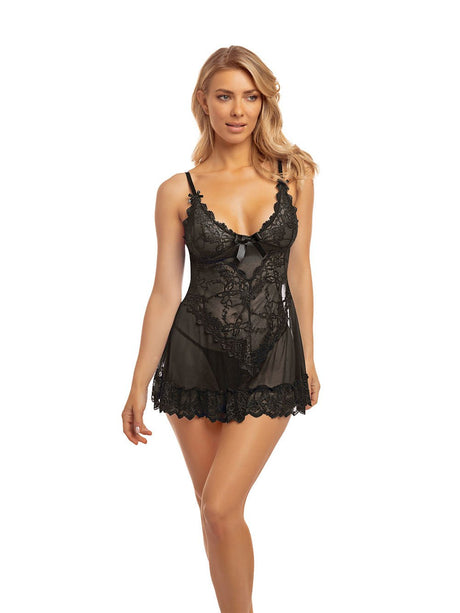
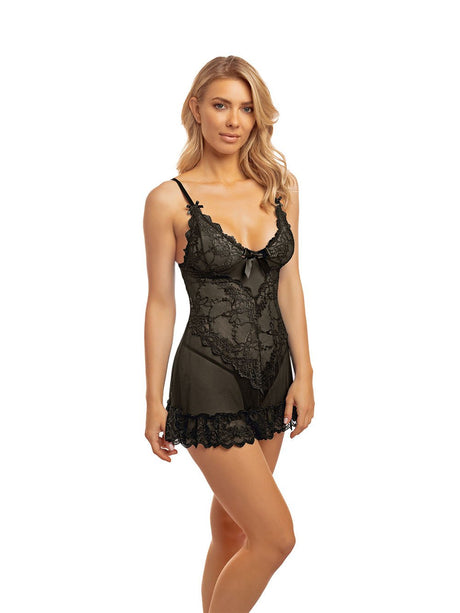
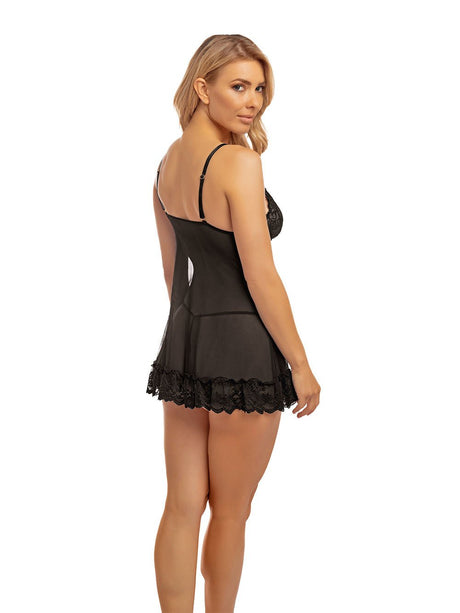
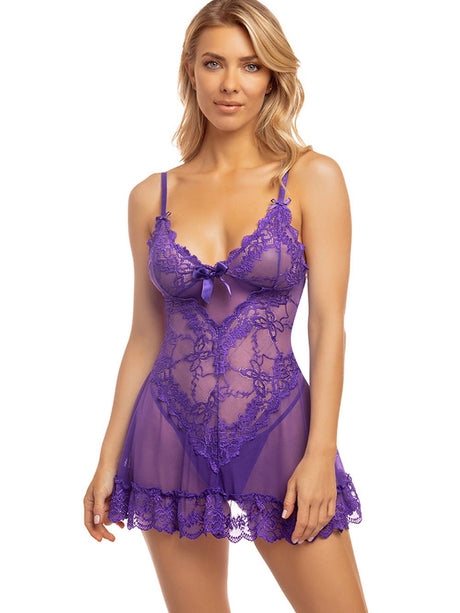
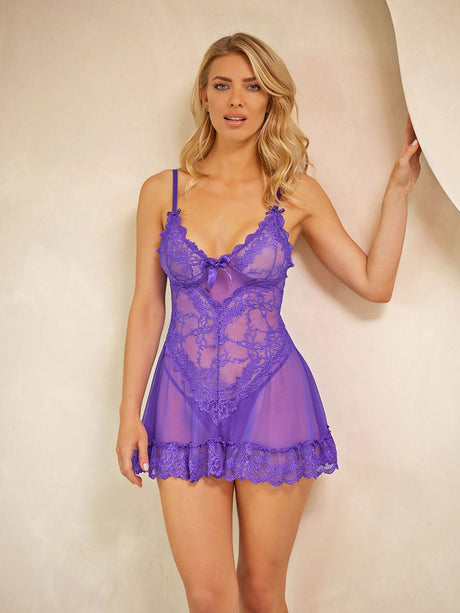
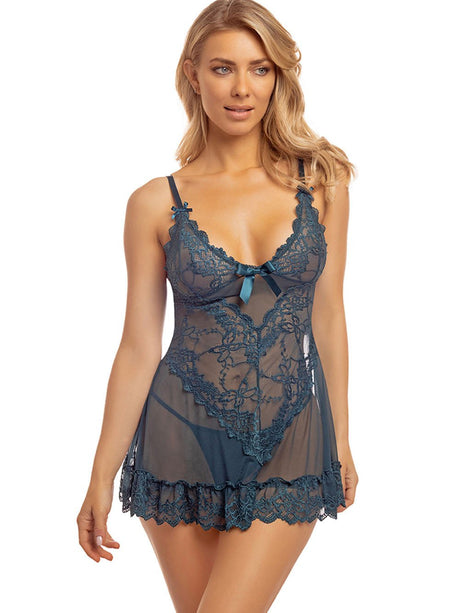
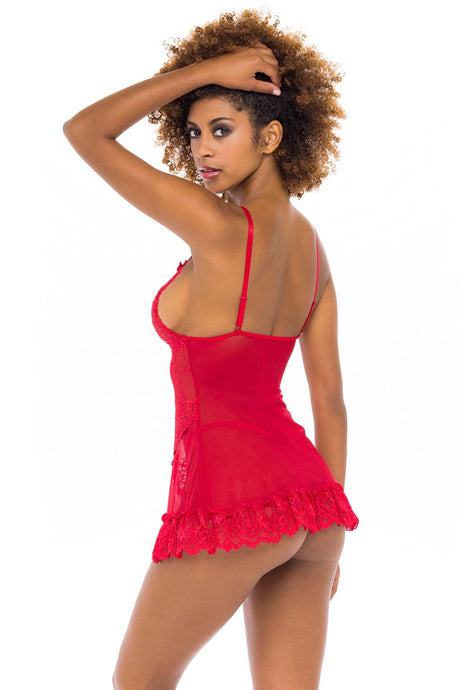
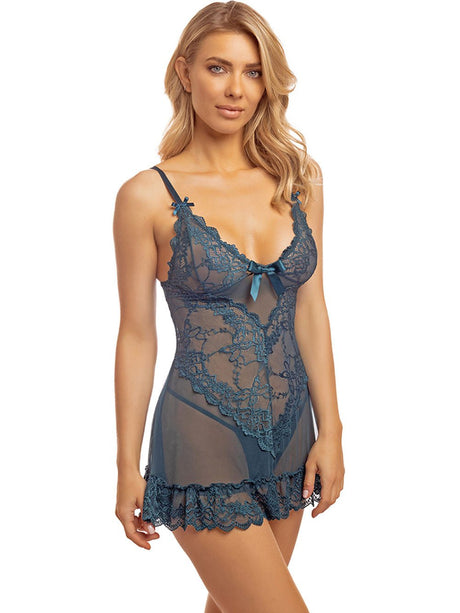
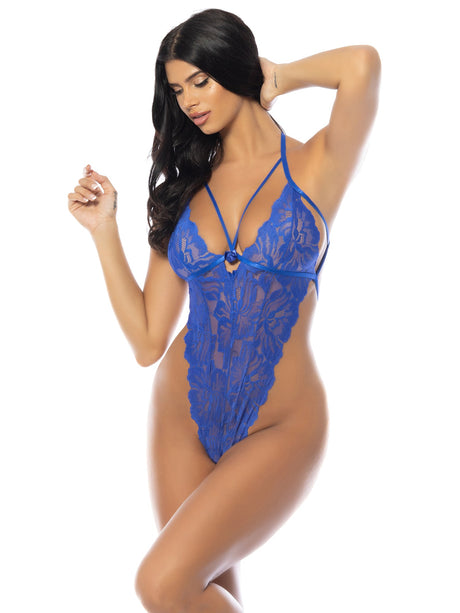
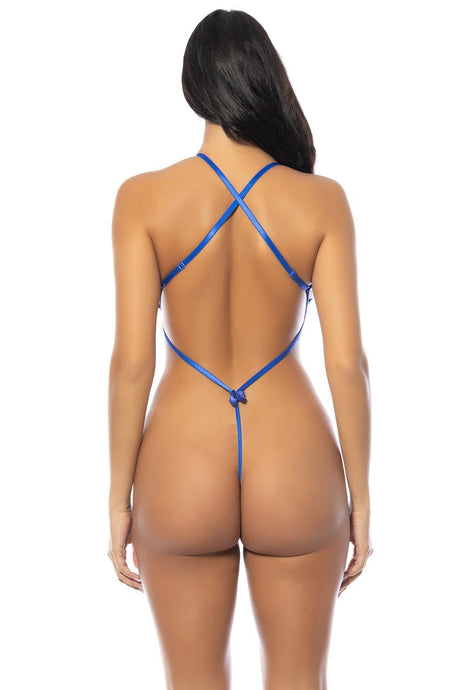
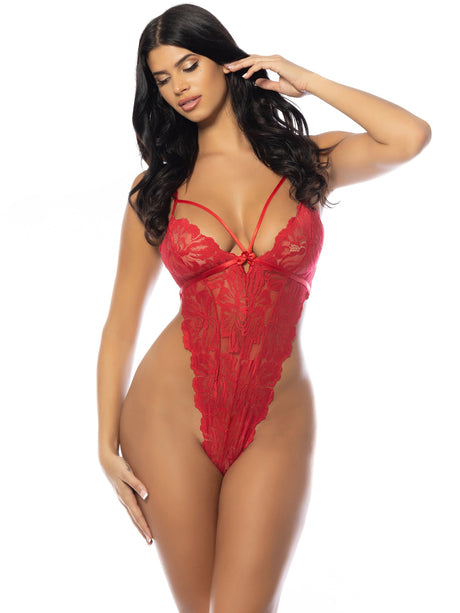
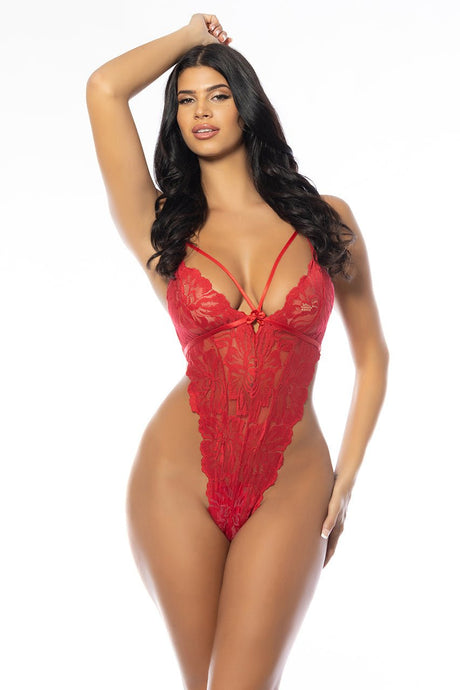
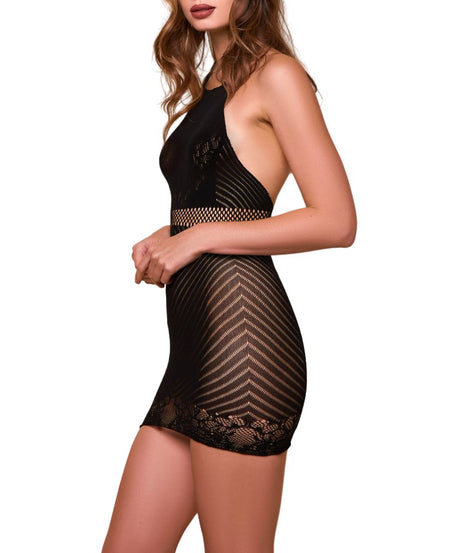
What is silk lingerie?
Silk lingerie is intimate apparel made from natural silk — most commonly mulberry silk — including chemises, slips, camisoles, panties, bras, negligees, teddies, and pajama sets. Silk is prized in lingerie for its softness against skin, fluid drape, natural sheen, breathability, and temperature regulation, which keeps the body cool in warm conditions and warm in cool ones. Quality is measured in momme weight, with most fine lingerie sitting between 16 and 22 momme. Silk lingerie spans everyday loungewear through luxury occasion pieces and is defined by the fabric rather than by a single silhouette.
This guide clears it up. We'll cover what silk lingerie actually is, how to tell real silk from satin imposters, the momme-weight quality scale that separates fine silk from flimsy, the core silk silhouettes (from chemises and slips to panties and pajamas), how silk compares to satin head to head, how to choose by use and skin type, and the care routine that keeps silk soft and lustrous for years rather than months.
Shop Silk & Luxury Lingerie
Browse silk chemises, slips, camisole sets, and luxury intimates designed to feel as refined as they look — with fit and fabric notes on every product page.
Shop Lingerie → Luxury Edit →- Silk is a natural protein fiber — breathable, temperature-regulating, and hypoallergenic — unlike satin, which is a weave usually made from polyester.
- Quality is measured in momme (mm): most fine silk lingerie is 16–22 momme. Below 16 is too sheer and fragile; 19–22 is the sweet spot for chemises and slips.
- Mulberry silk (Grade 6A) is the gold standard — softer, stronger, and more lustrous than wild or lower-grade silks.
- Core silhouettes: silk chemises, slips, camisole sets, panties, French knickers, bras, negligees, teddies, and pajamas.
- Silk is ideal for sensitive skin and hot sleepers — smooth, low-friction, moisture-wicking, and naturally cooling.
- Hand-wash cool, air-dry flat, never tumble-dry. Treated gently, quality silk lasts many years.
- Silk pairs beautifully with lace — combining natural softness with romantic texture.
What "Silk Lingerie" Actually Means
Silk lingerie is intimate apparel made from real silk — a natural protein fiber spun by silkworms. That single fact is what separates it from the much larger ocean of "silky" lingerie, which is usually polyester or nylon satin dressed up in luxurious-sounding language. Real silk behaves differently on the body in ways you can feel immediately: it's cool to the touch, breathable, and it moves with a fluid weight that synthetics can only imitate.
Three properties define what makes silk special for lingerie specifically:
- Temperature regulation. Silk is a natural insulator that keeps you cool in warm conditions and warm in cool ones — which is why it's beloved by hot sleepers and works year-round.
- Softness and low friction. Silk's smooth fibers glide against skin, reducing irritation. This is also why it's the go-to fabric for sensitive skin and a favorite for sleepwear.
- Natural sheen and drape. Silk has a soft, deep luster — not the bright mirror-shine of polyester satin — and it drapes with a fluid weight that flatters the body, especially when cut on the bias.
Most quality silk lingerie is made from mulberry silk, produced by silkworms fed exclusively on mulberry leaves. Its fibers are longer, finer, and stronger than wild silks, which makes it softer and more durable. The finest mulberry silk is graded 6A. When you see "100% mulberry silk, Grade 6A" on a label, that's the marker of genuine quality.
Real silk warms quickly to your touch and feels alive against skin; polyester satin stays cool and slick. Real silk also has an uneven, soft luster that shifts as it moves, while synthetic satin shines uniformly. If a "silk" piece is suspiciously cheap, machine-washable with no special instructions, and doesn't list a momme weight or silk percentage — it's almost certainly satin.
Silk vs. Satin: The Difference That Matters Most
This is the single most important distinction in the category, and the most common source of disappointment. Silk is a fiber; satin is a weave. Silk can be woven into a satin weave (silk satin or silk charmeuse), but most lingerie sold as "satin" is woven from polyester or nylon — a completely different material that only resembles silk on the surface.
| Property | Silk (natural) | Satin (usually polyester) |
|---|---|---|
| What it is | A natural protein fiber | A weave, usually polyester or nylon |
| Feel on skin | Cool, soft, breathable, "alive" | Slick, can feel hot and clingy |
| Temperature | Regulates — cool or warm as needed | Traps heat and moisture |
| Sheen | Soft, deep, shifting luster | Bright, uniform, mirror-like |
| Skin-friendliness | Hypoallergenic, low-friction | Can irritate sensitive skin |
| Price | Higher (natural fiber, labor-intensive) | Lower, more accessible |
| Care | Hand-wash, air-dry only | More durable, machine-friendly |
| Best for | Everyday luxury, sensitive skin, repeat wear | Budget, occasion pieces, high-shine looks |
Neither is "better" universally — they serve different goals. If you want a piece you'll wear constantly and value comfort, breathability, and longevity, silk earns its premium. If you want a high-shine occasion piece on a budget, a quality polyester satin is the pragmatic choice. The mistake is paying silk prices for satin, or expecting satin to deliver silk's natural-fiber comfort. For more on how satin reads as a fabric, see our sexy lingerie guide, which covers the full material spectrum.
Momme Weight: How to Judge Silk Quality
Momme (pronounced "mummy," abbreviated mm) is the unit that measures silk's weight and density — the silk equivalent of thread count for cotton. It tells you how much silk is actually in the fabric, and it's the single most useful spec when comparing pieces. Higher momme means heavier, more durable, and more opaque silk.
Robes are where heavier silk earns its price: a full-length robe takes more strain at the belt, the pockets and the shoulders than any other silk piece. Our robes guide compares robe styles and fabrics, and our guide to washing a silk robe covers caring for one.
A practical rule: if a "silk" lingerie piece doesn't list its momme weight anywhere in the description, treat it as a red flag. Quality silk brands are proud of their momme weight and silk grade and state both clearly. Vague "silky" or "silk-feel" language with no momme figure almost always signals a synthetic fabric or a very low-grade silk.
The Core Silk Lingerie Silhouettes
Silk works across nearly every lingerie silhouette, but a handful of styles are where it truly shines — the pieces where silk's drape, softness, and temperature regulation matter most. Here's the silk-specific lineup, from the everyday-luxury staples to occasion pieces.
The signature silk pieces. A silk chemise or slip drapes fluidly from the bust, skimming the body for a look that works equally for sleep and occasion wear. Bias-cut versions move beautifully. The single most popular way to wear silk lingerie.
The loungewear end of silk — camisole-and-short sets and full silk pajamas. The biggest-volume silk category overall, prized for everyday luxury, gifting, and hot-sleeper comfort. Pairs sleep and sensuality in one piece.
Silk panties, tap shorts, and French knickers bring the fabric to everyday wear. Smooth, breathable, and friction-free, they're a discreet daily luxury — and silk-and-lace versions add romantic detail.
Soft silk bras (often wireless or lightly lined) and silk camisoles offer gentle, breathable support for sensitive skin. Less structured than synthetic bras, but unmatched for comfort and next-to-skin softness.
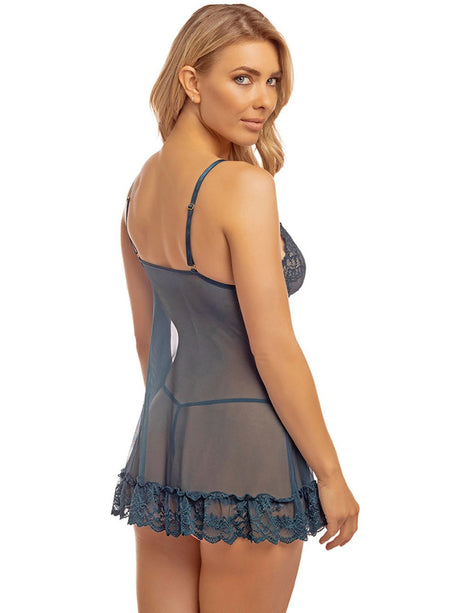
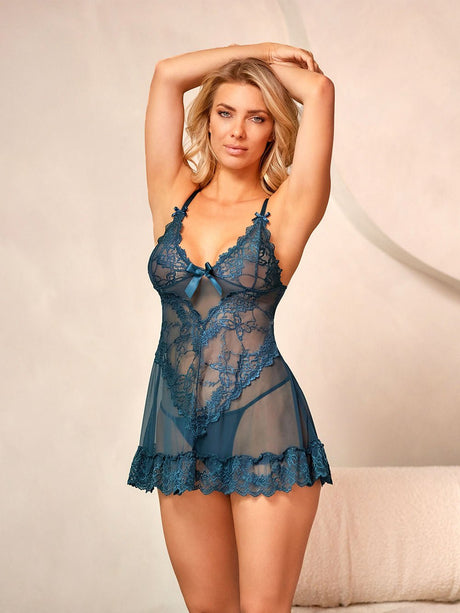
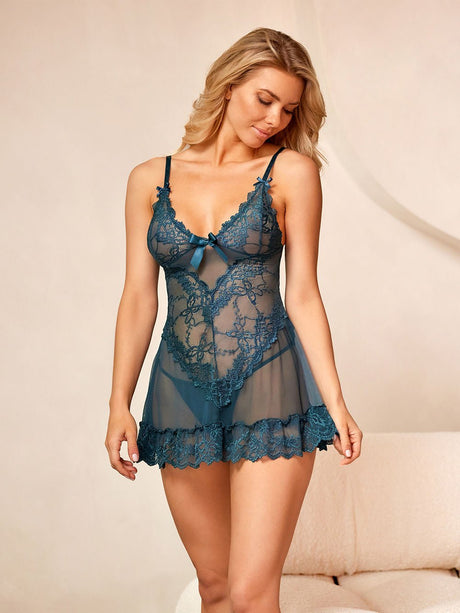
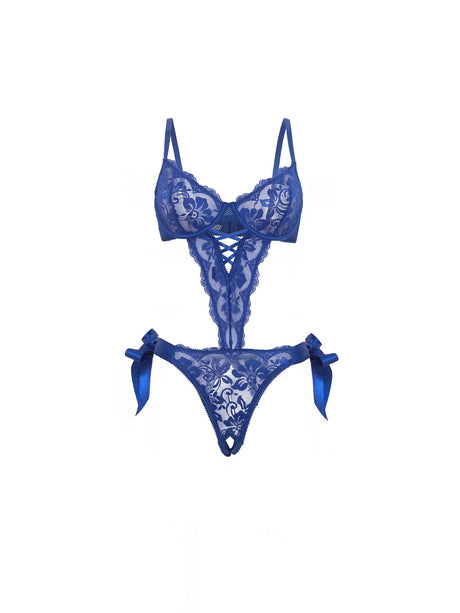
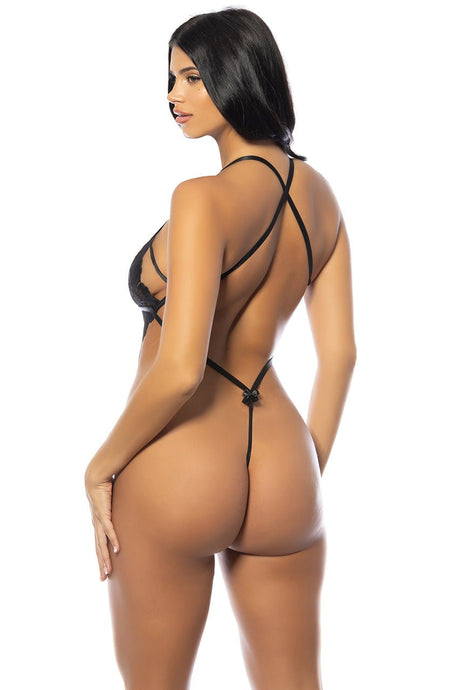
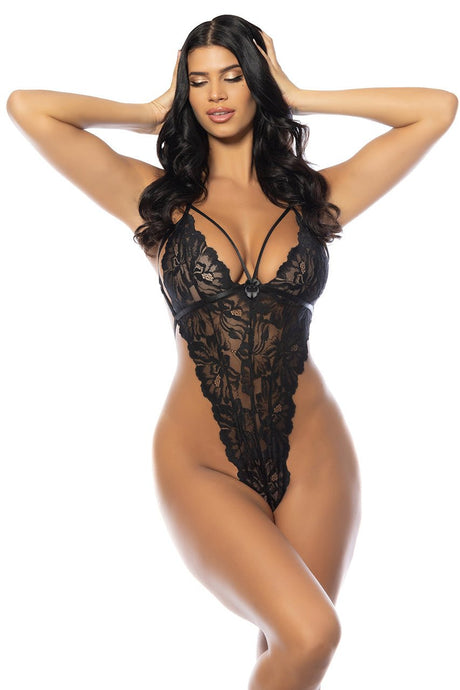
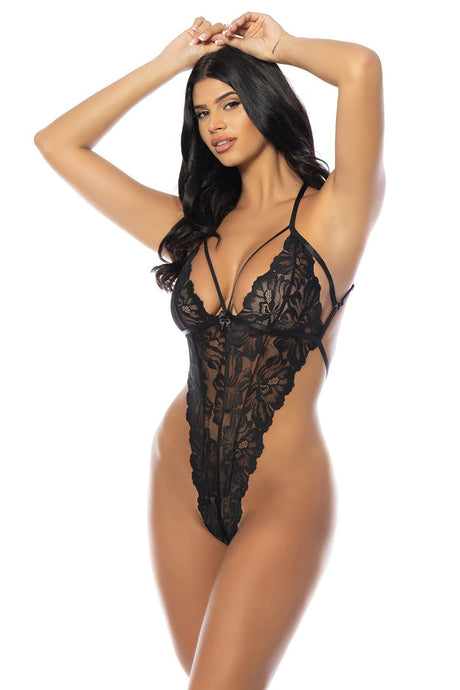
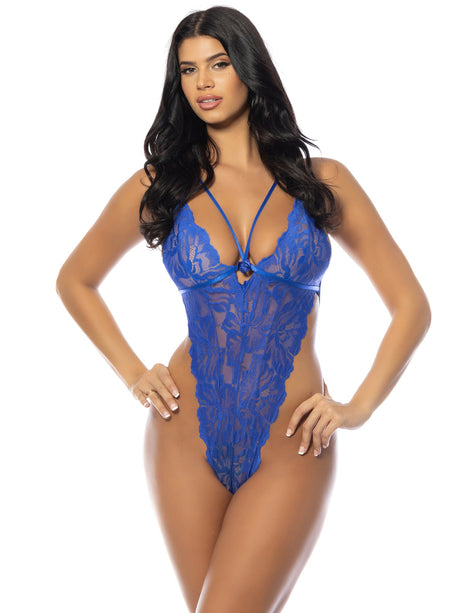
For occasion wear, silk negligees and teddies add structure and detail to silk's natural drape. Often combined with lace at the bust and hem, they're the dressier, more deliberate end of the silk spectrum.
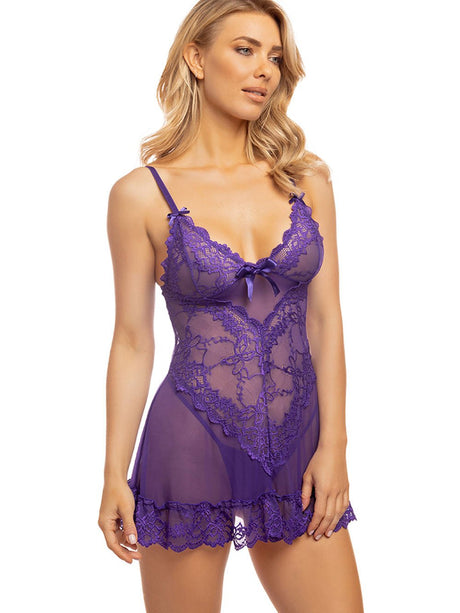
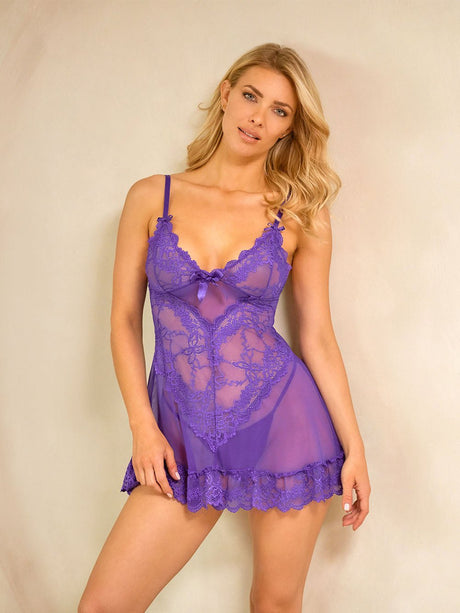
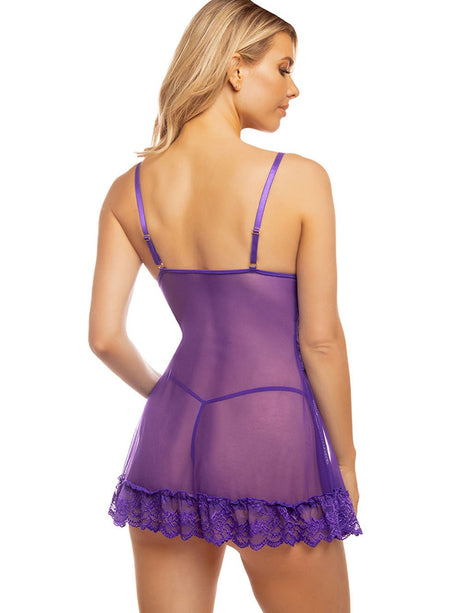
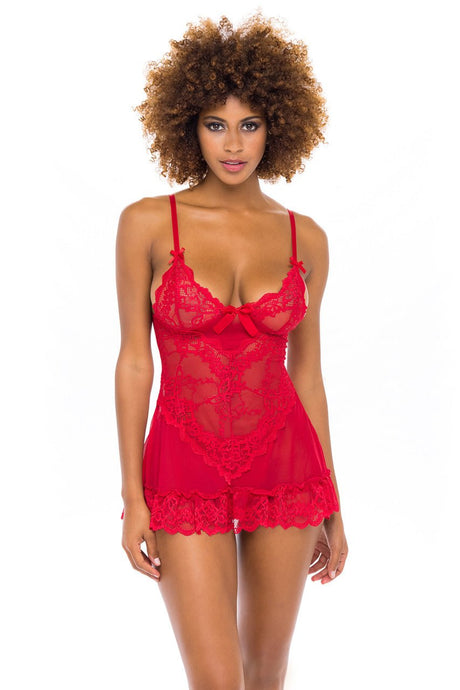
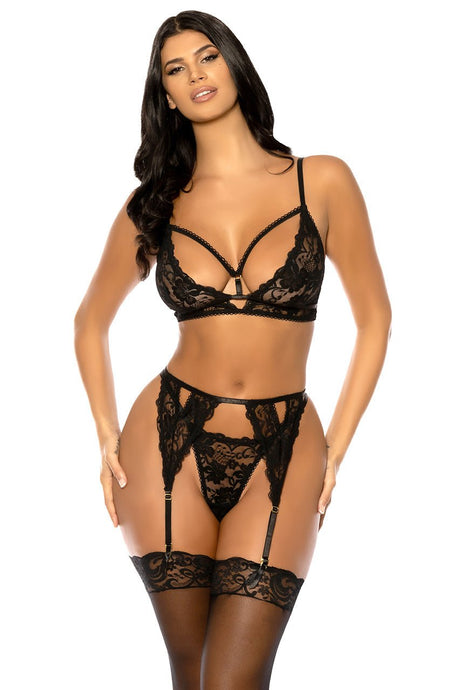
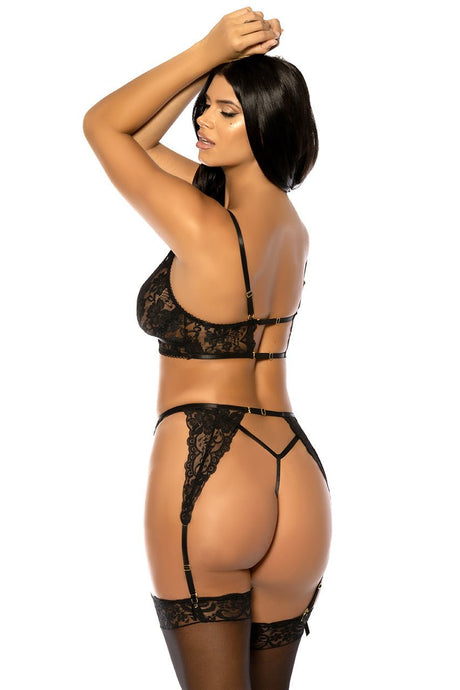
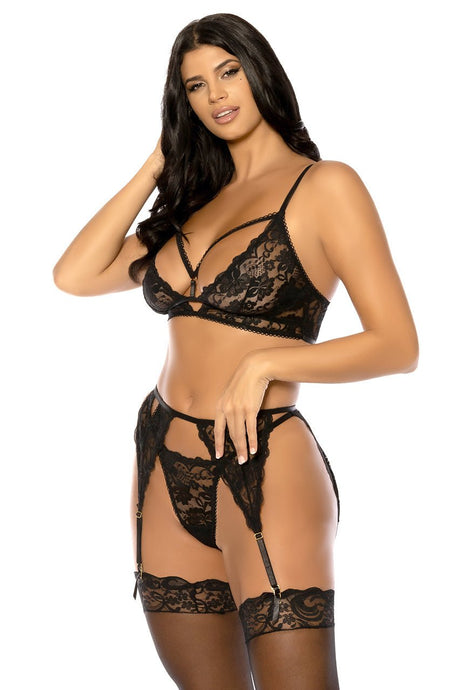
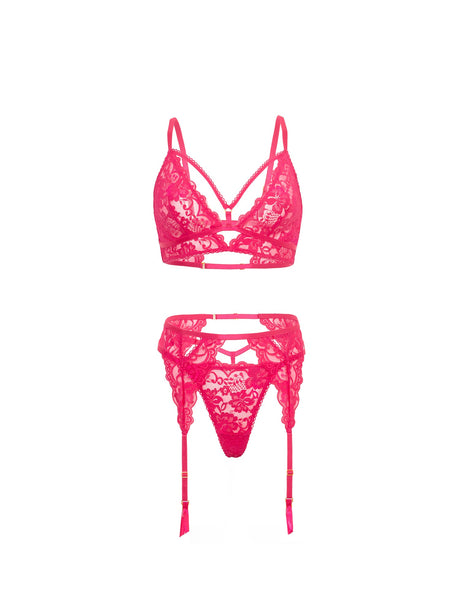
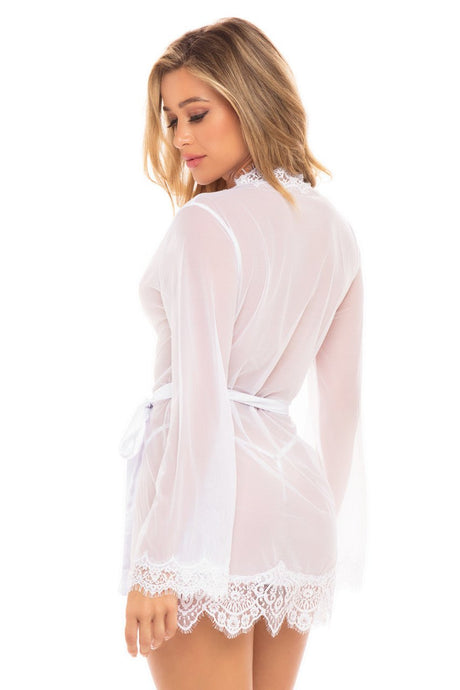
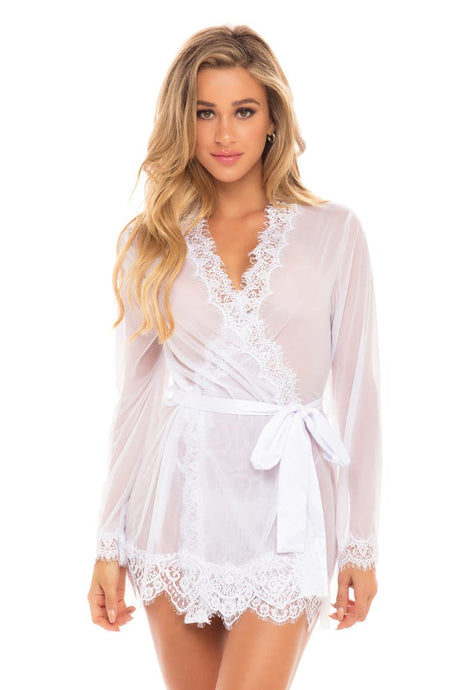
Some of the most beautiful silk lingerie pairs silk with lace — silk body, lace trim. It blends silk's cool softness with lace's romantic texture, and it's a consistently low-competition, high-appeal style.
Find Your Silk Lingerie Piece
Three quick questions — we'll point you to the right silk silhouette for your goal, priority, and color preference.
How to Choose Silk Lingerie
The right silk piece depends on how you'll wear it, your skin and comfort needs, and the quality signals worth paying for. Four considerations cover most decisions.
Match the Silhouette to How You'll Wear It
For sleep and lounge, prioritize a silk chemise, slip, or camisole set in a lighter 16–19 momme weight for breathability — silk pajamas in 19 momme also work beautifully. For occasion and date-night wear, a silk negligee, teddy, or silk-and-lace chemise adds structure and detail. For everyday luxury under clothing, silk panties, French knickers, and soft silk camisoles bring the fabric into daily rotation. Start with the use case, then choose the silhouette.
Silk Is the Sensitive-Skin and Hot-Sleeper Champion
If you have sensitive skin, eczema, or react to synthetic fabrics and rough lace trims, silk is one of the best fabrics you can wear — hypoallergenic, smooth, low-friction, and naturally resistant to dust mites. If you run hot or sleep hot, silk's breathability and moisture-wicking keep you cool; choose a lighter momme weight and avoid synthetic linings. This natural-fiber comfort is the main reason silk justifies its price for everyday wear.
Read the Label Like a Pro
Look for three things: the silk type (100% mulberry silk is the gold standard), the grade (6A is the finest), and the momme weight (16–22 for most lingerie). A quality piece states all three. Be skeptical of "silky," "silk-touch," or "silk-blend" language with no momme figure or silk percentage — these usually signal synthetic fabric. Genuine silk costs more for a reason, and the label transparency is itself a quality signal.
Choose Color for Versatility, Fit for Drape
Silk takes color with exceptional depth. Ivory, champagne, and black are the most versatile first choices; jewel tones like burgundy and emerald photograph richly for occasion wear; nude tones disappear under clothing. For fit, remember silk has little natural stretch — a chemise or slip should skim and drape, not cling or pull. Many silk slips are cut generously, so check the brand's measurements rather than assuming your usual size. Darker colors and higher momme weights offer more opacity if sheerness is a concern.
"The test of good silk lingerie isn't the price tag or the shine — it's how it feels an hour after you put it on. Real silk disappears against the skin: cool, weightless, and quietly luxurious. That sensation is what you're actually paying for, and no synthetic delivers it."
— HauteFlair Editorial Team
How to Care for Silk Lingerie
Silk's delicate reputation is half myth. Treated correctly, quality silk lingerie is surprisingly durable and lasts for years. The damage comes almost entirely from heat, agitation, and harsh chemicals — all avoidable with a simple routine.
- Hand-wash in cool water. Use a pH-neutral silk or delicate detergent. Swish gently for two to three minutes — never rub, scrub, or wring. Hot water and agitation are silk's main enemies.
- Restore luster in the rinse. Rinse in clean cool water until the detergent is gone. A teaspoon of white vinegar in the final rinse helps restore silk's natural sheen.
- Roll, don't wring. Lay the piece flat on a towel, roll to absorb water, then unroll. Wringing breaks fibers and sets permanent creases.
- Air-dry away from heat and sun. Lay flat or use a padded hanger, out of direct sunlight. Sunlight fades and weakens silk; the dryer destroys it. Silk dries quickly on its own.
- Store protected. Keep silk flat or loosely folded in a breathable cotton bag, away from rough fabrics, Velcro, and sharp jewelry. Avoid plastic, which traps moisture.
Three things ruin silk faster than anything else: heat (hot water and the dryer permanently damage the protein fibers and dull the sheen), direct sunlight (fades color and weakens the fabric over time), and rough contact (snags from jewelry, Velcro, and coarse fabrics). Avoid all three and quality silk lingerie will outlast most of your synthetic pieces.
Frequently Asked Questions About Silk Lingerie
What is silk lingerie?
What's the difference between silk and satin lingerie?
Is silk lingerie worth the price?
What is momme weight in silk lingerie?
What are the most popular silk lingerie styles?
Is silk lingerie good for sensitive skin?
How do I wash silk lingerie?
Can silk lingerie be machine washed?
What silk lingerie is best for hot sleepers?
What colors are best for silk lingerie?
How should silk lingerie fit?
Is silk lingerie see-through?
What's the difference between mulberry silk and regular silk?
How long does silk lingerie last?
This guide is editorial. Silk quality, momme weight, fit, and care needs vary across brands and individual pieces — always check the specific product label for fiber content, silk grade, and care instructions. Momme ranges and care guidance reflect general best practices for natural silk. Last reviewed: May 23, 2026.