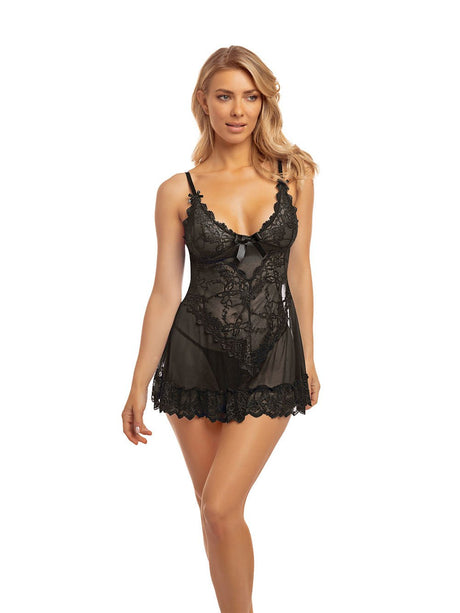
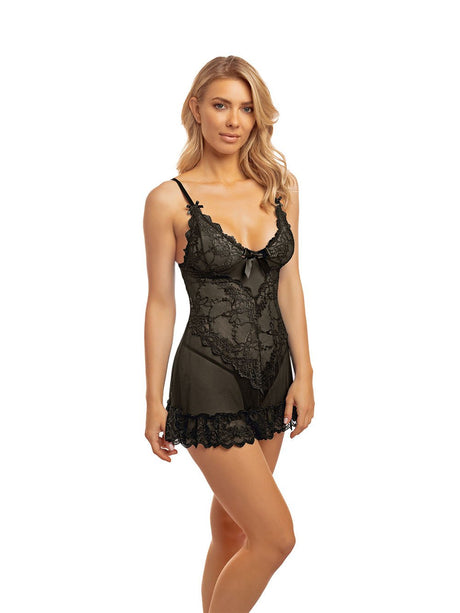
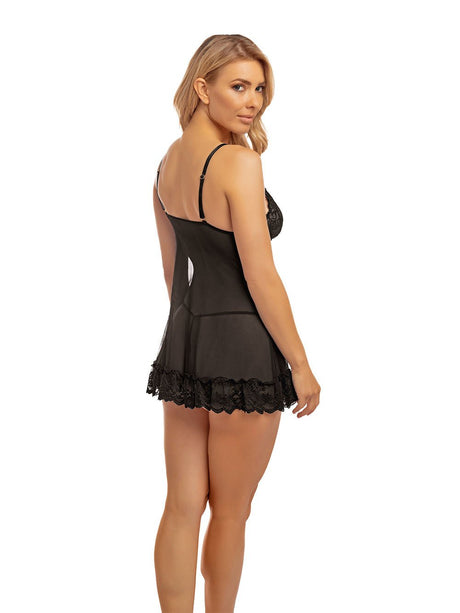
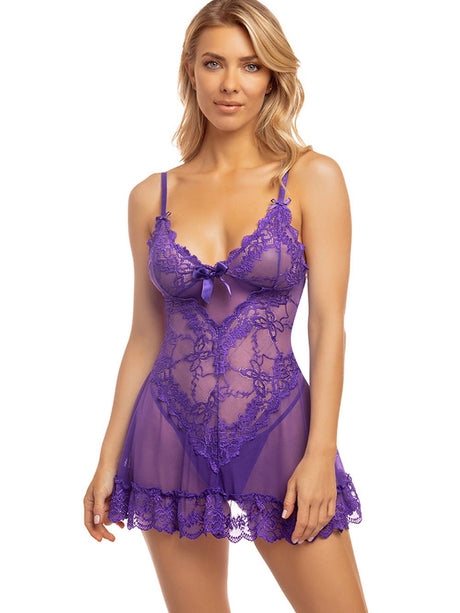
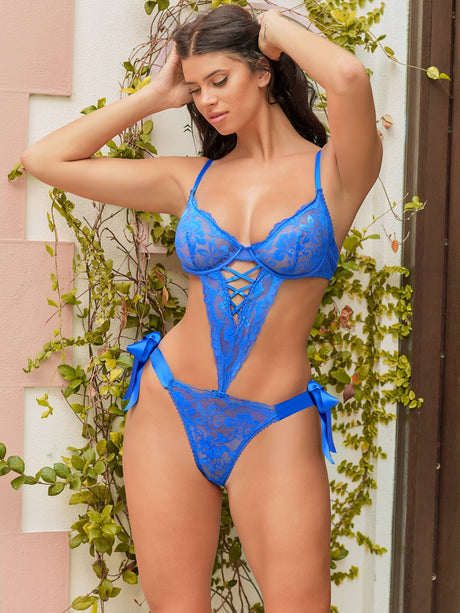
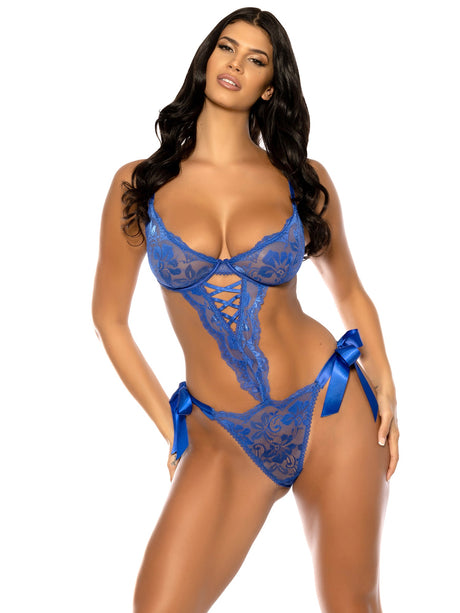
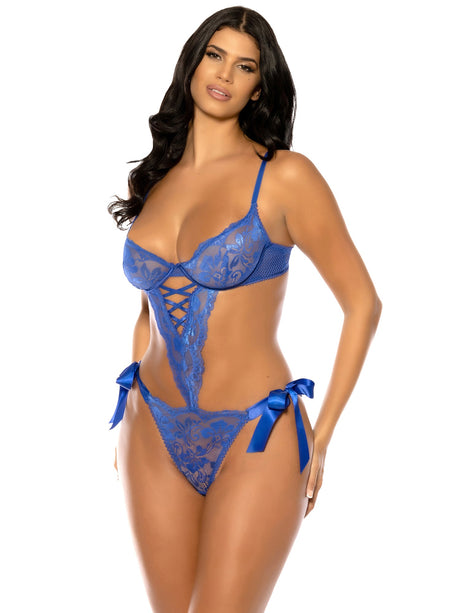
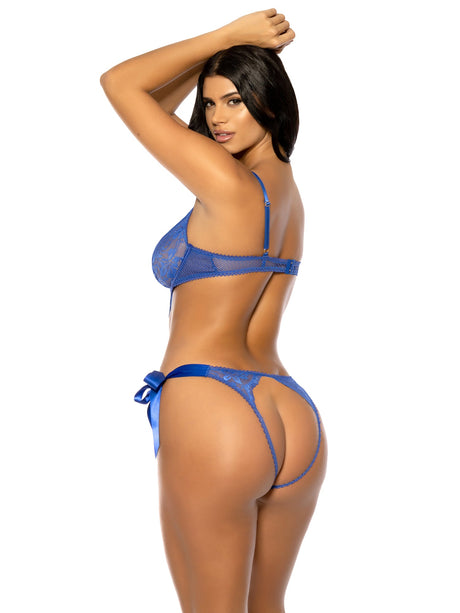
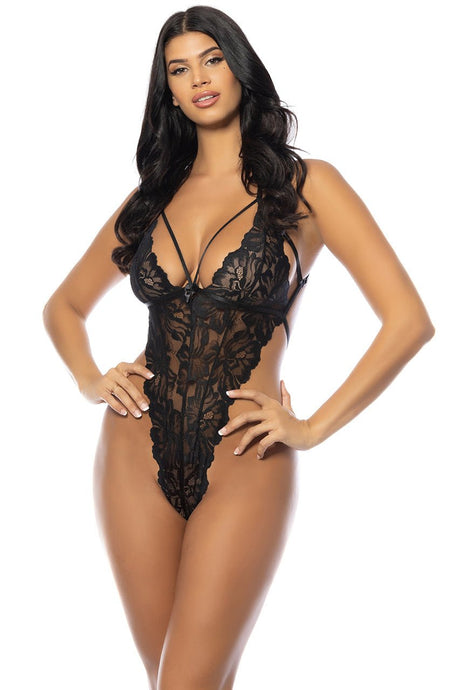
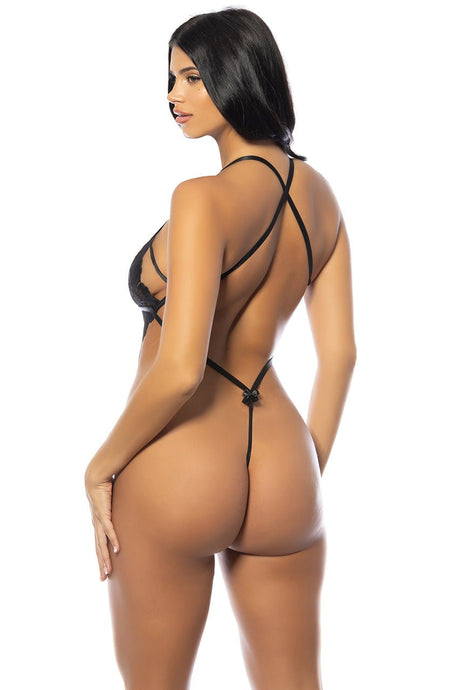
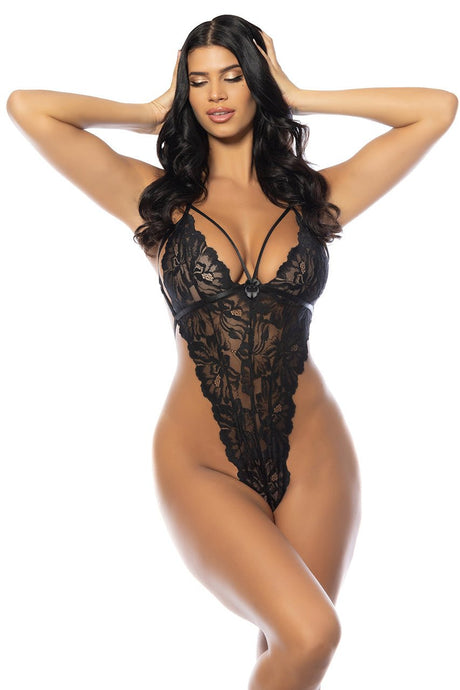
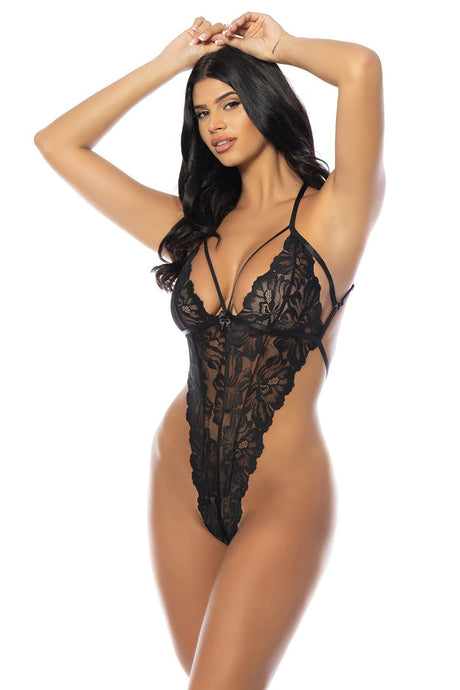
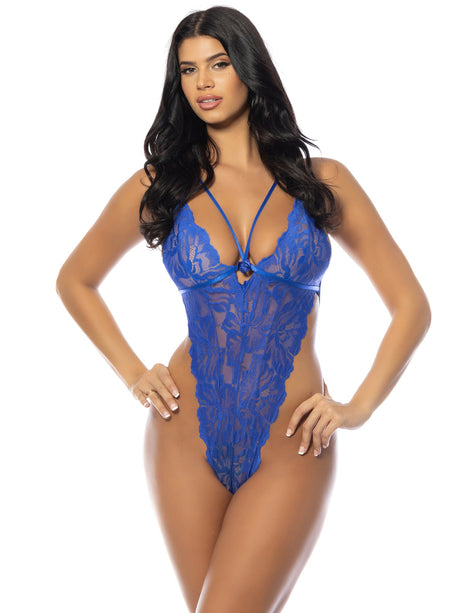
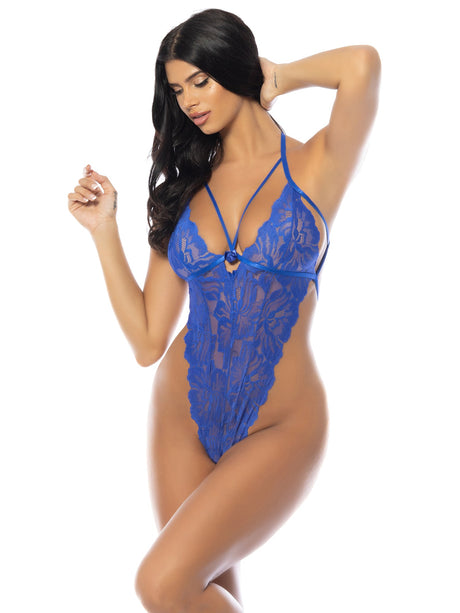
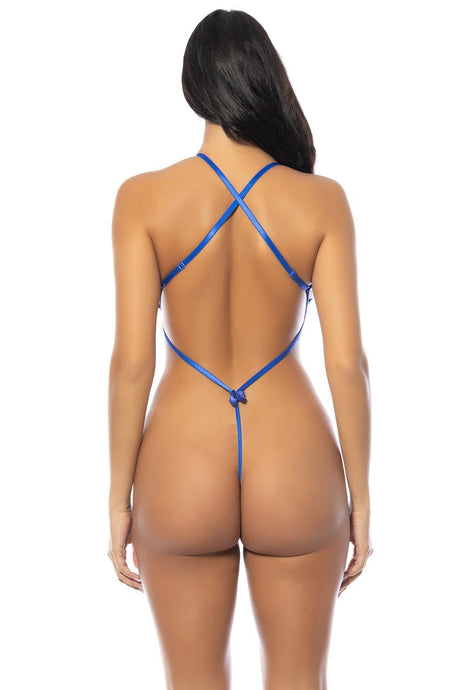
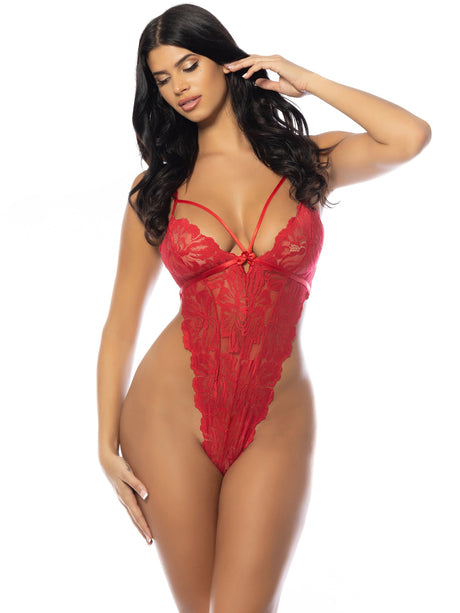
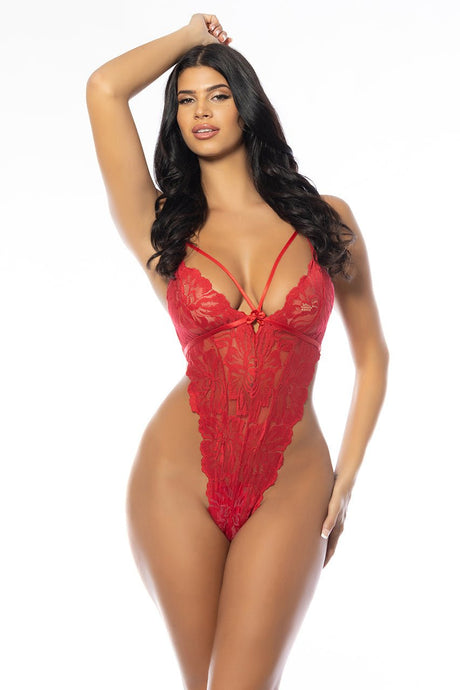
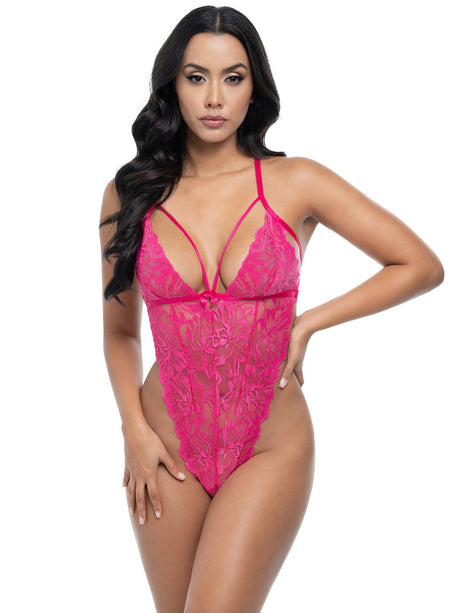
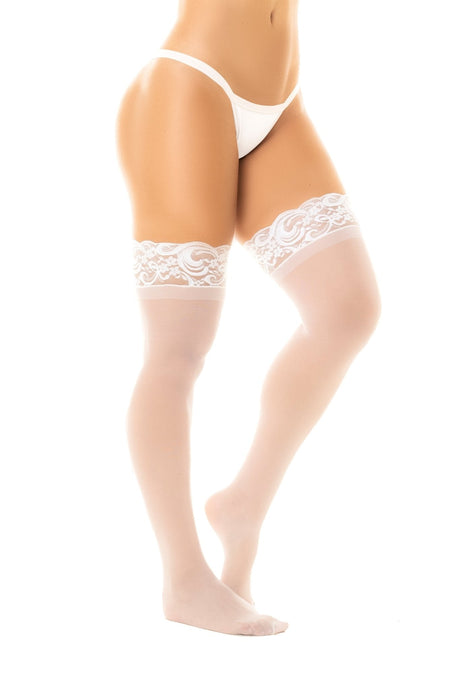
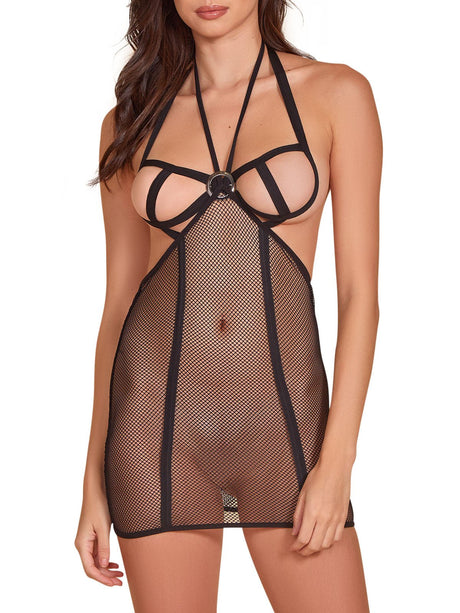
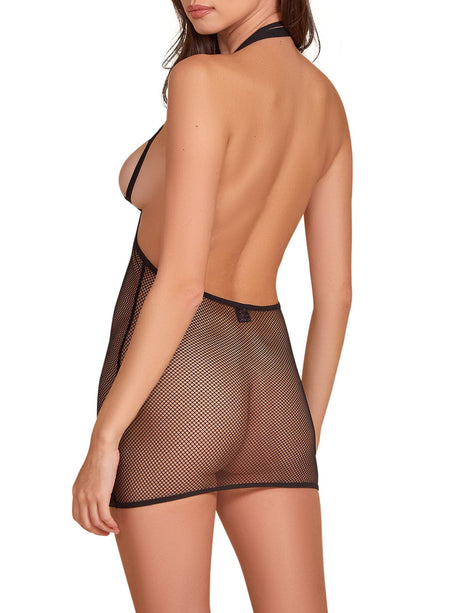
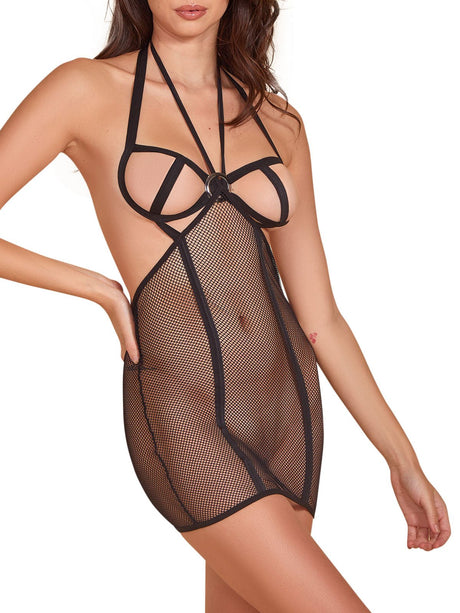
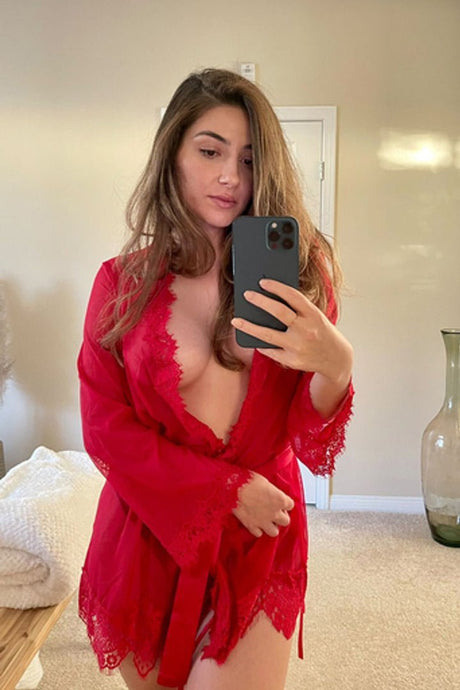
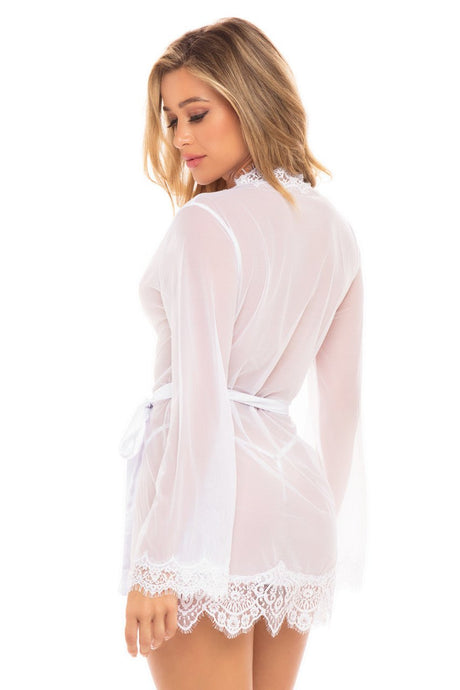
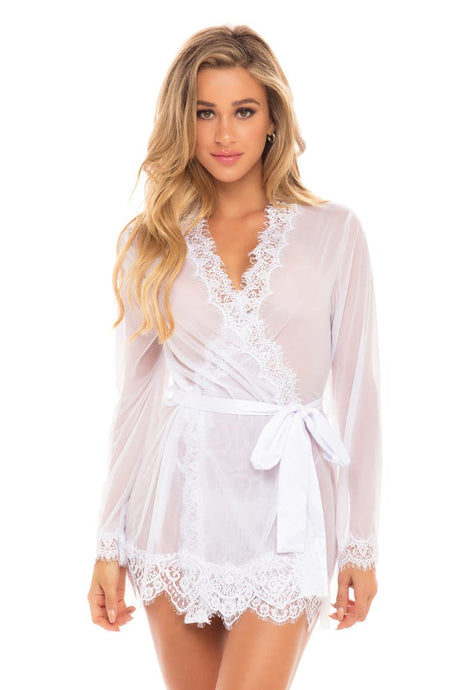
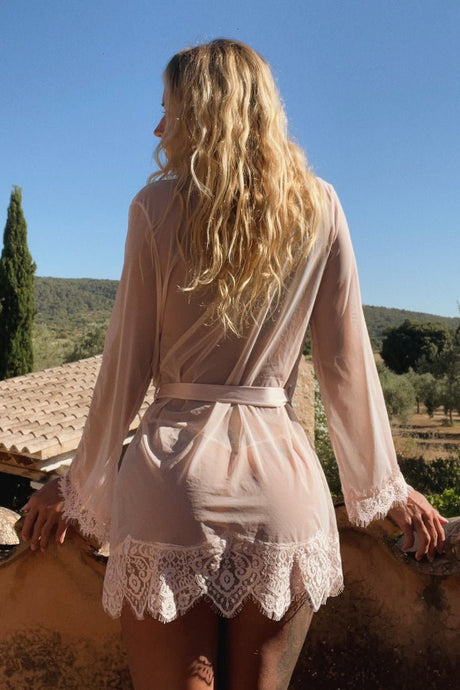
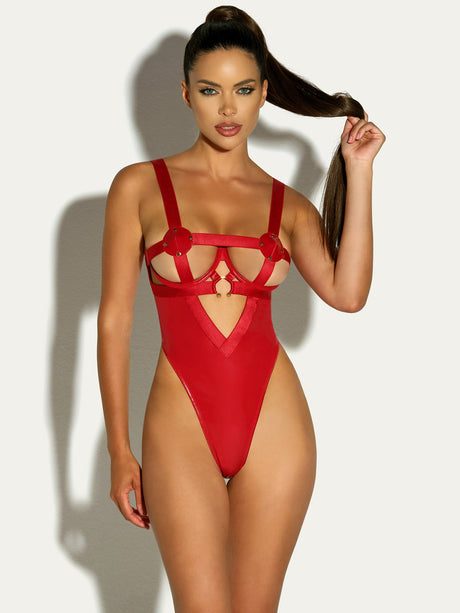
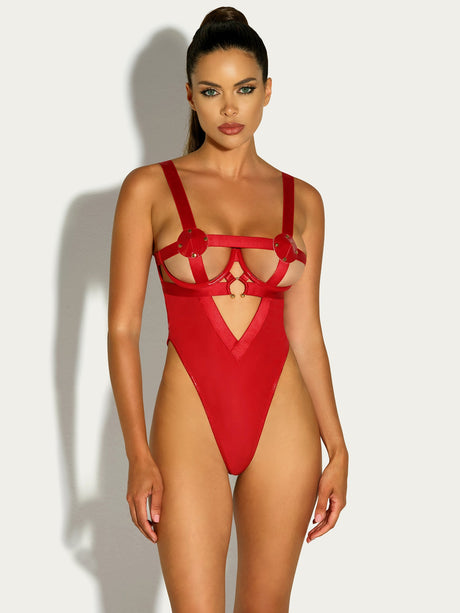
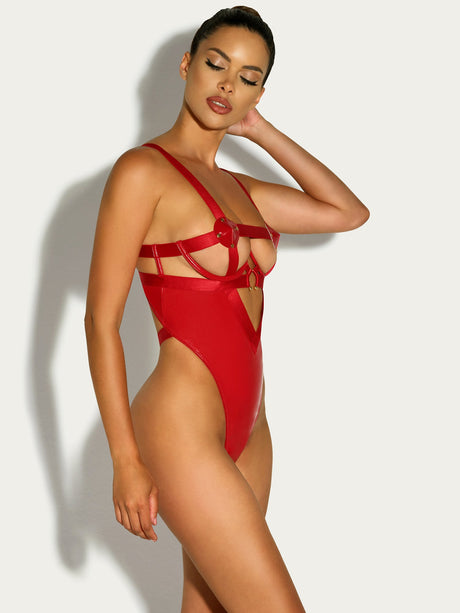
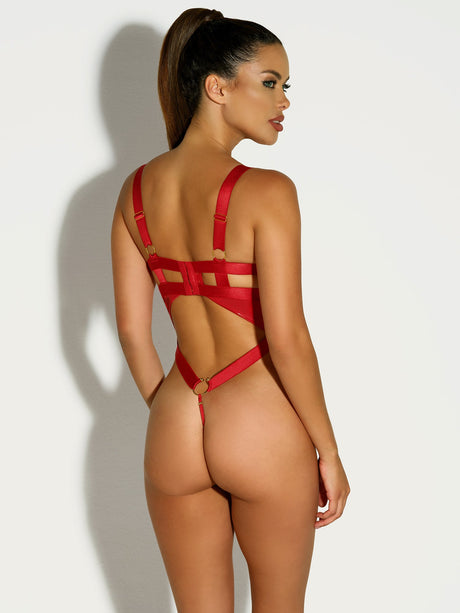
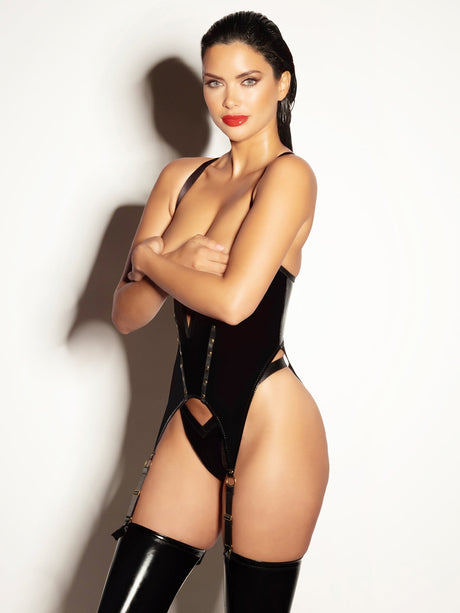
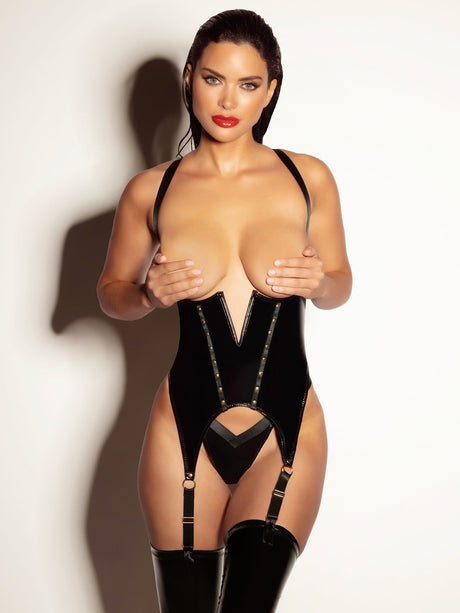
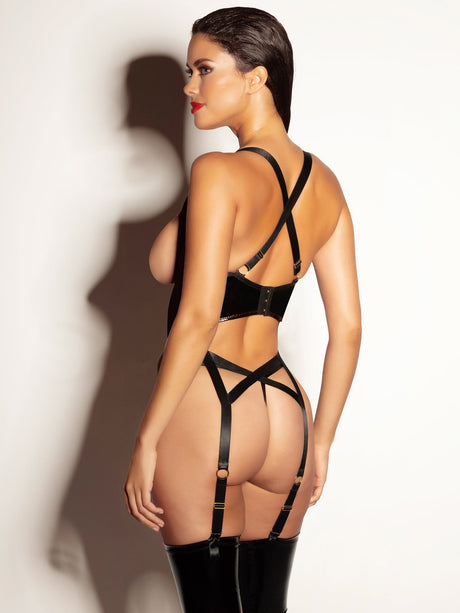
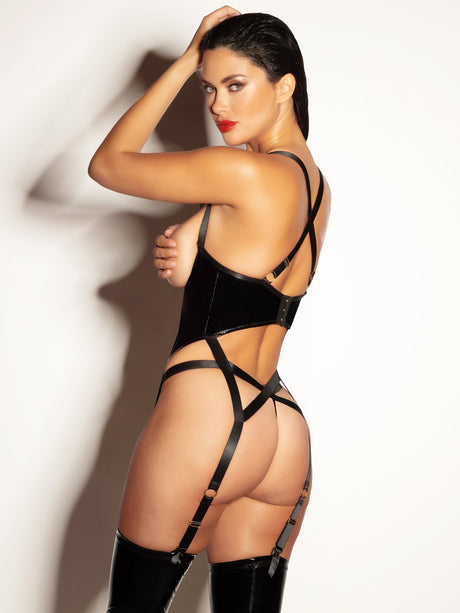
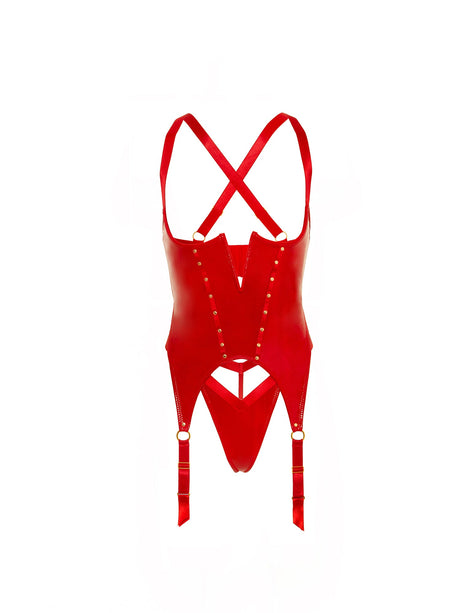
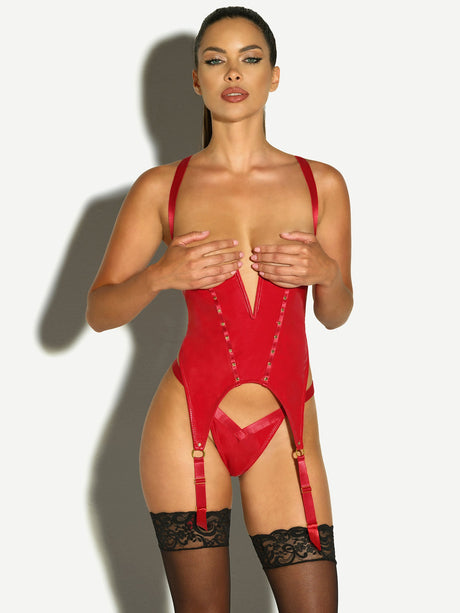
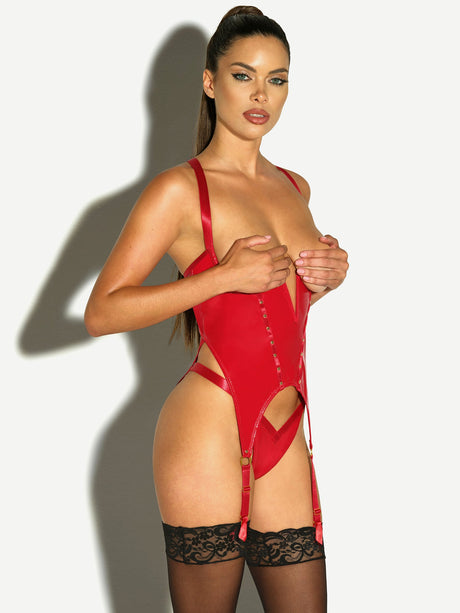
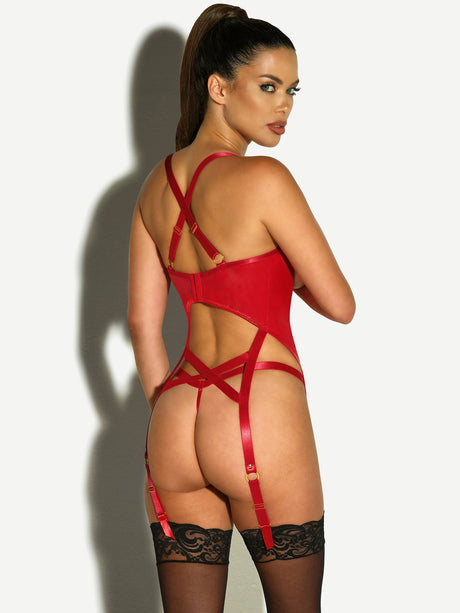
What is a negligee?
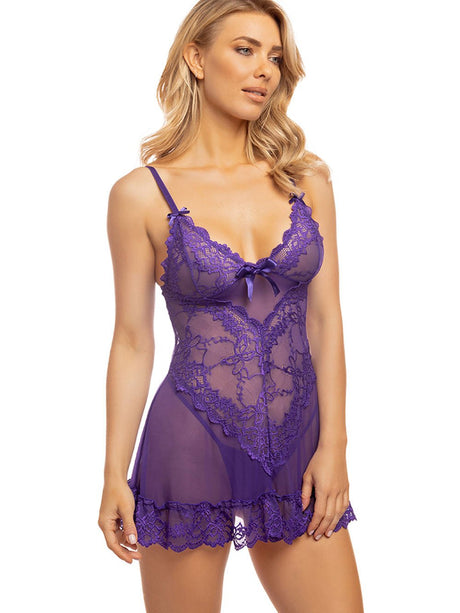
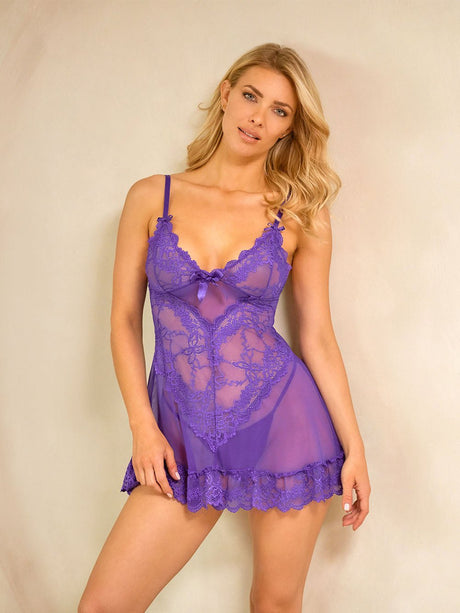
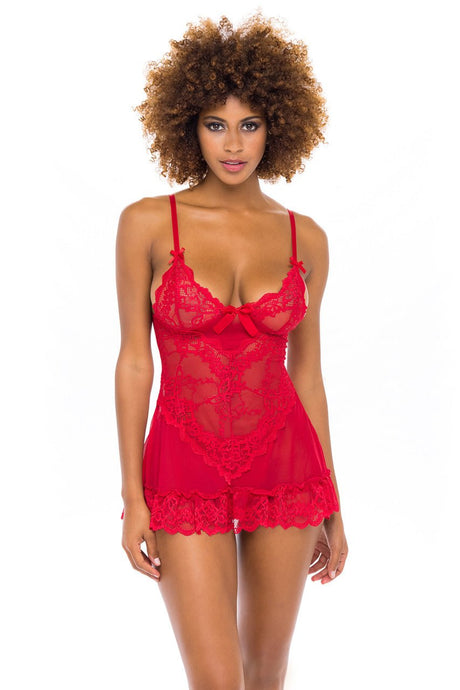
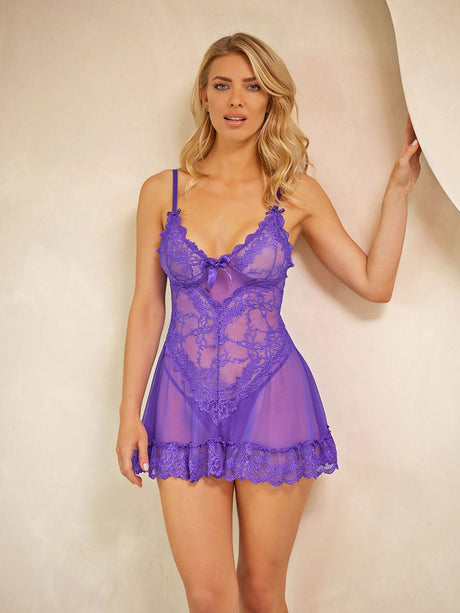
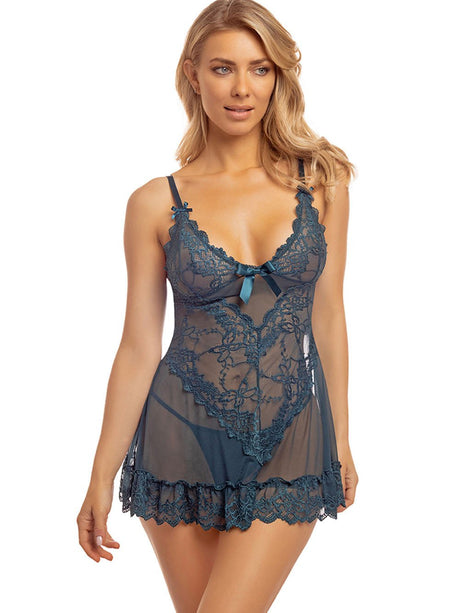
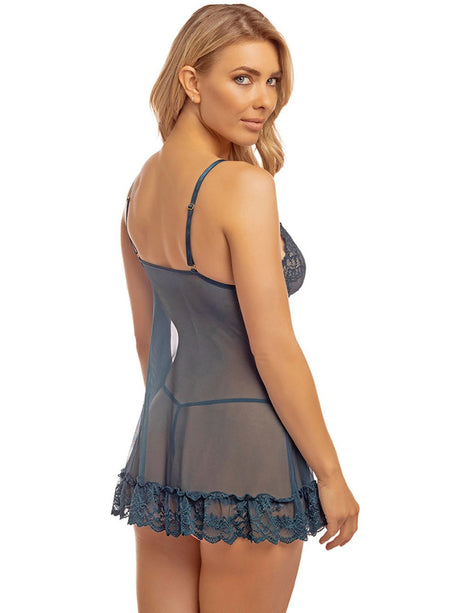
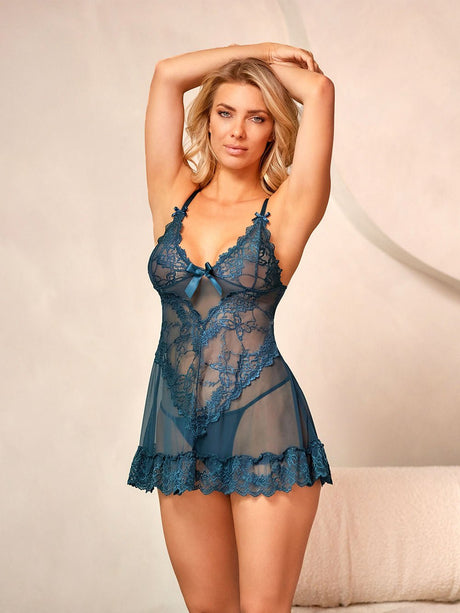
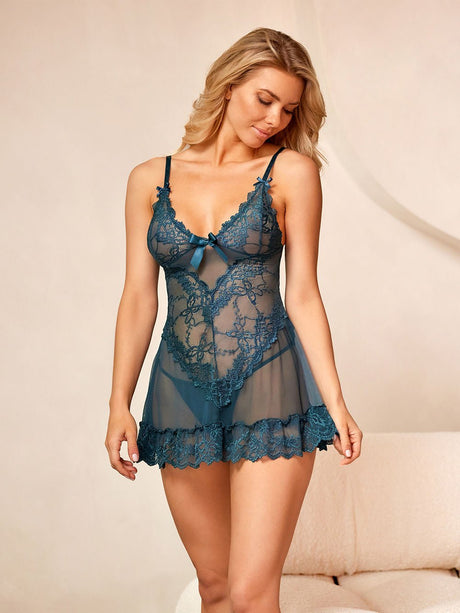
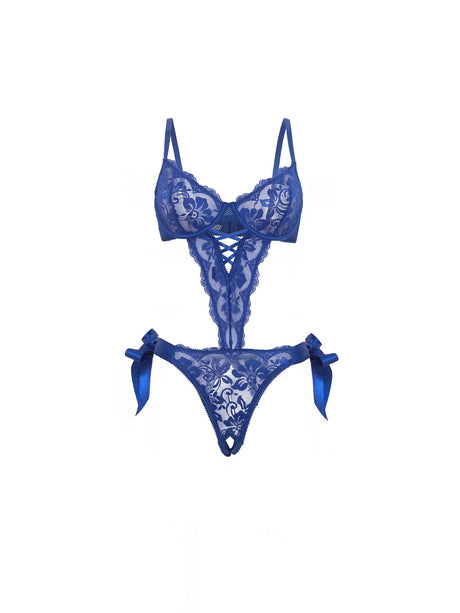
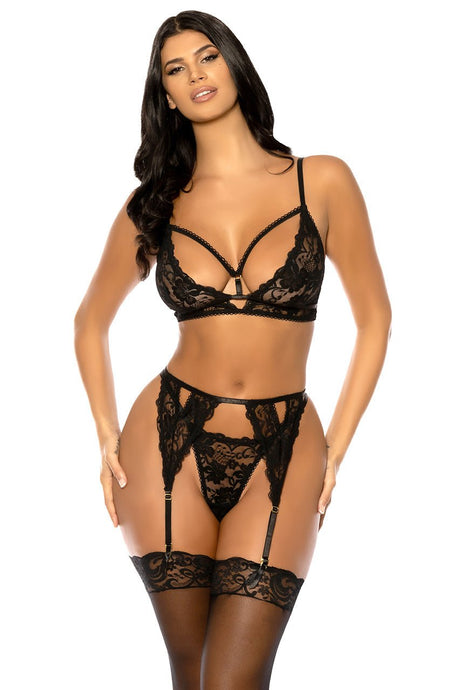
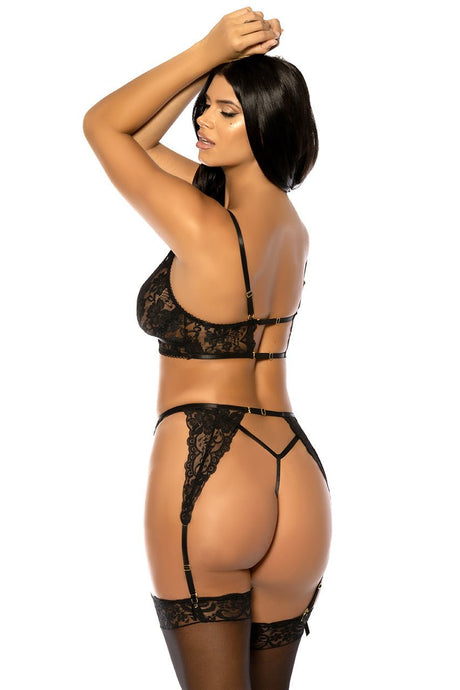
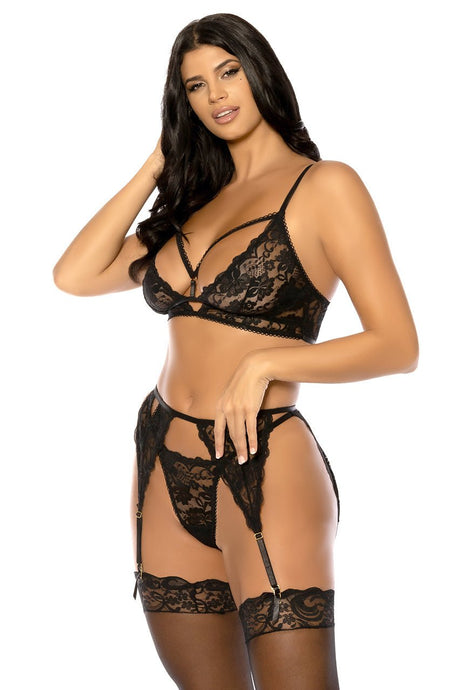
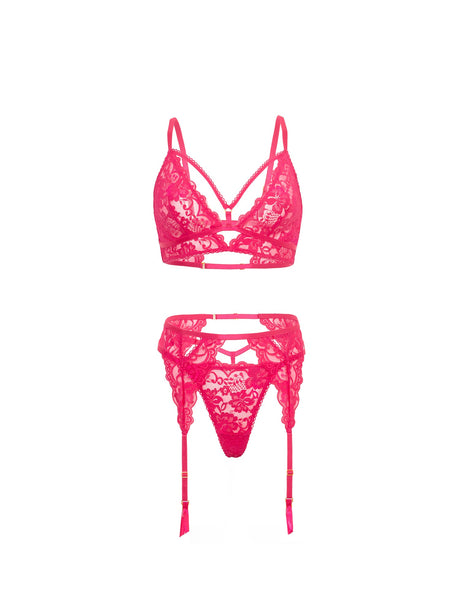
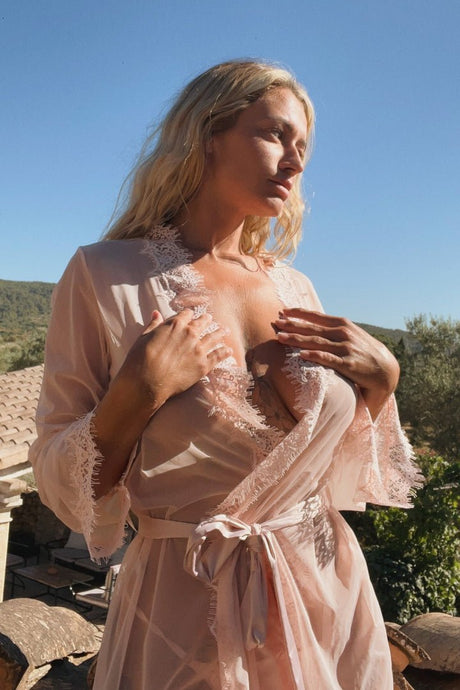
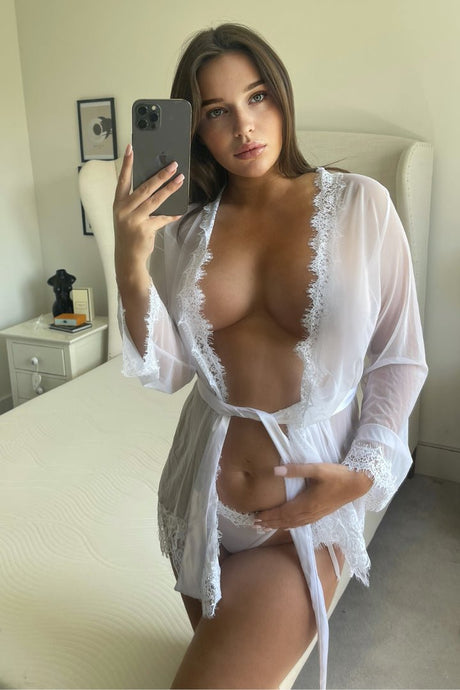
A negligee is a light, often sheer or decorative garment worn in the bedroom — sitting somewhere between lingerie and sleepwear. The name comes from the French négligée, meaning "neglected" or "casually dressed," and today it describes loose, flowing pieces in silk, satin, lace, or chiffon designed to flatter rather than simply cover. The negligee is defined by its soft, intimate character rather than by any single fixed silhouette.
This guide settles all of it: what a negligee actually is, where the word came from, how the style traveled from the boudoirs of 18th-century France to the modern bedroom, the silhouettes it's most often confused with, and how to tell whether one belongs in your wardrobe. The short version is that the negligee is the most expressive member of the lingerie family — less an item with a fixed cut than a sensibility, defined by softness, beautiful fabric, and an air of relaxed intimacy. The longer version is far more interesting, and it begins, as so much of fashion does, with a French word.
- A negligee is a light, decorative bedroom garment — it sits between lingerie and sleepwear.
- The name is French (négligé, "neglected"), and originally meant simply "casually dressed."
- Core fabrics: silk, satin, lace, chiffon, and fine mesh.
- It overlaps with the chemise, slip, and nightgown but leans more decorative and intimate.
- Lengths range from short and flirty to dramatic floor-length gowns.
- A peignoir set pairs a negligee with a matching sheer robe — the most traditional pairing.
- It's very much in style today, and made across sizes XS–4X.

The Etymology of "Negligee"
The word negligee is French in origin. It descends from négligé, the past participle of the verb négliger, "to neglect" — which itself traces back to the Latin neglegere, formed from neg- ("not") and legere ("to gather or choose"). The literal sense, then, is something closer to "not fussed over." In its original meaning the term had nothing to do with seduction. To be en négligé simply meant to be casually or informally dressed: undressed in the relaxed sense, rather than turned out in formal court attire.
That idea of elegant informality is the thread that runs through the garment's entire history. A negligee was never meant to look effortful. It was the thing you wore when you were not on display — clothing for the private hours rather than the public ones. Over time, that very relaxedness became its own kind of allure: the appeal of being seen in a moment usually kept private. The shift from "carelessly dressed" to "intimately beautiful" is the whole arc of the negligee in a single word.
The standard English spelling is negligee. You'll also see the French forms négligé and négligée (with accents) and the shortened English variant neglige — all refer to the same garment. The plural is negligees. The accented French spelling is technically more precise, but unaccented "negligee" is by far the most common form in English fashion and retail.
A Brief History of the Negligee
The negligee's story spans roughly three centuries, moving from aristocratic undress to Hollywood glamour to the everyday luxury it represents today.
18th-century origins: undress as elegance
The garment as we recognize it emerged in 18th-century France, where the négligée referred to a loose, informal gown worn at home, away from the rigid structure of formal court dress. This was the era of the salon and the private chamber, when a cultivated woman might receive close visitors in a state of studied ease rather than full ceremonial dress. The negligee belonged to that intimate register, and it entered English fashion vocabulary around the mid-1700s, describing a similarly relaxed style of gown. The appeal was precisely its ease: where formal dress demanded corsetry and architectural structure, the negligee offered softness, flow, and a measure of freedom.
The Victorian era: silk and propriety
By the 19th century, the negligee had migrated firmly into the private spaces of the home — the dressing room and the boudoir. Victorian sensibilities prized modesty in public, which made the negligee's intimacy all the more charged. Crafted in silk and trimmed with lace, it became part of a lady's private wardrobe, worn between waking and dressing or while receiving only the most familiar company. This was also the age of the tea gown, a related garment that blurred the line between private comfort and presentable elegance; the negligee sat just inside that line, softer and more personal, and the boudoir itself became a defined feminine space with the negligee as its signature garment.
The 1930s: the bias-cut revolution
The early twentieth century transformed the silhouette. As hemlines rose and rigid structure gave way to fluid lines, the bias cut — fabric cut diagonally against the grain so it stretches and skims the figure — gave rise to the liquid satin gowns now synonymous with old-Hollywood glamour. The technique is widely credited to the French couturière Madeleine Vionnet, whose mastery of bias construction reshaped how clothing could move with the body. Applied to nightwear, the result was revolutionary: the negligee shed its bulk and became sleek, sculptural, and unmistakably modern.

Hollywood's golden age & the modern era
From the 1930s through the 1950s, the silver screen turned the negligee into shorthand for glamour and intimacy. On film, satin and silk caught the studio lights and signaled a particular kind of confident, self-possessed femininity, and the boudoir scene became a recognizable visual language. That cinematic legacy is a story in itself — we trace it decade by decade in our guide to iconic & vintage negligees. Today the negligee is no longer bound to a single fabric, length, or occasion. Two things have changed it most: it has been democratized, made across a full range of sizes and price points; and its purpose has broadened — worn for comfort, for romance, for sleep, and simply for the private pleasure of beautiful things against the skin. The modern negligee answers to the wearer rather than to convention, which is exactly why it has endured.
What Defines a Negligee Today
Strip away the history and a few defining traits remain constant. A modern negligee tends to be:
- Lightweight and flowing — designed to drape and move rather than structure the body.
- Made from luxe, often delicate fabrics — silk, satin, lace, chiffon, or fine mesh.
- Decorative as much as functional — the point is to flatter, not merely to cover.
- Boudoir-oriented — rooted in the bedroom, though increasingly styled beyond it.
- Frequently sheer or semi-sheer, often with lace insets, adjustable straps, or a coordinating robe.
One thing a negligee is not is purely utilitarian. A plain cotton nightshirt keeps you warm; a negligee is chosen. That element of choice — of dressing for the private hours with the same intention you might bring to an evening out — is what separates it from ordinary sleepwear and places it firmly in the world of lingerie. Increasingly, that intention extends beyond the bedroom too: slip-style negligees now turn up as layering pieces and evening separates, worn under tailoring or styled as a slip dress.
Fabric is where much of that character lives. Silk is the heritage choice — breathable, temperature-regulating, and unmatched in the way it drapes. Satin delivers a similar luster at a gentler price, since "satin" describes a weave rather than a fiber and can be woven from silk or polyester. Lace brings romance and texture, often as panels or overlays. Chiffon and fine mesh add airiness and a sheer, modern finish. Each fabric changes how a negligee feels and how it should be cared for — a subject we cover in depth in our silk & satin negligees guide.
Negligee vs. Other Lingerie Silhouettes
This is where most of the confusion lives. The negligee overlaps with several neighboring styles, and the terms are often used loosely — even within the industry. Here's the quick orientation:
| Style | Typical length | Character | Best described as |
|---|---|---|---|
| Negligee | Short to floor-length | Soft, decorative, often sheer; may include a robe | Lingerie-leaning |
| Chemise | Short, above the knee | Straight, slip-style one-piece | In-between |
| Slip | Variable | Plainer, functional under-layer | Practical |
| Nightgown | Knee to floor | Broad category; can be plain and modest | Sleepwear-leaning |
In short: a chemise is typically a short, straight, slip-style one-piece, while a negligee is generally softer, more decorative, and may include a sheer overlay or a matching robe. A nightgown is the broadest term and includes plain, modest sleepwear, whereas a negligee is its more luxurious cousin. A slip is plainer and functional — though the popular "slip negligee" blurs that line entirely. Because these distinctions trip up so many shoppers, we devoted an entire guide to them: negligee vs chemise vs babydoll vs nightgown. If you only read one comparison, make it that one. You can also browse the silhouettes directly — our chemise collection and nightgowns collection sit right alongside the negligee edit.
Common Negligee Styles in Modern Wardrobes
The word covers a lot of ground, but a handful of styles account for most of what people mean when they say "negligee" today. Each carries its own considerations of fabric, fit, and occasion.
Minimalist, bias-cut, and fluid — the modern classic. Skims the body, works for both sleep and occasion, and flatters almost every shape.
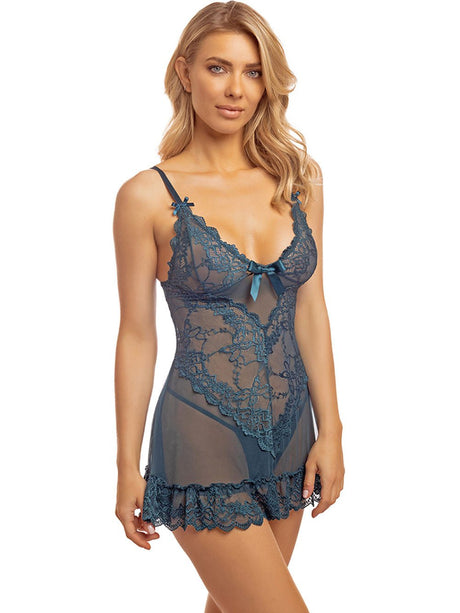
The romantic, ornamental option. Lace appears as panels, overlays, or trim, adding texture and detail to a softer silhouette.
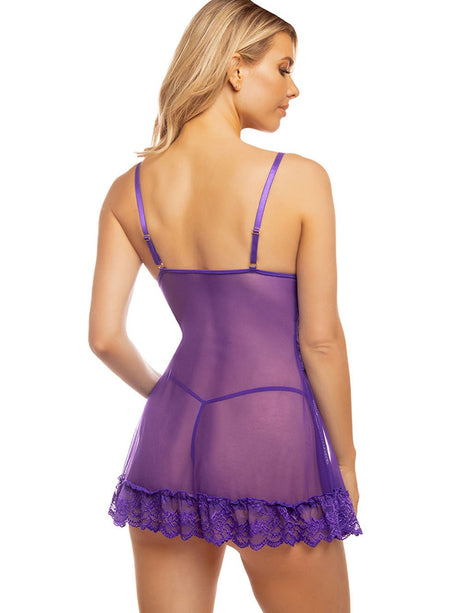
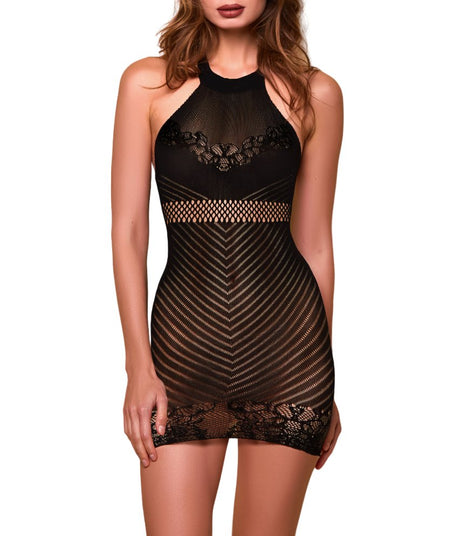
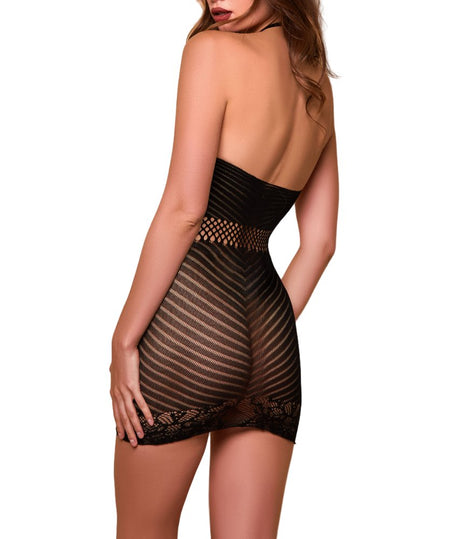
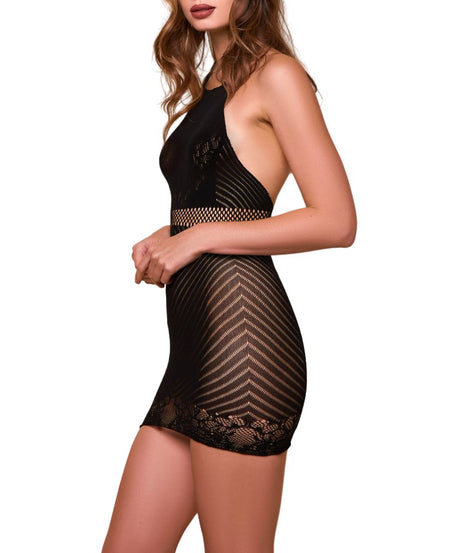
Contemporary and revealing, built from fine mesh or net. The boldest end of the spectrum, best kept to the boudoir.
Light and airy with a floating drape. Chiffon offers a softer, more diffused sheerness than mesh — flowing rather than clinging.
Floor-length and dramatic, often paired with a matching robe. The most elegant, coverage-forward way to wear the style.
A negligee with a coordinating sheer robe — the most traditional pairing, and the most gift-worthy. A bridal and anniversary favorite.

Choosing well is less about finding the single "best" negligee than about matching the style to the moment and to how you want to feel in it. A sheer mesh piece serves a very different purpose than a substantial silk gown, even though both wear the same name. Our complete guide to the types of negligees walks through all of them, with notes on who each style flatters most, and our negligee sets & peignoirs guide covers coordinated pieces in detail.
How to Know If a Negligee Is Right for You
A negligee suits almost everyone — the trick is matching the style to your body, your comfort, and the occasion rather than to a stereotype. Three considerations cover most decisions.
Lead With How It Feels
If you prioritize sleep comfort, look to breathable silk or a relaxed slip cut over heavily structured or scratchy lace. Silk regulates temperature beautifully — cool in summer, warming in winter — and feels weightless against the skin, which is why it remains the perennial favorite for pieces meant to be slept in as well as admired. If lace is the look you love, choose designs that place it as trim or panels rather than against the most sensitive areas, and pair it with a smooth lining.
There's a Flattering Cut for Every Figure
Bias-cut slips skim and elongate the frame; empire and babydoll-style cuts draw the eye up and float over the midsection; floor-length gowns lend drama and graceful coverage. Adjustable straps and a little stretch in the fabric go a long way toward a flattering fit. There is a complementary negligee for every shape, available across sizes XS through 4X — the goal is balance and confidence, not concealment.
Match the Piece to the Moment
For everyday luxury, a simple silk slip earns its keep night after night. For a wedding night, an anniversary, or a milestone celebration, a coordinated set or a floor-length gown raises the occasion to match. Matching the formality of the piece to the moment is what makes a negligee feel considered rather than costume — the difference between something you wear and something you reach for. And because the right negligee is as much about feeling as appearance, the surest test is simple: choose the one you'd happily put on for no one but yourself.
"The real test of a negligee isn't how it looks in a mirror — it's how you feel an hour after you put it on. The best ones disappear against the skin and quietly change your posture. That feeling, not the fabric or the price, is the whole point."
— HauteFlair Editorial Team
Frequently Asked Questions About Negligees
What is a negligee?
What does the word "negligee" mean in French?
How do you spell negligee?
What is the difference between a negligee and a nightgown?
What is the difference between a negligee and a chemise?
Is a negligee considered lingerie or sleepwear?
What is the most common negligee fabric?
Can you wear a negligee outside the bedroom?
What length is a traditional negligee?
How long has the negligee been a fashion staple?
Is a slip the same as a negligee?
Are negligees still in style today?
What's the difference between "negligee" and "neglige"?
Where can I buy a luxury negligee?
This guide is editorial. Negligee styles, fabrics, fit, and terminology vary across brands and individual pieces — always check the specific product description for fabric content, length, and sizing. Historical and etymological notes reflect general fashion history. Last reviewed: June 1, 2026.