Is 100% cotton underwear actually 100% cotton?
Underwear labeled 100% cotton is almost never entirely cotton, and it is not a deception. Fiber content labeling conventionally describes the main fabric and excludes elastic components: waistbands, leg elastics, and the threads holding them in.
No pair of underwear functions without elastane somewhere, because cotton has almost no natural stretch and nothing would hold its shape. So a garment labeled 100% cotton usually means the body panel is cotton while the elastics are not, which is standard practice across the industry.
Two things follow that matter more than the label. The gusset is the part doing the work: it is where breathability and absorbency count, which is why a microfiber or lace pair with a cotton-lined gusset delivers most of the same practical benefit. And cotton is not universally better. It absorbs moisture readily but releases it slowly, so it stays damp against skin after exercise, where a wicking synthetic would have dried. For sitting at a desk, cotton wins comfortably. For a workout, it does not.
Every article on this subject tells you cotton breathes and synthetics do not.
Both halves are roughly true and neither is the thing that decides what you should buy.
- Labels exclude elastic. 100% cotton describes the panel, not the garment.
- The gusset matters most. A cotton-lined gusset beats an all-cotton shell.
- Cotton absorbs but dries slowly. Wrong choice for exercise.
- No fabric prevents infections. Staying dry is what helps.
- 90 to 95% cotton with elastane is the practical sweet spot.
- Organic is about farming, not about how it feels.
- The elastic fails first, not the cotton. Heat is what kills it.
What the Label Actually Means
Worth understanding before you pay a premium for a number that describes less than you think.

Cotton is a plant fiber with very little natural elasticity. Stretch it and it mostly stays stretched. That property is fine in a shirt and useless in a waistband, which needs to stretch over your hips and then return to its original dimension thousands of times.
So every functional pair of underwear contains elastane (also sold as Lycra or Spandex) in the waistband and leg openings, at minimum. Fiber-content labeling convention allows these elastic components to be excluded from the declared composition, because they are considered trim rather than fabric.
Which means 100% cotton on a label is telling you about the main body panel. It is accurate by the convention it is written under, and it is describing less than most shoppers assume.
Two reasons. First, it means a pair labeled 95% cotton, 5% elastane is not less cotton than one labeled 100%. It is more honestly described, and often has stretch woven through the body panel rather than confined to the trim, which usually fits better. Second, it explains why underwear goes baggy: the elastane fails before the cotton does, and once it has, the cotton has nothing to recover against.
The Gusset Is Doing the Work
This is the single most useful thing to understand in the category, and it changes what you should be shopping for.

The reason cotton is recommended for underwear is breathability and absorbency at the crotch. That is where moisture accumulates and where airflow matters.
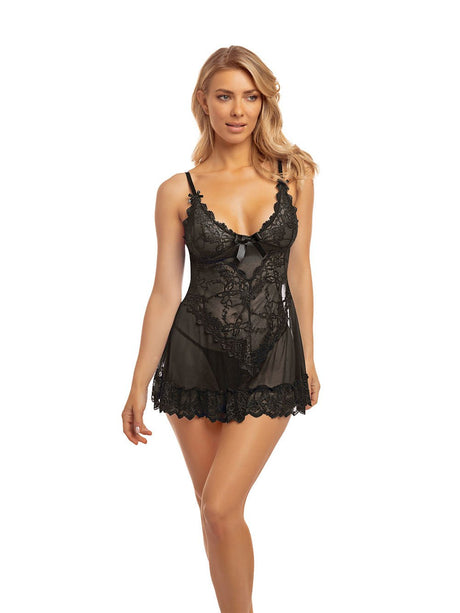
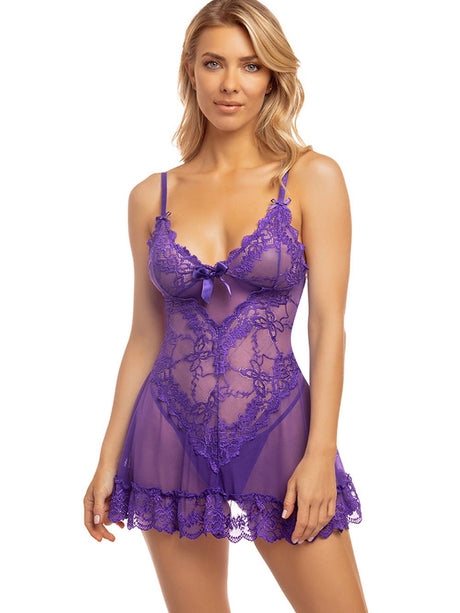
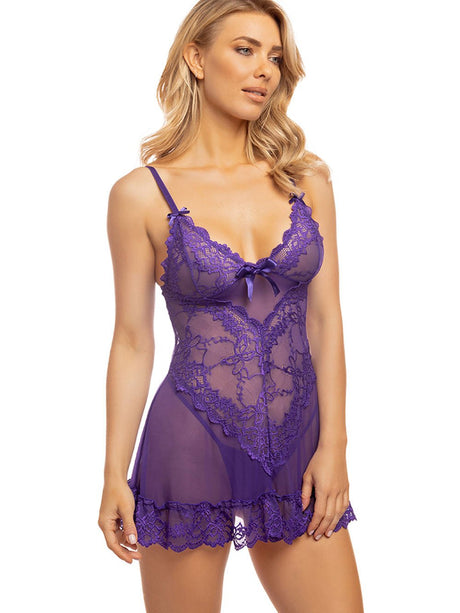
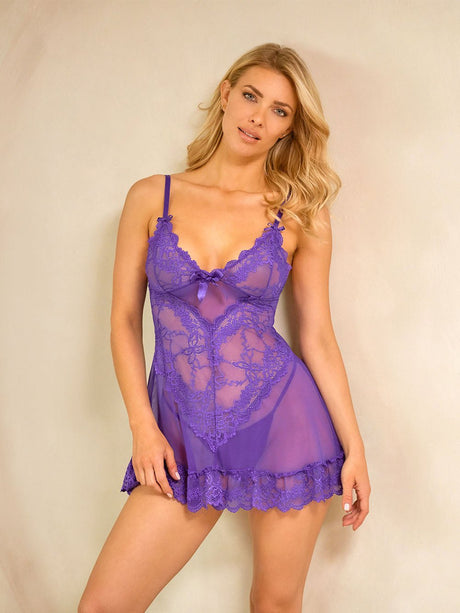
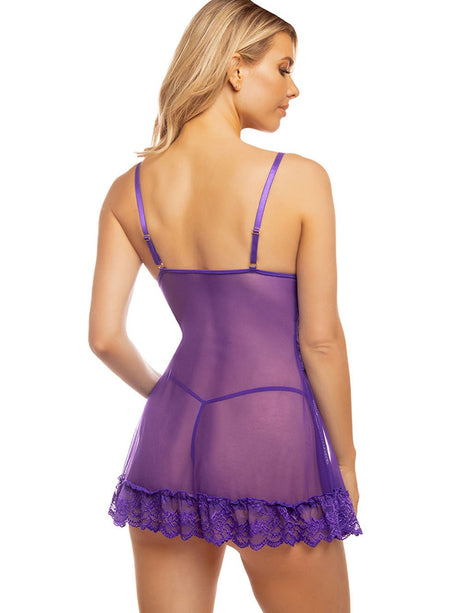
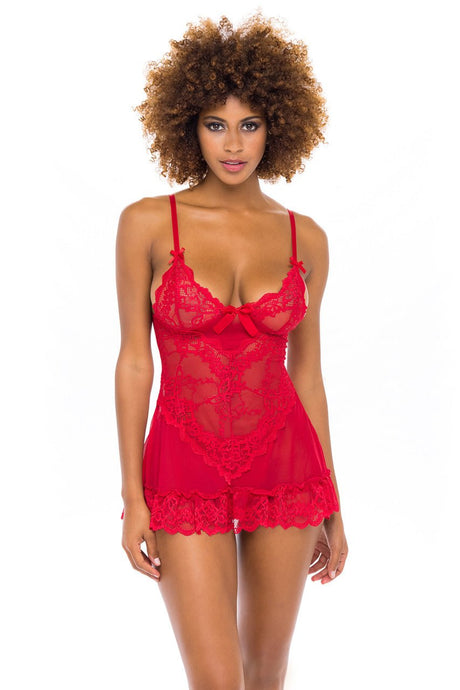
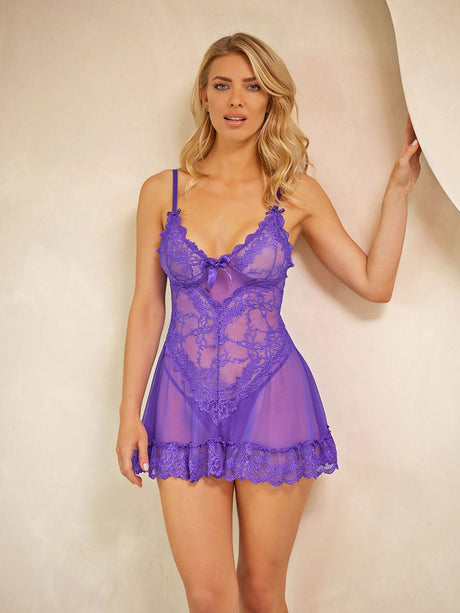
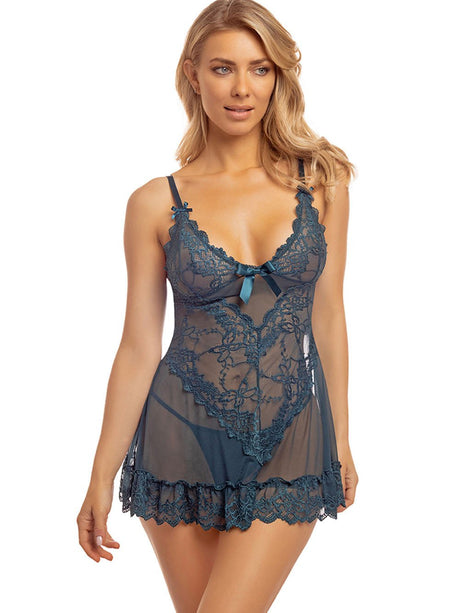
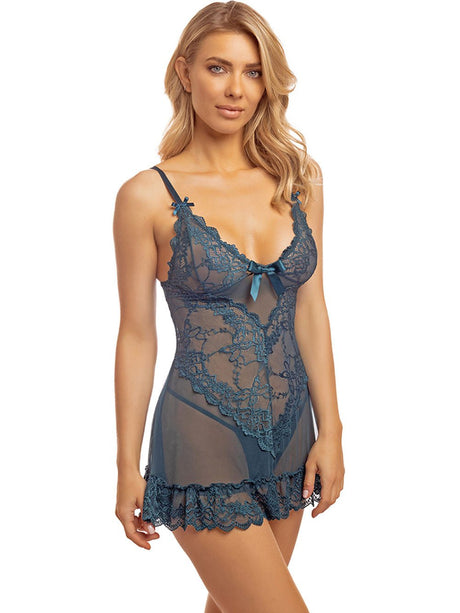
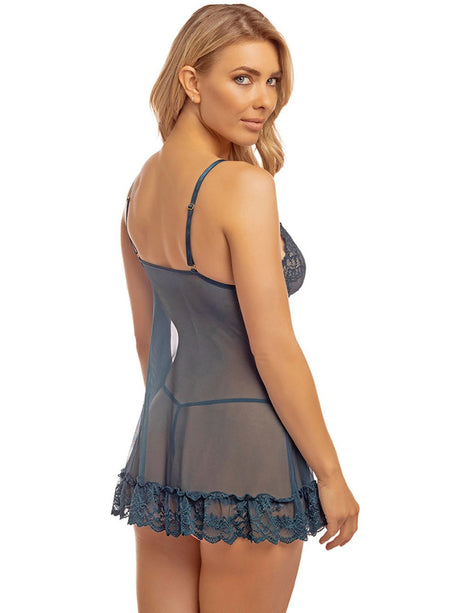
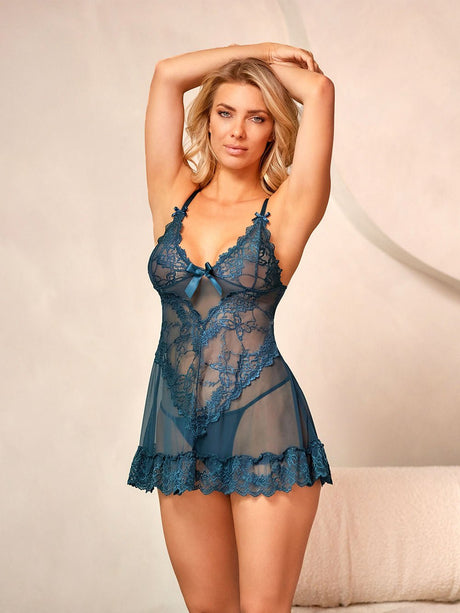
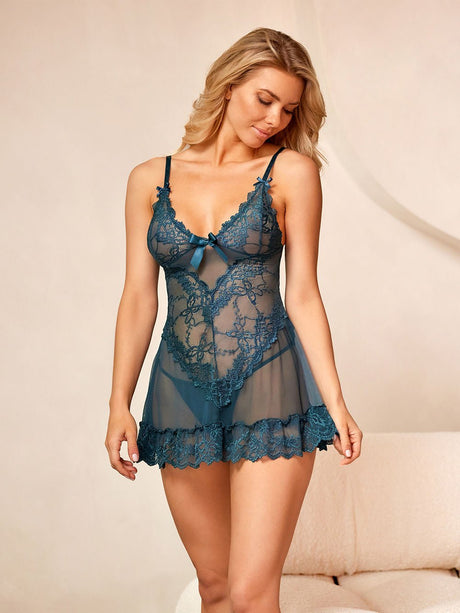
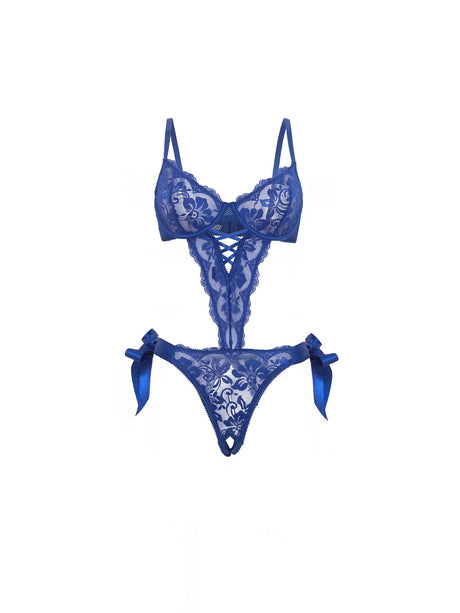
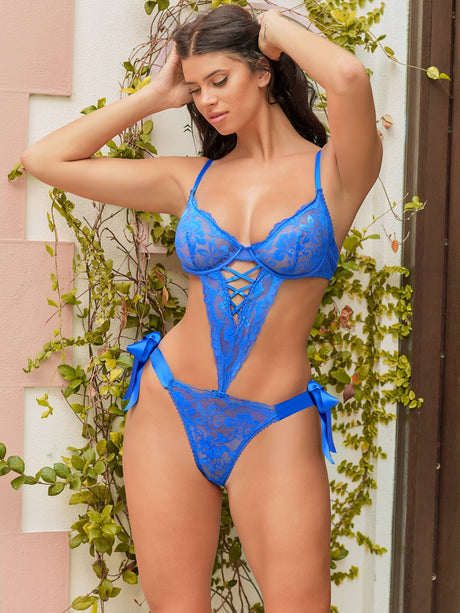
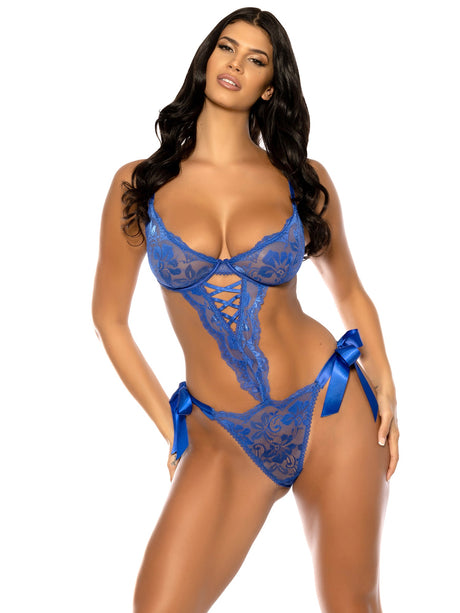
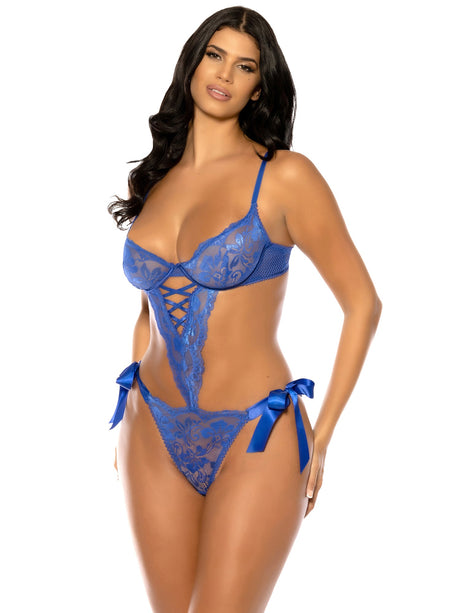
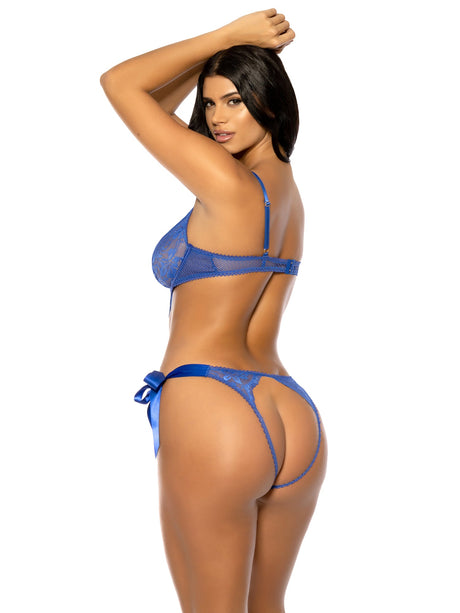
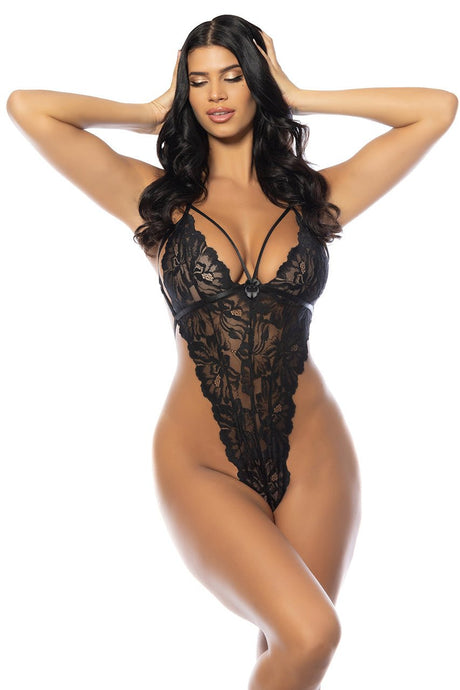
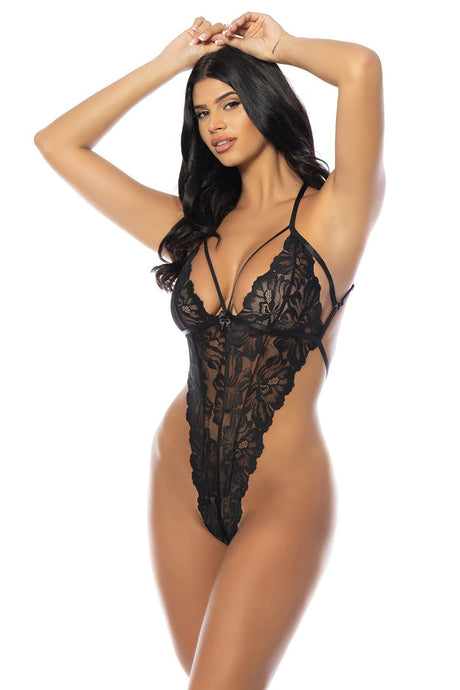
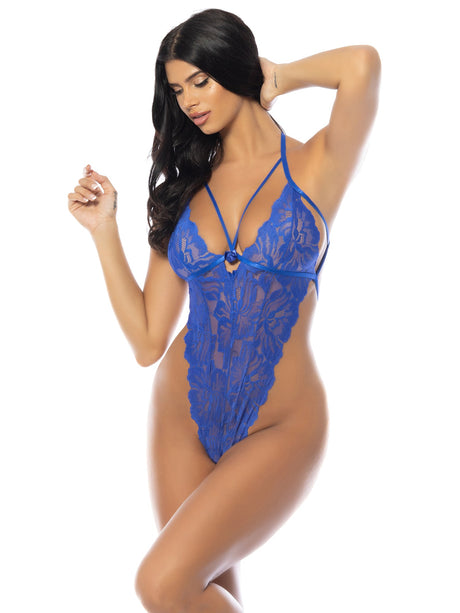
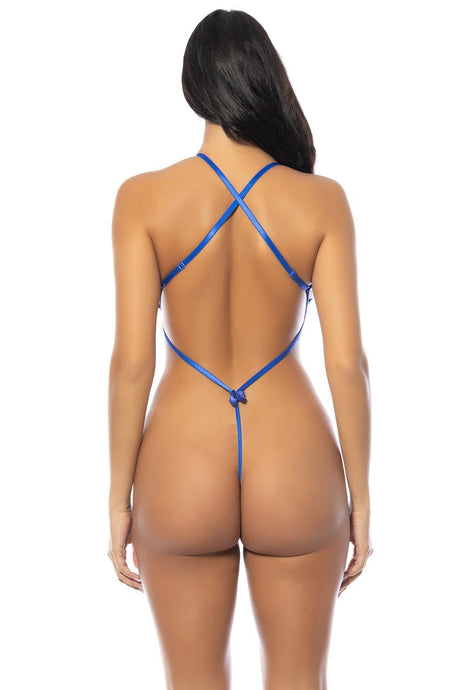
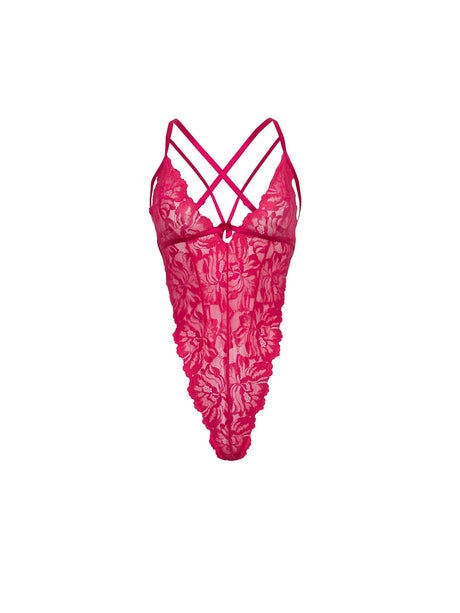
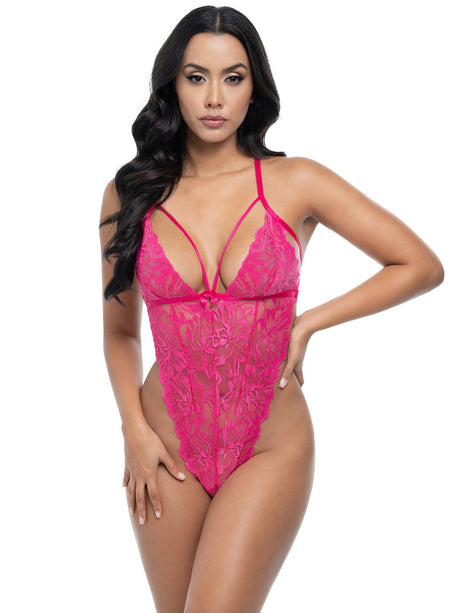
The gusset is the panel covering exactly that area, and in well-made underwear it is lined with cotton whatever the outer fabric is. That is why lace, mesh and microfiber styles routinely have a small white cotton panel inside them.
The practical consequence: a microfiber pair with a cotton gusset gives you most of the benefit of all-cotton underwear, while also being thinner, smoother under clothing and faster-drying. If you have been buying cotton for health reasons and disliking how it looks under fitted clothes, this is the resolution.
So the question worth asking of any pair is not is it cotton but does it have a cotton gusset. That detail is stated in most product descriptions and is a fair proxy for how carefully the rest of the garment was made. Our guide to every panty style covers where the gusset sits in each cut.
Cotton-Lined, Whatever the Outer Fabric
Cotton, seamless microfiber and lace styles, all with cotton-lined gussets where it counts.
Shop CottonSeamlessLaceWhen Cotton Is the Wrong Choice
Every competing article treats cotton as strictly superior. It is not, and the exception is one most people encounter several times a week.

Absorbency and wicking are different properties. Cotton absorbs: it draws moisture into the fiber and holds it. Technical synthetics wick: they move moisture to the outer surface where it evaporates.
For a normal day that distinction barely matters. For anything that makes you sweat, it matters considerably, because cotton stays damp against your skin long after you have stopped. Damp fabric against skin is what causes chafing, and staying in it is precisely what health guidance advises against.
That is why performance underwear is almost never cotton, and it is not a marketing decision.
| Situation | Better choice | Why | Shop |
|---|---|---|---|
| Everyday, desk, general wear | Cotton or cotton blend | Breathable, comfortable, no downside. | Cotton |
| Exercise, sport, hot weather | Wicking synthetic, cotton gusset | Dries fast. Cotton stays damp. | Seamless |
| Under fitted clothing | Microfiber, bonded edges | Thinner. No stitched ridge. | Seamless |
| Sensitive skin | Cotton or modal | Less abrasive than cheap synthetics. | Cotton |
| Overnight | Cotton, or nothing | Airflow matters, appearance does not. | Cotton |
| Travel, long days | Modal blend | Breathes like cotton, dries faster. | All panties |
| No visible panty line | Bonded-edge microfiber or thong | No stitched ridge to print through. | Thongs |
The Health Claims, Assessed
This is where most articles on cotton underwear overreach, and it is worth separating what is well supported from what is not.
Well supported: keeping the area dry and breathable is generally recommended, and breathable fabrics help with that. Changing out of damp underwear after exercise or swimming is standard advice. Avoiding underwear tight enough to cause friction is sensible.
Overstated: that cotton underwear prevents yeast or bacterial infections. No fabric prevents an infection. Breathability is one contributing factor among many, and the ones that matter most are usually not fabric-related at all.
Worth noting: cotton's slow drying means that in some circumstances, after exercise or in humid weather, cotton keeps moisture against the skin longer than a wicking fabric would. The fabric praised for breathability is not automatically the one that keeps you driest.
If you experience recurrent infections, persistent irritation or any symptom that concerns you, that is a conversation for a clinician rather than a change of underwear fabric. Individual circumstances vary enormously, and an article cannot account for yours. Nothing here is medical advice, and any page that promises a fabric will prevent a medical condition is overselling.
Pima, Supima, Organic: What Is Real
The Blend Worth Buying
If the label is a convention and the gusset is what matters, what should you actually look for?
- 90 to 95% cotton with 5 to 10% elastane in the body fabric. Enough cotton to breathe, enough elastane to hold shape and recover. Pure cotton with no stretch in the panel bags out within weeks.
- A cotton-lined gusset, stated in the description. Non-negotiable whatever the outer fabric.
- A covered or bonded waistband rather than exposed elastic, which digs and hardens with washing.
- Long-staple cotton if the budget allows, for softness that survives washing.
- A second set in modal or wicking synthetic for exercise and hot days. One fabric does not cover every situation, and this is the gap most cotton-only drawers have.
Care: the Elastic Fails First
Cotton underwear rarely wears out. It goes baggy, which is a different failure with a different cause.
Cotton fiber is durable and washes well. Elastane is neither. It degrades with heat, and once it has, the garment has nothing pulling it back to shape, which reads as the cotton having stretched out. The cotton is fine; the elastic is dead.
- Wash cool. The single most effective thing you can do. Hot water degrades elastane far faster than wear does.
- Air dry. Tumble drying is the fastest way to kill a waistband, and heat is cumulative.
- Skip fabric softener. It coats fibers, which reduces the absorbency you bought cotton for and accelerates elastic breakdown.
- Wash inside out to reduce abrasion on the outer surface.
- Rotate a larger number of pairs. Elastane recovers between wears, so owning more makes each last longer, the same principle that applies to rotating bras.
- Replace when the elastic stops recovering, not on a schedule.
People buy cotton underwear for their health and then put it through a hot dryer, which kills the elastic in a year. The fabric was never the thing that needed protecting.
HauteFlair
What This Means for You
A 100% cotton label describes the body panel, not the garment, because elastic trim is conventionally excluded and no underwear works without it. A pair labeled 95% cotton with elastane is not less cotton; it is more completely described.
The gusset is doing the work that cotton is praised for, so a microfiber or lace pair with a cotton-lined gusset gives you most of the benefit with a smoother line. Ask whether there is a cotton gusset rather than whether the garment is cotton.
And cotton is not universally better. It absorbs readily and dries slowly, which makes it excellent for an ordinary day and a poor choice for exercise. Own both, and wash everything cool, because the elastic is what fails first.
Cotton Underwear and Everyday Essentials
Cotton, modal and microfiber styles, all with cotton-lined gussets where it counts.
Shop CottonAll PantiesSize ChartFrequently Asked Questions
Is 100% cotton underwear really 100% cotton?
Is cotton underwear better for you?
What is a cotton gusset and why does it matter?
Does cotton underwear prevent yeast infections?
Is cotton underwear good for exercise?
Is modal better than cotton for underwear?
What is the difference between cotton and organic cotton underwear?
Does cotton underwear show panty lines?
How should you wash cotton underwear?
Why does my cotton underwear lose its shape?
Is Pima or Supima cotton better for underwear?
How often should you replace cotton underwear?
What percentage of cotton should underwear be?
This article is for informational purposes only and is not medical advice. Fiber-content labeling conventions vary by jurisdiction and manufacturer, so check individual product descriptions for exact composition. If you experience recurrent infections or persistent irritation, consult a clinician.