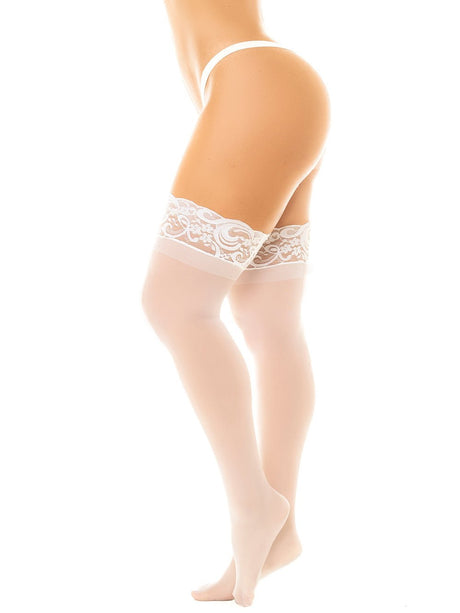
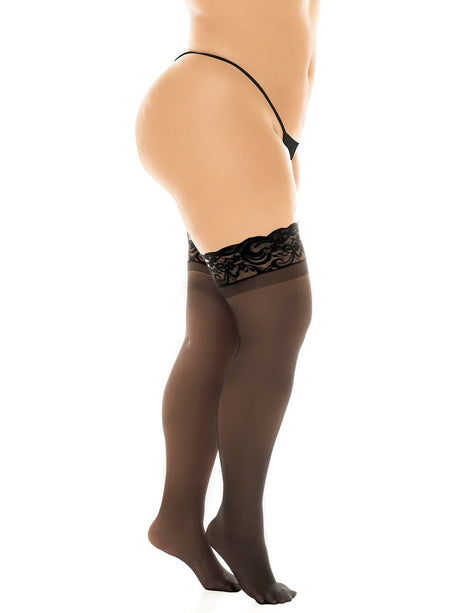
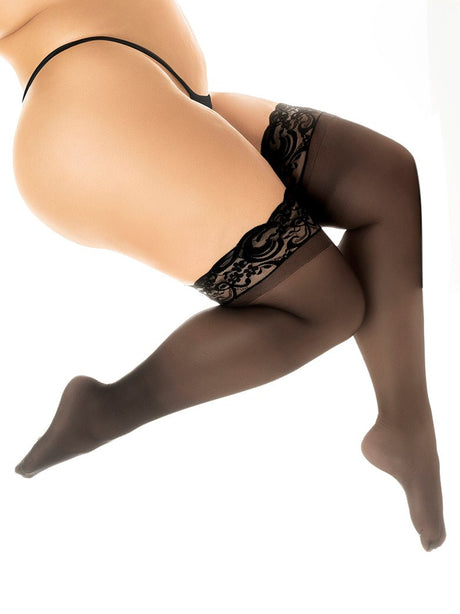
What makes a thong comfortable?
Strap width is what makes a thong comfortable, and almost no guide names it. Every article on this subject says the right thong feels like nothing, which is true and useless, because none of them says what makes one right.
A thong's back strip ranges from about two inches wide at the cheeky end down to a two-millimeter cord in a G-string, and that measurement decides everything about how it feels. Pressure is force divided by area. The same tension across a wider strip is spread over more surface and barely registers. Across a cord it is concentrated into a few millimeters, and you feel every bit of it.
The waistband works the same way, which is why a G-string with thin side cords is the most demanding version of the garment and a wide-strip thong with a flat band is the most forgiving. If thongs have never worked for you, the odds are you tried a narrow one. Try a wider strip before concluding the style is not for you, because the two garments feel almost nothing alike.
Every thong guide says the same thing: the right one is comfortable, honestly.
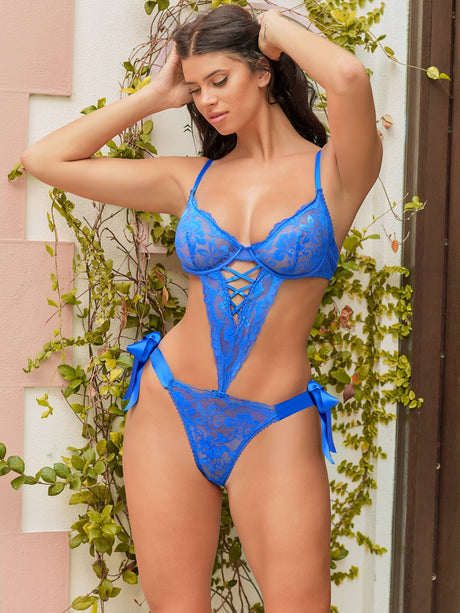
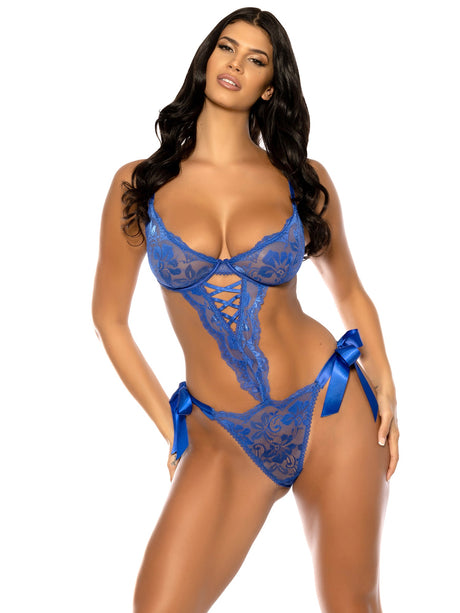
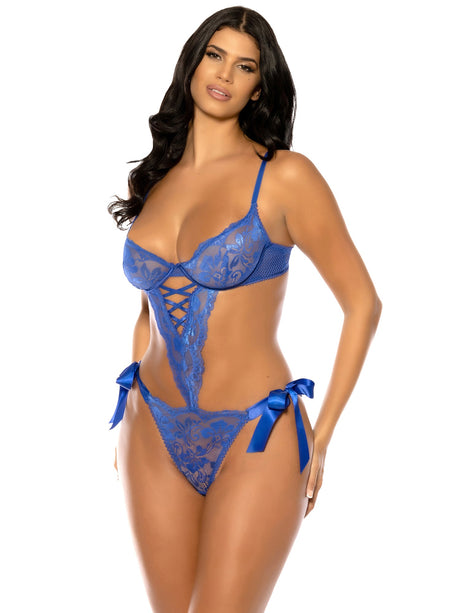
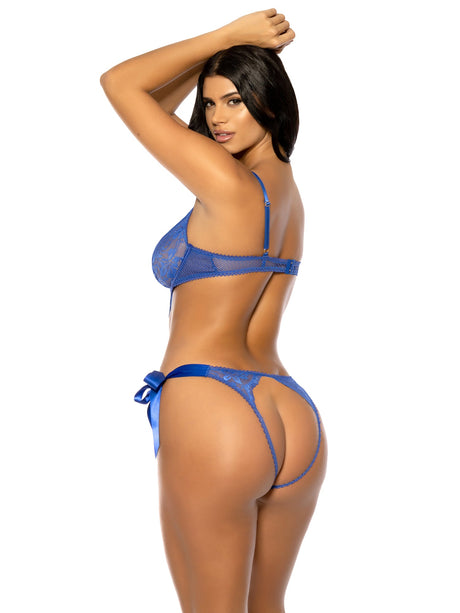
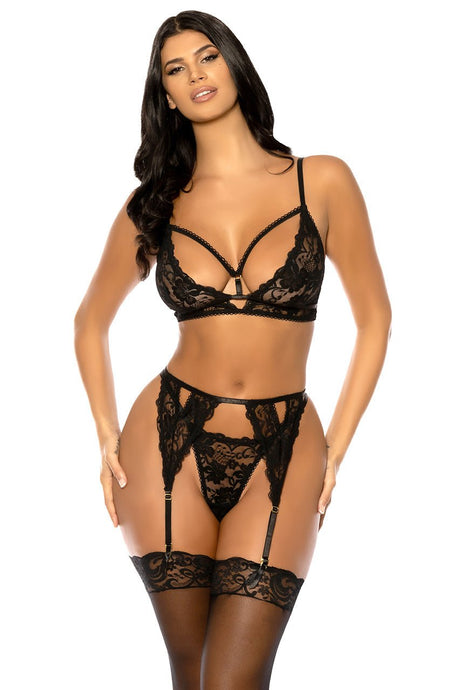
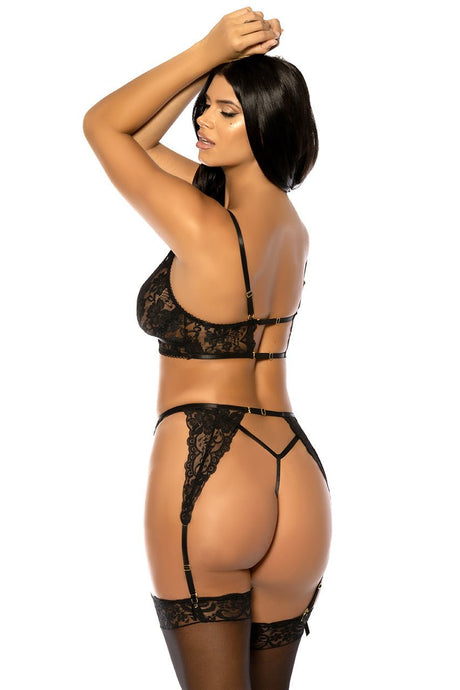
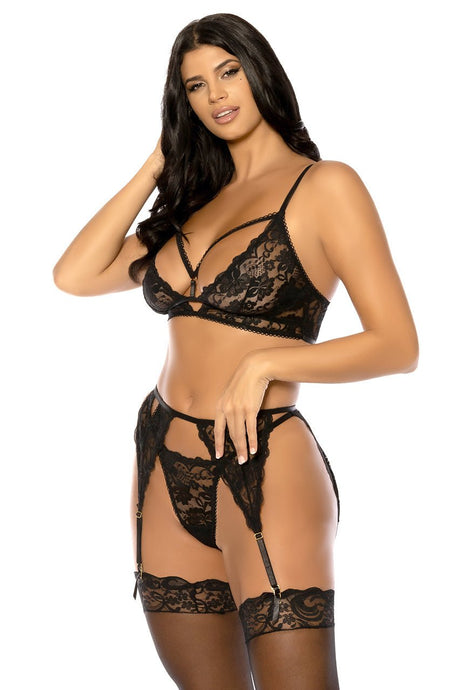
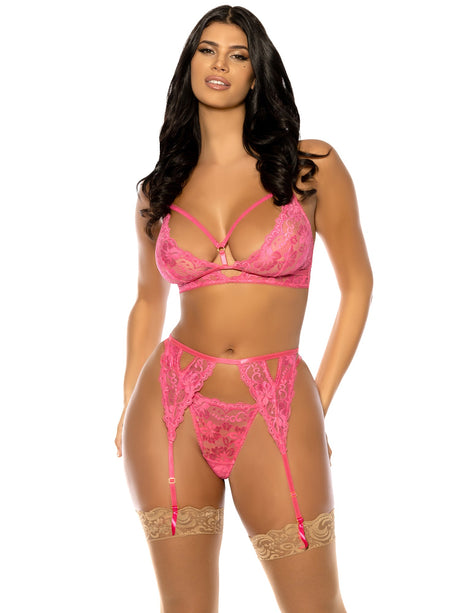
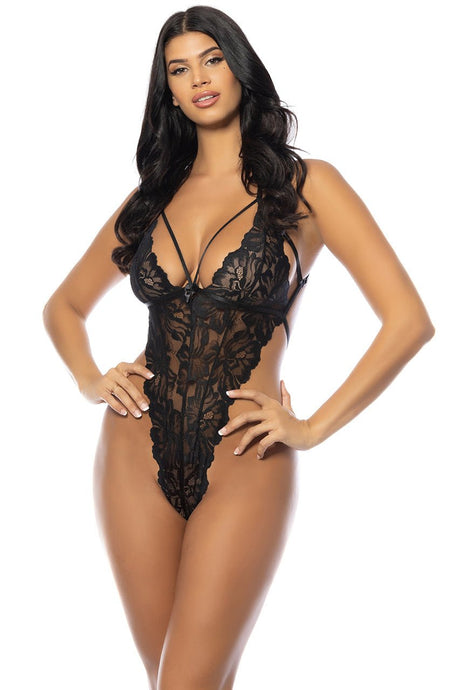
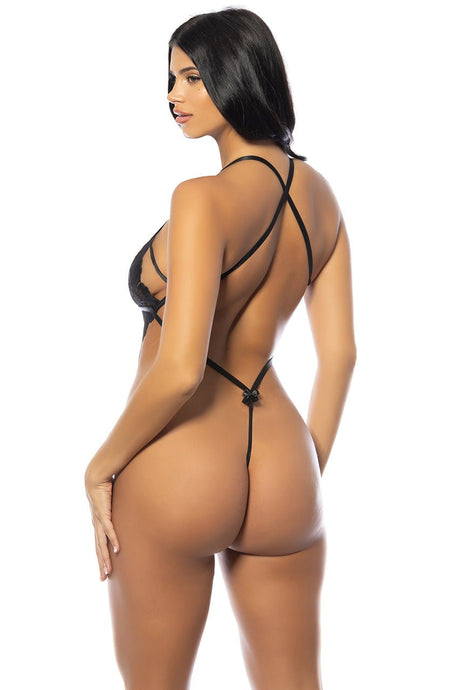
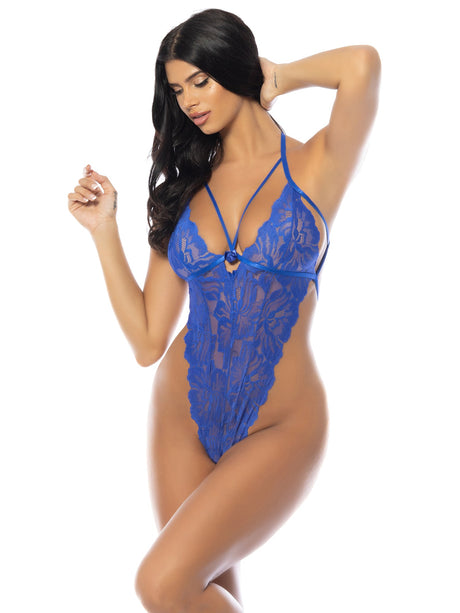
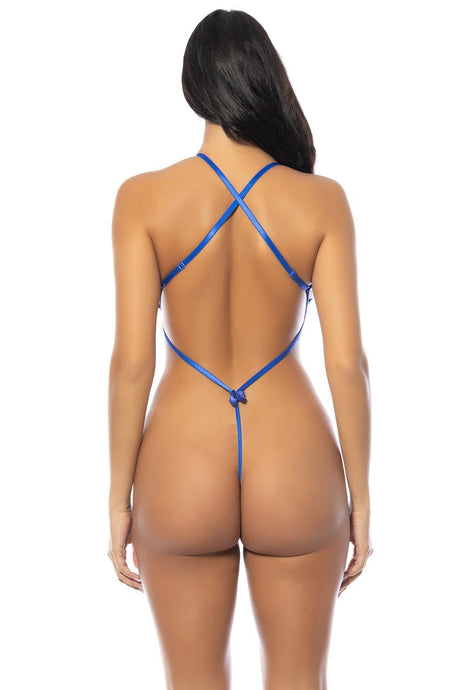
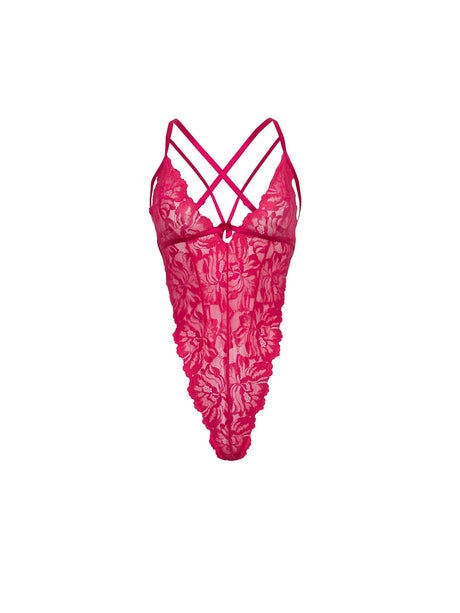
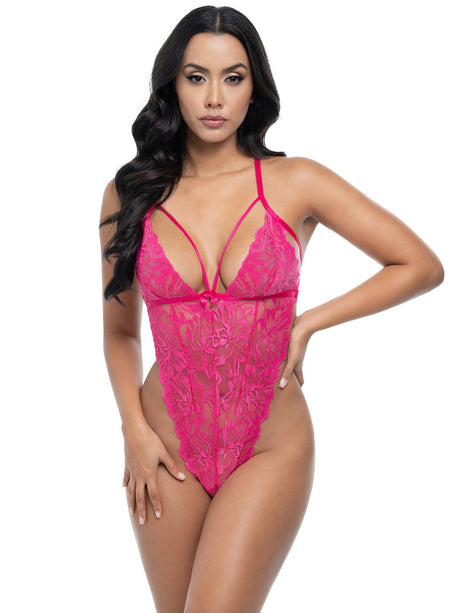
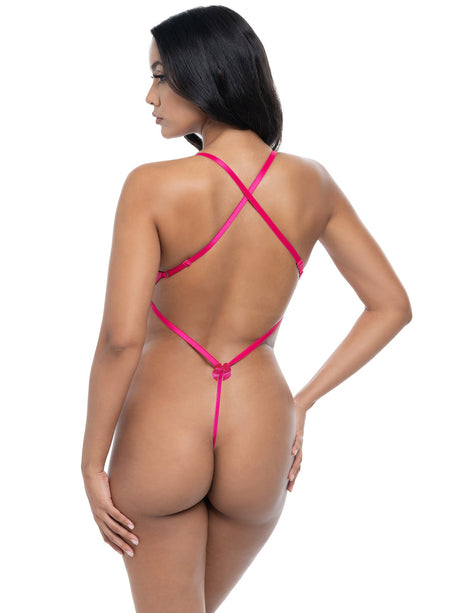
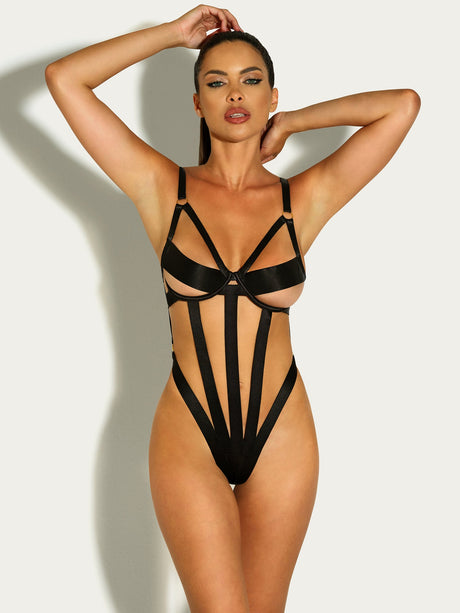
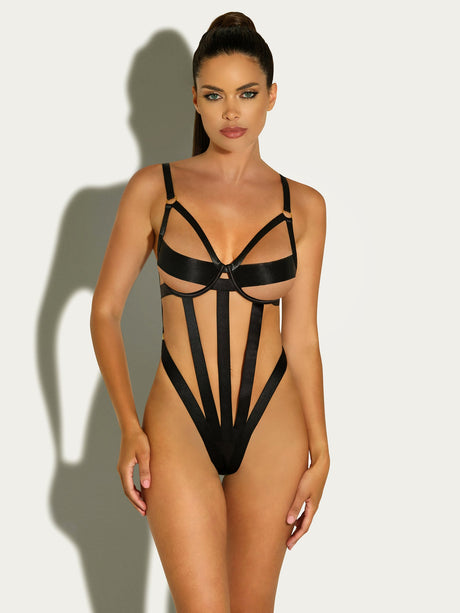
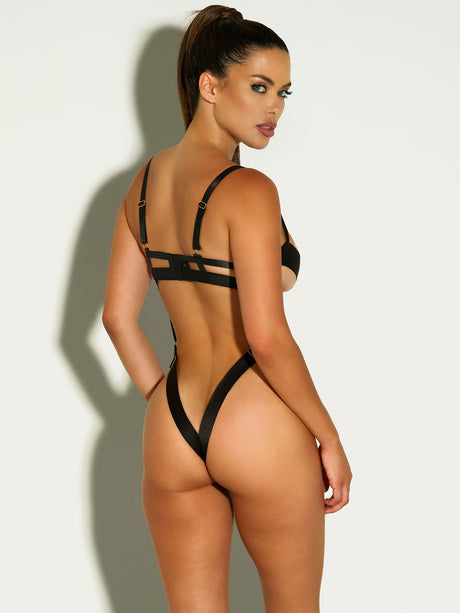
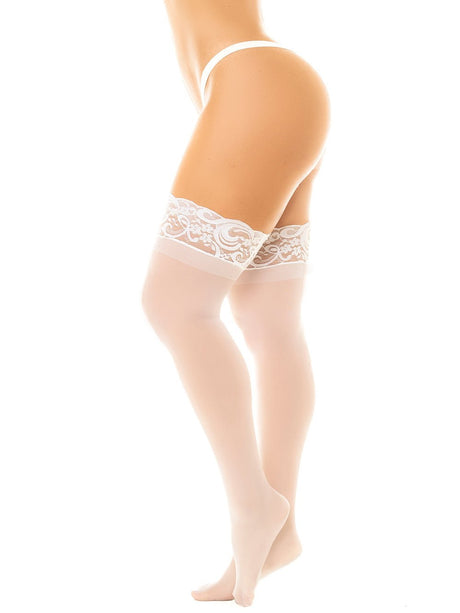
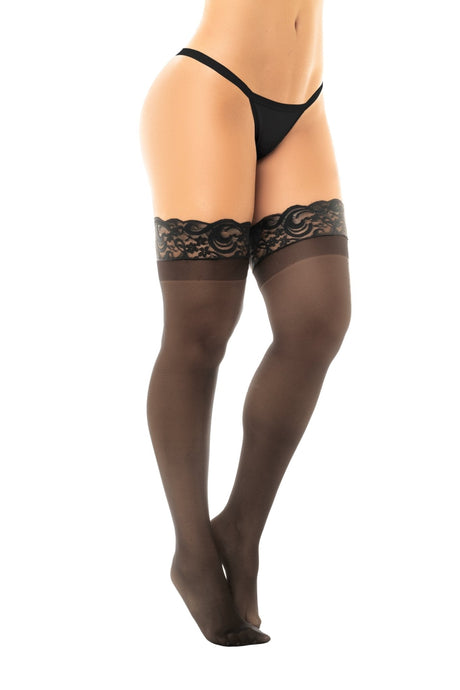
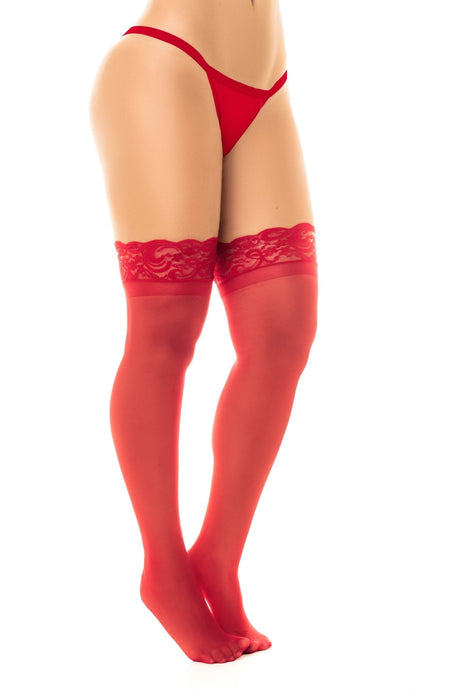
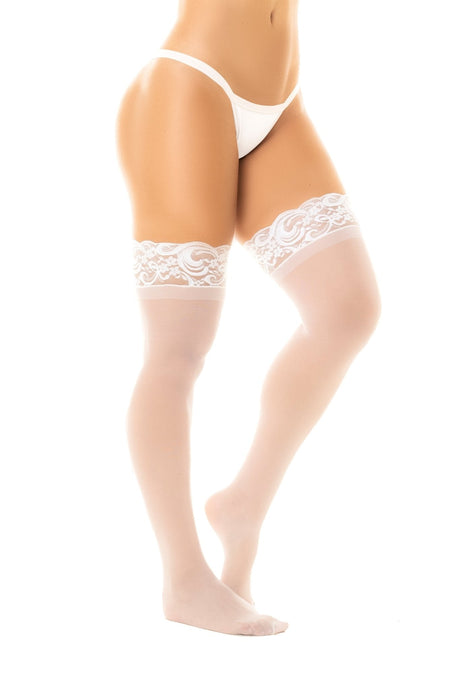
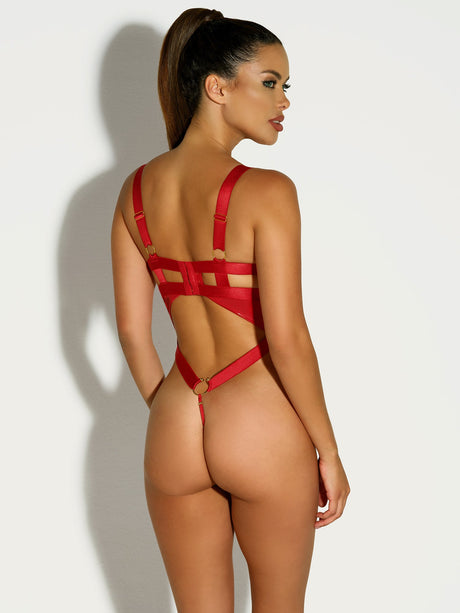
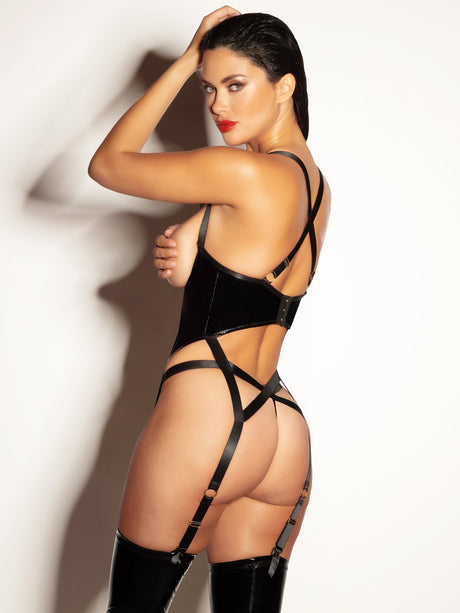
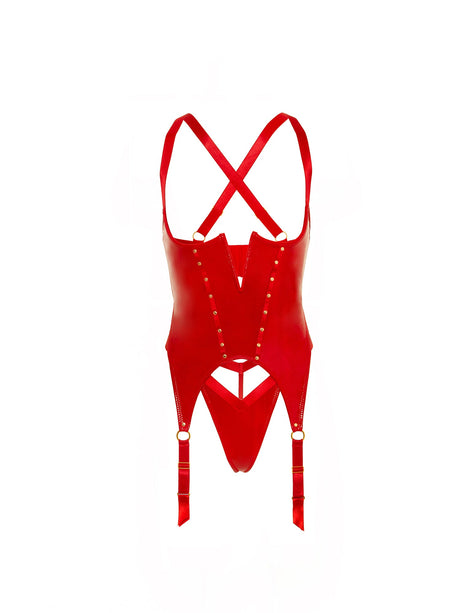
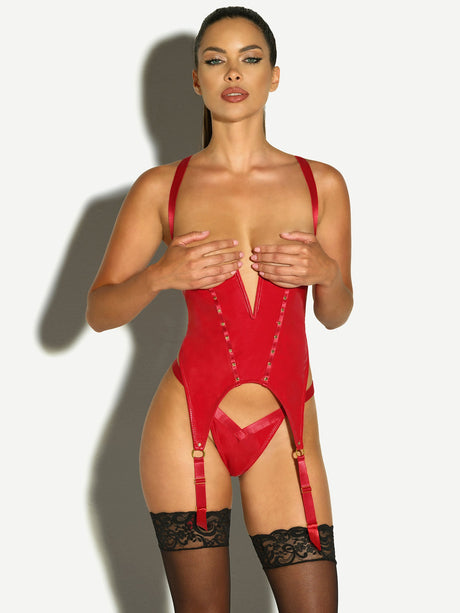
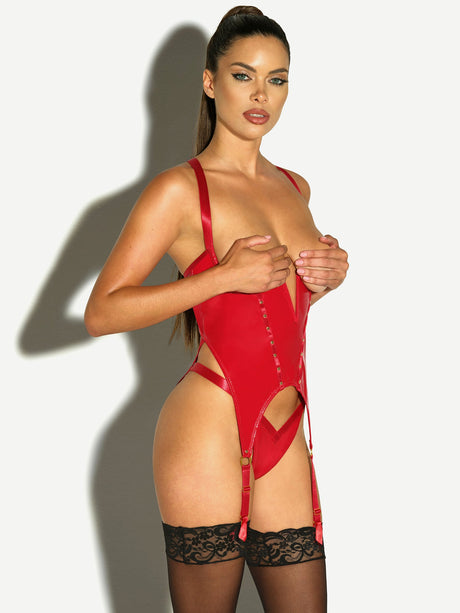
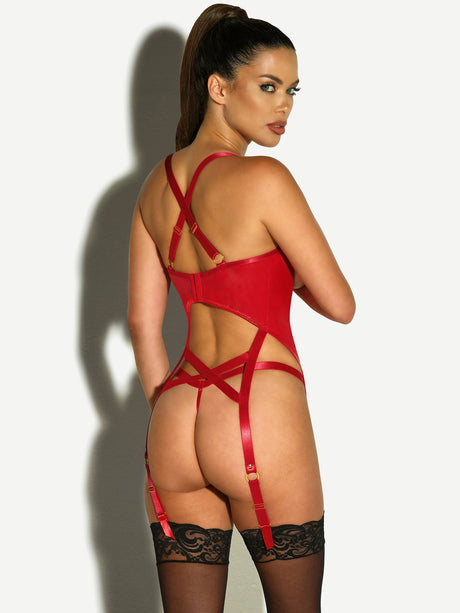
None of them tells you which measurement makes it right. It is printed on nothing, but it is visible in every product photograph.
- Strap width decides comfort. Wider spreads pressure; a cord concentrates it.
- Waistband width follows the same rule. Flat and wide beats thin cord.
- All G-strings are thongs. Most thongs are not G-strings.
- Buy your usual size. Sizing down is the most common mistake.
- The back line is gone entirely. Only the waistband can still show.
- Cotton gusset matters whatever the outer fabric.
- Rise is independent. High-waisted thongs exist and solve a real problem.
Strap Width: the Measurement Nobody Names
If you take one thing from this article, take this. It explains why two garments with the same label can feel entirely different, and it is checkable before you buy.

The physics is the same principle that governs bra bands, waistbands and every other elasticated thing you wear: pressure is force divided by area. Widen the contact surface and the same tension registers as less pressure at any single point.
Applied here: a wide back strip distributes tension across a broad area of soft tissue and is barely perceptible. A narrow cord concentrates identical tension into a line a few millimeters across. Nothing else about the two garments needs to differ for one to be comfortable all day and the other to be noticeable within an hour.
| Back strip width | Typically called | Feels | Shop |
|---|---|---|---|
| 1.5 to 2 inches | Cheeky thong, wide thong | Closest to ordinary underwear. | Thongs |
| 0.75 to 1.5 inches | Classic thong | The forgiving everyday version. | Thongs |
| 0.25 to 0.75 inches | Thong, string thong | Noticeable at first, then not. | Thongs |
| Under 0.25 inches | G-string, V-string | Most demanding. Occasion rather than everyday. | G-Strings |
Two practical consequences follow.
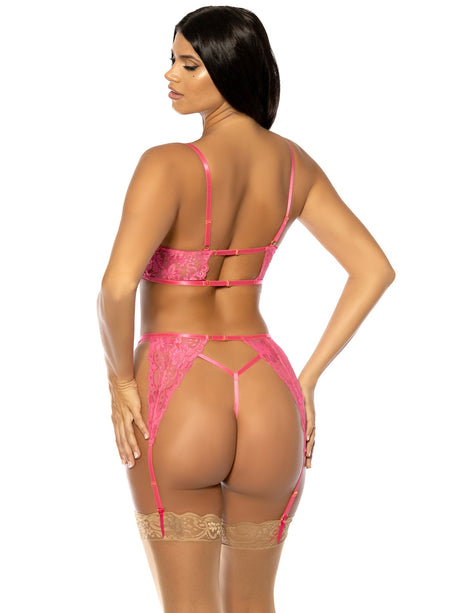
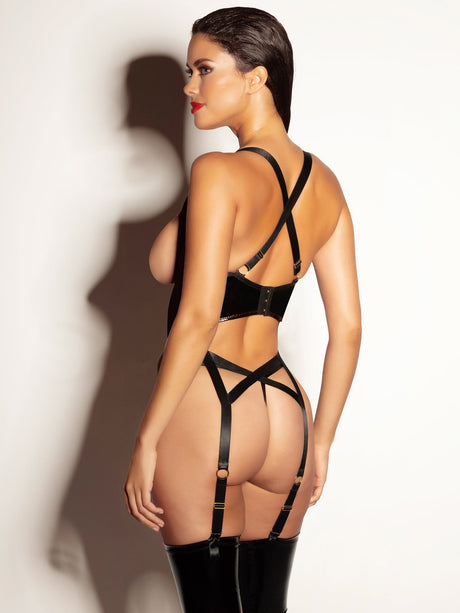
First, the label tells you very little. One brand's thong is another's cheeky, and neither states a strip measurement. What you can do is look at the back view in the product photograph, which almost every retailer provides, and compare the strip against the waistband. That comparison is more informative than the style name.
Second, a bad first experience is usually a width problem. People try a G-string because it is what they picture when they hear the word, find it uncomfortable, and conclude thongs do not work for them. They have tested the hardest version of the garment and generalized from it.
Find the back-view photograph and compare the strip to the waistband in the same image. If the strip looks like a continuation of the waistband, it is narrow. If it is visibly wider than the band, you are looking at a comfortable everyday thong. Listings that describe a style as cheeky thong, wide thong or Brazilian are usually signaling a wider strip, and those words are worth searching for specifically if comfort is your priority.
The Forgiving End of the Range
Cheeky and classic cuts with wider strips and flat waistbands, in cotton, modal and stretch lace.
Shop ThongsCotton StylesEvery Type of Thong
The category names sit on a continuum rather than in boxes, and brands place the boundaries differently. Here is what each term usually means.

Thongs, G-Strings and Tangas
Every strip width and rise, in cotton, modal, microfiber and lace.
Shop ThongsG-StringsPlus SizeThe Waistband Does Half the Work
Strip width gets the attention it deserves here. The waistband deserves nearly as much, because it is doing something the strip cannot.
A thong has no back panel to anchor it. In a brief, the seat of the garment sits against your body and holds position through contact area. Remove that and the waistband is the only thing holding the garment where you put it.
Which produces the same width principle again:
- A wide, flat waistband distributes tension, resists rolling, and holds the garment steady so the strip does not have to travel to take up slack.
- Thin side cords, as on a G-string, concentrate tension into two points at the hip and provide much less anchoring.
That is why a G-string moves more than a classic thong, and why the two most common complaints about thongs, that they ride and that they dig, are usually waistband problems rather than strip problems.
Thongs are sold across every rise, and the rise you choose matters as much as in any other underwear. Low rise disappears under low-waisted jeans and leggings but rolls most. Mid rise is the everyday default. High waisted sits in the waist hollow where your body narrows, which is genuinely the most secure option and the reason high-waisted thongs exist despite sounding like a contradiction.
Fabric, and the Gusset

| Fabric | Best at | Trade-off | Shop |
|---|---|---|---|
| Modal | Softness with breathability | Less durable over many washes. | Thongs |
| Cotton blend | Breathability, everyday wear | Slightly more visible than microfiber. | Cotton |
| Microfiber | Smoothest line, bonded edges | Less breathable than cotton. | Thongs |
| Stretch lace | Look, and more comfort than expected | Can snag. Prints through more. | Lace |
| Mesh | Breathability with a fine look | Fragile. Little give. | Lace |
| Silk | Feel | Hand wash. Expensive per wear. | Panties |
One point worth correcting: stretch lace is often more comfortable in a thong than plain fabric, which surprises people. Lace with good elastane content gives in every direction, and in a garment where a narrow strip is under tension, give is exactly what you want. Stiff lace does the opposite, so the fiber content matters more than the appearance.
The gusset is not optional. In a well-made thong it is a separate panel lined with cotton whatever the outer fabric, because cotton breathes and absorbs where synthetics do neither. This matters more in a thong than in fuller-coverage underwear, precisely because there is less fabric elsewhere doing that job. Our guide to cotton underwear covers why the gusset does most of the work cotton gets credit for.
The Panty Line Question
This is the main functional reason thongs exist, and it is worth being precise about what they do and do not solve.
At the seat, the problem is eliminated entirely. Not reduced. There is no back panel, therefore no edge, therefore nothing to print through. No other cut achieves this, because every other cut has a leg opening crossing the seat.
The waistband can still show. Under very fitted or thin fabric, a stitched elastic band prints through exactly as it would on any other style. Two fixes:
- Bonded or laser-cut waistband. Fused rather than stitched, so there is no ridge. This is what seamless should mean and frequently does not.
- Low rise. Sits below the waistband of most leggings and trousers, so it is covered by a second layer of elastic anyway.
And the point people forget: color matters more than style under pale fabric. Match your skin tone rather than the clothing. White under white shows more than nude does, which is counterintuitive and consistently true.
The Health Question, Honestly
This comes up constantly and is usually answered either with alarm or with dismissal. The accurate answer is more boring than either.
The available evidence does not show that wearing a thong causes infections in most people. The concern that circulates, that a narrow strip transfers bacteria, has not been borne out as a meaningful risk factor for the general population in the research that exists.
What does matter, and matters regardless of which style you wear:
- A cotton gusset, for breathability and absorbency.
- Correct fit. A thong tight enough to dig causes friction, and friction causes irritation. This is a fit problem, not a style problem.
- Changing out of damp underwear after exercise or swimming, which is standard advice for any underwear.
- Changing daily.
If you experience recurrent infections, persistent irritation or any symptom that concerns you, that warrants a conversation with a clinician rather than a change of underwear style. Individual circumstances vary considerably, and general guidance in an article is not a substitute for advice about your own situation. Nothing here is medical advice.
Wearing One for the First Time
Most first-time discomfort is a purchasing decision rather than an inherent property of the garment.
- Start wide. A cheeky thong or a tanga, not a G-string. You are testing whether the style suits you, so test the forgiving version first.
- Buy your usual size. The instinct to size down for less visibility is the single most common mistake and it increases tension on the strip, which is exactly what creates discomfort.
- Choose soft fabric. Modal or a cotton blend with elastane. Save stiff lace and mesh for later.
- Wear it under loose clothing first. A day at home or in a loose dress, so you can assess it without also managing a fitted outfit.
- Give it more than an hour. Most people stop noticing a well-fitted thong within a day. Most people notice a badly fitted one more as the day goes on, which is the useful distinction.
- Judge by the end of the day, not the first ten minutes. Any new sensation is noticeable initially. What matters is whether it faded or intensified.
Start With Cotton and a Wide Strip
Soft cotton and modal styles in the forgiving end of the range, with a cotton gusset as standard.
Shop CottonAll ThongsTroubleshooting
Care
- Wash cool and inside out. Hot water degrades elastane faster than wear does, and in a thong the elastic is doing more of the work.
- Use a mesh bag. Narrow straps tangle and snag on zips and hooks more than fuller-coverage underwear.
- Skip fabric softener, which coats fibers and reduces both absorbency and elastic recovery.
- Air dry. Tumble drying kills the waistband first, and the waistband is what holds the garment in place.
- Replace when the elastic stops recovering rather than on a schedule. A slack waistband is the beginning of every complaint in the troubleshooting section above.
People decide thongs are not for them after trying exactly one, and it is almost always the narrowest one in the shop. That is like deciding you dislike shoes after wearing stilettos once.
HauteFlair Fit Team
What This Means for You
Strap width is the measurement that decides whether a thong is comfortable, and it ranges from around two inches down to a cord. Wider spreads pressure over more surface; narrower concentrates it. Nothing else about two thongs needs to differ for one to work and the other not to.
The waistband does the other half, because a thong has no back panel to anchor it. A wide flat band holds the garment steady; thin cords do not. Most riding and digging complaints trace back to the band rather than the strip.
Buy your usual size, insist on a cotton gusset, start with a wide strip if the style is new to you, and remember that the back line is gone entirely while the waistband can still show. And if a previous thong was uncomfortable, check what the strip looked like before deciding the category is not for you.
Thongs, G-Strings and Tangas
Every strip width and rise, from Hanky Panky, Cosabella, On Gossamer, Commando and more.
Shop ThongsAll PantiesSize ChartFrequently Asked Questions
What is a thong?
Are thongs comfortable?
What is the most comfortable thong?
What is the difference between a thong and a G-string?
Do thongs cause infections?
What size thong should I buy?
Do thongs really prevent panty lines?
What fabric is best for a thong?
Are lace thongs uncomfortable?
Can you wear a thong every day?
What is a tanga and is it a thong?
How do I wear a thong for the first time?
What thong should I wear under leggings?
Why does my thong ride up or move around?
This article is for informational purposes only and is not medical advice. Strip and waistband measurements are approximate and vary between manufacturers, and style terminology is not standardized, so product photographs are more reliable than category labels. If you experience recurrent infections or persistent irritation, consult a clinician.