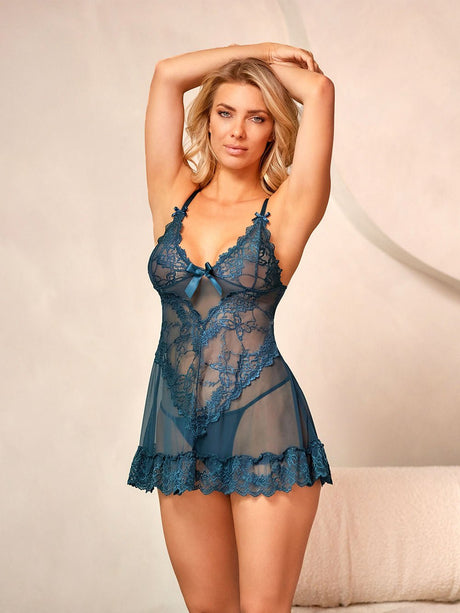
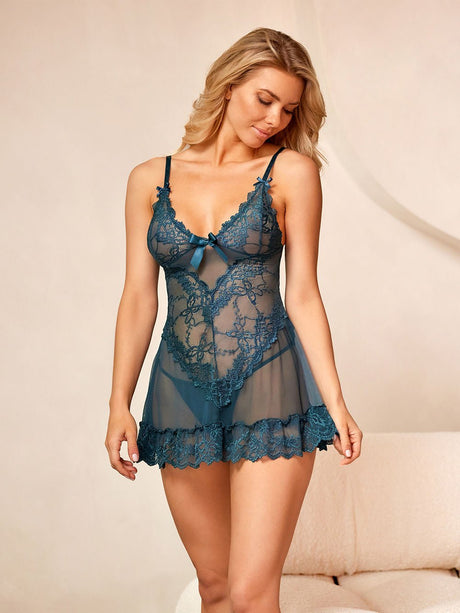
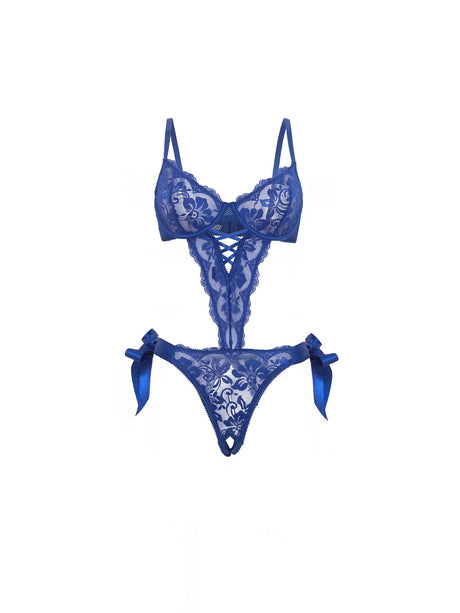
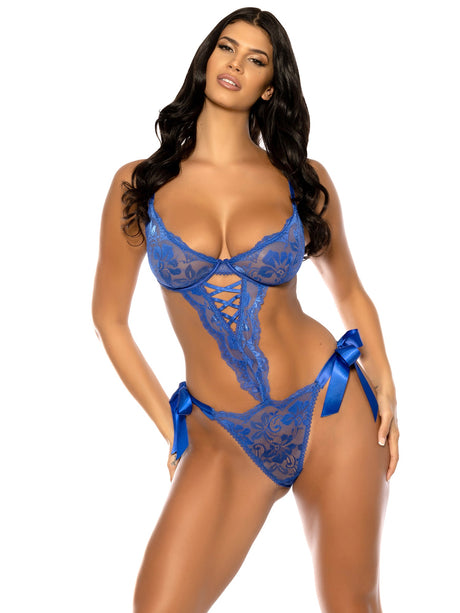
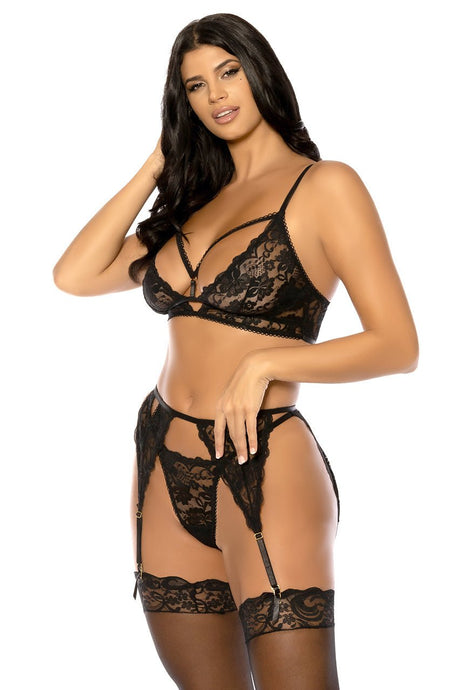
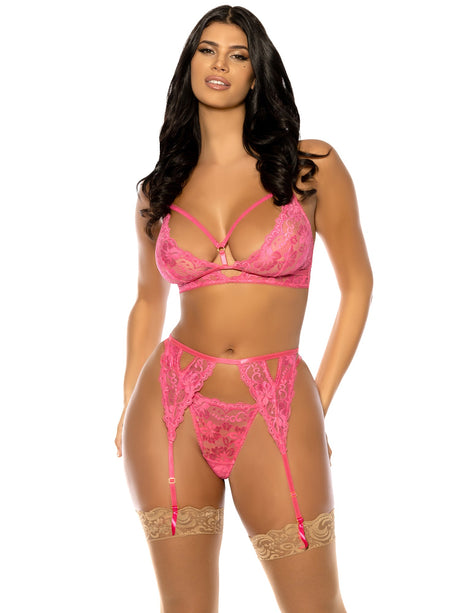
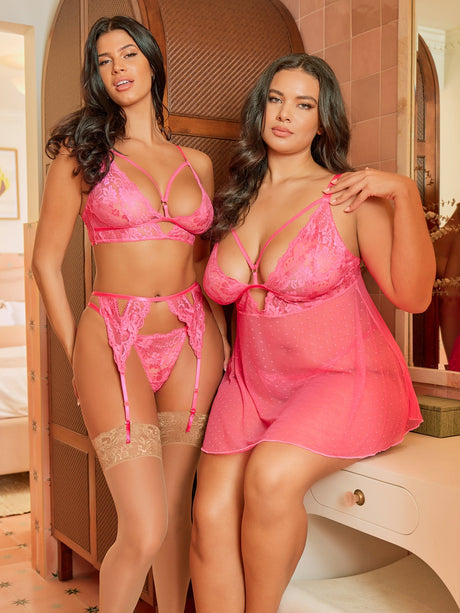
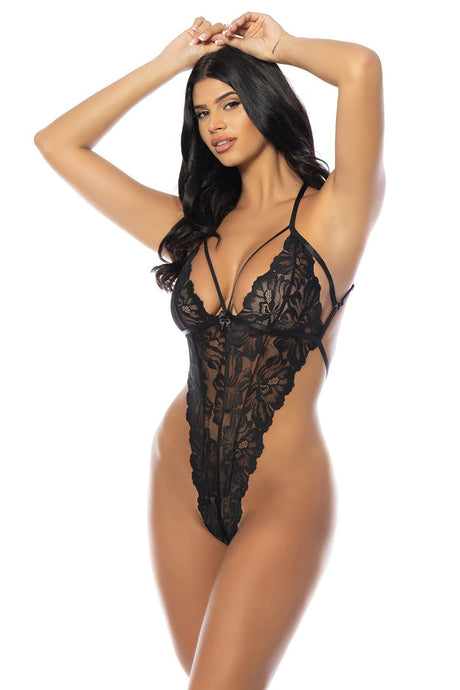
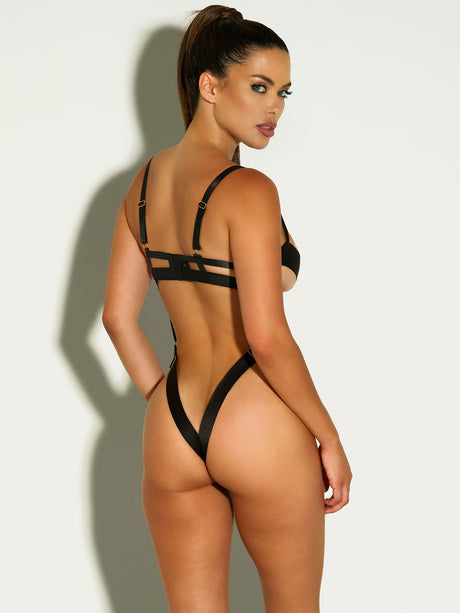
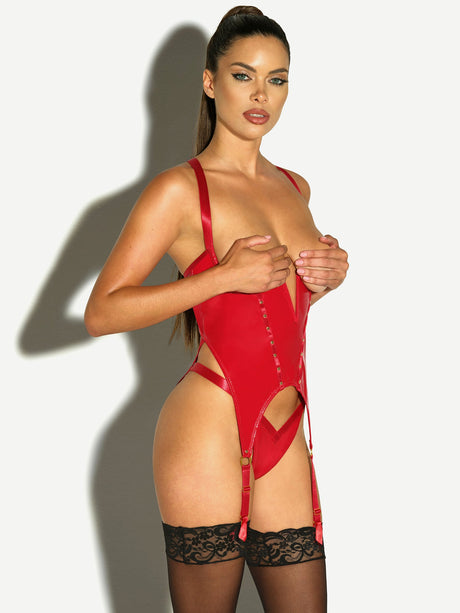
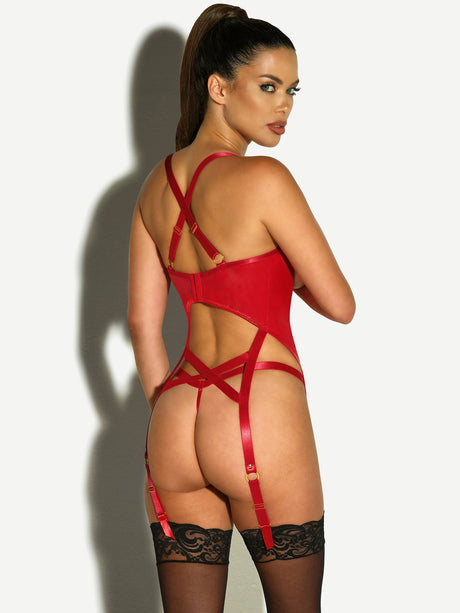
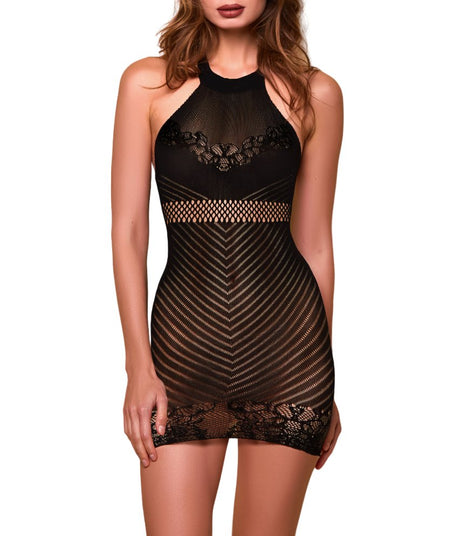
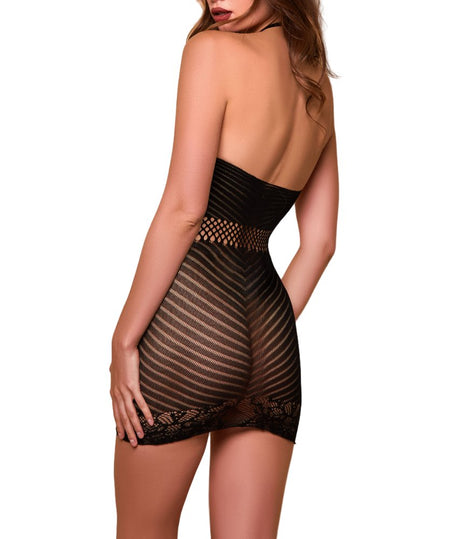
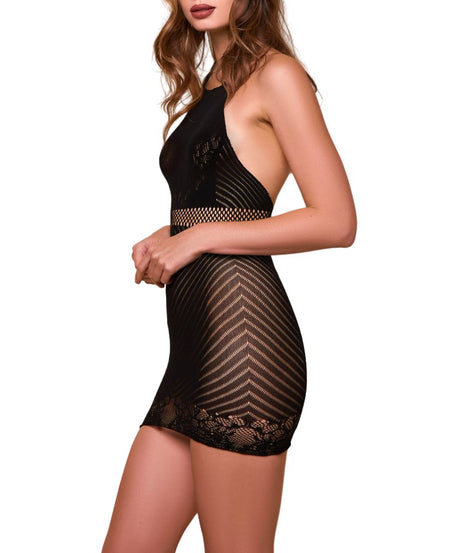
What actually makes lingerie gothic?
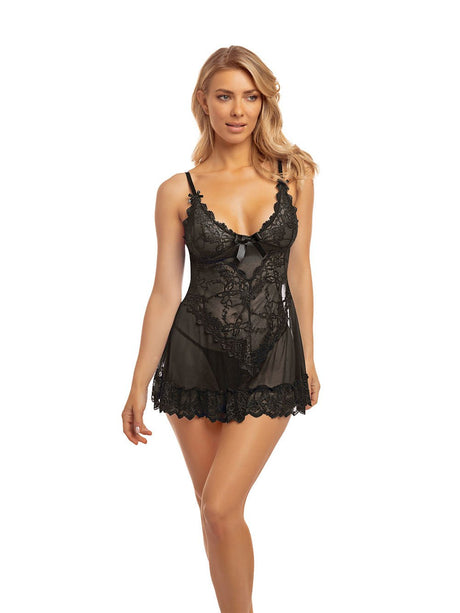
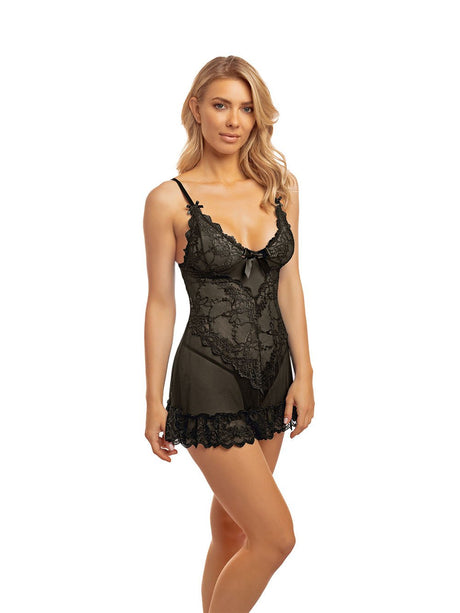
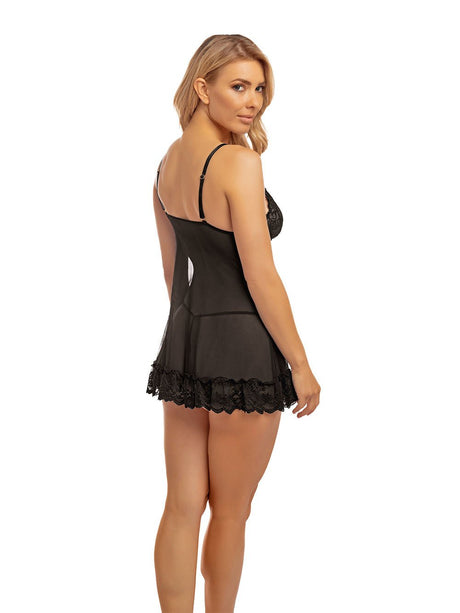
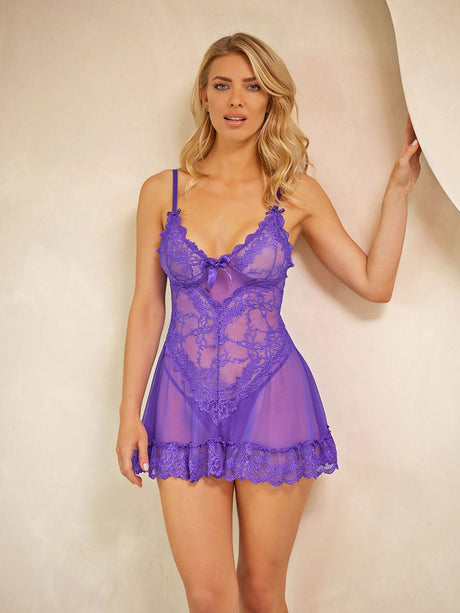
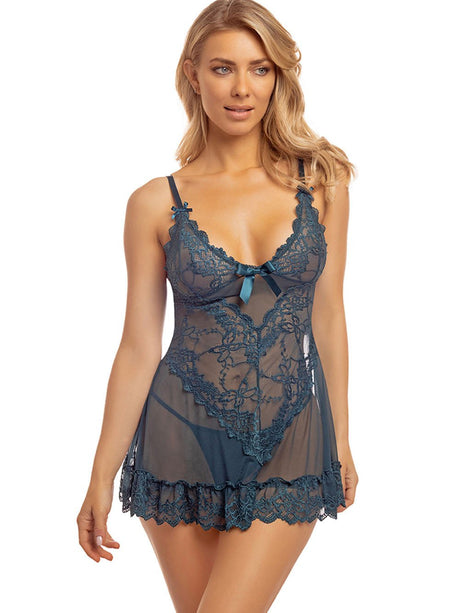
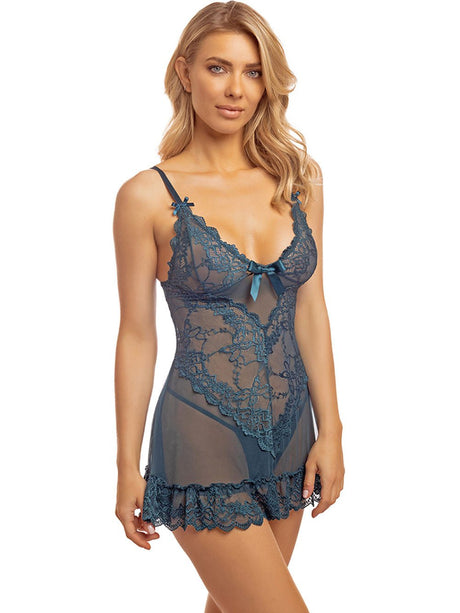
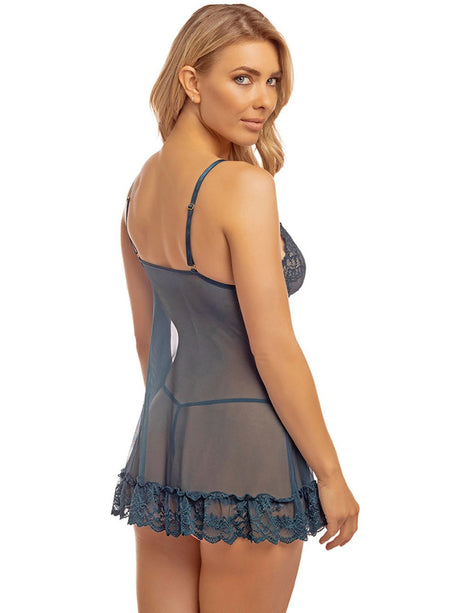
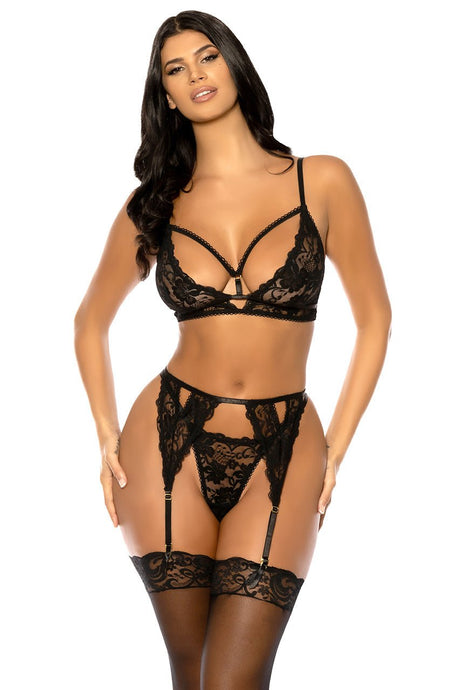
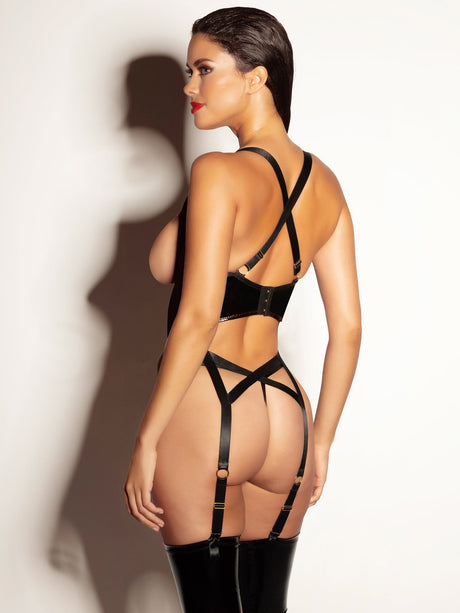
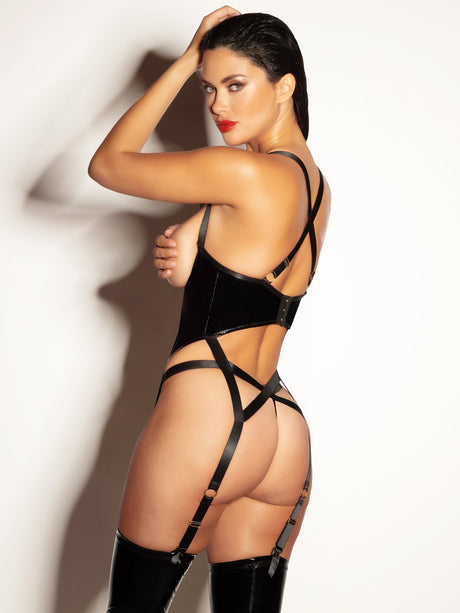
Material and structure, not colour. A plain black moulded t-shirt bra is black and it is not gothic, which tells you the palette was never doing the work. What reads as gothic is a specific material vocabulary combined with visible structure: lace, mesh, velvet, brocade, coated fabrics and hardware, alongside boning, lacing or strapping that you are meant to see. And there is not one vocabulary, there are four, which is the thing almost no guide says out loud. Traditional goth speaks in fine lace, mesh and matte leather. Romantic or Victorian goth speaks in satin, brocade, velvet and deep jewel tones. Industrial and cyber goth speaks in PVC, buckles and visible hardware. Soft goth speaks in delicate lace built for everyday layering. They share a palette and very little else, which is why a wardrobe assembled across all four without intent tends to look like a costume shop rather than a point of view.
Almost every guide to this says black lace and velvet, which explains nothing and helps nobody choose.
The useful question is which vocabulary a piece belongs to, and whether it is built to hold a shape or only to suggest one.
- Four vocabularies, not one look. Trad, romantic, industrial, soft.
- Black is necessary, not sufficient. Material and structure do the work.
- Steel boning holds shape; plastic bends permanently within a few wears.
- Underbust is the versatile buy. Overbust is the more complete garment.
- Lace the back to a parallel gap, not fully closed. Closed means no adjustment left.
- Lingerie as outerwear is the point, not a workaround.
- No corset permanently reduces a waist. Displacement reverses.
Four Vocabularies
Goth is not a single aesthetic and has not been for forty years. It is a set of related subcultures with genuinely different material languages, and knowing which one you are drawn to makes shopping considerably easier.
There is nothing wrong with a PVC harness over a velvet dress. The pieces that look wrong together are usually the ones bought without noticing they came from different vocabularies: a glossy PVC bustier with a delicate romantic lace skirt reads as unresolved rather than intentional. If you are building rather than experimenting, pick one vocabulary and go deep before you go wide.
The Fabrics, and What Each Demands
| Fabric | Vocabulary | What to know |
|---|---|---|
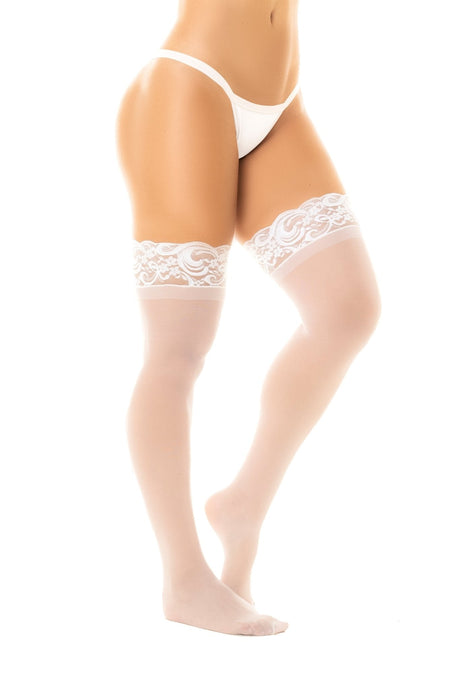
| Corded lace | Trad, soft, romantic | Raised outlines on fine net. Drapes well, does not show through fitted clothing. |
| Guipure lace | Romantic | No net ground, motifs joined directly. Heavy and sculptural. Will show under fitted fabric. |
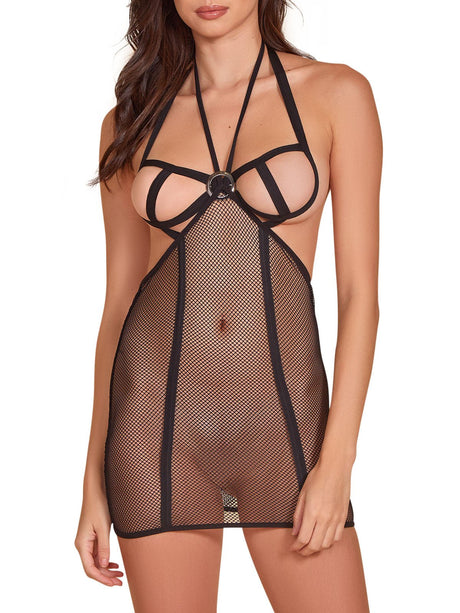
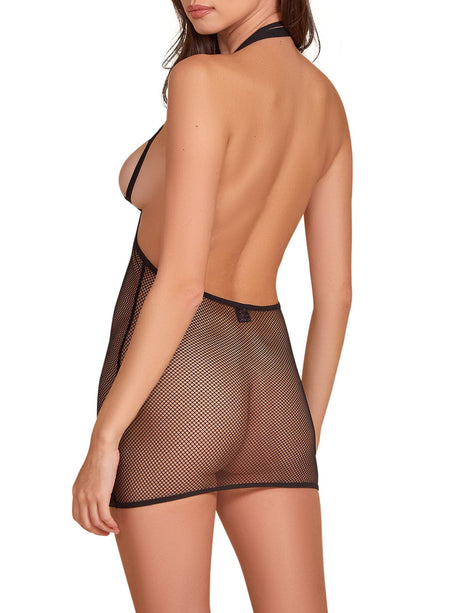
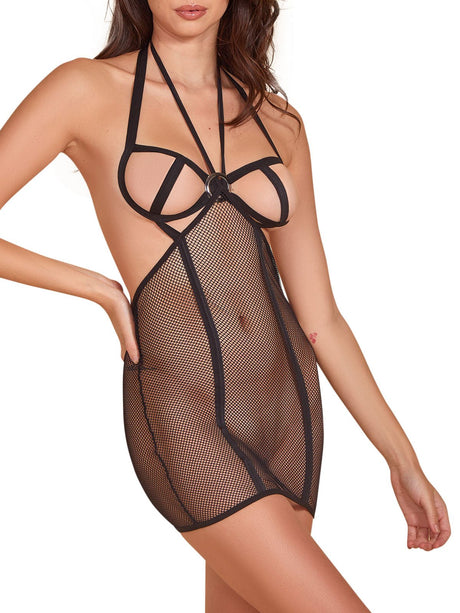
| Mesh and powernet | Trad, soft, industrial | Sheer, stretches four ways. Powernet is firmer and used structurally. |
| Velvet | Romantic | Crushes permanently if folded. Hang it, steam it, never iron it. |
| Brocade or jacquard | Romantic | Pattern woven in rather than printed on. The signature corset fabric. |
| Matte leather | Trad | Softens with wear. Needs conditioning, not washing. |
| PVC and coated fabric | Industrial, cyber | Does not breathe. Cracks with heat. Wipe clean only. |
| Satin | Romantic | Shows every mark and snag. Beautiful and unforgiving. |
Steel or Plastic: the Only Question That Matters
If you buy one thing from this article, buy the boning. It is the difference between a corset and a garment shaped like a corset, and it is rarely made obvious in a listing.

Flat spiral steel bones are coiled strips that flex in every direction while springing back to shape. They bend as you sit, twist and breathe, and they return. A corset boned with steel holds its structure for years and can genuinely reshape a silhouette while worn.
Plastic bones, usually flat white strips, bend under load and stay bent. Within a few wears they take a permanent curve that is not your shape, and after that the garment is decorative. There is nothing wrong with a decorative piece, but it should not cost what a structural one costs.
Two more markers worth checking. A steel busk at the front, meaning the row of clasps, rather than a zip or hooks, since a zip is the usual early failure point under lacing tension. And bone count: a serious corset has boning at every seam, often twenty channels or more, while a decorative one has four to eight.
Corsets, Bustiers and Dark Lingerie
Steel-boned corsets, structured bustiers, lace bodysuits and mesh pieces across the size range.
Shop CorsetsCorset SilhouettesOverbust or Underbust
The second structural decision, and it is really a question about what job you want the garment to do.

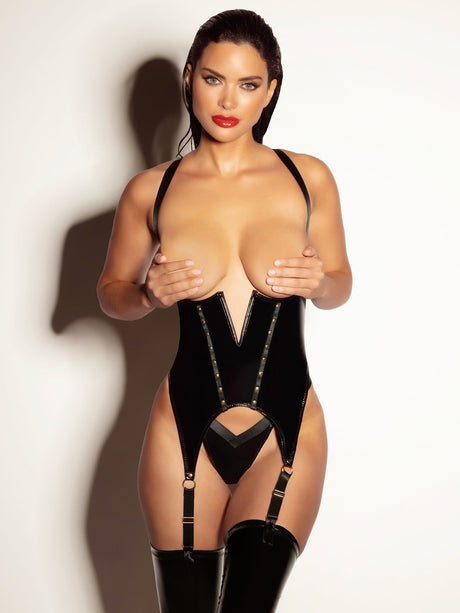
An overbust corset extends up over the chest and provides bust support as well as waist shaping. It can be worn as a top on its own, which makes it the more complete garment and the more dramatic one. The trade is fit difficulty: it has to work at bust, waist and hip simultaneously, and the bust is the hardest of the three to get right off the peg.
An underbust corset starts below the bustline and shapes only the waist. It needs a bra or bodysuit underneath, and in exchange it layers over almost anything you already own, fits far more easily since it only has to work at two measurements, and moves between vocabularies without complaint. For a first purchase it is the better buy by a distance.
A waspie is a short underbust covering the waist only, roughly six to eight inches deep. Comfortable, subtle under clothing, and it does less shaping than a full-length corset because it has less surface to work with.
How a Corset Should Fit
Corsets are sized by waist measurement rather than dress size, and they are meant to be laced to a gap rather than closed. Both of those surprise people, and getting either wrong ruins the garment.
- Buy by waist measurement, typically three to four inches smaller than your natural waist for a shaping corset. The brand's chart governs; dress size is irrelevant.
- Lace to a parallel gap at the back, roughly two to four inches once broken in. A corset laced fully closed is too big and has no adjustment left.
- Check hip spring, the difference between the corset's waist and hip measurements. Too little and it digs at the hip regardless of waist fit, which is the most common complaint at fuller hip measurements.
- Check torso length. A corset too long for your torso will jab when you sit. Measure from underbust to lap while seated and compare against the garment's front length.
- Season it. A new steel-boned corset should be worn loosely laced for several short sessions before being tightened, so the fabric and bones mould to you rather than creasing.
There is no good evidence that wearing a corset produces lasting reduction in waist measurement. What happens while it is on is soft tissue displacement, and displacement reverses when the garment comes off. Prolonged tight lacing is uncomfortable, restricts how deeply you can breathe, and has been associated with digestive discomfort. Wear a corset because you like how it looks and feels, which is a perfectly good reason, rather than because of a promise about permanent change.
Wearing It Out
Lingerie worn as outerwear is central to this aesthetic rather than a modern liberty taken with it, and the practical constraints are simple.
| Piece | Works over | Watch for |
|---|---|---|
| Underbust corset | Shirts, dresses, knitwear | Fabric bunching underneath. Smoother layers work better. |
| Overbust corset | Worn alone, or over a fine knit | Bust fit is the hard part off the peg. |
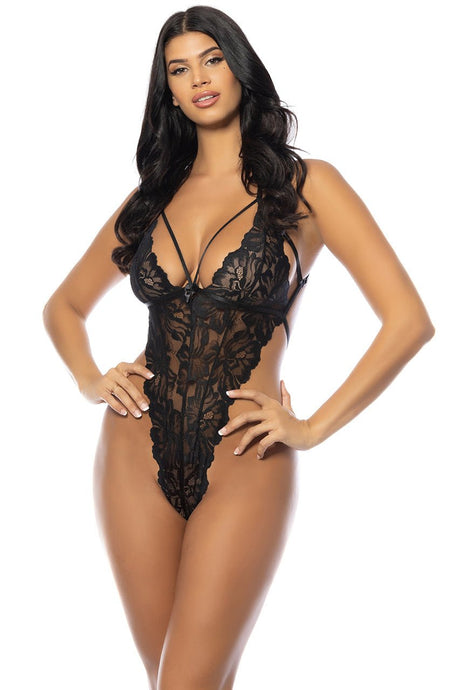
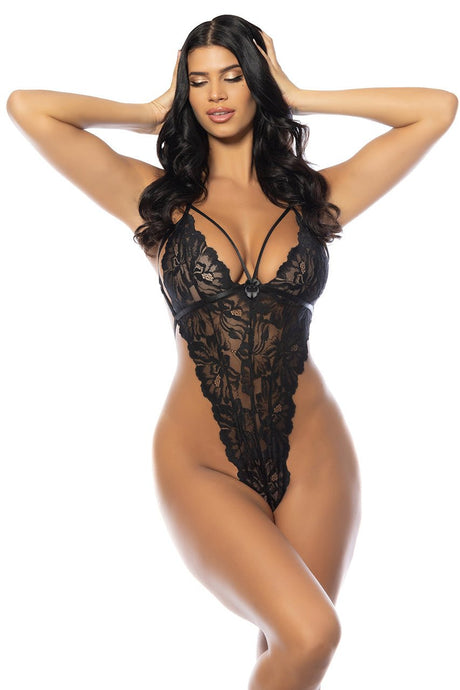
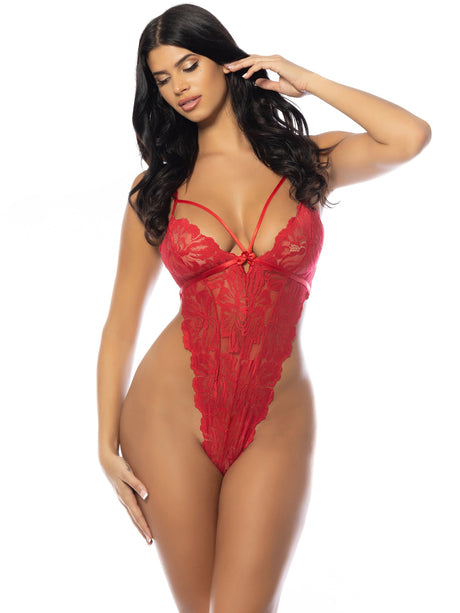
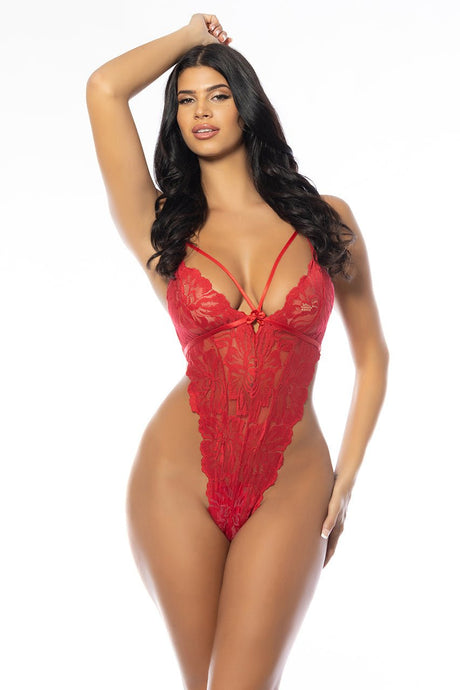
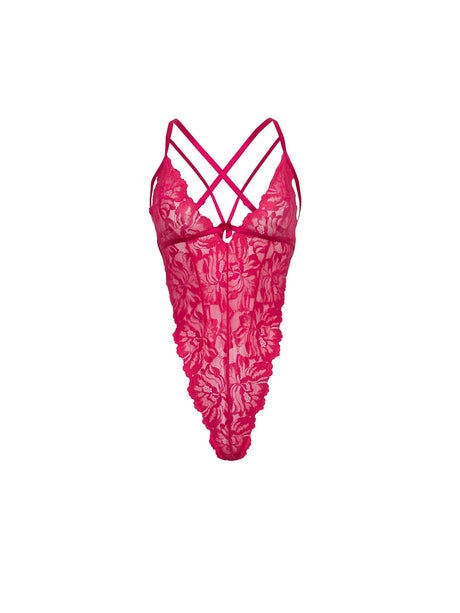
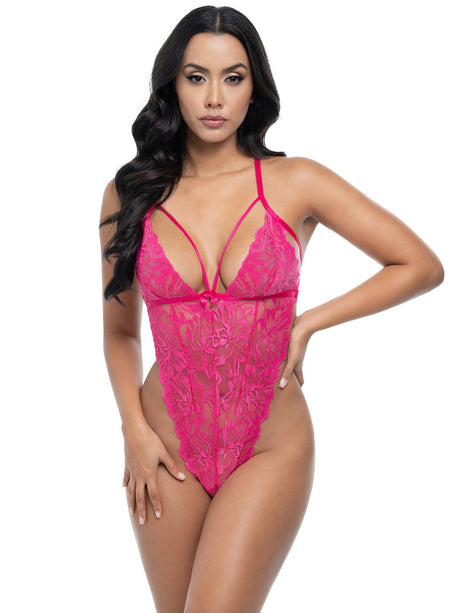
| Lace bodysuit | Under blazers, with high-waisted trousers | Opacity. Check it in daylight before committing. |
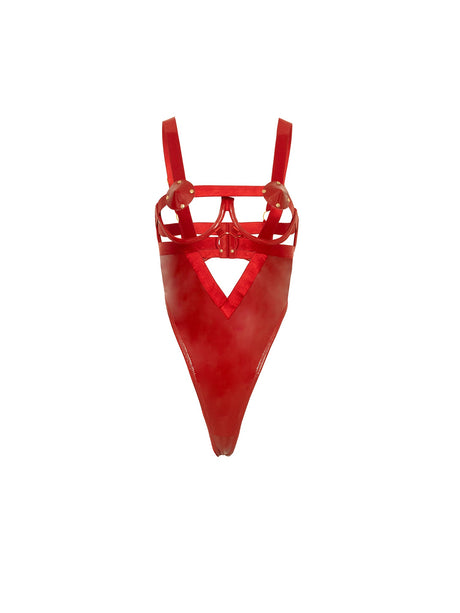
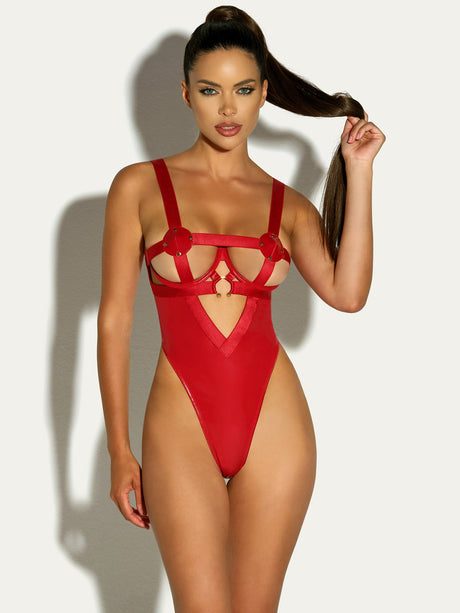
| Harness | Over knitwear, tees, dresses | Hardware catching on loose knits. |
| Mesh top or bodysuit | Layered under slips or over a bralette | Deliberate sheerness reads better than accidental. |
The one distinction worth making: pieces designed for layering are cut with coverage and opacity in mind, and sheer boudoir pieces are not. Both are legitimate; buying one expecting the other is where people get caught out.
People come in asking for goth lingerie and mean four different things. Ask which materials they already own and the answer becomes obvious in about ten seconds.
HauteFlair Fit Team
Care, by Material
- Velvet: hang, never fold. Crush marks set permanently. Steam rather than iron, and never press the pile directly.
- PVC and coated fabrics: wipe with a damp cloth. Never machine wash, never tumble dry, keep away from radiators. Heat cracks the coating and it cannot be repaired.
- Brocade and satin: spot clean or dry clean. Both mark easily and satin snags on almost anything.
- Lace and mesh: hand wash cool with a delicates detergent, dry flat away from sunlight.
- Leather: condition occasionally, never wash. Water stains matte leather permanently.
- Corsets: spot clean and air between wears rather than washing, since washing degrades the bone channels and can rust steel. A cotton liner underneath extends the life considerably.
What This Means for You
Goth lingerie is not a colour. It is four material vocabularies that share a palette: traditional in lace, mesh and matte leather; romantic in satin, brocade and velvet; industrial in PVC and hardware; soft in delicate lace for everyday layering. Work out which one you actually want and the shopping gets much simpler.
Then judge construction rather than styling. Steel boning rather than plastic, a steel busk rather than a zip, boning at every seam rather than four token channels. Those decide whether a piece holds a shape or merely suggests one.
Buy an underbust before an overbust, size by waist measurement rather than dress size, lace to a gap rather than closed, and treat any promise of permanent waist reduction as marketing.
Dark Lingerie at HauteFlair
Steel-boned corsets, bustiers, lace bodysuits, mesh and harness pieces across the size range. Free returns on unworn items.
Shop CorsetsShop All LingerieFrequently Asked Questions
What makes lingerie gothic?
What are the different types of goth aesthetic?
What is the difference between an overbust and underbust corset?
Does a gothic corset need steel boning?
Can you wear gothic lingerie as outerwear?
What fabrics are used in gothic lingerie?
Does gothic lingerie come in plus sizes?
How should a corset fit?
Does waist training permanently change your waist?
What is the difference between a corset and a bustier?
What should I buy first if I am new to gothic lingerie?
How do you care for velvet, PVC and lace?
Is gothic lingerie only for Halloween?
This article is for informational purposes only. Fit and construction guidance is general and varies between manufacturers. Corsets should not be worn so tightly that breathing is restricted; discontinue use and consult a doctor if you experience pain, numbness, breathing difficulty or digestive discomfort while wearing one.