HauteFlairUpdated August 20269 min readBuying Guide
Straight AnswerHow does HauteFlair compare to other lingerie retailers?
The useful comparison is not between named shops, it is between types of shop, because each type is structurally better at one thing. Lingerie retailers fall into five kinds. If you wear a size at the very edge of the range, a full-bust or plus specialist beats everyone and it is not close. If price decides it, mass-market wins and there is nothing wrong with that. If you have never been properly fitted, an in-person shop is worth the trip before buying anything online. Marketplaces win on speed and price while being the hardest place to verify what you are actually getting. And boutique online retailers, which is what we are, sit on curation, brand range and individual fit advice. We are writing this comparison, so treat our self-assessment with the suspicion it deserves. The framework is still useful, and the parts where we tell you to shop elsewhere are the parts you can trust most.
Already know what you need?Panache, Natori, Dominique and Cosabella among others. Bands 28 to 50, cups A to K, plus designer labels in alpha sizing.
Shop All
Comparison pages written by one of the competitors always reach the same conclusion, which is exactly why nobody believes them.
So here is the framework instead, including the four situations where we are the wrong answer.
The Short Version
-
Sizes at the very edge: a full-bust or plus specialist, every time.
-
Lowest price: mass-market retailers.
-
Never been fitted: an in-person shop first.
-
Designer brands, true bra sizing: a boutique retailer.
-
Speed and price, at the cost of certainty: marketplaces.
-
Compare the same style across shops, not shops in general.
-
The test of real fit advice is whether a shop will tell you not to buy.
Five Types of Retailer
Almost every lingerie purchase goes to one of five kinds of seller, and each has a structural advantage the others cannot easily copy. Knowing which advantage you need is most of the decision.
What Each Type Is Best At
Best for · sizes at the edgesFull-Bust and Plus-Size SpecialistsRetailers built entirely around one part of the size curve, typically carrying very small bands with very large cups, or the largest bands, in real depth. If you wear a 26 band, or a cup beyond K, these shops exist for you and nobody else comes close. They also tend to employ staff who know those brands intimately. The trade-off is a narrower aesthetic and often higher prices, since they serve a smaller market.
Best for · priceMass-Market RetailersHigh-street chains and large online retailers producing their own lines at scale. They win on price and they win decisively, and for a basic t-shirt bra in a common size that may be all that matters. Size ranges are usually narrower at the extremes, construction is simpler, and fit advice tends to be generic. There is nothing wrong with buying here, and plenty of people should.
Best for · getting fittedPhysical Shops With Fitting RoomsTrying a bra on resolves in five minutes what guessing cannot resolve at all, and a good fitter will hand you sizes you would never have selected yourself. If you have never been fitted, or nothing has fitted well for a while, do this before any online purchase. The limit is stock: no physical shop holds the range an online retailer can, so many people get fitted in person and then buy online afterwards. That is a sensible use of both.
Best for · specific brandsBoutique Online RetailersSmaller online shops carrying selected designer and specialist brands, which is where we sit. The advantage is curation and range within a defined aesthetic, true band-and-cup sizing alongside designer labels, and fit help from people rather than a help centre. The trade-off is price, since these are established brands at their normal price points, and depth at the very edges of the size curve.
Best for · speedMarketplacesFast, competitively priced and enormous. They are also the hardest place to know what you are buying, since listings for the same nominal product vary in authenticity and sizing information is often copied rather than checked. Fine for a known repeat purchase, riskier for a first attempt at a new brand or size.
Match the Type to the Purchase
| What you need |
Best type |
Why |
| A 26 band, or a cup beyond K |
Full-bust specialist |
Depth at the edges of the curve is their entire business. |
| A basic bra, cheapest option |
Mass-market |
Scale. Nothing else competes on price. |
| Your first proper fitting |
Physical shop |
Trying on beats any calculator, including ours. |
| A specific designer brand |
Boutique retailer |
Curation and stock within a defined range. |
| Re-ordering a known size and style |
Anywhere cheapest |
Once you know it fits, only price and delivery differ. |
| Something by tomorrow |
Physical shop or marketplace |
Delivery speed is the only variable that matters. |
| Advice before buying |
Boutique or physical shop |
Individual answers rather than a help centre. |
When We Are the Wrong Choice
The useful part of a comparison written by one of the competitors is the part against its own interest, so here it is plainly.
If price is the deciding factor, buy elsewhere. We stock established brands at their normal price points and mass-market retailers will undercut us on most categories. That is structural, not something a promotion fixes.
If you wear a band below 28, we do not carry it. A dedicated full-bust specialist does, and they will serve you where we cannot.
If you need it tomorrow, a physical shop is faster than any online order, and you get to try it on.
If you have never been professionally fitted, go and get fitted first. Our size calculator is a starting point and a fitting room is better. We would rather you bought the right thing somewhere else than the wrong thing here.
Where we do think we are a good answer: established brands including Panache, Natori, Dominique, Le Mystere, On Gossamer, Cosabella, Hanky Panky and Oh La La Cheri in one place, true band-and-cup sizing from 28 to 50 bands and A to K cups, shapewear to 6X, and fit guidance written around construction rather than around whatever we are trying to sell this week.
If that sounds rightShop the Range
Full-bust bras to a K cup, larger bands to 50, Natori robes and sleepwear, designer pieces and shapewear to 6X.
Full Figure BrasWhat We Carry
How to Compare Retailers Fairly
Comparing shops in the abstract is nearly impossible and mostly pointless. Comparing a specific purchase is easy, and these three things separate retailers more than any marketing copy or review does.
Three Things Worth Checking
OneCompare the Same Style, Not the Same ShopEstablished brands are sold through many retailers, so the identical bra is usually available in several places. Search the exact style name and compare price, available sizes and delivery. That is a real comparison, where judging shops in general is guesswork. Brands like Panache and Natori are widely stocked, which makes them easy reference points.
TwoLook at the Size Range Actually ListedNot the range in the marketing copy, the sizes in the dropdown on the product you want. Ranges quoted on About pages describe the widest span across an entire catalogue, which is rarely what any single garment offers. That applies to us as much as to anyone else.
ThreeCheck Whether Fit Help Exists Before You OrderReturns matter, and avoiding the return matters more. A retailer that will answer a specific fit question before you buy saves you the whole cycle. The real test is whether they will tell you not to buy something, because a shop that only ever says yes is not giving advice.
Does a Higher Price Mean a Better Bra?
Loosely, and less than the price difference suggests. A well-fitting inexpensive bra outperforms an expensive one in the wrong size, every time, without exception.

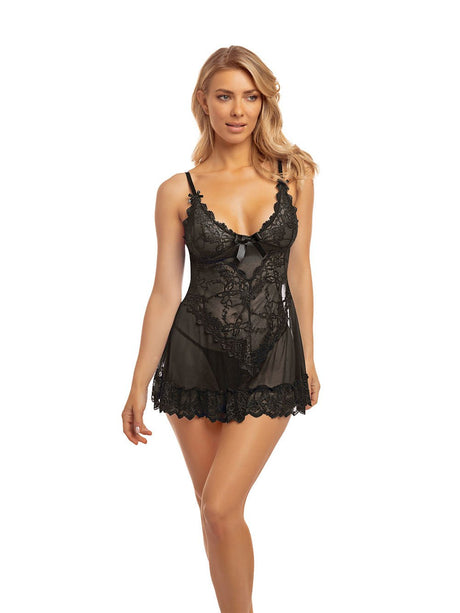
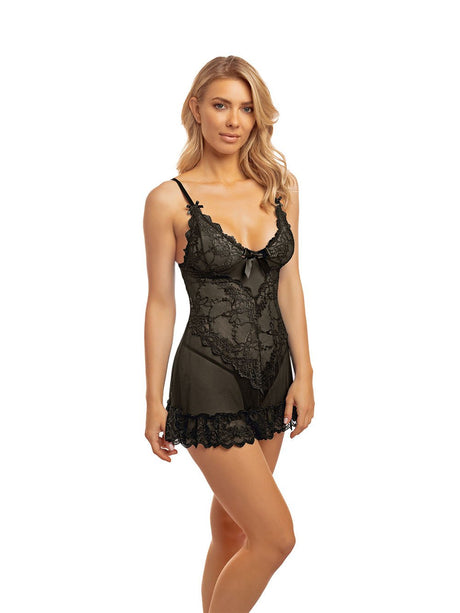
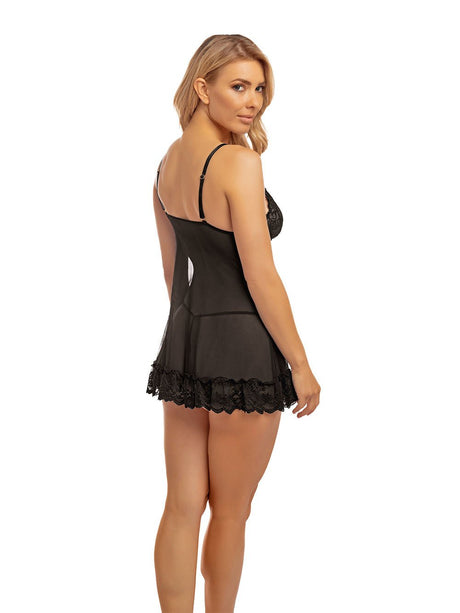
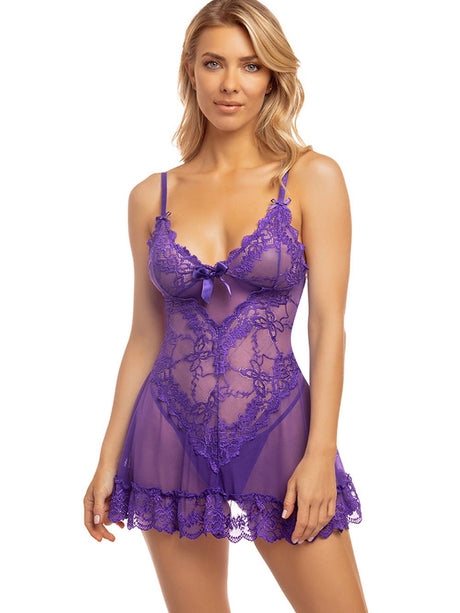
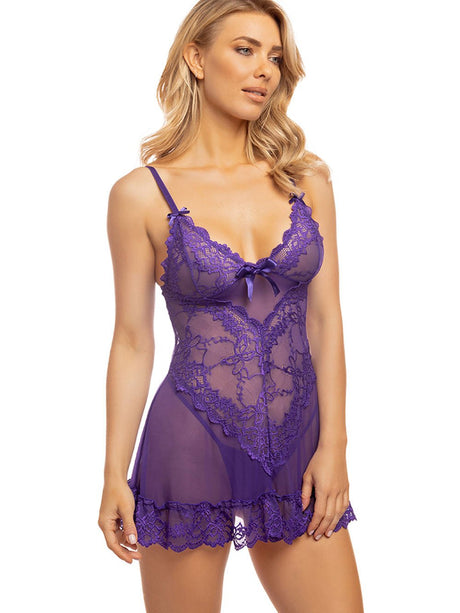
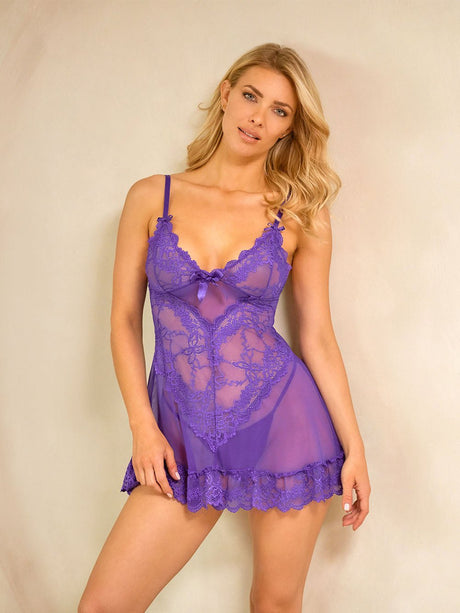
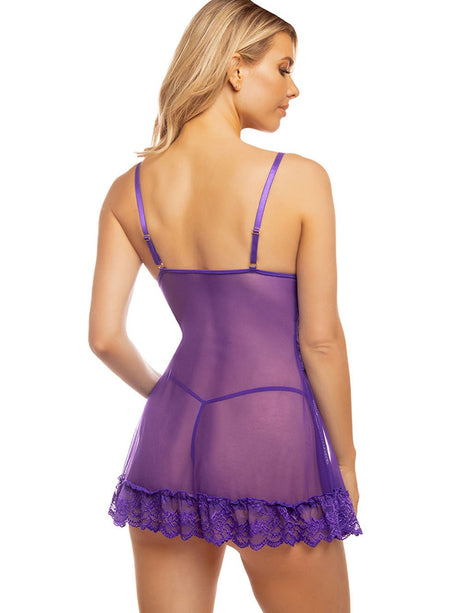
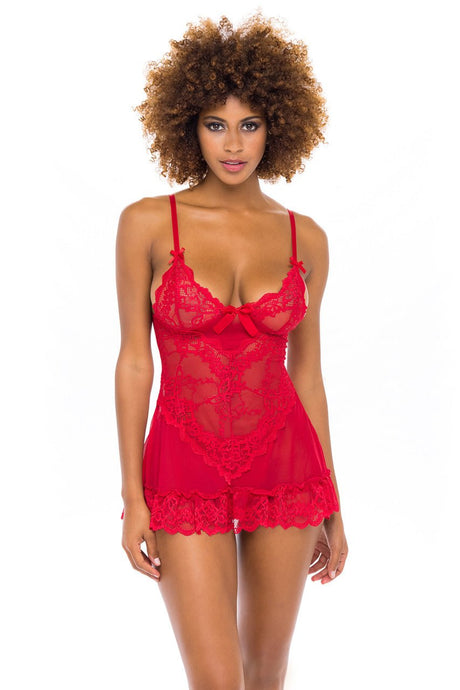
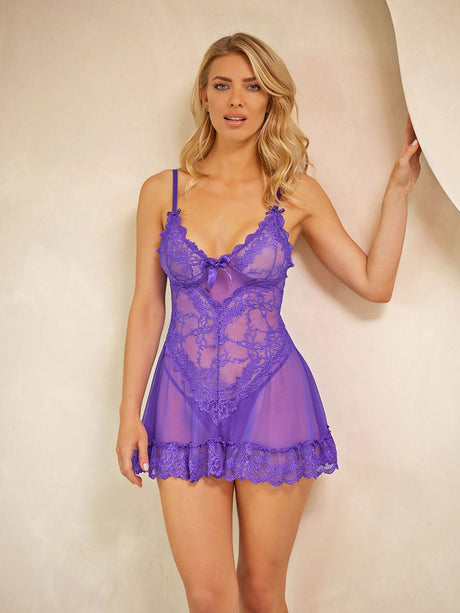
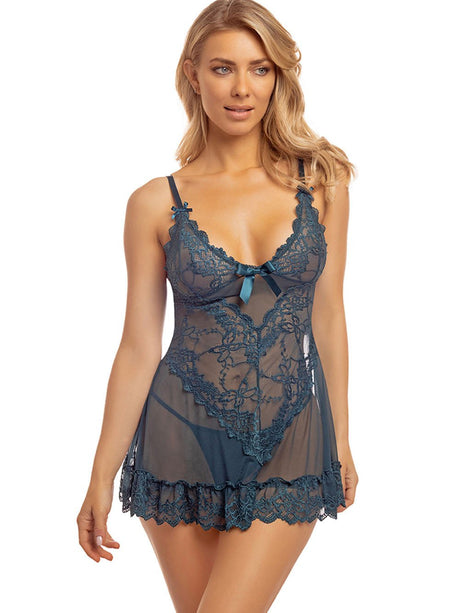
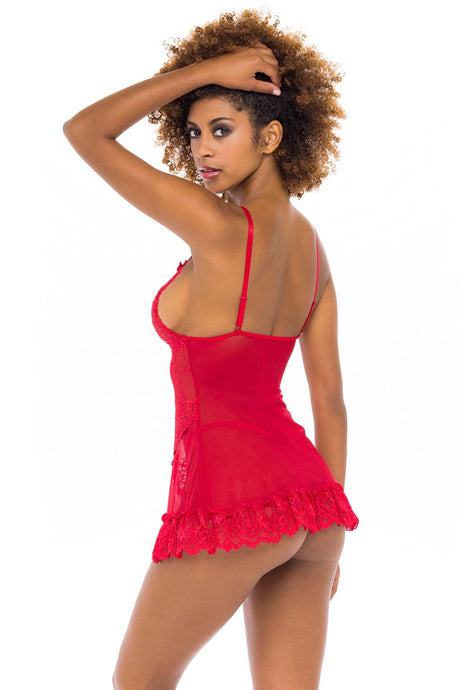
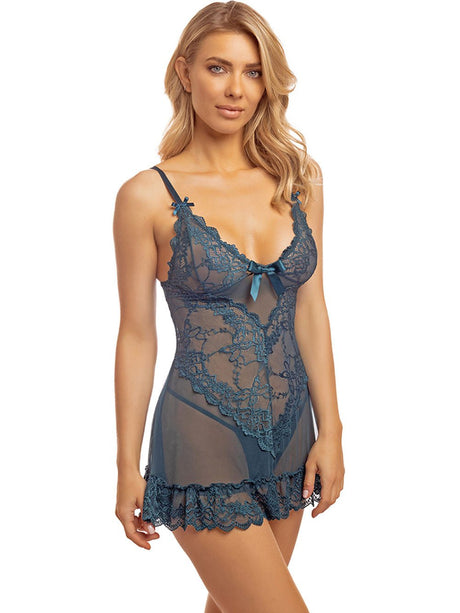
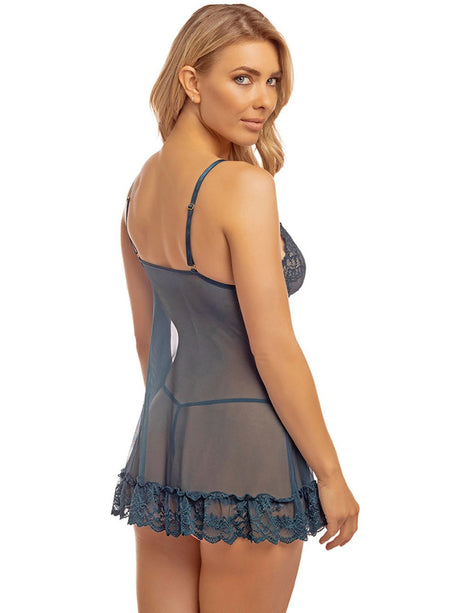
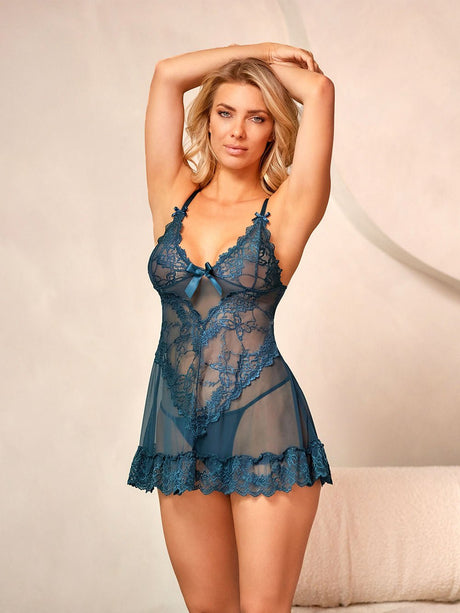
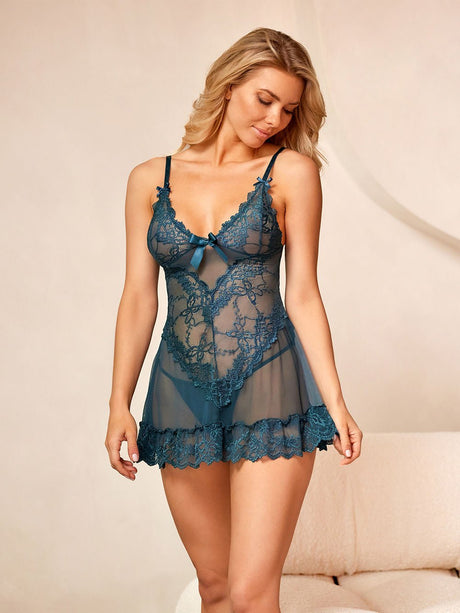
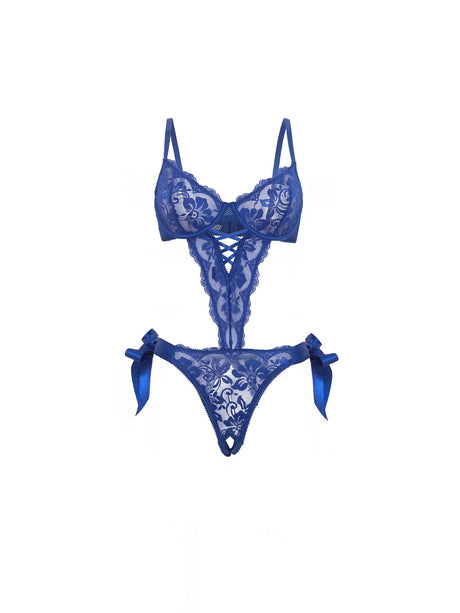
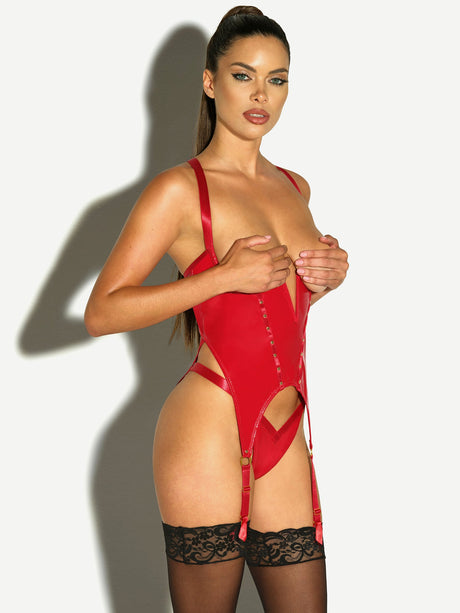
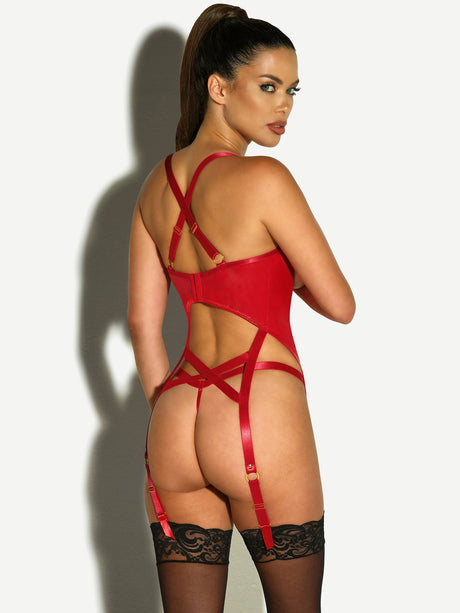
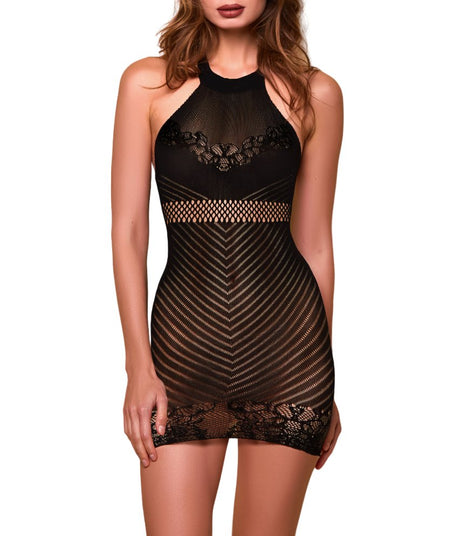
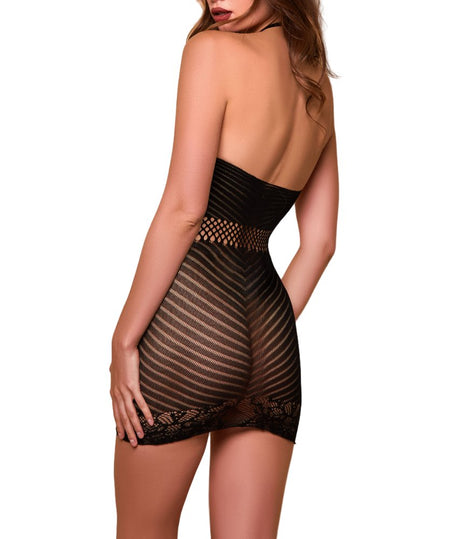
Five pieces across the price range. What separates them is seaming, panel count and edge finishing rather than anything you can see at a glance in a photograph, which is part of why price is such an unreliable proxy for whether a bra will work on you.
What higher prices do tend to buy is construction that matters more as cup size increases: seamed cups rather than moulded, side support panels, taller wings, four-row closures and elastic that recovers rather than relaxing after a month. At a B cup those differences are marginal. At a G they decide whether the bra works at all.
So spend according to what your size demands rather than to a general rule. If a cheap bra in your size fits well and lasts, it is a good bra and the price is irrelevant.
A shop that never tells you to buy elsewhere is not advising you. It is selling to you, which is fine, as long as you know which is happening.
HauteFlair
What This Means for You
Five types of retailer, each best at one thing. Specialists for sizes at the edges. Mass-market for price. Physical shops for fitting. Boutiques for particular brands and individual advice. Marketplaces for speed, with less certainty about what arrives.
Work out which advantage this particular purchase needs, then compare the exact style across the shops that have it. Check the sizes in the actual dropdown rather than the range in the marketing copy, and check whether anyone will answer a fit question before you order.
And if that process points you somewhere other than here, it has done its job.
Frequently Asked Questions
How do I choose where to buy lingerie?
Start from what you need rather than from the shop. If you need a size at the edge of the range, a full-bust or plus specialist is the answer. If price decides it, mass-market wins. If you have never been fitted, an in-person shop is worth the trip. If you want specific designer brands at true bra sizing, a boutique retailer suits. Each type is genuinely better at its own job.
How does HauteFlair compare to other lingerie retailers?
HauteFlair is a boutique online retailer: established brands including Panache, Natori, Dominique, Le Mystere, On Gossamer, Cosabella, Hanky Panky and Oh La La Cheri, true band-and-cup sizing from 28 to 50 bands and A to K cups alongside designer alpha sizing, and fit help from people rather than a help centre. We are not the cheapest, we are not the fastest, and we do not carry bands below 28. Those are structural differences rather than things a promotion changes.
Is a specialist better than a general lingerie shop?
For sizes at the very edges of the range, yes. A retailer built entirely around 26 to 30 bands in J through L cups will serve someone at a 26K better than any general retailer can. For sizes within the common range, the specialist advantage narrows and brand availability, price and fit support matter more.
Should I buy lingerie online or in person?
In person is better the first time, or whenever you are unsure of your size, because trying on resolves in minutes what guessing cannot. Online is better once you know your size and how a particular brand runs, since range and availability are far wider. Many people sensibly do both: fitted in person, then repeat purchases online.
When is HauteFlair not the right choice?
When price is the deciding factor, since mass-market retailers undercut us. When you need something within a day or two, since a physical shop is faster. When you wear a band below 28, which we do not carry. And when you have never been professionally fitted, in which case an in-person fitting first will save you time.
Are expensive bras better than cheap ones?
Not automatically. Price correlates loosely with construction quality, but a well-fitting inexpensive bra outperforms an expensive one in the wrong size every time. Where higher price tends to buy something real is in cup seaming, side support panels, wing height and elastic that recovers, and those matter more as cup size increases.
Why do the same brands cost different amounts at different shops?
Retailers set their own margins, run different promotions and buy in different volumes. Since established brands are sold through many stockists, comparing the identical style across shops is straightforward and worth doing on a significant purchase.
Does buying from a boutique get me better fit advice?
Often, though it varies. Smaller retailers tend to answer fit questions individually rather than through a help centre, which is useful when you are between sizes or unsure how a brand runs. The test is whether a shop will tell you not to buy something, which is the clearest sign the advice is real rather than sales copy.
How do I compare lingerie retailers fairly?
Compare the same style across shops rather than comparing shops in general, since established brands are widely stocked. Then check the size range actually listed in the product dropdown rather than the range in the marketing copy, and whether fit help is available before you order. Those three things separate retailers more than any review does.
If we are the right type for youHave a Look at the Range
Panache and Natori for full-bust and sleepwear, Dominique for larger bands, designer labels from Cosabella and Hanky Panky, shapewear to 6X.
Shop AllFind Your Size
This page is published by HauteFlair, which is one of the retailer types described, so our self-assessment should be read with that in mind. Descriptions of retailer categories are general and individual shops vary considerably within each type. No specific competing retailer is named or ranked here.