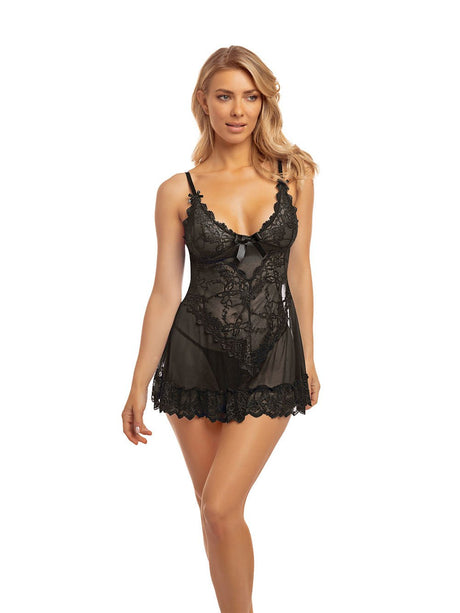
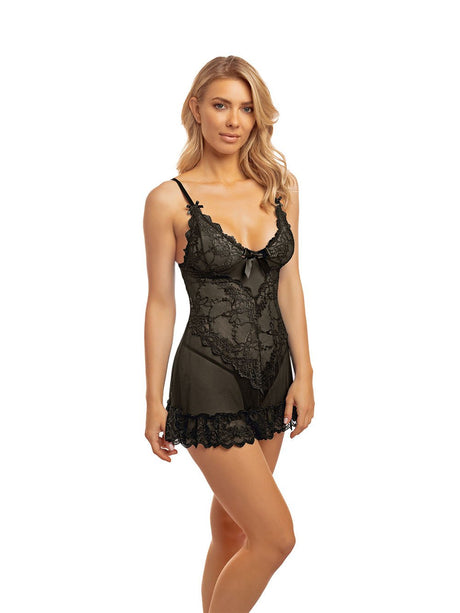
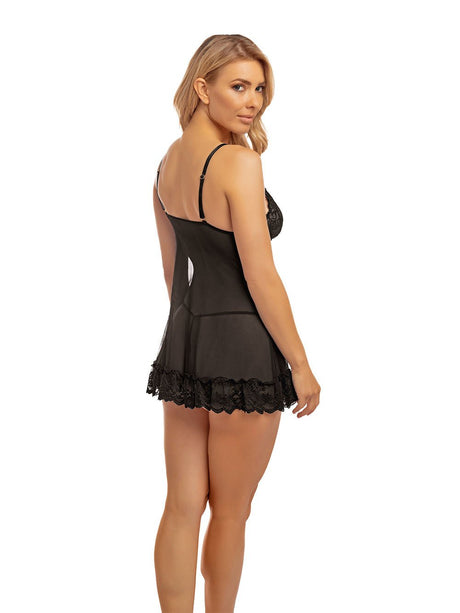
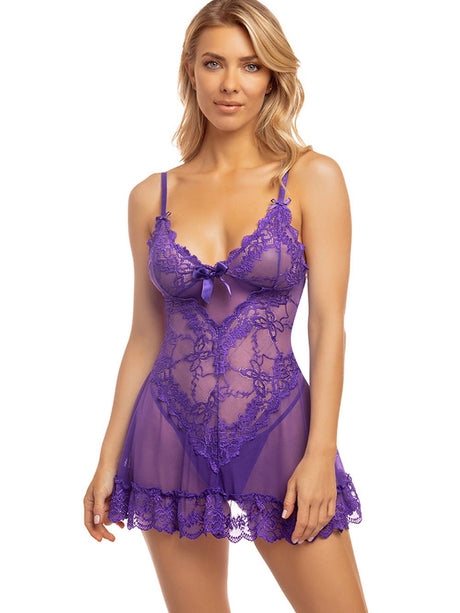
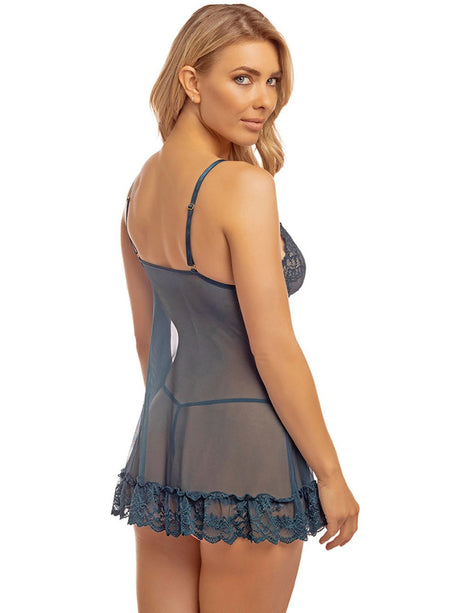
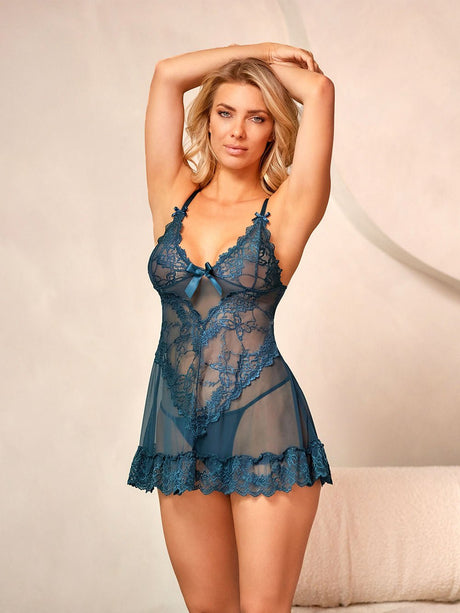
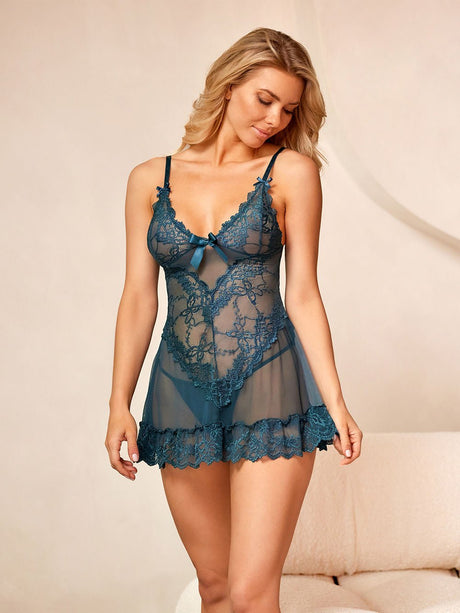
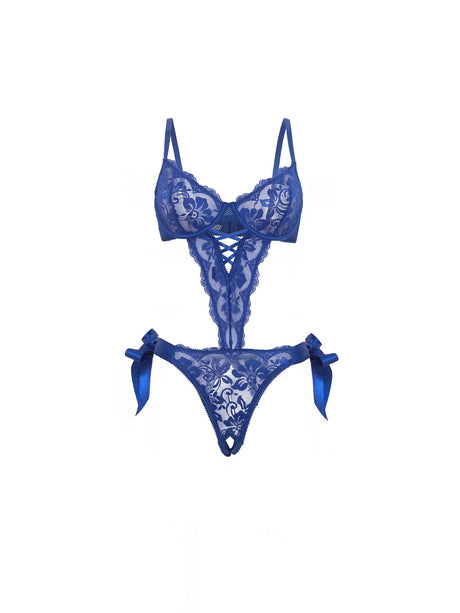
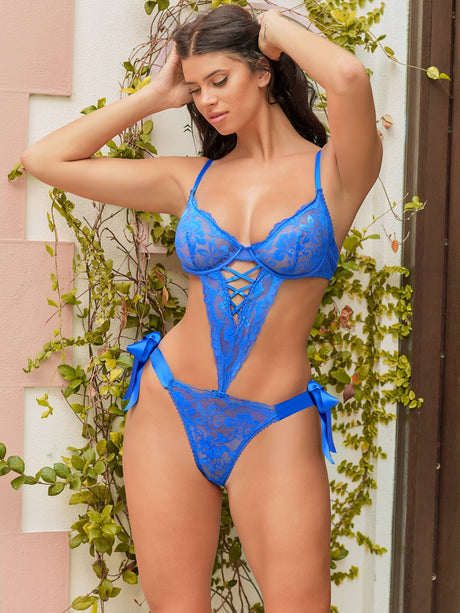
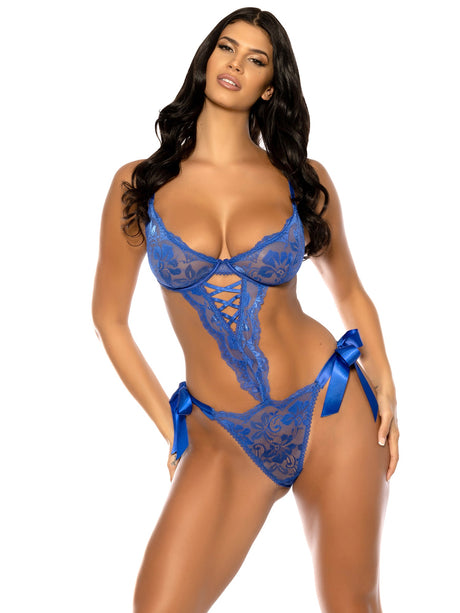
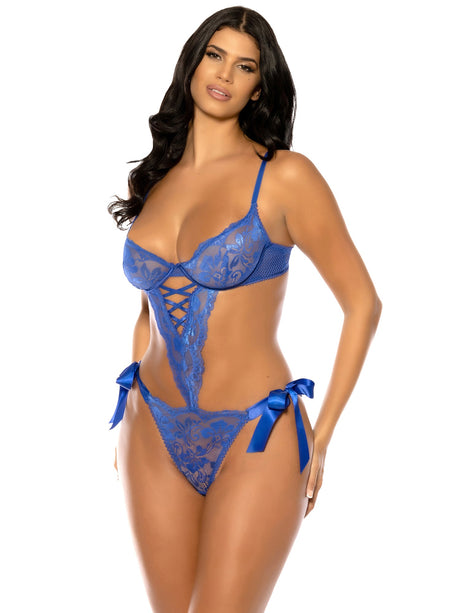
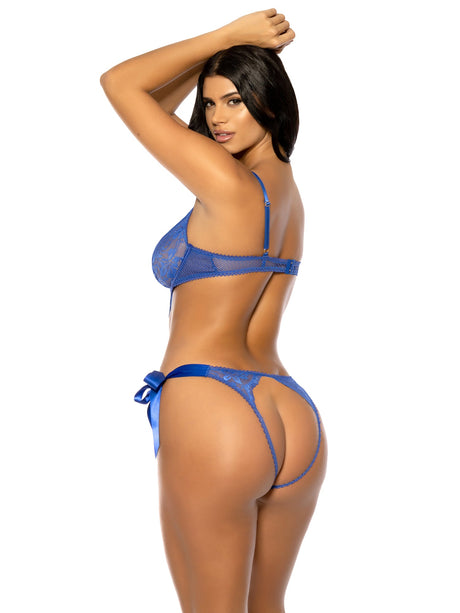
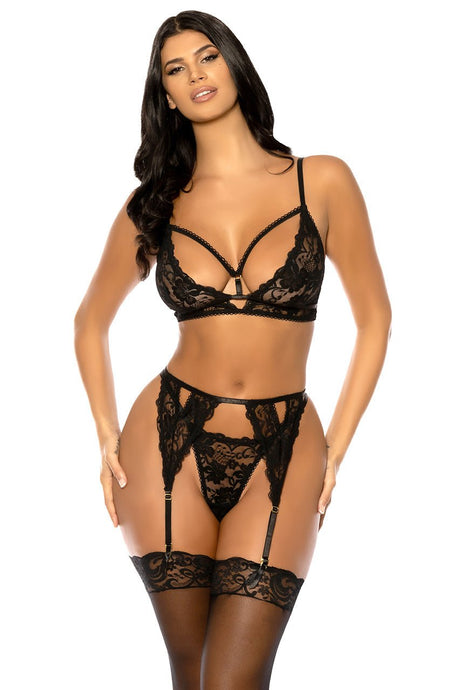
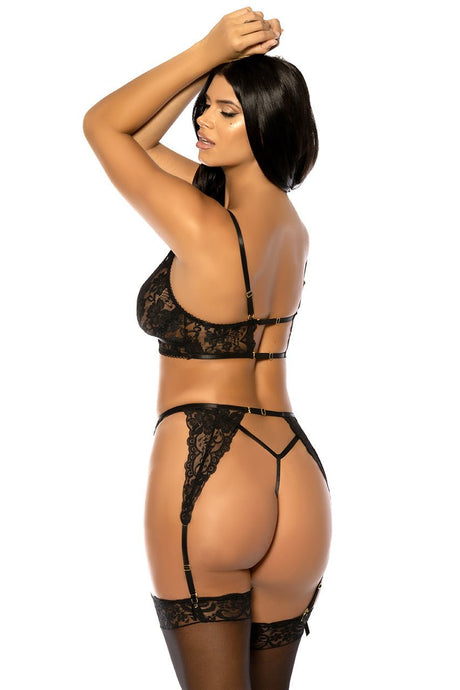
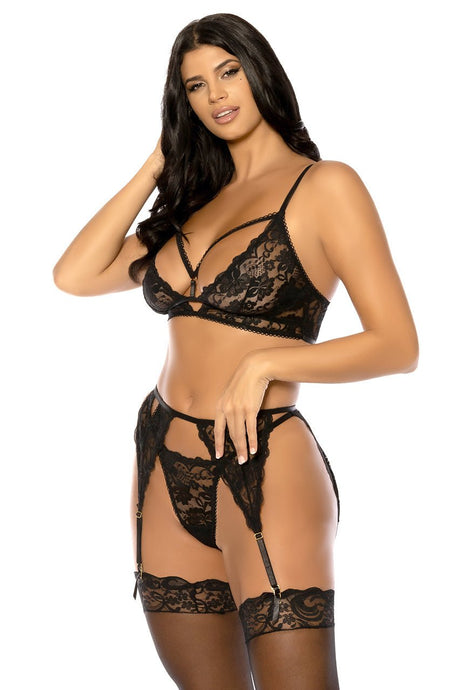
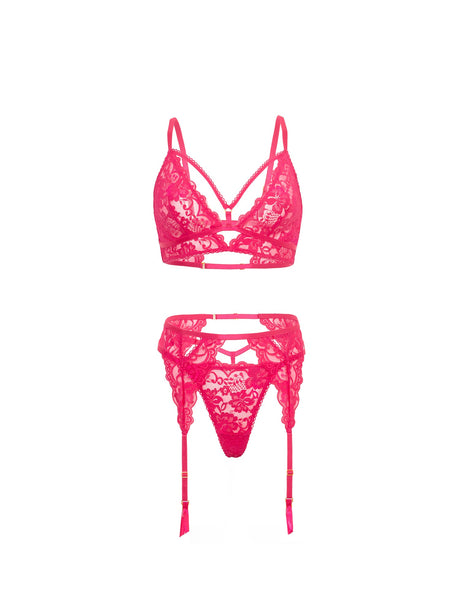
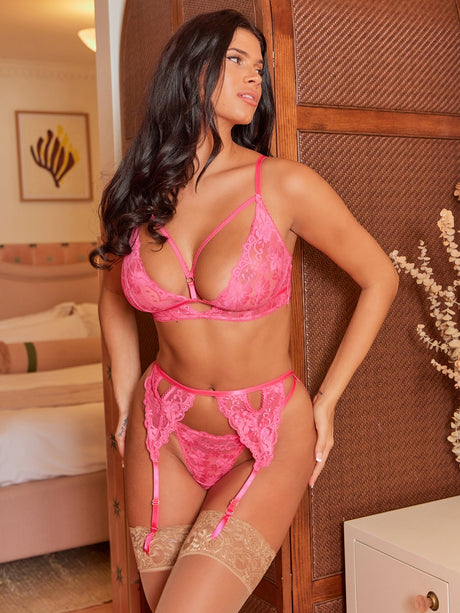
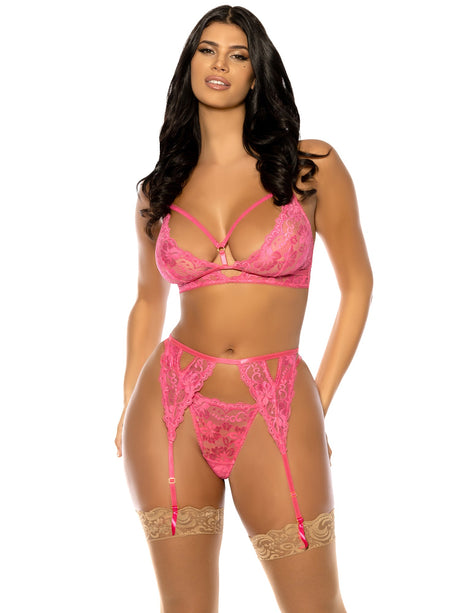
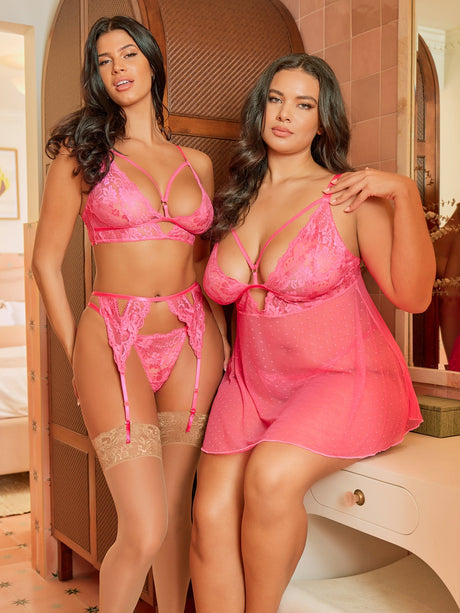
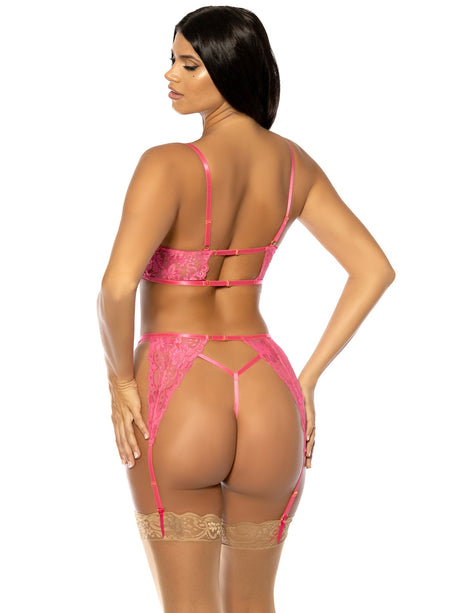
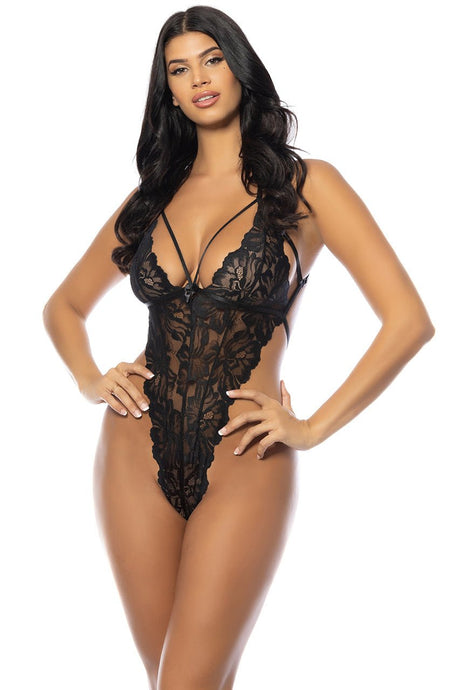
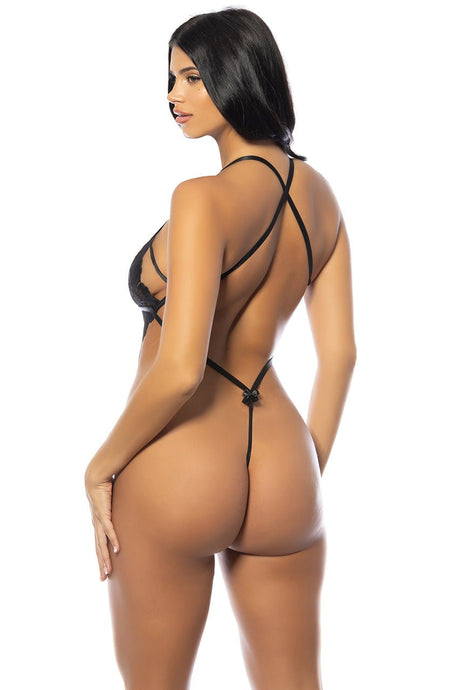
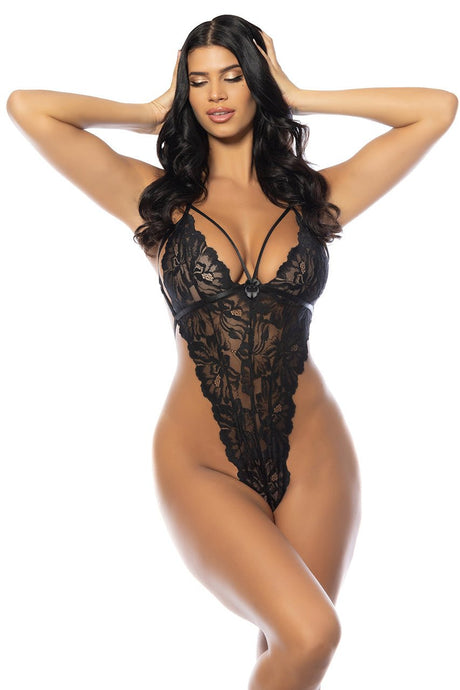
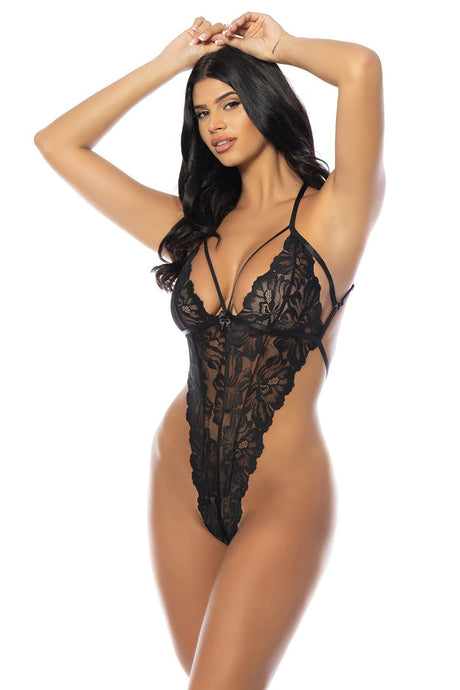
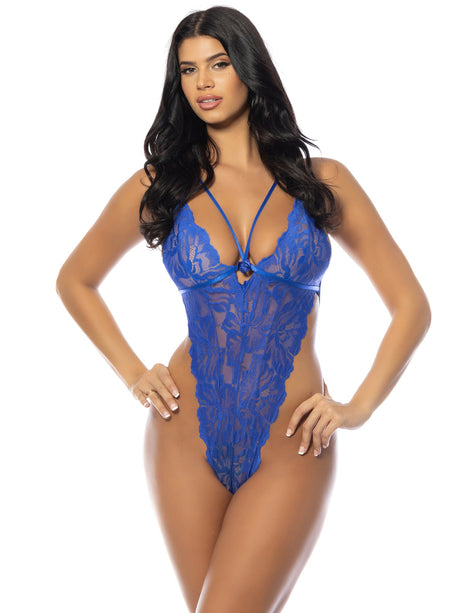
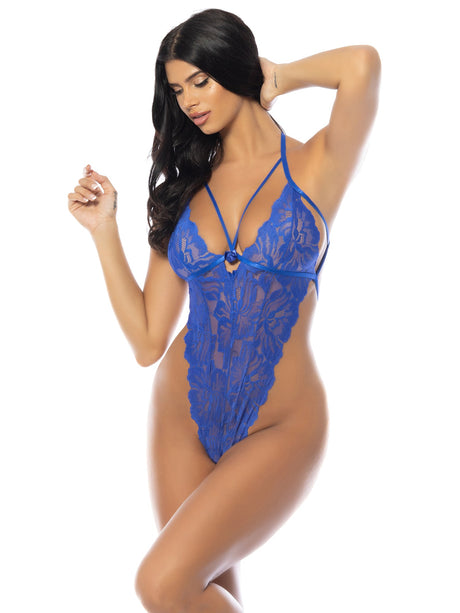
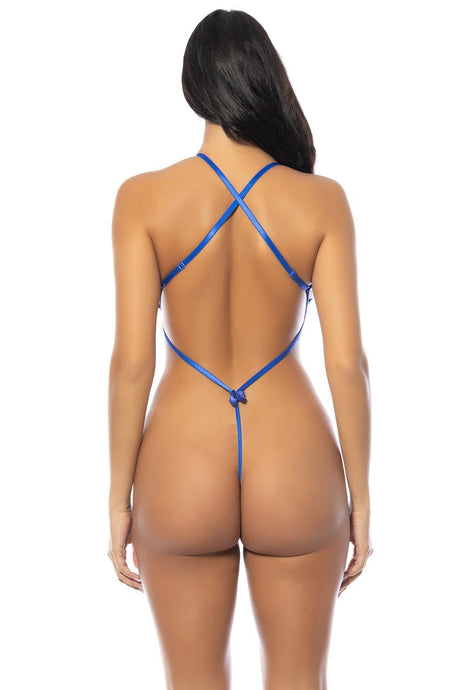
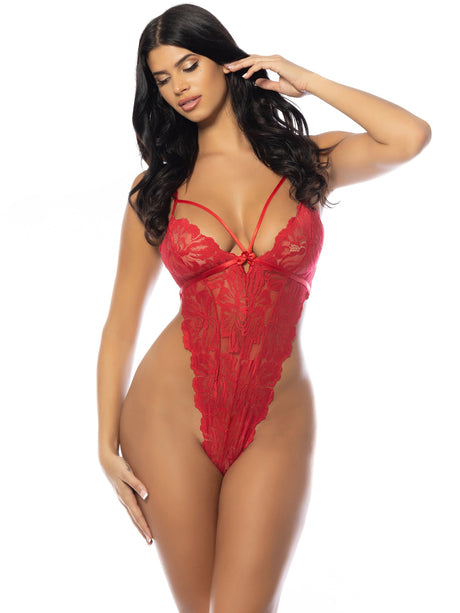
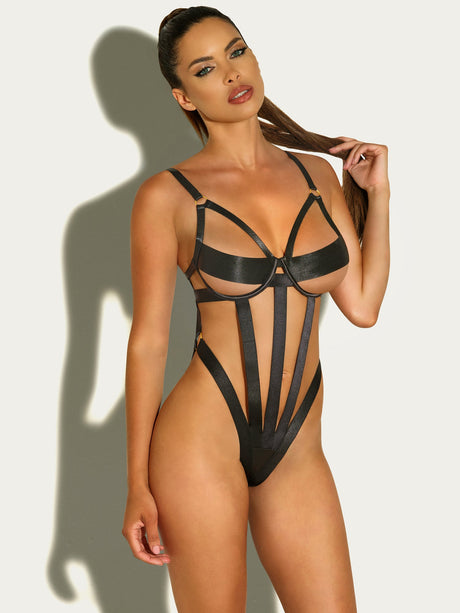
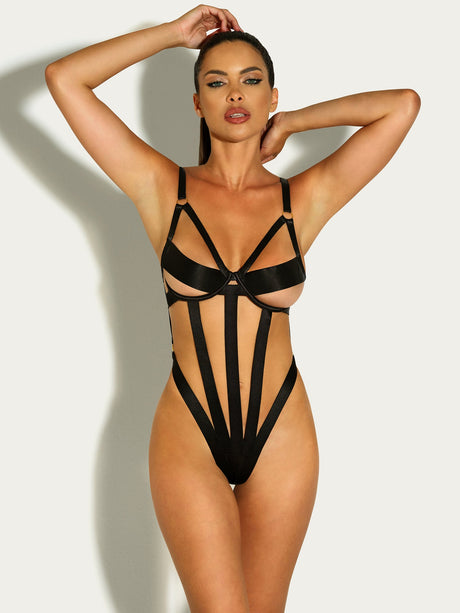
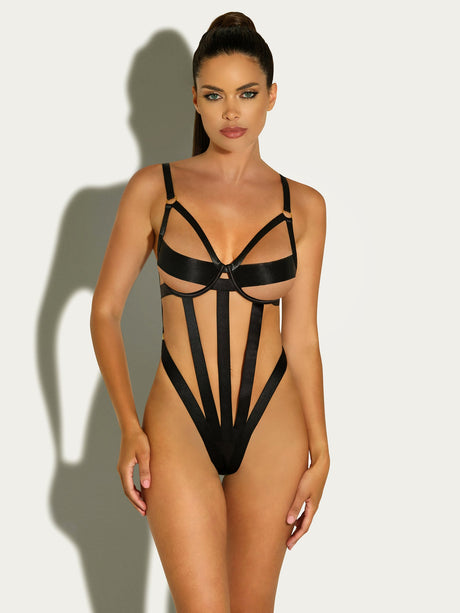
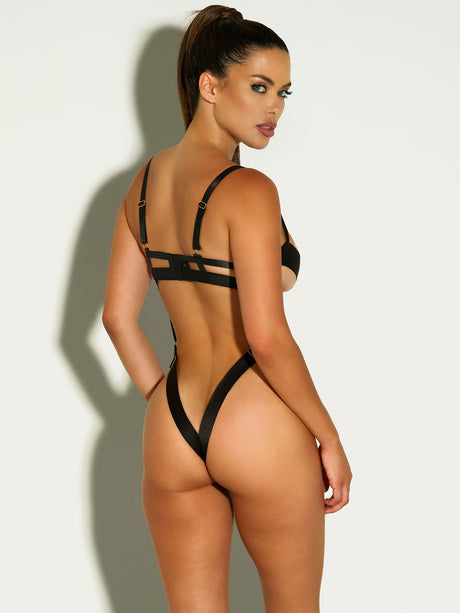
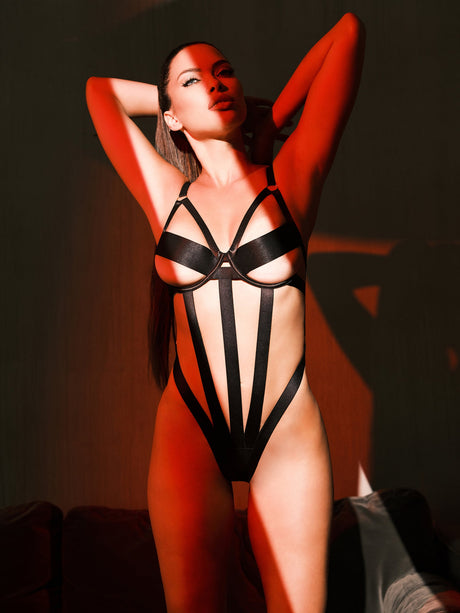
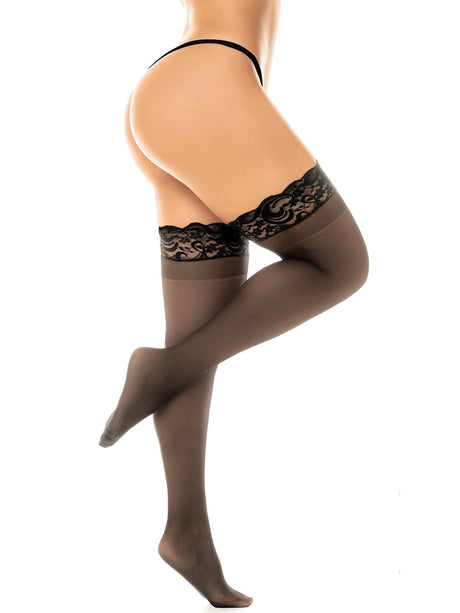
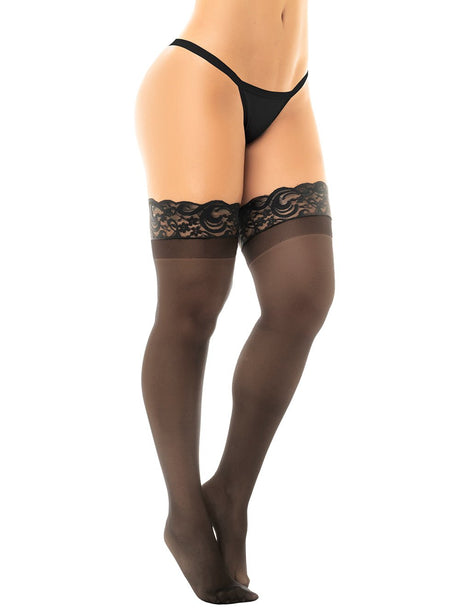
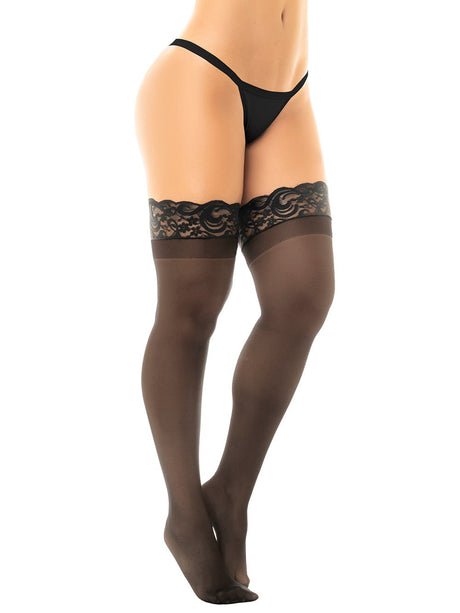
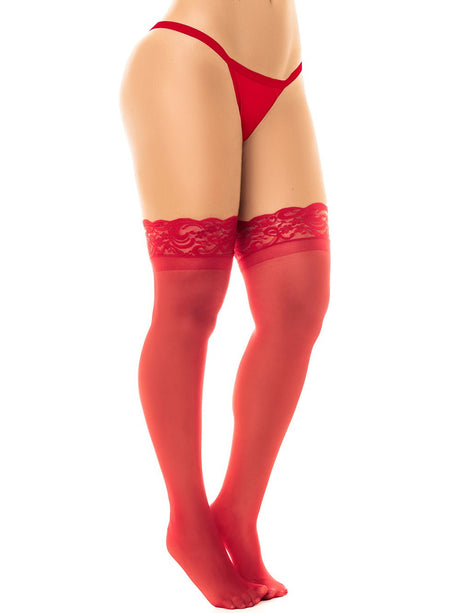
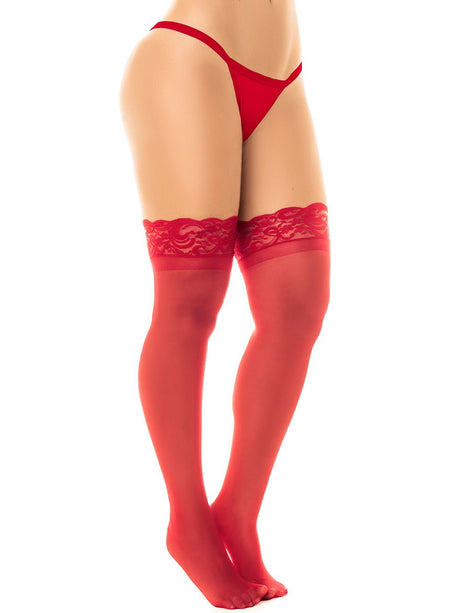
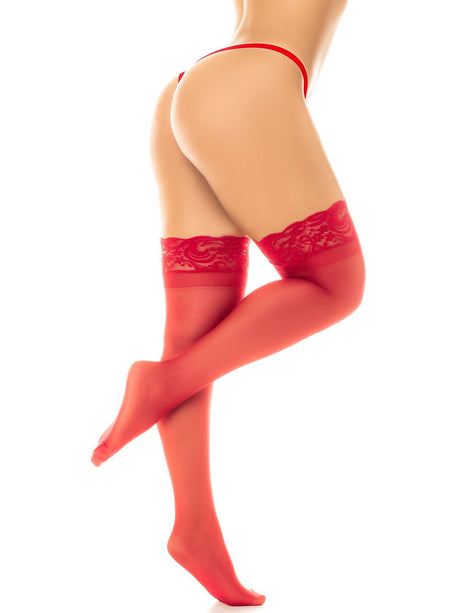
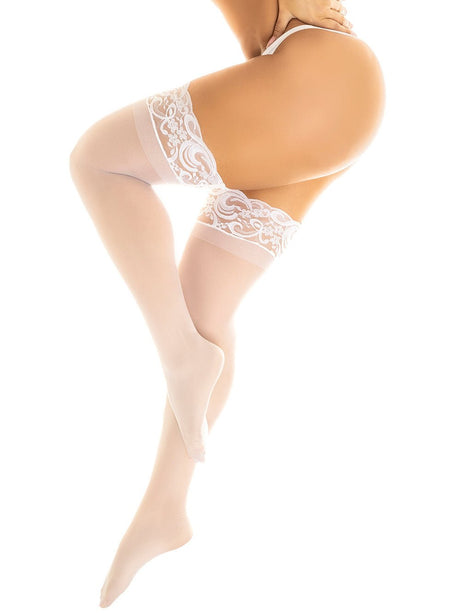
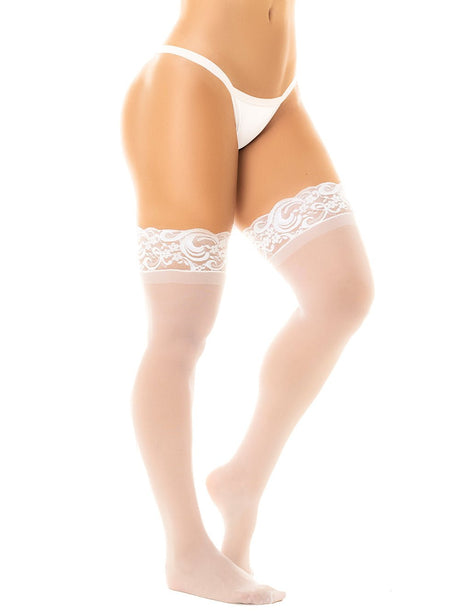
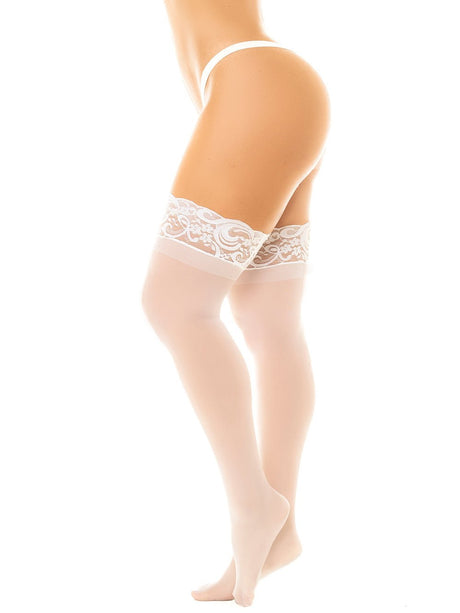
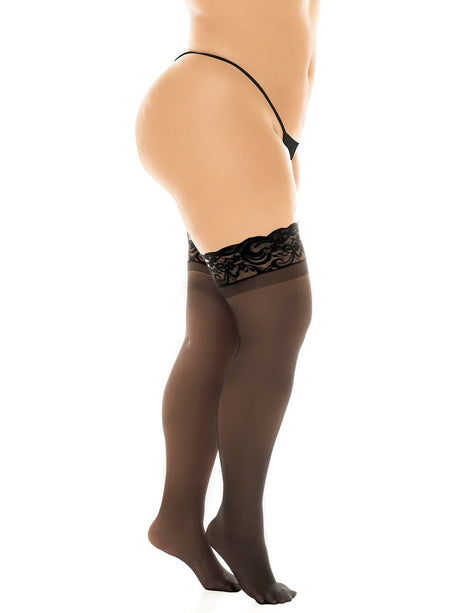
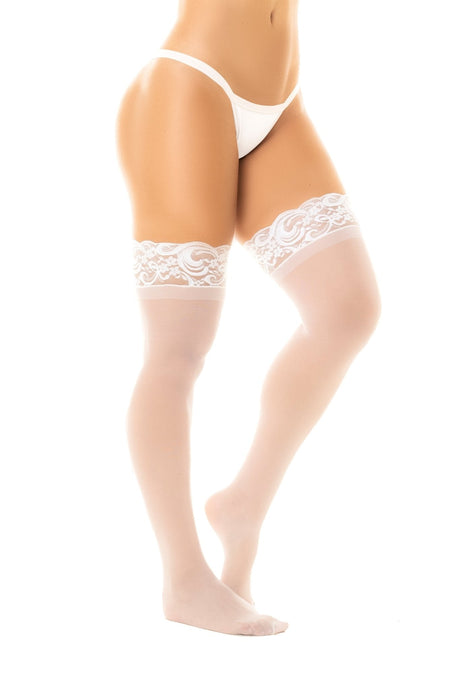
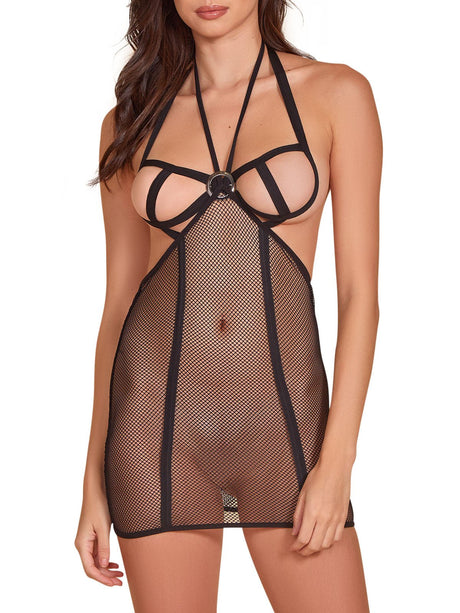
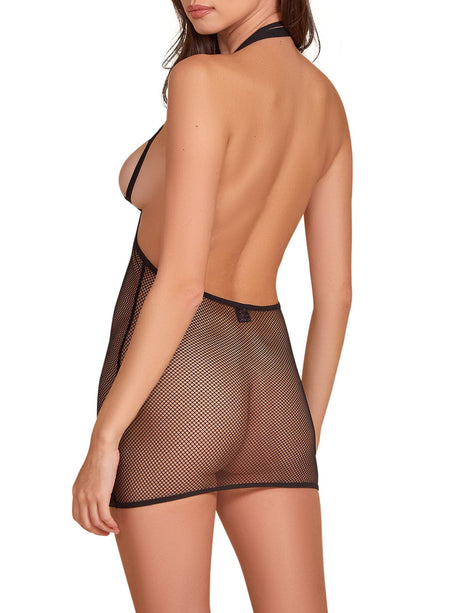
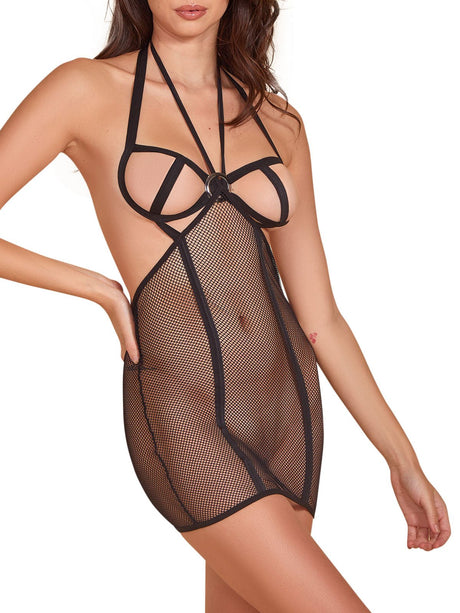
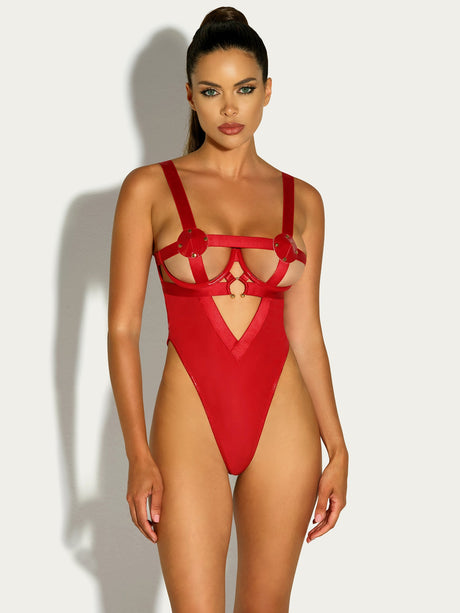
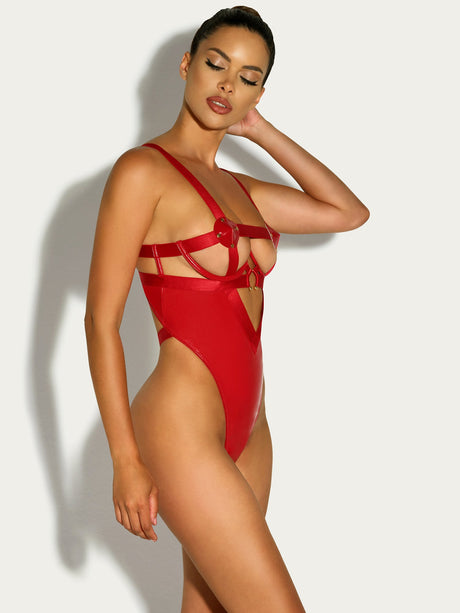
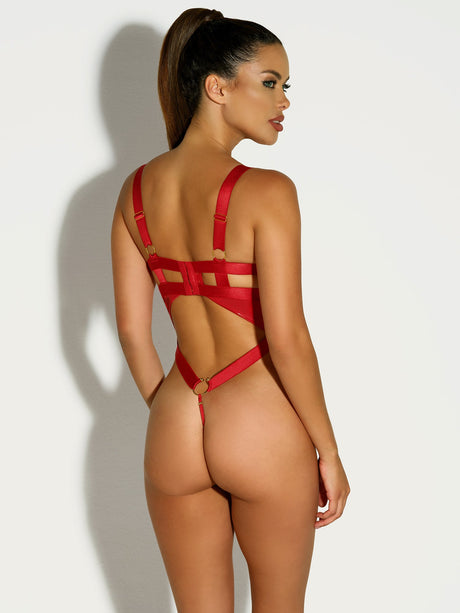
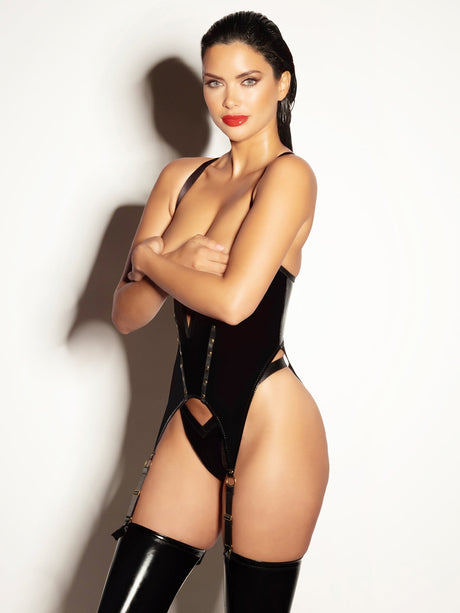
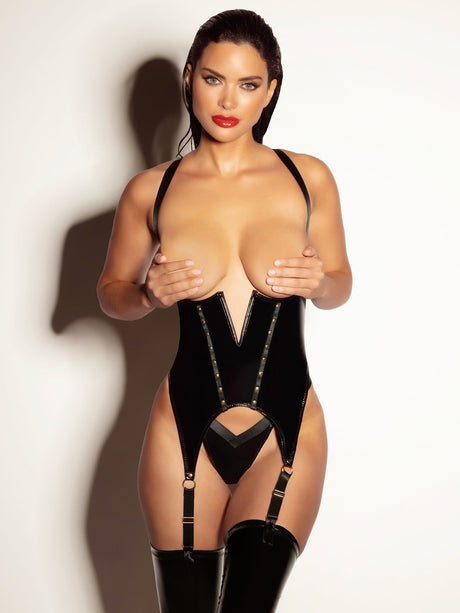
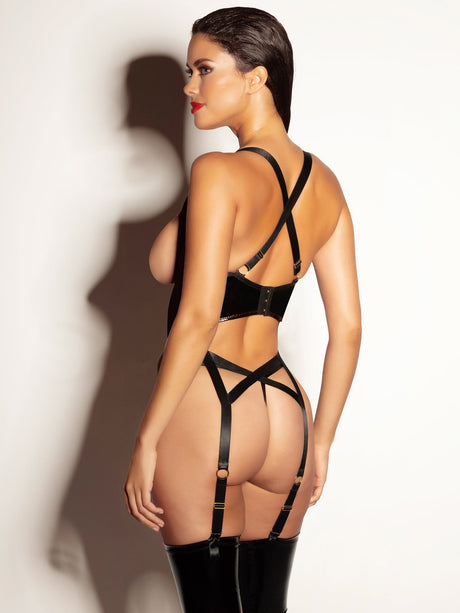
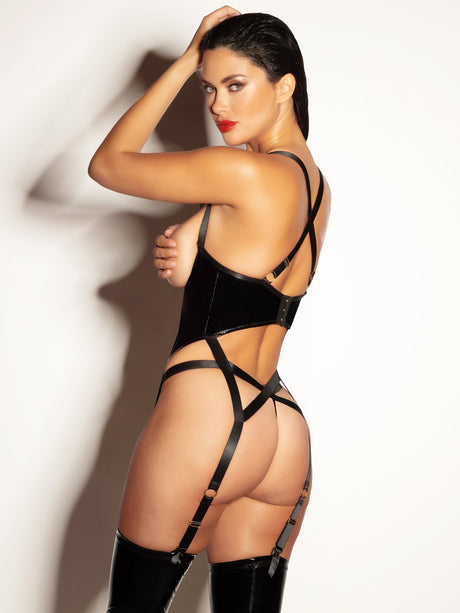
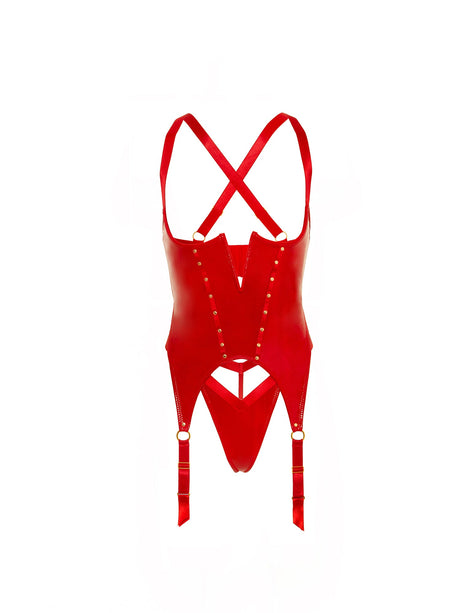
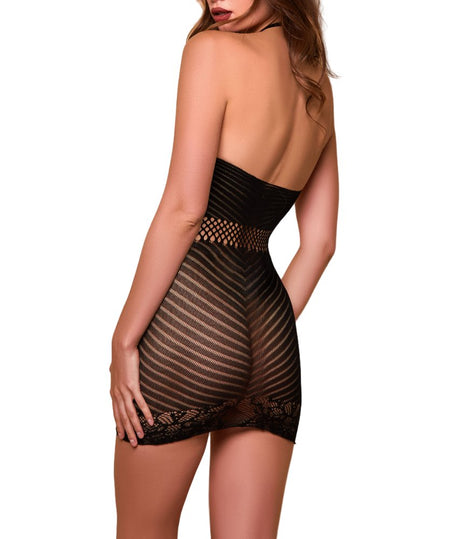
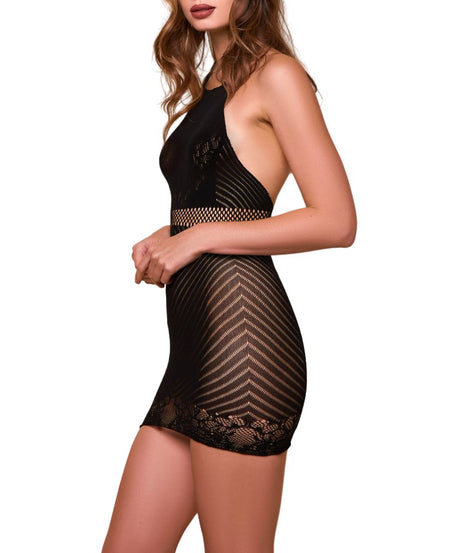
What sells best at HauteFlair, and what does that tell you?
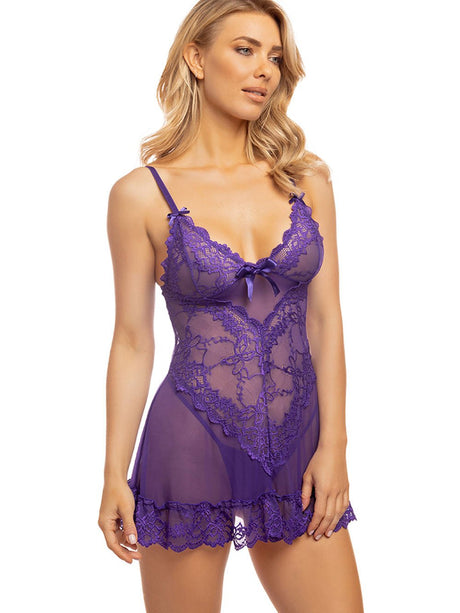
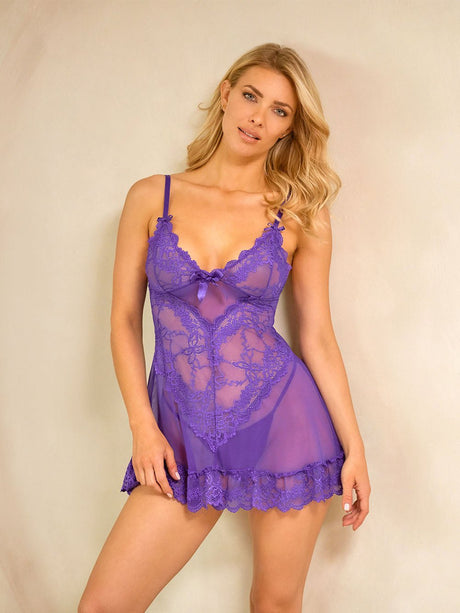
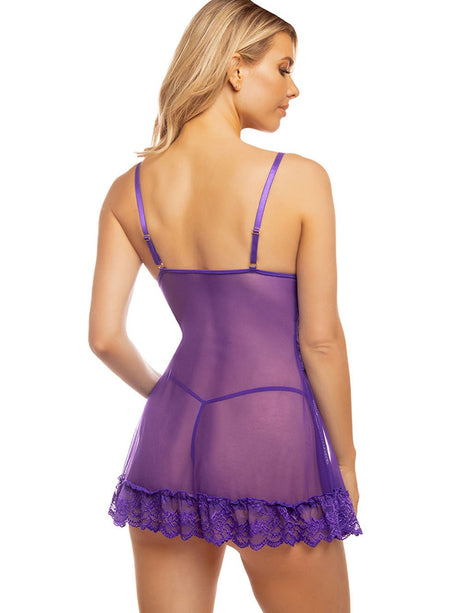
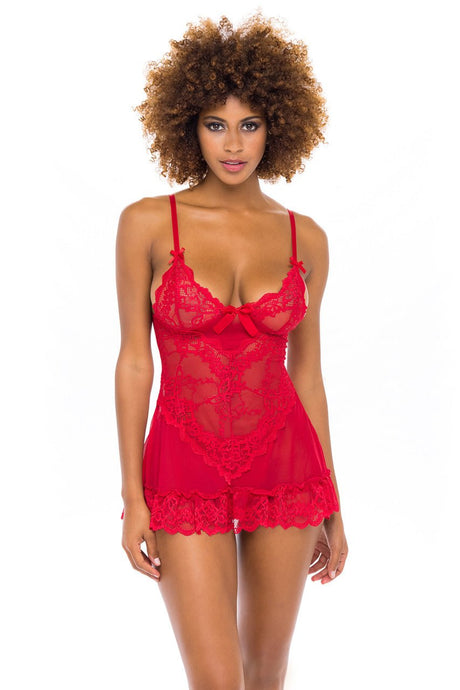
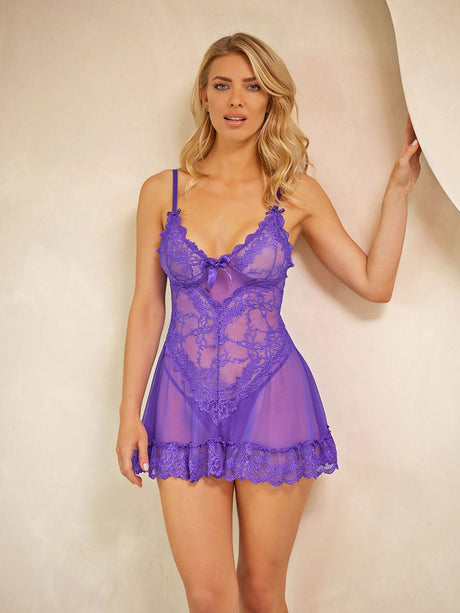
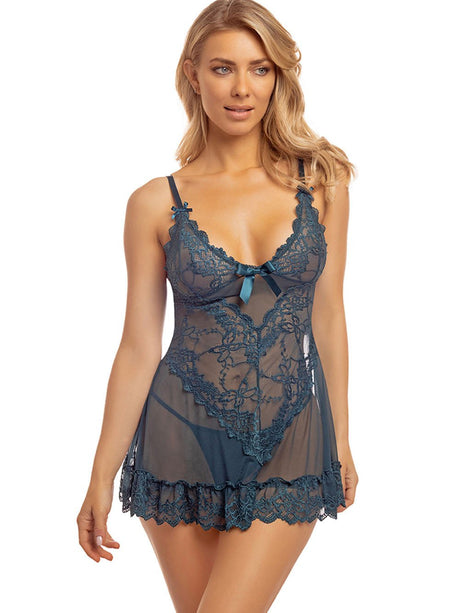
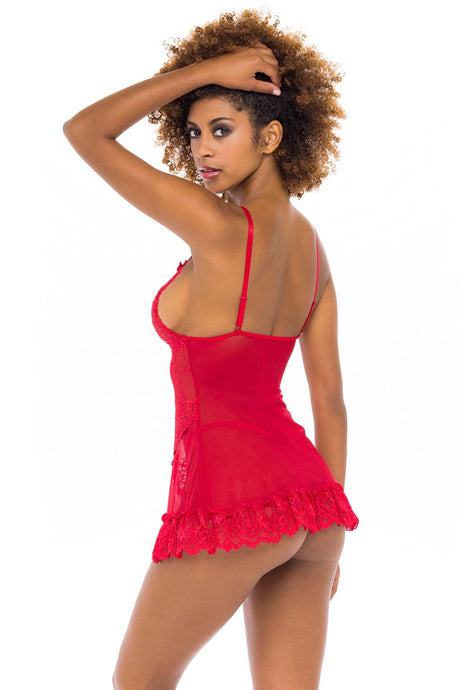
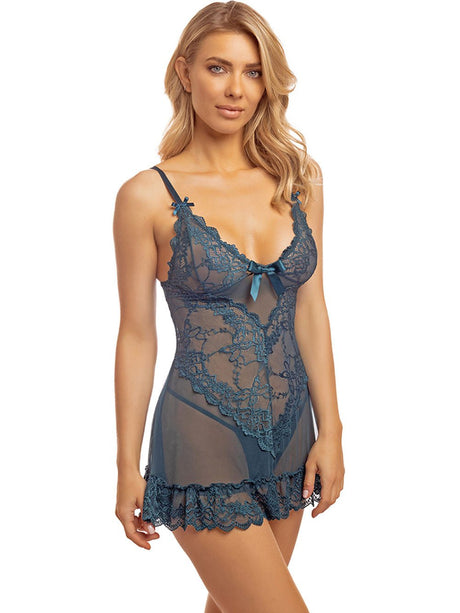
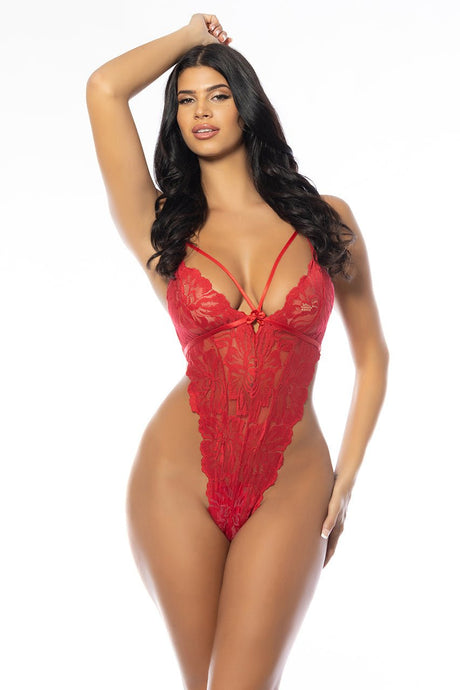
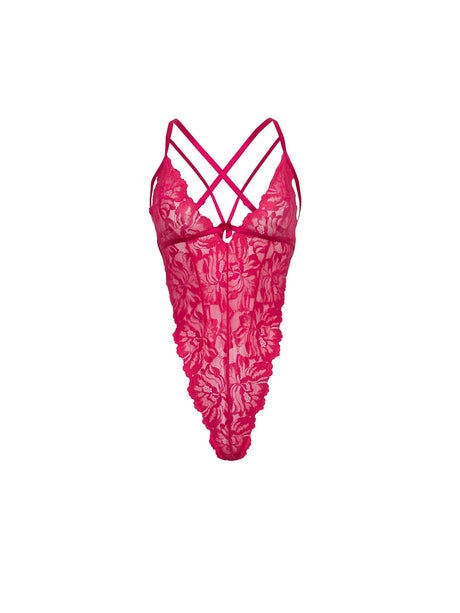
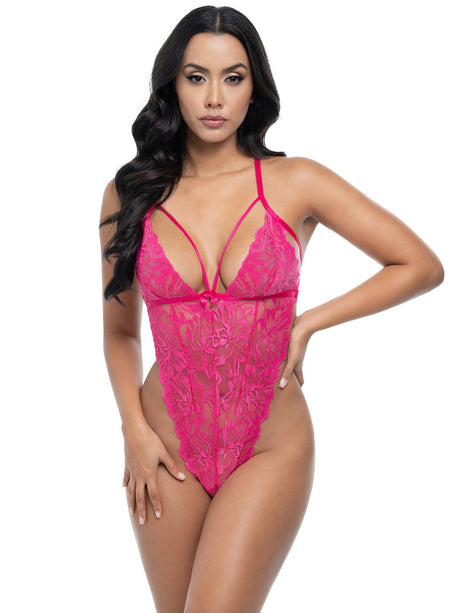
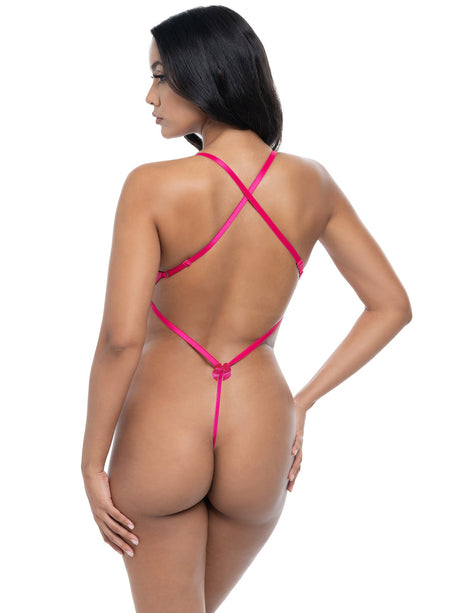
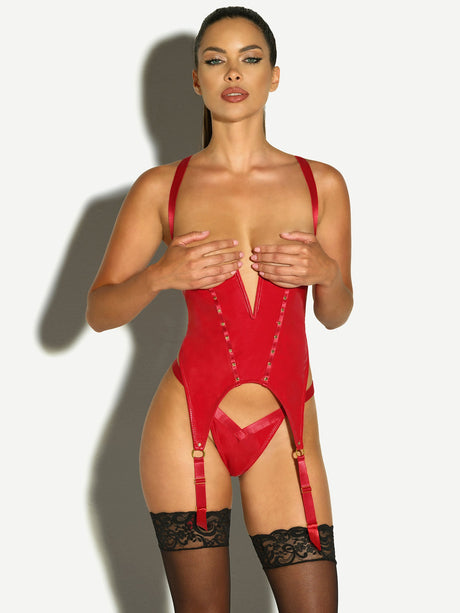
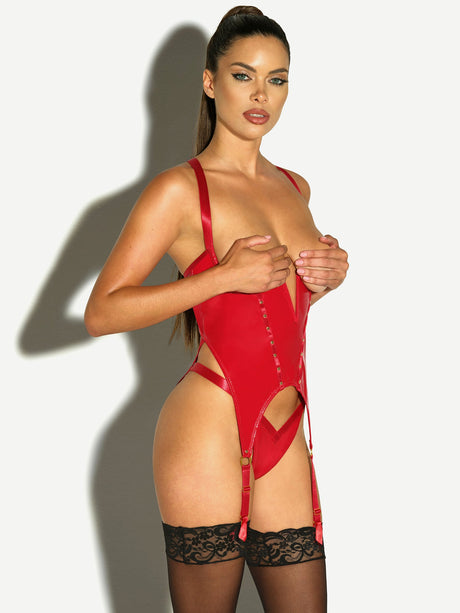
Occasion pieces move fastest by volume and Bracli pearl pieces lead by value, which tells you something more useful than a bestseller list would. Lace teddies, babydolls and bodysuits are the highest-turnover category. Bracli, a Spanish house that strings freshwater pearls onto silk cord in place of a conventional gusset, sits at the top by revenue because those pieces are hand-strung and priced accordingly. Swimwear is quietly the largest category in the shop at roughly 1,800 styles. Everyday bras and shapewear sell steadily without being what the shop is best known for. The useful part is not the ranking, which changes month to month, but what separates pieces that last from pieces that photograph well. That comes down to edges, seams and fastenings rather than lace, and it is visible in a product photograph once you know where to look. This is a HauteFlair review written by HauteFlair, so the parts worth trusting are the construction markers rather than our opinion of our own range.
Bestseller lists date within weeks and tell you what other people bought, which is not the same as what you should buy.
What holds up is knowing how the categories differ, and how to tell good construction from expensive decoration.
- Occasion pieces sell fastest; Bracli pearl leads by value.
- Swimwear is the biggest category, roughly 1,800 styles.
- Judge edges, seams and fastenings, not the lace.
- Pearls should be individually knotted, so a broken cord does not lose the strand.
- Corded lace has depth; guipure has no net; embroidered mesh is flatter and cheaper.
- A shelf cup still will not support much above a D, occasion or not.
- Everyday bras last 9 to 12 months. Occasion pieces last years, worn rarely.
What the Range Actually Divides Into
A catalogue this size looks incoherent until you see that it is really four different businesses sharing a shop front, each with different sizing, different construction priorities and different buyers.
Pearl Construction, and Why It Costs What It Does

The knotting is the tell. On well-made pearl pieces every bead is separated by a small knot in the cord, which does two things worth paying for.
First, it is failure containment. A continuous strand of unknotted pearls loses everything if the cord breaks. A knotted strand loses one pearl and stays intact, which matters on a garment that moves with the body.
Second, it prevents abrasion. Pearls are relatively soft, and beads sitting directly against each other wear at their own surfaces over time, dulling the lustre that is the entire point. A knot holds a fraction of a millimetre between them.
Both have to be done by hand, one knot at a time, which is most of the reason a pearl piece costs what it does. When you compare a hand-strung piece against a cheaper imitation, that is the difference you are looking at, and it is visible if you zoom into the product photograph.
Shop the Range
Occasion pieces, Bracli pearl, swimwear across 1,800 styles, and band-and-cup bras from 28 to 50.
Shop AllWhat We CarryLace, Explained Properly

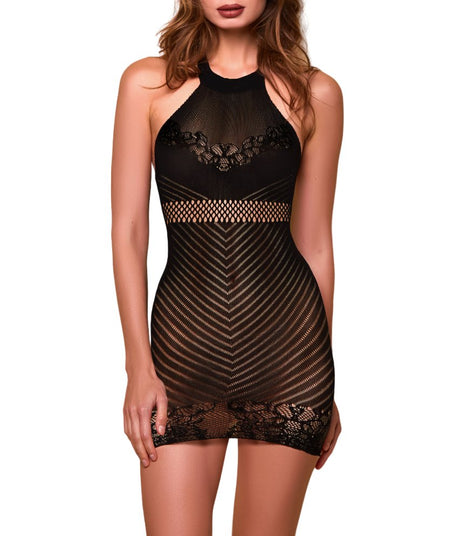
Lace is the least understood material in lingerie, and knowing three constructions tells you most of what you need.
| Type | How it is made | Behaves |
|---|---|---|
| Corded lace | Motifs outlined with a raised cord on a fine net ground | Soft, fluid, with visible depth. The most expensive to produce. |
| Embroidered mesh | Pattern stitched onto a mesh base | Flatter, lighter, cheaper. Fine under clothing. |
| Guipure | Motifs joined to each other with no net between | Heavy, sculptural, holds its own shape. Not discreet. |
| Stretch lace | Any of the above with elastane in the ground | Moves with the body. Necessary in anything fitted. |
The practical consequence: guipure will show under a fitted dress and corded lace usually will not, regardless of how expensive either is. If you want a piece to disappear under clothing, the construction matters more than the price.
How to Judge Quality From a Photograph
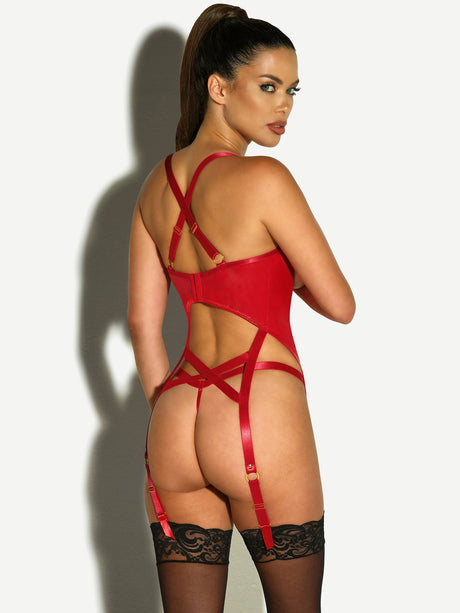
Decorative detail is cheap to add. Finishing is not. So the reliable markers of quality are all in the parts nobody photographs deliberately.
Hand-stringing, corded lace, seamed cups and proper finishing genuinely cost money and genuinely last. A high price attached to a moulded cup with glued trim is buying a label. Both exist at every price point in this category, which is why looking at the construction beats looking at the number.
Occasion Fit Is Still Fit
Pieces worn for an evening get graded on a gentler curve than everyday garments, but the physics does not change just because the occasion did.
The band still carries the weight. On a bodysuit or teddy with a defined cup, the underband is doing the same job it does in a bra, and a loose one transfers load to the shoulders exactly as it would any other day.
A shelf or soft cup still cannot support much above a D. A pull-on elastic band cannot be tensioned to your ribcage, so it provides coverage and shape rather than support. Above a D that is a real limit, and it is the most common source of disappointment in occasion pieces. Where a piece has an underwired, seamed cup sold in bra sizes, that limit lifts.
Size to the widest point on a straight-cut piece. A teddy or bodysuit cut as a column has to clear both bust and hip without pulling. Where those measurements sit in different parts of the chart, go to the larger.
For the full version of that reasoning, see whether a bralette will support you, which covers the same ceiling in more detail.
Making It Last
- Hand wash lace and silk in cool water with a detergent made for delicates. Support the garment rather than lifting it by a strap when wet.
- Never wring. Roll in a towel to remove water, then dry flat away from direct sunlight.
- Never tumble dry. Heat destroys elastane, which is what every fitted garment depends on.
- Store fine lace flat or rolled, not folded. Fold lines set permanently into some laces and guipure in particular.
- Lay pearl pieces flat rather than hanging, so the weight does not stress the cord, and keep them away from perfume and hairspray which dull the lustre.
- Expect nine to twelve months from an everyday bra in rotation, and years from an occasion piece worn rarely. The limiting factor is wear cycles, not age.
People ask what our bestsellers are. The more useful question is what separates a piece that lasts five years from one that lasts five washes, and that is never the part of the garment anyone photographs.
HauteFlair
What This Means for You
The range divides into four parts that behave differently: occasion pieces in alpha sizing, hand-strung pearl at the top of the value range, a large swimwear catalogue, and band-and-cup bras and shapewear from 28 to 50 and A to K.
Rather than shopping a bestseller list, judge the construction. Look at edges, seams, fastenings, whether lace is stitched or glued, and whether the cup is seamed or moulded relative to the size it is sold in. Those five things separate lingerie that lasts from lingerie that photographs well, at any price.
And if the piece has a shelf cup and you are above a D, believe the ceiling rather than the product description.
Across the Range
Occasion and boudoir, Bracli pearl, roughly 1,800 swim styles, and band-and-cup bras from 28 to 50 bands, A to K cups.
Shop AllFind Your SizeFrequently Asked Questions
What sells best at HauteFlair?
What is a Bracli pearl thong?
How do you judge lingerie quality?
What is the difference between Leavers lace and guipure?
How should occasion lingerie fit differently from everyday?
Is expensive lingerie worth it?
How long should good lingerie last?
What sizes does occasion lingerie come in?
Does HauteFlair sell swimwear?
How do I care for lace and silk lingerie?
How should I store pearl lingerie?
What should I buy first if I am new to fine lingerie?
This page is published by HauteFlair about HauteFlair and is not an independent review. Category and catalogue figures reflect the shop at the time of writing and change as stock changes. Construction guidance is general and varies between manufacturers.