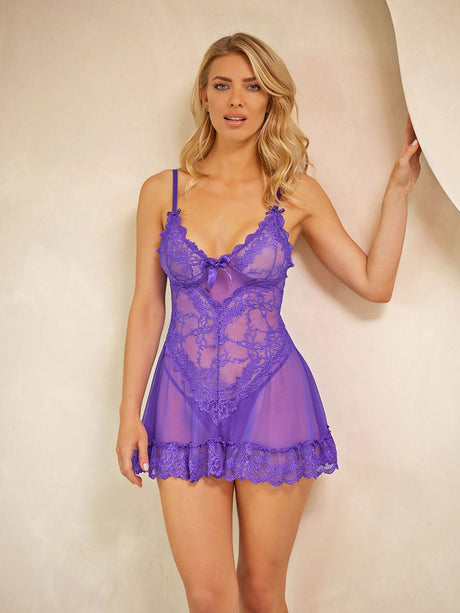
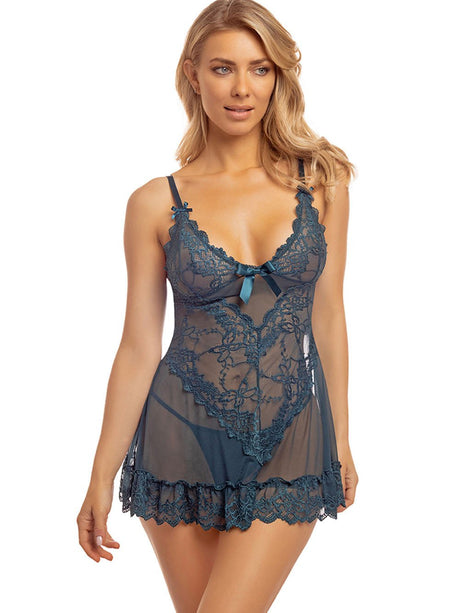
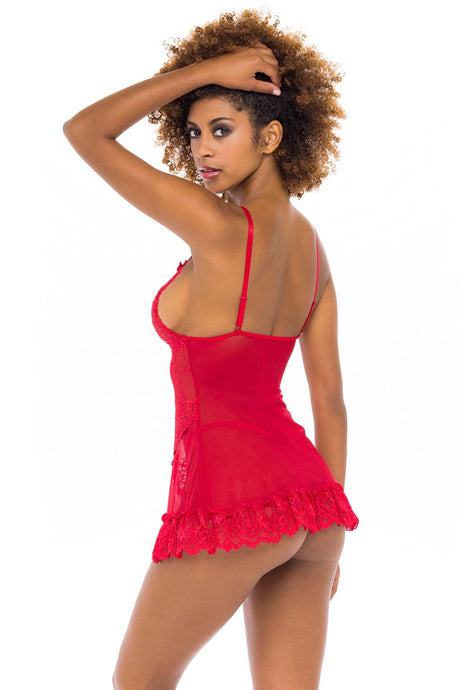
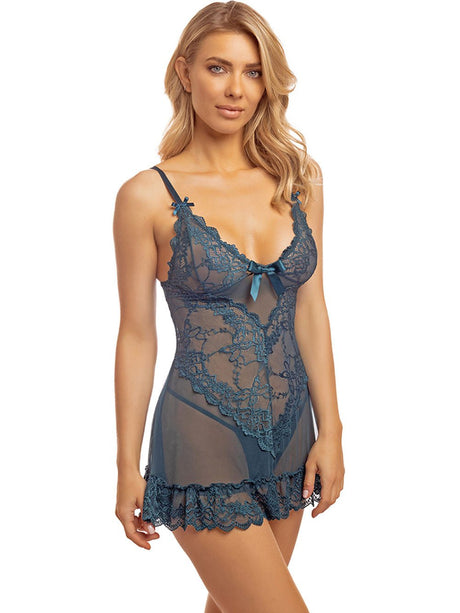
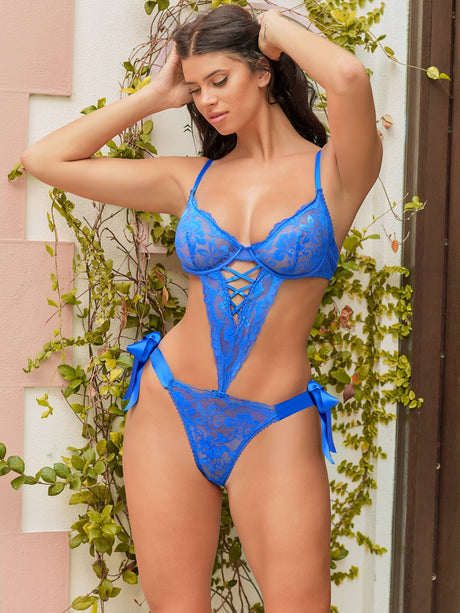
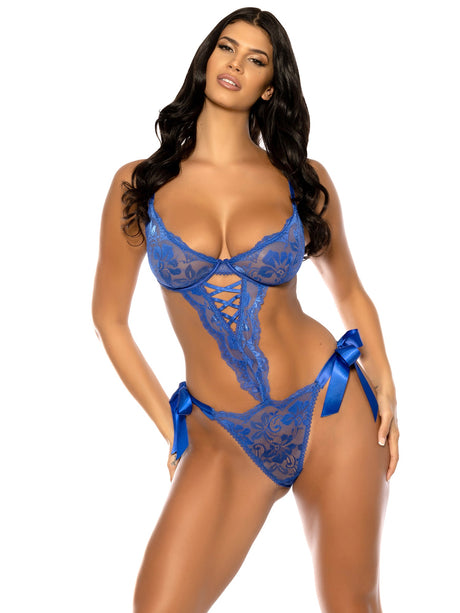
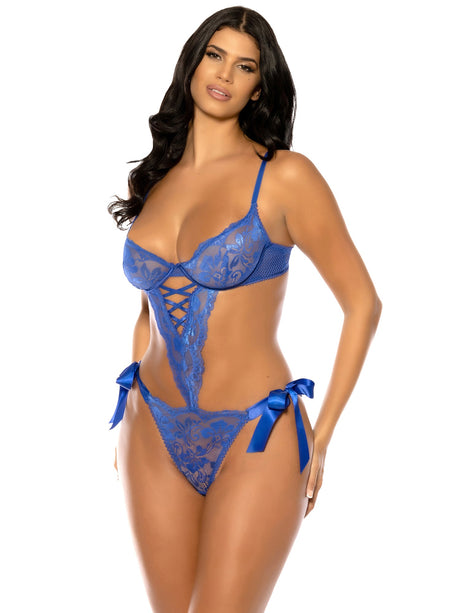
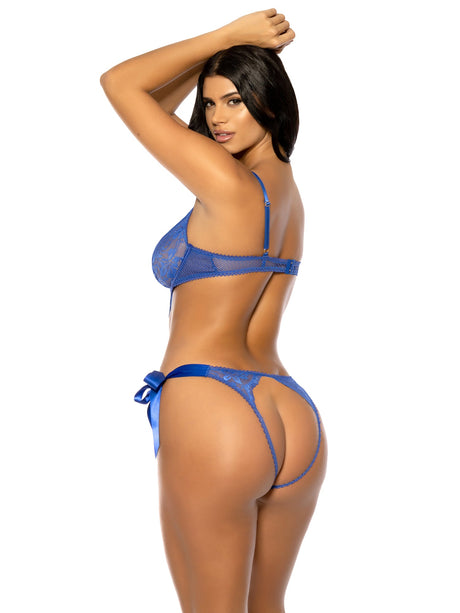
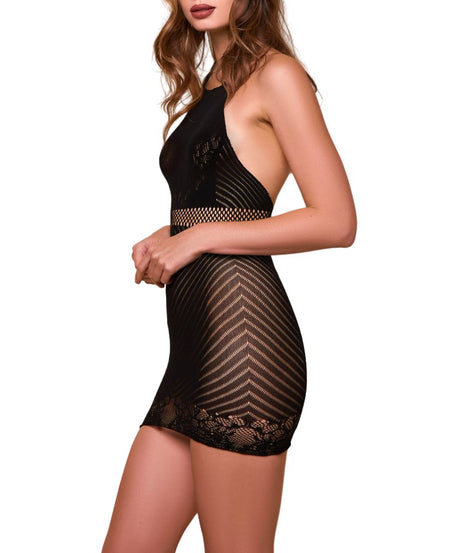
Why does the same body wear four different sizes?
Because two entirely different kinds of sizing system are in play, and only one of them is anchored to your body. Bra sizing is derived: the band comes from your ribcage measurement, the cup from the difference between bust and ribcage. Apply the rule correctly and the same body produces the same size anywhere, because the size is a calculation rather than a decision. Dress and numeric apparel sizing is not derived from anything. Each brand draws up a fit block representing its intended customer and assigns numbers to it, and no regulation requires those numbers to correspond to any particular measurement. A bra size chart is therefore a formula, while a dress size chart is a translation table specific to one brand. Which is why your measurements travel and your size does not.
Most size guides open by promising to help you find your size, as though there were one waiting to be found.
There is not. There are four measurements that belong to you, and a large number of brands with opinions about what to call them. Once that distinction is clear, size charts become straightforward to use.
- Take four measurements once: ribcage under the bust, bust at the fullest point, natural waist, hip at the fullest point.
- Use the numbers, not the letters. Your measurements transfer between brands. Your size does not.
- Bra sizing is derived from your body, so it is genuinely consistent when applied correctly.
- Dress sizing is assigned by each brand, so it is not consistent and never has been.
- Add nothing to the ribcage measurement. The plus-four method is obsolete and inflates the band while deflating the cup.
- Sister sizing is the one reliable adjustment: down a band, up a cup keeps the volume the same.
- Re-measure every 6 to 12 months. Most people are wearing a size that was correct some years ago.
Derived Sizing and Assigned Sizing
A derived size is calculated from your body by a fixed rule, so it is the same wherever the rule is applied correctly. An assigned size is a label a brand attaches to its own pattern block, so it means whatever that brand decided it means. Bra sizing is the first kind. Dress sizing is the second.
This distinction explains almost every frustration people have with size charts, and it is rarely stated because it is not flattering to the apparel industry.
Take the bra system first. Measure the ribcage: that is the band, directly, with no interpretation. Measure the bust and subtract: each inch of difference is a cup letter. There is nothing arbitrary in it. A 36D is a definite claim about a body, which is why bra sizing works reasonably well across brands and why a well-run fitting can hand you a number you have never worn and be right.
Now take dress sizing. What measurement produces a size 10? None. A brand decides its size 10 will fit a particular set of measurements, drafts a block accordingly, and prints the number. A different brand targeting a different customer draws a different block and prints the same number. Neither is incorrect, because there is nothing to be incorrect against. There is no measurement that a size 10 is supposed to be.
Two Minutes, and You Never Guess Again
The guided calculator takes your ribcage and bust measurements and returns your current band, cup and the sister sizes either side.
Bra Size CalculatorShop BrasThe Four Measurements
Take these once, write them down, and keep them in your phone. They are the input to every chart you will ever use.

Ribcage, Directly Under the Bust
Wrap the tape snug and horizontal directly beneath the breast tissue, exhale normally, and round to the nearest even number. Add nothing. The plus-four method dates from an era of non-stretch band fabrics and survives mostly through repetition; adding four inflates the band and deflates the cup at the same time. Measure with no bra or a very thin unpadded one, since a thick band adds to the reading.
Bust, at the Fullest Point
Wrap the tape around the fullest part of the bust, level all the way round and not pulled tight. Wear a non-padded bra that fits reasonably well while you do this, because measuring completely unsupported at larger cup sizes gives a reading that reflects where tissue is resting rather than where it sits when worn. Subtract the ribcage number: each inch of difference is one cup letter.
Natural Waist
The narrowest part of the torso, usually an inch or so above the navel. If you cannot find it, bend sideways; the crease that forms marks it. Keep the tape level and do not hold your breath in, since a measurement taken while braced will not match the one your clothes have to accommodate.
Hip, at the Fullest Point
Usually seven to nine inches below the natural waist, taken with feet together. Keep the tape level all the way around, including at the back. A tape that dips behind you is the most common source of a hip measurement an inch or more too large, and it is the reason a lot of people believe they are between sizes when they are not.
Body measurements vary slightly through a day and across a cycle, with the ribcage and waist moving most. If you are comparing measurements taken months apart, take them at a similar time of day and, where relevant, a similar point in your cycle. A half-inch difference between two readings is much more likely to be timing than genuine change.
Bra Size Conversions
Band numbers are consistent between the US and UK. Cup letters diverge above a D, because the two systems name the same volumes differently rather than measuring them differently.
| Difference (in) | US cup | UK cup | EU cup |
|---|---|---|---|
| 1 | A | A | A |
| 2 | B | B | B |
| 3 | C | C | C |
| 4 | D | D | D |
| 5 | DD | DD | E |
| 6 | DDD / F | E | F |
| 7 | G | F | G |
| 8 | H | FF | H |
| 9 | I | G | I |
| 10 | J | GG | J |
EU band numbers differ too: they are given in centimetres rather than inches, so a UK or US 34 band is broadly an EU 75, a 36 is an 80, a 38 an 85 and so on in five-centimetre steps. Because these are rounded conversions rather than exact equivalents, treat a converted size as a starting point and expect to try the sister size either side.
Sister Sizes: The One Adjustment Worth Memorising
Sister sizes are bra sizes holding the same cup volume on different bands. Go down one band and up one cup, or up one band and down one cup, and the volume stays constant while the band changes. A 34D, a 32DD and a 36C all hold roughly the same amount.
This is genuinely useful because band and cup fit fail in different ways, and the instinctive correction is usually wrong. If the band rides up or feels loose, the answer is not a smaller cup; it is a smaller band with a larger cup letter, which keeps the volume you need while restoring the tension you lost. If the band digs and leaves marks, the reverse.
| If your size is | Band too loose, try | Band too tight, try |
|---|---|---|
| 34C | 32D | 36B |
| 36D | 34DD | 38C |
| 38DD | 36F | 40D |
| 40F | 38G | 42E |
The cup letter changing does not mean your body changed. It means the letter is a relative measure, not an absolute one: a D is always four inches more than whatever band it sits on, so moving the band necessarily moves the letter.
Apparel Conversions, and Why to Distrust Them
The usual rules of thumb are that a US size plus four gives the UK equivalent, and a US size plus thirty gives the EU. So a US 8 is broadly a UK 12 and an EU 38.
| US | UK | EU | Approx. bust (in) | Approx. waist (in) |
|---|---|---|---|---|
| 4 | 8 | 34 | 34 | 26 |
| 8 | 12 | 38 | 37 | 29 |
| 12 | 16 | 42 | 40 | 32 |
| 16 | 20 | 46 | 43 | 35 |
| 20 / 1X | 24 | 50 | 47 | 40 |
| 24 / 3X | 28 | 54 | 51 | 44 |
The measurement columns above are broad averages rather than a standard, and they will not match a given brand precisely. Every reputable retailer publishes a chart mapping its own sizes to measurements in inches or centimetres. Use that chart, not this one, and not your remembered size. This table is here to explain the relationship between systems, not to replace the brand’s own numbers.

Four Reasons Charts Disagree
People apologise for being a different size in different shops, as though they had done something inconsistent. The shops are the inconsistent ones. The body has been the same all along.
HauteFlair Fit Team
What This Means for You
There is no such thing as your size in any absolute sense, and looking for one is what makes size charts frustrating. What exists is four measurements, and a large number of brands with different opinions about what to call them.
So take the four numbers, keep them somewhere you can find them, and use the brand’s own chart every time rather than a remembered letter. For bras, remember that the size is a calculation you can do yourself, and that sister sizing is the correct adjustment when the band is wrong. For everything else, expect variation and stop treating it as information about your body.
Re-measure every six to twelve months. Almost everyone is carrying a number that was accurate at some point in the past.
Find Your Current Size
The guided calculator returns your band, cup and sister sizes in about two minutes. Bands 28 to 46, cups A to K, with free returns on unworn bras.
Bra Size CalculatorShop BrasFrequently Asked Questions
Why are women's sizes so inconsistent between brands?
How do I measure my bra size at home?
What is the difference between US and UK bra sizes?
What are sister sizes?
What is vanity sizing?
Should I go by my measurements or my usual size?
How do I convert US dress sizes to UK or EU?
Why does my bra size change between brands?
How often should I re-measure?
Do I measure with a bra on or off?
What does a plus size chart mean?
Why do two brands both call me a different size?
How do I measure my hips correctly?
Is there an international standard for clothing sizes?
What is the most useful measurement to know?
This article is for informational purposes only. Conversion tables shown are approximations intended to explain the relationship between sizing systems, not substitutes for a specific brand's published measurements. Always use the size chart provided by the retailer you are buying from. HauteFlair offers free returns on unworn bras.