Timpa
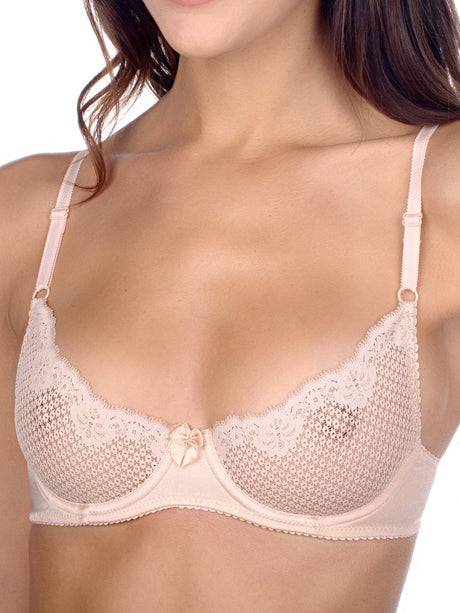
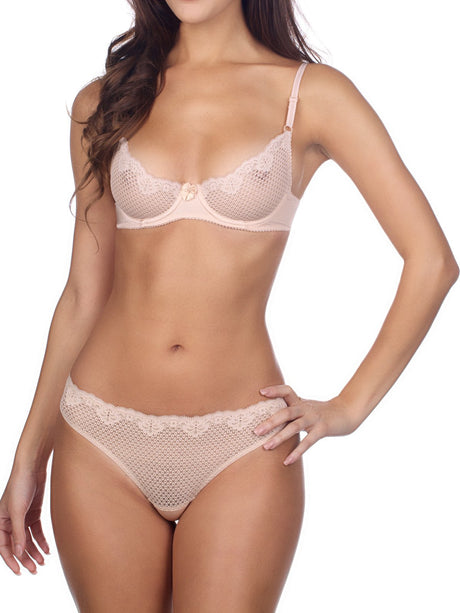
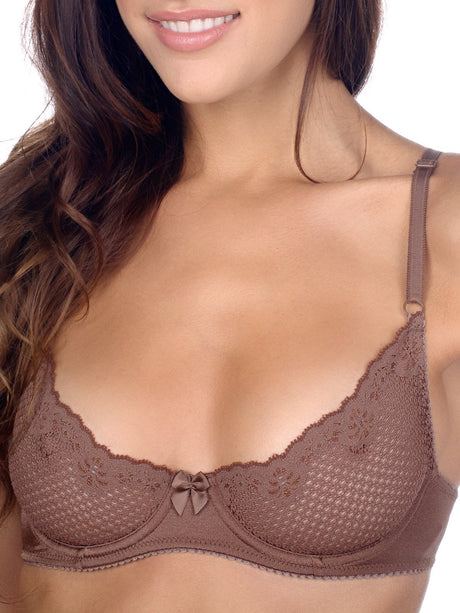
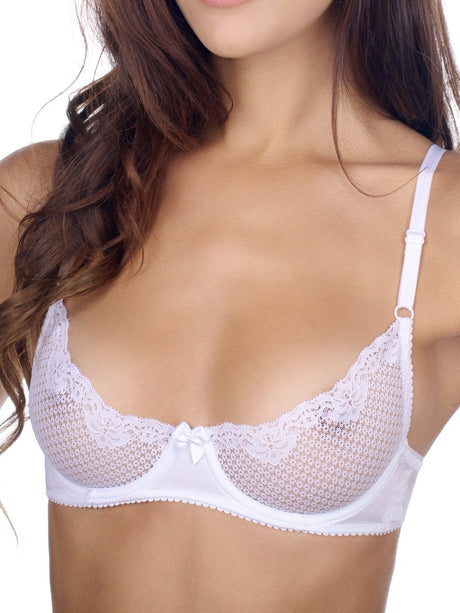
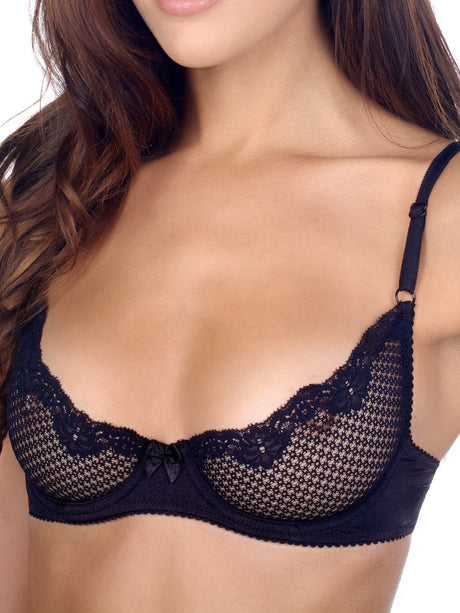
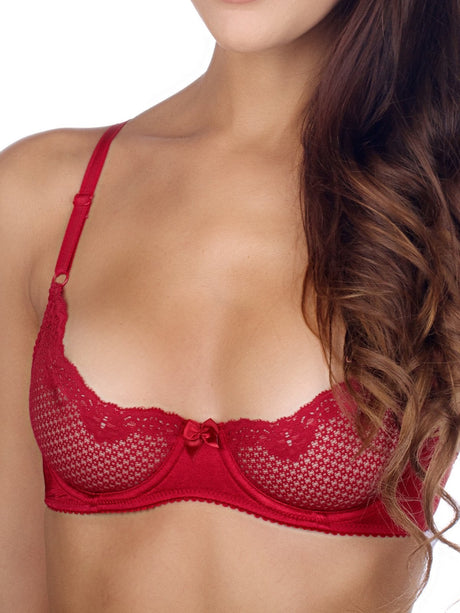
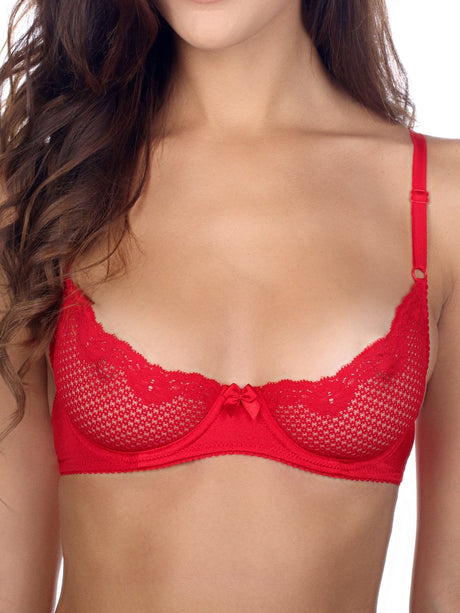
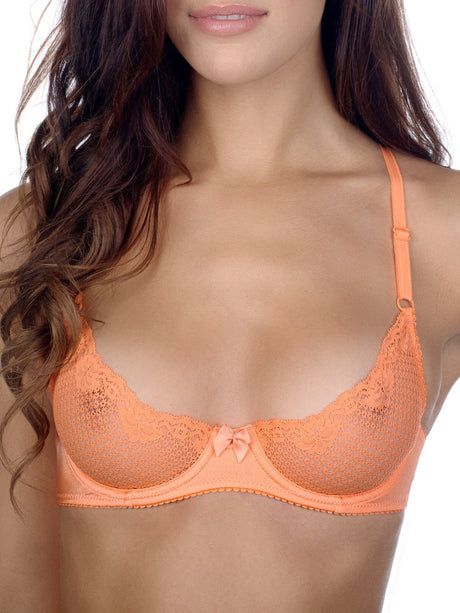
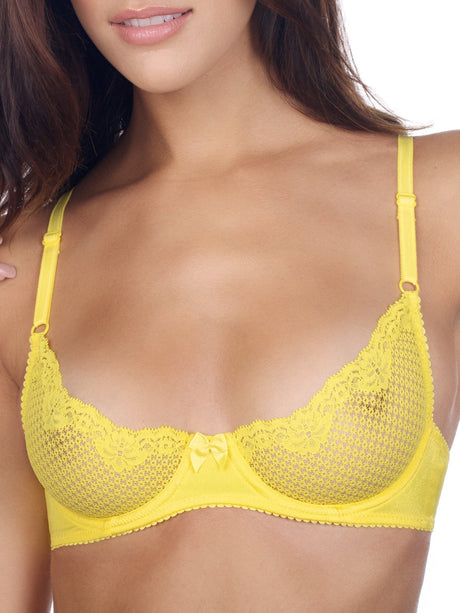
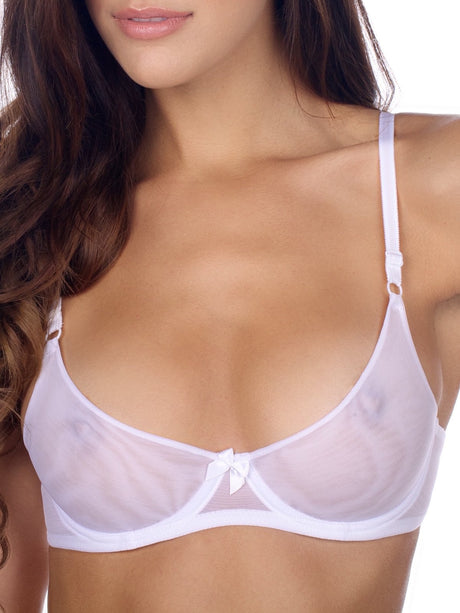
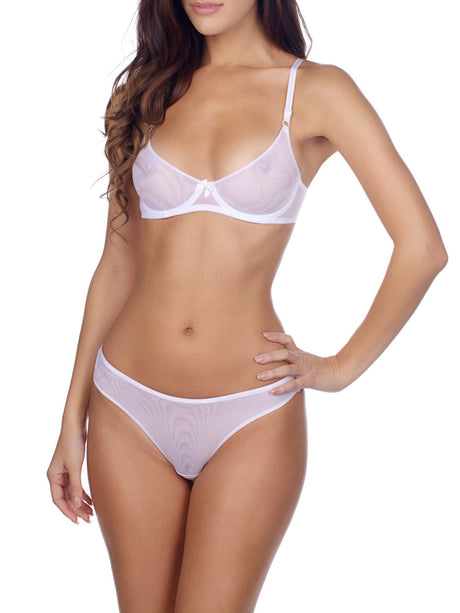
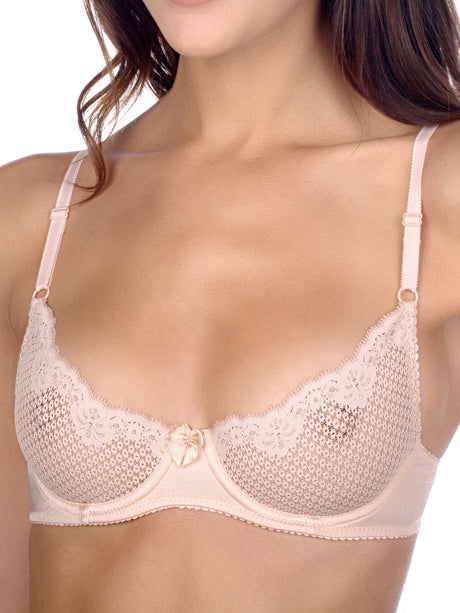
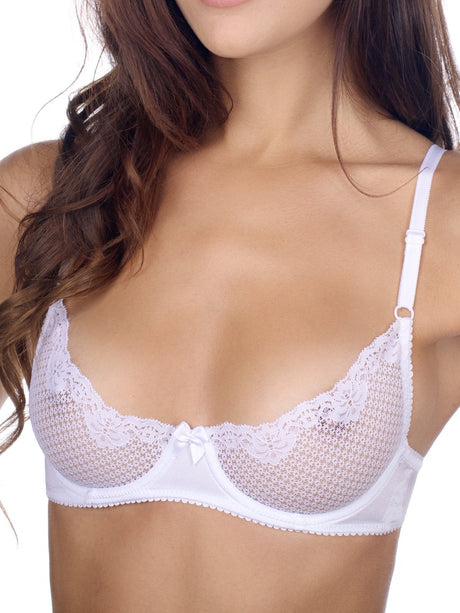
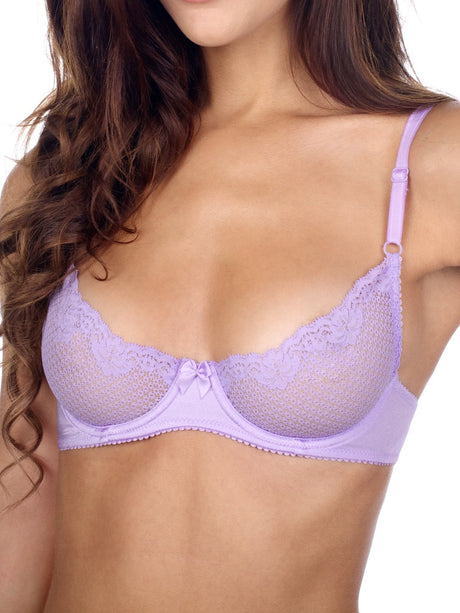
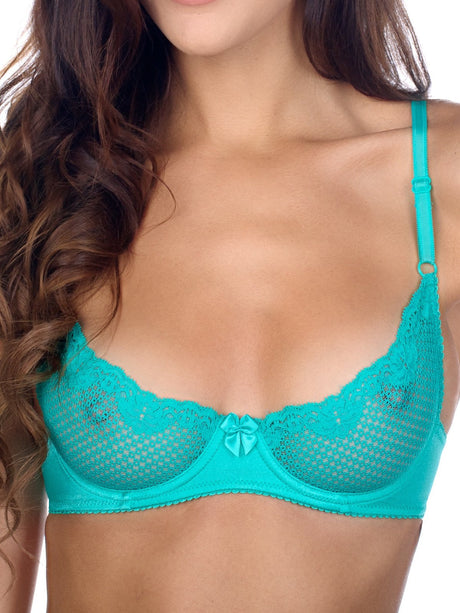
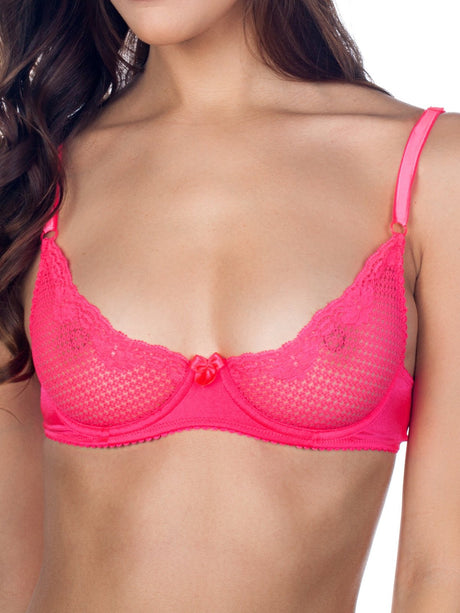
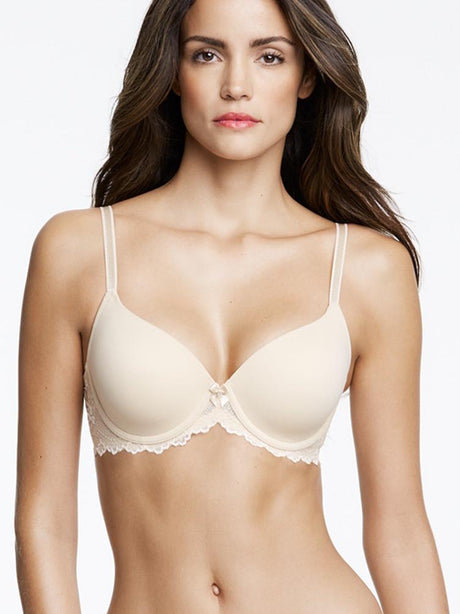
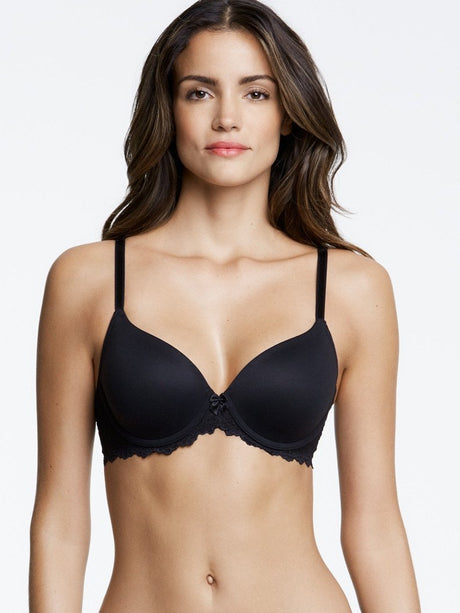
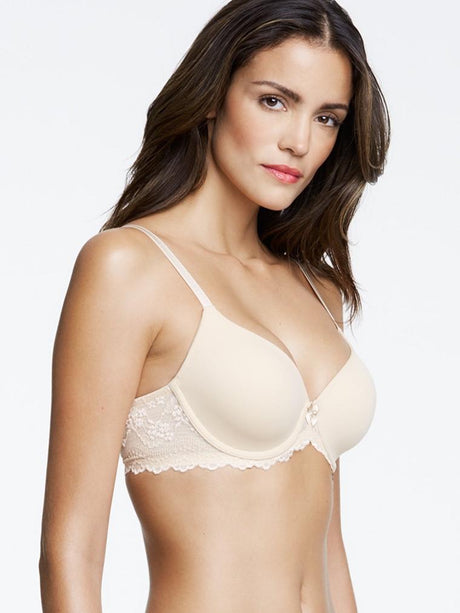
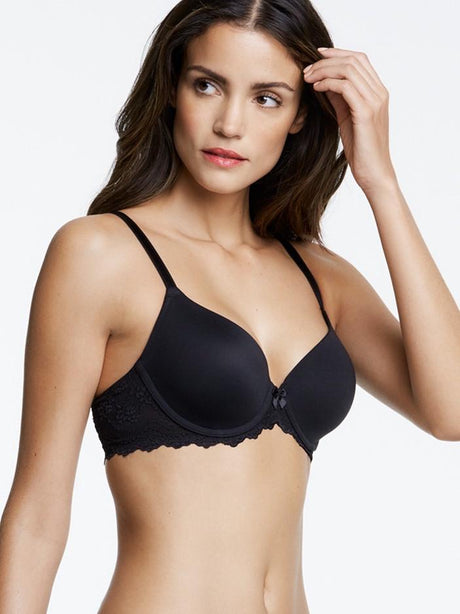
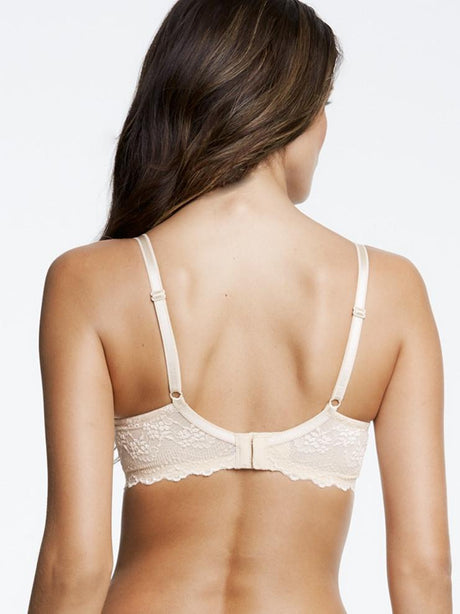
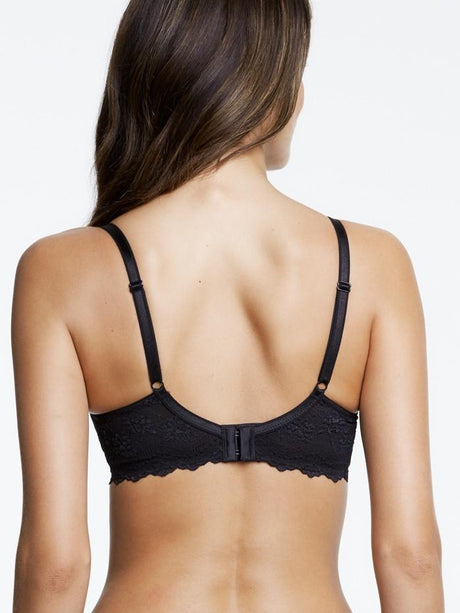
Women's Sheer Lace Underwire Demi Bra – Alice Duet 16449
+1Starting at $36.00Unit price /Unavailable-
-
-
-
Fashion Forms
Women's Bridal Adhesive Backless Strapless Bra – Go Bare
$36.00Unit price /Unavailable-
Dominique
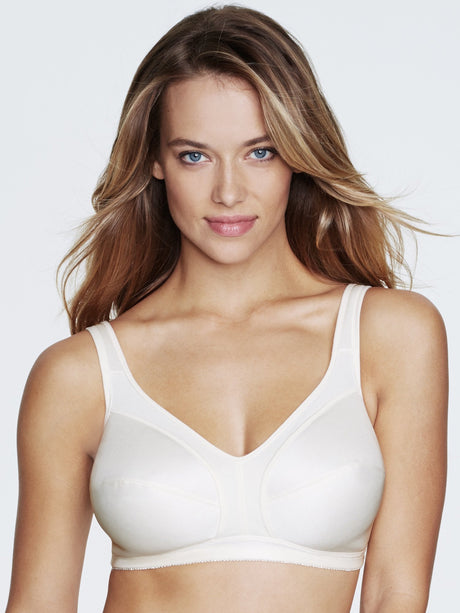
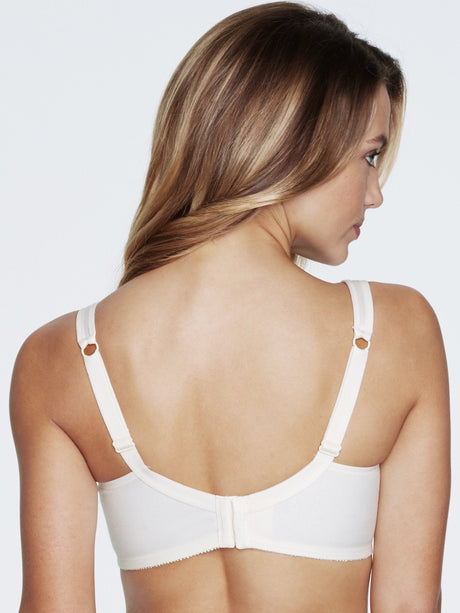
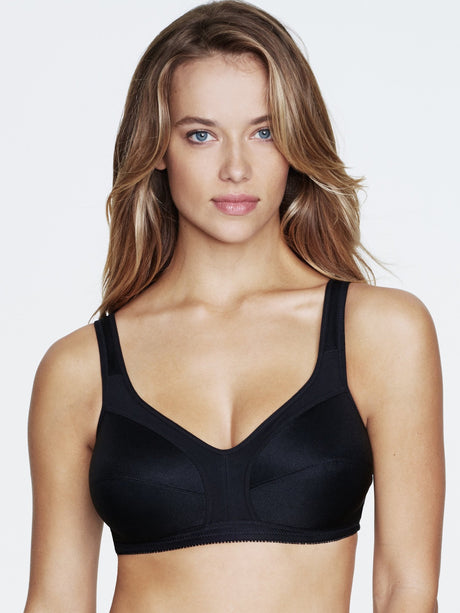
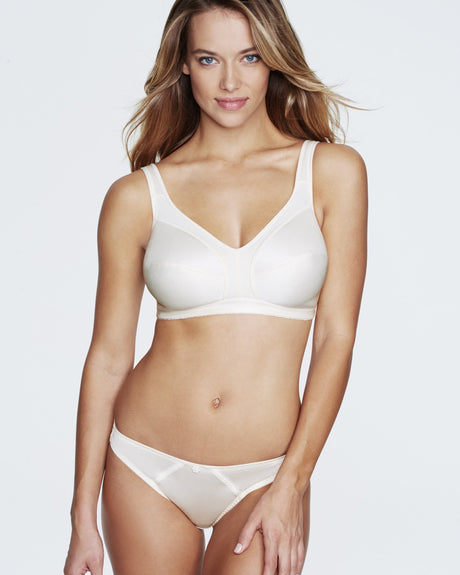
Isabella Plus Size Cotton Lined Wireless T-Shirt Bra, Dominique 5316
$34.00Unit price /Unavailable-
Fashion Forms
Women's Adhesive Backless Strapless Plunge Bra – U Plunge 16536
$36.00Unit price /Unavailable-
Fashion Forms
Women's Lace Adhesive Backless Strapless Push-Up Bra – Ultimate Boost
$36.00Unit price /Unavailable-
Fashion Forms
Women's Adhesive Backless Strapless Padded Bra – Le Lusion 16563
$40.00Unit price /Unavailable-
Dominique
Lacee Plus Size Padded Contour Underwire T-Shirt Bra, Dominique 3501
$58.00Unit price /Unavailable-
Dominique
Seamless Push-Up Padded Underwire T-Shirt Bra, Dominique 3500
$54.00Unit price /Unavailable-
Natori
Natori Bliss Perfection Wireless Racerback Day Bra
Almost gone (1 unit)$40.00Unit price /Unavailable-
Natori
Natori Plus Size Pretty Smooth Zip Front Pocketed Wireless Bra
$75.00Unit price /Unavailable-
-
Natori
Natori Pure Luxe Convertible Front-Close Contour Underwire Bra
$70.00Unit price /Unavailable-
-
-
-
-
-
-
-
-
-
-
-
-
-
-
-
Natori
Natori Feathers Luxe Sheer Mesh Contour Underwire Plunge T-Shirt Bra
$60.00Unit price /Unavailable-
-
Skarlett Blue
Rouse Full Coverage Lightly Lined Strapless Bra, Skarlett Blue 339221
$62.00Unit price /Unavailable-
Skarlett Blue
Breathless Strapless Plunge Push-Up Bra, Skarlett Blue 329171
$60.00Unit price /Unavailable-
Skarlett Blue
Entice Convertible Multi-Way Strapless Underwire Bra, Skarlett Blue 329143
$66.00Unit price /Unavailable-
Skarlett Blue
Goddess Convertible Multi-Way Strapless Bra, Skarlett Blue 329101
$56.00Unit price /Unavailable-
Skarlett Blue
Spellbound Front Close Spacer Bra, Skarlett Blue 328212
$60.00Unit price /Unavailable-
-
-
Skarlett Blue
Breathless Convertible Multi-Way Push-Up Bra, Skarlett Blue 327171
$60.00Unit price /Unavailable-
-
-
-
-
-
Skarlett Blue
Entice Full Bust Balconette Bra, Skarlett Blue 324143
+11$66.00Unit price /Unavailable-
-
Skarlett Blue
Insider Convertible Multi-Way T-Shirt Bra, Skarlett Blue 321250
$56.00Unit price /Unavailable-
Skarlett Blue
Entice Lightly Lined Longline Bra, Skarlett Blue 321240
$70.00Unit price /Unavailable-
Skarlett Blue
Goddess Convertible Multi-Way T-Shirt Bra, Skarlett Blue 321213
$50.00Unit price /Unavailable-


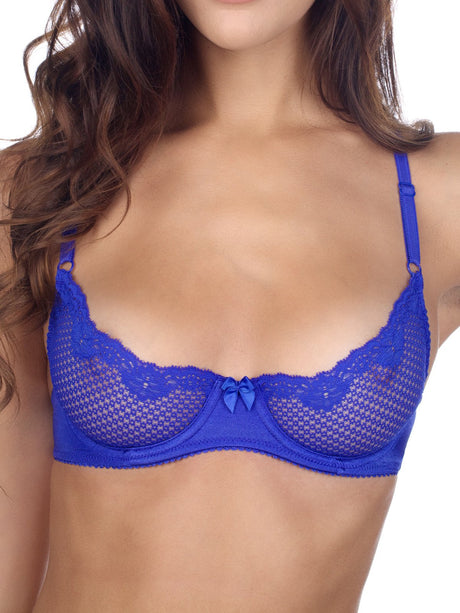
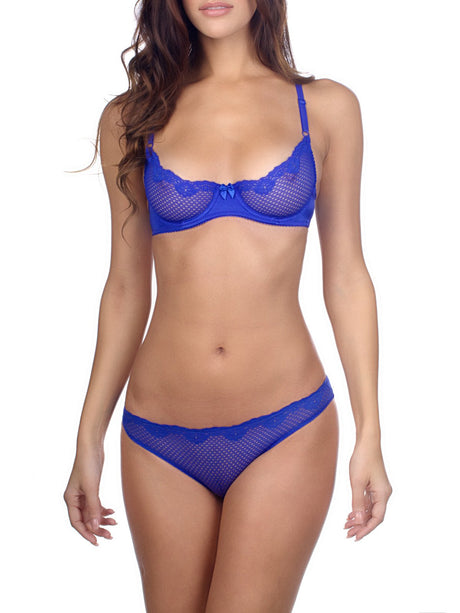
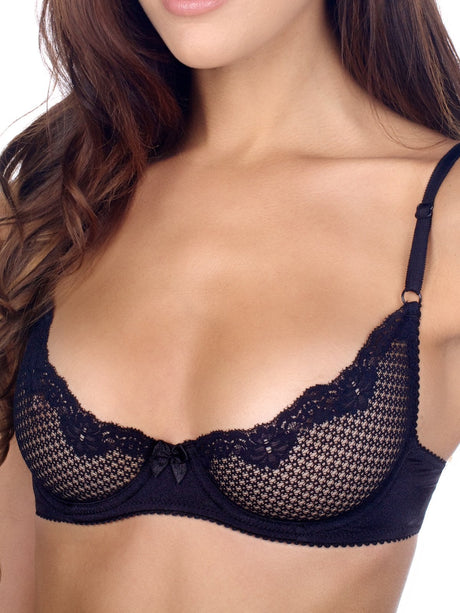
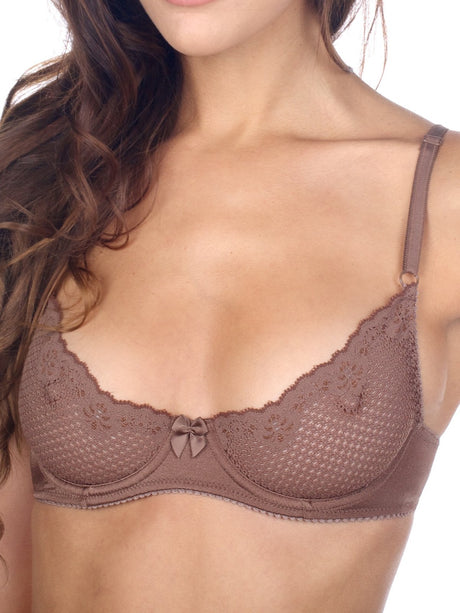







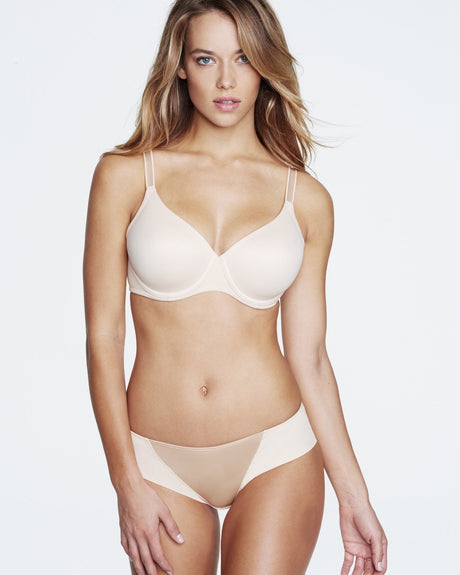


Bras for Small Busts: The Problem Is Usually the Band
If your cup gapes at the top, the instinct is to go down a cup. That fixes it about half the time. The other half, the cup was never the problem.
A small bust is a ratio, not a size. A 28A and a 38A are both A cups and they need completely different bras, because the A refers to the difference between your ribcage and your bust, not to a volume. Below: why gapping happens, the sister-size move that fixes most of it, and which cup shapes hold a shallow bust without padding it into something else.
What are the best bras for a small bust?
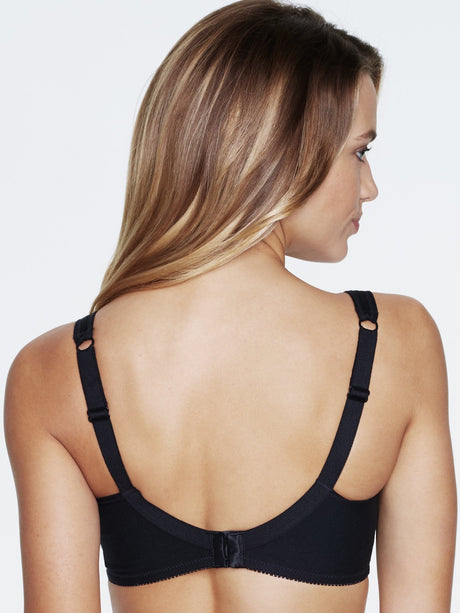
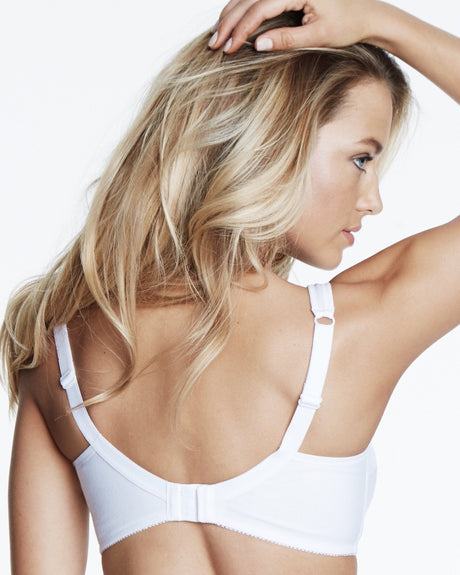
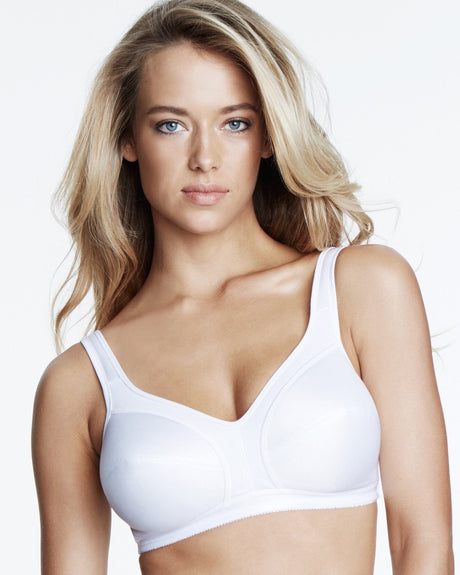
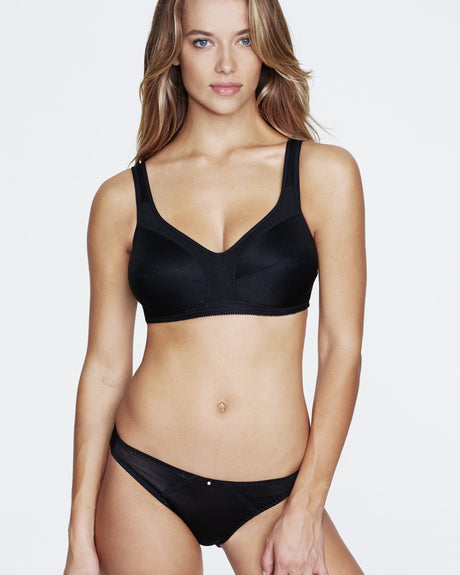
For a small bust, the cup shape matters more than the cup letter, and the band matters more than both. The best styles are contour and molded cups, which hold their own shape so there is nothing to collapse or gape; plunge bras, which bring the cups closer together and suit a narrower root; padded and push-up T-shirt bras if you want added shape; and adhesive or backless bras, which work better on a small bust than on a large one because there is less weight for the adhesive to hold. Avoid unlined and soft-cup styles unless they are cut shallow, since an unlined cup only looks right when it is filled. Most gapping is a band problem: a band that is too loose lets the cups sit away from the chest, and going down a band while going up a cup (34A to 32B) keeps the same cup volume on a firmer band. Bras here run bands 28 to 40. Shop bras for small busts at HauteFlair.
Cup shapes, and which hold a small bust
The letter tells you volume. The shape tells you whether it will fit.
| Cup | How it behaves on a small bust | Verdict |
|---|---|---|
| Contour / molded | Pre-shaped foam holds the cup open whether or not you fill it, so there is no fabric to fold or gape | The most forgiving, and the safest thing to buy online |
| Plunge | Cups angled inward and a low center gore, which suits a narrower root and gives cleavage without padding | Best if your breasts sit close together |
| Padded / push-up | Adds volume at the bottom of the cup and pushes upward. Shape comes from the bra, not from you | Choose it if you want added shape; skip it if you do not |
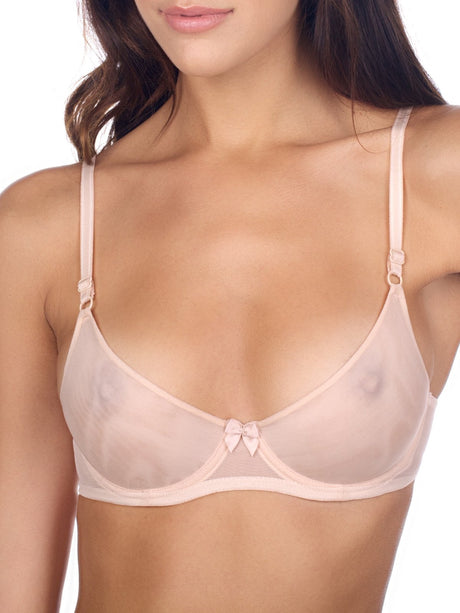
| Demi | Shallow cup covering about half the breast, which is a natural match for a shallow shape | Very good, and the most understated option |
| Unlined / soft cup | Takes its shape from what fills it. On a small bust the top of the cup has nothing to hold it out | Only in a shallow cut. The usual cause of gapping |
| Balconette | Horizontal cut with wide-set straps. Lifts from underneath and leaves the top of the breast open | Works, but check the cup is shallow enough |
If you are buying blind: a contour or molded T-shirt bra. It is the one cup type that cannot gape.
Why the cup gapes, and how to fix it
Four causes, in the order they are worth checking.
| What you see | Likely cause | The fix |
|---|---|---|
| Gap at the top of the cup, band feels fine | Cup is too deep for your shape rather than too large in volume | Same size in a contour, demi or plunge cut rather than unlined |
| Gap, and the band slides round or rides up | Band is too big. Loose band lets the whole cup lift away from the chest | Down a band, up a cup: 34A to 32B. Same cup volume, firmer band |
| Wires sit wide, gap at the inner edge | Cups are set wider than your breast root | A plunge, which angles the cups inward |
| Fits when still, gapes when you move | Straps carrying the load because the band is not | Band again. Straps should be adjusters, not support |
The band test: fastened on the loosest hook, you should fit two fingers under it and no more. If you are already on the tightest hook in a new bra, the band is too big. For measuring, use the Brasize.ai calculator rather than a tape and guesswork.
Find your bra
Pick the card that matches what you want the bra to do.
Nothing should gape
A contour or molded T-shirt bra holds its own shape, so the top edge stays against you whether or not the cup is full.
Shop T-shirt bras →Close-set and want cleavage
A plunge angles the cups inward with a low center, which creates a line without needing padding to do it.
Shop plunge →I want more shape
Padded and push-up cups add volume low in the cup and lift. The shape is the bra's rather than yours, which is the point.
Shop A cup →I want no shaping at all
A bralette or a shallow unlined cup, worn for comfort rather than structure. A small bust is the one that genuinely does not need the wire.
Shop bralettes →Backless or strapless dress
Adhesive and backless styles hold better on a small bust than a large one, because there is less weight pulling on the adhesive.
Shop backless →No wire, all day
Wireless contour and soft-cup styles, including racerback and front-close, for comfort without losing the shaped cup.
Shop wireless →A cup letter is a subtraction, not a size. The A in 28A and the A in 38A describe the same four-inch difference over two completely different ribcages, which is why one bra size never travels.
The HauteFlair StandardThe complete small bust bra guide
What a cup letter means, the sister-size move, cup shapes, adhesive bras, and what to skip.
01 A cup letter is a difference, not a volume
This is the fact that makes everything else make sense, and almost no product page states it.
A cup letter describes the difference between your ribcage measurement and your bust measurement, roughly an inch per letter. An A cup means about a one-inch difference. It does not describe a volume on its own, because the same difference over a bigger ribcage encloses more space.
So a 28A and a 38A are both A cups and are not the same bra. The 38A cup holds noticeably more than the 28A cup, because it is spread over a wider frame. If you have been buying A cups and finding them inconsistent between brands and sizes, this is why. It is not you and it is not sloppy manufacturing.
The practical consequence: when you read advice about small busts, check whether it is about the letter or the frame. Advice aimed at a 36A is often wrong for a 30A. The styles that work for a genuinely shallow bust are about cup depth and shape, which is a different axis from the letter.
02 Sister sizing: the move that fixes most gapping
Sister sizes are bra sizes with the same cup volume on a different band. Go down a band and up a cup, or up a band and down a cup, and the cup holds the same amount.
34A, 32B and 30C are sister sizes. So are 36A, 34B and 32C. If a 34A gapes and the band also feels loose, a 32B is the same cup on a firmer band, and it will usually sit flat where the 34A did not.
Why this works: a loose band does not hold the bra against your chest, so the whole cup tips forward and the top edge lifts away. It reads as a cup problem and it is a band problem. Going down a cup instead makes the cup too small while leaving the real cause in place, which is why that fix only half works.
How to tell which you have. Hold the band firmly against your ribcage with one hand and look again. If the gap closes, the band is your problem and you want the sister size. If it still gapes with the band held tight, the cup is genuinely too deep for your shape, and you want a shallower cut rather than a smaller letter.
03 Contour, plunge, demi: matching the cup to your shape
Once the band is right, the cup cut does the rest. Three things about your shape decide it.
Depth. If your breast tissue sits shallow against the chest rather than projecting, you want a shallow cup: demi, or a contour cut on the flatter side. A deep cup will have empty space at the top no matter what letter it is.
Root width and spacing. If your breasts sit close together, a plunge with a low center gore will fit where a bra with a tall gore pokes. If they sit wide, a balconette or a wider-set cup suits better.
Fullness. Most small busts are fuller at the bottom of the cup than the top, which is exactly what a demi and a balconette are cut for: they cover the bottom and leave the top open rather than trying to fill it.
The single safest online purchase is a contour or molded cup, because the foam holds the cup shape independently of how much fills it. It cannot gape, which removes the main failure mode when you cannot try before buying.
04 Adhesive and backless bras actually work here
This is the one category where a small bust has a straightforward advantage, and it is worth knowing because adhesive bras have a bad reputation earned on larger busts.
An adhesive bra holds by sticking to skin. The force it has to resist is the weight of the breast, and that weight grows fast with cup volume. On a D cup and up, the adhesive is fighting a losing battle and tends to peel away over an evening. On an A or B cup there is far less load, so the same product stays put for as long as you need it.
What that unlocks: genuinely backless dresses, deep-plunge necklines and strapless styles without a band showing anywhere. The range here runs from plain adhesive cups through to adhesive plunge and adhesive push-up versions if you want shape as well as invisibility.
Getting them to hold: apply to clean, completely dry skin with no lotion, oil or sunscreen, and press for a few seconds rather than smoothing. Wash the adhesive surface with a fingertip and cool water after wear and air dry it face up; most are reusable many times if you do that and ruined quickly if you do not. See backless bras.
05 What to skip, and what the range actually carries
Skip deep unlined cups. An unlined cup is shaped by what fills it, so on a shallow bust the upper cup collapses or stands away. Unlined is not off the table, but it needs to be cut shallow, and a sheer unlined demi is a very different thing from a sheer unlined full cup.
Skip minimizers. They exist to redistribute volume you do not have, and they are deliberately excluded from this page.
Be careful with heavy push-up if what you want is to look like yourself. It works, it just works by adding a lot of foam, and there is a point where the bra is the shape rather than you.
What is here. Bands run 28 to 40, which matters because a 28 or 30 band in an A cup is genuinely hard to find and it is where most small-bust fit problems get solved. The depth is in contour and molded T-shirt bras, then plunge and push-up, then sheer lace unlined demi cuts, strapless and multi-way, wireless and front-close, nursing, and the adhesive and backless family. Brasize.ai will get you to a starting size before you choose a cut.
Small bust bra FAQ
The questions shoppers ask most.
What are the best bras for a small bust?
Contour and molded cups first, because they hold their own shape and cannot gape. Then plunge bras if your breasts sit close together, padded or push-up if you want added shape, and demi cups if you want something understated. Avoid deep unlined and soft cups, which only look right when they are filled.
Why does my bra cup gape at the top?
Usually the band, not the cup. A loose band does not hold the bra against your chest, so the whole cup tips forward and the top edge lifts away. Hold the band firmly against your ribcage and look again: if the gap closes, you need a smaller band, and the sister size 34A to 32B keeps the same cup volume. If it still gapes, the cup is too deep for your shape and you want a shallower cut.
Is a 28A the same as a 38A?
No, and this is the most useful thing to know. A cup letter describes the difference between your ribcage and your bust, roughly an inch per letter, not a fixed volume. The same one-inch difference over a 38 inch ribcage encloses noticeably more than over a 28 inch one, so a 38A cup holds more than a 28A cup even though both are A cups.
What is sister sizing?
Bra sizes that share the same cup volume on a different band. 34A, 32B and 30C are sister sizes, as are 36A, 34B and 32C. Going down a band and up a cup gives you the same cup on a firmer band, which is the standard fix when a cup gapes and the band feels loose at the same time.
Should I go down a cup size if my bra gapes?
Only if the gap persists when you hold the band tight against your ribcage. Otherwise going down a cup makes the cup too small while leaving the real cause, a loose band, in place. Try the sister size first: down a band and up a cup. If the cup is genuinely too deep for your shape, a shallower cut in the same size works better than a smaller letter.
Do adhesive bras work on a small bust?
Better than on a large one, which is the opposite of most bra advice. Adhesive holds by sticking to skin, and the load it resists is the weight of the breast. On an A or B cup there is far less weight, so the same product stays put all evening where it would peel on a D cup and up. Apply to clean dry skin with no lotion or oil.
What is the best bra for a backless dress with a small bust?
An adhesive or stick-on bra, and this is the use case where a small bust has the advantage. There is no band and no strap to show anywhere. Adhesive plunge and adhesive push-up versions exist if you want shape as well as invisibility, in sizes A to D.
What bra makes a small bust look bigger?
A padded push-up, which adds foam low in the cup and lifts, or a plunge, which brings the cups inward to create a center line without adding volume. The plunge is the subtler of the two because the shape is still yours. Both are worth trying before a heavily padded style, which works but makes the bra the shape rather than you.
Can I wear a bralette with a small bust?
Yes, and a small bust is the one that genuinely does not need the wire for support. A bralette gives you comfort and a soft shape with no structure to fit wrongly. The trade-off is that it will not create lift or a defined shape, so keep a contour bra as well for anything fitted.
What band sizes do small bust bras come in?
Bands here run 28 to 40. The 28 and 30 bands matter most, because a small bust on a narrow ribcage is where fit problems concentrate and where most retailers stop at a 32. Several styles offer a 28 band in an A cup, which is genuinely hard to find.
Should I avoid unlined bras with a small bust?
Avoid deep unlined cups. An unlined cup takes its shape from whatever fills it, so on a shallow bust the top of the cup collapses or stands away. Shallow unlined cuts are fine: a sheer unlined demi behaves completely differently from a sheer unlined full cup, even in the same size.
Are minimizer bras ever right for a small bust?
No. A minimizer redistributes volume across the chest to reduce projection, which only does something if there is volume to redistribute. They are deliberately excluded from this collection.
How do I find my bra size?
Measure your ribcage snugly under the bust for the band, and around the fullest part for the bust, then take the difference for the cup. Rather than doing that from memory, use the Brasize.ai calculator, which handles the sister-size and shape questions as well. Then check the band on your current bra: on the loosest hook you should fit two fingers under it and no more.
Fit guidance here is general and shapes vary between people and between makers, so the same size can behave differently from one style to the next. Check the individual product description and size chart before buying, and use the linked size calculator as a starting point rather than a final answer. Style, size and color availability reflect current stock. Last reviewed October 2026.
Shop bras for small busts
A cup contour, plunge, padded T-shirt, demi, strapless, wireless and adhesive styles, in bands 28 to 40.