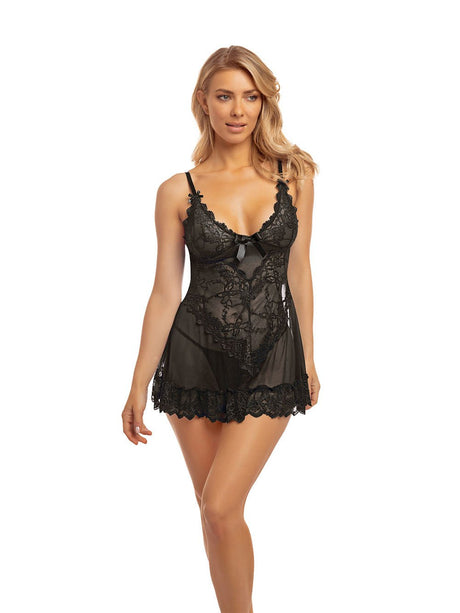
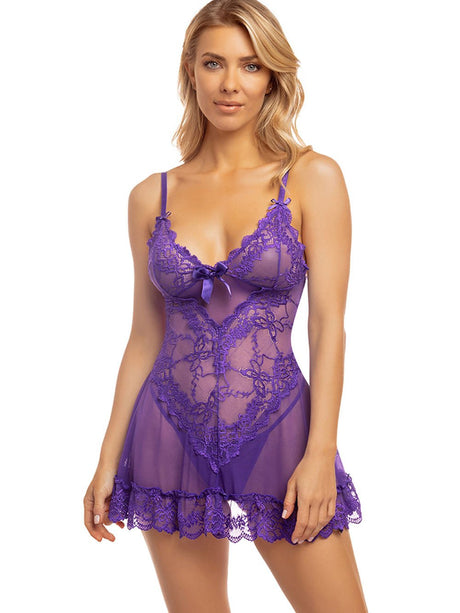
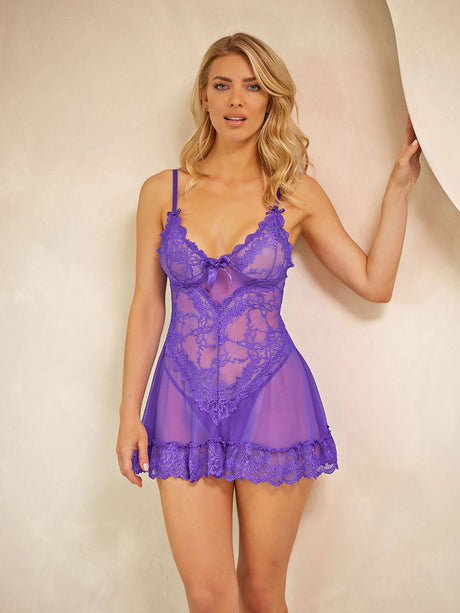
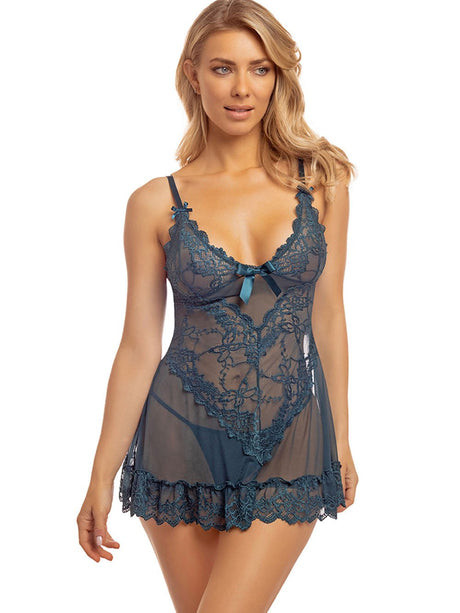
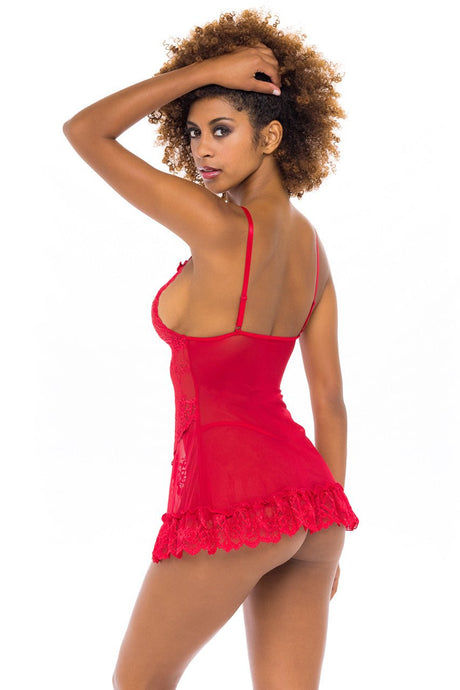
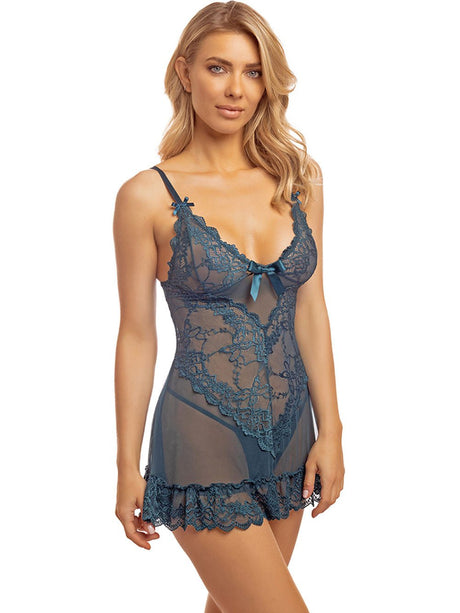
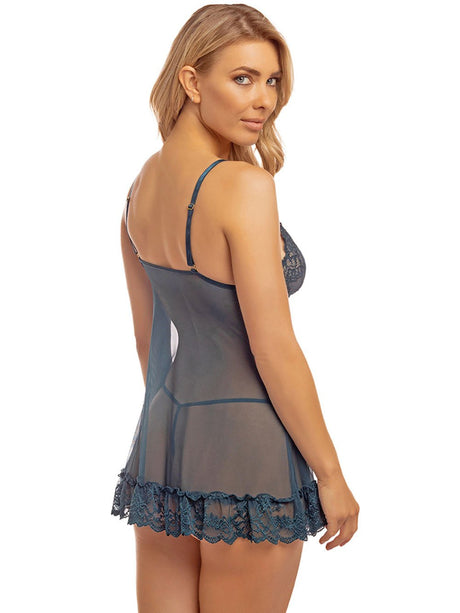
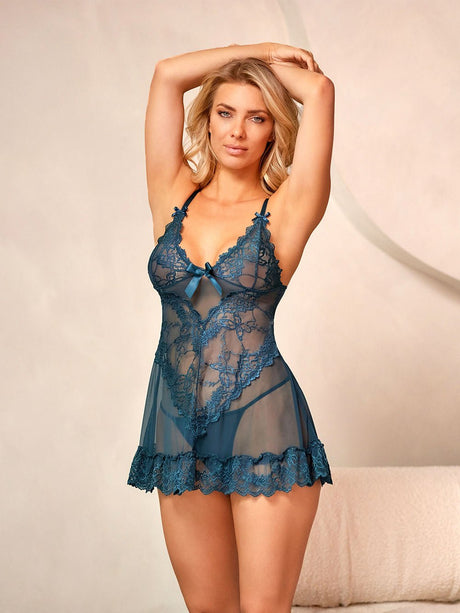
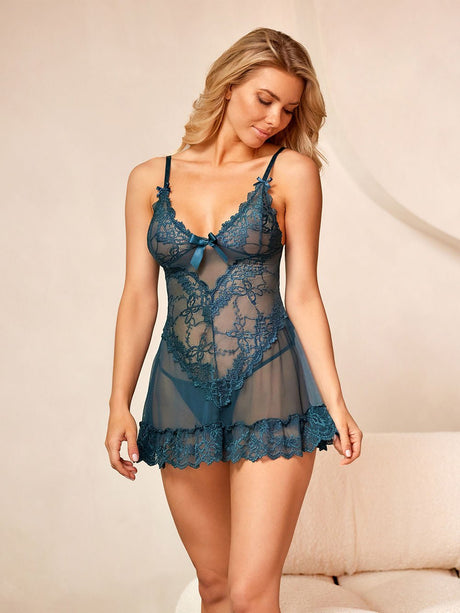
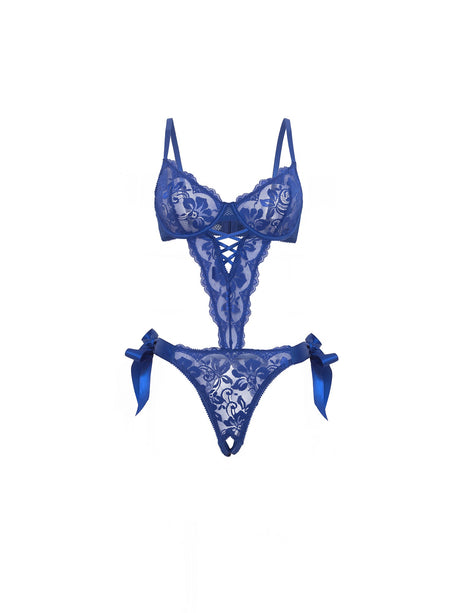
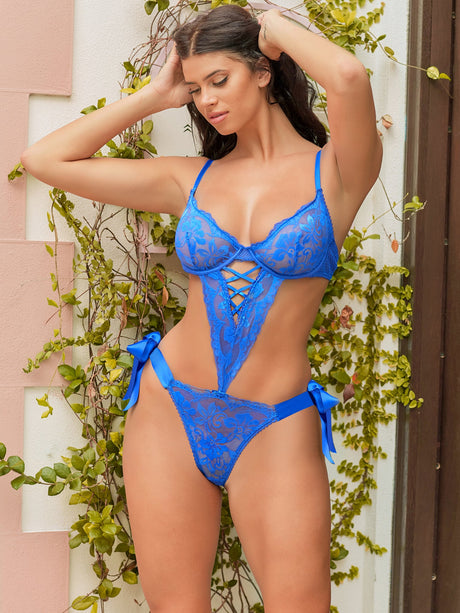
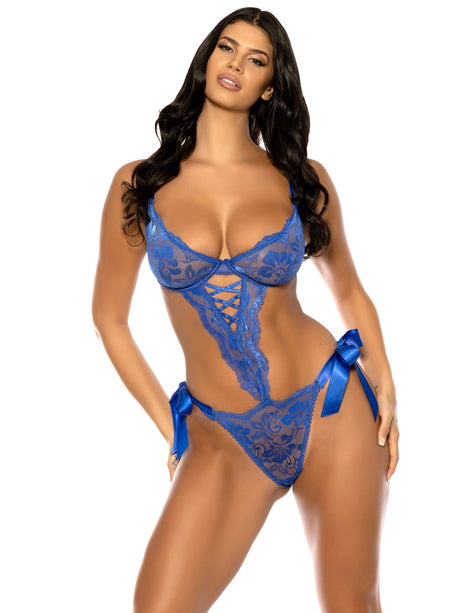
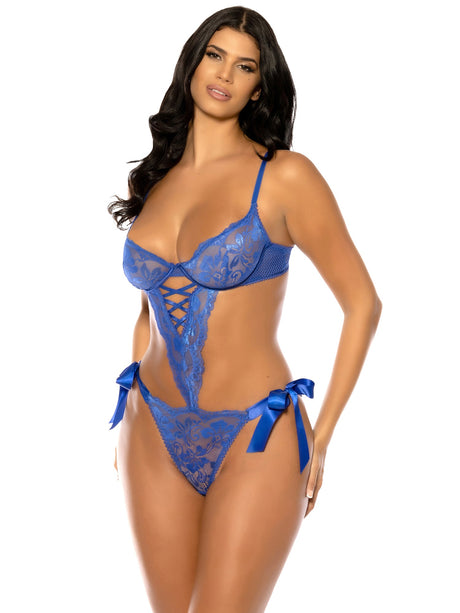
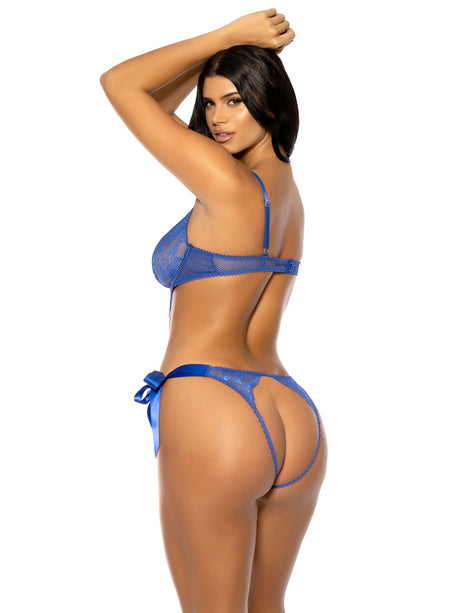
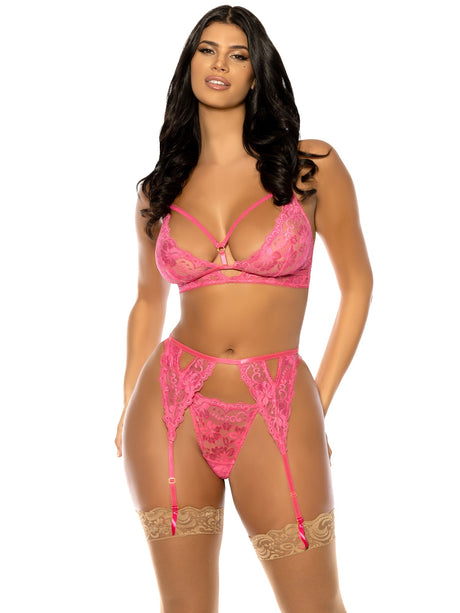
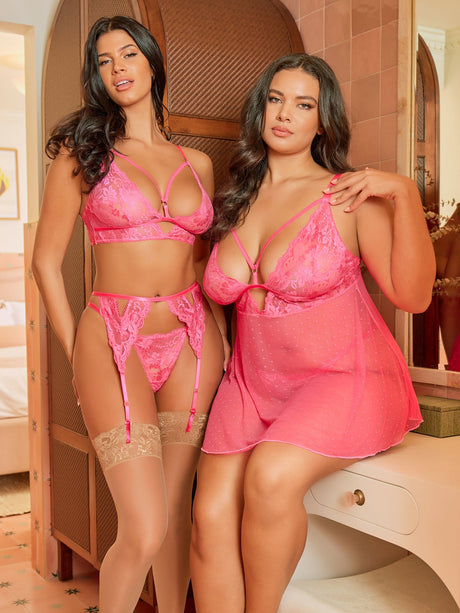
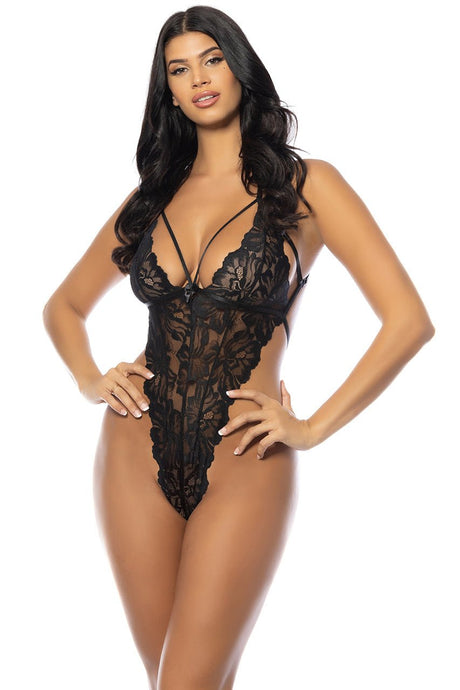
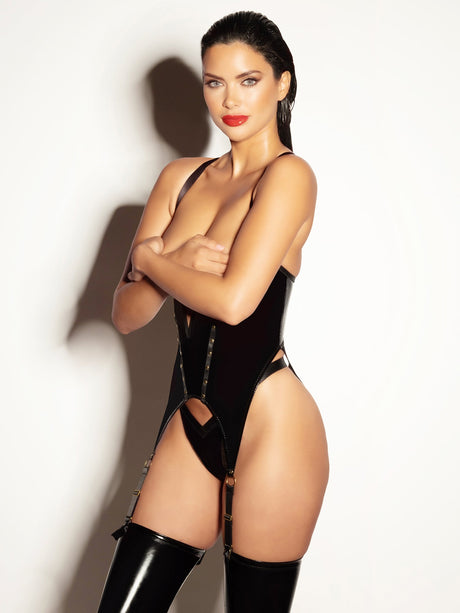
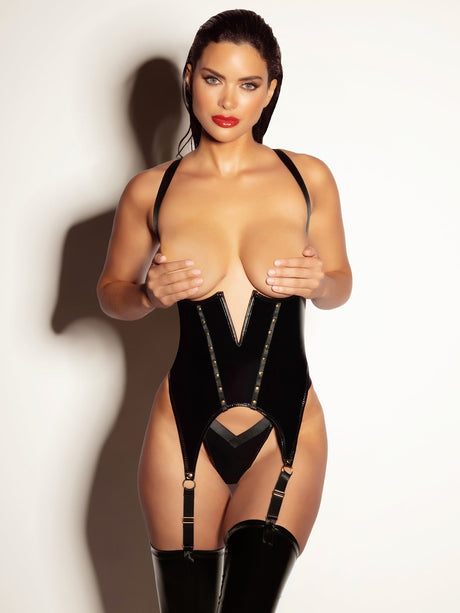
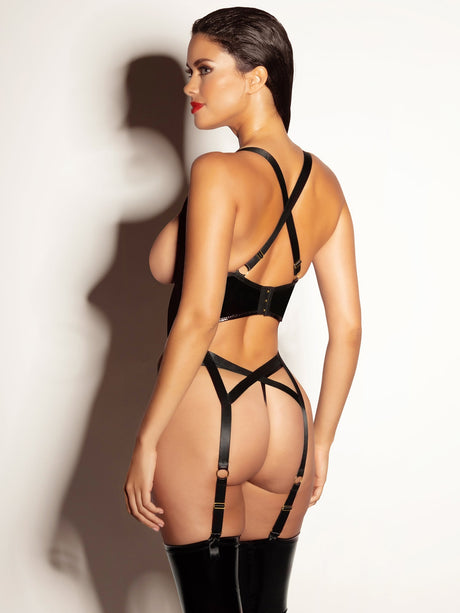
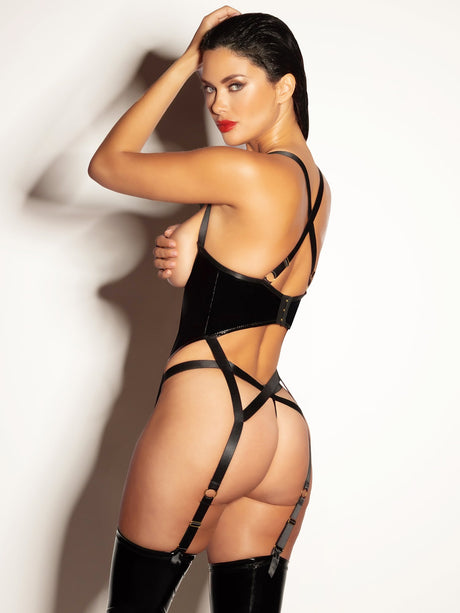
What does DDD mean in bra sizes?
DDD is a US cup size representing a six-inch difference between your bust measurement and your band measurement. It sits one cup above DD, and in most US ranges the next cup up is G, because DDDD is uncommon.
The same cup is labeled E in UK sizing and F in EU sizing. So a 36DDD, a 36E and an 80F are the same cup on three different labels. This matters more than it sounds, because a great many brands sold in the US are labeled with UK sizing, and a shopper who knows she wears 36DDD will walk straight past the 36E that fits her.
One more thing worth saying immediately. DDD is a cup size, not a breast size. The six-inch difference is measured against the band, so a 30DDD and a 40DDD share a letter and hold substantially different volumes. The letter on its own describes a ratio. The band and cup together describe the size.
DDD is the point where bra sizing stops being a single system and becomes three systems wearing the same clothes.
Once you know that DDD, E and F can all mean the same cup, most of the confusion disappears and the size range roughly triples.
- DDD is a six-inch bust-to-band difference. One cup above DD.
- US DDD = UK E = EU F. Same cup, three labels.
- After DDD comes G in most US ranges, since DDDD is rare.
- 36DDD = 34G = 38DD. Sister sizes, same cup volume.
- The band decides what the letter means. 30DDD and 40DDD differ a lot.
- Four construction features matter from DDD up. They stop being optional.
- Re-measure every 6 to 12 months. Band change changes everything.
Why US and UK Sizing Part Ways Above DD
The divergence is the source of nearly all DDD confusion, and it has a simple cause.

Through a D cup, every major system agrees. A one-inch difference is an A, two is a B, three is a C, four is a D. A US D, a UK D and an EU D are the same cup.
At five inches the first crack appears. The US and UK both call it DD. The EU calls it E, because EU sizing uses single letters throughout and never doubles them.
At six inches the US and UK part company too. Faced with needing a name for the next cup up:
- The US repeated the letter again and called it DDD, continuing the doubling convention that produced DD.
- The UK moved to a new letter and called it E, having already used DD for the step below.
- The EU moved on as well, to F, being one letter ahead since the DD step.
So six inches is DDD in the US, E in the UK and F in the EU, and all three describe an identical garment. From there the sequences run in parallel but permanently offset, which is why the confusion compounds rather than resolving as sizes go up.
A large share of bras sold in the US are made by brands that use UK sizing on the label, particularly full-bust specialists. If you know you wear 36DDD and you filter a site for DDD, you will not see the 36E bras that fit you perfectly well. Searching both labels roughly doubles what is available to you, and at full-bust sizes availability is the binding constraint more often than fit is.
The Conversion Table
The reference to bookmark. Find your bust-to-band difference on the left and read across.
| Difference | US | UK | EU | Shop |
|---|---|---|---|---|
| 4 inches | D | D | D | D cup |
| 5 inches | DD | DD | E | DD cup |
| 6 inches | DDD | E | F | DDD cup |
| 7 inches | G | F | G | G cup |
| 8 inches | H | FF | H | H cup |
| 9 inches | I | G | I | Plus size |
Two rows deserve a second look. The seven-inch row is where the US usually skips DDDD entirely and jumps to G, which means a US G and a UK F are the same cup. And the nine-inch row shows how far apart the labels have travelled by then: a US I and a UK G describe the same garment.
A minority of charts label US DD as UK E, which shifts everything above it by one letter and would make DDD a UK F. The convention used here, where US DD equals UK DD and US DDD equals UK E, is the one used on our own bra size conversion chart and by most full-bust brands. If a specific brand's chart disagrees, the brand's own chart wins, because it reflects how that manufacturer actually cut the garment.
DDD, E and F Cup Bras
Shop all three labels and roughly triple what is available to you at the six-inch difference.
DDD CupE CupF CupAre You Actually a DDD?
Two measurements and one subtraction. It takes about two minutes and it is the only reliable route.
- Measure your band. Wrap a soft tape around your ribcage directly under the bust, level all the way round and pulled snug. Round to the nearest even number. Add nothing to it.
- Measure your bust. Around the fullest part, parallel to the floor, resting rather than compressing. Wear an unlined bra or none at all, since a padded cup adds to the reading.
- Subtract the band from the bust. Six inches is a DDD. Five is a DD, seven is a G in US sizing.
| If your difference is | You are a | Also labeled | Shop |
|---|---|---|---|
| 5 inches | DD | UK DD, EU E | DD cup |
| 6 inches | DDD | UK E, EU F | DDD cup |
| 7 inches | G | UK F, EU G | G cup |
The three checks that confirm it
Measuring gives you a starting point. The garment confirms it, and these are the signs you are in the right cup:
- No spillage at the top or the underarm. Tissue escaping over the upper edge or out toward the arm means the cup is too small, regardless of what the tape said.
- No wrinkling or gaping at the upper edge. Empty space in the cup means too large, or a shape mismatch rather than a size error.
- The center gore lies flat against your sternum. If it floats, either the cup is too small or the wire is too narrow for your breast root.
Older guidance said to add four or five inches to your underbust measurement to get the band. That advice is obsolete and it produces exactly this problem. An inflated band gives you a band two sizes too big, and because the cup is calculated as the difference, it also gives you a cup letter two sizes too small. This is how a genuine 34DDD ends up wearing a 38DD and wondering why nothing fits. Measure the ribcage, round to the nearest even number, add nothing.
Sister Sizes, Worked Through
The most useful practical tool in bra sizing, and the one most often explained badly.
Cup volume is a ratio between band and bust, which has a useful consequence: you can change the band and keep the volume, as long as you move the cup letter the opposite way.
Go down one band and up one cup and the volume stays roughly the same. Go up one band and down one cup and the same applies. Those are sister sizes.
| Your size | Tighter band, same volume | Looser band, same volume | Shop |
|---|---|---|---|
| 30DDD | 28G | 32DD | 30DDD |
| 32DDD | 30G | 34DD | 32DDD |
| 34DDD | 32G | 36DD | DDD cup |
| 36DDD | 34G | 38DD | 36DDD |
| 38DDD | 36G | 40DD | 38DDD |
| 40DDD | 38G | 42DD | 40DDD |
When to use them
- Your size is out of stock. The most common reason, and the sister size is a genuine substitute rather than a compromise.
- The brand's band runs tight or loose. If a 36 band in one brand feels like a 34 elsewhere, move to the sister size rather than abandoning the brand.
- The band rides up but the cup fits. Go down a band and up a cup: 36DDD becomes 34G. Same volume, a band that anchors.
- The band digs but the cup fits. The reverse: 36DDD becomes 38DD.
A sister size keeps cup volume constant, not cup shape. The wire on a 34G is narrower than the wire on a 36DDD, because it is drafted for a smaller frame. So if your breast root is wide, going down a band may fix the band and create a wire problem. Sister sizing is a useful adjustment within a size or two, not an unlimited substitution.
Why the Band Decides What DDD Means
This is the concept that makes the rest of bra sizing make sense, and it is why the cup letter alone tells you so little.

A DDD cup is a six-inch difference. But six inches measured around a 30-inch ribcage and six inches measured around a 40-inch ribcage do not enclose the same amount of space, because the arc they span is longer on the larger frame.
The rough working figure is that each band size up adds roughly twenty percent to cup volume at the same letter. Which means a 40DDD holds substantially more than a 30DDD, and the gap across the full band range is large.
Two consequences follow, and both are practical:
Saying you are a DDD does not describe your breasts. It describes a proportion. Two people who both wear DDD can have visibly different volumes, and both are correctly sized.
Going up a band without going down a cup makes the cup bigger. If your 36DDD band feels tight and you buy a 38DDD, you have not just loosened the band, you have also added roughly twenty percent of cup volume. That is why the cup then gapes, and why the correct move is 38DD rather than 38DDD.
People who size up for band comfort and keep the same cup letter often conclude that the brand runs large or that their size changed. Neither happened. They bought a bigger cup as well as a bigger band, because at a fixed letter the cup scales with the band. Change one, compensate on the other.
Every DDD Band Size
The same cup letter across six bands, with what tends to matter most at each.
Every DDD Band in Stock
Plus the E and F cup equivalents, so you see everything that fits rather than everything labeled DDD.
Shop 36DDD38DDDE CupWhat to Look For in a DDD Bra
From DDD upward, four construction features stop being preferences and start being requirements.

Brands that draft their patterns from D upward build these in as standard rather than adding them to a graded-up B cup pattern. The difference is noticeable at DDD and usually decisive by G, which our guide to bra brands by house shape covers in detail.
Common DDD Fit Problems
Five complaints that come up repeatedly at this size, and what each one actually means.
| What you notice | What it means | What to try |
|---|---|---|
| Band rides up at the back | Band too loose | Down a band, up a cup: 36DDD to 34G |
| Straps dig into shoulders | Band too loose, straps carrying load | Fix the band first, not the straps |
| Tissue escapes at the underarm | No side support panel | A seamed cup with an angled side panel |
| Cup gapes at the top, fits elsewhere | Shape mismatch, not size | Seamed cup or stretch upper edge |
| Center gore floats off the sternum | Cup too small, or wire too narrow | Up a cup first, then a wider wire |
| Deep marks on the ribcage | Band genuinely too tight | Up a band, down a cup: 36DDD to 38DD |
The pattern worth noticing: three of these six are band problems, and two more are resolved by changing cup construction rather than cup size. Very few DDD fit complaints are solved by simply going up or down a letter.
Shopping DDD Across Brands
Why your correct size still fits differently from one label to the next.
Bra sizing is not standardized. No regulatory body enforces consistency between manufacturers. The measurements behind a size are fixed, but each brand decides how much volume to allocate at that label and, more importantly, what shape to build it in.
Every brand drafts around a house shape: a particular wire curvature and width, a cup depth relative to width, a band firmness, a gore height. That shape repeats across the whole range, which is why people who find a brand that works stay with it for years and why an identical 36DDD elsewhere can feel completely wrong.
Three practical rules
- Search both labels. DDD and E describe the same cup. Filtering only one halves what you see, and at full-bust sizes availability is usually the binding constraint.
- Check the brand's own chart rather than a general one. It reflects how that manufacturer actually cut the garment.
- If a size fails, change construction before changing size. A seamed cup, a molded cup and a stretch-edge cup tell you far more than three sizes in the same style.
The single most useful thing a DDD shopper can learn is that DDD and E are the same cup. It roughly doubles the range available to them, and almost nobody tells them.
HauteFlair Fit Team
What This Means for You
DDD is a six-inch difference between your bust and your band. In UK sizing that same cup is an E and in EU sizing it is an F, so searching all three labels shows you everything that fits rather than everything labeled DDD.
The band decides what the letter means, because cup volume scales with band size. That is why a 30DDD and a 40DDD are genuinely different sizes, and why going up a band without going down a cup gives you a bigger cup as well as a looser band.
Sister sizes are the tool for that: down a band and up a cup, or up a band and down a cup, keeping volume constant. 36DDD, 34G and 38DD all hold roughly the same amount.
And from DDD up, construction stops being optional. A firm deep band with four hook rows, seamed cups, an angled side support panel and wide straps set close to the center back are what make the size work.
DDD Bras, Bands 30 to 40
Seamed cups, side support panels and four hook rows, in DDD, E and F labeling.
Shop DDD BrasAll BrasFind Your SizeFrequently Asked Questions
What does DDD mean in bra sizes?
Is DDD the same as F?
Is DDD the same as E?
What comes after DDD in bra sizes?
How do I know if I am a DDD?
What are the sister sizes for 36DDD?
Is DDD a large bra size?
Why do my DDD bras fit differently in different brands?
What should I look for in a DDD bra?
Why does my band ride up in DDD bras?
Can I wear a DD bra if I measure DDD?
Does DDD mean the same thing in every country?
What is the difference between DDD and DDDD?
Why is my cup gaping at the top in a DDD?
Do I need a full-bust brand at DDD?
How often should I re-measure at DDD?
This article covers bra sizing conventions and garment fit and is for informational purposes only. Cup labeling conventions vary between manufacturers and a minority of charts differ from the one used here; the brand's own size chart is the most reliable guide for any specific garment. Home measurements are a starting point rather than a guarantee. Any new or unexplained change in breast size, shape, skin or sensation should be discussed with a doctor.