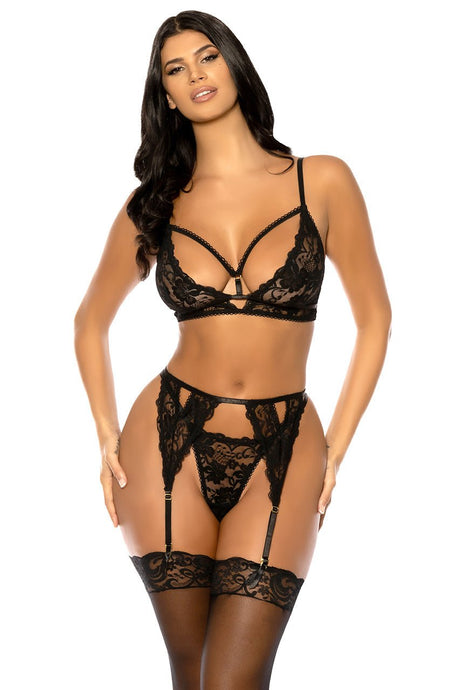
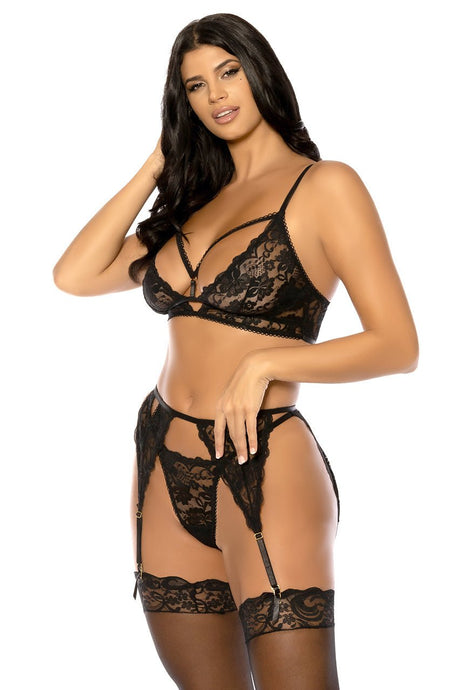
Every type of bikini, in one answer
A bikini is a two-piece swimsuit, and its type is defined on two axes: the top style and the bottom's coverage. Tops range from triangle and halter to bandeau, balconette, high-neck and bralette. Bottoms run, from most to least coverage, high-waisted, classic, Brazilian, thong, G-string, and the minimal tiny and micro cuts. Choosing well means matching both halves, a top shape and a coverage level, to your shape and the occasion.
Once you can name a top shape and a coverage level separately, the whole category becomes easy to navigate, and mixing the two is where personal style lives. This guide maps every top style, every bottom cut from fullest to briefest, how to choose for your shape, and how to care for the ties so a favorite lasts.
For one-pieces, tankinis, swim dresses and every other style, see our guide to the types of swimsuits.
- Two axes define every bikini: the top style and the bottom's coverage. Read them separately.
- Top styles: triangle, halter, bandeau, balconette, high-neck and bralette.
- Bottoms, most to least coverage: high-waisted, classic, Brazilian, thong, G-string, then tiny and micro.
- Triangle is the most adaptable top: classic, sliding, fixed, padded and bralette versions.
- Mixing tops and bottoms lets you match support up top to coverage below.
- Care: tie even bows, never double-knot, untie after each wear, rinse cool and dry flat.
What Are the Different Bikini Top Styles?
The main bikini tops are triangle, halter, bandeau, balconette, high-neck and bralette. They differ mainly in how they sit on the bust and how much lift, coverage and adjustability they offer, so the right one is really a question of support and neckline, not fashion alone.
| Top style | What it is | Tends to suit |
|---|---|---|
| Triangle | Two triangular cups on ties or a slim band: the definitive bikini shape, in classic, sliding, fixed, padded and bralette variations. | Adjustable fit, minimal tan lines, small to medium bust |
| Halter | Cups that tie or fasten behind the neck, taking weight off the shoulders. | Lift and support for a fuller bust |
| Bandeau | A straight strapless band across the bust, often with a removable strap. | Even tan lines, smaller bust, off-shoulder looks |
| Balconette | Structured, wider-set cups with a more horizontal neckline for shaping. | Shaping and gentle cleavage, fuller bust |
| High-neck | A crew-style neckline with more chest coverage and a sporty, modern line. | Coverage on top, athletic styling |
| Bralette | A soft, wireless pullover cut with a natural, relaxed shape. | Everyday comfort, small to medium bust |
Only some of these sit in a collection of their own. The triangle bikini and its close cousin the string bikini are the most searched top styles, so they each have a home. Halter, bandeau, balconette and high-neck are shapes you'll find woven throughout the range rather than filed separately.

Classic, sliding and fixed triangle tops: what's the difference?
All three share the triangle silhouette but handle the cups differently. A classic (string) triangle threads its cups on ties, so you can slide them along the string to adjust width and coverage. A sliding triangle leans into that movement for a customized fit. A fixed triangle stitches the cups in place for a cleaner, more predictable line, often with light padding or push-up. If you value adjustability, go string; if you want it to stay put, go fixed.
Support comes from the band and the neckline, not the cup shape. A fuller bust usually feels more secure in a halter or a fixed, molded triangle than in a loose sliding-string version; a smaller bust can wear bandeau and classic triangle styles freely. When in doubt, choose the top that stays put when you raise your arms.
What Are the Bikini Bottom Cuts, From Most to Least Coverage?
From fullest to briefest, bikini bottoms run high-waisted, classic, Brazilian, thong, G-string, and then the tiny and micro cuts. The scale is really about how much of the seat is covered and how wide the sides sit. Front coverage changes far less than the back.

The most useful distinction to hold onto sits in the middle of the ladder: Brazilian, thong and G-string all reduce the back, by degrees. A Brazilian keeps a scooped strip across the lower seat: cheeky, not bare. A thong removes that strip for an open back. A G-string narrows it to a thin string. Front coverage stays similar across all three; only the back changes.
How Do I Choose a Bikini for My Body Type?
Match support to the bust and balance to the hips. Four considerations settle almost every decision, and none of them is a rule, just a reliable starting point.
Lead With the Bust
If you want lift and security, a halter or a fixed, padded triangle gives more than a loose sliding-string version. A fuller bust is best served by structure: a firmer band, adjustable neck ties, or molded cups. A smaller bust can enjoy bandeau, bralette and classic triangle shapes freely.
Balance the Proportions
Pairing a fuller bottom with a simpler top, or a bolder top with a fuller bottom, keeps proportions easy. High-waisted bottoms draw the eye up and lengthen the leg, which is why they flatter almost every shape.
Choose the Coverage You'll Forget You're Wearing
The best coverage level is the one you stop thinking about after five minutes. If you'll be active, a classic or Brazilian bottom stays put; if sunbathing and tan lines are the priority, step down the ladder toward tiny and micro.
Mix and Match on Purpose
Because many cuts share the same sizing logic, you can buy the top that supports your bust and the bottom that gives the coverage you want, with no compromise on either. Solid, coordinated tones make a mixed pairing read as deliberate. Two-piece swimwear is built for exactly this.

"Stop shopping for 'a bikini.' Shop for a top shape and a coverage level, then let the two meet however you like. That's where personal style actually lives."
HauteFlair Editorial Team
How Do I Care for a String Bikini So It Lasts?
Treat the ties gently and rinse promptly. The habits that ruin a string bikini fastest are double-knotting and leaving it damp. Both stretch and weaken the fabric over time. A simple routine keeps the drape and color intact for years.
- Tie even bows. Balanced tension keeps the ties and seams from stressing on one side.
- Never double-knot. It stretches the ties and strains the stitching where they attach.
- Untie after each wear rather than pulling the piece off still knotted.
- Rinse cool, then dry flat in the shade, and skip the wringing, the hot water and the dryer.

Three things do the most damage to swimwear: heat (hot water and the dryer break down elastane), chlorine, salt and sunscreen left to sit (rinse them out promptly), and rough contact (snags from pool edges, Velcro and coarse towels). Avoid all three and a good bikini keeps its stretch and shape season after season.
Frequently Asked Questions
What is the most flattering bikini type?
What's the difference between a bikini and a swimsuit?
What is the most popular bikini style?
What bikini bottom gives the most coverage?
What's the difference between Brazilian, thong and G-string bottoms?
Are triangle bikinis good for a larger bust?
What is a bralette bikini top?
How do I keep a string bikini from stretching out?
What's the difference between a micro and a tiny bikini?
Can you mix and match bikini tops and bottoms?
This guide is editorial. Cut names, coverage, and fit vary across brands and individual pieces, so always check the specific product page for fit and size notes. Fit guidance reflects general best practices for two-piece swimwear. Last reviewed: August 9, 2026.